

Currently reading: How much does company car tax cost?

You don’t need to be an accountant to wrap your head around Benefit-in-Kind tax. Here’s what you need to know.

Finding the right car for your needs and budget is never an easy task, but if you’re lucky enough to be one of the UK’s 840,000 company car drivers then that decision can also have a massive impact on your tax bill too.

Company cars have been a top-tier workplace perk for decades. They’re a tool of the trade for jobs with regular travel needs and very attractive for employees – who get a brand new, fully maintained car, paid for by the business, but available for them to use outside work hours. 

Naturally, there is a cost. His Majesty’s Revenue & Customs (HMRC) classes company cars as a ‘Benefit-in-Kind’ (BiK for short), which a term for any perks provided on top of your salary. And, just like the rest of your pay packet, they’re taxable.

The amount of company car tax you’ll pay depends on the vehicle you choose and how much you earn. But, beneath the jargon, it’s relatively easy to figure out how much it’ll cost, and what steps you can take to keep a lid on your bills. 

How does company car tax work?

Company car tax isn’t a linear system in the UK, and there are a few factors that can significantly alter the amount you’ll pay. 

HMRC assigns what’s called a ‘taxable value’ to every company car, which is a percentage of the list price based on its tailpipe CO2 emissions and, for plug-in hybrids (PHEVs), how far it can drive on battery power. 

The list price (known as the P11d) includes optional extras, VAT and delivery charges but not the registration fee or the first year of vehicle excise duty (VED, or road tax). It’s also fixed for life, so it doesn’t reflect discounts for new cars and there’s no driver incentive to opt into a used one.
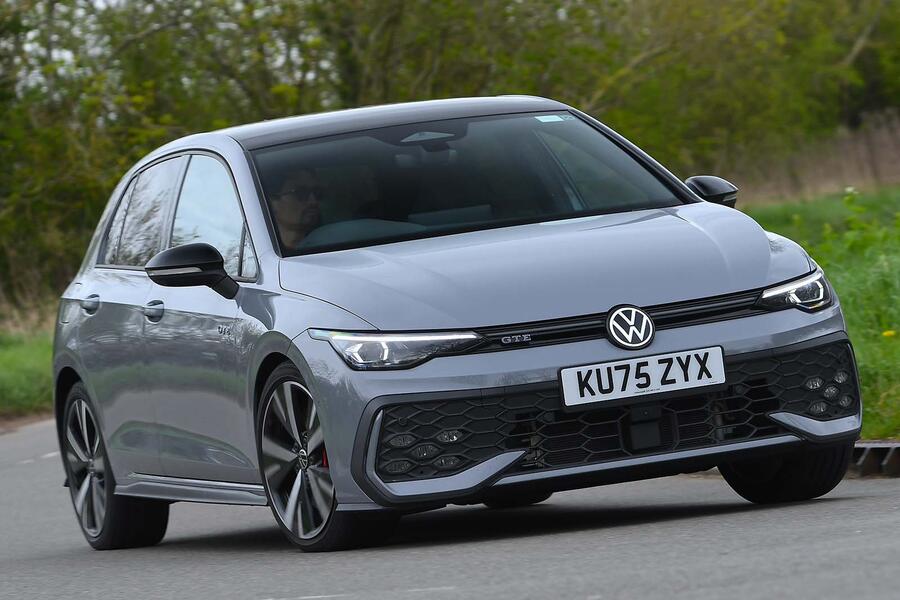
Drivers then pay BiK on that taxable value at the same rate as their income – typically 20%, 40% or 45% in England, Wales and Northern Ireland (Scotland has its own rates). For example, a 20% income taxpayer would be liable for 20% of their vehicle’s taxable value each year, split into instalments and recovered from their monthly wages.

In short, the cheaper the vehicle and the less CO2 it emits, the lower your tax bill. 

Which tax band does my company car fit into?

You’ll need two pieces of information for this; CO2 emissions at the tailpipe and, if you’re considering a PHEV, the electric range. Most manufacturers and leasing companies have online configurators which will give the exact figures you need. If not, ask your fleet manager.

Back to top

It’s important not to be precise. All new cars are tested on a spec-by-spec basis, which means both figures can be affected by options such as larger wheels, bodykits and even panoramic sunroofs. In some cases, this can nudge different versions of the same vehicle into higher tax bands.

Those figures will place your company car into one of the 28 tax bands in the following table, which gives you the percentage used to calculate its taxable value. Rates normally increase by 1% point each April, at the start of the new financial year.

CO2(g/km) Electricrange(miles) Company car tax band
2026-27 2027-28 2028-29 2029-30
0 N/A 4% 5% 7% 9%
0-50 >130 4% 5% 18% 19%
0-50 70-129 7% 8% 18% 19%
0-50 40-69 10% 11% 18% 19%
0-50 30-39 14% 15% 18% 19%
0-50 <30 16% 17% 18% 19%
51-54   17% 18% 19% 20%
55-59   18% 19% 20% 21%
60-64   19% 20% 21% 22%
65-69   20% 21% 22% 23%
70-74   21% 21% 22% 23%
75-79   21% 21% 22% 23%
80-84   22% 22% 23% 24%
85-89   23% 23% 24% 25%
90-94   24% 24% 25% 26%
95-99   25% 25% 26% 27%
100-104   26% 26% 27% 28%
105-109   27% 27% 28% 29%
110-114   28% 28% 29% 30%
115-119   29% 29% 30% 31%
120-124   30% 30% 31% 32%
125-129   31% 31% 32% 33%
130-134   32% 32% 33% 34%
135-139   33% 33% 34% 35%
140-144   34% 34% 35% 36%
145-149   35% 35% 36% 37%
150-154   36% 36% 37% 37%
155g+   37% 37% 37% 37%

Although list price makes a difference, that system heavily favours vehicles with the lowest CO2 emissions. It’s hardly surprising that company car drivers led the ‘dash for diesel’ in the early 2000s, or that they are now moving, en masse, to PHEVs and battery electric vehicles (EVs). 

For context, HMRC’s latest data shows there were 120,000 more company car drivers in 2023/24 than in 2020/21, when it reintroduced ultra-low bands for plug-in vehicles. Almost two thirds of all company cars (62%) are EV or PHEV, but the incentives are beginning to shift.

What are the BiK costs for an electric company car?

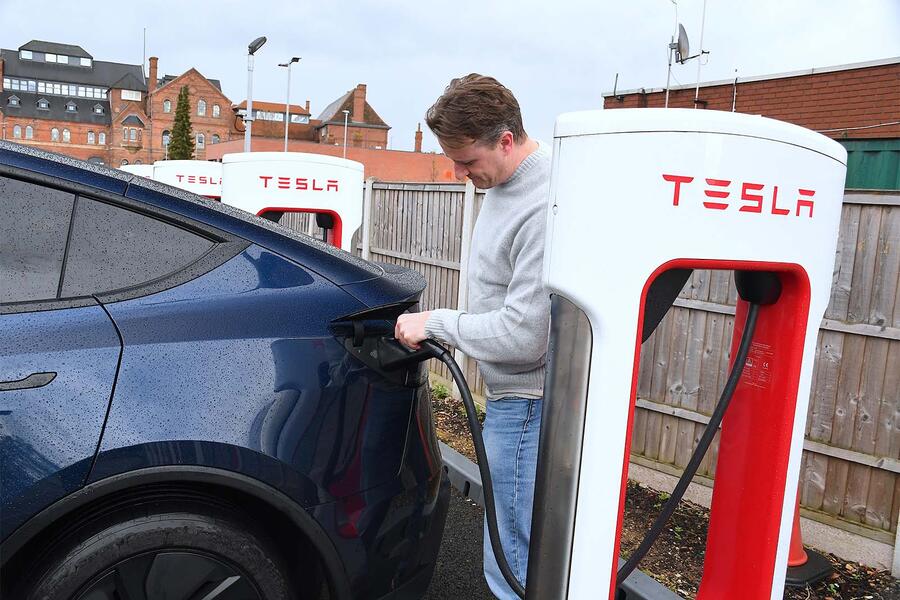
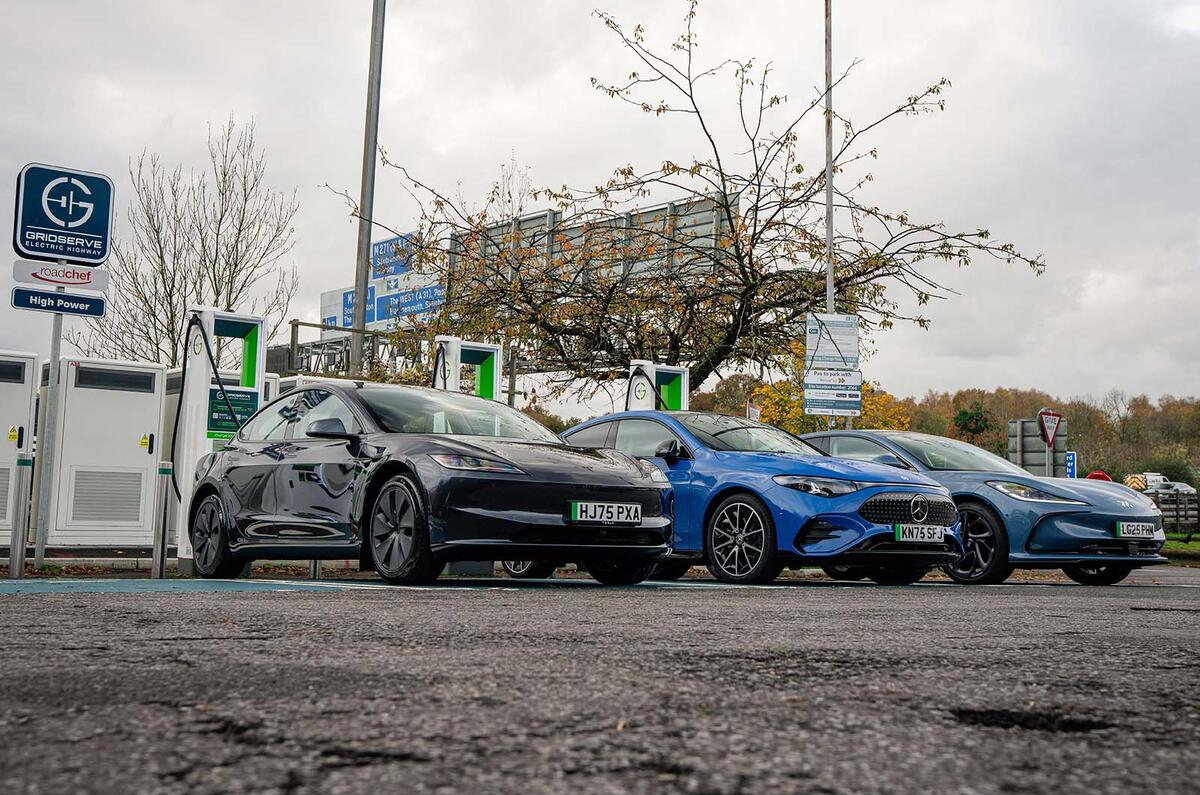
With zero tailpipe emissions, electric company cars fall into the lowest 4% band. That’s enough to not only offset their typically higher list price, but to cut drivers’ tax bills by around 80% compared to an equivalent petrol or diesel car. 

Back to top

Rates are set to rise by 1% point in 2027/28 and then 2% in the next two tax years. Although that’s faster than any other vehicle type, they’ll still comfortably undercut even the best-performing hybrids over a three-year contract. 

What are the BiK costs for a hybrid company car?

PHEVs are second only to EVs for low CO2 emissions and have similarly favourable tax rates. However, with damning reports about the gap between real-world performance and brochure figures, those incentives are being wound down.

There are five company car tax bands for PHEVs emitting 50g/km CO2 or less. Cars that can travel more than 130 miles are taxed at the same rate as EVs (currently 4%), but no such vehicles exist. Most can travel between 40 and 60 miles to a full charge, so fall into the 10% band.

However, the entire system is about to change. All PHEV bands will increase by 1% point in 2027/28, before being replaced with a single 18% rate the following year, regardless of their electric range, which offers a much smaller incentive compared to other vehicles. Then that rate rises to 19% in 2029/30.

PHEVs over 50g/km and ‘self-charging’ hybrids (the type that can’t be plugged in) are taxed the same as a petrol or diesel company car – with bands based entirely on their CO2 emissions. 

Back to top

What are the BiK costs for a petrol or diesel company car?

The tax outlook for regular petrol and diesel cars is a bit more stable. Rates are currently frozen until April 2028, then they’ll go back to 1%-point yearly increases in 2029 and 2030.

There are a couple of exceptions. Vehicles emitting 75g/km or less don’t have a rate freeze, while diesel cars that aren’t compliant with the latest Real Driving Emissions 2 (RDE2) standard – which requires on-road pollutant output to almost match laboratory testing – get a 4%-point surcharge. However, RDE2 compliance been mandatory since January 2021, so it’s unlikely that most company car drivers would need to pay it.

What are the BiK costs for a company van?

It’s less common, but some businesses will allow drivers to use vans outside work hours. They’re taxed on a much simpler system than cars, with a flat taxable value of £4,170, regardless of CO2 emissions, or £0 if they are electric. Both are cheaper than an equivalent size car.

However, HMRC recently changed the rules for double-cab pickups (which have two rows of seats and four doors) claiming it was a loophole. If they’re registered or have changed hands since April 2026, then they’re taxed based on their CO2 emissions, just like a car, which has led to much higher bills for drivers. Older pickups are taxed as vans until April 2029.

Back to top

Company car tax bill examples

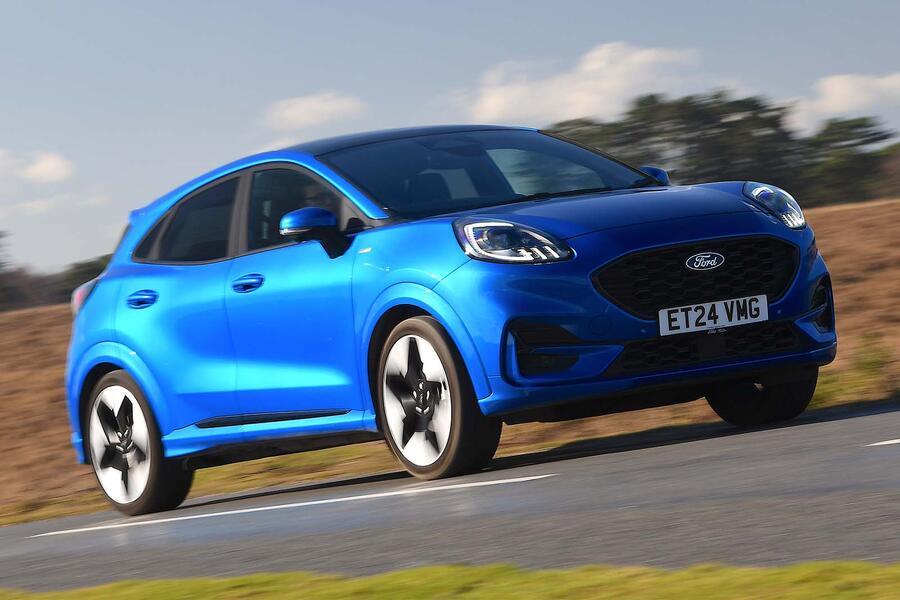
Ford Puma 1.0 EcoBoost Titanium (125PS) 

P11D price: £26,610CO2 emissions: 122g/km 2026/27 BIK rate: 30%Taxable value: £7,983Basic-rate taxpayer (20%): £1,597 annual BIK chargeHigher-rate taxpayer (40%): £3,193 annual BIK charge

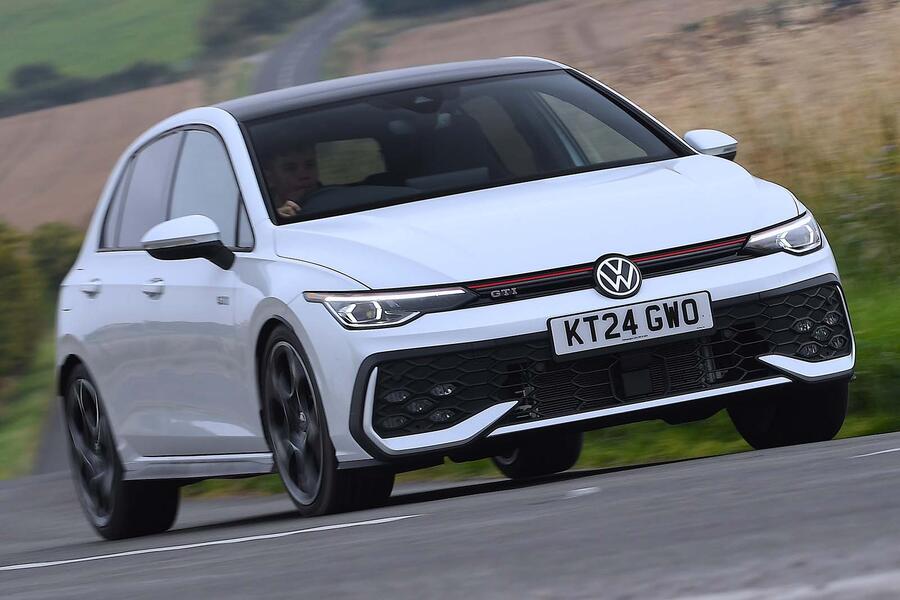
Volkswagen Golf GTI 

P11D price: £40,395CO2 emissions: 160g/km 2026/27 BIK rate: 37%Taxable value: £14,946Basic-rate taxpayer (20%): £2,989 annual BIK chargeHigher-rate taxpayer (40%): £5,978 annual BIK charge

Back to top

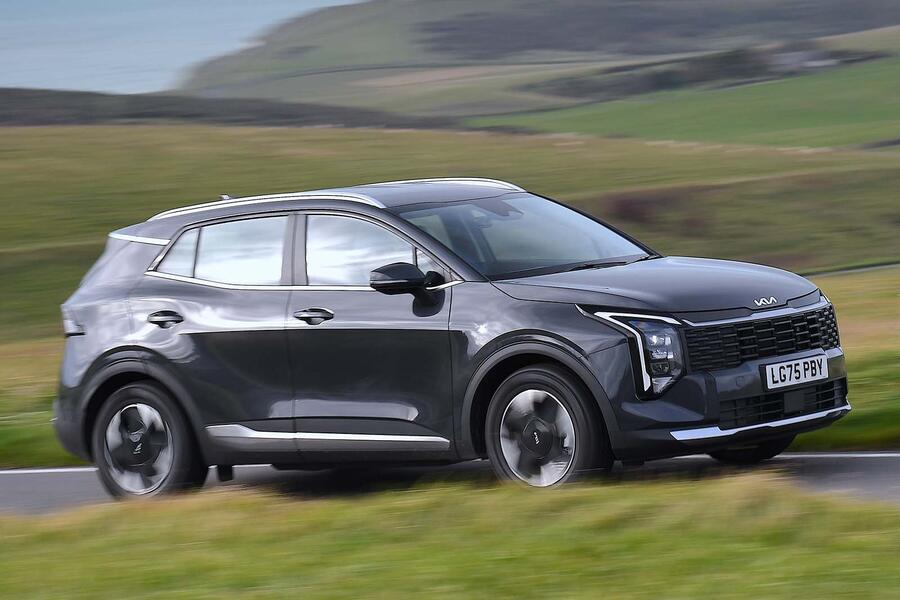
Kia Sportage GT-Line Hybrid

P11D price: £36,685CO2 emissions: 128g/km 2026/27 BIK rate: 31%Taxable value: £11,372Basic-rate taxpayer (20%): £2,274 annual BIK chargeHigher-rate taxpayer (40%): £4,549 annual BIK charge

Volkswagen Tiguan 2.0 TDI Match

P11D price: £40,550CO2 emissions: 142g/km 2026/27 BIK rate: 34%Taxable value: £13,787Basic-rate taxpayer (20%): £2,757 annual BIK chargeHigher-rate taxpayer (40%): £5,515 annual BIK charge

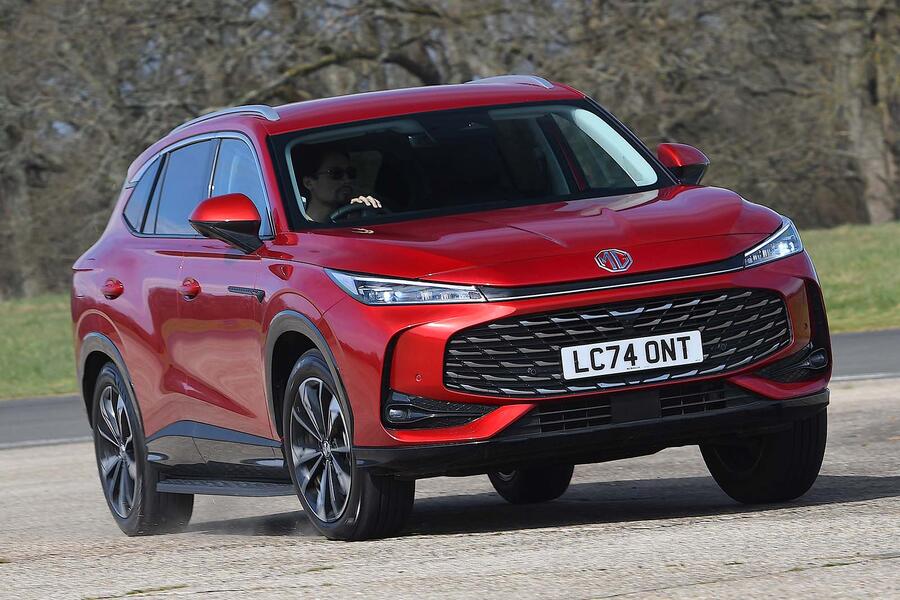
MG HS Trophy PHEV

P11D price: £34,825CO2 emissions: 12g/km (75-mile EV range)2026/27 BIK rate: 7%Taxable value: £2,438Basic-rate taxpayer (20%): £488 annual BIK chargeHigher-rate taxpayer (40%): £975 annual BIK charge

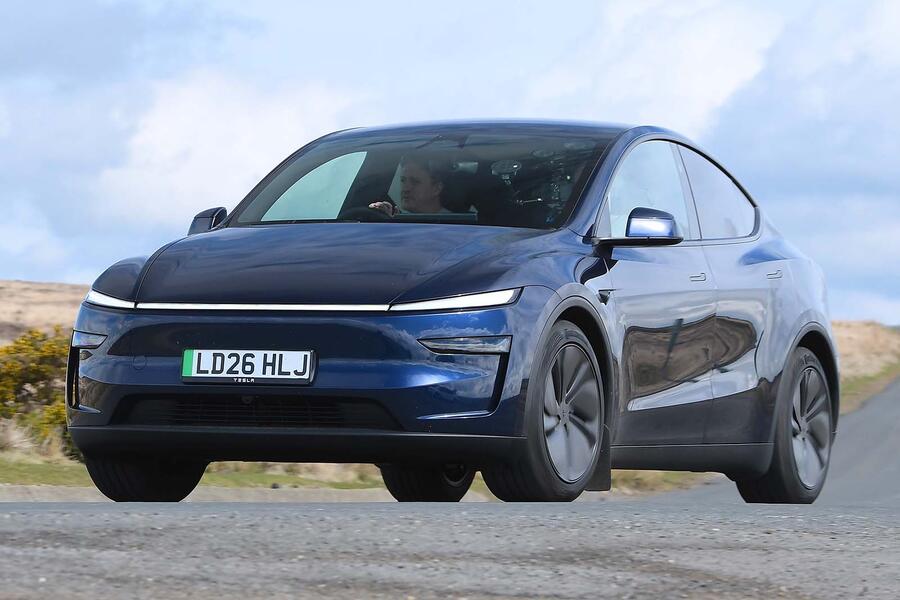
Tesla Model Y Premium Long Range 

P11D price: £48,925CO2 emissions: 0g/km 2026/27 BIK rate: 4%Taxable value: £1,957Basic-rate taxpayer (20%): £391 annual BIK chargeHigher-rate taxpayer (40%): £783 annual BIK charge

Join our WhatsApp community and be the first to read about the latest news and reviews wowing the car world. Our community is the best, easiest and most direct place to tap into the minds of Autocar, and if you join you’ll also be treated to unique WhatsApp content. You can leave at any time after joining - check our full privacy policy here.