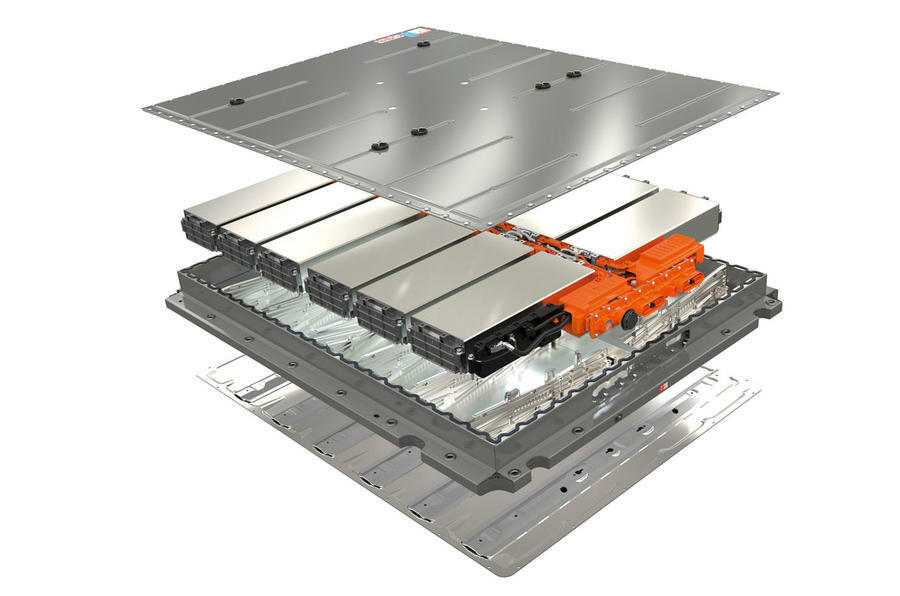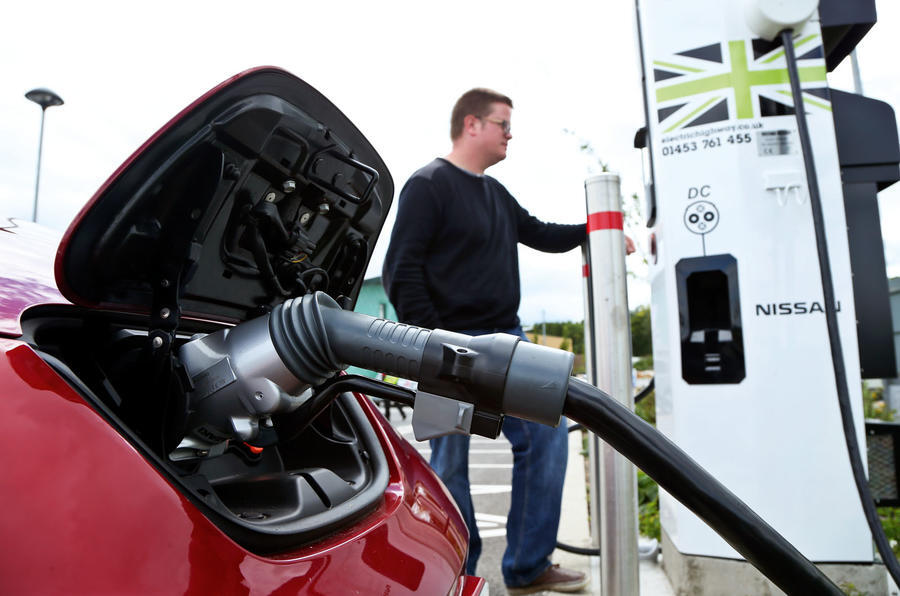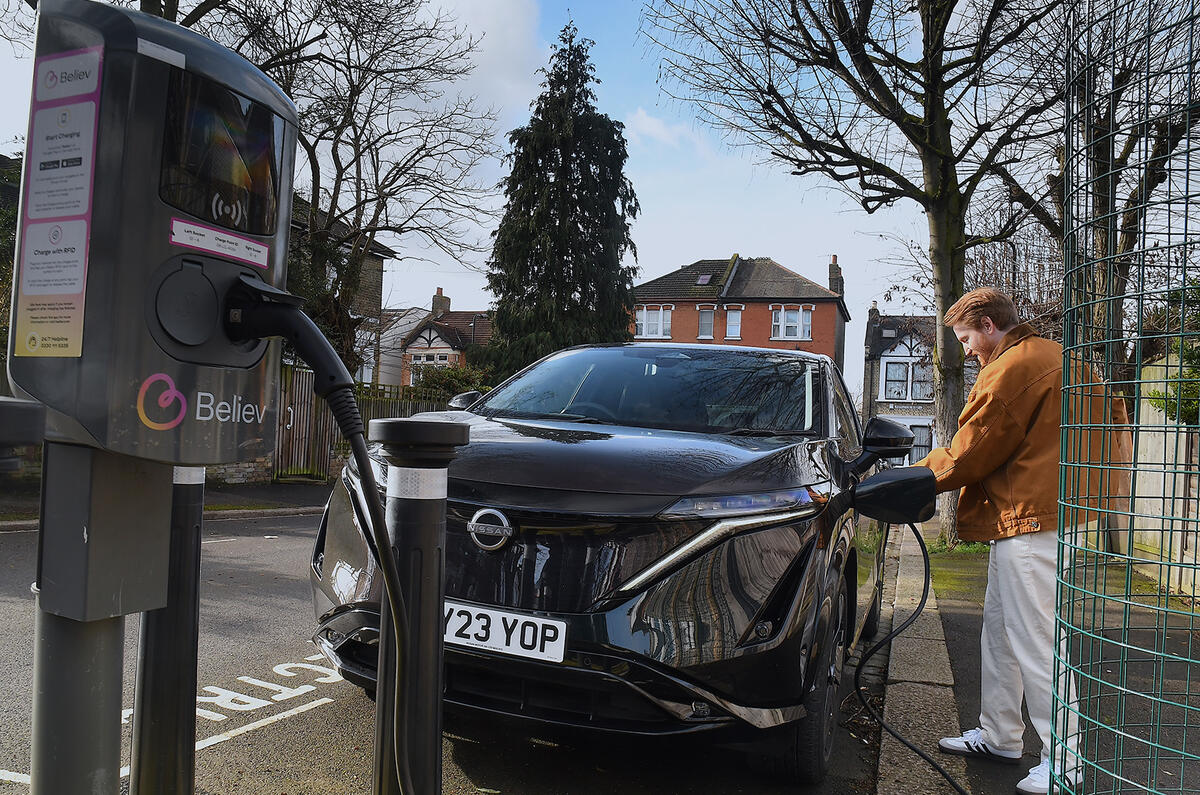


For many car owners, the electric car represents an entirely new way of driving and brings with it many queries and worries. One of the largest concerns is how long the battery life is on an electric car.
You may well have read horror stories about electric car owners facing hefty bills for replacements or contemplating cutting their losses on cars that are otherwise worthless because they literally don't work.
And it’s not hard to see where these rumours and anecdotes come from, because our extensive experience of mobile phones, tablets and laptop computers has shown many that, even over a relatively short period of time, the batteries powering them can quickly lose efficiency, resulting in the need for more frequent charging.
In extreme cases, the degradation is so severe that the device won’t even fire up unless it’s permanently on charge, which is obviously no use for an EV.
There’s also no denying that battery technology doesn’t come cheap, and should the cells ever need replacement, it’s quite likely that they will cost more to swap than the car is now worth - which is why we tend to replace mobile phones in their entirety rather than replace the battery pack.
Battery swapping stations, where depleted electric car batteries can be changed for fully charged ones in mere minutes, are beginning to crop up in Europe and may offer an answer to battery life queries.
But how bad is the electric car battery problem really? The good news is that the more electric cars that are out there and the longer they are run for, the more evidence is produced to show that the power pack will often last the lifetime of the car.
Better still, there are plenty of tips and strategies you can follow to make sure your car’s batteries will survive better than most.
Battery life for electric cars
Generally, electric car batteries last for as long as the rest of the car. But like with your phone or laptop battery, they degrade over time.
Ultimately, the cells should still have at least 70% of their capacity even after 200,000 miles, which is the sort of mileage that few cars ever reach, whether they’re combustion-engined or electric.
As an example, a number of Tesla Model S taxis operating from Gatwick airport racked up more 300,000 miles each over three years and all retained at least 82% battery health.
Why does an electric car battery lose charge or degrade?
The truth is that batteries degrade over time and with use, meaning they become less efficient as they age and provide a shorter range.
Continual advances in battery technology mean that issues surrounding degradation of performance are being reduced all the time. However, even the latest lithium ion cells aren’t completely immune to losing performance over time, with a number of factors playing a role.
Perhaps the biggest single contributor to the decline in efficiency is the cycle of use and charging. Frequent draining of the cells followed by a full charge can over time damage the battery’s ability to maintain its optimum energy storage. That's why manufacturers typically recommend charging only to 80% and never letting the range drop to zero miles.