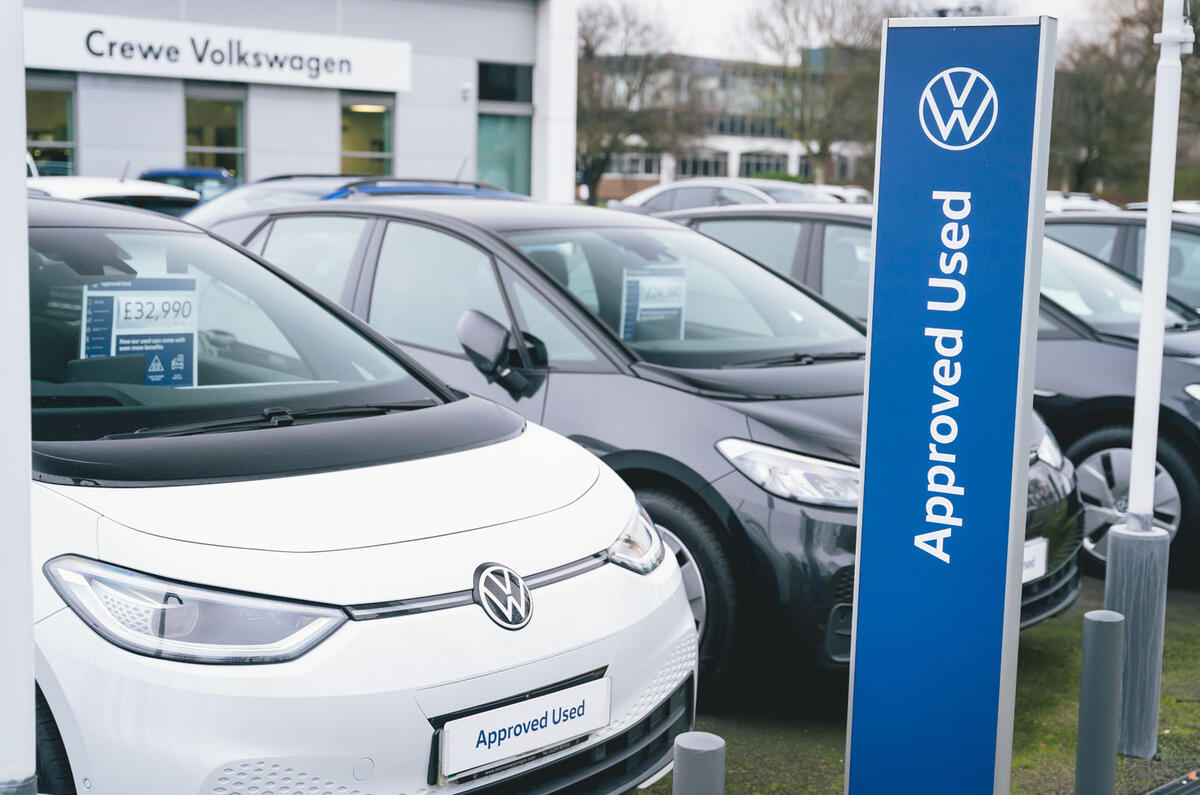
Rising fuel prices, sparked by the war in the Persian Gulf, and falling energy costs have led to a spike in sales for used EV, dealers have told Autocar.
The wholesale cost of crude oil has risen by more than a third since the first US strikes hit Iran on 28 February. This has pushed diesel prices in the UK up by an average of 40p per litre and petrol by 20p – both records for monthly increases, according to the RAC – which has piled more pressure on households battling the increased cost of living.
Since those price rises began, leads on Autotrader for EVs have increased by 28% for new cars and 15% for used. “When people feel that traditional fuel is vulnerable to global events, the appeal of electric becomes far stronger, so the conflict is acting as a significant catalyst for EV interest across the UK market,” said Ian Plummer, Autotrader’s chief customer officer.
Indeed, dealers have told Autocar that they are recording an increase in EV sales. One of them is Browns of Richmond, a used EV dealership in North Yorkshire, where enquiries have doubled and sales have increased by 60%.
READ MORE: Why have fuel prices risen - and what could bring them down?
Owner Fraser Brown said: “Normally we would have four or five sales staff available on a Saturday, and five or six customers at any one time. But last Saturday the showroom was so full that we had 15 or 16 customers queuing outside the door all day long – all of them wanting to buy a car.”
As well as worries over rising fuel costs, Brown believes this surge in interest is also being driven by a “perfect storm” of factors, including newly lowered home energy costs and more choice of EVs in the used market.
“If you compare the cost of a three-year old ICE vehicle to a BEV, the BEV is now cheaper,” he said. “Secondly, lower energy tariffs, which kick in today [1 April], have brought down the cost of home charging, while the VAT on public charging is also expected to be reduced from 20% to 5%, making that cheaper too. Coupled with high petrol and diesel prices, this is a tipping point.”
Similar trends are being reported by larger dealer groups. Used car supermarket group Motorpoint said March was a record-breaking month for EV sales.
CEO Mark Carpenter said used EVs have now reached price parity with petrol and diesel equivalents, with many models becoming cheaper, helping to drive growing interest among buyers.
With household budgets being squeezed, Carpenter expects motorists will continue to look beyond the list price when shopping for their next car, with everything from “insurance premiums to road tax costs factoring into their decision making”.
However, previous spikes in EV interest haven’t always led to lasting increases in sales. Figures from the Society of Motor Manufacturers and Traders (SMMT) show battery-electric cars made up just over 23% of new car sales in 2025. That share is expected to rise but remains below government targets (33% this year).
But there are still signs that interest in EVs is growing. Pod, one of the UK’s leading EV charging providers, told Autocar that enquiries related to home chargers increased by 59% in March.
CEO Melanie Lane said the rise in interest also reflects changes to charging costs and energy tariffs. “When you see fuel price volatility coincide with growing access to flexible energy tariffs that lower the cost of charging at home, it reinforces that electrification can actually give households better control and predictability over their energy costs,” she said.
Lane added that this could be more than a short-term spike. “What we’re seeing now is consumer behaviour catching up with that reality,” she said. “That shift has the potential to be lasting rather than temporary if the sector and government continue to build confidence, invest in infrastructure and support drivers through the switch to electric.”