Currently reading: New Cupra Born driven: Useful updates for a likeable class leader

New look and overhauled cockpit boost the appeal of a fine-driving EV with genuine dynamic nous

The unveiling last week of the heavily overhauled Volkswagen ID 3 'Neo' was touted as such a landmark moment for the German brand that it seems a little strange to be getting our first taste of the significant updates in its Catalunyan cousin.

The facelifted Cupra Born, though, quietly came first, setting the tone for a wide-reaching revamp of all electric cars based on the VW Group's MEB platform - and we've now driven it in top-spec, sporting-flavoured VZ trim ahead of its UK arrival in a few weeks. 

Like the Volkswagen – to which it is very closely related – the Born has been treated to an extensive mid-life zhuzh-up that aims to address some of its most obvious pitfalls while boosting kerb appeal and strengthening its (already decently commendable) EV performance attributes.

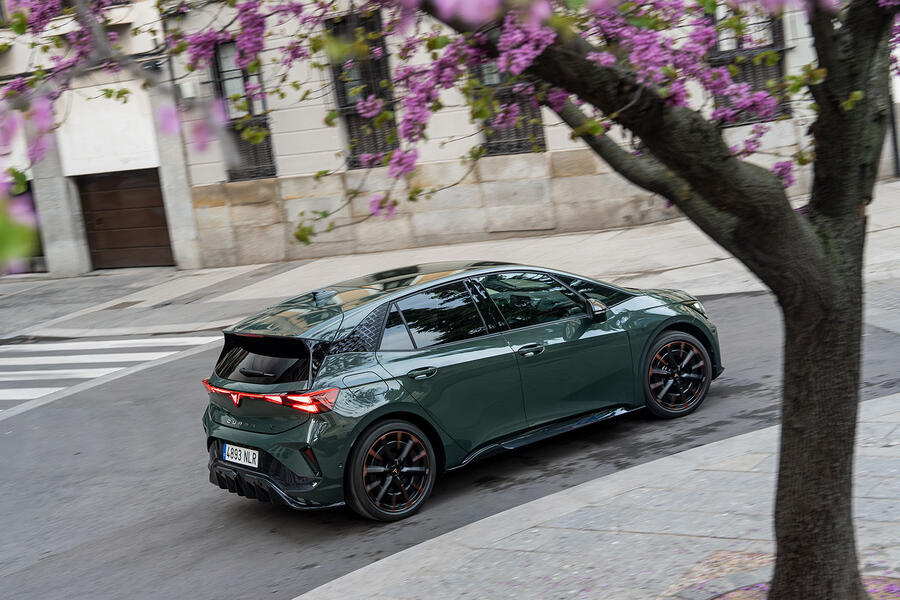
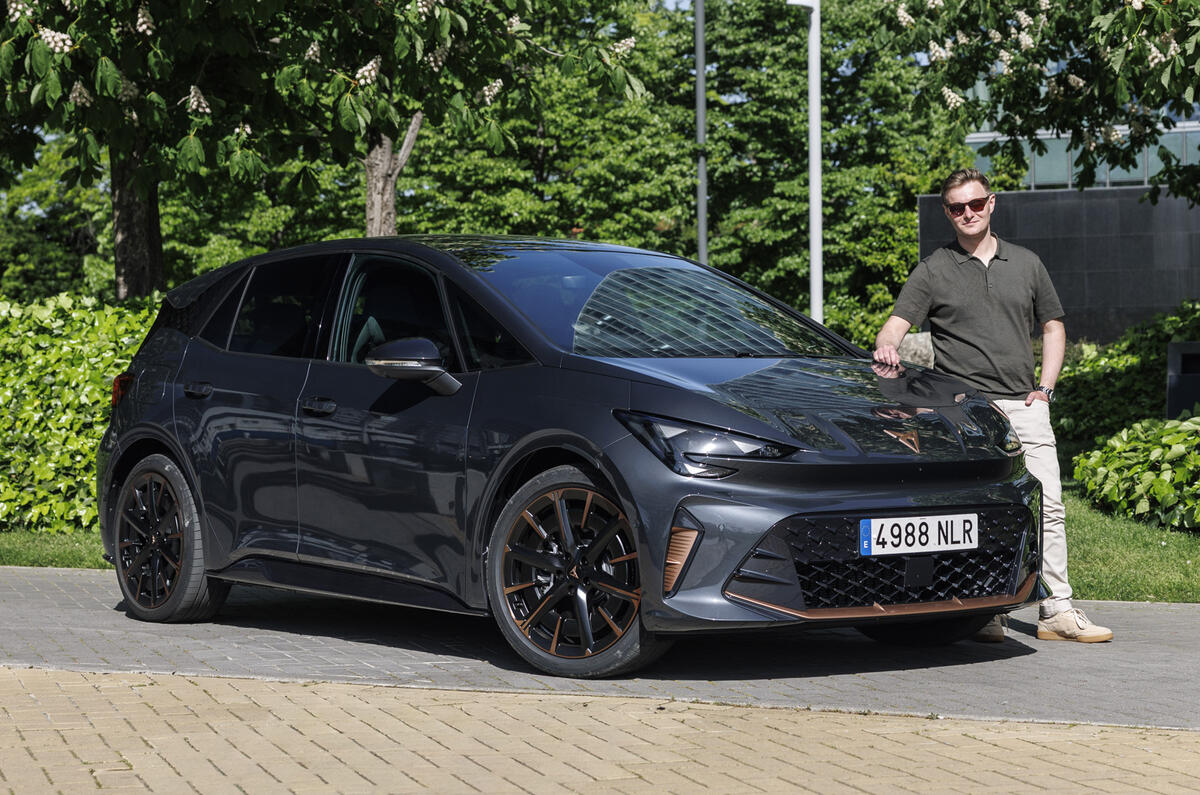
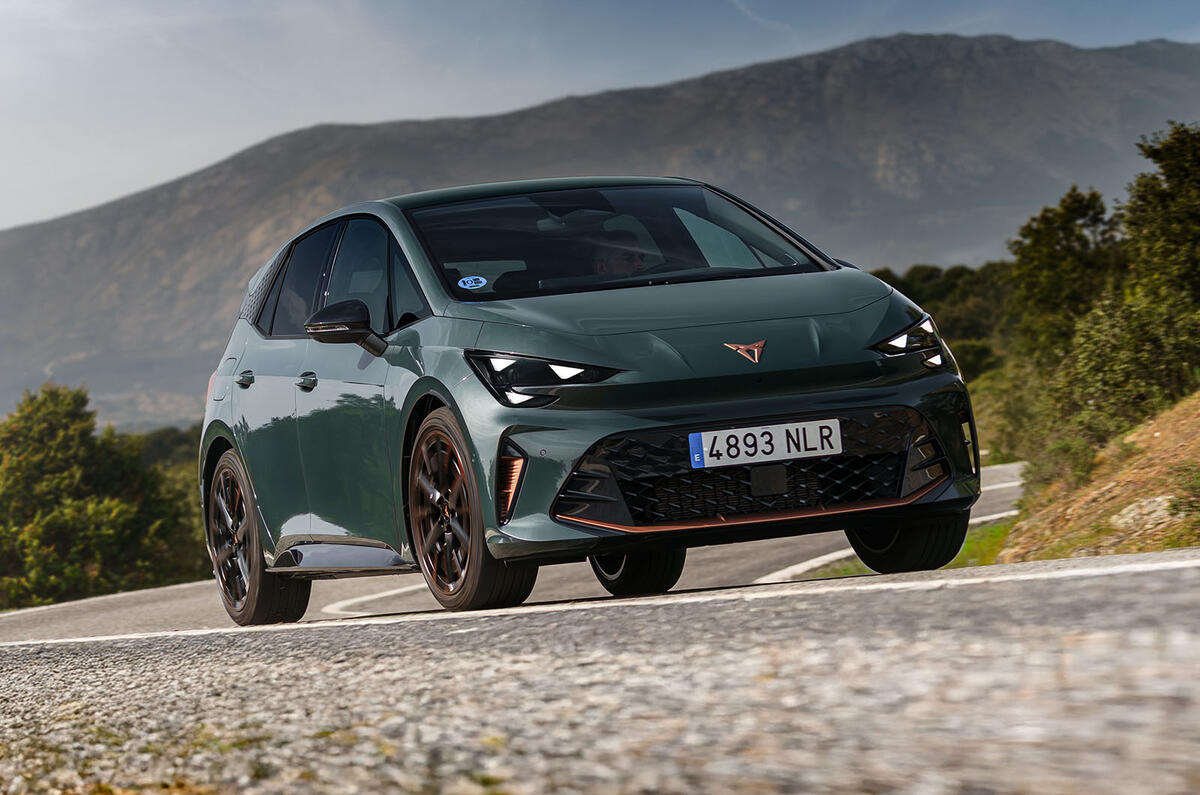
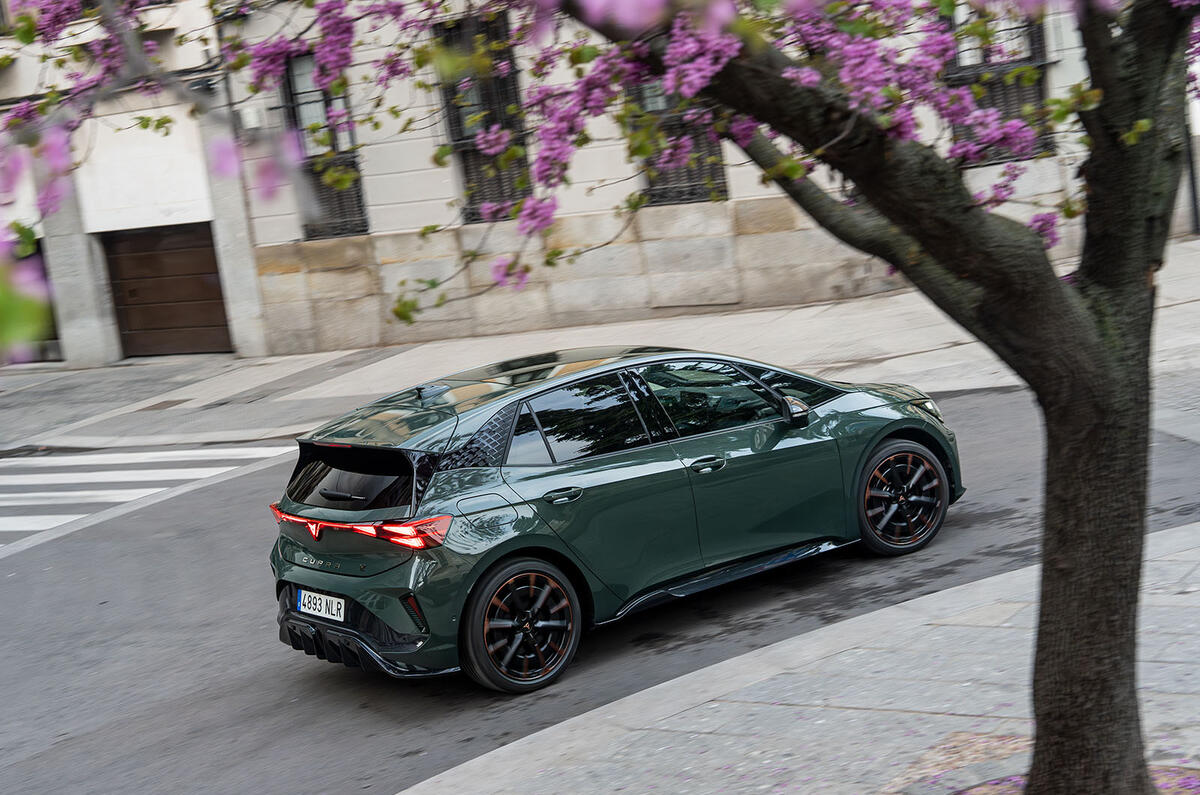
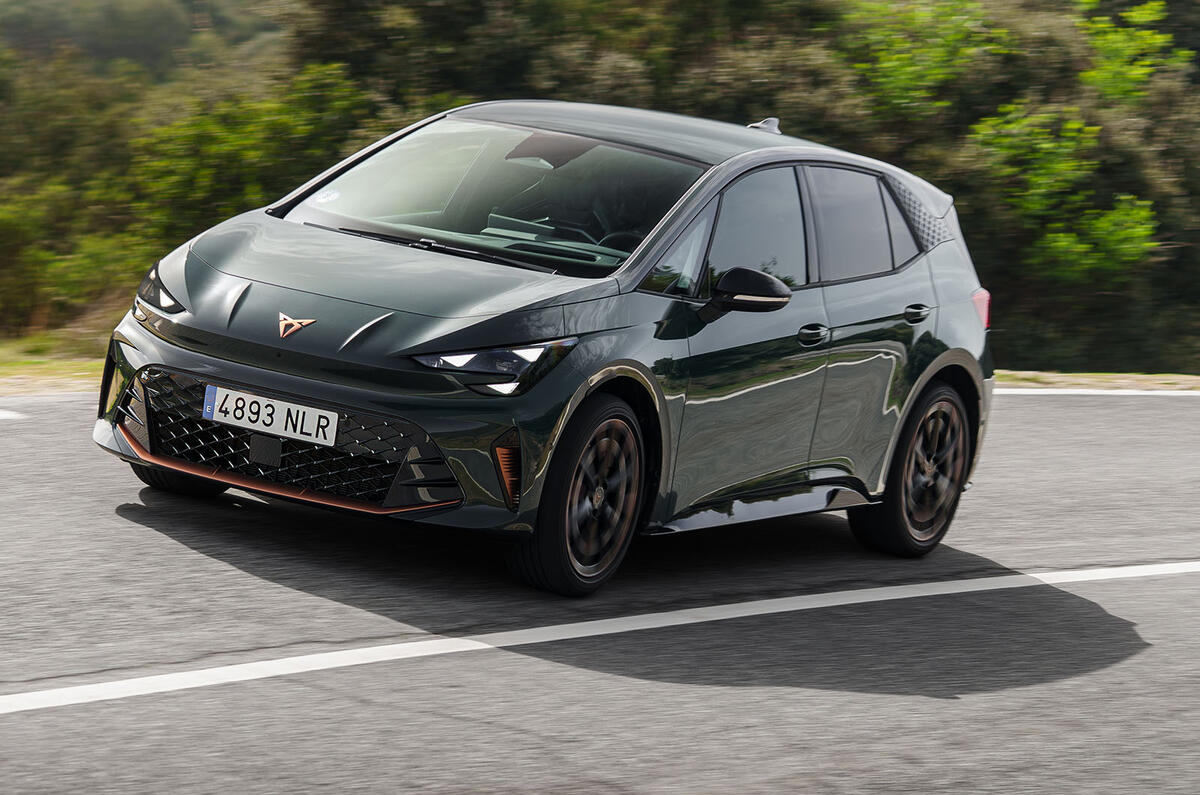
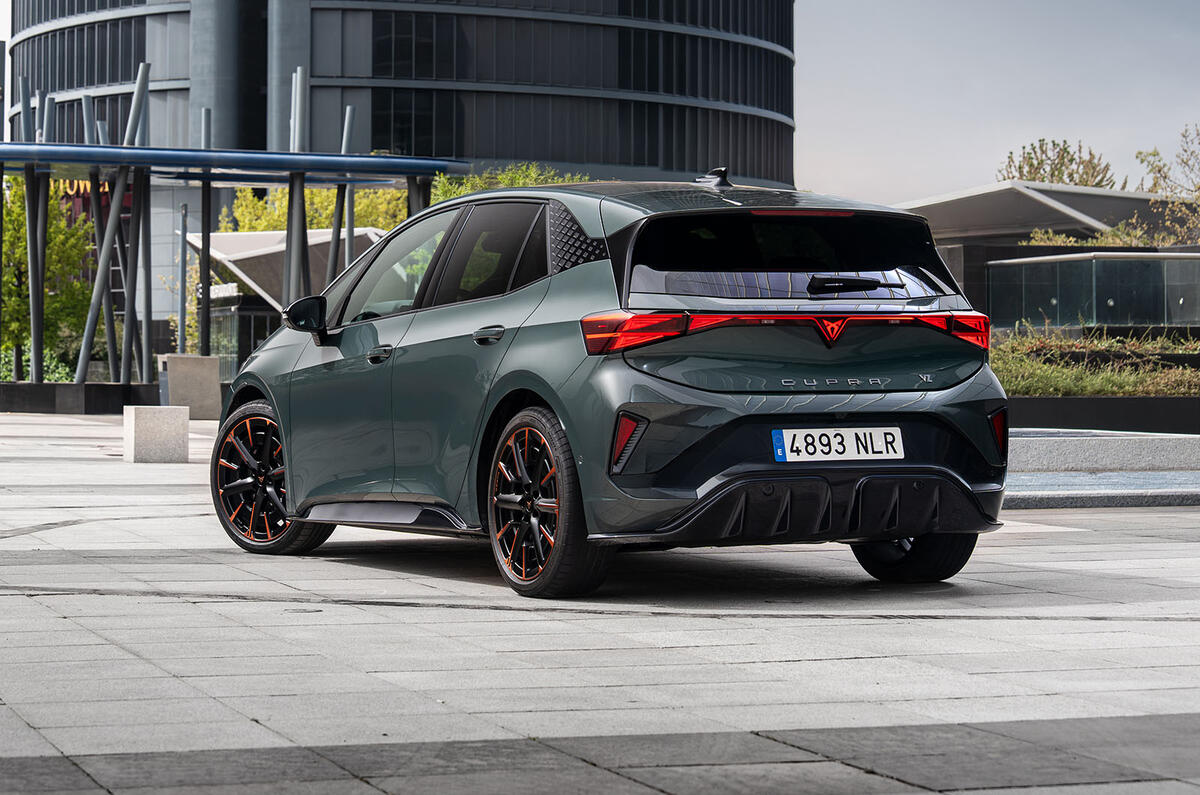
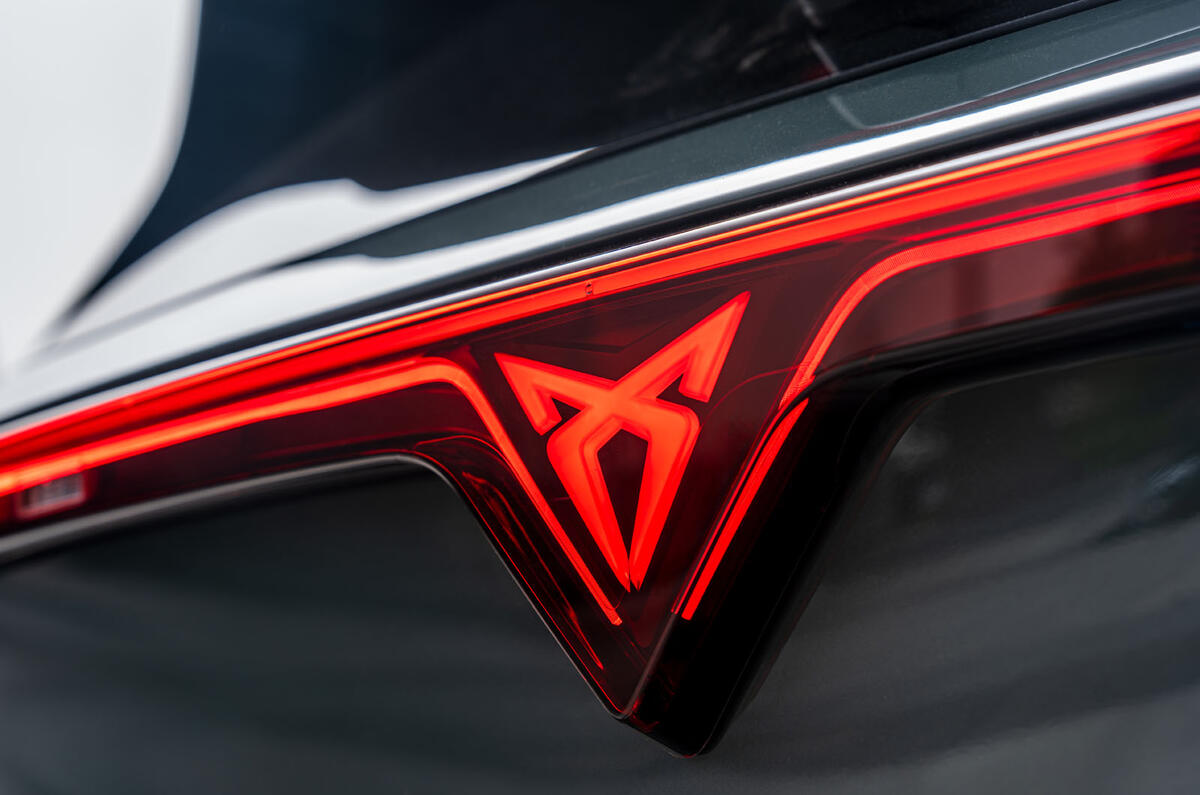
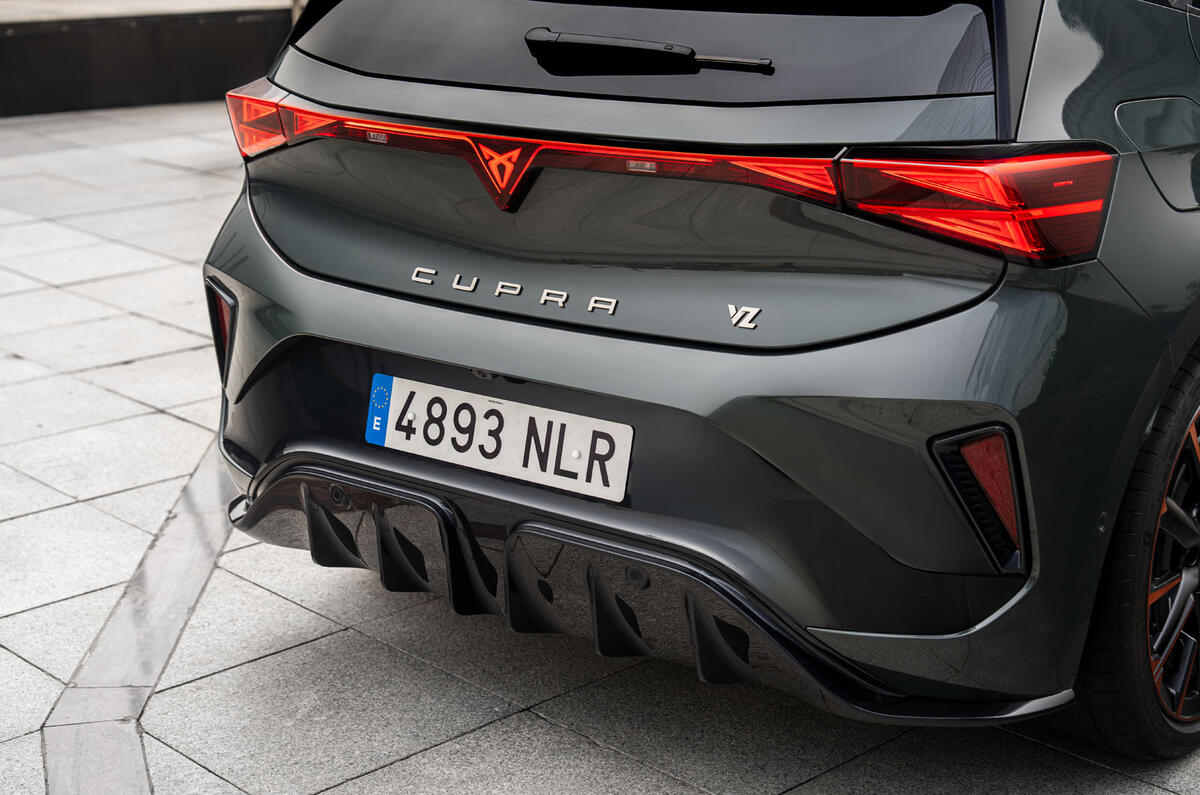
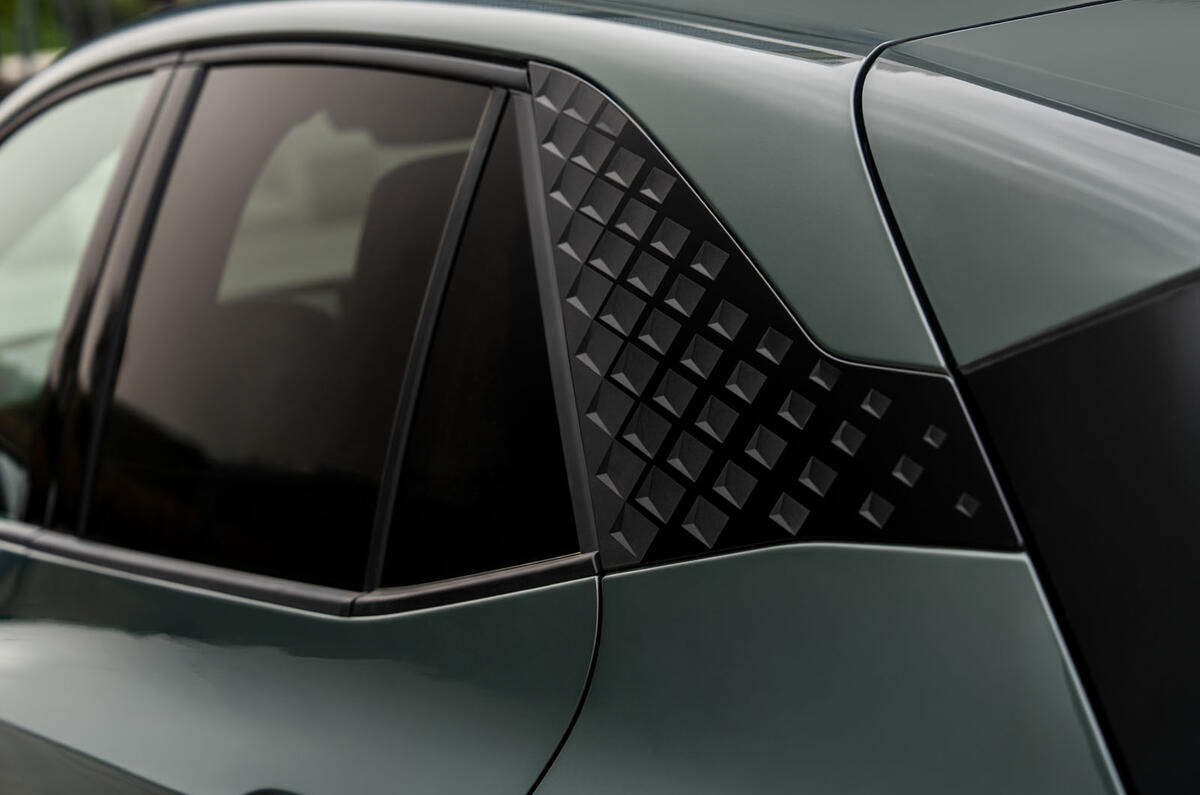
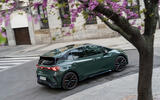
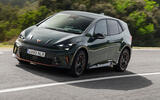
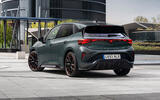
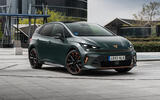
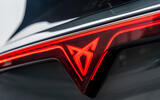
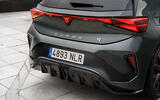
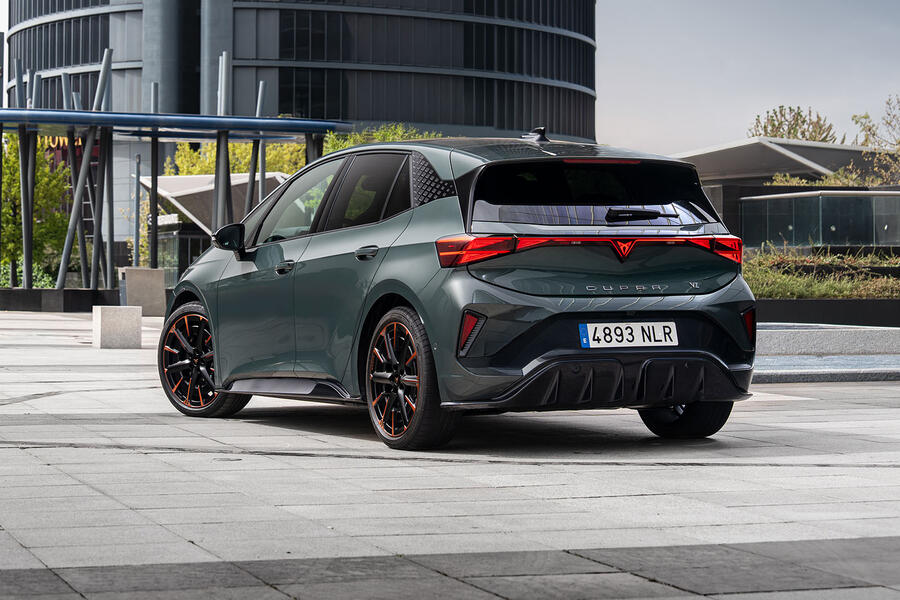
You'll have clocked the sharper new front end and its distinctive triangular light patterns – which brings the Born in line with Cupra's slightly angrier new-gen design language – and the light-up logo at the rear which will help tell it apart from every other car with a full-width light bar (increasingly numerous as they are) at night. It’s a subtle makeover, but one which sufficiently sets this newer car apart from the one that’s been on sale since 2021.

Technical upgrades are similarly of the blink-and-you’ll-miss-’em variety; the range still opens with a 58kWh battery option, mated to a 187bhp motor and giving a range of 300 miles - available from £36k. Then there's a larger 79kWh pack which is good for up to 389 miles between charges, and that can power either a 228bhp motor (from £37k) or, as sampled here in the £46k range-topper, a 322bhp unit that delivers true sports car levels of performance.
The smaller battery can be topped up at speeds of up to 108kW, and the juicier pack will suck down electrons at up to 183kW - broadly competitive against other 400-volt EVs on the market.

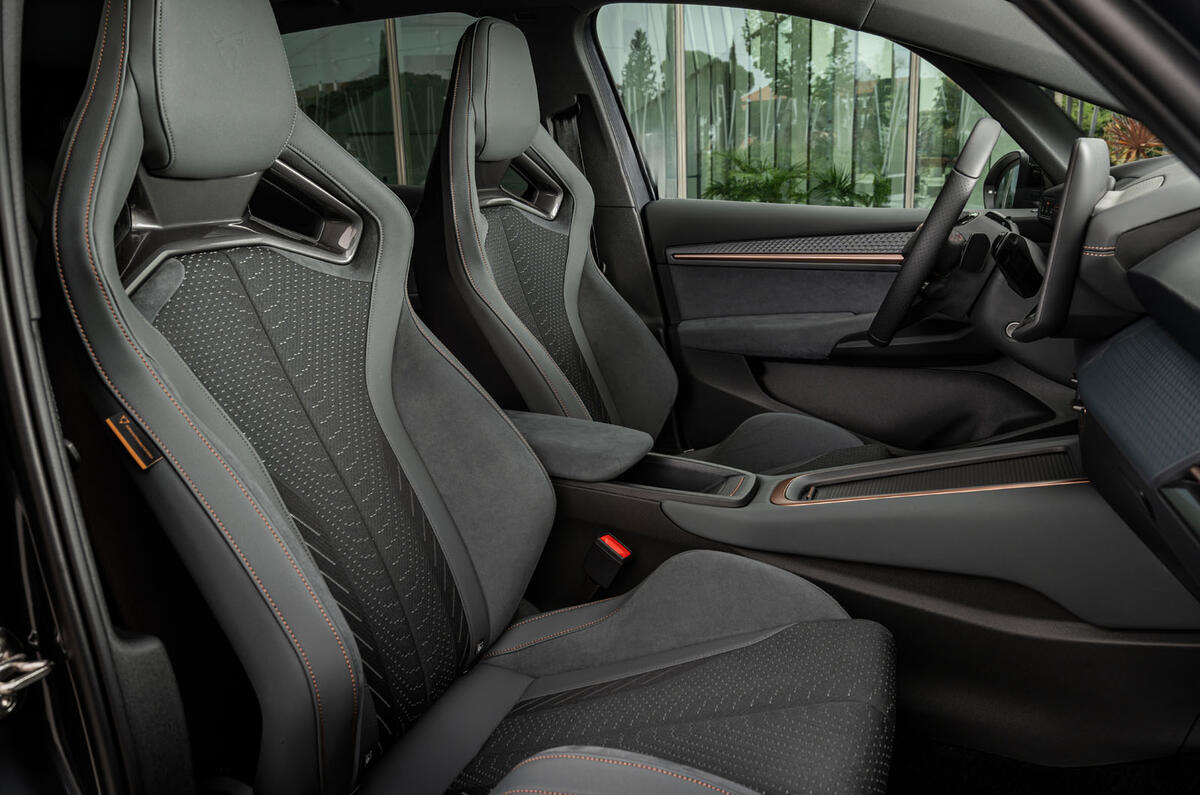
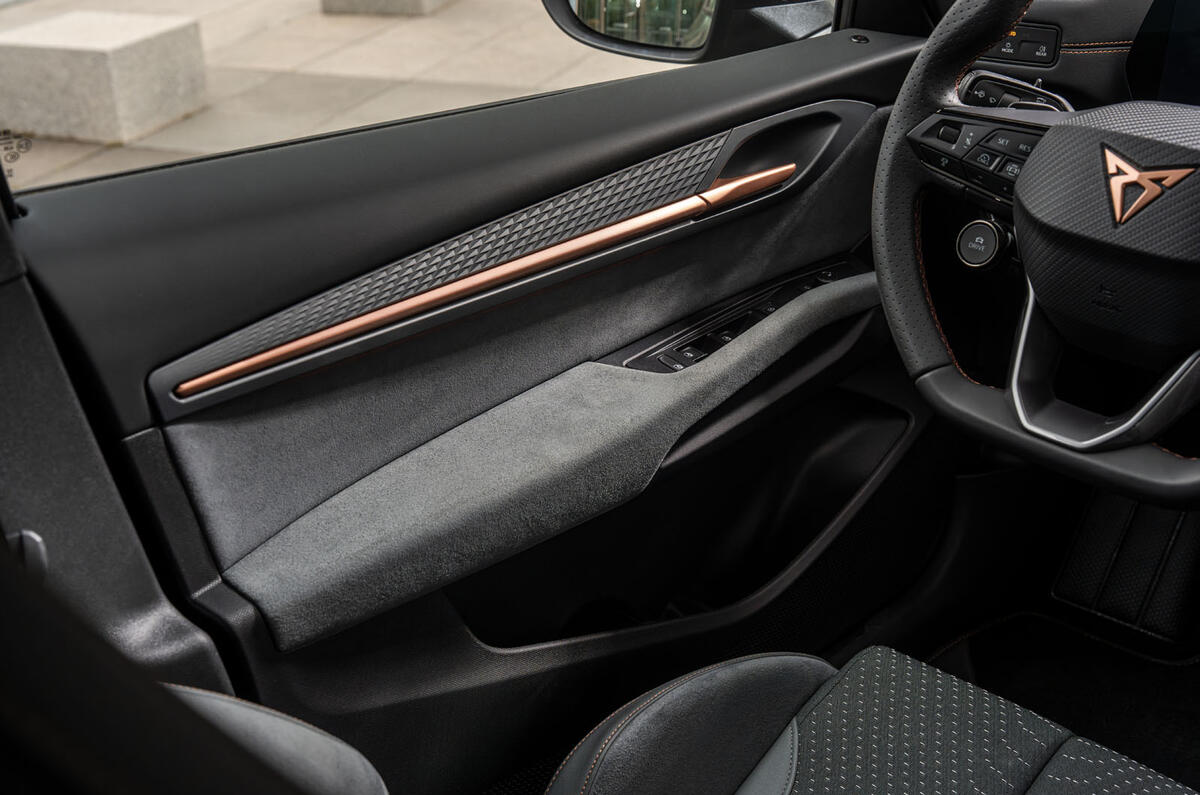
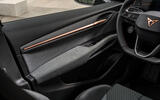
The cockpit has been more substantially upgraded, though, because it's in the areas of ergonomics, quality and utility that Cupra – and its VW Group sibling brands – have most obviously fallen short of the mark in recent years. 

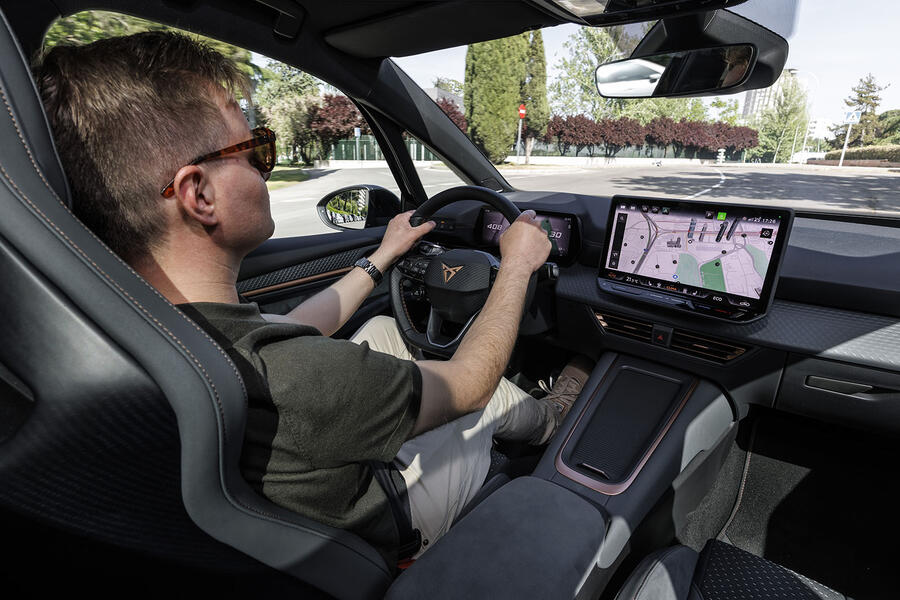
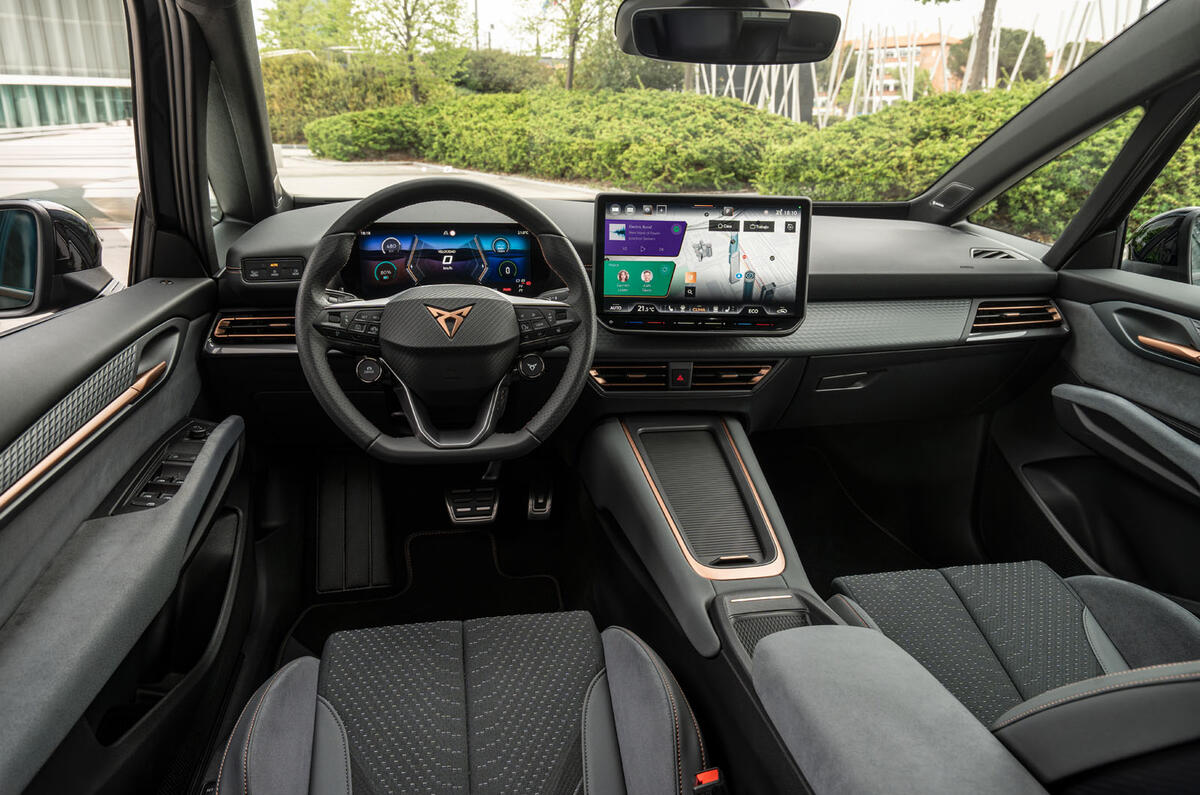
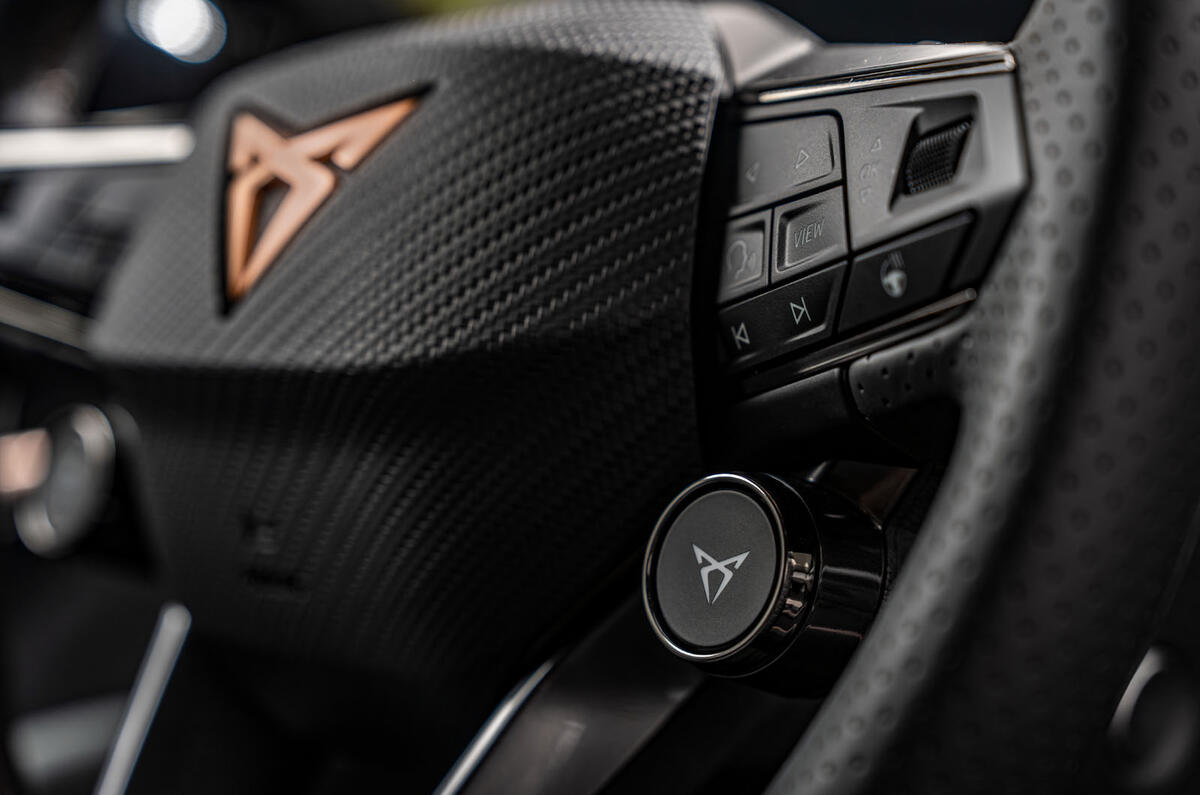
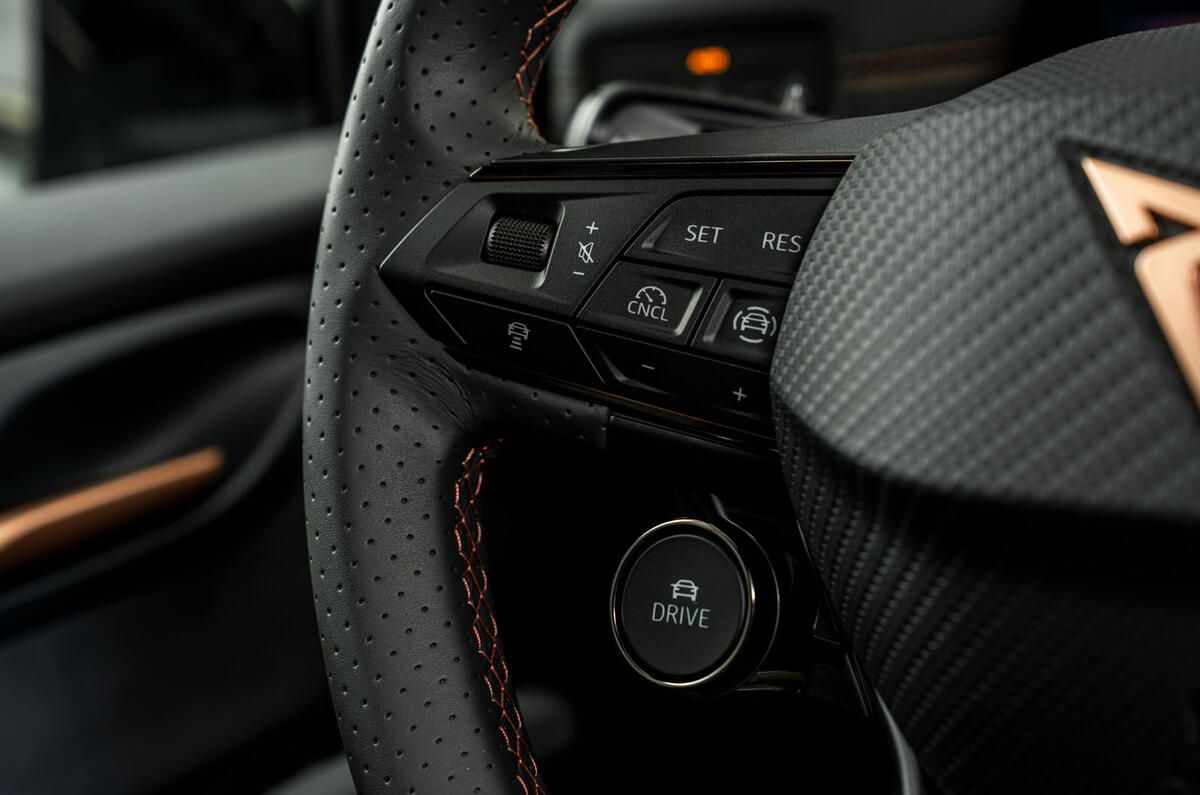
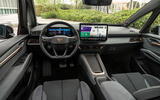
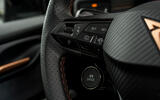
Chief among the interior mods is a redesigned steering wheel which now now hosts a healthy smattering of simple, clearly labelled physical buttons and rollers for the audio and cruise systems – doing away with the tricky haptic controls that came before, in line with a group-wide (industry-wide, even) push to return to a more intuitive and analogue driver environment. 

Advertisement

Read our review

Car review

Cupra’s first EV looks rather like a Volkswagen ID 3. Is the difference in the driving?

Back to top

The improvement this brings in on-the-move utility is vast; after just a short time at the helm you know where everything is by touch – so you don't have to take your eyes of the road – and all the buttons respond immediately when pressed, where the old touch icons used to need a good old stab. Plus, there's less chance of inadvertently brushing against a button while turning and changing the radio station or deactivating the cruise control.

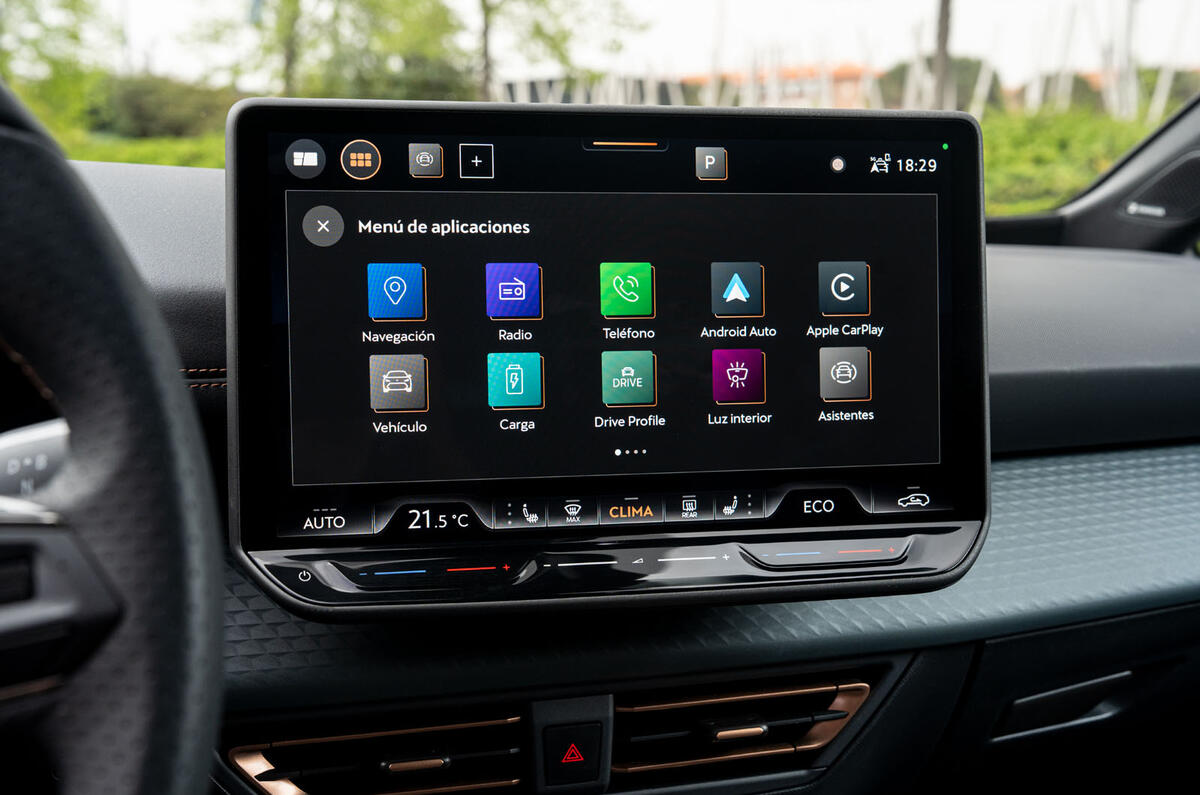
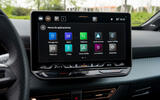
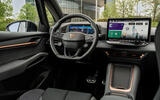
Curiously, the much-lambasted touch sliders for the temperature and volume control still sit pride of place under the chunky touchscreen – having been banished from the ID 3's cabin in favour of a simple, almost retro toggle switch panel – and they remain irritating to use, but do at least light up these days so you can use them at night. Plus, because there's a volume scroller on the wheel and the climate control bar is now pinned to the lower half of the touchscreen, you find yourself fumbling around for them less than you needed to before.

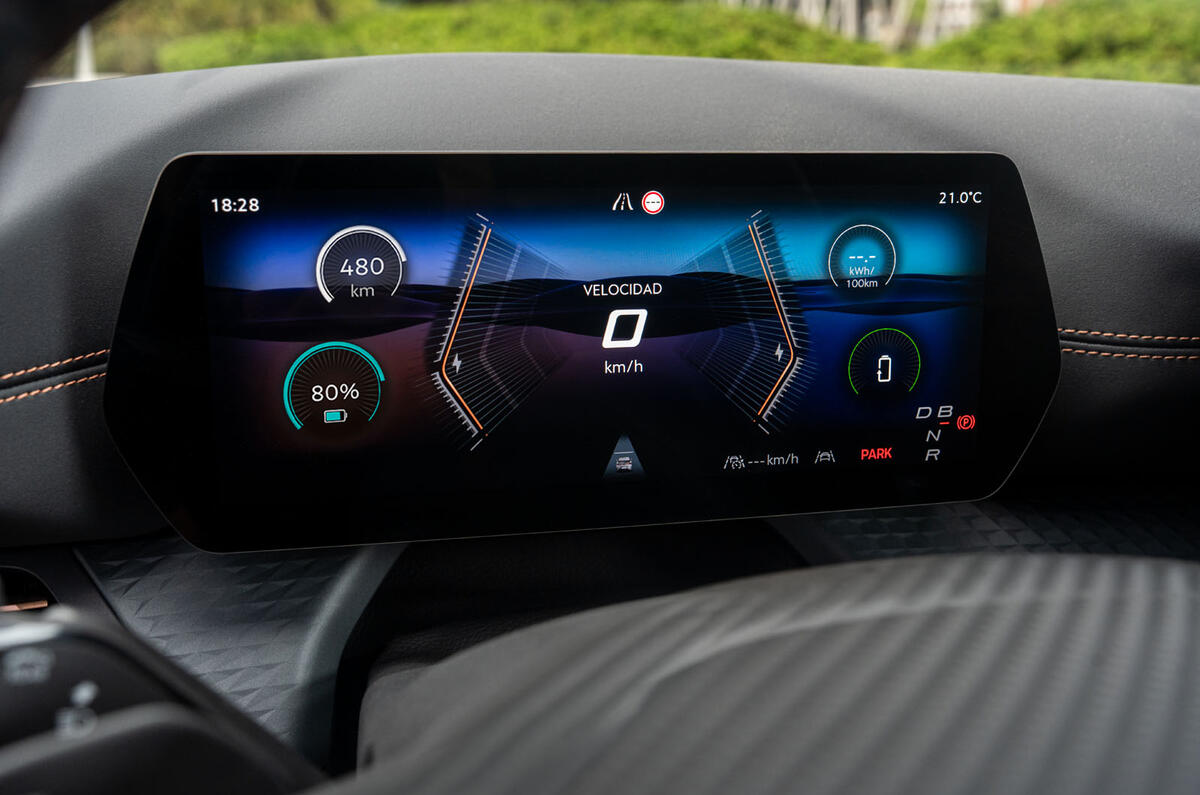
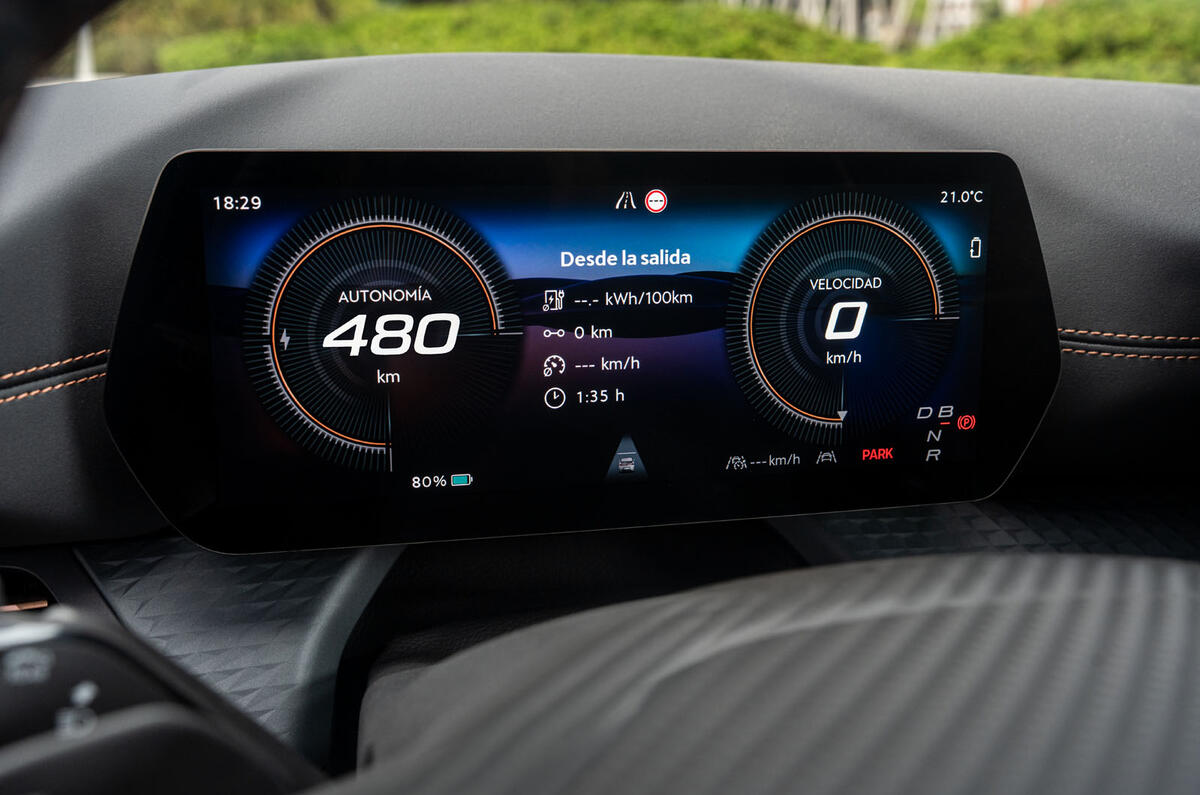
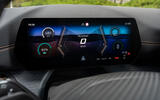
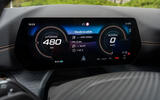
Meanwhile, the digital driver display has doubled in size – at 10.25in – while the 12.9in central touchscreen remains but now runs a new-generation infotainment system powered by Android. It looks mostly the same as the previous system (and follows the same fundamental layout as all other VW Group cars) but definitely feels a touch slicker and more intuitive in its operation - particularly when adjusting ADAS settings and mucking about with the temperature. 

Back to top

Otherwise, though, there is little that's significantly materially different about the Born, and that’s no huge shame because it remains a supremely comfortable and pleasant car to spend time in, and continues to serve as one of the more engaging and dynamically well-rounded EV hatches on the market. 

The steering is pleasingly quick and direct but never too twitchy, and enticingly weighty off-centre; the suspension is just stiff enough to add poise and purpose without inviting too much crashiness over crumblier sections; the brake pedal is feelsome and intuitively mapped; and the motor serves up its power generously but considerately even under full throttle, so you can keep stabbing away with your right foot without things getting too tiresomely frenetic. 

New for 2026 on the bigger-batteried Borns is a launch control function that liberates the full reserves from rest - but as is usually the case with hot EVs, it’s not a mode you’ll find yourself using often, given the one-dimensionality and nauseating nature of instant electric torque.

Being rear driven always made the Born feel a bit more lithe and malleable than front-motored alternatives, and that’s particularly true of this most potent variant, which will reward exuberance with a little shuffle-and-flick on corner exit, before hunkering down on its back axle and deploying its generous reserves to slingshot you out towards the next one with amusing immediacy.

Back to top

It never feels blisteringly rapid – 322bhp not being quite what it once was in this context, and particularly so when charged with hauling along two tonnes of bulk – but certainly it packs enough firepower to convince as a hot hatch without resorting to some of the more disingenuous tricks and gimmicks that rivals use to compensate for their lack of an engine or gearbox. No fake exhaust, here - just a subtle synthetic whooshing noise in sport mode to accompany acceleration. 

This update doesn’t change the game, then, but it does serve to sustain the appeal of a car we’ve always rated for its commendable blend of dynamism, refinement and sensory allure.

In fitment, poise and performance, the Born just feels that bit more solid and classy – a little higher-quality across the board and a little more desirable. It faces a much greater spread of rivals than it did at launch five years ago, but is still armed with the attributes needed to carve out an edge in this ever-busier market. 

Join our WhatsApp community and be the first to read about the latest news and reviews wowing the car world. Our community is the best, easiest and most direct place to tap into the minds of Autocar, and if you join you’ll also be treated to unique WhatsApp content. You can leave at any time after joining - check our full privacy policy here.

Felix Page

Felix Page
Title: Deputy editor

Felix is Autocar's deputy editor, responsible for leading the brand's agenda-shaping coverage across all facets of the global automotive industry - both in print and online.

He has interviewed the most powerful and widely respected people in motoring, covered the reveals and launches of today's most important cars, and broken some of the biggest automotive stories of the last few years. 

Add a comment…