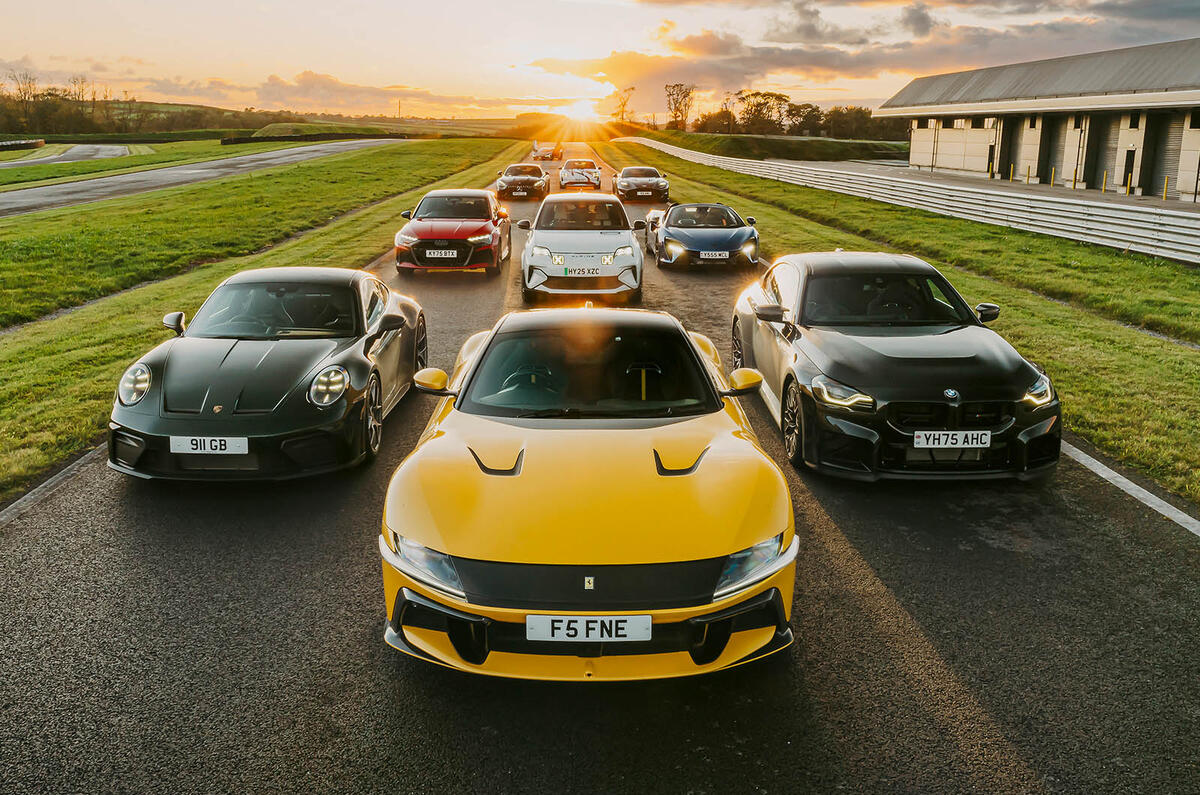
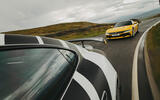
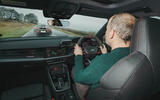
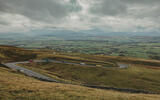
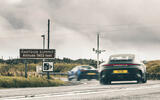
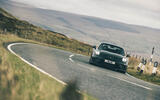
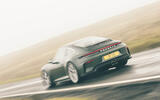
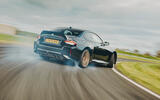
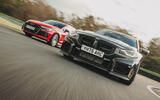
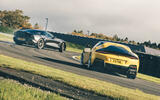
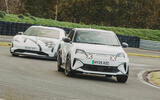
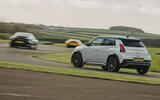
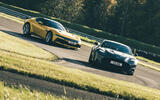
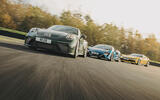
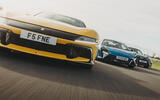
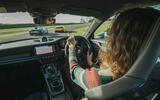
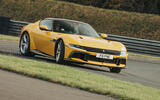
Pastures new beckoned for this year's Britain's Best Driver's Car shootout – and that isn't something we've been able to say very often.
There are few UK motorsport circuits that BBDC hasn't visited before – mostly because this annual gathering of the year's best new enthusiast's cars, for a hedonistic few days of road and track driving, has such a long history.
Since the first running of 'Handling Day' in 1989 at Castle Combe in Wiltshire, we've been from Goodwood to Oulton Park, from Brands Hatch to Cadwell Park, west to Anglesey and north to Croft. Few corners of our sceptred isle have escaped a good hooning at our hands in one year or another.
It's not often, then, that there's a new circuit on which to descend. But even in these straitjacketed modern times, this year bore new fruit. And the tip of the cap for that goes to one Malcolm Wilson OBE, who made his M-Sport concern's excellent 2.5km track - the MS-EC, as its proprietors call it, open since 2022 – at Dovenby Hall, Cumbria, our base.
Our well-practised formula played out. We invited the year's 10 greatest driver's cars along with last year's defending champion, although one of the pretenders to the throne, the Morgan Supersport, was damaged prior to delivery, and regrettably couldn't take part.
Five judges spent a day on the Lake District's winding and scenic roads and then another day on track, after which they voted to decide Britain's Best Driver's Car 2025.
As it happened, some excessively autumnal weather impacted a little on how it all transpired. None of Cockermouth's residents was surprised to see heavy rain, but at least there were no floods. But a bit of mist and rain couldn't dampen the mood or prevent the glowing qualities of our field of contenders from shining through.
On the road
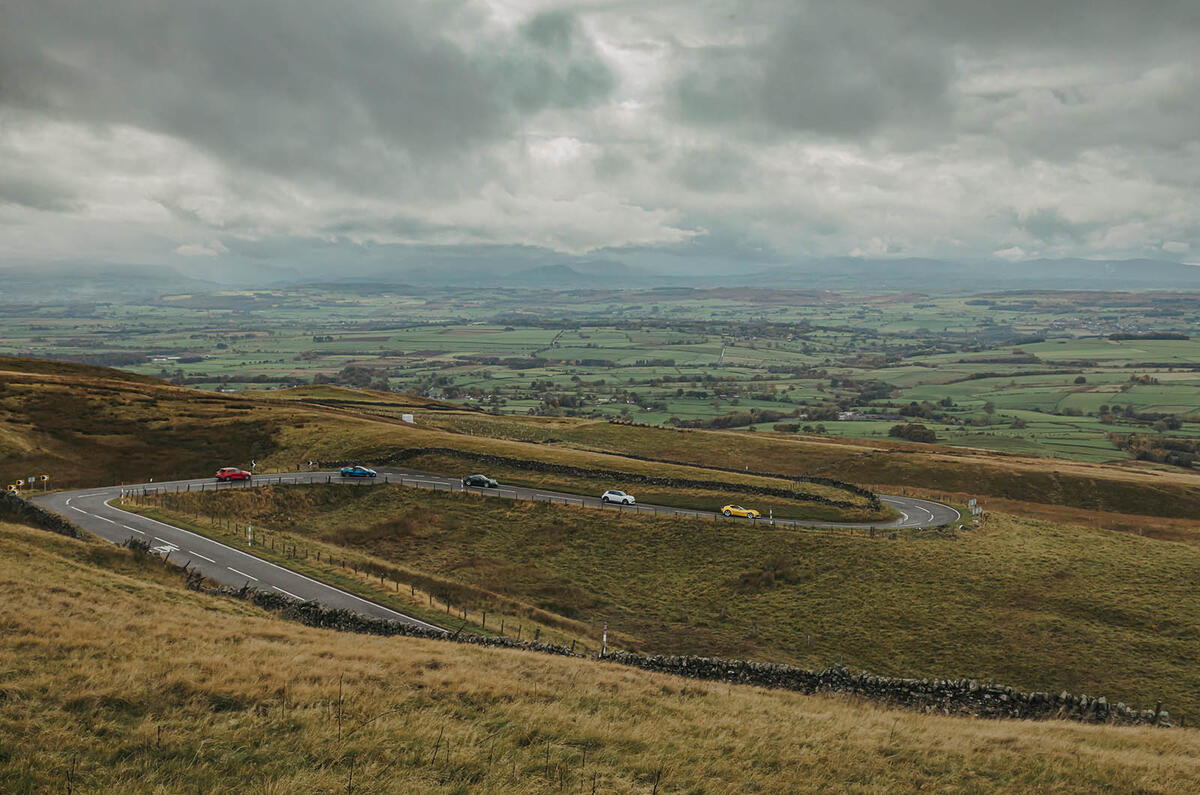
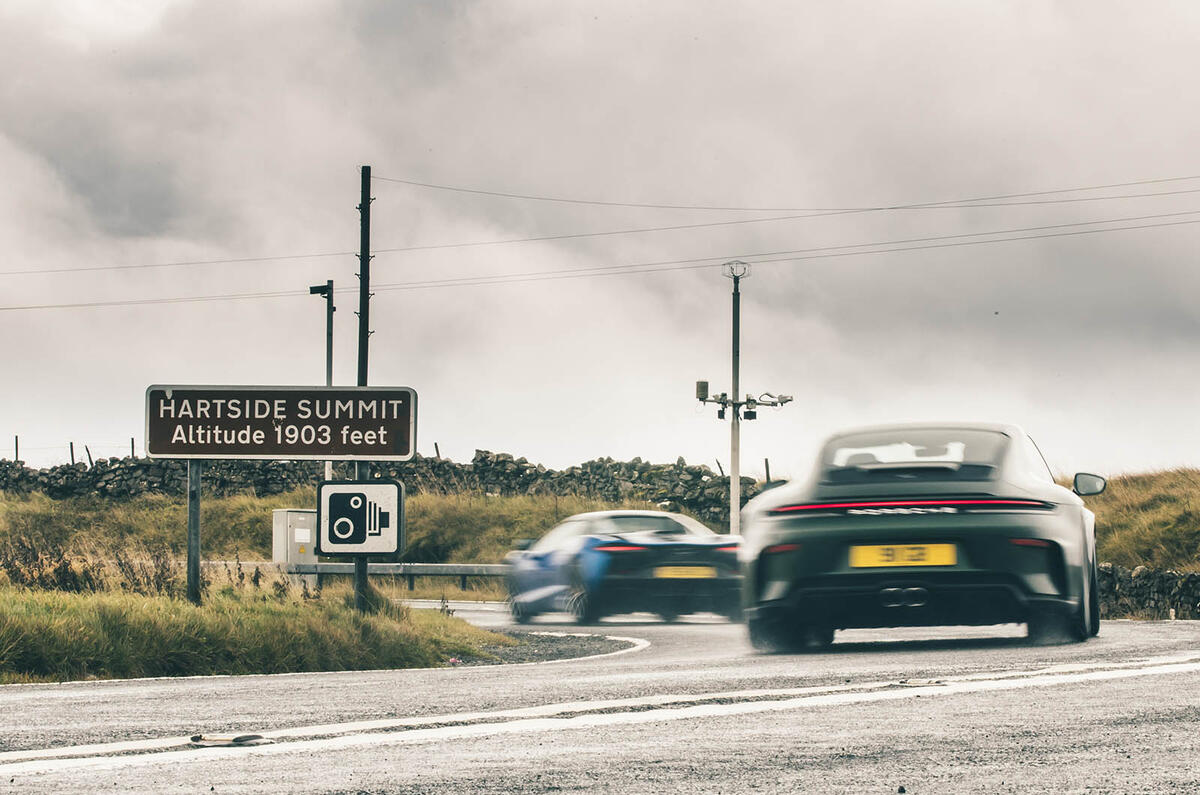
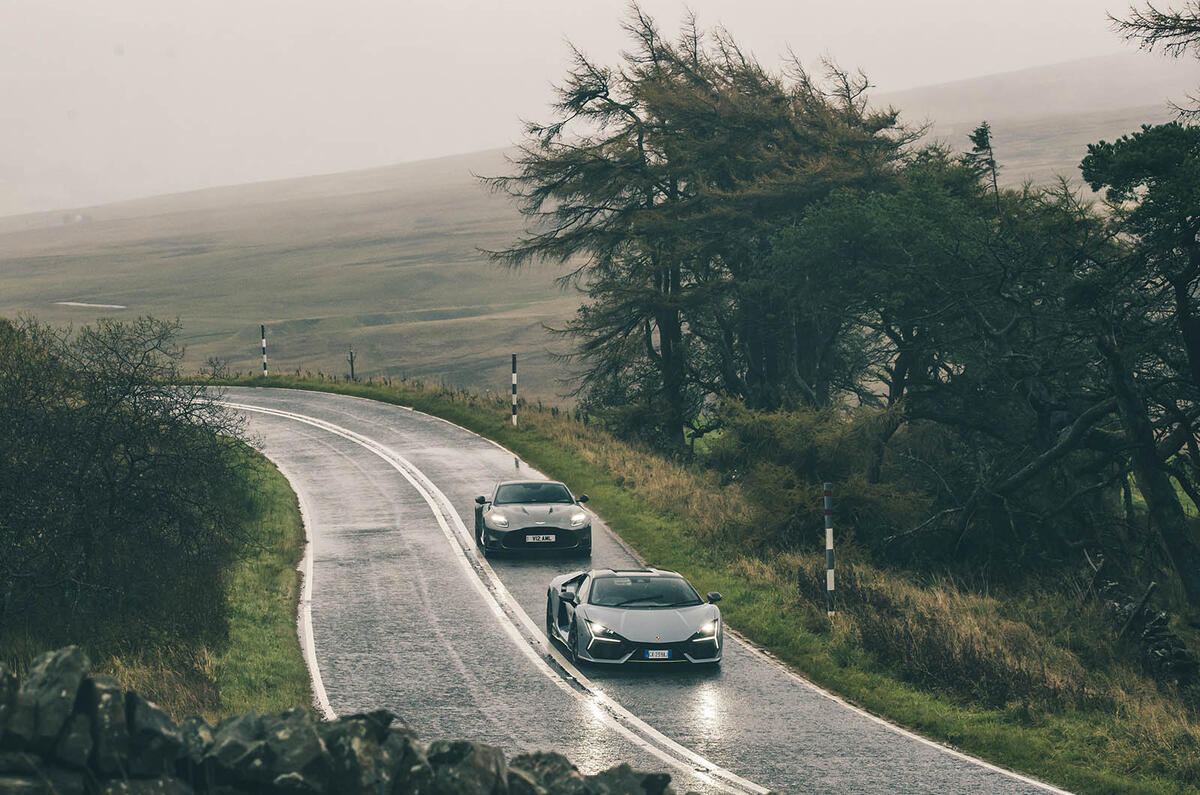
A thick mist does its best to dampen our spirits as we gather in the car park at the top of the Hartside Pass, the lofty location for our first morning rendezvous on the opening day of our 2025 edition of Britain's Best Driver's Car.
Perched at just over 580 metres - 1900 feet in old money - above sea level, the views are, on a good day, spectacular, allowing you to see as far as southern Scotland. But right now? The hand at the end of your arm is as good as it gets.
Yet it only takes a quick stocktake of this year's assembled BBDC attendees to warm the shivering cockles and quickly banish the vibe-sapping effects of the murky conditions. Just like a seasoned wine maker (please bear with us for a moment) must look at an annual crop of grapes and know by their colour, their size and the conditions in which they've grown that they will deliver a lip-smackingly good vintage, so our judging panel can already sense that the class of 2025 contains the cream of the crop from the BBDC back catalogue.

Obviously, any car that makes the cut for our annual gathering of driver's delights is already something special. But some years the stars quietly align to ensure an outstanding strength in depth that makes pre-judging any outcome a virtually impossible task. So where to begin with our 10 tantalising contenders?
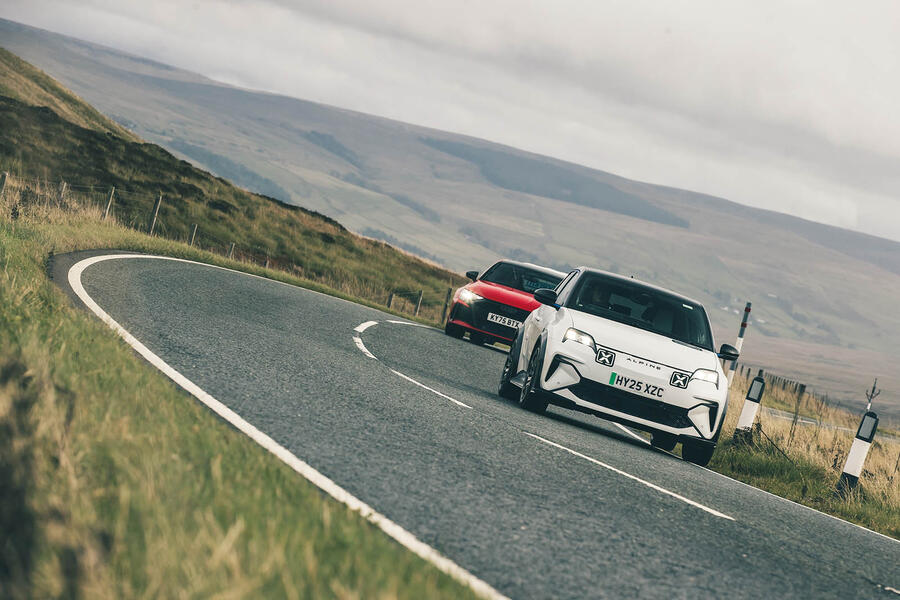
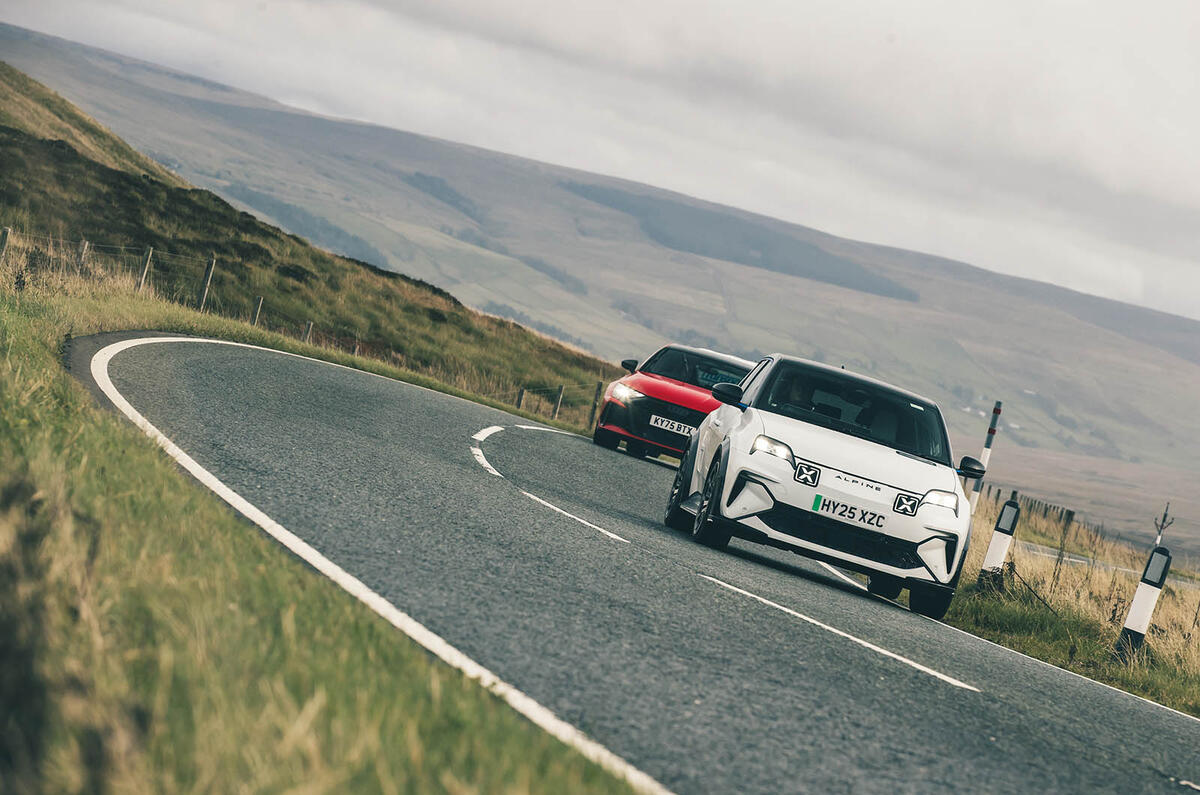
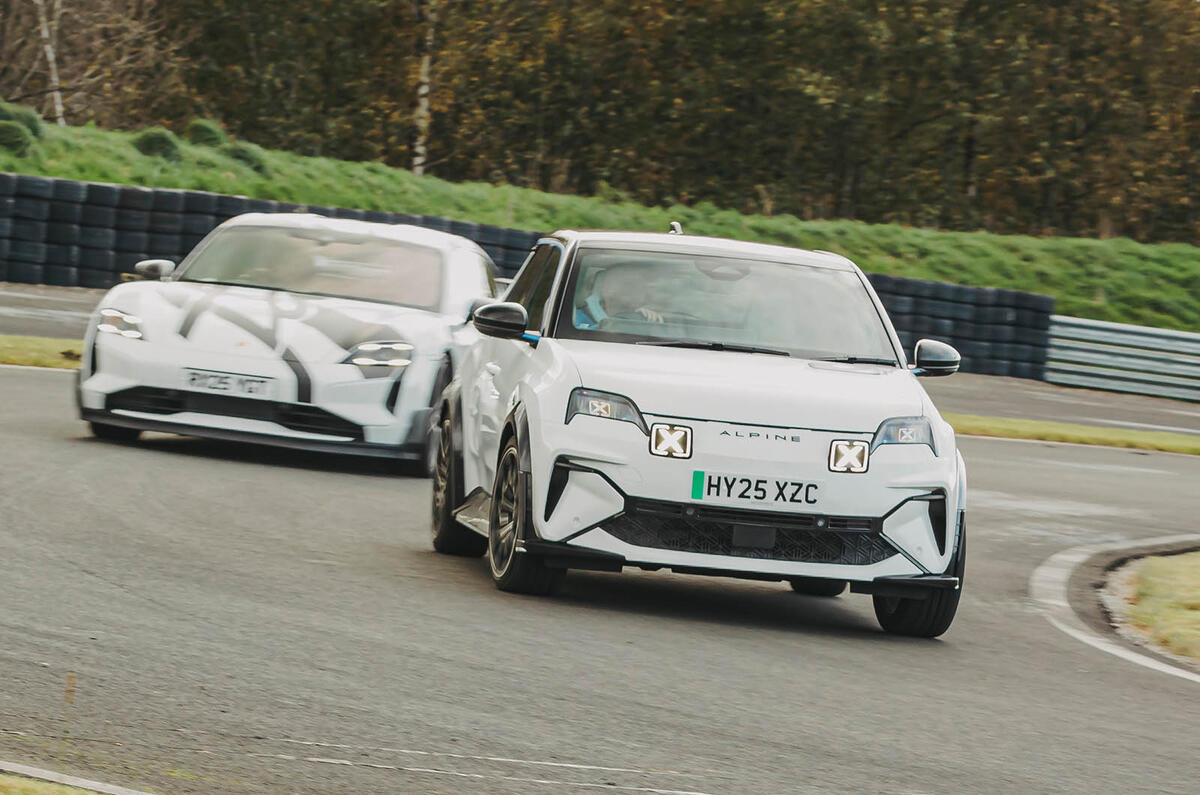
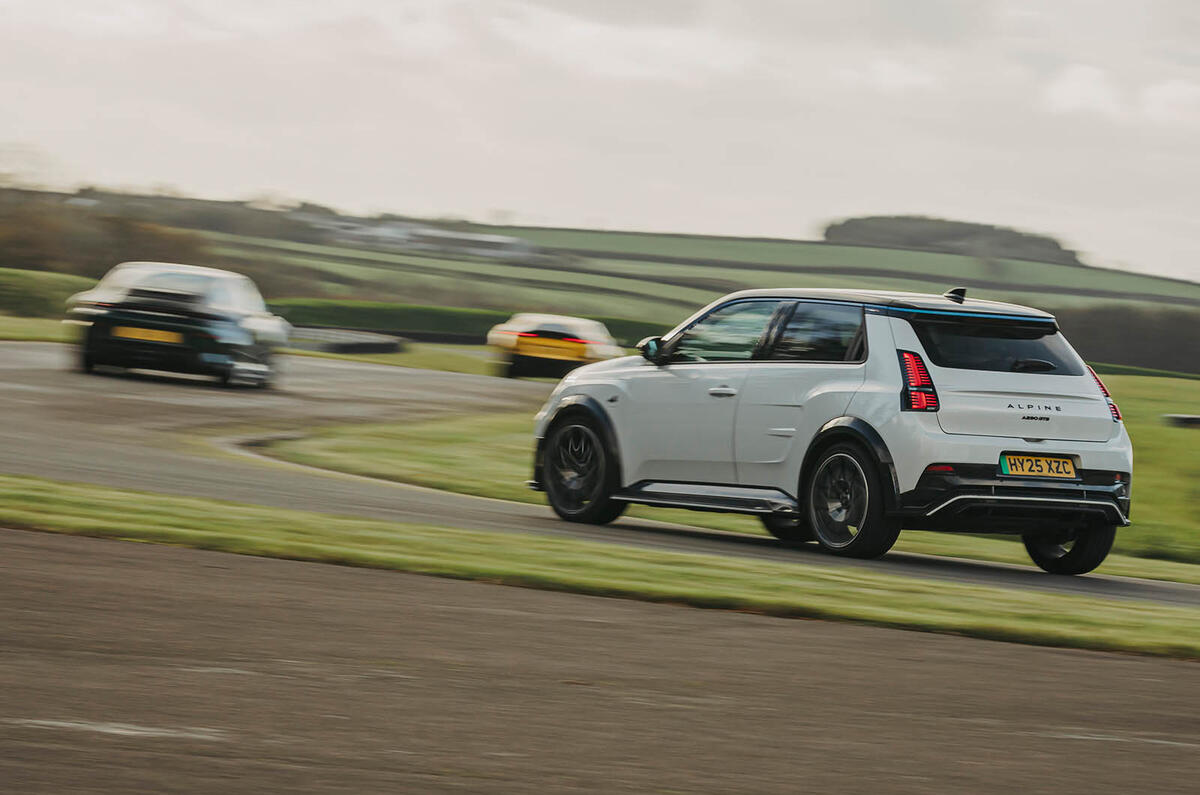
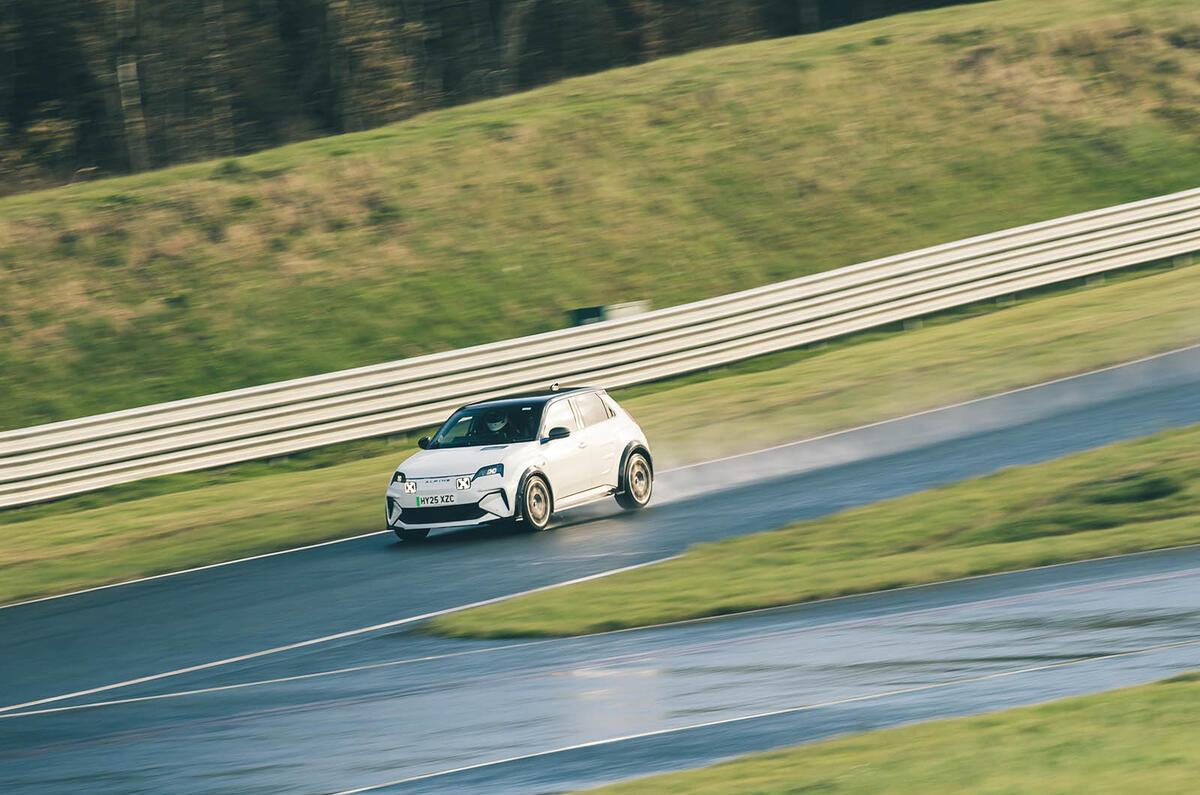
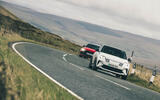
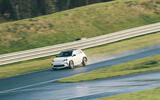
Well, how about the Alpine A290? It's the most compact and least powerful model here, but we all know the cliché about 'best things' and 'small packages'. Perhaps more importantly, the presence of the Alpine represents the rebirth of what was recently an almost extinct species: the affordable hot hatchback.
As the mist begins to clear we nose the Alpine out onto the road and make our twisting way downwards. Instantly, you revel in its relatively compact dimensions and the fact it feels taut, poised and agile. Better still, the 217bhp electric motor has enough instant zap to fire it down the road with the sort of puppyish enthusiasm you expect from a pocket rocket.
As Matt Saunders summarises on returning to our inclement base camp: "It shows how many inherent advantages a narrow, agile, compact car has over the bigger, heavier stuff. It feels light on its feet and keen to turn in, and it has all the grunt the day really calls for."
Yet for a car that has emerged from the same finishing school as a dynasty of dialled-up-to-11 Renault Clios, the A290 lacks some of the sparkle you expect from a souped-up shopping trolley - and that's largely down to the lifeless steering and brakes that lack progression and feel.
Matt Prior nails it as he parks up at the end of a run: "It's decent, but I'd be having a lot more fun in a 'proper' old-school hot hatch ." Illya Verpraet finds it "quite entertaining" because you can drive it flat out and load up the chassis, at which point the steering starts to talk. He adds: "As a daily driver that's fun on the long way home, I have a lot of time for the Alpine."

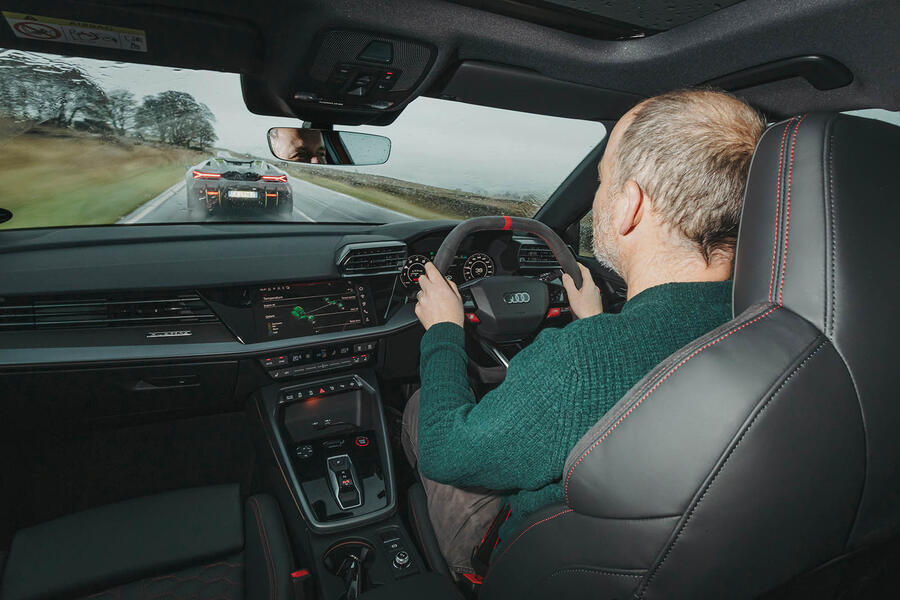
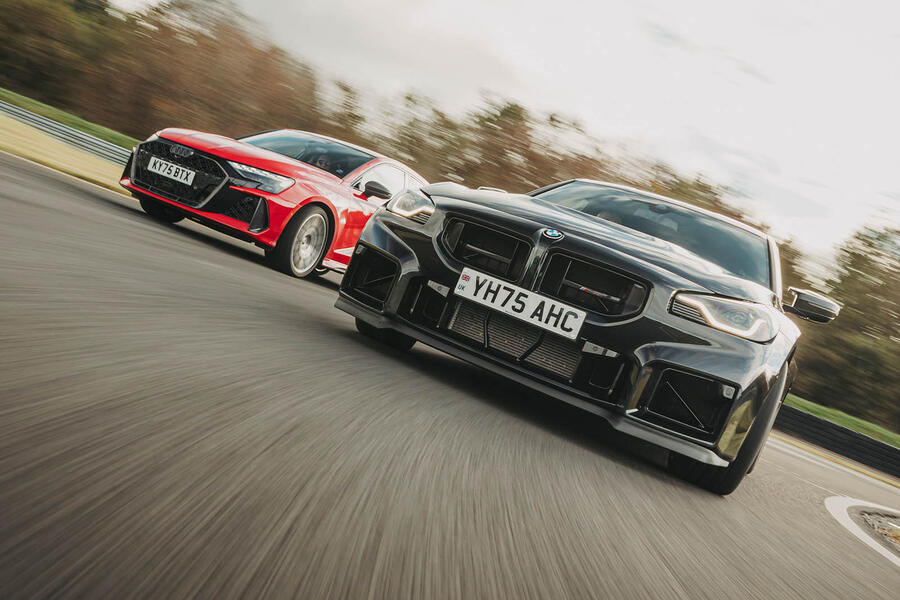
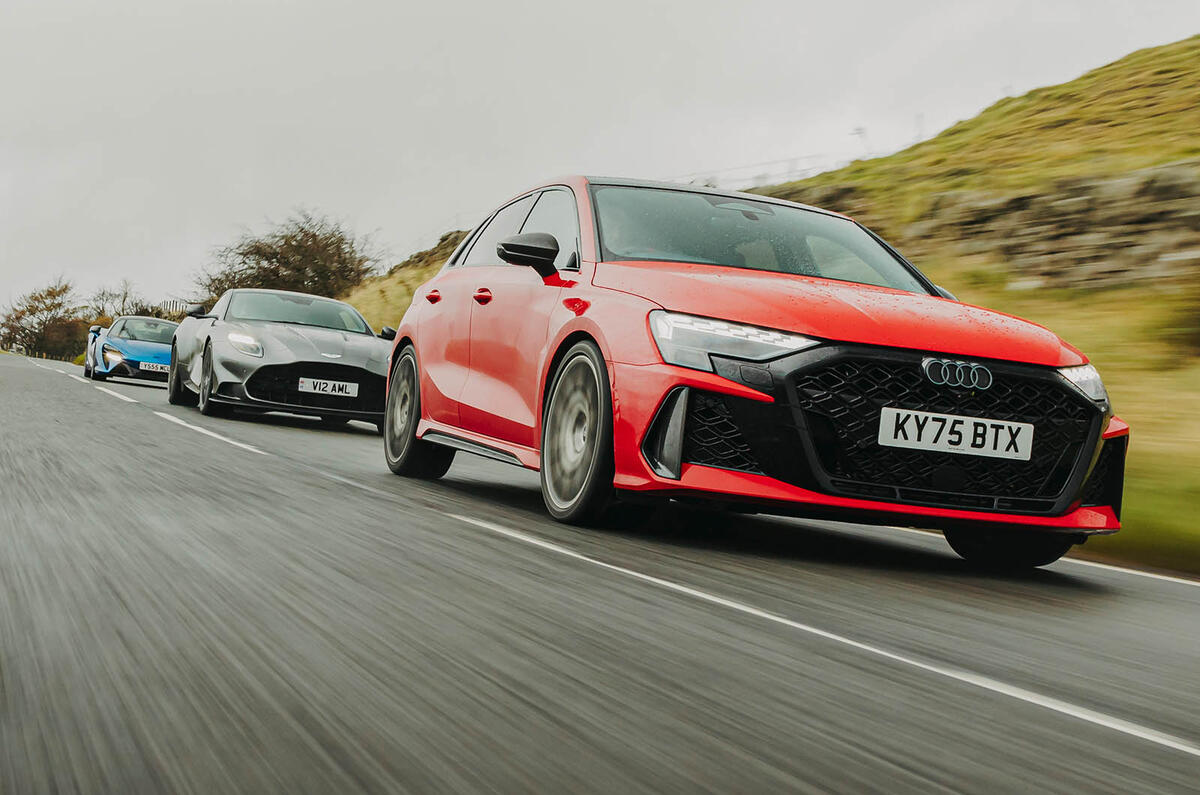
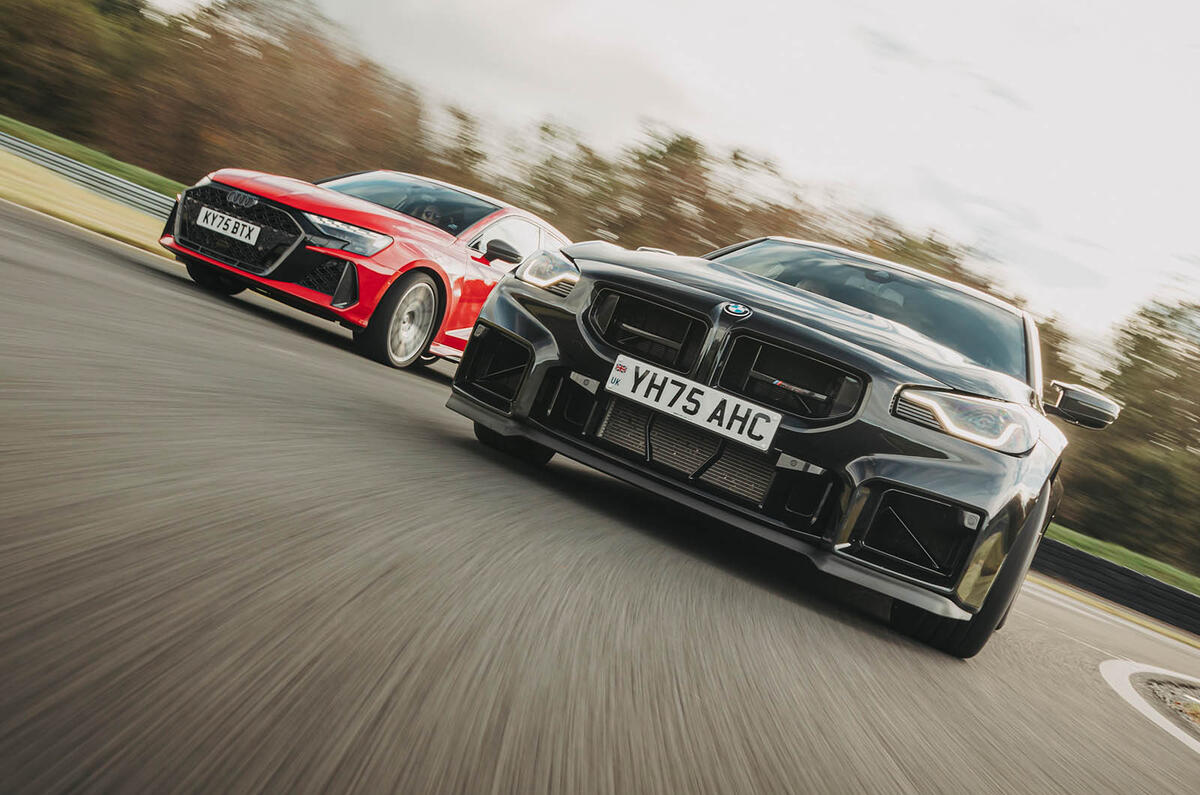
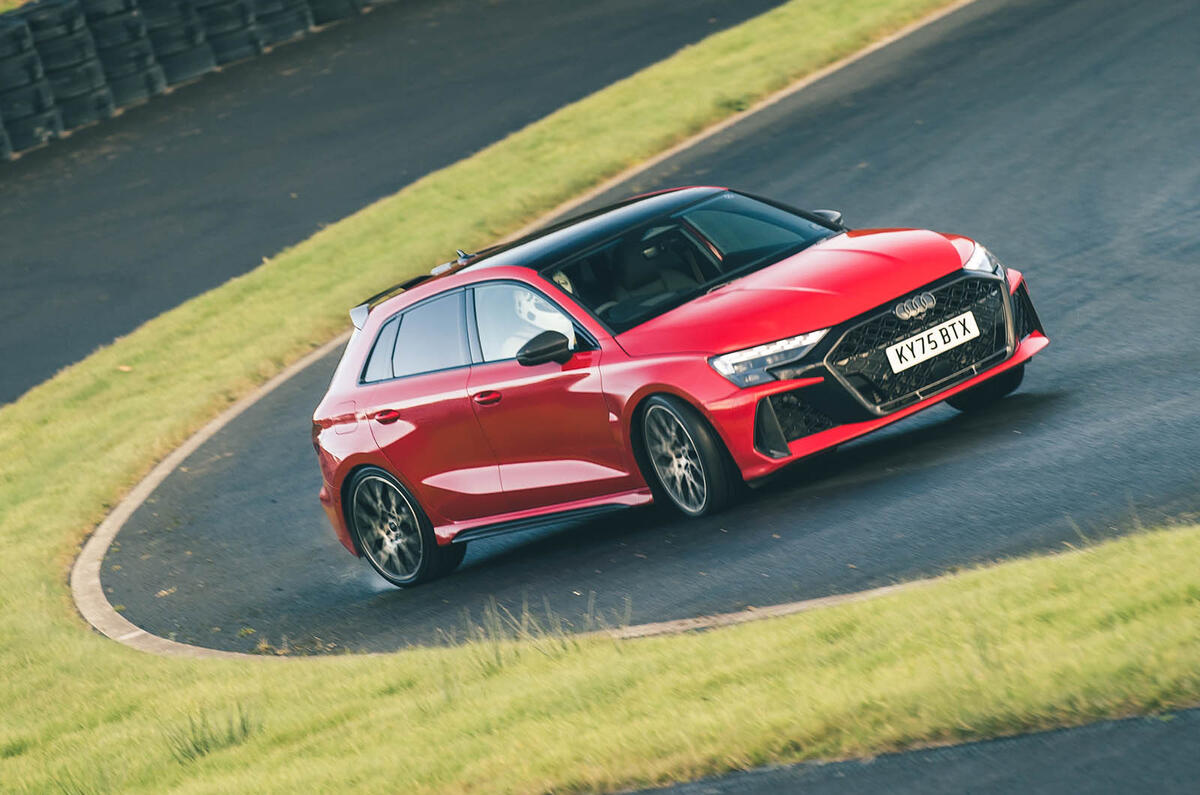
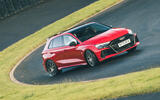
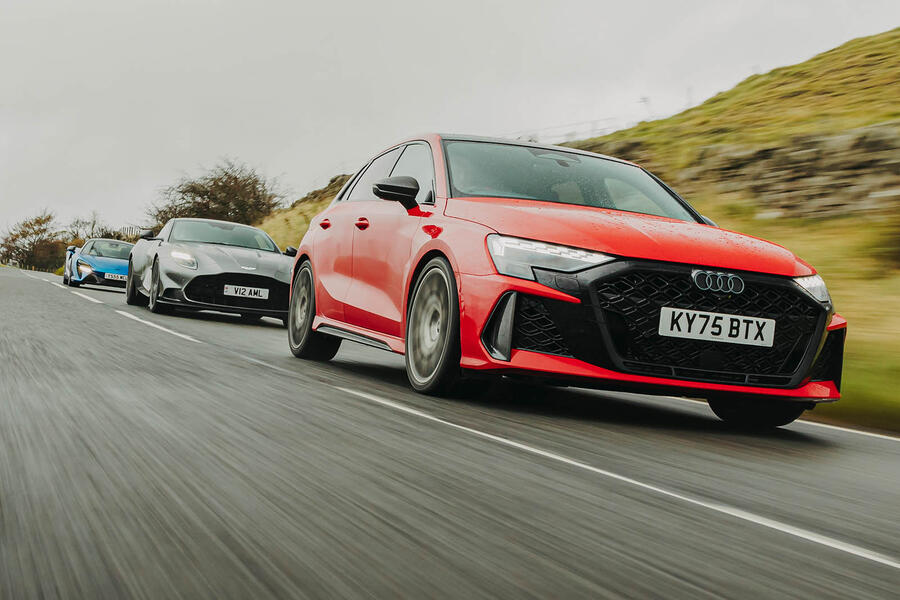
How about an Audi RS3, then? This is a hatchback that's perhaps hyper rather than hot, but at least the market for these 400bhp four-wheel-drive family machines remains relatively buoyant. In the past, this hottest of A3s has flattered to deceive: the offbeat growl and prodigious power of its five-cylinder engine has been let down by a flat-footed chassis.
However, Audi Sport's engineers have pulled out the stops for this latest version, claiming to have added some much-needed handling elan to this car's undeniable point-to-point pace. With its trick torque-vectoring rear differential, the RS3 feels very nearly flighty on turn-in as the rear of the car rotates into a corner with an almost unnerving alacrity.
Yet learn to trust that the rear really is gripping rather than slipping, and the 4WD Audi makes mincemeat of these still-damp Cumbrian roads, even catapulting out of corners with just a smidge of straightening throttle-on oversteer.
As ever, a lot of the Audi's character comes from its five-pot engine, whose deep-chested energy and full-on Blomqvist backbeat never fail to raise a smile. "You have to be prepared to wrestle it a bit, and overdrive it, to bring it to life," states Saunders after a stint at the wheel. But he concludes: "There's a wonderfully over-endowed charm about this car."
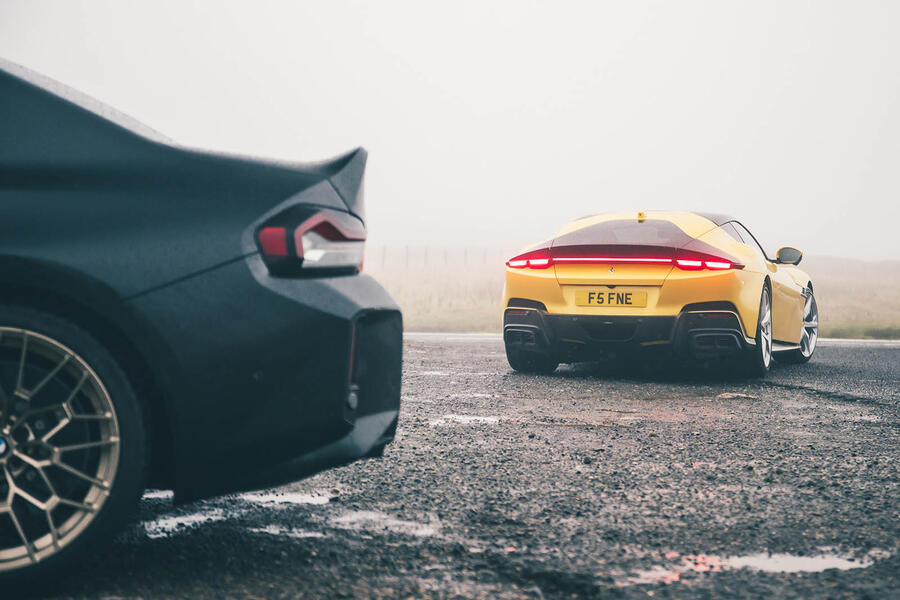
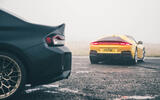
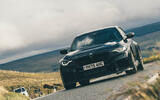
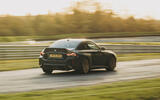
While the RS3 continues its maker's long tradition for total-traction, five-cylinder road-burners, the BMW M2 is the latest in a long line of pugnacious Bavarian two-door coupés packing a snarling straight six and rear-wheel drive (or should that be right-wheel drive?).
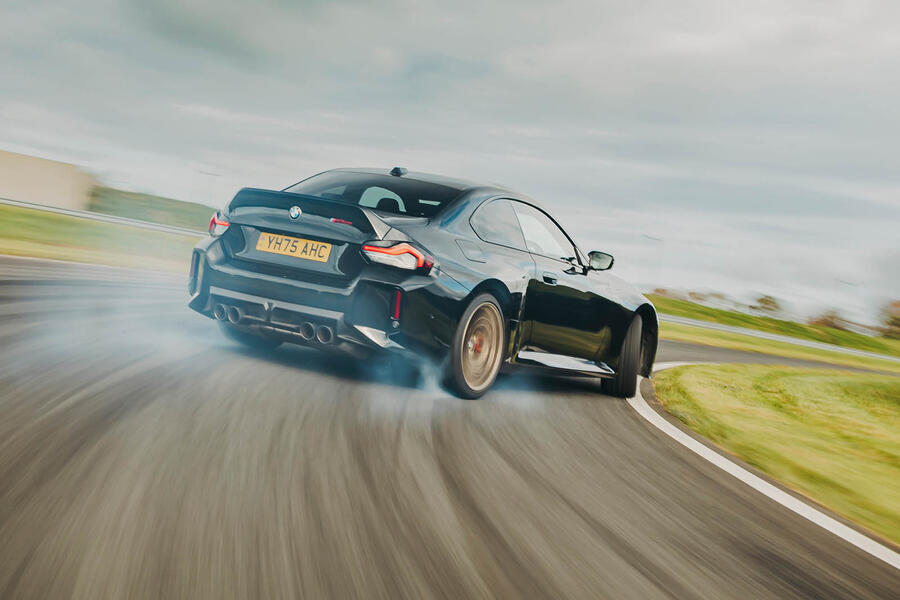
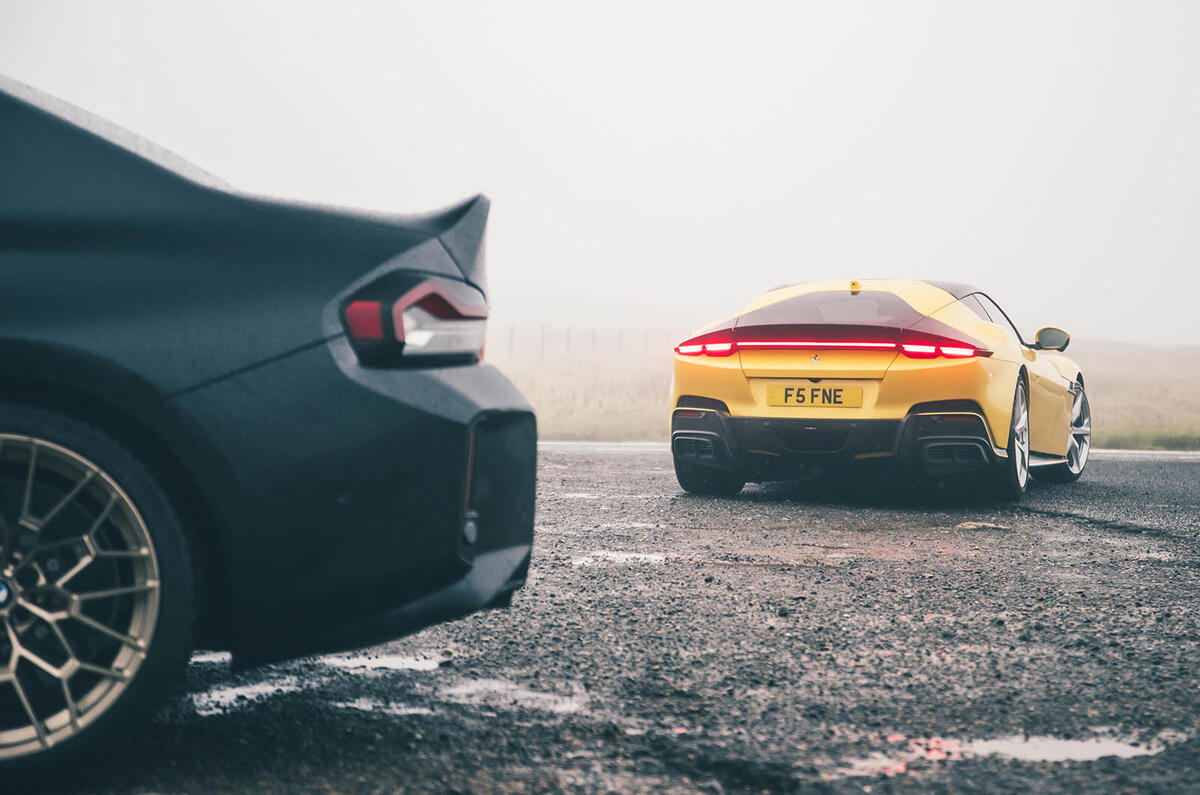
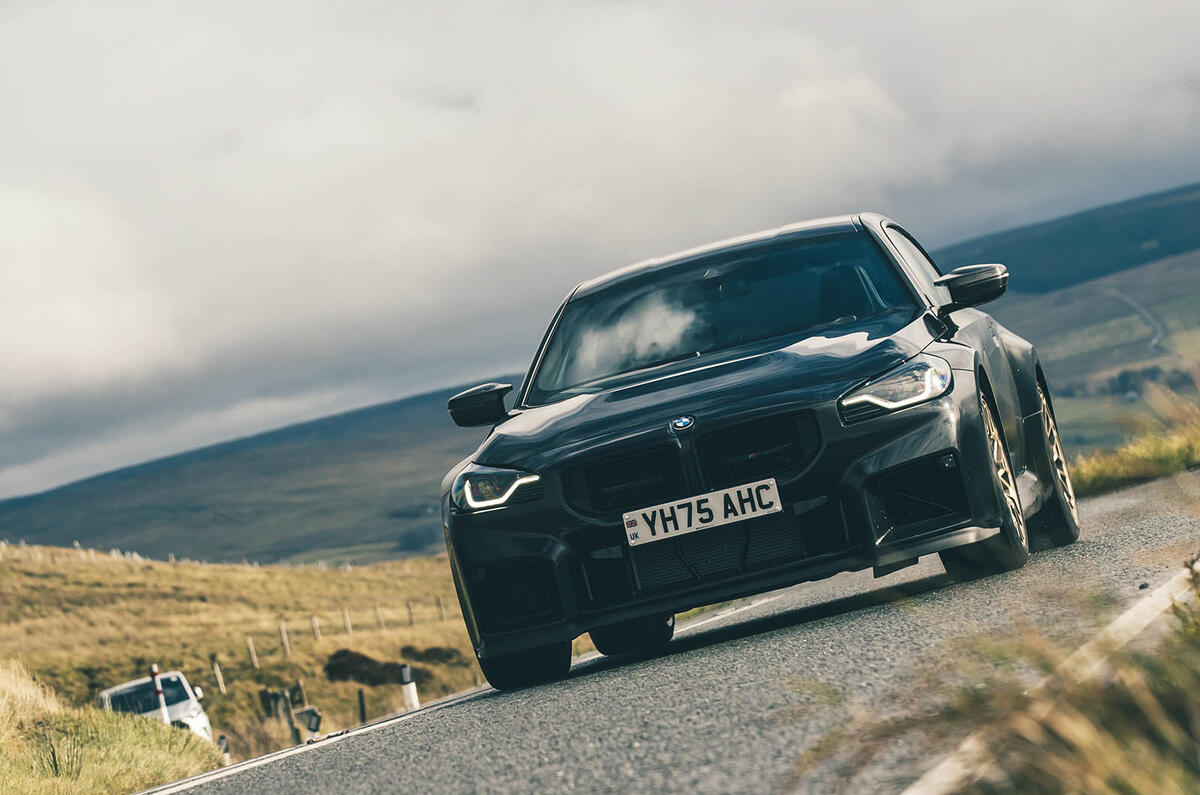
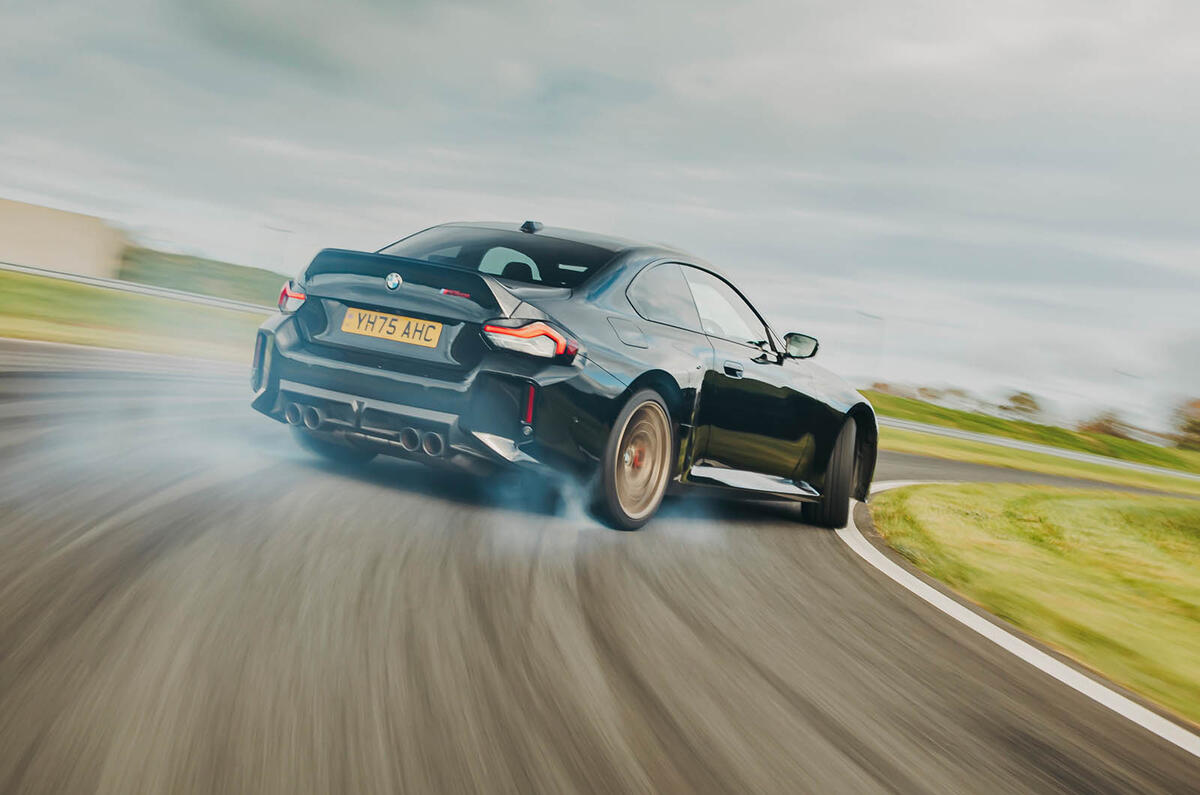
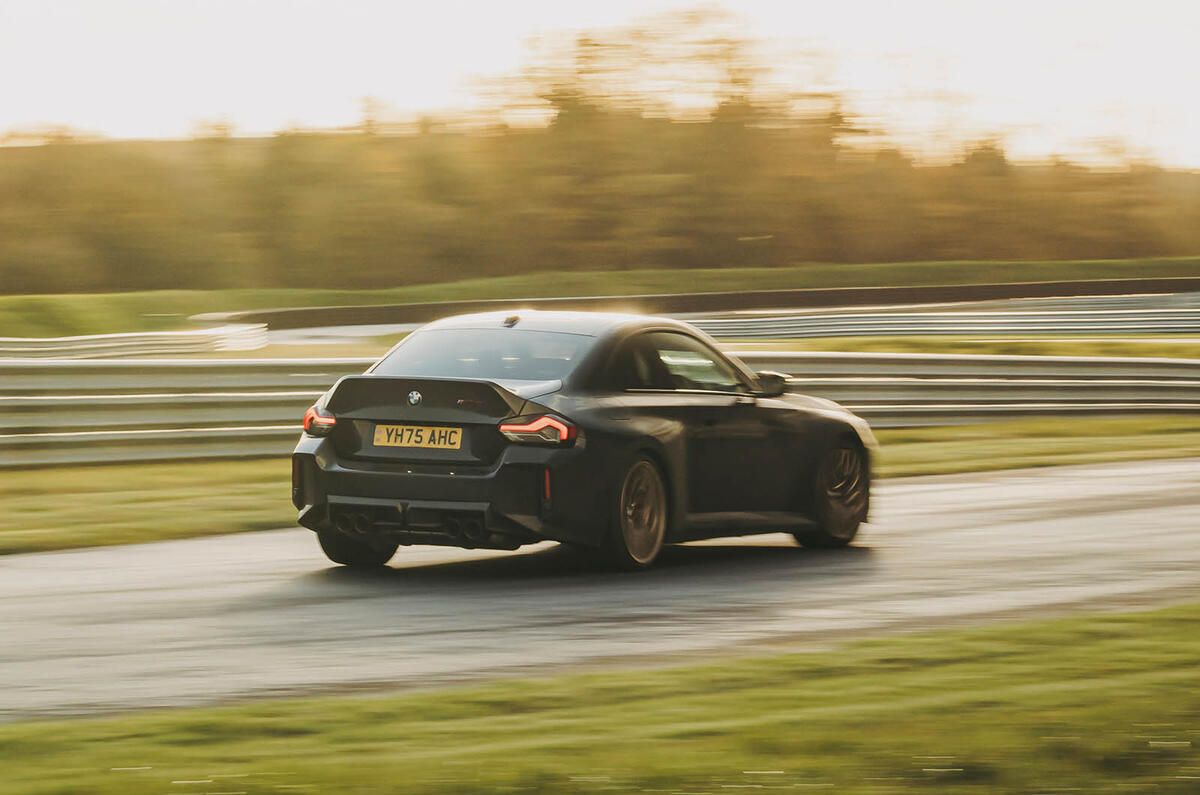
As is the norm, the CS treatment applied to this example runs to a little Mounjaro-like easing of its kerb weight, an even more focused suspension set-up and the option of racy rubber in the form of Michelin Pilot Sport Cup 2s. The coolest feature, though, has got to be that duck-tailed carbonfibre bootlid.
The road is still covered in damp patches, so the stiffly suspended M2 requires extra concentration : its front end fails to bite as decisively as you would like, while a sudden flurry of oversteer is only a throttle twitch away, even with the electronic safety net fully engaged.
For Illya Verpraet, the experience isn't a high point: "It feels like someone's polybushed a normal M2, removed a load of under-bonnet sound insulation and called it a day. It feels much harsher, but with no payoff in terms of steering feel or precision - not in the wet, at least."
Yet as the road surface dries and you learn to be smoother and more precise with your inputs, the BMW rewards with its balance and throttle-adjustability and allows you to get a little expressive out of the corners. Over to Saunders: "Fantastic, classic compact M-car handling balance blended with top-level pace and composure when you want it. Superb tactile and sensory appeal as well."
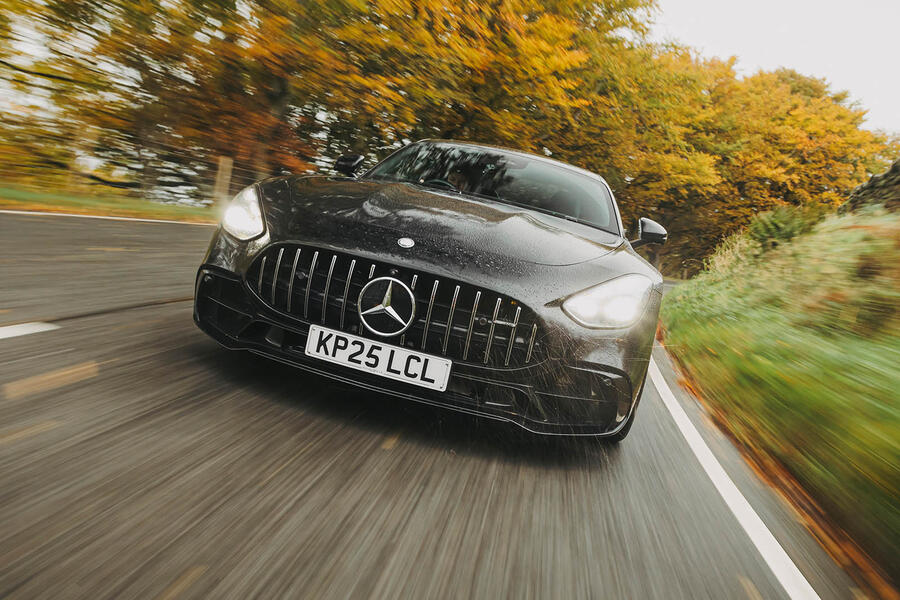
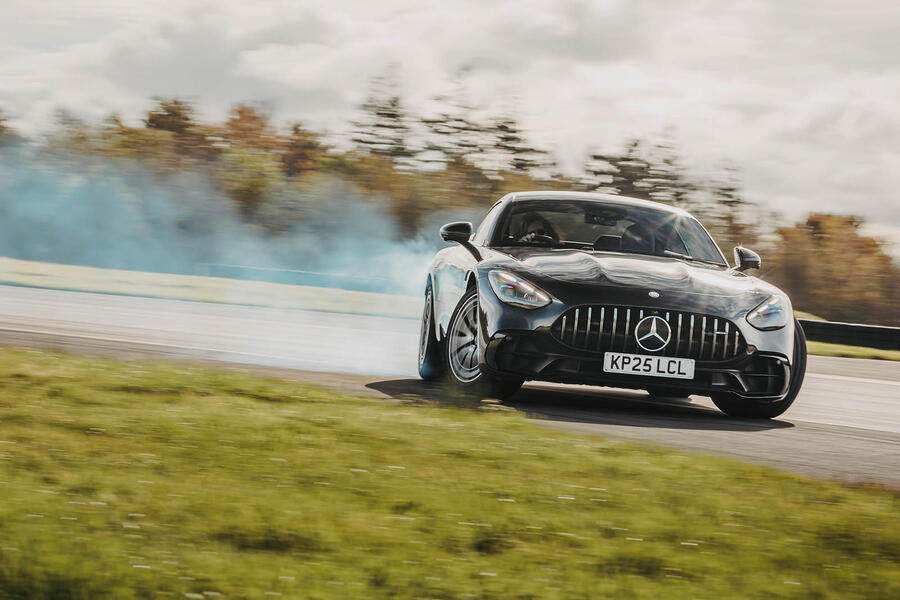
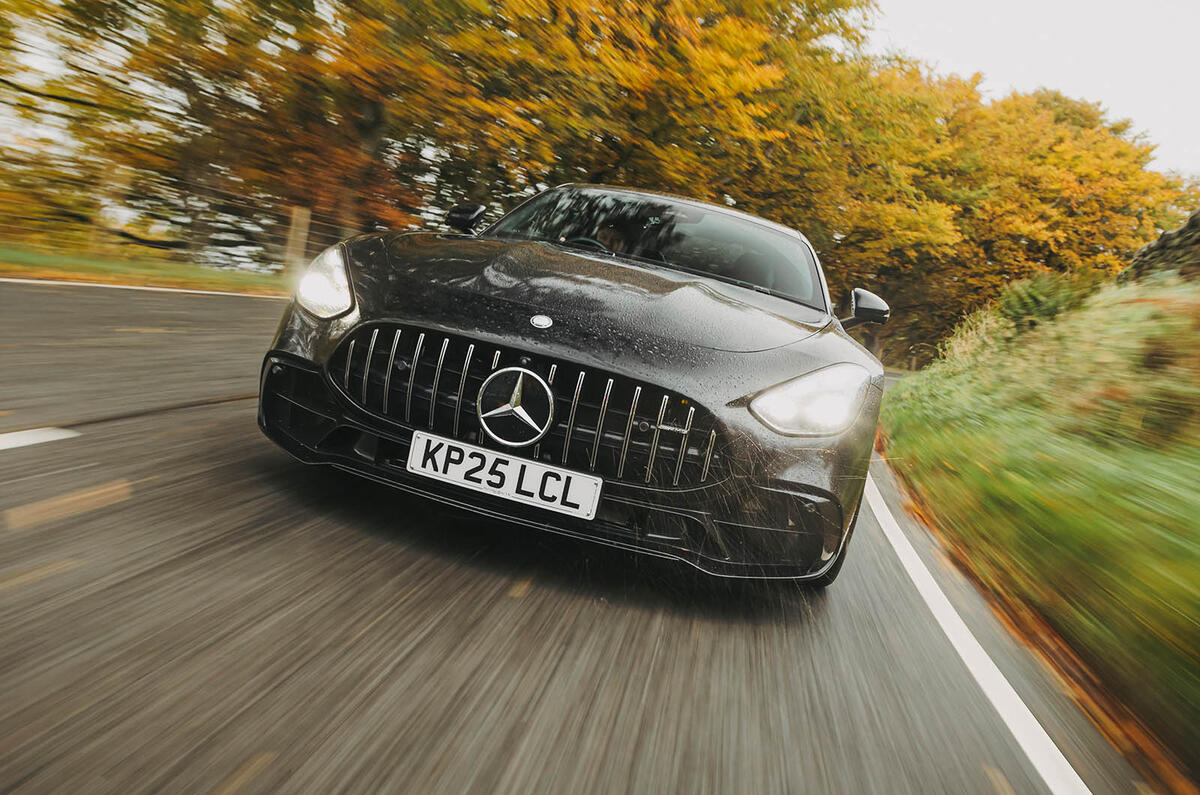
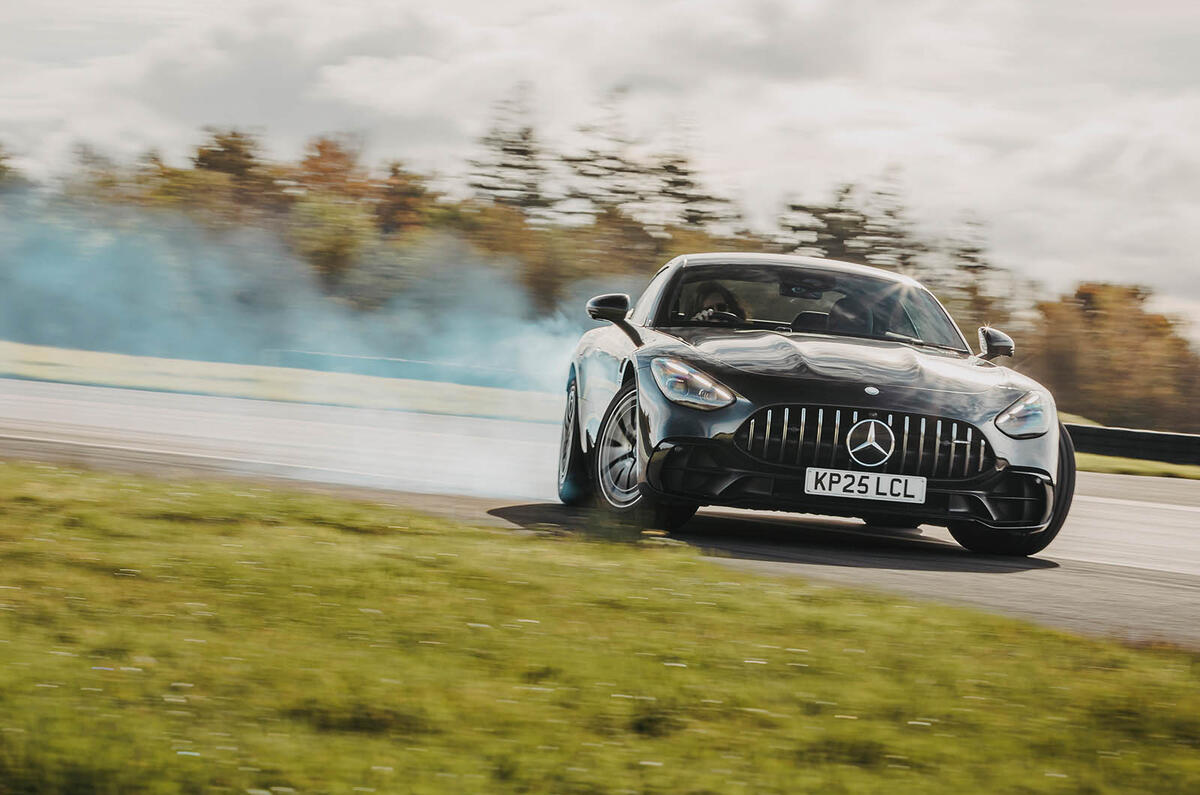
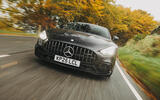
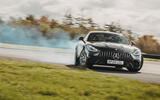
Following a similar mechanical template to the BMW is the Mercedes-AMG GT 43, which has somewhat slipped under the radar up until now. Without the usual bombastic V8 that normally motivates Merc's marquee performance offerings, the four-cylinder coupé goes about its business with a low-key approach that's unusual for an offspring of Affalterbach.

The 2.0-litre motor is no crooner but has just the right amount of performance, while the nicely paced steering, supple suspension damping and rear-drive adjustability allows it flow down the road. "Lovely balance, positive steering and change of direction," comments Verpraet.
"I love how it rolls a bit and then sets itself, ready for the rest of the corner." Prior is less convinced. "I didn't get on with it at all," he says. "Not that engaging on the road, although I like its neutral GT-ish balance ." Saunders concurs: "Neither fish nor fowl; not quite a GT, but not quite a sports car." Prior later adds that the four-cylinder engine fails to make a good noise in either environment.
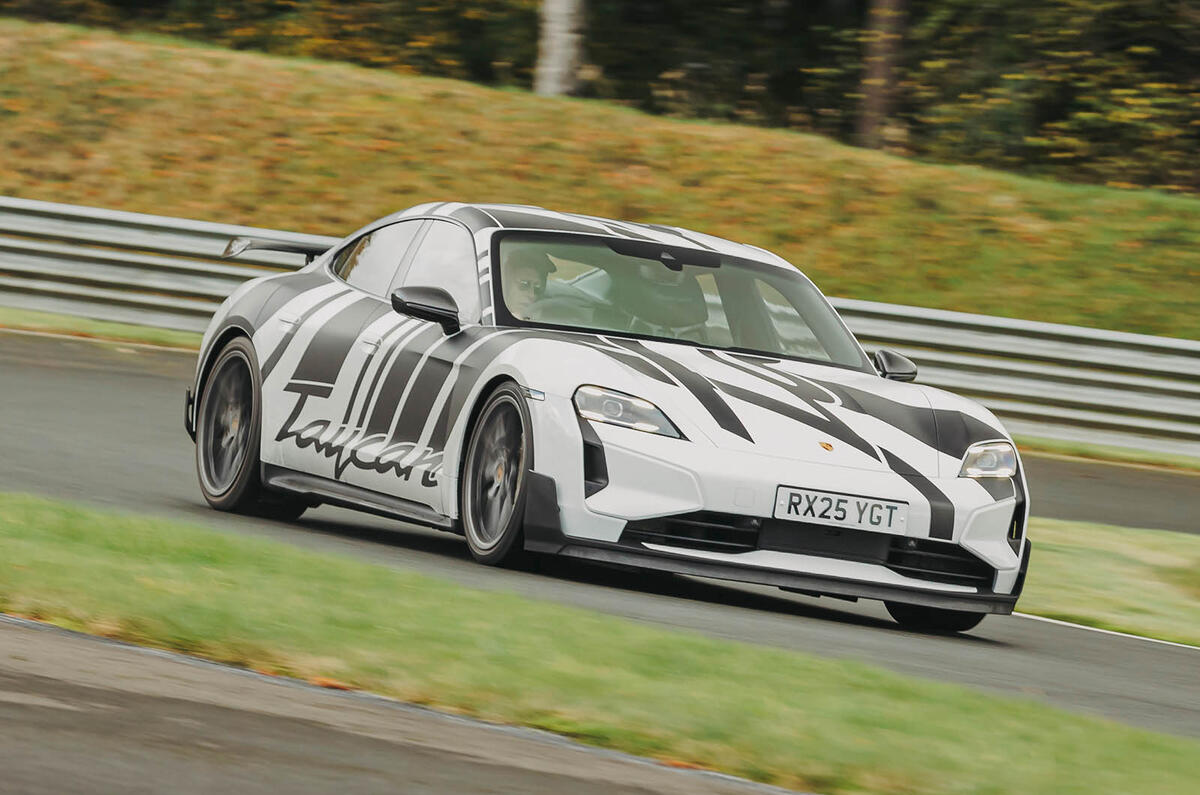
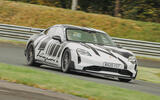
If we're talking confused characters, the Taycan Turbo GT should take the biscuit. With a mind-scrambling 1094bhp and a numbingly fast Nürburgring lap time, the Porsche is in true hypercar territory. Yet it's wrapped in a four-door super-saloon body that only has seating for two.
Regardless of what it's trying to be, the Taycan delivers on the road. Yes, it's big, and at 2.2 tonnes it's no lightweight. It's also outrageously fast (but its Jetsons soundtrack is an acquired taste), and thanks to some Weissach chassis magic, the EV always feels agile and alert.
The steering is among the best here, being rich in feedback and well judged in its speed and weighting. There's precise turn-in, excellent balance and a welcome sense of playfulness, too.
"Much, much better than I thought it might be," proffers an impressed Prior. "I have no idea what it's meant to be or how you would pitch it to a customer, but it's well fast, genuinely quite good fun and really poised on the road."
Saunders reckons it's probably better on road than track, which makes the idea of a track special like this a bit of a red herring. He says it handles fluent, flowing roads really well, steering deliciously, soaking up bumps brilliantly and feeling more agile and balanced than you'd credit in a 2.2-tonne car.

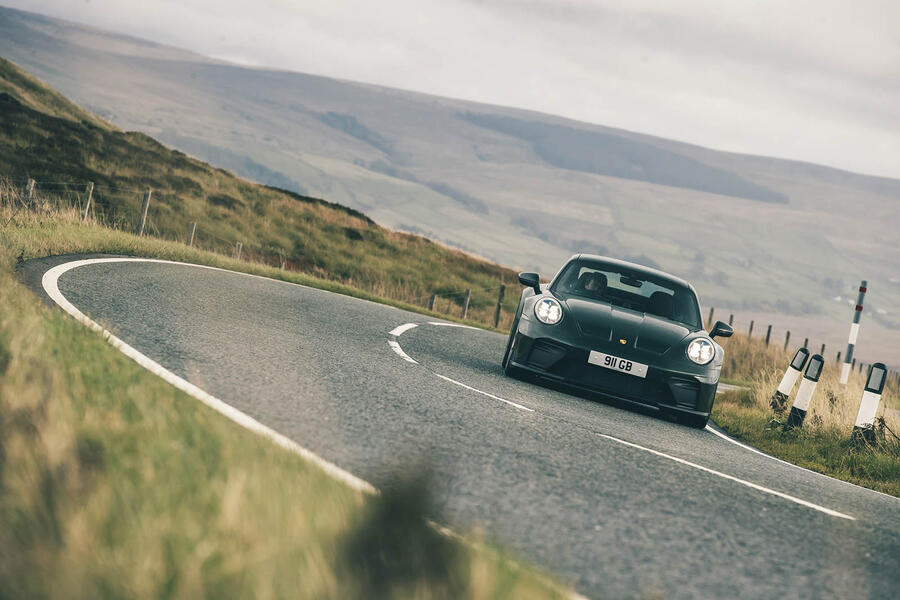
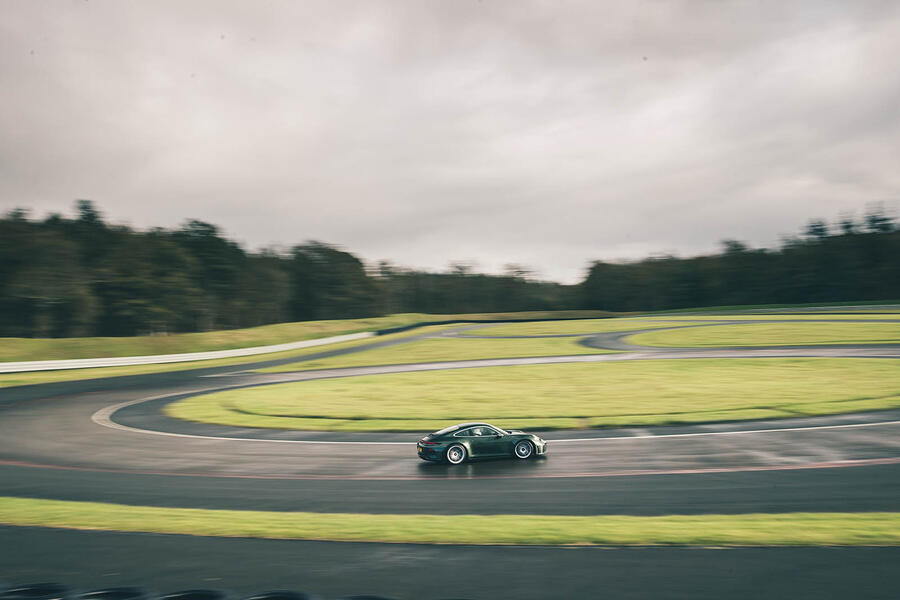
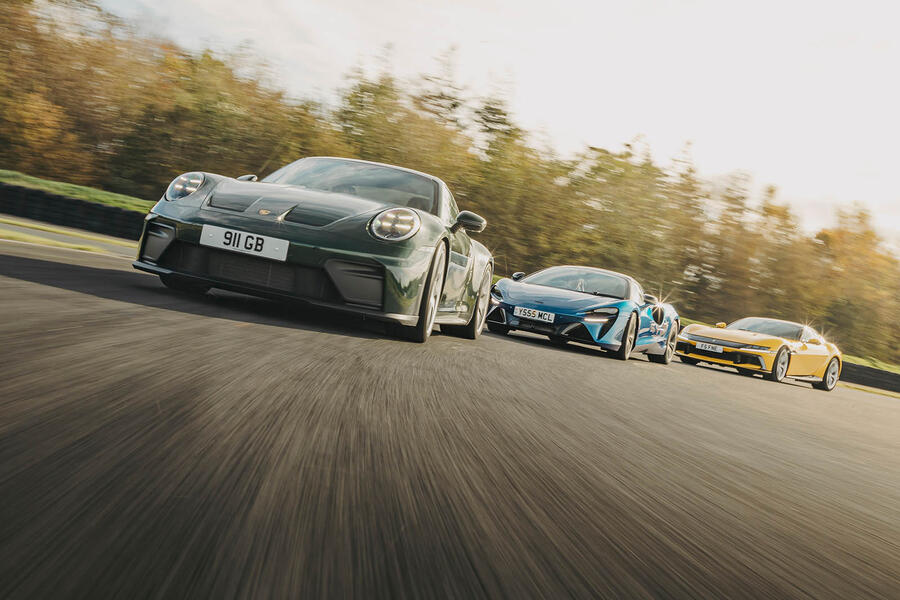
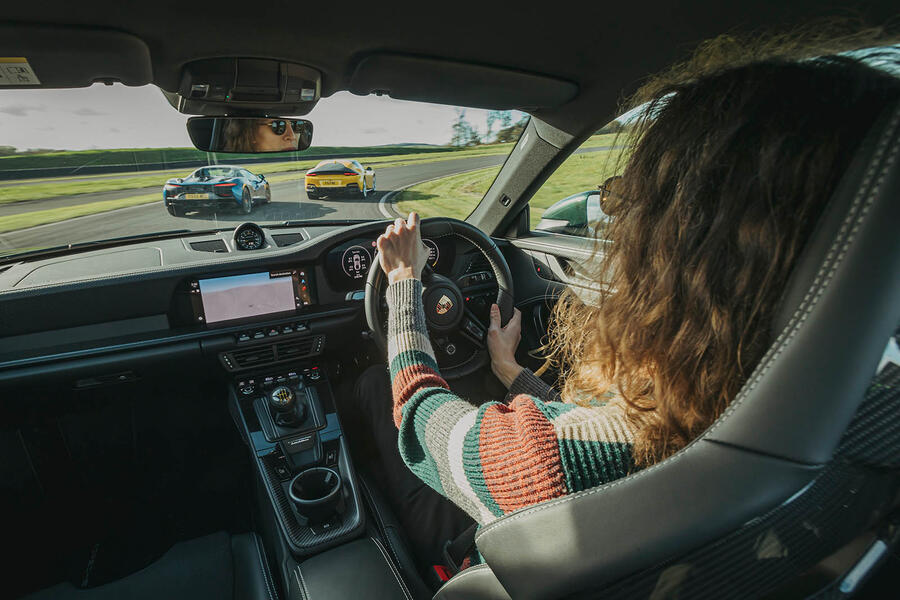
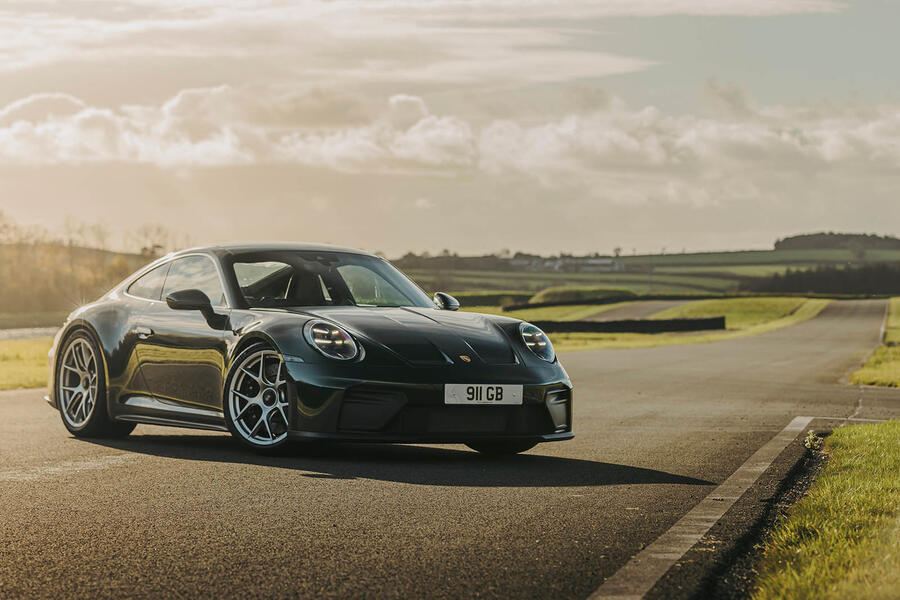
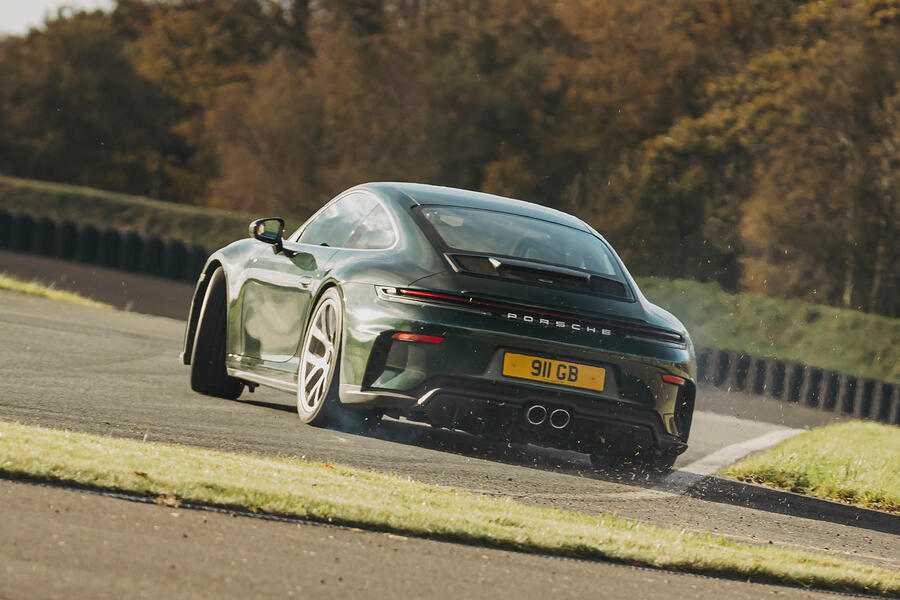
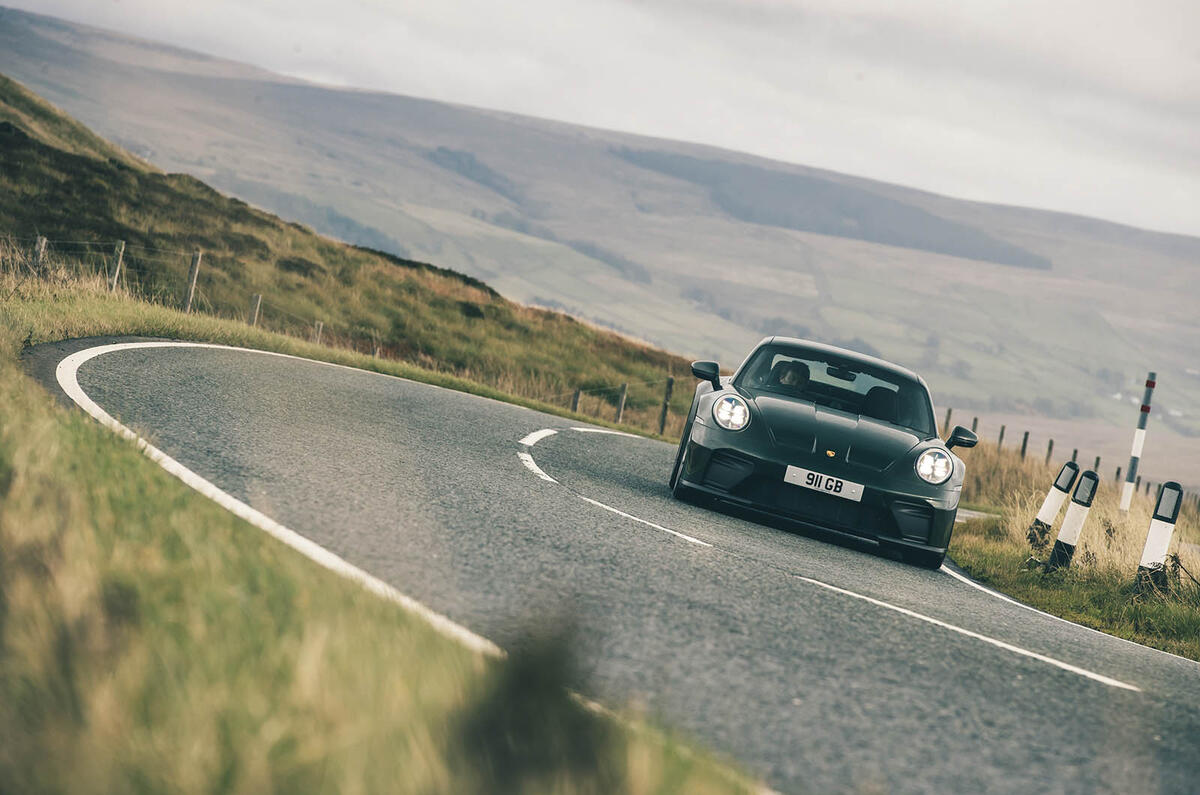
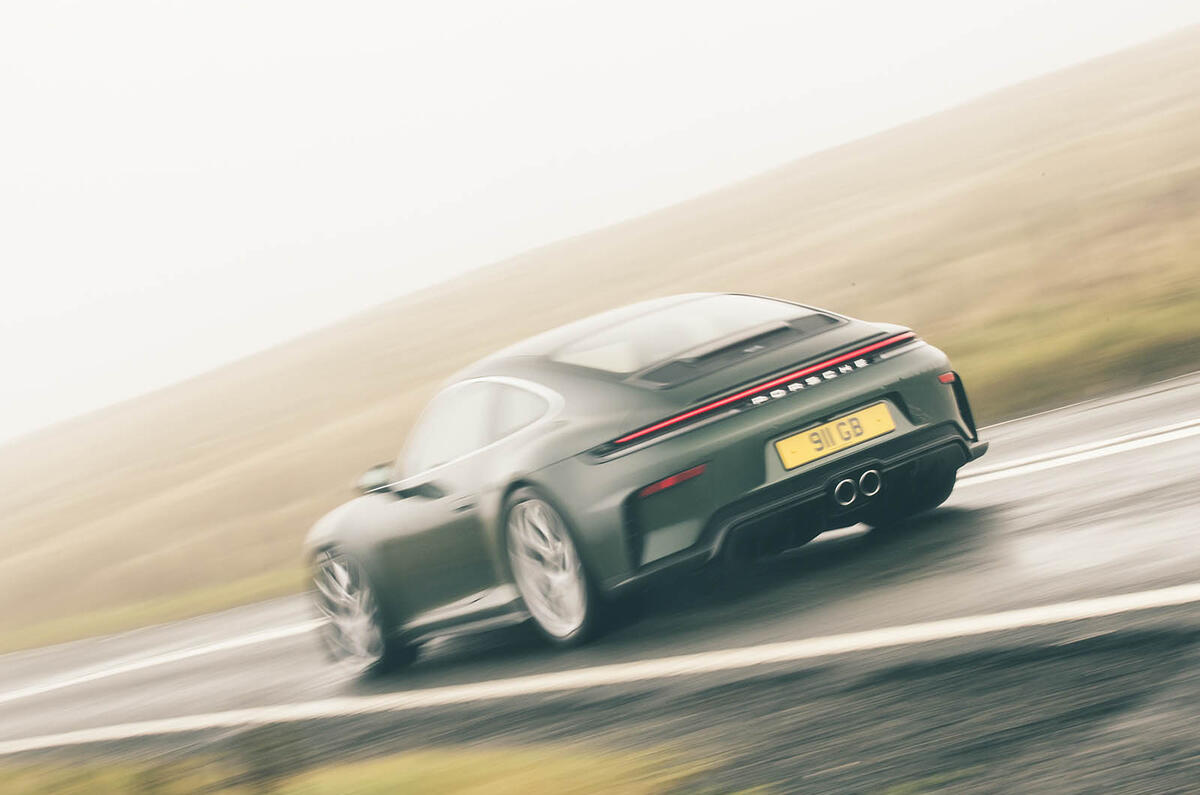
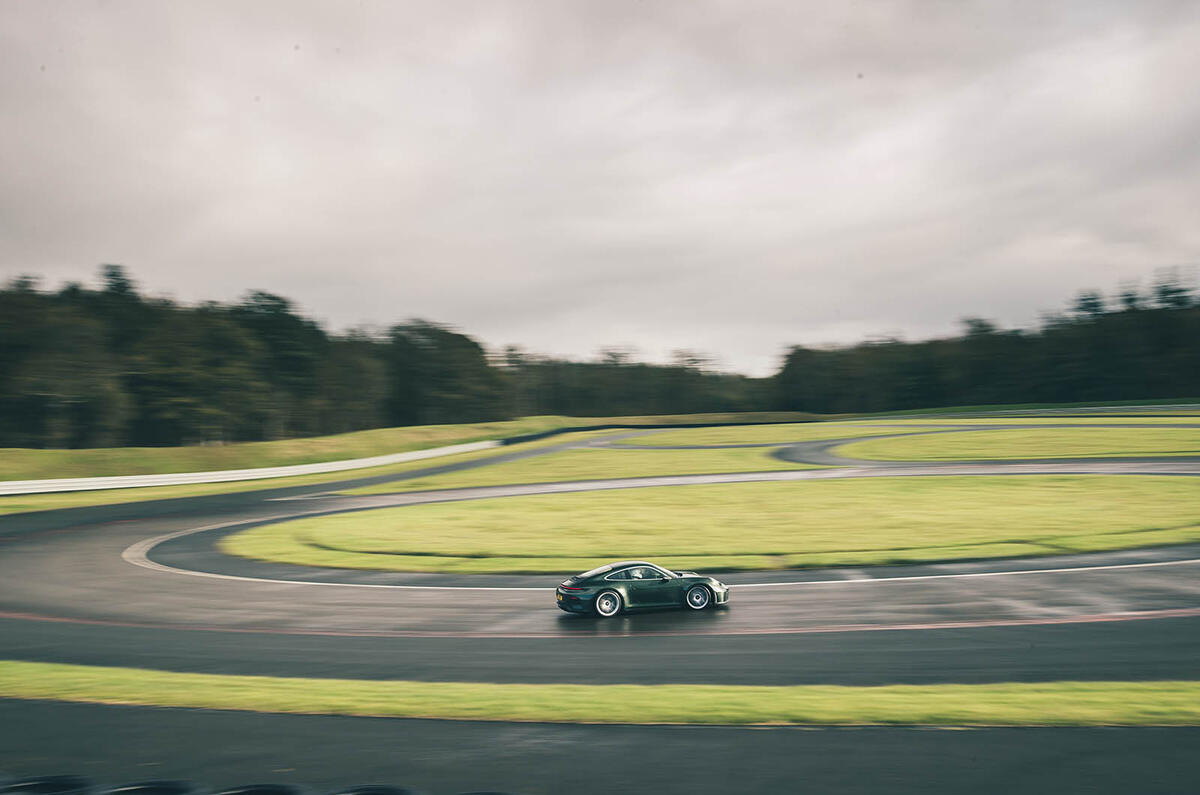
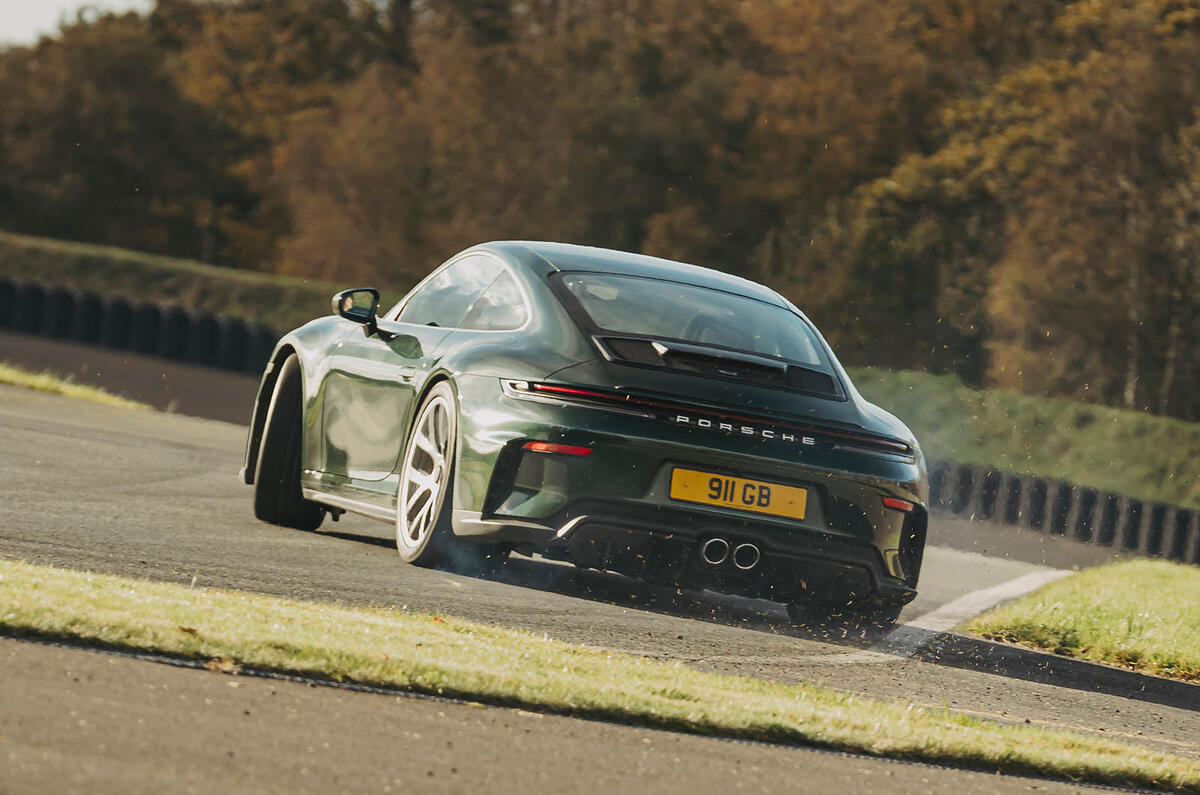
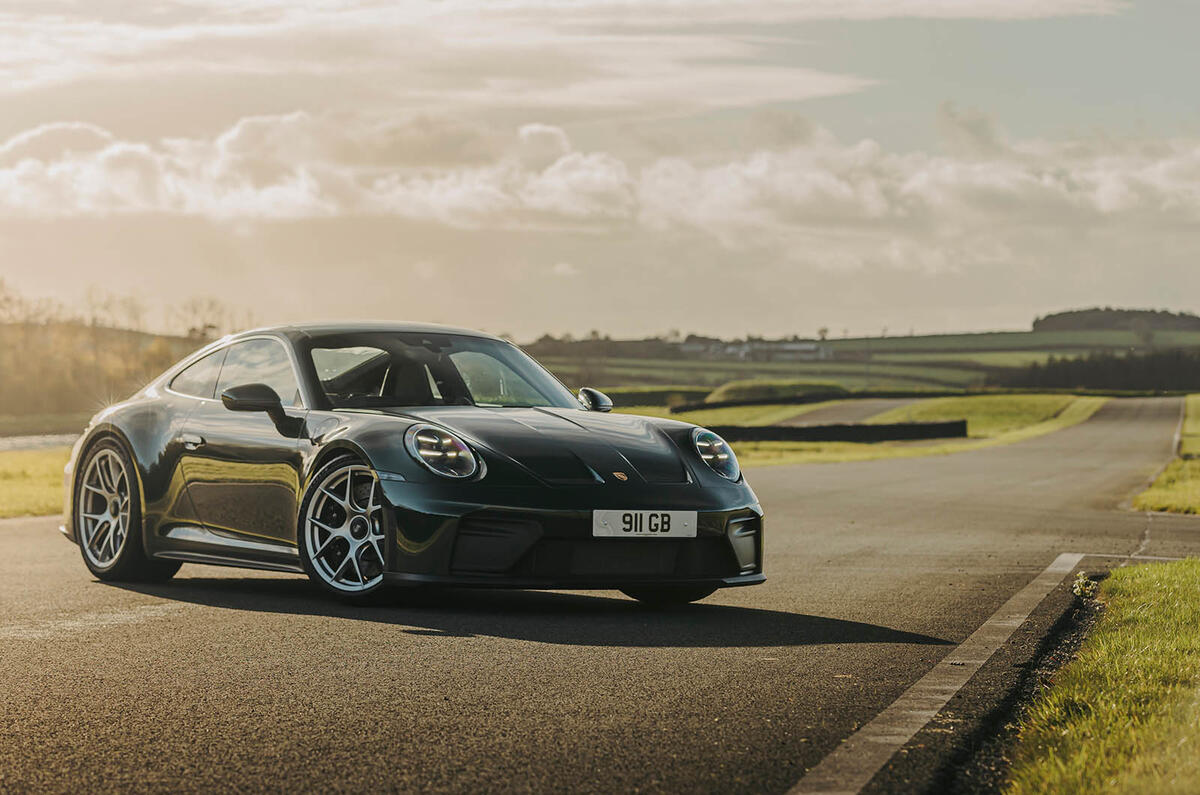
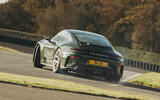
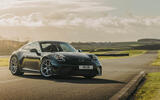
It's a mark of the breadth of Porsche's ambition that its price lists also include the 911 GT3, a hand-wound chronograph to the Taycan's pulse-reading, internet-of-things smartwatch. Now in updated 992.2 guise, our low-key(ish) wingless Touring example, with its snappy six-speed manual gearbox, enthralls from the moment the 4.0-litre flat six fires into life with its trademark hollow bark.
Of course, the 911 is no longer a compact car, but it's just about small enough for our roads and it offers excellent visibility. Plus it provides the sort of driver feedback that projects an ultra-high-definition widescreen picture of the road beneath you.
As a result, it's not long before you're fully exploiting the Porsche's incredible dynamic repertoire, revelling in its sublime chassis and marvelling at the fact that it's the only car here to allow you to break out your increasingly rusty heel-and-toe technique. Richard Lane is spellbound: "The granular communication of the chassis through your backside; the endless linearity of that screaming motor; the way it will almost imperceptibly tighten its line on the throttle on a damp road. It's a work of art." Well, quite.
This car isn't perfect, though, with some off-throttle driveline shunt that's at odds with the otherwise impressive mechanical integrity of the rest of the car. The stiff-legged low-speed ride and ear-assaulting NVH mean it's no GT, either.
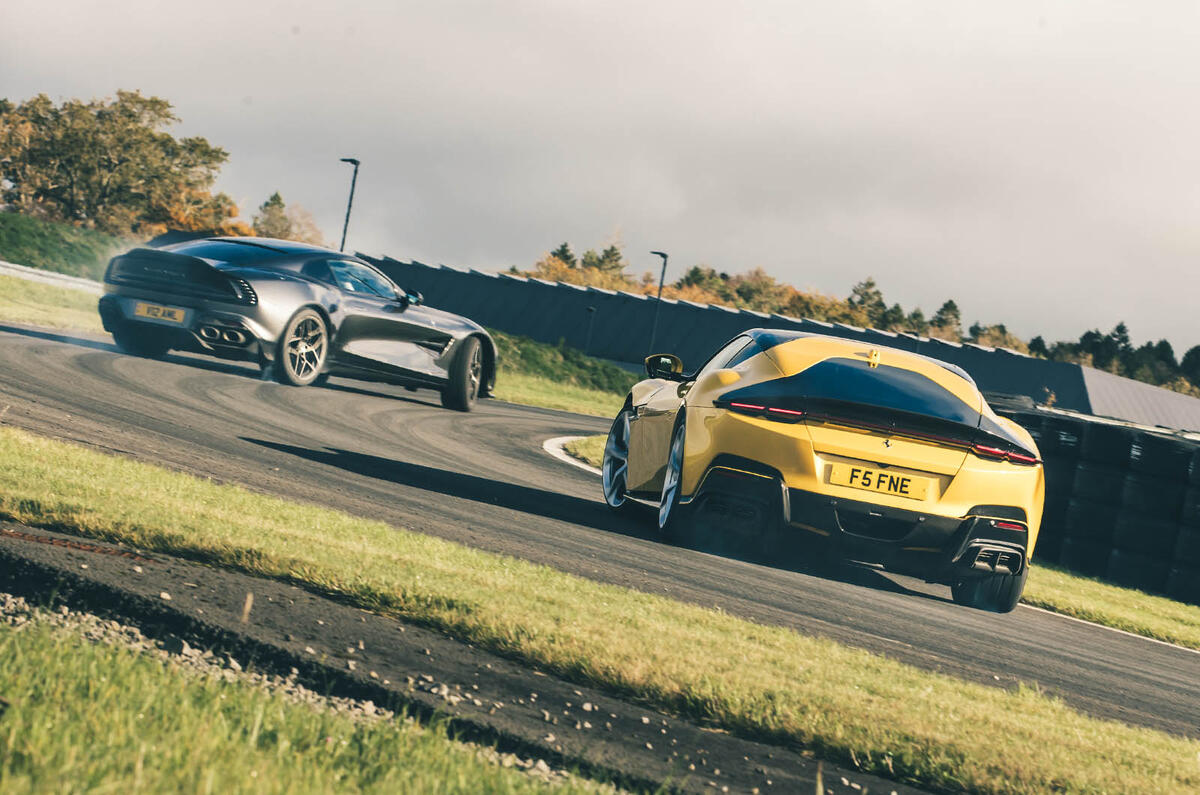
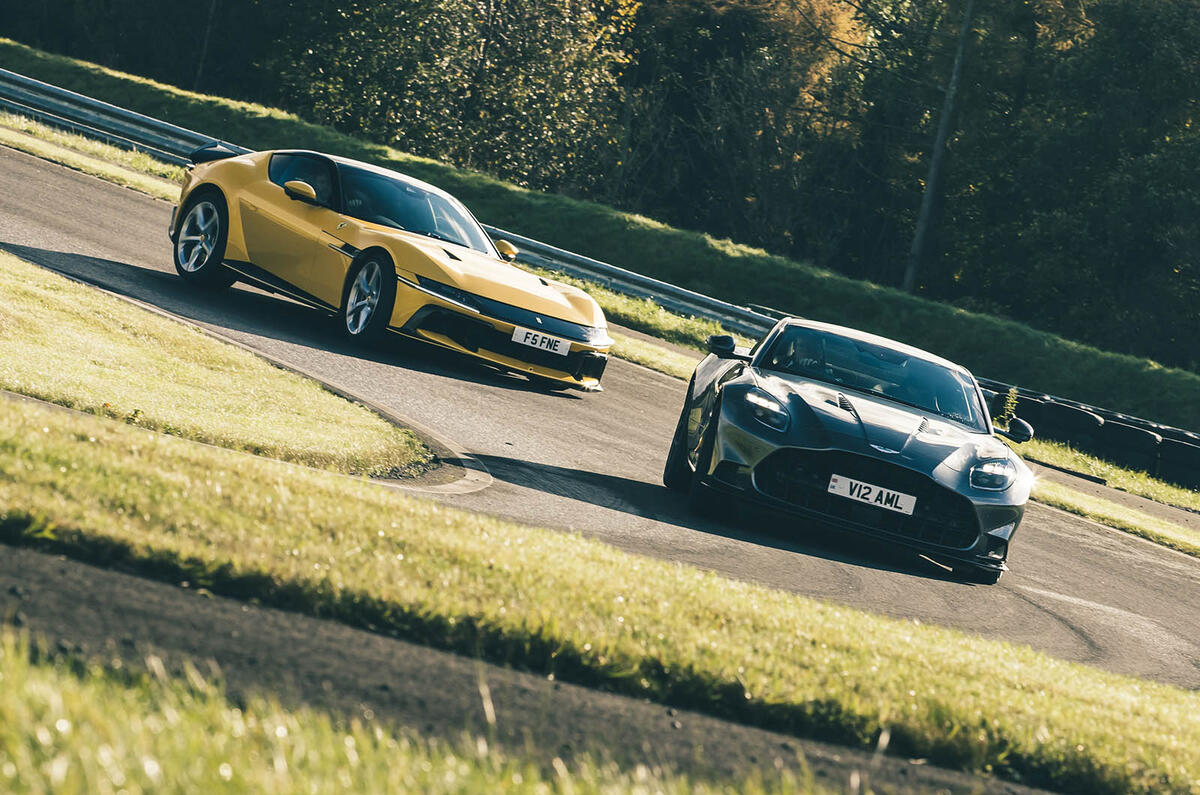
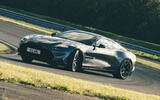
If continent-compressing opulence features on your wish list, then you'll need either the Aston Martin Vanquish or Ferrari's 12Cilindri. On paper, these are remarkably similar machines, featuring jaw-dropping lines, vast-capacity V12 engines and cabins that ooze club-class luxury. Yet scratch below the surface and you'll discover they couldn't be more different.
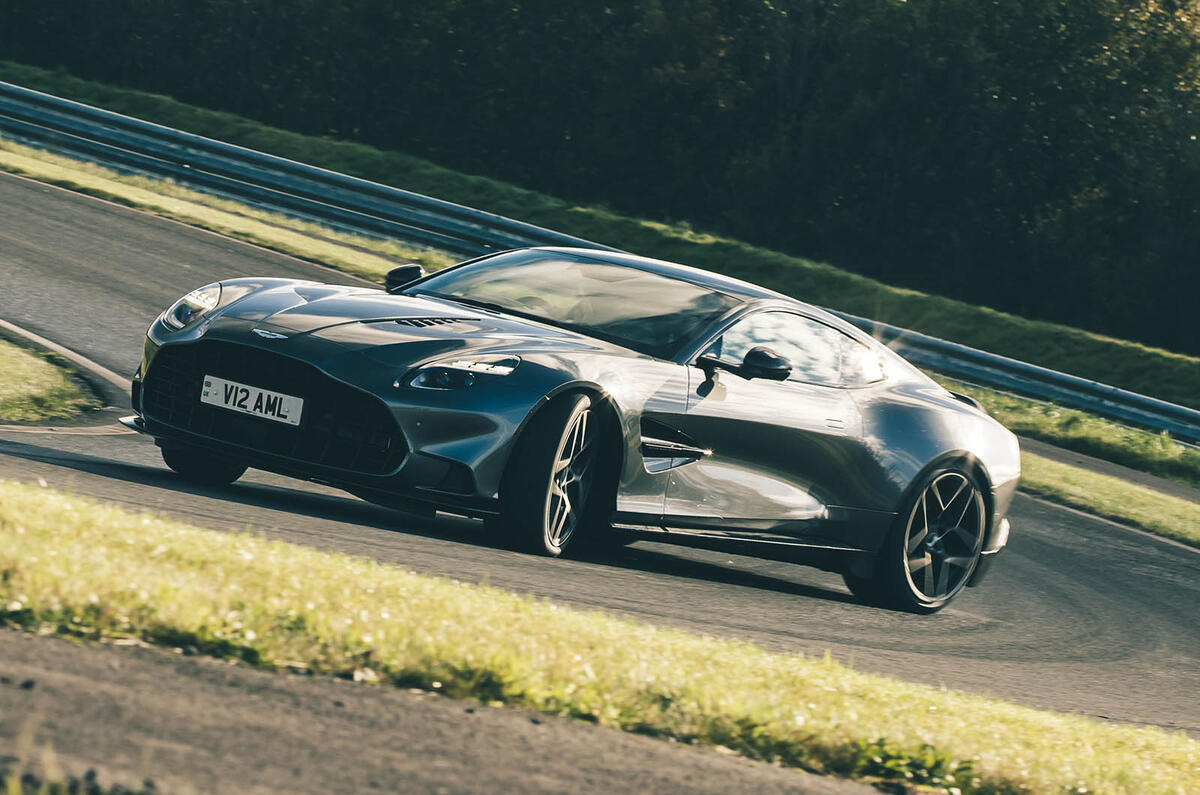
We'll take the Aston first, which immediately feels big on our helicoid route up and down Hartside, a feeling that's exacerbated by the slightly restricted view out of its pillbox windscreen. Push on, though, and you'll find the steering is accurate and naturally paced, while strong turn-in bite and taut body control mean the Vanquish can be hustled surprisingly hard. Its sheer size counts against it.
With so much power on tap, accessing the full potential of the twin-turbocharged V12 is largely futile, especially given that the torque ramps up to traction control-wilting levels past half throttle. But it sounds good, in a 'Chris Rea in need of a Lemsip' sort of way. James Disdale notes that the mighty V12 engine is always in danger of overwhelming the chassis in the damp, and also mentions a brittle low-speed ride quality that's at odds with its daily-driver supercar shtick.

Saunders emerges from his stint behind the wheel wearing a broad grin. "It wins the field's super-GT-off, for my money," he reckons. "Better seats and driving position than the Ferrari, more accessible grunt and a bit more muscle, gravel and gristle to its character at ordinary speeds."
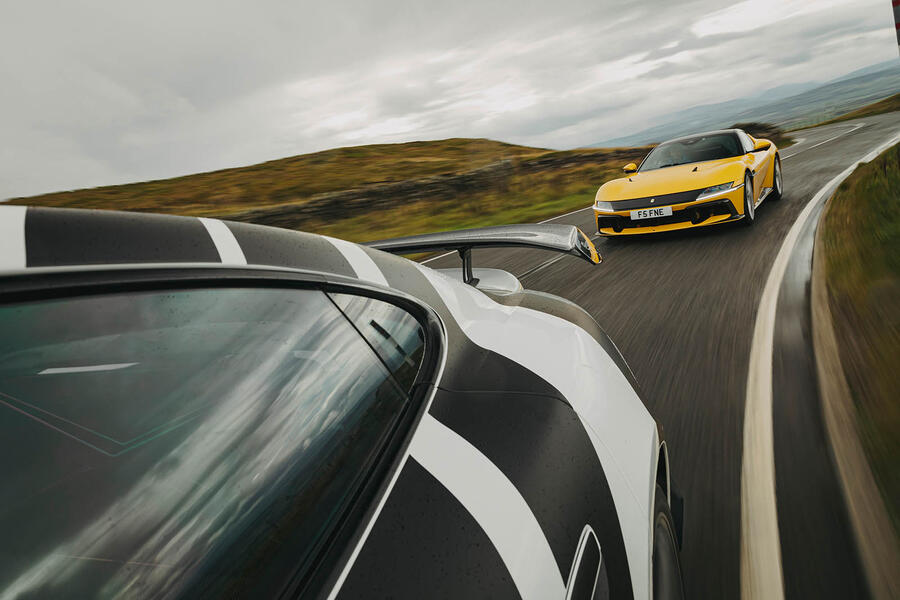
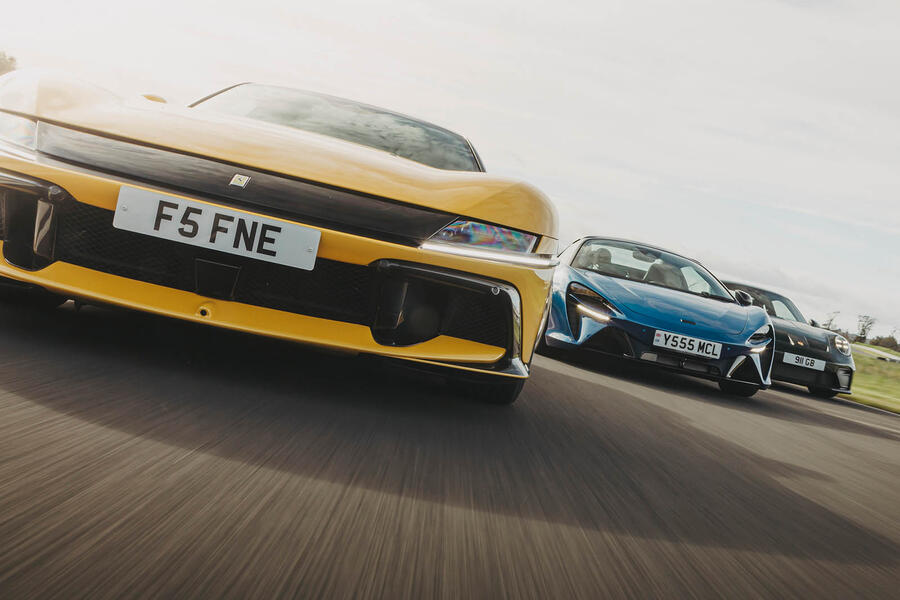
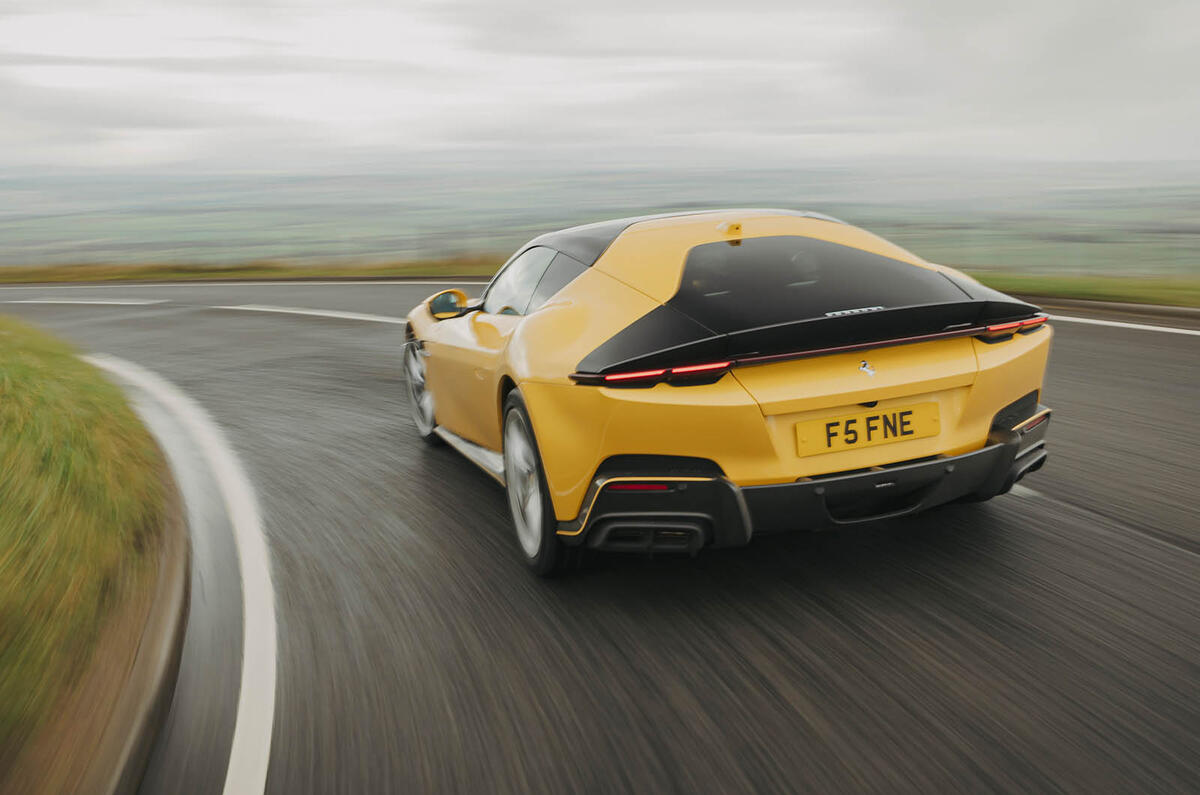
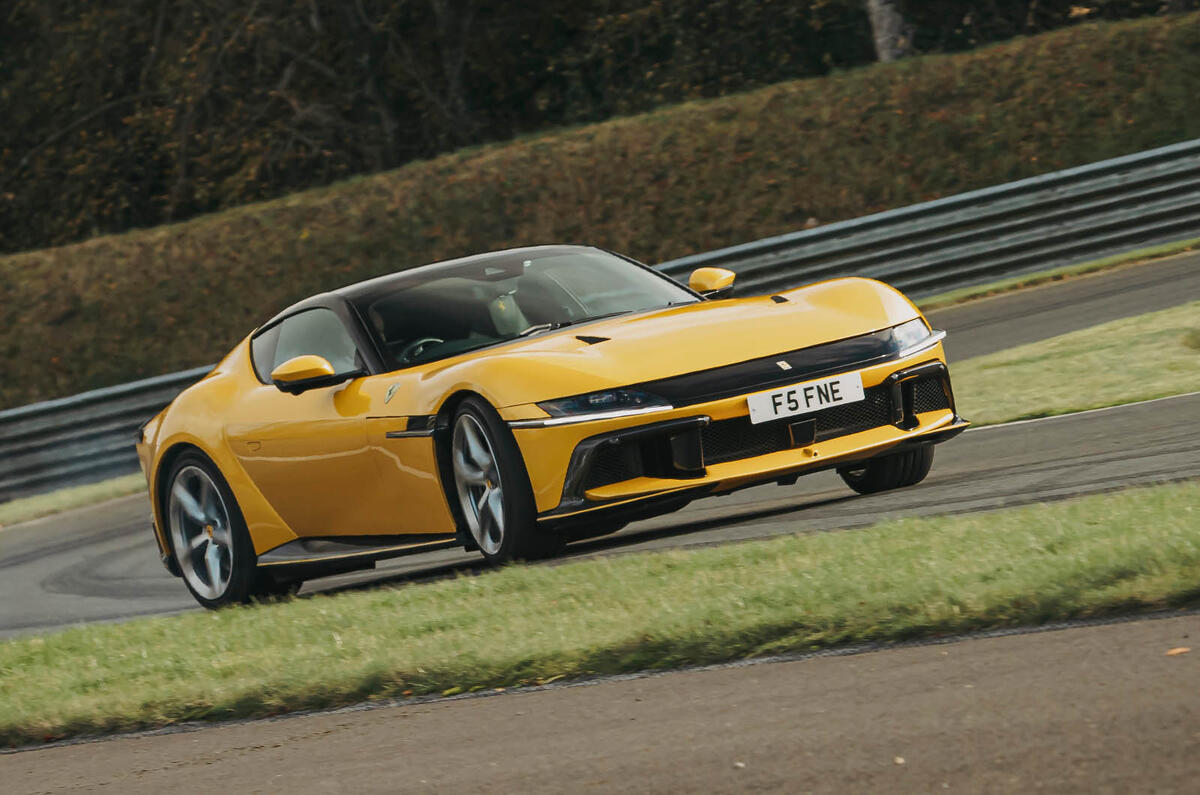
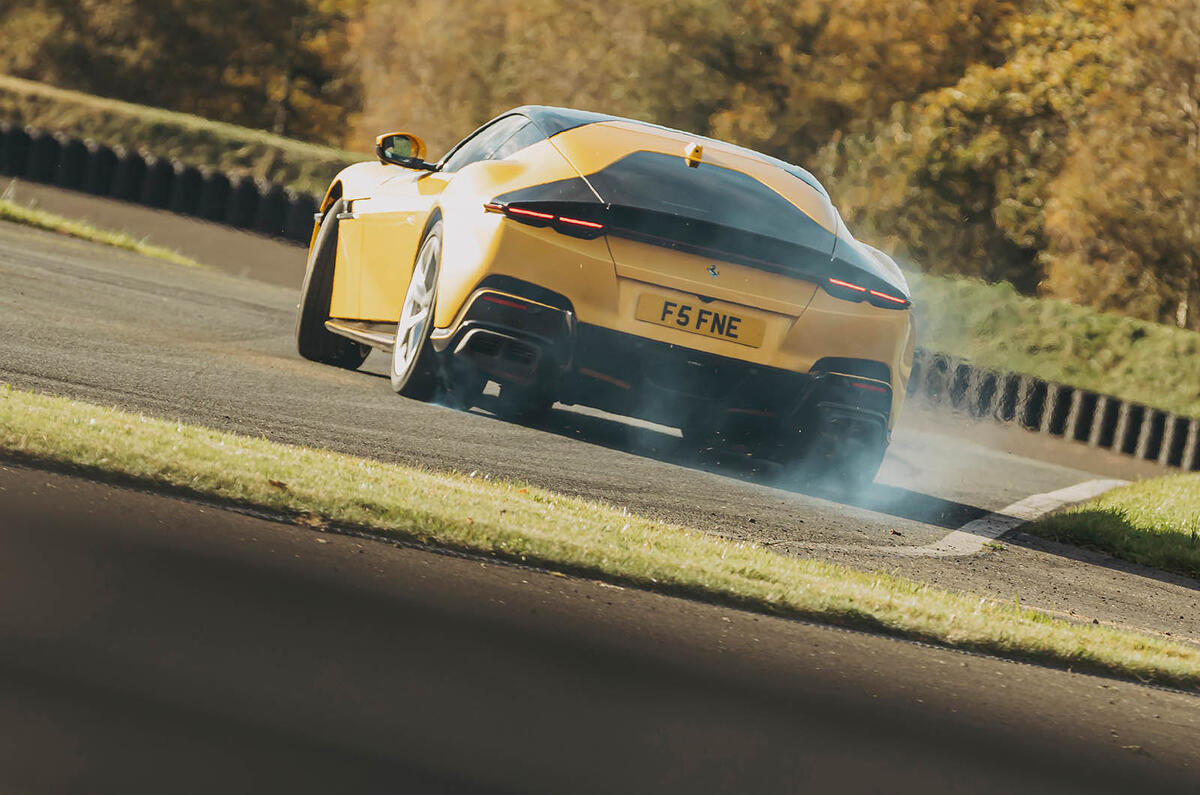
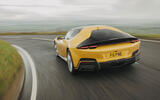
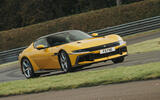
Where the Aston is all brute force and bulldog spirit, the Ferrari takes a more delicate approach. A lot of that comes down to its glorious naturally aspirated V12, which, despite its enormous 6.5-litre capacity, revs with an almost inertia-free eagerness. It whips around to its near-10,000rpm redline in the blink of an eye, accompanied by an orchestral knee-trembler of a soundtrack and warp-drive acceleration.
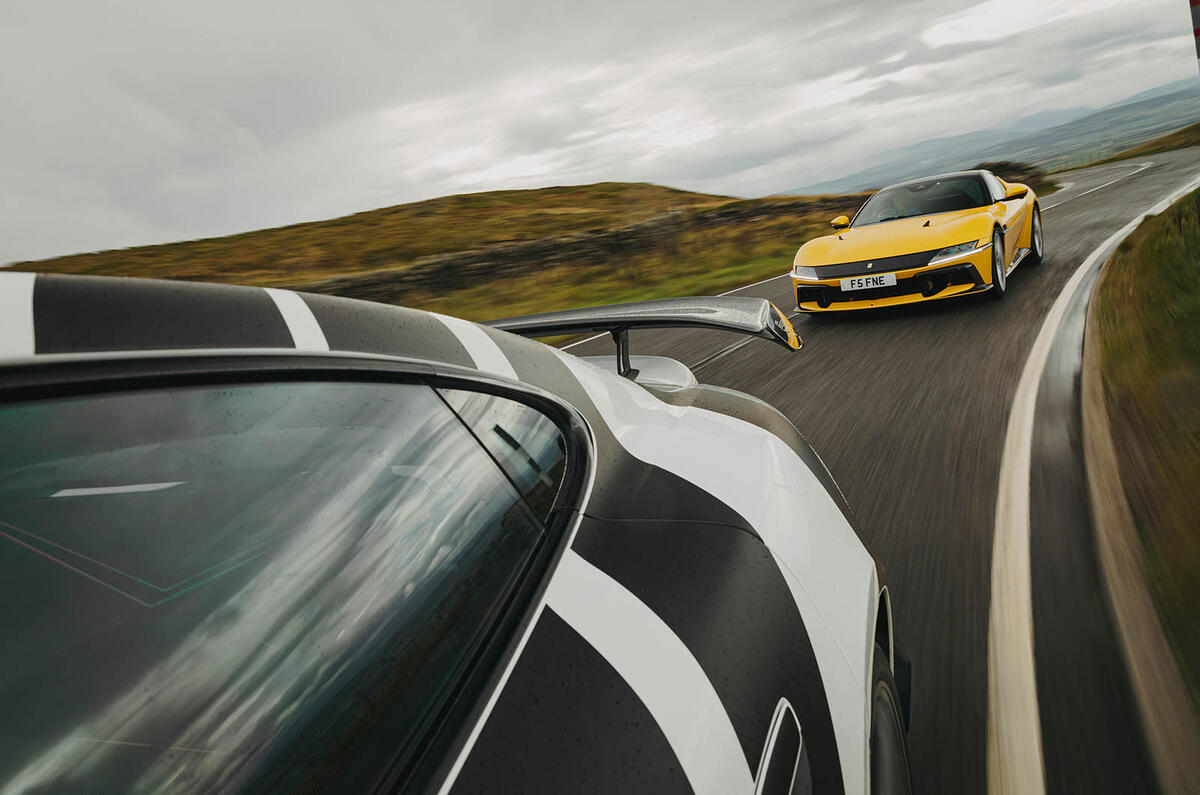
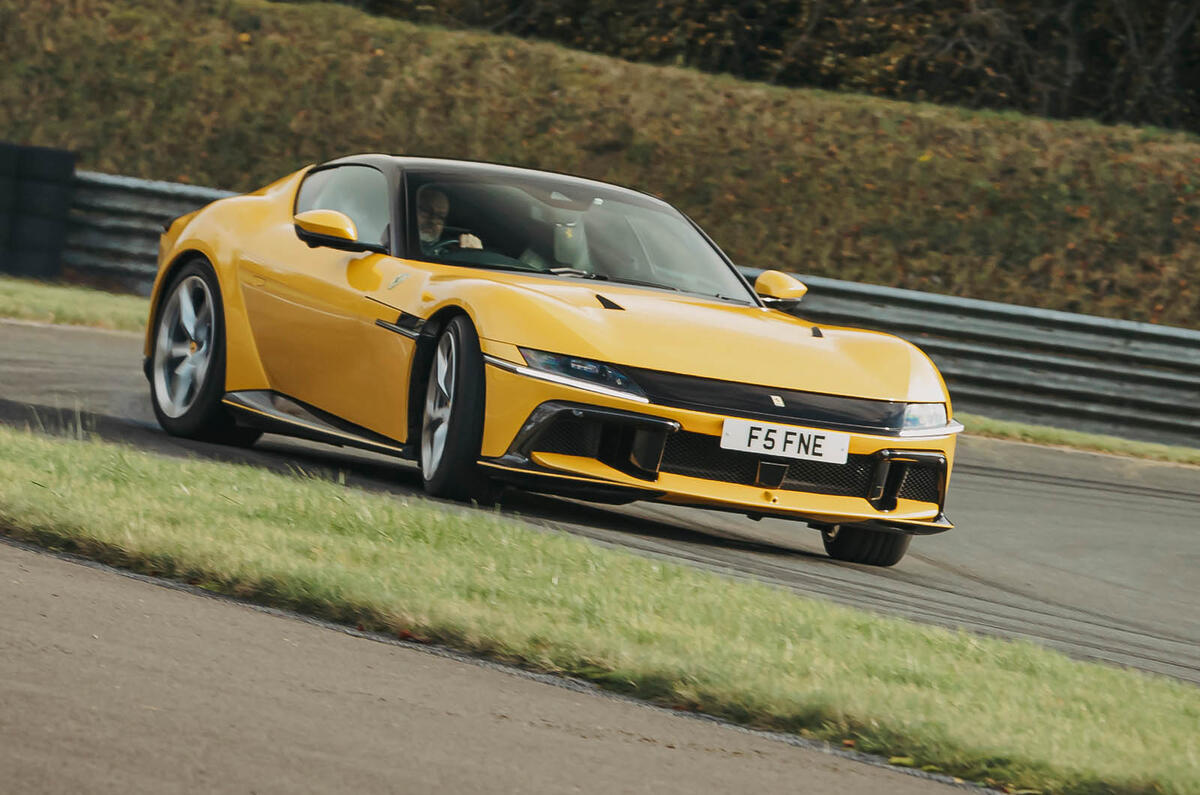
Like the Vanquish, the 12Cilindri only just about squeezes onto typical British secondary roads, but with its wrist-flick rack and steered rear axle, the Fezza feels remarkably twinkle-toed as it darts this way and that, picking apart our route with devastating poise and precision.

Lane is fulsome in his praise for the Fandango: "Totally addictive handling. Its gait is superb, the damping is utterly polished and the cleverness of the back axle means you can take ridiculous liberties. An 819bhp scalpel." If there's a criticism it's that the Ferrari's keenness to play the out-and-out road-burner is a little at odds with its grand touring credentials.
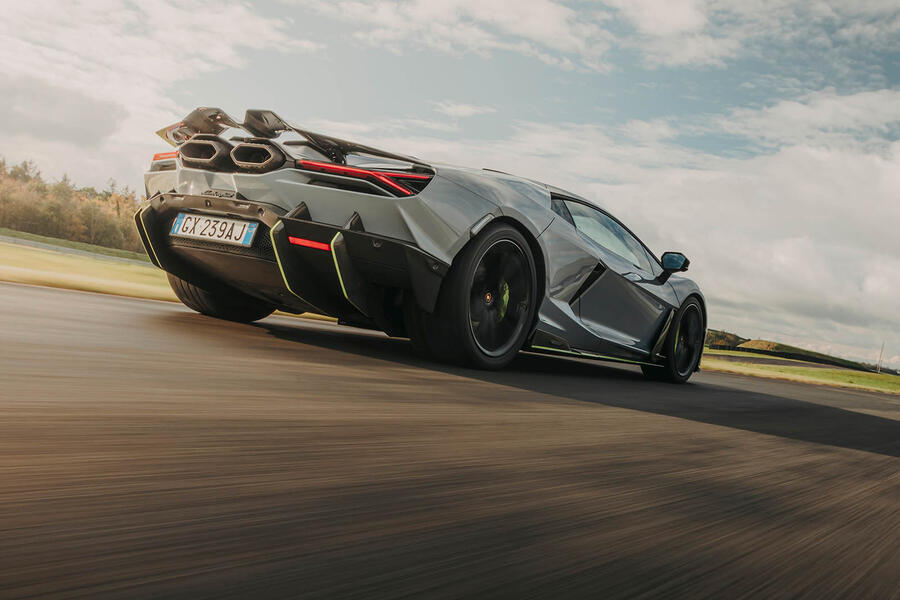
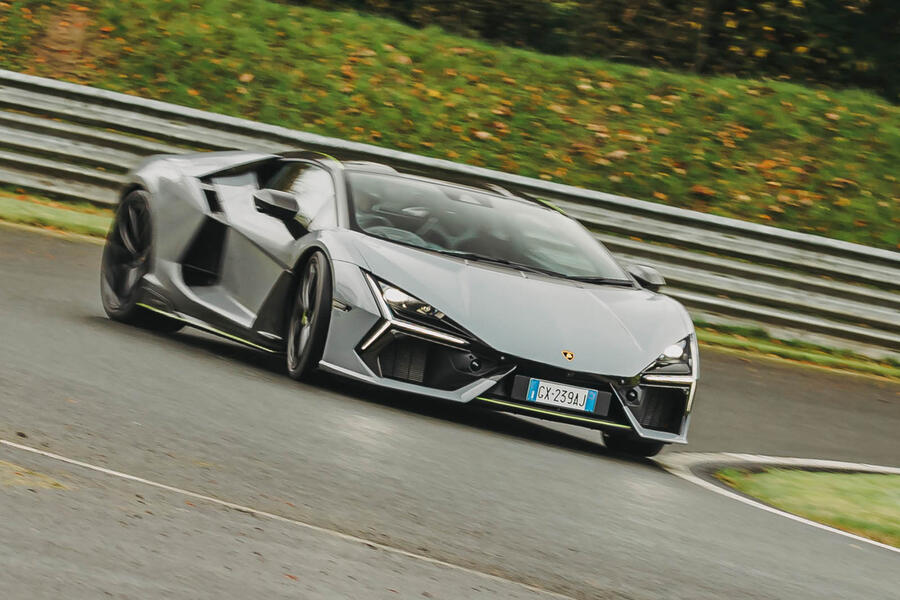
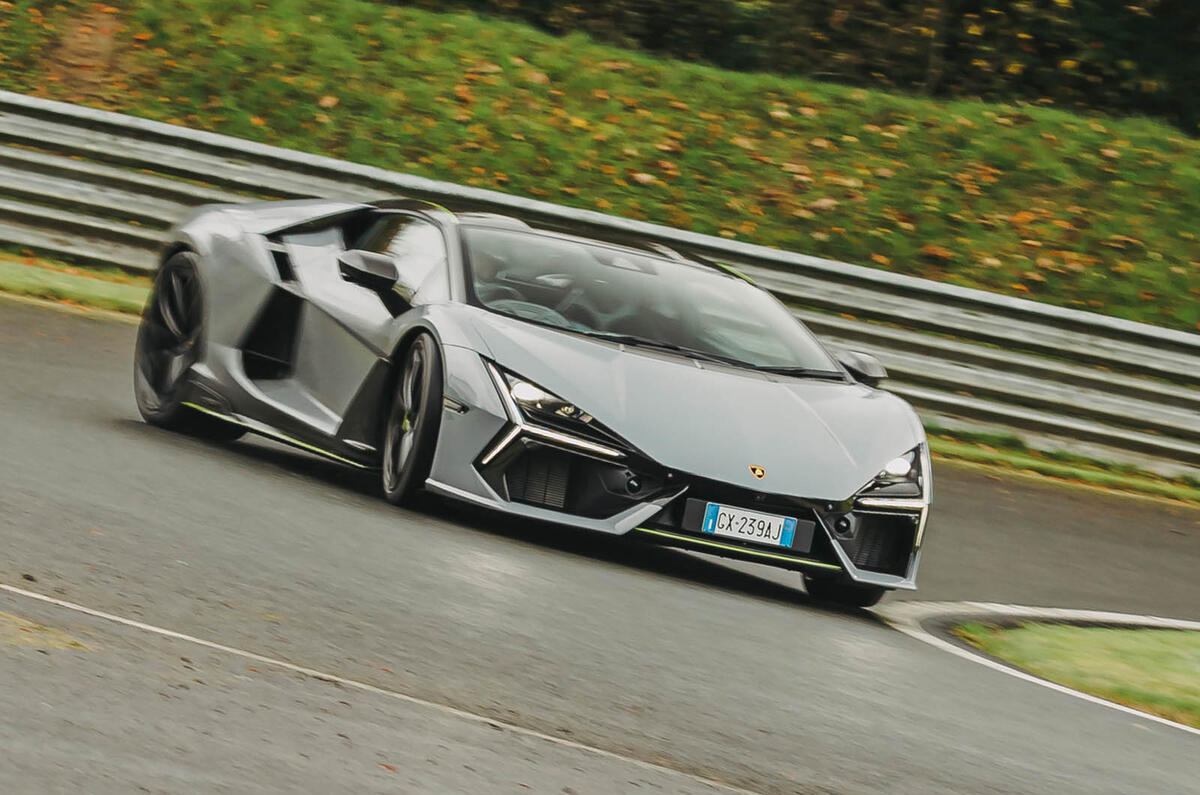
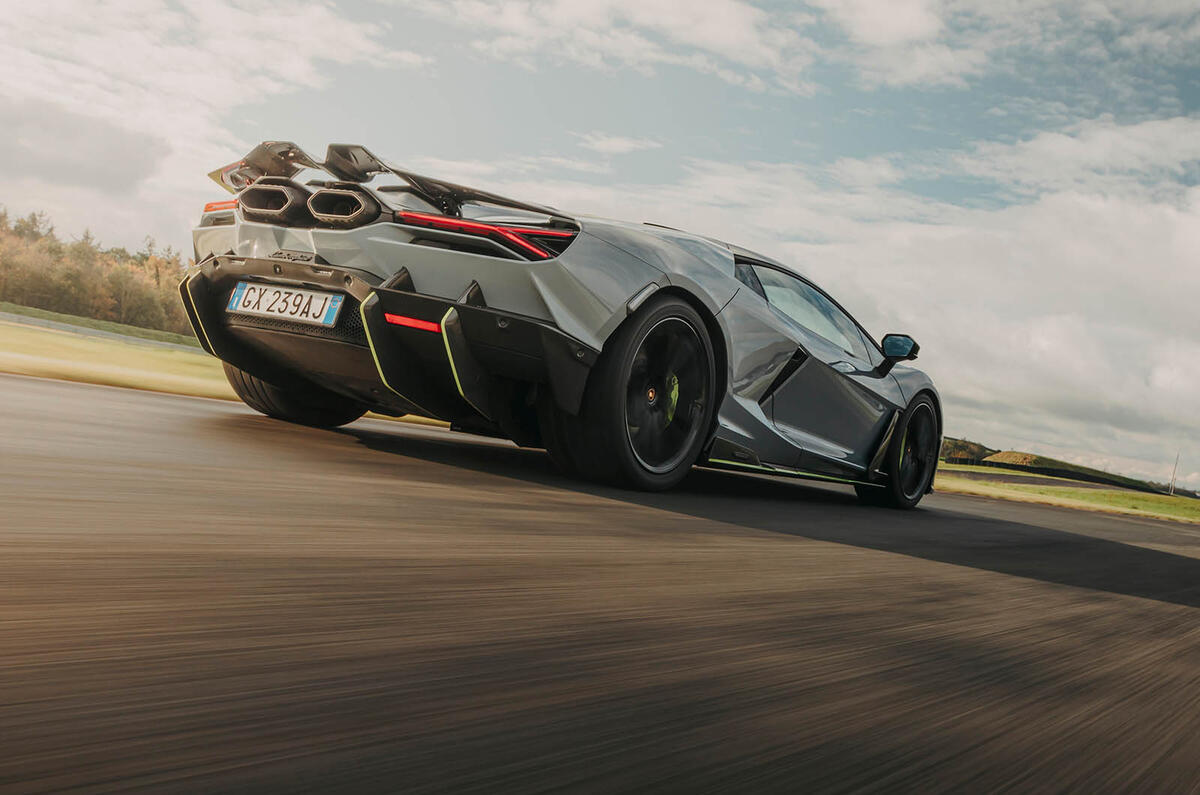
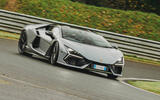
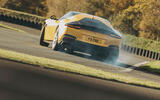
It takes a special car to shade a bright yellow, V12-powered Ferrari for visceral excitement and eye-popping visual appeal, but then there's nothing quite like the Lamborghini Revuelto. A proudly peacocking supercar from the old school, this slightly satanic son of Sant'Agata actually proved to be a surprisingly approachable car on the road.
A tape measure-snapping two and a bit metres across the hips, the Revuelto just about fits between verge and white line, but the all-wheel steer system does a good job making the Lambo feel lighter on its feet than its vast dimensions would suggest. You can also see out of it better than you would expect, while the ride is more accommodating than it has any right to be.
"It's everything a wild senior Lamborghini should be," reports a wild-eyed Lane, "but it comes with poise and agility the Aventador couldn't dream of having. You wouldn't want to turn all the electronics off on the road, mind: it can snap on you."
Yet in so many ways, on His Majesty's Highways at least, the Revuelto is all about the engine. Hybridisation has done nothing to blunt the Lambo's sonic theatrics: the 6.5-litre quad-cam unit bellows, crackles and snarls away over your shoulder. Electrification, however, has added even greater bite.
In fact, there's so much volcanic energy on tap now that you'll rarely get near the incredible 10,000rpm redline, but in many ways that just makes those rare, spine-tingling and ear-assaulting occasions even more memorable.
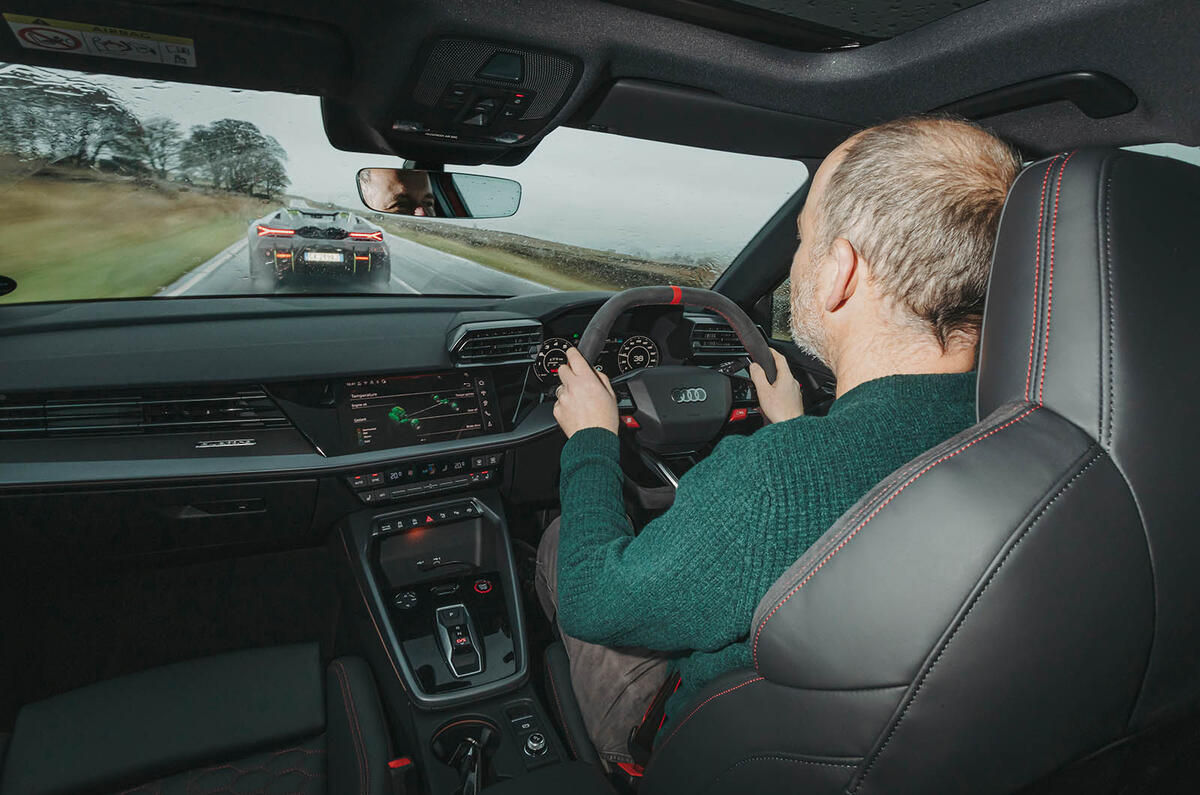
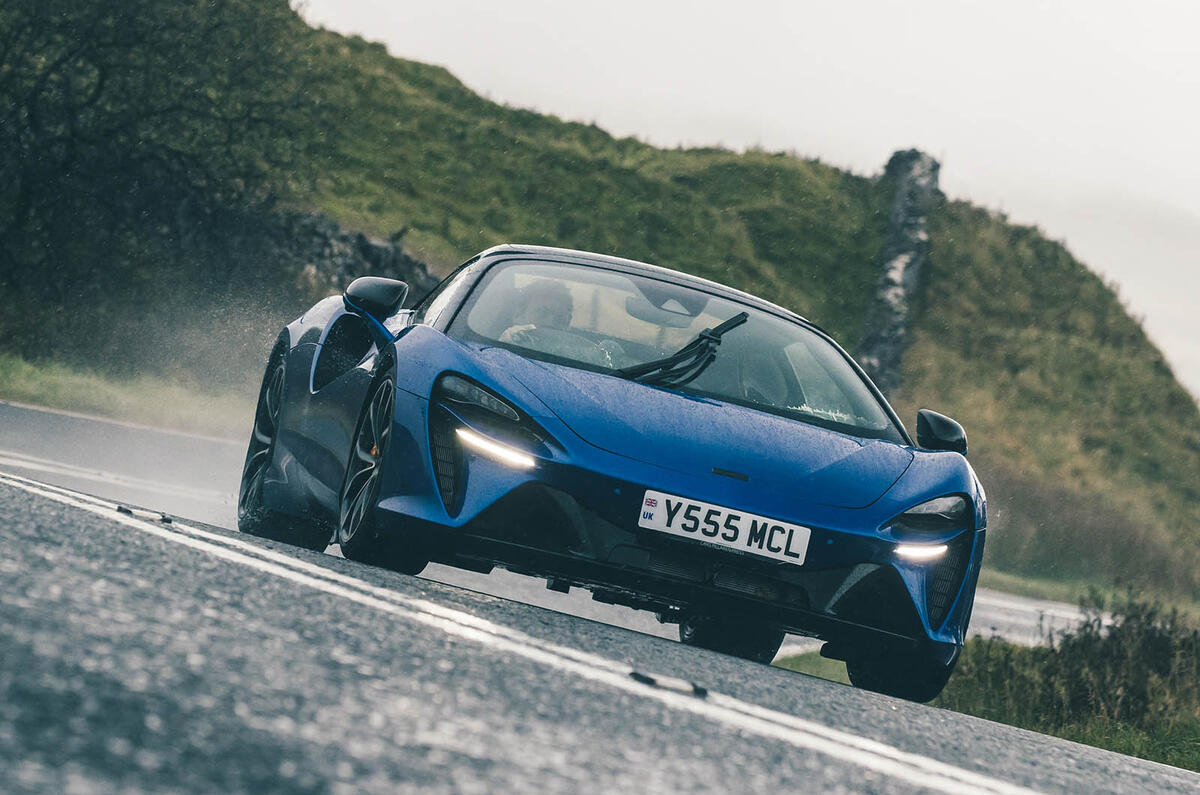
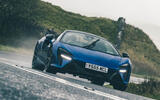
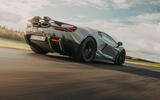
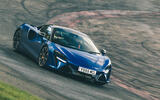
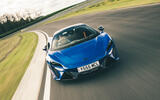
So overloaded are your senses after a run in the Lambo that you could almost forget you've not driven the McLaren yet. That would be a mistake, however, because it only takes a few metres in our reigning champ to realise that back-to-back victories aren't out of the question.

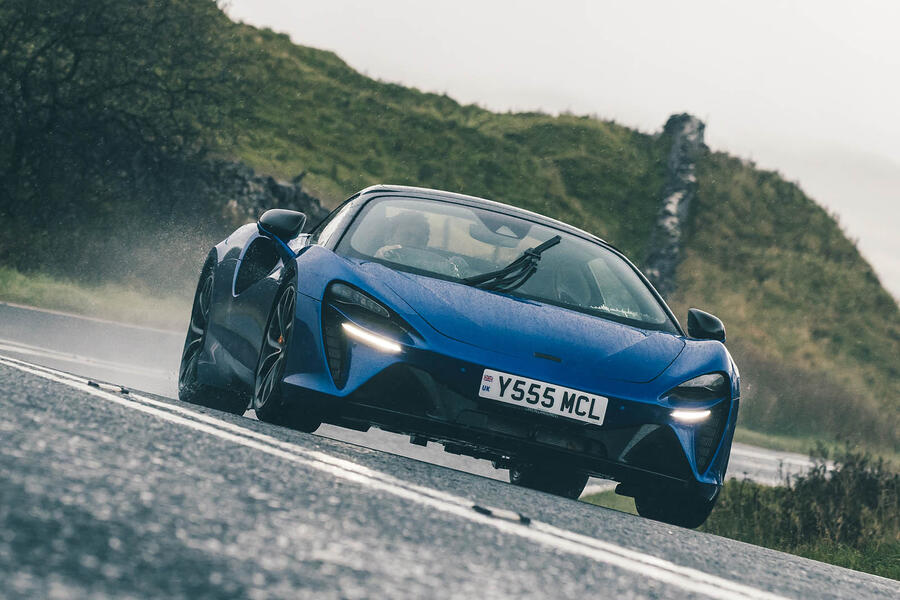
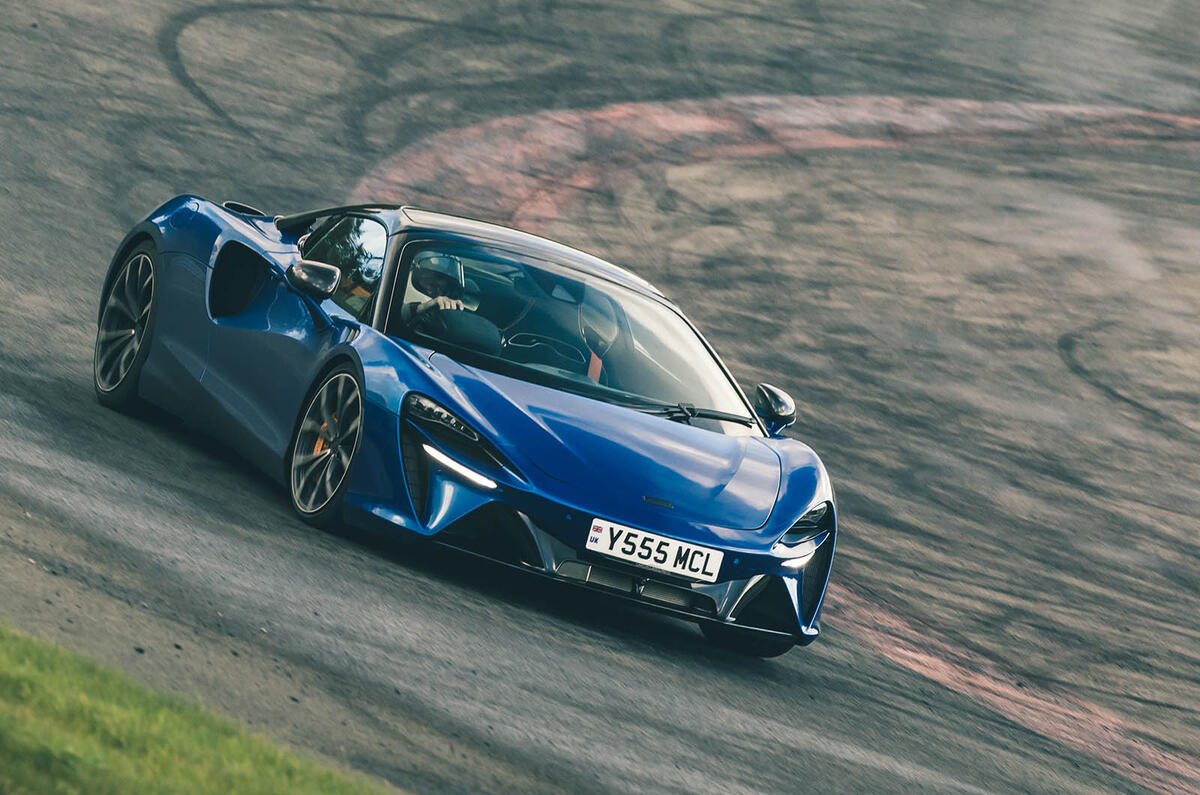
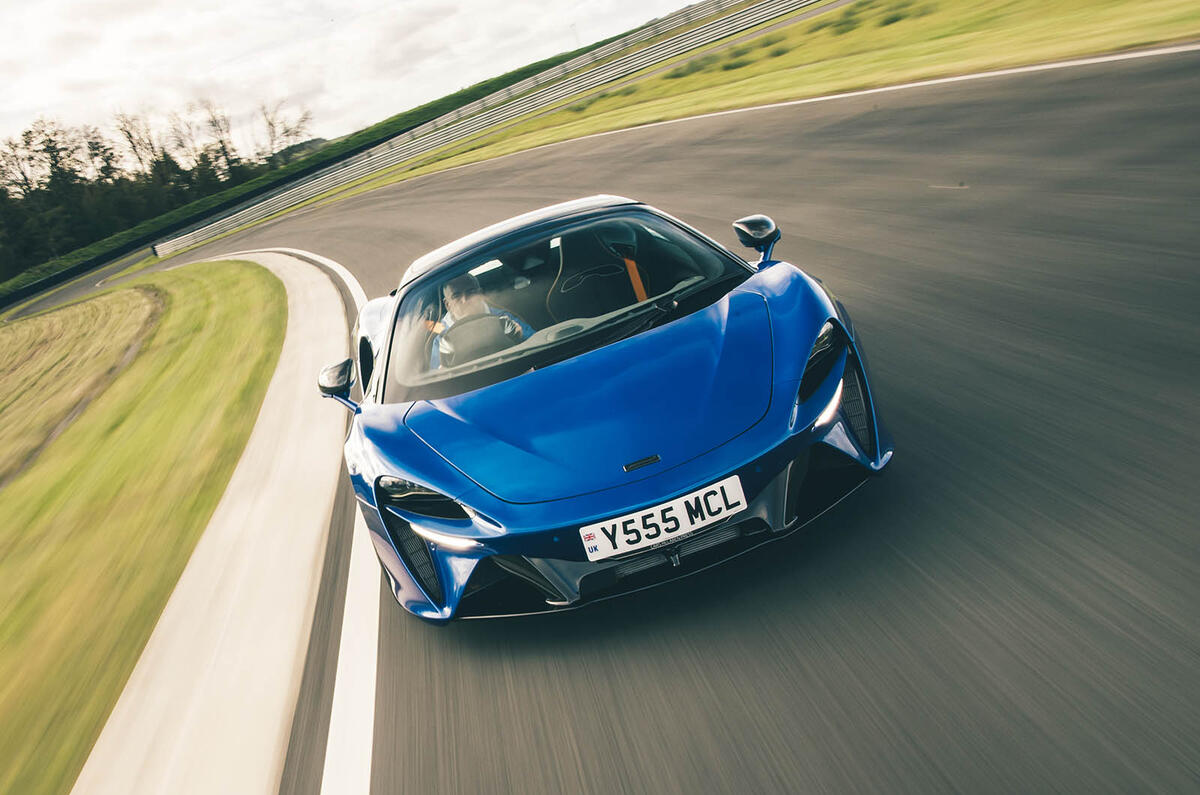
The Artura Spider is a car apart from some of the more rabble-rousing attendees here, and its precise approach appears clinical at first. Yet the more you drive it, the more you revel in the delectable steering, supreme balance and unambiguous feedback.
"Such fluent and intuitive handling that you almost think it down the road," explains Saunders after a quick sortie. "It finds loads of grip and has a beguiling blend of assured composure and supple agility. Just the ideal balance for a windy, wet and steep bit of road."
If there's a downside it's the powertrain. Hybrid assistance delivers instant low-speed response to banish McLaren's usual wait-and-whoosh approach, while the dual-clutch automatic transmission shuffles ratios with the speed and smoothness of a Las Vegas croupier at the blackjack table. Yet overall it lacks a little in the way of senior supercar drama.
Is that enough to deny it a return to the top of the podium against such a talented field? It's too early to say, because we've still got to uncork our tremendous 10 on track. Time to don the crash helmets and go apex hunting.

On the track
Day two of the annual BBDC contest always begins with a peep rather than a roar. Cowardly judges prefer to get started in the most emollient machinery they can lay their hands on - a relatively asthmatic Toyota GR86 or comfort-blanket Volkswagen Golf R is ideal - while the fire-breathers are left to sleep in the pits until after lunch.
Occasionally, someone dares to find out what 800bhp feels like on cold tyres in the morning. If the madman, or woman, survives this recce, the floodgates open

This year there is little chance of any notably courageous acts taking place, not least because only two judges have prior exposure to M-Sport's tortuous proving ground circuit. It is a fabulous layout on which to tease out a road car's strengths and quirks, but it takes a bit of learning.
For now, the less horsepower the better. The surface is damp, too, especially in the downhill braking zone at the end of a long pit straight (where there's minimal run-off-gulp) and on the leaf-strewn approach to the other serious, and kinked, stop (double-gulp). It means that for a while, as the Ferrari and Lamborghini techies are left to twiddle their gloved thumbs, the 217bhp A290 GTS is the hottest ticket in town .
Does it later feel like something of a betrayal that the French car ends up low down in the circuit rankings? Un petit peu. As the only purely front-drive machine in the competition, it was always going to have its work cut out.
The AMG GT 43 is a bit of a hippo on track but can still be steered on the throttle with flattering ease. The Alpine instead has to rely on detailed steering feedback and off-throttle adjustability, and while it is generally regarded to be more fun on a circuit than it is on the road, it doesn't truly delight.
"The steering comes alive when you load it up," says Verpraet, adding that once you've figured out the nuances of balance and braking, there is oversteer to be exploited (Verpraet hunts for lock-stops like a hog roots for truffles). James Disdale rues the "helium-light" steering along with the pervasive lack of fizz, and as a Gallic hot-hatch fetishist his opinion carries no small weight. Saunders, meanwhile, is impressed by the traction but wonders if some clever torque vectoring might have given the chassis real teeth .

By now the RS3 and AMG GT are circulating as patches of dry asphalt begin to sprout ever so slowly. The Audi in particular is the subject of debate. For some it is prodigiously agile and 'placeable' and inspires confidence in mixed-grip conditions; for others, the torque-splitter rear axle's promised adjustability never materialises.
Saunders in particular is irked by the inertness of the steady-state handling and growing tired of the need to stab the car's throttle Senna-style (well, sort of) to "tease some life into it". The obvious theory is that the way the RS3 fleetingly shifts its balance rearwards under power is convincing on the road because limit-handling larks in public are just fleeting moments.
On a smooth, consistent racetrack, and subject to more sustained examination of any rear torque-bias credentials, the transverse-engined DNA is insurmountable. Still, it sounds epic and is fantastically darty and outrageously tractive. It's just no Subaru Impreza.
So a leopard can't change its spots, but perhaps a zebra... Oh, never mind. The Taycan Turbo GT: freak or phenomenon? Once you've removed the limitations of the public highway, that is. "Reminds me a bit of the old Lancer Evo days," says Prior, staring into the middle distance, mid '90s rally icons evidently on the brain.
"In those days there was always a car in the BBDC mix that didn't behave quite like any of the others ." Our editor-at-large is alluding to a question none of us can quite answer: what exactly does this car's driveline do when you attempt to deploy 1094bhp between apex and exit with the electronic aids switched off?
Verpraet is of the mind that the car will always drag itself straight, being "basically unspinnable", having initially taken some yaw with an unexpectedly delicious transition between grip and slip. Others aren't so sure.
There are times when the Taycan has a poise usually reserved for mid-engined supercars that weigh little over half the Porsche's 2.2 tonnes, but there's also something a bit unnatural, and consequently hard to trust, about its manner at full chat.
It can waft out towards the exit kerb in a lavish four-wheel slide or feel like it's on the verge of serving up a terrifying tank-slapper. Stunning damping, mind, and arguably the best steering here. Overall there's a sense it just might yield not a tank-slapper but a final-ranking surprise.

And now the big guns are out: 12Cilindri - waaaah; 911 GT3-yooowwl; Revuelto - blaaargh. Anybody not driving lines up on the pitwall for servings of naturally aspirated sonic goodness and, perhaps, to be part of a future workplace-induced tinnitus class action, in the case of the rampant Lamborghini.
Compared with, say, the RS3, it is shocking how much speed these cars carry down the straight, even in dampish conditions. There's a violence, too, to the way they displace huge volumes of air. Imagine a butcher tearing apart a carcass with his bare hands rather than using a cleaver.
How the hell, you wonder, must they feel from inside? The answers range from divine to, in the words of one wide-eyed tester, "fully feral". Ah yes, the Lamborghini. It is evidence that no matter how colossal your contact patch and stability-enhancing wheelbase, throwing a four-figure power output at something with a polar moment of inertia this low is going to get interesting.

Let the V12 loose and it will snap out of shape in fourth gear, despite four-wheel drive. Yet at the same time it's a wonderfully engaging car on track, with a cohesiveness no previous senior Lamborghini has come close to matching.
The fact the front-axle's torque-vectoring business is entirely indiscernible through the steering feedback is further evidence of the detail engineering. It is a genuine driver's car - just an inordinately big and very shouty one. Elsewhere, the 911 GT3 - which loves to be driven right on the edge of oversteer and is utterly electric in every sense except the literal one - garners plaudits non-stop.
At the same time, the £92,000 M2 CS, after a nervy morning during which it had naff-all front-end grip and even less traction at the back, is coming to the boil: switching out racy Michelin Cup 2s for milder Pilot Sport 5 tyres has helped tame its waywardness.
Mostly. "Fantastic, classic compact M-car handling balance," says Saunders, "blended with top-level pace and composure when you want it. Superb tactile and sensory appeal as well ." We'll later discover he's been painting his toenails blue, violet and red, but the man certainly has a point.
The CS is skittish right until the moment it isn't, which is when it gels beautifully and summons a delicacy that has eluded more senior two-door M creations in recent years. The machinations of the e-LSD are particularly pleasing, while turn-in is poppadom-crisp and corner exits are gloriously resolute.
It's the most divisive car here, mind. Verpraet reckons the BMW feels heavy and has woolly steering. He can't see the point. Prior wishes the M2 were still built on its own platform, rather than inheriting that of the 3 Series, although you can spin that both ways: this new M2 CS has greater high-speed composure and balance than its agile predecessor.

Disdale resides somewhere in the middle. I can tell he loves the idea but, amusingly, fears the reality. No wonder, given that the CS apparently tried to swap ends on him from nowhere.
The curiosity that is the Aston Martin isn't as disobedient, but neither does it have the gearbox for circuit driving and, unlike the Taycan, it cannot disguise its weight. What it does have is a tenacious front end and surprisingly communicative steering, which combine to fine effect on a smooth surface in a way they couldn't do on the road.
You could hammer the Vanquish around this track incredibly quickly and it would execute your commands faithfully enough. The one caveat is that the twin-turbo V12 can unstick the rear tyres with frightening ease if you're not dialled into the throttle pedal. It's not a cause of immediate panic because the balance is excellent - but there's just so much weight. Its problem is the Ferrari, which does nearly everything better.
The 12Cilindri makes the Vanquish feel soft but also less fluent. It benefits from pin-sharp engine response, less obvious weight transfer (its ability to communicate grip through roll, particularly at the rear, while resisting unsettling pitch is tremendous) and more vivid turn-in. It is also an entertainer.
Good lord, it just can't help itself: at times it is more M than the M2, and it's blisteringly quick. Saunders and Disdale complain the steering is too quick, but that's the thing about perfection: people can't help but poke holes, can they?
Quietly, like a Lockheed Blackbird surveying the dogfight below, the McLaren Artura is winning hearts and minds. It is doing what it does best, which is to be a cutting-edge take on an S1 Lotus Elise.
Clinical and precise, it offers almost a philosophical interpretation of driving fast. Last year's winner is destined for the final shootout. The question is, what will be joining it?

The final three
A Porsche 911, last year's winner and a V12-engined Ferrari. How original. Despite surprising showings from the electric contenders and the duck-tailed M car, sometimes the underdogs must remain just that.
The podium emerged quite vividly this year, even though the BMW M2 CS and Lamborghini Revuelto certainly had their share of vocal cheerleaders to propel them to a joint fourth spot.
Lane was astounded that it was possible "to make a 1000bhp supercar on a wheelbase this outrageously long feel quite so cohesive", while Saunders enthused about the M2's crisp response and top-level composure.
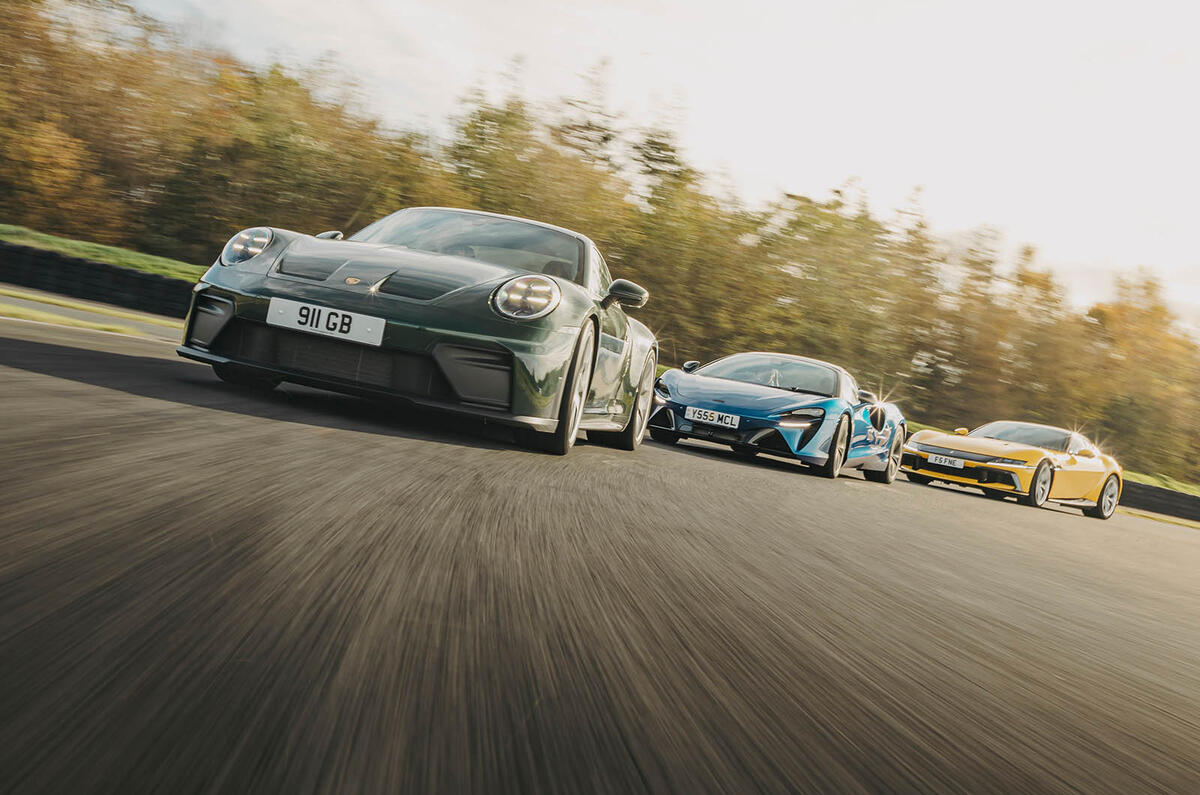
However, both cars had unexpected sharp edges to their handling that meant other judges voted them well clear of the top three. The McLaren Artura, Ferrari 12Cilindri and Porsche 911 GT3 all amassed comfortably in excess of 200 points from the five judges, while the Beemer and Lambo linger together at 186.
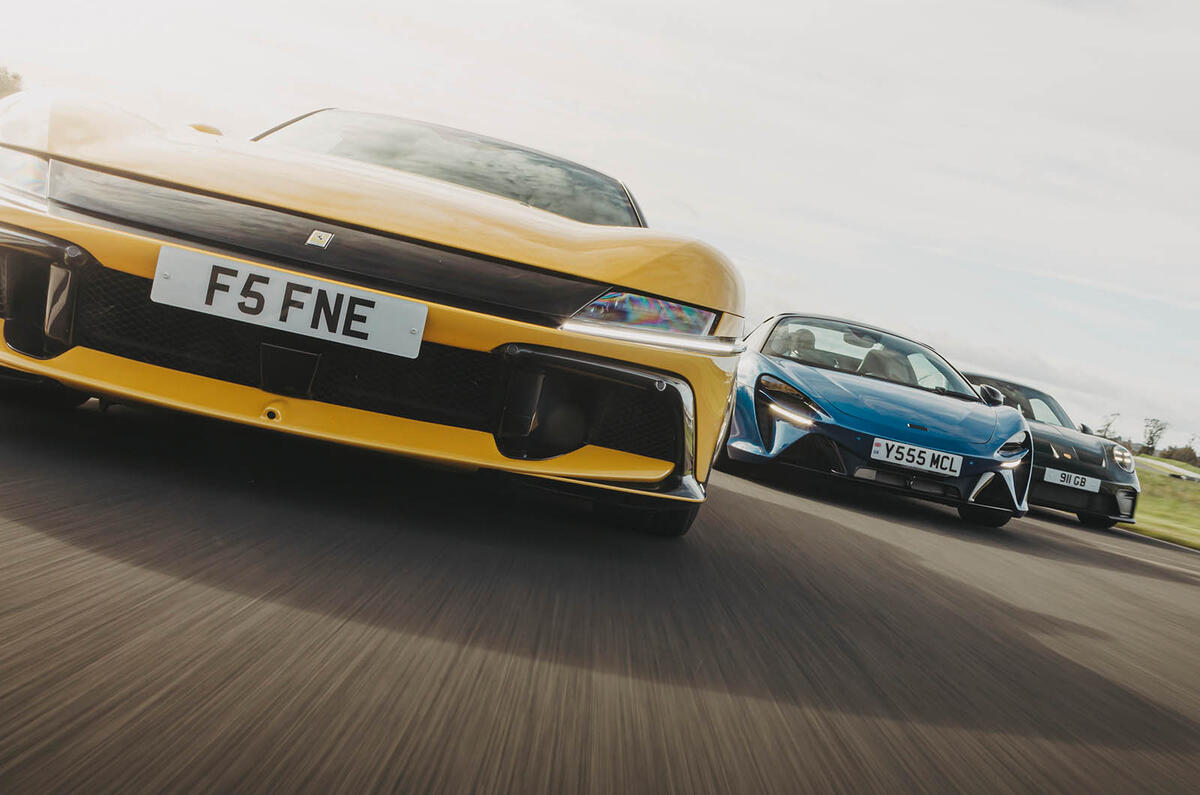
Our podium is a pleasingly disparate bunch on paper, a good advert for the mechanical variety still on offer in new cars (if you've got the money). We count one twin-turbocharged, hybridised V6 in the middle, one front-mounted V12 and one rear-mounted flat six tied to a manual gearbox.
It's the Porsche and the Ferrari that have the closest kinship here, though, rejecting both electrification and hybridisation. These are two love letters to the combustion engine and how it remains unsurpassed for involvement and engagement at all speeds.
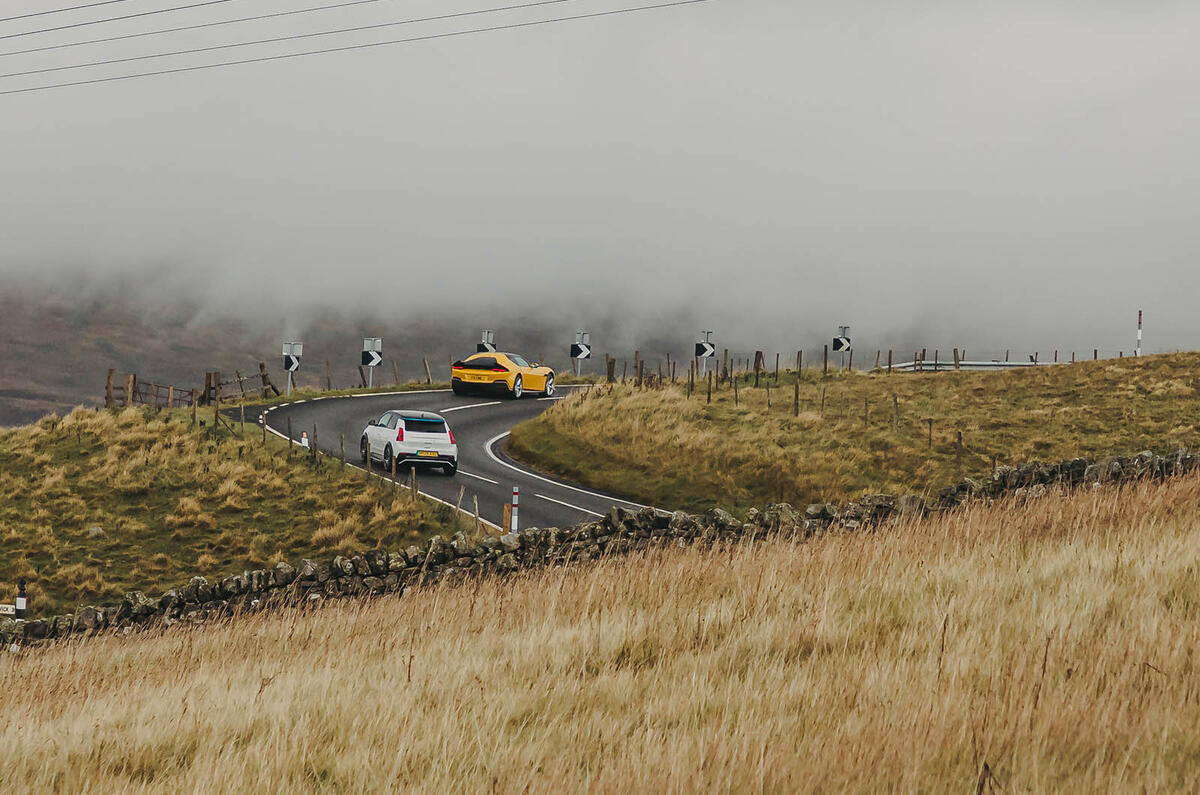
The slog on the A66 from Cockermouth to our shooting road in the Pennines wouldn't ordinarily be very exciting. But doing it in a bright yellow super-GT with a high-tech and airy yet opulent cabin and a 9500rpm V12 manages to lift the mood. Funny, that.
Pulling the remarkably mechanical left-hand paddle a few times, squeezing the throttle and whizzing past a dawdling Corsa while accompanied by a V12 howl does wake you up (along with anyone in the immediate vicinity), even when you're not taking that sensational engine to the redline. Is it frustrating that it's next to impossible to deploy all of the Ferrari's capability on the road? Just a bit, yeah, but, you know, power still sells.

Incredibly, the Ferrari has two similarly V12-powered rivals to see off this year, but see them off it did. The Revuelto might just have the more bombastic engine, but neither it nor the Vanquish could live with the 12Cilindri's awesome agility. Mind you, the tricks it's playing with its lightning-fast steering and steered rear axle weren't to everyone's taste.
Disdale commented: "The hypersensitive steering means that to sneeze is to change lanes. As a result, there's just a hint that the rest of the car is always a fraction behind your inputs at the wheel ." Saunders felt that the steering simply had too much pace to offer enough feel.
The pair of them have a point: the Ferrari was the only car to do any involuntary landscaping of the M-Sport track margins. The other edge of the sword is that if you bring enough finesse to the table, the 12Cilindri rewards you with totally addictive handling.
Lane found it "breathtakingly deft" at times , as well as "wonderfully agile". I too really rather enjoyed this 1.7-tonne, 819bhp supercar's almost cartoonish impression of a race-prepped Mazda MX-5 on both road and track.
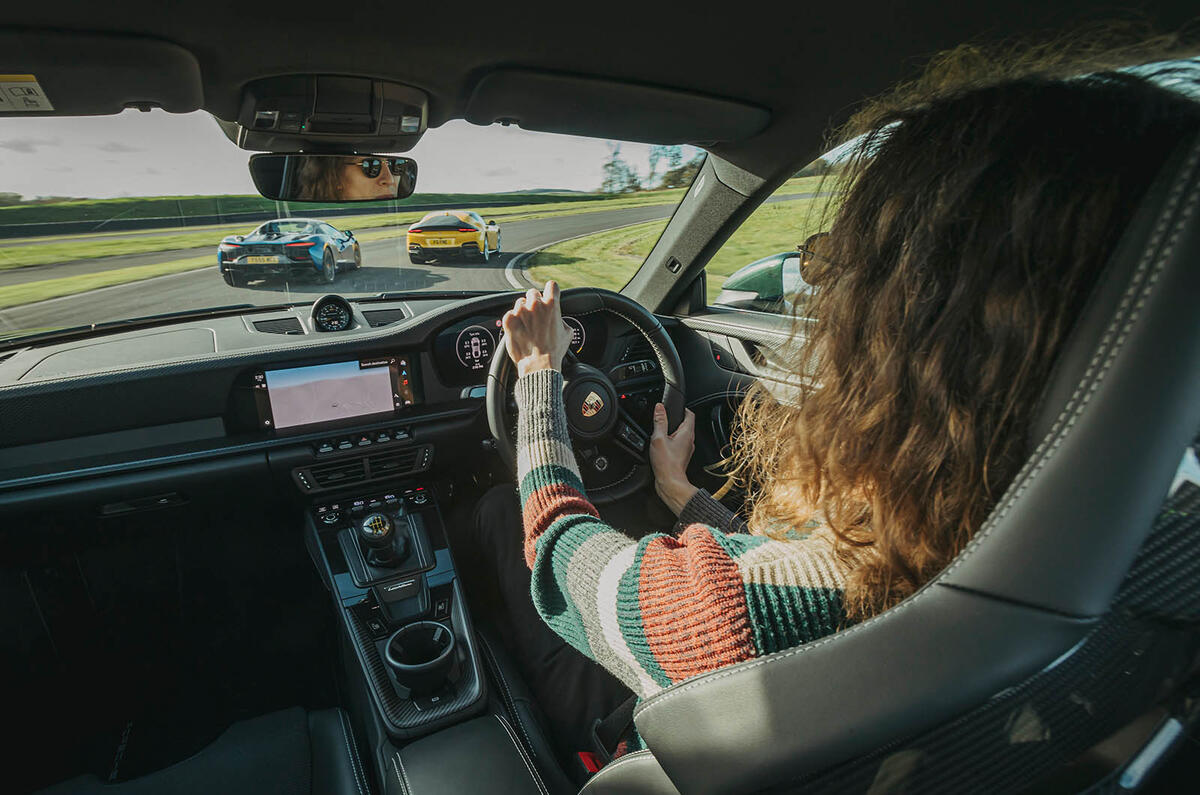
I imagined Saunders would be having similar thoughts of elation about the GT3 following behind, but it turns out he found it slightly underwhelming at first ; others struggled with the stiff-legged ride and minor driveline shunt. I'll admit I stalled it when I first backed it out of its parking space, so surprised was my left leg by the sight of a clutch pedal.
It's true that the GT3 is the most old-school car here in many ways, and, like older cars, it's not shy about making it known that you're not driving it properly. At the same time, having to up your game is what makes it so beguiling to drive once you really get stuck into it-or, as Disdale put it, "as absorbing as a lorryload of Andrex".
Coincidentally, that's also what you need when you leave your braking for Turn 1 of the M-Sport track a bit too late in the really fast cars...
Pedalling the GT3 well is a challenge, then, but it's one that never feels unfair or unbeatable. It's the only car here that lets you pass the straights with snappy DIY upshifts and rev-matched downshifts - the zingy engine response and perfectly spaced pedals making the latter not necessarily easy but endlessly satisfying.
Much the same is true of the handling: it's as good as the manner in which you drive the car. The 911 is still fundamentally rear-engined, so the insensitive driver will experience understeer on the way in and oversteer when they lift off mid-corner.
But as long as you listen to the messages from the chassis and what is arguably the best electric power steering around, the GT3 becomes extremely biddable. It can be driven neatly as easily as it can be held on the lock-stops, I don't think I would ever get bored of it.

The McLaren Artura is an altogether different sort of car. It seems to observe with disdain the Porsche's and Ferrari's screaming and shouting and their performative sideways nonsense. If the classic archetype of a Ferrari is that you buy the engine and get the rest thrown in for free , a McLaren is surely the opposite: you buy the chassis and the rest is secondary.
Although the Artura has an undoubtedly very complex hybrid powertrain, it is otherwise quite pure, with hydraulic steering, coil springs and adaptive dampers, and just a single driven axle with a limited-slip differential. No air suspension or variable four-wheel steer here.
It is a ruthlessly efficient package, and as a result of that and its slightly flat engine, it can be a little unexciting in some conditions. I have previously been nonplussed by McLarens, but on the kind of road that just keeps throwing corners at you and the occasional oncoming Hyundai Kona on the wrong side of the white line - and which is also wet, cold and foggy, the Artura is a 691bhp comfort blanket of a supercar.
Few cars are quite as engaging and confidence-inspiring. With its telepathic steering, smooth primary ride and perfectly natural responses, the McLaren is more a conduit for enjoying a road than an experience in its own right-a sort of automotive mindfulness coach.
Quite appropriately for a company that's rooted in motorsport, the McLaren is perfect on track. This is the only car in which I felt like I wanted to work on my lap times, brake a bit later, scribe that line a little more neatly.
Saunders concurred: "On a wet track, this was the first car I drove that made me feel truly at home, to make the most of the grip and just make it easy to carry plenty of speed from turn-in through apex ." The Artura harbours no secrets from the driver: you get straight down to going fast around a track-which is probably why there are no pictures of it going sideways on these pages.
It will do it on a damp surface, of course. Chase the throttle too much on the exit of a tight bend with the ESC switched off and it will indulge you by slipping into neatly controllable oversteer - but it feels out of character.
Any one of these three could win. Back in the 1990s, the 12Cilindri's forebear, the 550 Maranello, was the first car to defend its title; the Artura is here to try the same, and 911s have won many times before. Turn the page to find out.

And the winner is...
A wonderful, normally aspirated power delivery sweeping all the way to 9000rpm. An abiding sense of right-size compactness, both on the road and on track. The old-school analogue engagement of three pedals and a manual gearshift.
A wonderfully communicative and faithful chassis with the best EPAS steering rack in the world. A little bit of 'less is more' simplicity, too, in a field in which it wasn't even in the top half for peak power or asking price. And it actually had - wait for it - the third-slowest 0-62mph acceleration claim.
These reasons, along with plenty of others, were why the Porsche 911 GT3 swept to the top of our final voting order. Sounds like a familiar story, doesn't it? This is the fourth year out of the past five in which a 992-generation GT3, or one of its derivatives, has competed in BBDC.
This year it qualified in the same way that the original '992' did in 2021, because it's either all or substantially new to the market this calendar year (the 2025 '992.2' facelift materially altered the car's axles and bump stops, engine outputs and gearing, which makes it new enough by our measure). That and because it made the shortlist of our 10 favourite driver's cars.
From there on out, there are no favours, and two titles in five years means little or nothing. Every car has to prove itself all over again, this year on a snaking, misty mountain road whose bumpy, slippery surface didn't seem ideal for the GT3's fitted Cup tyres, and then again on a fairly narrow, at times equally slippery track about which you might have said something similar.
I wouldn't have bet on it coming through, but the GT3 rose to the occasion - and kept on rising. Where other track tyre-shod contenders struggled with the rain, or couldn't quite find that last bit of dynamic brilliance, the GT3 found a way to work heat into its rubber and do its enigmatic, beguiling thing. For everyone.

The Porsche showed that a car doesn't need groundbreaking powertrain technology to really please ; it takes hard-fought, expertly judged, incremental gains. A spellbinding petrol engine perfectly optimised for qualitative appeal plus the right kind of gearbox, chassis and steering to put you into a state of fully immersive bliss and oneness with what you're doing will do it.
The weather turned BBDC 2025 into the most divisive, personal contest of its kind in years. But in the end, predictable as it may have been, nobody could deny the Porsche 911 GT3's claim to the top step of the podium.


Add your comment