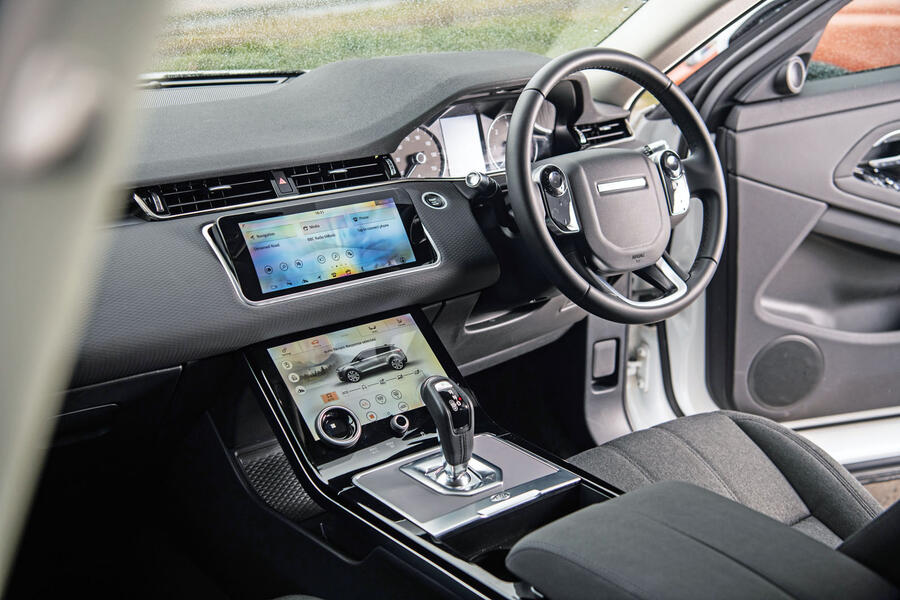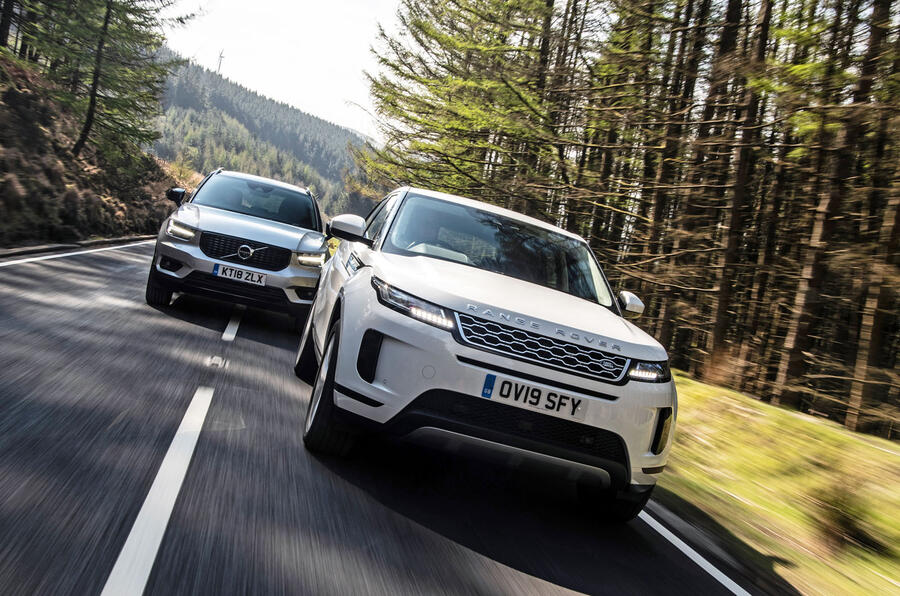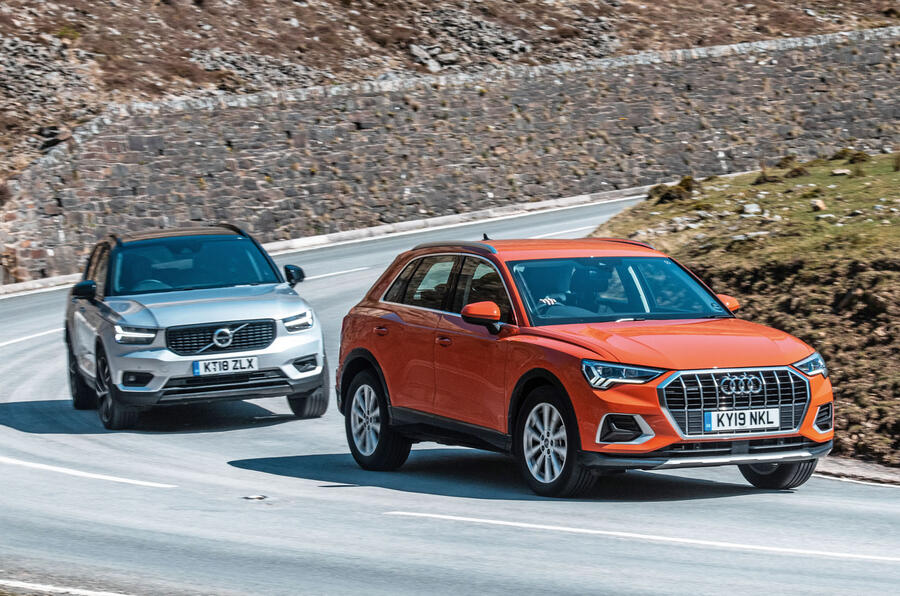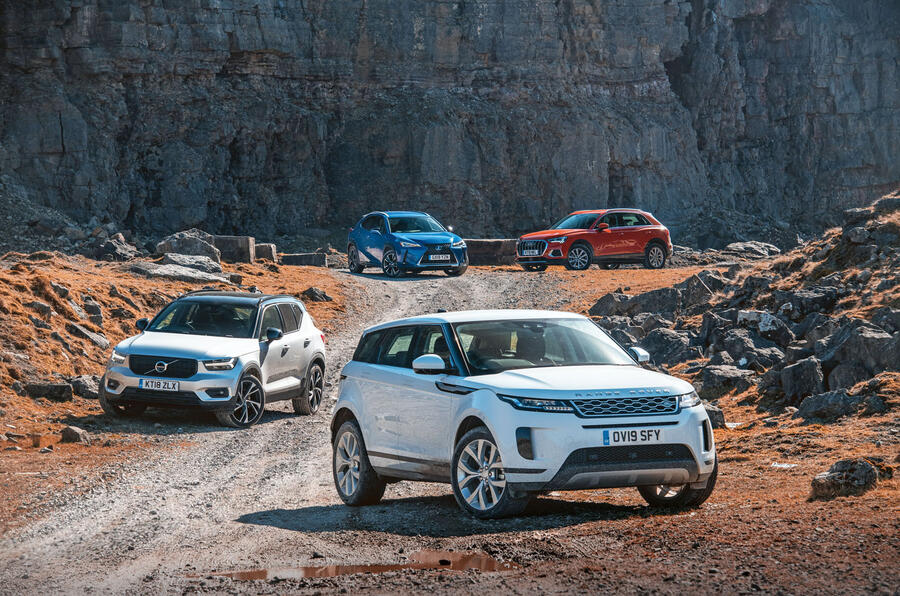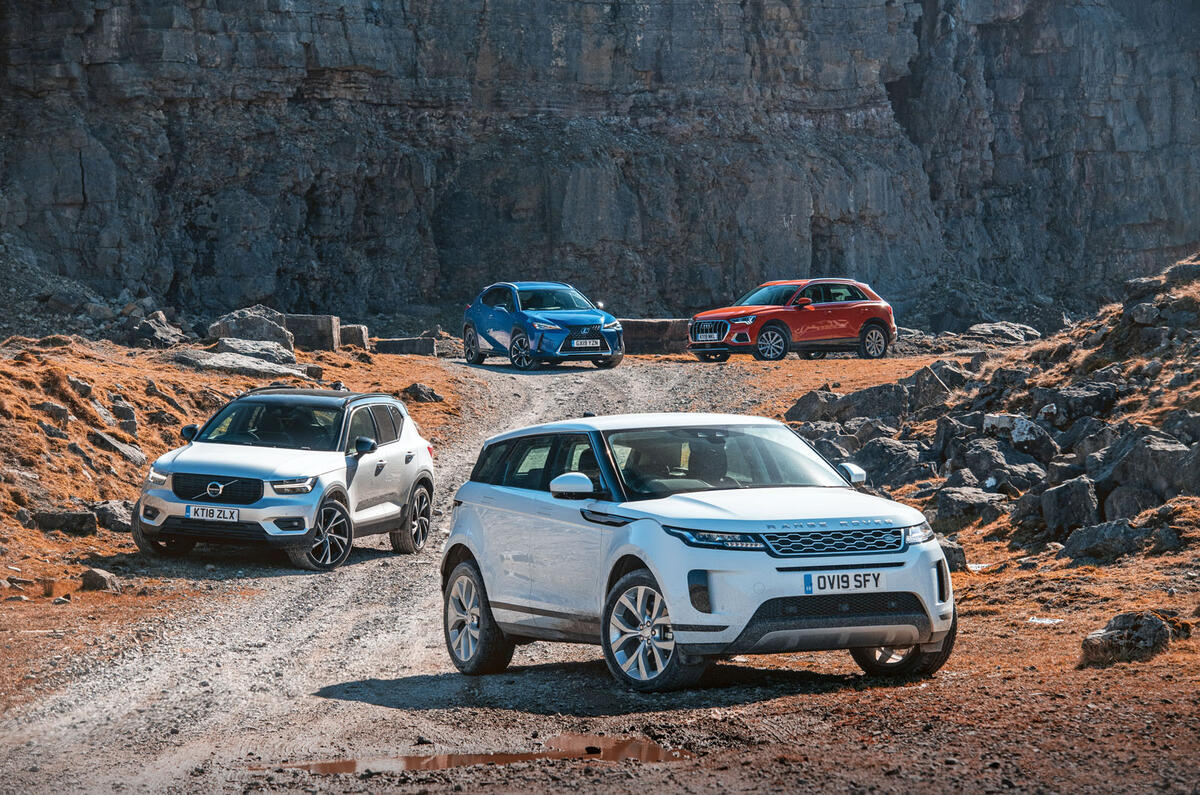
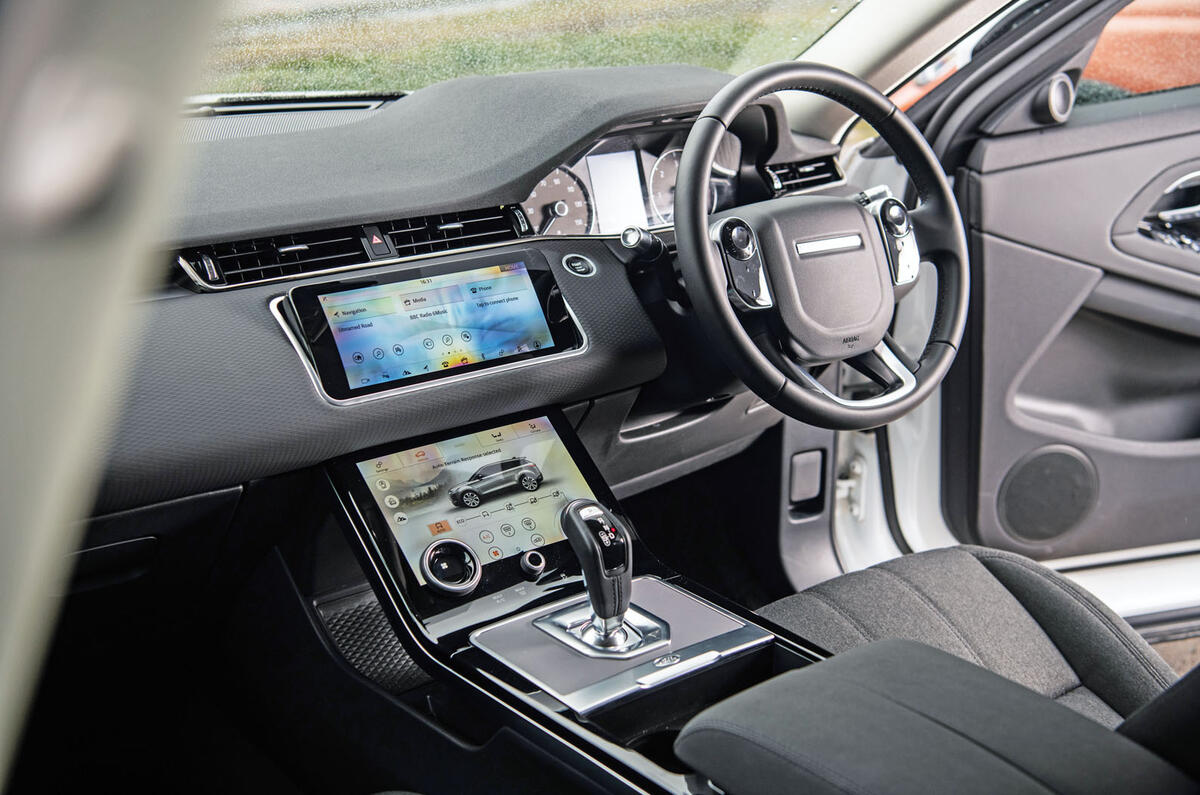
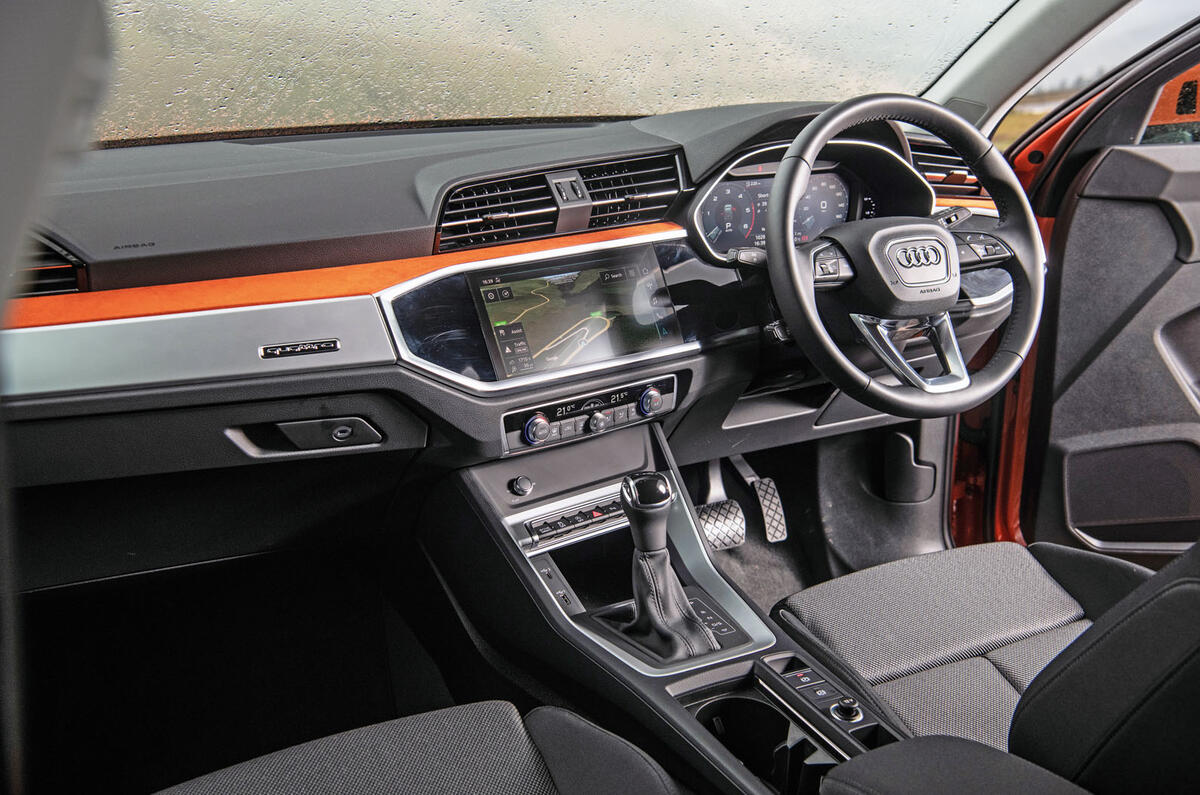
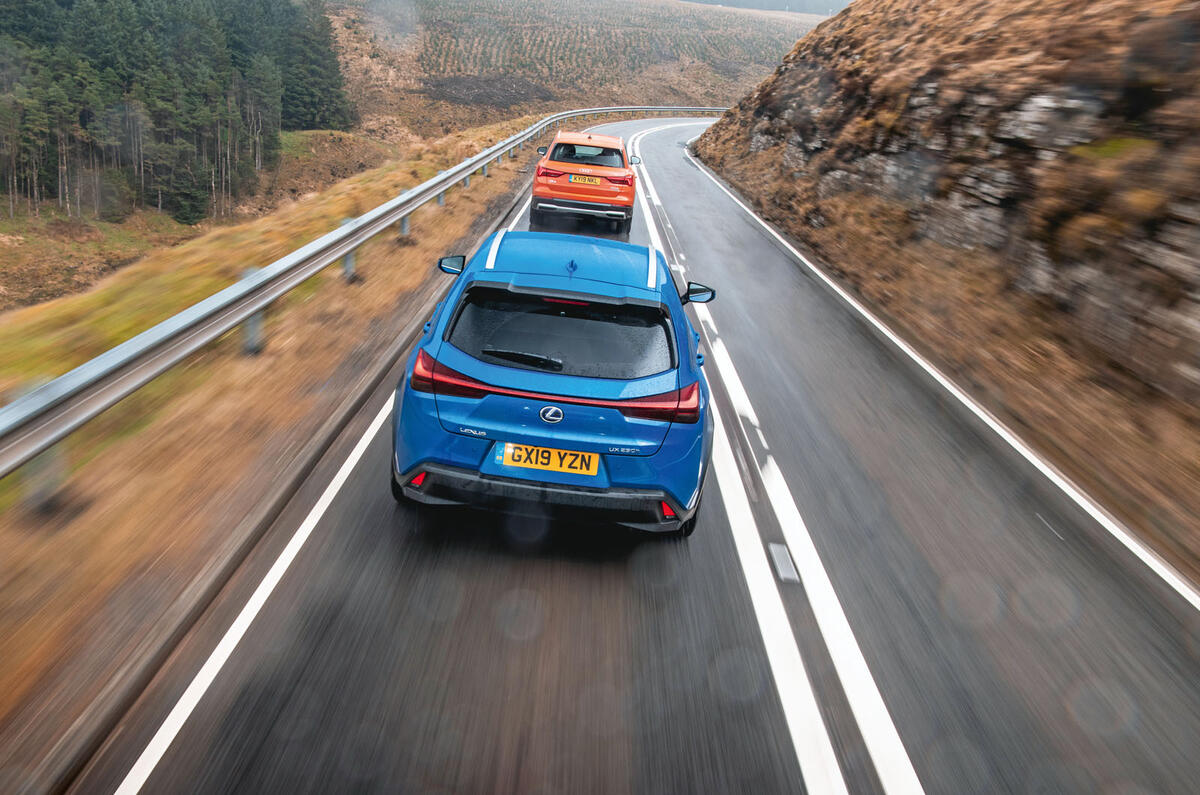
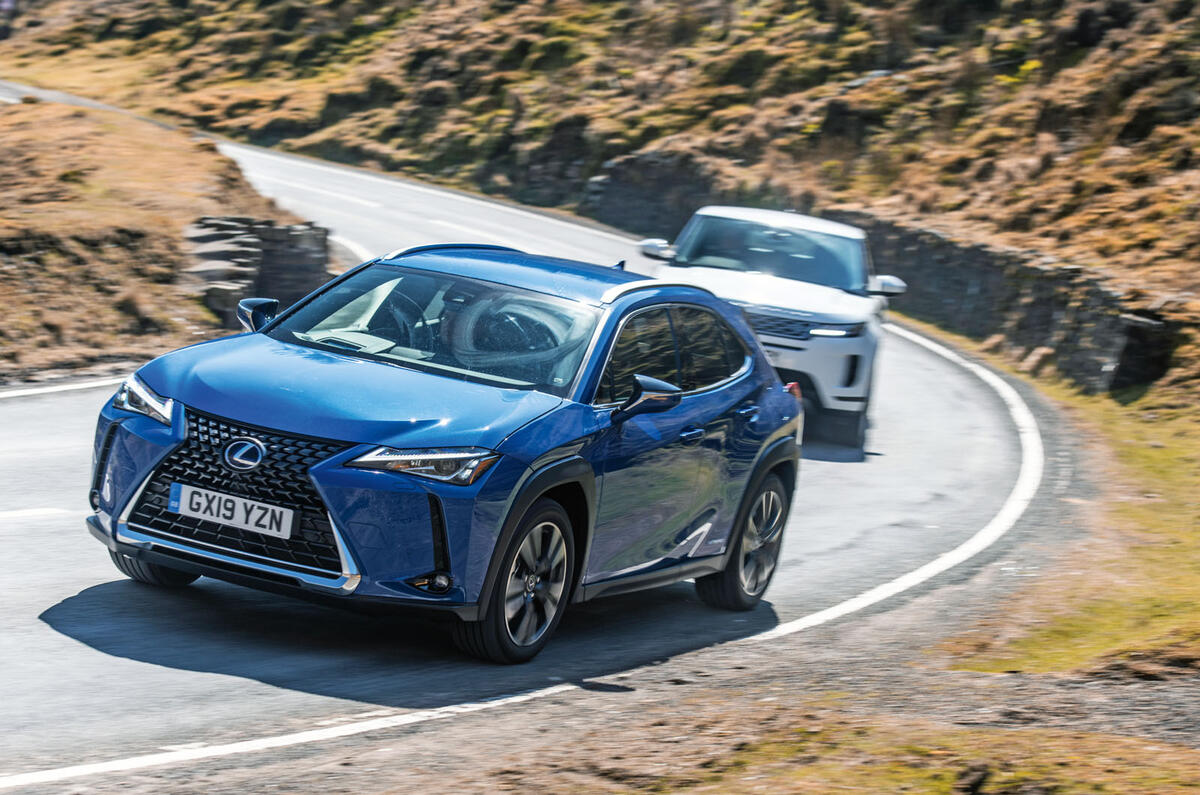
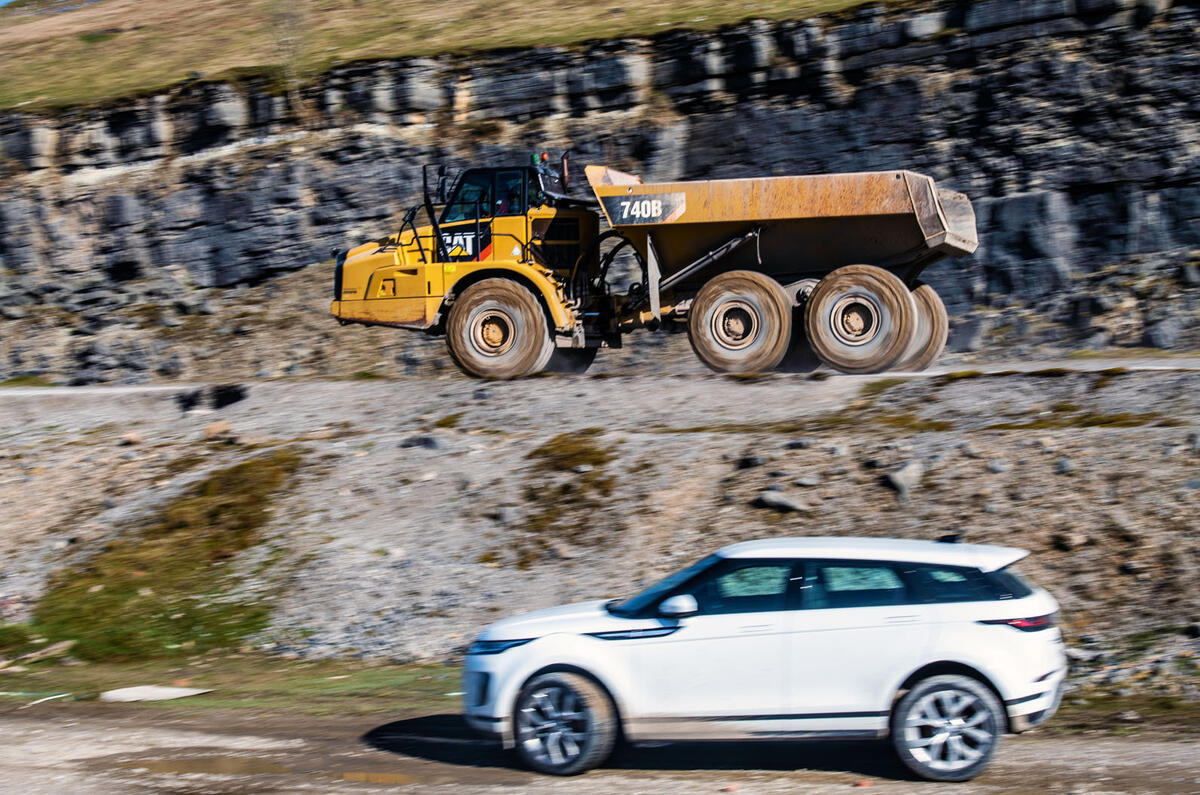










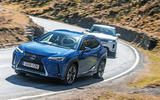

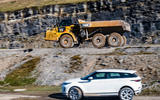




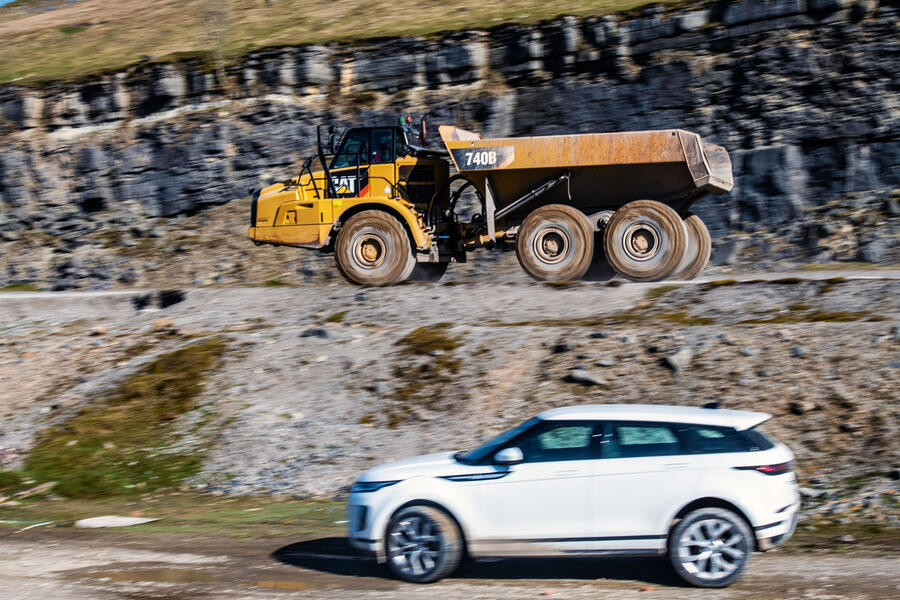
Warning: the comparison test you’re about to read involves a Land Rover. It therefore includes obligatory photographs taken off-road, in a Welsh limestone quarry known well to staffers of this magazine, for which the Autocar road test desk and photography department send their apologies. In this line of work, some visual clichés are simply too well-worn to resist.
This particular cliché should certainly be acknowledged for what it is, though: a bit of artistic licence. Because while the second-generation Range Rover Evoque may be all-new and all-important for its creator, it’s every inch a compact SUV and not an ‘off-roader’. As such cars go, the Evoque is capable, rugged and versatile, but it’s very much an everyday road car. You know this. We know this. Yet while picturing it abandoned on double yellows, astride the kerb and hazards ablaze outside a primary school might have been more appropriate, such a photograph wouldn’t have looked half as pretty or been as much fun in the making.
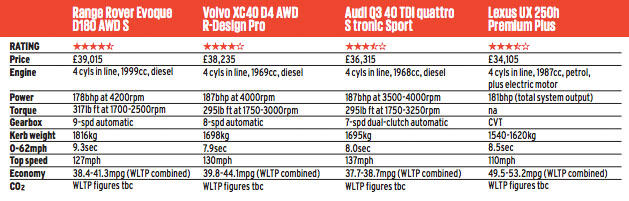
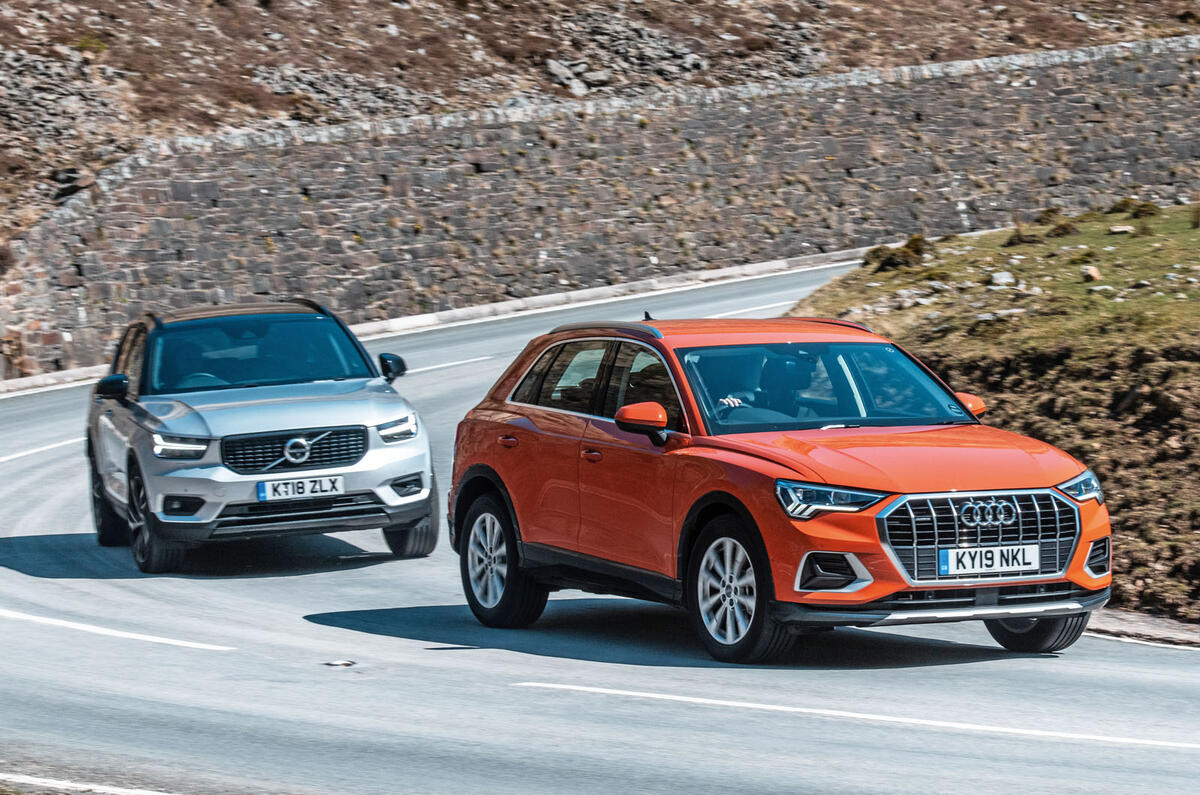
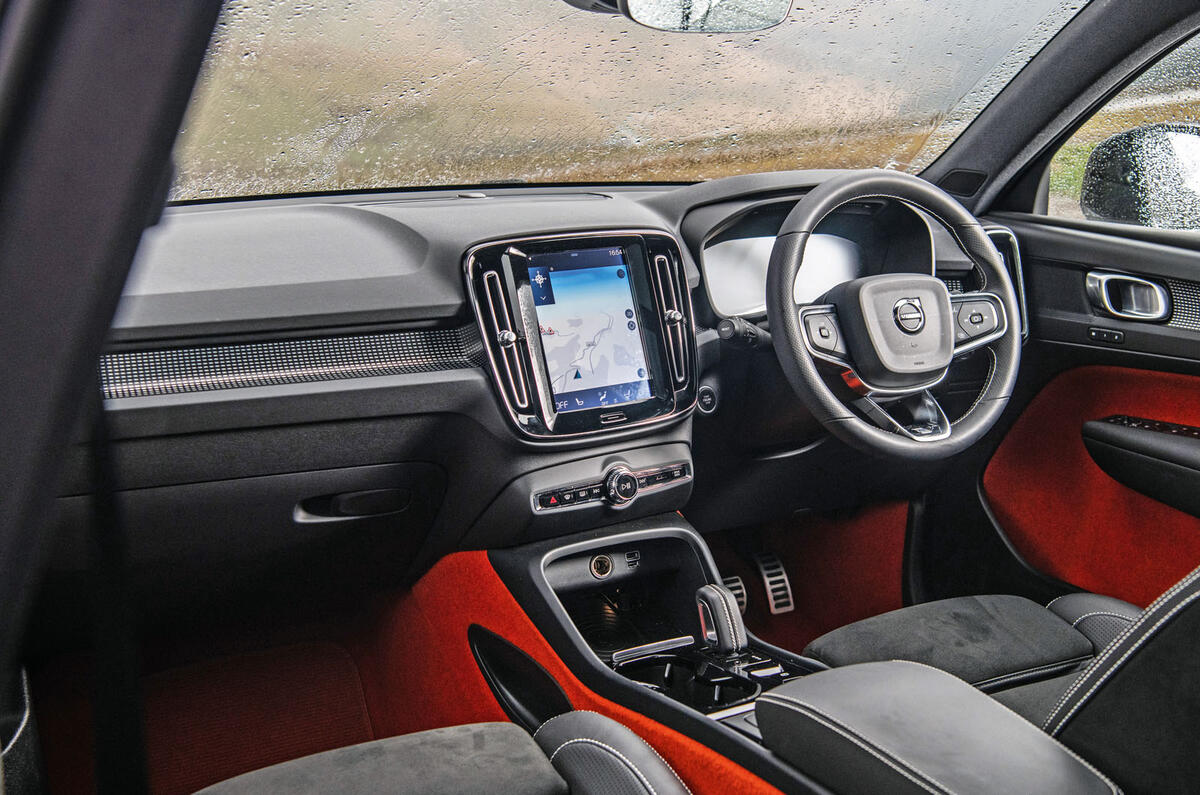
Our story so far on the new Evoque has brought us through early ride-along and international press launch and, very recently, UK first drive. Now, though, a chance to find out just how good this rather important Evoque is judged against its toughest opponents, two of which we are about to describe and rate it in specific reference to: the second-generation Audi Q3, which – roll up, roll up – is also new this year, and the Volvo XC40, which is Autocar’s incumbent compact SUV class favourite and without which these proceedings would otherwise be largely irrelevant.
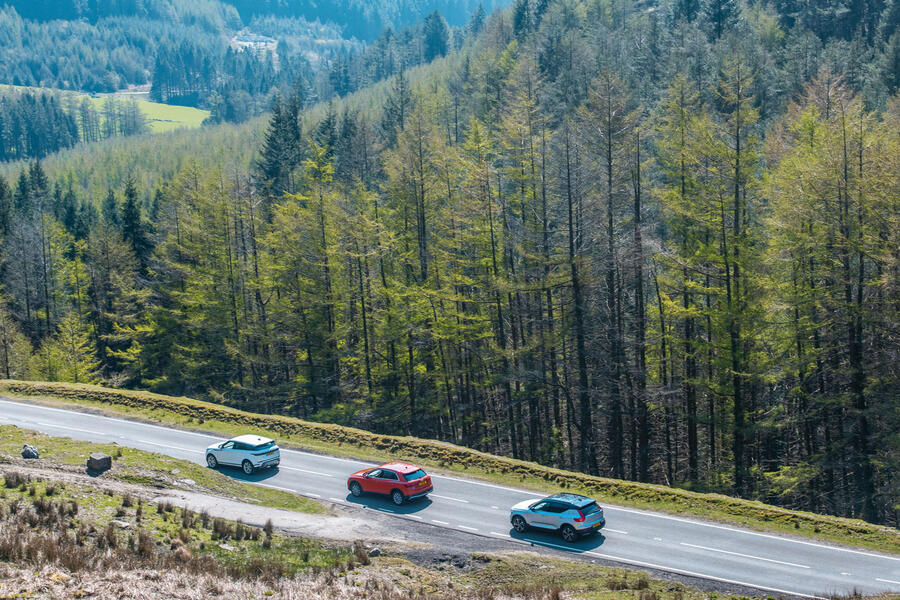
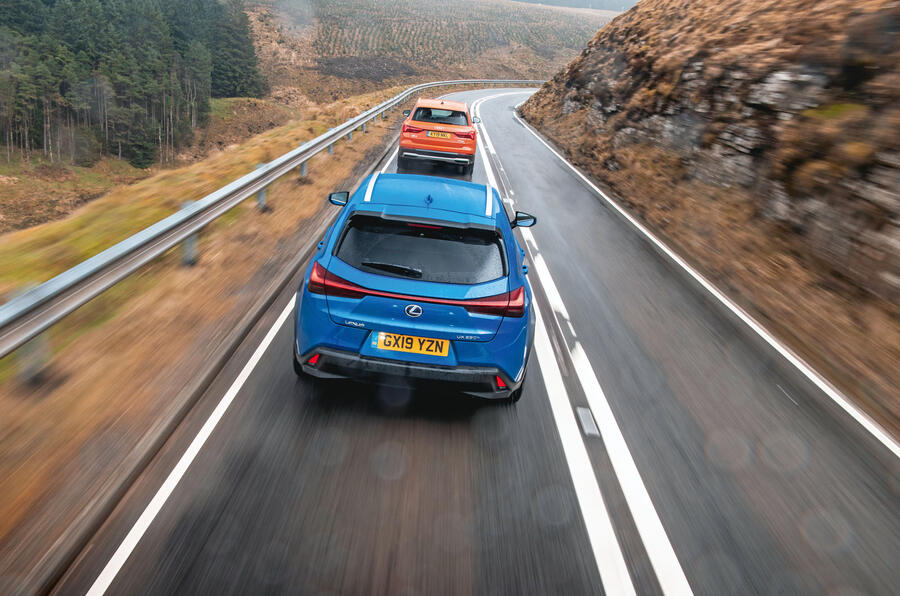
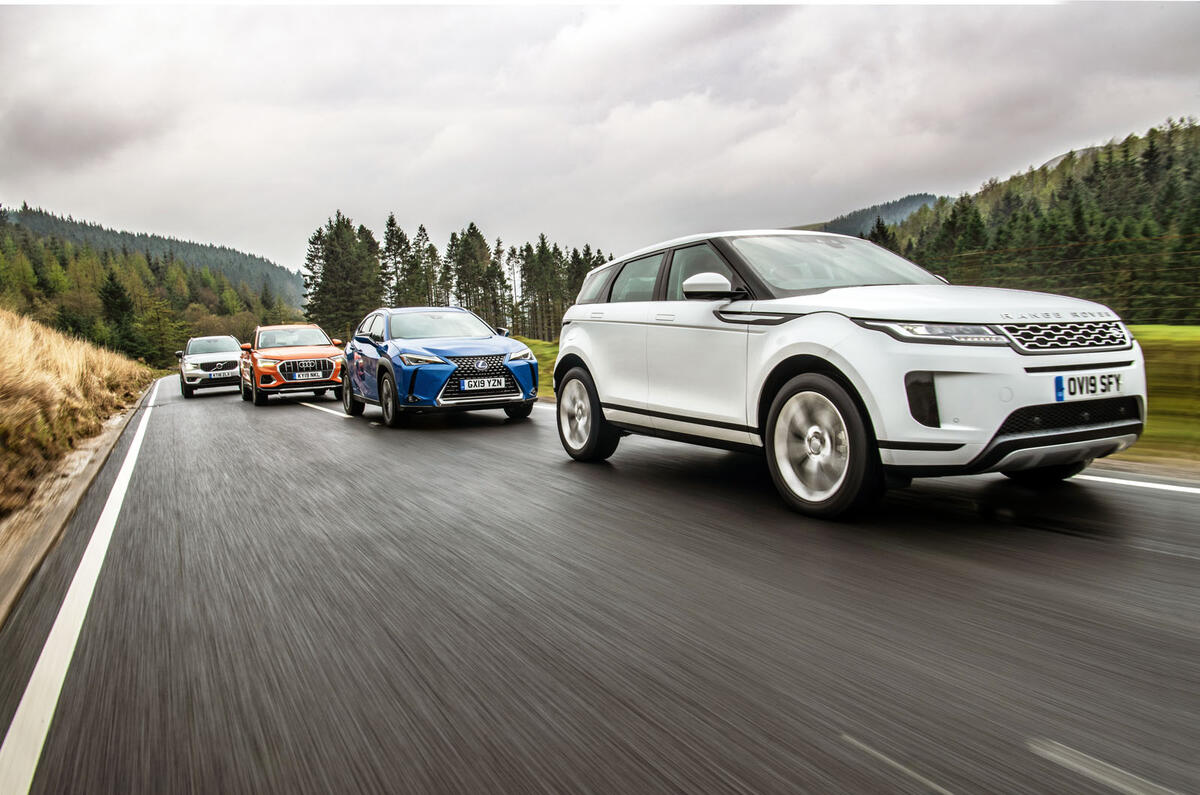
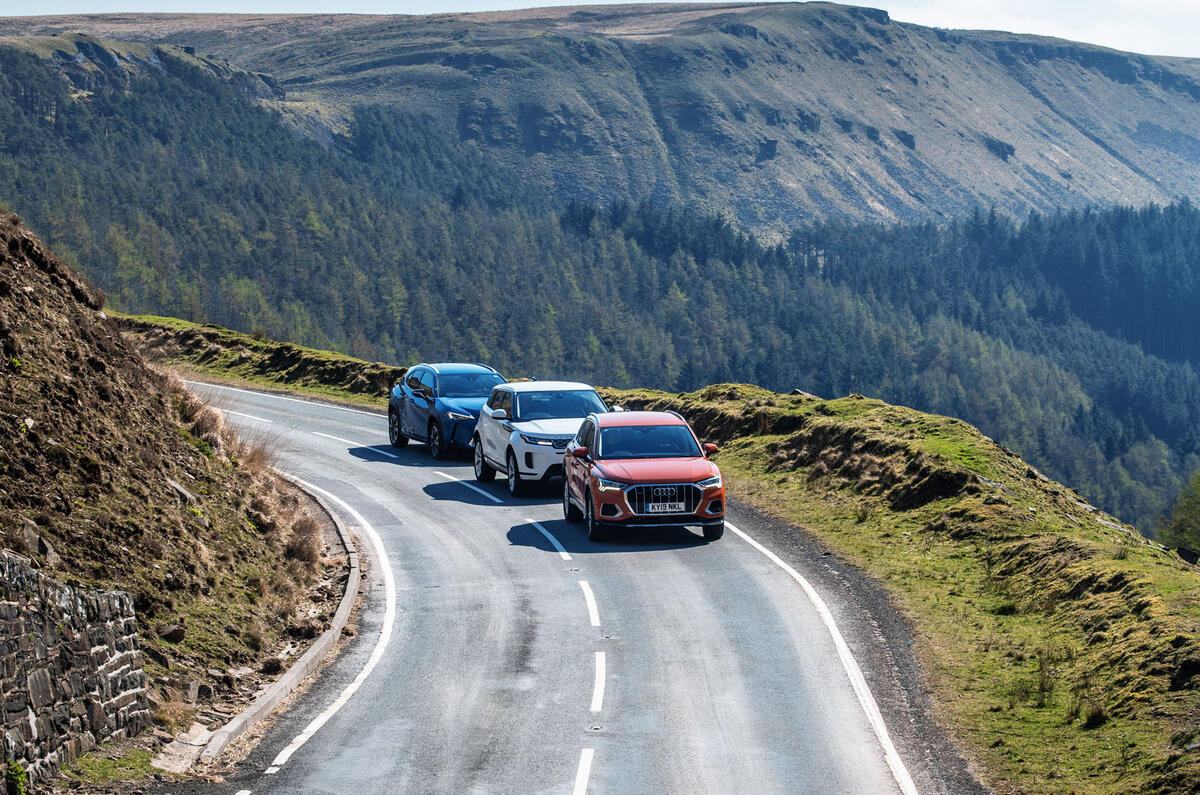
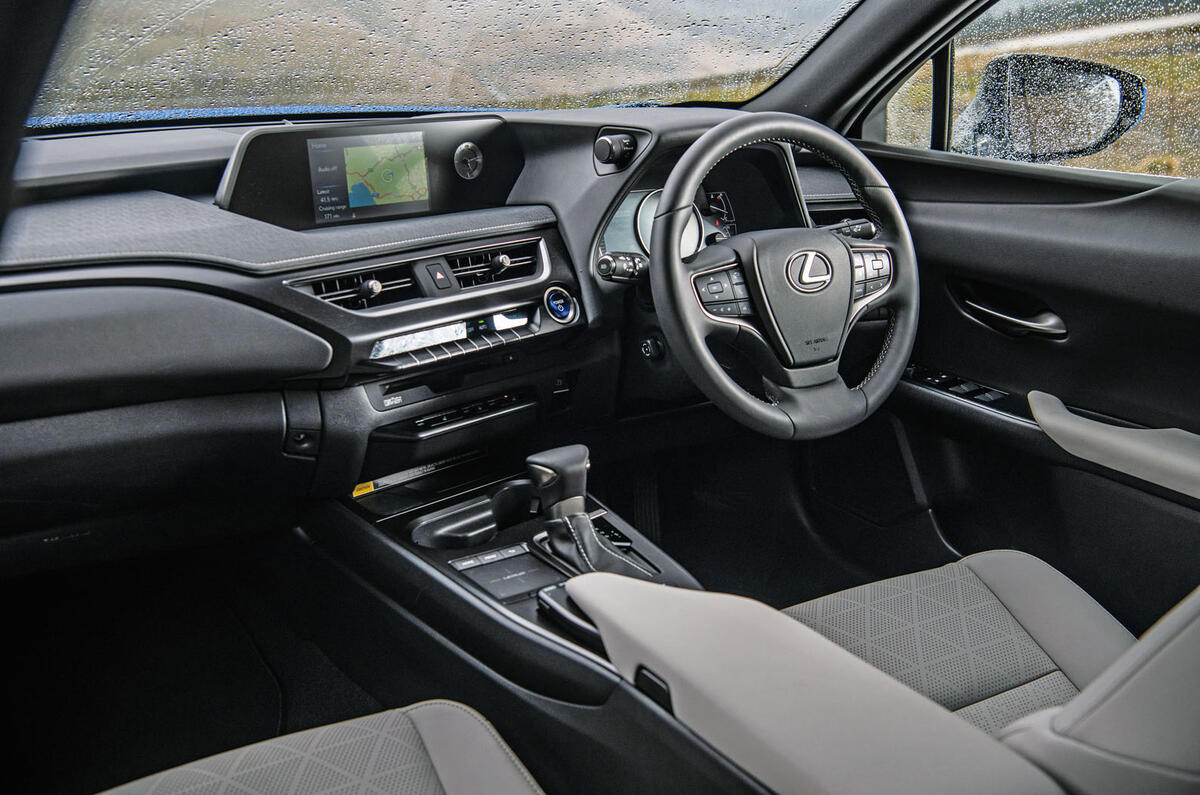
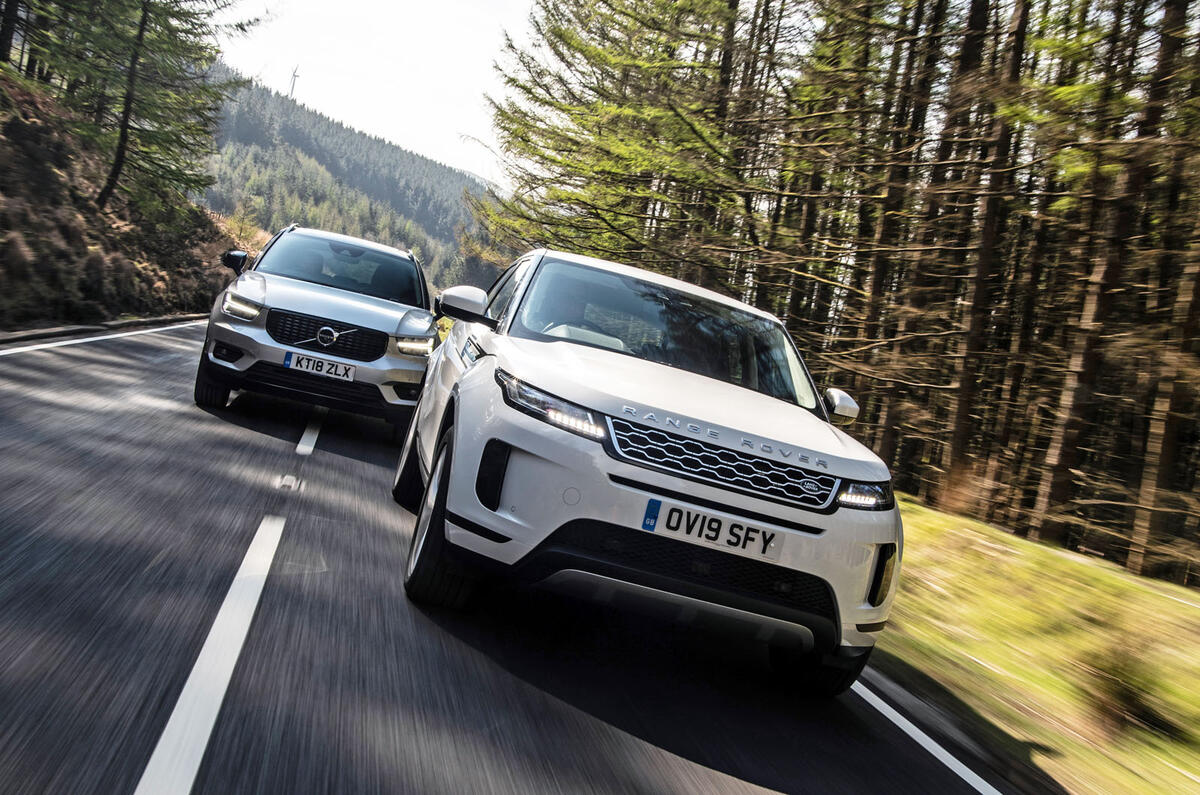
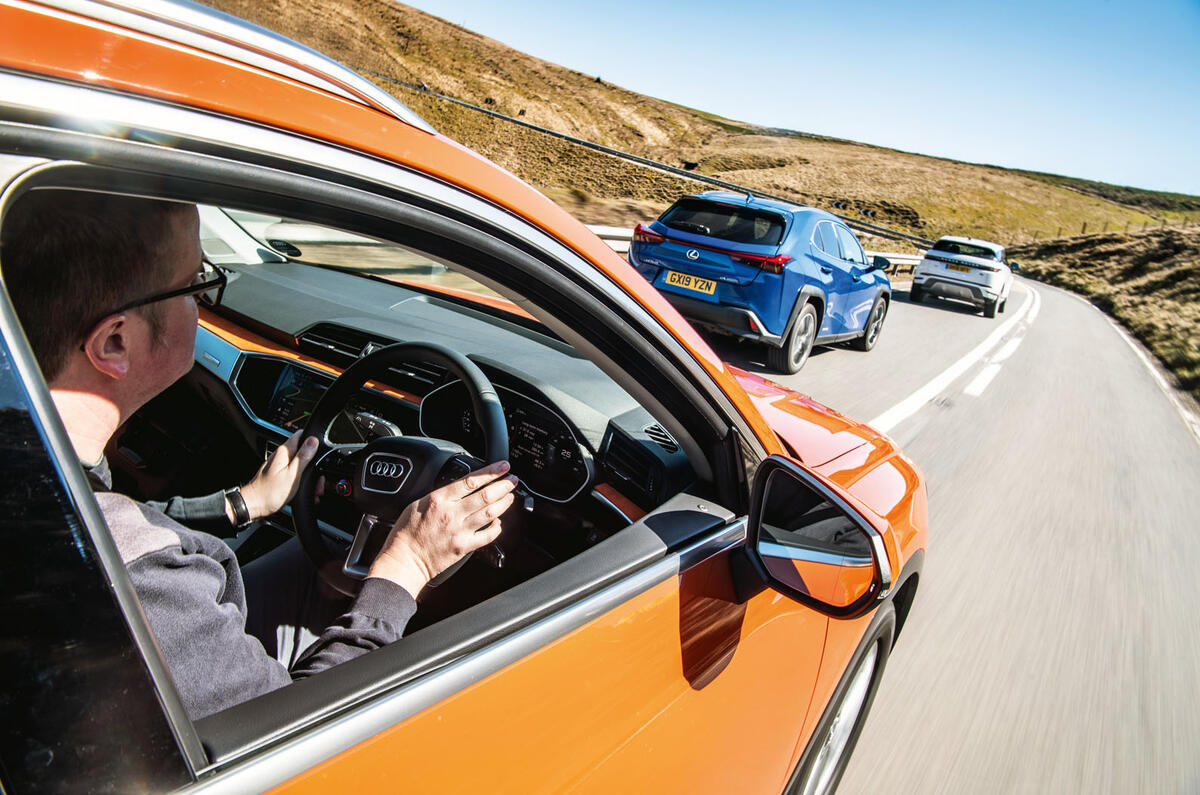
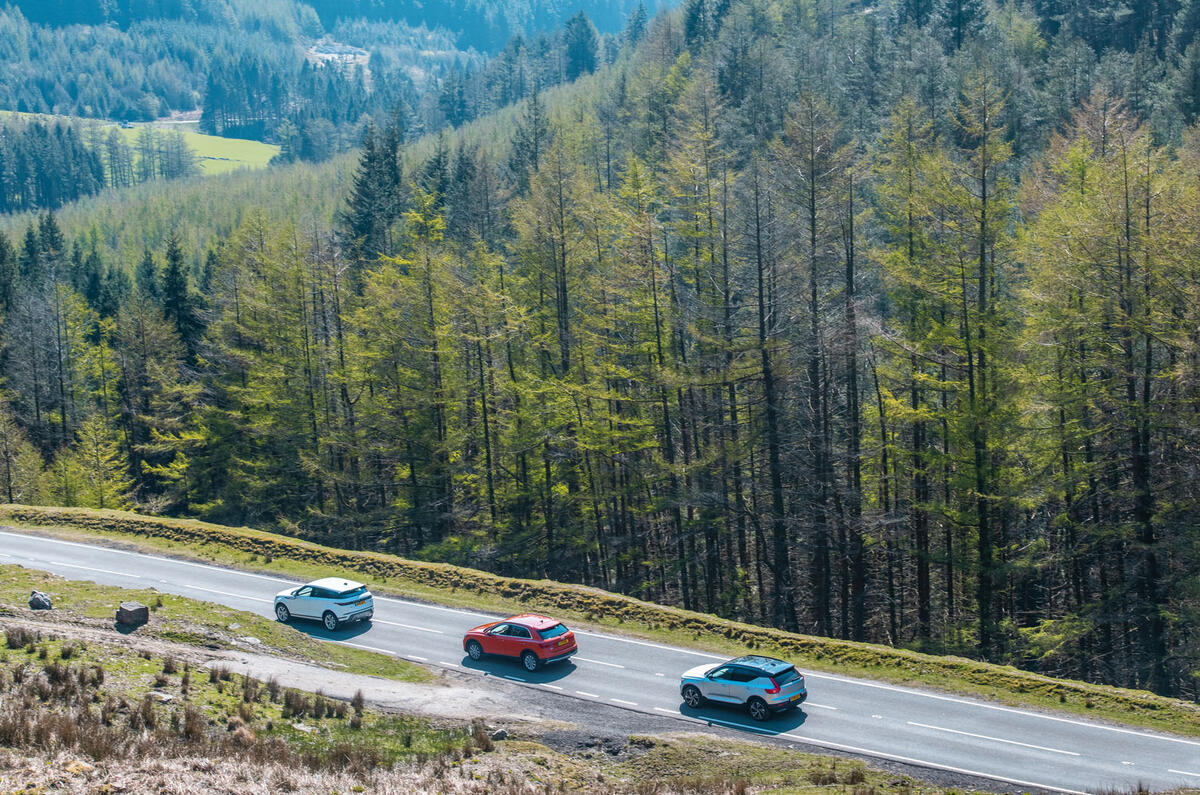
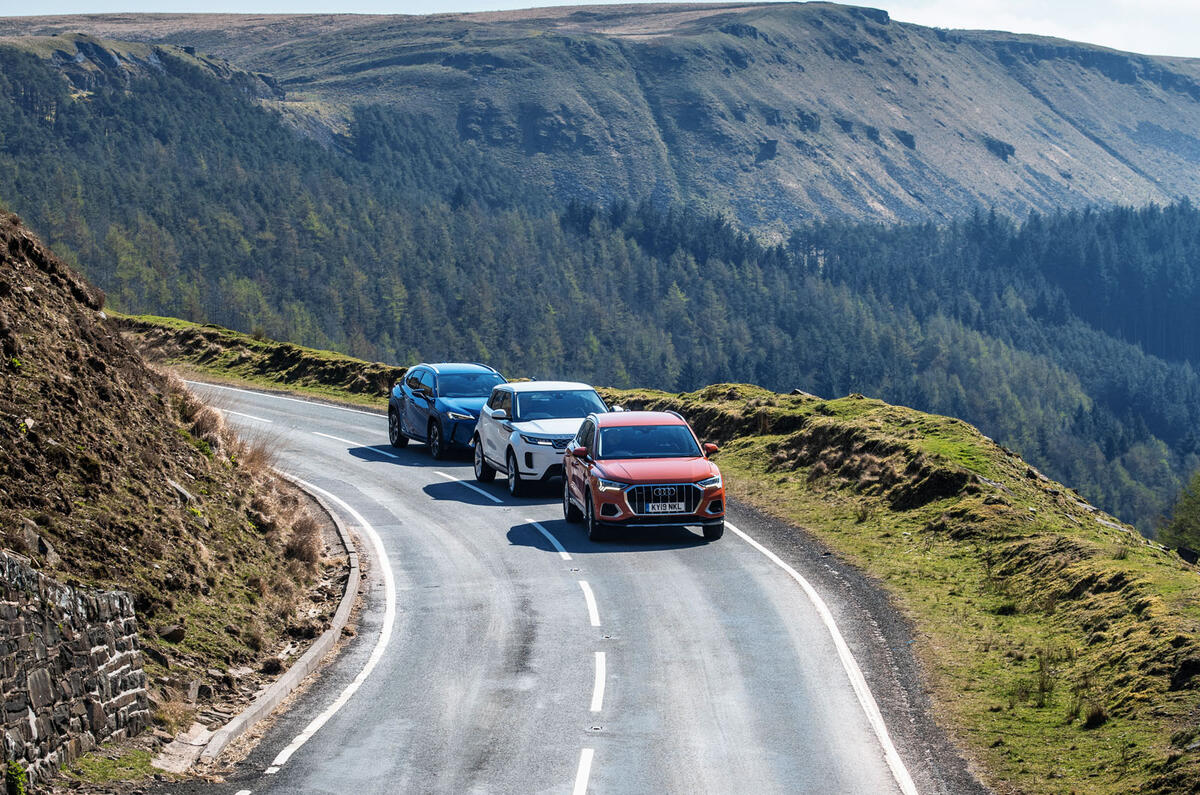
But, well, yes, you’re right: as it happens, there are four cars in the photograph you’ve been glancing at for the past minute or so. For reasons of general usefulness, fairness and accuracy, however, what you’re about to read will actually be a slightly truncated three-car comparison with an addendum on an interesting if unconventional new Lexus – the Lexus UX 250h – which, as it turns out, isn’t really a compact SUV at all. It might, though, provide welcome cause to wonder whether you need such a car quite as much as you thought you did.
Modern compact SUVs remain suspiciously on-trend. Unlike some of my colleagues, I don’t have a problem with this. To me, they are increasingly popular for good reasons and are being bought by people who, had they been in the market 25 years ago, would have likely ended up in a biggish, volume-branded family saloon or estate mostly out of a lack of choice.
We all get to that stage in our lives when a five-door hatchback simply isn’t enough car for us any more. The modern buyer who has reached that point can still buy a biggish, volume-branded family saloon or estate, of course. But why would they when they can have something that looks more stylish and ‘aspirational’ on the driveway; that has greater convenience, versatility and comfort about it; that’s smaller, and feels safer, than a biggish saloon and is easier to get into and see out of and park; and, perhaps most importantly, that has been made so temptingly affordable by the modern finance methods on which the car business is so squarely built in 2019?