Currently reading: Government to trial £150 million connected roads project in 2017

Highways England will spend £150 million on improving the UK's road network, including trialling radar and wireless data systems

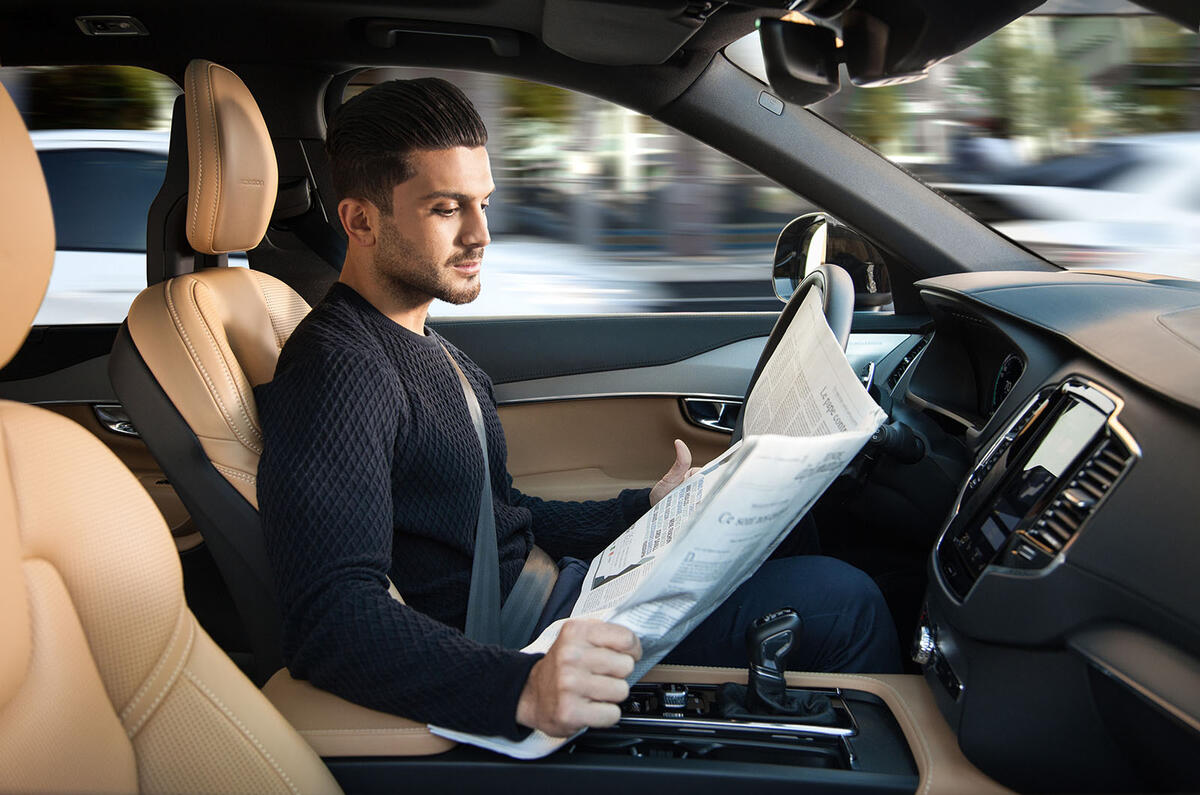
UK roads will be used to trial new radar and wireless information technology, as well as being used to test and develop autonomous vehicles by 2017.

The new plan, unveiled by Highways England, will cost £150 million and plans to harness the latest and emerging technology to keep the UK’s roads running smoothly.

Under the scheme, radar technology will be trailed at the Hindhead Tunnel in Surrey. The system would continually monitor traffic and notify control centres “within seconds” of a breakdown being detected.

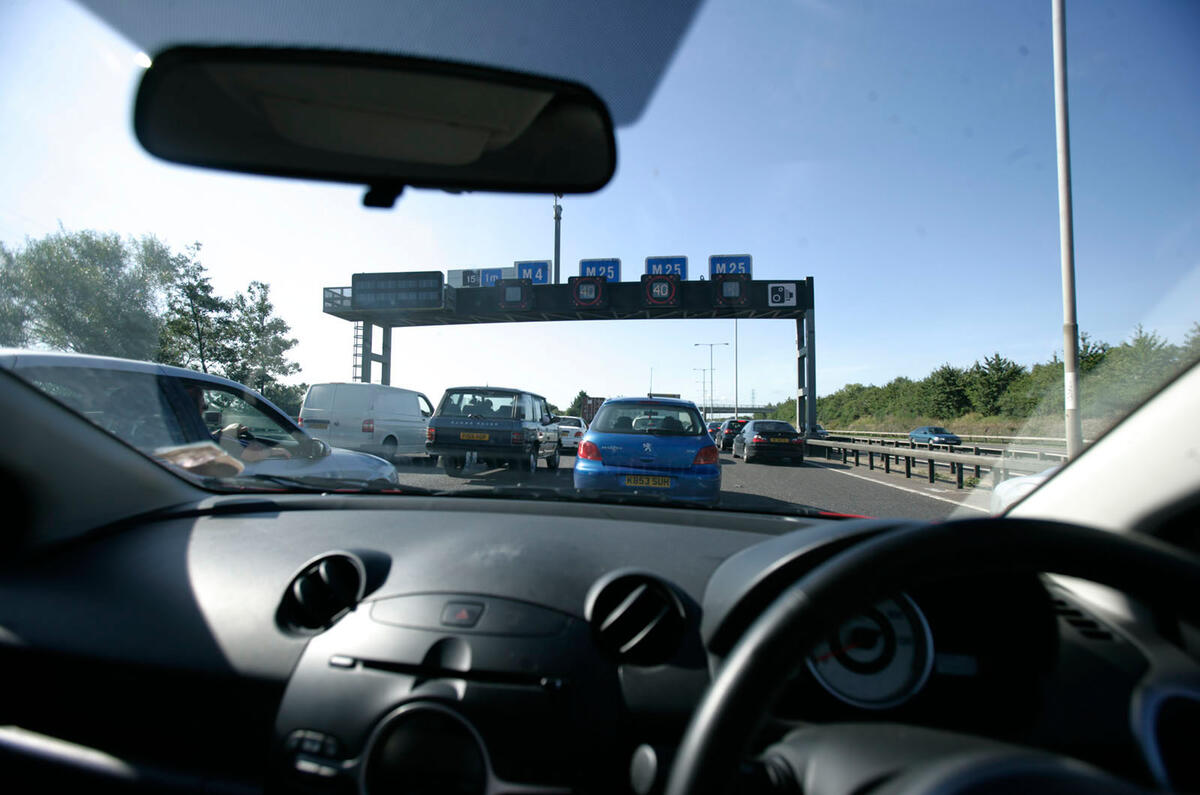
Specially adapted vehicles will also be able to receive wireless travel updates on the motorway. A trial section of road on the A2/M2 between London and Kent will be used to trial the technology, which would send journey information – including any upcoming traffic jams or accidents – wirelessly to vehicles. The technology could also suggest that cars take an alternative route or change lanes.

Existing A-roads will also receive more modern junctions with more emergency refuge points and maintenance areas. The plan calls for these roads to be turned into ‘expressways’ which will “encourage more free-flowing traffic”.

The government will also look at ways of improving existing junctions, including using different traffic light patterns depending on the time of day, and using sensors to provide better information on the condition of roads, bridges and tunnels.

Highways England has also committed to creating a new Test and Innovation Centre, which will focus on pioneering new research.
Fordautonomous 02 0

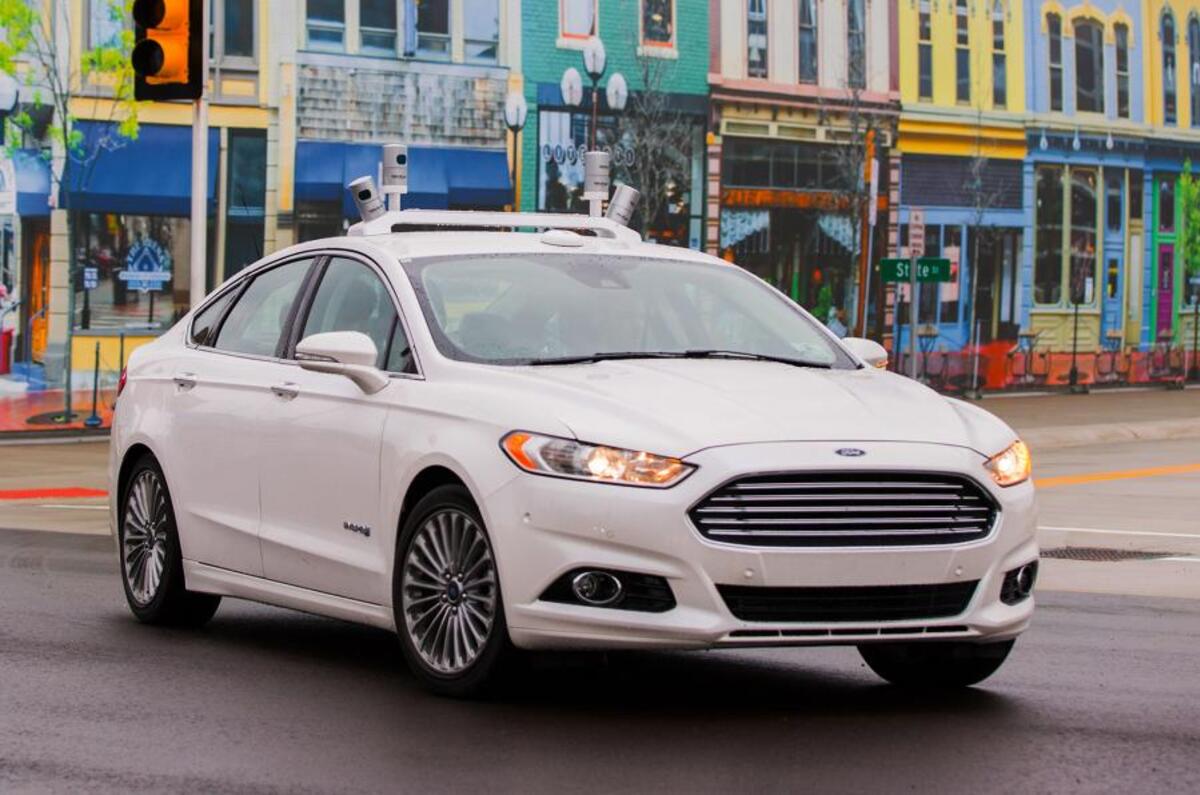
Autonomous cars to test on UK roads

As part of the strategy, autonomous vehicles will be tested on UK roads by the end of next year – a move which was first announced in Chancellor George Osborne’s budget in March. Highways England says it will start to collect “real-world data on performance and potential impacts on capacity and operations” ahead of the tests.

Announcing the plan, road minister Andrew Jones said: “A more reliable road network is good news for motorists and good news for the economy. Quicker, safer roads will improve access to jobs and opportunities. Placing Britain at the forefront of innovation and research in this area will also create more jobs and investment.”

Highways England chief executive Jim O’Sullivan added: “We will work with our partners in the supply chain, technology specialists and the automotive industry to trial new technologies that will help make journeys on our roads safer, more reliable and better informed.

Back to top

“This will involve supporting trials of better connected and autonomous vehicles on our motorways by the end of next year, testing radar technology to better detect breakdowns, and trialling fuel price signs on the M5 between Bristol and Exeter.”

Webpics2016 775

UK insurance premiums to fall

The drive to improve Britain’s road network is all part of the plan to make the UK a global leader in autonomous vehicle development. The advent of mass-market autonomy in cars could reduce global insurance premiums by more than £14 billion by the end of the decade, according to new research from insurer Swiss Re and mapping firm Here.

The research reveals that by 2020, more than two-thirds of cars sold worldwide will come with some form of connected technology, whether that comes from technology embedded within the vehicle, or by connecting third-party devices like mobile phones. In addition, the vast majority of those vehicles will come with at least one form of Advanced Driver Assistance Systems (ADAS), which could include pedestrian and blind spot detection, automatic cruise control with steering guidance, and Autonomous Emergency Braking (AEB).

Last month, it was revealed that more than half of new cars sold in 2015 featured some form of autonomous safety technology - with 1.5 million buyers choosing collision warning systems.

Back to top

Research has also found that a growing number of car buyers are willing to change their brand loyalties depending on what connectivity or safety systems are offered – a move which could leave brands who don’t offer the latest in car technology lagging behind.

As part of its research, Swiss Re and Here concluded that one of the biggest opportunities for insurers in the age of connected vehicles is to offer usage-based insurance. Similar to the telematics ‘black boxes’ offered by some insurers today, these products would be able to pinpoint where the car is and how fast it is going, allowing insurers to price risks more accurately.

Read more: UK insurance industry to consult on autonomous cars

Join our WhatsApp community and be the first to read about the latest news and reviews wowing the car world. Our community is the best, easiest and most direct place to tap into the minds of Autocar, and if you join you’ll also be treated to unique WhatsApp content. You can leave at any time after joining - check our full privacy policy here.