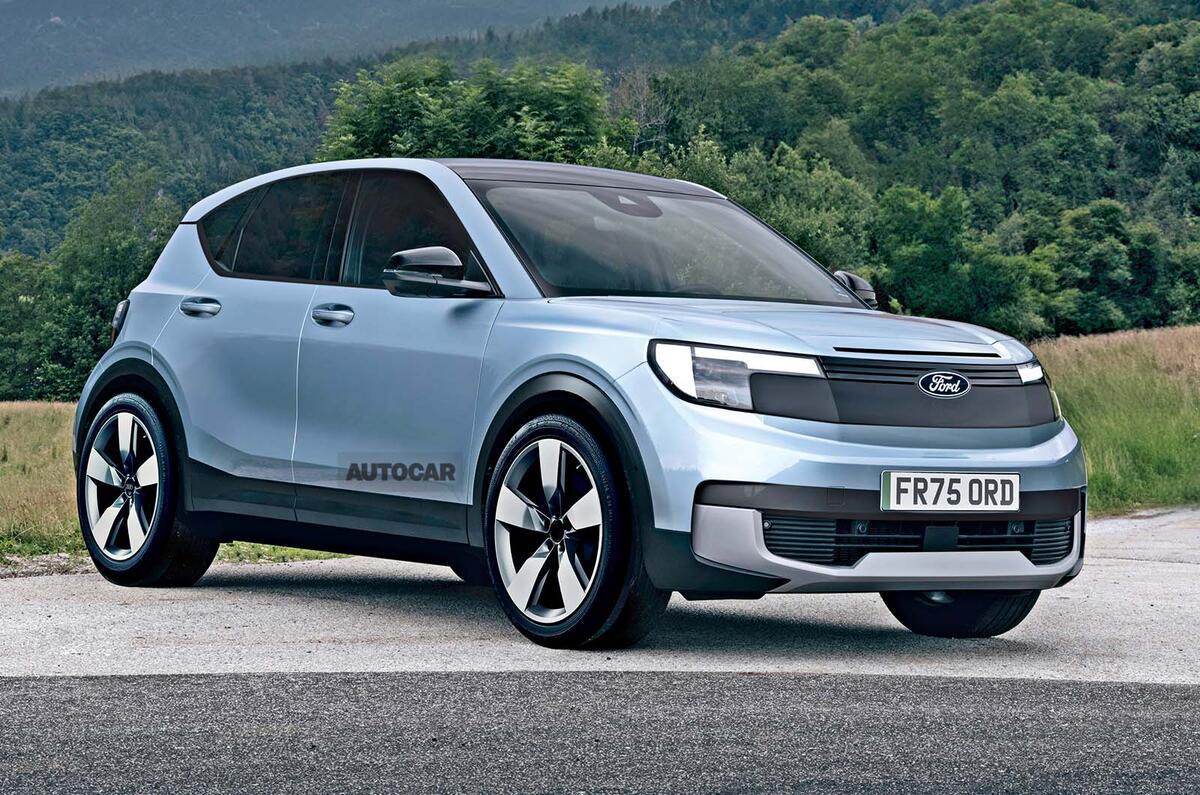

A new range of smaller and more affordable electric Fords will be spawned from an upcoming ‘skunkworks’ architecture on which the firm aims to produce the world’s most efficient electric cars.
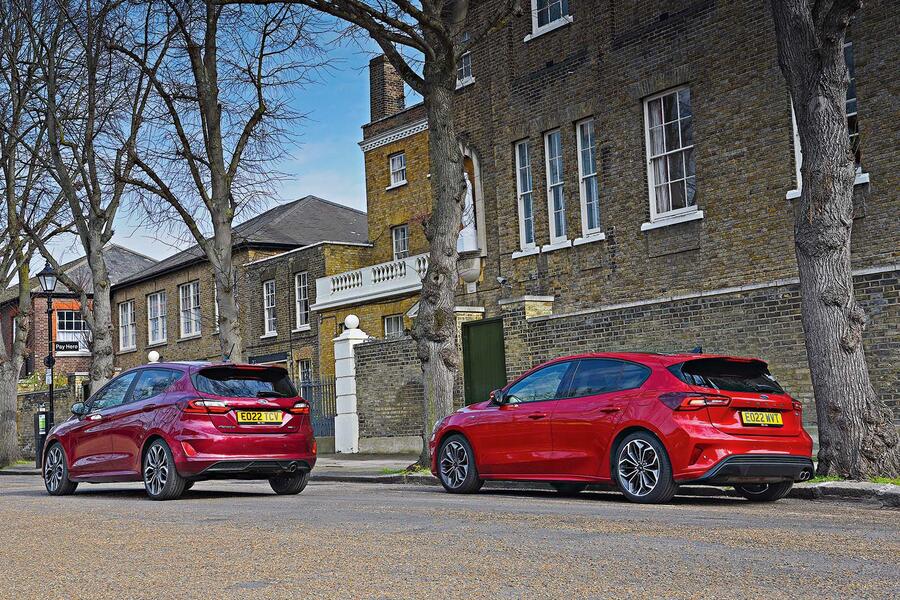
This new platform, the development of which is being led by a former Tesla engineer, could underpin spiritual successors to the Fiesta and Focus and a replacement for the Puma, as well as opening up the potential for other small cars from Ford.
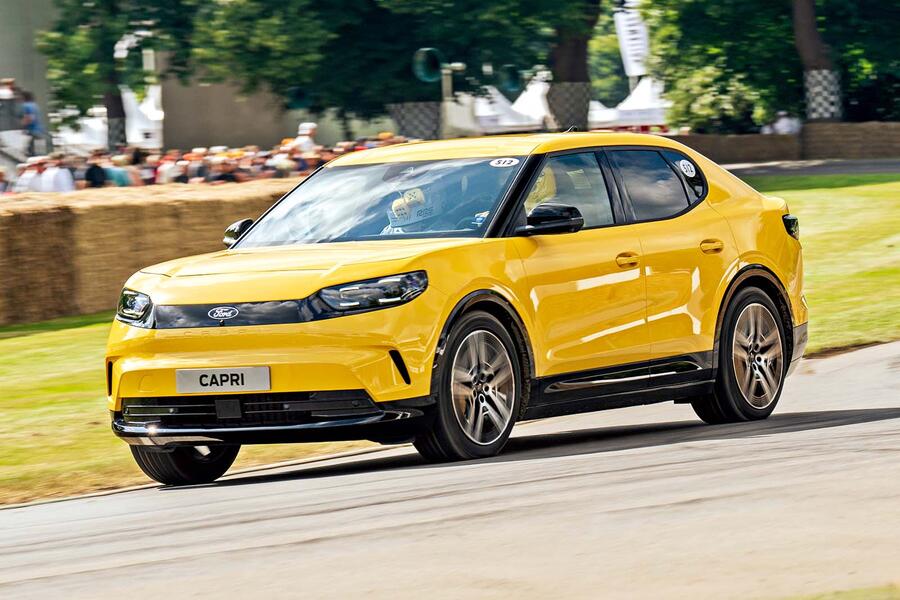
The architecture programme is still in the engineering stages, yet it is the first concrete sign that Ford sees a way back to offering a whole suite of more affordable models underneath the new Explorer, Capri and Mustang Mach-E SUVs in addition to the Puma.
“We are spending a decent amount of time at the corporate level talking about affordability,” Marin Gjaja, chief operating officer of Ford’s Model E division, told Autocar recently.
“We know we need to do it and it’s a muscle we need to build up over time.
“If you look at our line-up globally, at this point we don’t really have much in the affordable segment. The key for us is to be affordable, differentiated and profitable. For too long we stayed in the affordable segment, either at break-even or losing money.
“The question is: how do you compete in that segment, especially if you have got a very low-cost manufacturing location like China pumping out affordable vehicles?
“That’s the dilemma. There’s no question that if we’re going to be a true mass brand, we want people to graduate to a vehicle like Explorer, but where do you start them? That’s what we’re doing in the US with an affordable platform, and there’s no reason why that platform wouldn’t be able to create products for Europe as well.”
The architecture would be used for an obvious replacement for the next Puma. That would inevitably be an electric model and serve as a replacement for the current Puma’s electric variant, which will join the range later this year.
The first car based on the new platform – which will be launched first in the US – will arrive in “late 2026 or early 2027”, said Gjaja.
The prospect of other models is theoretical at the moment, but Gjaja’s comments around affordability bring hope as well as expectation that the Puma will not be the sole Ford below the Explorer.
Given the Explorer is 4.5 metres long and starts at £40,000, there is plenty of room below it for the Puma to be joined by other models.
“Our sense is the uptake on electric vehicles will be more smaller vehicles over time,” he predicted.
“That’s where you will see the most acceleration because that’s the group that’s going to be most sensitive to fuel costs – because the more affordable the vehicle, typically, the more the driver is focused on cost. And they don’t have as much emotion associated with the size of the vehicle or how luxurious it is.”