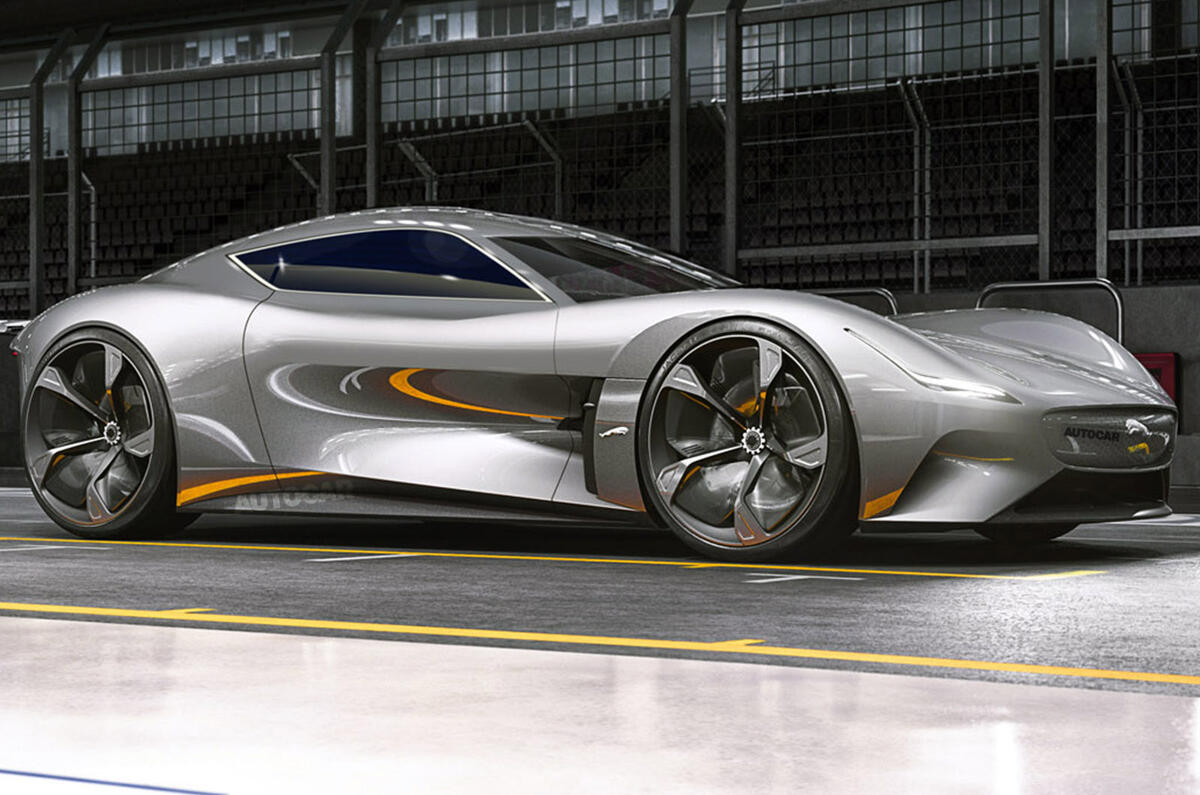
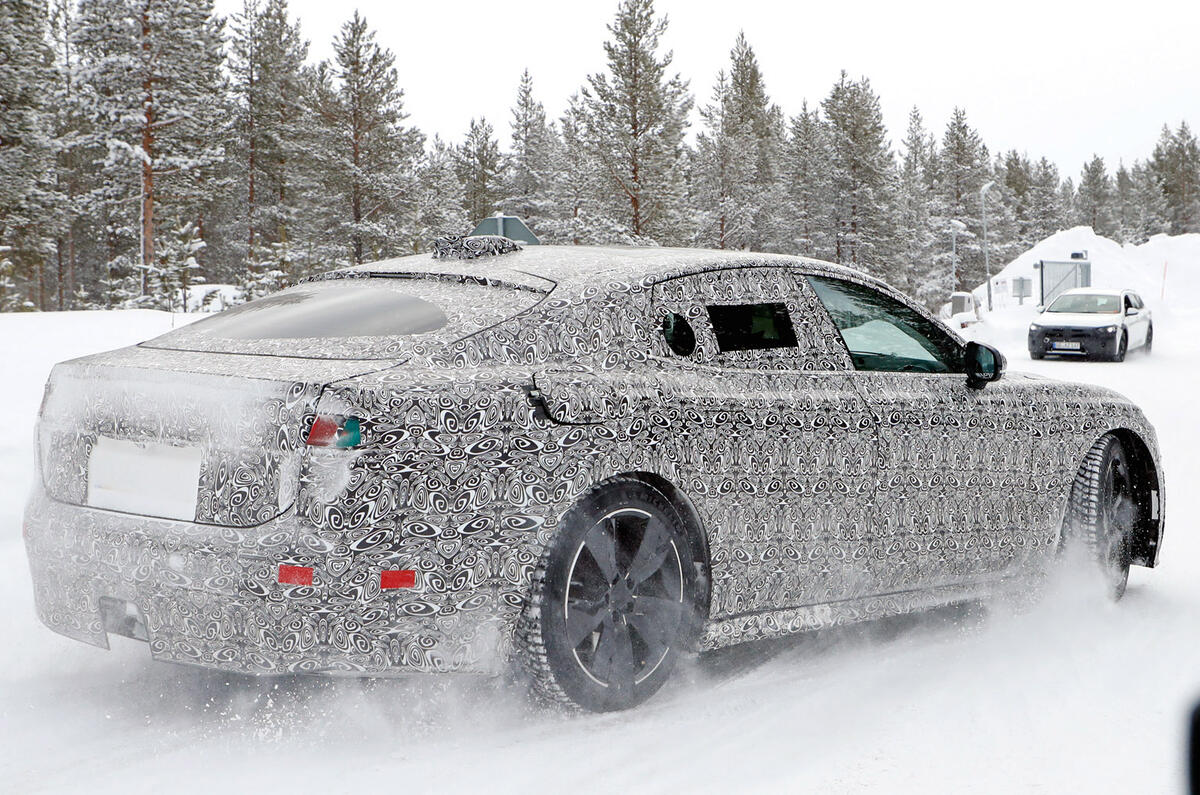
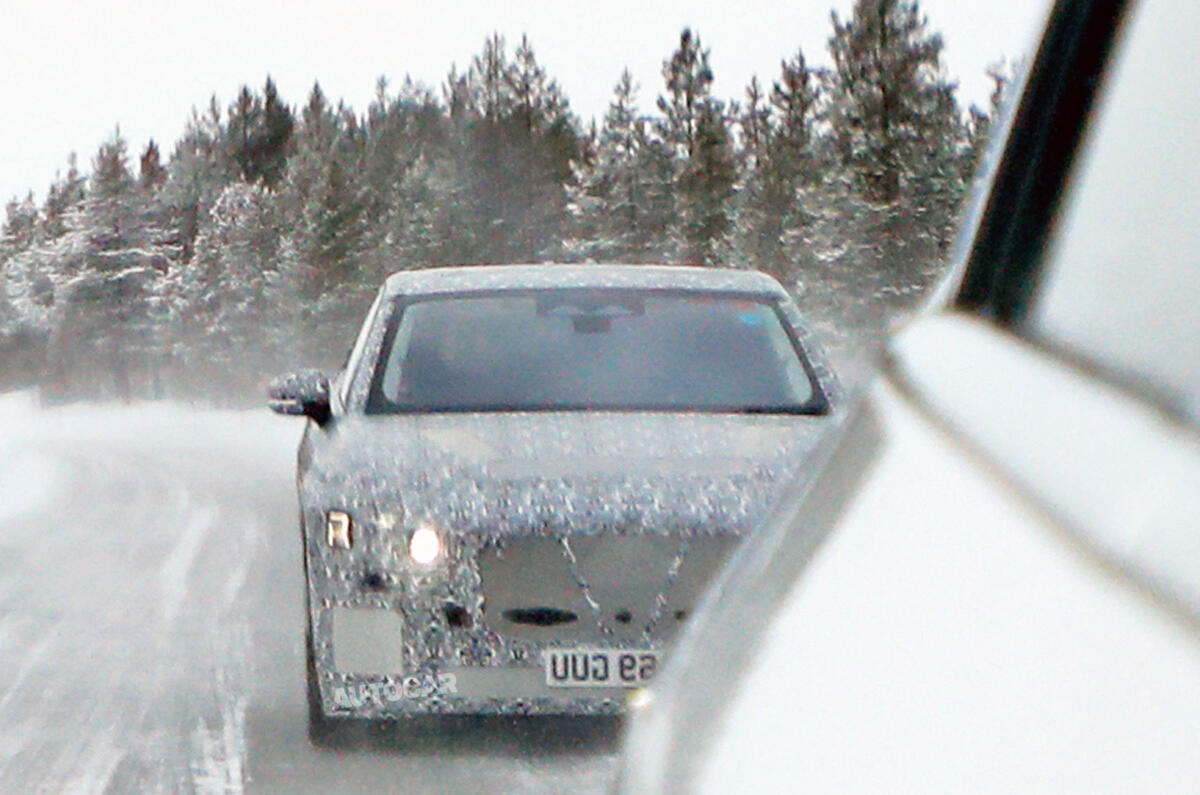
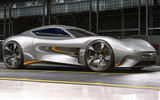
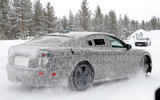


Jaguar Land Rover is set to establish itself as one of the world’s leading makers of electric vehicles by converting its historic Castle Bromwich plant into a specialist EV production centre.
According to sources, three new pure-electric models will be rolling off the production lines by the end of next year to join the existing electric Jaguar I-Pace in showrooms.
The move is part of a major £1 billion investment in both Castle Bromwich and JLR’s factory in Solihull. Both are set to be massively overhauled in preparation for the British manufacturer’s new Modular Longitudinal Architecture (MLA) platform.
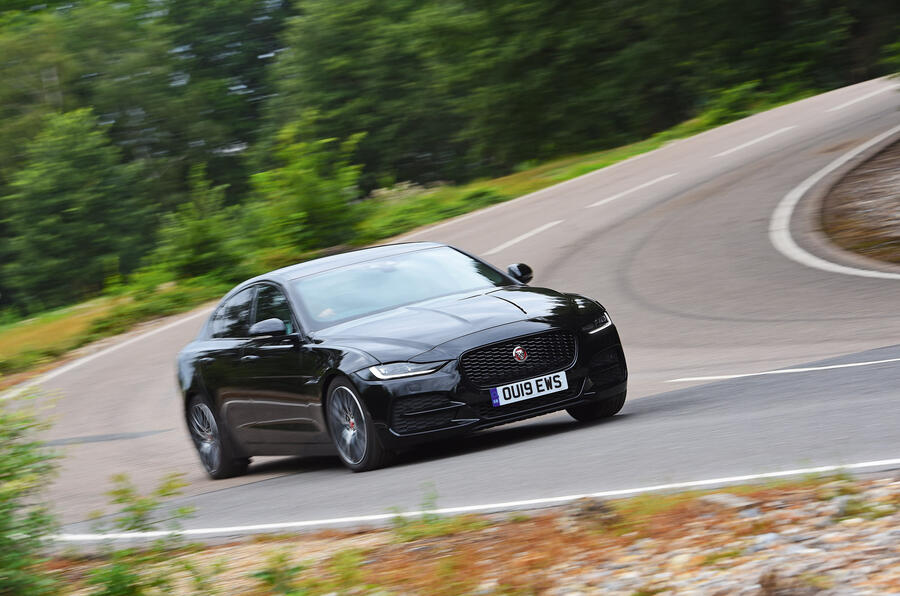
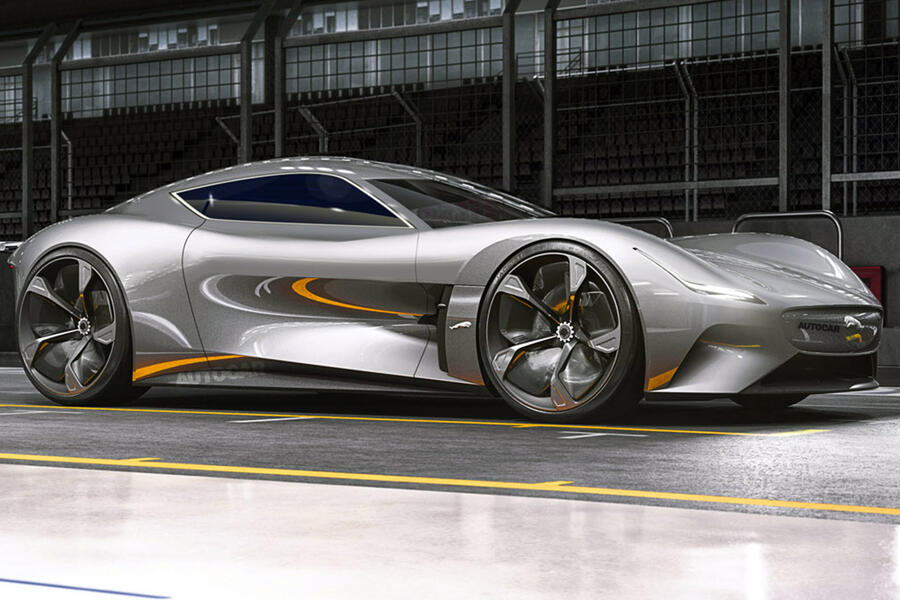
Despite relatively poor sales last year (the company sold 161,601 units, down 10% on the 2018), Jaguar is also getting a significant boost in the form of two new flagship models.
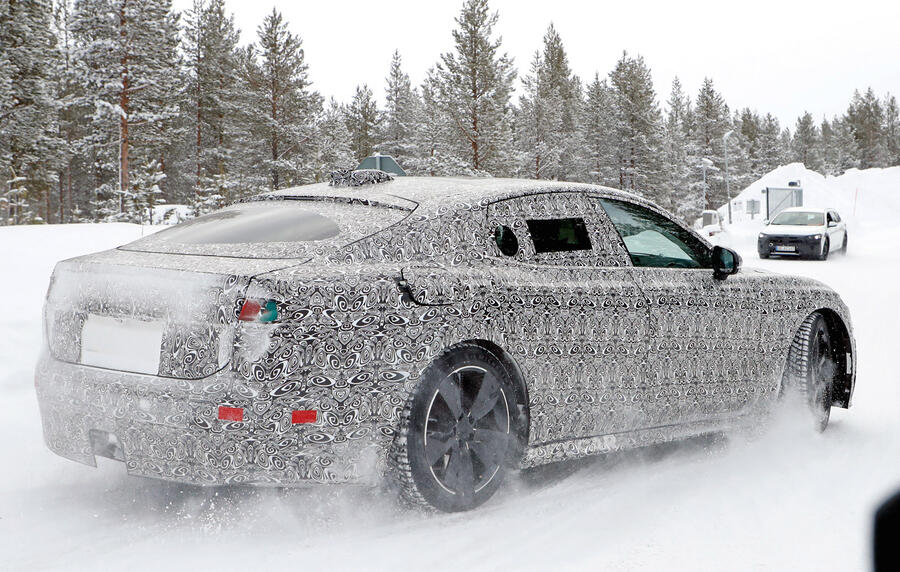
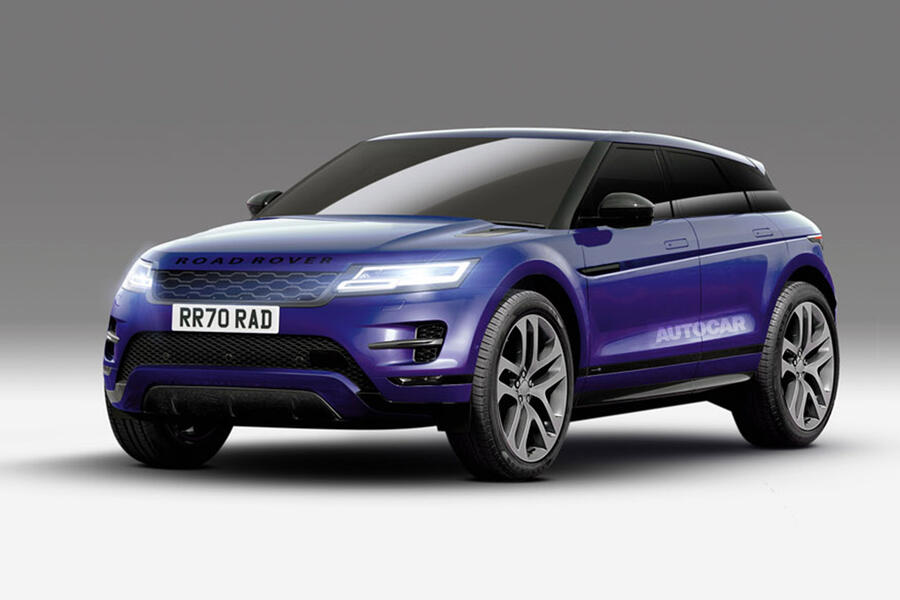
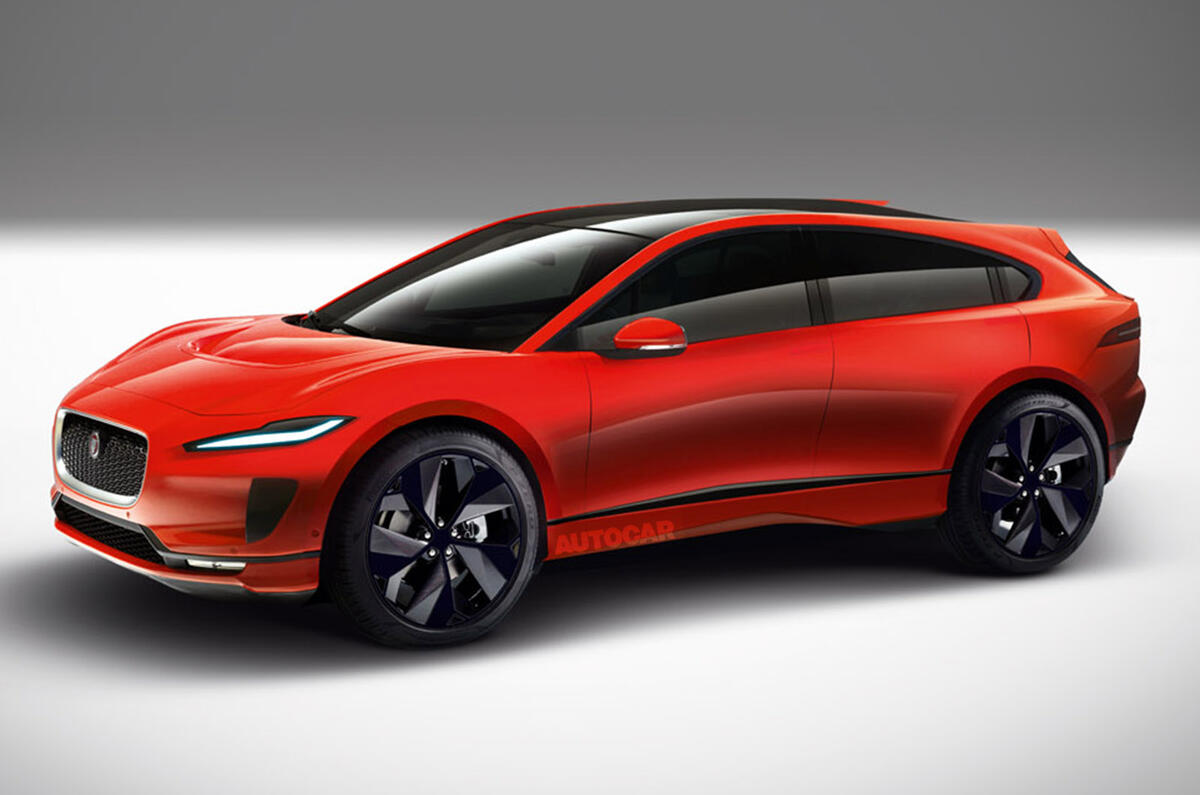
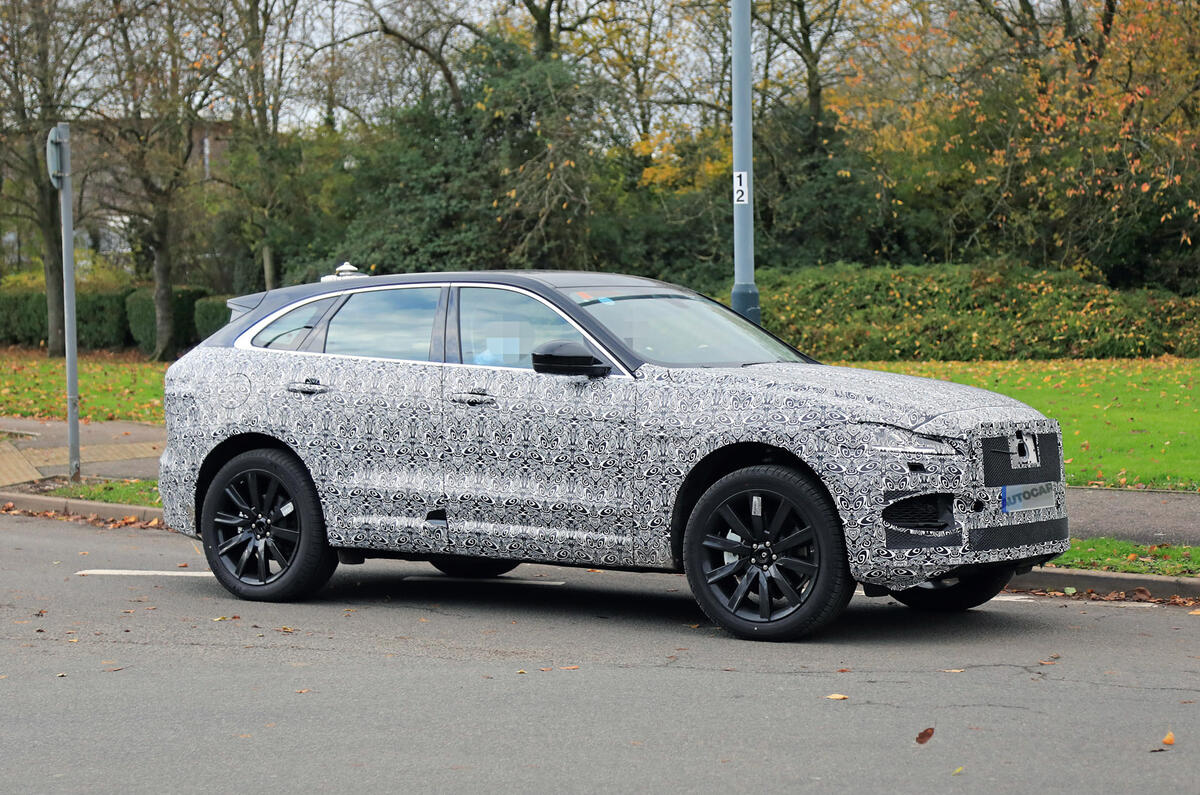
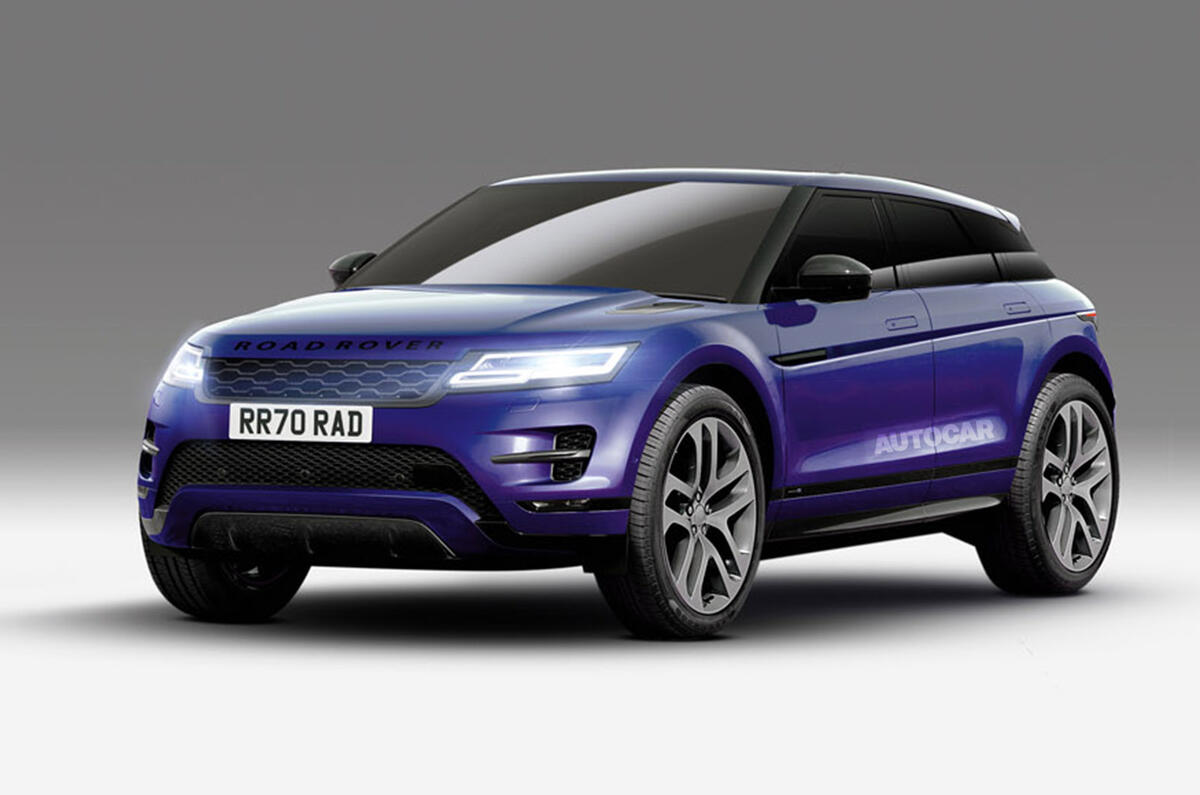
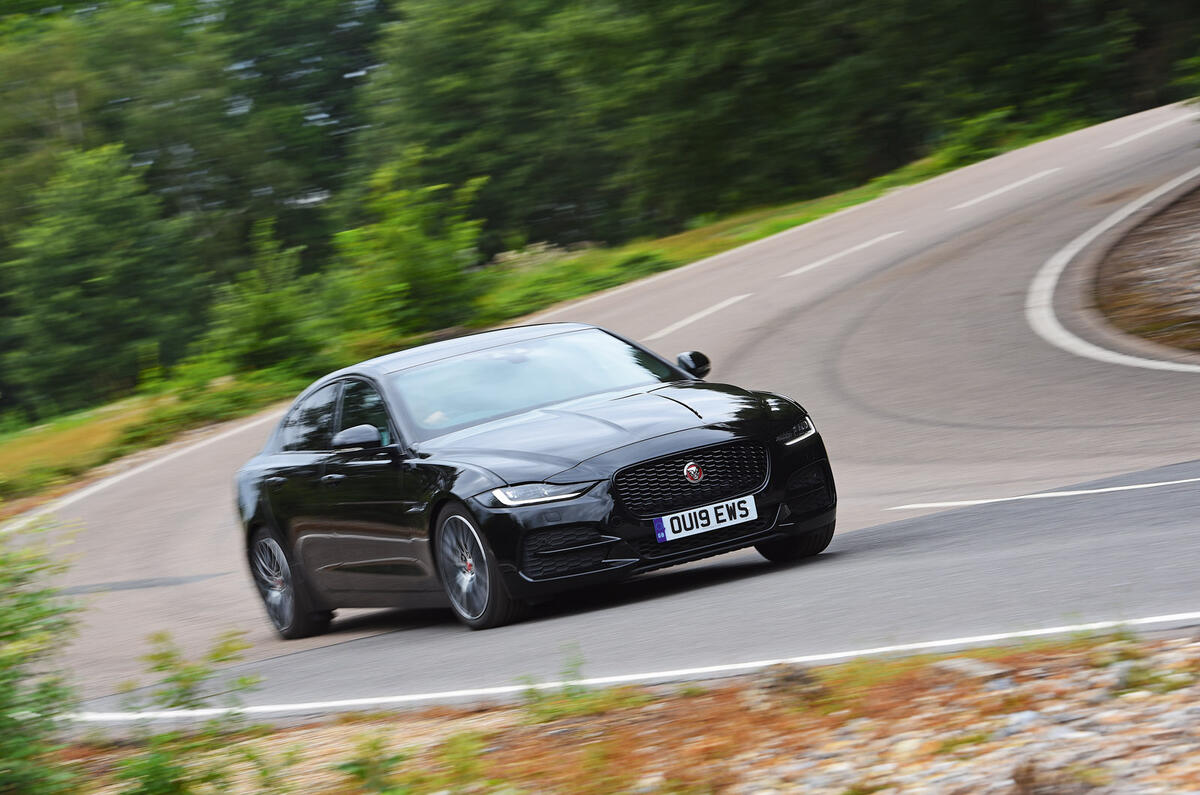
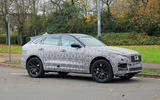
JLR has already confirmed that the replacement for the Jaguar XJ luxury saloon will be a battery-electric model. However, it’s understood that Castle Bromwich will also produce two more vehicles, both crossovers. Land Rover’s upcoming ‘Road Rover’ will be sold as a pure EV, while the new Jaguar J-Pace flagship will also be built at the plant as an EV.
All three new models are based on the MLA platform, which can be configured with three different types of drivetrain: battery-electric, plug-in hybrid and conventional internal combustion engine.
Insiders say the Jaguar I-Pace will continue to be built on its unique platform in Austria and have a “normal lifespan”.
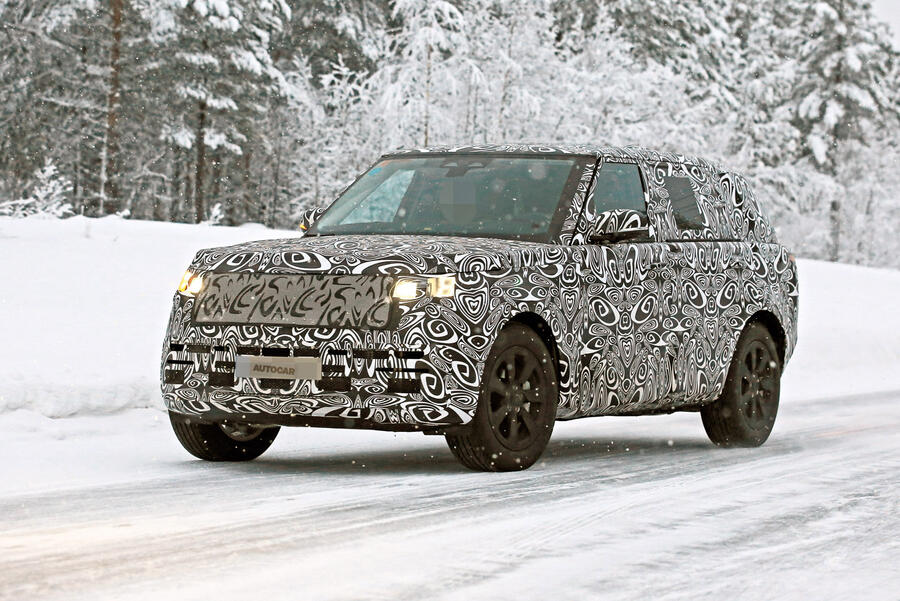
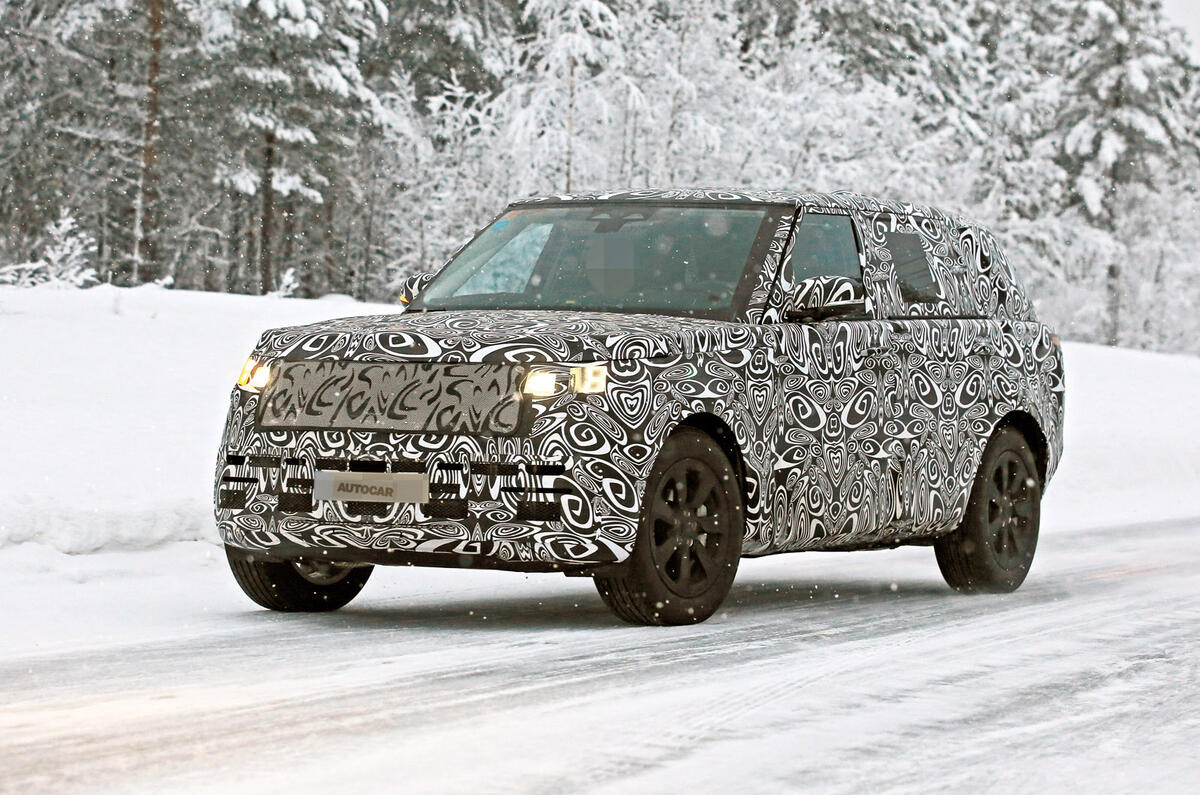
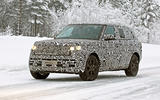
The MLA underpinnings will also be used for the next-generation Range Rover and Range Rover Sport, as well as the Discovery 6. It’s expected the majority of each of those models will be sold as plug-in hybrids as increasingly stringent global CO2 regulations continue to bite.