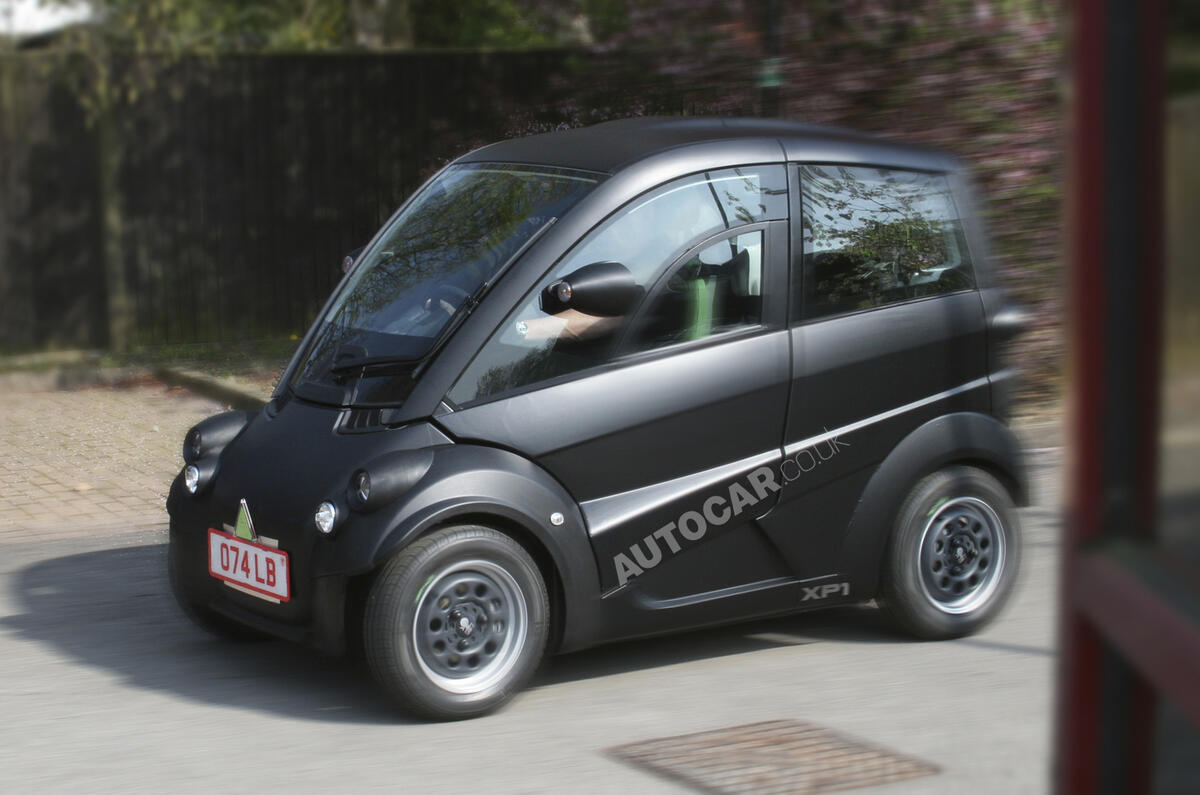



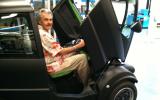

British automotive entrepreneur Gordon Murray has released a stunning set of performance targets for his forthcoming T27 electric city car which, if achieved, will make it the world’s most efficient electric vehicle.
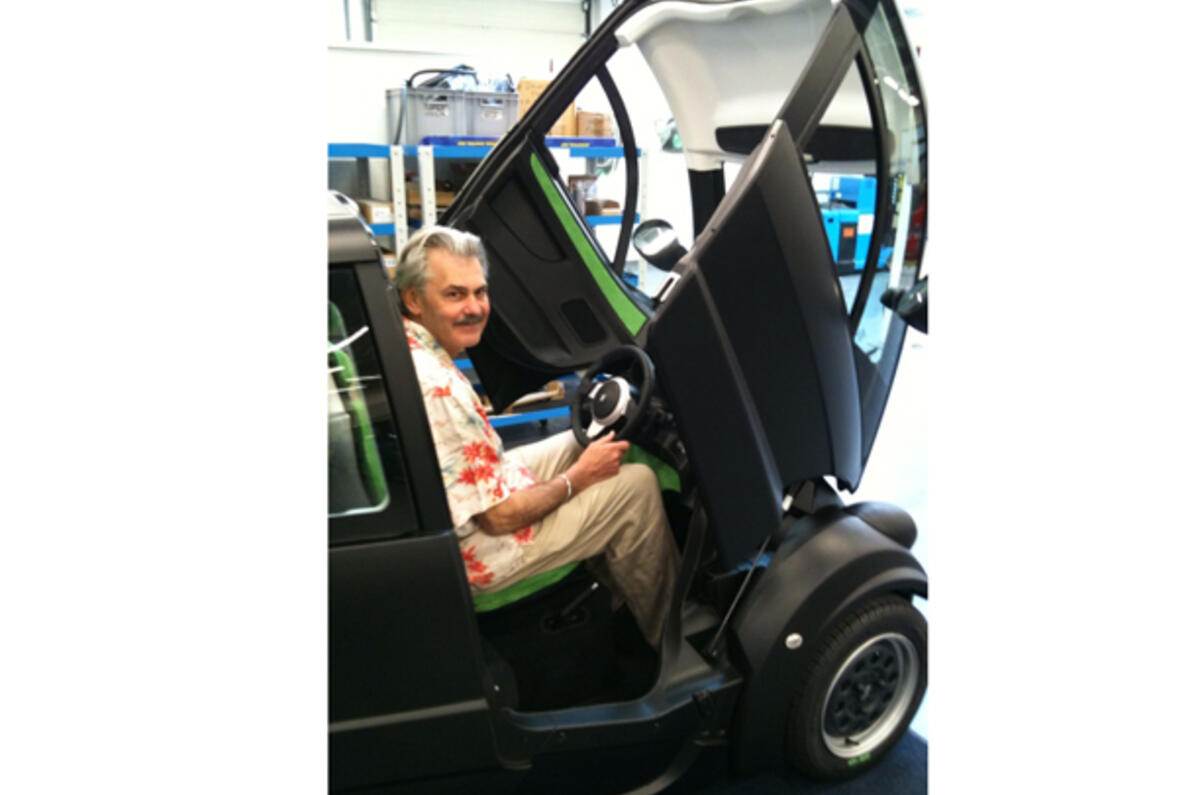
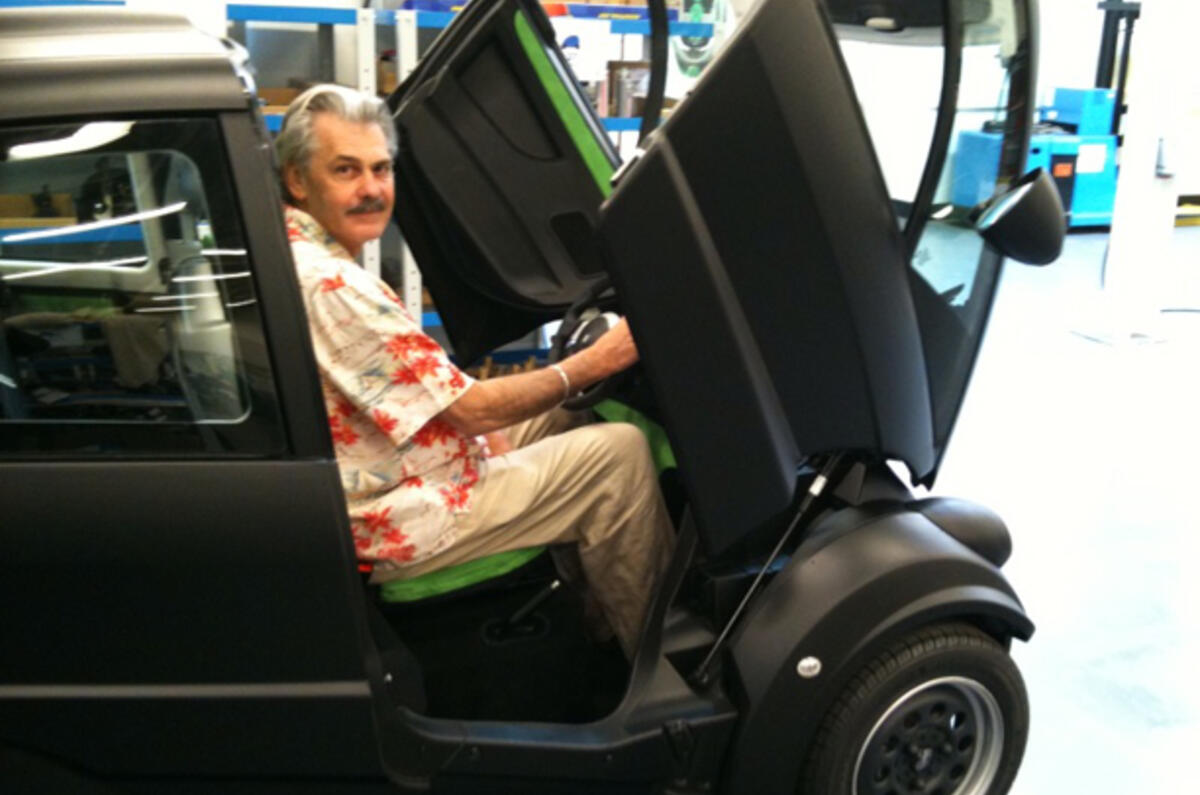
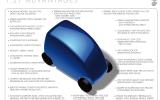
The car, an ultra-compact MPV with six different interior configurations, closely resembles Murray’s T25 petrol-powered city car.
See the Murray T27 tech pics, plus exclusive T25 spy pics
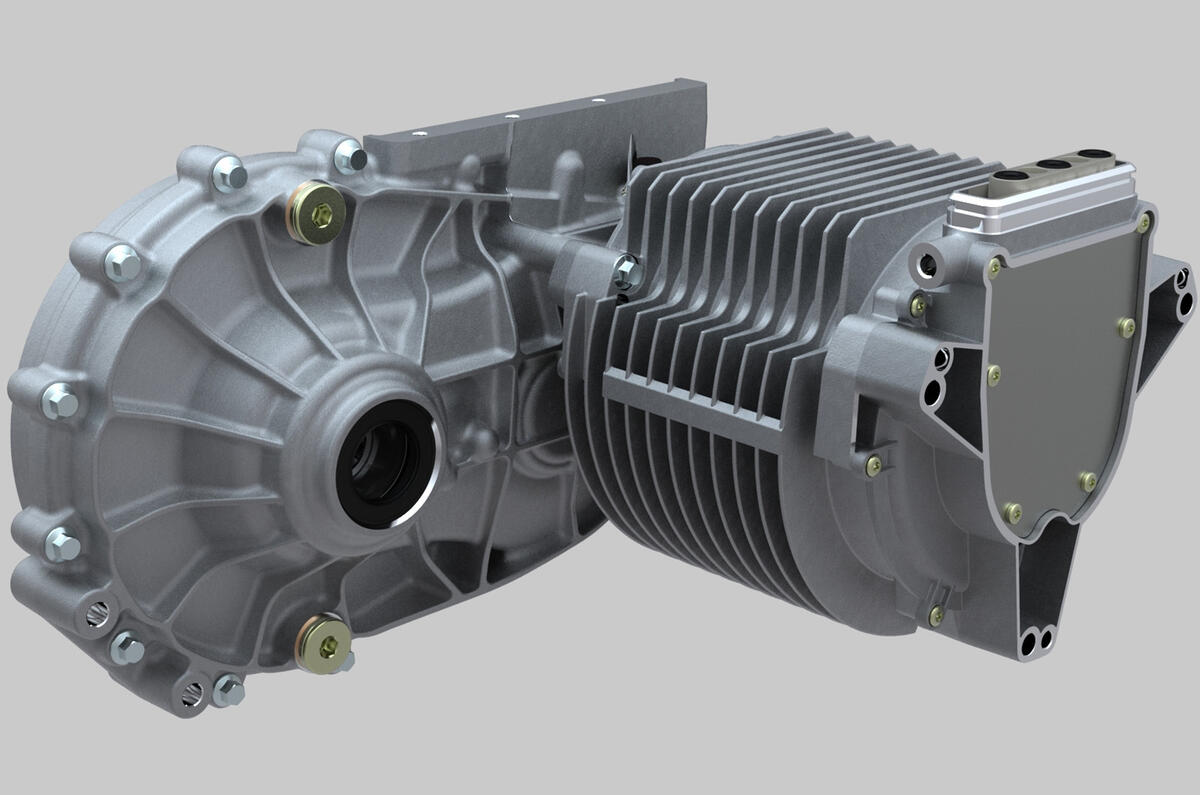
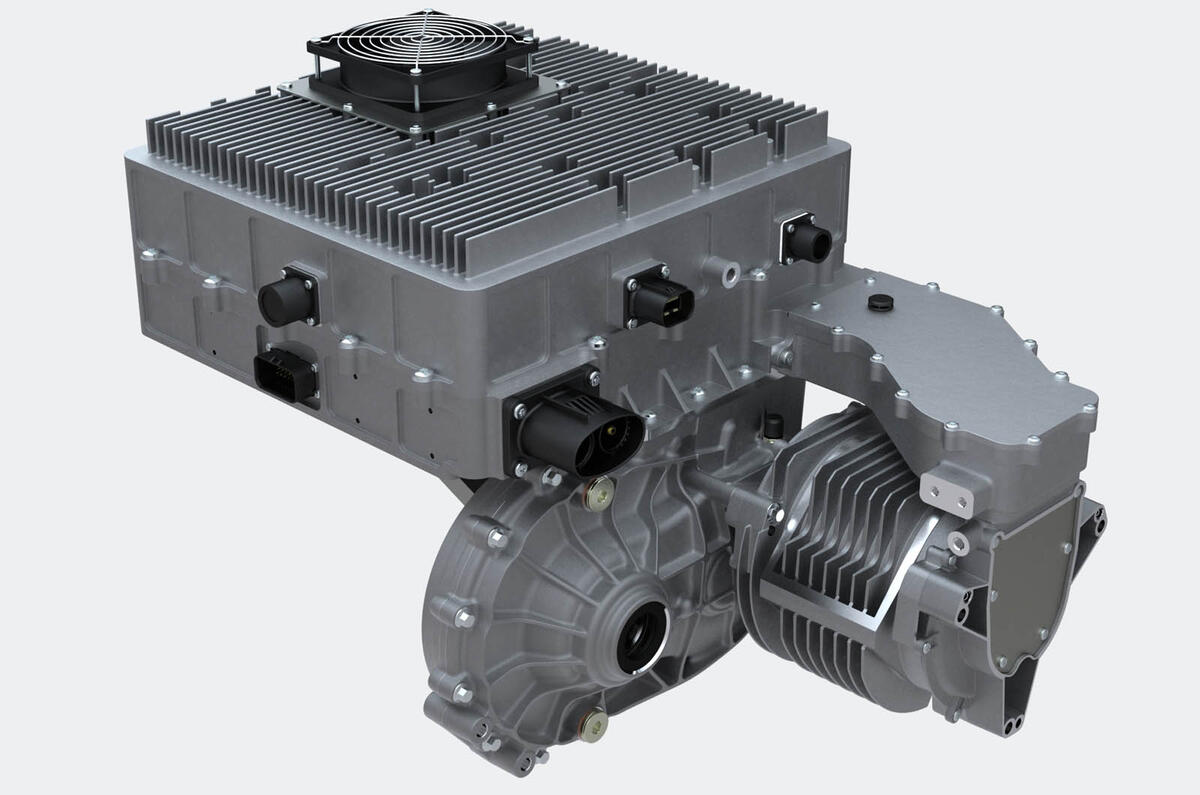
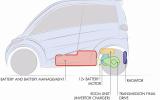
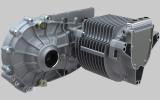
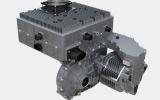
The electric T27 version is being developed as a partnership between Murray’s Guildford-based design company and Northampton-based Zytek Automotive, who are designing an all-new electric engine and gearbox.
The project is financed to the tune of £4.5 million, around 50 per cent, by the government’s Technology Strategy Board.
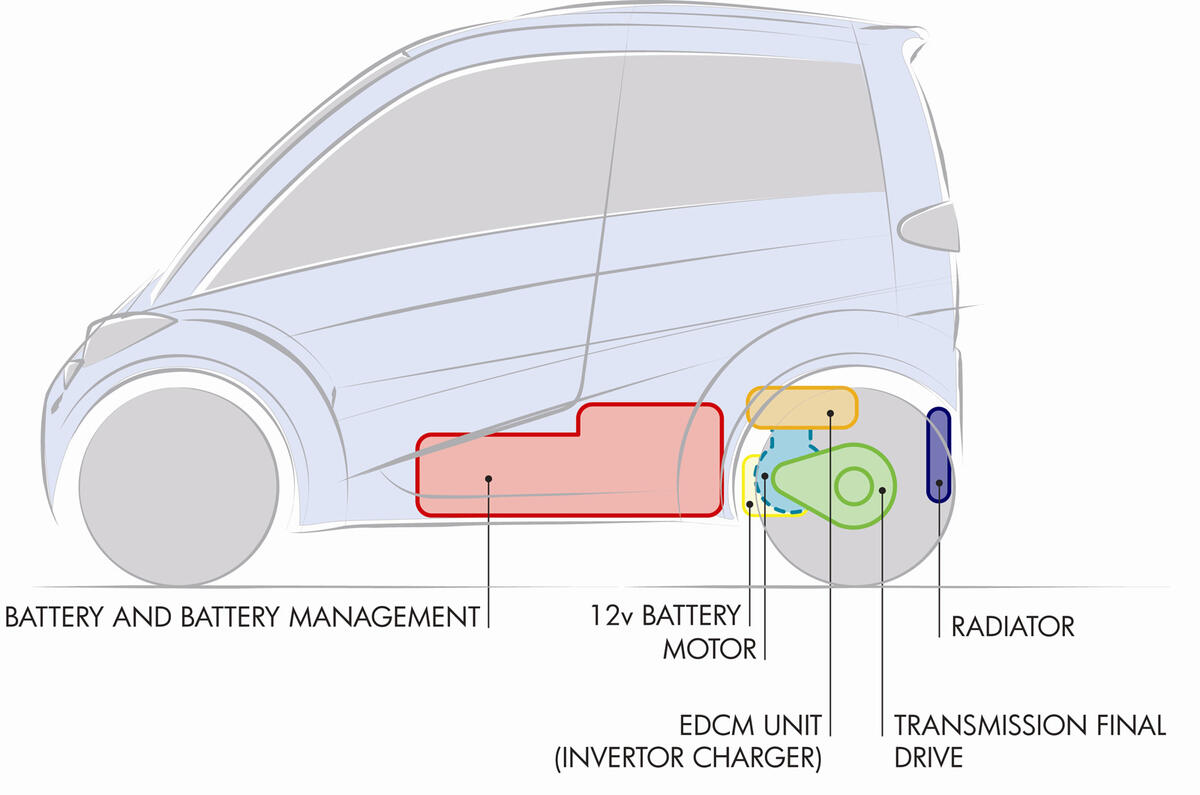
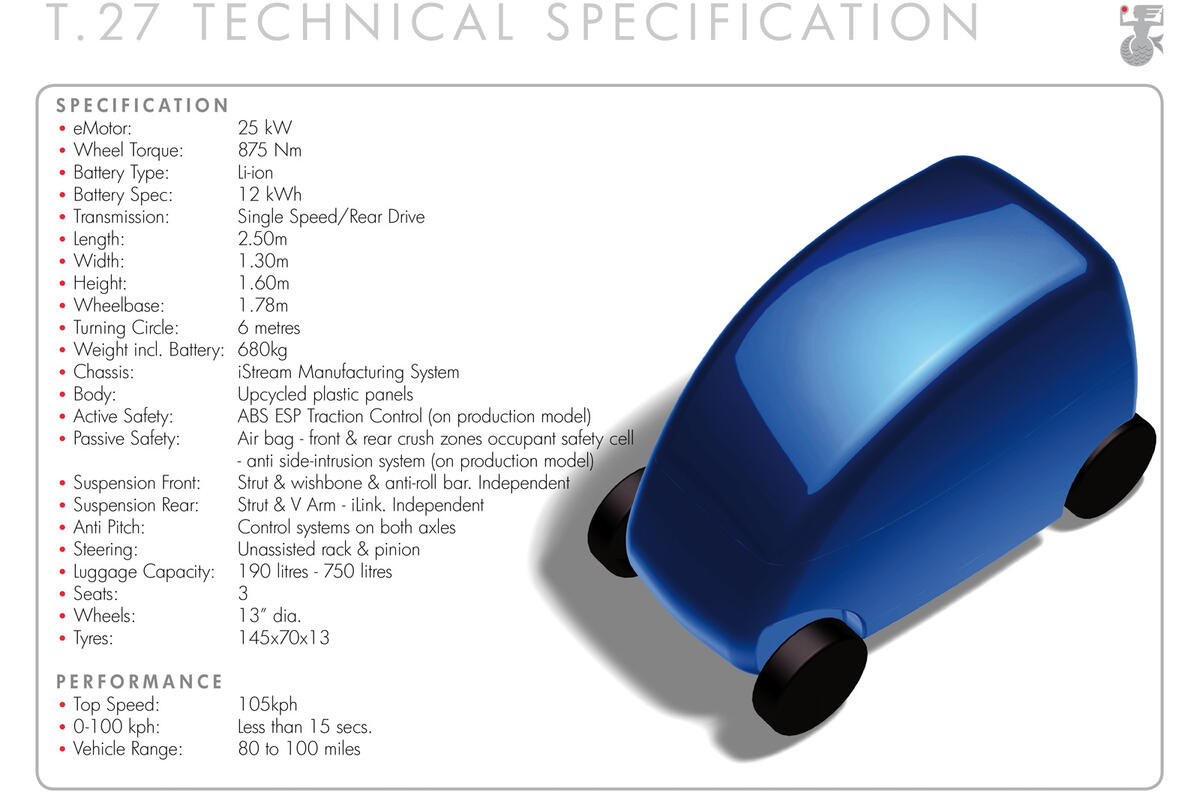
Murray T27 nears production Murray and Zytek’s Bill Gibson say T27’s low kerb weight of 680 kilograms, which includes the weight of its 25kW (33 bhp) engine, its single-speed gearbox and a 12kWh lithium-ion battery pack, should allow it a range of between 80 and 100 miles, a top speed around 66 mph, and a 0-62 mph acceleration time below 15 seconds.
Its CO2 footprint, which includes emissions from the power stations that provide its electric power at the outset, is just 48g/km on the combined cycle, and an astonishing 28 g/km on the city cycle alone (where emissions from petrol/diesel cars usually increase).
Murray claims the T27’s whole-of-life CO2 emissions will be 42 percent less than those of an average conventional car in the UK.
The T27 programme, which has been running for 16 months, is on target to produce a fully driving prototype on April 2011.
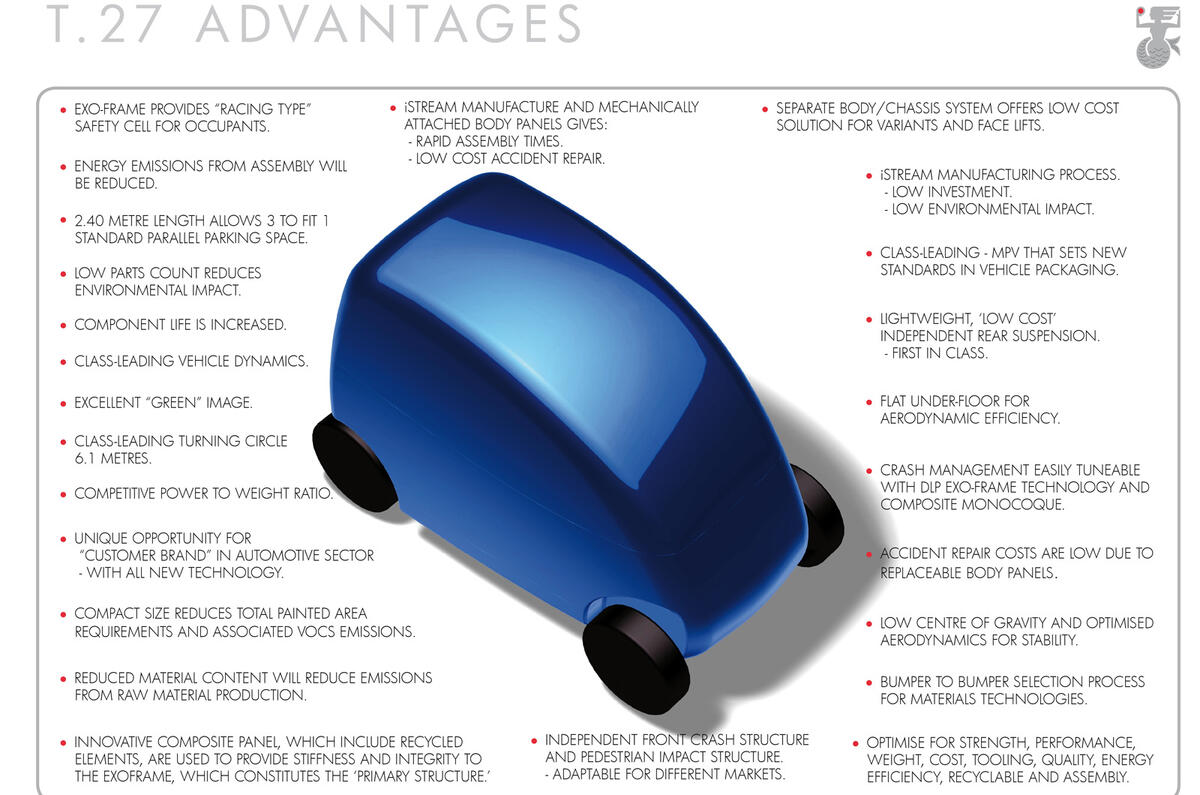
Murray and Zytek have already begun pushing to assemble partners and funding for full-scale manufacture in the UK, using the ultra-efficient iStream process which Murray has devised to eliminate the high tooling costs of conventional steel monocoque cars and greatly simplify the automotive manufacturing process. Murray intends that iStream — which can produce cars of many sizes and designs — should become a worldwide phenomenon, but says he would prefer the first application to be in the UK, to keep the technology at home and to create an estimated 6000 jobs.