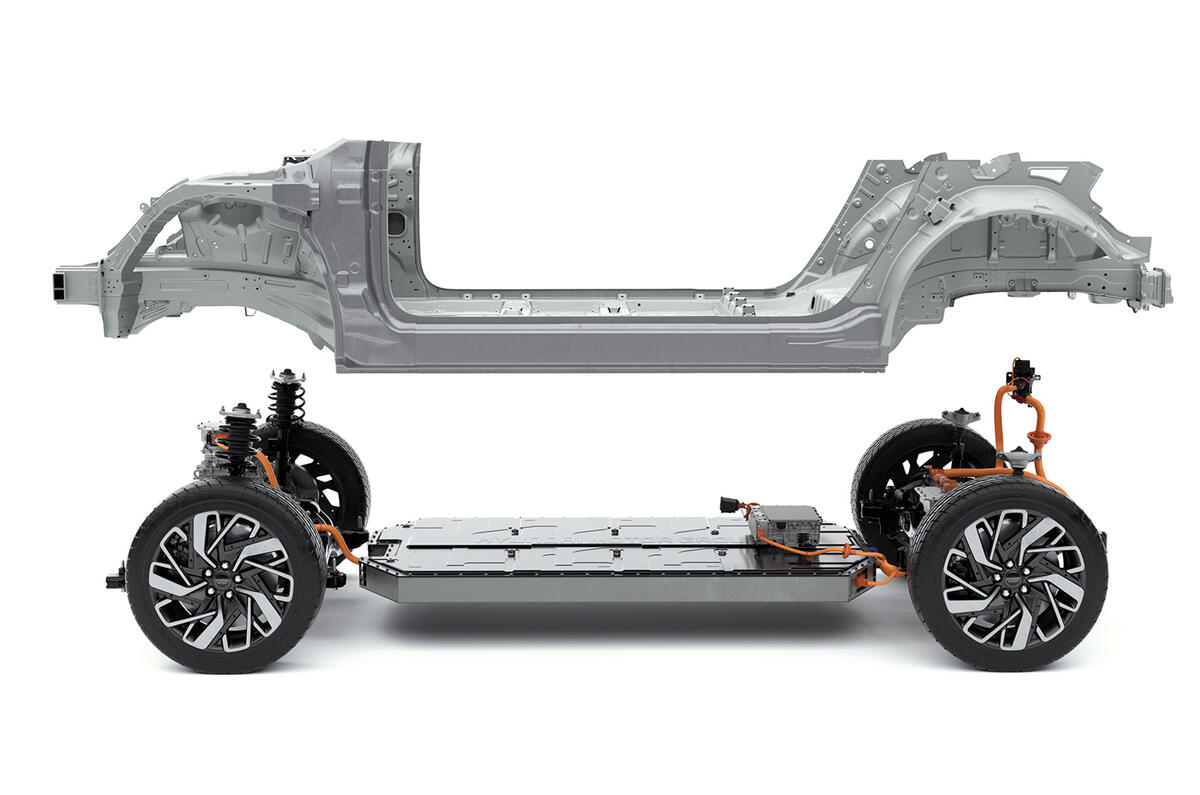
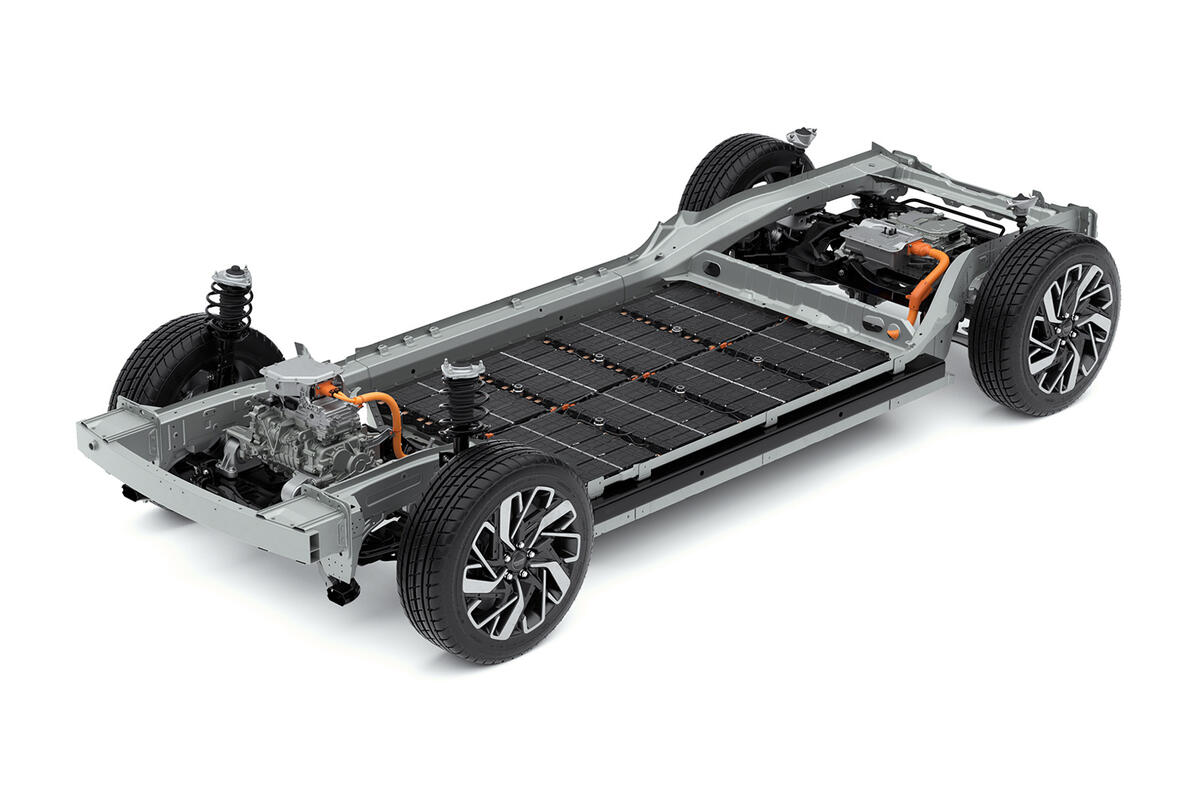
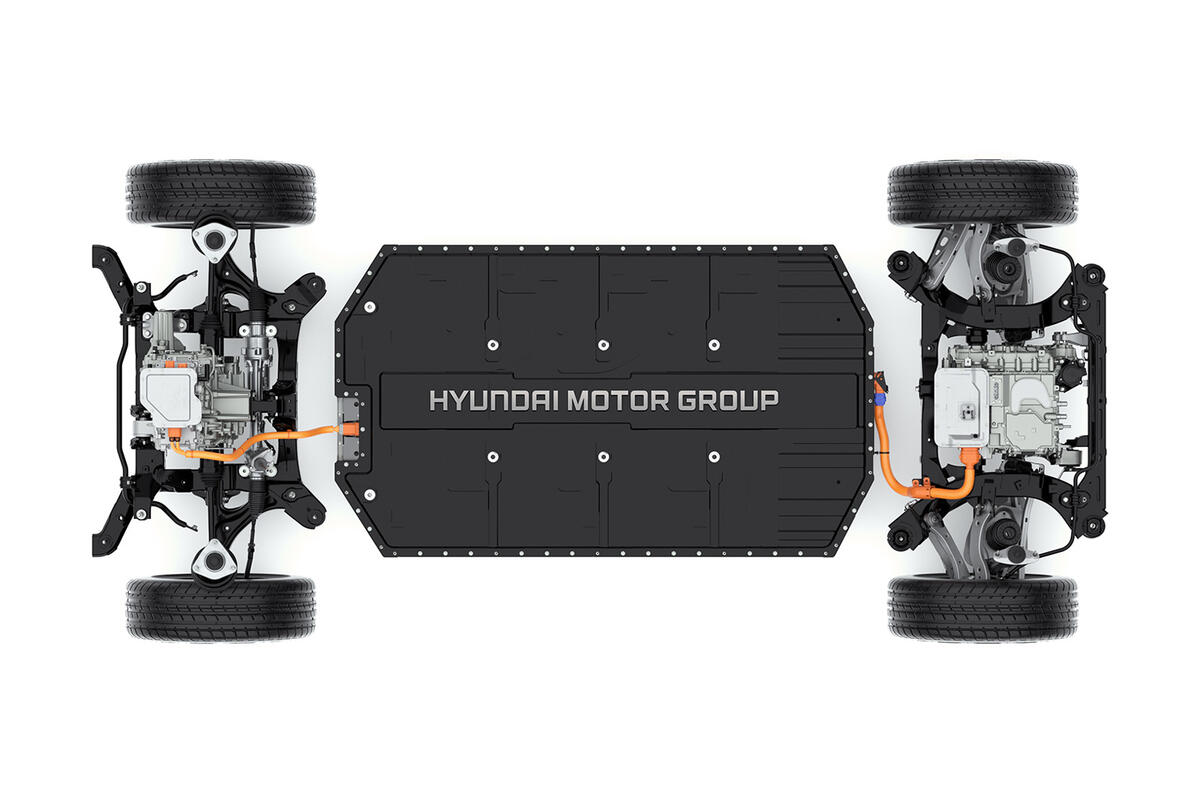
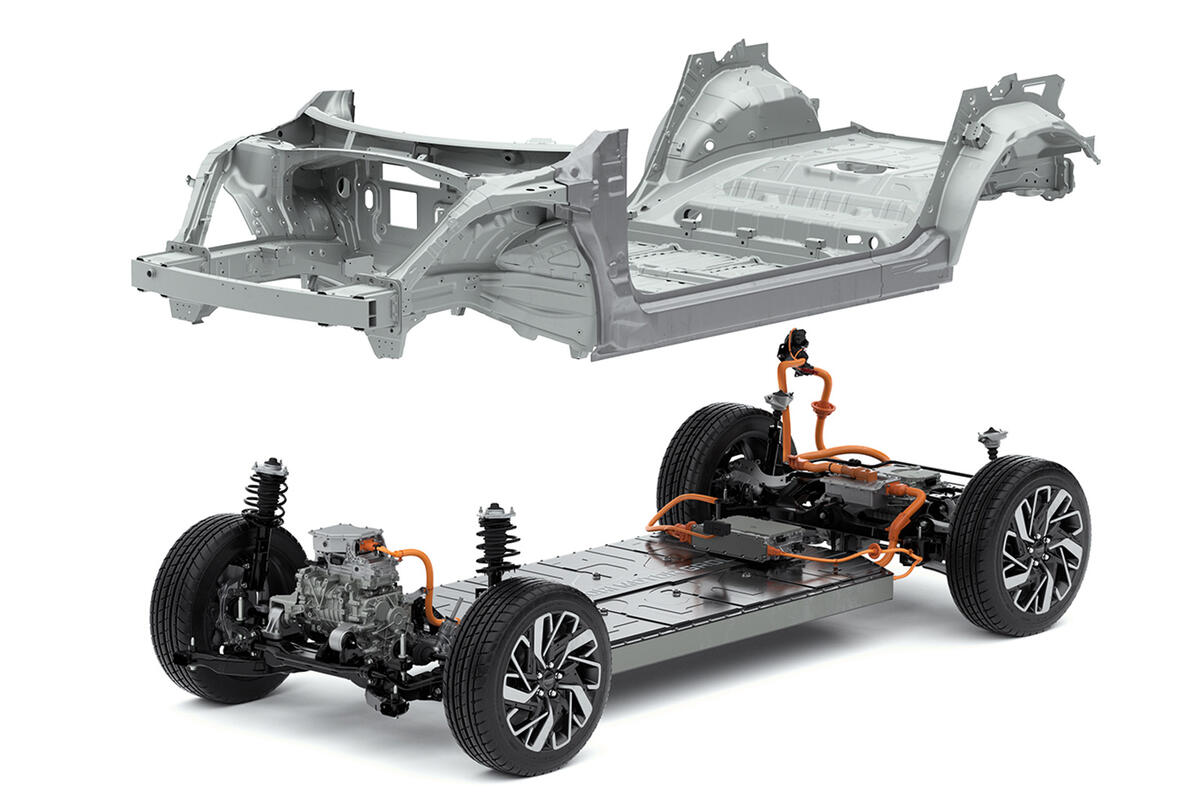
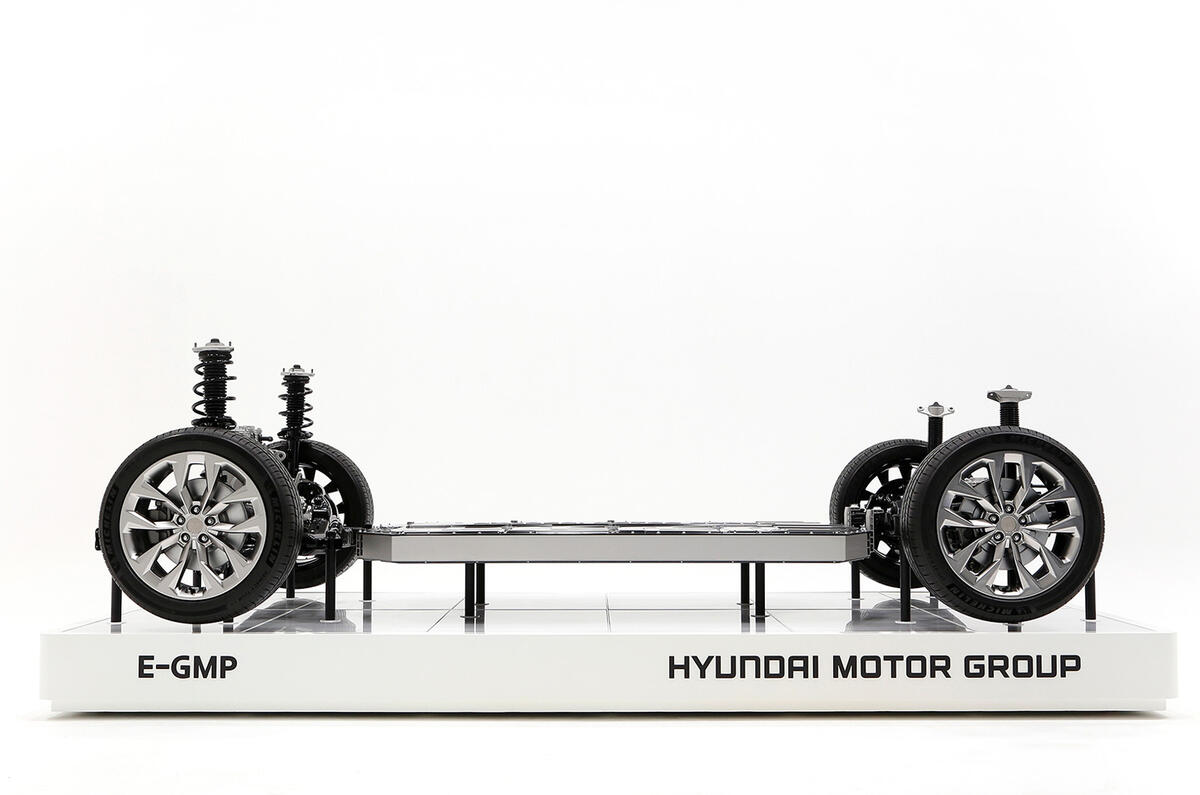
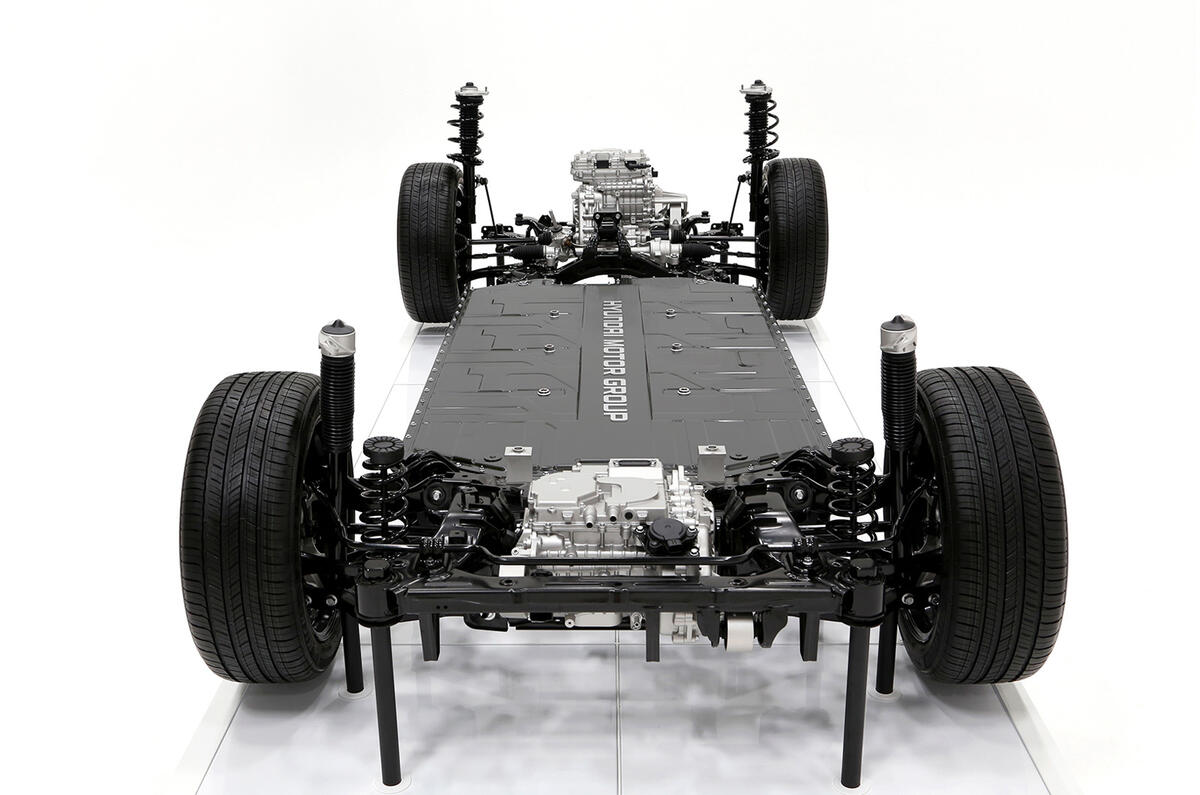
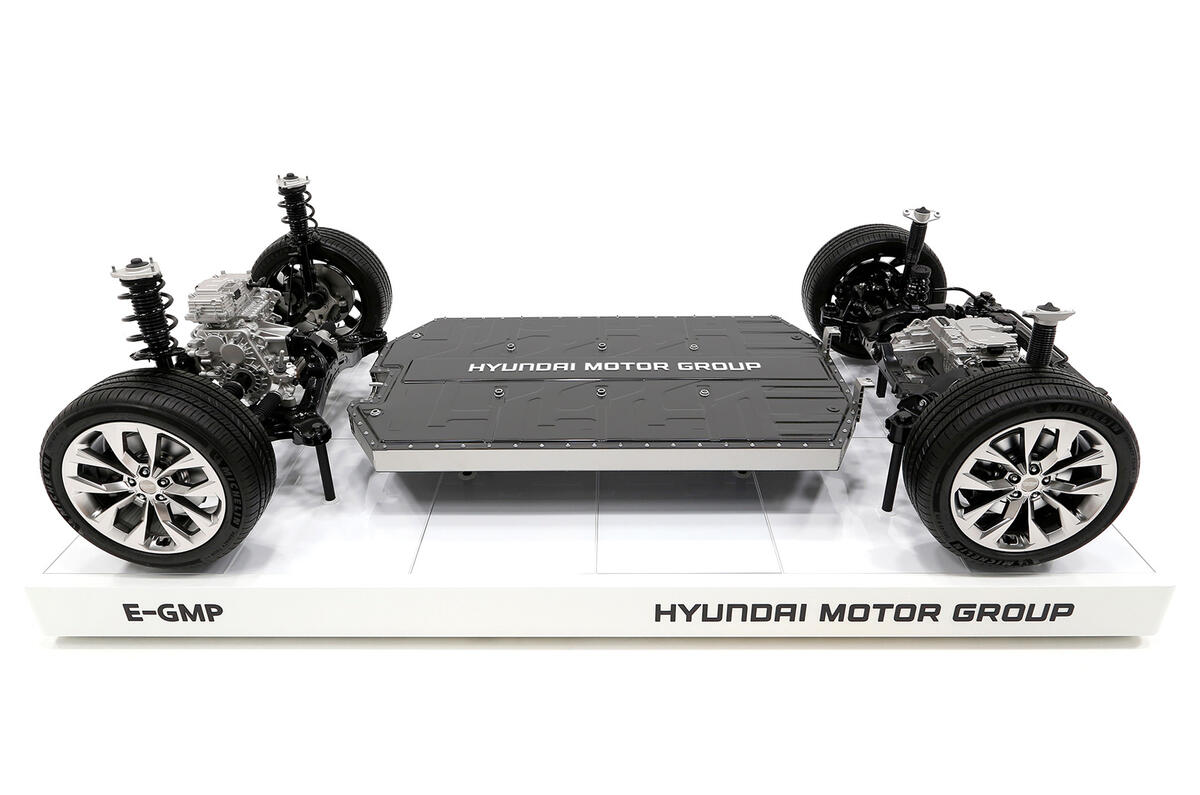
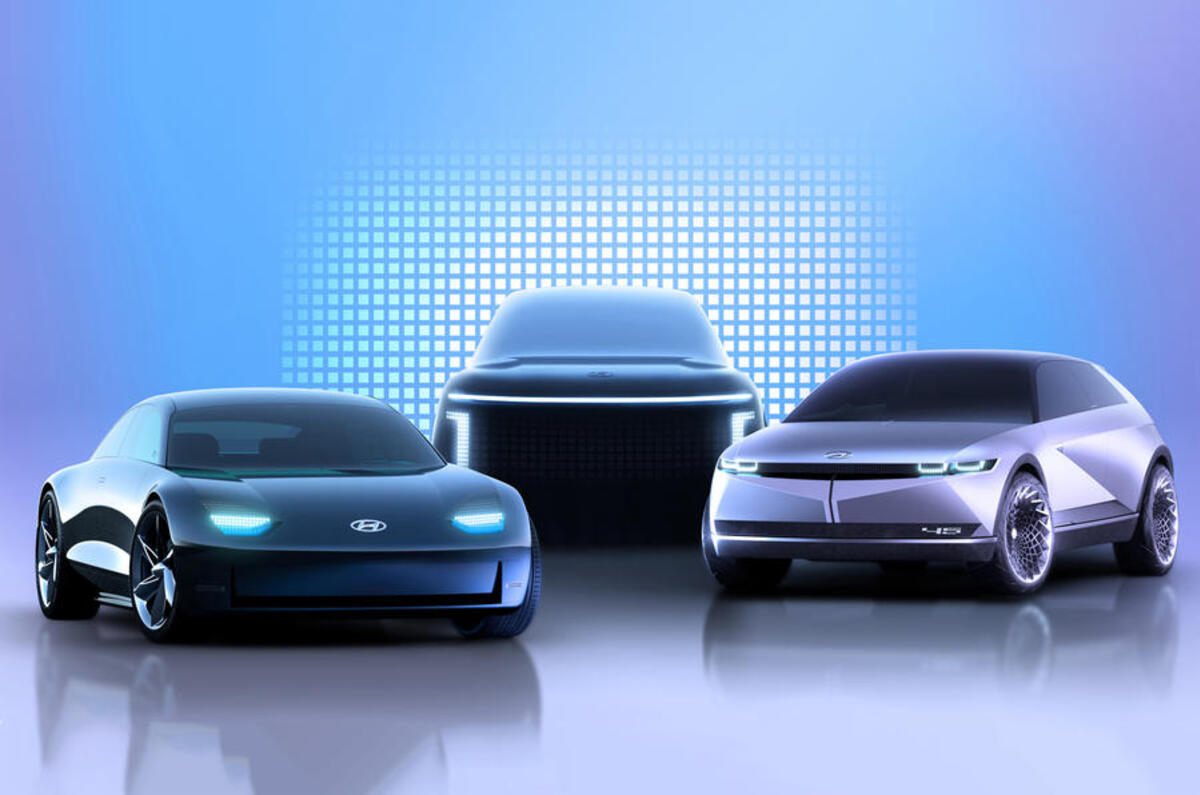
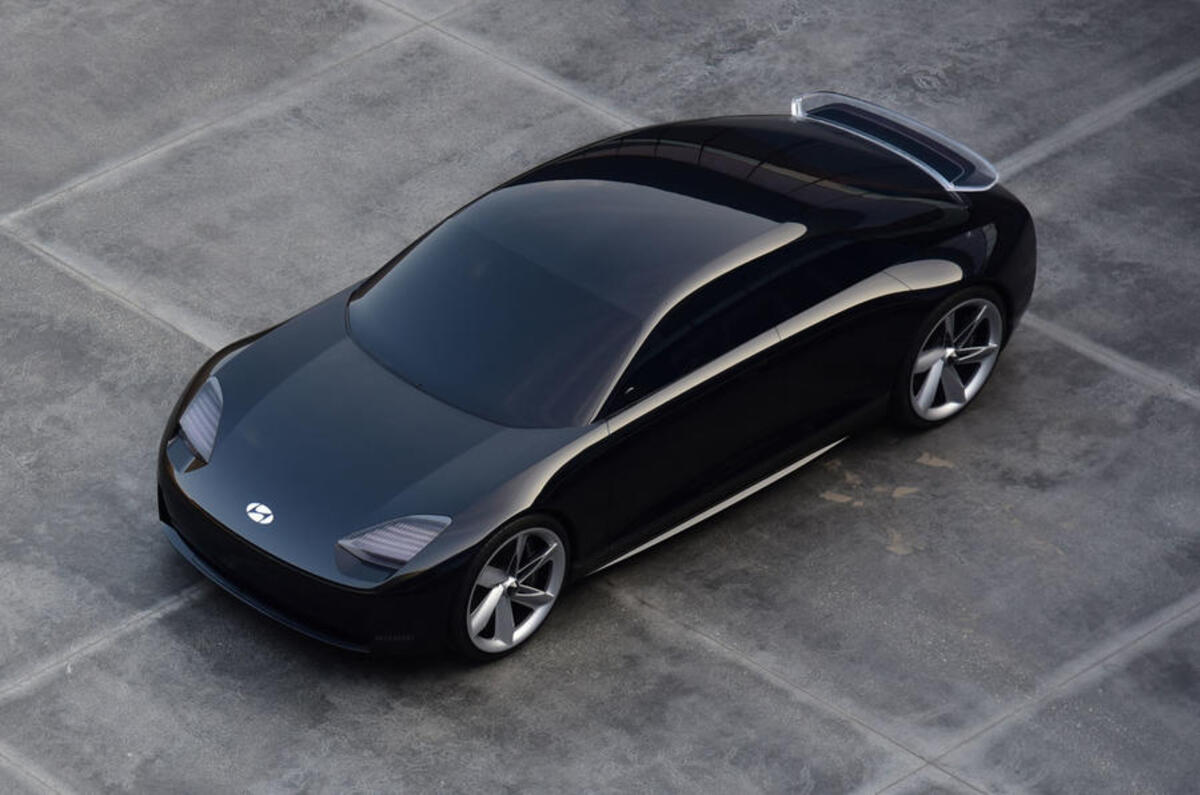
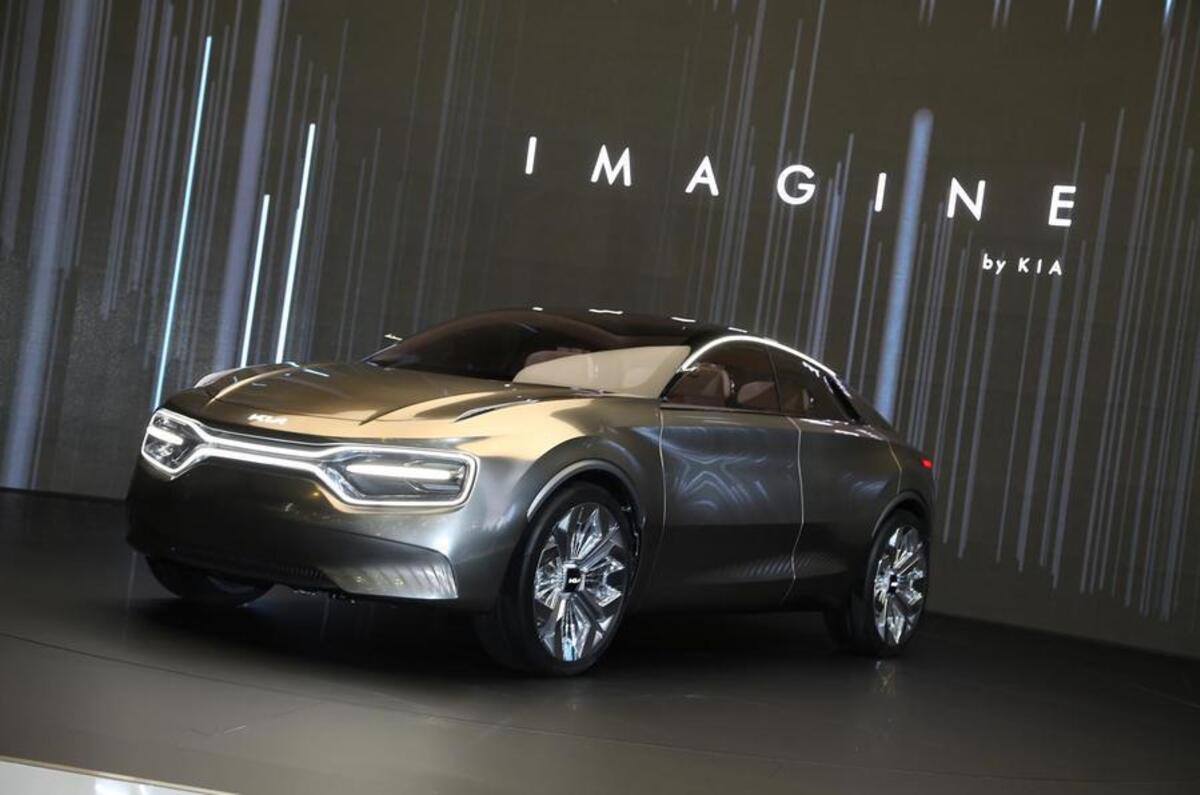
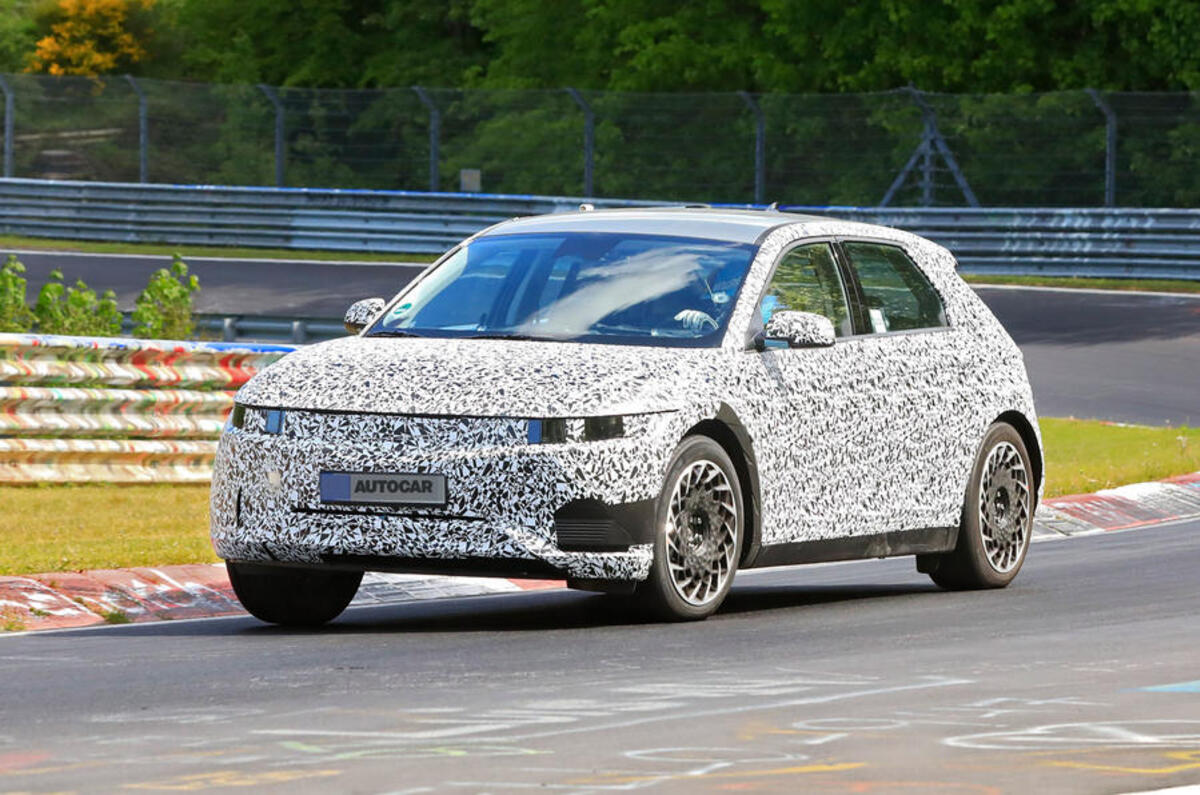
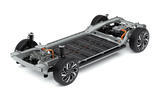
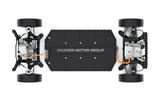
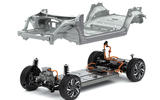
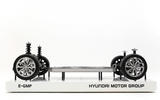
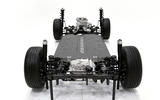
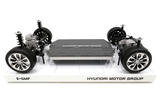

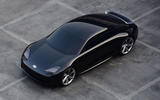



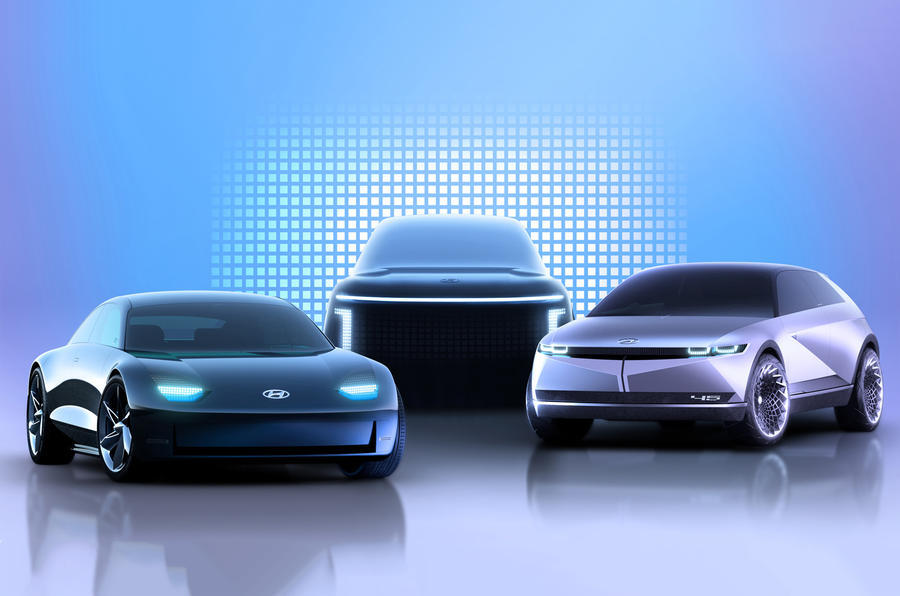
The next generation of electric cars from the Hyundai Motor Group (HMG) will sit atop the new Electric-Global Modular Platform (E-GMP) architecture, beginning with the boldly styled Hyundai Ioniq 5 crossover in 2021.
The Korean group's first bespoke EV architecture will go on to underpin cars of varying sizes from Hyundai, Kia and Genesis, ranging from hatchbacks to full-size SUVs, as part of its strategy to introduce 23 full EVs by 2025.
Cars based on the E-GMP platform will offer a maximum range of more than 310 miles per charge, with standard high-speed 800V charging capability (so far available only on the Porsche Taycan), allowing an 80% charge in as little as 18 minutes from a 350kW rapid-charger.
With lower-capacity 50-150kW chargers currently more readily accessible, the platform's "multi-charging" system is also compatible with 400V infrastructure, courtesy of "world's first" patented inverter technology that adjusts charging capacity.
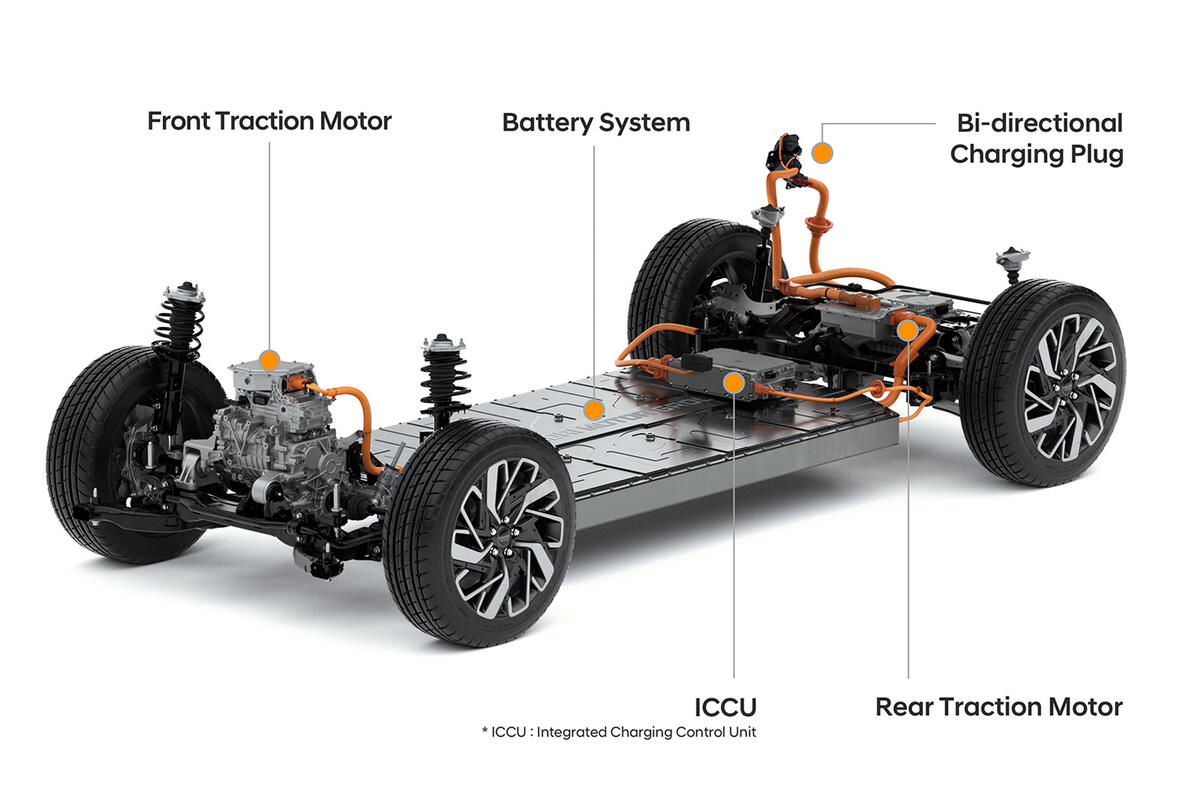
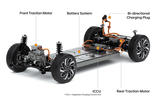
HMG has also done away with the conventional on-board charger that features in its current crop of EVs for a new Integrated Charging Control Unit (ICCU) that allows electricity to flow in both directions, allowing the E-GMP platform to be used as a power source for external electric machinery - including other electric cars. This new "vehicle-to-load" (V2L) function can supply up to 3.5kW of power.
The energy density of the batteries is said to be around 10% higher than those currently on sale, meaning they weigh less and can be mounted lower down in the chassis. Hyundai claims this is partly a result of a more compact cooling system, which uses oil rather than water.
The E-GMP is claimed to have been "engineered to offer improved cornering performance and driving stability at high speed". The battery pack is positioned close to the ground for a low centre of gravity, while five-link rear suspension - as featured on the new Mercedes-Benz S-Class and Rolls-Royce Ghost - combines with an innovative 'integrated drive axle' for enhanced ride comfort and stability.
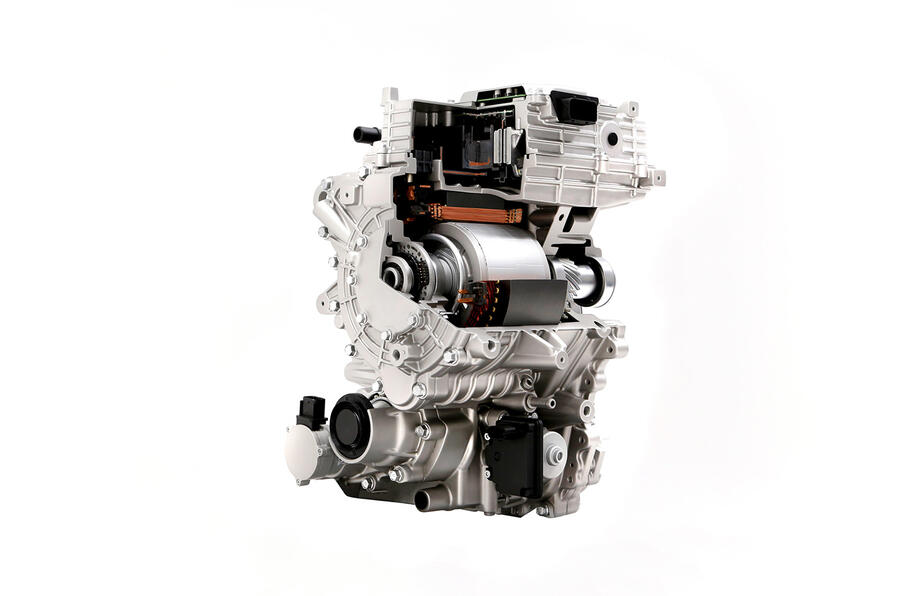
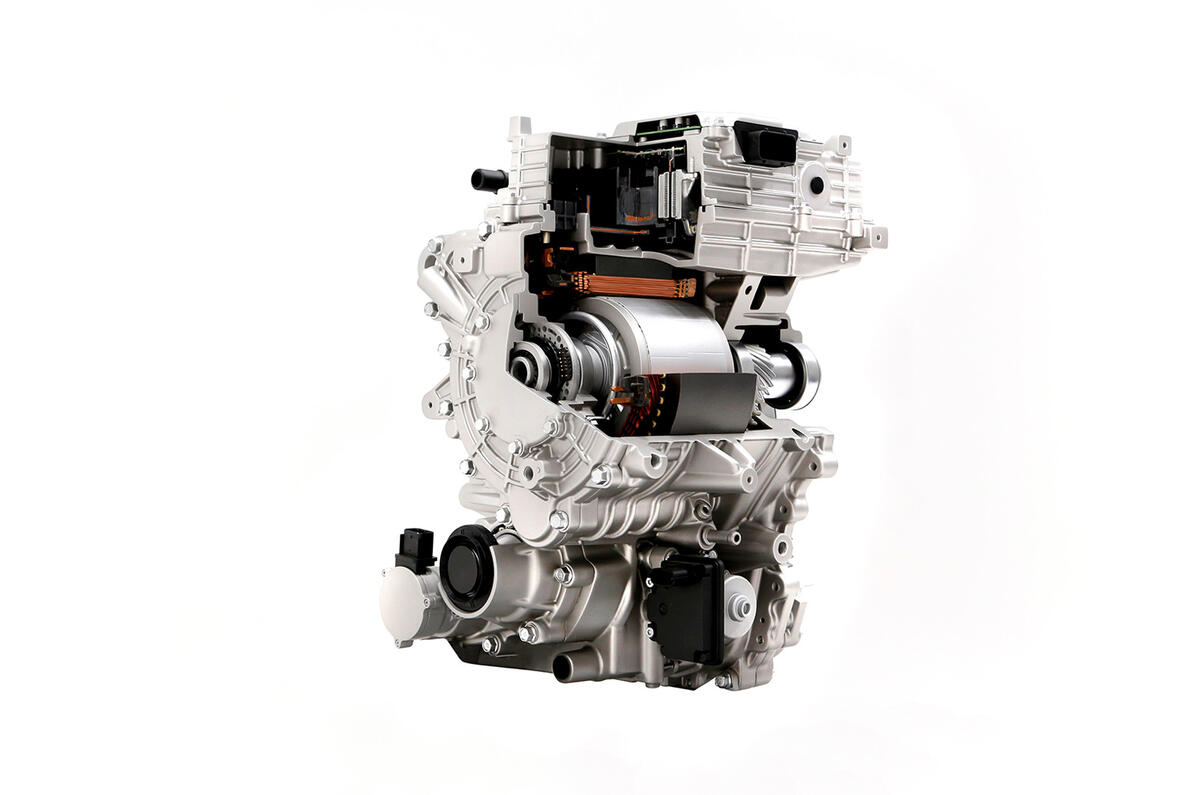
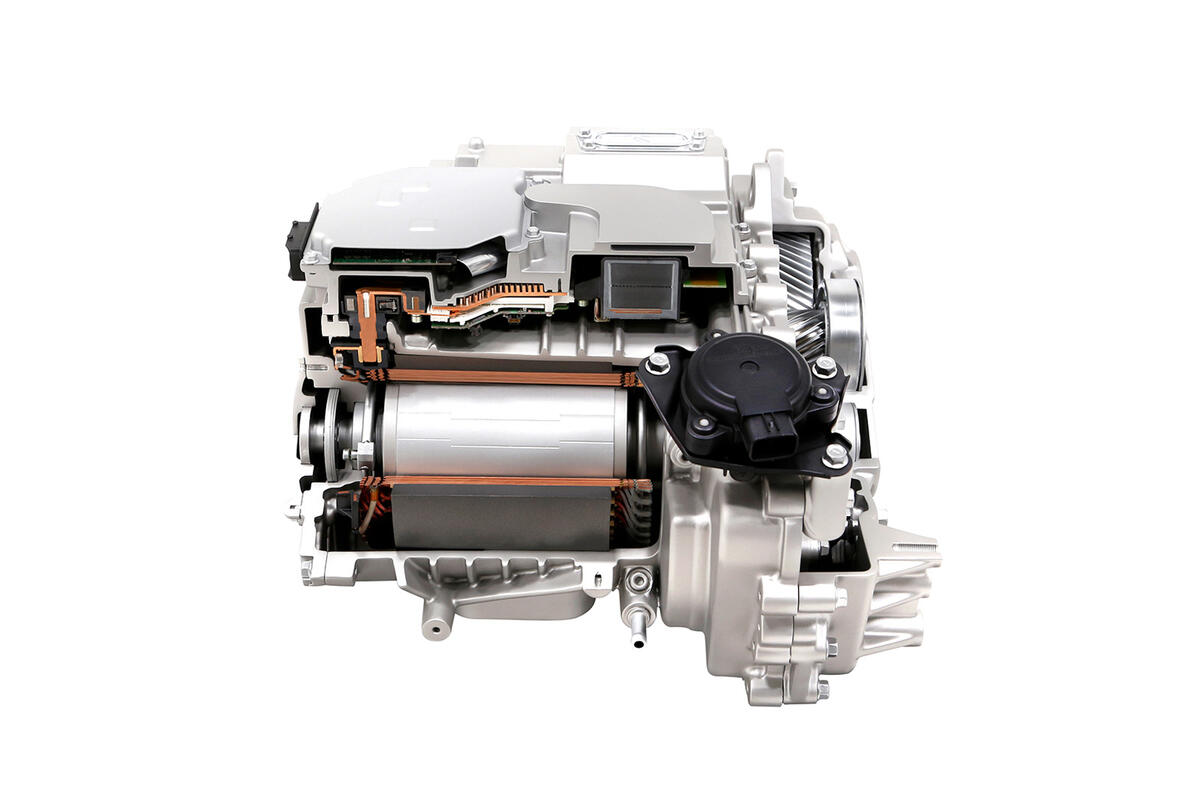
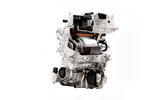
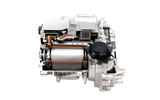
The powertrain comprises a "powerful" motor of undisclosed size, a single-speed transmission and an inverter, all housed in one module. The motor, despite being more compact than HMG's existing units, is claimed to have a 70% higher maximum speed.