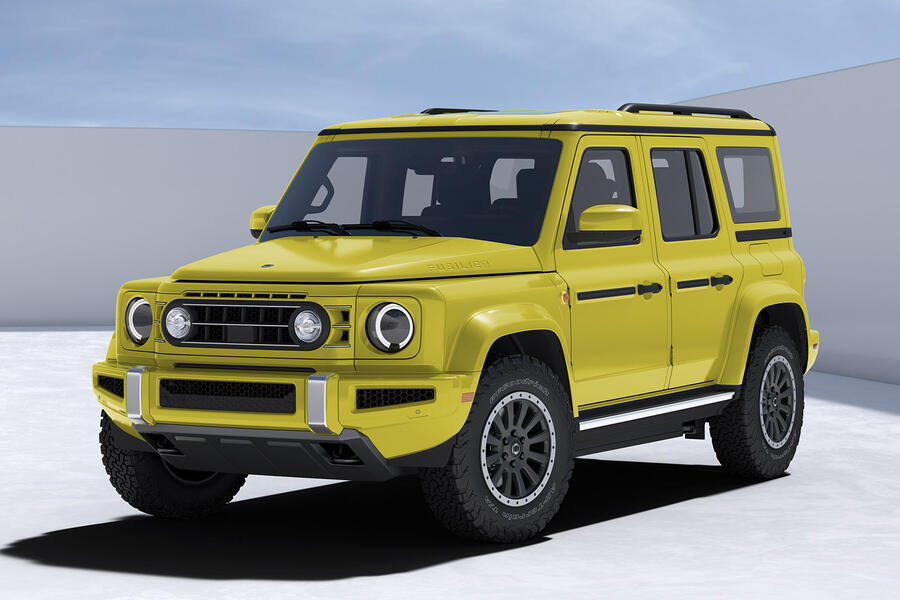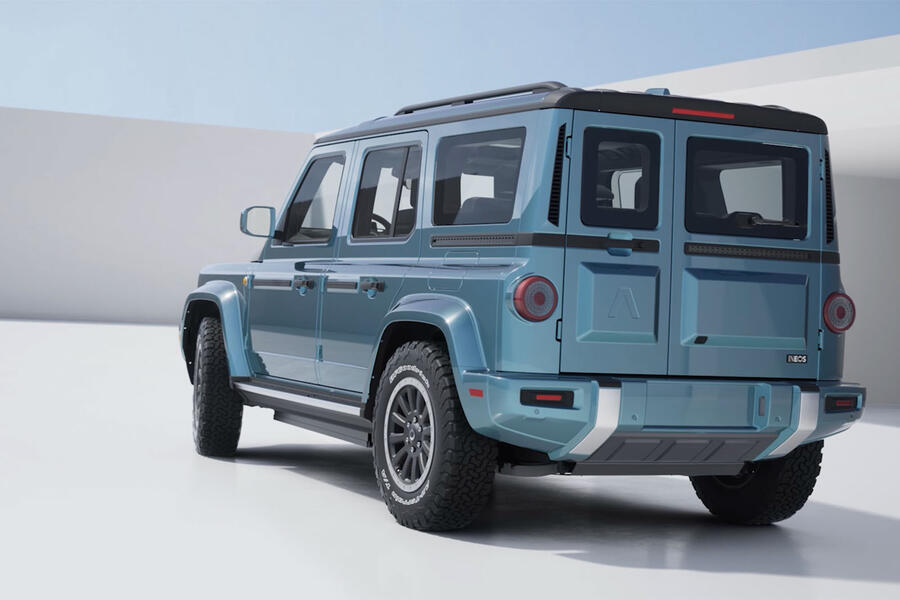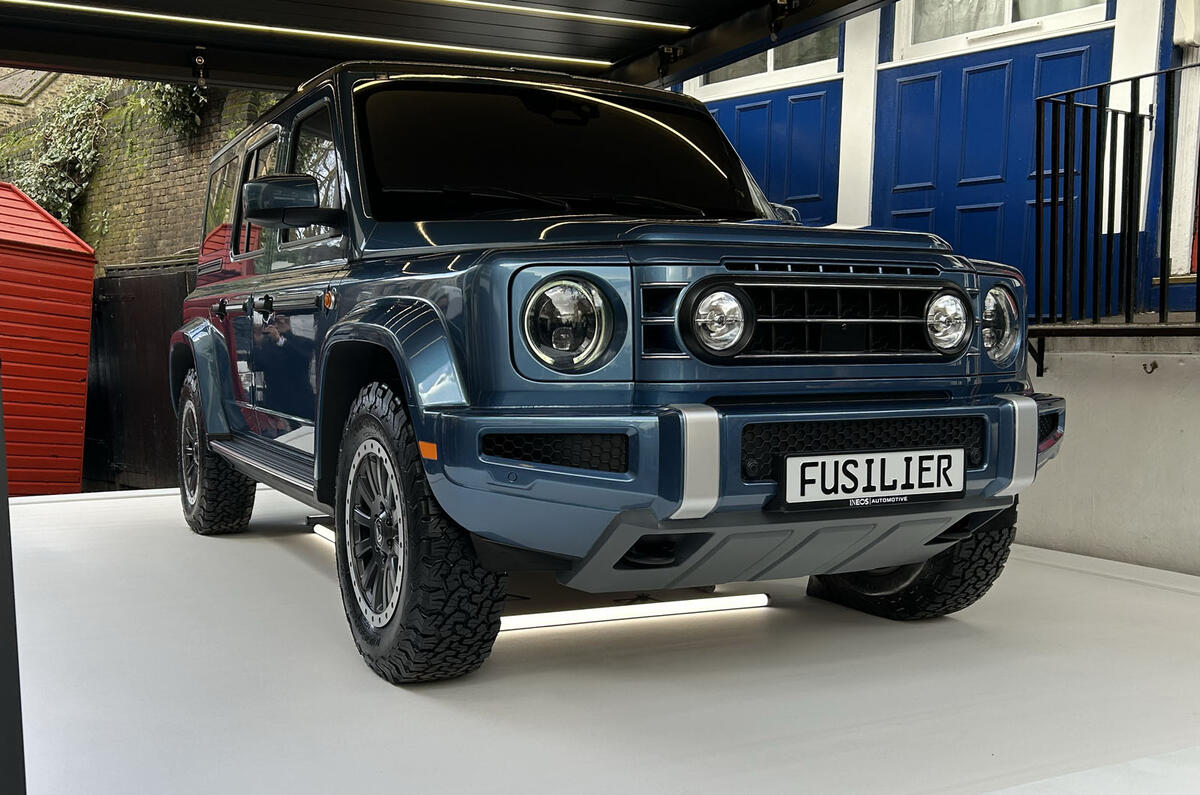
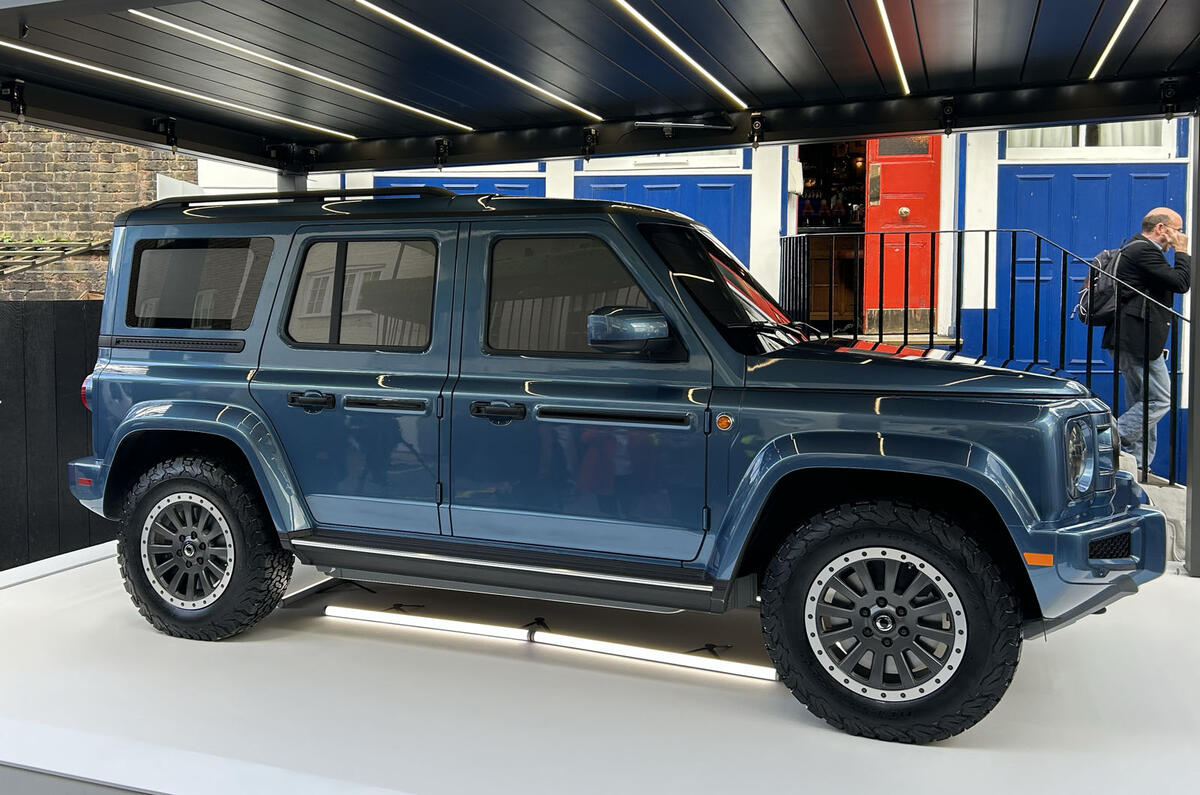
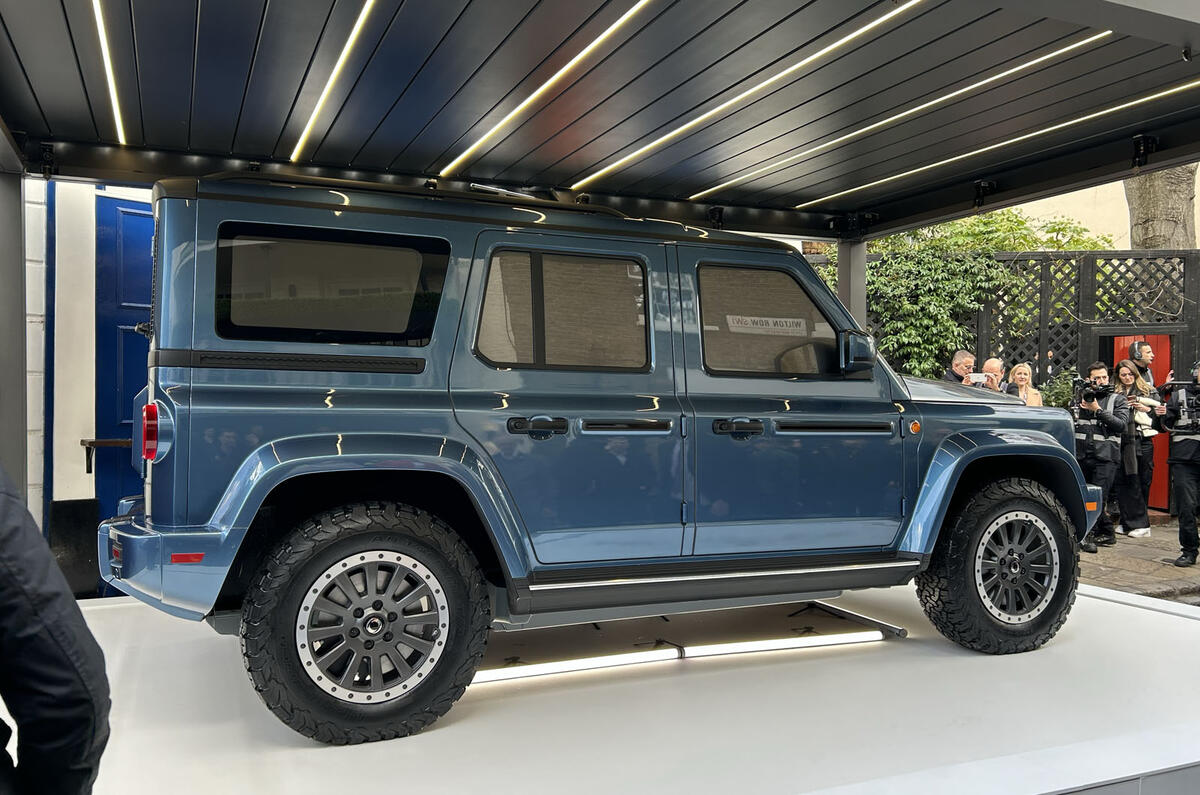
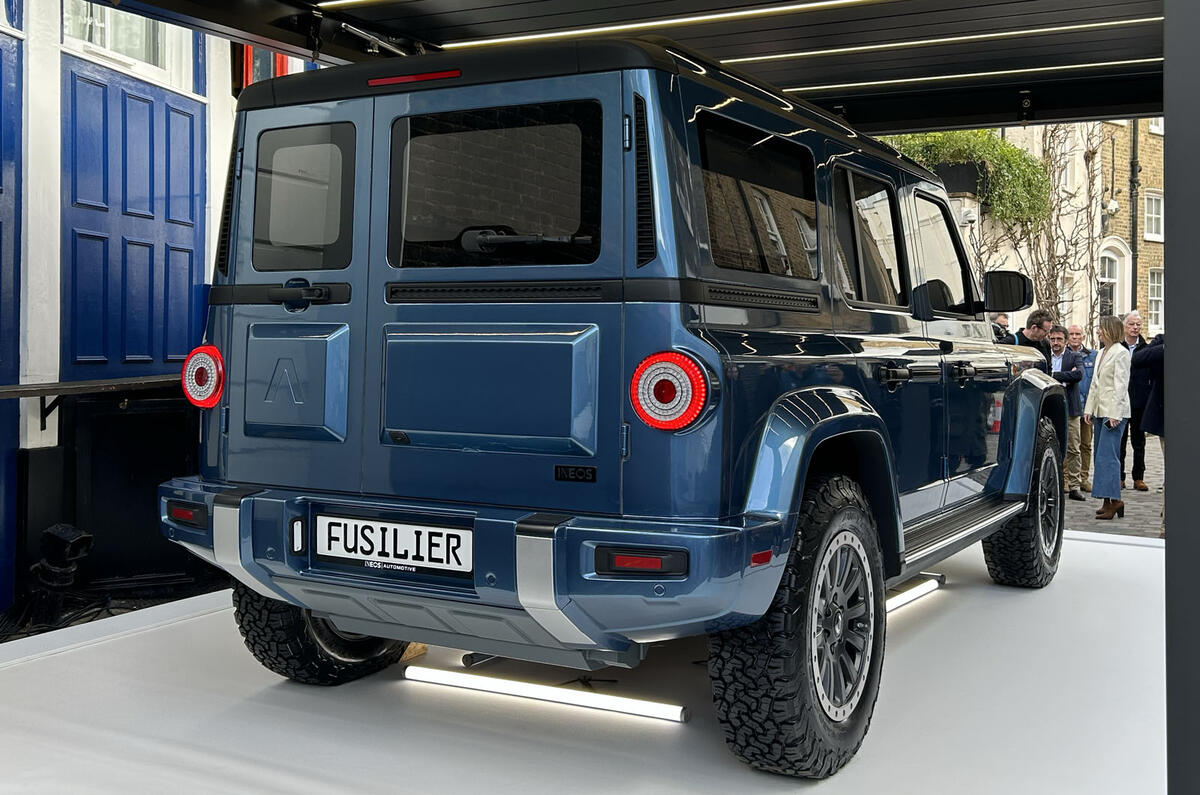
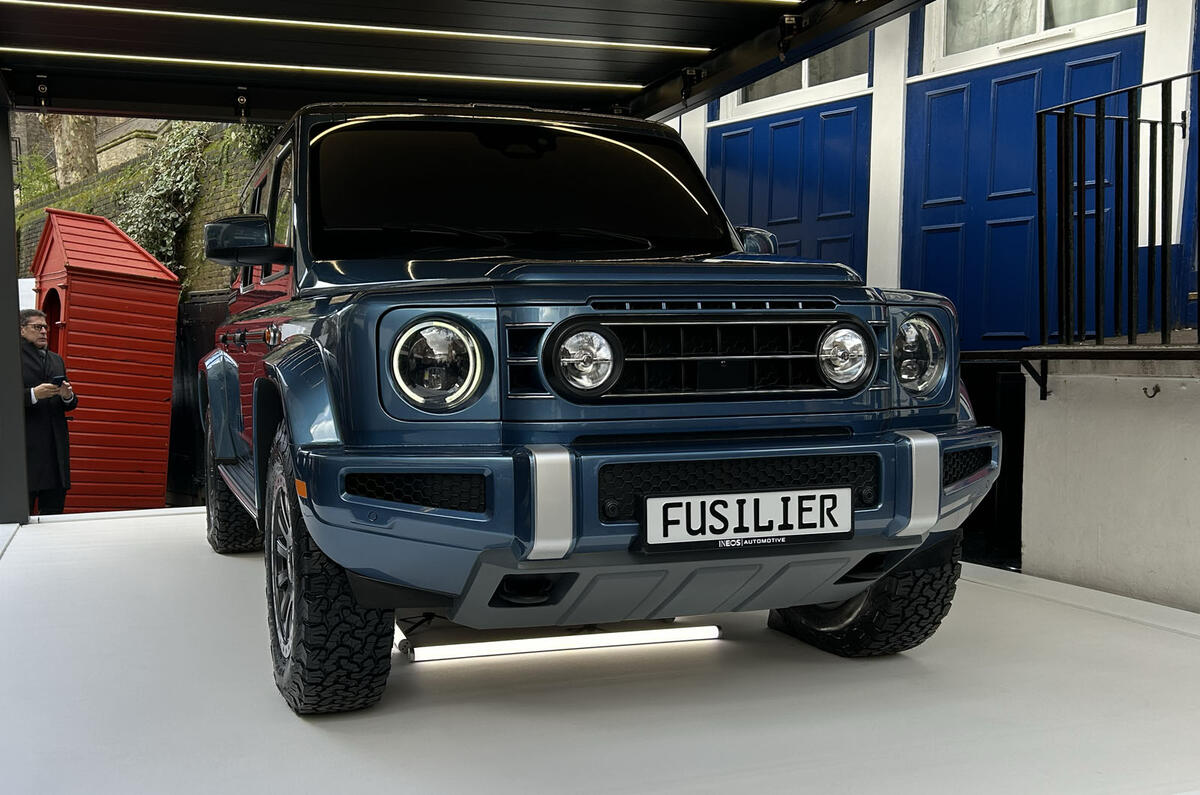
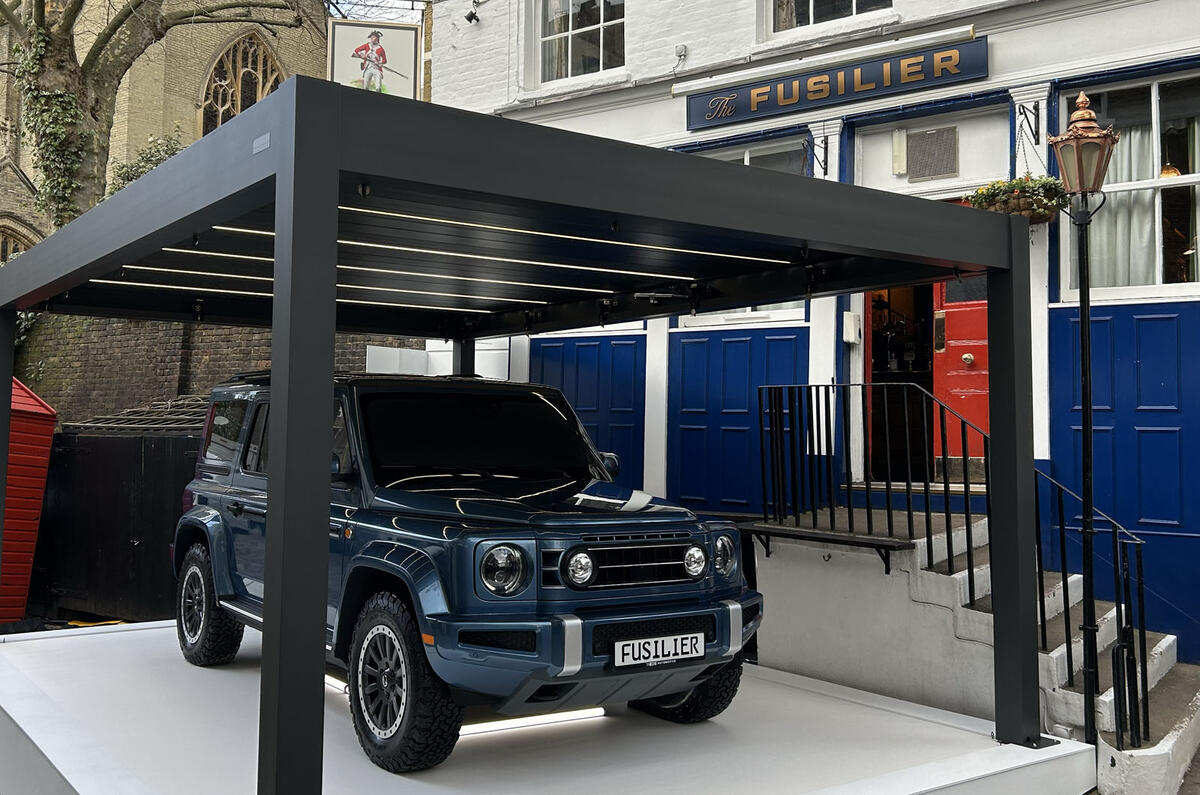
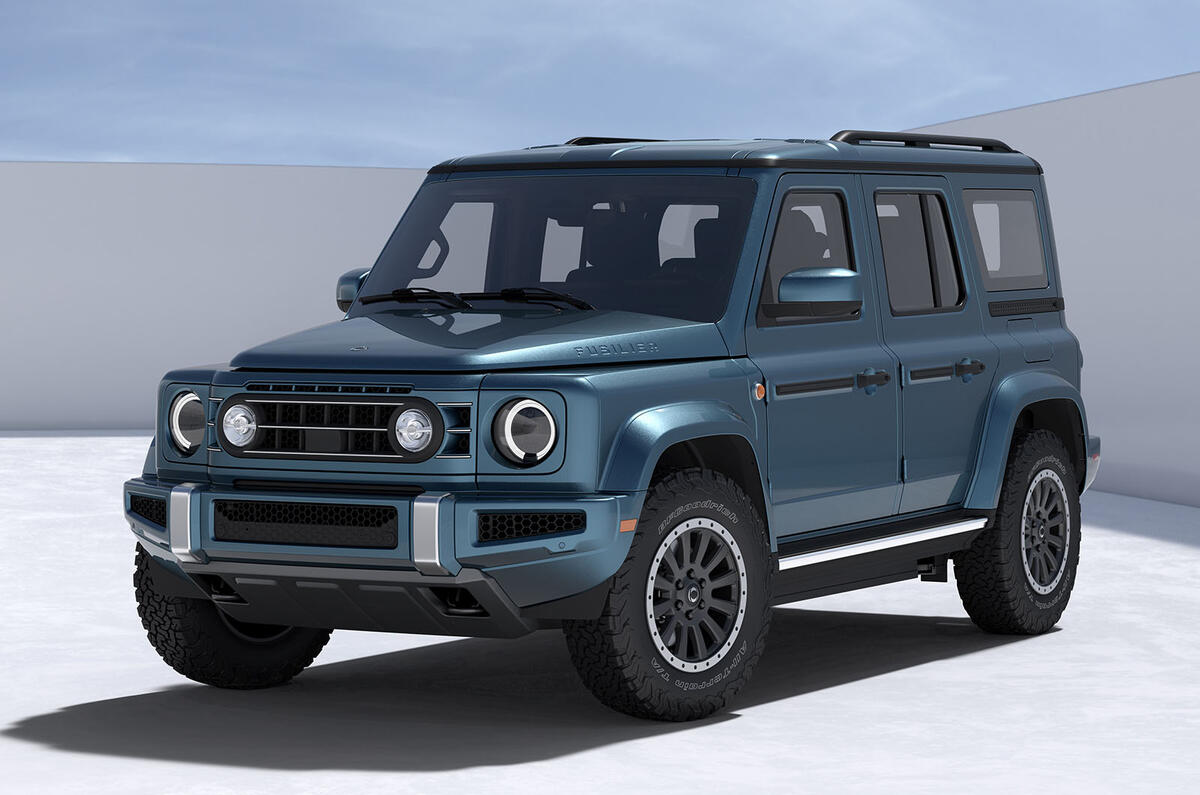
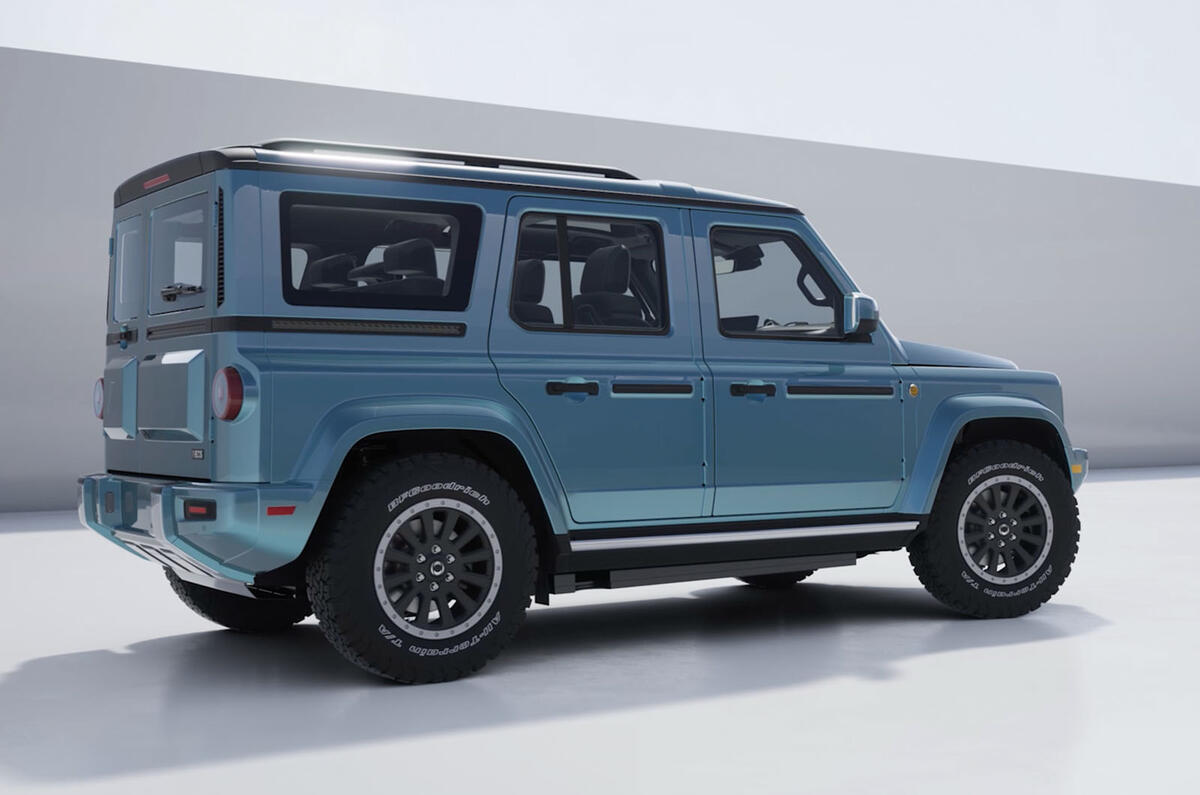
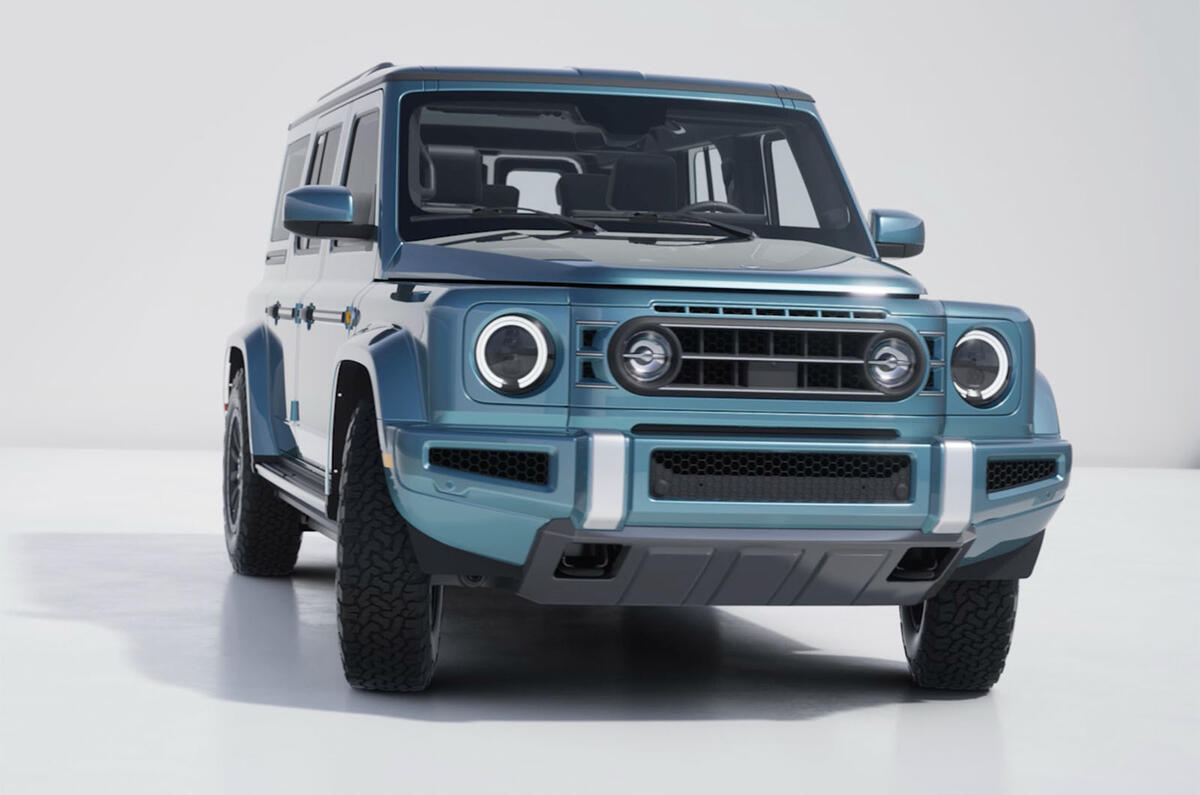
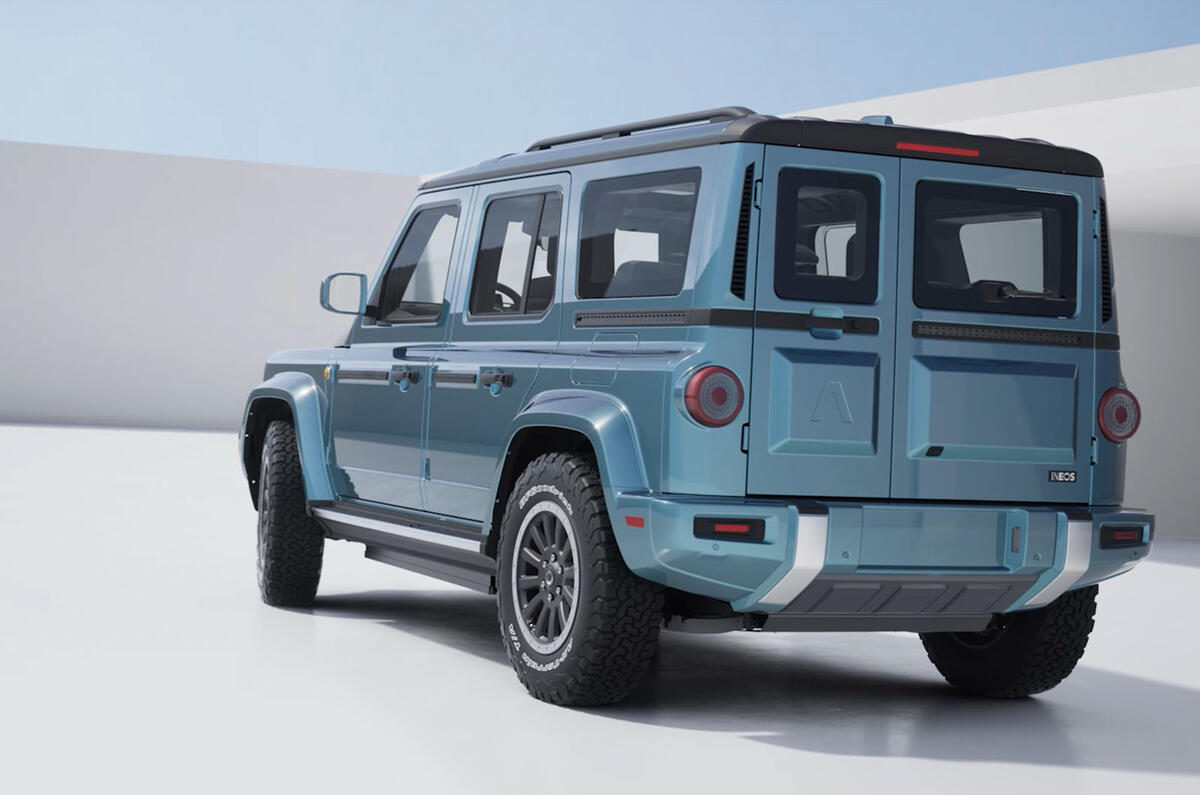
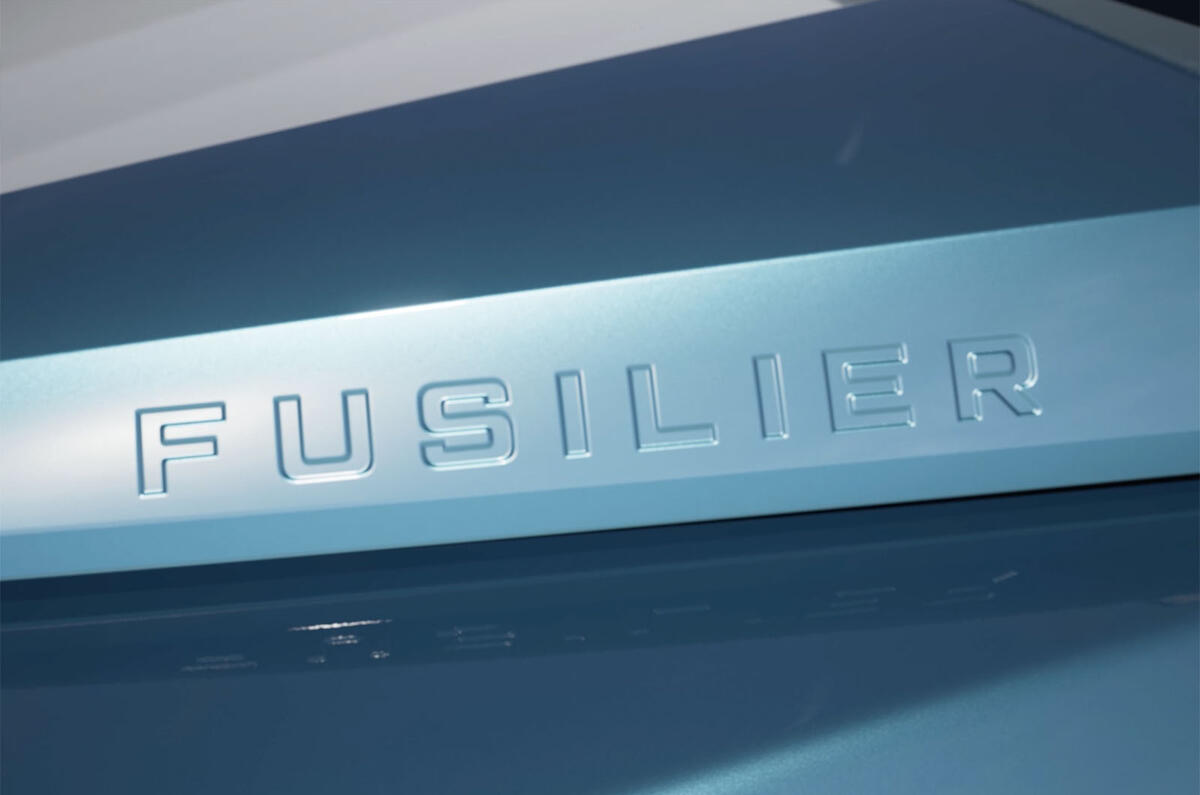





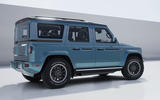





Ineos has revealed the Fusilier as a smaller sibling to the Grenadier, bringing the option of pure-electric power and claiming "world-class off-road capability".
The 4x4 company’s third model – after the Grenadier SUV and closely related Quartermaster pick-up – is based on a new EV-oriented skateboard architecture, completely separate from the company's existing ladder-frame structure.
It's due to be built in Austria from early 2027 by Magna, which also builds the Jaguar I-Pace, Fisker Ocean and, most pertinently in the case of the Fusilier, the Mercedes-Benz G-Class.
The pure-electric version of the Fusilier will be sold alongside a range-extender (REx) derivative that will no doubt give owners to fully exploit its off-road credentials with minimal fear of running out of battery in remote areas - although Ineos has yet to give full technical details for either variant.
The company said the EV has a targeted range of 249 miles and the REx will have around 70% of the EV's battery capacity to give roughly 168 miles of range with the engine off.
The batteries will be supplied by Samsung and assembled in Hungary, but Ineos has yet to decide on a specific chemistry.
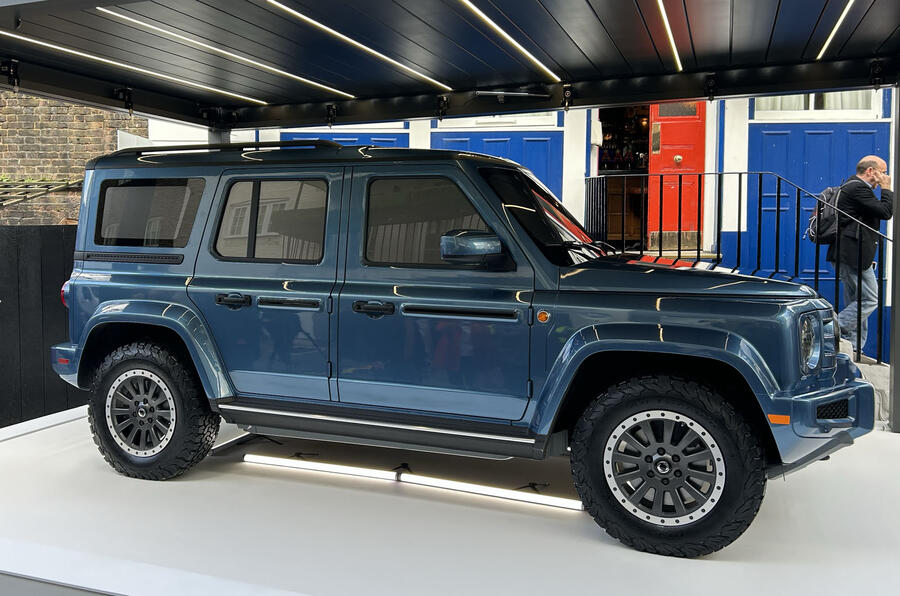
Both cars will have an electric motor at each end for four-wheel drive and will be engineered to perform effectively on challenging terrain, CEO Lynn Calder told Autocar.
“This will be a serious off-road vehicle, not just something with some e-diffs," she said. "It might be a bit softer as it’s not on a ladder frame but it will pass all our tests or we wouldn’t do it.”
Calder added, however, that the Fusilier will forego the Grenadier's recirculating-ball steering – which minimises kick-back off-road but has been criticised for its responsiveness and predictability – in the name of improved on-road behaviour.
“I stand by the steering of the Grenadier, for sure, but I understand the criticism. This is rack-and-pinion steering so much more acceptable in urban environments."
Company founder and chairman Sir Jim Ratcliffe said Ineos is offering the REx powertrain because "we're beginning to understand the clear limitations of battery-electric in certain situations".
He added: “We have to have [an EV] whether we like it or not, but we like it, as it’s important to the world.