



Currently reading: Wild Peugeot 208 concept channels spirit of 205

New three-door Polygon showcases how steer-by-wire tech will influence the brand's future designs

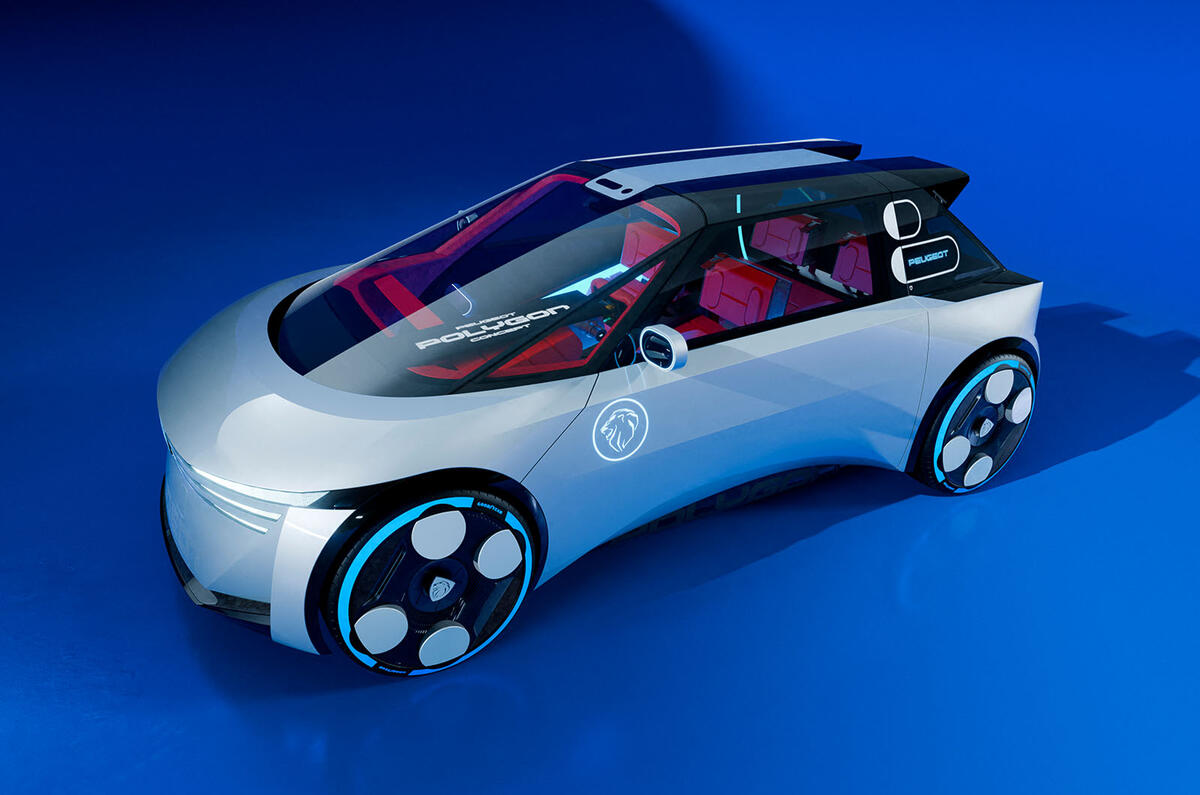
The next-generation Peugeot 208, set to be the brand’s first car to feature a steer-by-wire system, has been previewed by the new 205-inspired Polygon concept.

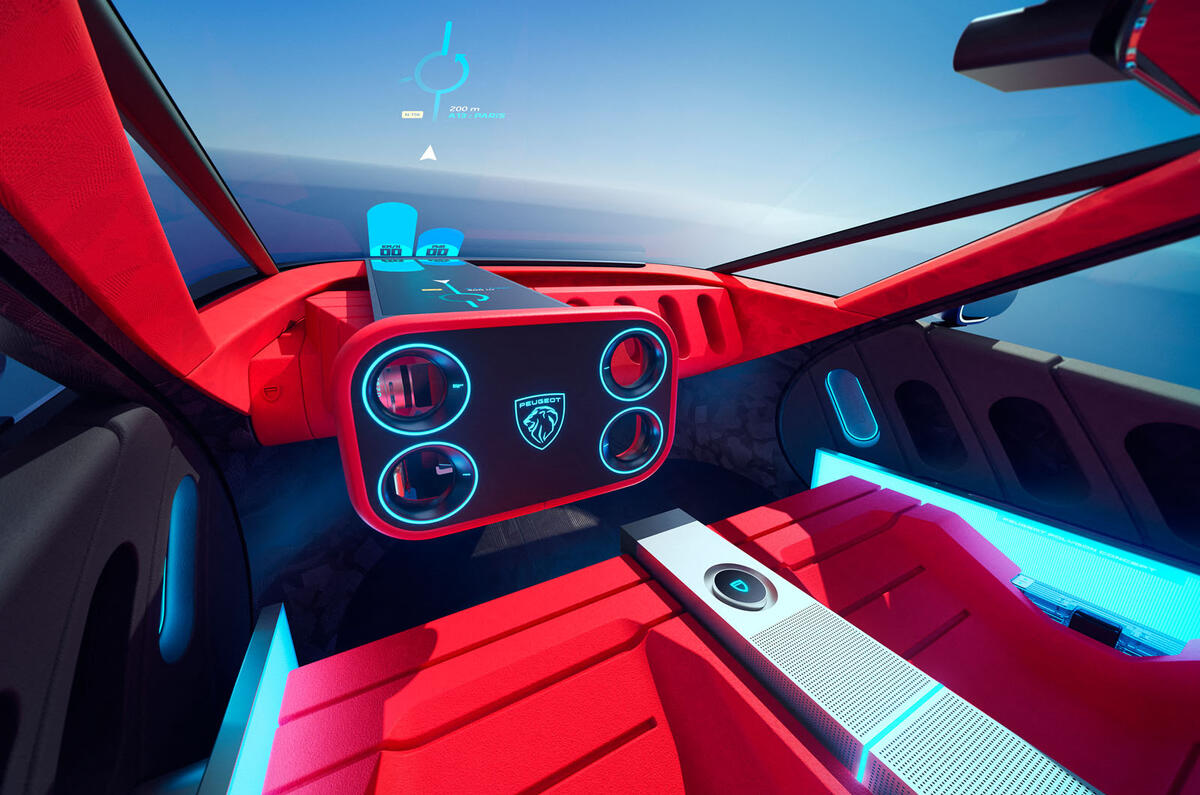
Measuring just under four metres long, the Polygon is so named because it has a rectangular steering wheel, which is key to the next iteration of Peugeot’s signature i-Cockpit dashboard design.

This steering ‘wheel’ is not physically linked to the front wheels mechanically but instead uses electronic connections to transmit the driver’s inputs to the steered wheels.

This frees up space to completely reinvent the topology of the dashboard: the wheel is set high on the dashboard and there is no traditional instrument binnacle.

Instead, information is projected from inside the dashboard onto the Polygon’s windscreen, giving a display space equivalent to a 31in touchscreen.

The steering wheel’s narrow profile means it does not obstruct the driver’s view of this projection. The climate control system is displayed on a small screen atop the iDrive-style dial controller on the centre console.
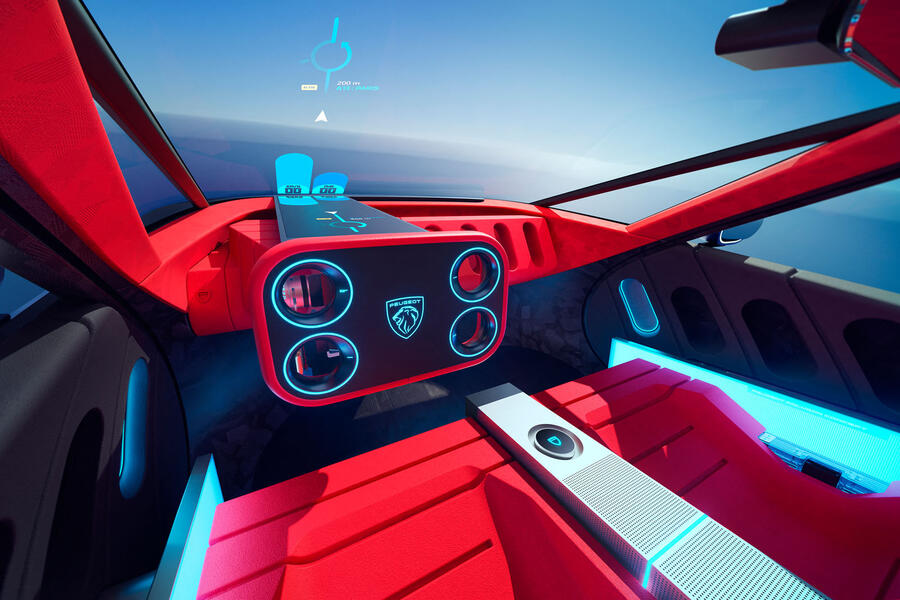
Peugeot Polygon dashboard

At low speeds the steer-by-wire reaches full lock when the steering wheel is rotated by just 170deg in one direction, so going from lock to lock will require only one full rotation of the wheel, rather than three, as in the current 208.

Peugeot says the steering’s quickness provides a sense of “hyper-agility”, with the rack automatically slowing its rate of response at higher speeds for greater stability.

This will be key to the dynamic identity of the brand going forward, CEO Alain Favey previously told Autocar.
Advertisement

Read our review

Car review

The refreshed, French supermini turns on the style with a new look, but how much substance lies behind it?

Back to top

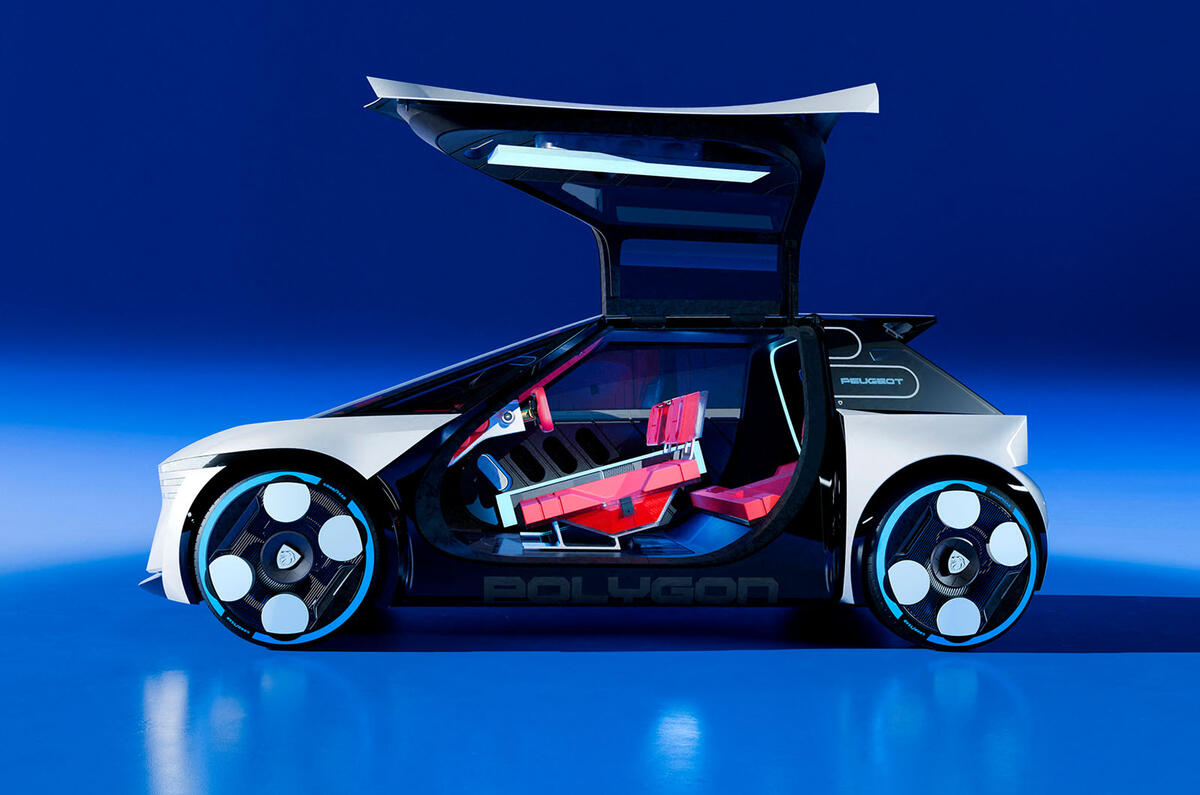
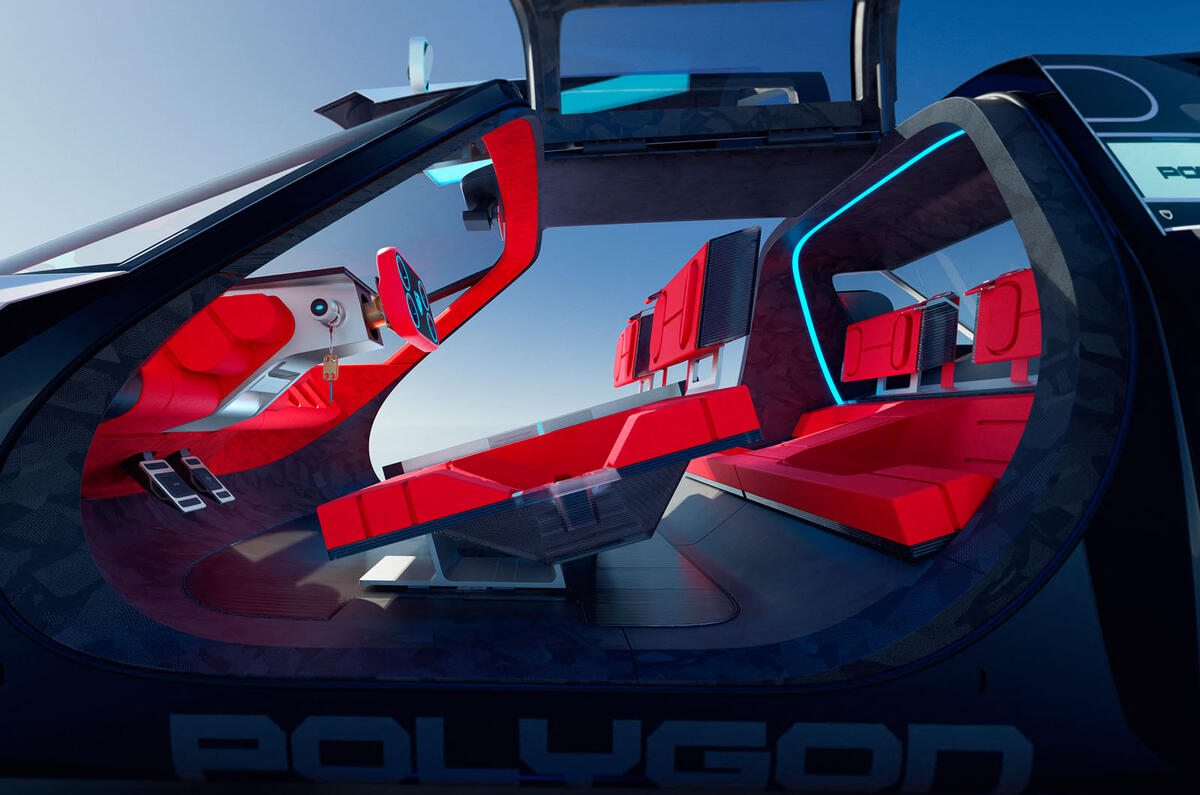
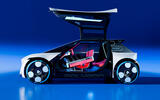
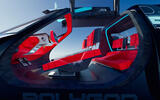
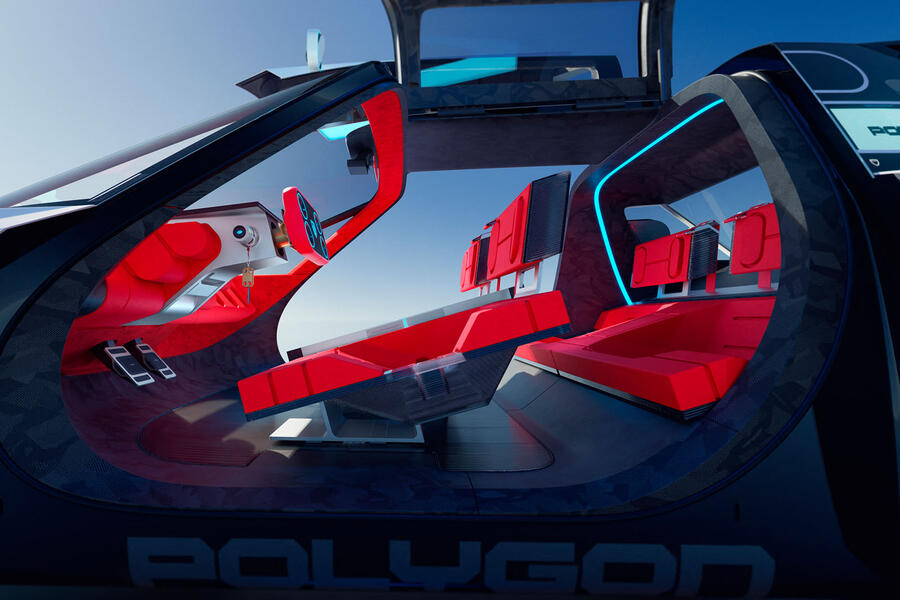
Peugeot Polygon interior viewed from outside

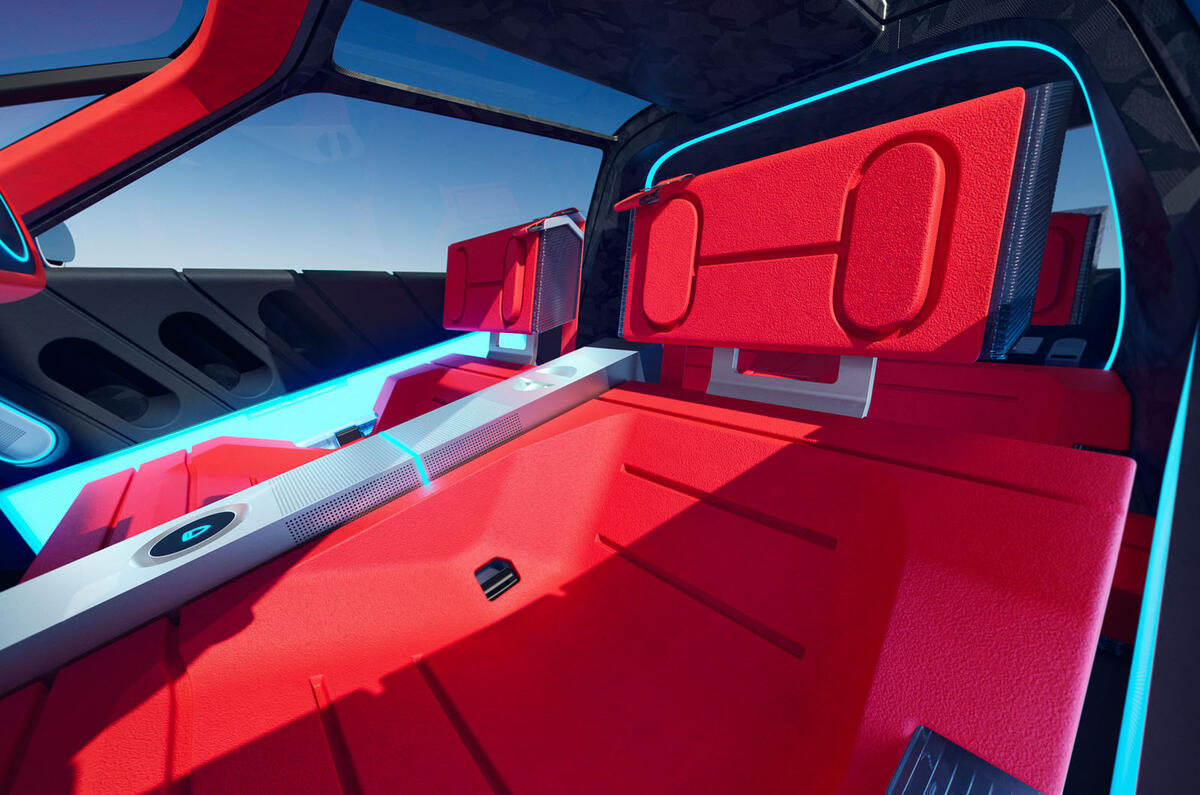
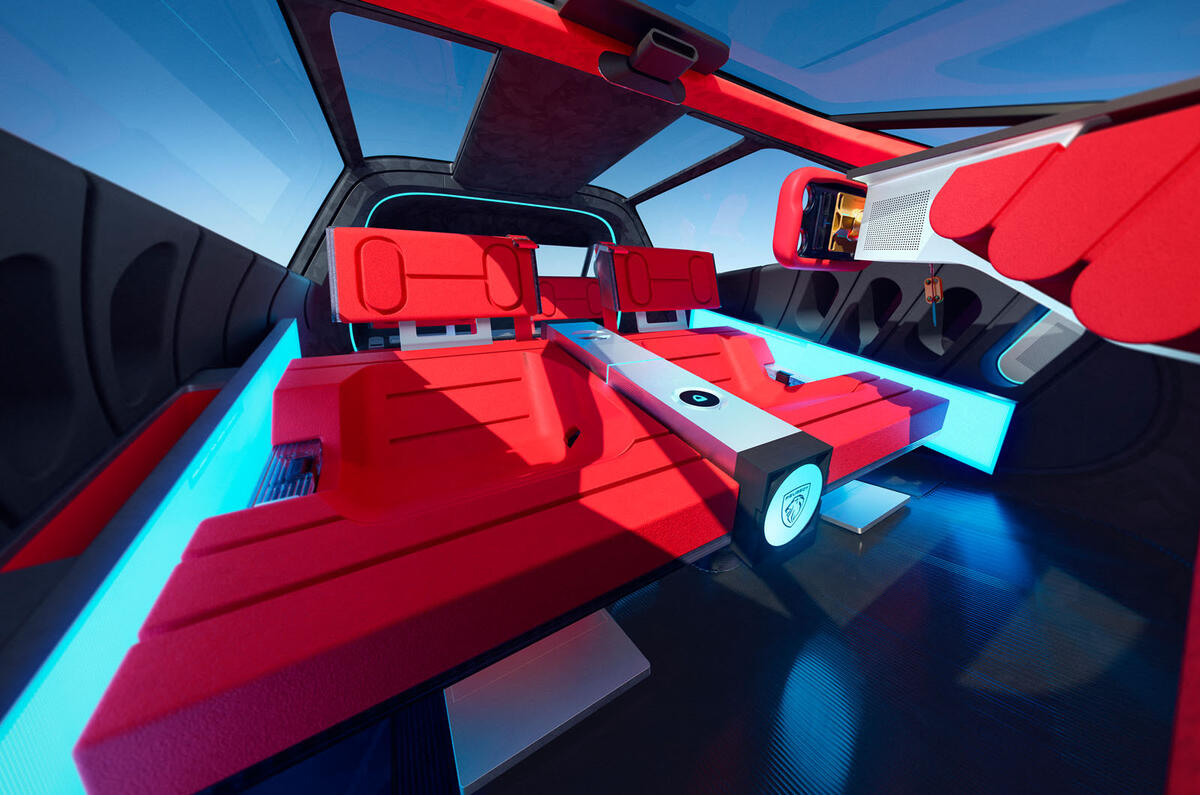
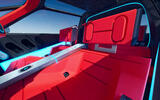
Traditional seats have also been rejected in favour of racing-style chairs comprising 3D-printed shells and large single pieces of moulded foam, which have a protective coating.

These can be swapped out in minutes, in theory enabling owners to change the design or colours as they please.

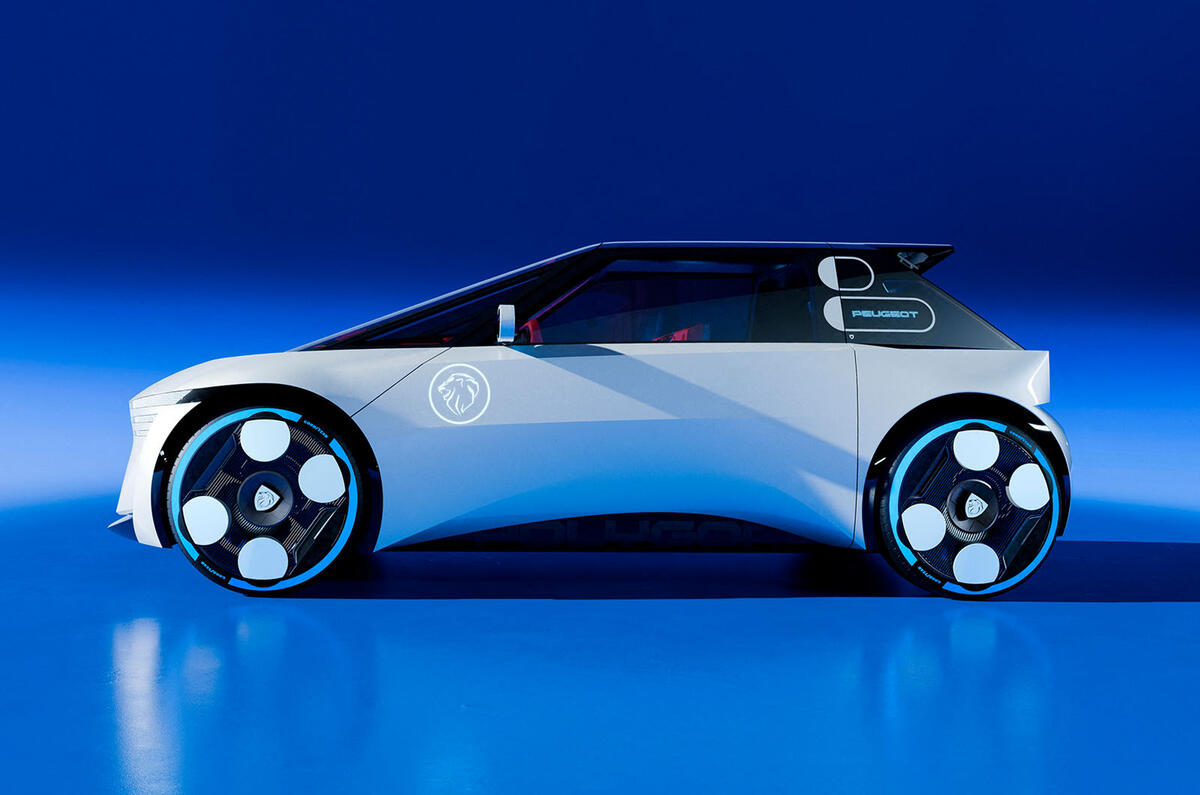
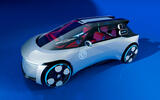
Notably, the Polygon is a three-door hatchback, rather than using the five-door design of today’s 208.

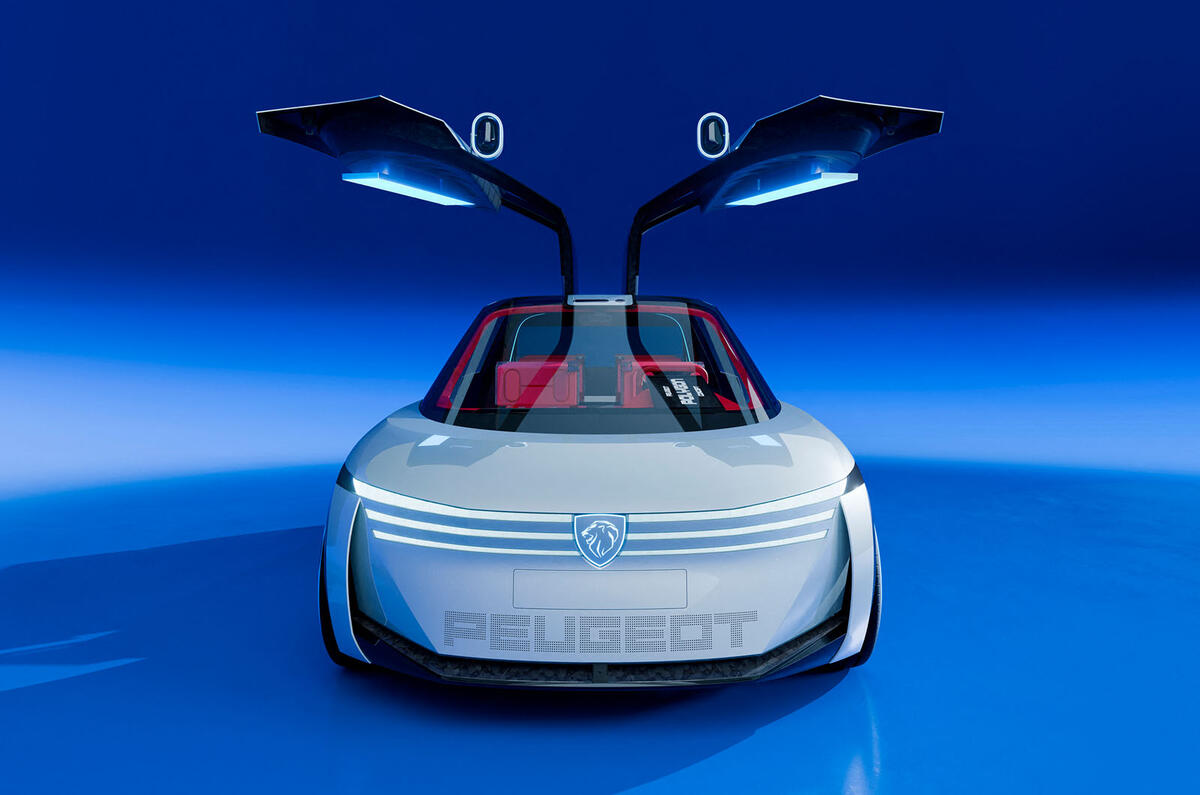
Although unlikely to make it to production, the concept’s ‘XXL’ gullwing doors provide easier cabin ingress and reduce the number of parts required, which in turn saves costs, said Peugeot.

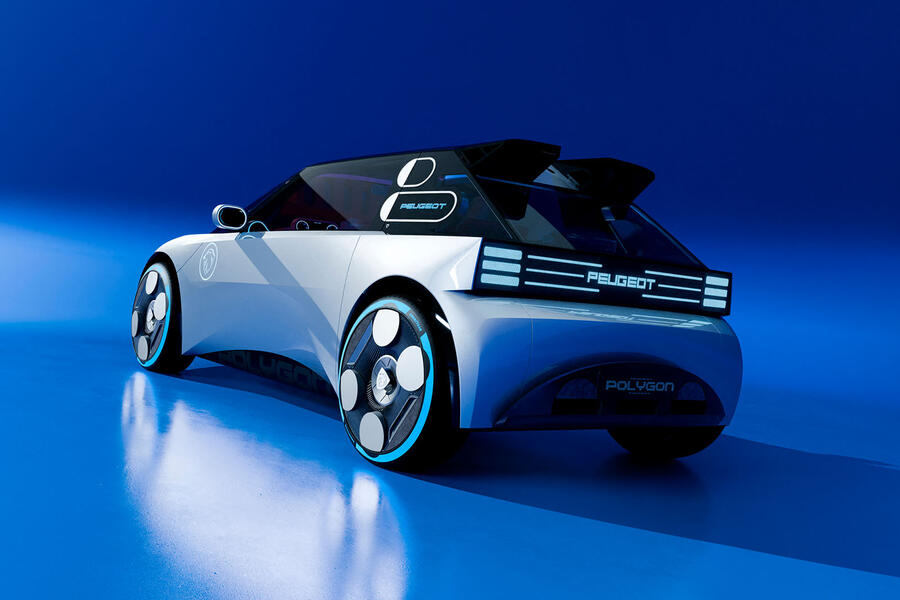
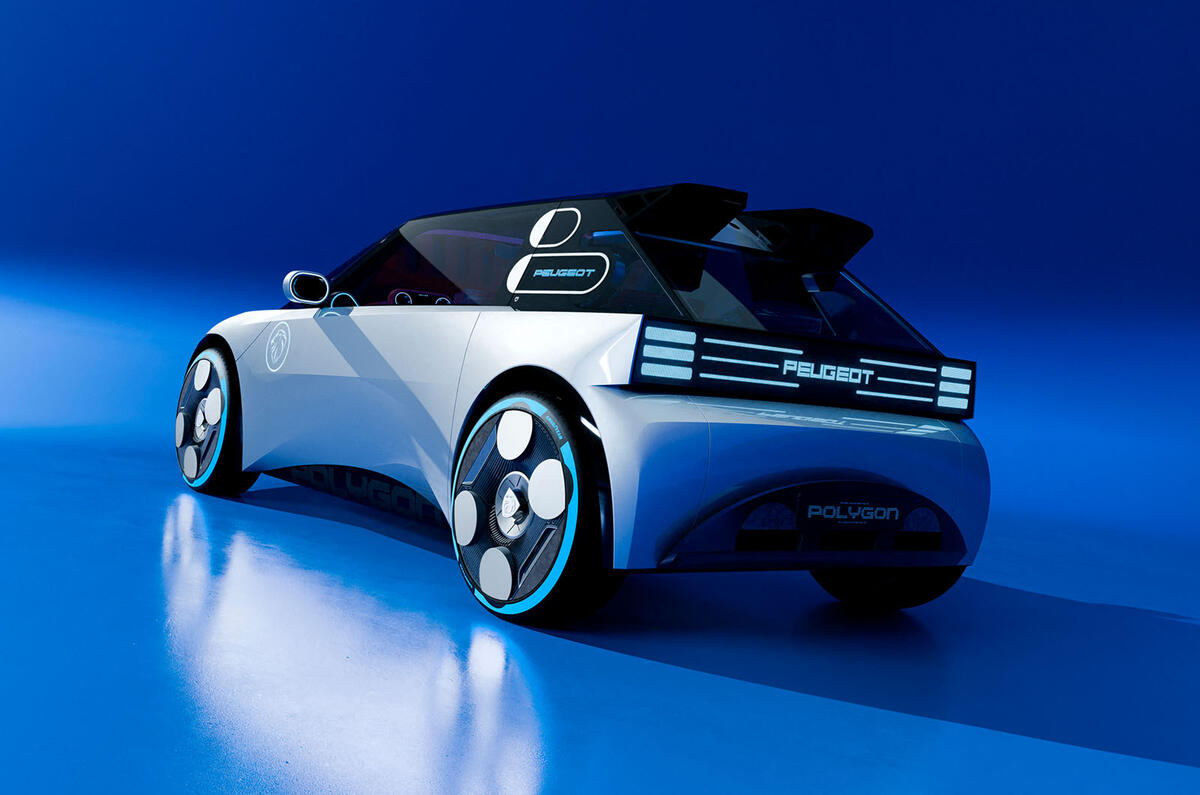
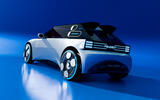
Peugeot Polygon rear quarter

Back to top

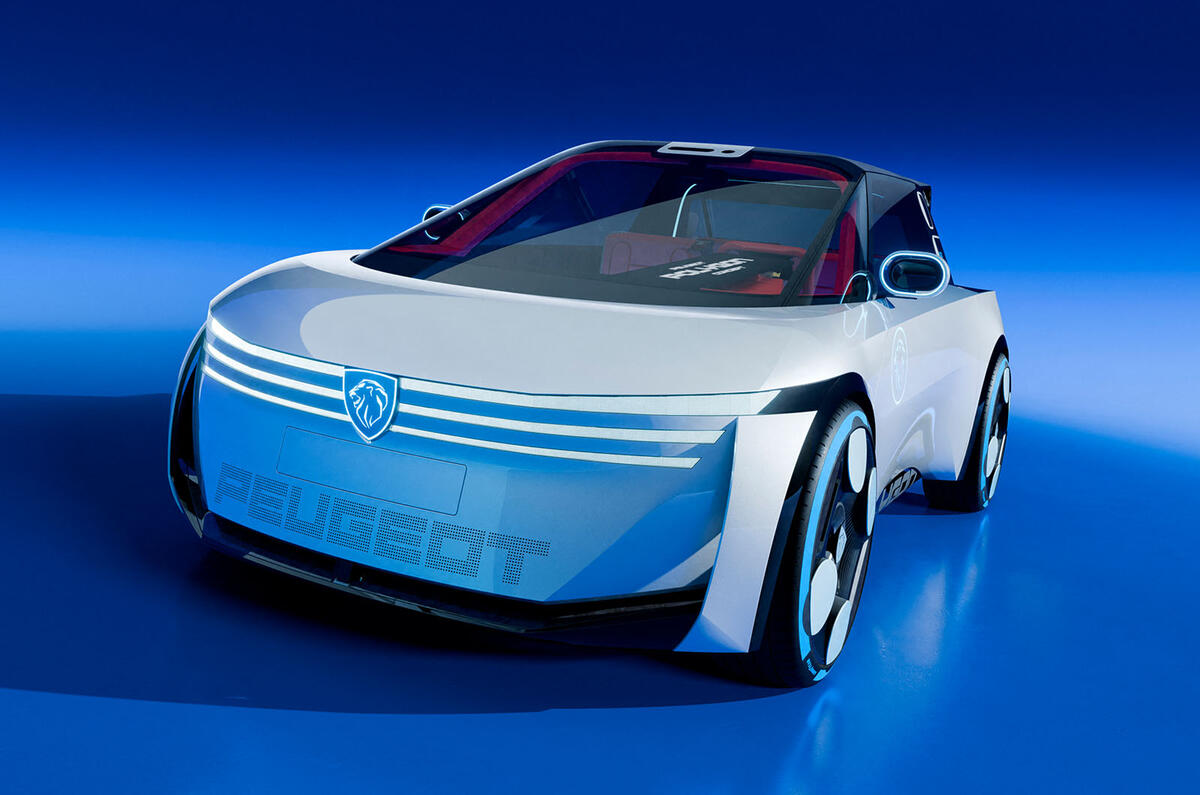
The Polygon is short and squat with minimal overhangs and little room under the bonnet for a combustion engine, all of which suggests it has been conceived solely as an EV.

Its scuttle sits as low and as far forward as possible to improve visibility of the road ahead and to let in more natural light; the glasshouse stretches across the entirety of the Polygon’s roof and tailgate.

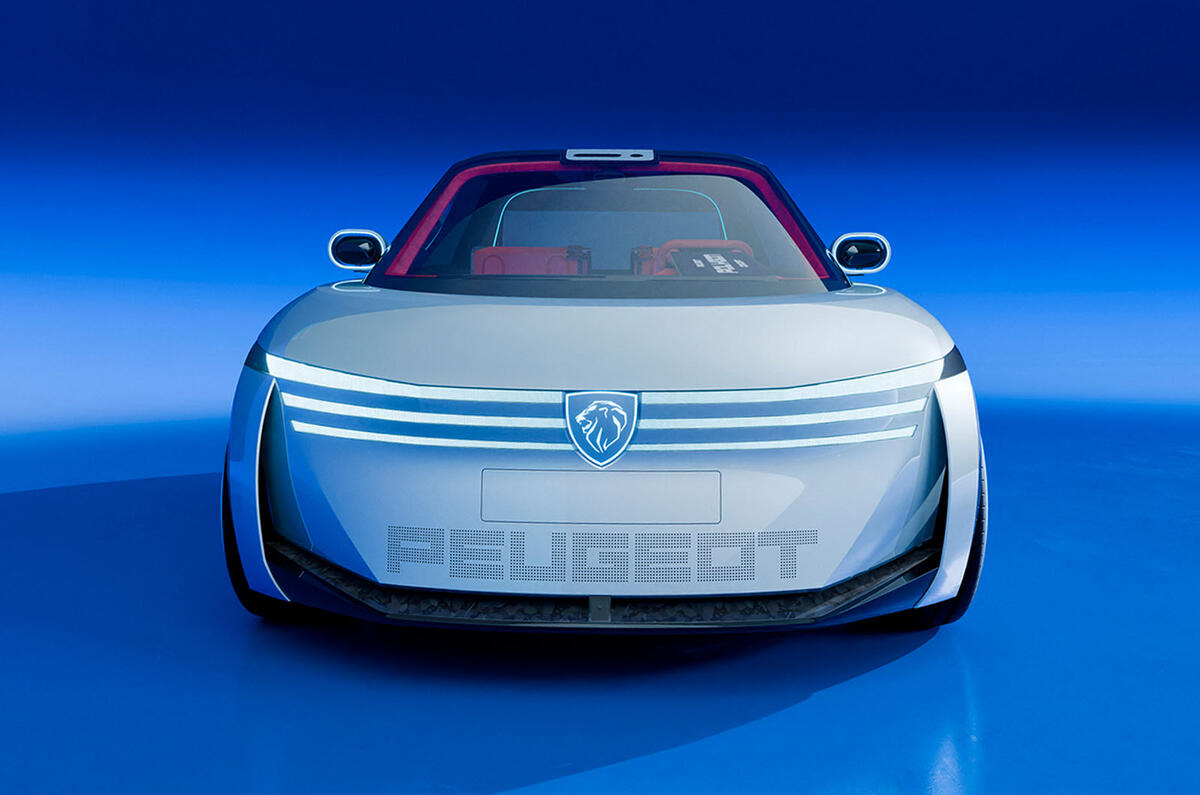
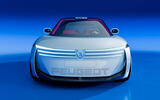
At the front end, the Polygon introduces a new interpretation of Peugeot’s ‘three-claw’ lighting signature, with LED light bars stretching across the width of the car.

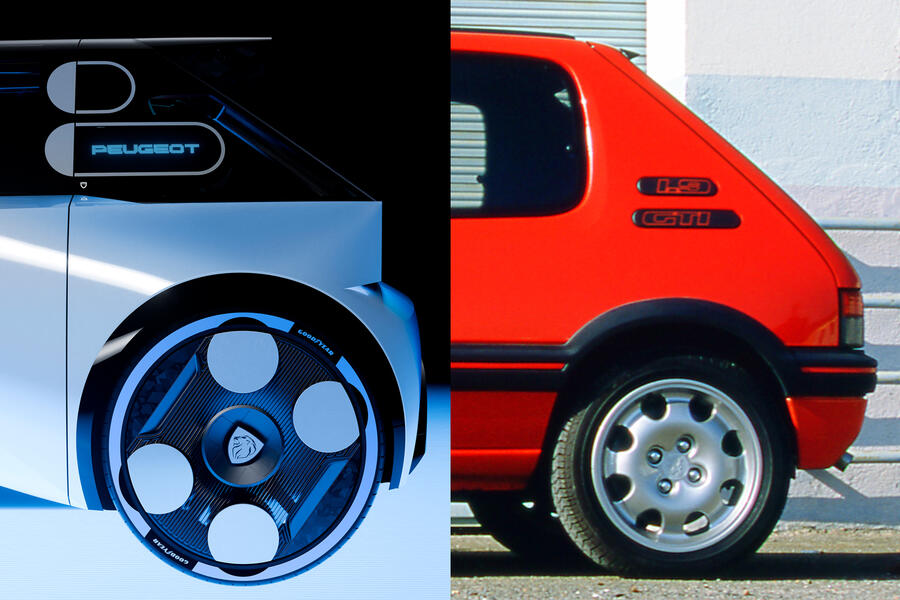
The rear treatment is reminiscent of the Peugeot 205, with a flat-faced design and distinctive square brake lights. The C-pillar also references the 205 GTi, reimagining that car's lozenge-shaped badges as LED lights indicating the Polygon's state of charge.

C-Pillar of Peugeot Polygon and Peugeot 205 GTi

Peugeot has yet to confirm when the next 208 will go into production but said the Polygon’s steer-by-wire technology is due in showrooms from 2027. This suggests the tech could be destined for the 208, which will be due for replacement at around that time.

The new 208 will be the first car to sit on parent company Stellantis’s STLA Small architecture, and the model is not set to offer a combustion engine option. Battery capacities for the platform will range from 37kWh to 82kWh, promising significant improvements in range compared with the 268 miles offered by today’s e-208.

Join our WhatsApp community and be the first to read about the latest news and reviews wowing the car world. Our community is the best, easiest and most direct place to tap into the minds of Autocar, and if you join you’ll also be treated to unique WhatsApp content. You can leave at any time after joining - check our full privacy policy here.

Charlie Martin

Charlie Martin Autocar
Title: Staff Writer

As part of Autocar’s news desk, Charlie plays a key role in the title’s coverage of new car launches and industry events. He’s also a regular contributor to its social media channels, creating content for Instagram, Tiktok, Facebook and Twitter.

Charlie joined Autocar in July 2022 after a nine-month stint as an apprentice with sister publication What Car?, during which he acquired his gold-standard NCTJ diploma with the Press Association.

He is the proud owner of a Mk4 Mazda MX-5 but still feels pangs of guilt over selling his first car, a Fiat Panda 100HP.

Join the debate

Comments
10
Add a comment…
limecharlie 13 November 2025

All right, then.  Make it resemble the concept in the same way as Renault has with the R 5 and Twingo. Give it a go. 

ragdoll archers

Einarbb 12 November 2025

Not convinced about this steering implementation - steer by vire is OK as such; it's the notion that -- you: A)Don't have a steering wheel. B)You reach full lock at half circle. The point of this is -- person has to learn to steer a car, anew. You can't begin to drive this car, unless you learn the new way of steering -- -- on some sort of track. Else it would be dangerous. I reckon. Have steer by vire if you insist -- but, have a steering wheel and normal gearing of steering. That way, buyers won't notice the difference -- at all. As it shall steer the same as everything else. I mean, else seriously -- buyers shall be put off the brand. Because, folks don't like the bother to have to learn to drive anew. They'll rather buy an alternate brand, without that extra hazzle. 

imeanreally 12 November 2025

Every car has different steering characteristics, and that goes beyond the mechanics of the steering elements. Tyres, powertrain layout, the weight of the vehicle etc all have an effect on how the car reacts to a given input on the steering wheel.

Yes you may argue the gap here is wider, but it isn't some impossible feat to understand how a particular car steers like you make out.

Remember it only requires half a turn for full lock at low speed, such as for parking manvouvers. You don't enter full lock with half a turn when you're bombing it down the motorway.

Einarbb 13 November 2025

It's different enough -- most folks would need to, enter a training ground - to get the hang of it; else it literally would be dangerous. In other cars, differences in steering are minute enough you can drive any car without trouble; certainly not in this case.

Boomer 13 November 2025

A) it does have a steering wheel

B) its one full turn lock to lock at low speed.

Noone over 18 will buy this monstrosity, especially not with that grotesque interior and seating. Its a childish concept that will horrify any existing owner looking to trade up.

Pierre 13 November 2025

I'm much, much older than 18 and I like the look of it it a lot. I'll be very interested in it if and when it becomes a reality.

124spider 12 November 2025

Come on then.  Do Renault and make it look like the concept the way they have done with R 5 and Twingo.  I dare you.