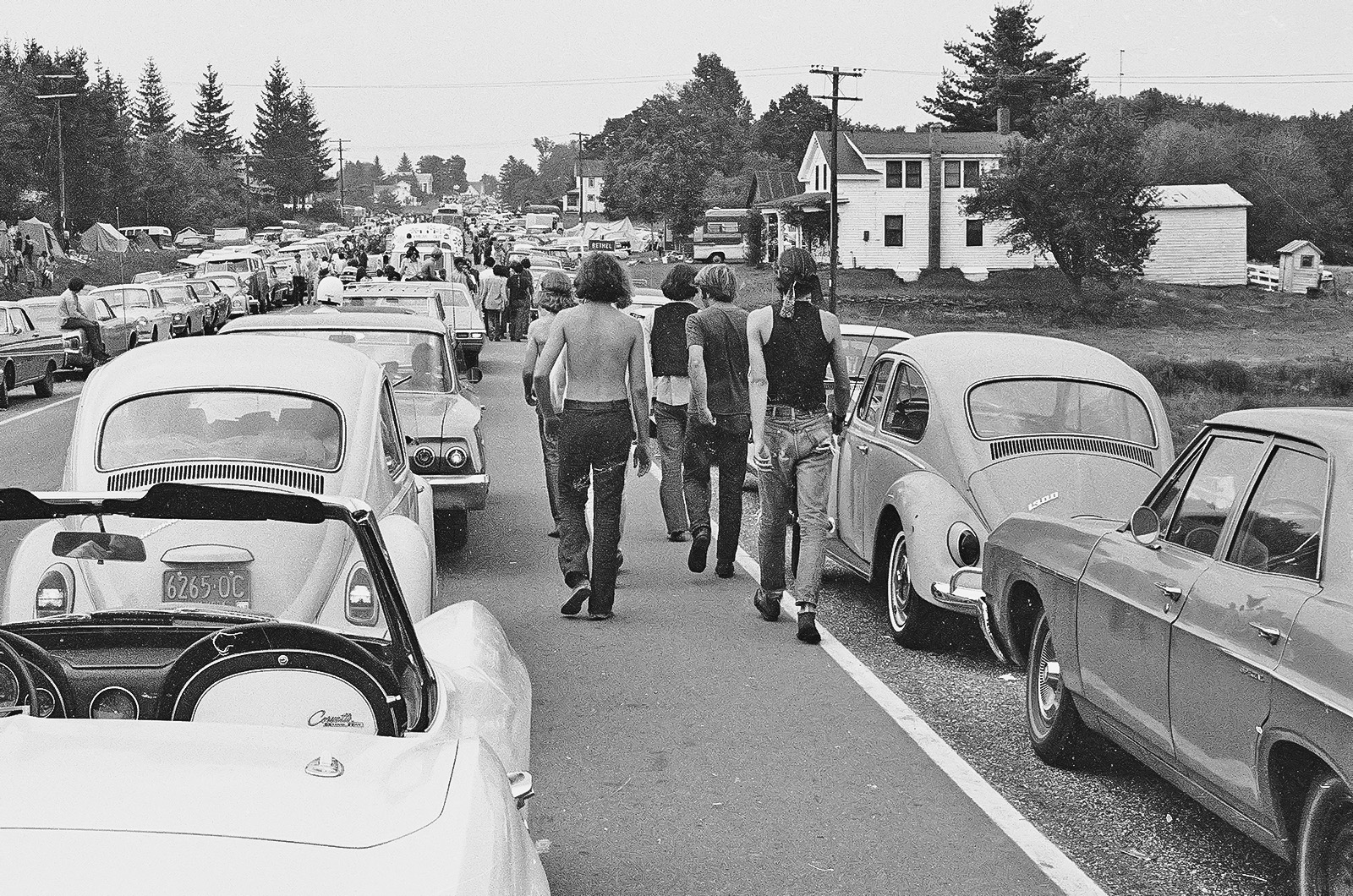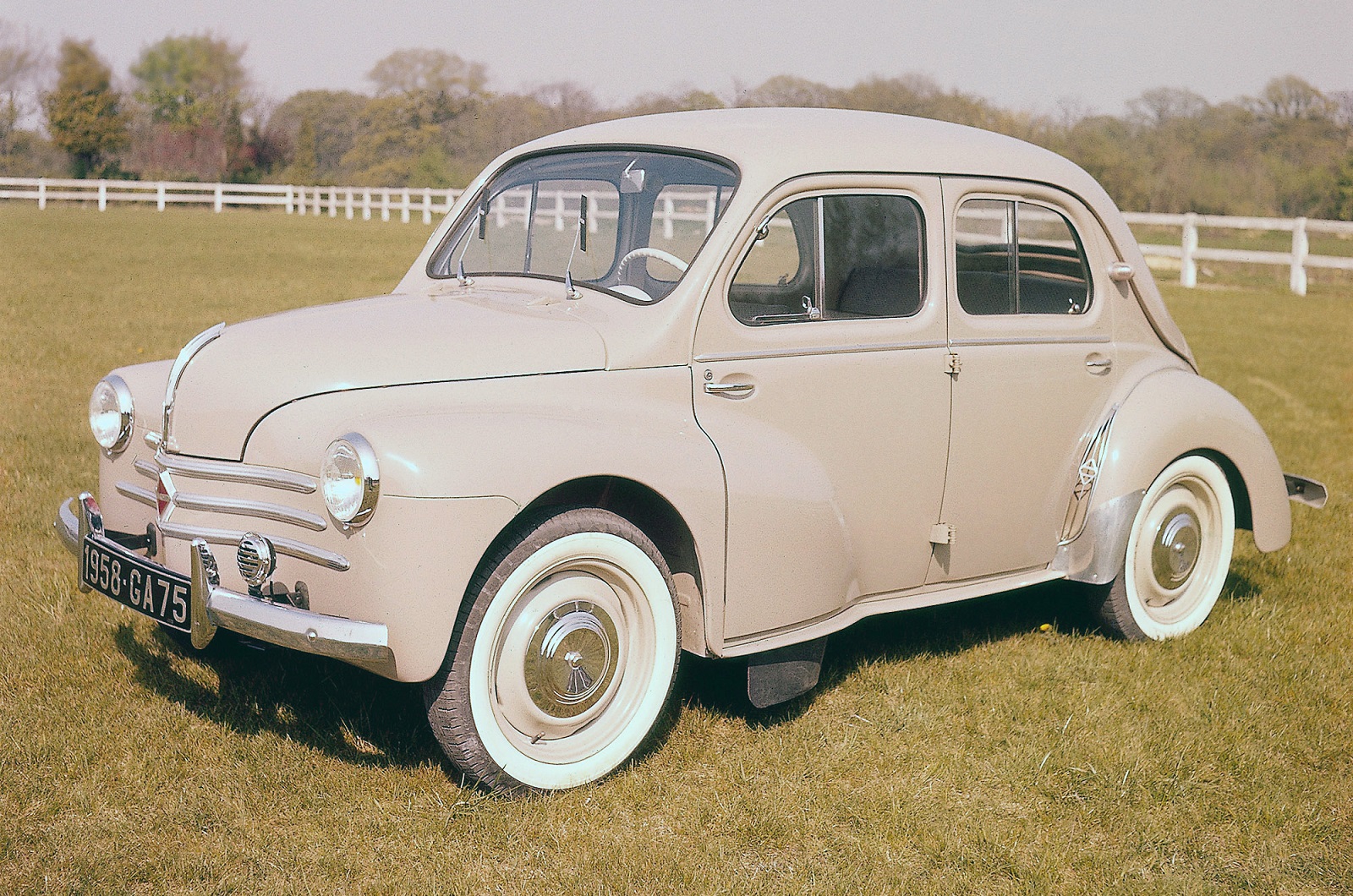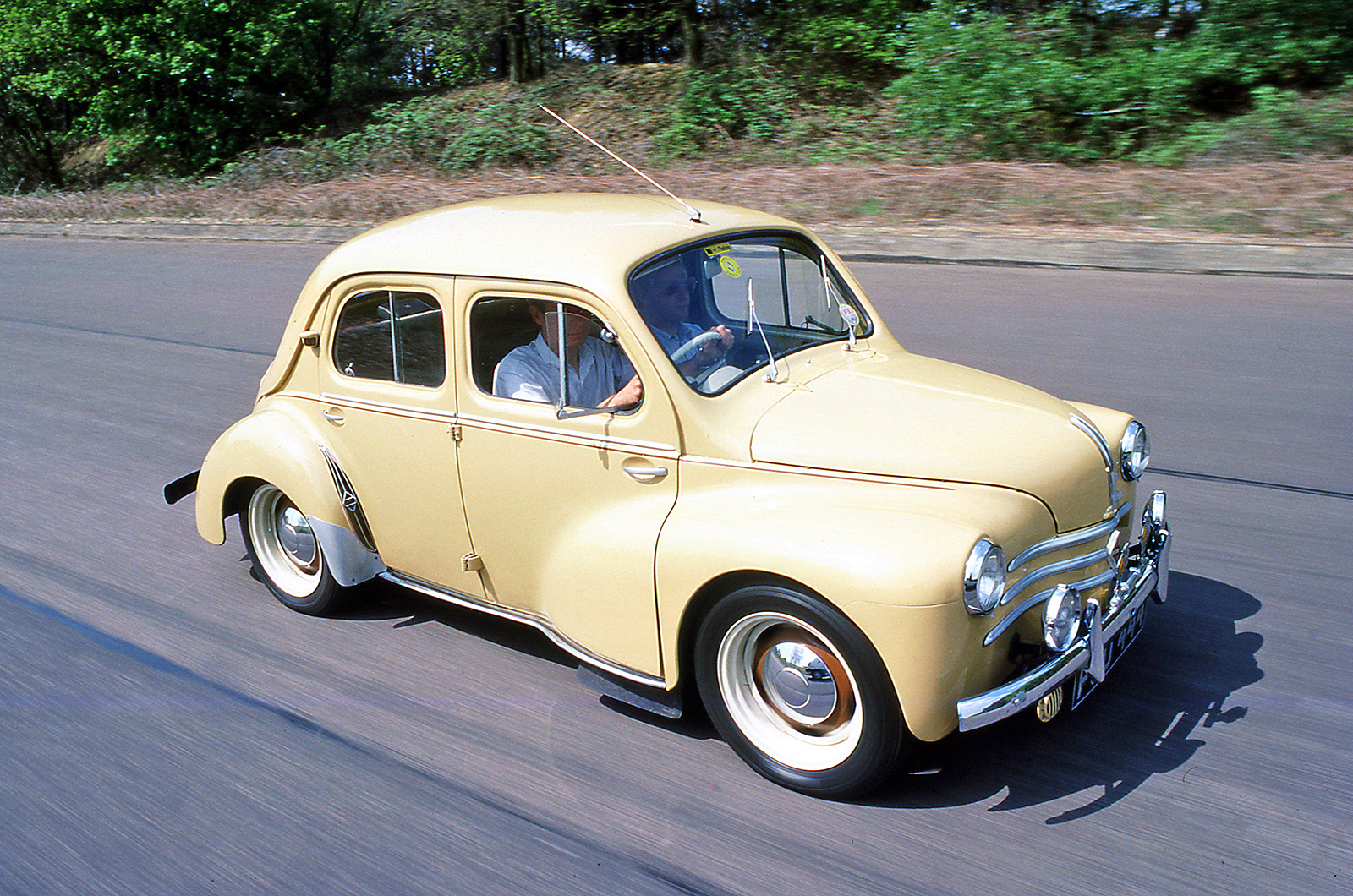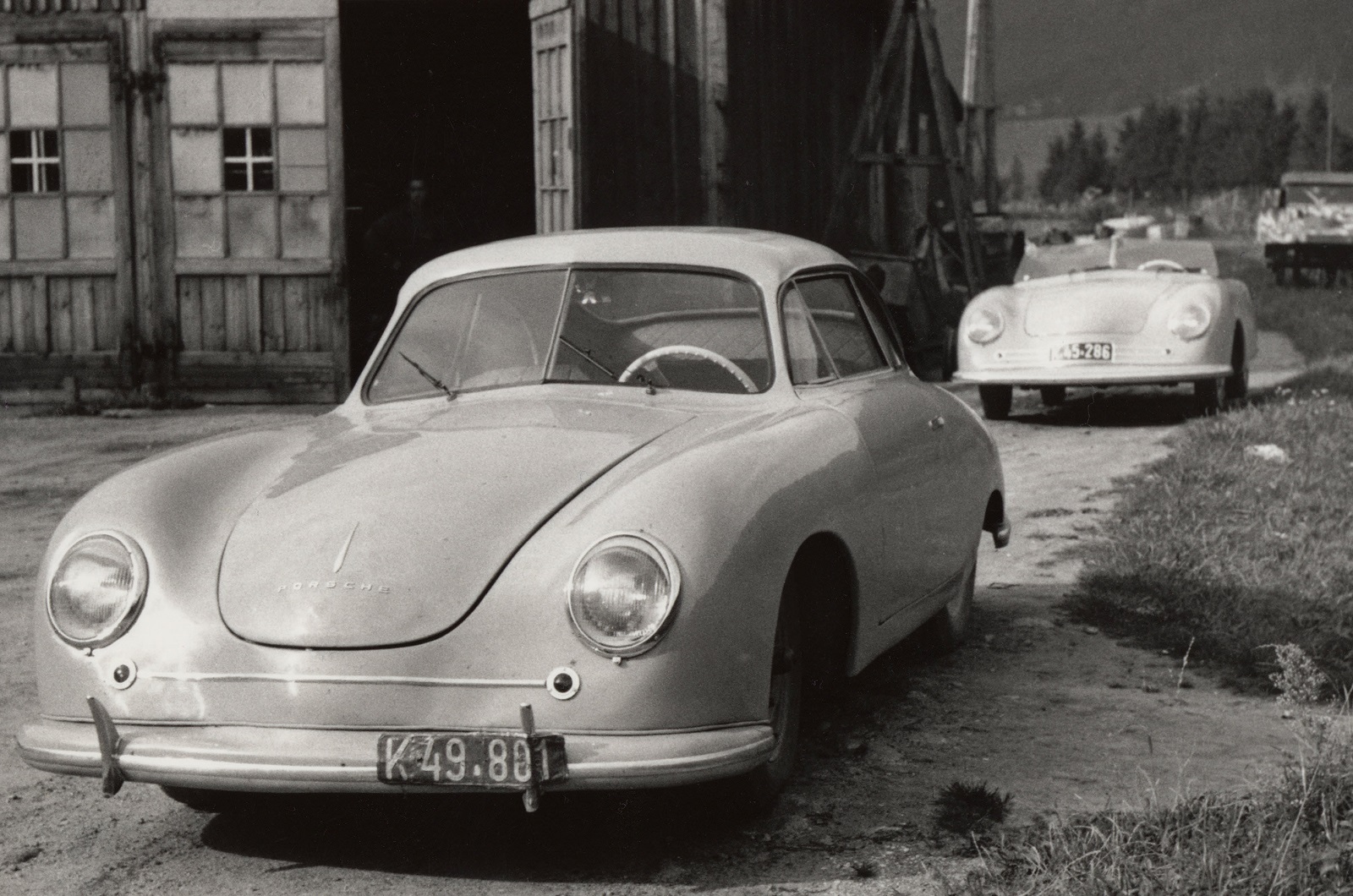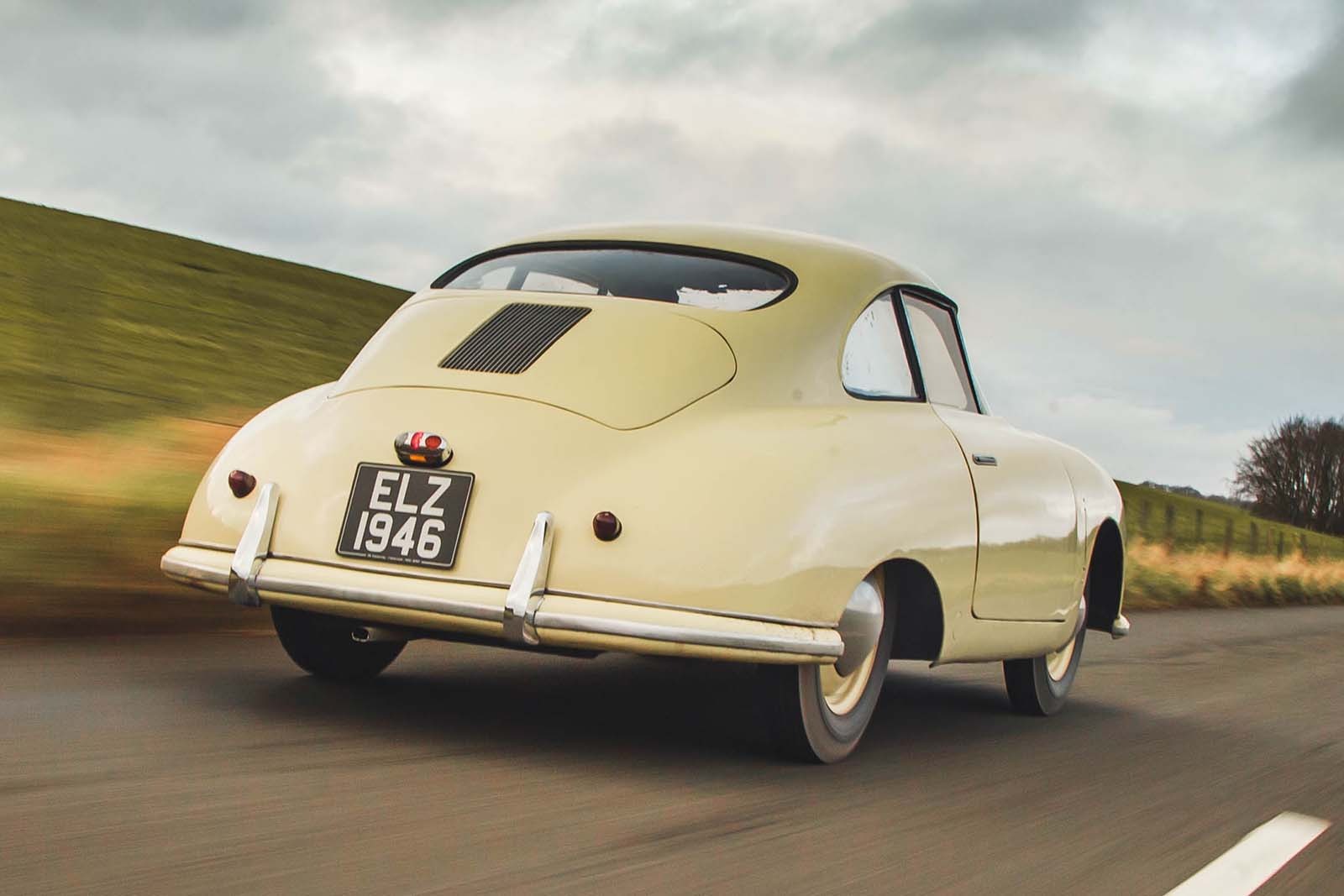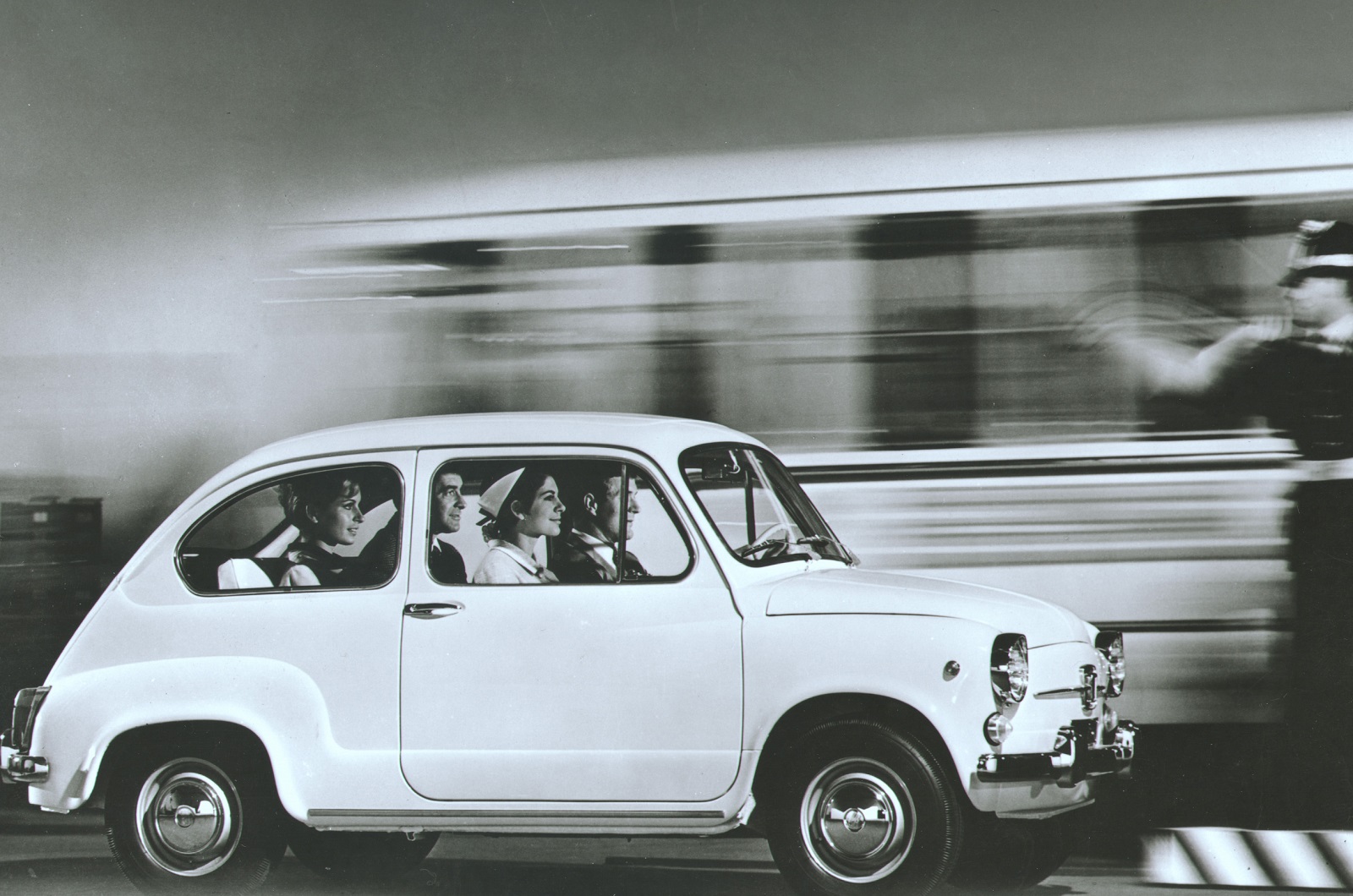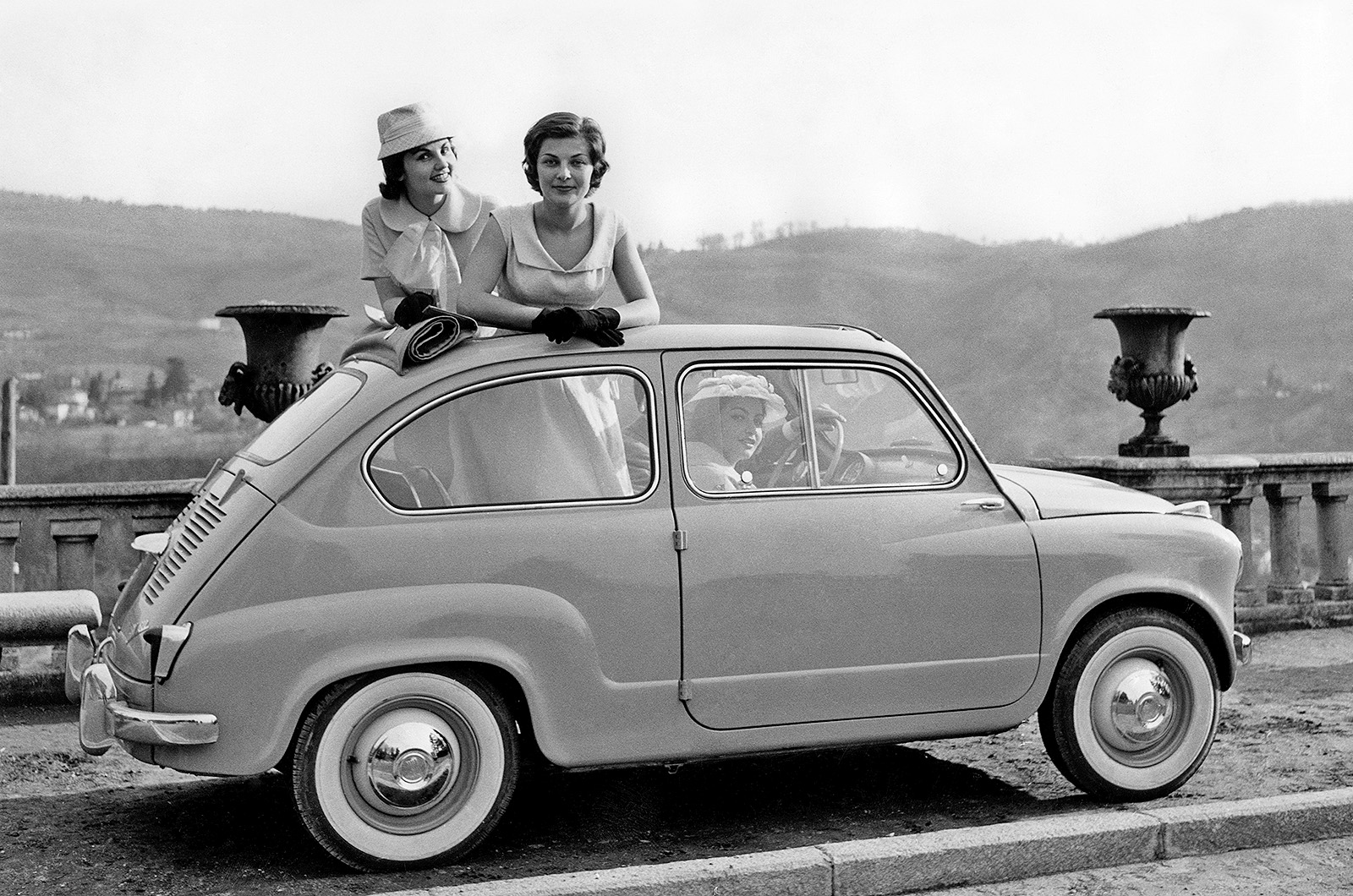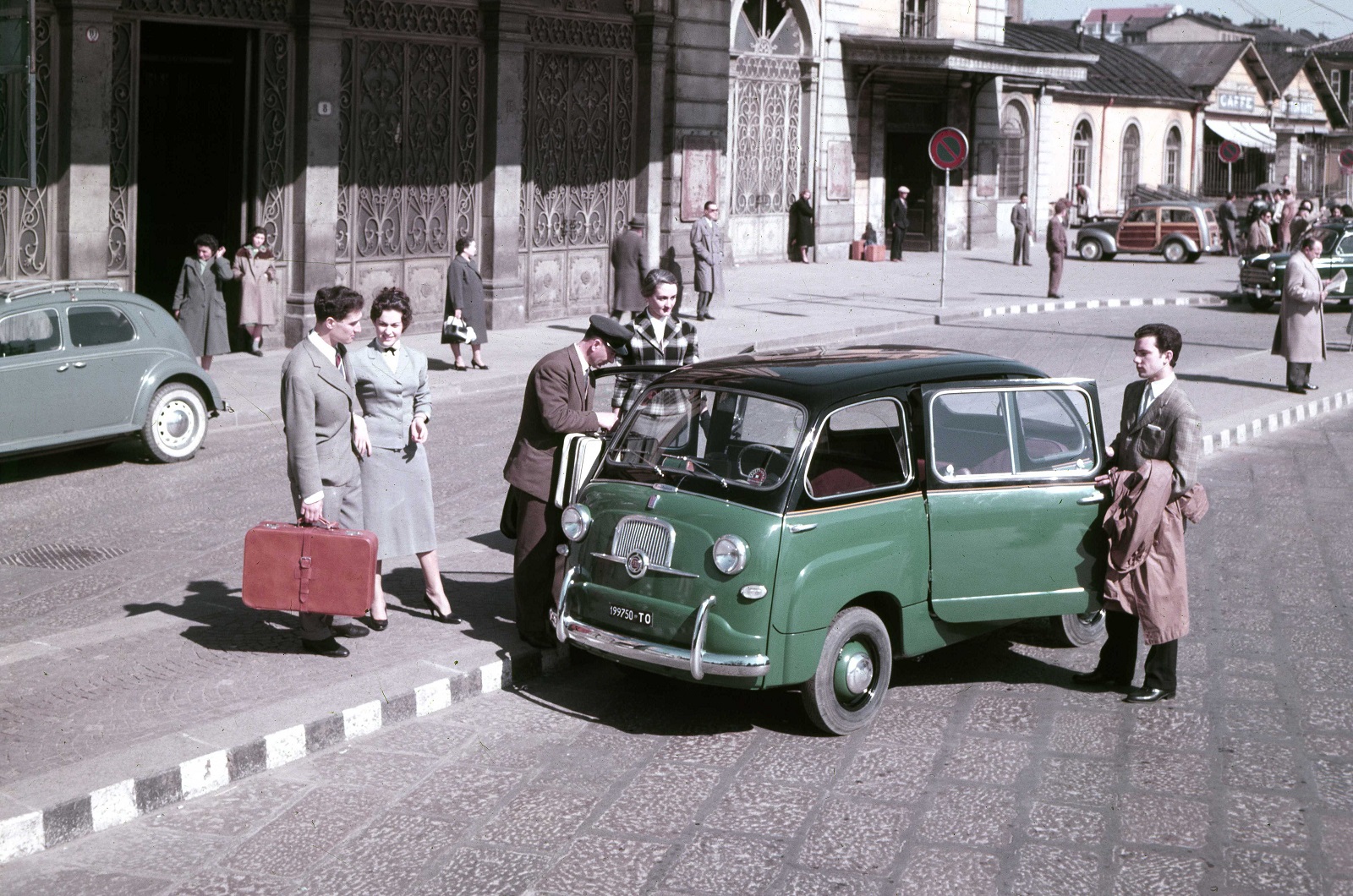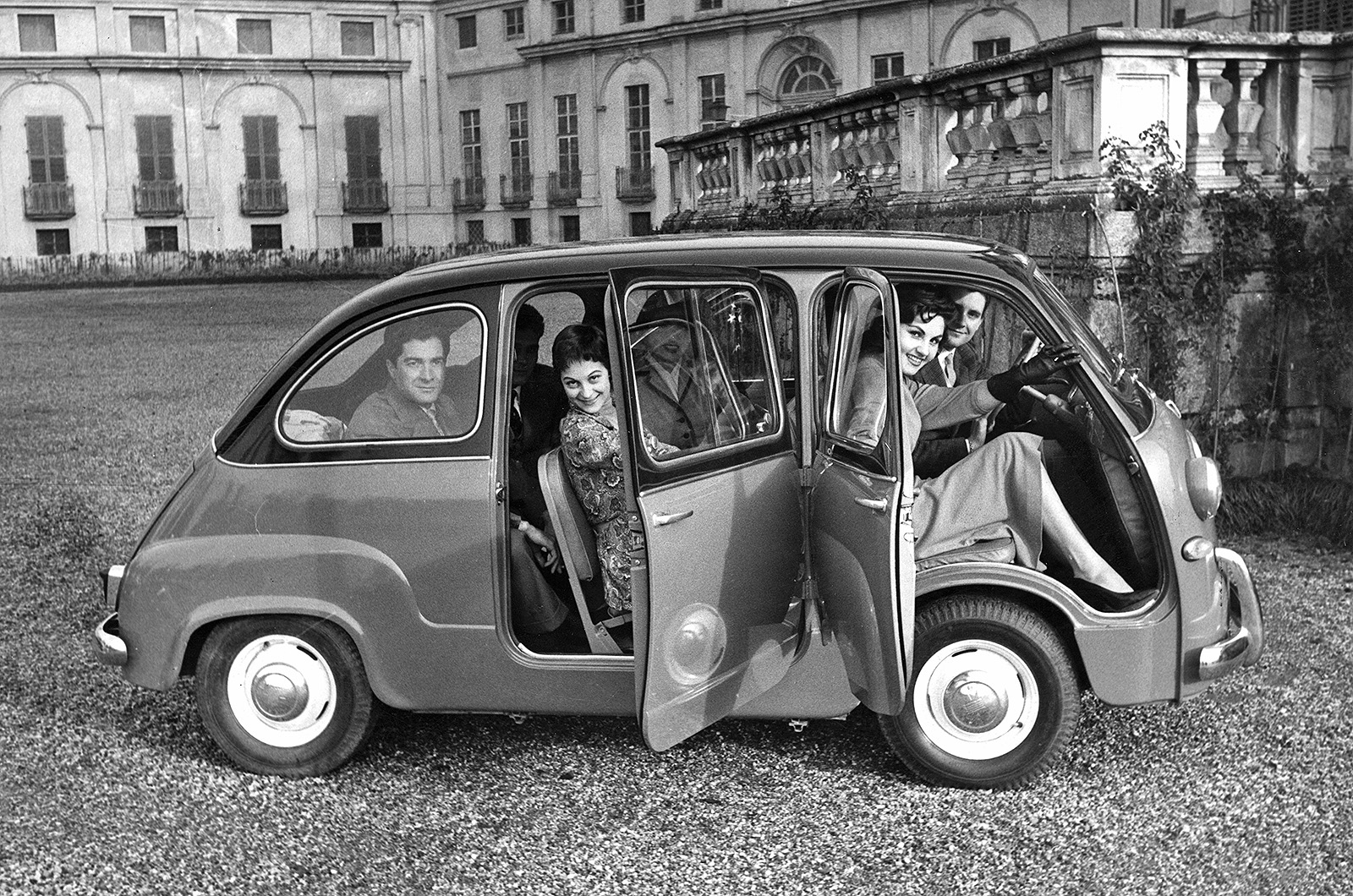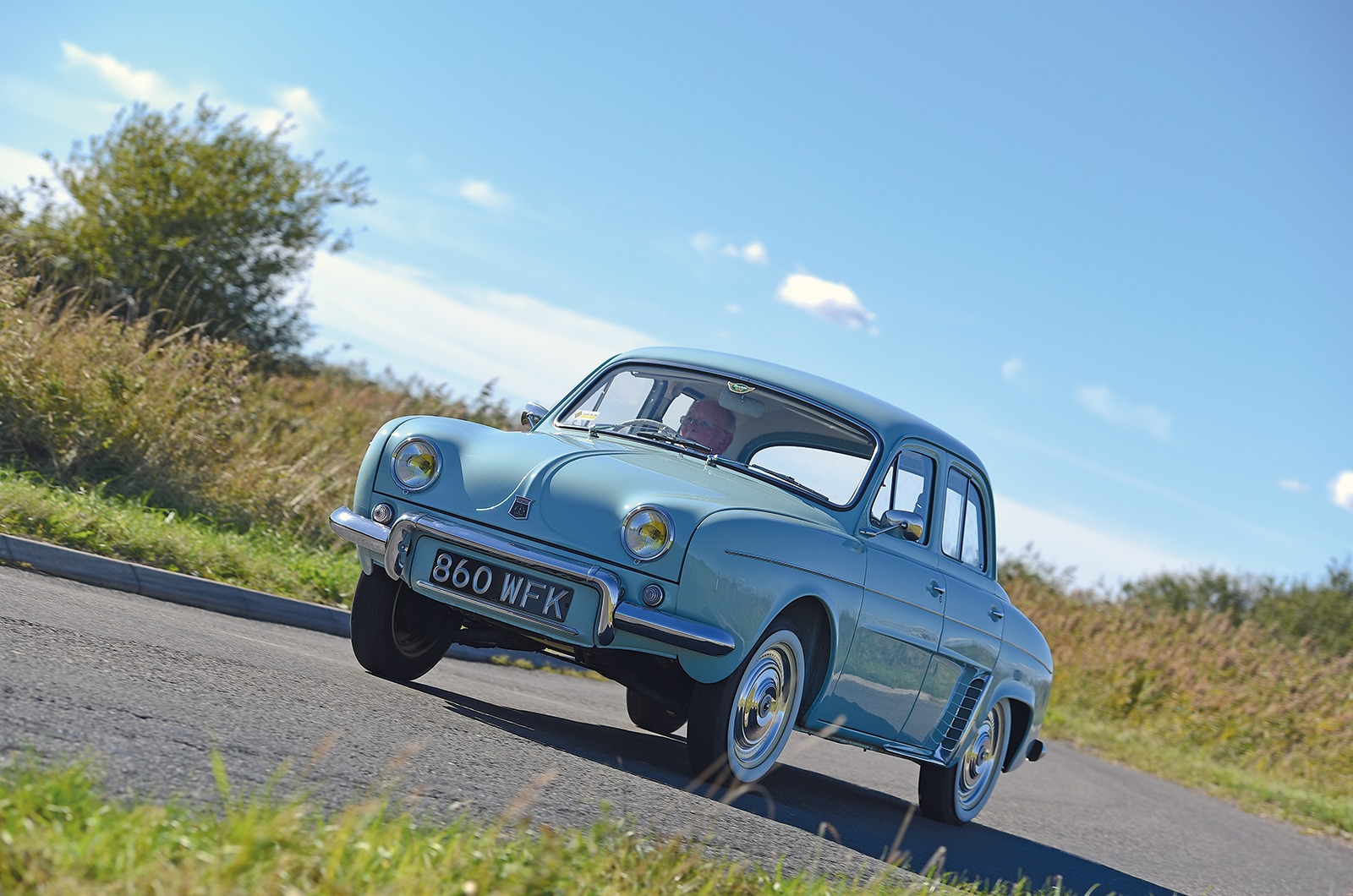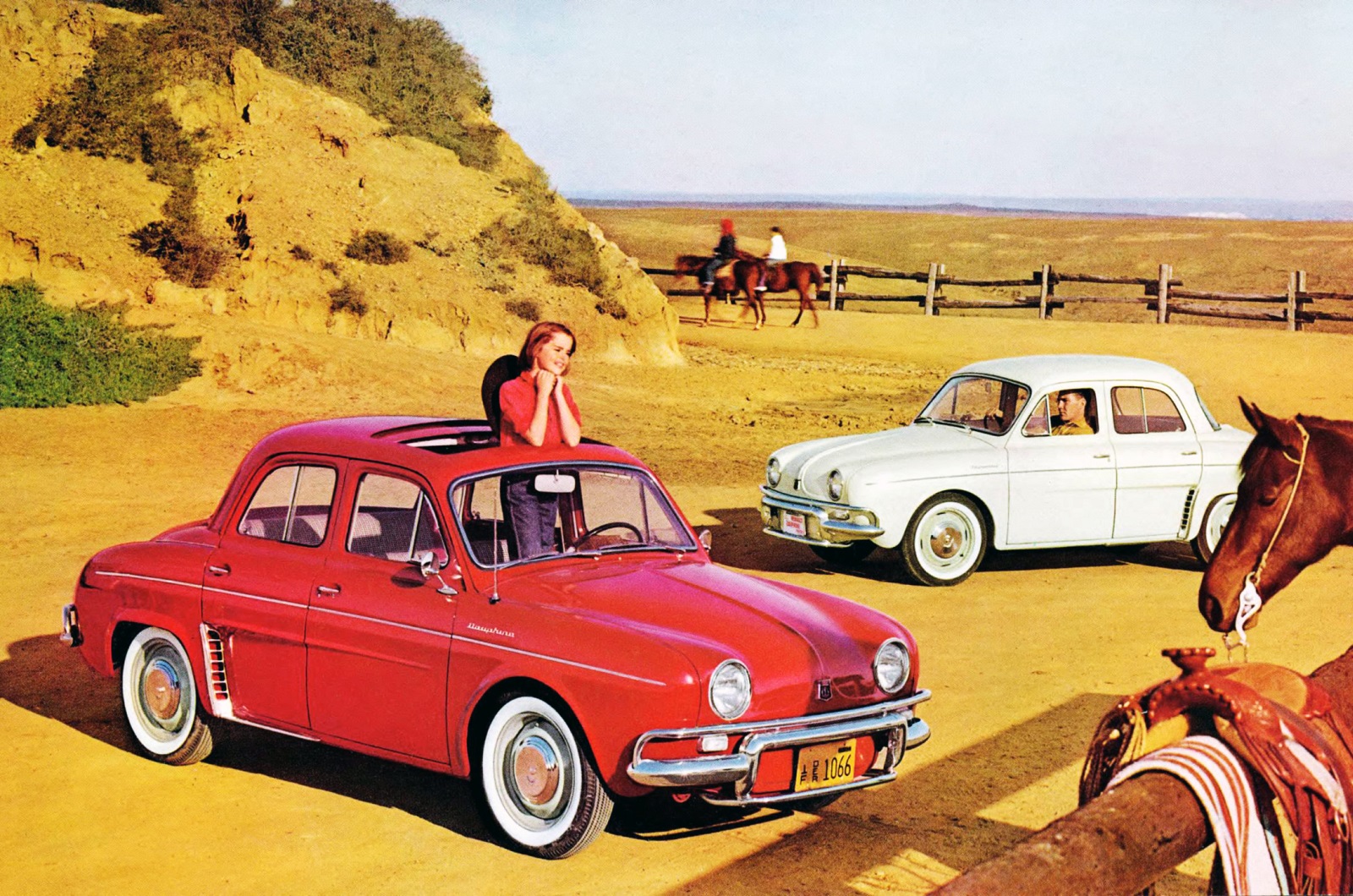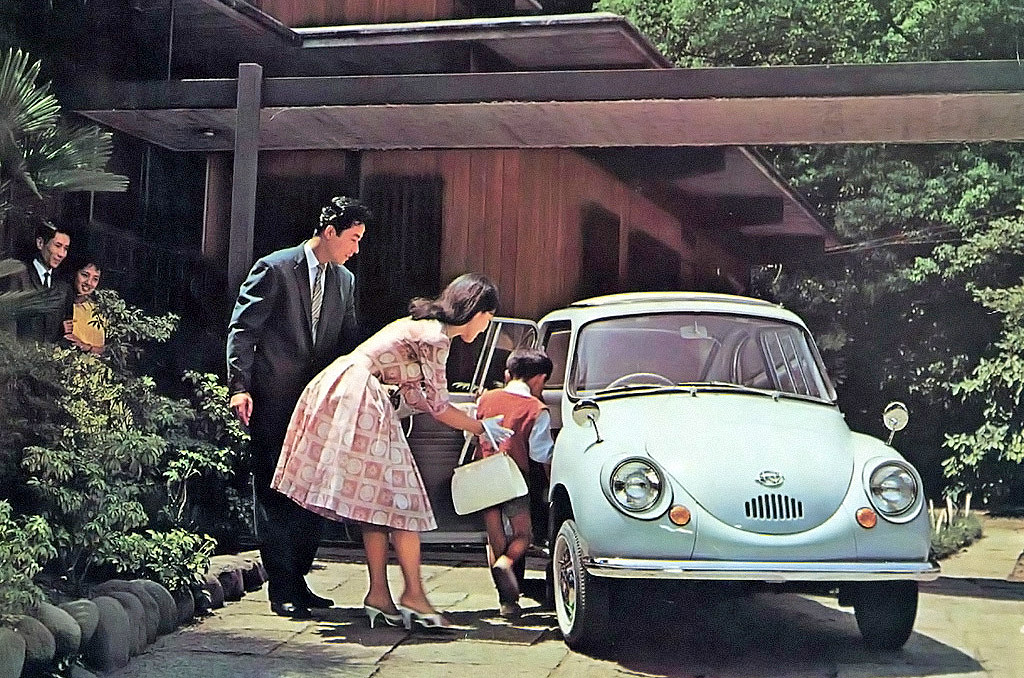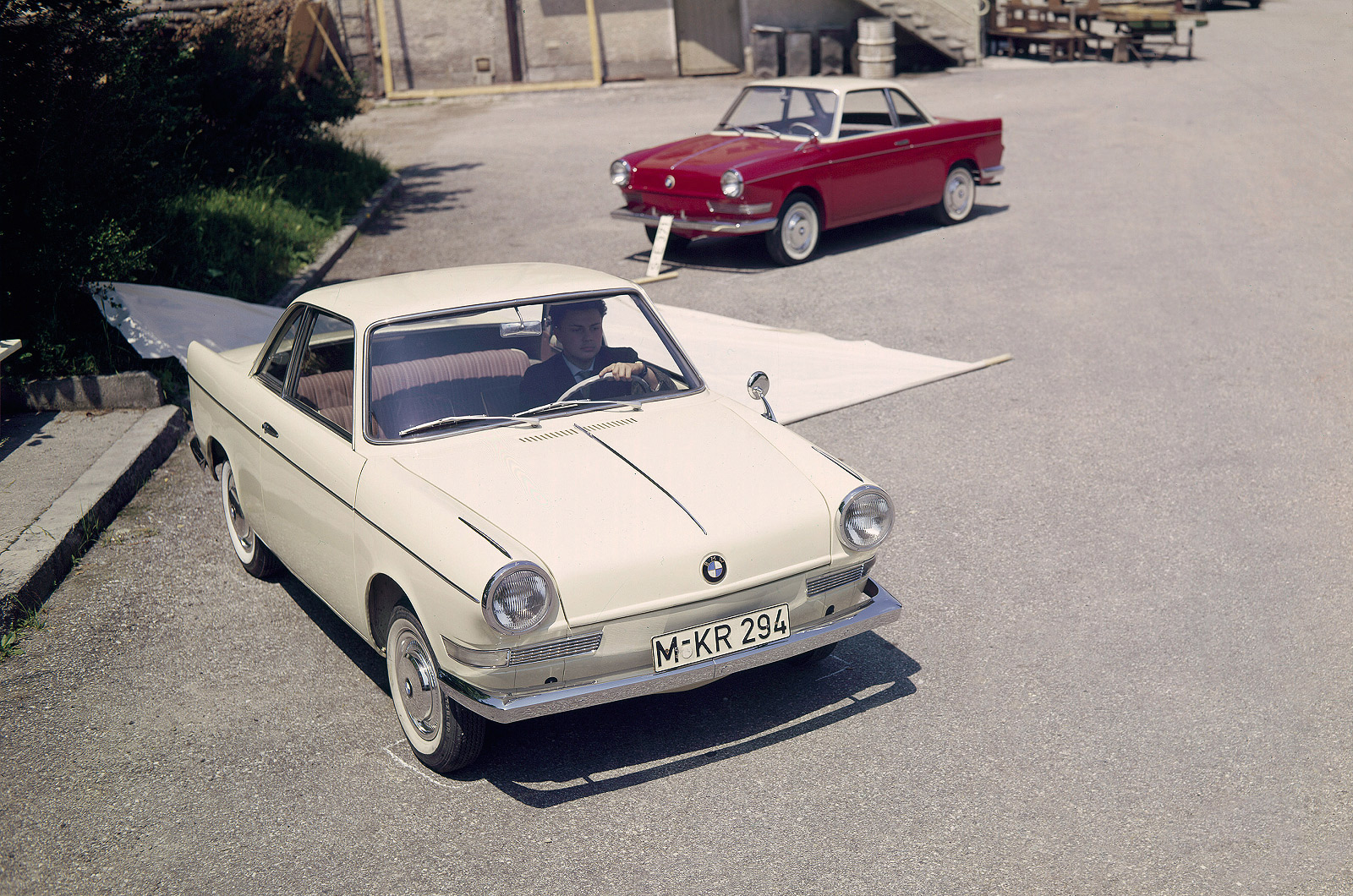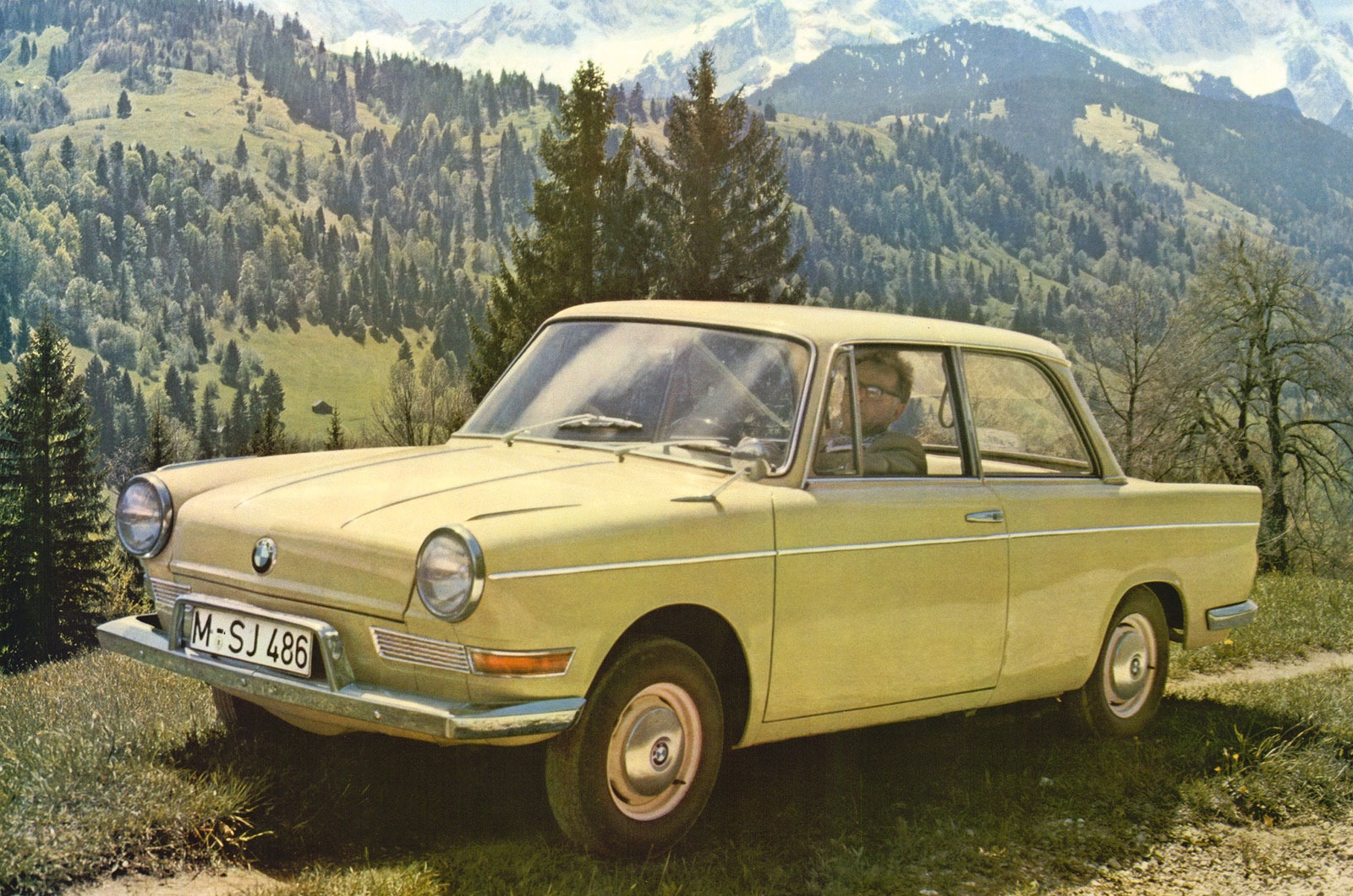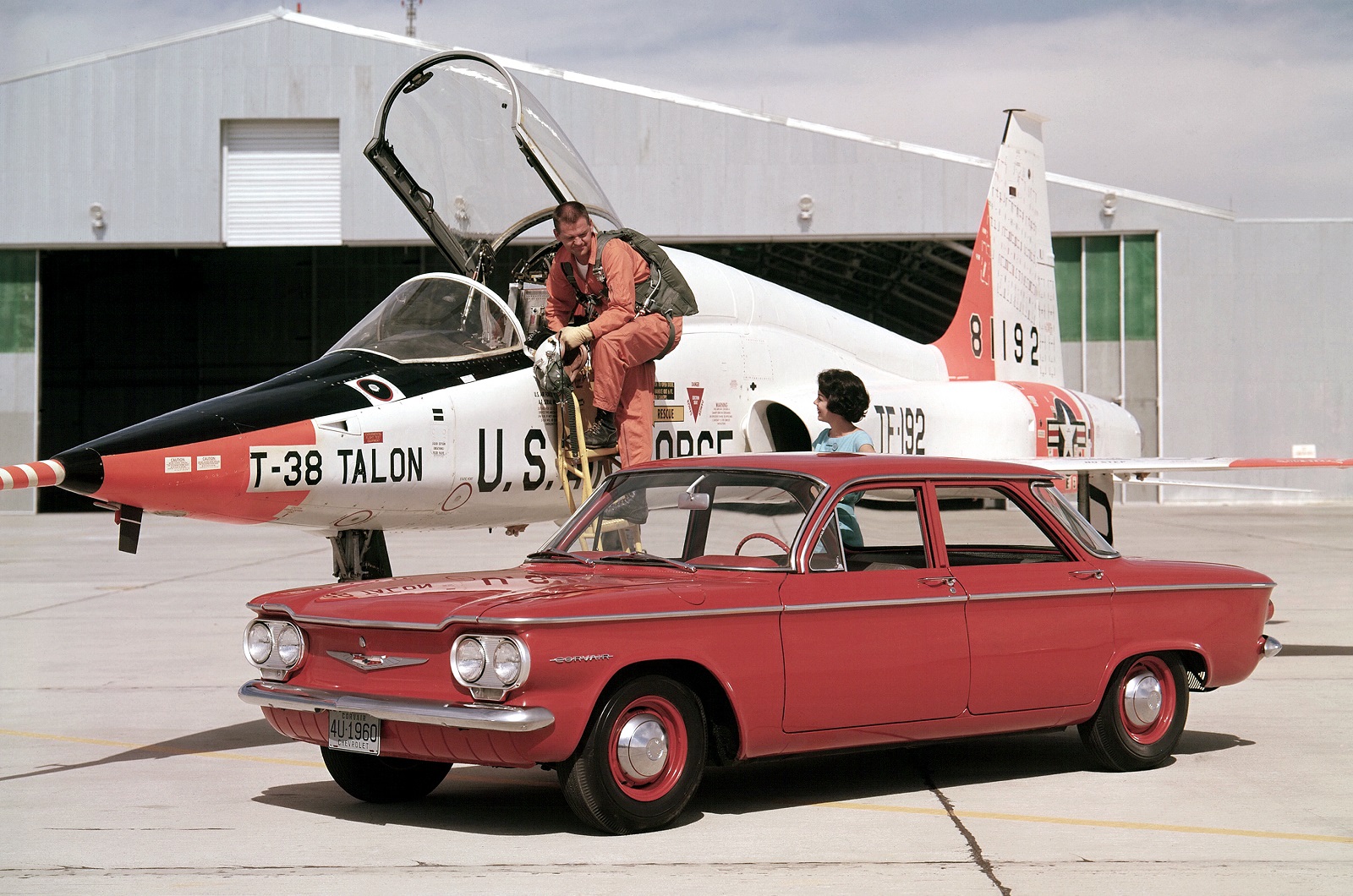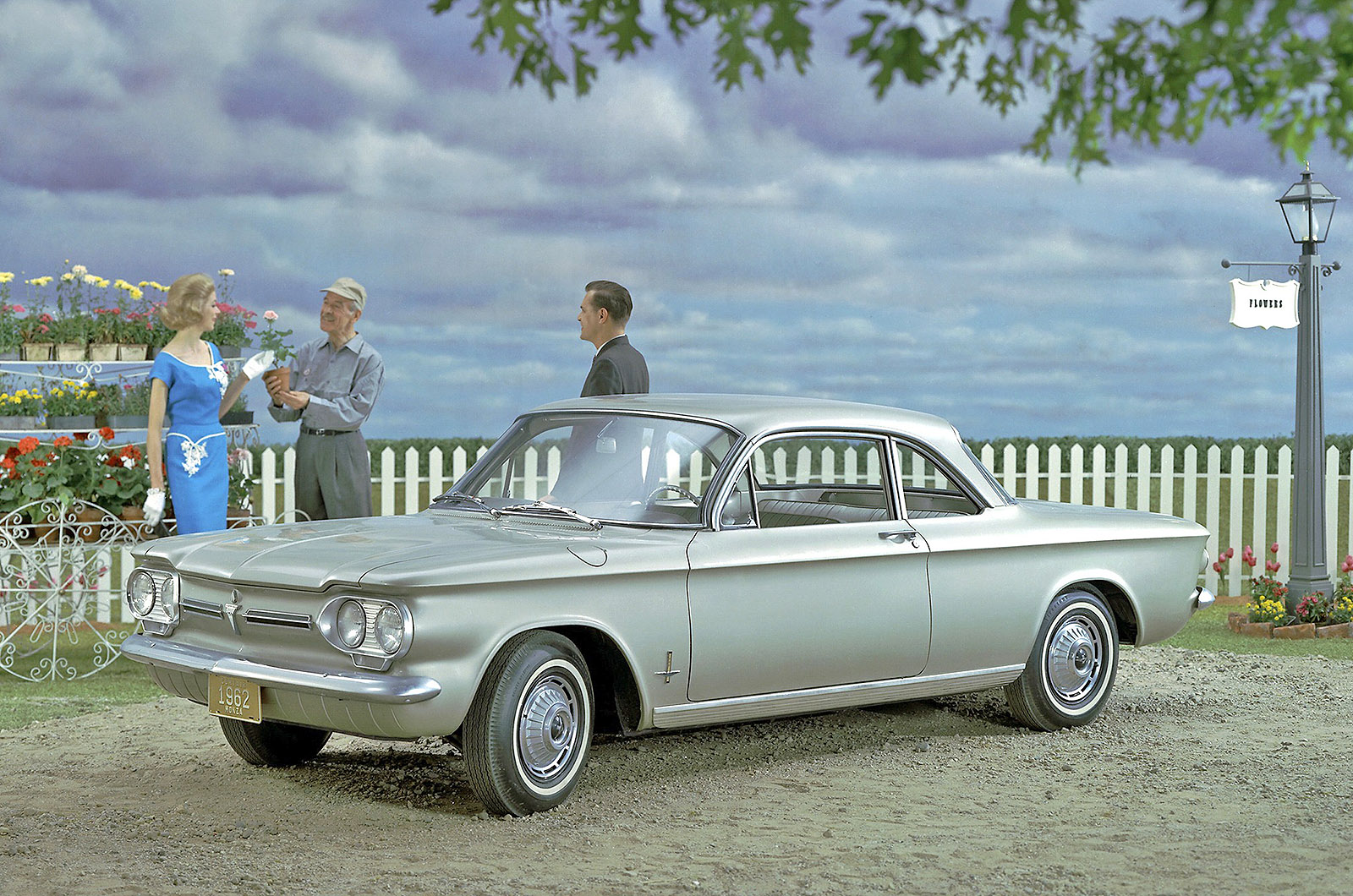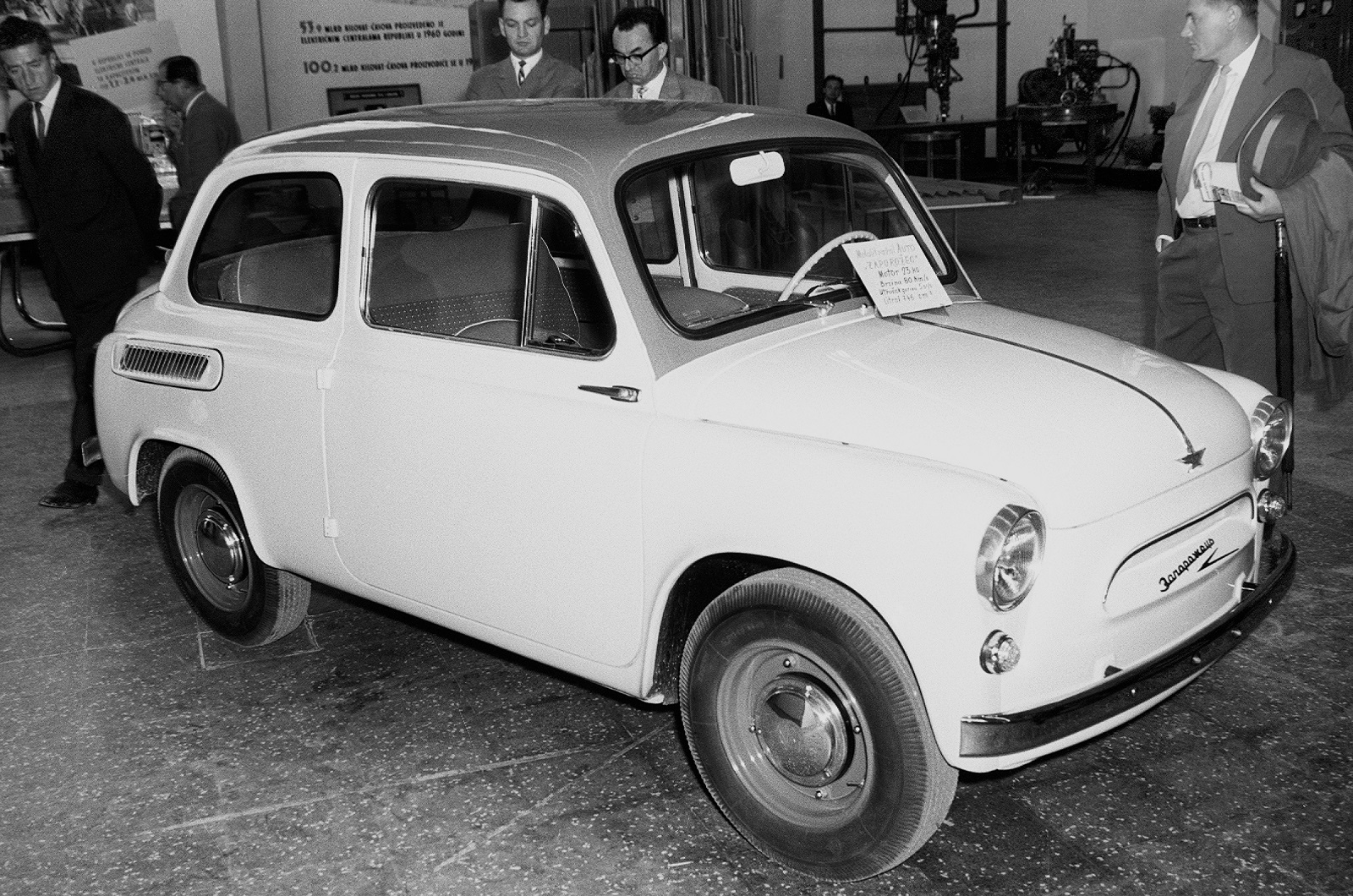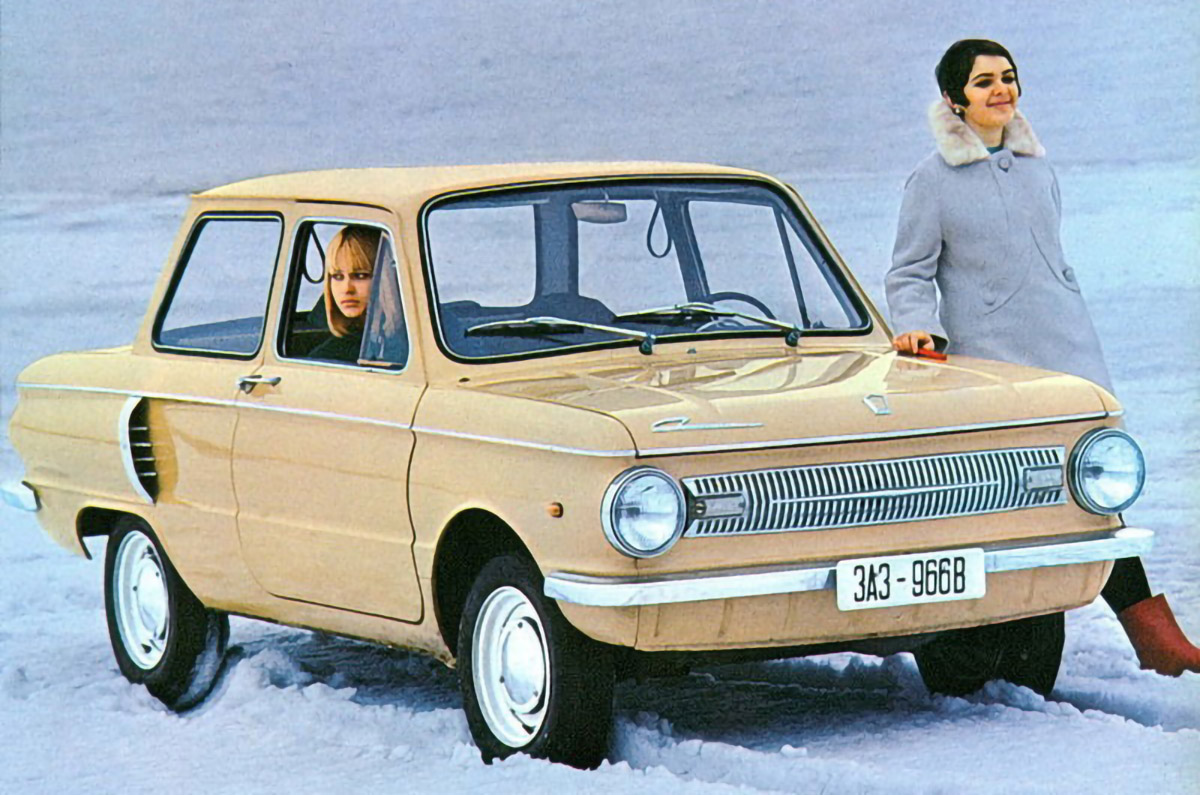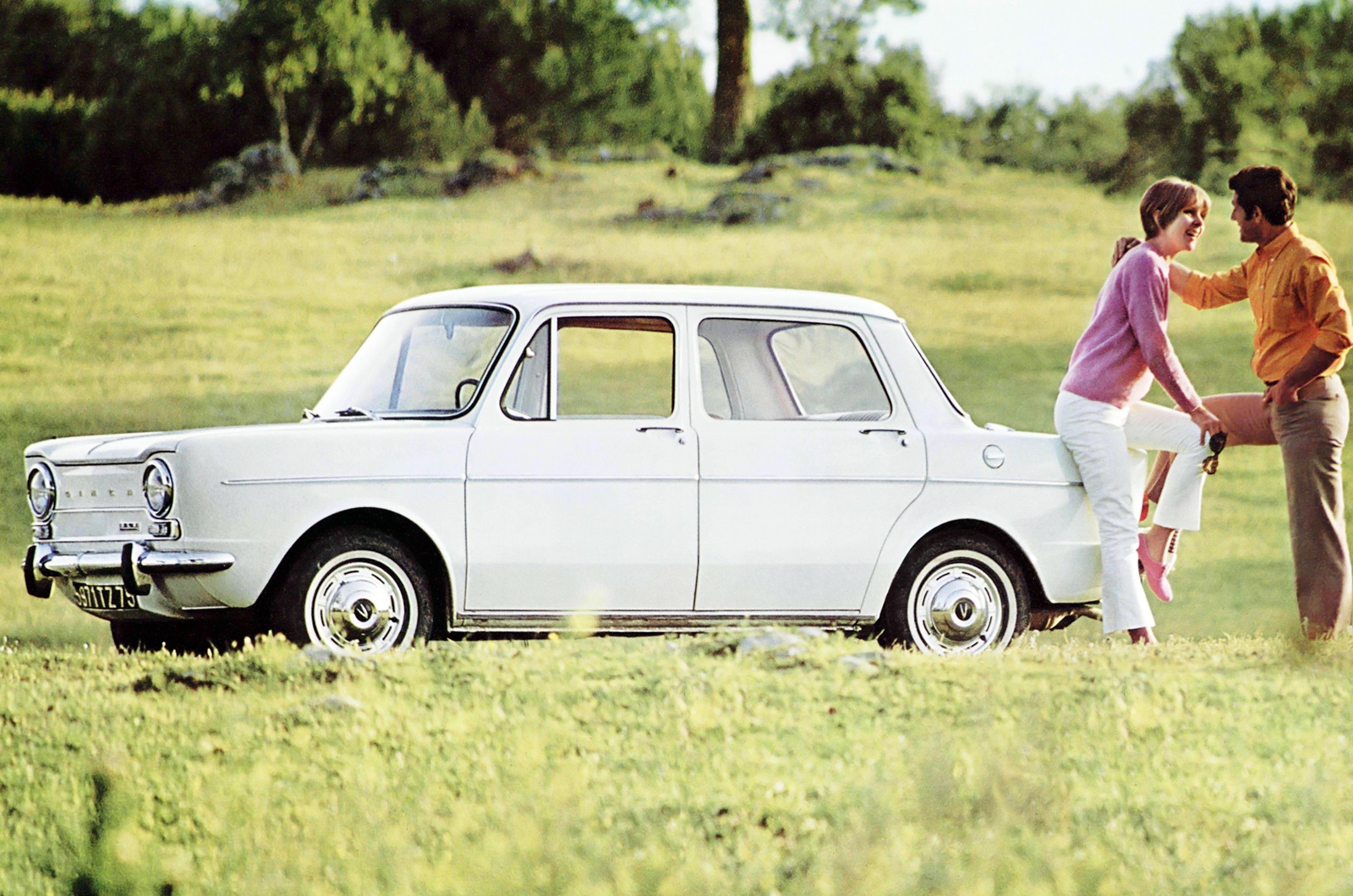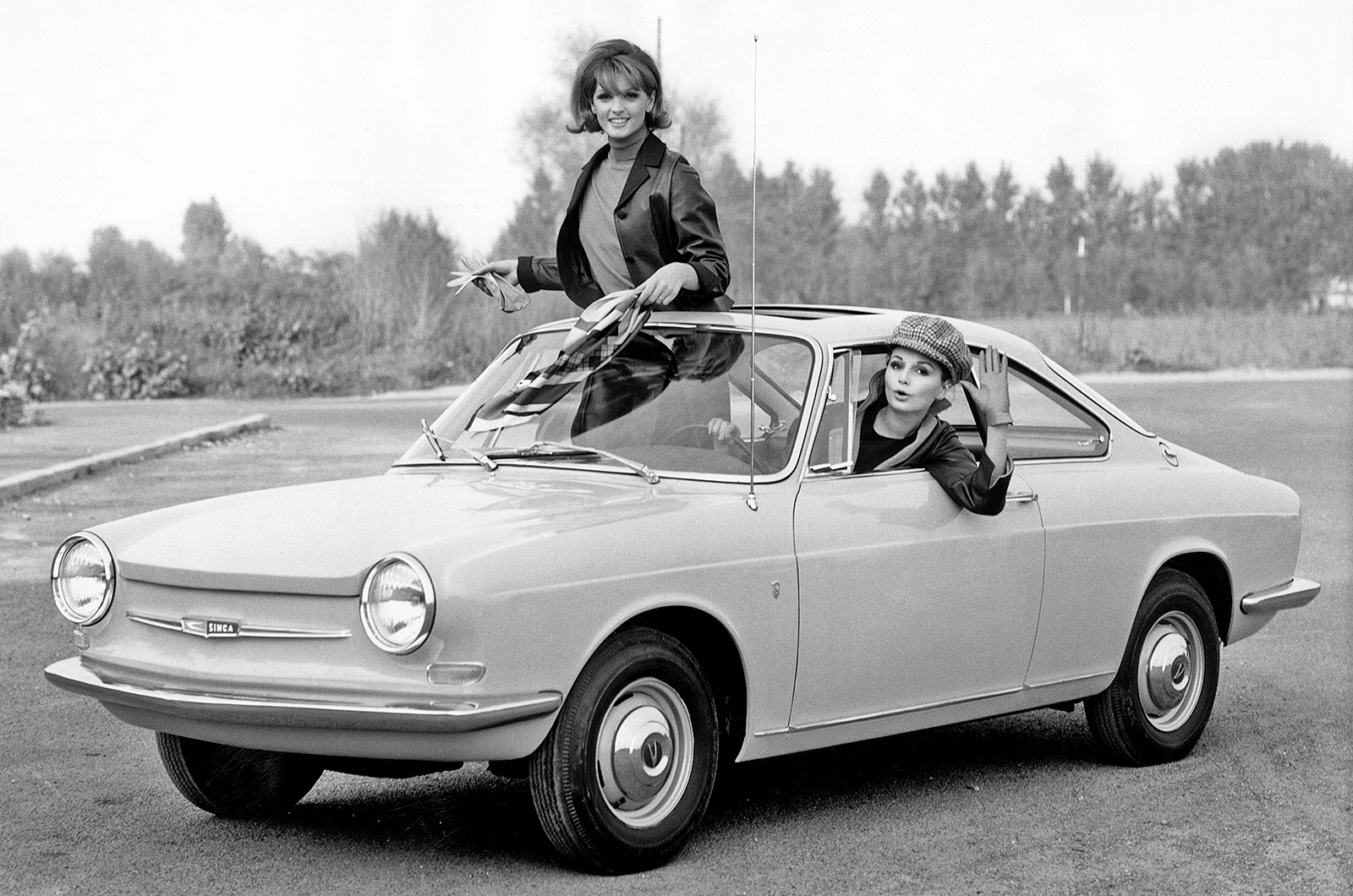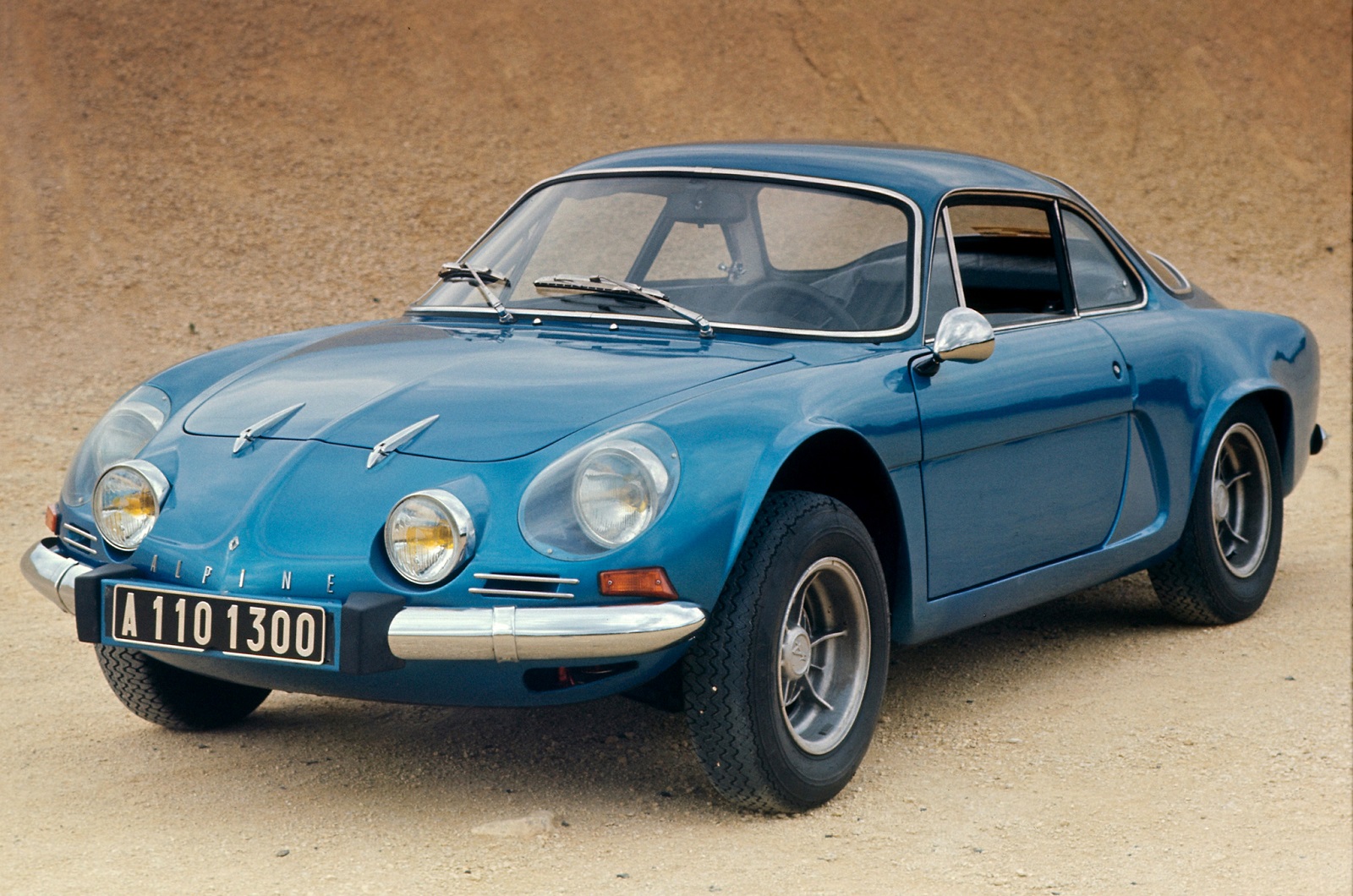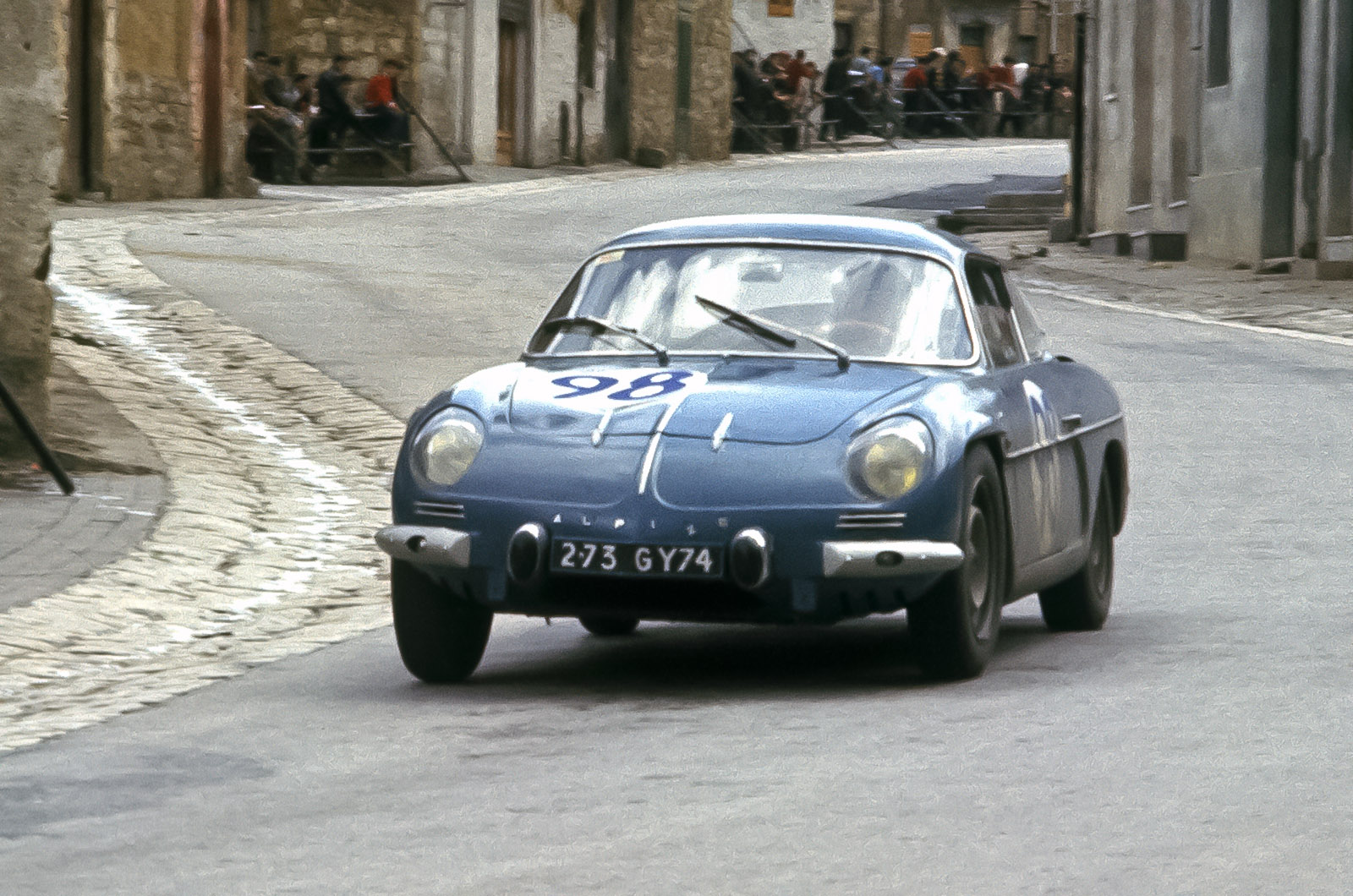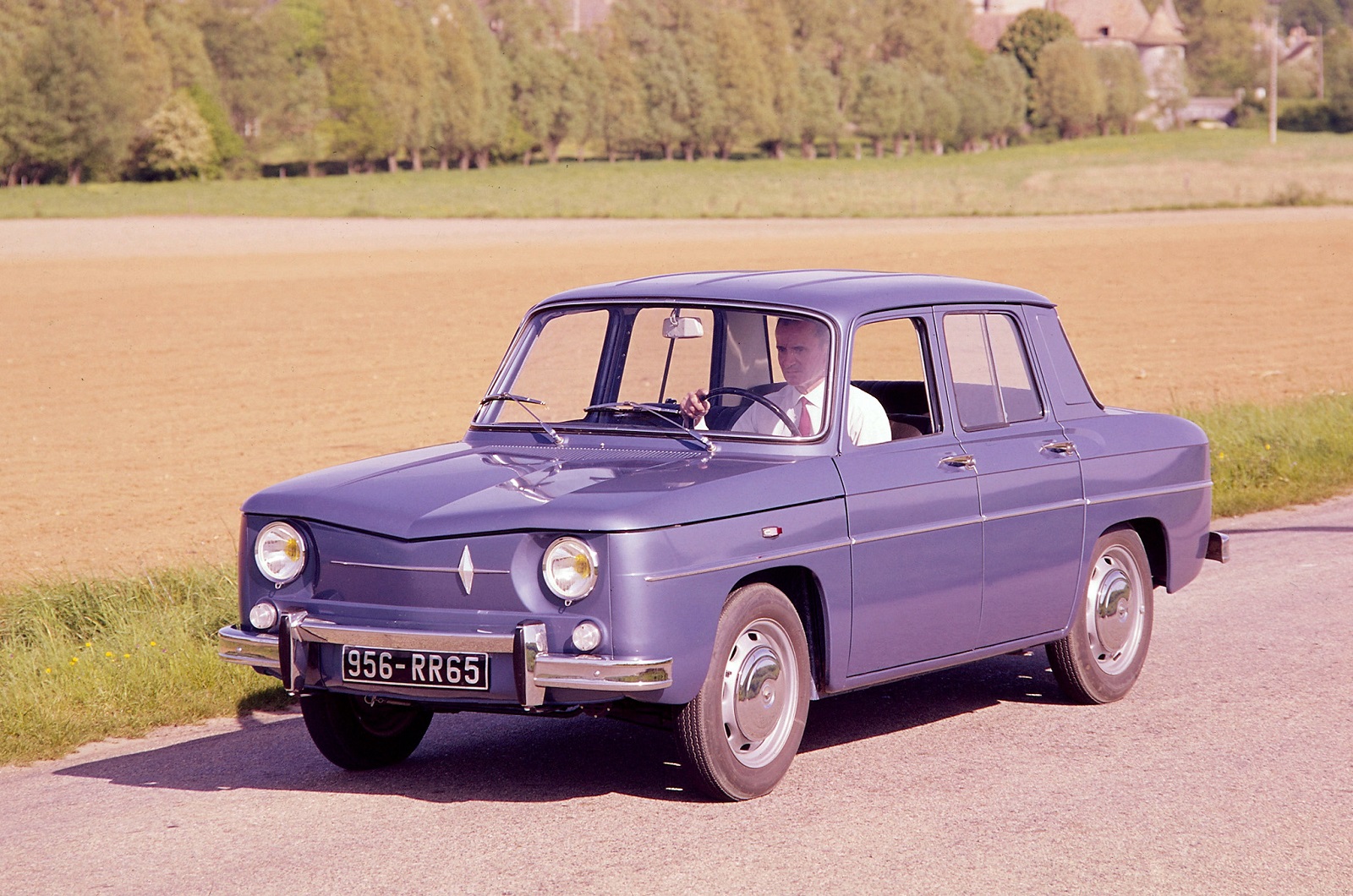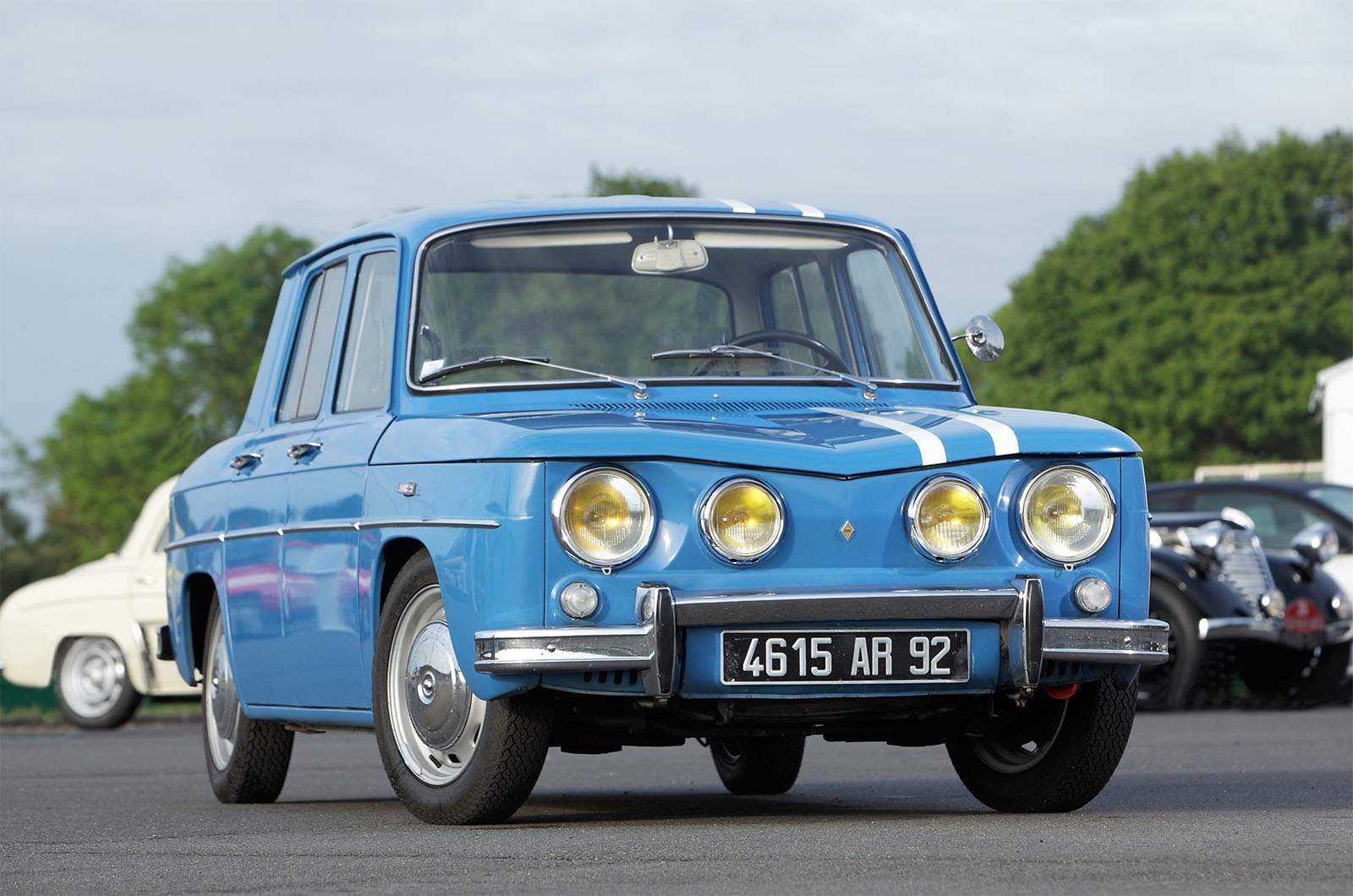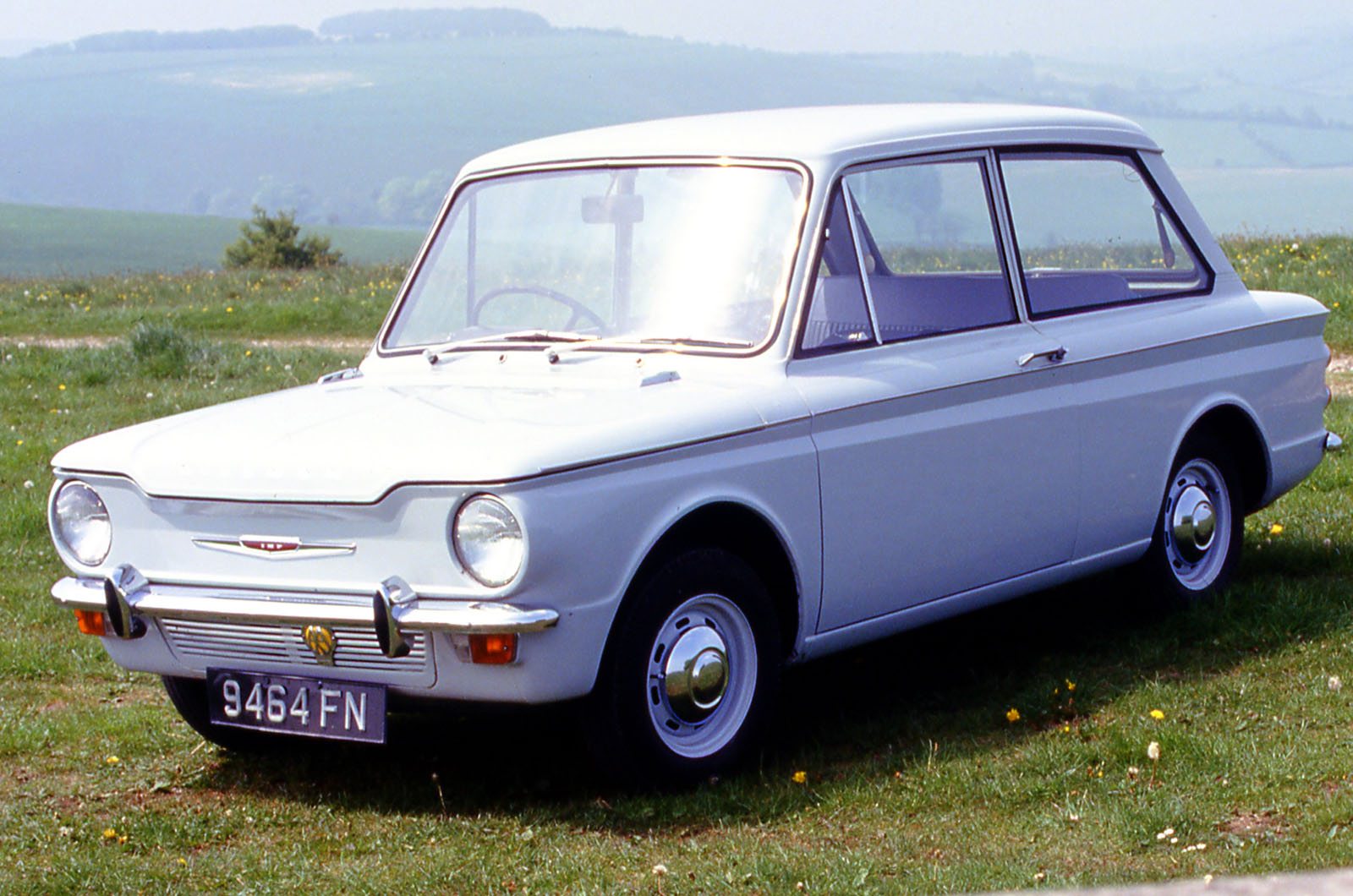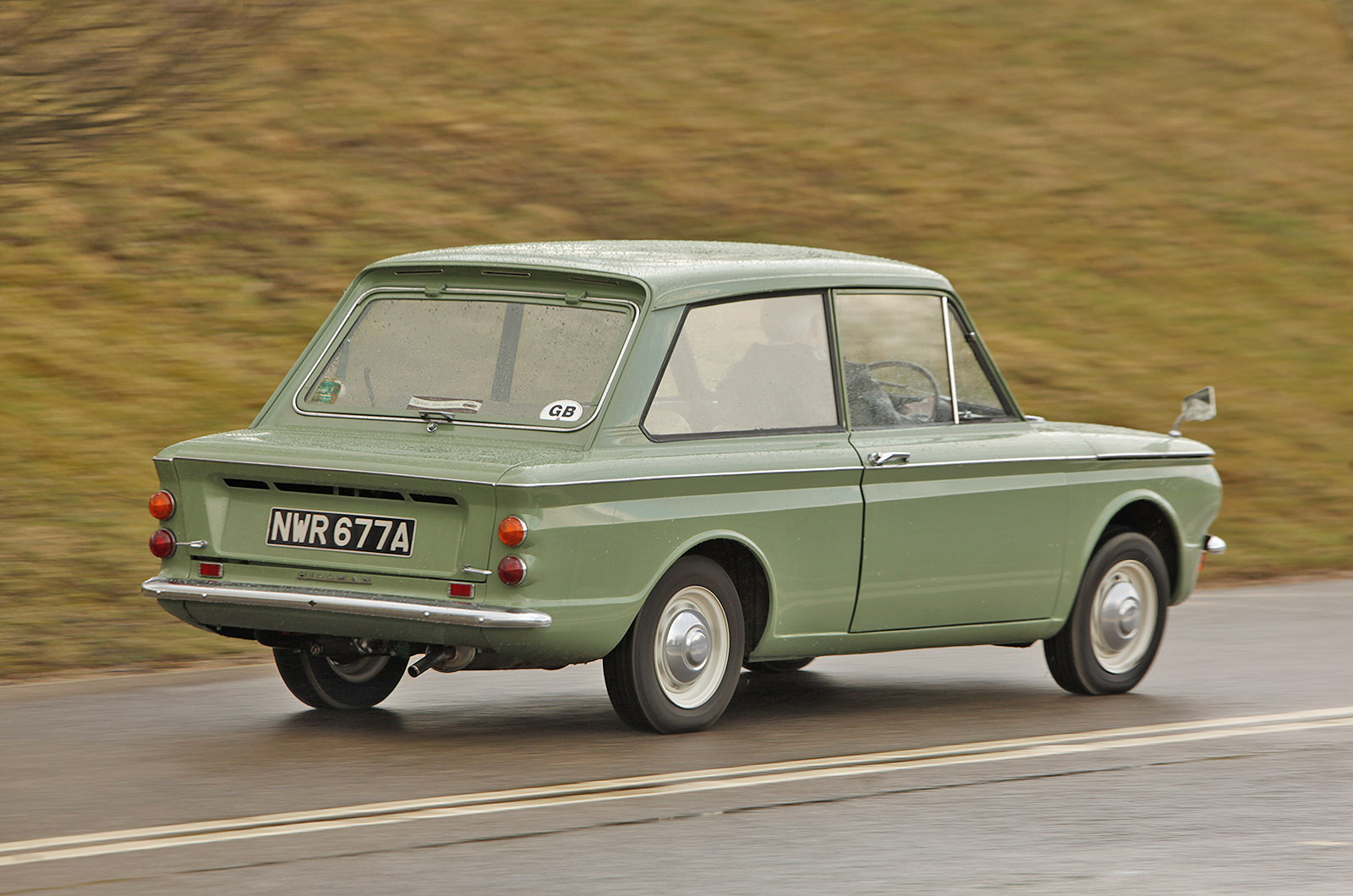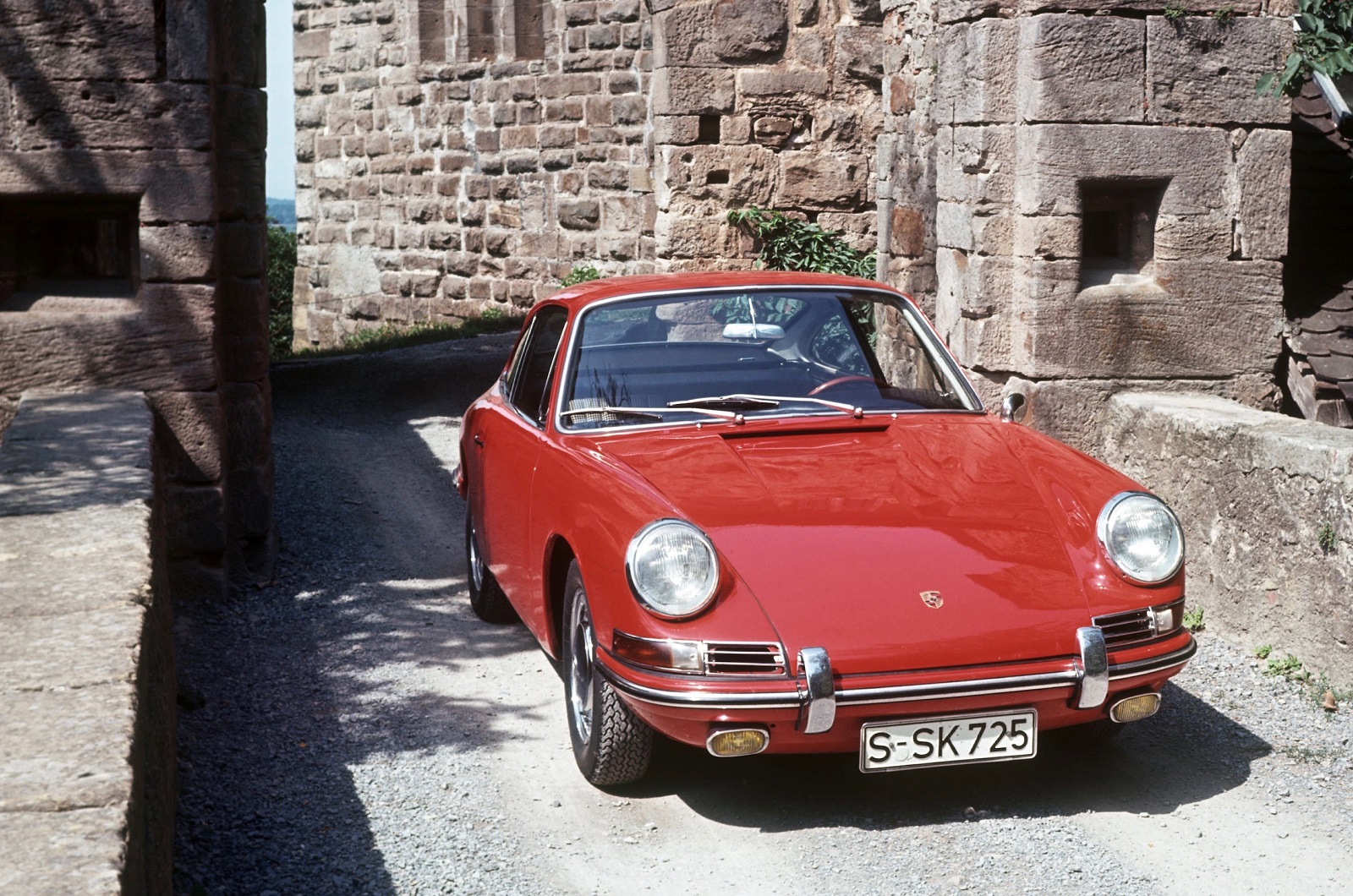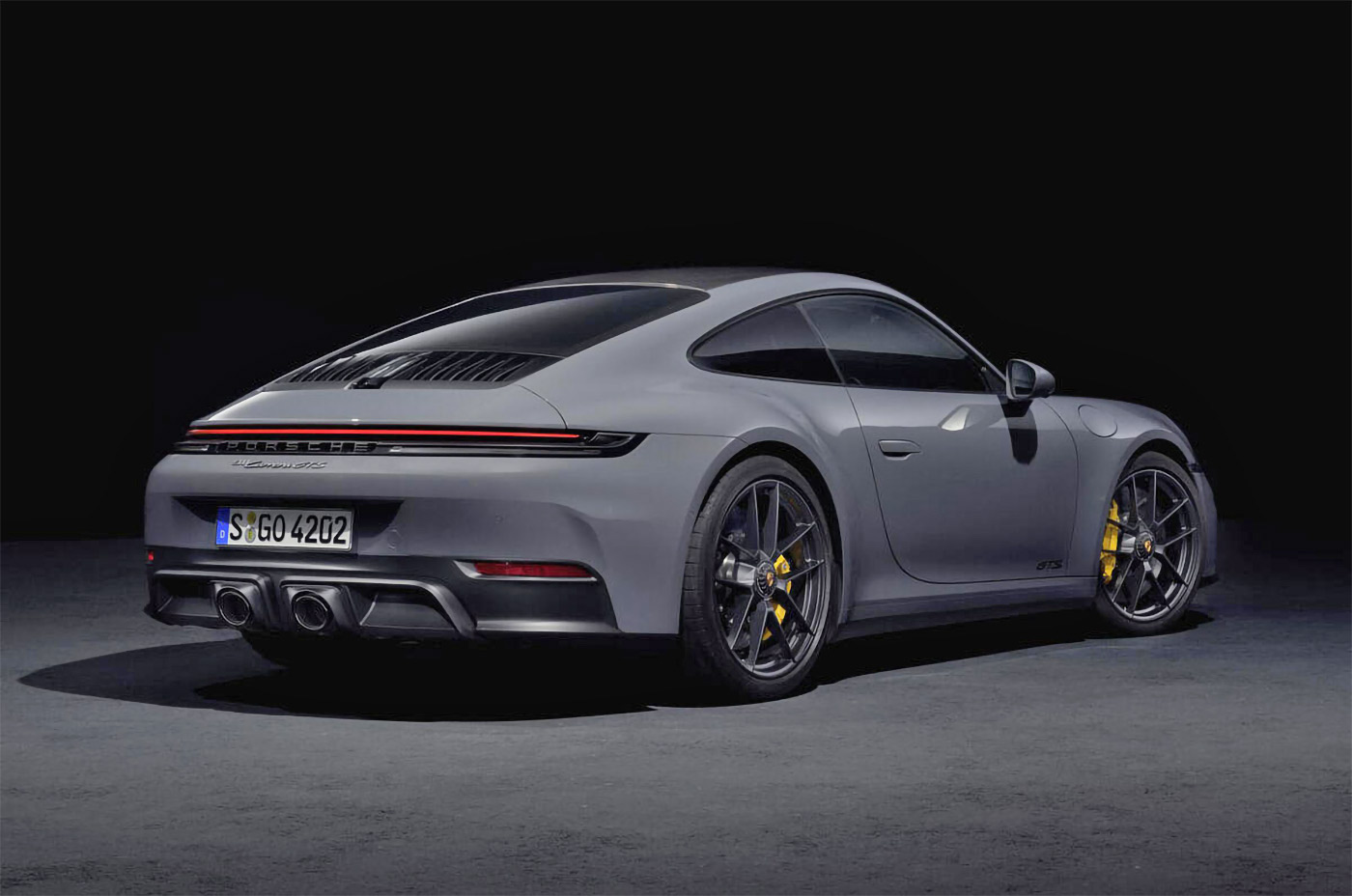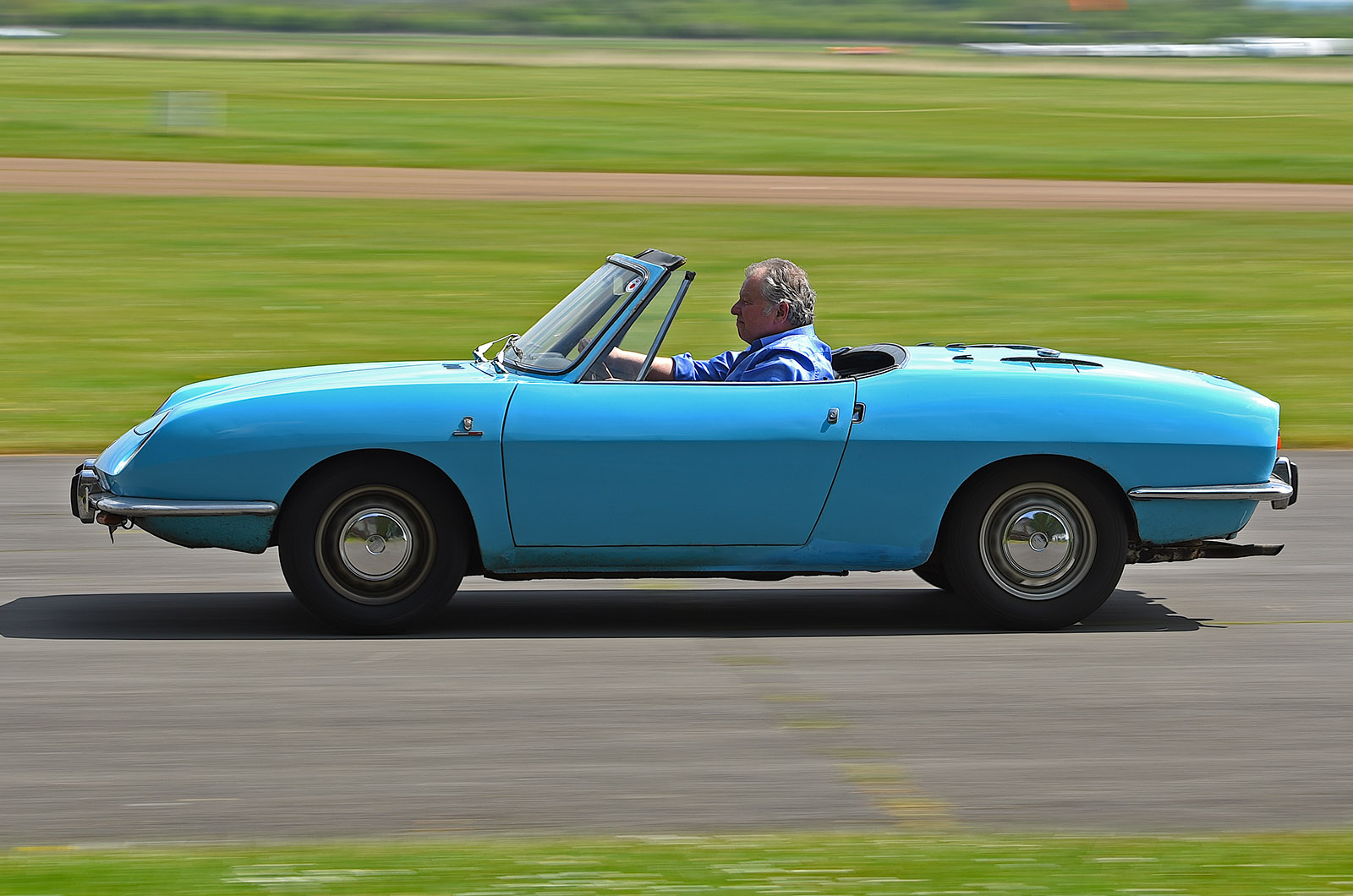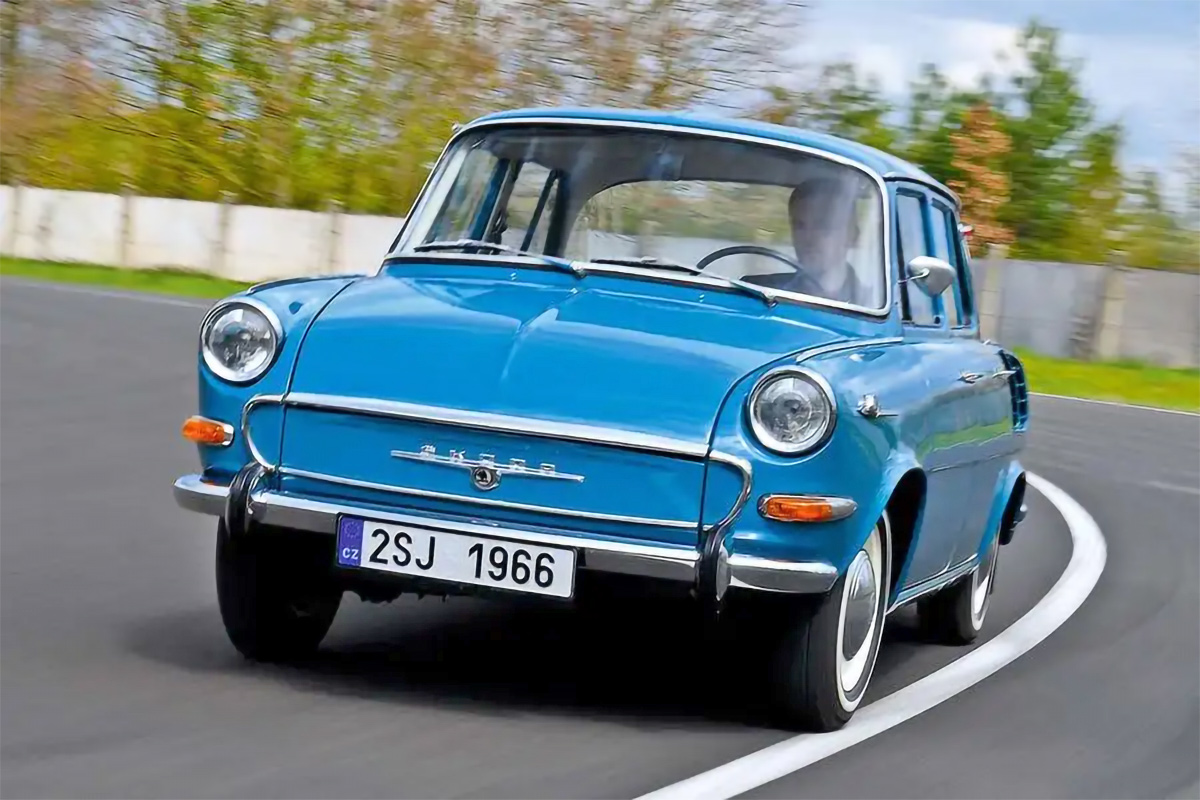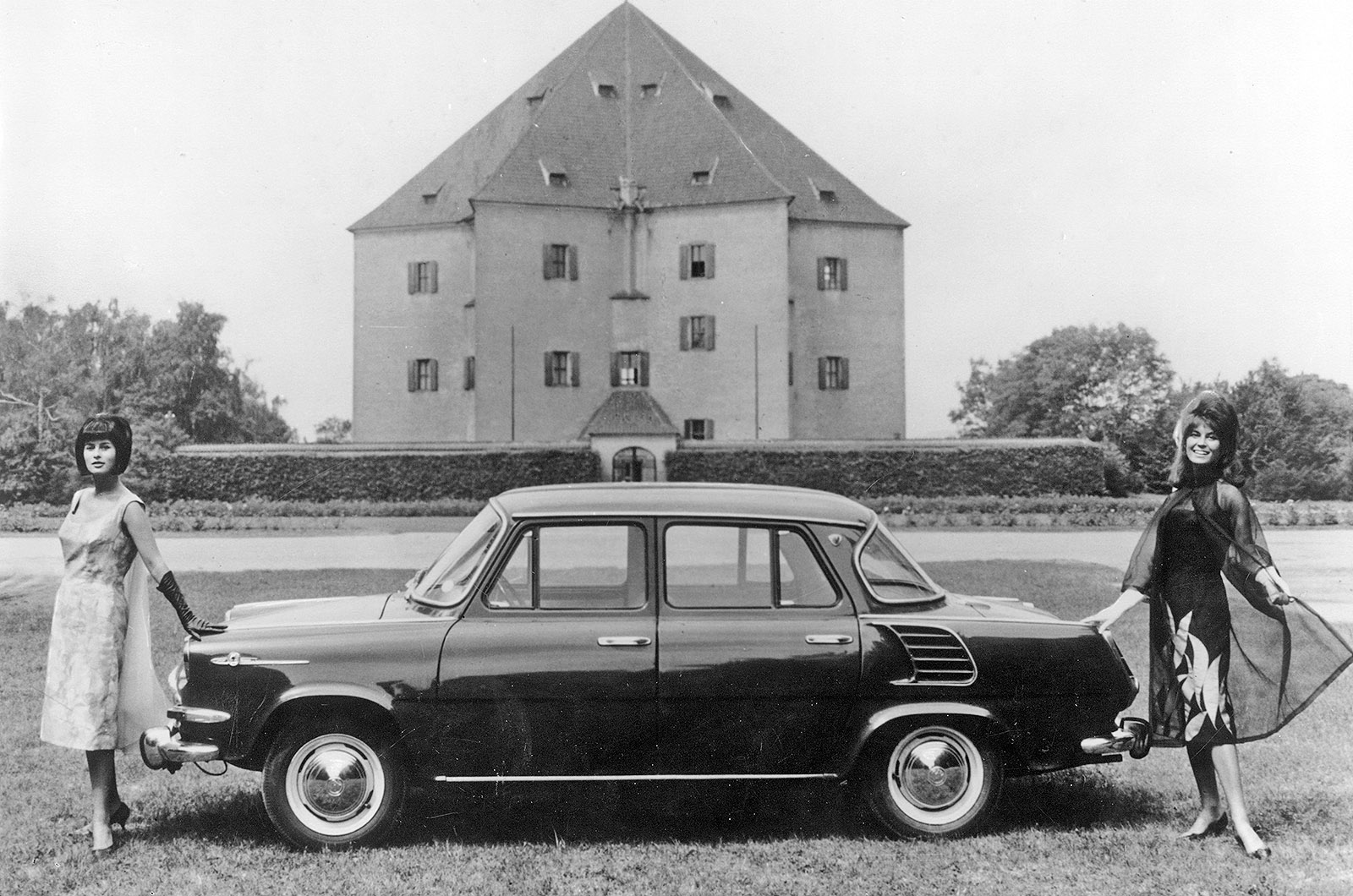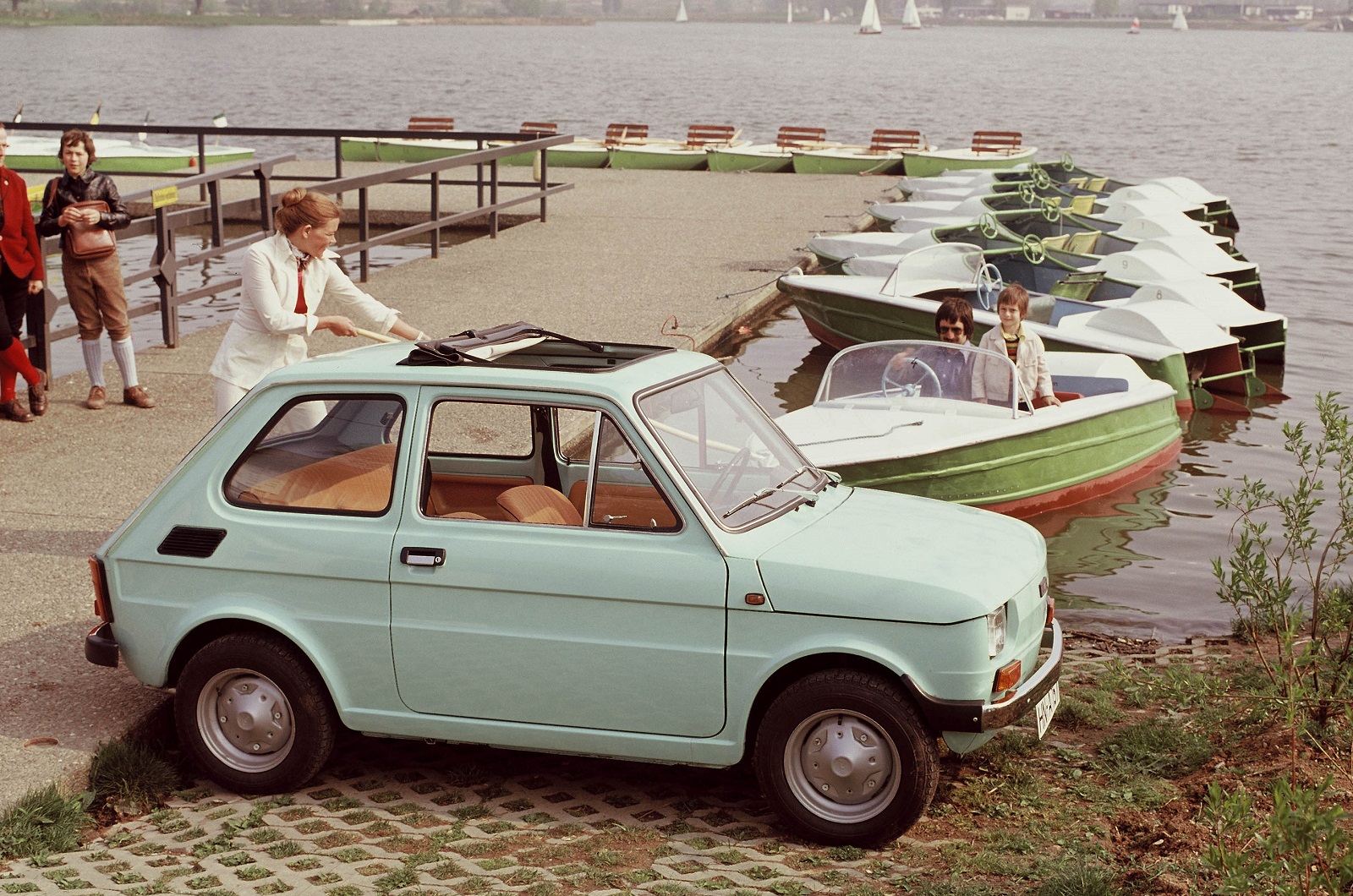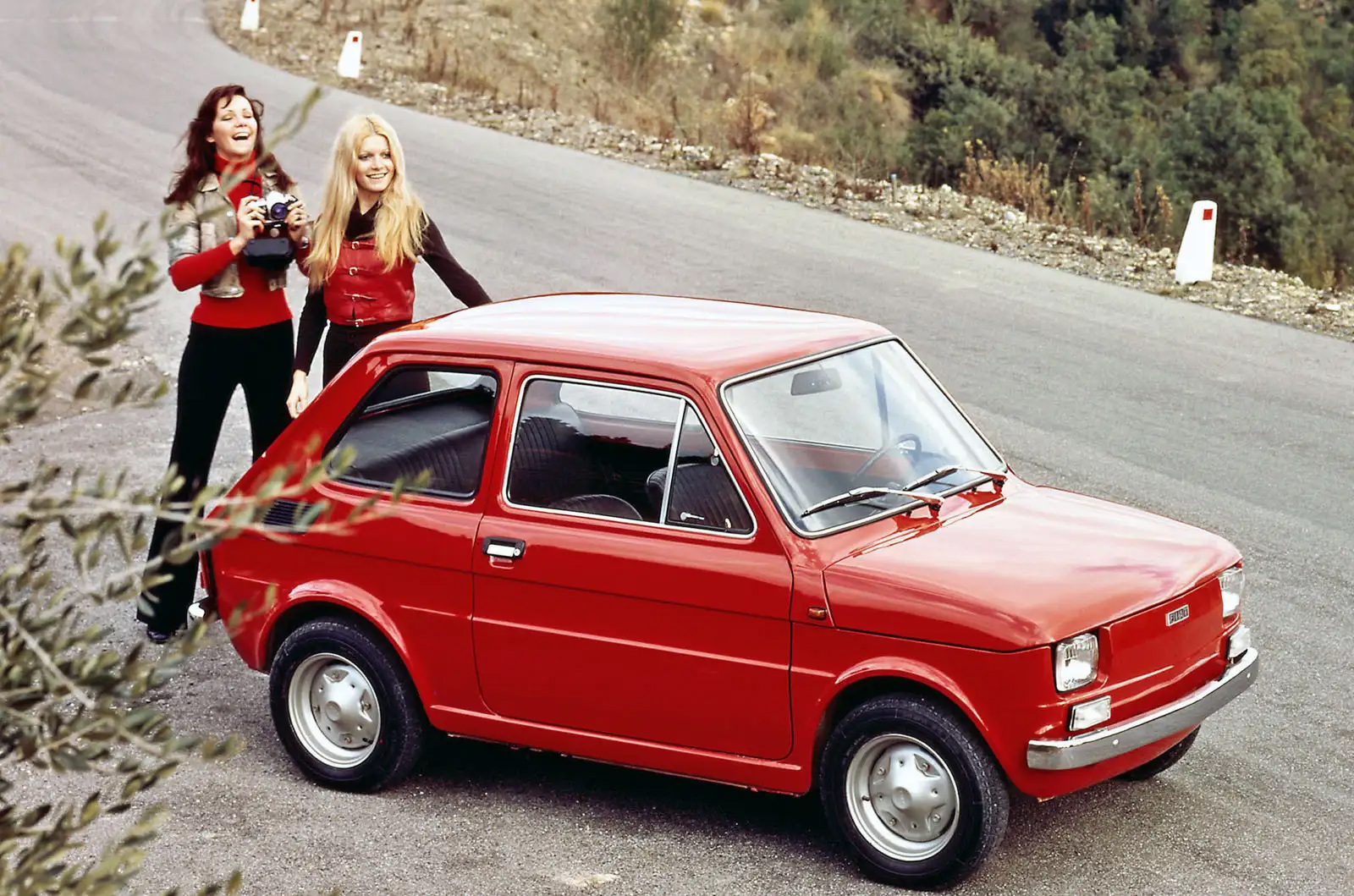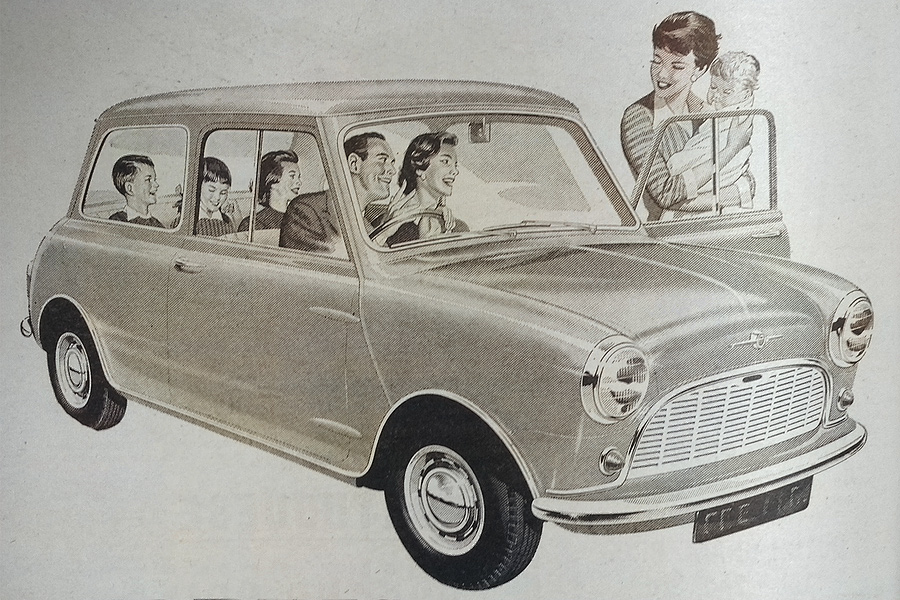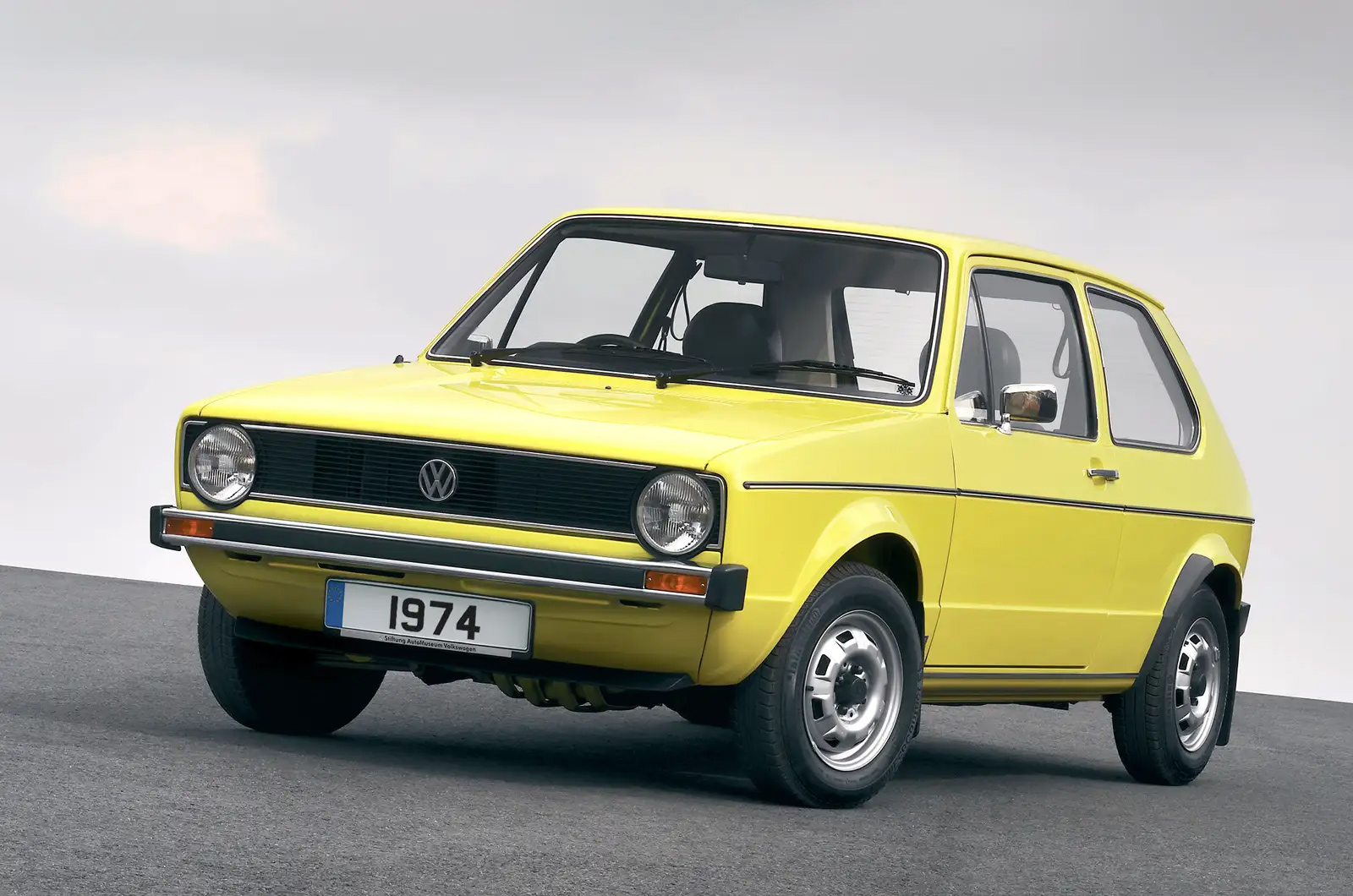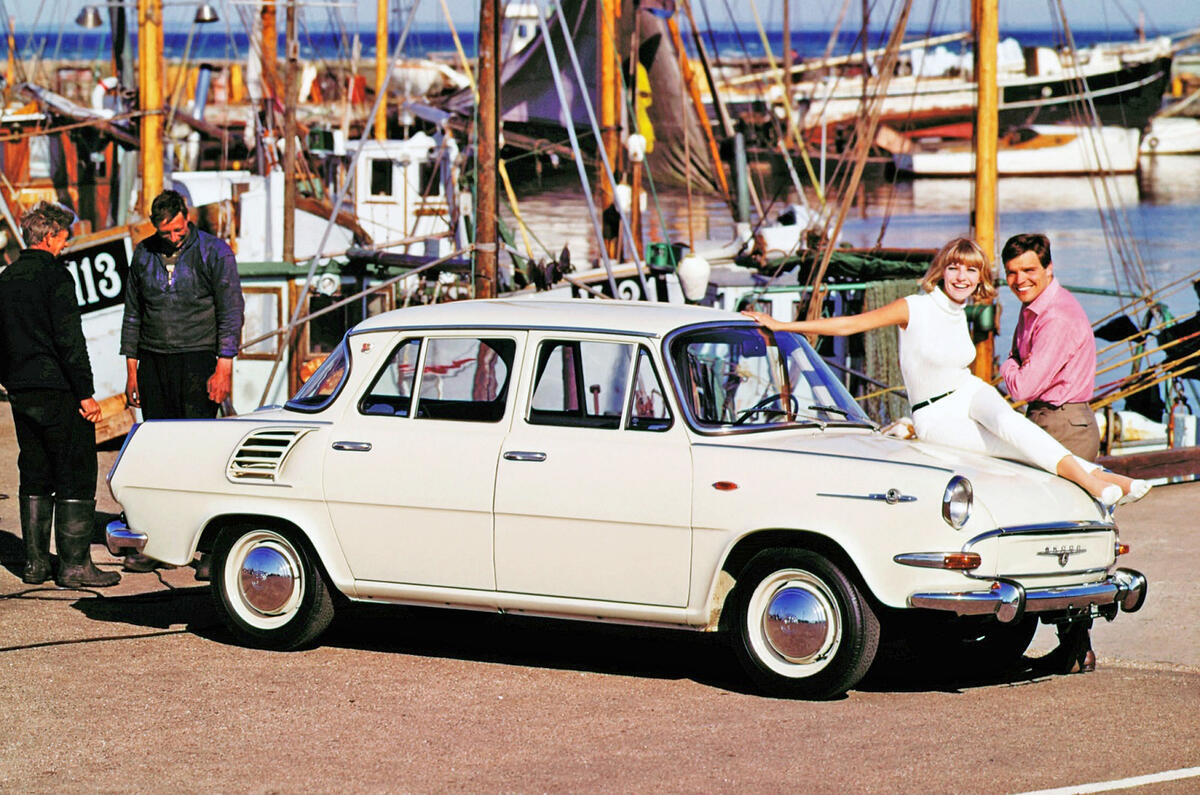

An entire generation of motorists learned to drive with a rear-engined car.
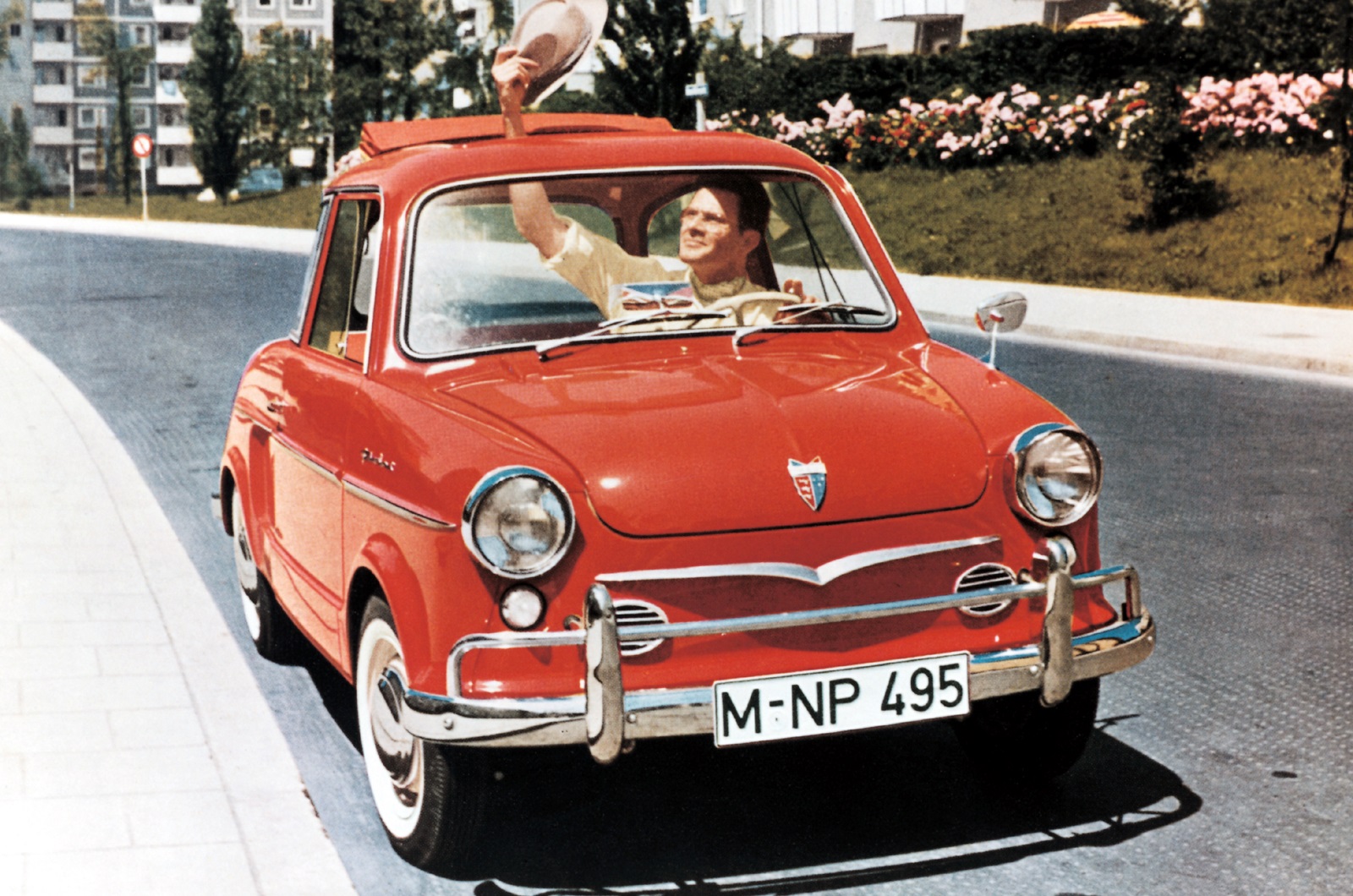
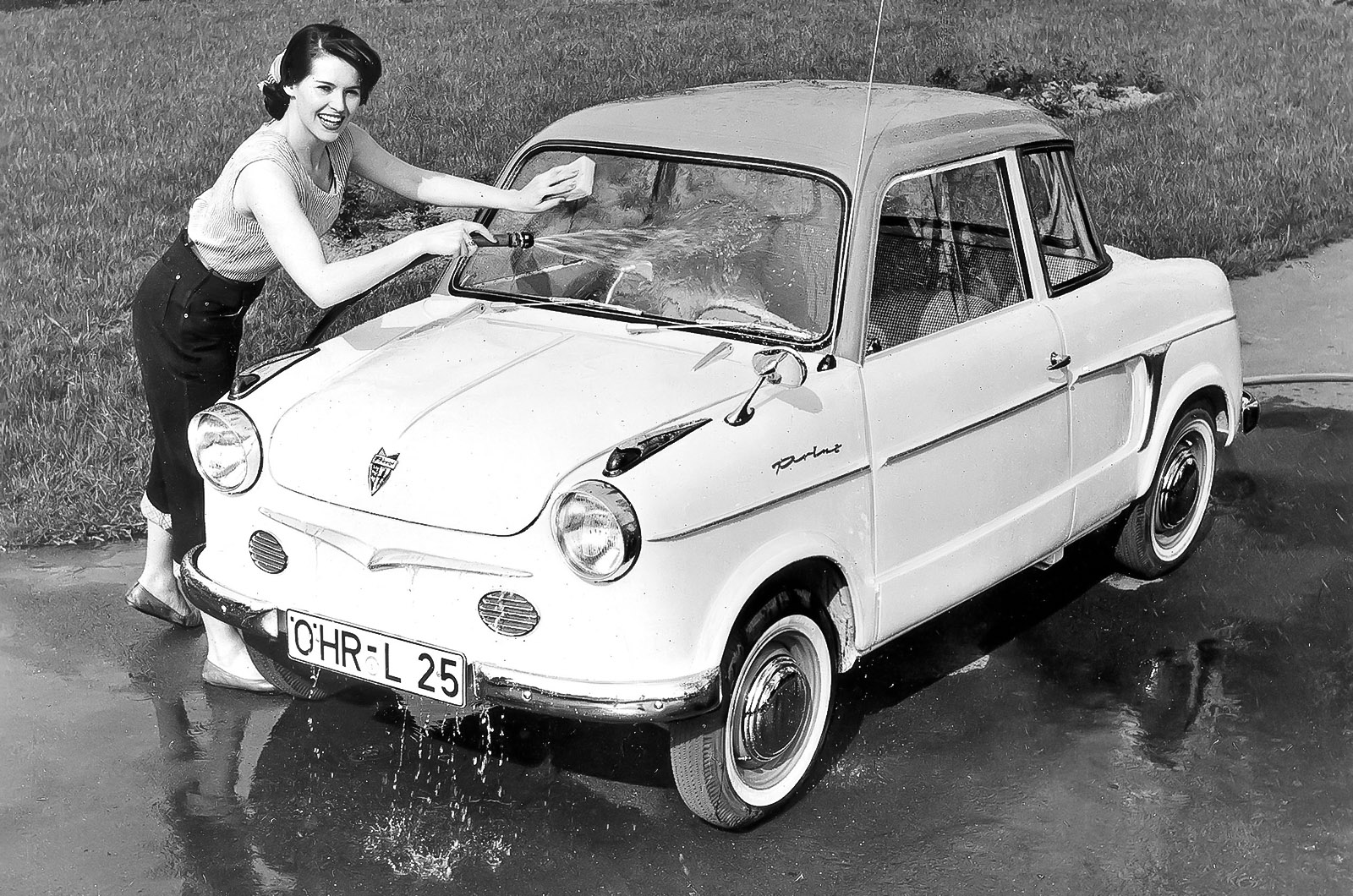
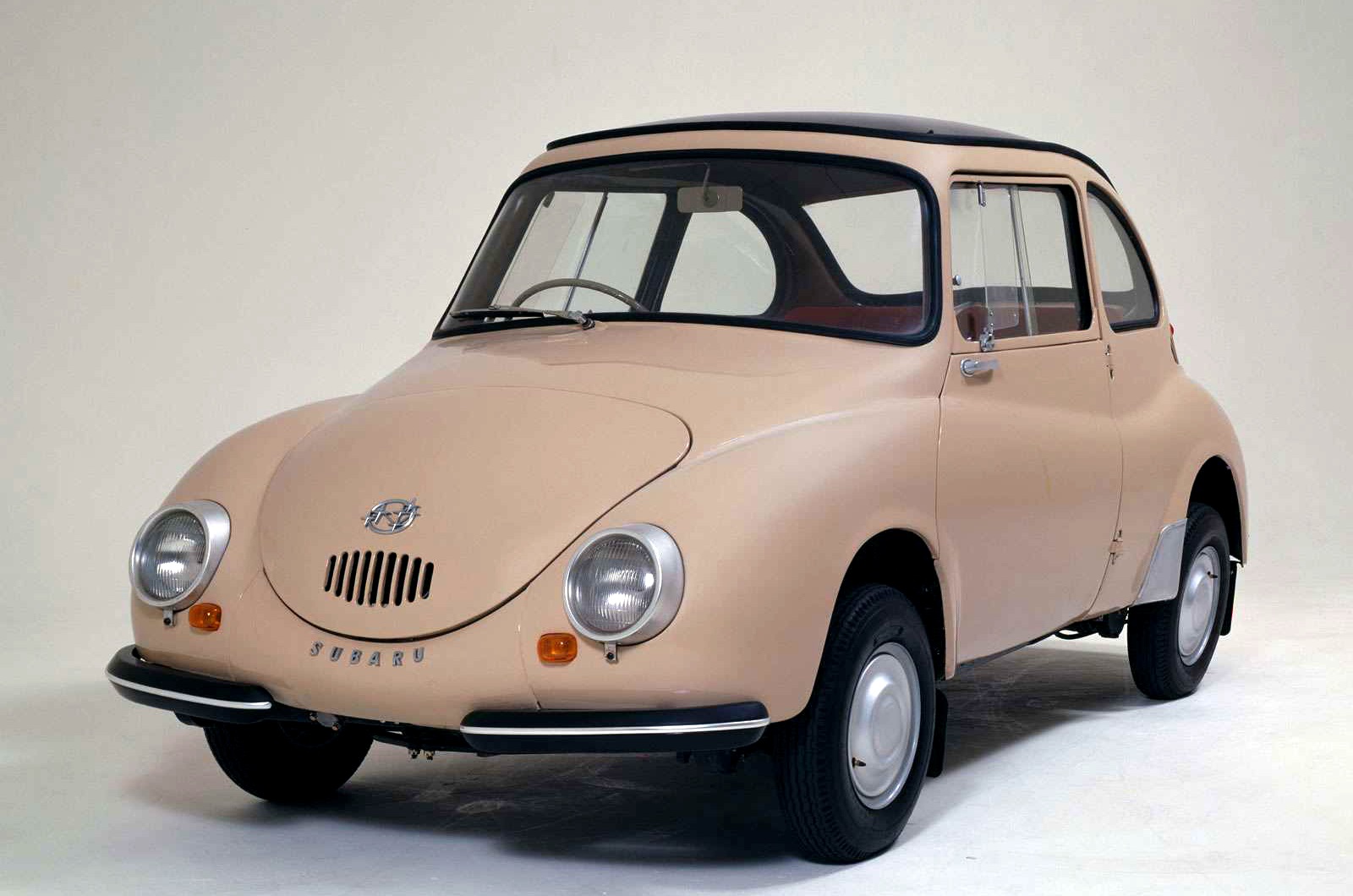
This type of car became immensely popular during the 1950s and the 1960s and companies from all over the automotive spectrum touted their merits in every market they sold cars in. Moving the engine to the back reduced the cost of a car and made its interior more spacious while keeping its overall dimensions in check, they argued.
However most car companies moved away from the rear-engined layout as quickly as they adopted it as tastes changed. Here we look back at the car that represent its glory days, and the reasons for its decline.
Why?
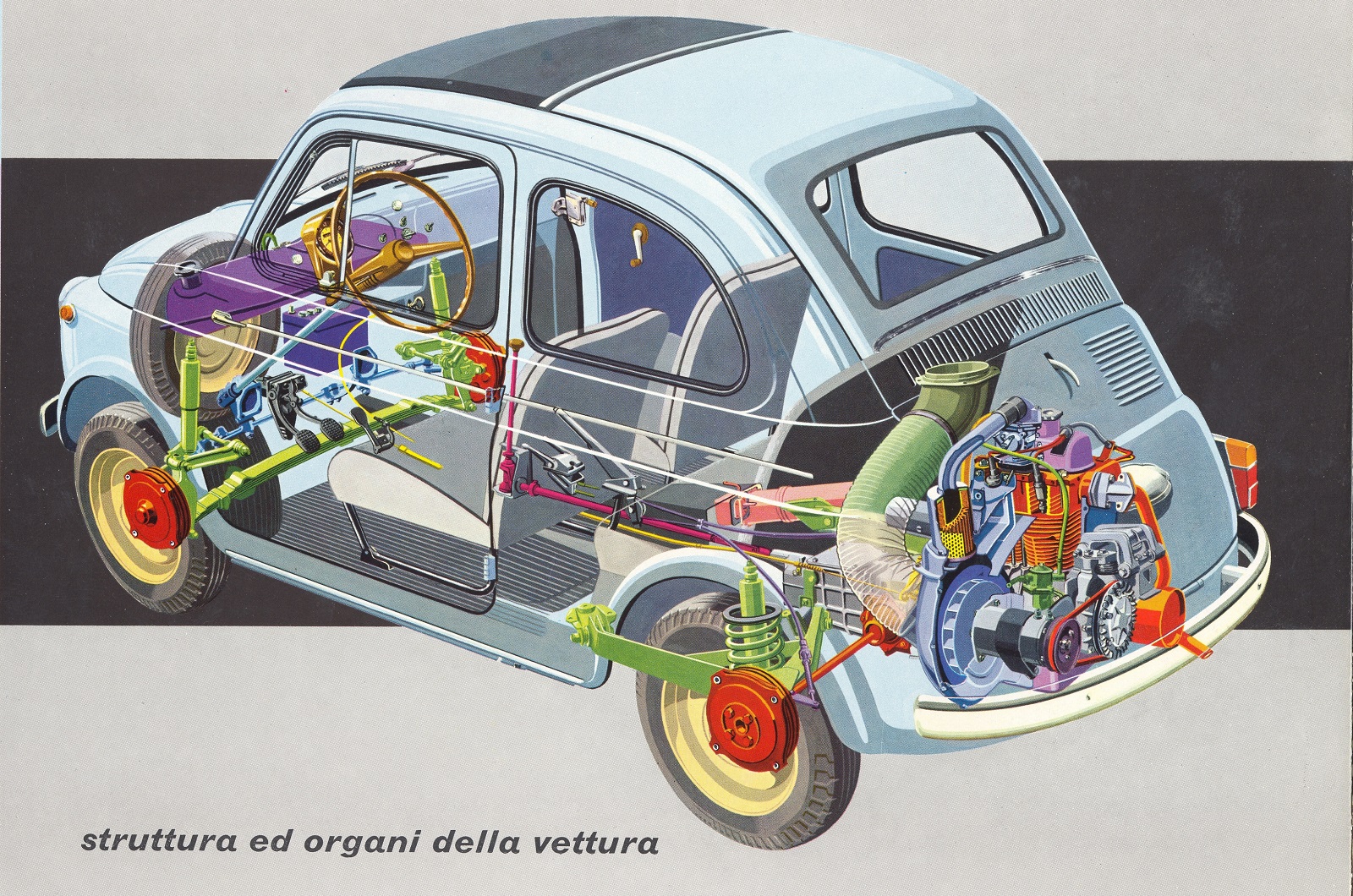
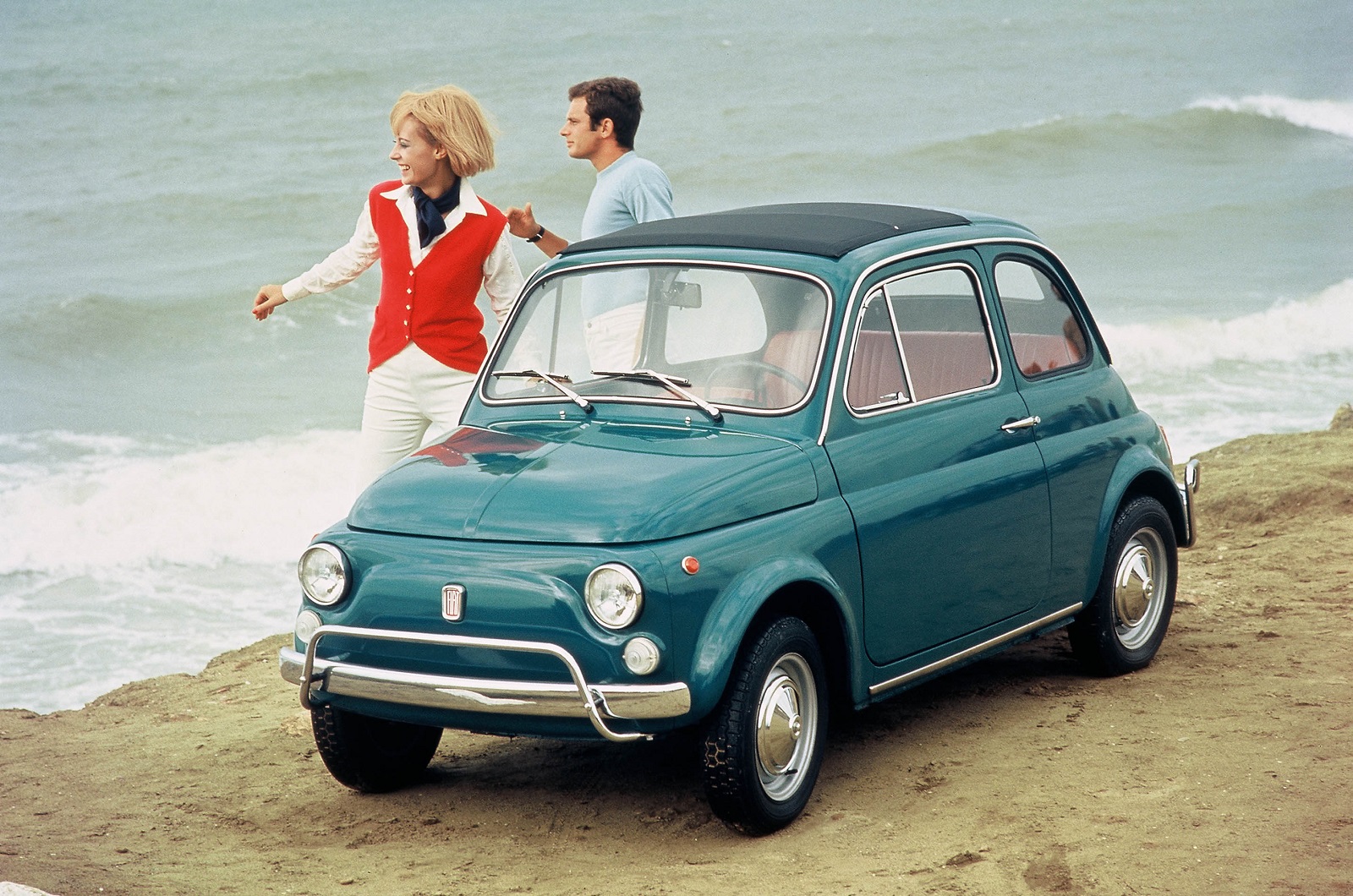
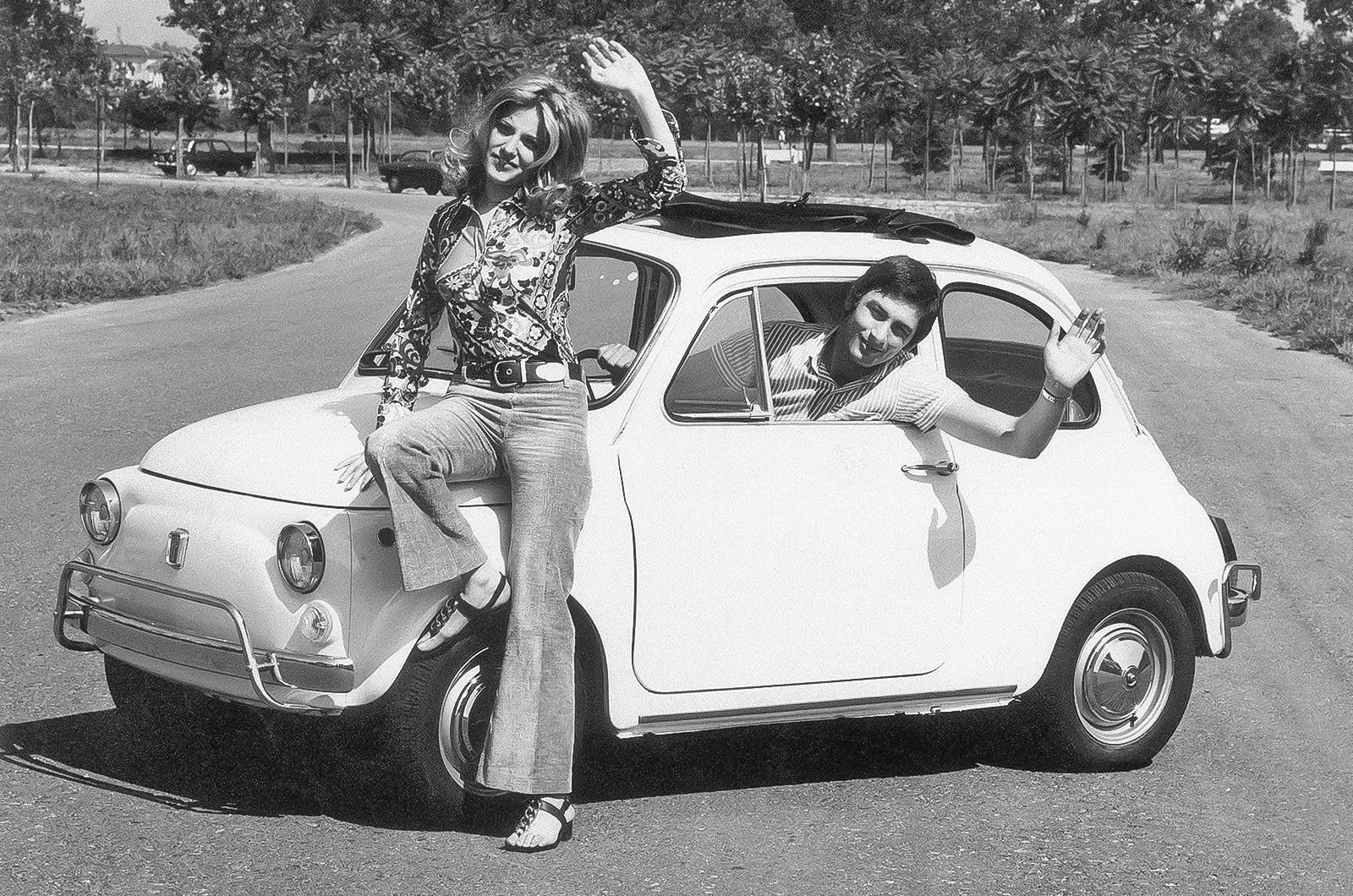
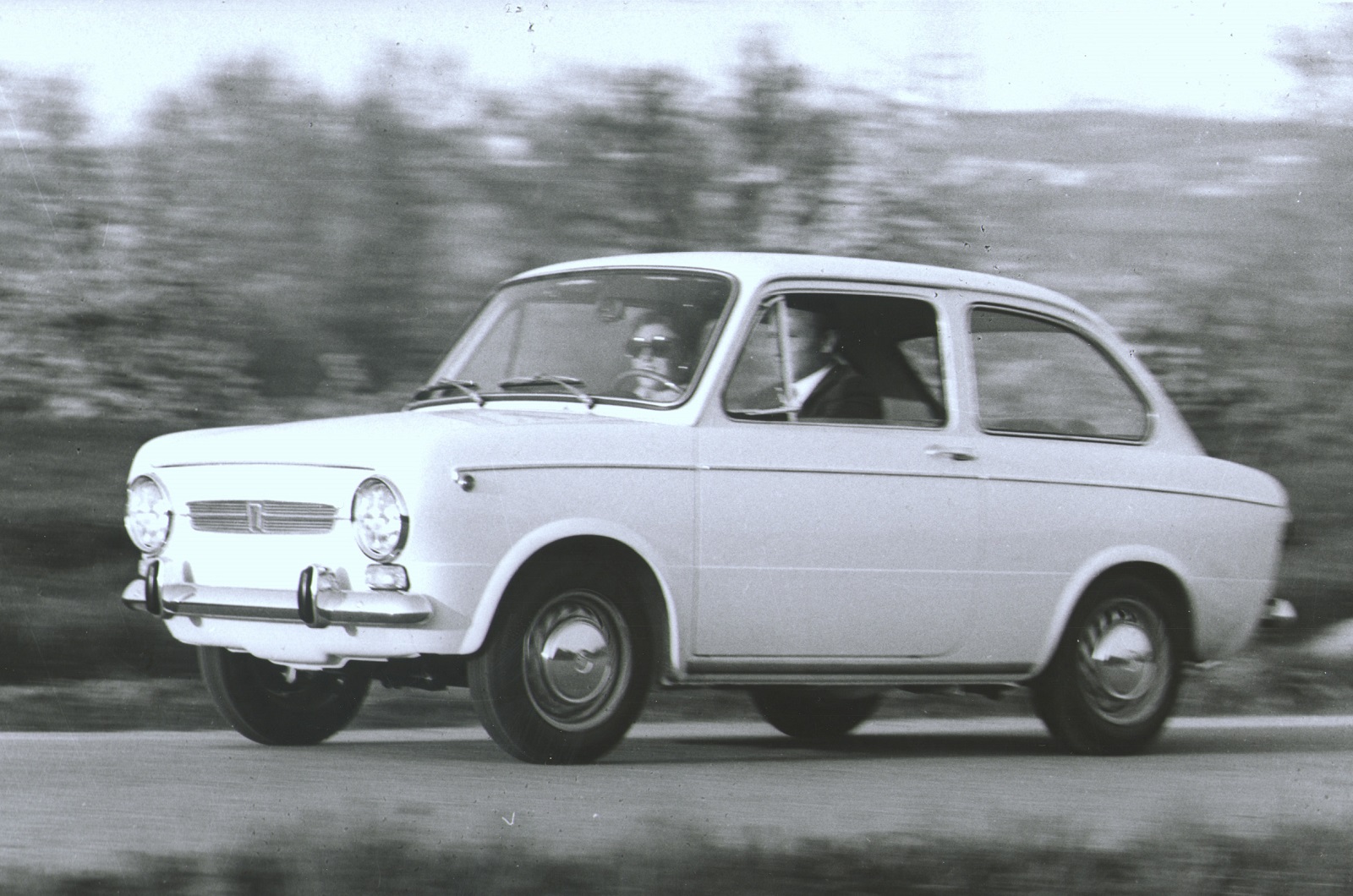
Weight, cost and packaging constraints drove several car-makers towards the rear-engined layout after the second world war. In his book, Fiat engineer Dante Giacosa explained why the Italian firm adopted the configuration for the Fiat 600 and then the Fiat 500 (pictured).
“The decisive element deciding me in favour of the rear engine-transmission arrangement was cost. The front arrangement was attractive because of the technical advantages presented by front-wheel drive, and even more because of the space it would leave free for the coachwork, but it would have made an economy model of the size we aimed at much more expensive than the rear-engined arrangement.”
Though he speaks only on behalf of Fiat, his reasoning explains why most mainstream car-makers adopted a rear-engined layout. The configuration began rising in popularity well before the 600 made its debut in 1955, though, as we’ll see:
Tatra V570 (1931)
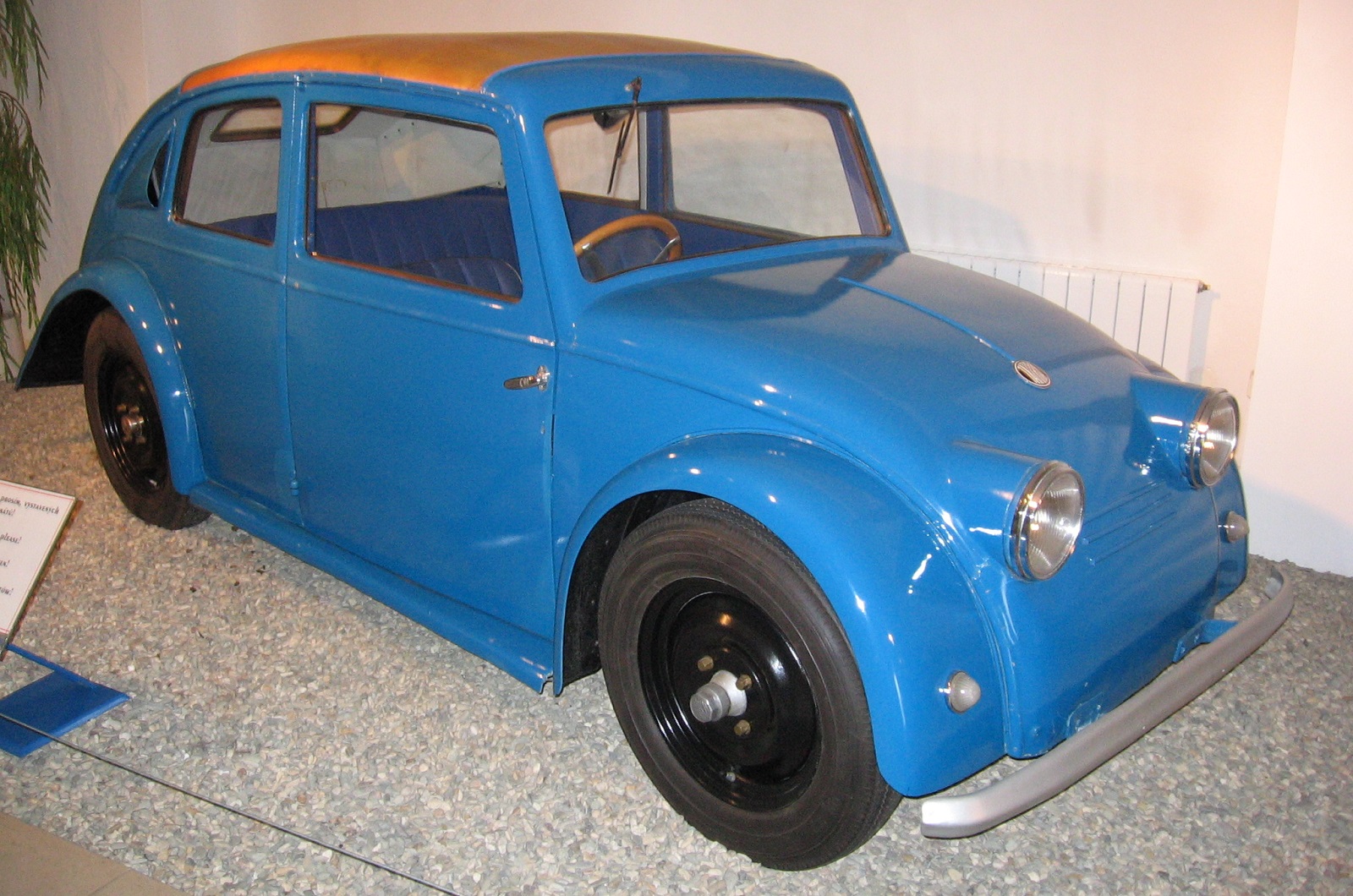
The Czech firm Tatra started experimenting with rear-engined cars when it built a prototype named V570 in 1931. Its creators argued putting the engine in the back made the car quieter and more spacious because it didn’t need a transmission tunnel.
Tatra V570 (1931)
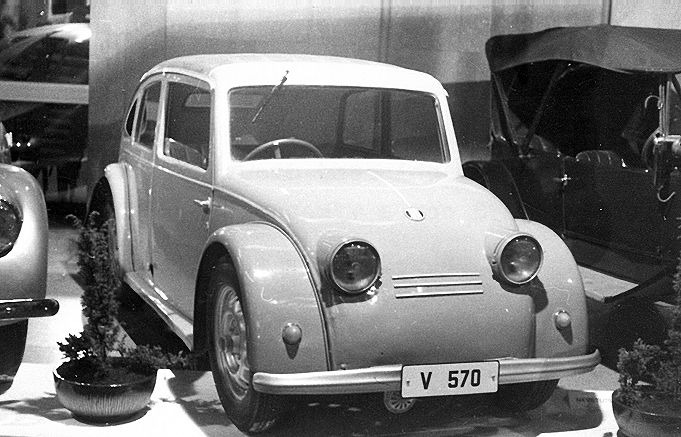
The layout also let it design a more aerodynamic body by extending the back end. The V570 was never mass produced but it’s a fascinating part of history because many historians claim it directly influenced the Volkswagen Beetle.
Tatra 77 (1934)
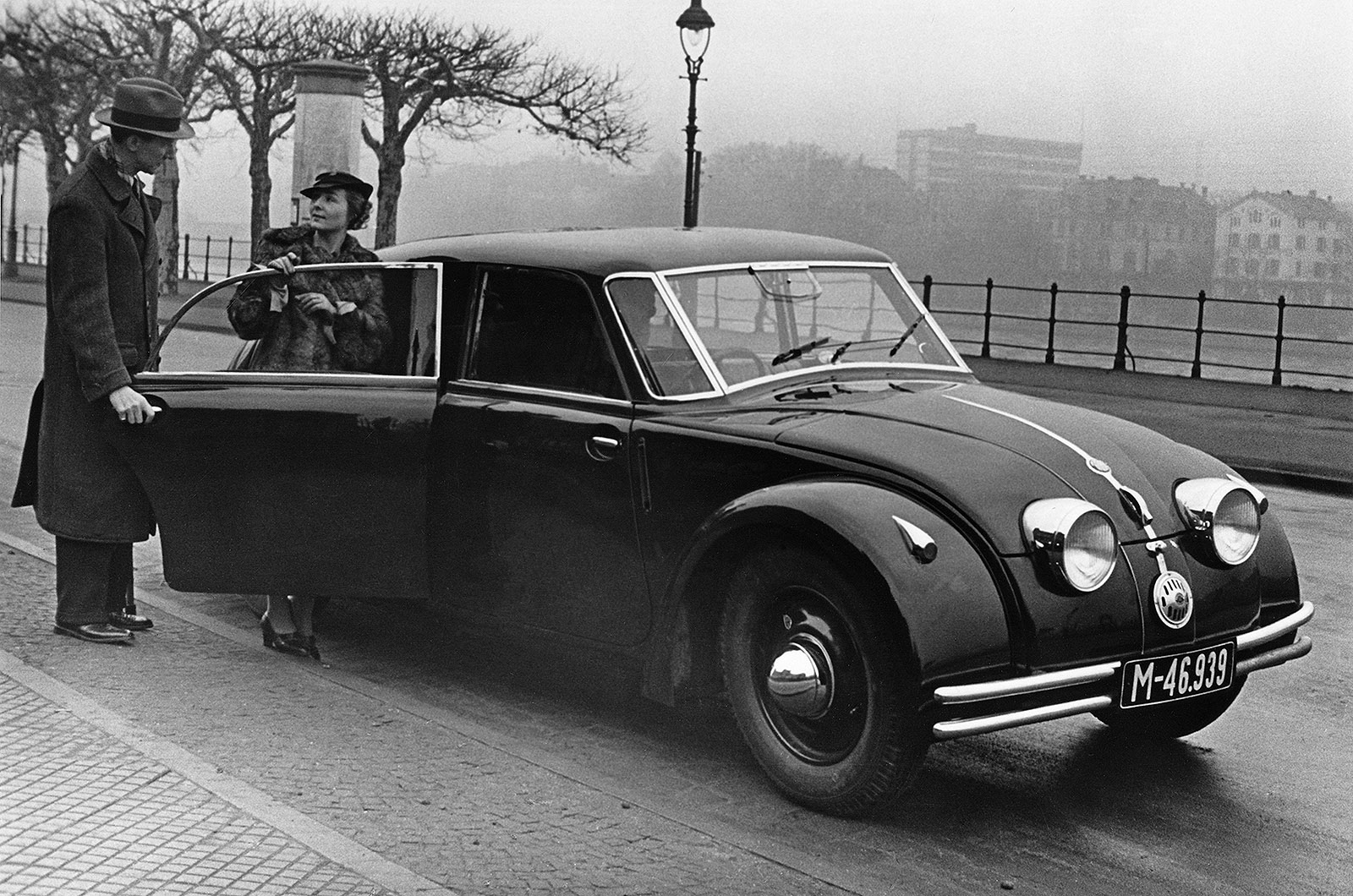
Tatra took the lessons it learned from the V570 project into a production car named 77. Launched in 1934, it was much larger than the prototype that helped shape it but the two cars shared several important attributes like a streamlined design and a rear-mounted engine.
Tatra 77 (1934)
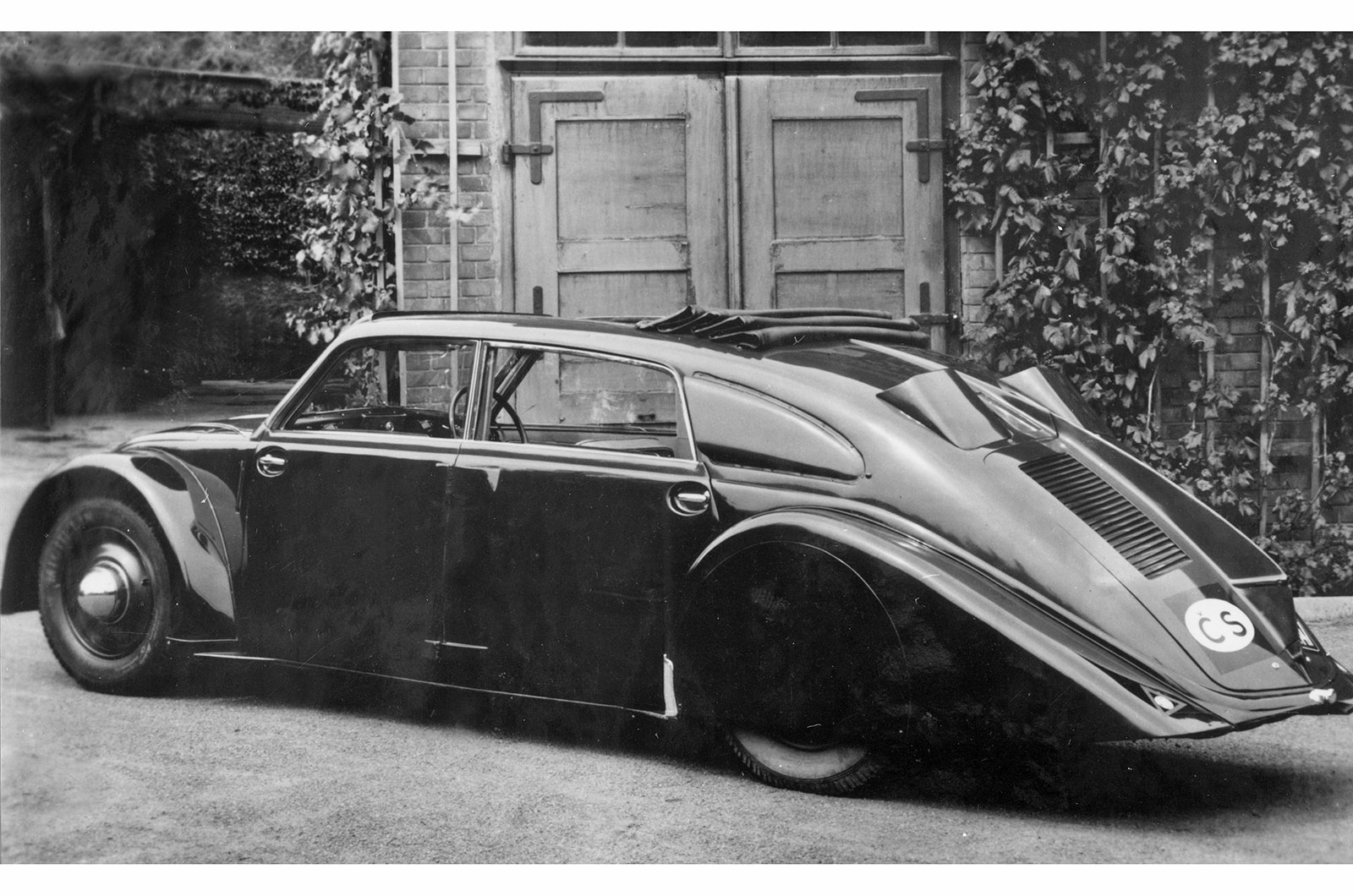
The unit in question was an air-cooled V8 rated at 60bhp. The later 77a received a bigger, 75bhp V8. The 77 can hardly be considered a mass-produced car; production ended in 1938 after Tatra made about 250 examples. It's significant because it laid the foundations Tatra built on until it stopped making passenger cars in 1999.
The 700 of 1996 was its last car, and was a large, aerodynamic four-door with a rear-mounted, air-cooled V8 – just like the 77.
Volkswagen Beetle (1938)
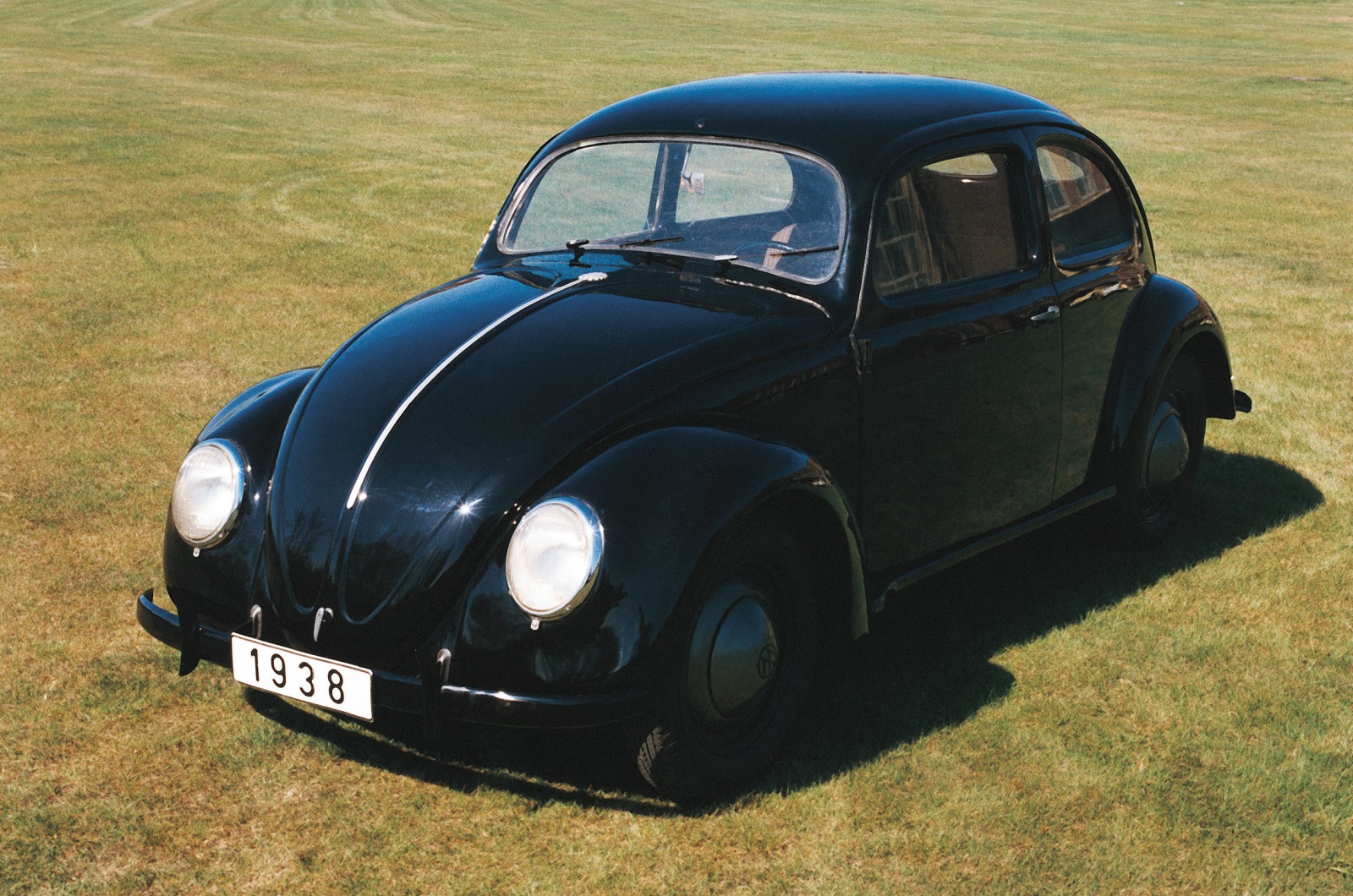
Adolf Hitler asked engineer Ferdinand Porsche to develop an affordable, economical car capable of putting Germany on wheels, at a time when car ownership was much lower than in neighbouring France.