


Modern civilisation revolves around crude oil.
Cars are one of the most visible uses for it, and therein lies the story of two brothers: petrol and diesel. They’re born of the same origin and differentiated by little other than the lengths of their carbon atom chains, yet diesel has a far dirtier (literally) image.
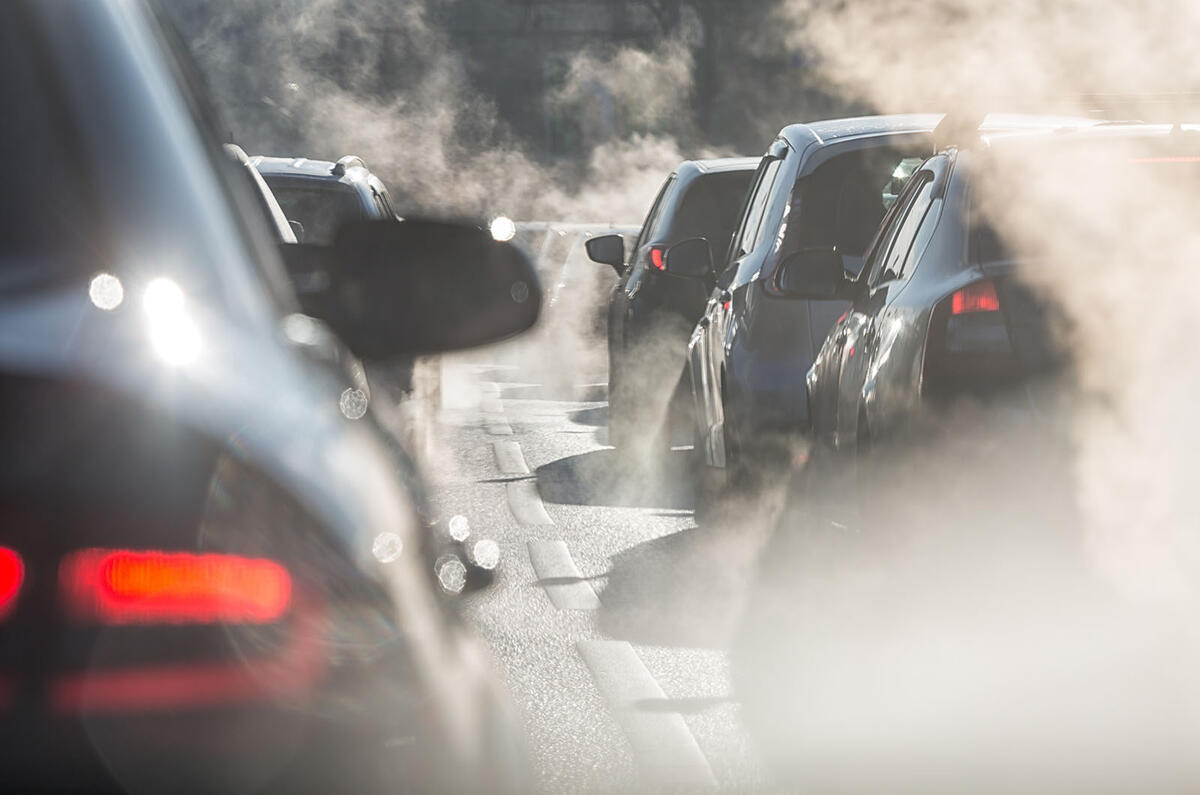
After all, it’s estimated that despite being more fuel efficient and producing less CO2, diesels cough out as much as 10 times more polluting soot particles than equivalent petrol-engined cars.
On 2 October 1996, Autocar’s Tony Lewin wrote about the uncertain future of the controversial fuel.
Health issues
“Diesel is set to become the environmental battle of the next decade,” we began. “Just as more car makers are turning to diesel power in order to meet stringent consumption targets, environmentalists and medical experts have come up with new warnings linking diesel particulate (PM) emissions with increased risk of respiratory diseases and cancer.”
In 1996, US Lung Foundation expert Mike Walshe said: “Diesel is hazardous because the small particles are drawn deep into the lungs and past the natural defence of the body" and that "evidence is emerging that new technology is making particles smaller, reducing their mass, not their number. This may make the health risks worse.”
Indeed, in 1988, diesel engine exhaust fumes had been classified as a ‘probable’ carcinogenic by the UN’s World Health Organization (WHO). In 2012, it confirmed that status, placing diesel in the same category as asbestos, arsenic and mustard gas.
At the time, Dr Christopher Portier, chairman of the group behind the research, said: “The scientific evidence was compelling and our conclusion was unanimous: diesel engine exhaust causes lung cancer in humans. Given the additional health impacts from diesel particulates, exposure to this mixture of chemicals should be reduced worldwide.”
In that year, the Institution of Occupational Safety and Health (IOSH) estimated that there were nearly 4700 cases of lung cancer, resulting in more than 4200 deaths, linked to diesel exhaust exposure in the EU.
Market share
Back in our 1996 article, Walshe said the most serious worry was “the rise in the number of diesel cars in Europe”.
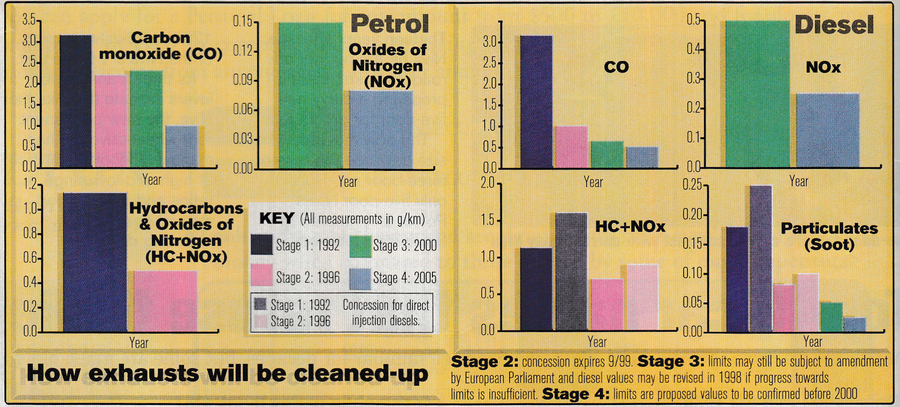
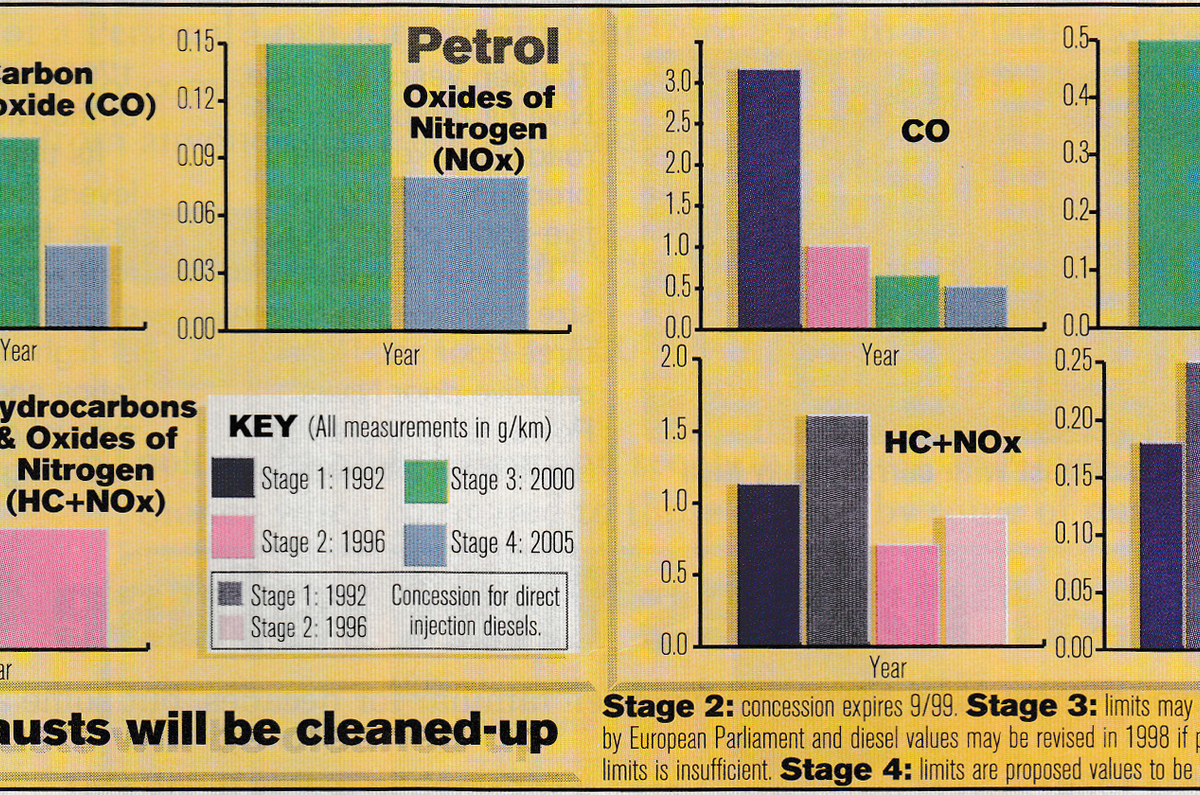
Autocar explained: “Diesels already produce three times as much NOx as petrol models, yet the Euro 3 emissions regulations may result in an overall increase in NOx given off, as the diesel market share climbs.”

We reported that diesels accounted for just 10% of European new car sales in 1982, which had risen to 24% by 1996, and it was correctly estimated that this would rise to at least 30% by 1998.
In 2010, diesel became the most popular fuel choice in the UK for the first time, with a 50.6% market share. This share is dropping, probably due to the Volkswagen dieselgate scandal and greater awareness of the dangers of diesel. Diesels represented a 45.1% share in January 2017, a 4.3% drop on last year as Brits are driven to petrol.
It’s worth noting, though, that the proportion of diesel sales versus petrol at the nation's pumps is around 60% in favour of the former, due to the fuel’s use in HGVs and among drivers with longer average journeys.
NOx-reducing technology
In 1996, industry figures were still very positive about diesel, despite facing strict new emissions rules.
“In order to reduce PMs, we need at the very least a form of after-treatment which goes beyond just catalysis and into a trapping mechanism. Engines modifications alone will not be sufficient,” Walshe said.
Autocar continued: “Favourite at present is the particulate trap, which dramatically lowers the mass and number of particulates, especially the small ones.”
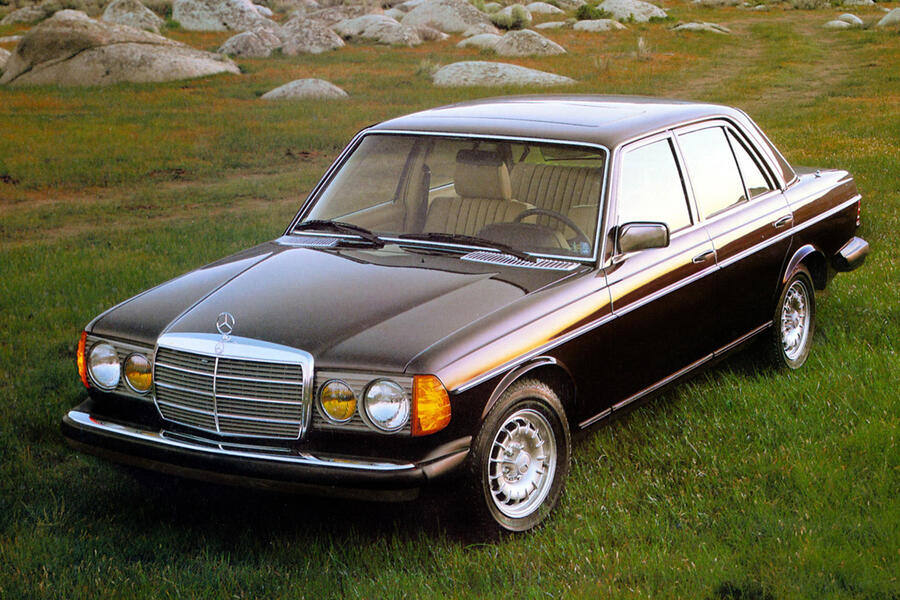
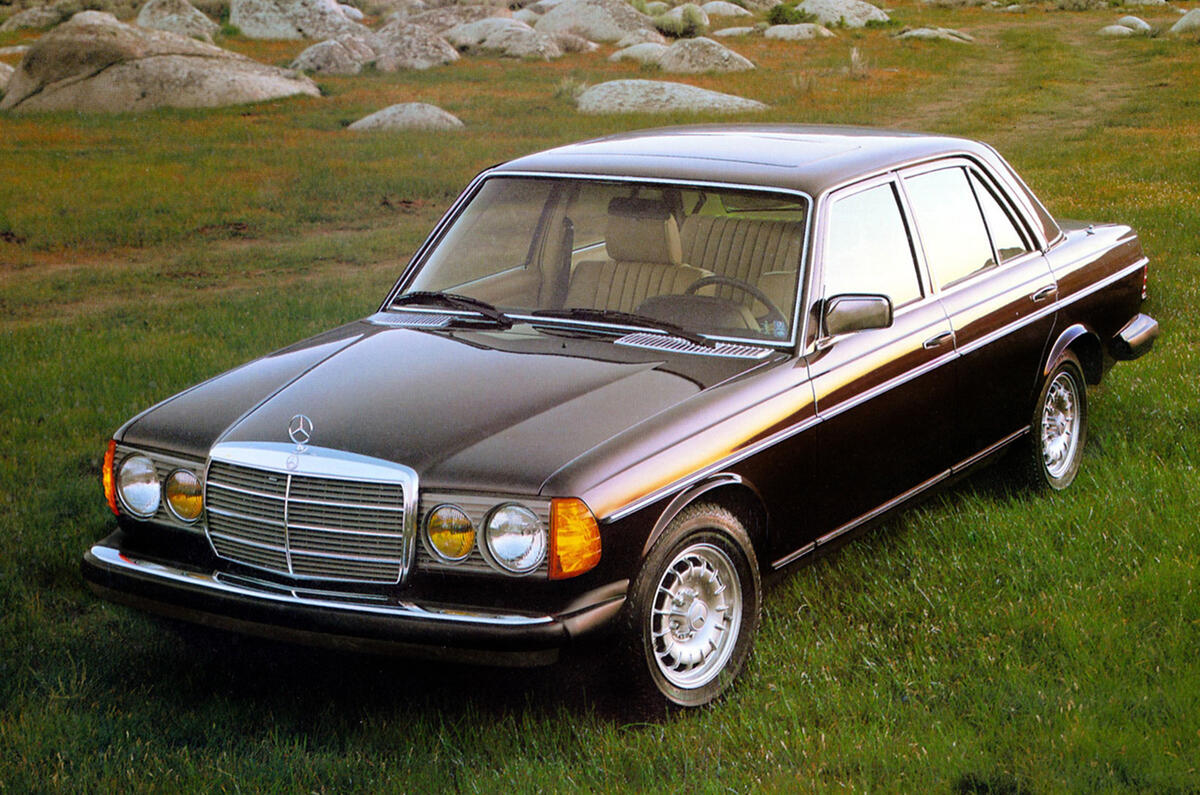
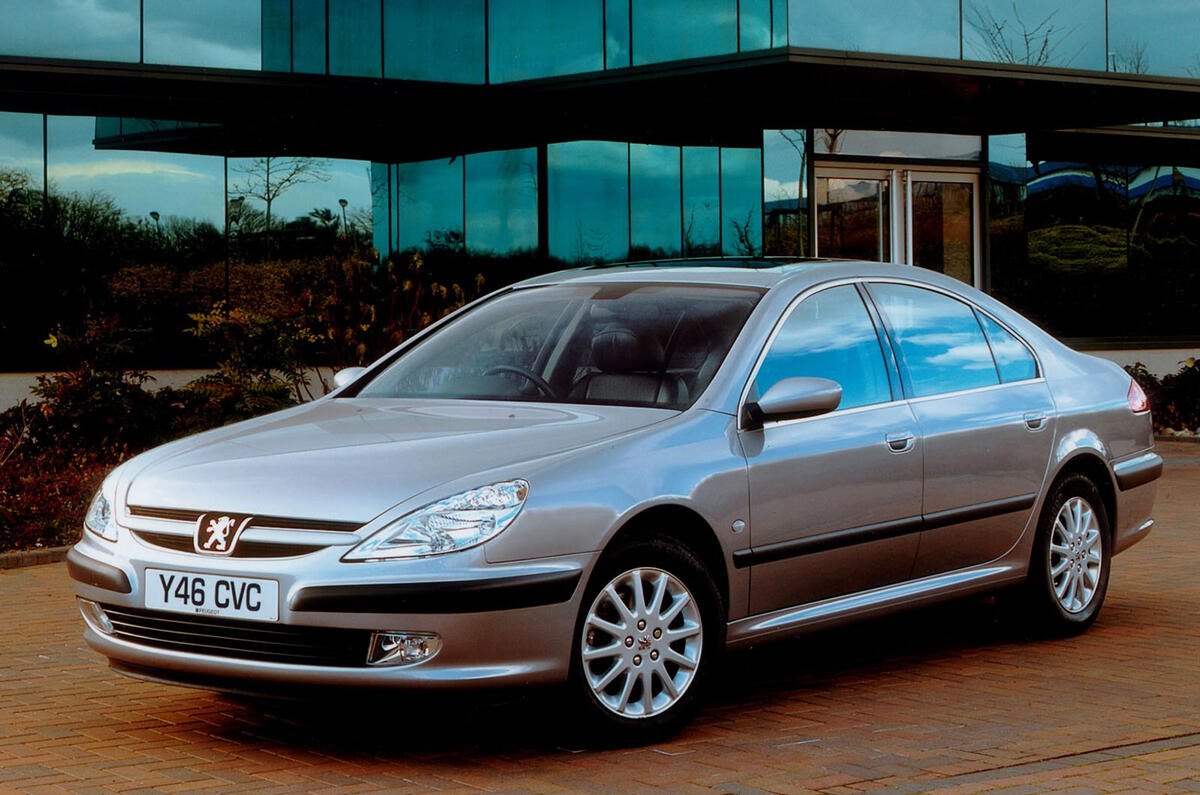
This technology, now employed across Europe in the form of the diesel particulate filter (DPF), was first used on a car, albeit briefly, on the 1984 Mercedes-Benz 300D sold in California, which had a ‘trap oxidiser’. However, it hit mainstream use in May 2000 with the Peugeot 607 2.2 HDi, making it Euro 4-compliant five years early. Today, although it is not legally mandated, every diesel-engined car sold in Europe has a DPF in order to help it to meet Euro 6 emissions regulations.

We continued in 1996: “Engineers are predicting a gradual convergence of diesel and petrol technologies as both move towards four valves, direct injection and exhaust after-treatment to reduce NOx output.”
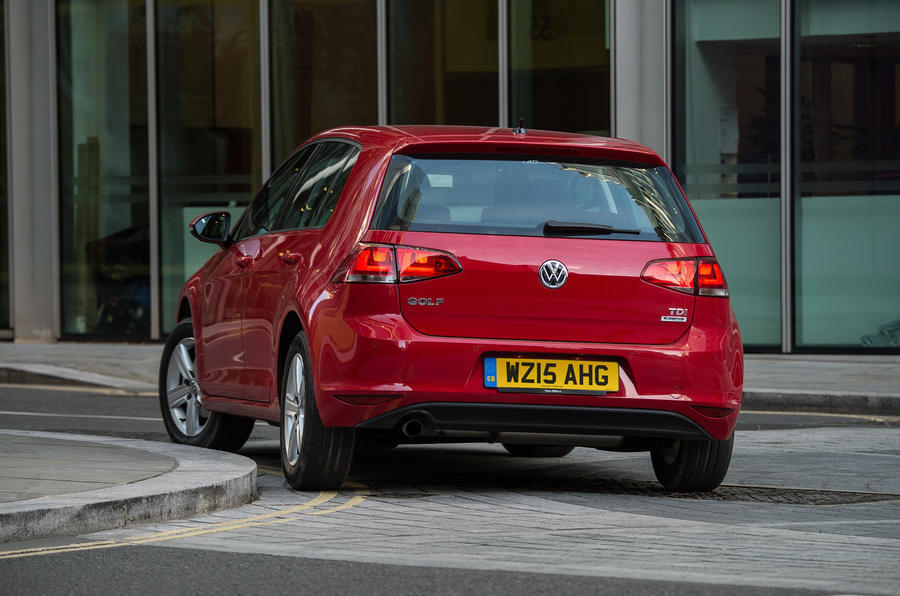
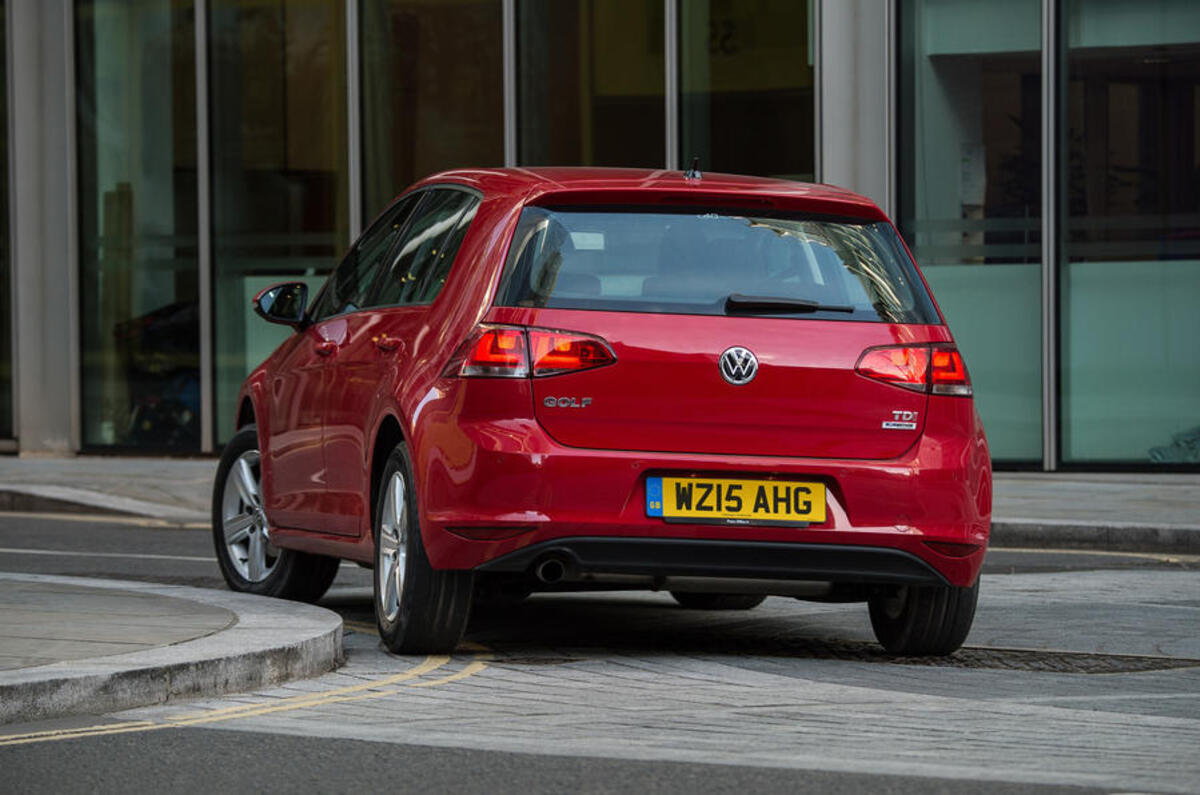
Most engines today do indeed have four valves per cylinder, while most modern diesels, such as the Volkswagen Group’s TDI units, are direct injection, and DPFs are effective exhaust after-treatment. This is part of the reason why, although still hazardous, diesels are less polluting than they were 20 years ago.
Importance of CO2 emissions
Of course, there was also the issue of CO2 to contend with.

“Efficiency and low CO2 output is winning friends for the diesel in the European Commission, which appears to be switching its concerns from air quality to global warming.”
“Environmental pressure group Greenpeace is wholly opposed to diesel, pointing out that diesel’s CO2 reduction benefits are more than outweighed by the health risks it poses.”
However, Renault was hedging its bets. Then-president Louis Schweitzer said: “No one can weigh the different environmental dangers against one another. But we’re confident we could achieve our goal of 150g/km of CO2 even without diesel.”
And indeed they did: the most eco-friendly version of today’s Mégane, the 1.2 TCe, officially emits as little as 119g/km.
Time to die?
Evidently, many of the arguments that seem so pertinent today have been raging for many decades. Our 1996 assertion that diesel would be “the environmental battleground of the decade” was wrong only in that it’s an argument that has raged far longer than 2006. And 2016. And, despite all the health dangers surrounding NOx and particulate matter, despite Britain’s decreasing but still rampant pollution issues, and despite the furtherment and growing sales of alternatively fuelled vehicles, we may still be dithering in 2026.

Join the debate
Add your comment
These two quotes:
Interesting Story
Vehicle taxation is about to
However, you can guarantee that whatever the government decides in the medium term will be in no-one's best interests other than state coffers and be mired in incompetence.Incompetence,,,,