9

SUV has all-new platform, drivetrain, battery and digital interface. The brand’s electric reboot starts here

Find BMW iX3 deals
Other Services
Sell your car
84% get more money with

UK deliveries of the first of BMW’s much-anticipated ‘Neue Klasse’ of electric cars - the BMW iX3 - have begun. And Munich’s hope is that the first time you see one on the road, you won’t react with an “oh”, an “ah” - or even an “eurgh” - as you might have at other model renewals of the last decade. They’re aiming for a “wow”.

You'll have already read how this is the first of a whole new generation of BMWs; how significant the company thinks its 'New Class' platform is; and how this is its first software-defined car. The new platform will underpin at least six new EVs by 2028, including an electric 3 Series (to be called the i3). Clearly, this isn’t an unimportant car.

But beyond all the hype, just know that, first and foremost, the iX3 is a BMW that in may ways drives in the traditional BMW style; and in other ways, really quite starkly unlike anything traditional whatsoever.

Advertisement

DESIGN & STYLING

10
BMW iX3 review 2026 004

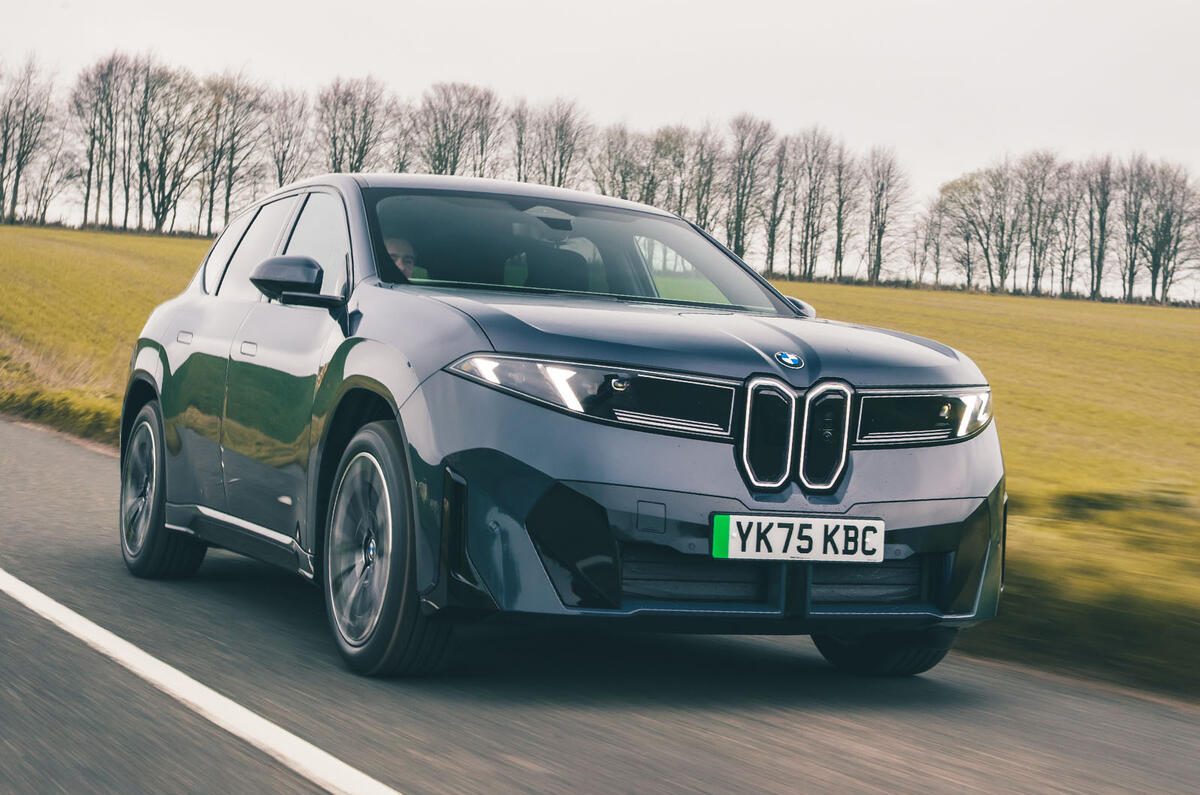
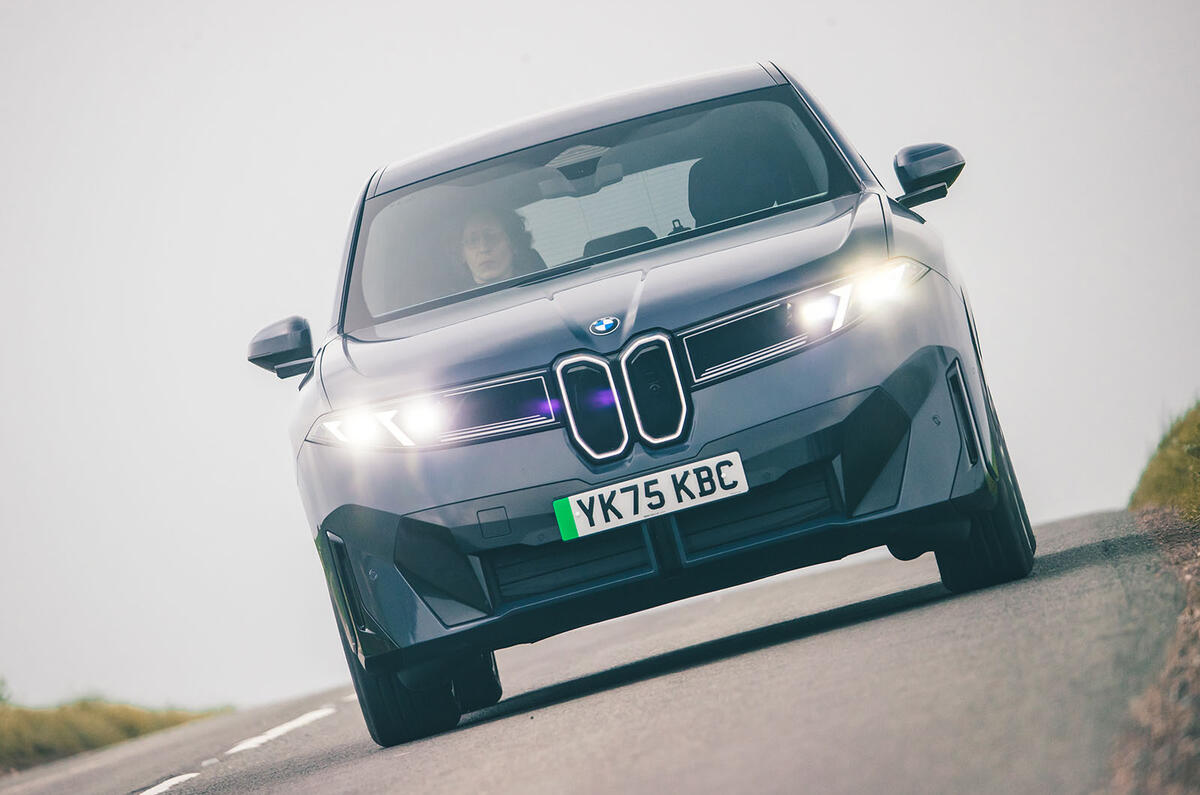
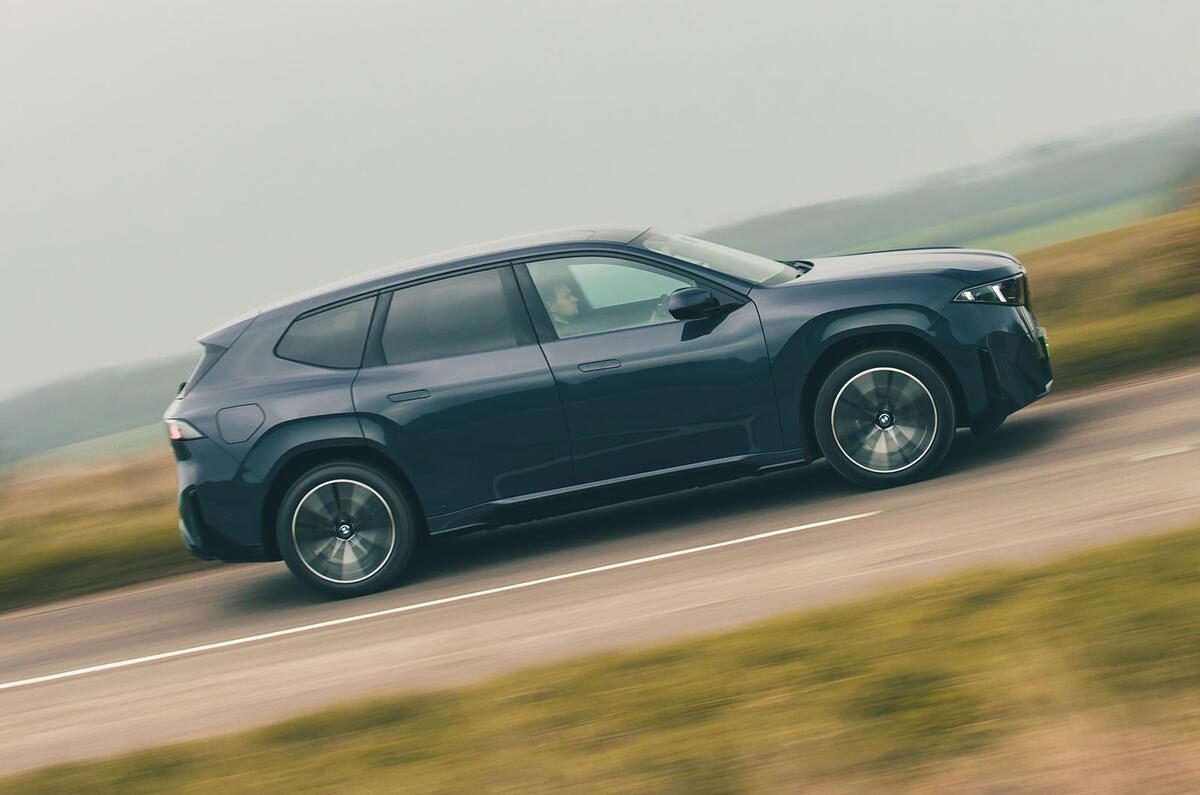
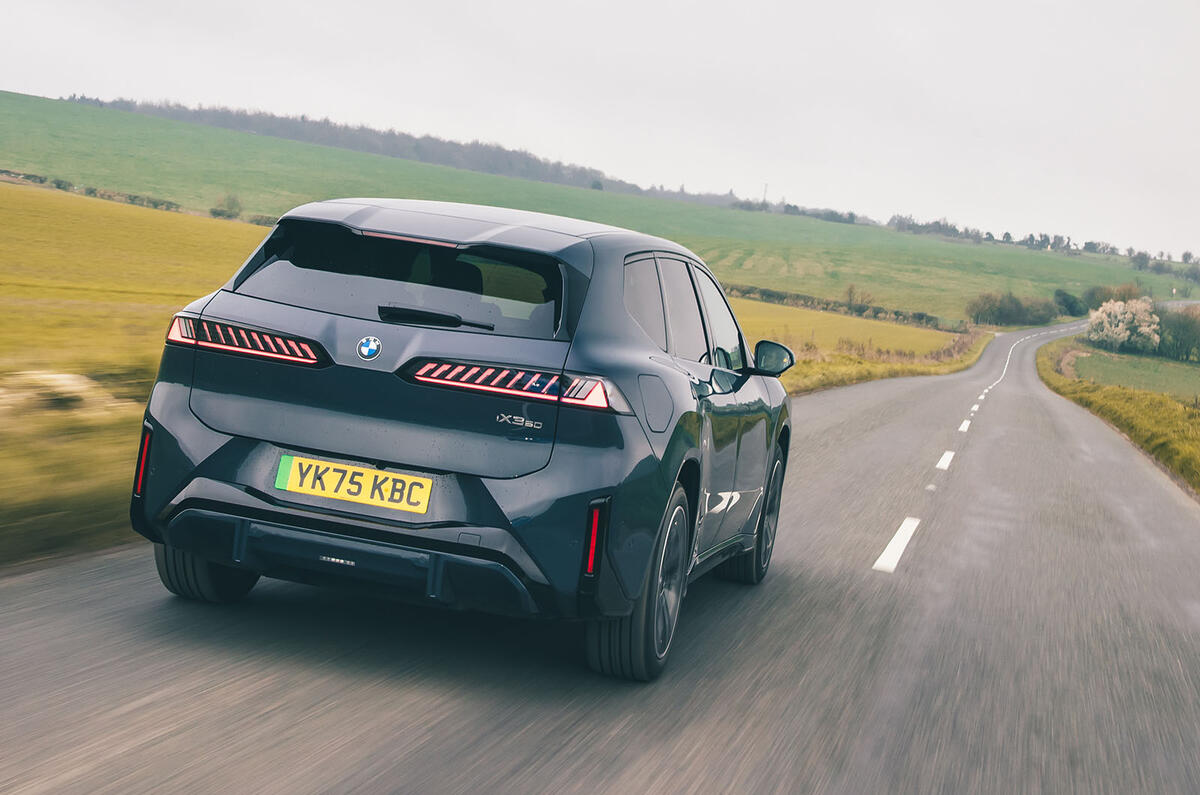
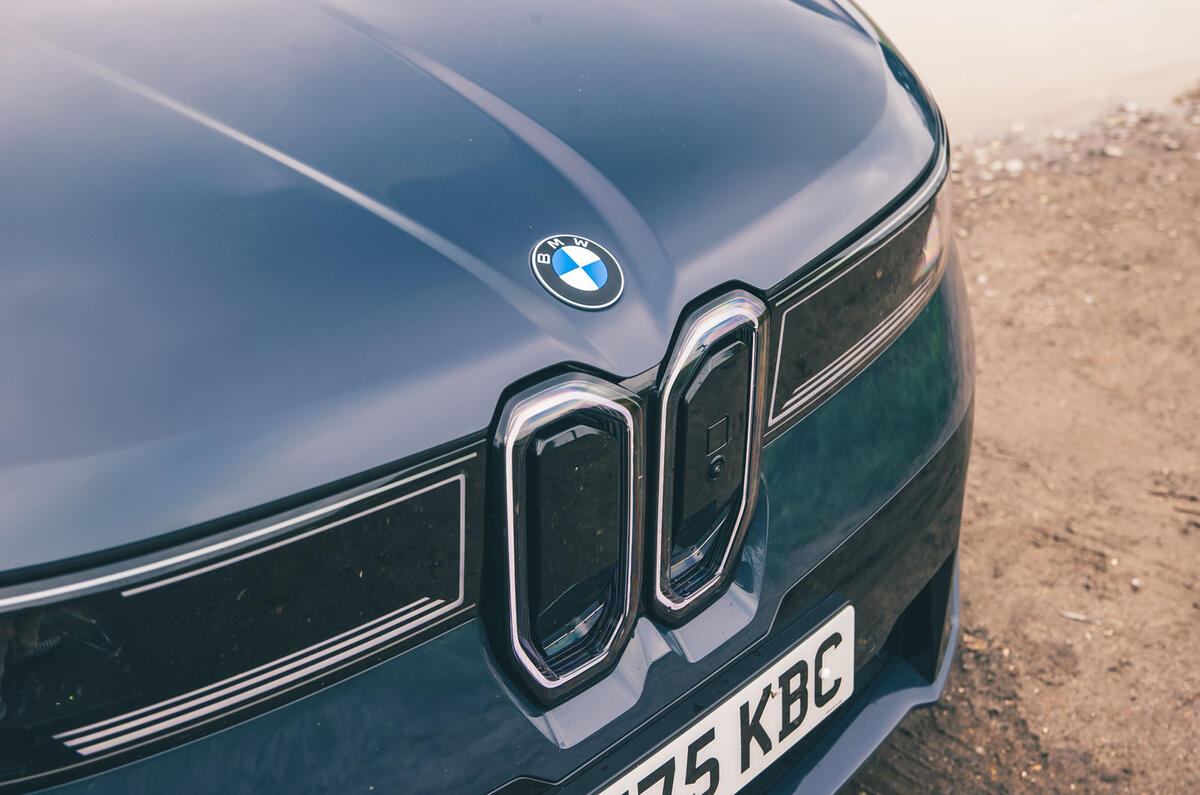
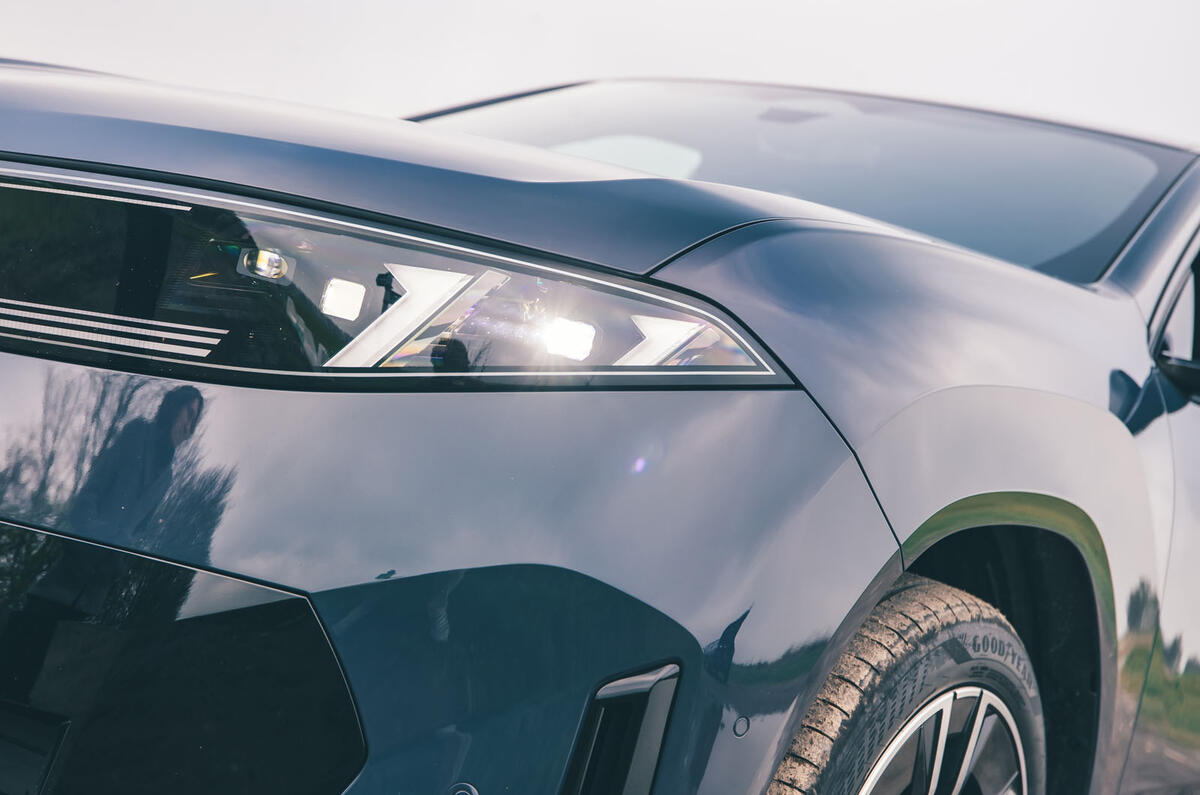
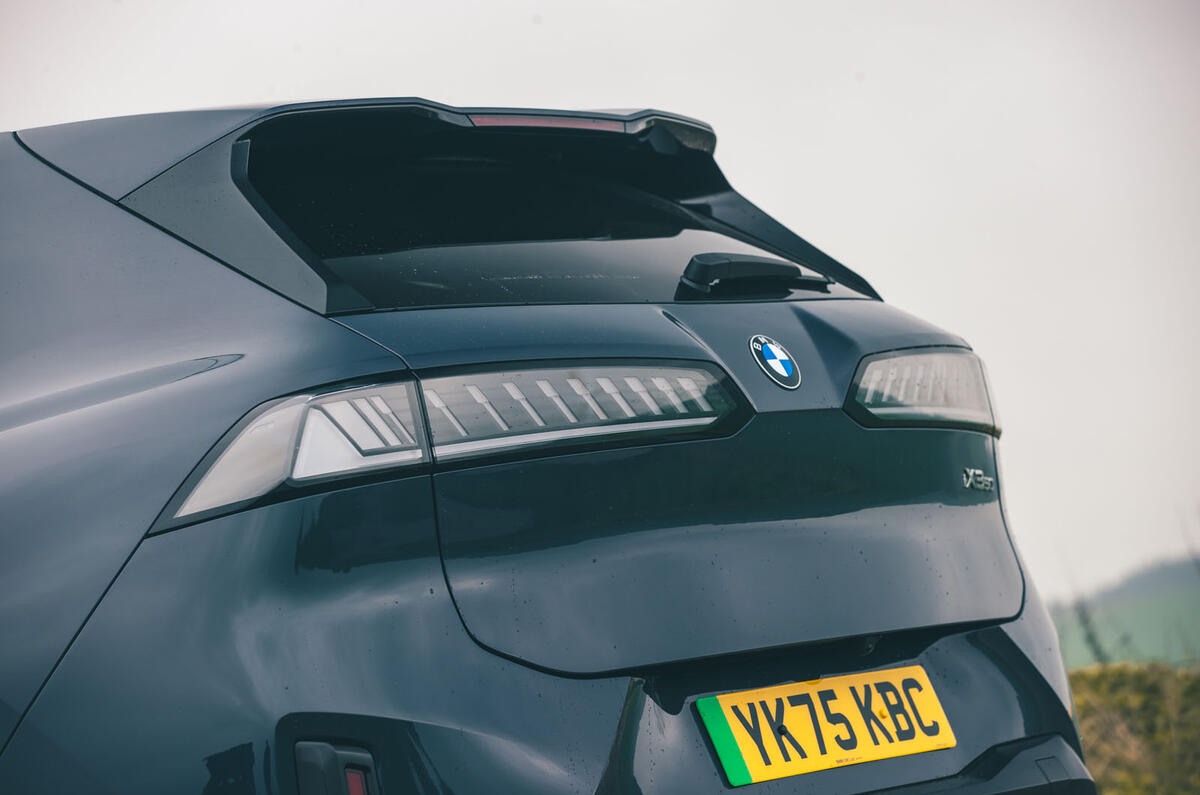
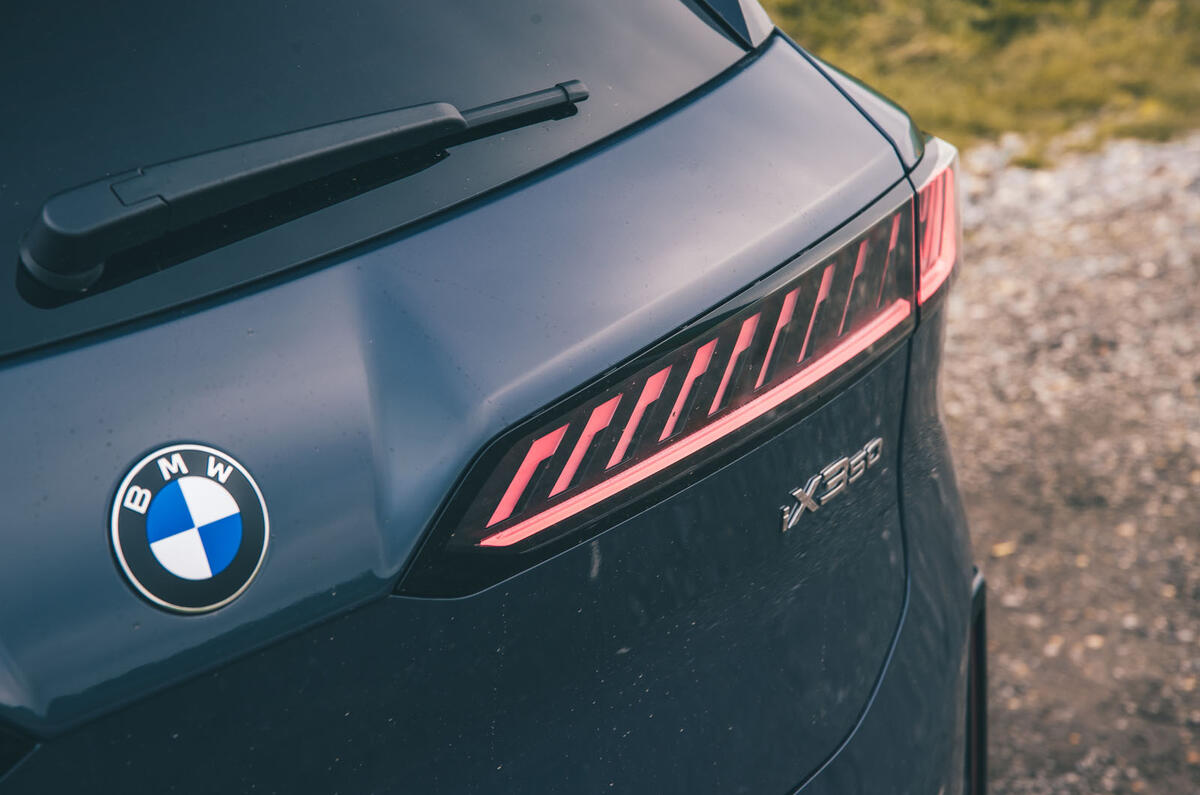
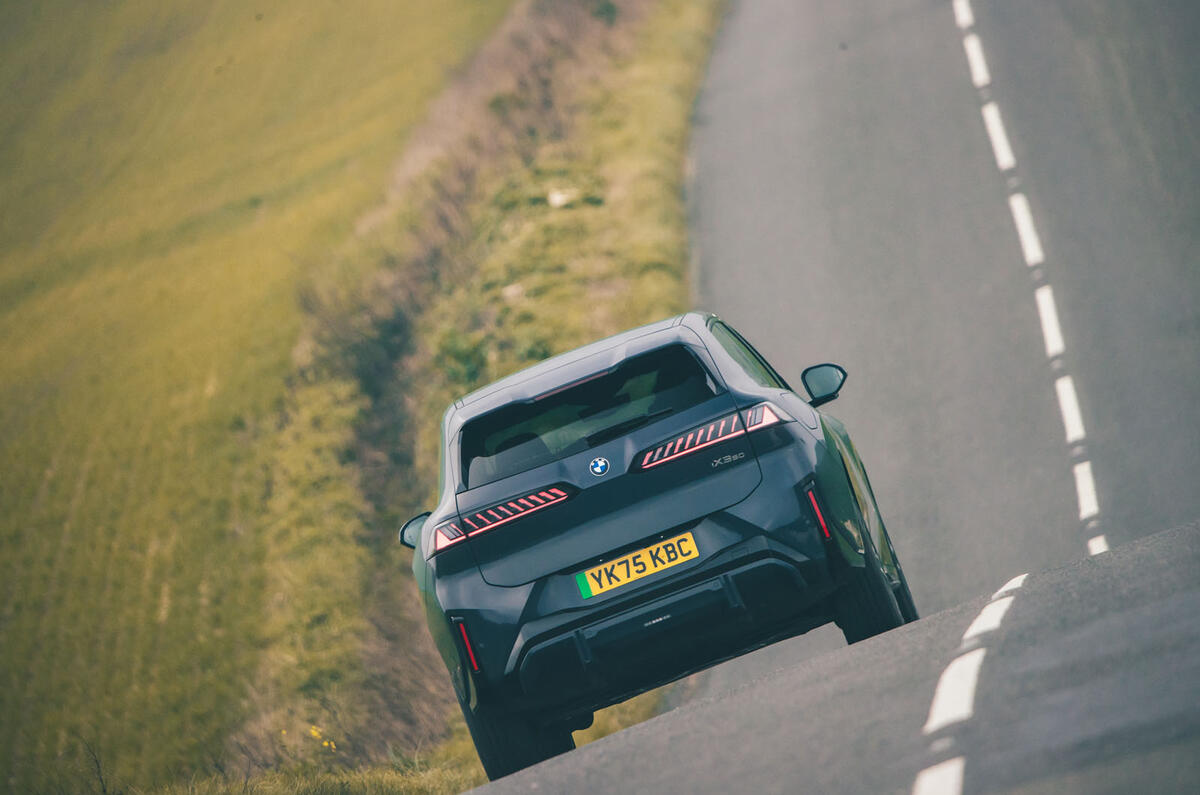
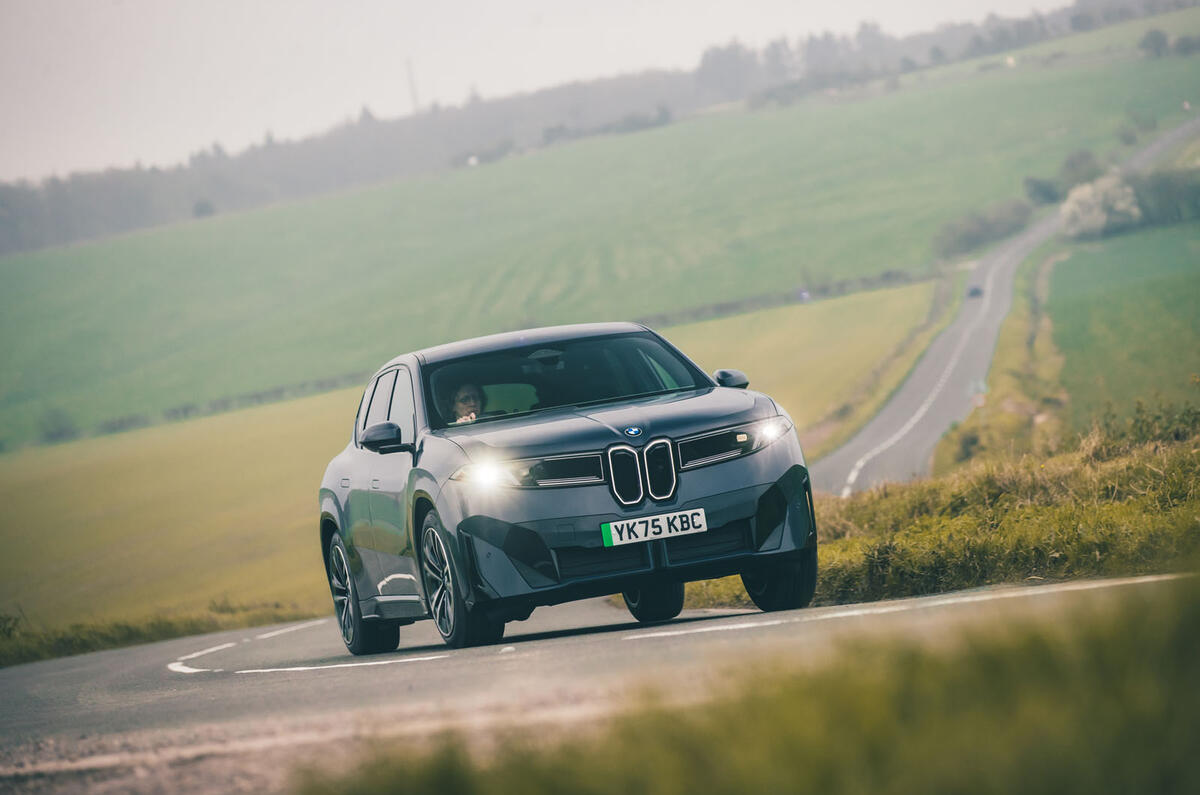
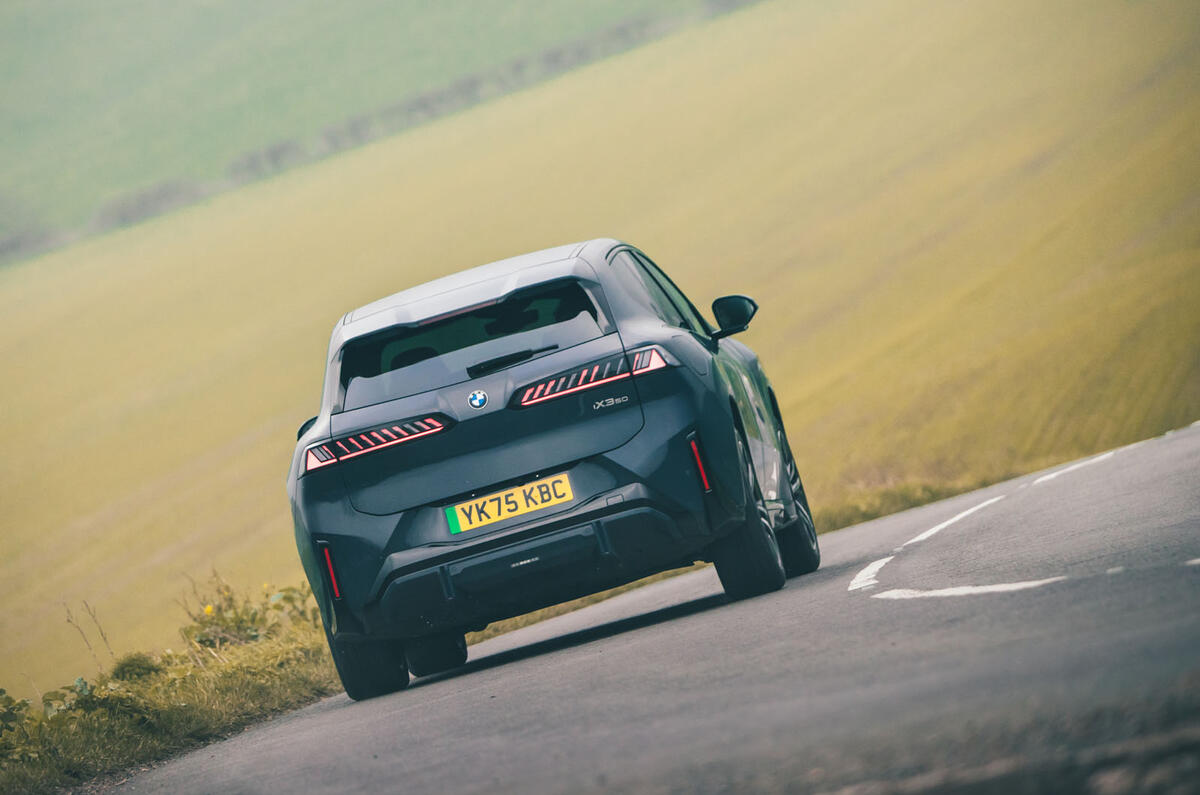
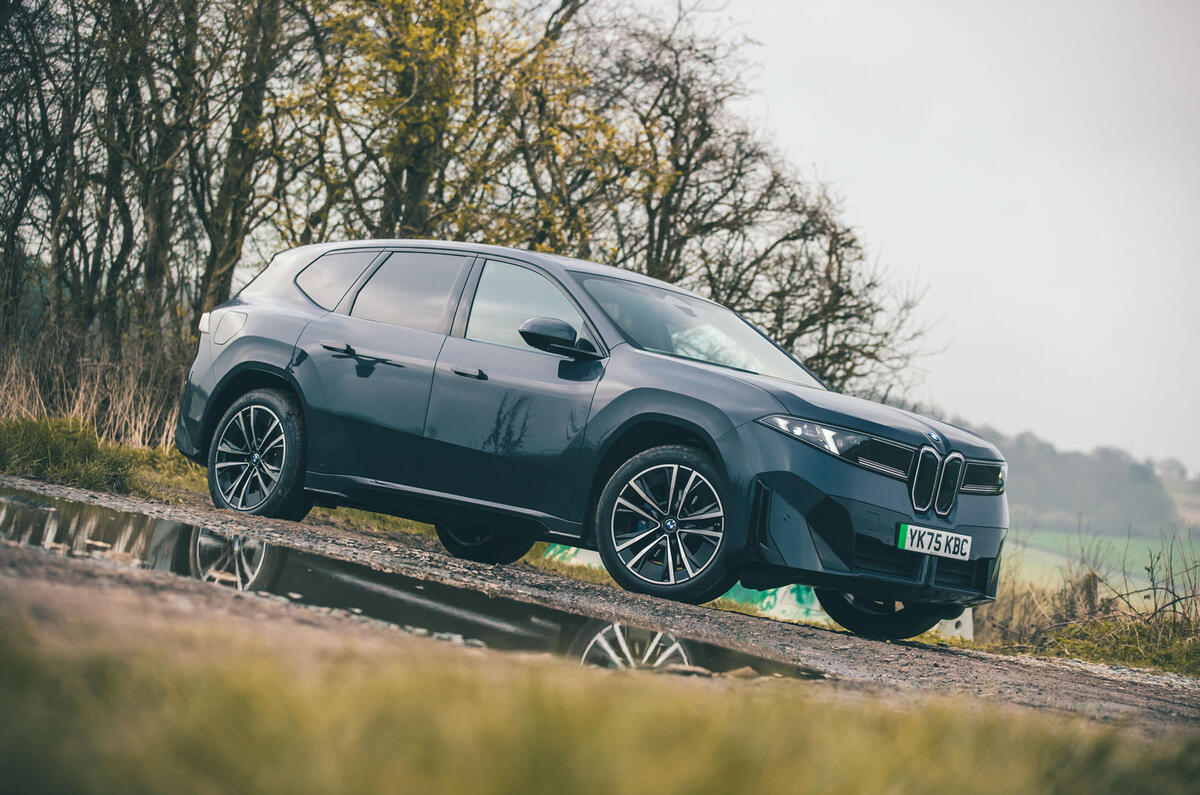
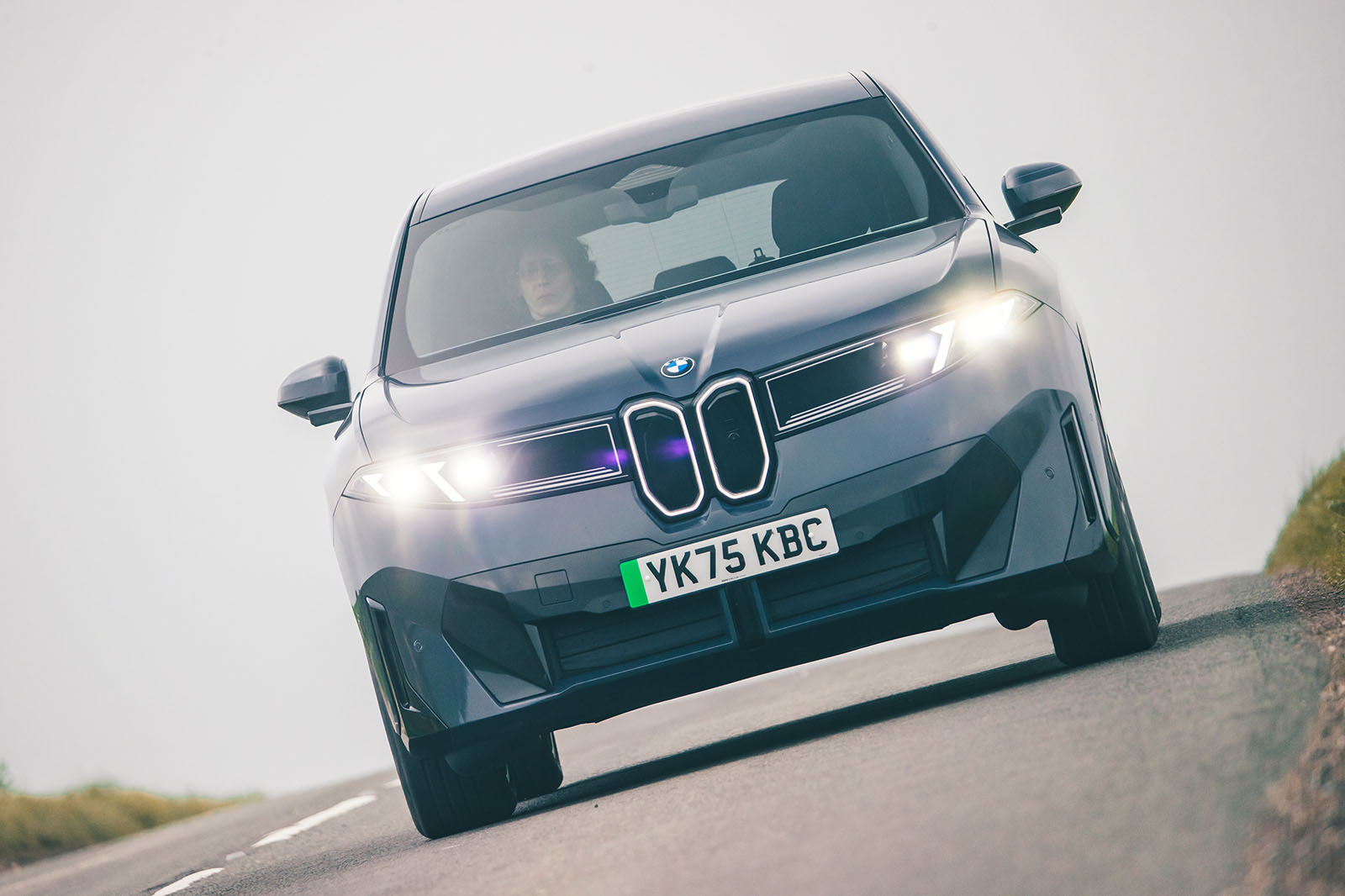
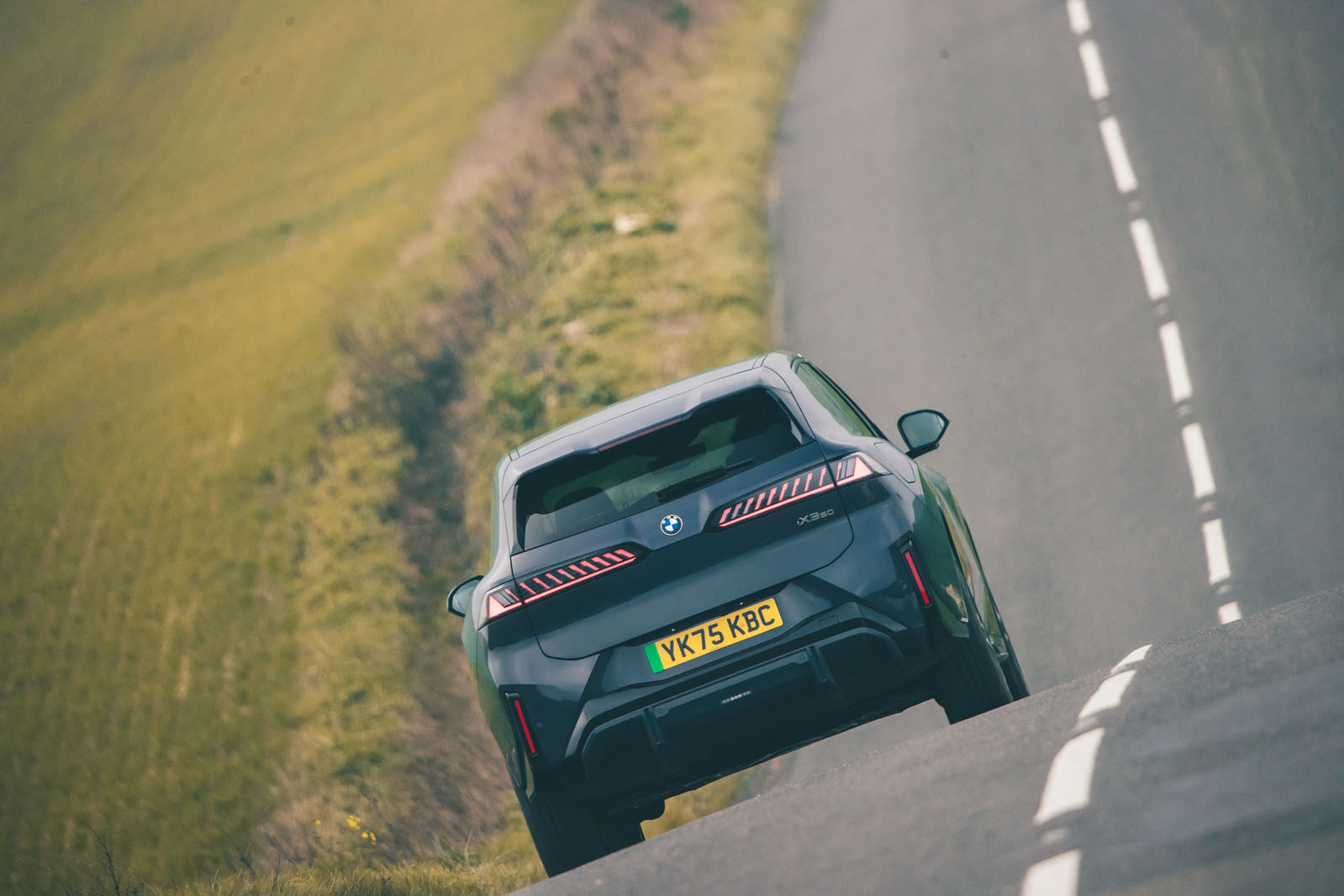
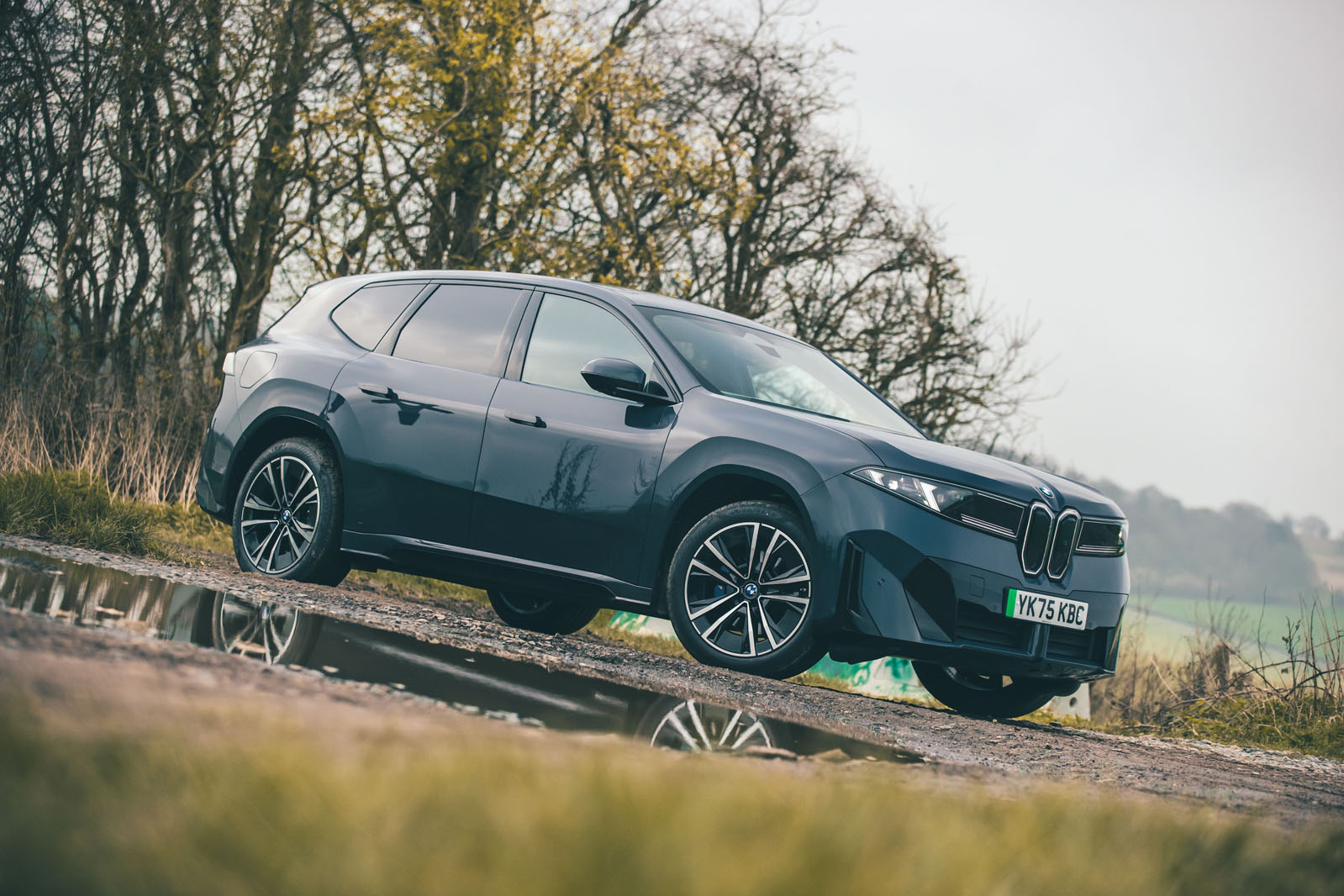
To look at, this is certainly a different kind of BMW: neat, and creditably refined in its execution (imagine that, propellerheads); but also quite effete for a mid-sized SUV. It’s actually longer and wider than its combustion-engined sibling, but lower-of-roofline, which breathes a bit of new life into the trusty BMW Sports Activity Vehicle concept.

While most electric BMWs sit on platforms shared with their combustion-engined stablemates, the iX3, upcoming i3 and others will have this bespoke EV one; because their higher sales volumes make it worth developing them that way, even while outwardly similar ICE cars will stay on sale alongside them.

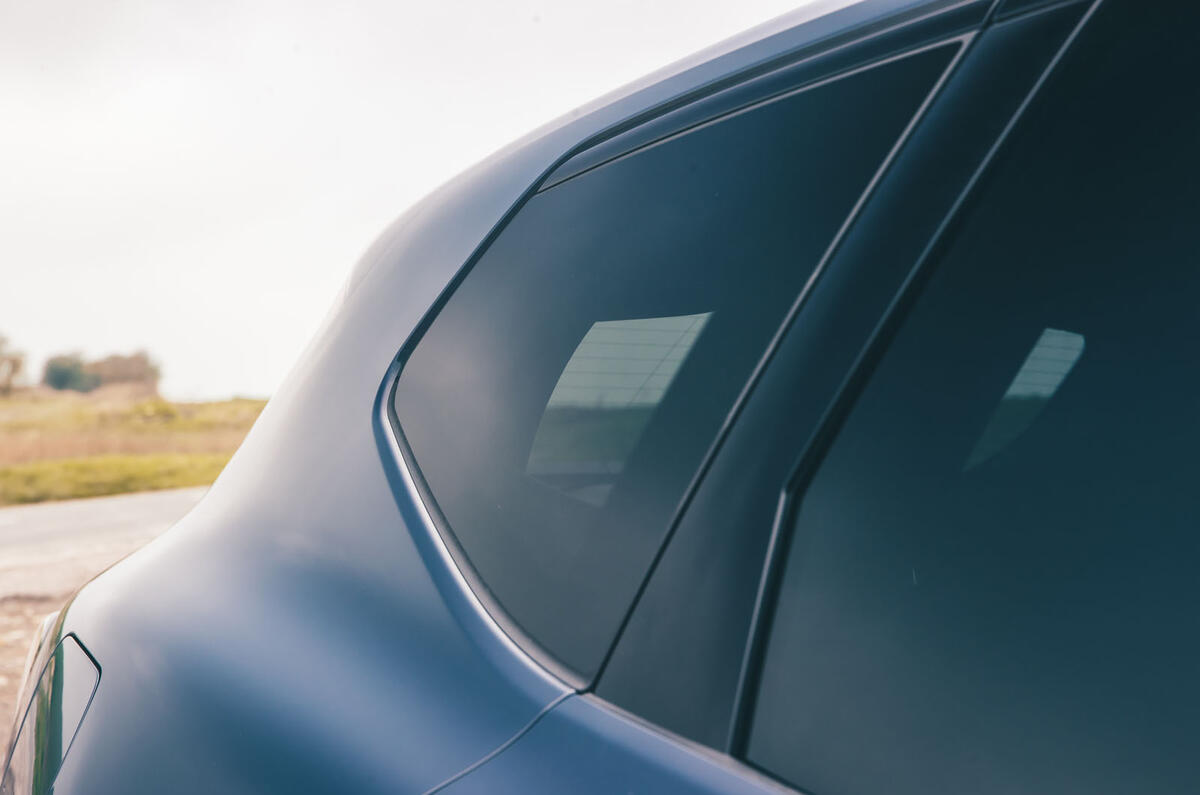
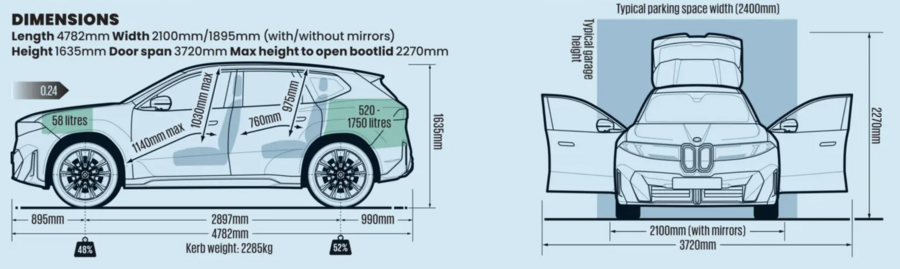
The length and wheelbase are a little longer than those of the previous iX3; but the roofline is lower, which makes the decisive difference in your perception of this car's size.

The iX3's battery pack isn't just under the chassis: the top of the 108.7kWh (usable) pack, which has cylindrical cells and is said to be 20% more energy-dense than BMW’s previous one, constitutes the cabin floor and is a structural part of things.

The ‘50 xDrive’ launch model is twin motor; and it becomes the first EV on the UK market to offer 500 miles of WLTP Combined electric range (depending on model derivative, wheel, tyre, and optional kit). That sounds pretty ‘neuer’, doesn't it? Especially in a sub-£60k EV. But there will also be a single-motor rear-drive model, with a smaller drive battery, along later, which BMW hopes to make available for a price a lot closer to £50,000.


INTERIOR

7
BMW iX3 review 2026 010

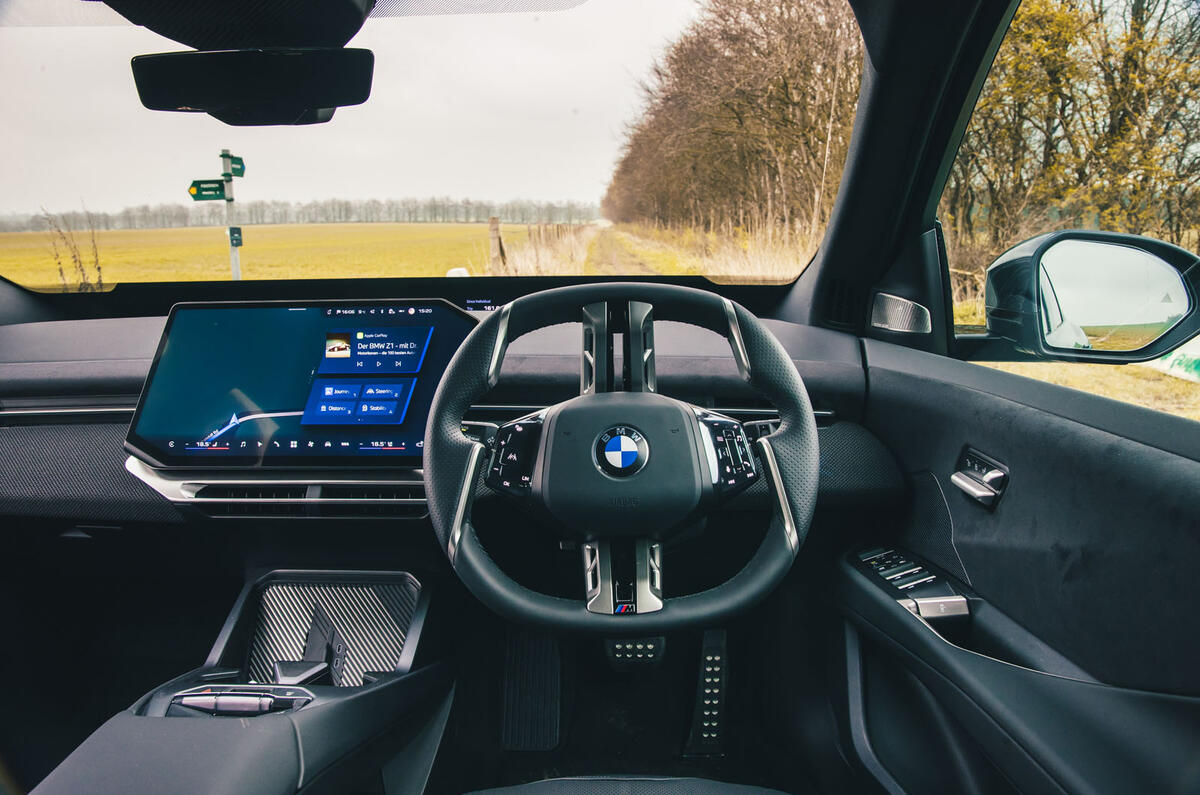
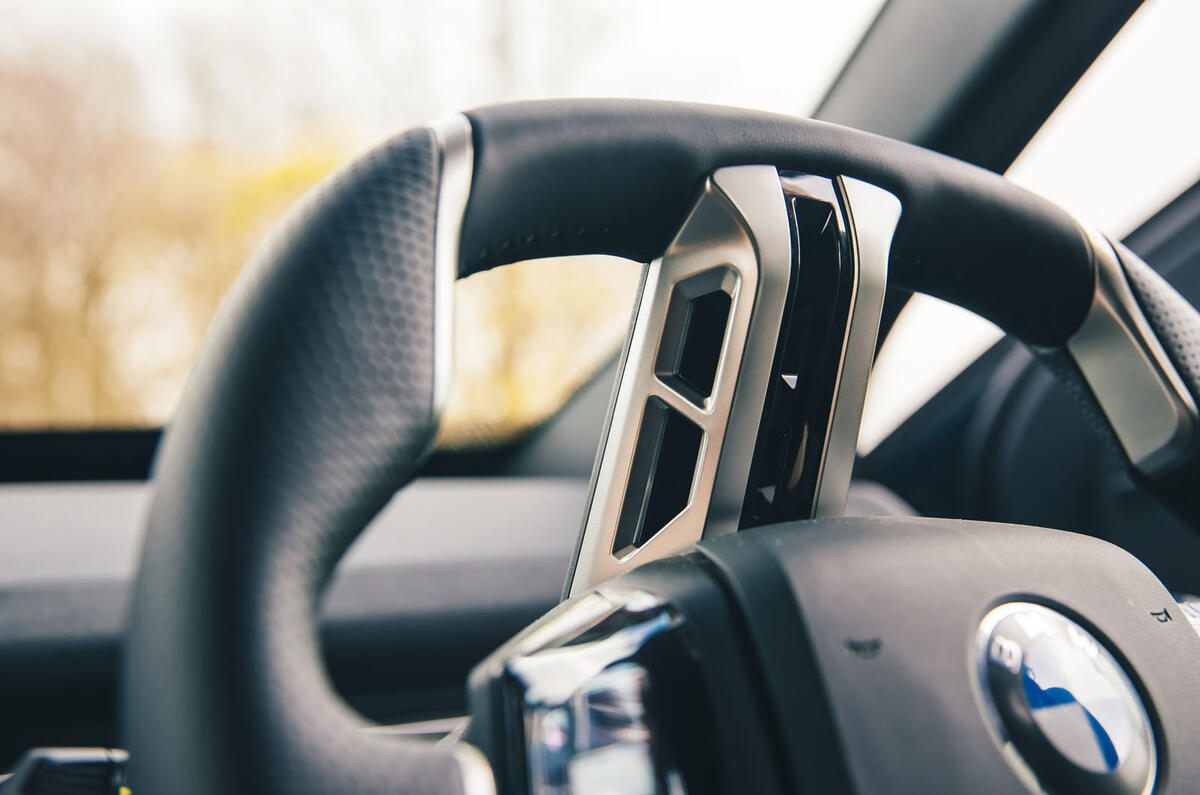
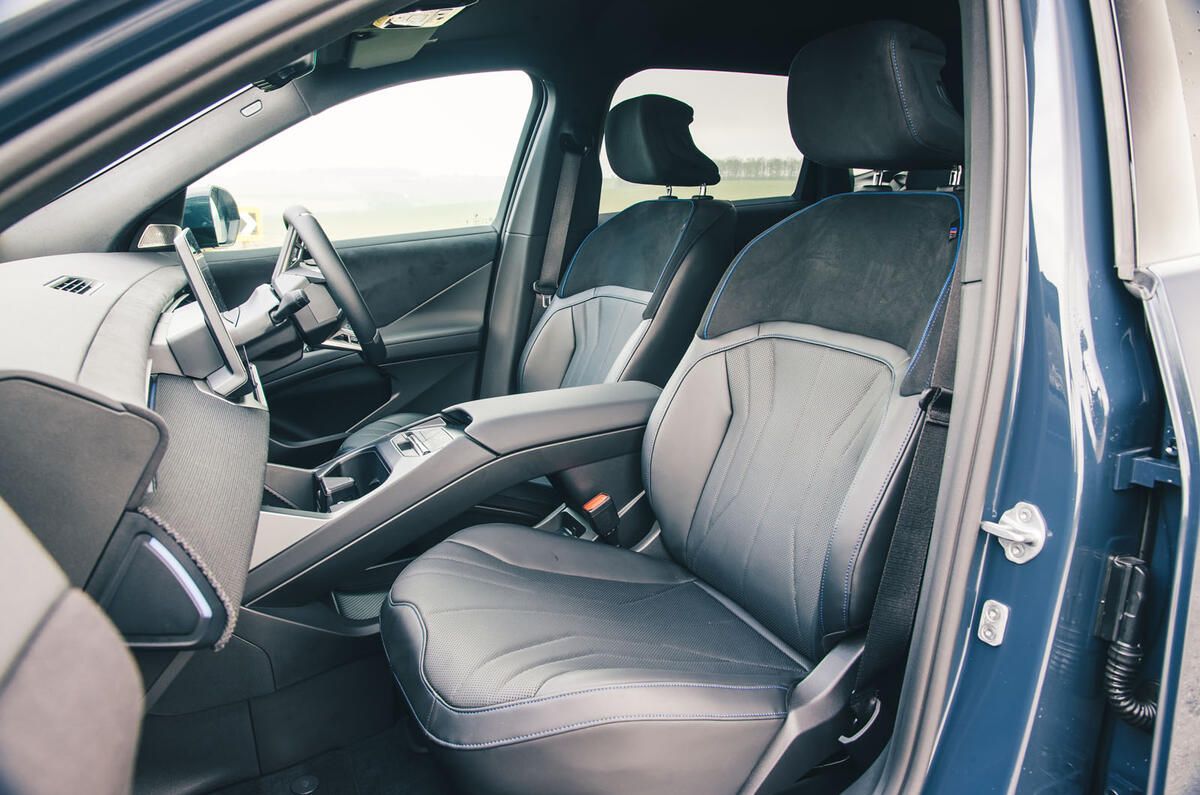
As far as cabin layout goes, Munich has long been making promising noises about keeping the driver’s “hands on the wheel, and eyes on the road”; and the iX3 is very much the proof of that intent. It’s partially successful, you'd say; but not unconditionally so.

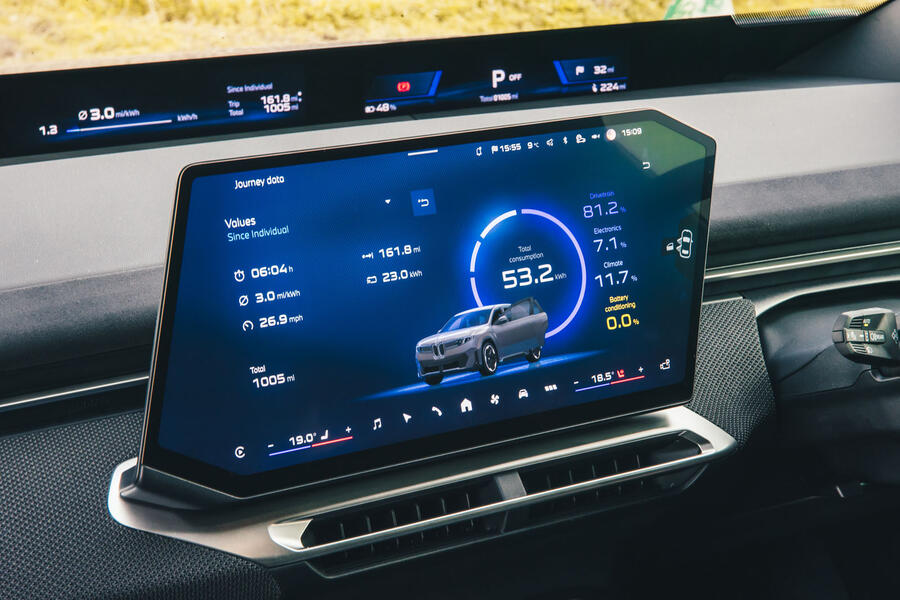
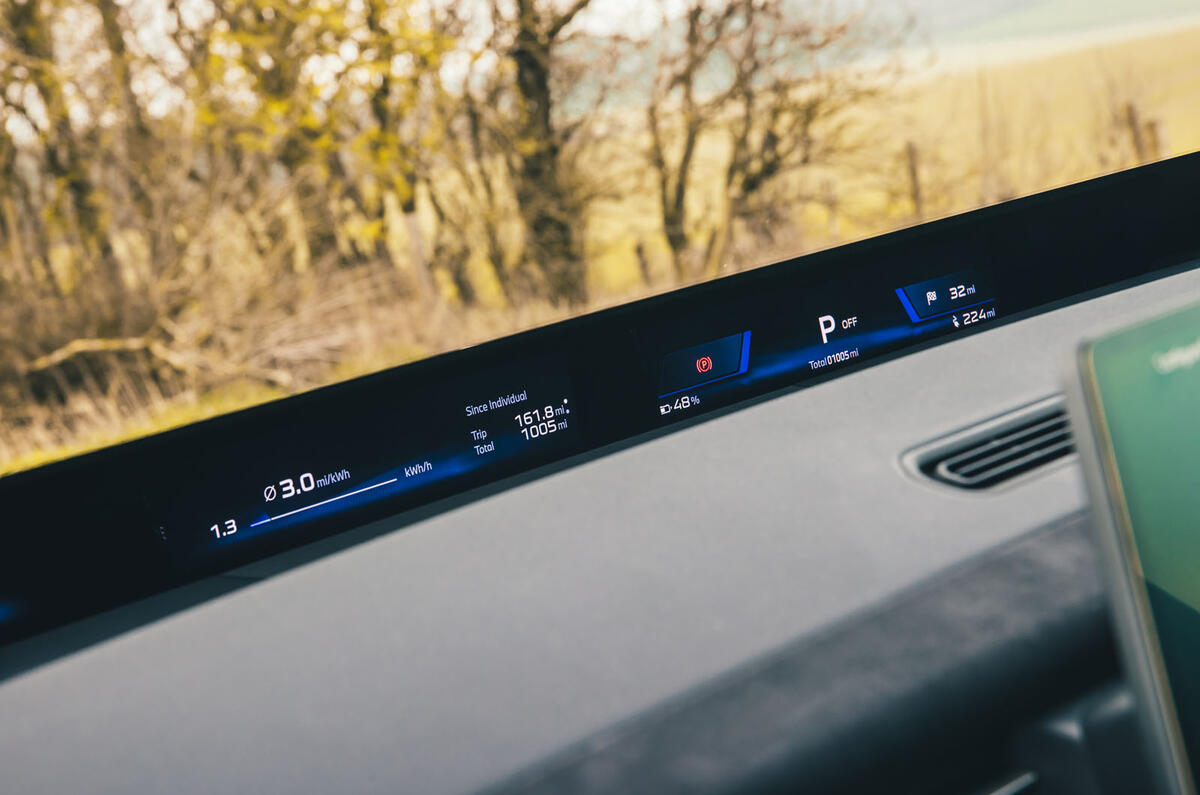
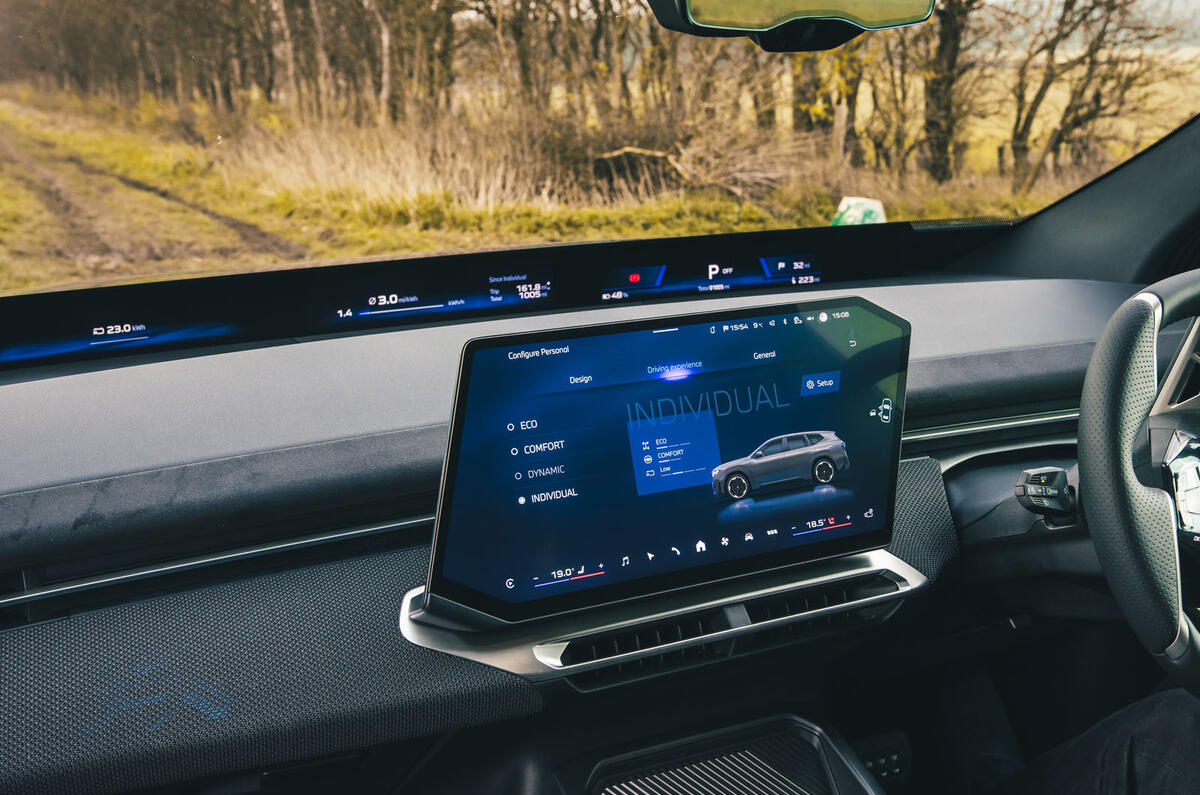
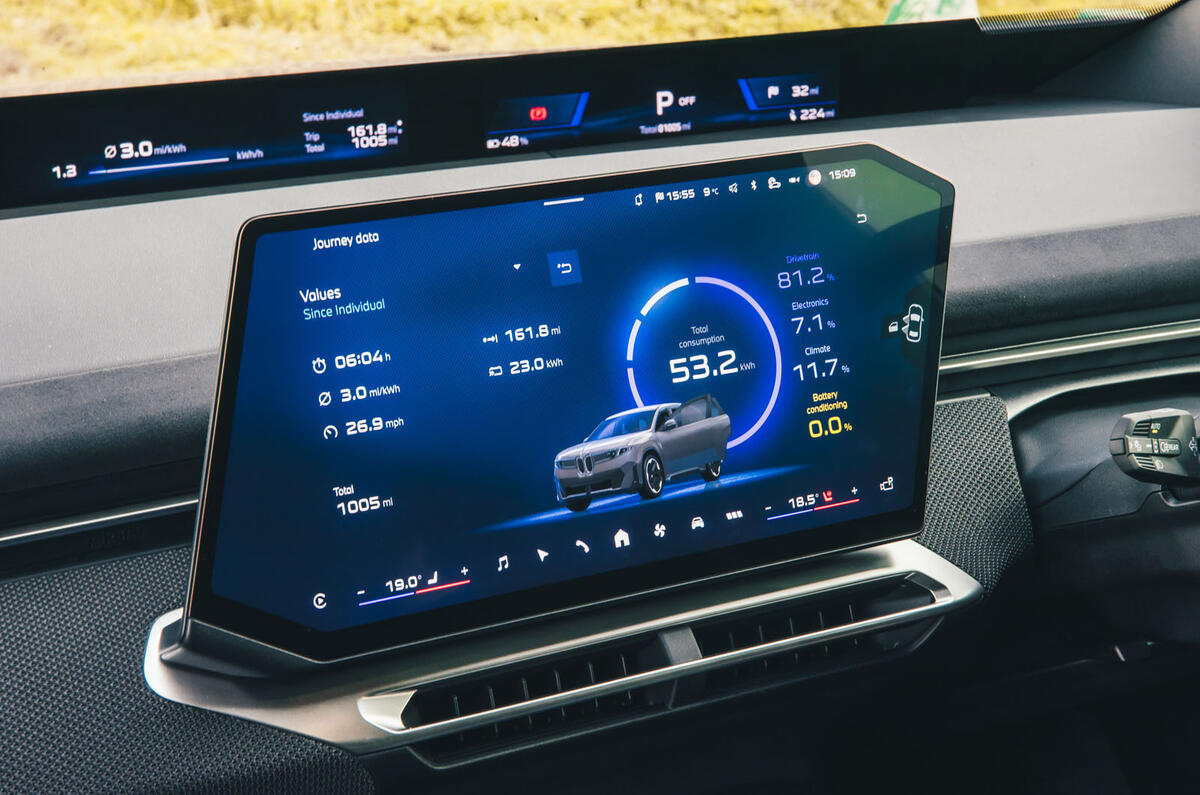
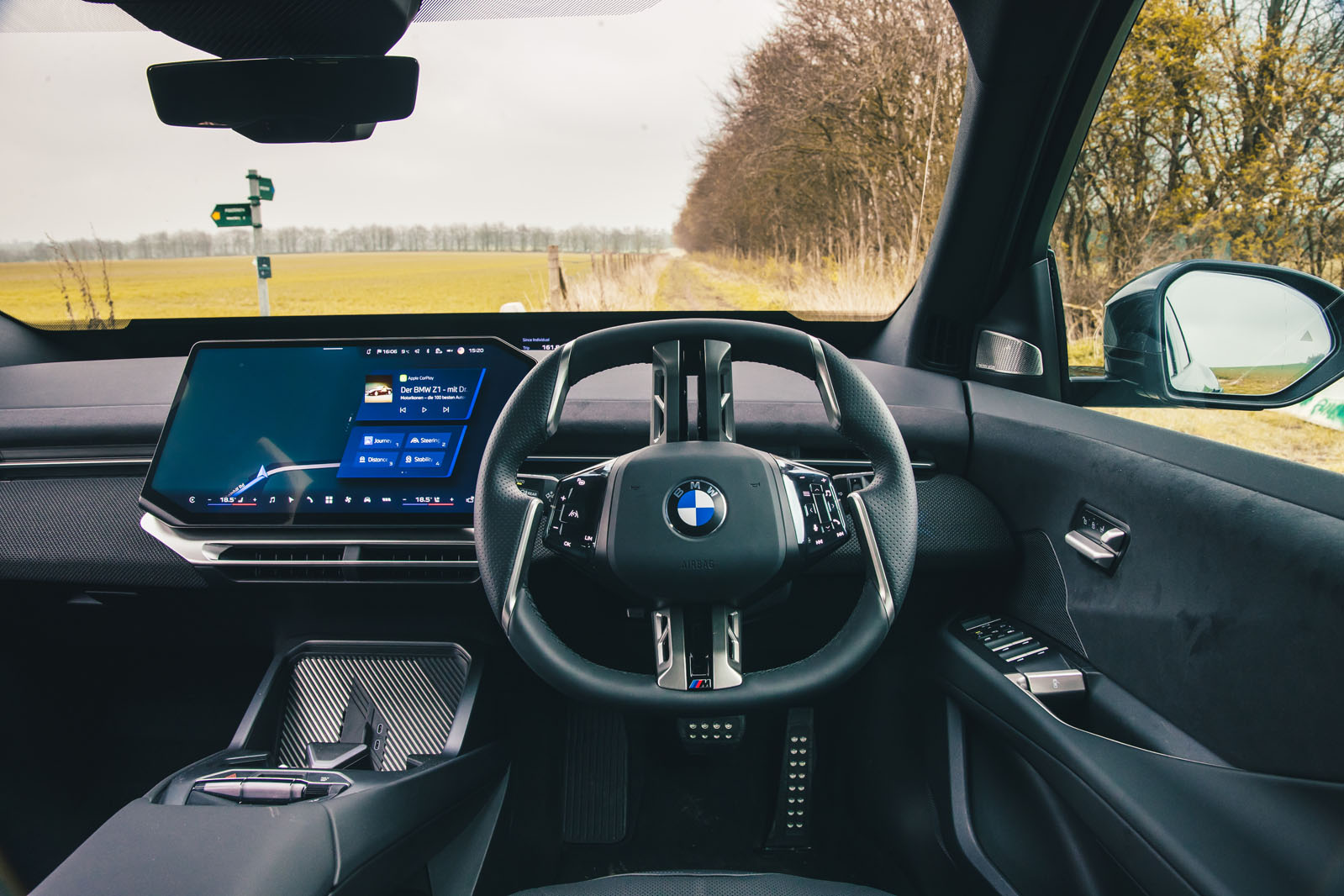
In addition to the 18in trapezoidal central infotainment display, a ‘Panoramic Vision’ display about four inches high but running almost the full width of the base of the windscreen replaces, integrates and augments a conventional dial binnacle. It can convey a broad choice of useful secondary instrumentation (and, as an option, you can put a head-up display behind it, if you choose). This means there are no dials to see through the steering wheel – a bit like with Peugeot’s i-Cockpit layout - although more successful here because the instruments are higher and, because they're projected, have a longer focal length.

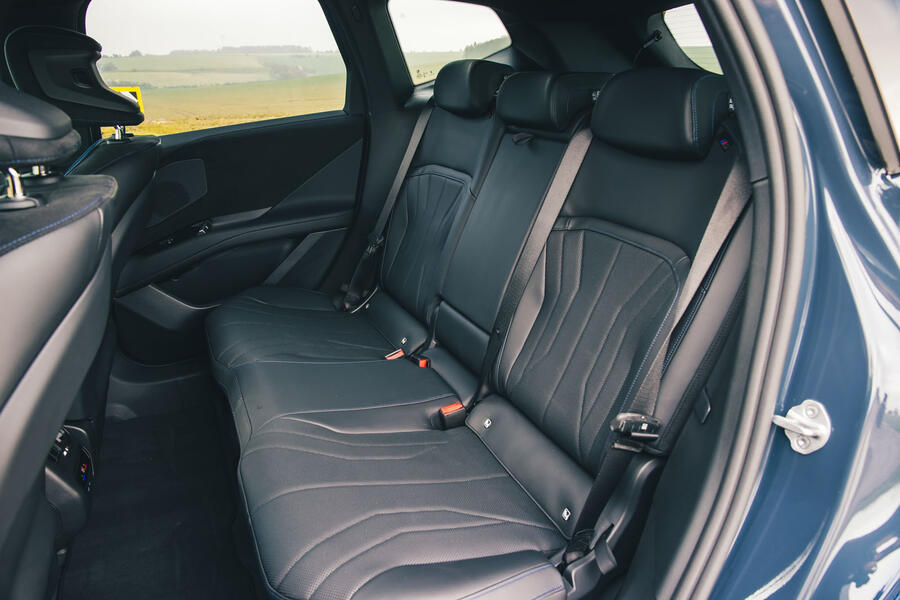
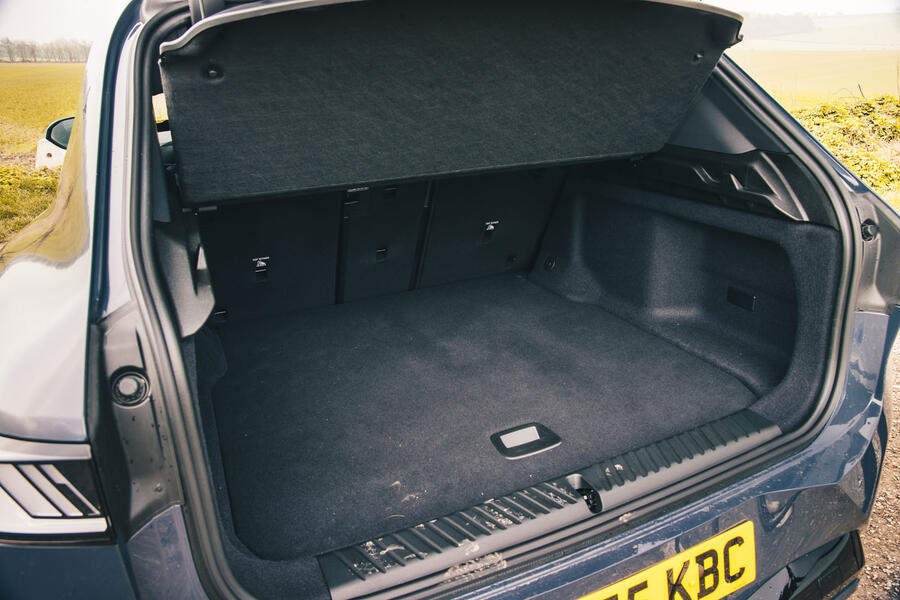
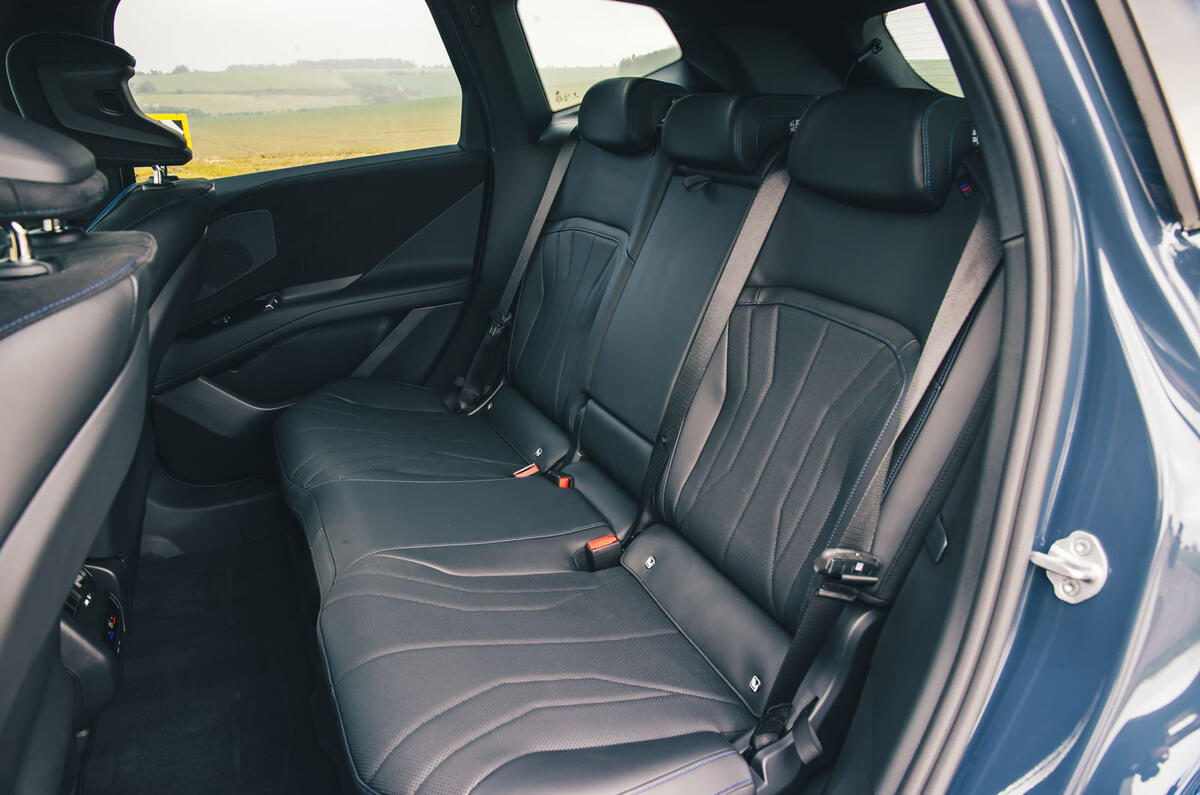
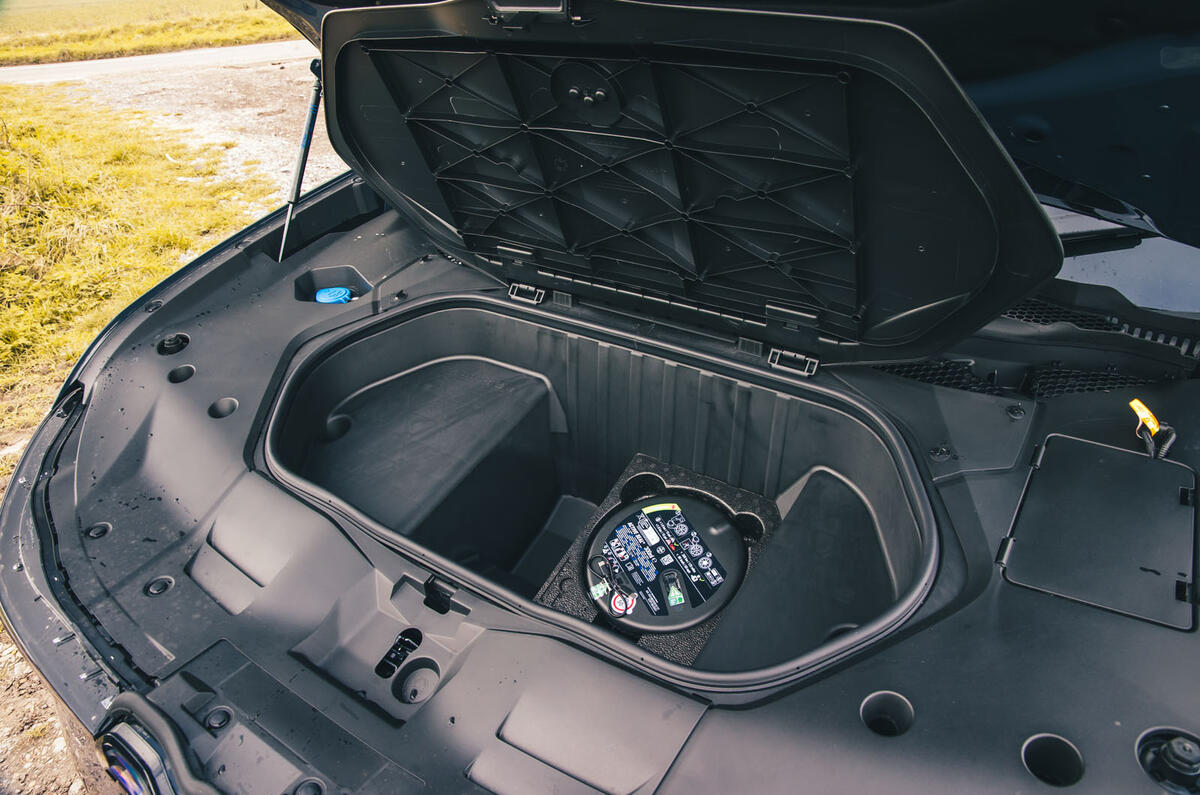
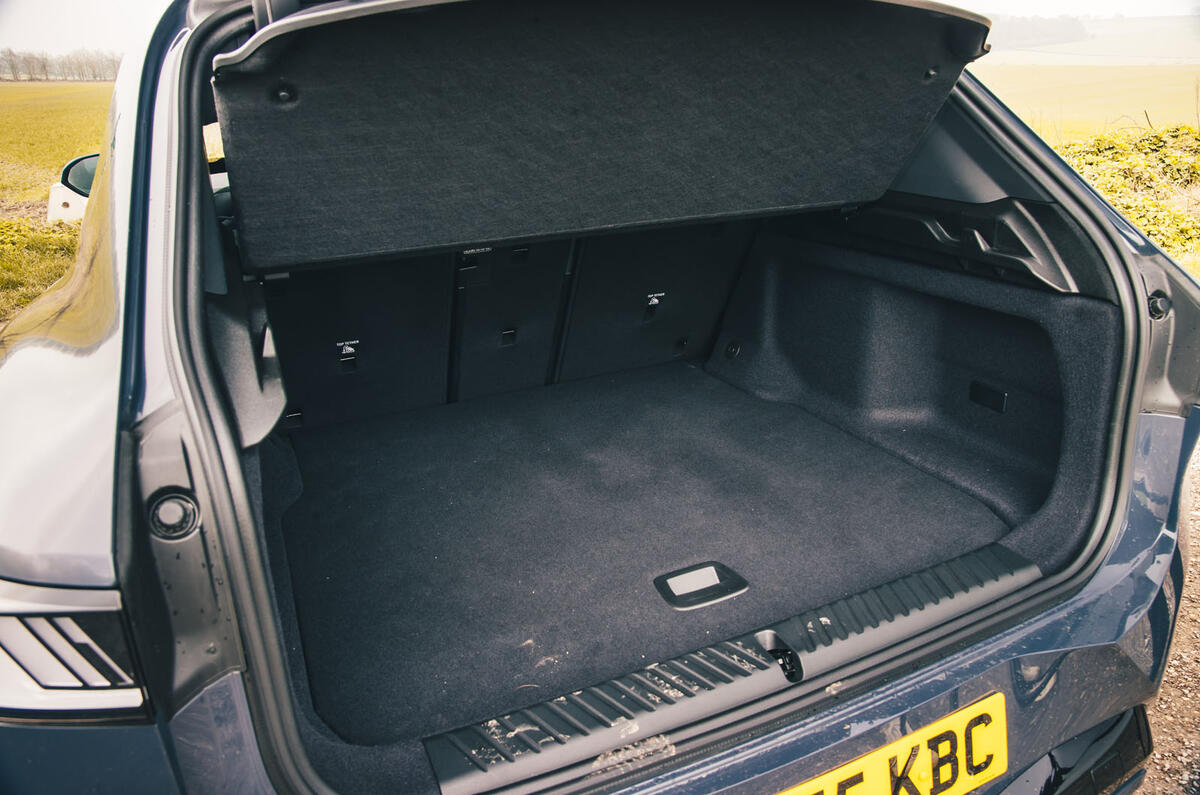
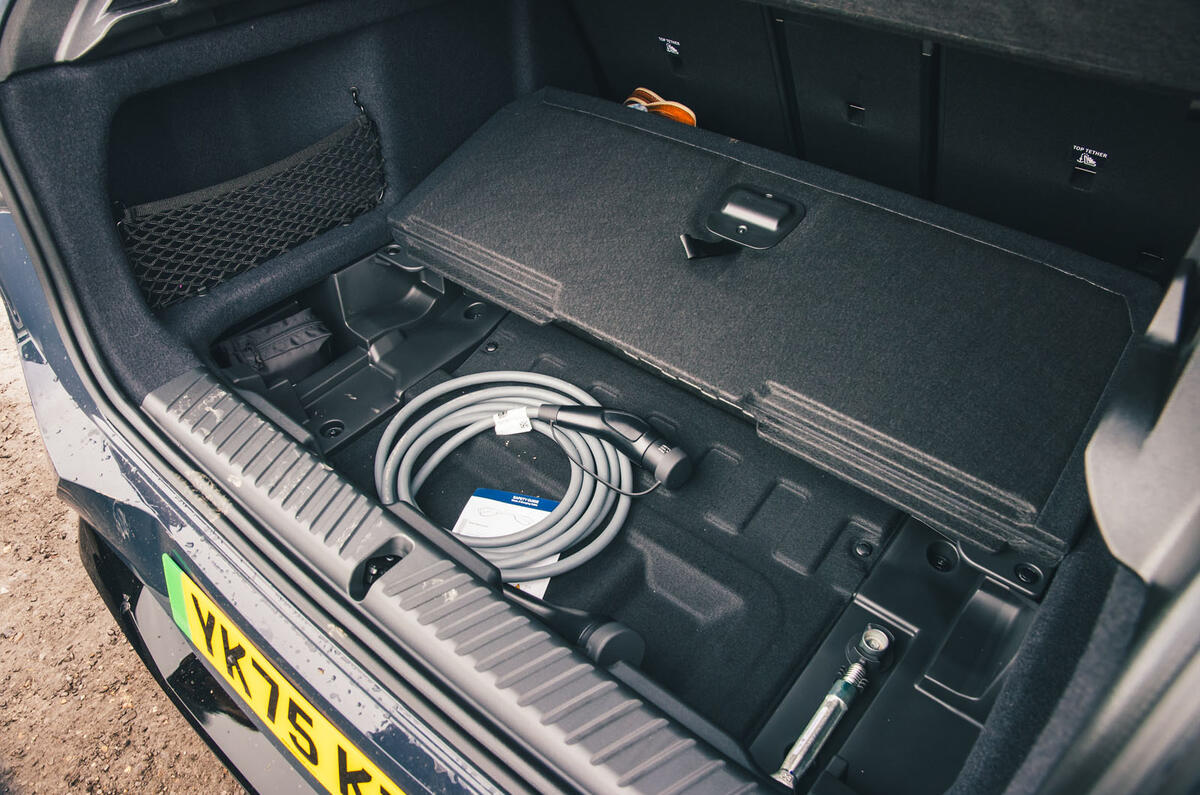
Rear-seat accommodation and the boot are both competitive for the class.

Even so, accounting for all of those screens, it’s a lot to take in. Somehow, despite there being so many displays, you still seem to have to adjust its various layouts fairly regularly to get to the information you want. You do all that mostly via the central touchscreen, which itself wants a lot of your attention. Meanwhile, BMW’s old iDrive rotary controller console - which we always liked because it makes navigating the infotainment system possible at a glance - has been given its marching orders yet again. That’s never been good news when it’s happened before.

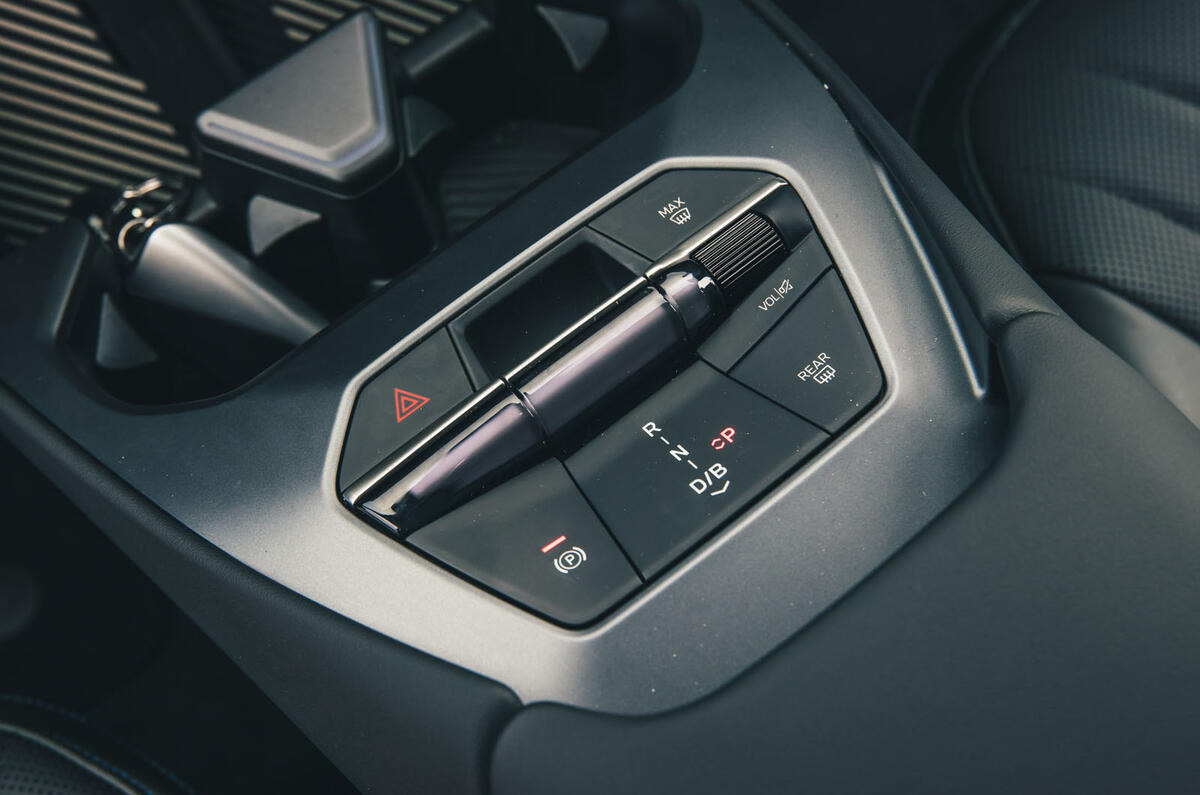
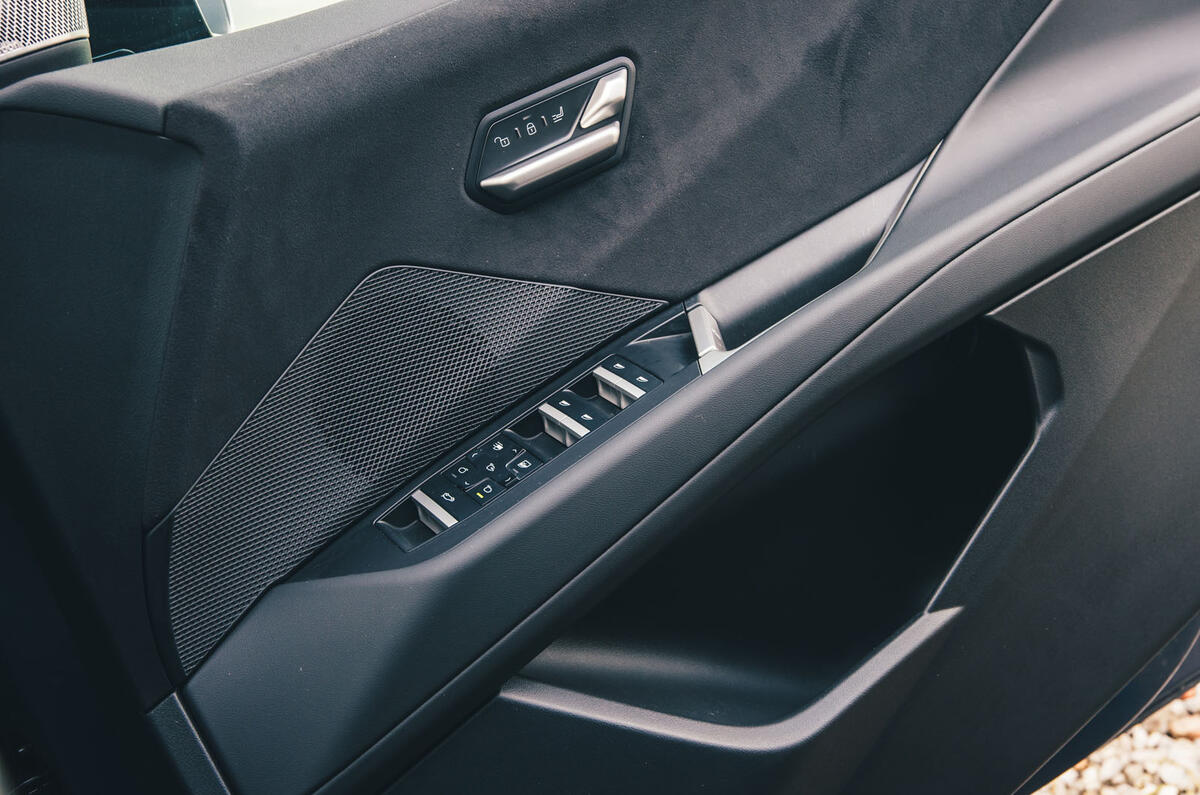
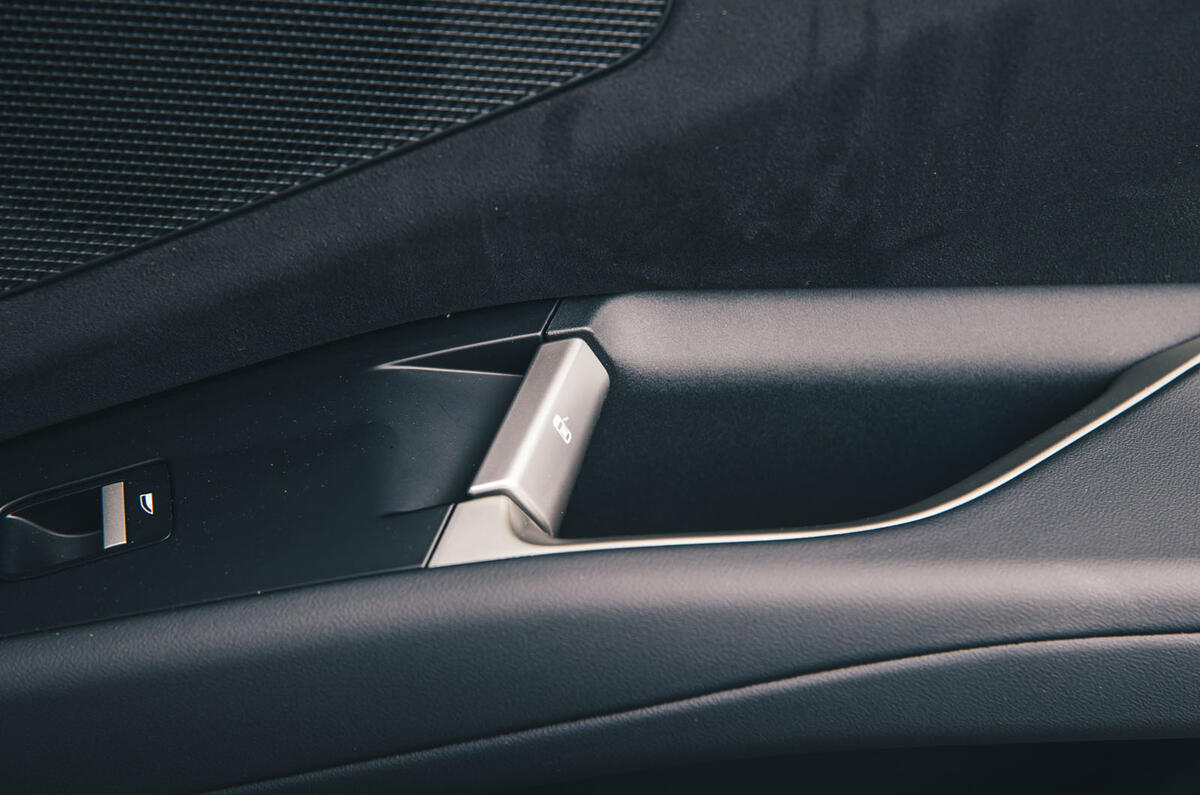
There are window and mirror switches on the door armrest and a small scattering of drive essentials in the centre, but the rest – not just temperature but even the air-vent direction and strength – is relegated to the huge touchscreen, which is simply tasked with too much, and has text and buttons that some drivers might find too small.

Elsewhere, because you’re sitting on top of the battery and because the steering wheel doesn’t lift as high as in other BMWs, there’s no bum-on-floor, legs-outstretched, wheel-at-shoulder-height driving position available, which will be a shame if that’s your bag.

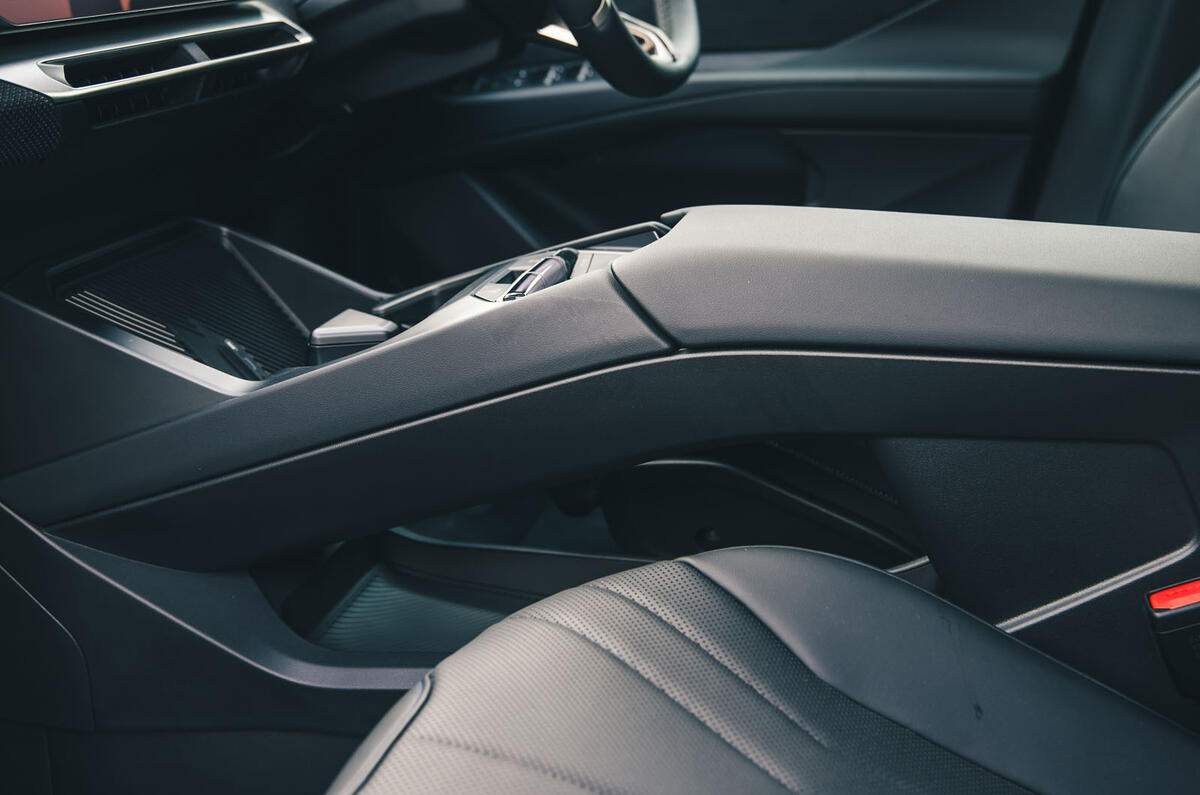
The cabin is elsewhere clean, with minimal switchgear. Big batteries are expensive, so there are some cost-saving scratchy plastics in the lower and rear of the interior, which is a pity. But mostly the interior materials feel fine, modern and airy.

ENGINES & PERFORMANCE

8
BMW iX3 review 2026 024

So far we’ve driven only the 50 xDrive model. It has two motors: an 'electrically excited' (read, one than does without permanent magnets) synchronous one at the rear, making 322bhp, and a 165bhp asynchronous motor at the front. This type is less efficient, but is easier to 'idle' when the car only needs single-axle drive.

The powertrain’s integration into the dynamics is what gets BMW’s engineers most excited. They say 98% of all braking can be done through regeneration rather than brake disc use. And because the responses of motor-generators is measured in mere milliseconds and there are fewer masses vibrating or flexibly attached to the chassis, they say they can develop a car that’s linearly, predictably and immediately responsive. And so they have.

BMW likes a rear-drive bias to even its 4wd cars, so the rear motor is more powerful than the front, and it uses it more often

The iX3 has lots of accessible thrust, but doesn't rush into motion like it's always in a hurry. It just goes exactly as quickly as you intend, almost exactly when you ask it to. And, quite clearly, it feels like a sporting proposition, even if it's also a family car.

It doesn't offer manually selectable brake energy regeneration paddles, which is an omission we'd flag especially on a car with an agenda for driver engagement; because having regen paddles makes you read the road ahead a bit more attentively than just switching off and letting the car take the strain. Philosophical considerations notwithstanding, of course, there are arguments in favour of both approaches. But it remains odd than BMW continues to decline to offer manual control for those drivers who would simply prefer it. Because that'd be one less thing to dive into the infotainment display to find; because it's a lot slower to adjust it that way; and because simply giving drivers the option wouldn't hurt those who wouldn't take it in any way.

As it is, the iX3 comes back with a more sophisticated 'adaptive' auto regen mode, which is powered by the car's sophisticated ADAS 'superbrain'. It works a little bit like some always-on adaptive cruise control, having a 'soft stop' mode that brings the car to a complete halt in traffic as smoothly as if you'd done it yourself, entirely by managing regen. It's a curious system at times, and a challenge to learn to 'trust' - because it means the car's trailing-throttle behaviour is inherently unpredictable, to a point; though it's seldom at all alarming. The upshot? If you were no particular hurry, you could probably drive this car an awfully long way without ever going near the brake pedal.

RIDE & HANDLING

8
BMW iX3 review 2026 027

Suspension is by struts at the front of it and a multi-link arrangement behind. The passive set-up is not only cheaper than a car equipped with, say, adjustable air springs, adaptive dampers and/or anti-roll bars, and rear steering, but it also requires no electric power to run it, which means the juice can be saved for forward motion.

While, at 2285kg unladen, the iX3 is heavy, the heaviest bit is low and central, the weight is distributed 50:50 - and dynamics engineers are increasingly good at disguising mass.

It's strange to think that, of an all-new platform with so many novel things, what may appeal the most about the iX3 are its old-school BMW chassis dynamics.

BMW's lot have set the iX3 up really rather well, in many ways. There are shades of the smoothness of the bigger BMW iX about the iX3’s primary ride and close body control. Fewer, however, about its secondary ride isolation, which tends to thump and ping a little through the body structure over broken edges and cats eyes. 

It steers smoothly, medium-weighted and medium-of-speed; which seems entirely appropriate for a BMW of this type. There are even notes of real feel and positivity to the movements of the rim, which won't be there by accident.

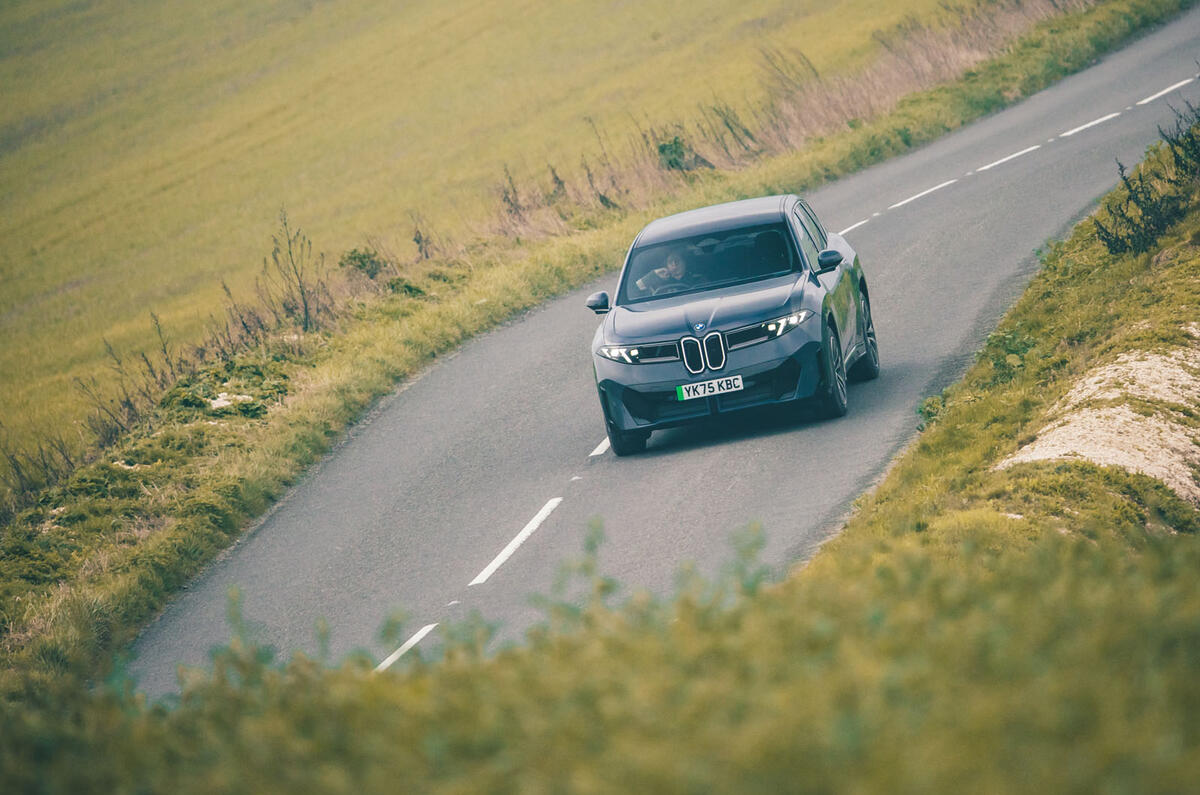
More widely, the car handles in quite level and keen fashion. It certainly doesn’t feel like there’s 2.3 tonnes of it; and it augers well for the other cars still to come on this platform.


MPG & RUNNING COSTS

10
BMW iX3 review 2026 001

The acid test of this car may be imagined to be range; though there are many more dynamic strings to its bow.

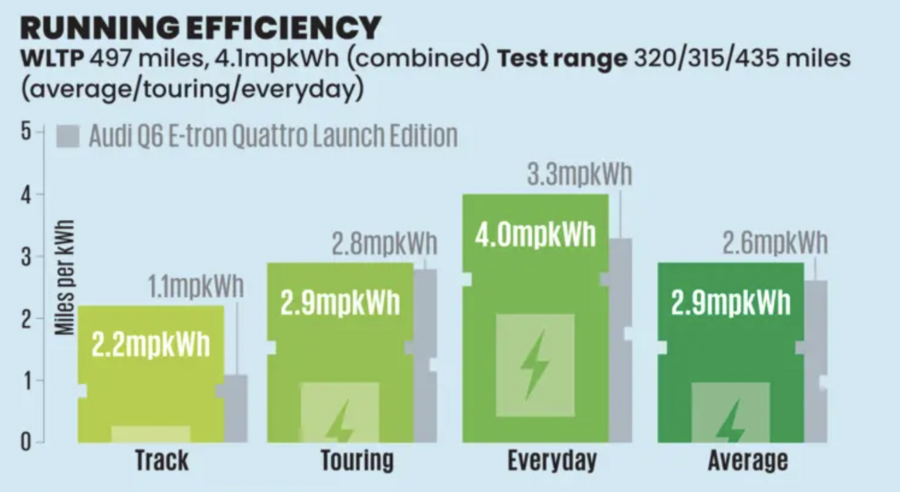
After a decent-length UK test drive (a full road test is coming soon), we'd say 500 miles may literally mean pushing it; but, at the claimed rate of efficiency of our test car, 380- to 400- could probably be relied upon at motorway pace, and more like 450- in mixed use. That’s still exceptional for just about any electric car in 2026; for the price, especially so.

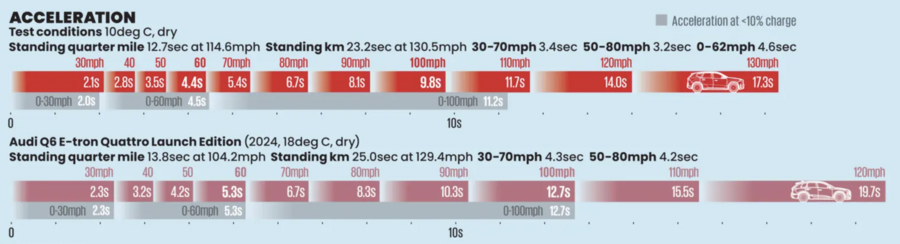
BMW will offer the car in standard trim, as well as M Sport and M Sport Pro; only the first of those being available for an on-the-road price of under £60,000 (although the single-motor model will lower that entry point later in 2026). That makes the car significantly cheaper than an equivalent Audi Q6 E-tron, however. BMW UK claim that value was a big part of their positioning, and they've aimed for approximate parity with an X3 plug-in hybrid.

VERDICT

9
BMW iX3 review 2026 029

Technically, the iX3 does feel like a bit of a yardstick and landmark, then; albeit one whose double-generation jump into the digital world is challenging as well as high-achieving.

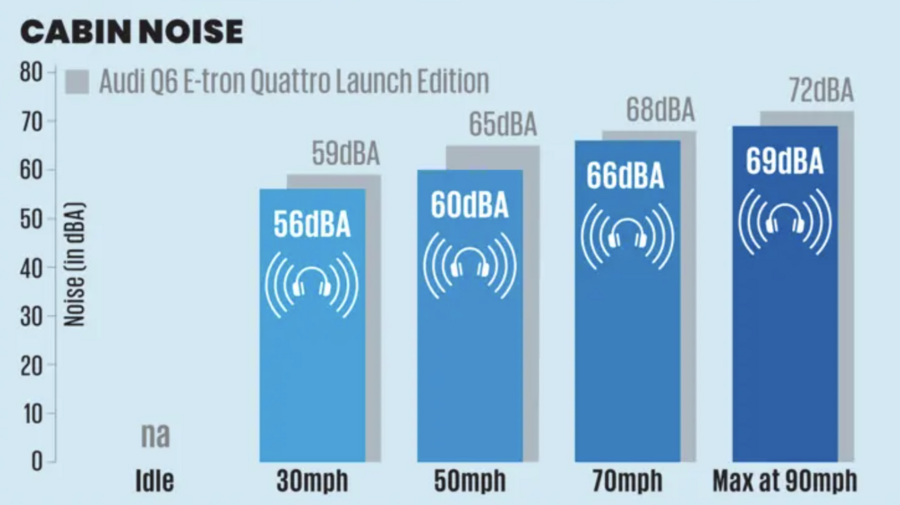
There can be no denying how exceptional is the car's combination of electric range, usable space, quietly compelling performance, keen handling, all at a sub-£60k price. Objectively, all that has to make this car a new high-water-mark among all-electric executive-class SUVs.

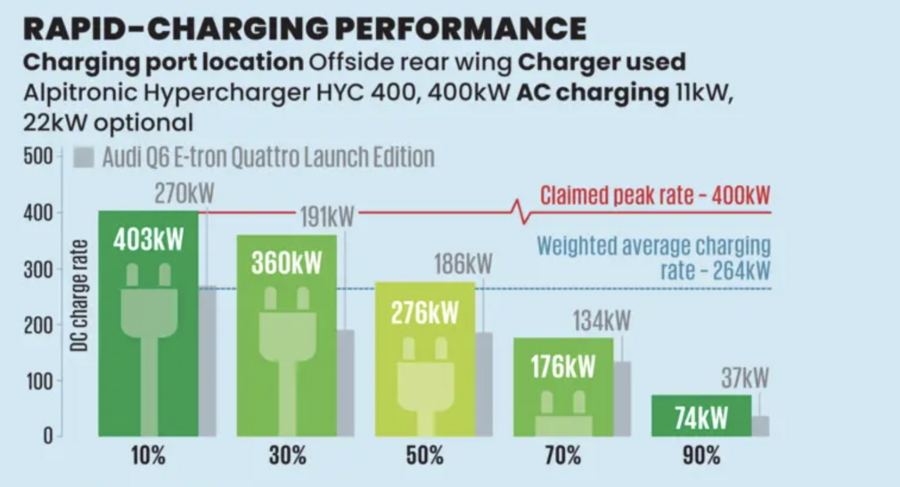
A few owners may grumble when they find they're not quite in for regular 500-mile usability. But the range that this car does deliver remains significantly better than its opponents, and it's underscored by excellent rapid charging performance.

To drive, much about the car is really impressive, and speaks of painstaking fine-tuning. But there is the odd curiousity, blind spot and omission also. If you don't like EVs that regulate their battery regen automatically, for instance, this one may not be for you (although it's probably worth a test drive, just to be sure that it wasn't another EV's particular execution of that idea that actually offended).


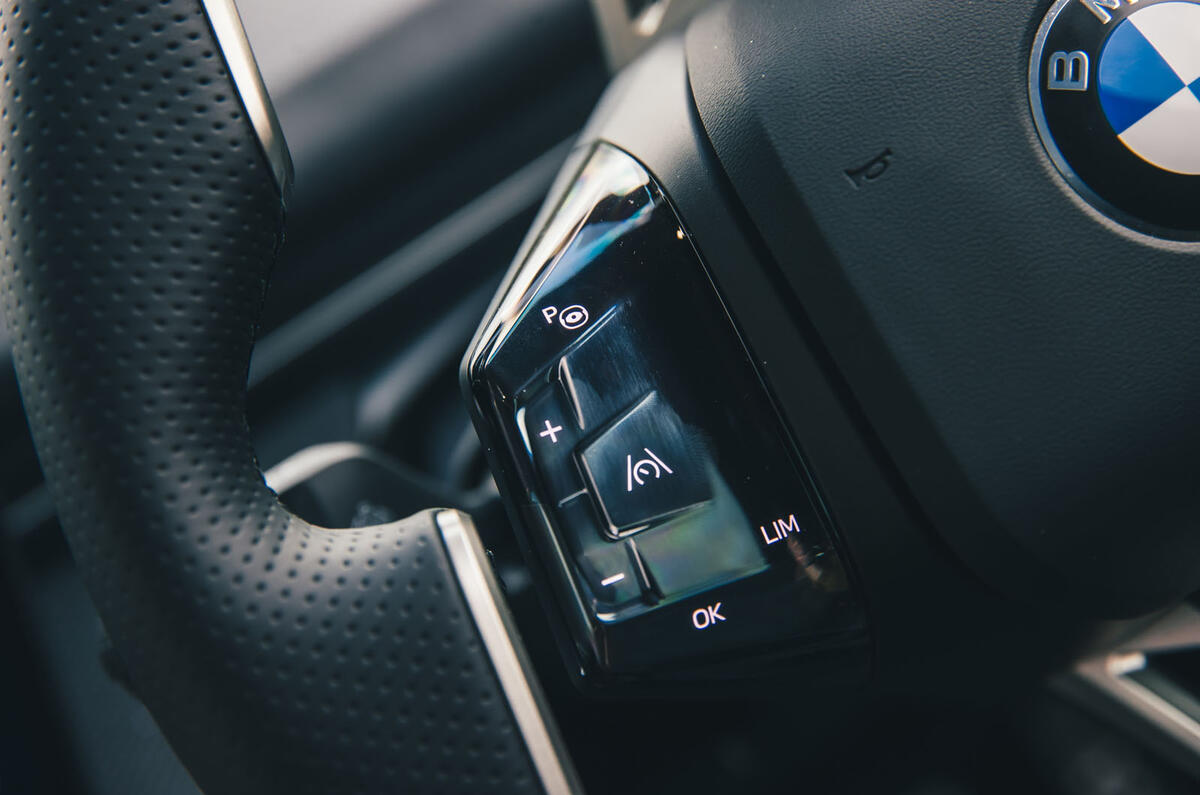
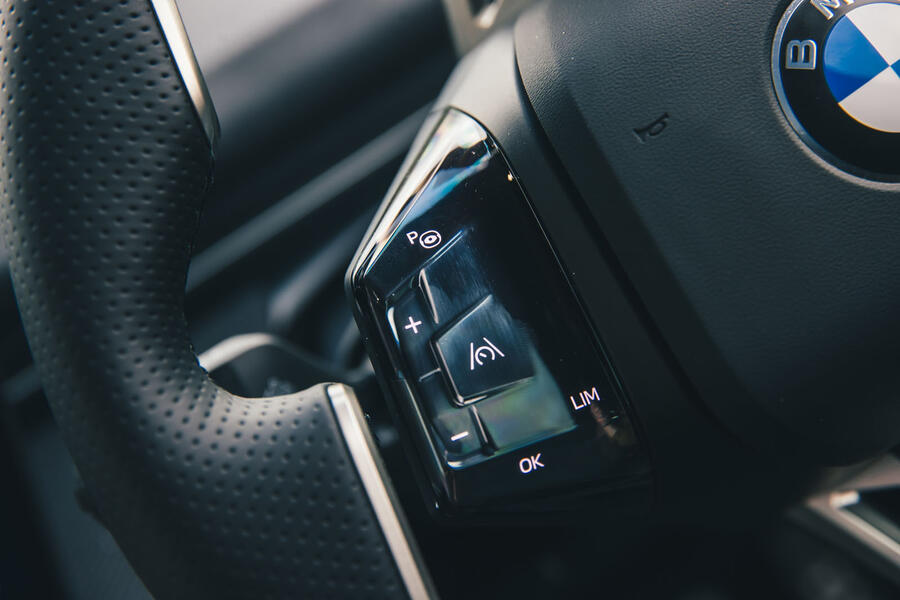
Moreover, if you don't like overburdened touchscreens with all-encompassing control regimes, there's also cause for concern here. BMW has done what it can to make the iX3's system configurable and easy to access at a glance. But it remains very complex and, at times, too distracting. And so many of the physical-button loopholes that we've thanked heaven for over the years (an iDrive knob for cursor control; and cruise control 'set' button to deactivate the speeding bongs) are simply not included.

BMW insists that driving this car becomes uncannily intuitive, given time. Three hours across the South Downs certainly didn’t feel like enough. Stay tuned to find out if the Autocar road test finds differently.

Matt Saunders

Matt Saunders Autocar
Title: Road test editor

As Autocar’s chief car tester and reviewer, it’s Matt’s job to ensure the quality, objectivity, relevance and rigour of the entirety of Autocar’s reviews output, as well contributing a great many detailed road tests, group tests and drive reviews himself.

Matt has been an Autocar staffer since the autumn of 2003, and has been lucky enough to work alongside some of the magazine’s best-known writers and contributors over that time. He served as staff writer, features editor, assistant editor and digital editor, before joining the road test desk in 2011.

Since then he’s driven, measured, lap-timed, figured, and reported on cars as varied as the Bugatti Veyron, Rolls-Royce PhantomTesla RoadsterAriel Hipercar, Tata Nano, McLaren SennaRenault Twizy and Toyota Mirai. Among his wider personal highlights of the job have been covering Sebastien Loeb’s record-breaking run at Pikes Peak in 2013; doing 190mph on derestricted German autobahn in a Brabus Rocket; and driving McLaren’s legendary ‘XP5’ F1 prototype. His own car is a trusty Mazda CX-5.

Matt Prior

Matt Prior
Title: Editor-at-large

Matt is Autocar’s lead features writer and presenter, is the main face of Autocar’s YouTube channel, presents the My Week In Cars podcast and has written his weekly column, Tester’s Notes, since 2013.

Matt is an automotive engineer who has been writing and talking about cars since 1997. He joined Autocar in 2005 as deputy road test editor, prior to which he was road test editor and world rally editor for Channel 4’s automotive website, 4Car. 

Into all things engineering and automotive from any era, Matt is as comfortable regularly contributing to sibling titles Move Electric and Classic & Sports Car as he is writing for Autocar. He has a racing licence, and some malfunctioning classic cars and motorbikes.