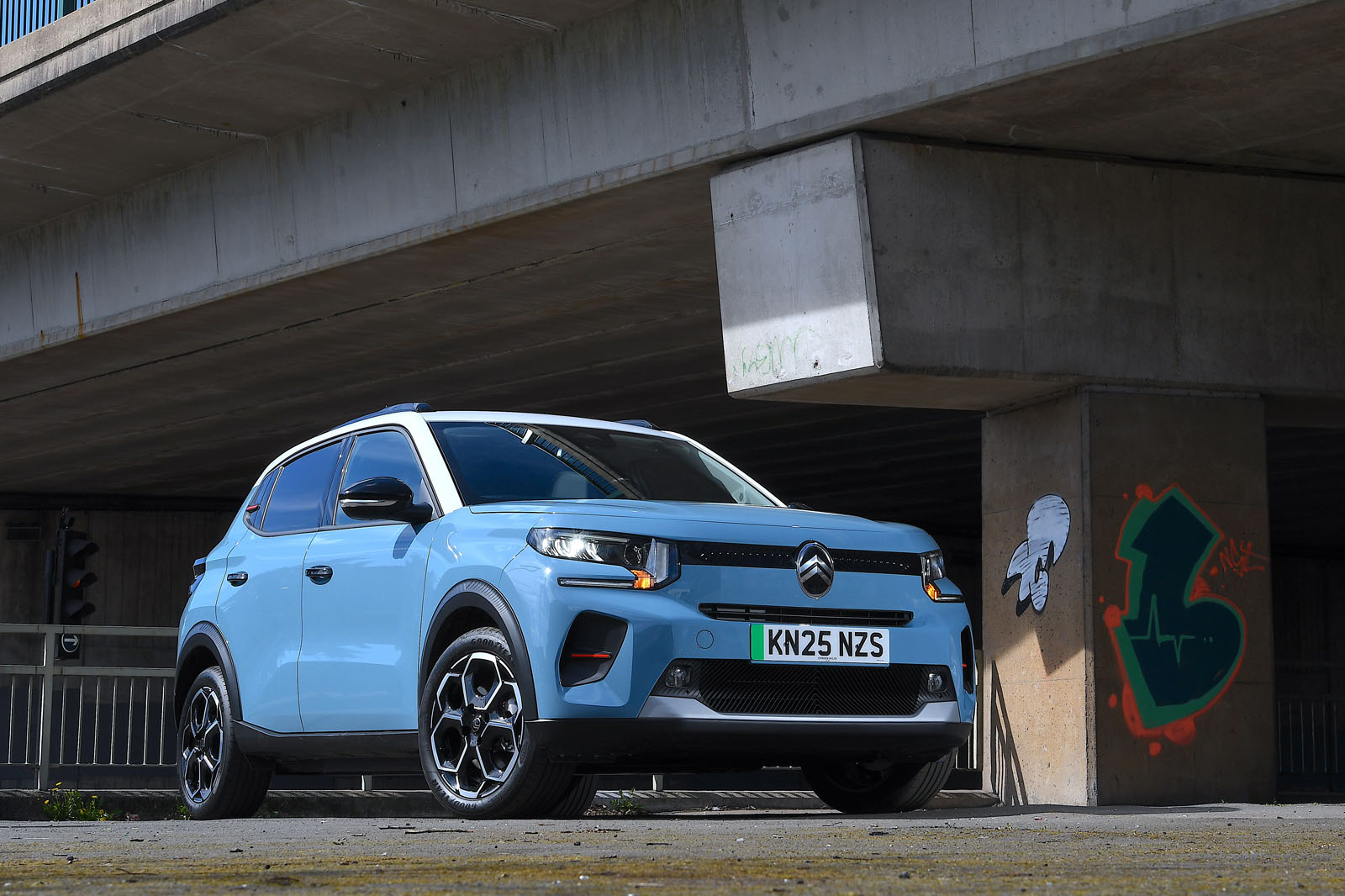
From £22,0957

Electric supermini leads Europe's fightback against low-cost Chinese challengers

Concerned voices continue to debate the influence that Chinese-made electric cars will have on the European market in the longer term. In 2024, concerned EU legislators even ruled to impose tariffs on them.

But until now, very few European car makers have actually grasped the nettle and sought to match what we might consider China-typical value in a European-made, affordable electric car.

That is ostensibly what Stellantis’s new Smart Car platform has been designed to do – and the fourth-generation Citroën C3 and the brand-new Citroen ë-C3, the subject of this test, are its first-borne fruit.

Advertisement

DESIGN & STYLING

8
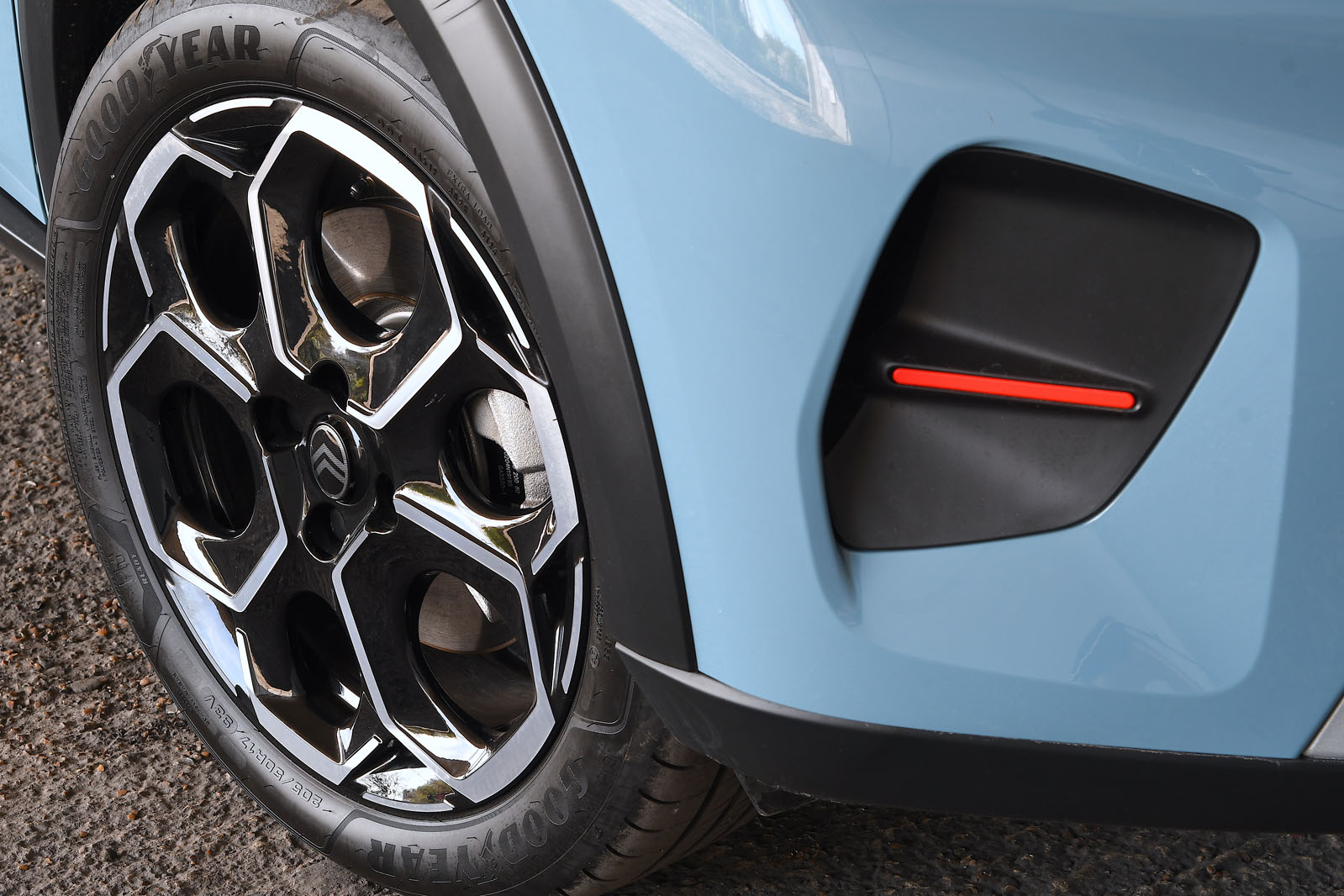
Citroen eC3 2025 Review wheel 8897

The Smart Car platform that underpins this car has been spun off of what Stellantis calls its STLA Small architecture.

It’s adaptable enough to be used to produce both EV and ICE models, and it has also fathered the new Citroën C3 Aircross, Fiat Grande Panda and Vauxhall Frontera, with more to come.

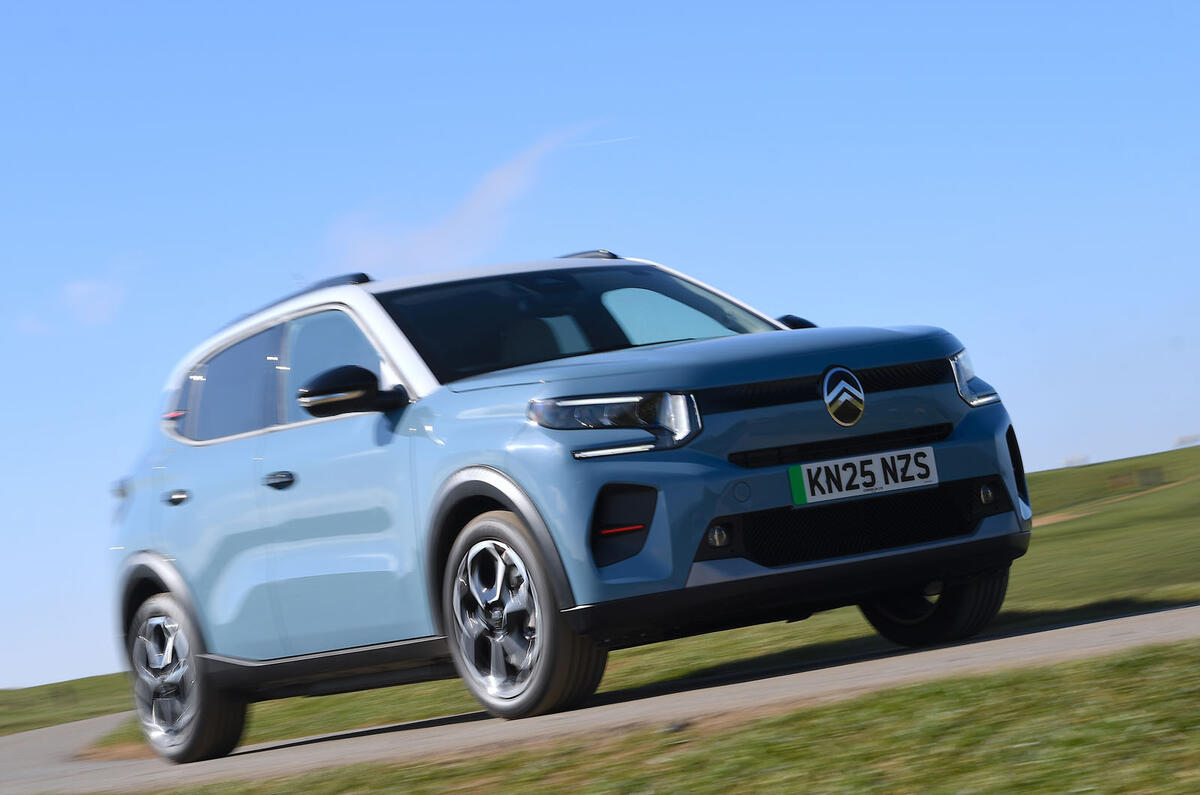
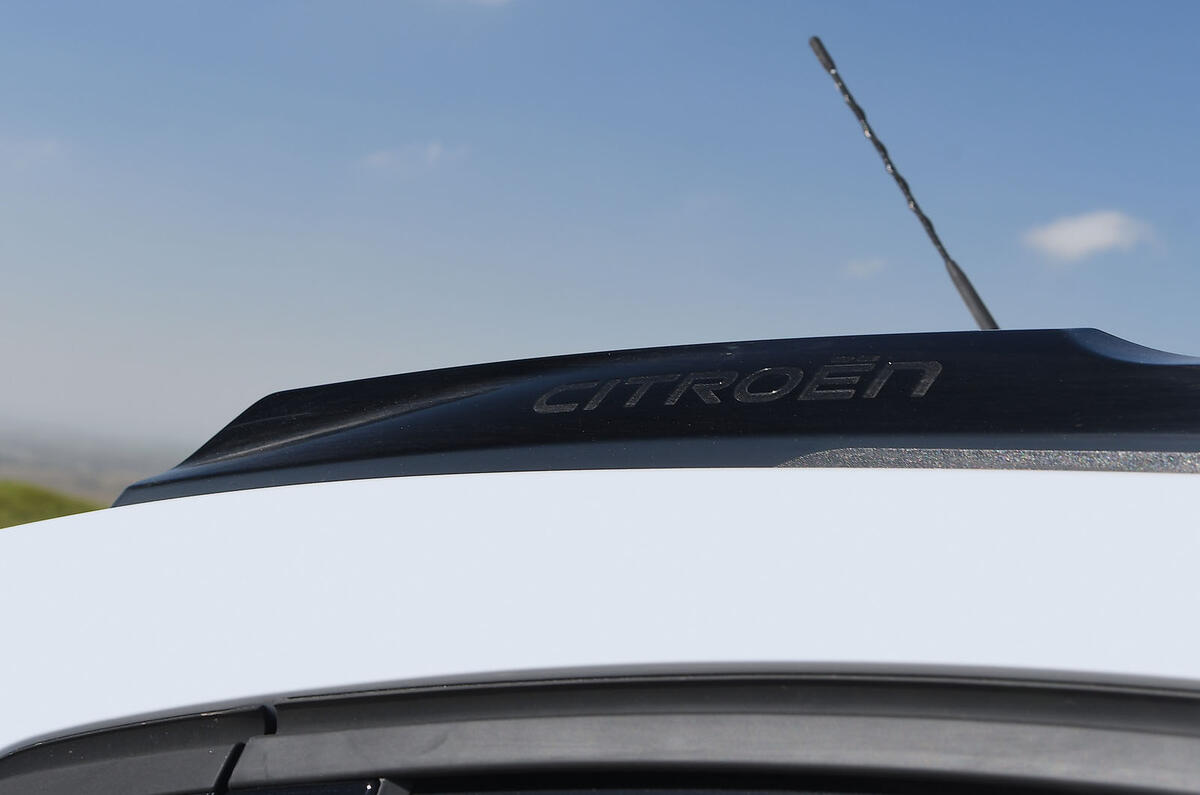
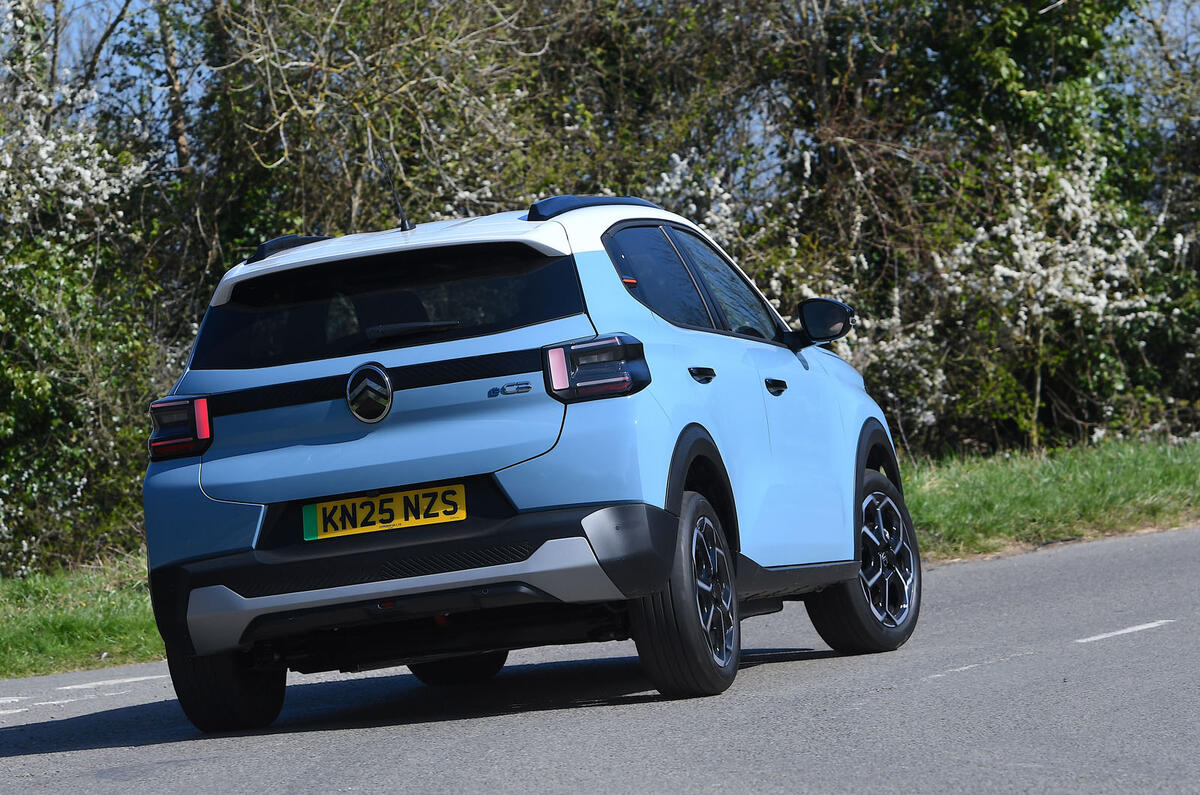
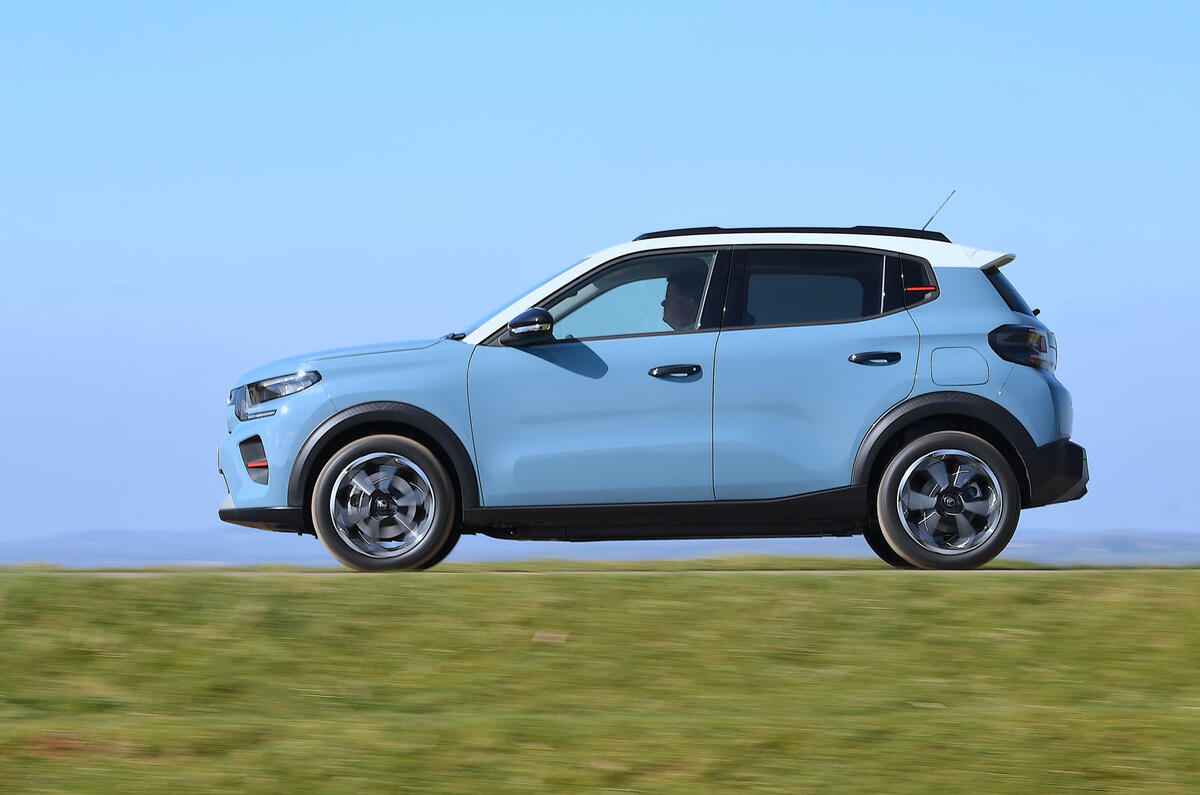
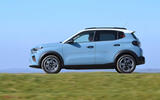
A contrasting roof is standard, as are the aerodynamic-looking, Citroën-branded roof bars atop of it. They will let you affix a rack or a box in which you can carry an extra 75kg of cargo.

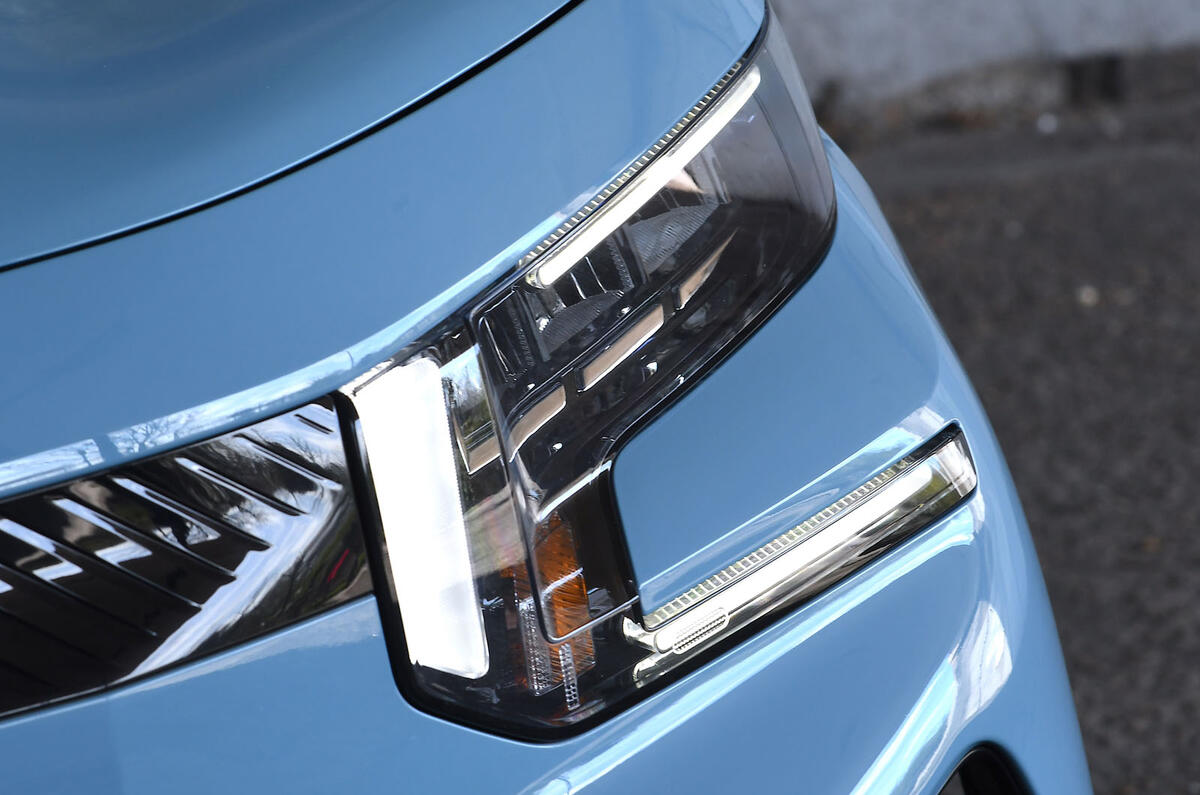
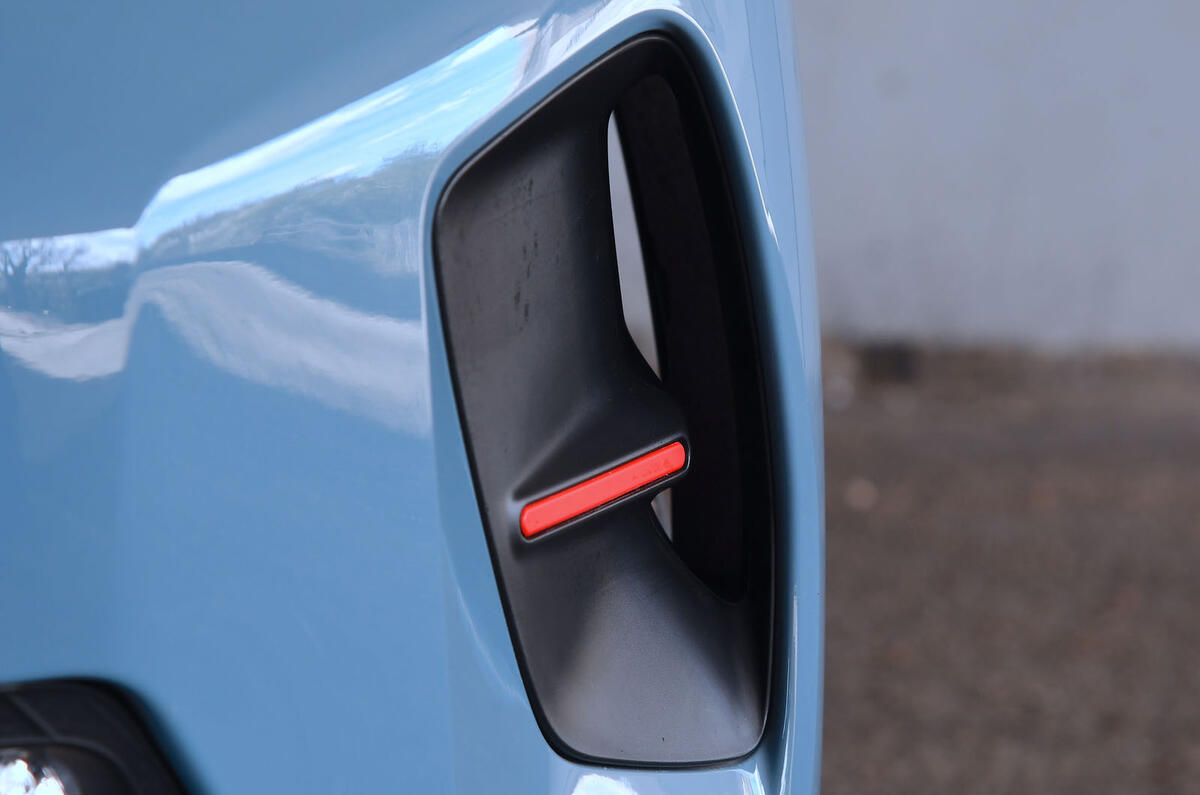
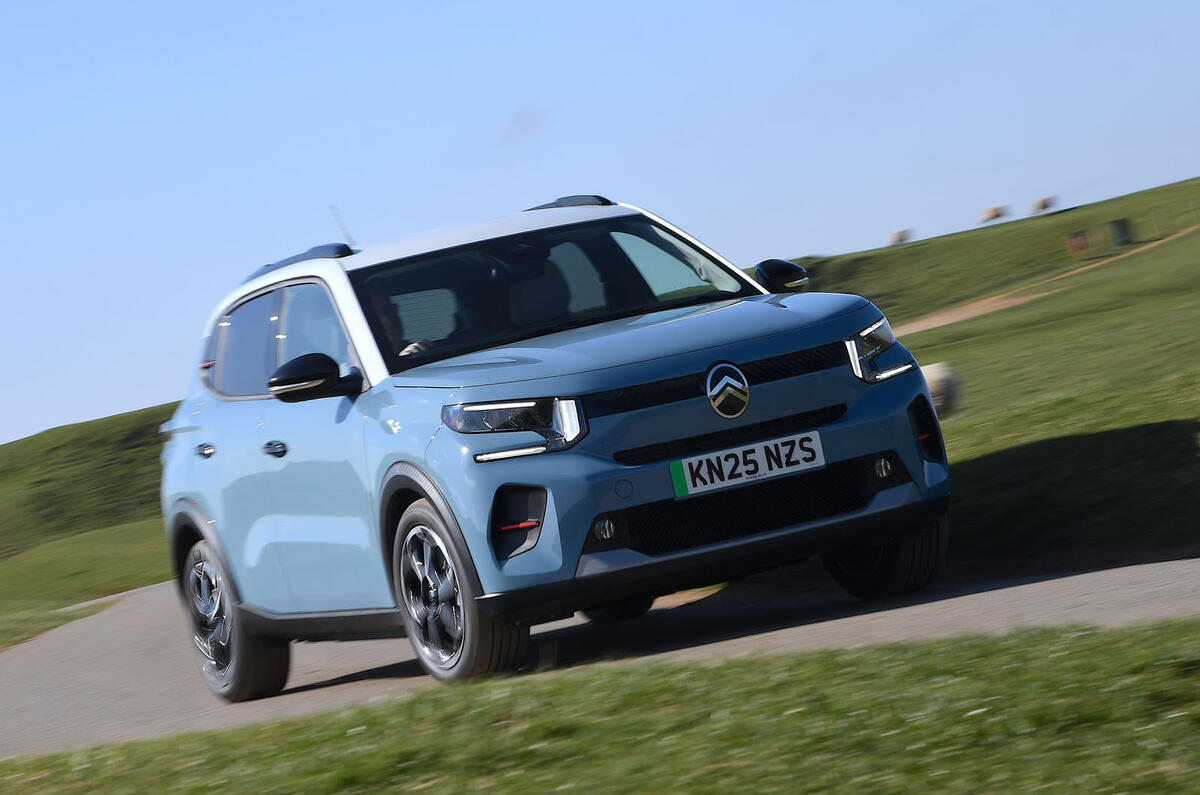
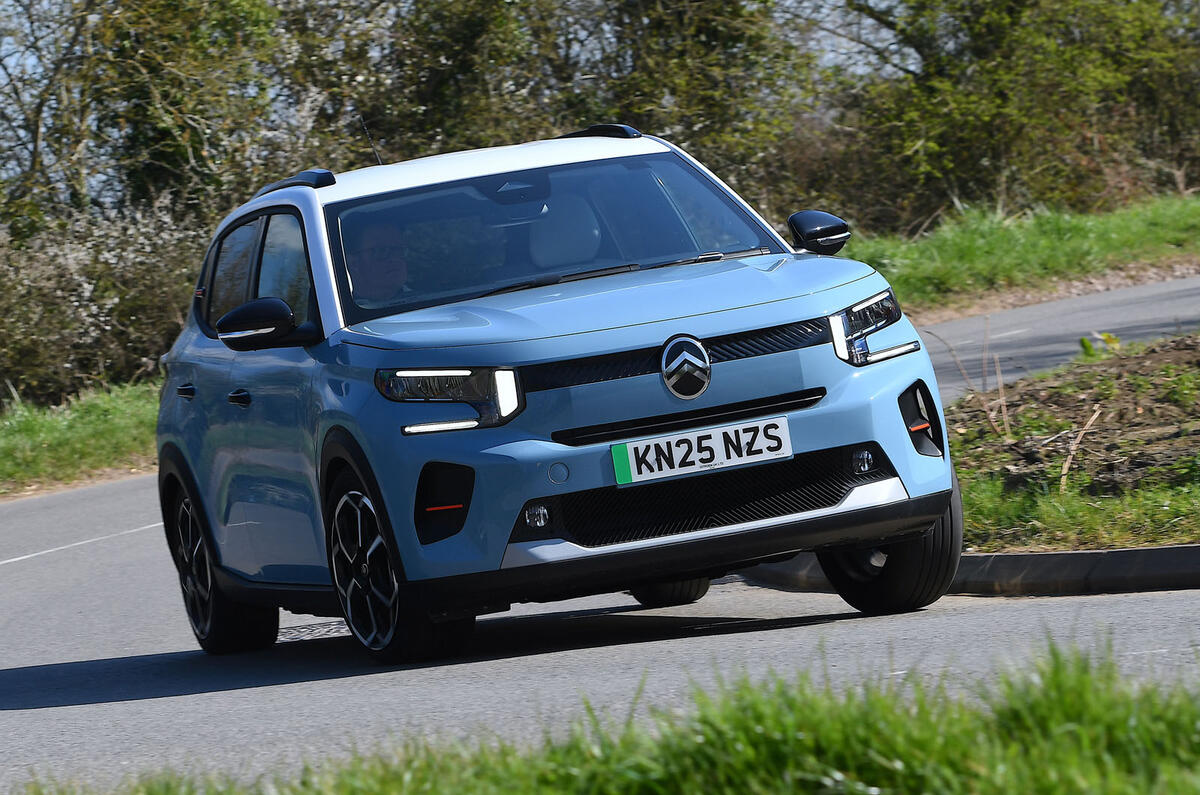
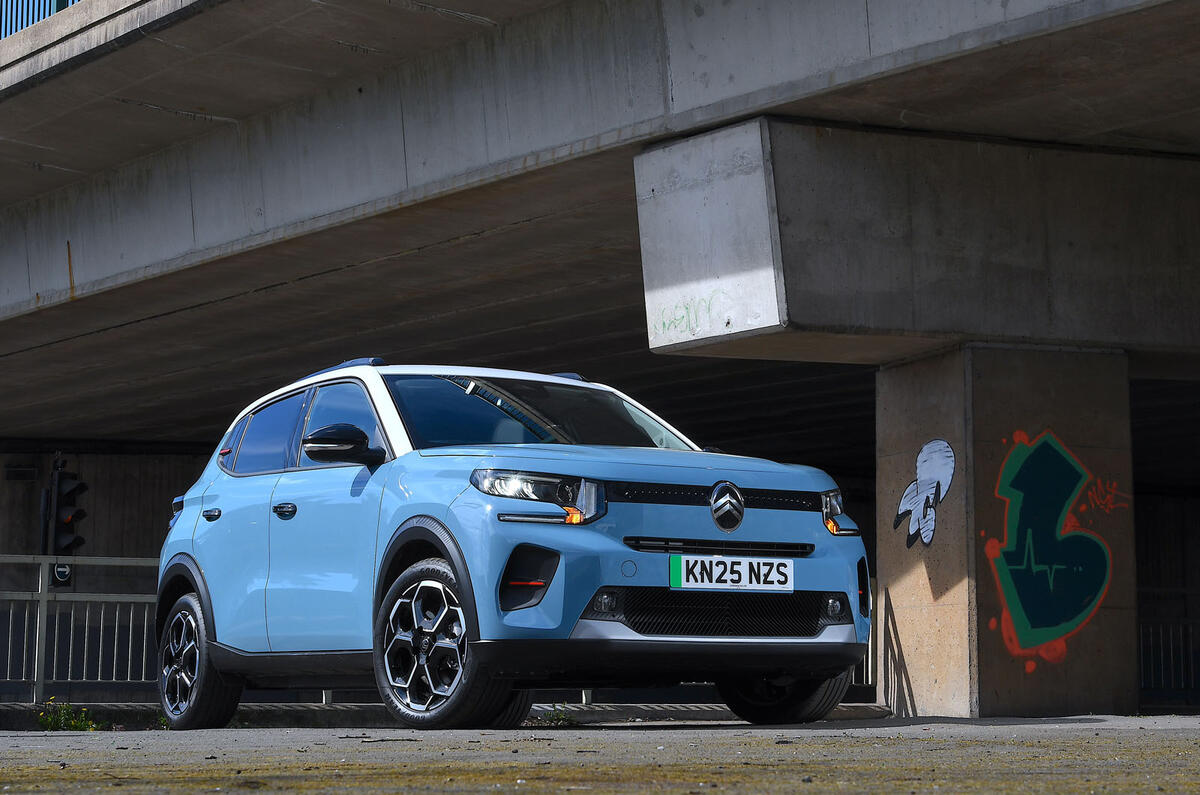
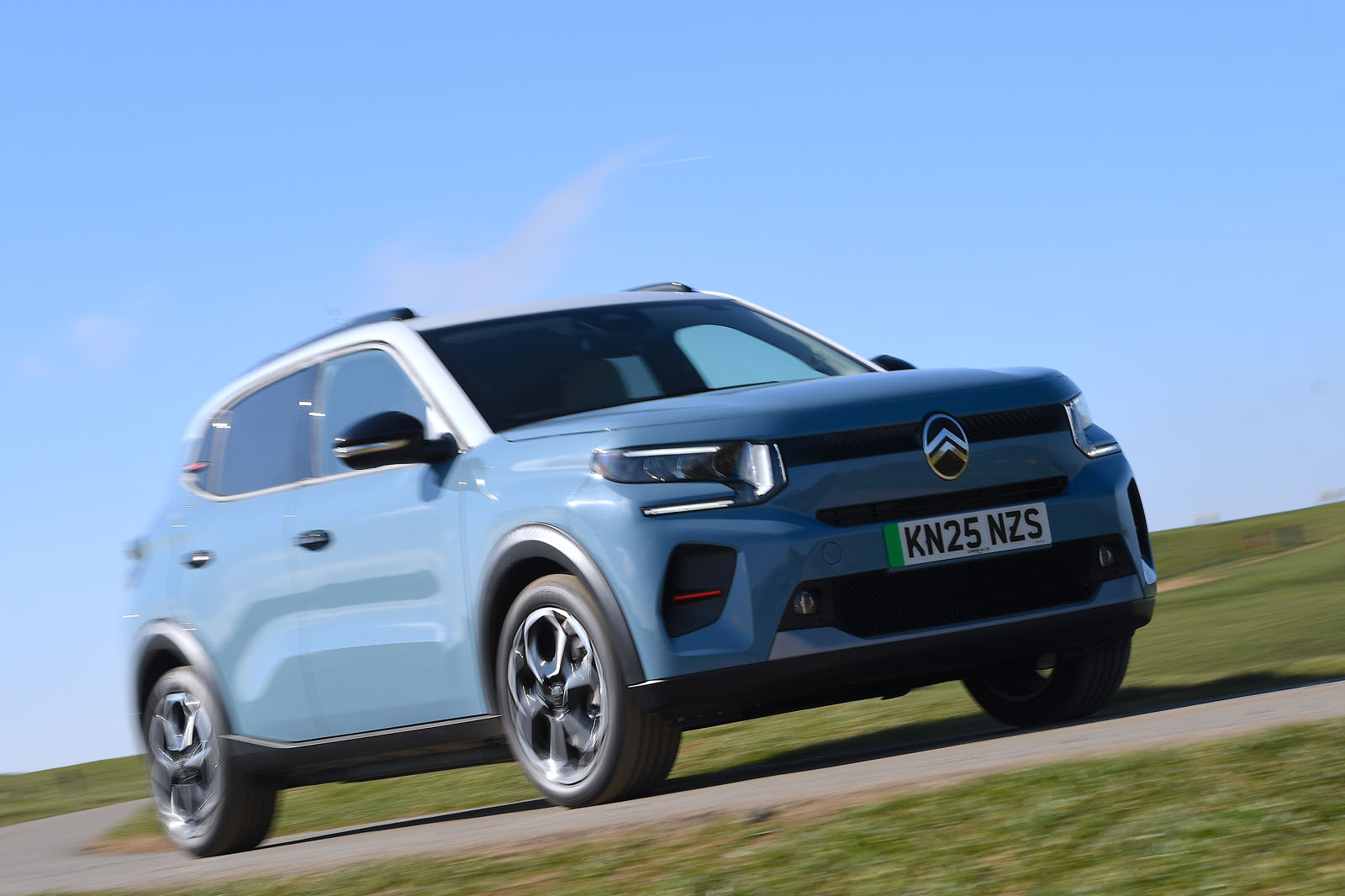
Not that all are likely to be as quirky as the ë-C3. Citroën continues to count daring design among its raisons d’être and has really developed the crossover-inspired design themes flirted with by the previous C3 here.

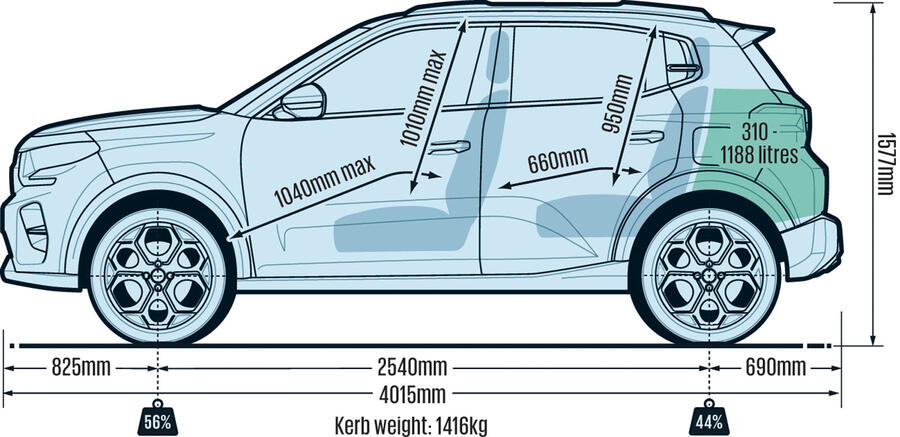
With a bluff nose and a roofline rising to 1577mm, this is plainly a compact SUV kind of product (the Vauxhall Corsa stands 1433mm tall, while the Nissan Juke reaches 1593mm).

While the C3 uses a 1.0-litre three-cylinder turbo petrol engine as its primary power source, the ë-C3 enters its own market niche as a fairly modestly powerful, short-range, simple EV.

Every example gets a front-mounted electric motor that produces 111bhp and 92lb ft of torque, but as of 2026, Citroën offers two battery options. 

The entry-level ë-C3 Urban Range gets a 30kWh battery for 130 miles of range, while all other models are equipped with a larger 43.7kWh battery.

Those cars get a more usable range of 199 miles, which may not sound like much, but both Mini and Renault charge more and give less of the stuff in their cheapest Cooper and 5 rivals.

INTERIOR

8
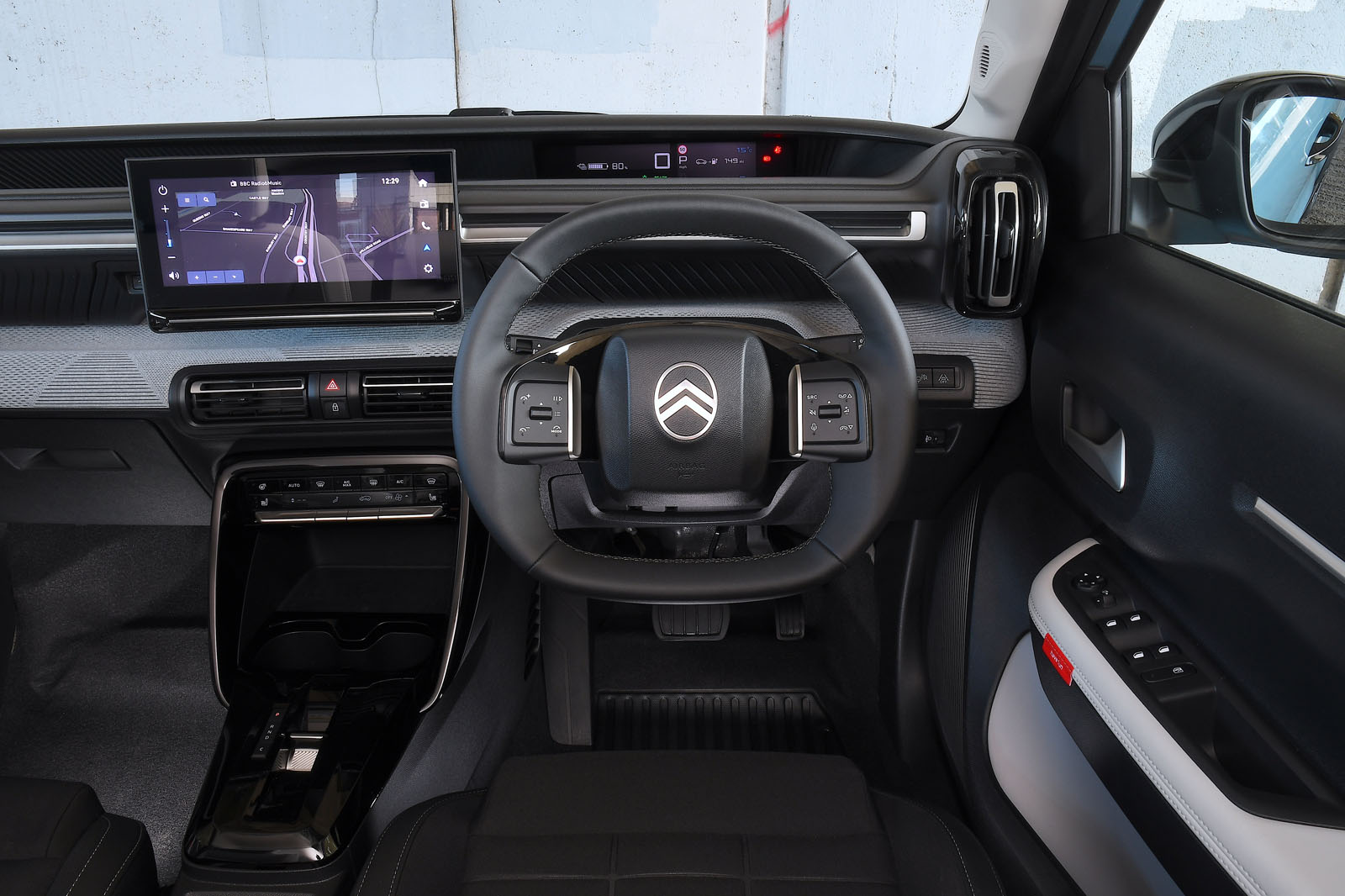
Citroen eC3 2025 Review dash 8875

There is some practical sense in allowing the C3 to grow five inches taller.

An upwards stretch doesn’t affect how much space this car takes up at the kerb, and it allows Citroën to offset the impact on cabin packaging of an underfloor battery pack and also to give occupants more outright space by sitting them less recumbently than they would otherwise be.

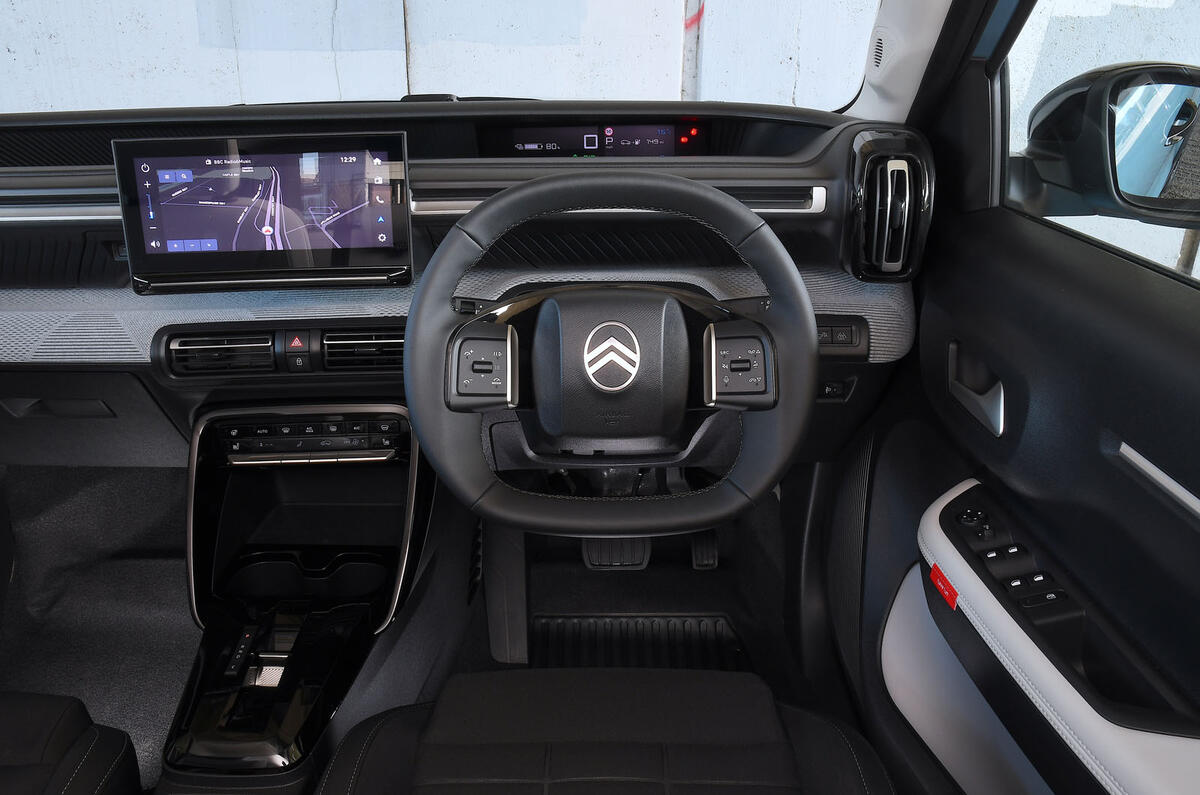
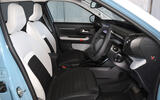
The high-set instrument panel is actually projected from an upwards-facing display recessed into the dash top and then reflected towards the driver, periscope-style. It allows Citroën to put the display right up against the scuttle, with no wasted space. Clever.

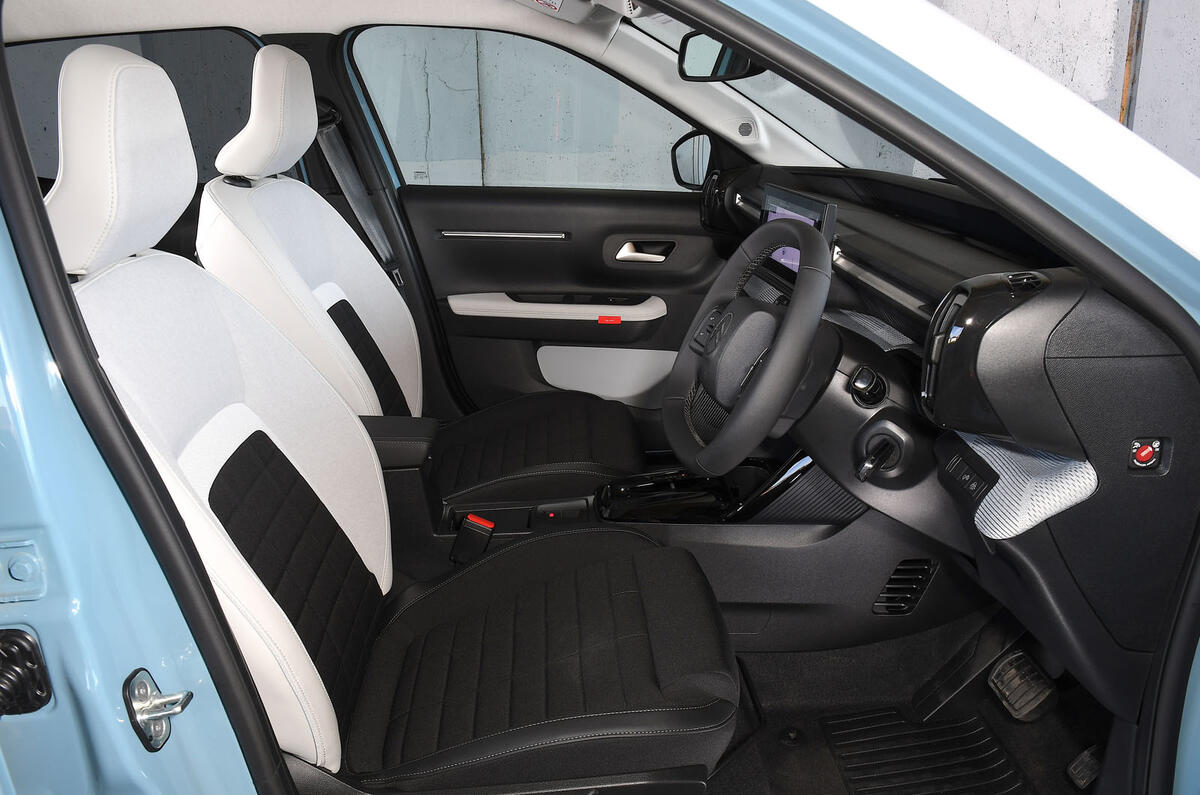
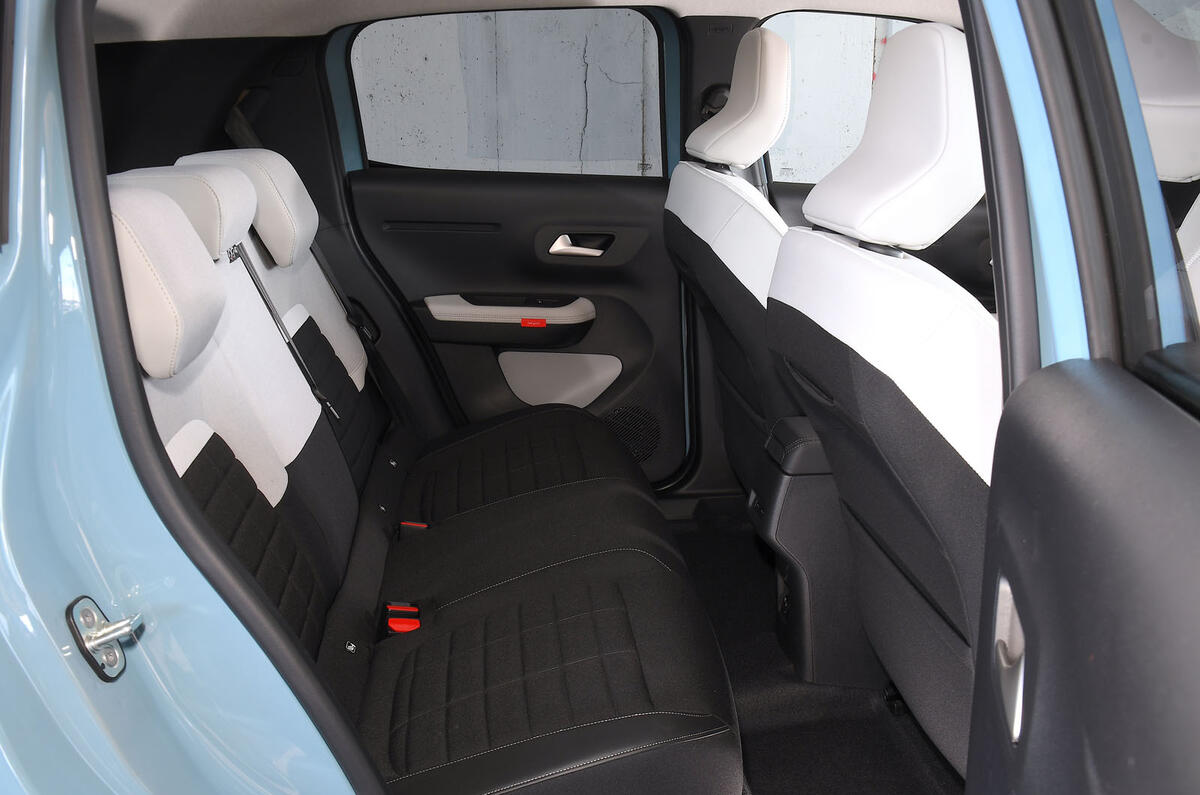
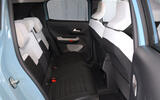
Thus the ë-C3 becomes quite a spacious-feeling supermini – one with particularly abundant head room in the front row and enough space in the second row for most adults to be fairly comfortable.

We measured 1010mm of front-row head room (20mm more than in the Toyota Yaris) and 660mm of second-row leg room (20mm more than in the Nissan Micra).

The seat cushions lack a little useful inclination angle but, while there’s some compromise to longer-distance comfort in the back due to the highish cabin floor, the seats in the front are comfortably padded and moderately adjustable.
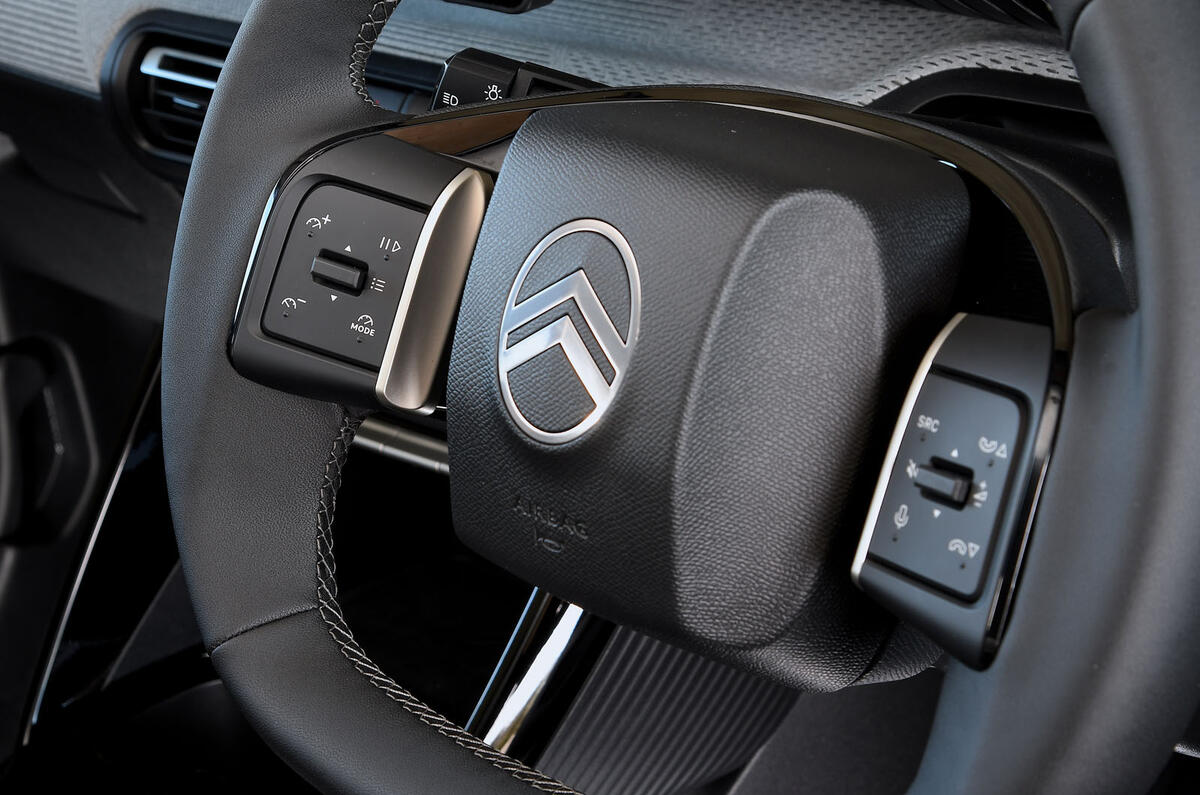
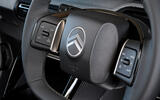
The ë-C3’s driving position feels a little like one borrowed from sister brand Peugeot’s i-Cockpit playbook. The steering wheel is small and the column low-sprouting, while the all-digital instrumentation pod sits high on the fascia right at the base of the windscreen.

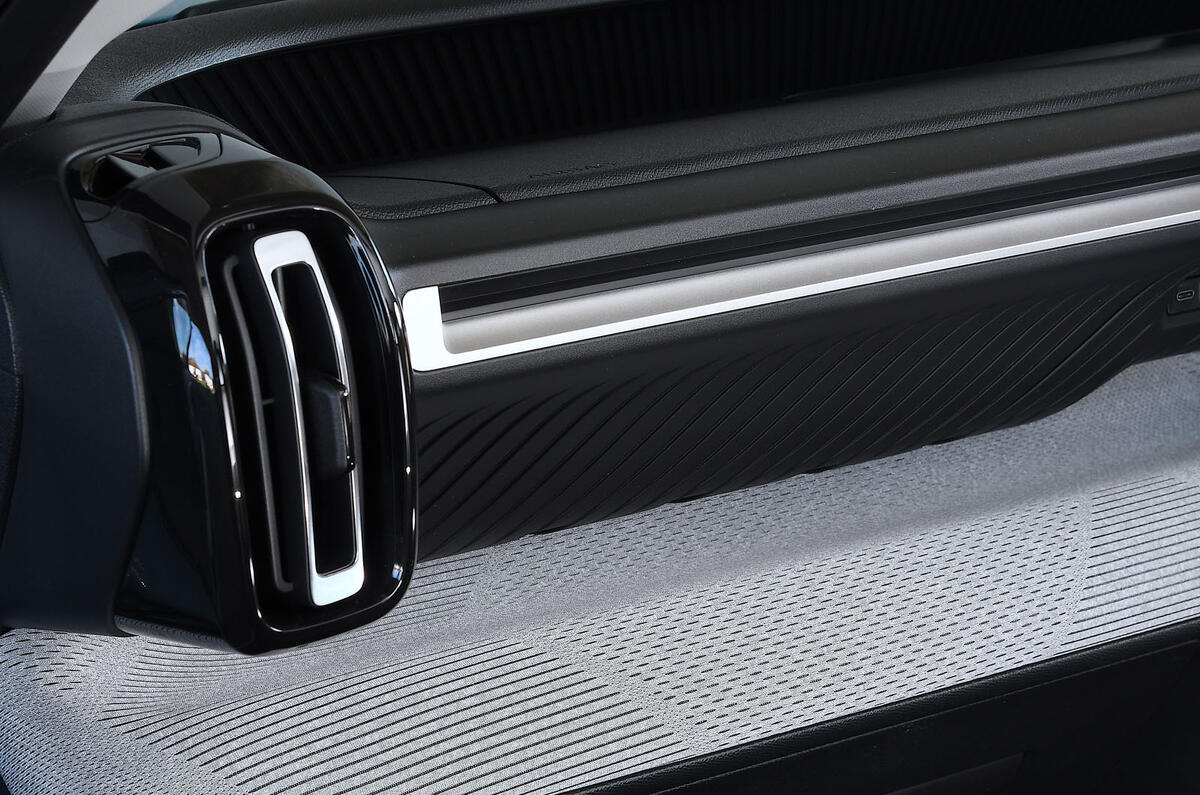
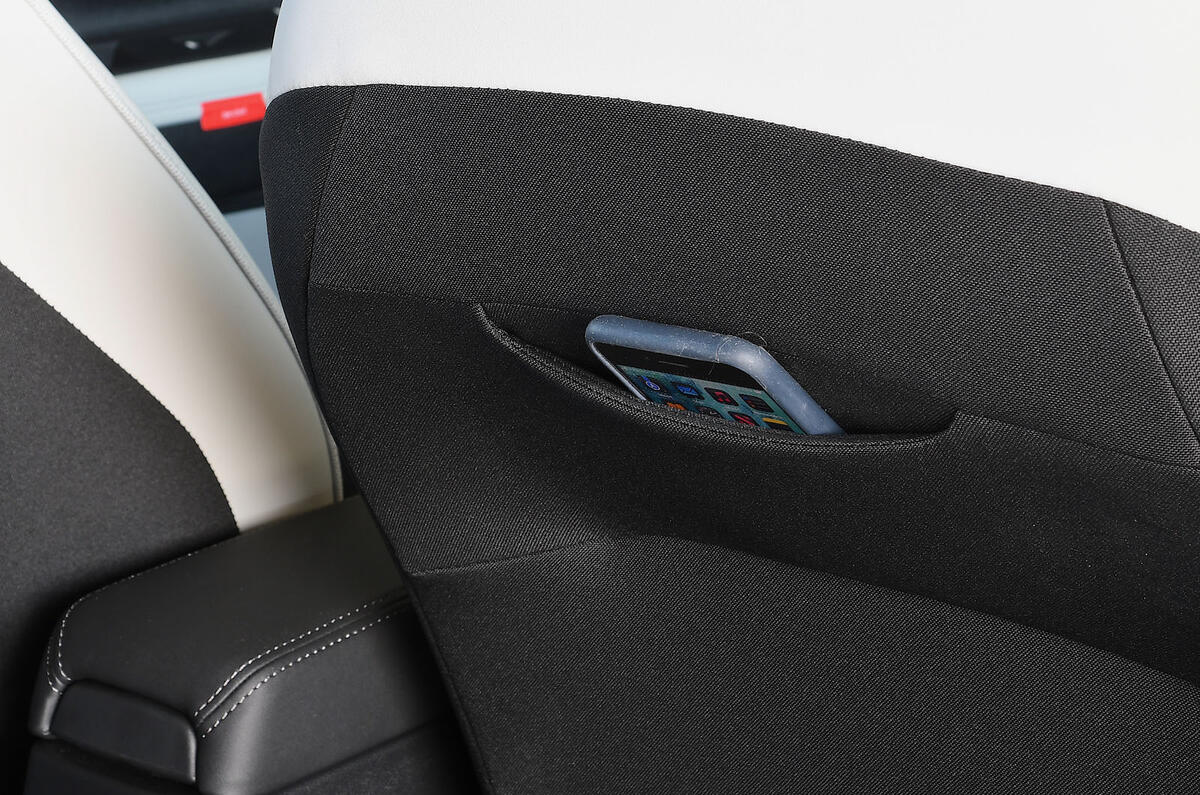
The primary control layout works reasonably well. The space it liberates on the full-width, double-tier dashboard itself makes for lots of oddment storage, and the little corners and flat surfaces can be decorated with colourful knick-knacks, should you be so inclined.

Multimedia - 3 stars

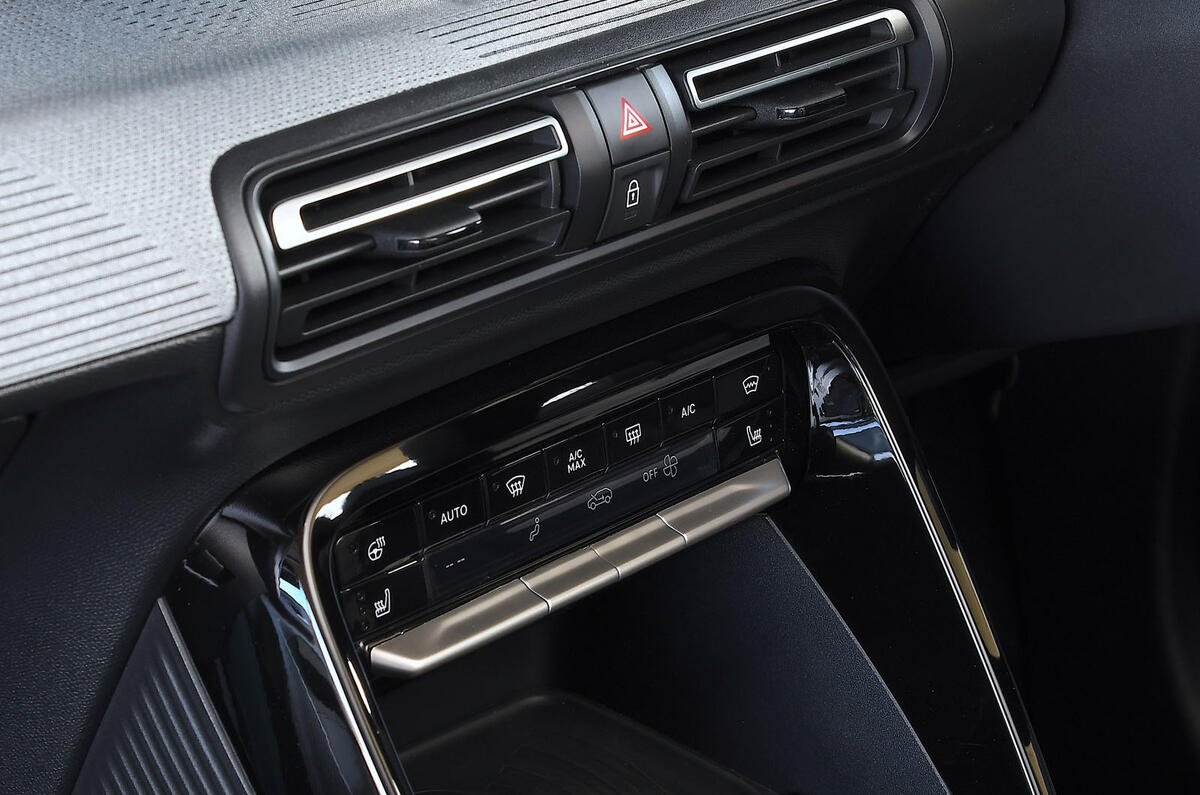
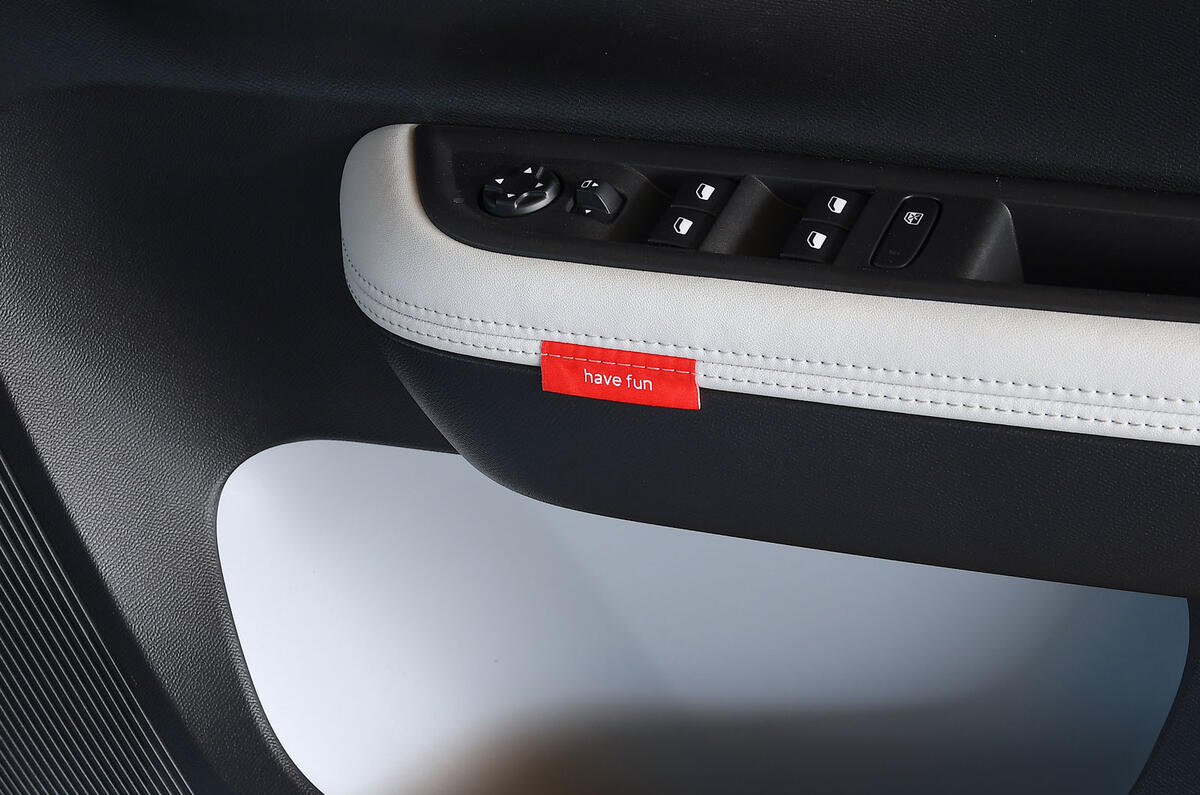
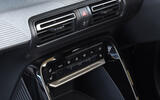
The ë-C3’s provision of physical heating and ventilation controls, mirror adjusters and even proper buttons for the deactivation of key ADAS functions shows you how much Citroën appreciates simplicity and usability.

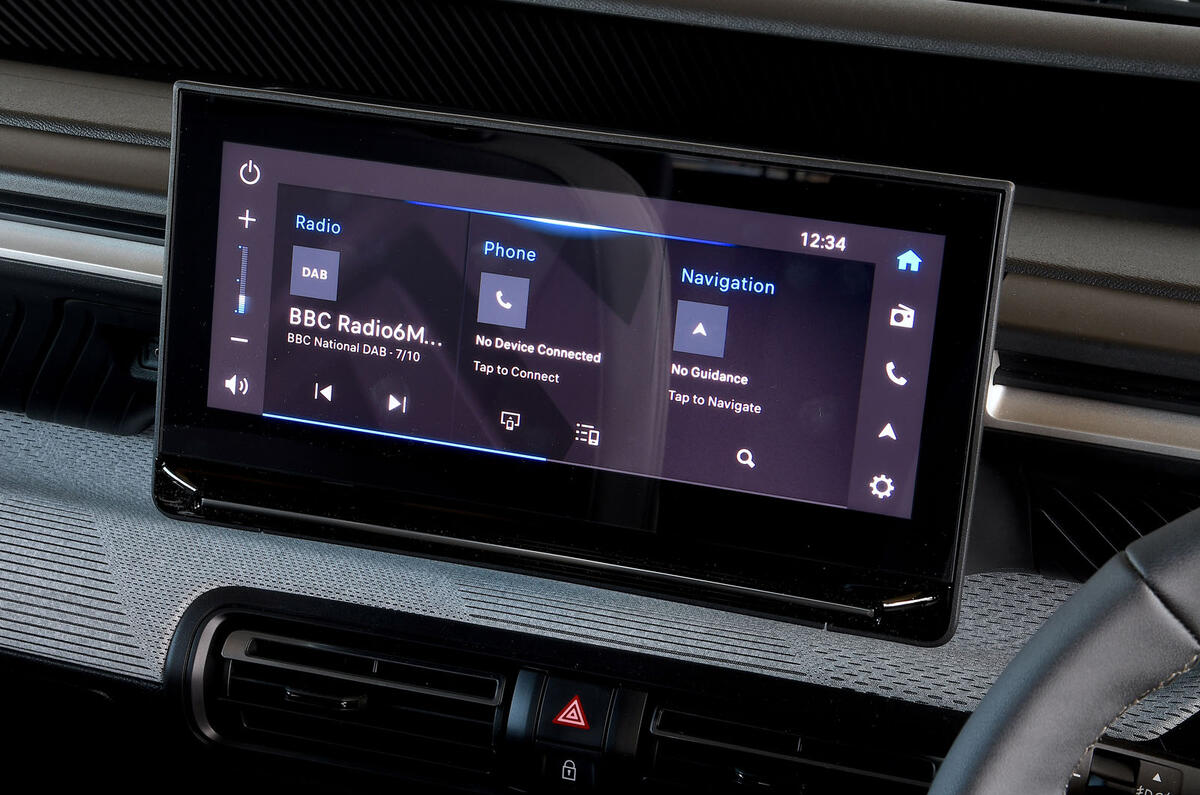
The studious simplicity of the 10.3in touchscreen infotainment system might actually be a little too much. It offers no trip computer functionality, for instance, and no way to toggle the electronic traction or stability controls; nor even any option to switch the factory navigation system’s units of measurement from metric to imperial (our test car’s was stuck on the former).

Wireless smartphone mirroring is standard on both Plus and Max models, though, and our experience suggests that’s what you will use.

And, more widely, the display isn’t too distracting, mostly because the system’s remit is quite limited.

ENGINES & PERFORMANCE

7
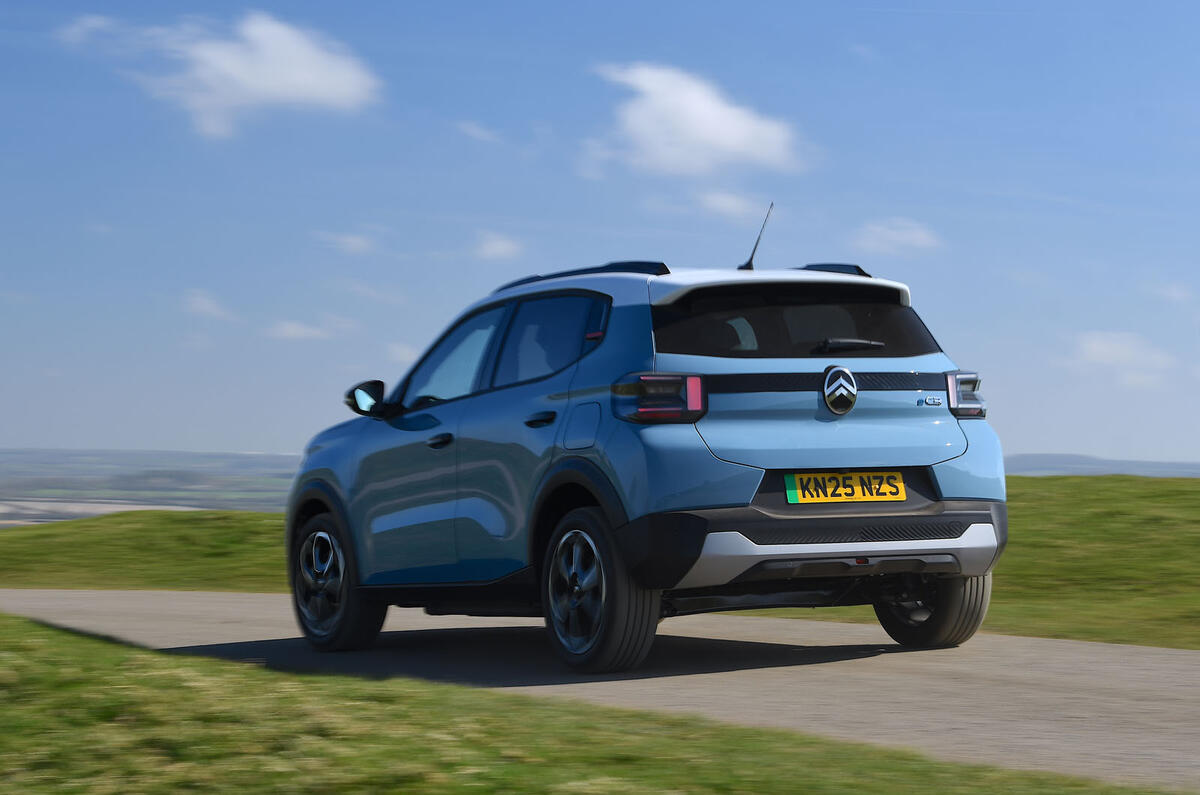
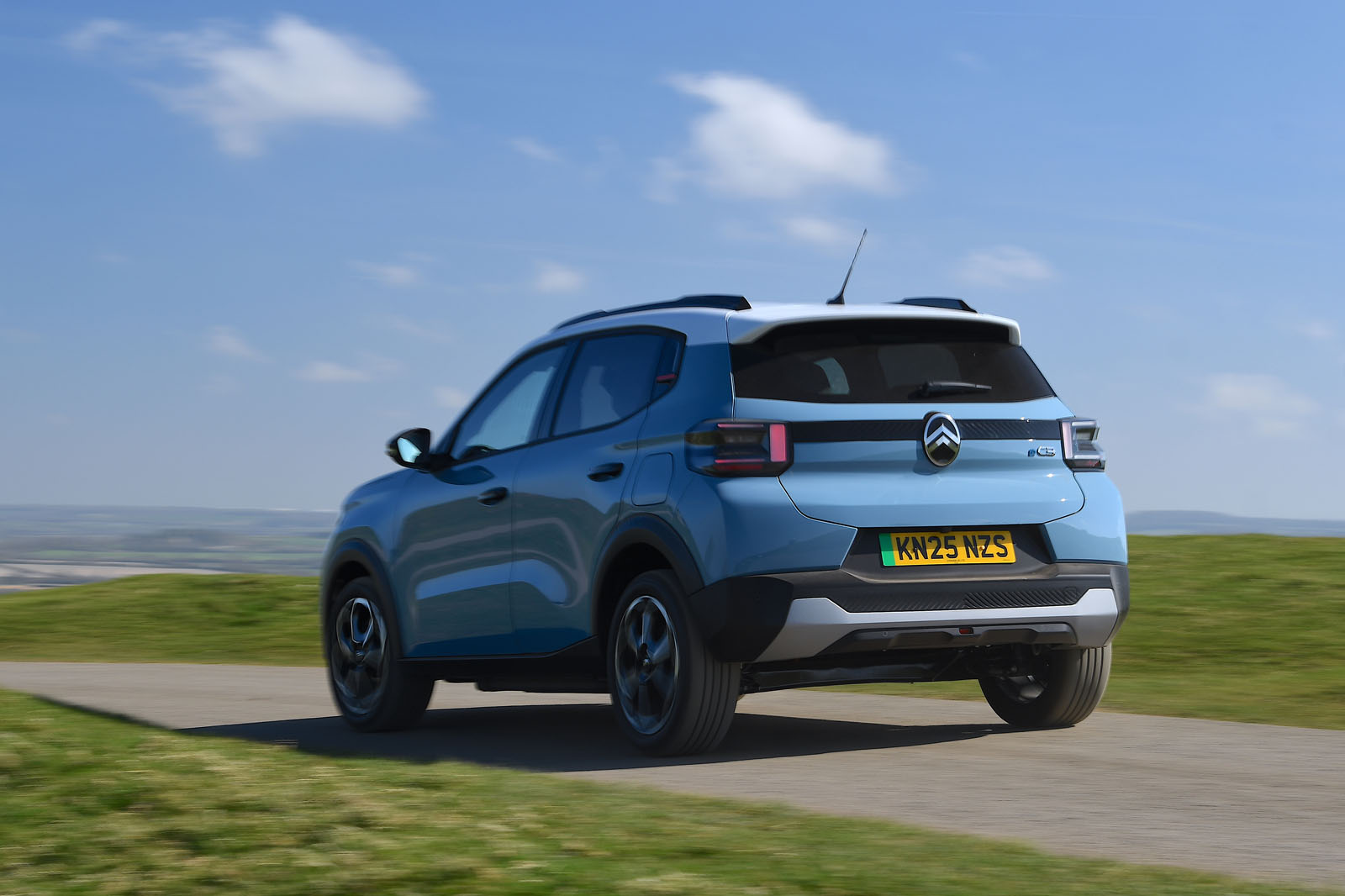
Citroen eC3 2025 Review rear action 8927

This is very much an uncomplicated ‘get you from A to B’ kind of car. And, provided that points A and B aren’t too distant from each other, it works rather well.

The ë-C3 isn’t quick, and feels borderline feeble when putting on speed above 50mph. Apart from those moments, though, it typically copes at least fairly well at A-road and motorway speeds, and feels more assertive and at home in urban traffic.

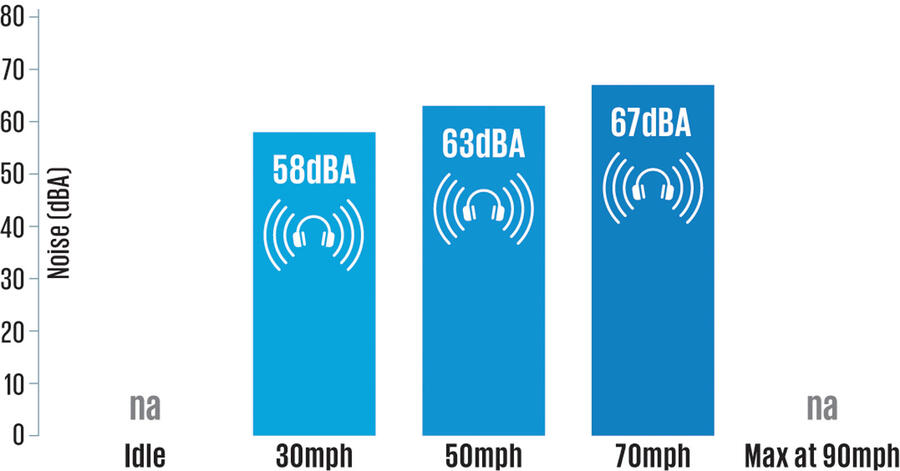
Wind noise can get up at speed, there being no powertrain noise to drown it out.

Simplicity is the abiding theme here, too. Citroën offers no one-pedal driving mode and no steering wheel paddles for regen control. 

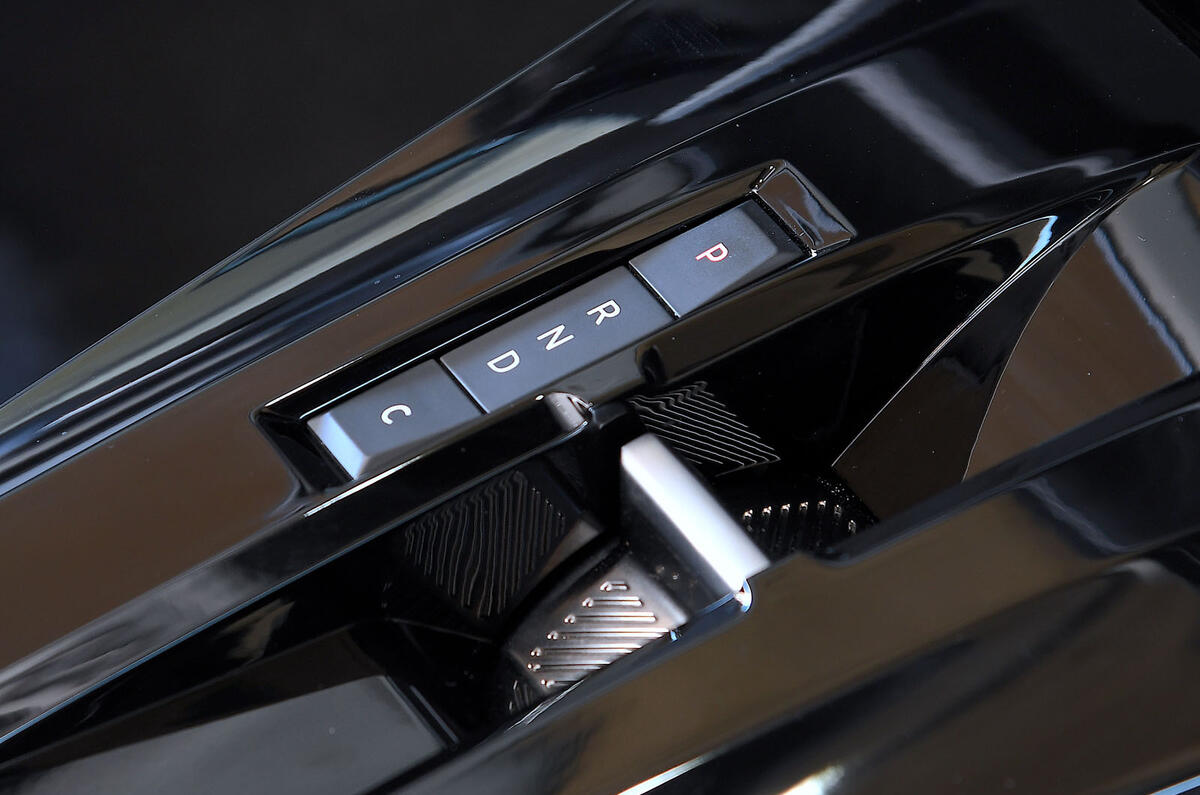
There isn’t even a ‘B’ mode on the drive selector, which most other EVs offer as a kind of maximum trailing-throttle motor regen setting.

In its place is a ‘C’ button, which is short for ‘Cruise’ – and this actually slightly reduces motor regen at higher speeds, for more comfortable motorway drivability. As a default, the car’s regenerative braking is still quite mild.

All up, it may sound like a recipe that could frustrate with its lack of configurability – and yet it doesn’t. The ë-C3 just gets on with it, copes with most reasonable demands, rarely annoys and, simply by avoiding complication, pretension and affectation of any kind, ends up being quite a likeable free spirit.

RIDE & HANDLING

6
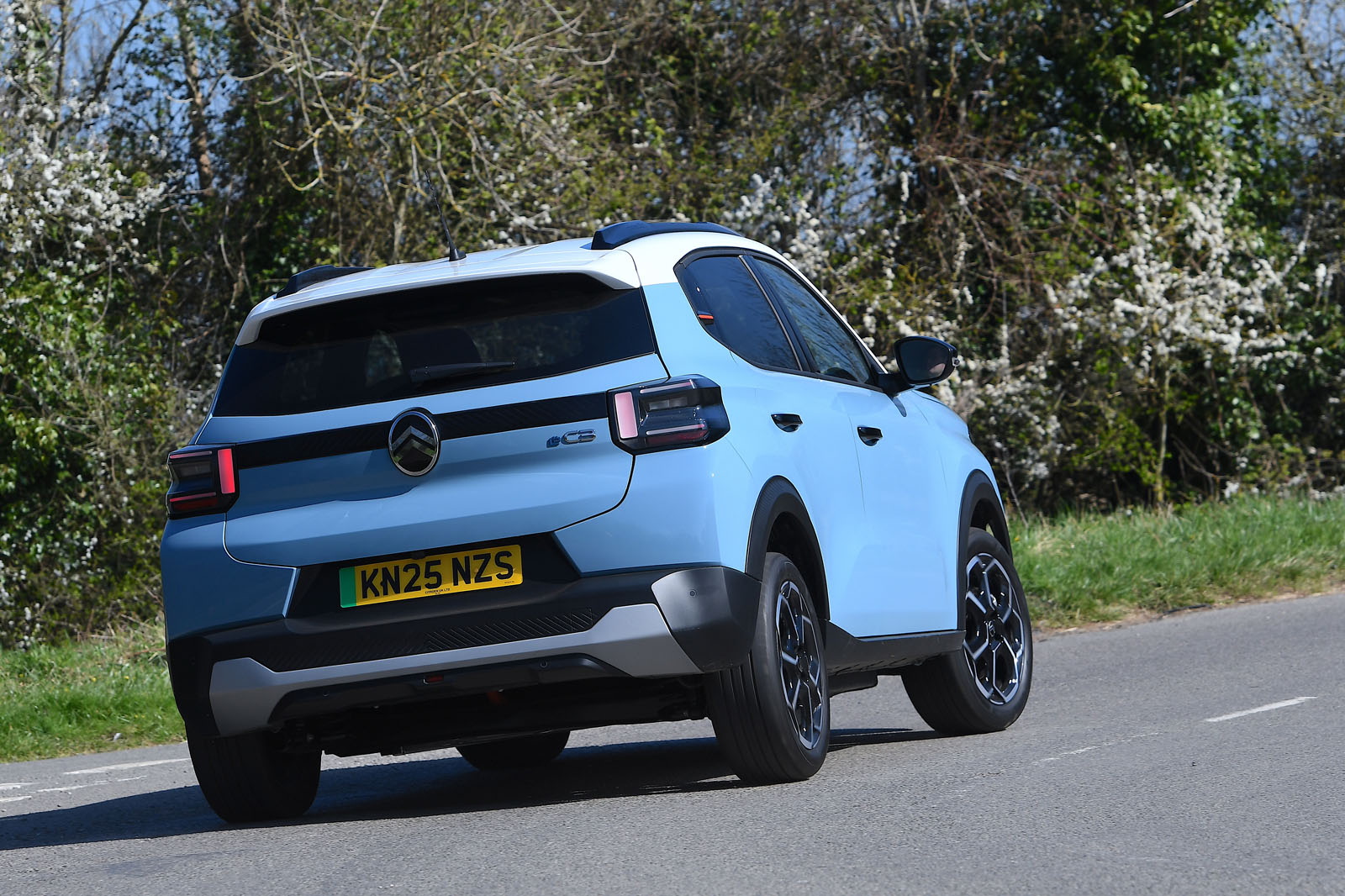
Citroen eC3 2025 Review rear corner 8910

This may be a small car with a comfort-first agenda, but that doesn’t make it characterless or unengaging. In fact, you could say that it succeeds in conjuring likeability more effectively than it does a truly settled, absorbent ride, at least some of the time.

The fairly gentle, lowish-frequency riding gait works quite well on well-surfaced country roads with gentler vertical inputs, where it does have an appealing fluency. It’s hard to tune settled ride comfort into such a small car but, in the right circumstances, Citroën has had at least some success in doing so.

It’s a shame, needless to say, that the ë-C3’s aura of comfort isn’t more pervading. At lower speeds it lacks a little ride isolation, and so the axles can thump around a bit over sharp edges and drain covers, whacking notably back down to terra firma if you take speed bumps hurriedly due to Citroën’s preference for little apparent rebound damping.

Even the cheapest versions of the car use the same hydraulic suspension bushing technology as Citroën's bigger models, and so is tuned with softer springs and dampers, leaning on those hydraulic bump stops to take the sting out of bigger inputs.

But, at higher speeds especially, the approach isn’t always effective. You will feel some sharper compression inputs thump through to your backside, for example; while other inputs, which better-tied-down rivals would just soak up, can cause the body to rebound and pitch, joggle and pogo down the road just a little.

Charming, perhaps, but not objectively commendable.

Assisted Driving - 3 stars

The active safety equipment level of the C3 and ë-C3 isn’t informed by trim level. On both Plus and Max models, you get a manual cruise control/speed limiter; a basic lane departure warning system; a camera-based autonomous emergency braking system; driver monitoring; and a speed limit recognition and recommendation buzzer.

The best that Citroën can do is to provide physical buttons for the deactivation of both the speed limit recognition and lane keeping systems. The rest are on whether you like it or not.

Thankfully, the driver monitoring system isn’t an intrusive or troublesome one, and the AEB system isn’t predisposed to risk-averse intrusion either.

MPG & RUNNING COSTS

8
Citroen eC3 2025 Review front action blur 8921

The C3 costs from around £18,000 as a pure petrol model and £20,000 as a 48V hybrid.

The arrival of the ë-C3 Urban Range has dropped the EV's price to below £20,000, which, aided by the government's £1500 Electric Car Grant, becomes an enticing £18,495. 

The ë-C3’s showroom price in particular is now lower than entry-level versions of the Renault 5 and below that of the Vauxhall Corsa Electric or BYD Dolphin. However, the ě-C3 Urban Range has a much shorter range than any of them. 

The BYD has the edge on all of them on monthly finance, thanks to the support behind its 0% deals, but the Renault and Citroën are at least in touch, both being securable over a four-year term for less than £350 a month after a similar deposit.

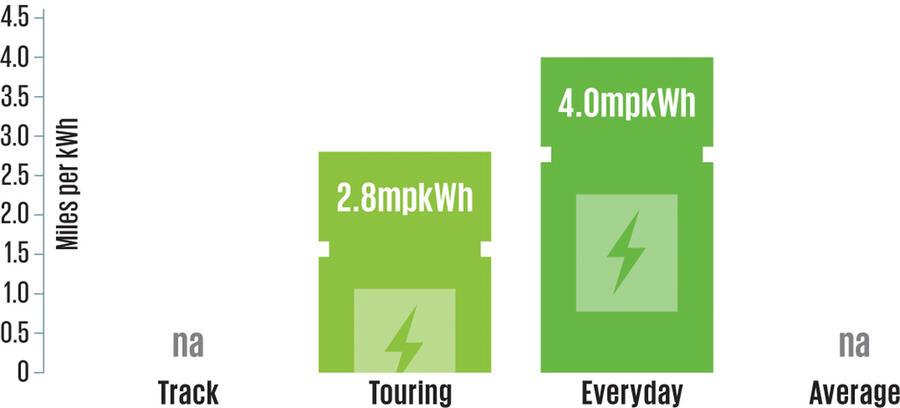
At launch, the ë-C3 didn't have a trip computer with any indication of running efficiency, and so the results of our touring and everyday tests had to be based on indicated remaining battery percentage, and we couldn’t generate an average. That feature has now been added in 2026. 

For the larger 43.2kWh battery, we generated a suggested real-world range of between 120 and 170 miles, depending on the type of usage.

That may not be brilliant – in terms of outright efficiency, it’s certainly a little underwhelming for a small EV – but the ë-C3 is still likely to be competitive with key electric rivals at its particular price point.

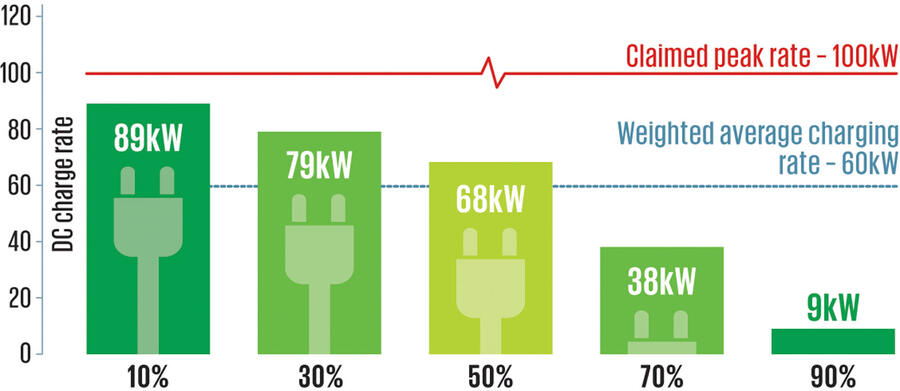
The car also indicated respectable rapid-charging performance, with a weighted test average of 60kW (compared with 67kW for the Jeep Avenger Electric).

The new efficiency readout introduced by the 30kWh Urban Range car revealed that we achieved 4.5mpkWh in town. That's a real-world range of 135 miles for urban driving, notably down on Citroën's 186-mile claim. 

Our town driving was followed by a long stint on the motorway, which pushed efficiency down to 3.5mpkWh. That equates to a real-world range of 105 miles. 

The ë-C3 is well equipped throughout the model range.

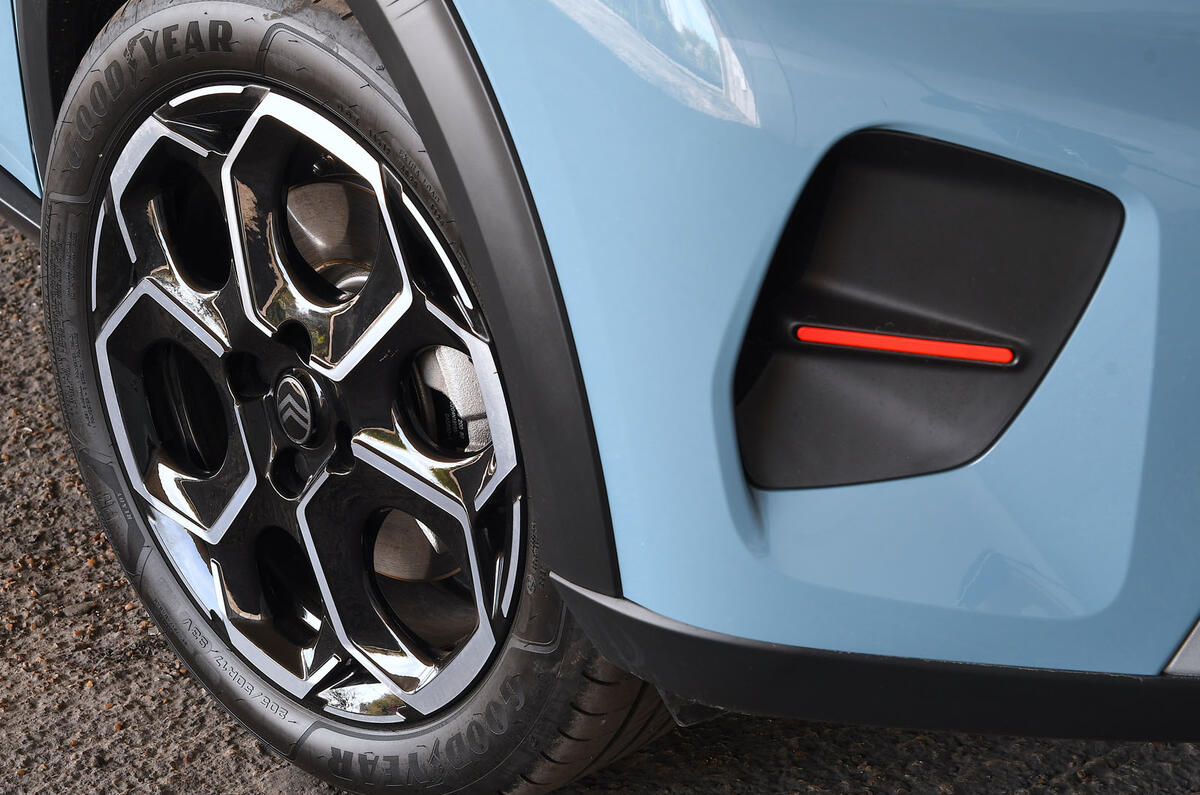
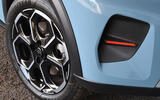
Urban Range cars benefit from the same equipment levels as the petrol and hybrid Plus models, which includes 17in alloy wheels, rear parking sensors, LED headlights, automatic wipers, a 10.25in touchscreen and wireless smartphone charging.  

We haven't conducted in-depth charging speed tests for the ë-C3 Urban Range, but Citroën has decided to omit fast charging as standard.

Pay the £440 for the optional extra and you will get a maximum charging speed of 30kW, which will replenish your battery from 20% to 80% in around 36 minutes.

Otherwise you're restricted to a home charger speed of 7.4kW. That will get you from 20%-80% in around three hours. 

LONG-TERM REPORTS

We lived with a Citroen e-C3 and covered 6000 miles. You can read the full report here. 

Is the Citroen e-C3 comfortable?

The e-C3 features comfortable seats with plenty of support for most drivers. The car's comfort is indeed one of its selling points, and it proves itself well with a compliant ride that soaks up most bumps and road imperfections with ease. 

Is it cheap to run? 

This is an interesting one. The e-C3 boasts an affordable entry price, which makes it one of the cheapest electric cars on sale. However, we were disappointed by the supermini's efficiency, which was acceptable in the city, but poor on longer journeys. That means we had to charge more often than we expected, which cost us more money. 

How practical is the Citroen e-C3?

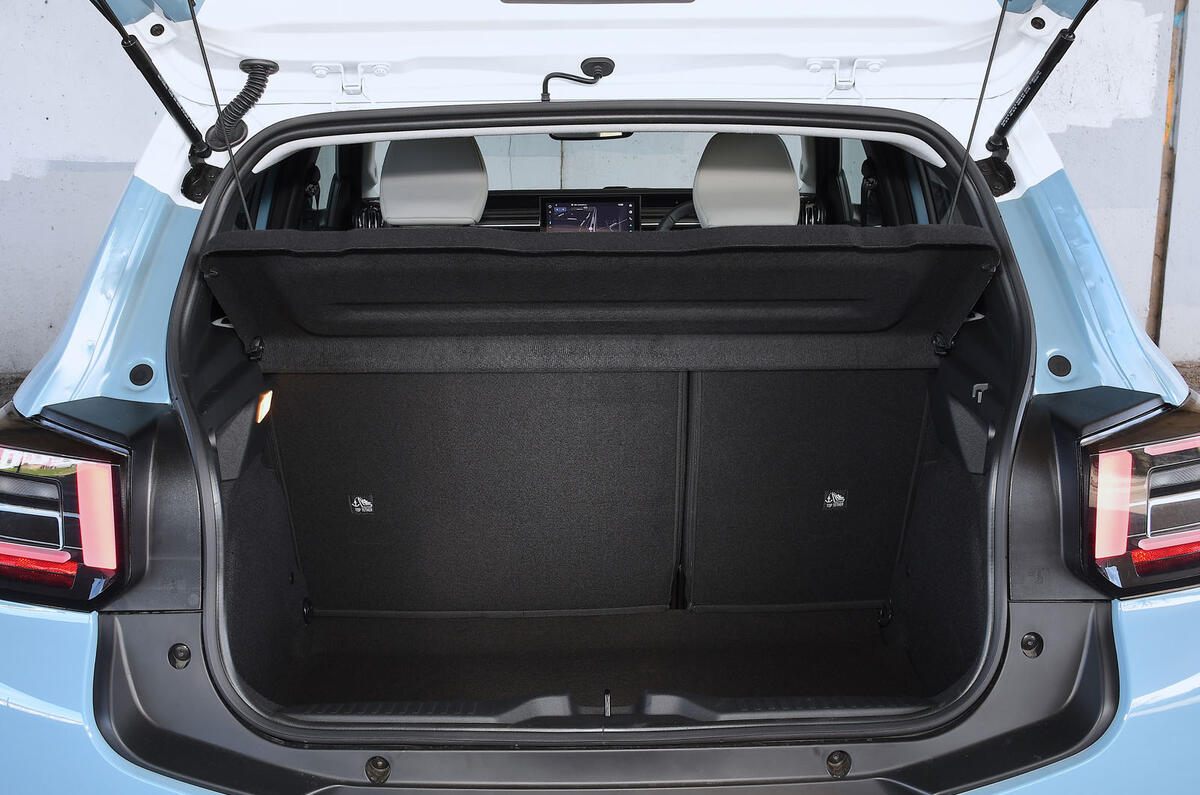
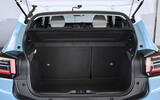
The e-C3 has a evenly shaped boot which measures 310 litres. That was enough for a few suitcases and shopping, and more spacious than the Hyundai Inster. Rear legroom is also up there with some of the more spacious rivals in the class. 

What range did the Citroen e-C3 offer?

According to Citroen, the e-C3 offers a claimed range of 199 miles. In the real world, which involved regular drives on the motorway and in the city, we achieved around 2.9 miles per kWh - equal to just 129 miles of range. We also had to work that out manually, given the car doesn't even have an economy reading. 

How good is the technology in the e-C3?

The e-C3 features similar technology to many other cars available from Citroen. We felt the infotainment and digital display were seriosuly lacking in some features, however. Other rivals, inlcuding the BYD Dolphin Surf and Renault 5, are more modern in this respect, with features including streaming and in-depth efficiency data.

VERDICT

7
Citroen eC3 2025 Review front static 8908

For all of its quirky, unpretentious self-possession, the ë-C3’s main accomplishment is its price. 

But it’s what Citroën offers for that price - some sophistication to the car’s design, cleverness to its packaging and a driving experience that seeks to go beyond the adequate in at least some respects - that will set it apart from other affordable small EVs. 

The ethos of the ë-C3 seems to be ‘just enough’. It doesn’t try to have the most technology, the fanciest materials, the most power or the biggest range, instead offering you what you will need and use, and making sure it all works properly and is nice to interact with.

The ë-C3 lacks the fashionable allure, outright running efficiency and finely polished drive of the Renault 5, but it’s nonetheless a very credible budget EV made in Europe and a welcome demonstration of the art of the possible.

Matt Saunders

Matt Saunders Autocar
Title: Road test editor

As Autocar’s chief car tester and reviewer, it’s Matt’s job to ensure the quality, objectivity, relevance and rigour of the entirety of Autocar’s reviews output, as well contributing a great many detailed road tests, group tests and drive reviews himself.

Matt has been an Autocar staffer since the autumn of 2003, and has been lucky enough to work alongside some of the magazine’s best-known writers and contributors over that time. He served as staff writer, features editor, assistant editor and digital editor, before joining the road test desk in 2011.

Since then he’s driven, measured, lap-timed, figured, and reported on cars as varied as the Bugatti Veyron, Rolls-Royce PhantomTesla RoadsterAriel Hipercar, Tata Nano, McLaren SennaRenault Twizy and Toyota Mirai. Among his wider personal highlights of the job have been covering Sebastien Loeb’s record-breaking run at Pikes Peak in 2013; doing 190mph on derestricted German autobahn in a Brabus Rocket; and driving McLaren’s legendary ‘XP5’ F1 prototype. His own car is a trusty Mazda CX-5.

Mark Tisshaw

mark-tisshaw-autocar
Title: Editor

Mark is a journalist with more than a decade of top-level experience in the automotive industry. He first joined Autocar in 2009, having previously worked in local newspapers. He has held several roles at Autocar, including news editor, deputy editor, digital editor and his current position of editor, one he has held since 2017.

From this position he oversees all of Autocar’s content across the print magazine, autocar.co.uk website, social media, video, and podcast channels, as well as our recent launch, Autocar Business. Mark regularly interviews the very top global executives in the automotive industry, telling their stories and holding them to account, meeting them at shows and events around the world.

Mark is a Car of the Year juror, a prestigious annual award that Autocar is one of the main sponsors of. He has made media appearances on the likes of the BBC, and contributed to titles including What Car?Move Electric and Pistonheads, and has written a column for The Sun.