From £35,565

Striking French crossbreed aims to tempt people away from SUVs

Welcome to the Peugeot 408. But before we delve into what this quite unusual car does well (and less well), a history lesson.

Peugeot’s three-digit naming strategy hasn’t changed much in decades. It means certain conventions are well established. For example, models beginning with ‘3’ are always mid-size hatchbacks, whereas those starting with a ‘9’ are top-class endurance racers designed to win Le Mans, such as the wild Peugeot 9X8. However, the number ‘4’ is less predictable, and it has been applied to some of Peugeot’s best-loved and most interesting products.

The 1935 402, with its rear-wheel spats, was one of the first family cars to attempt to address aerodynamic concerns, while the sweet little 403 that succeeded it performed a volte-face and dragged the brand’s design language into modernity. It was the first Peugeot to sell in seven-figure numbers. More recently, the 405 stole hearts in Mi16 guise (it was essentially a 205 GTi in saloon uniform) and the 406 that succeeded it included a Pininfarina-penned coupé that was one of the prettiest cars of the 1990s.

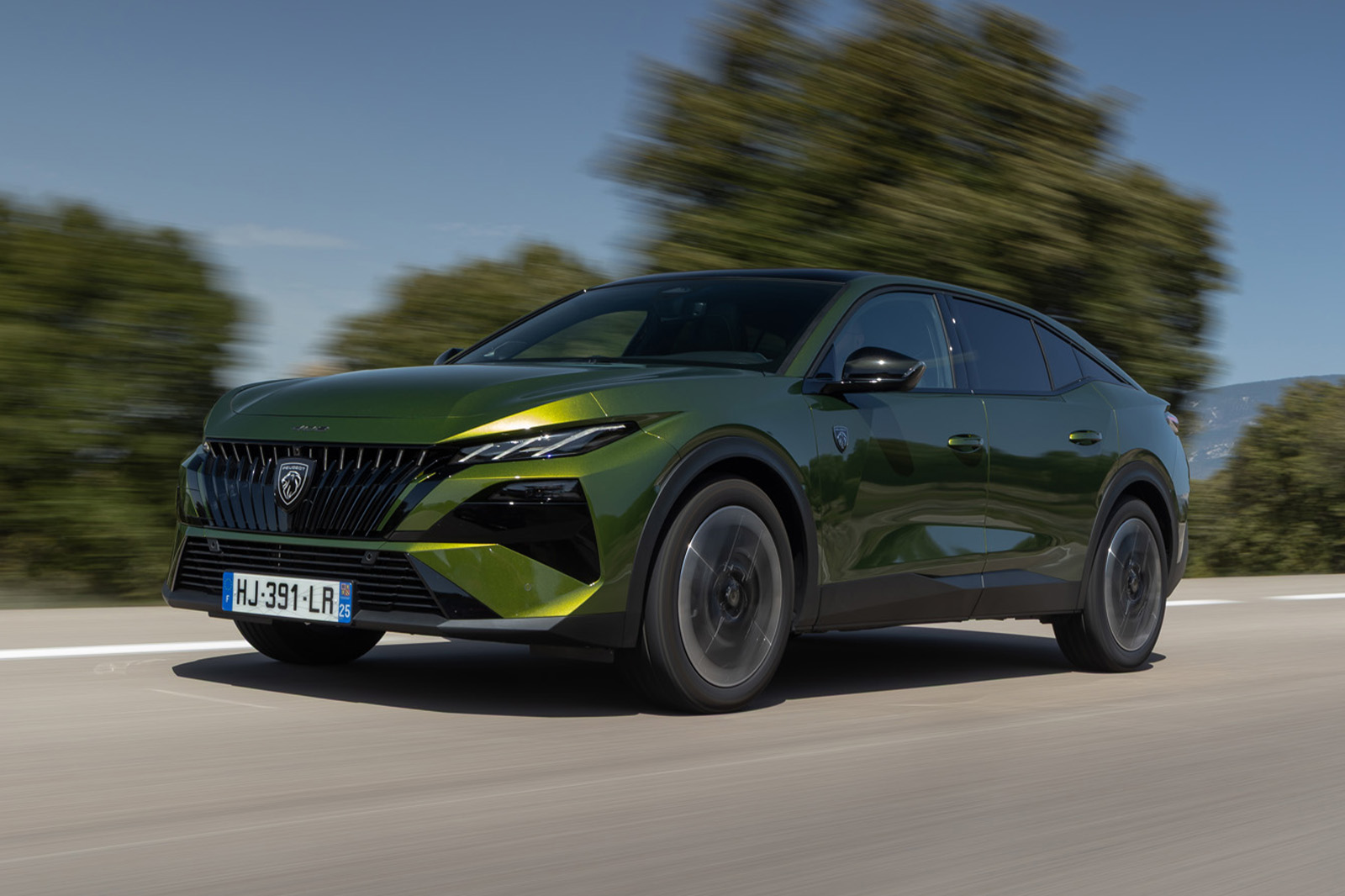
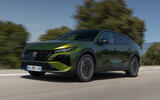
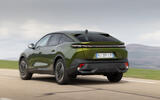
We therefore shouldn’t be surprised that the 408 takes a somewhat unpredictable form. What exactly is it? “A mix between a saloon and an SUV,” then Peugeot CEO Linda Jackson told Autocar upon its reveal.

It was a refreshingly straightforward assessment, but the idea needs no dressing. Notchback crossovers are gaining popularity. They offer the ride height buyers want from SUVs but package it in a less obtuse, more elegant body.

Four years after its initial launch, Peugeot has freshened things up to align with its modern design language, following on from the 2008 and 5008 SUVs. So, what's new, and is this still a car you should consider buying in 2026?

Advertisement
Back to top

The range at a glance

Models Power
Hybrid 145 143bhp
Plug-in Hybrid 240 236bhp

As part of the 408's 2026 update, the French fastback gains a simplified engine line-up. The range opens with the mildly electrified Hybrid 145, followed by the Plug-In Hybrid 240. The electric e-408 continues to be offered as well and is reviewed separately here.

Trim levels range from Allure to GT, but even entry-level cars offer a high level of equipment. 

DESIGN & STYLING

7
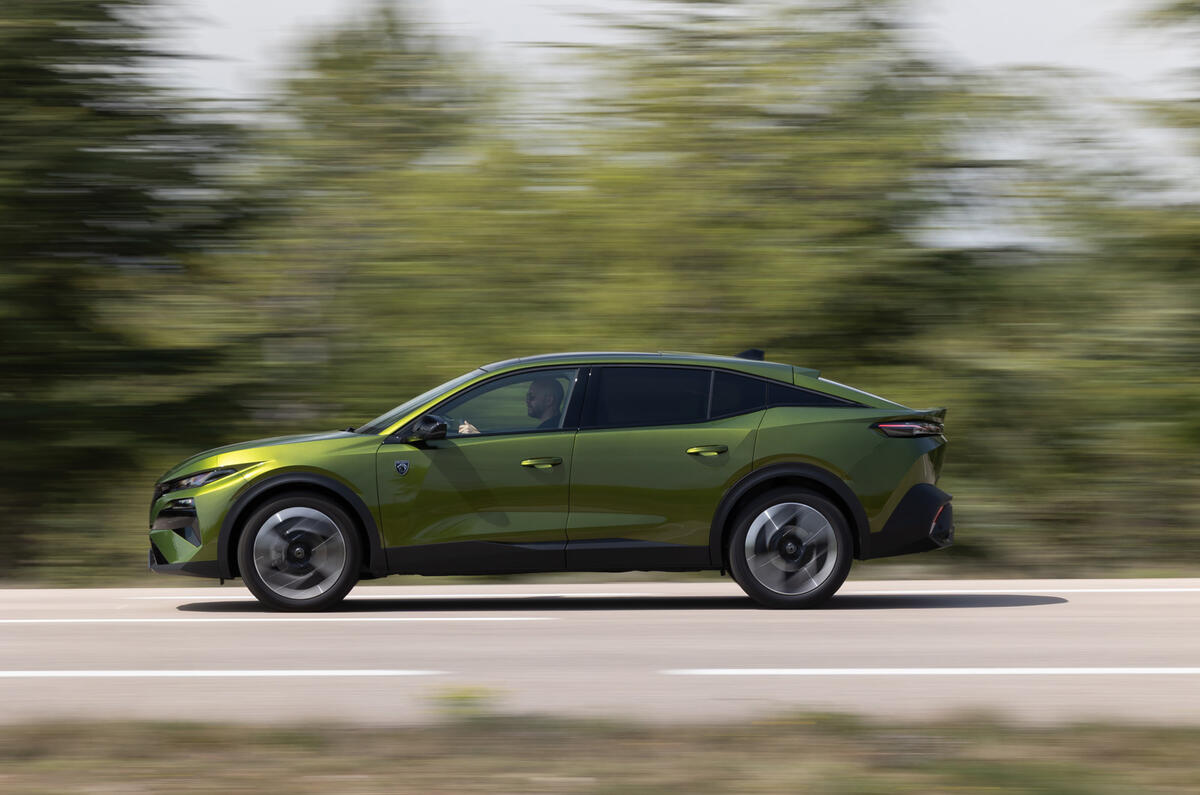
Peugeot 408 side

Since Stellantis was formed in 2021, encompassing no fewer than 14 brands, the company’s scale of engineering rationalisation has been profound.

As such, the 408 continues to use the EMP2 V3 platform, which is also used by the DS 4, Vauxhall Astra and Peugeot 308.

It means this car can carry pure-combustion, mild-hybrid, plug-in hybrid and battery-electric powertrains.

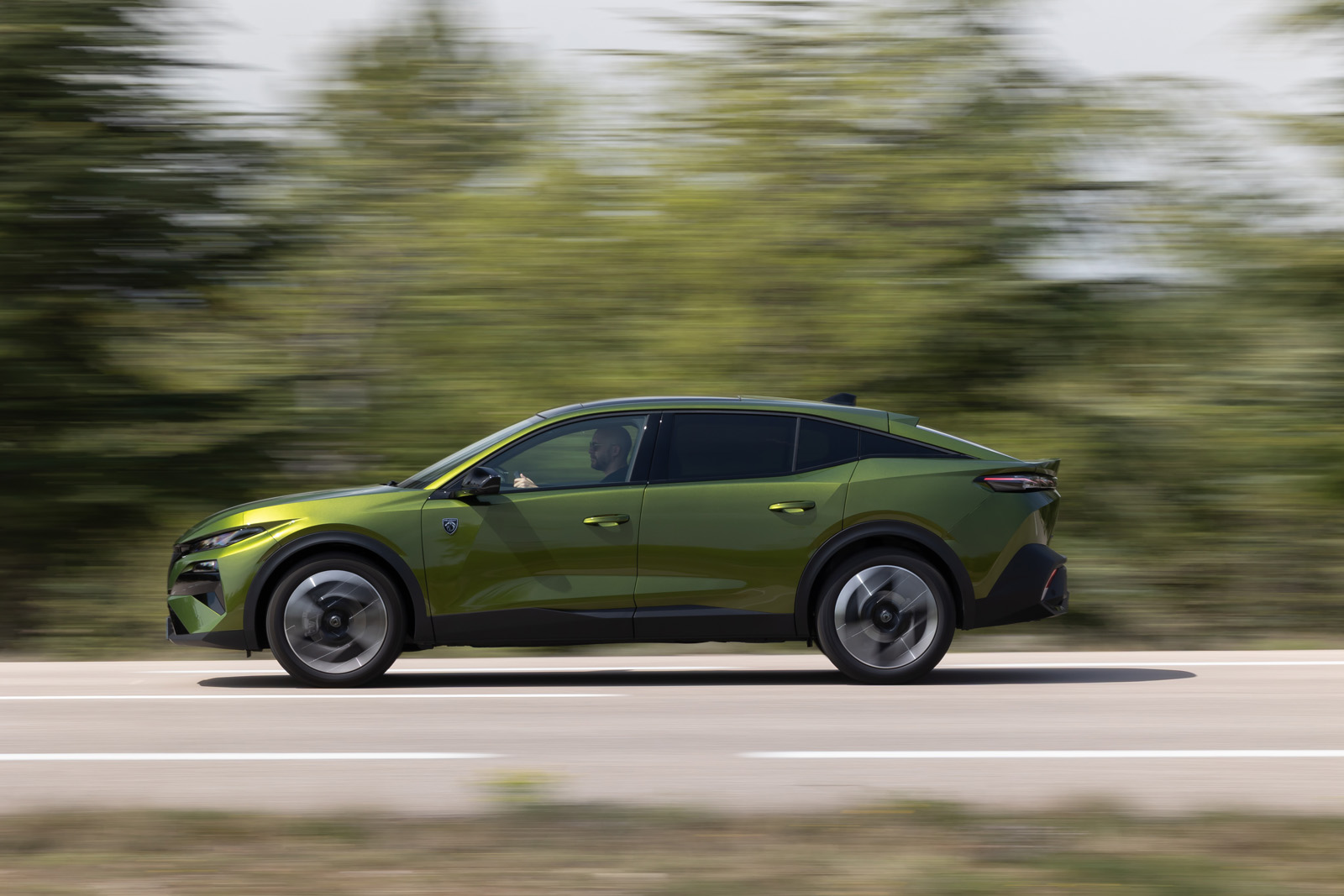
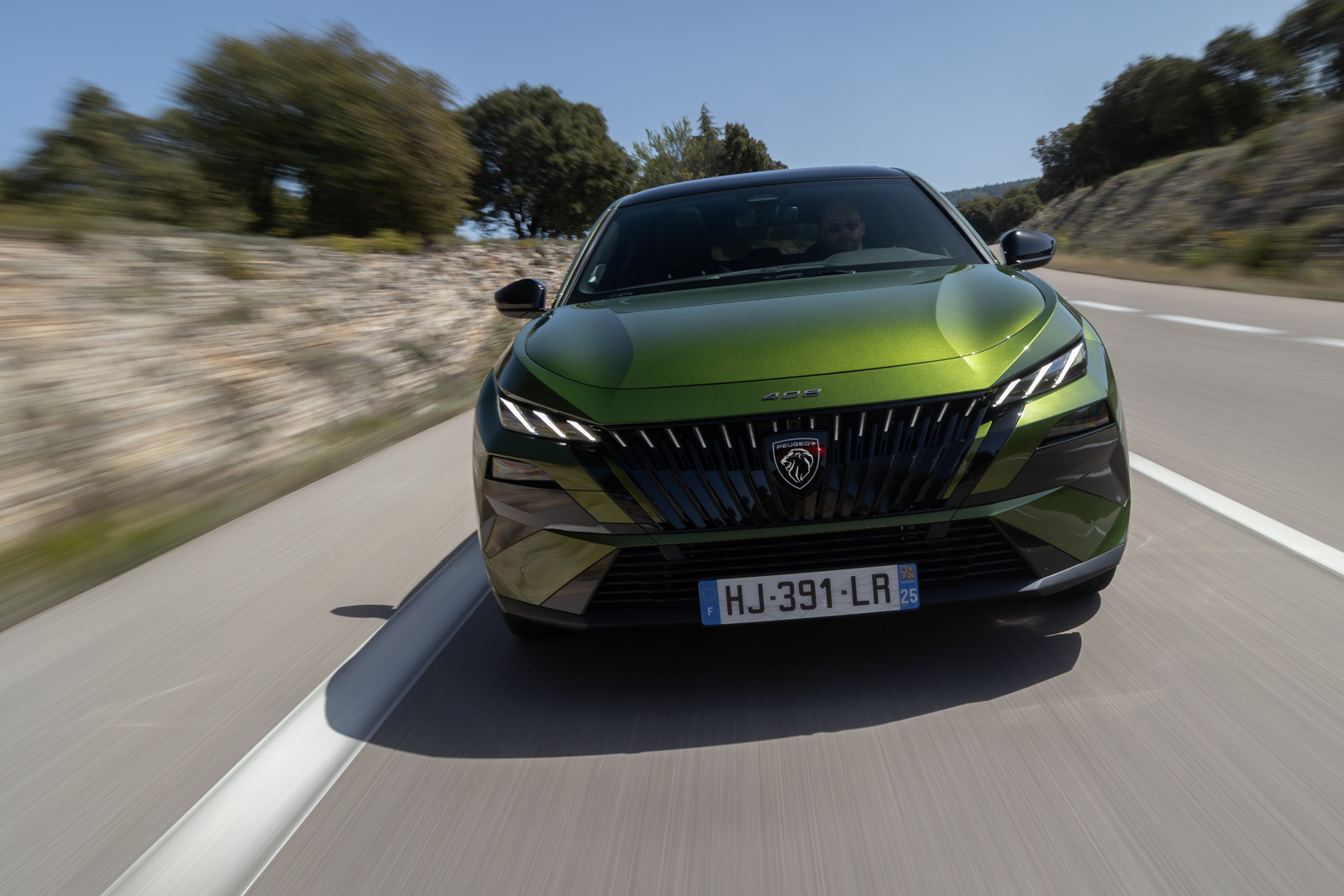
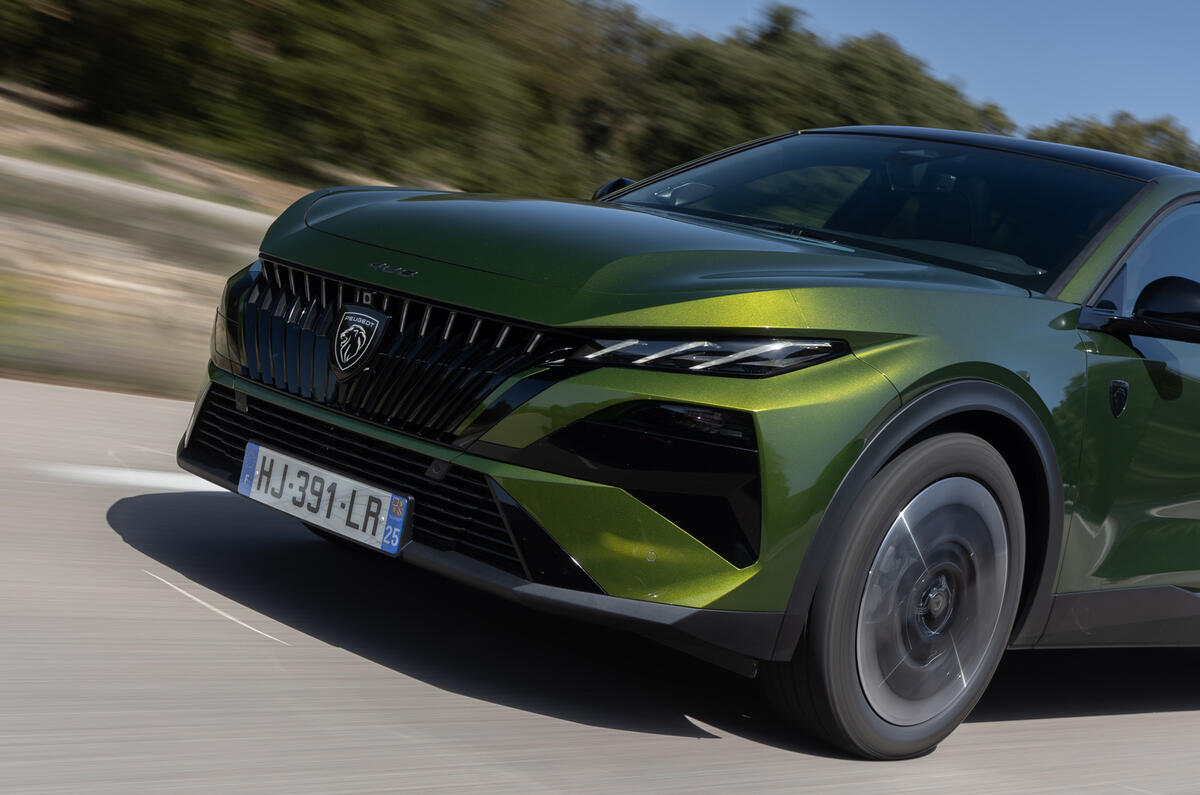
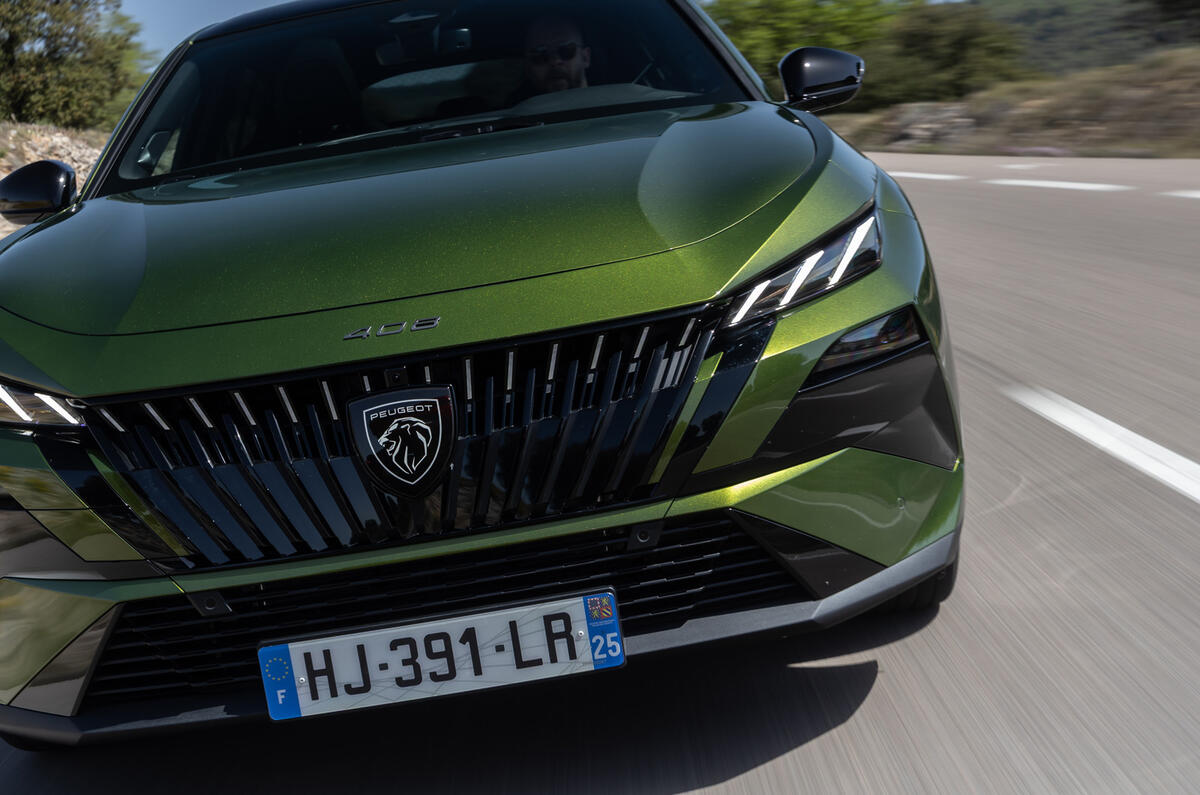
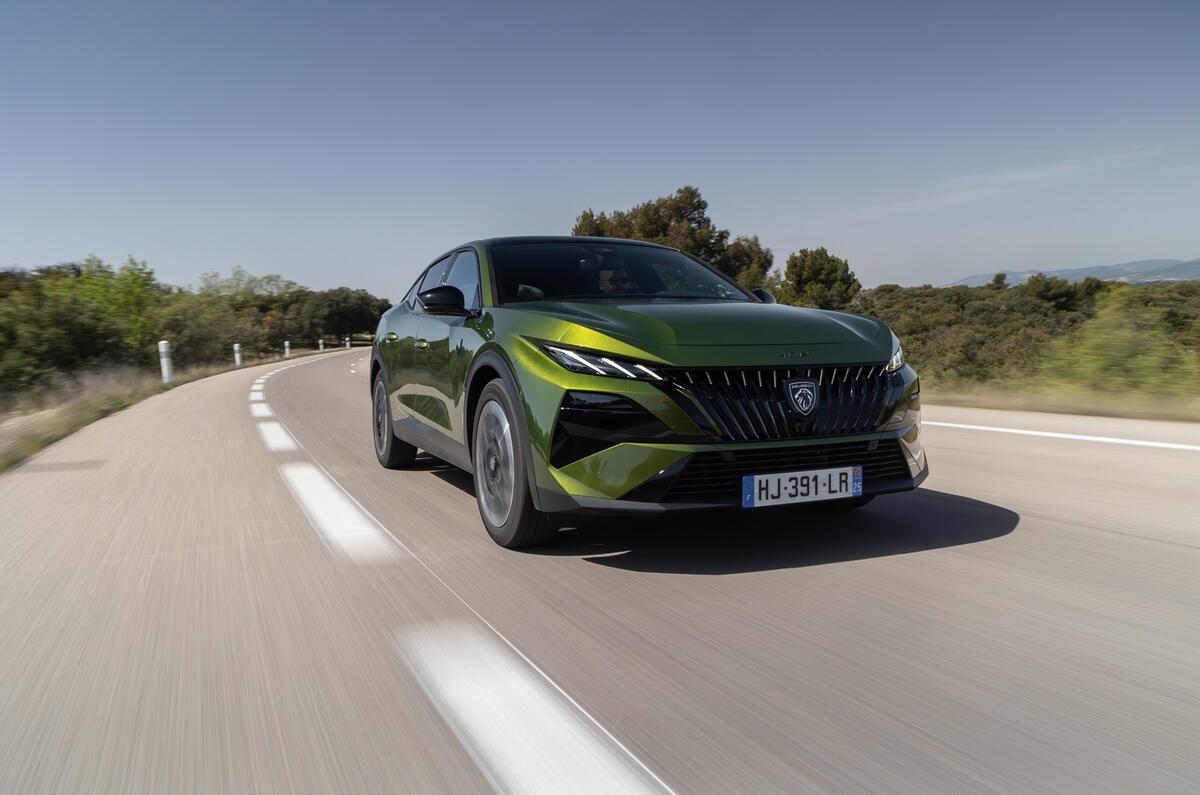
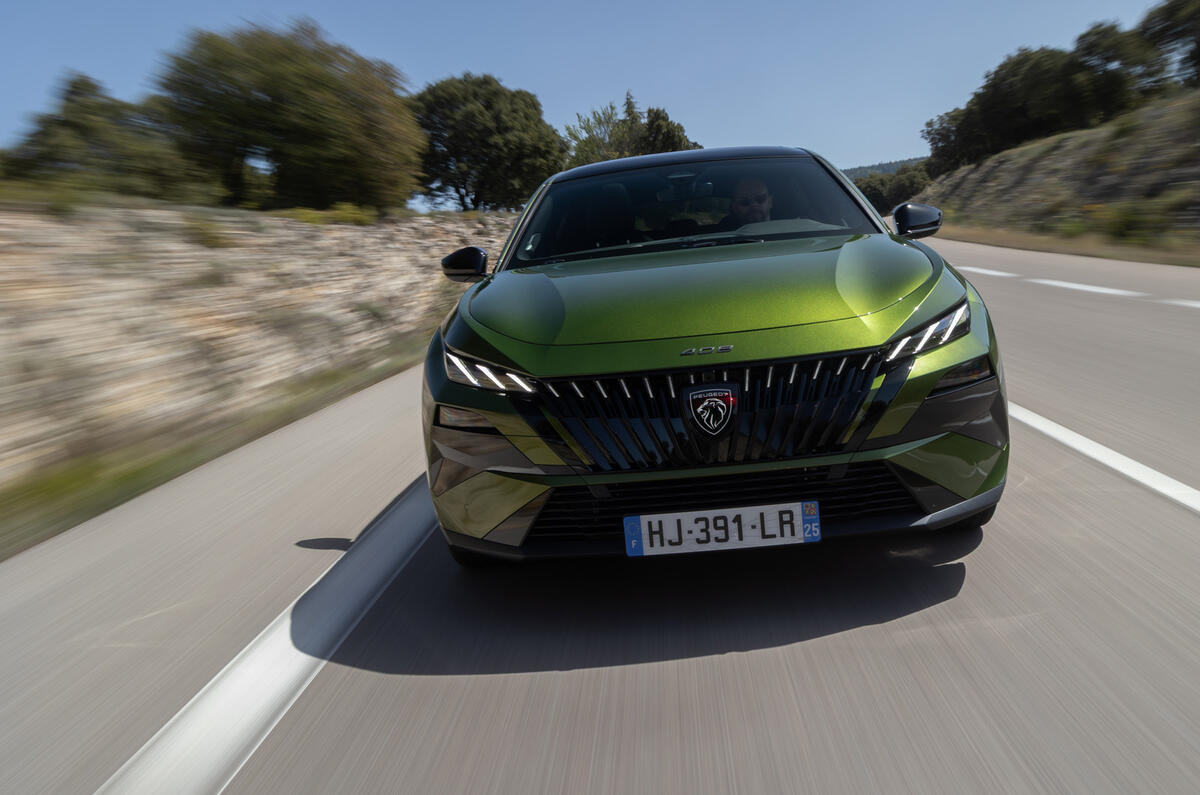
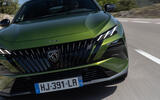
The biggest changes, however, are visual, as the 408 moves in line with the other models in the Peugeot range to shift to its new design ethos. 

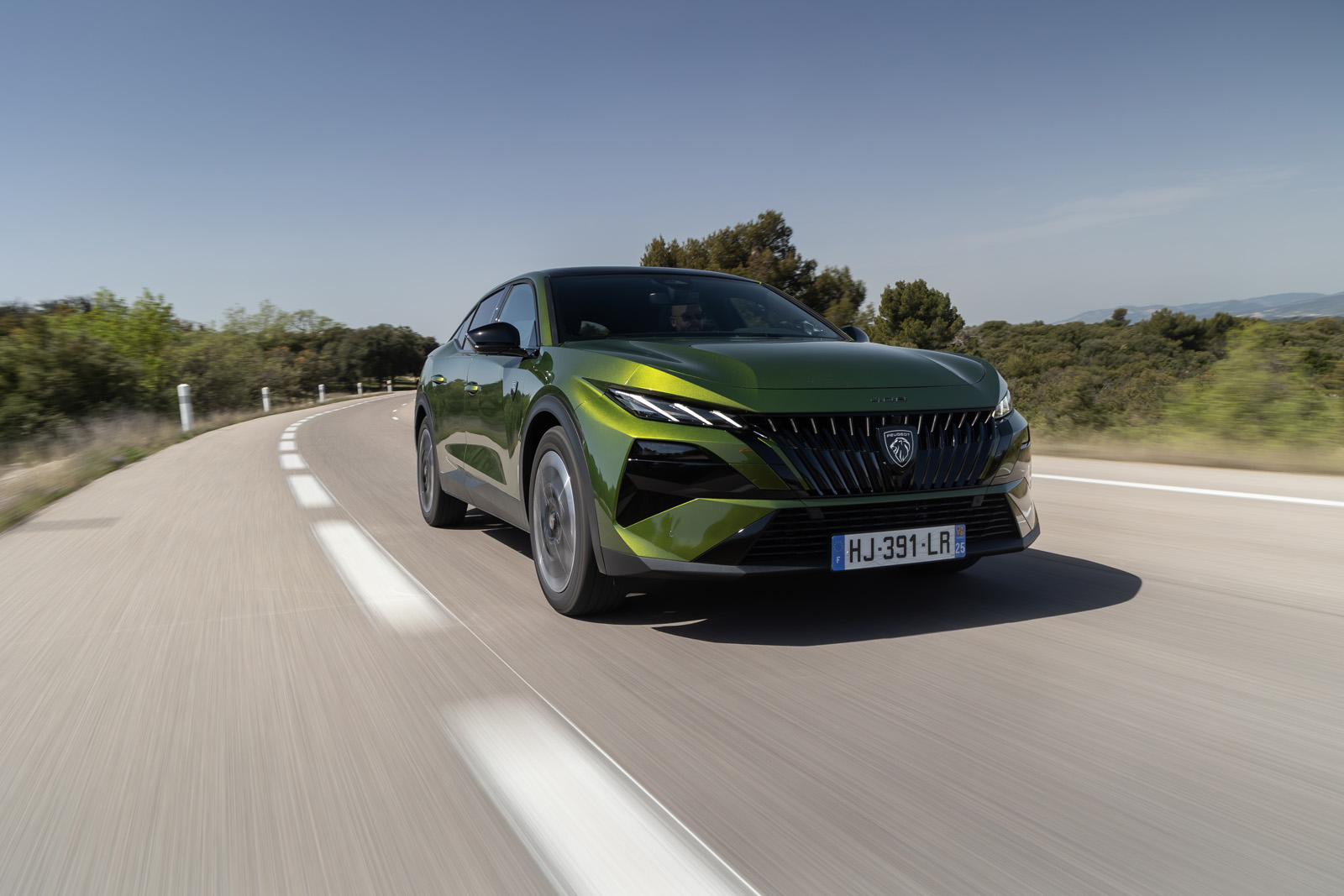
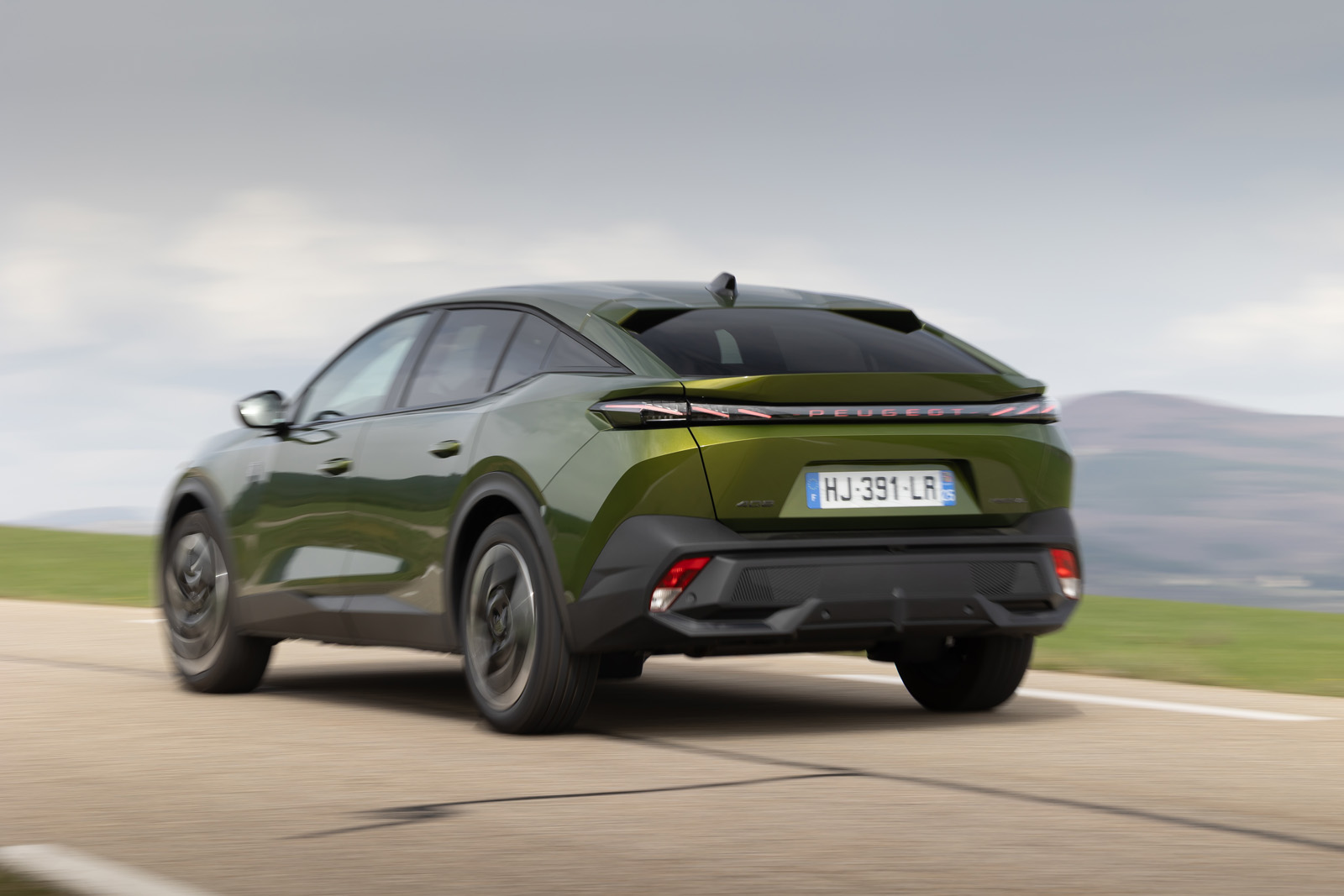
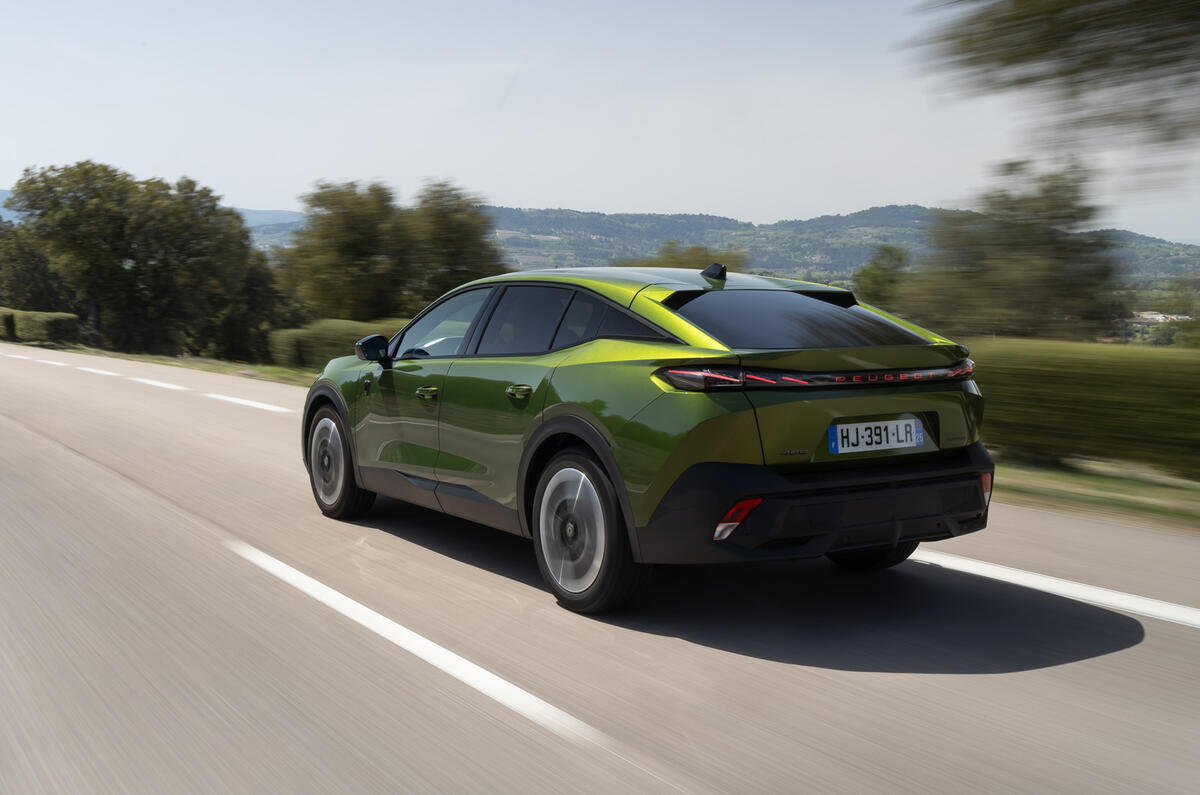
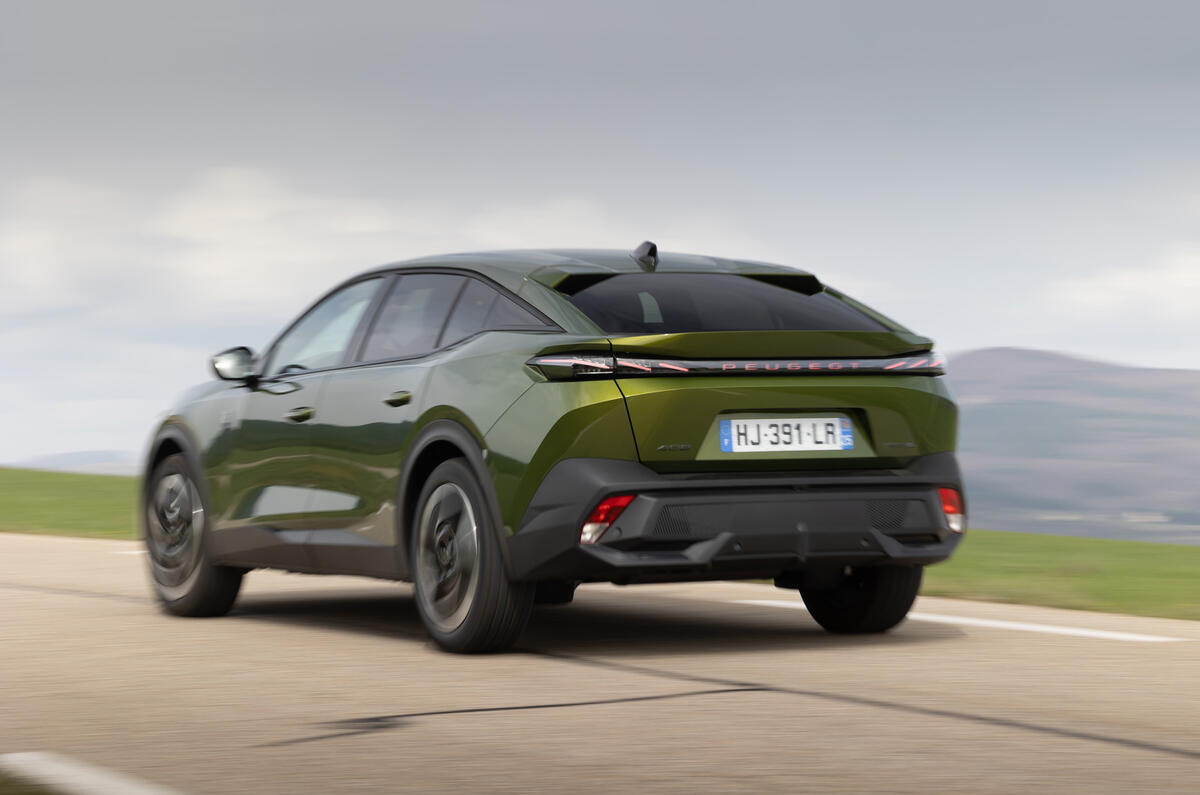
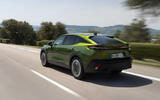
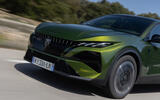
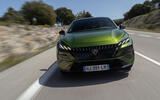
The brand’s new badging and signature ‘three-claw’ daytime running lights add a stronger presence, while the rear gains sharper taillights and illuminated ‘Peugeot’ typography. 

Our main focus is the Hybrid 145, which is expected to be the most popular choice in the UK. As before, it combines a 1.2-litre petrol engine with a 48V battery and a 21bhp electric motor, which is integrated into the six-speed automatic gearbox. 

The PHEV uses a new powertrain combining a 1.6-litre petrol engine with a 123bhp electric motor for a total output of 236bhp. Its battery now measures 16.2kWh (up from 12.4kWh) to yield 50 miles of electric-only range, which is reasonably good, but the Renault Rafale PHEV will offer 66 miles. 

All 408s are front-driven and use a combination of MacPherson-strut front suspension with a torsion beam at the rear, controlled by a passive spring-and-damper combination.

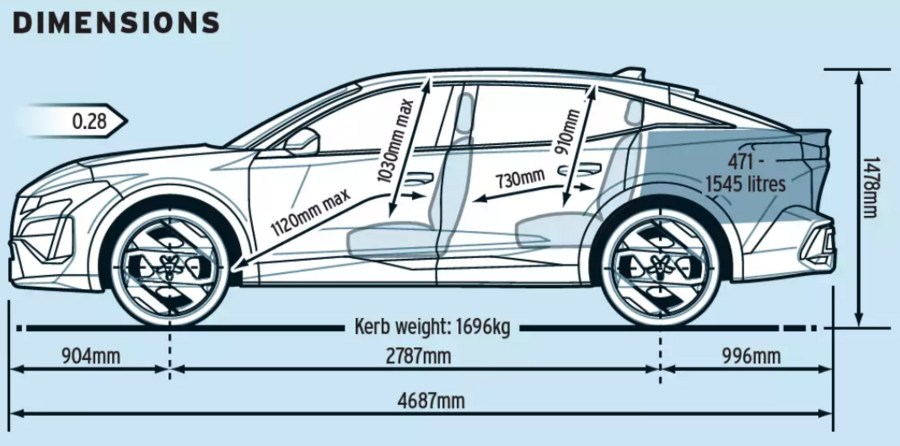
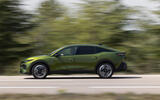
In terms of footprint, despite its considerable presence, the 408 is shorter than the axed Peugeot 508 SW estate and only a fraction longer than the current BMW 3 Series saloon.

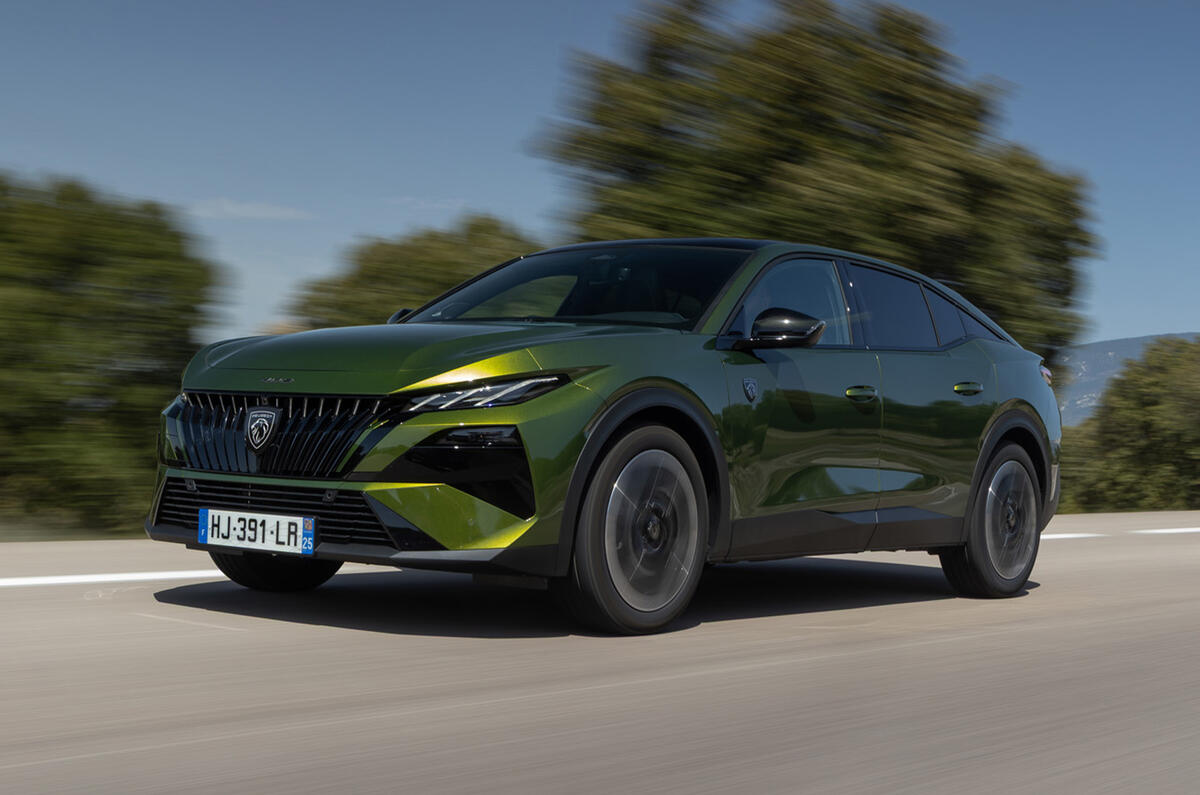
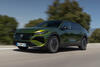
Sharp creases in the body panels, pronounced haunches and wheel-arch claddings all play their part in making this car unmistakable.


INTERIOR

8
Peugeot 408 cabin

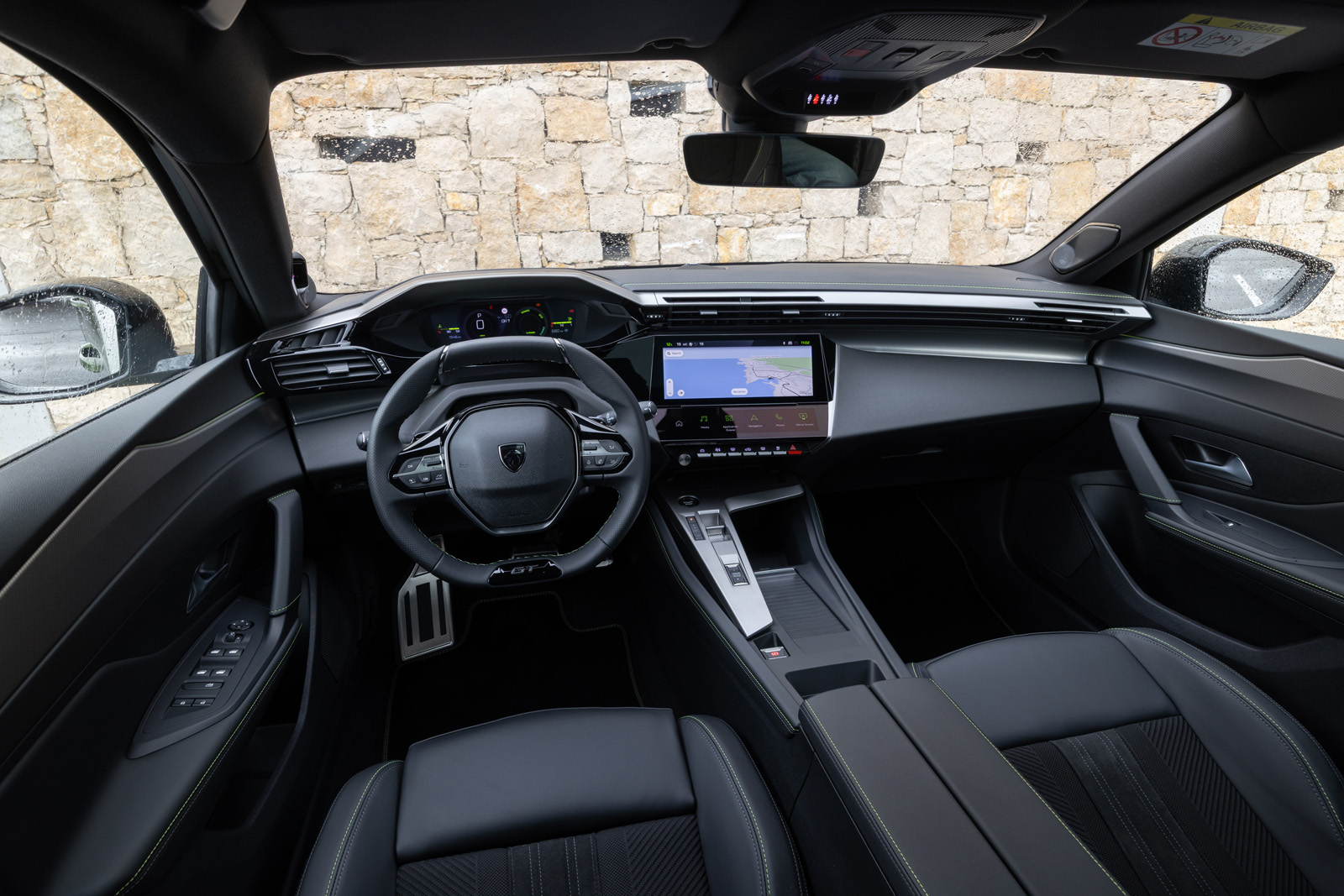
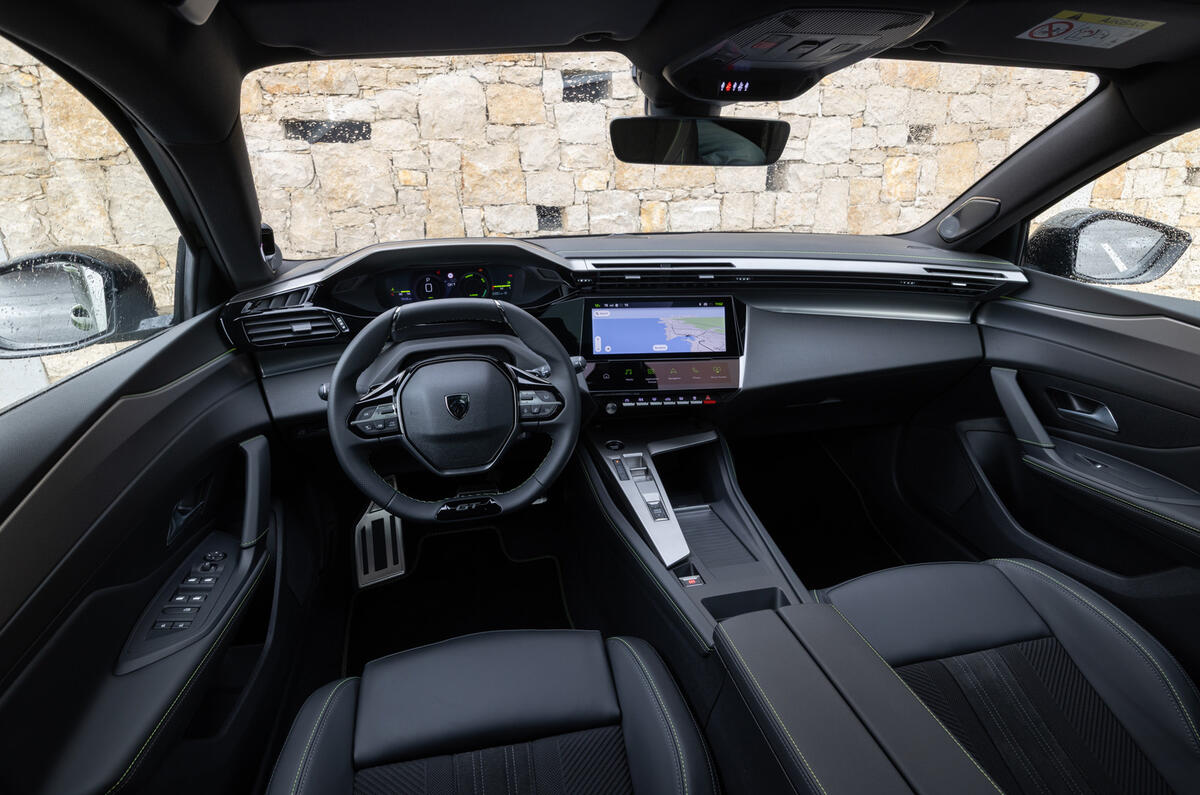
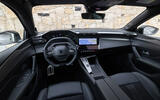
Were you to slide from the confines of, say, the similarly conceived Mercedes-Benz GLC Coupé and into the 408, the French car’s deficit in visual impact and materials quality wouldn’t be night and day. Far from it. Peugeot has raised its game considerably in recent times, and the cockpit of the 408 represents the current culmination of its efforts to be more premium. 

Slimline air vents neatly inhabit the upper edge of an artfully contoured dashboard and the transmission tunnel of our GT-spec test car had a finish akin to what you would expect to find on high-end German kitchen goods.

Our test car had the Focal hi-fi system with 10 speakers and a 690W amplifier. Specs needn’t mean anything, but it sounds truly excellent.

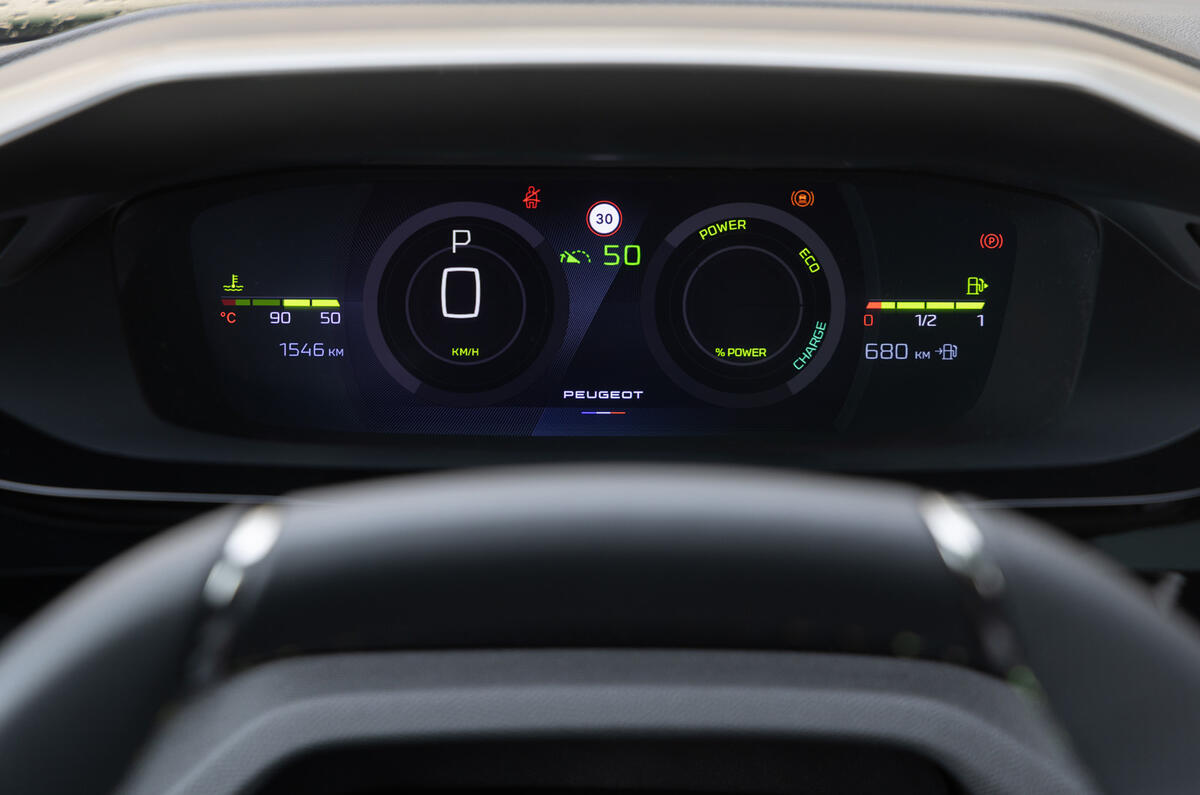
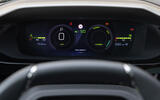
The display inside the instrument binnacle also has a surprisingly convincing 3D effect, and the three-strata control array – consisting of a touchscreen display, a touch-sensitive menu panel and then a row of physical toggle-type switches – marks an interesting and urbane approach. We like it.

The 408 also has sound ergonomics that befit its personality. The high window line and concave dashboard give the cabin something of an amphitheatre atmosphere, which is what you generally find in purpose-built GTs.

The multi-textured front seats are broad and enveloping, with plenty of electric adjustment, as well as heating and massage functions, if you opt for the Driver & Passenger Seat Pack.

With familiarity, even the tiny but substantial rim of the leather-trimmed steering wheel of Peugeot’s i-Cockpit sits in the hands with ease, although even in its lowest setting it obscures the bottom of the instrument panel.

On a related note, rear visibility is limited, but this is the price paid for that wickedly sloping rear windscreen. Mostly, this is a fine place to while away miles.

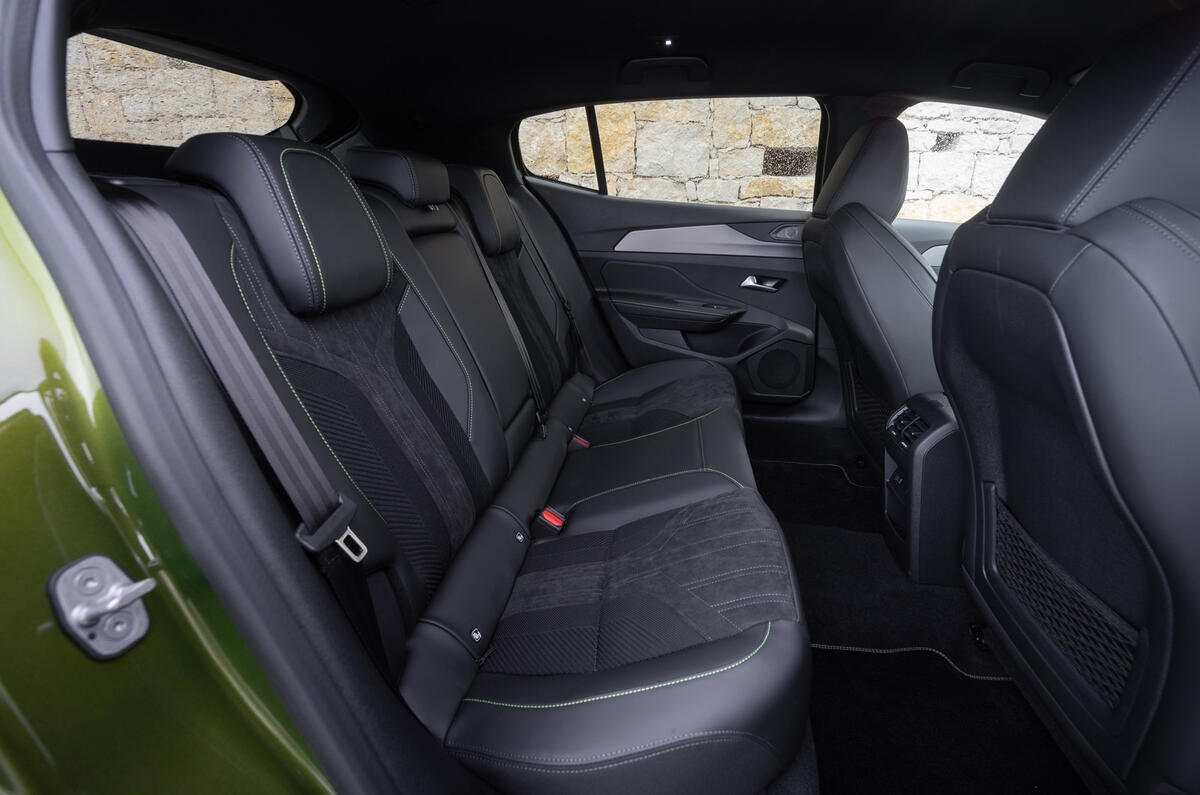
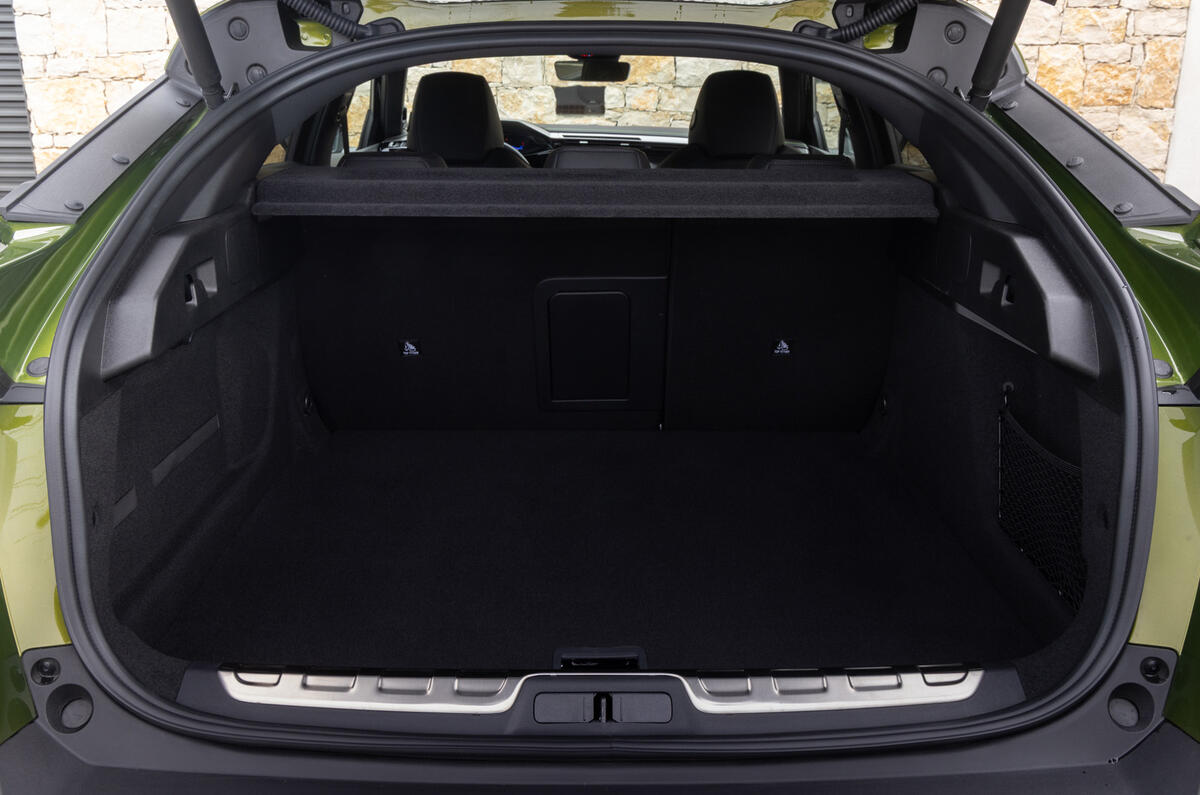
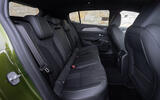
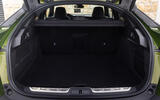
More prosaically, oddment storage is good, as is leg room for rear passengers. The 408 beats the departed 508 in this respect, although if outright luggage space is a concern, the 508 SW’s 530 litres of boot space comfortably trumped the 471 litres of the 408 PHEV.

Screenshot 2023 10 19 at 09

Multimedia system

Plenty of the details inside the 408 are recognisable from other former PSA brands in the Stellantis stable, and it’s no different for the infotainment system.

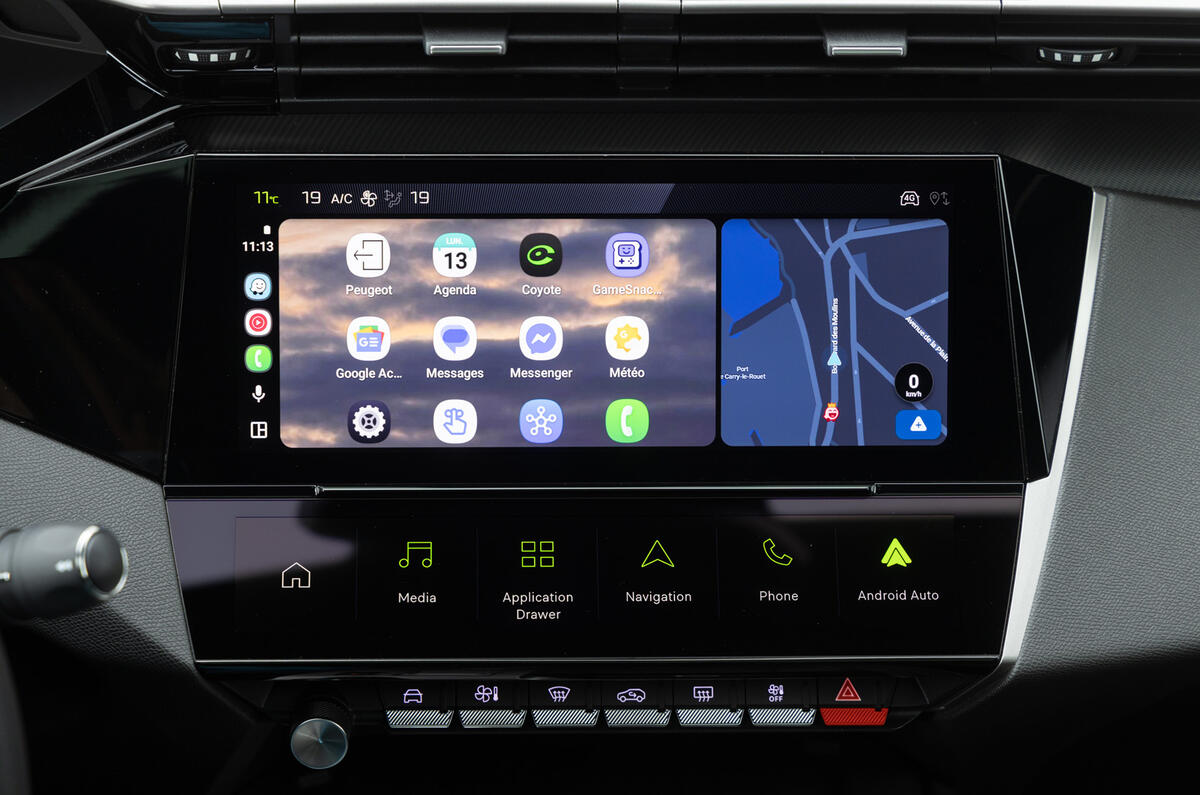
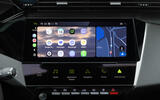
The car’s central, 10in touchscreen is large enough to avoid frustrating users but not so large as to feel overly imposing, as seems to be the current trend.

The software sometimes shows latency issues, but on the whole works seamlessly, and the graphics are adequately crisp. There is a physical volume dial too, as well as steering wheel controls.

Peugeot's fastback also includes the brand's customary i-Toggles, which sit in a row below the touchscreen proper and provide useful shortcuts to functions such as the media player, climate, navigation and smartphone pairing. Wireless Apple CarPlay and Android Auto is available here, too. 

As a family car, the 408 is well furnished with charging and data ports. The car has two USB-C ports in the front and two more in the back. There’s a 12V socket to be found both in the front of the cabin and in the boot of the car.

ENGINES & PERFORMANCE

6
Peugoet 408 performance

The 408's range of electrified engines offer adequate performance across the board, but at times you might be left wanting more. 

Our hybrid test car offers a 0-62mph sprint of 9.4sec, which is fine but perhaps a little unremarkable for such a rakish-looking car.

On the road, the character of the 408’s performance is probably more important than objective figures. And it’s mostly agreeable when the powertrain is left in its default Hybrid mode.

The six-speed gearbox can hunt around at times and the car’s brain can sometimes conjure up an unexpected combination of petrol and electric force, but, on the whole, tip-in response is satisfyingly crisp as the electric motor immediately reacts first with a dose of torque.

As the petrol engine joins in, acceleration thereafter is reasonably well sustained, and there’s little cause ever to engage Sport mode.

You certainly won’t be engaging with the gearshift paddles, which are conspicuously flimsy and can often feel ineffective, such is the length of time the transmission takes to react to manual commands.

At 7.5sec from 0-62mph, the PHEV is the faster car, and is also very smooth to transition from electric to petrol. It can also be driven as an EV and includes a ‘B’ mode that increases the force of the regenerative braking (although this can also be selected in Hybrid and Sport driving modes).

The PHEV works well as an EV, so long as you don’t expect too much from the 123bhp electric motor, being up against an as-tested weight of almost two tonnes.


RIDE & HANDLING

8
408 cornering

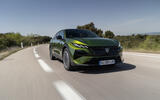
If the 408 has a hallmark attribute beyond exterior styling, it's surprisingly engaging and polished handling. 

Granted, this statement needs to be contextualised. Peugeot’s fastback lacks any sort of limited-slip differential and, as we have ascertained, the powertrain isn’t the last word in excitement, so it isn’t something that naturally begs to be taken by the scruff. In fact, its sole nod to athleticism is the fitment of Goodyear Eagle F1 tyres. Yet there’s lots for the keen driver here.

You notice it the first time you turn in to a corner. The 408 rolls enough to let you know the suspension is loading up neatly but no more. The steering response is also well judged and quite beautifully matches the car’s consistent roll rates. Feedback is limited but the weight of the rack ebbs and flows.

Meanwhile, the small-diameter steering wheel and quick off-centre response give the car an inherent feeling of agility that isn’t quite backed up by reality but, for the 408 owner driving at everyday speeds, empirical sensations matter more.

You can flow the car through an S-bend with your fingertips and derive genuine satisfaction from the process. Grip and balance are better than they need to be, and the 408 even exhibits a whiff of mid-corner throttle-adjustability. 

The 408’s comfort levels are a mixed bag. Motorway cruising is effortless and relaxing, and imperfections are largely unobtrusive, but the secondary ride remains a weak point, feeling overly sensitive to minor road undulations like small bumps and cracks.

Both versions of the 408 get 19in wheels as standard, but the hybrid feels more settled than the PHEV, which feels the impact of its 200kg battery.

Comfort & Isolation

In the main, the 408 is relaxing, unobtrusive company. It’s a car that establishes an easy-going gait on most roads, settling down conspicuously well at higher speeds, and the cabin itself is a fine place to spend time.

Peugeot’s aerodynamic work on the 408 has paid off, and the car’s downsized petrol engine is also mostly distant and subdued, remaining reasonably well isolated even under load.

In all-electric mode, the 408 is quieter still, as you would expect.

MPG & RUNNING COSTS

7
1 Peugeot 408 front

The PHEV is considerably more expensive than the hybrid, so if CO2 emissions have little financial implication for ownership and you can live with the blunted performance, the entry-level car is worth considering.

Each version of the 408 we tested impressed with frugal economy figures. The hybrid promises 55mpg while the PHEV is rated at 97mpg; our drive of the hybrid produced 44.3mpg then the PHEV scored 60.2mpg.

The 408 is reasonably priced and compares favourably to its few rivals, including the £37,235 mild-hybrid Cupra Formentor. The hybrid is the cheapest option, at £31,995, while the PHEV starts at £38,495.

Standard equipment is decent, with wireless smartphone mirroring, rear parking sensors and a reversing camera included.

An electric tailgate, front parking sensors and matrix LED headlights are added to mid-spec GT trim, which is the best value for money. 


VERDICT

PEUGEOT 408TESTDRIVE 1405

After four years on sale, there's still an argument to be made that, from a hard-nosed product planning perspective, the 408 exists in no man’s land. It doesn’t quite capture the high-riding, utility feel that now drives people towards SUVs. Neither is it as traditionally slick as an executive saloon. Yet in a sea of cookie-cutter family crossovers, this is an unusually soulful car.

It has an attractive, well-wrought cabin and surprisingly fine handling chops. It's spacious inside and, if the PHEV works for your circumstances, is adaptable and efficient, as well as being intuitively easy to drive.

It isn't without quirks – the i-Cockpit, for example, and the powertrain’s occasionally odd machinations – and it could be easier on the pocket compared with the competition. But those rivals lack some of the 408’s simple desirability. 

Eye-catching and well-equipped, the 408 is a frugal and good value left-field option for drivers who want to turn heads. Some rivals feel more composed and comfortable, but in terms of value, you could do far worse. 

Richard Lane

Richard Lane
Title: Deputy road test editor

Richard is Autocar's deputy road test editor. He previously worked at Evo magazine. His role involves travelling far and wide to be among the first to drive new cars. That or heading up to Nuneaton, to fix telemetry gear to test cars at MIRA proving ground and see how faithfully they meet their makers' claims. 

He's also a feature-writer for the magazine, a columnist, and can be often found on Autocar's YouTube channel. 

Highlights at Autocar include a class win while driving a Bowler Defender in the British Cross Country Championship, riding shotgun with a flat-out Walter Röhrl, and setting the magazine's fastest road-test lap-time to date at the wheel of a Ferrari 296 GTB. Nursing a stricken Jeep up 2950ft to the top of a deserted Grossglockner Pass is also in the mix.