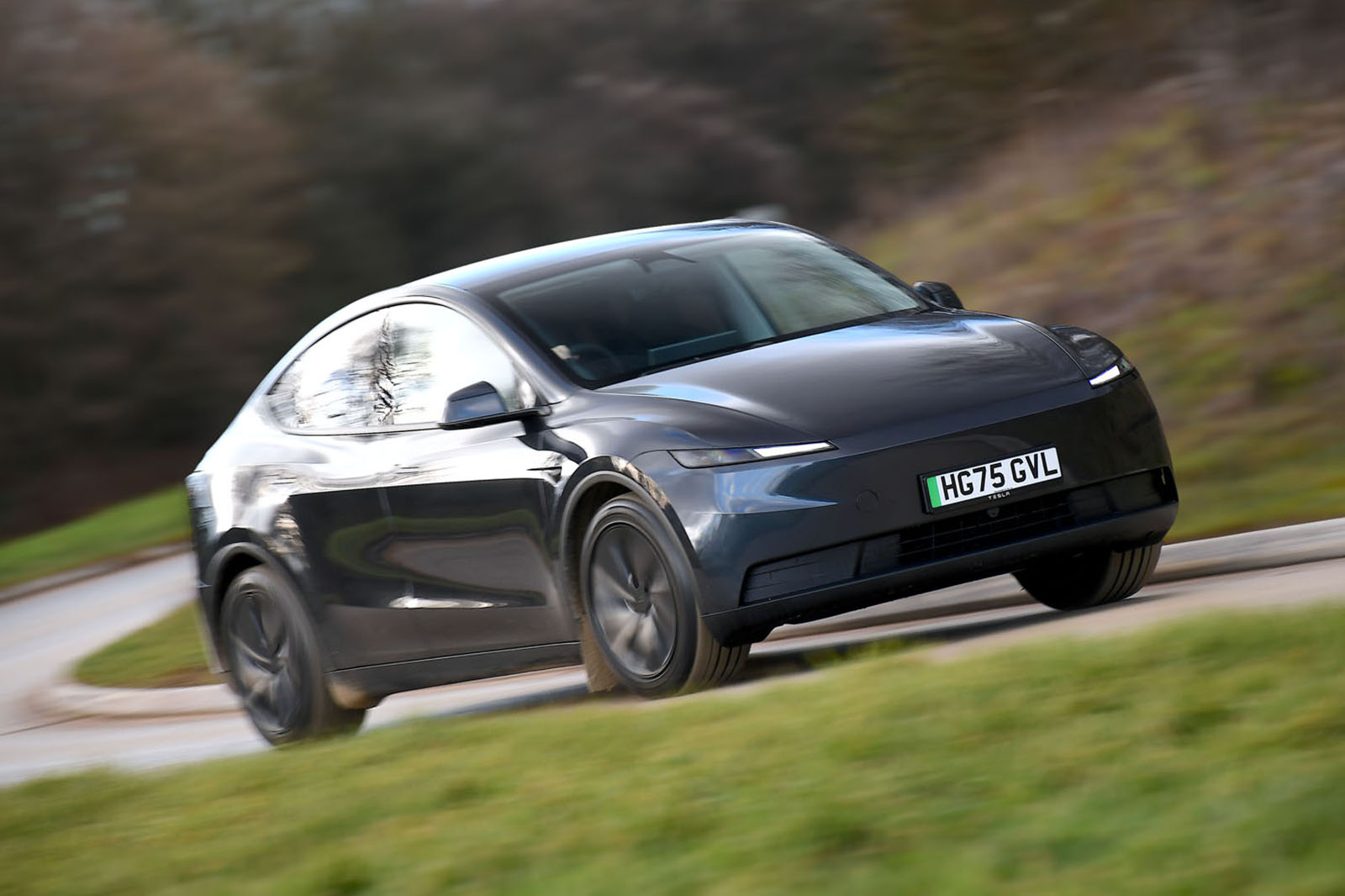
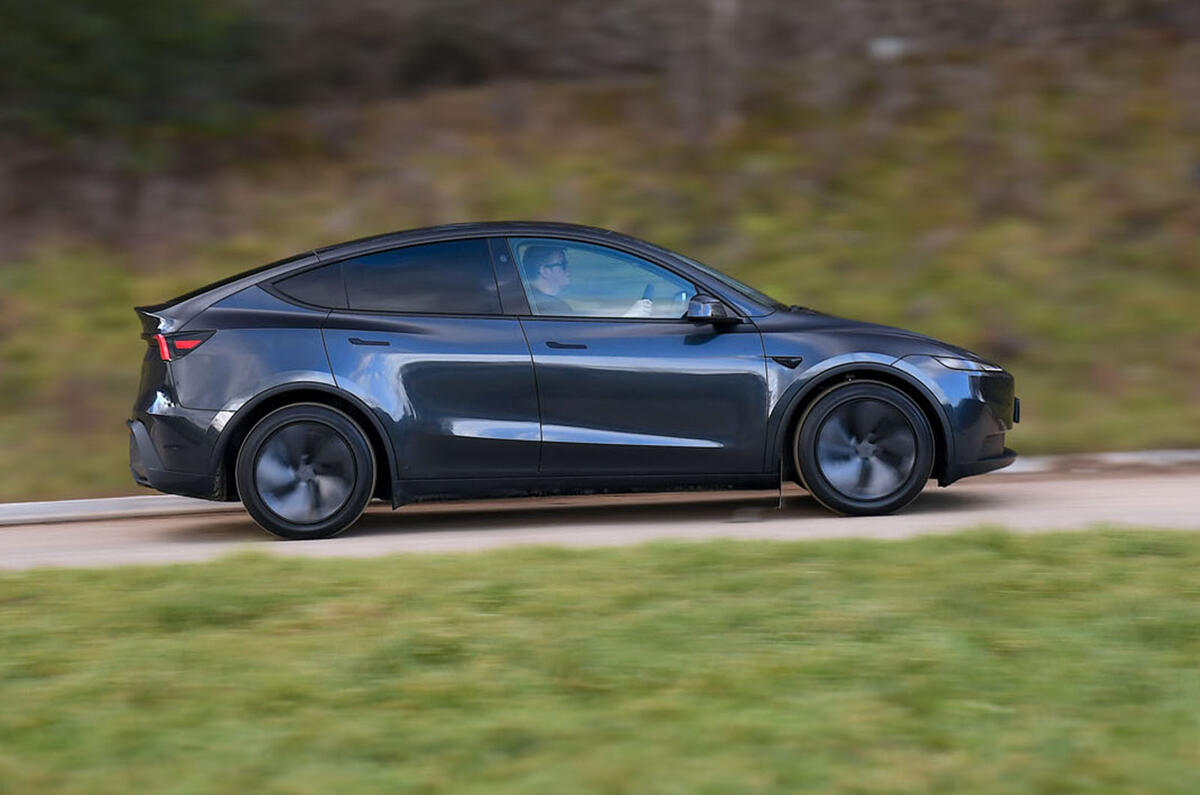
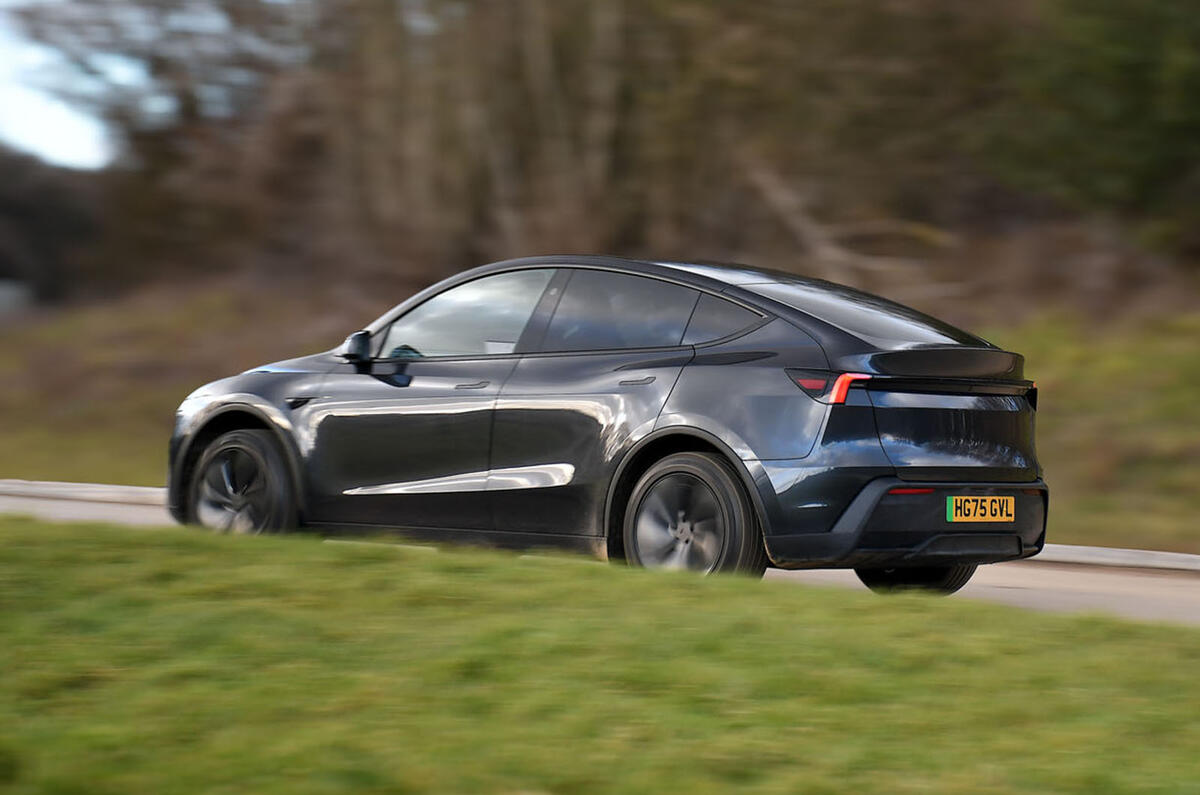

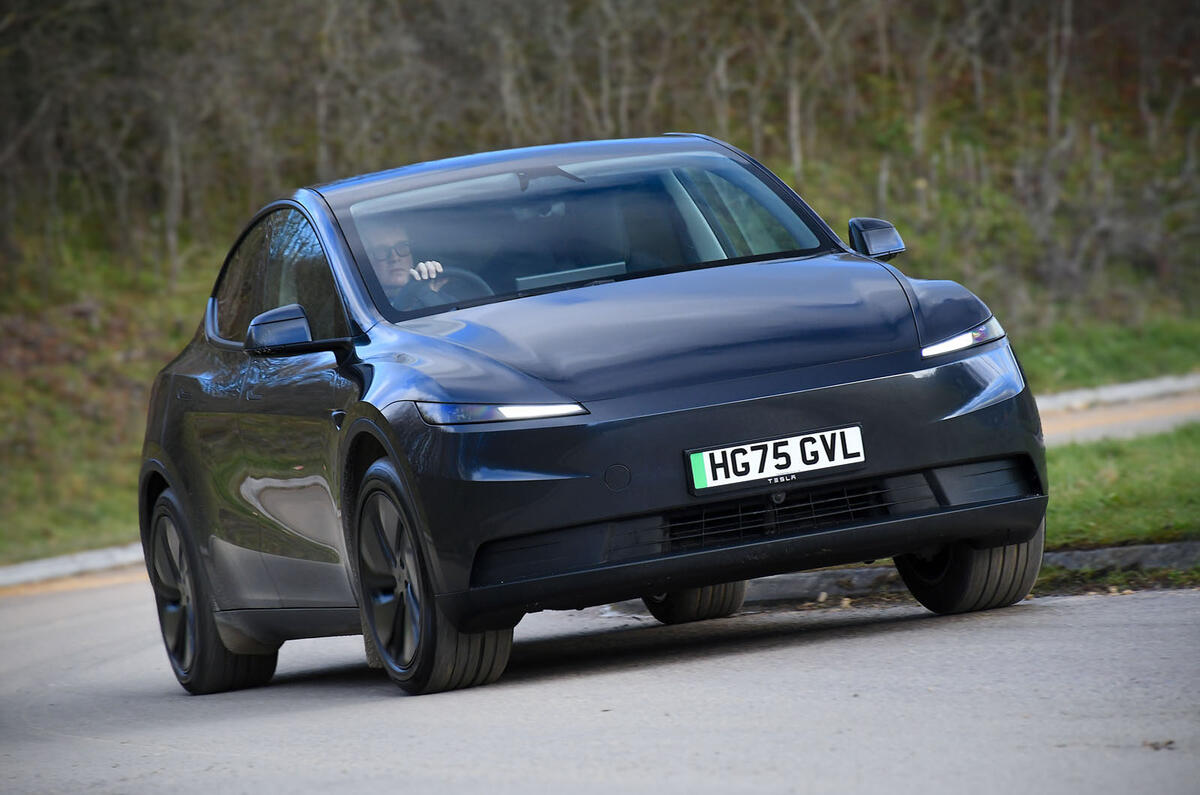
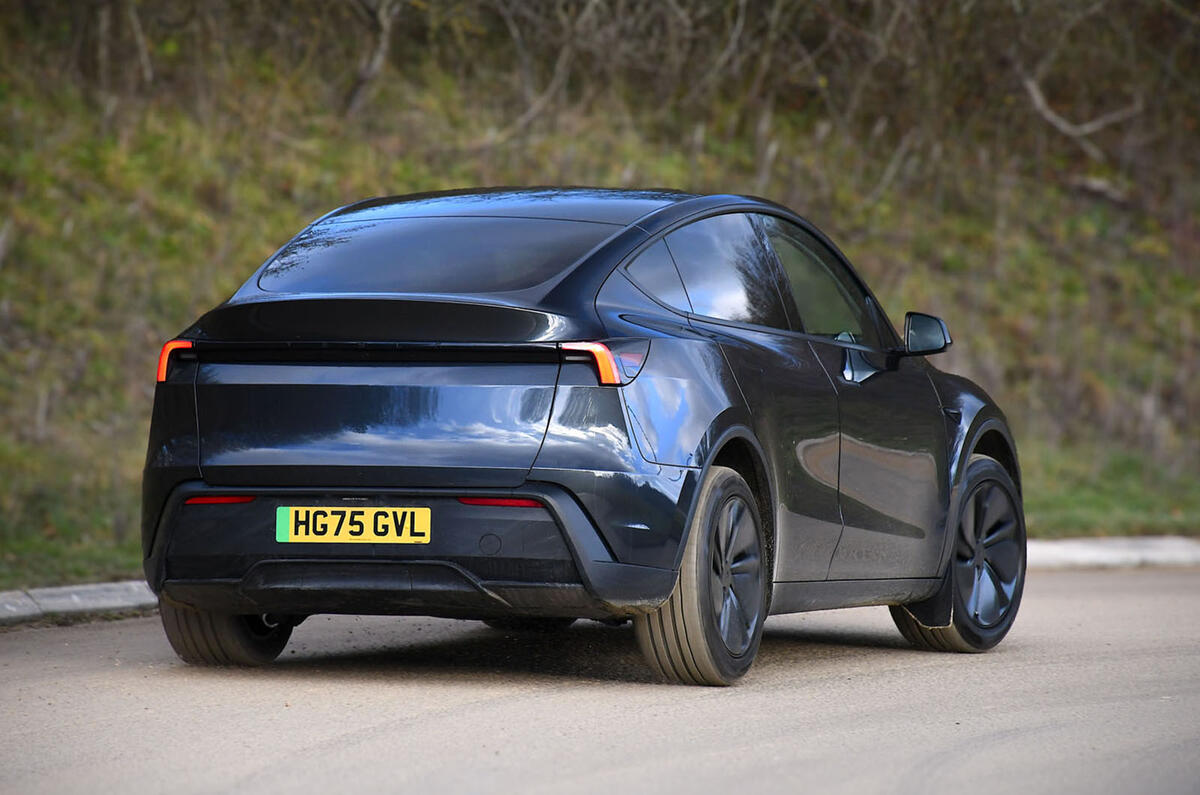
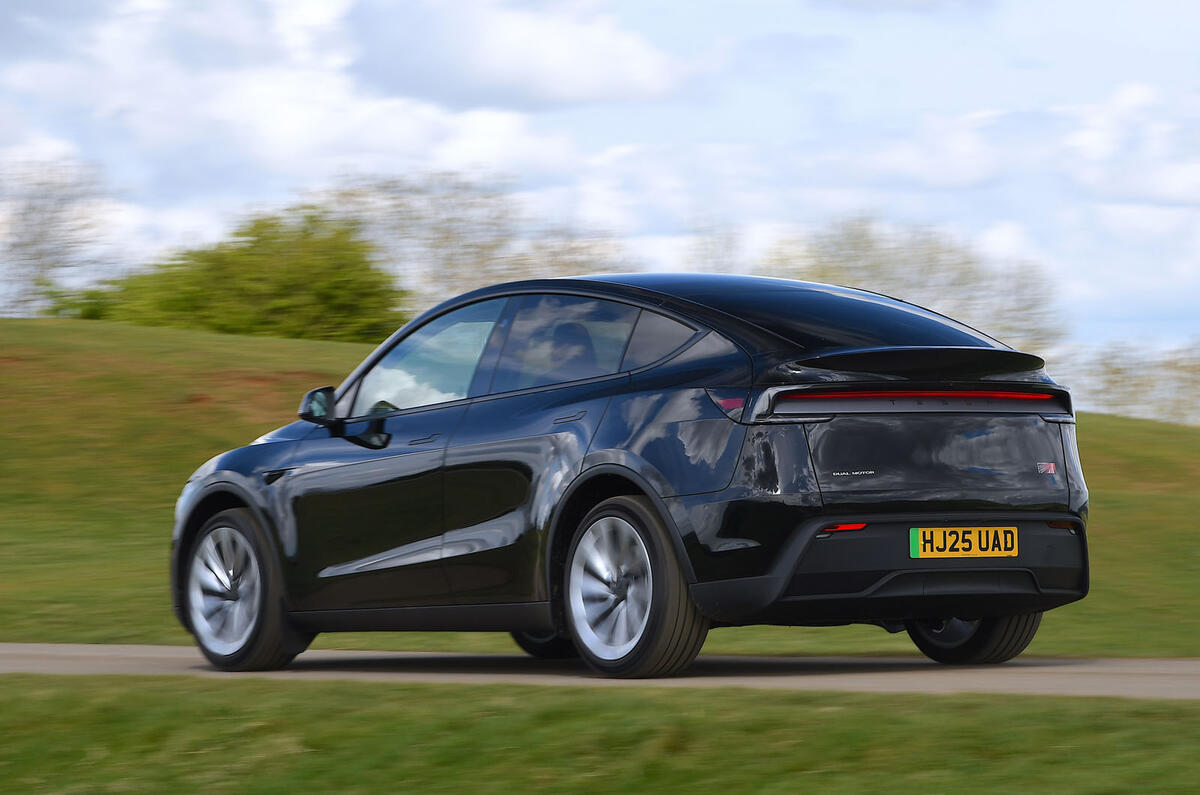



















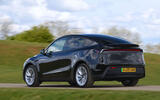



The primacy of the Tesla Model Y - still the best-selling electric car in both the UK and Europe - is slowly fading. Back in 2023, after production at Tesla’s European ‘gigafactory’ in Berlin fully ramped up, this was Europe’s fastest-selling new car of any kind. In 2024, however, it dropped out of the continent’s ‘big three’ - and now seems less and less likely to return.
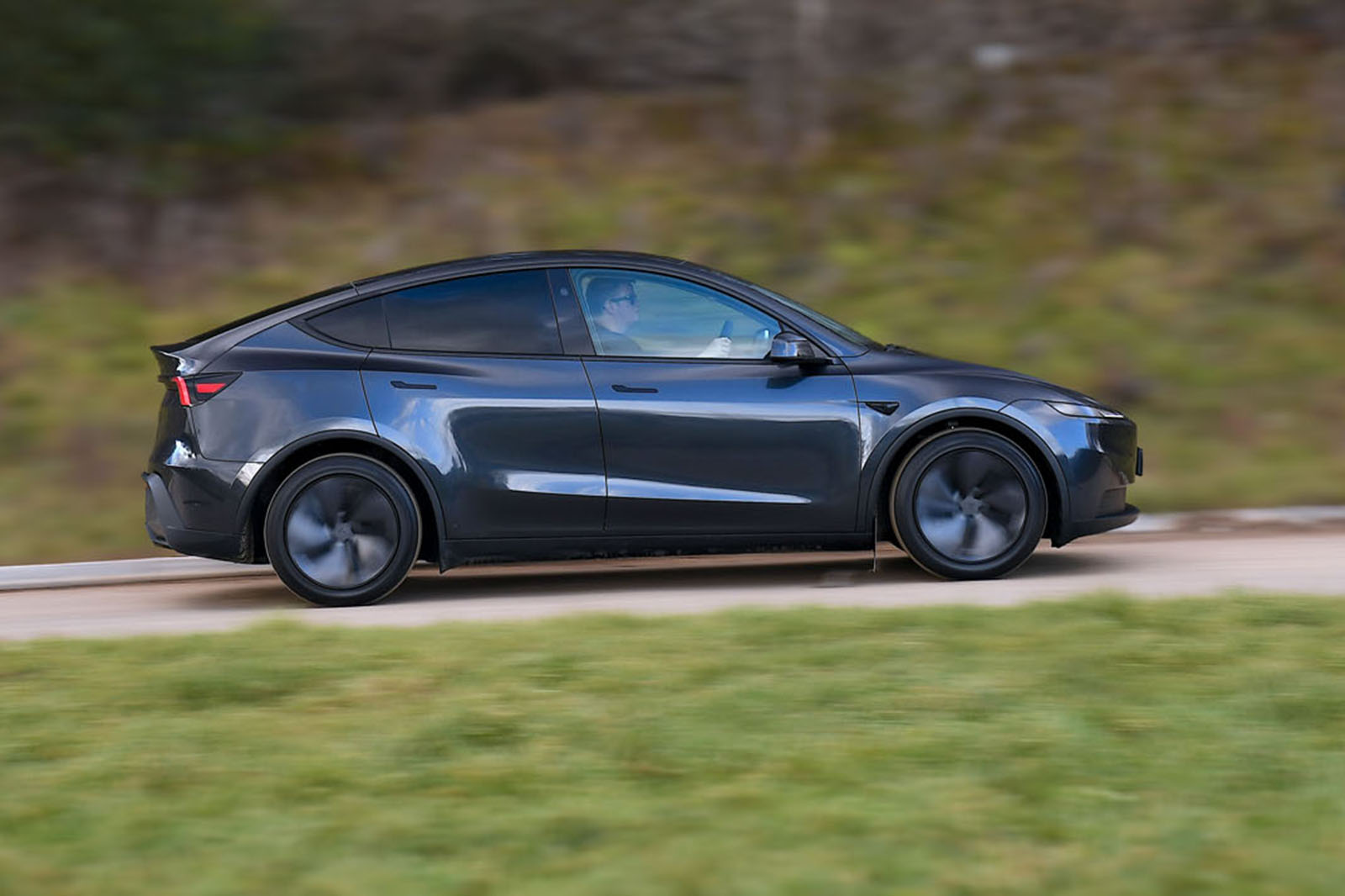
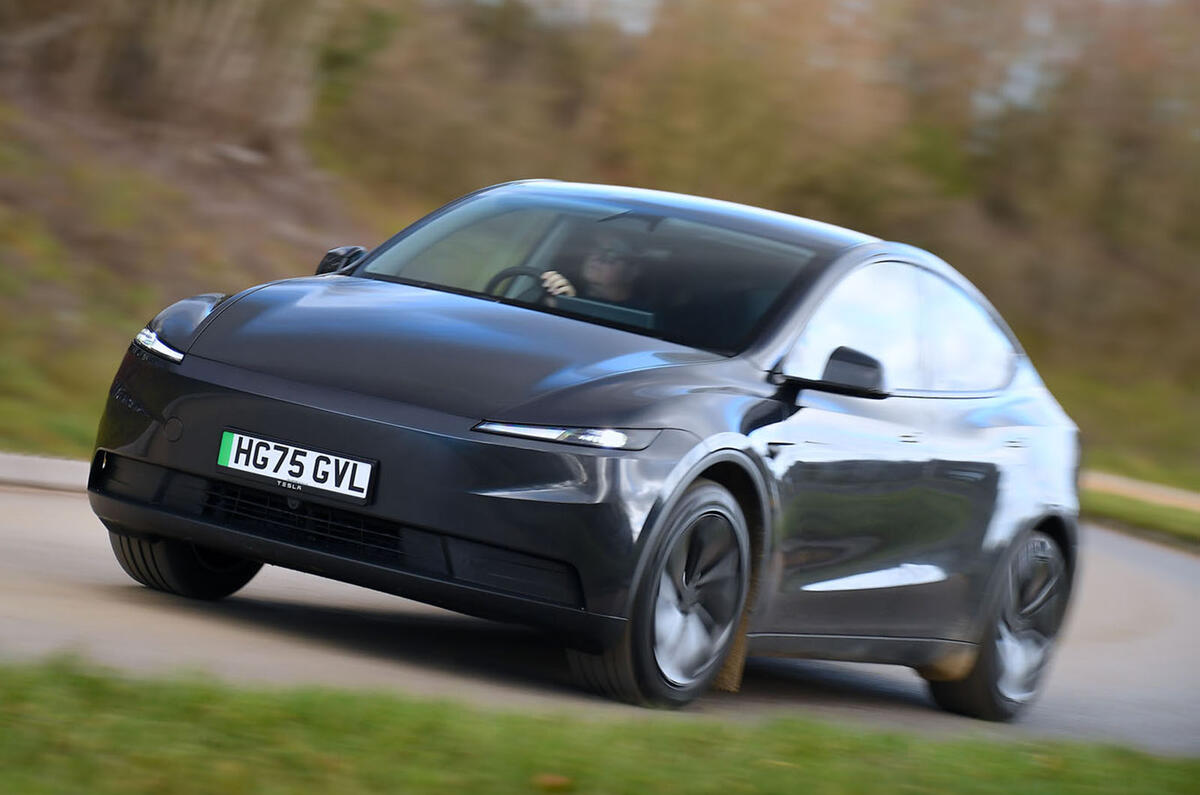
Not that Tesla’s taking this lying down. Late last year, the firm announced this new entry-rung, ‘Standard’ version of the Model Y. At list price, it costs £3000 less than the equivalent bottom-rung model (the RWD) did in 2022, and about £7000 less than the next model up in the lineup.
But the car’s headline price is only half of the story. By optimising both equipment specification and performance, Tesla has produced lower cost of insurance and stronger residuals for it; the latter driving value through all-important personal finance. Tesla's manufacturer-backed PCP deals on the Model Y Standard car start at just £300-a-month - the kind of outlay EV owners will be more accustomed to paying for considerably smaller, shorter-range cars from classes below. They could actually be cheaper still once you factor in the £3750 deposit booster offer that the firm is currently offering, to buyers trading in either combustion-engined cars or competitor EVs.
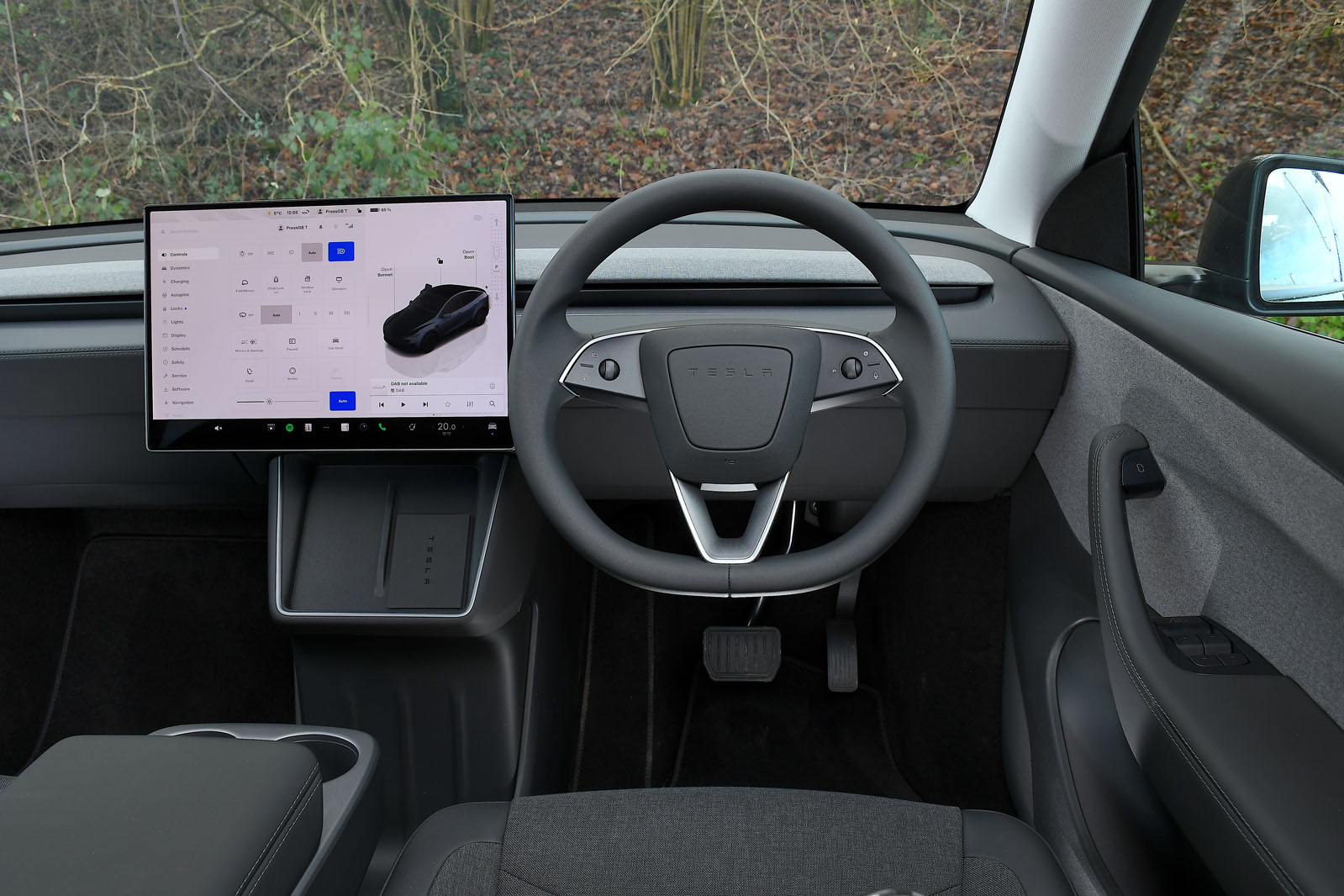
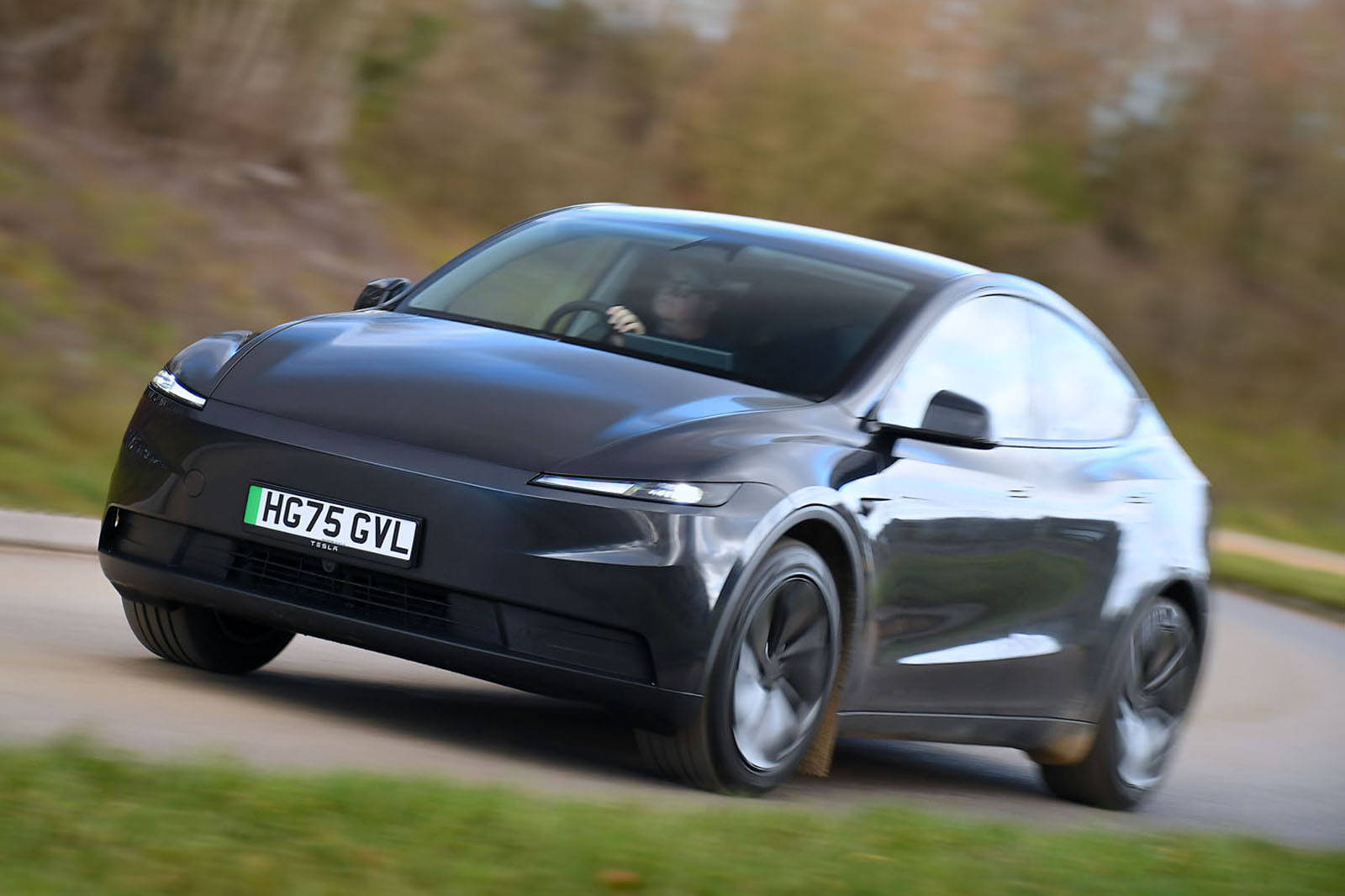
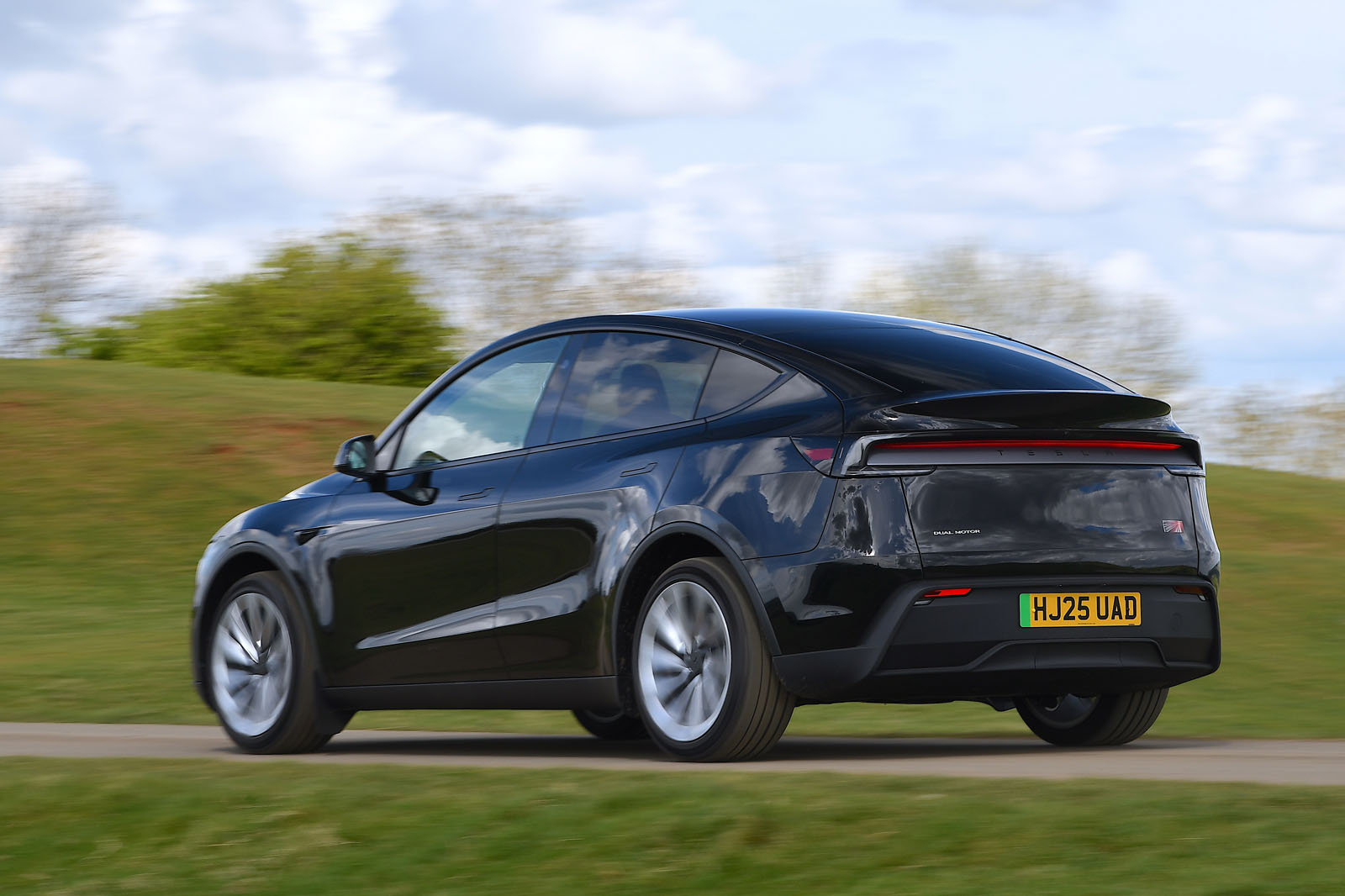
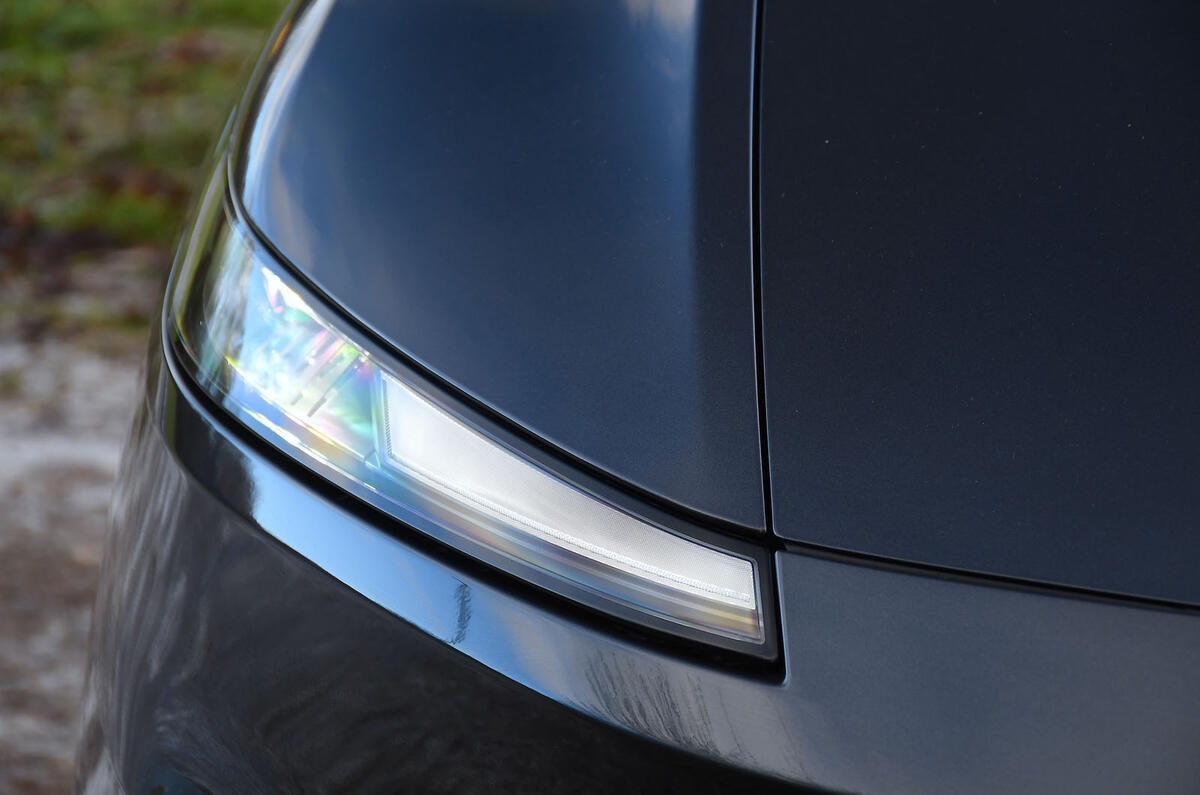
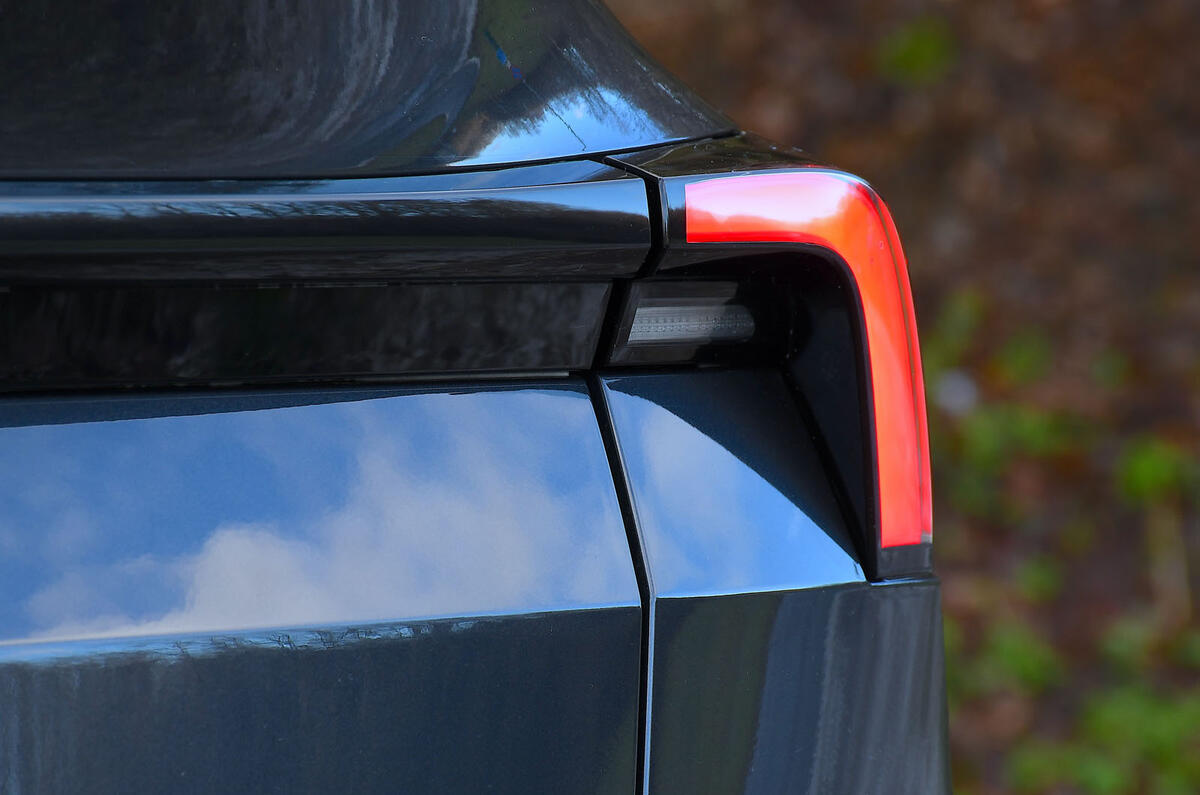
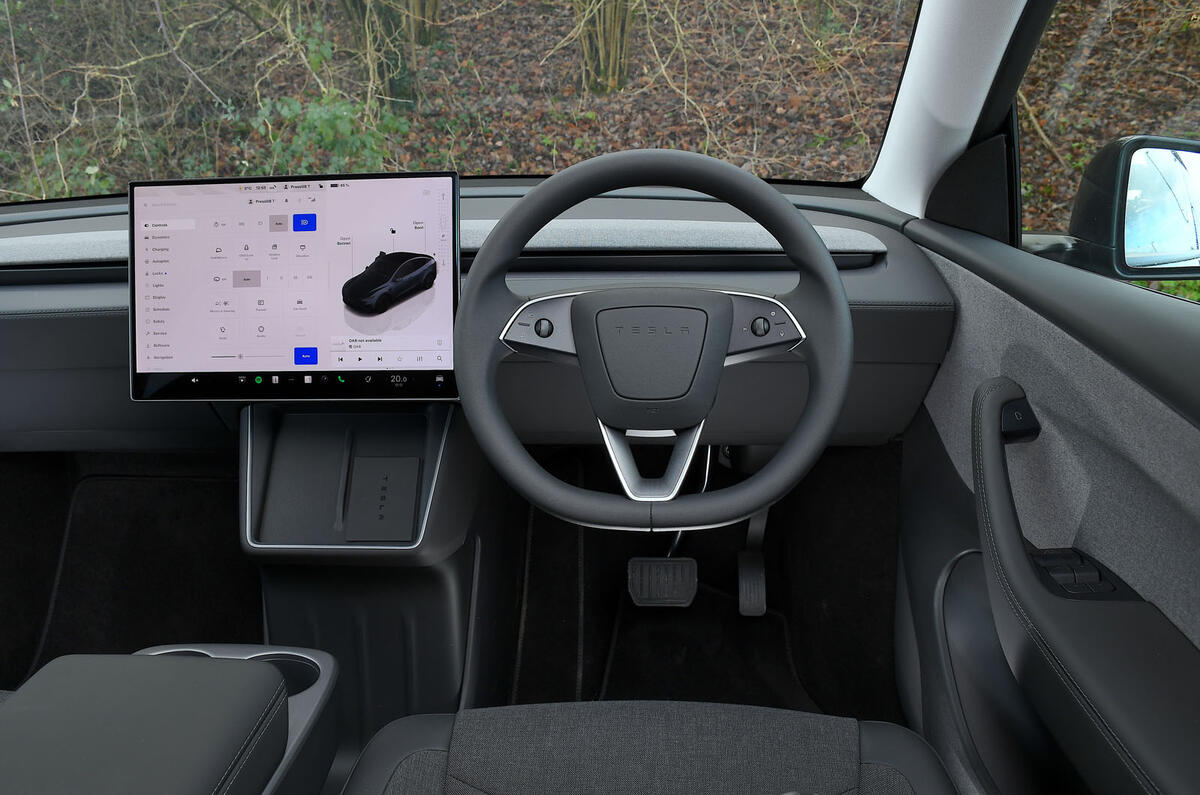
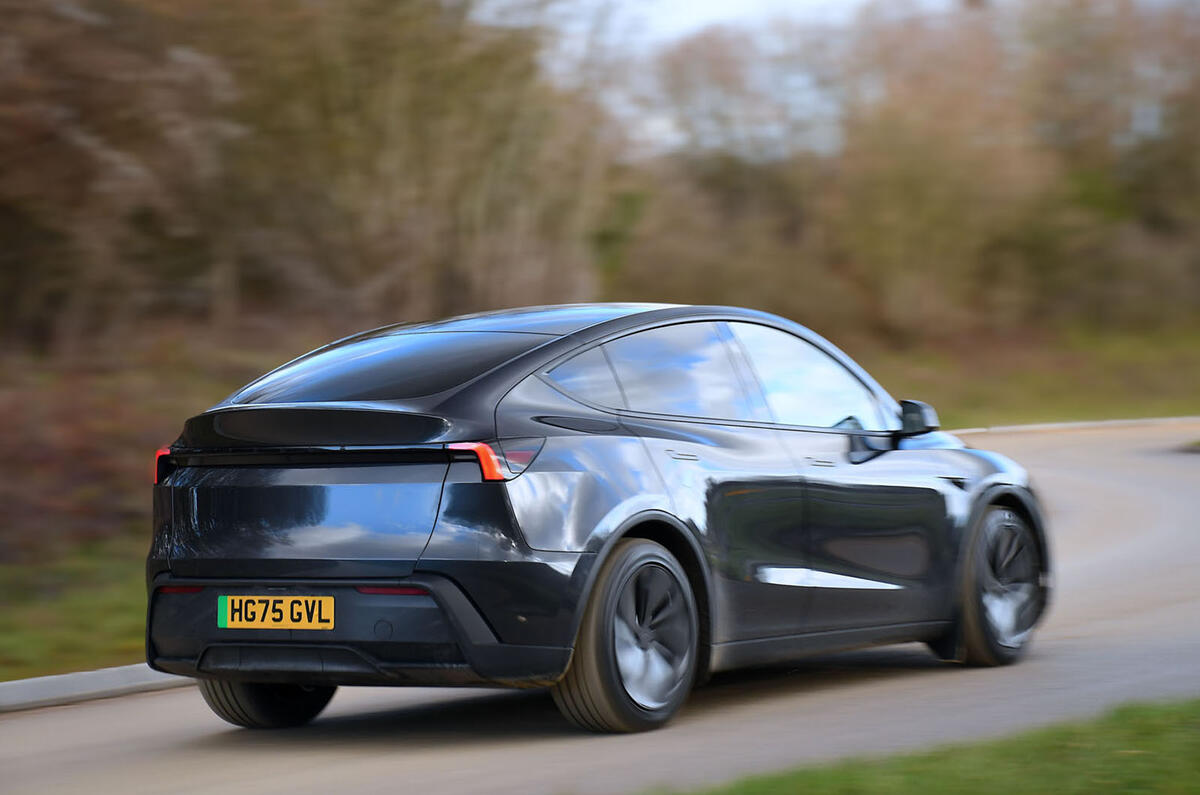
As regards the wider Model Y model lineup, a fairly wide-ranging update was executed in 2025. Beyond striking changes to the body, they included a Cybertruck-style front lightbar, and myriad other tweaks to constituted the so-called Juniper facelift.
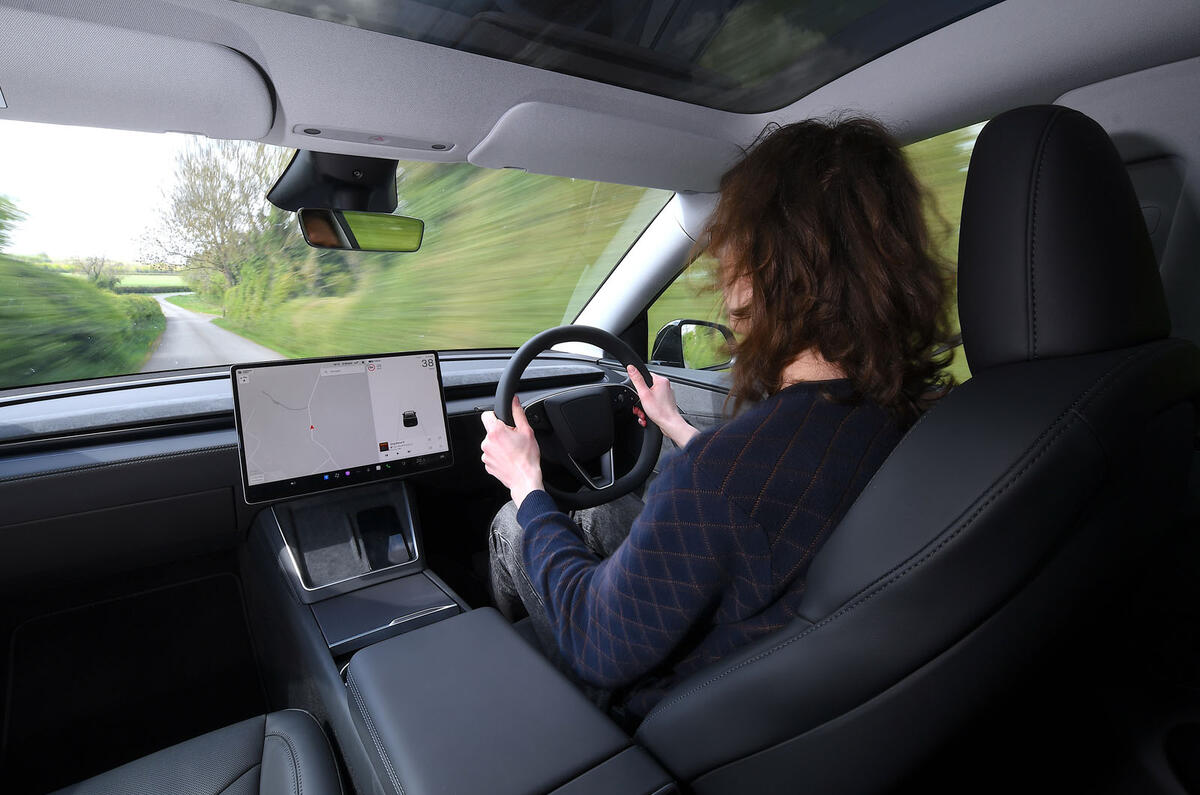
At the same time, pricing was made more competitive than ever. When the Model Y first landed in the UK in 2022, a 434bhp Long Range variant with four-wheel drive would set you back £54,990. Today the same model is marginally less powerful but costs an inflation-busting £51,990, despite having additional kit that includes ventilated front seats and electrically folding rear seatbacks.