













8

Small electric crossover is retrofitted with a petrol engine to bring plug-in hybrid motoring down below £30,000

Would you take a plug-in hybrid from a lesser-known Chinese brand for the same price as a mild hybrid from a familiar European one? It will be revealing to see how many say yes, as the BYD Atto 2 DM-i is rolled out.

Other firms’ market research suggests that compact crossover buyers aren’t so interested in PHEV powertrains (perhaps because these tend to serve as a household’s second car, which doesn’t typically get the overnight parking berth next to the charger), so PHEV options in the ‘B-SUV’ class (Ford Puma, Skoda Kamiq etc) are rare. Indeed, rival Chinese brand Chery has decided to go with a simpler 'self-charging' hybrid system for its Tiggo 4 and the popular MG ZS has never been pluggable.

But even if its price does overlap with that of the notably larger Sealion 5 PHEV, the Atto 2 might just prove that there is an appetite for PHEVs of this kind after all. (And BYD isn’t stopping here: its new Dolphin G will bring PHEV choice to the supermini market later this year).

But with umpteen electrified ‘baby’ SUVs you could already choose from, does the Atto 2 deserve a spot on your shopping list - and is it best-served with hybrid or fully electric power? Let’s find out.

Advertisement

DESIGN & STYLING

7
BYD Atto 2 DM i review 2026 02

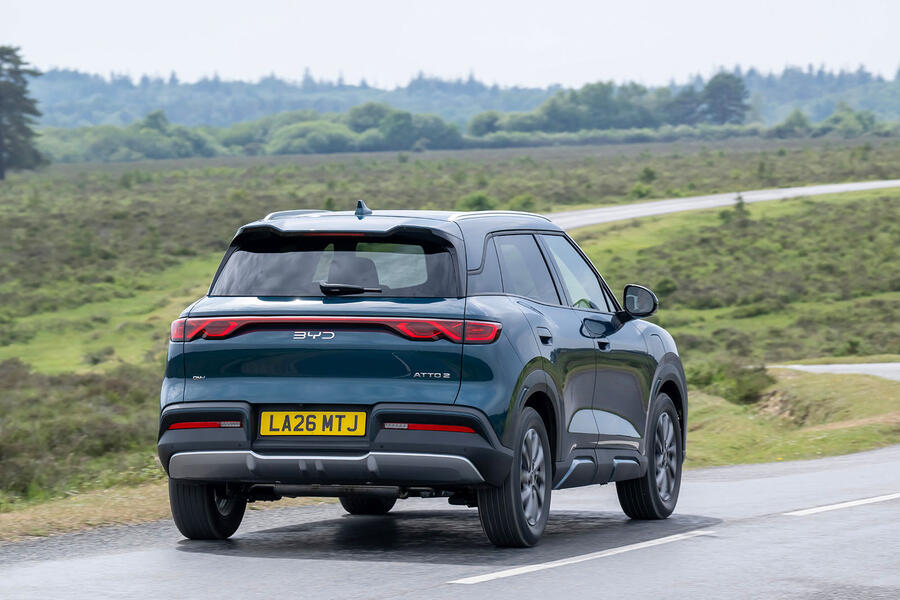
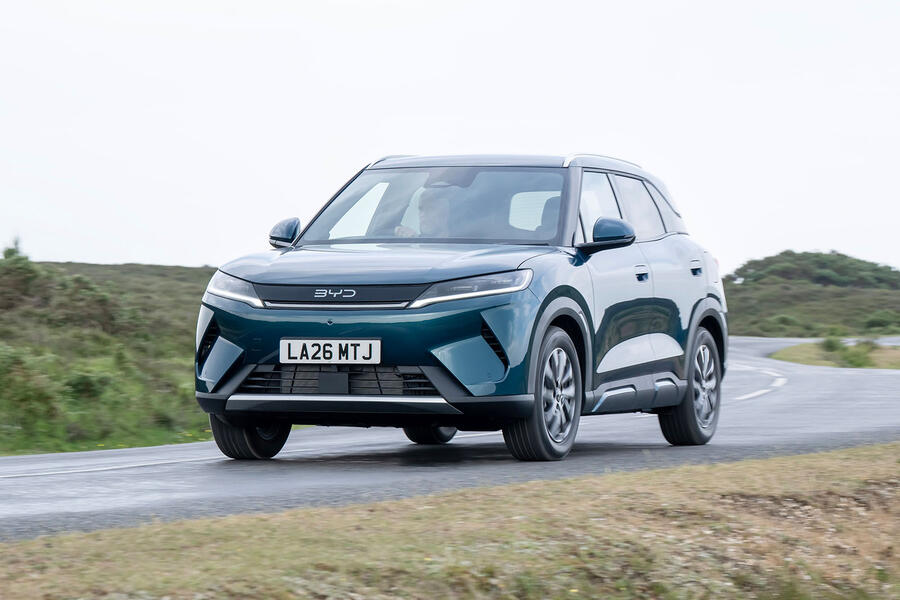
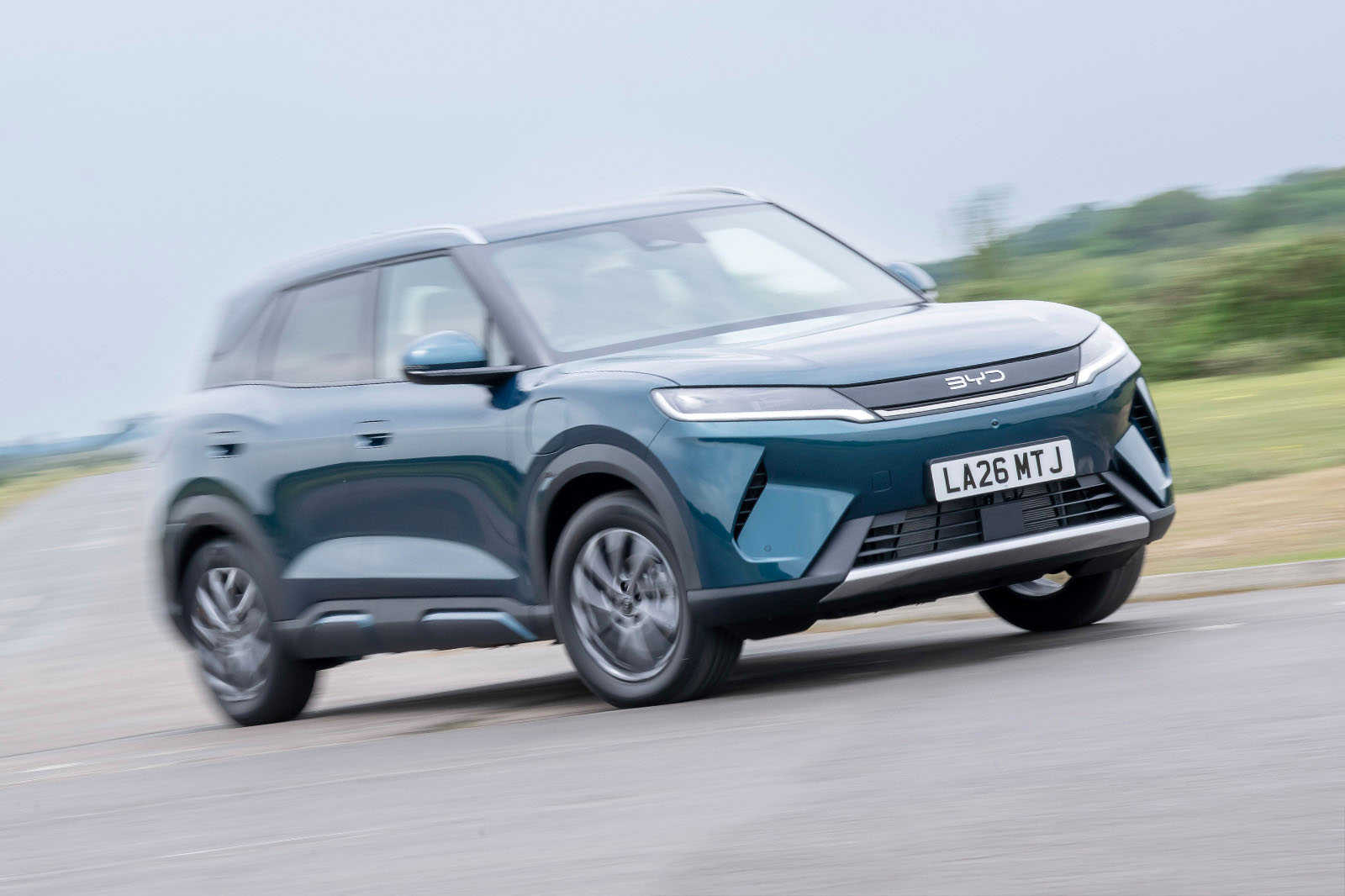
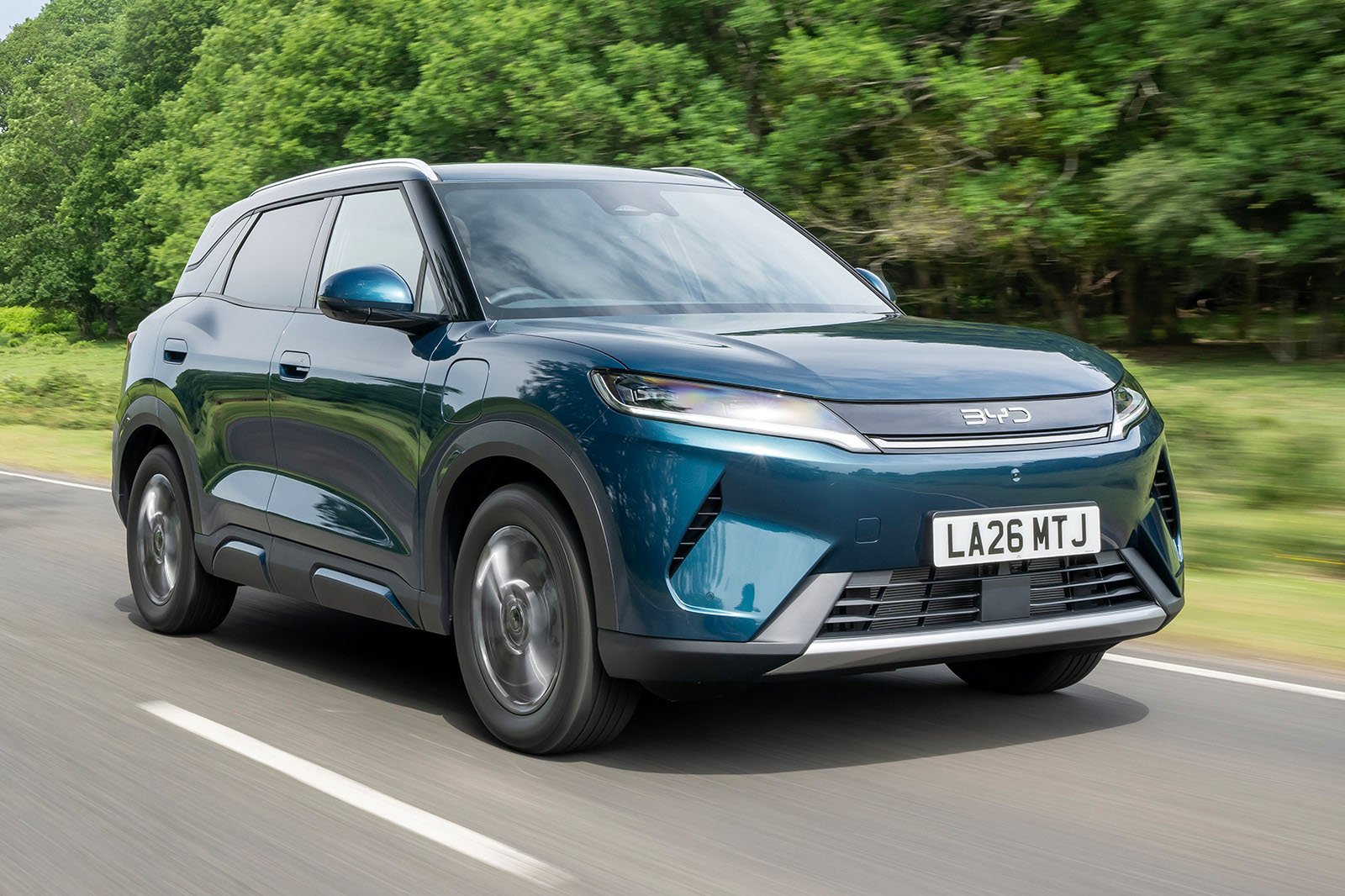
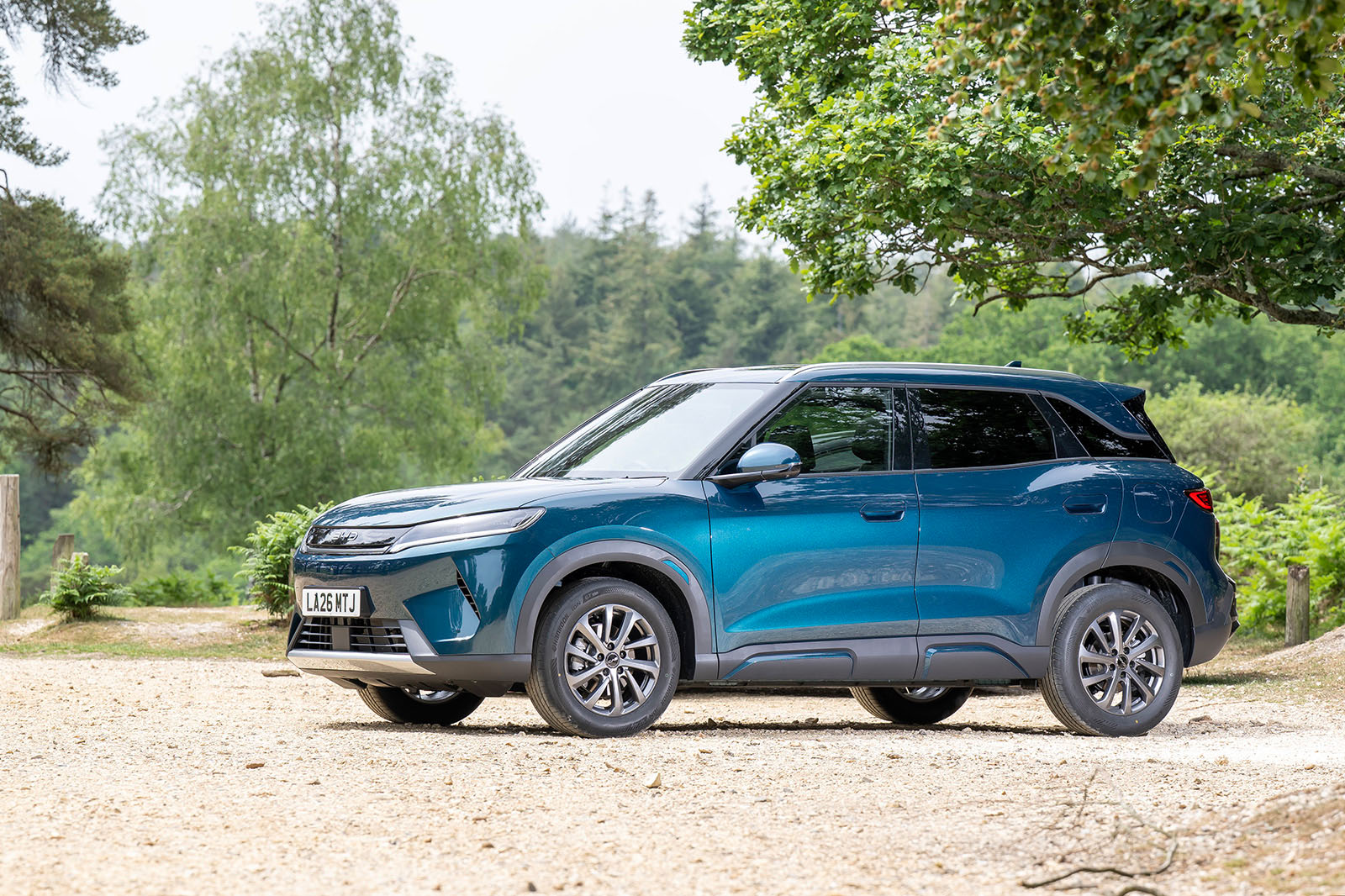
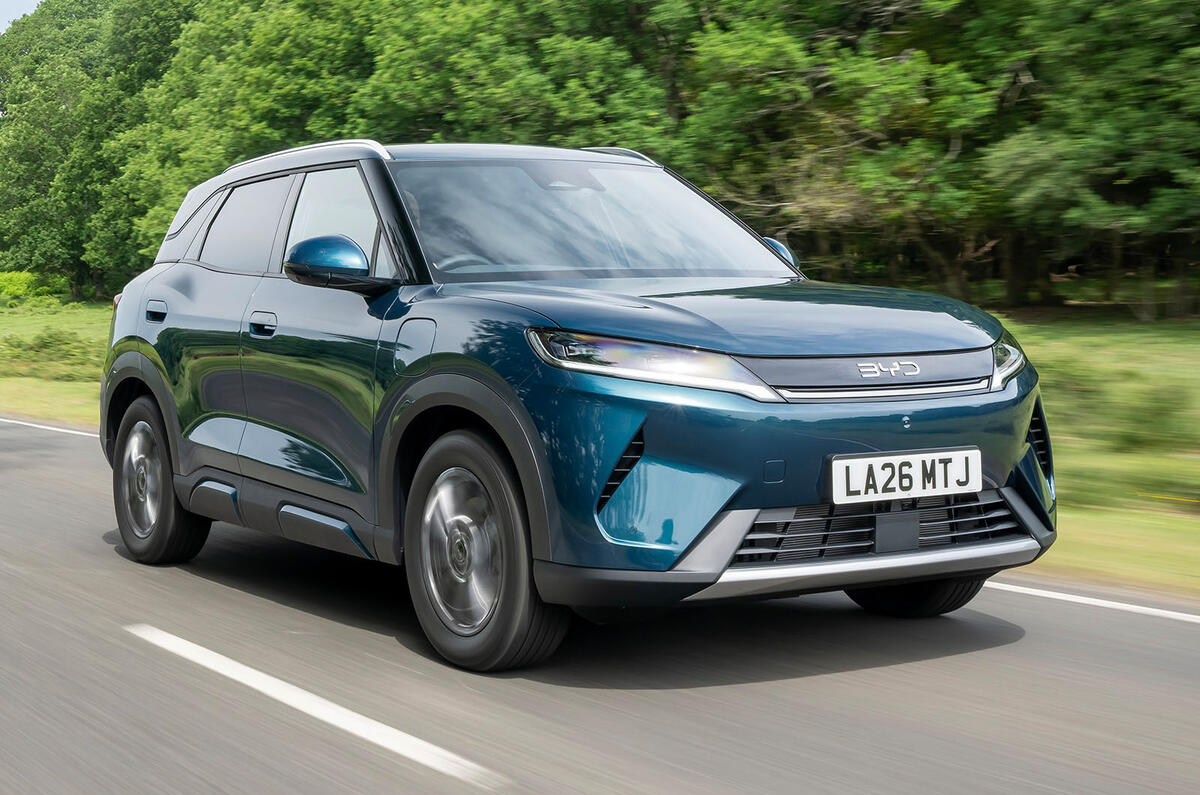
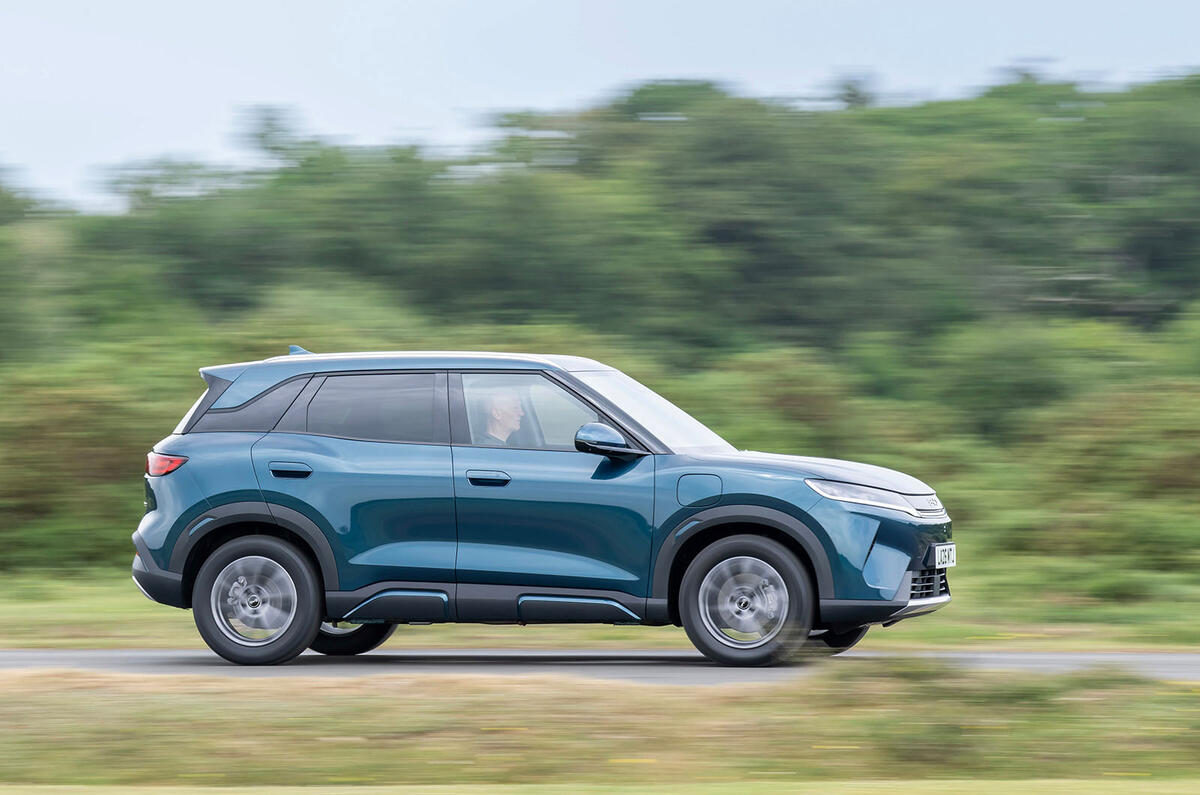
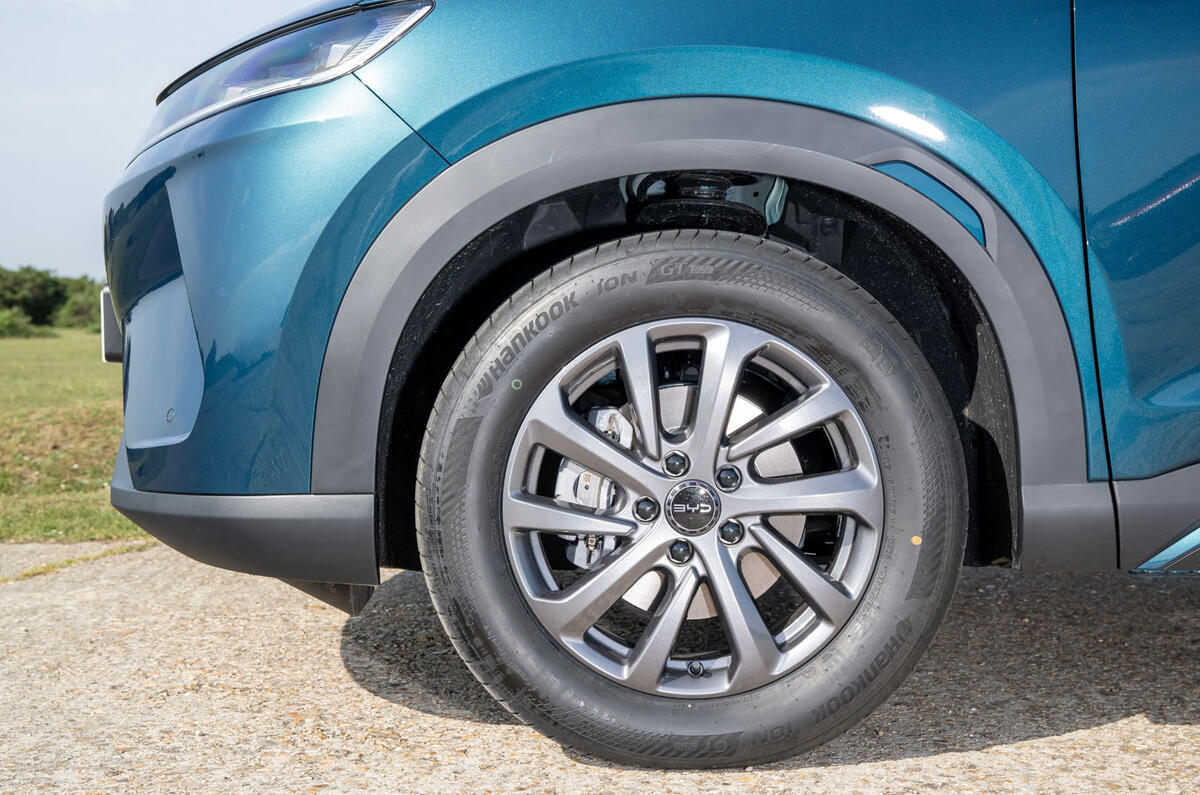
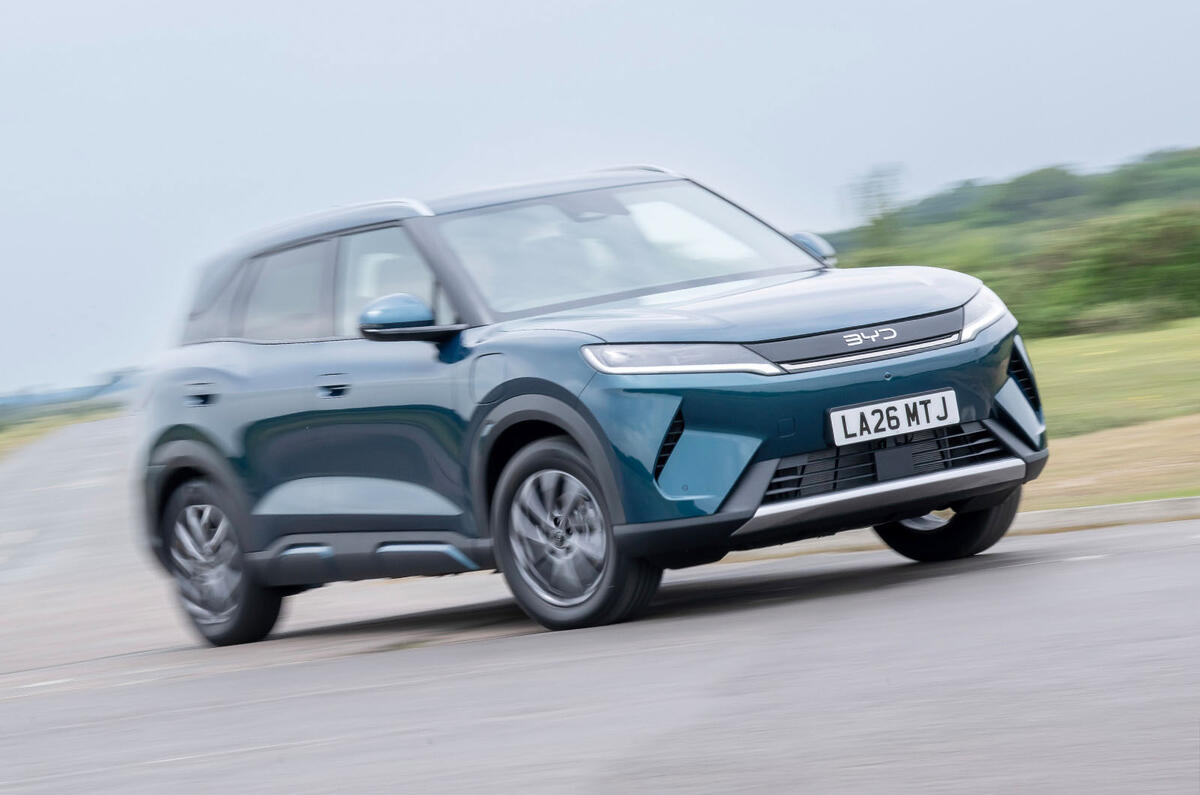
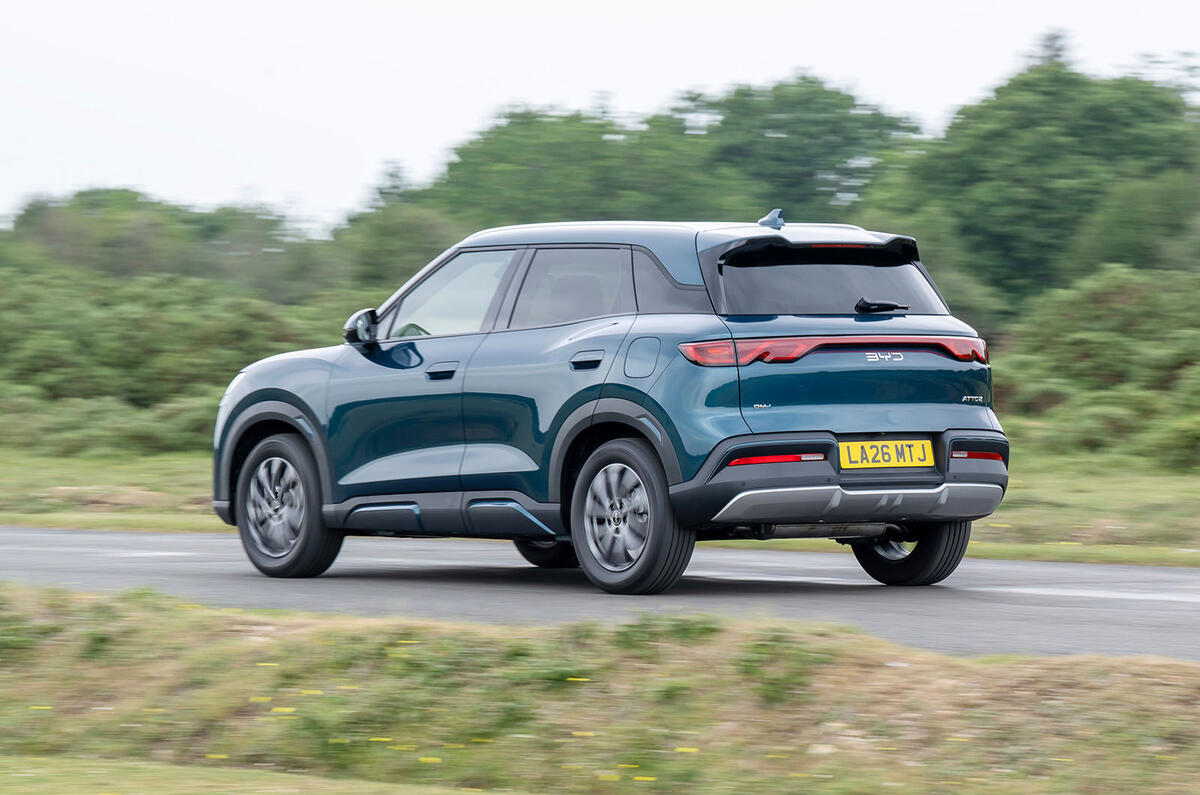
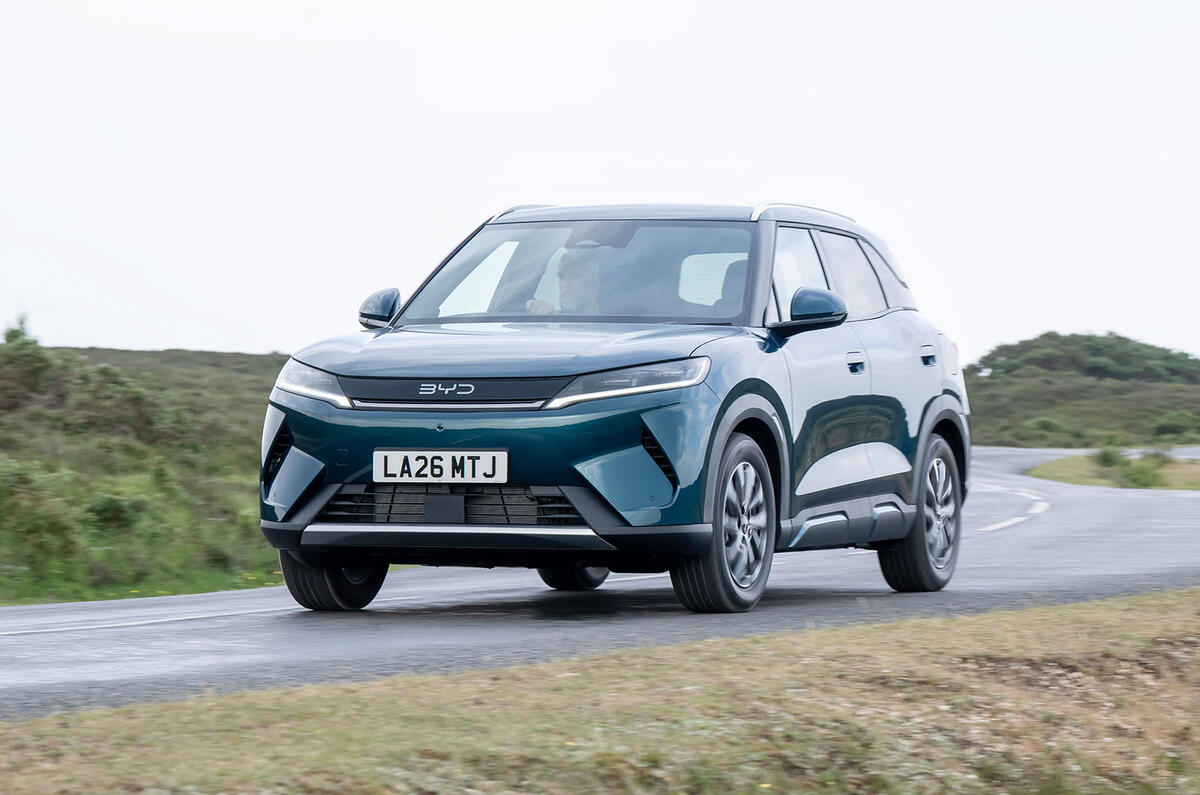
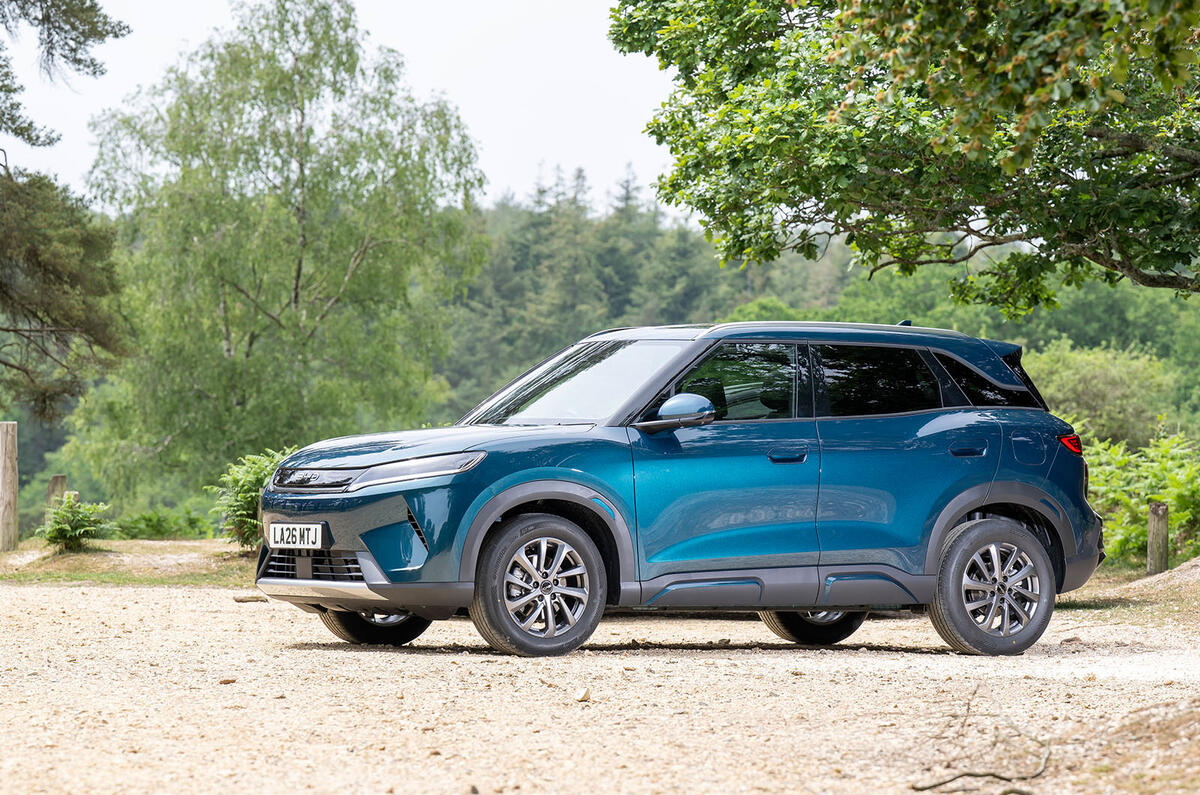
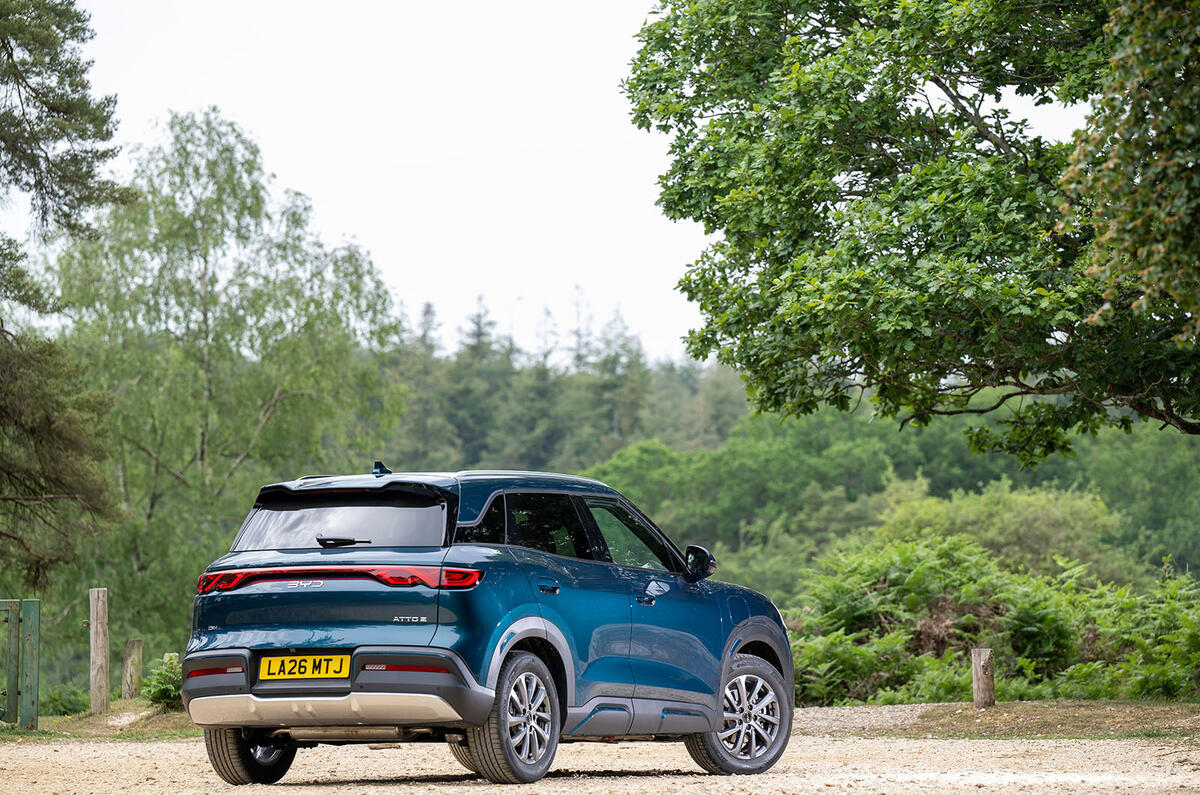
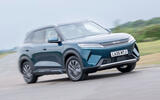
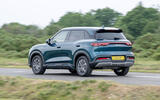
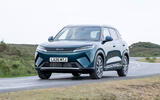
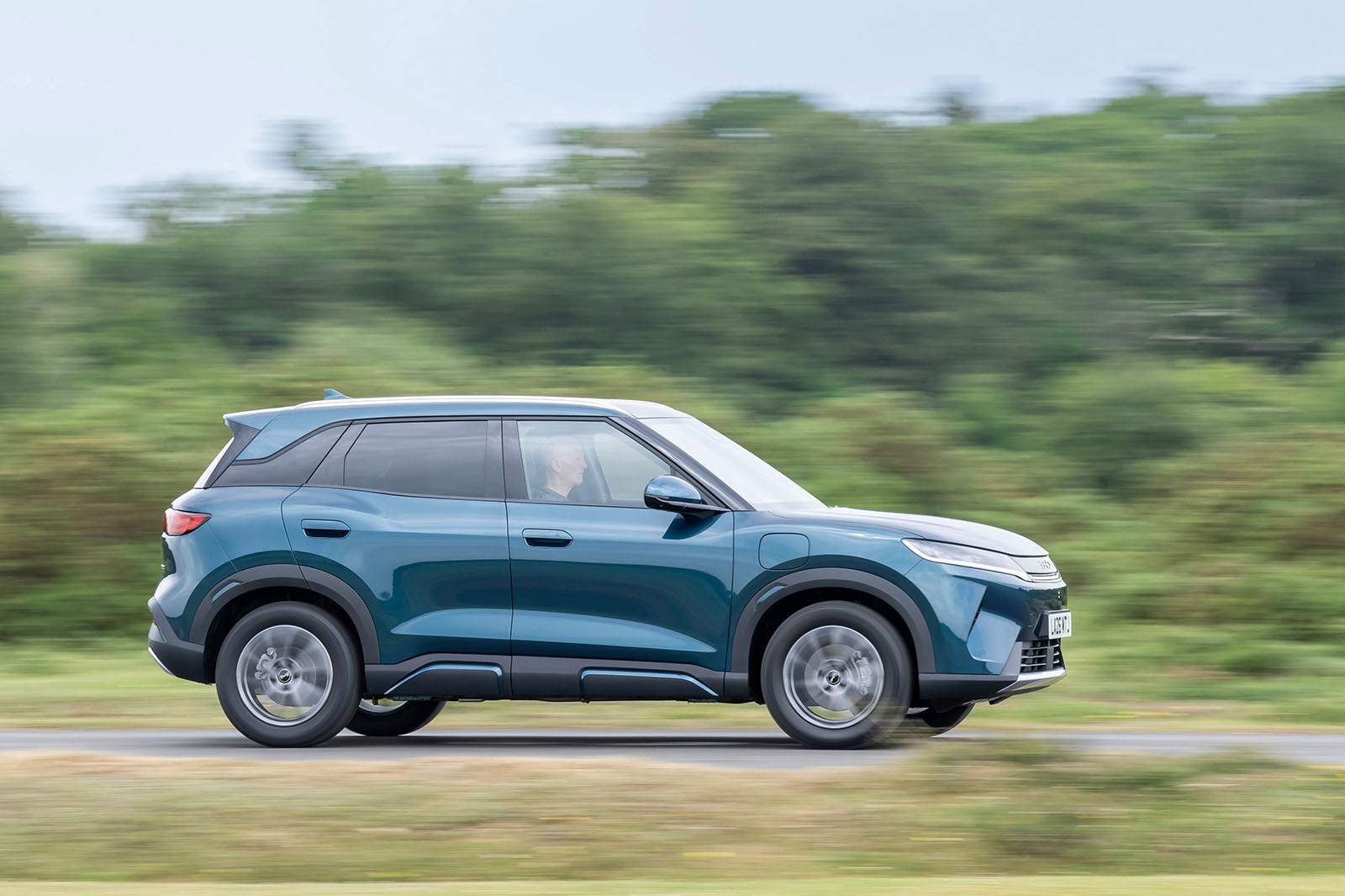
At 4.3m long, the Atto 2 is a good match in size terms for the ZS and Renault Captur and the smallest SUV in BYD’s rapidly growing UK line-up - essentially a high-riding equivalent of the Dolphin hatchback.

We won’t go into too much detail about its design and positioning here, as we’ve covered that off already in our review of the electric Atto 2 and, aside from the significant technical differences, it’s mostly identical inside and out.

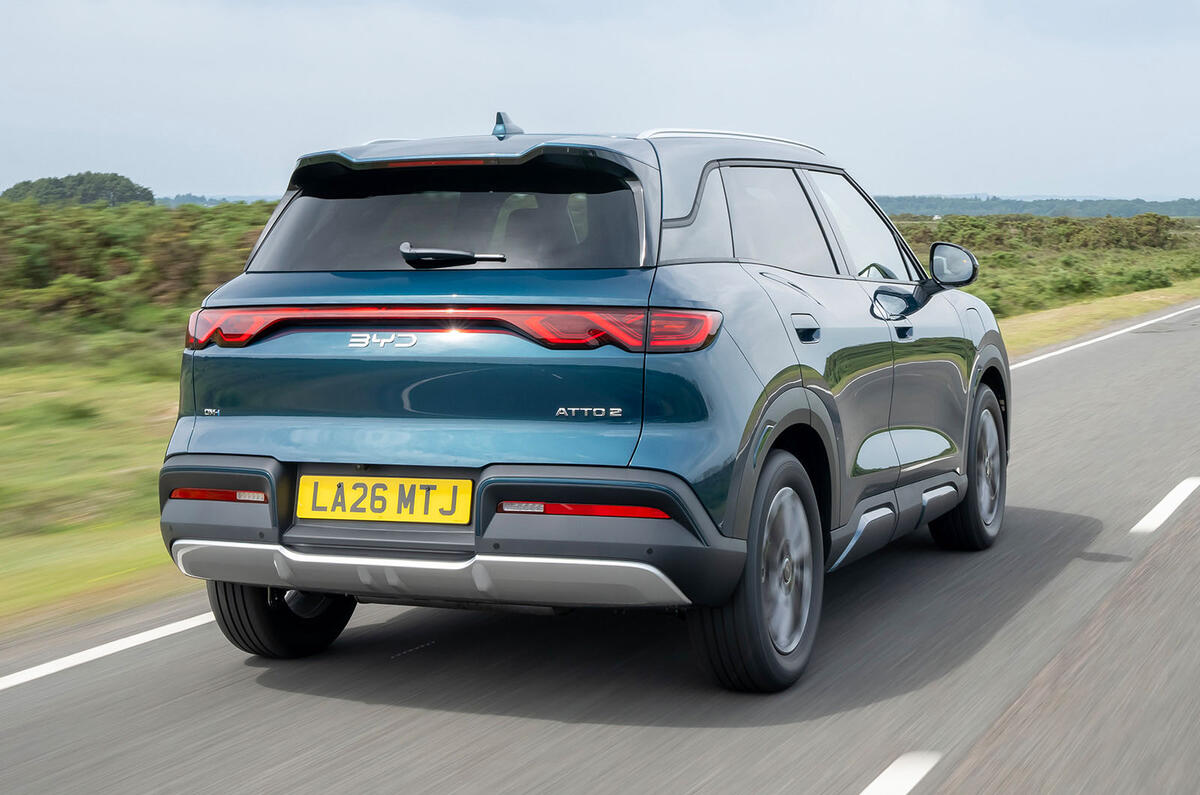
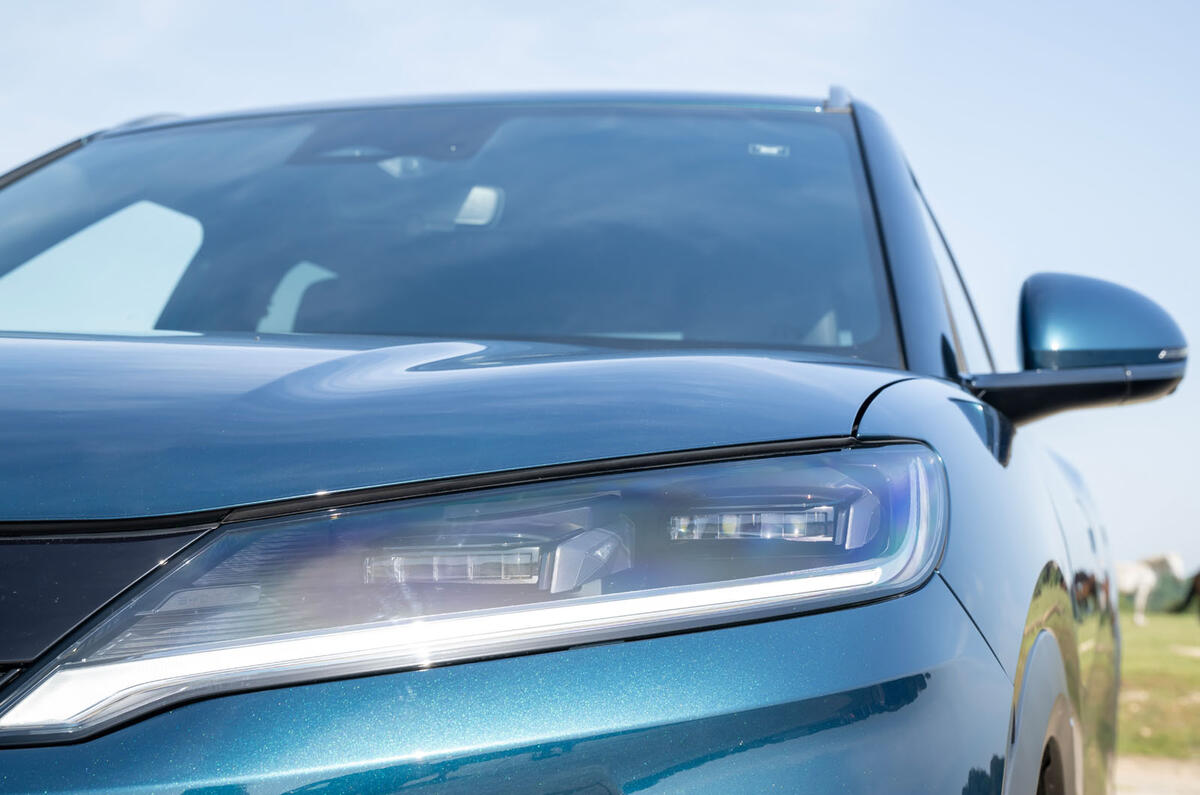
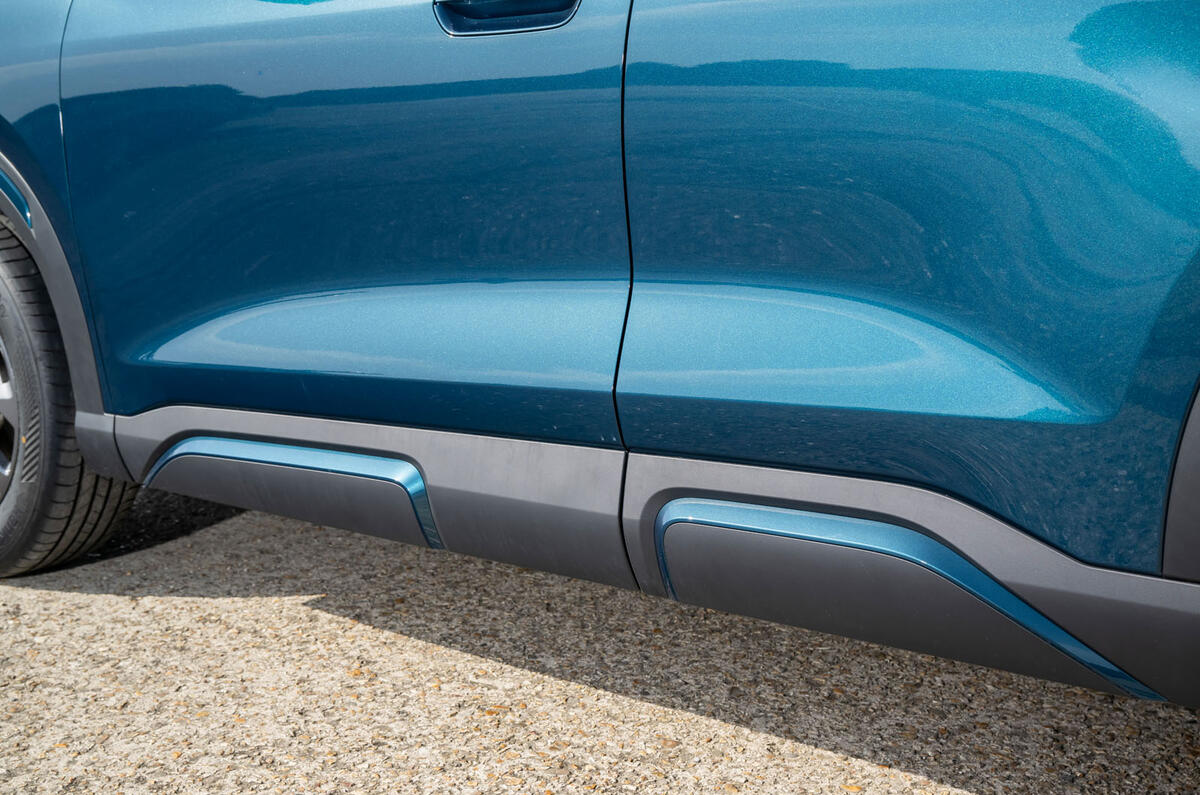
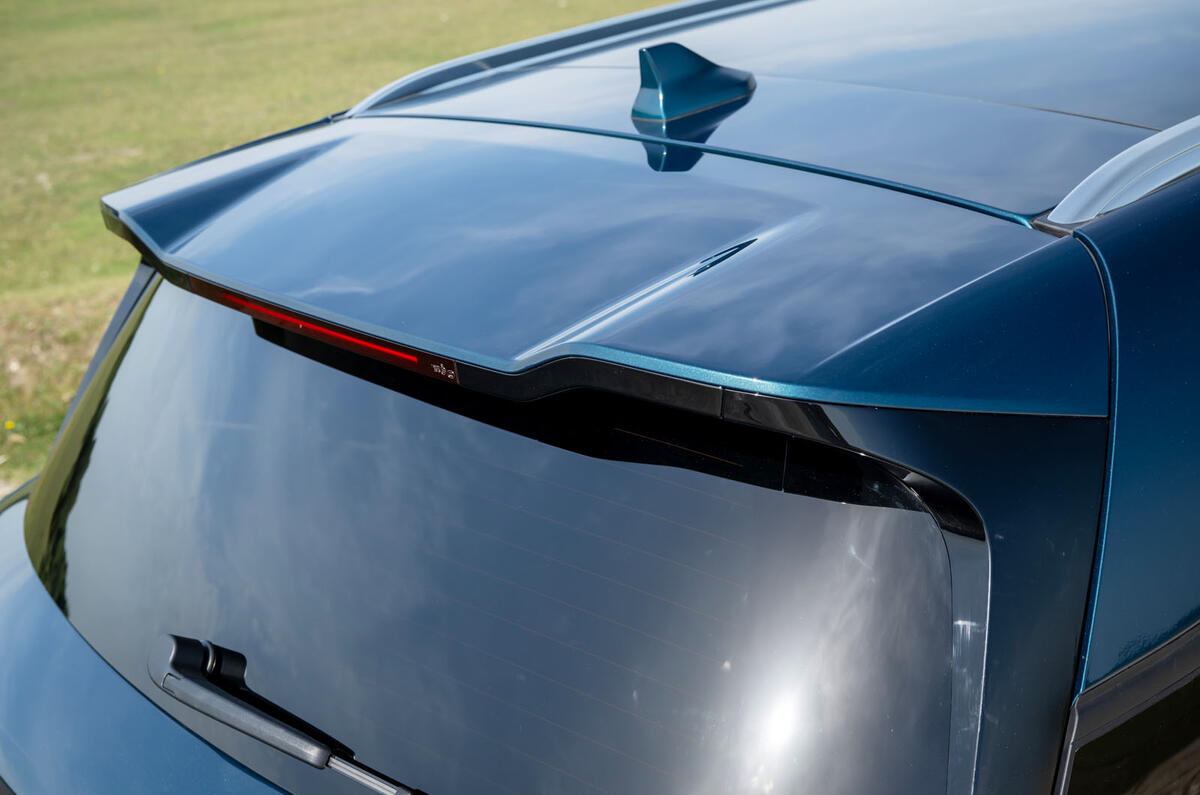
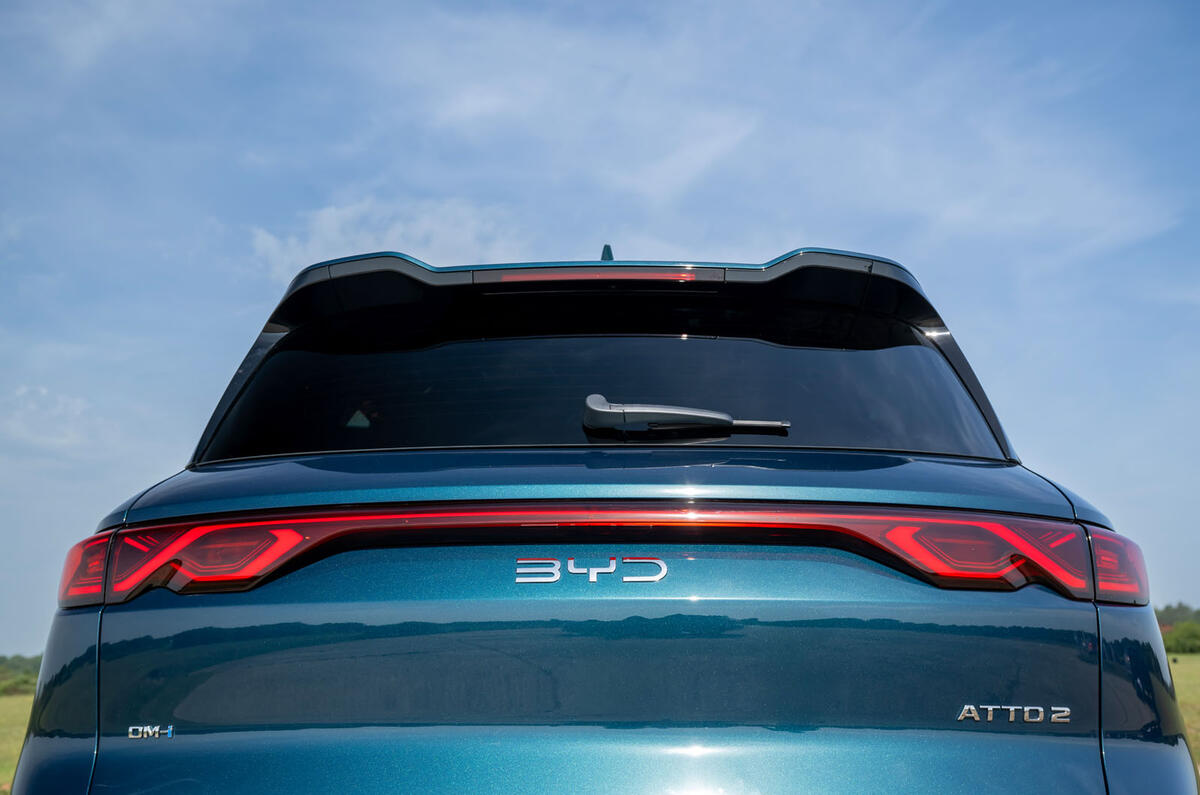
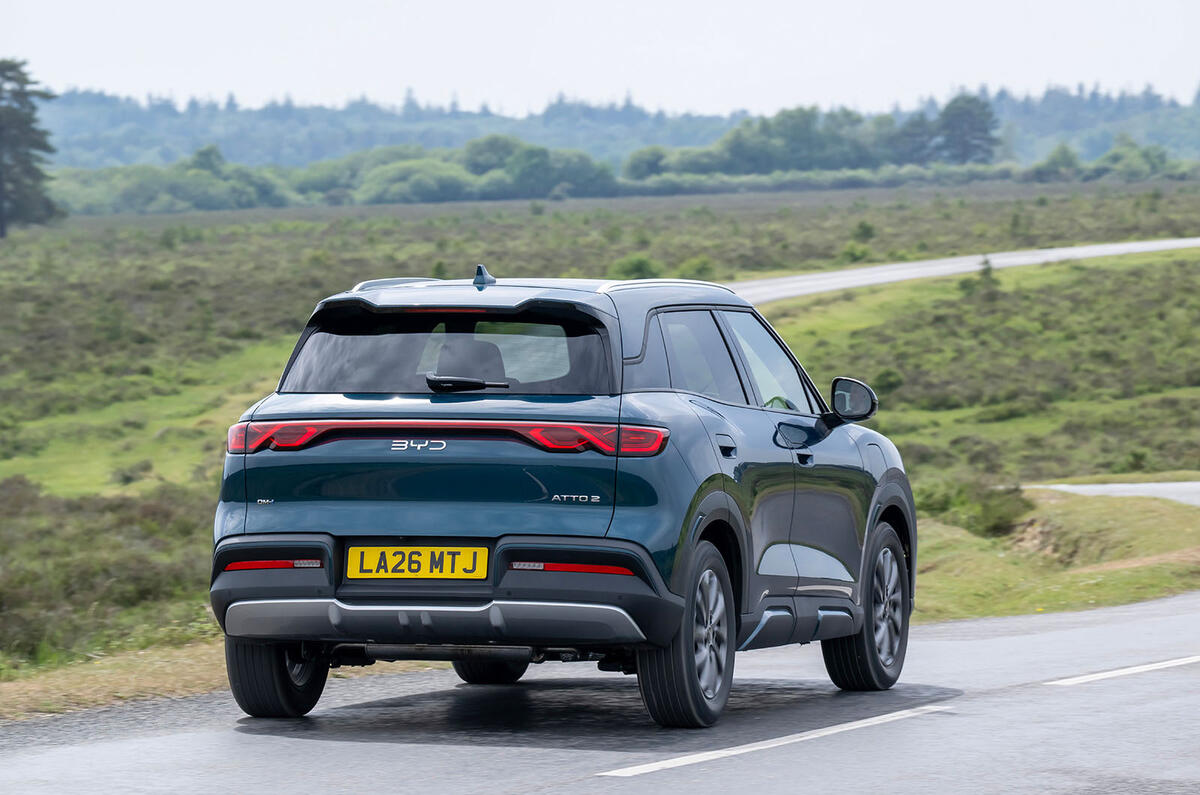
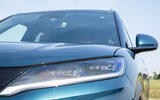
So the PHEV retains the EV’s chunky, upright proportions and is decorated with various adornments that help it to cut a slightly less anonymous figure than some new Chinese SUVs - although it’s hardly the most daring of treatments. 

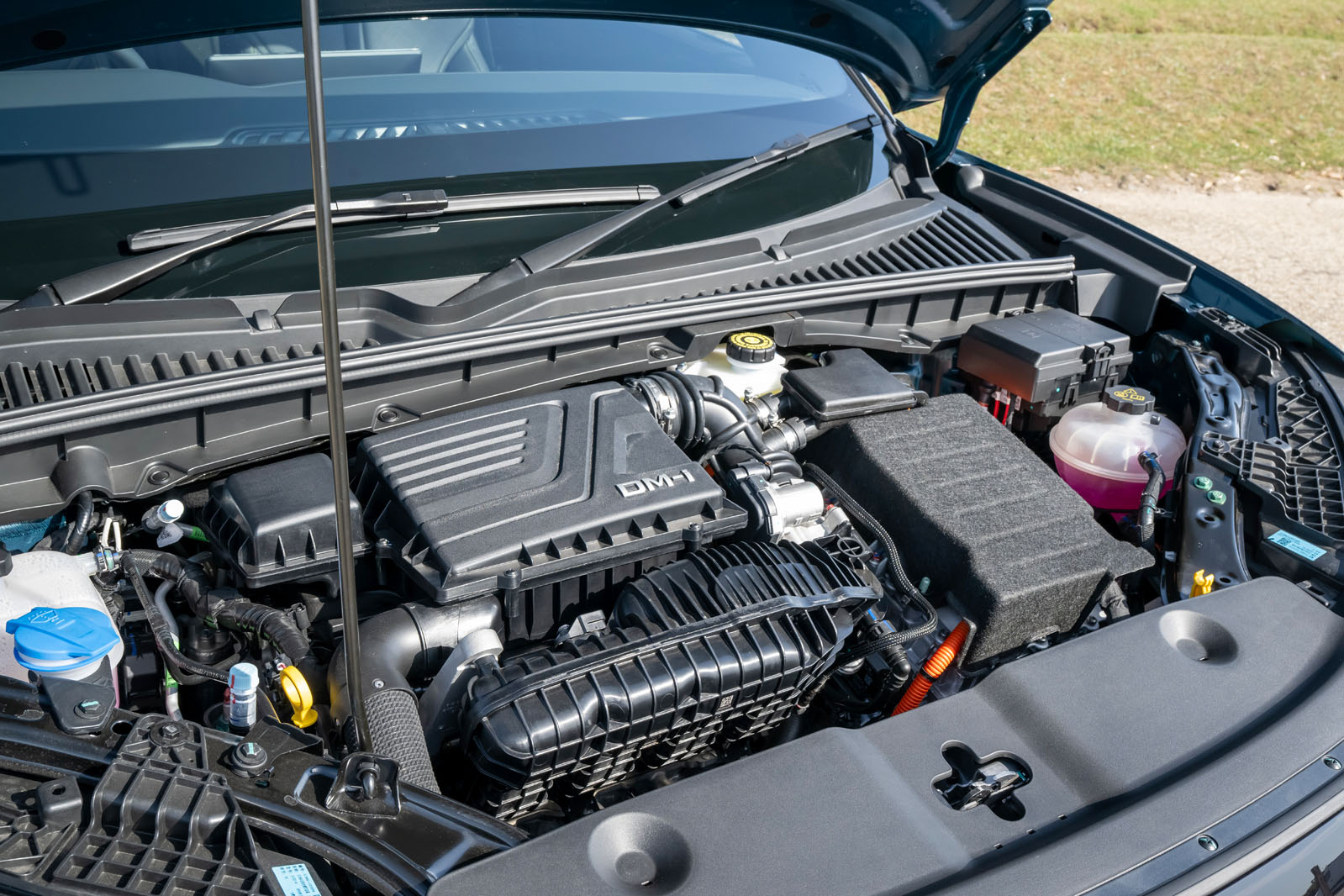
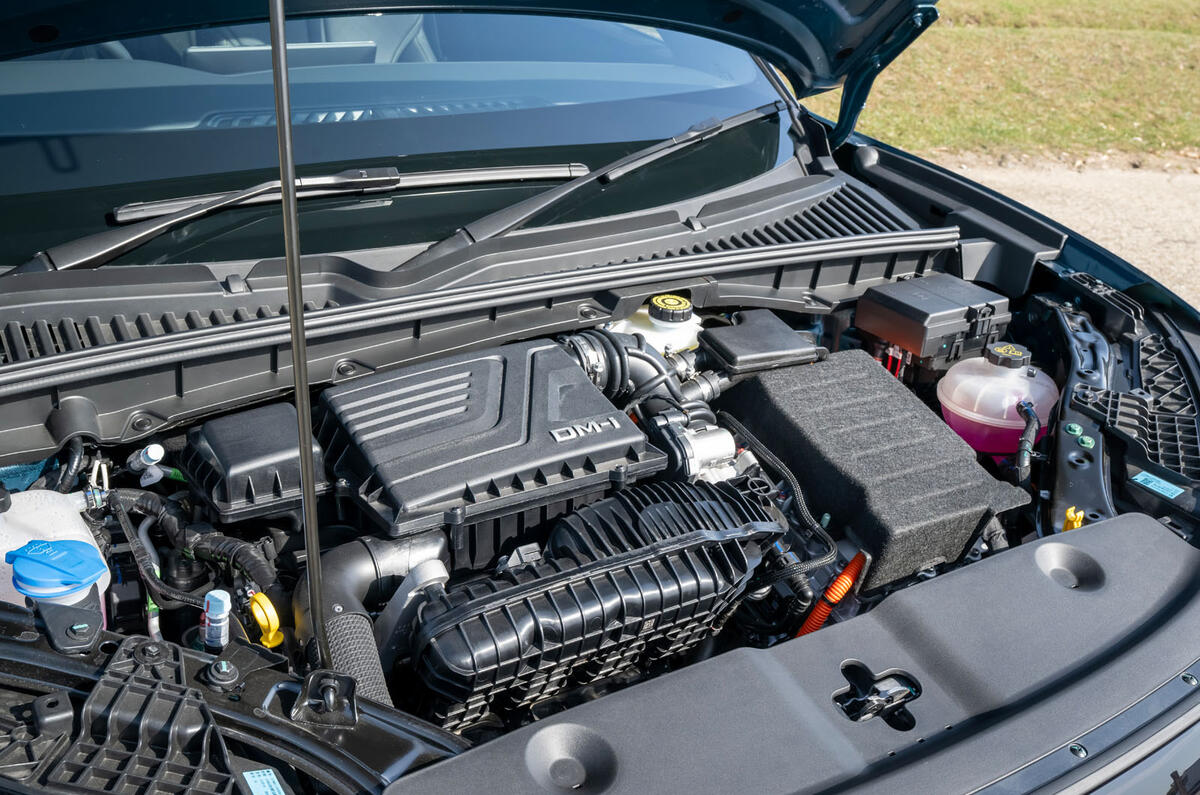
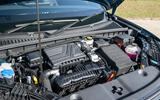
DM-i (that’s ‘Dual-Mode - Intelligent’) is BYD’s take on the PHEV powertrain, as launched in the Seal U SUV and since extended to the Seal 6 saloon/estate. Sort of a fusion of Toyota’s ‘self-charging’ hybrid system and Nissan’s range-extender-esque e-Power one, it uses a petrol engine primarily as a generator to top up an underfloor battery, which in turn powers the electric motor driving the wheels. 

Usually DM-i cars drive on electric power (working as a series hybrid), but under heavy loads and at high-speed cruises the engine can also be connected to the drive wheels to give the full combined power output and maximum shove (working as a parallel hybrid). 

Here the petrol engine is a naturally aspirated 1.5-litre four running on the Atkinson cycle, like a Toyota hybrid's engine, while the front-mounted electric motor produces a reasonably pokey 195bhp and 221lb ft of torque. 

We drove the top-spec Boost model, with an 18.3kWh battery supplying 55 miles of electric-only range. The cheaper Active model uses a 7.8kWh battery for 24 miles as an EV; makes do with 164bhp of system output, rather than 209bhp; has half the maximum AC charging speed, falling from 6.6kW to 3.3kW; and doesn't offer vehicle-to-load charging.

INTERIOR

8
BYD Atto 2 DM i review 2026 10

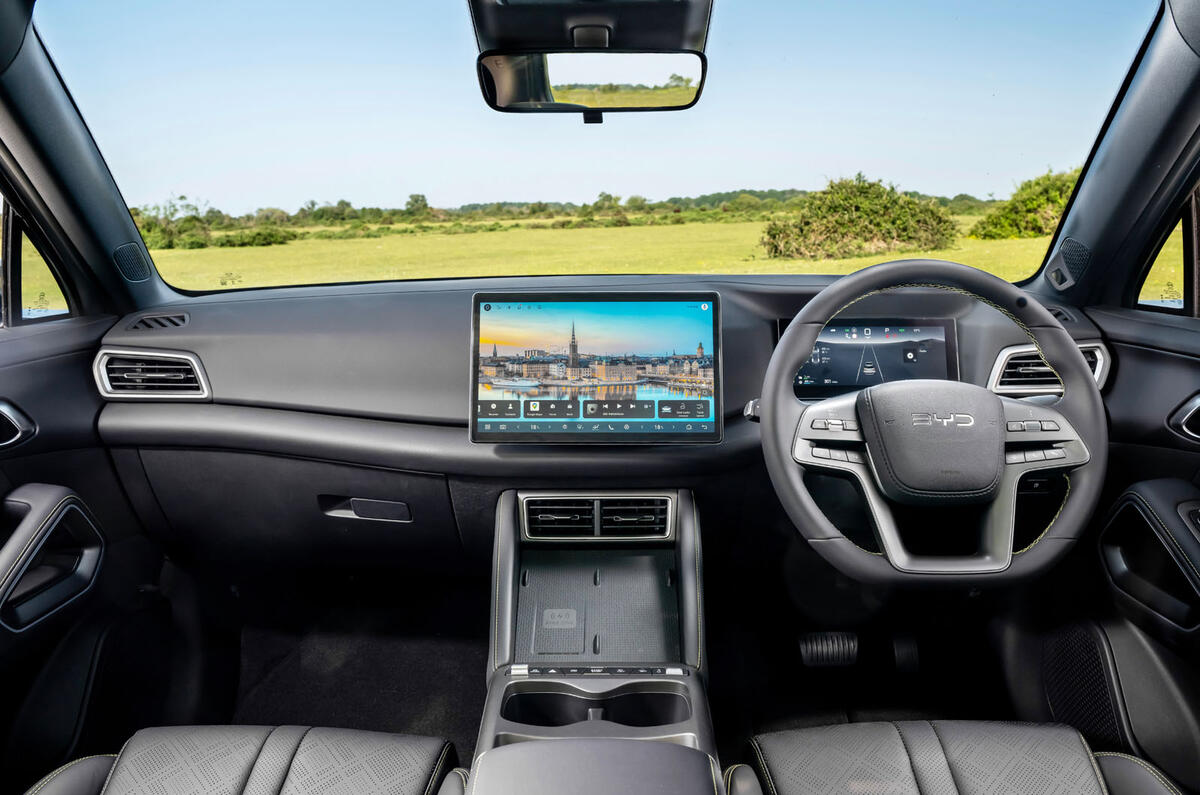
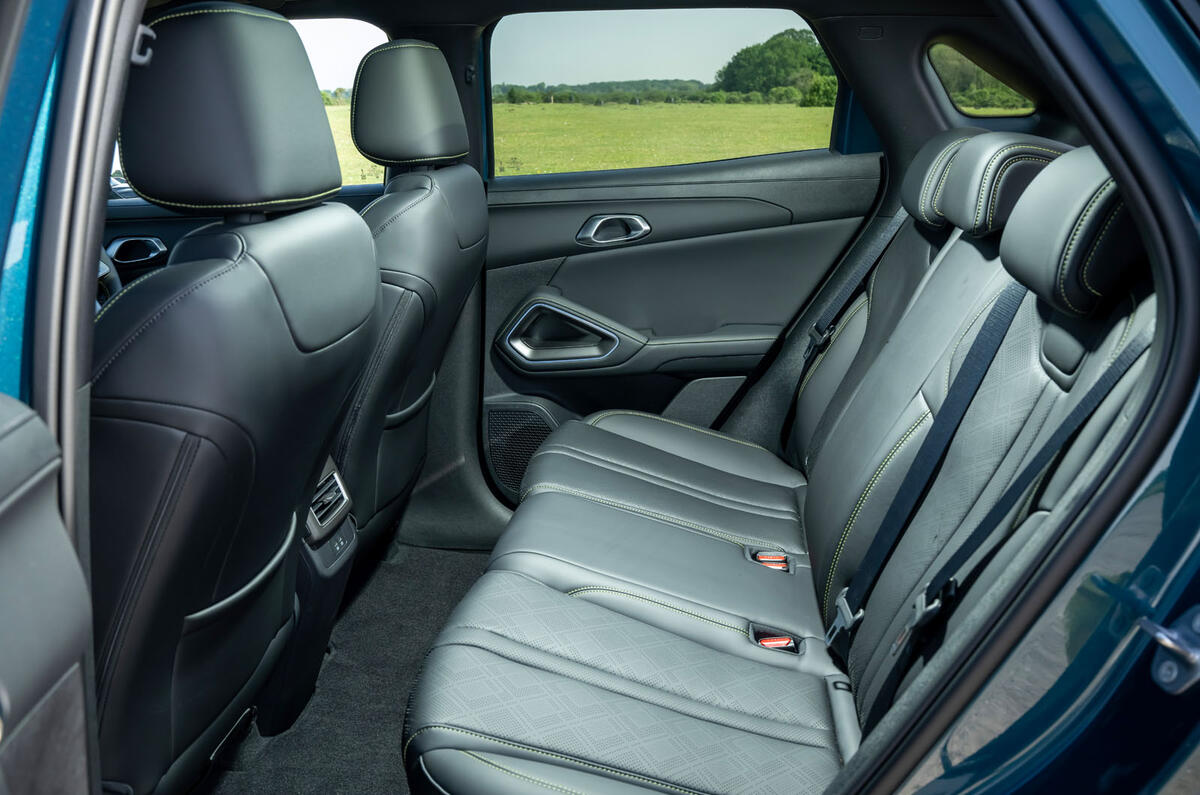
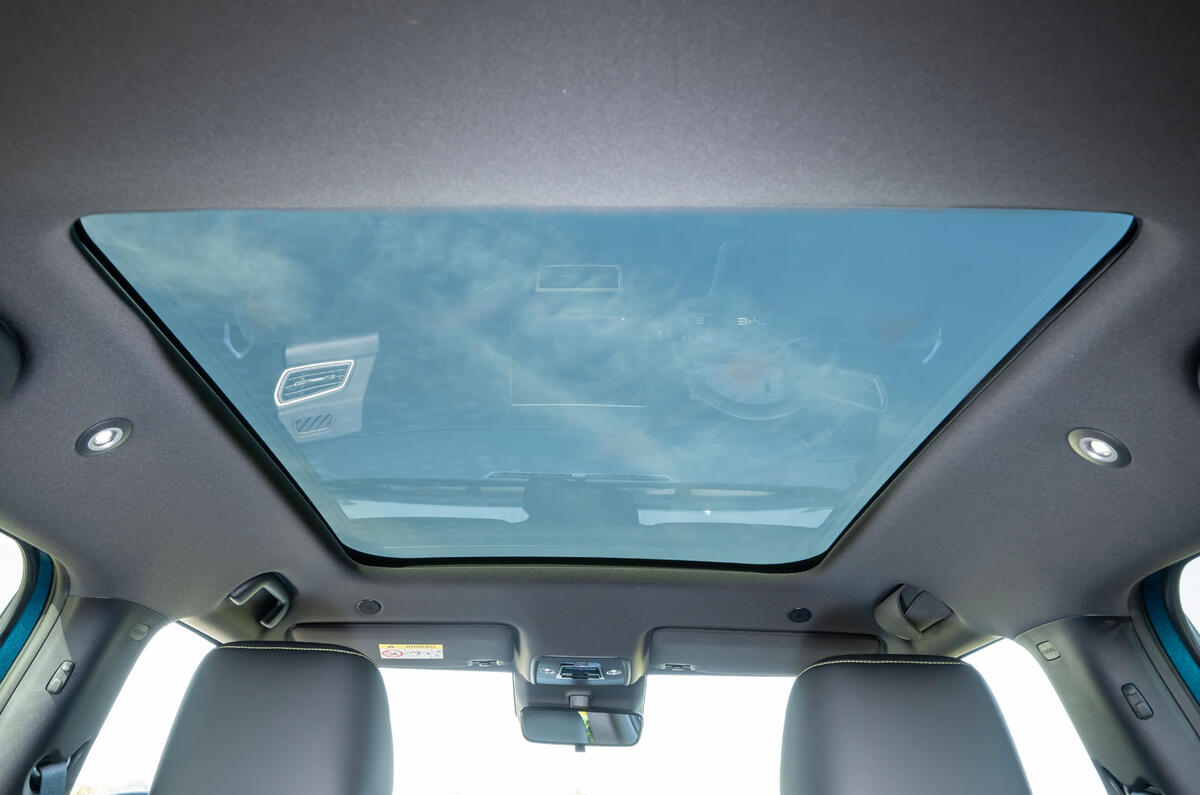
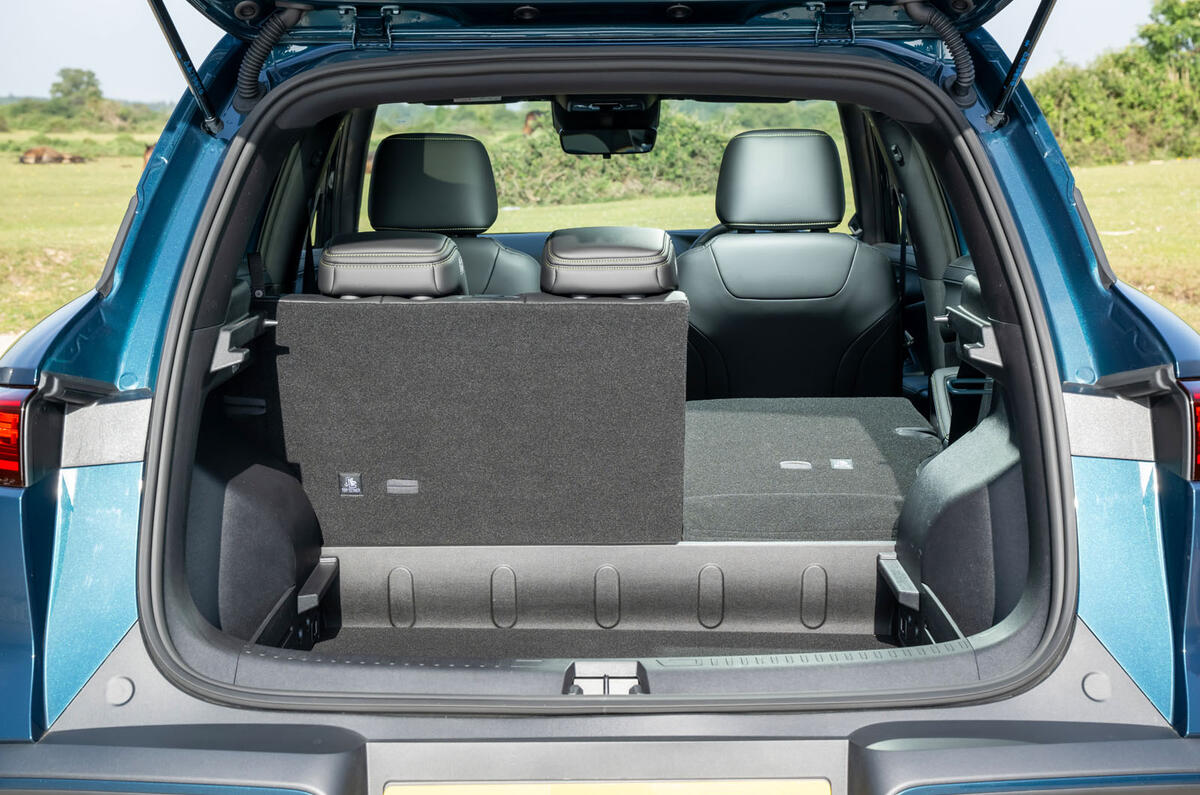
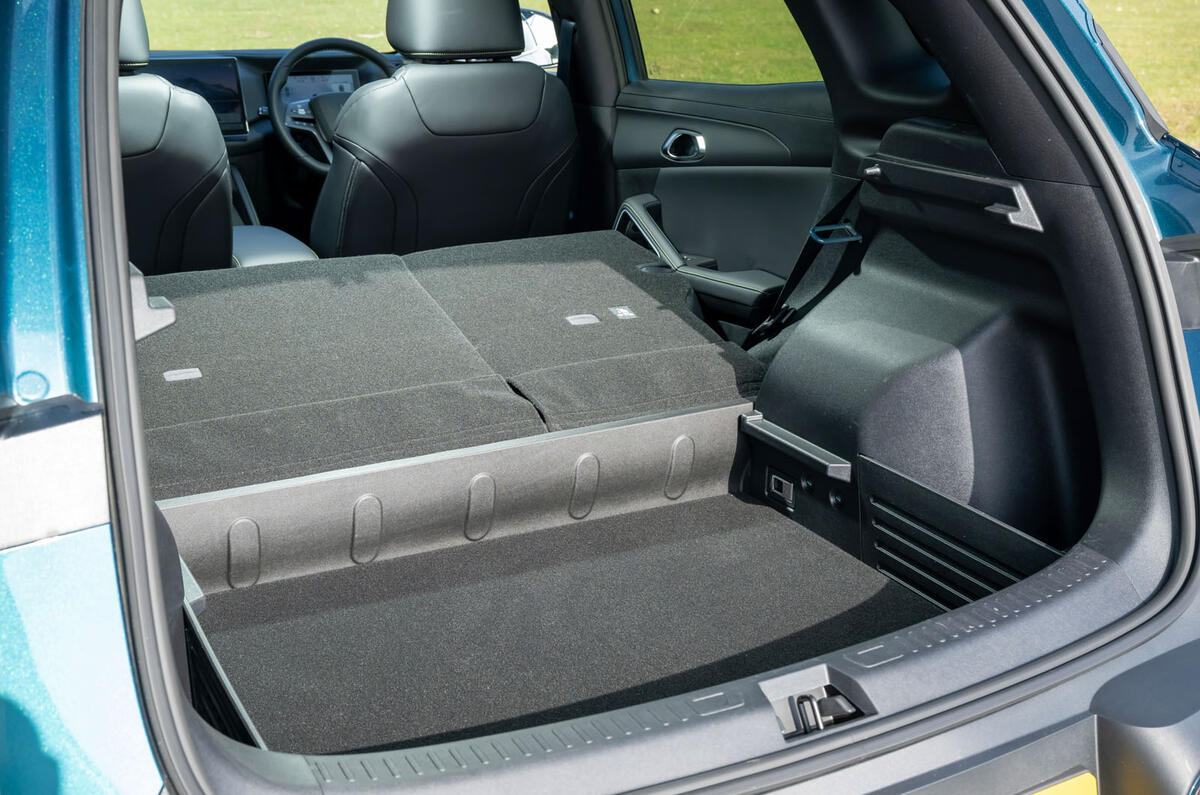
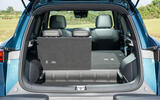
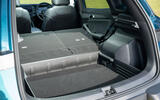
This isn't the sort of PHEV that loses out on cargo or cabin space because the electrification gubbins have got in the way. Its 425-litre boot is a pretty respectable size by class standards and would take bulky pushchairs easily enough. Further forwards, the second row is roomy enough for two adult passengers to travel comfortably.

Outwardly the Atto 2 is less derivative-looking than the Sealion 5, and at once tougher and that bit more design-savvy (although if you can spot what differentiates it from an electric Atto 2, consider yourself very keen-eyed indeed).

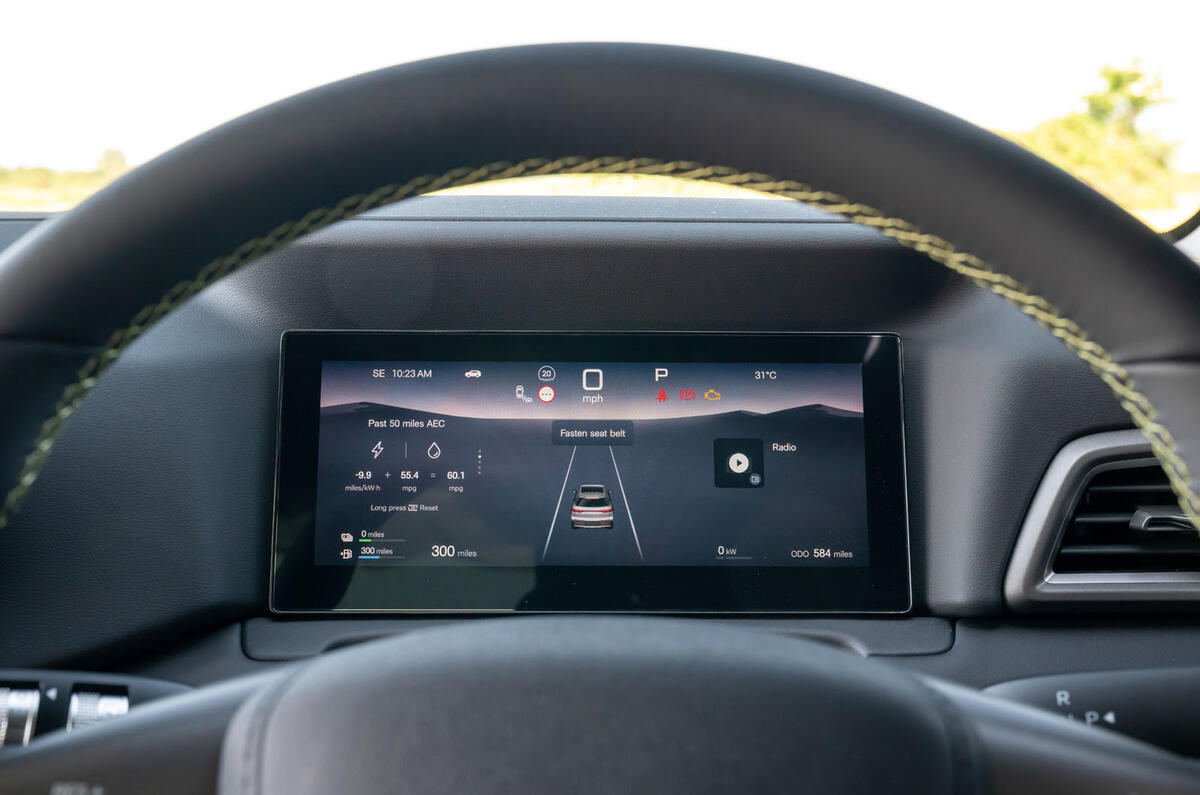
BYD’s trip computer system remains buggy and strange, confusing its various metrics and denying you a conventional ‘trip reset’ function. The good news is that a software update to cure these bugs is in the works.

From behind the wheel, its cabin fittings also look and feel notably less cheap in places than the Sealion 5’s, so, despite being smaller, it pulls off a £30k price relatively easily.

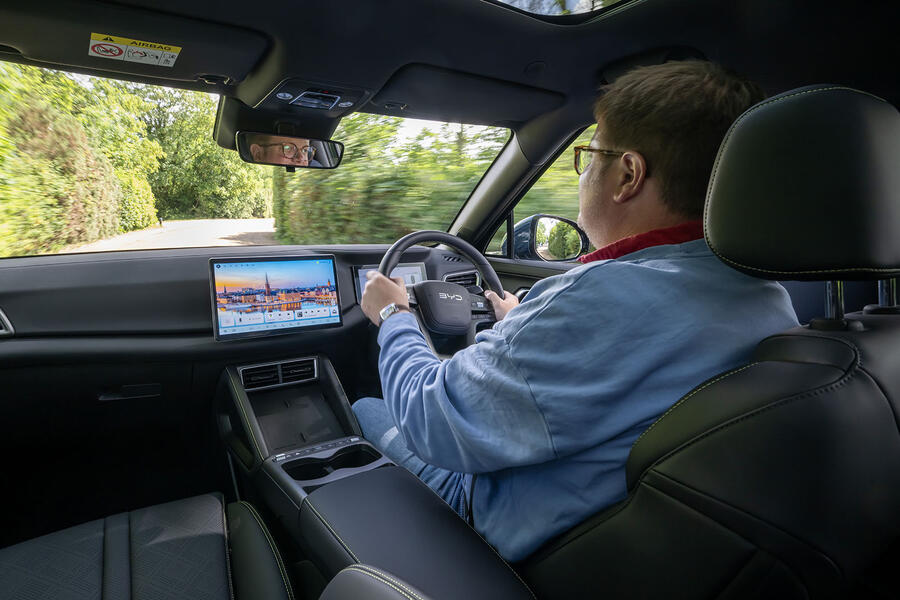
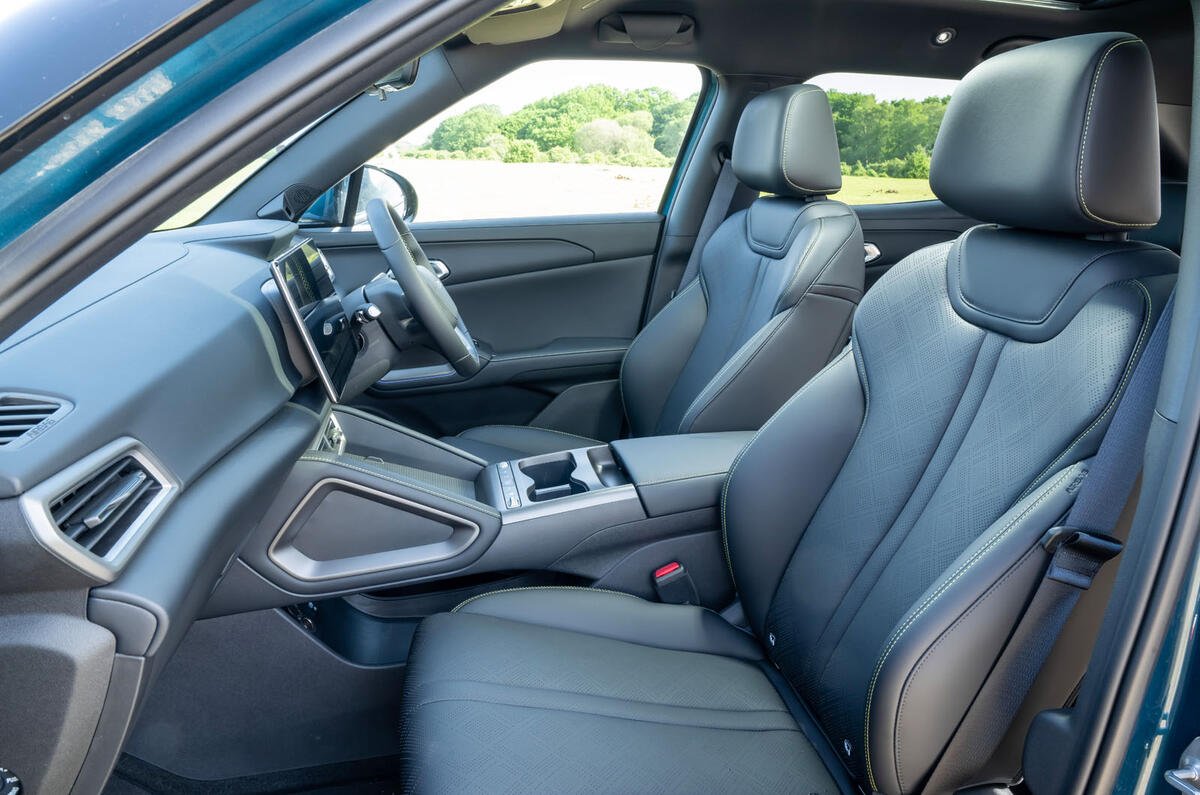
The front seats are broadly comfortable, if lacking in a few avenues to adjustment - and they're a little bit shinily upholstered, due to the unconvincing 'vegan leather'.

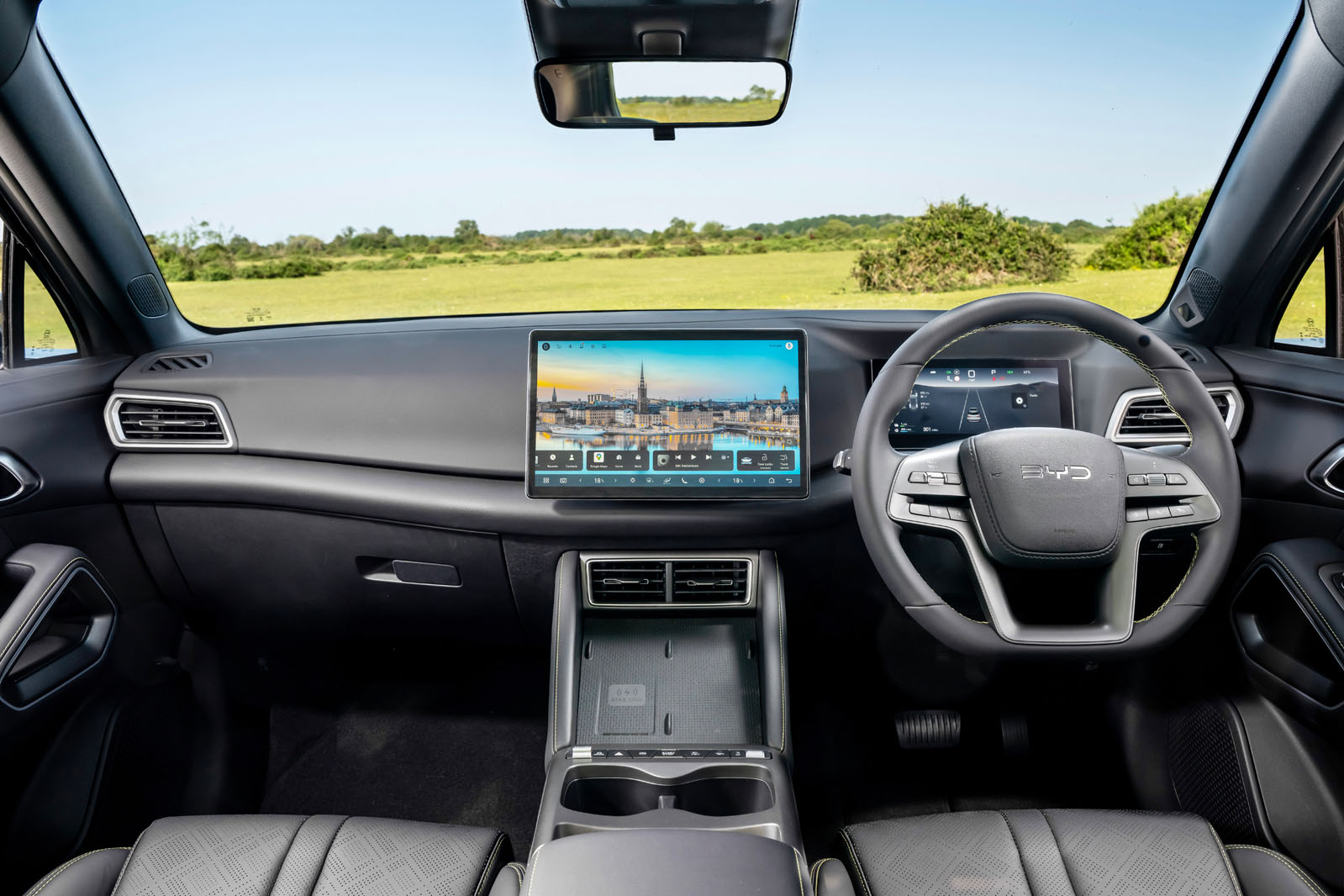
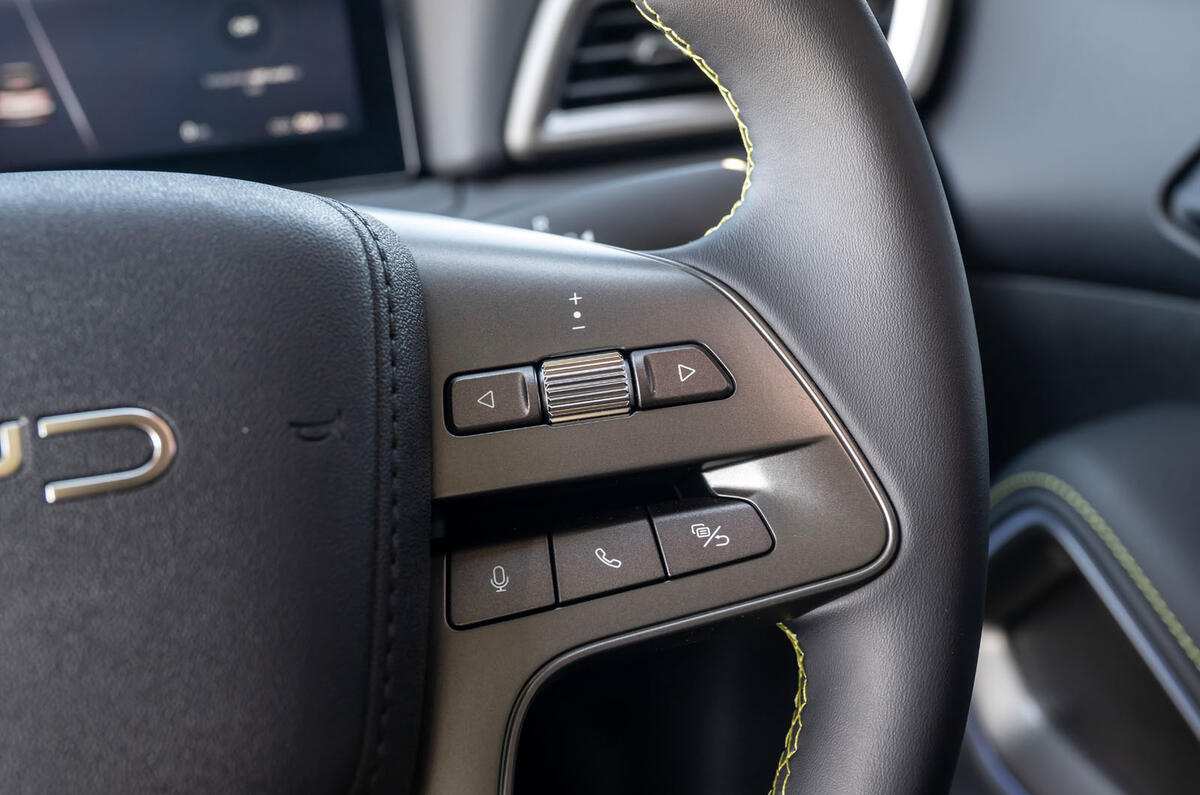
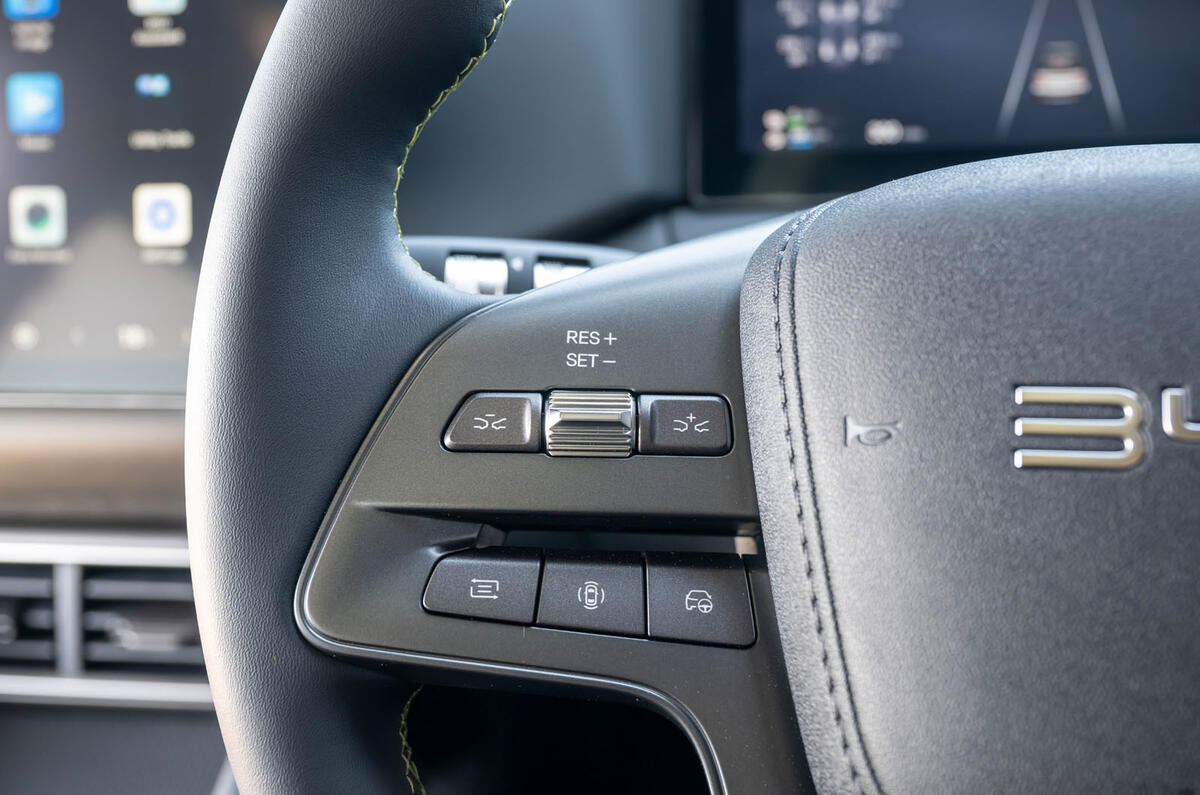
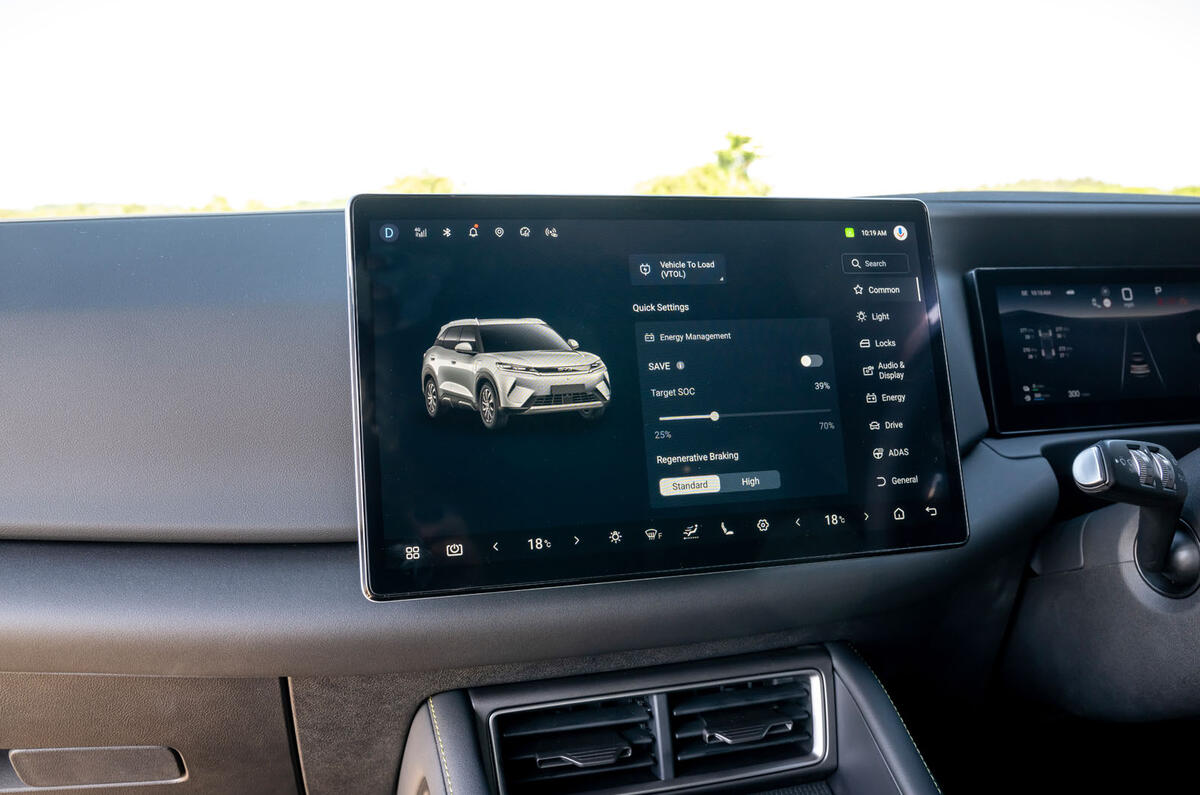
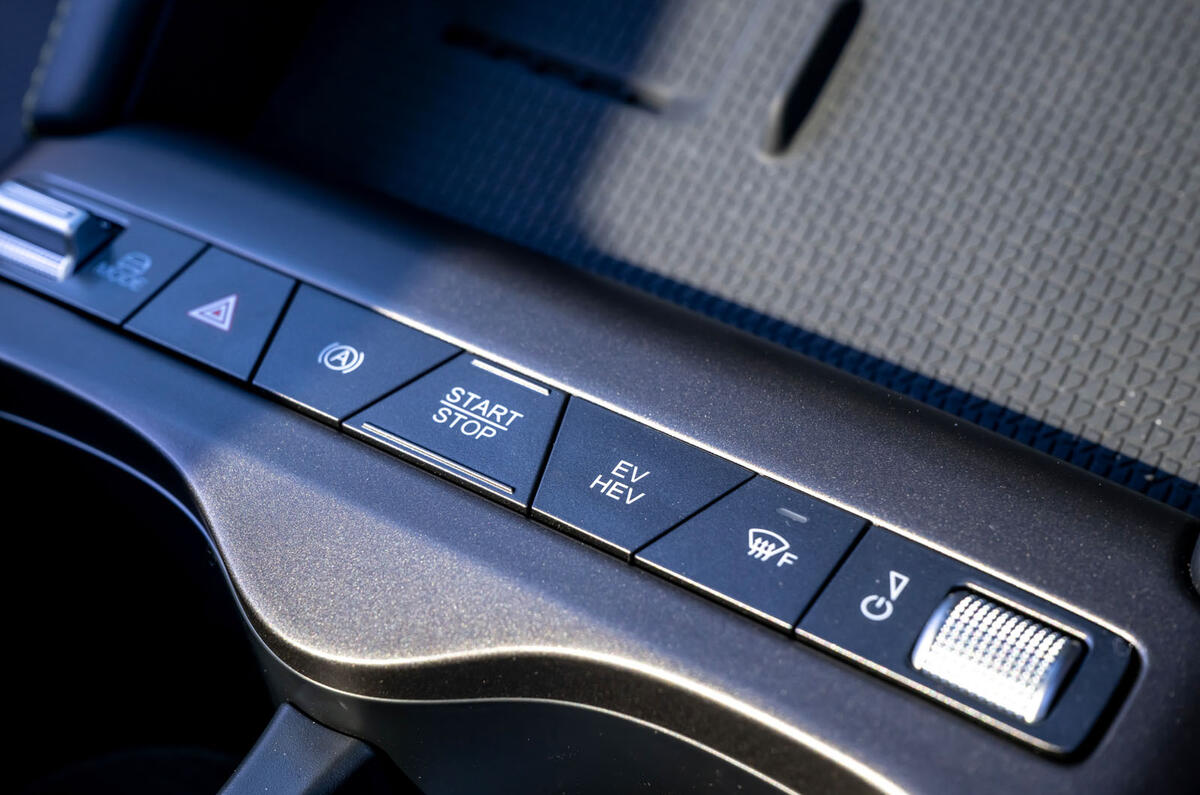
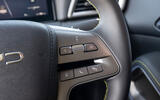
The car gets updated touchscreen infotainment software, which allows you easier access to key functions than other BYD models have thus far. The 12.8in central touchscreen doesn’t spin, BYD having abandoned that costly gimmick in response to cool customer feedback. There's an 8.8in digital instrument display and a smattering of buttons across the steering wheel and centre console for your core functions – and they're proper, solid, real, easy-to-push buttons, too.

It all works reasonably well, save for some questionable logic to the infotainment menu structures, and a bit of information overload on most interfaces. There's a swipe-down menu for the deactivation of otherwise annoying ADAS, which now includes a shortcut to also switch off the slightly over-vigilent driver monitoring, too.

It’s a shame that significantly downsizing the battery hasn’t allowed for the PHEV to offer any increases in interior space or packaging compared with the EV, but the back seats remain decently capacious and comfortable – even if the floor is fairly high.

ENGINES & PERFORMANCE

8
BYD Atto 2 DM i review 2026 22

Here, in its smallest application, the DM-i system works well. It switches between the two power sources cleanly and almost imperceptibly, largely feeling like the electric Atto 2 - with decent responsiveness and a pleasing level of pep off the mark, but a sensibly shaped torque curve that means you’re not constantly scrabbling the tyres away from the lights.

The Boost model’s 209bhp system proffers up plenty of accessible performance, and it’s refined too, leaning primarily on the electric motor but keeping the engine hushed even when it’s running.

You have to work quite hard to get the engine to even audibly chime in and can easy forget when you're using any petrol at all, because it typically runs quietly.

There is a ‘save’ mode you can use to drive on ICE power only, but BYD says the system is at its most efficient when operating in 'HEV' hybrid mode - and indeed the results speak for themselves (see MPG and running costs section).

You couldn't reasonably accuse it of being short on puff, but it's not an especially quick or exciting car, either – which makes Sport mode's acceleration timer function (complete with rumble-strip graphics and a traffic-light countdown) especially incongruous. But hey, we're always campaigning for more personality and pizzazz in cars like this, so let's indulge a little frivolity.

RIDE & HANDLING

6
BYD Atto 2 DM i review 2026 23

It’s quite hard to find fault the quietly competent manner in which the Atto 2 DM-i covers ground. Don’t ask too much of its urban-oriented underpinnings and you will be rewarded with a decently refined, broadly capable demeanor that’s the measure of most European rival. 

A slightly over-firm, wooden-feeling low-speed ride is the car’s only notable dynamic demerit. It has medium-weighted, slightly numb-feeling steering and a slightly heavy-feeling country-road gait but respectable body control and a respectable outright grip level. All are good enough to avoid attracting disappointment - even if they don’t pique your interest particularly.

There’s some wind noise to speak of at motorway speeds, but no more than would be reasonably expected, and it doesn’t do much to dent the Atto 2’s otherwise laudable high-speed assurance. It’s stable, rides smoothly enough at high speed and still has plenty of poke in reserve for overtakes and merges.

MPG & RUNNING COSTS

9
BYD Atto 2 DM i review 2026 01

Our UK testing suggested the Boost's 55-mile electric range is realistic in mixed-road, real-world running and that, with a depleted battery, owners should expect 45-50mpg. The latter is perfectly respectable from a PHEV option; the former, for a car of this size, is rather impressive.

When tested on another occasion in Spain, over the course of a demanding 90-minute loop comprising busy motorways, tight mountain passes and stop-start inner-city arteries we drained around half the Boost model's battery (circa 9kWh of energy) and took no more than a few sips out of the fuel tank. That equated to electricity consumption of 9.12mpkWh and petrol-only fuel economy of 157mpg – but that’s contingent on having a full battery to start with.

Despite its unusual modus operandi, it's clear that, as with all PHEVs, you would need a home charger to make the most of the Atto 2 DM-i. It’s unlikely to better a Toyota Yaris Cross or Renault Captur full hybrid for efficiency if you don’t plug it in habitually; and, with a lethargic maximum charging speed of just 6.6kW, you would need a couple of hours at a public AC charger to put in a meaningful amount of juice at the shopping park or supermarket.

Skip the cheaper Active model entirely, unless you really can't charge either at home or work. Its 7.8kWh battery returns just 24 miles of electric-only range, it can charge at only 3.3kW and it will cost you only £30 a month less via BYD's temptingly affordable personal finance deals.

VERDICT

8
BYD Atto 2 DM i review 2026 27

The Atto 2 DM-i isn't the kind of compact crossover to win admiring glances on your driveway or to lure you out on a long drive just for the hell of it. But, thankfully for BYD, it needn't be. It's very much a rational proposition: cheap to buy and very cheap to run; versatile to use and nice enough to look at and travel in; with all of the benefits of electrification and none of the drawbacks. That's quite a lot in return for not a lot of outlay.

There’s certainly more to write home about here than there is of the electric Atto 2, in terms of the raw, on-paper uniqueness and competitiveness of the product, and it merits recognition for bringing something new to this hotly contested and crowded market segment.

PHEVs have long been the preserve of the fleet buyer, but there’s appeal here for the traditional retail purchaser with the lifestyle to make it work.

The drawback, perhaps, is that the Atto 2 DM-i is just a little bit ordinary to drive. But it might still be one of the smartest choices in the BYD showroom.


Felix Page

Felix Page
Title: Deputy editor

Felix is Autocar's deputy editor, responsible for leading the brand's agenda-shaping coverage across all facets of the global automotive industry - both in print and online.

He has interviewed the most powerful and widely respected people in motoring, covered the reveals and launches of today's most important cars, and broken some of the biggest automotive stories of the last few years. 

Matt Saunders

Matt Saunders Autocar
Title: Road test editor

As Autocar’s chief car tester and reviewer, it’s Matt’s job to ensure the quality, objectivity, relevance and rigour of the entirety of Autocar’s reviews output, as well contributing a great many detailed road tests, group tests and drive reviews himself.

Matt has been an Autocar staffer since the autumn of 2003, and has been lucky enough to work alongside some of the magazine’s best-known writers and contributors over that time. He served as staff writer, features editor, assistant editor and digital editor, before joining the road test desk in 2011.

Since then he’s driven, measured, lap-timed, figured, and reported on cars as varied as the Bugatti Veyron, Rolls-Royce PhantomTesla RoadsterAriel Hipercar, Tata Nano, McLaren SennaRenault Twizy and Toyota Mirai. Among his wider personal highlights of the job have been covering Sebastien Loeb’s record-breaking run at Pikes Peak in 2013; doing 190mph on derestricted German autobahn in a Brabus Rocket; and driving McLaren’s legendary ‘XP5’ F1 prototype. His own car is a trusty Mazda CX-5.