













7

Chinese giant takes on the Renault Clio with a made-for-Europe, plug-in hybrid hatchback

Find BYD Dolphin G deals
Other Services
Sell your car
84% get more money with

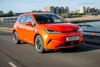
BYD has stayed loyal to its ocean-themed nomenclature, but really it should have broken this trend and called its new Dolphin G the Unicorn. That’s because it’s the only plug-in hybrid supermini on the market.

Moreover, it offers a PHEV powertrain for the price of a conventional hybrid one, which BYD hopes will tempt buyers away from rival hatchbacks like the Renault Clio and Toyota Yaris

Expanding its PHEV technology into smaller segments is a new trend for BYD: it recently retrofitted the related Atto 2 electric crossover with its 'Super Hybrid' technology.

Executive vice-president Stella Li insists that BYD can only do so thanks to its advanced PHEV technology, which fits in a smaller package than rivals', and on paper it is compelling.

But does the Dolphin G have enough supermini character and versatility to challenge the current hierarchy? And how does it fare on UK roads?

Advertisement

DESIGN & STYLING

7
BYD Dolphin G review 2026 002

The Dolphin G makes a strong first impression with up to 65 miles of electric-only range – remarkable, considering that larger PHEVs like the Cupra Formentor manage only slightly more (74 miles). 

It’s also the first car to feature BYD's latest Super Hybrid technology, which brings improved efficiency and faster electric motor response.

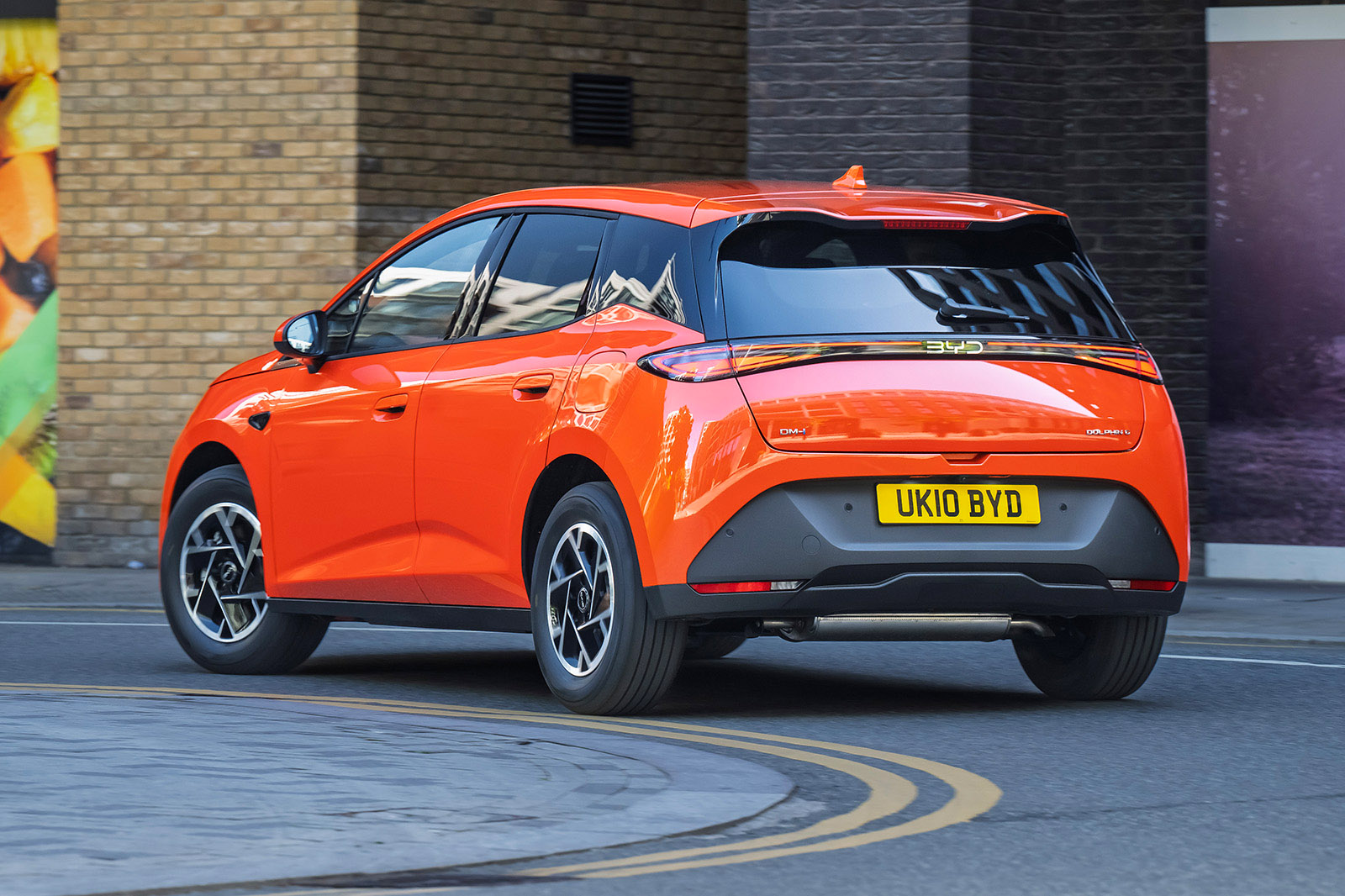
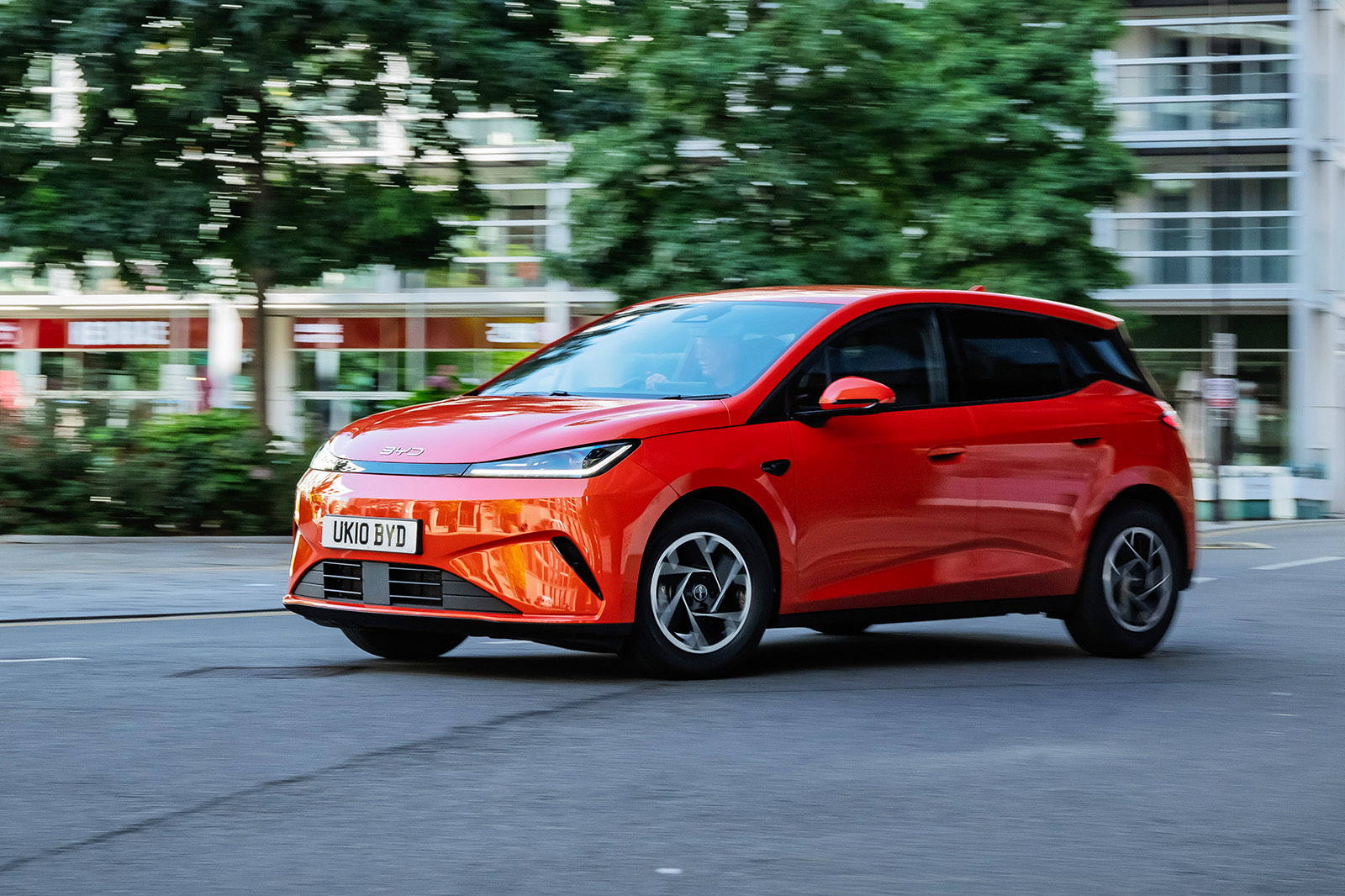
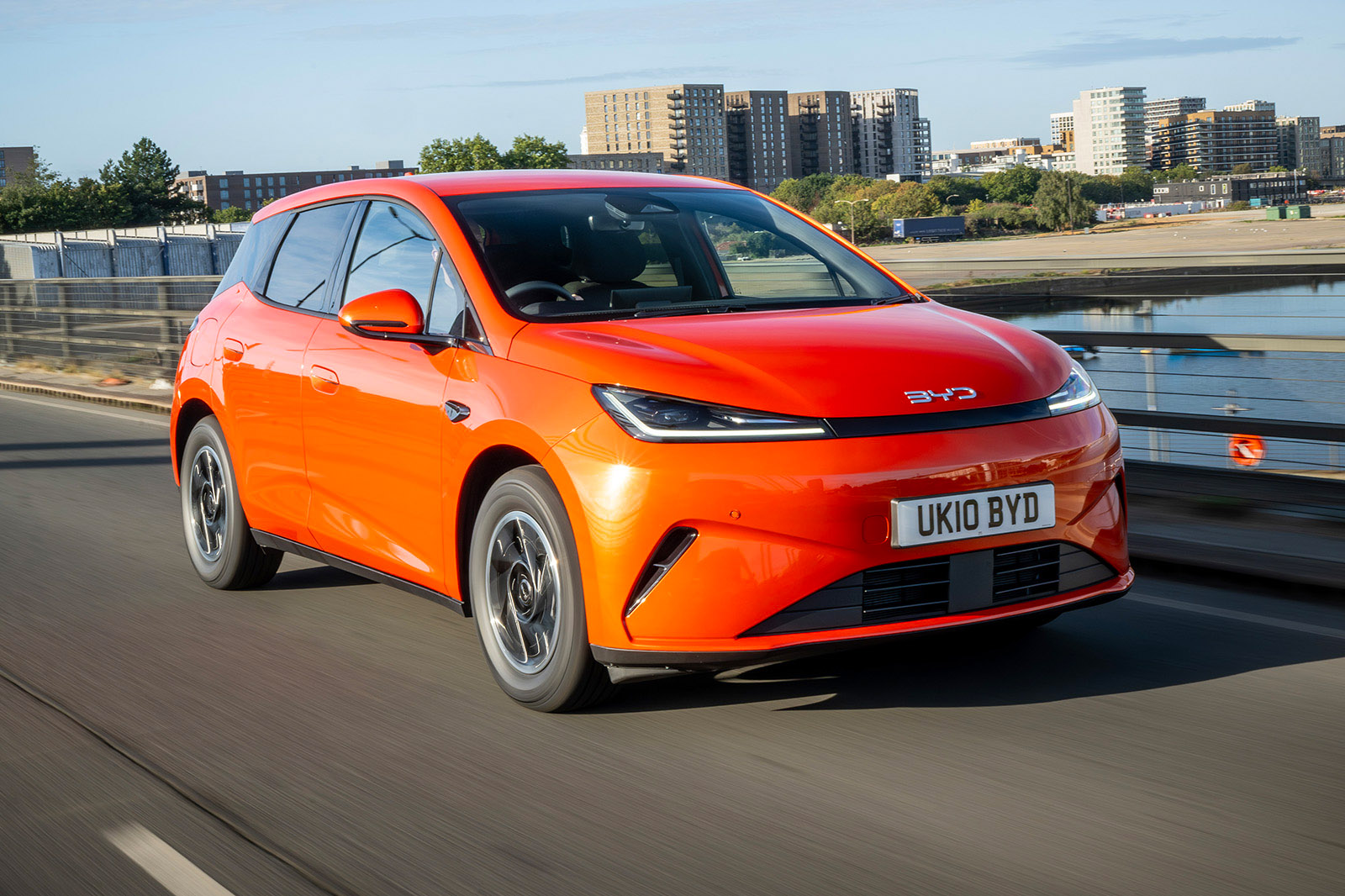
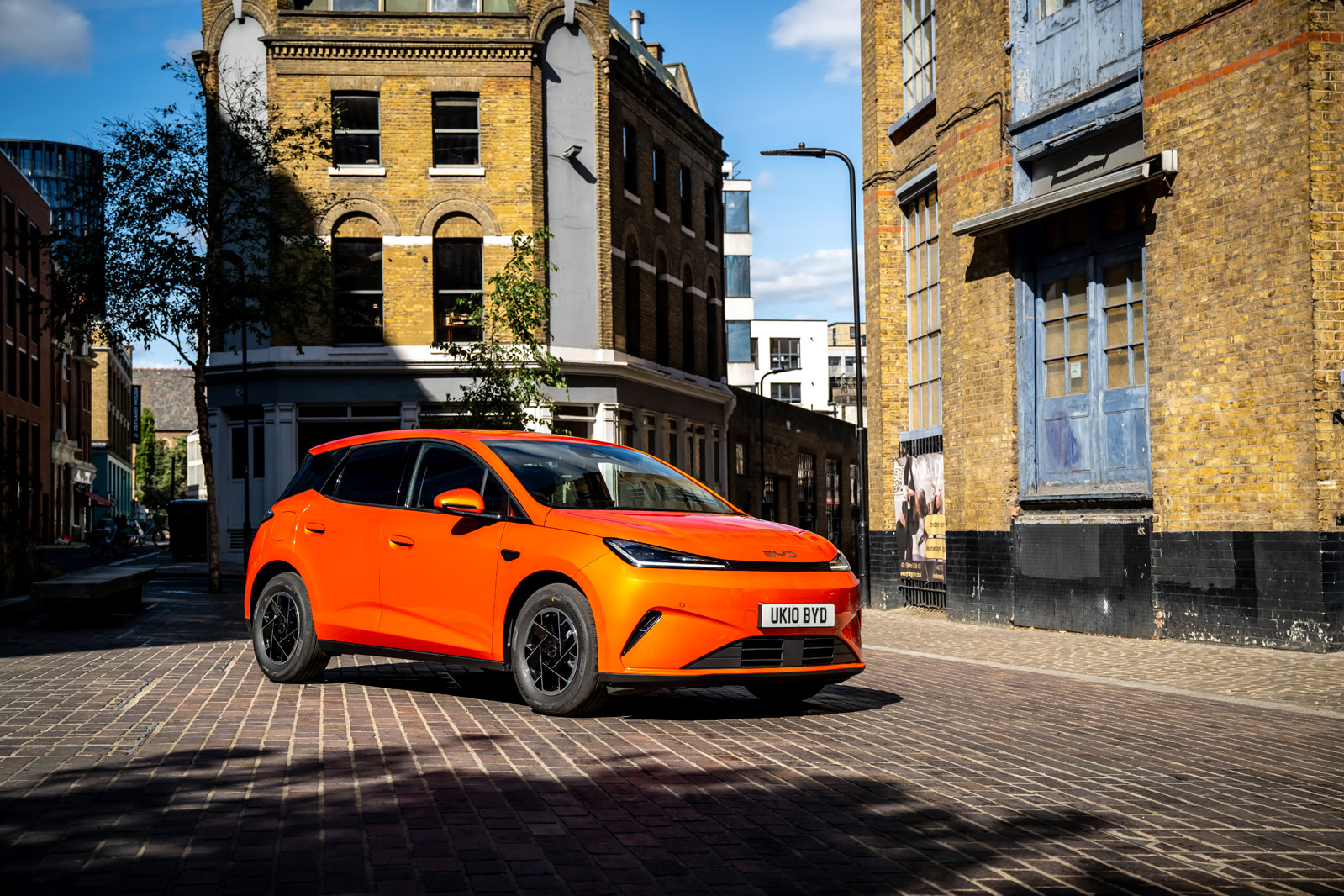
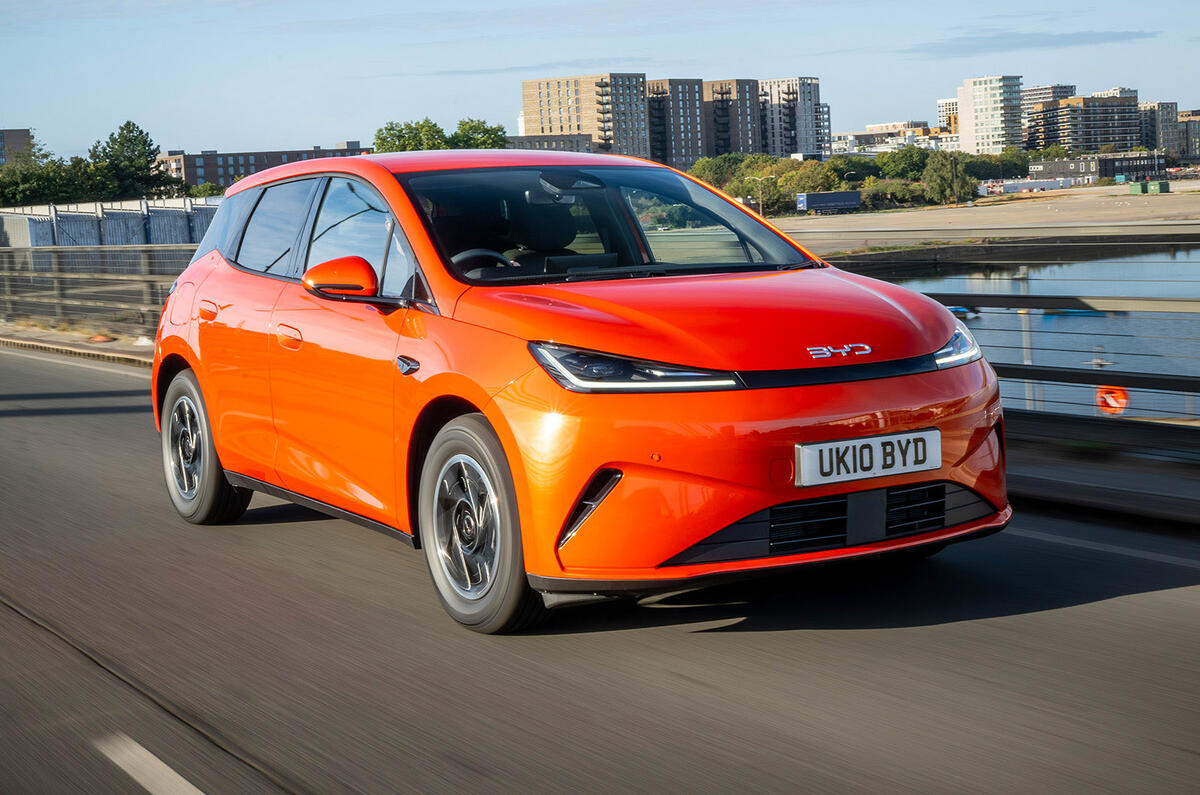
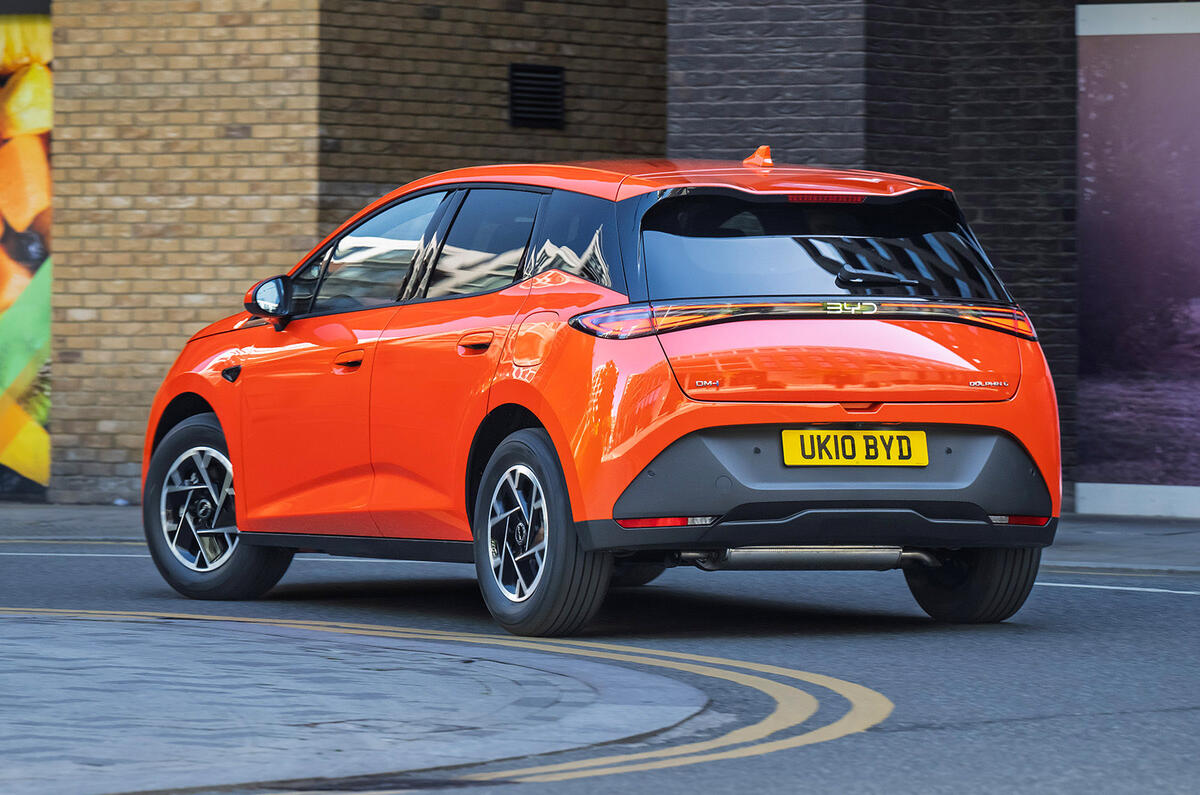
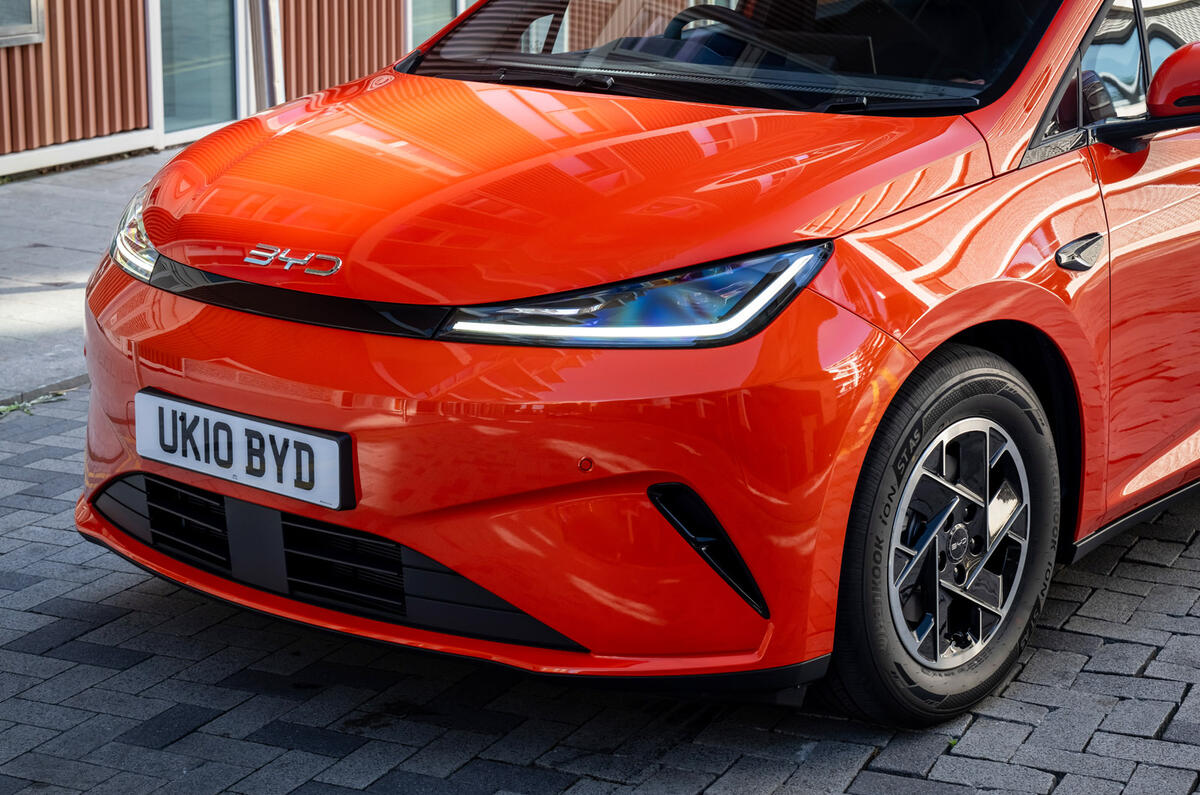
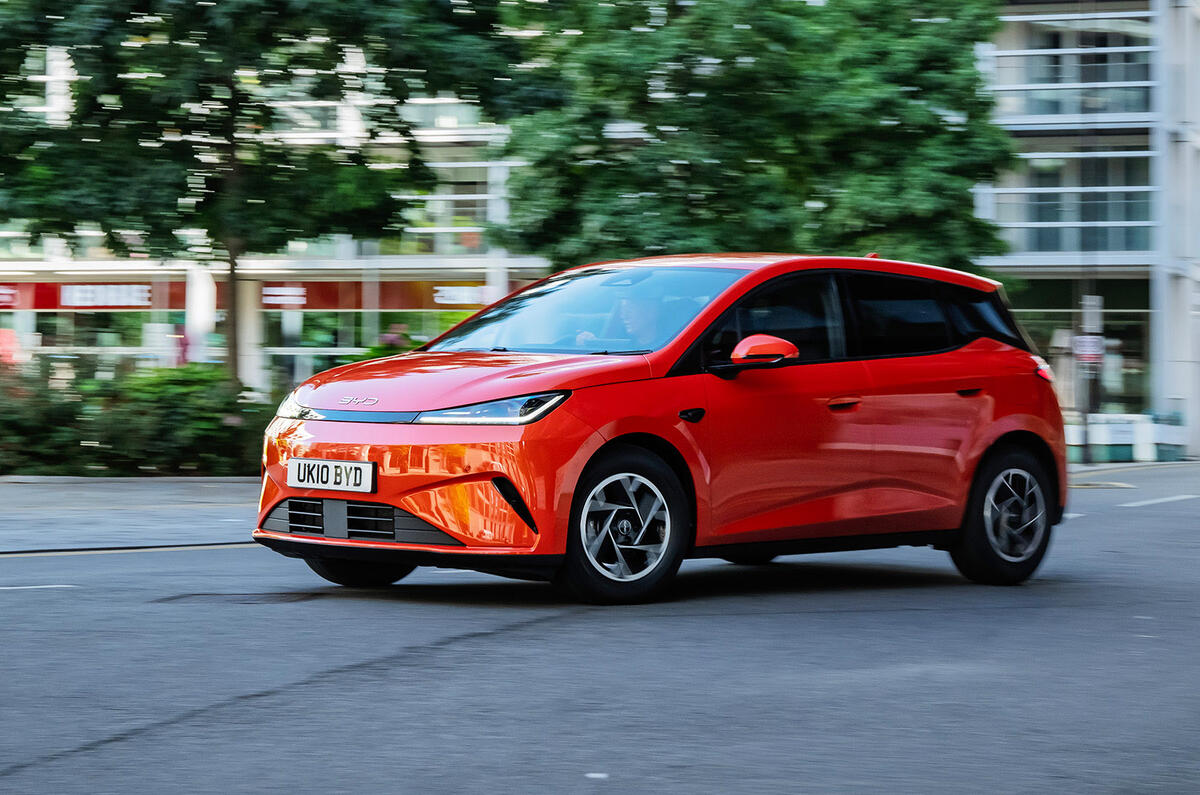
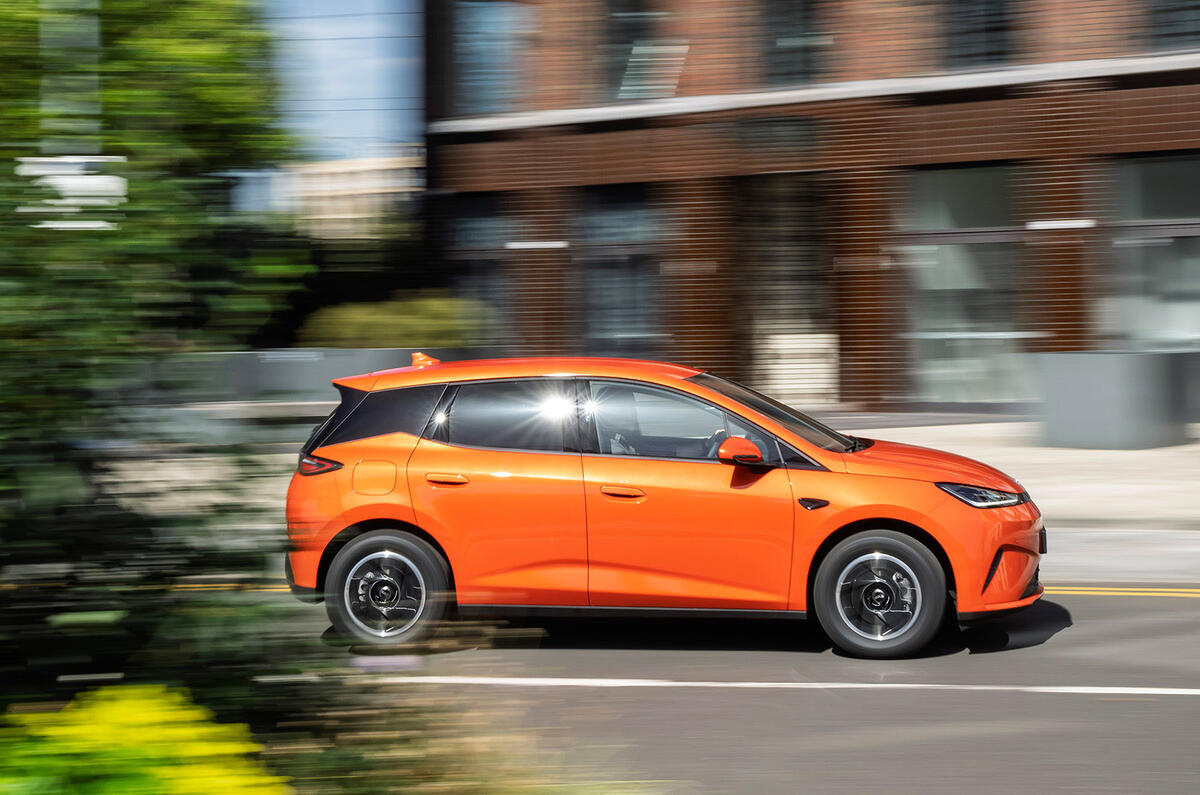
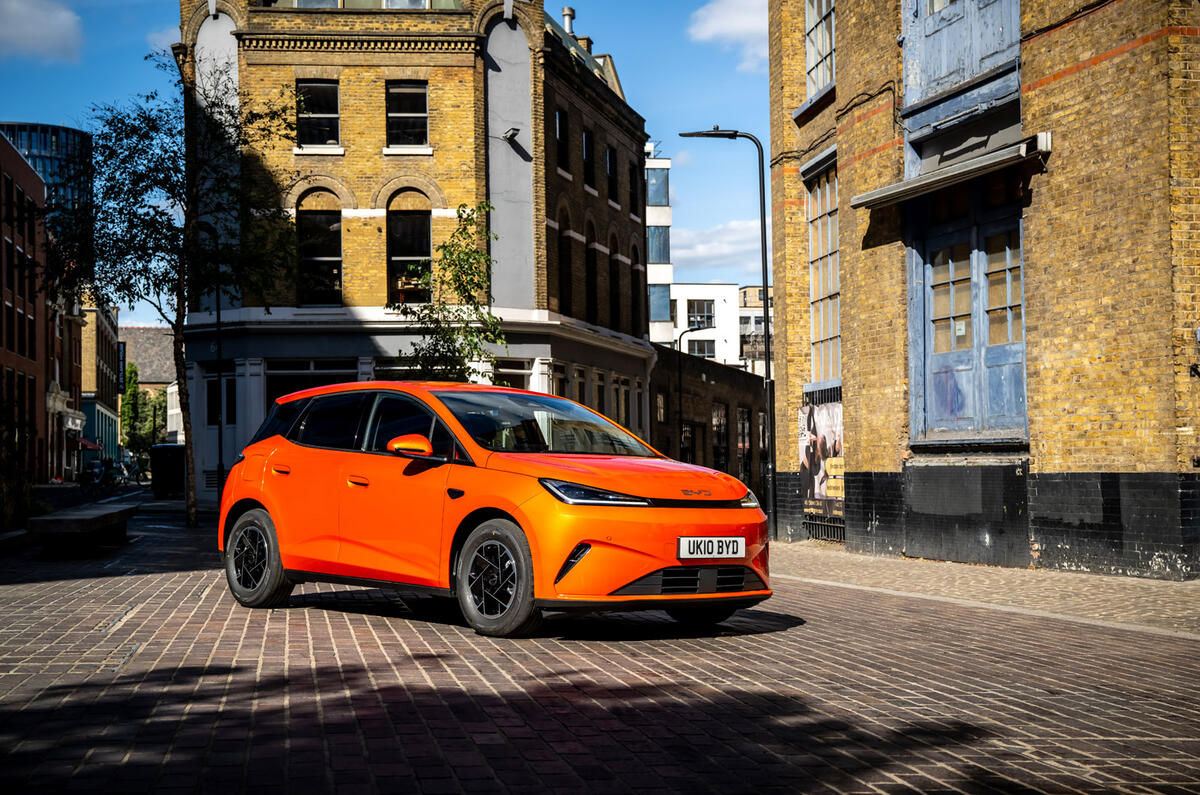
While it isn’t technically related to the larger Dolphin or smaller Dolphin Surf EVs, the Dolphin G does carry a family resemblance and is neatly resolved in the metal.

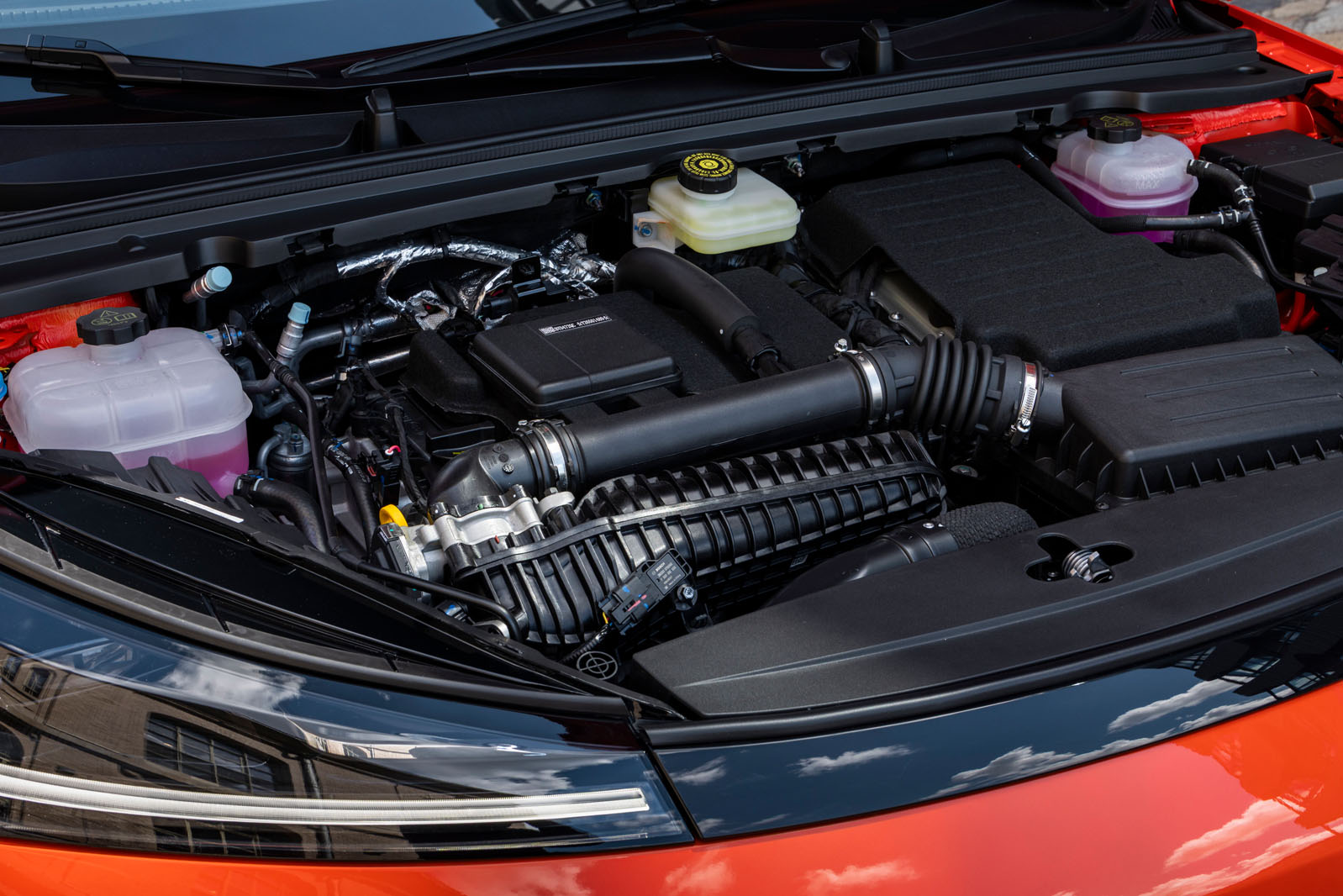
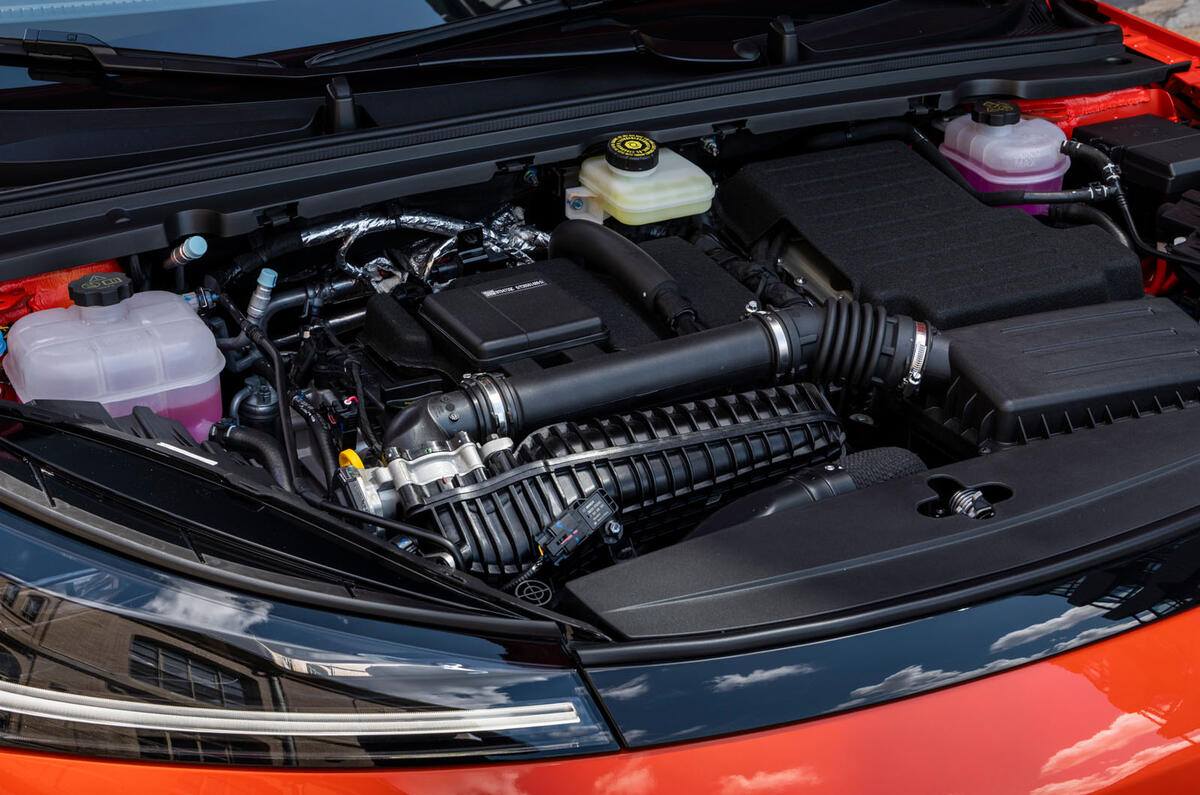
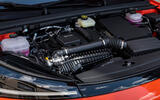
The powertrain pairs a 128bhp 1.5-litre petrol engine with a 161bhp electric motor and a starter/generator for a total output of 209bhp. 

Broadly it uses the motor to turn ther front wheels, with the engine largely running to keep the battery topped up. Drivers can choose to run in EV or hybrid mode.

Boost, Comfort and Sport variants get a 18.3kWh lithium-iron-phosphate (LFP) battery, promising 65 miles of electric range.

The entry-level Active manages only 25 miles, due to its smaller 7.2kWh LFP battery, and has a lower total output of 173bhp.

BYD describes the Dolphin G as being made for Europe, because it won't be offered in China or South America, the brand's other key markets.

But the car will still be made in China, at least initially; BYD does have plans to eventually begin production at its new factory in Hungary.

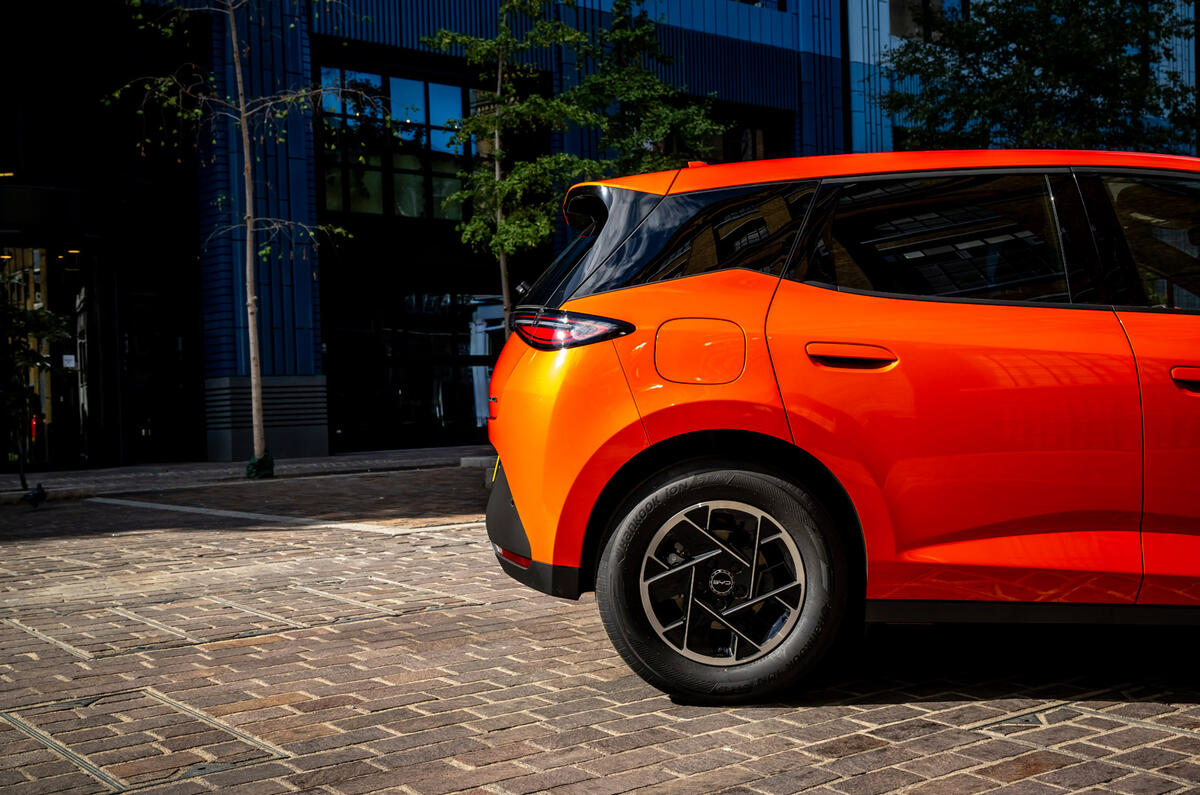
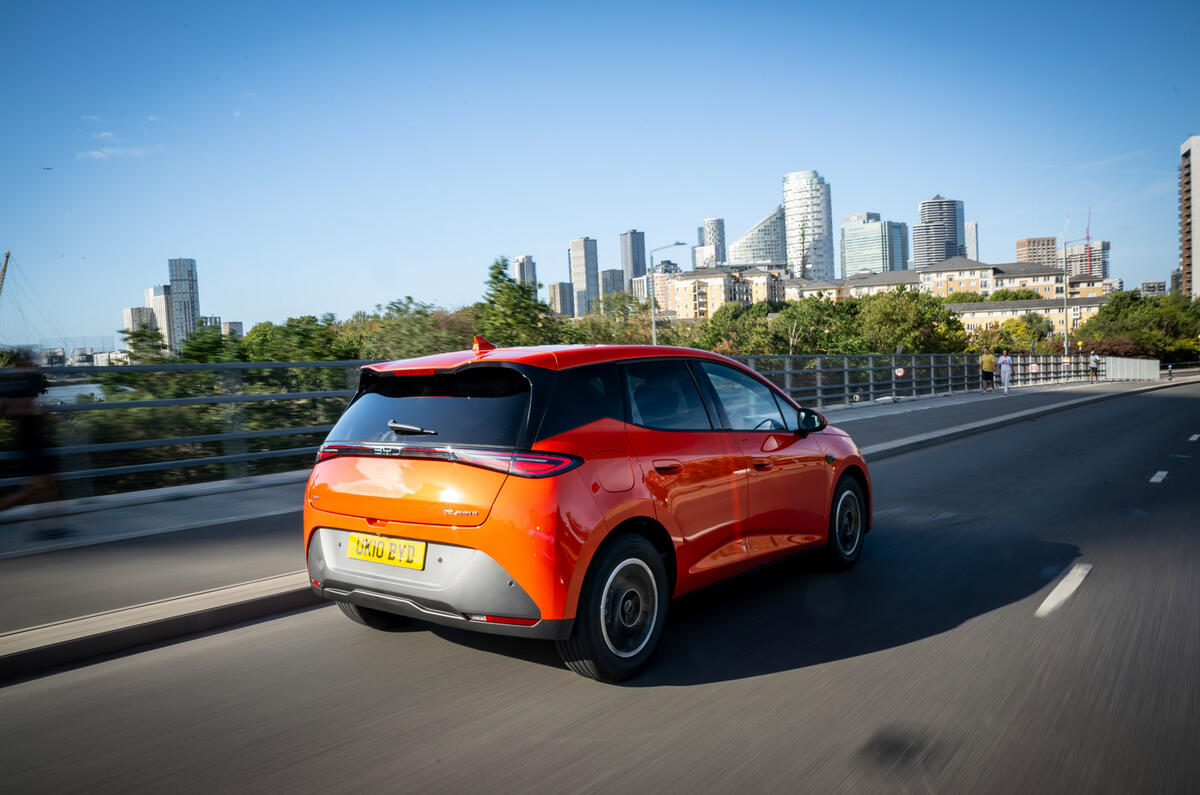
At 4160mm, the Dolphin G is slightly longer than the Clio; it’s also slightly wider and longer and has a stretched wheelbase.

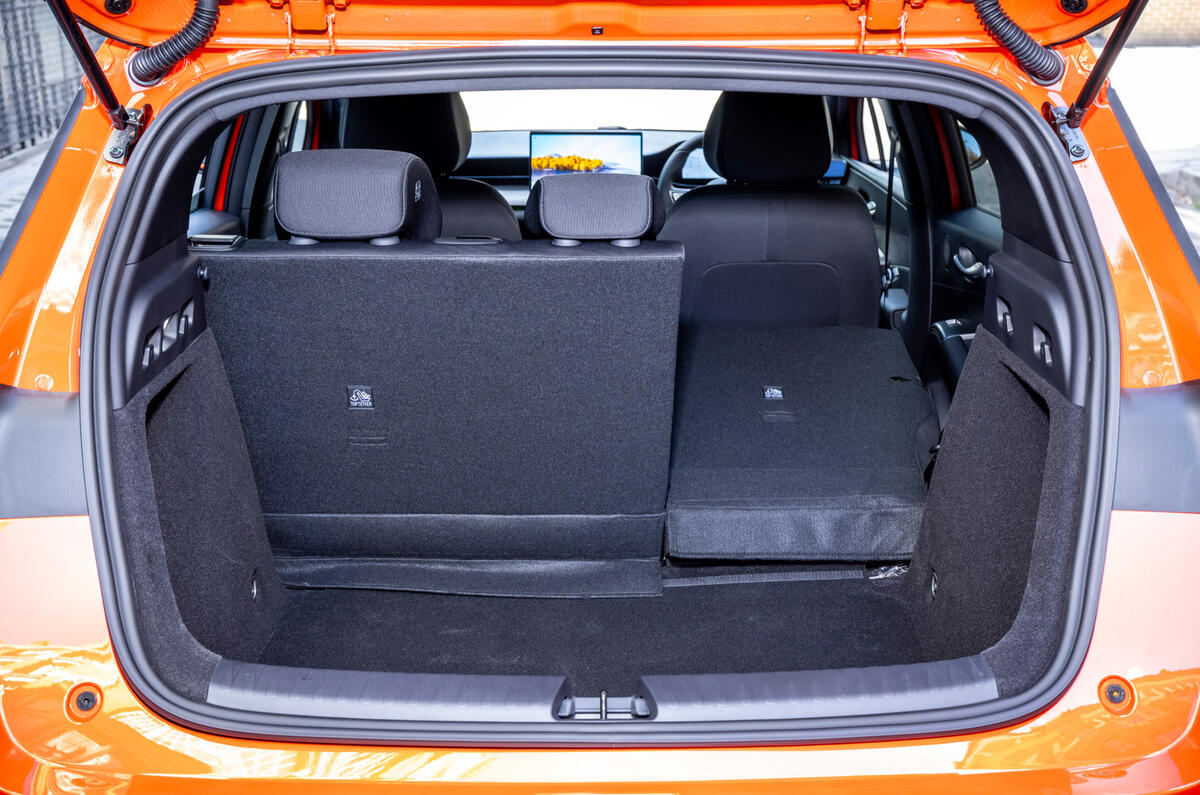
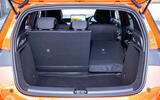
That aids interior space and enables a substantial boot that measures 425 litres (including an underfloor compartment).

INTERIOR

7
BYD Dolphin G review 2026 006

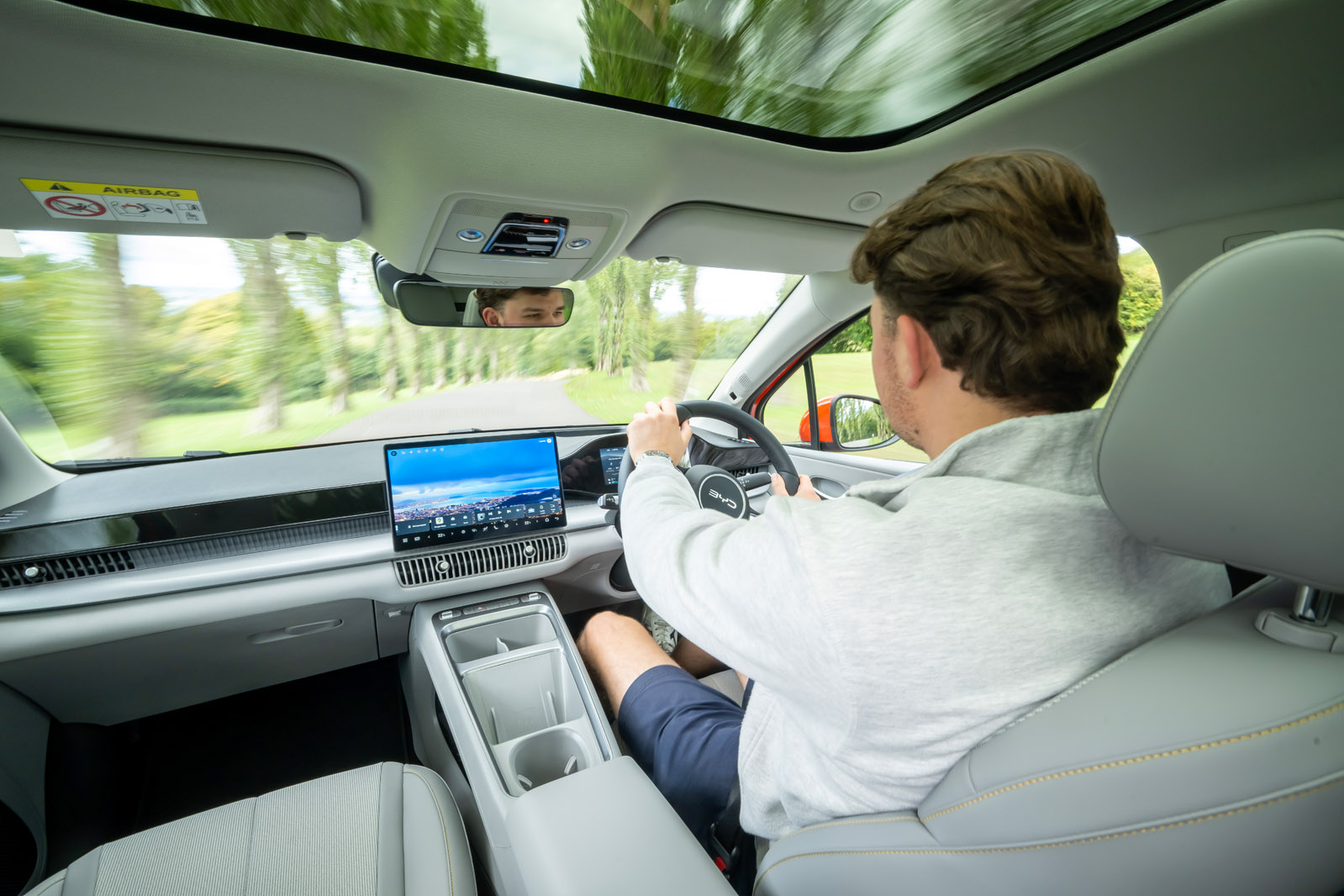
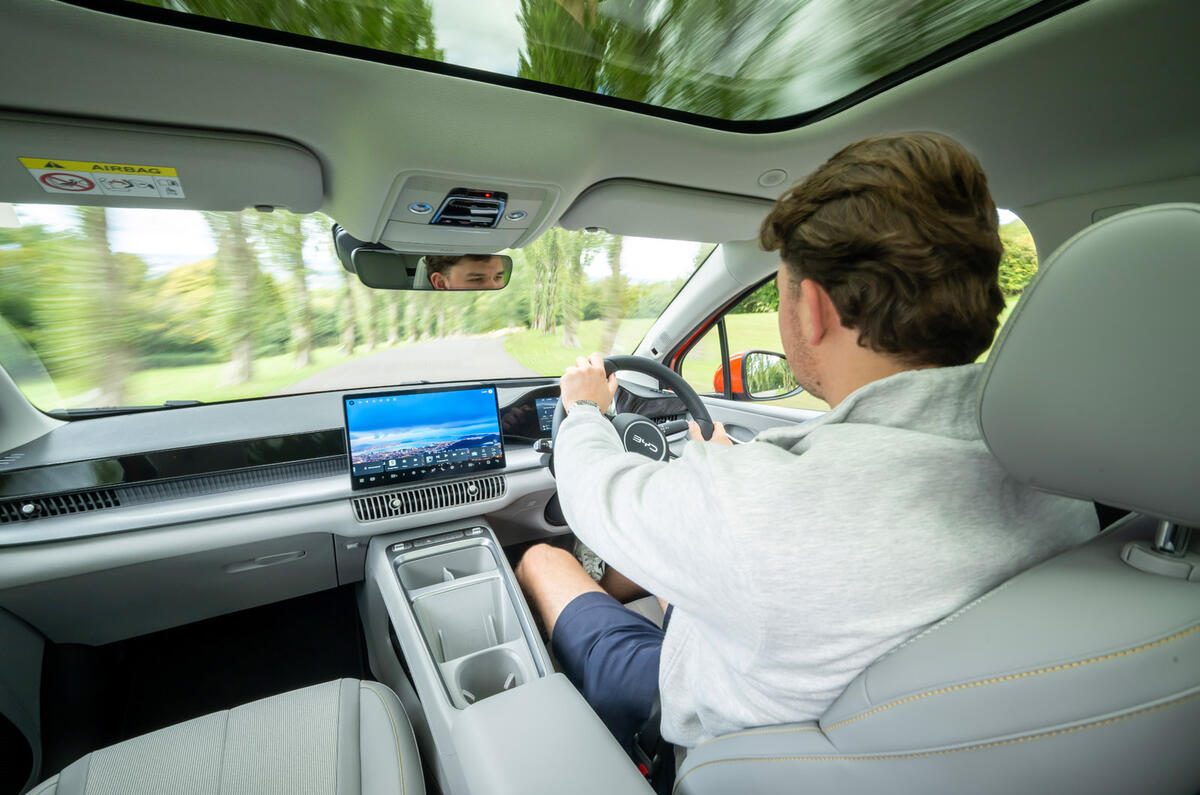
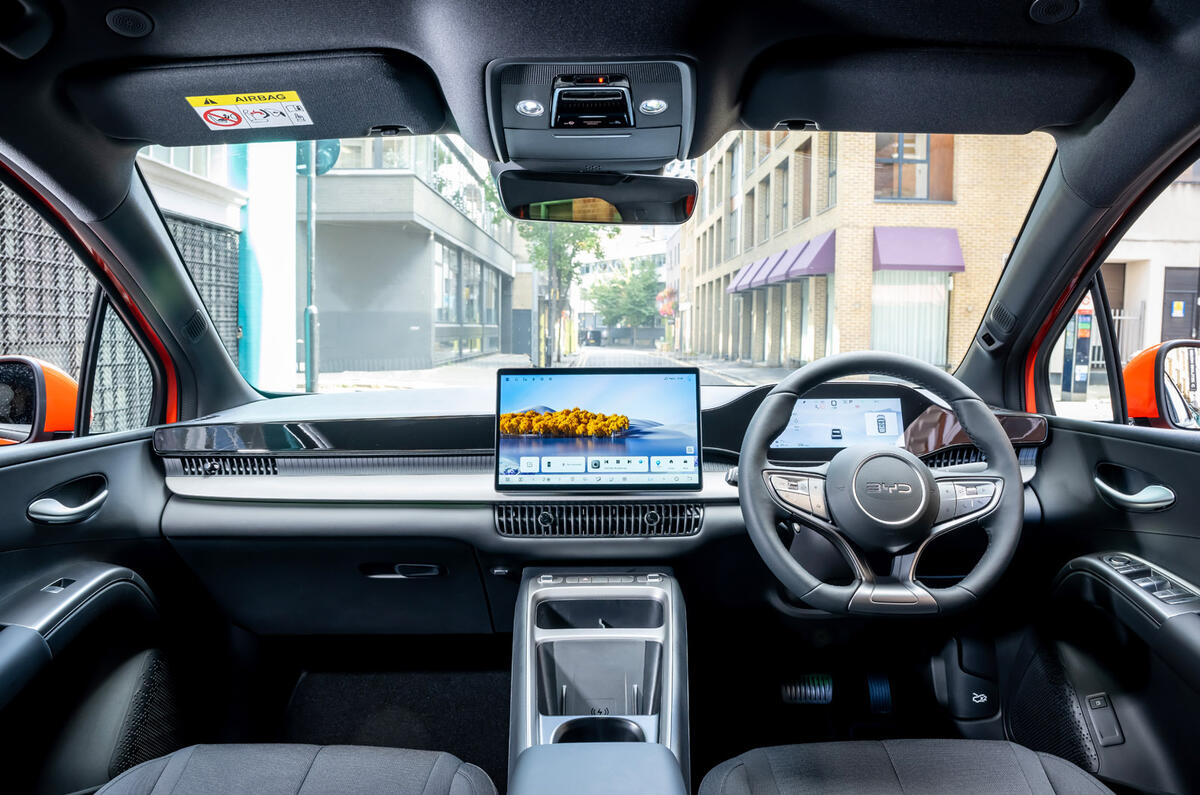
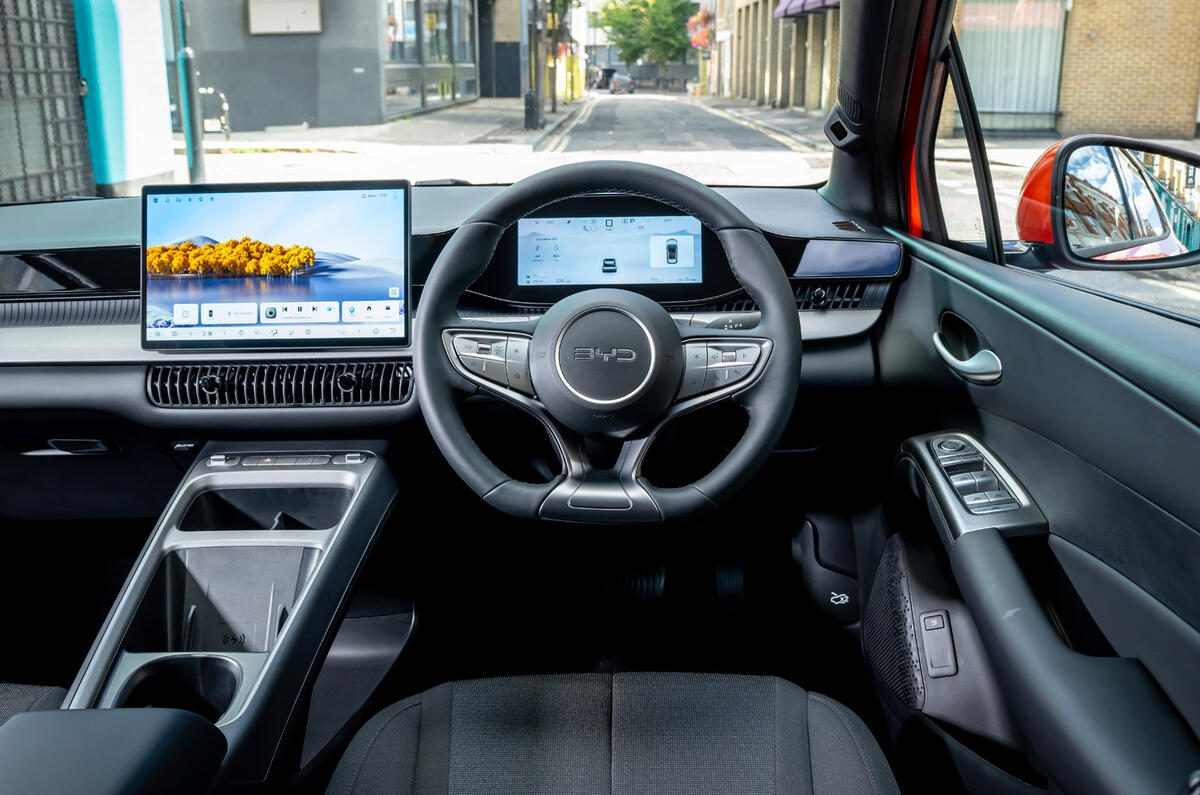
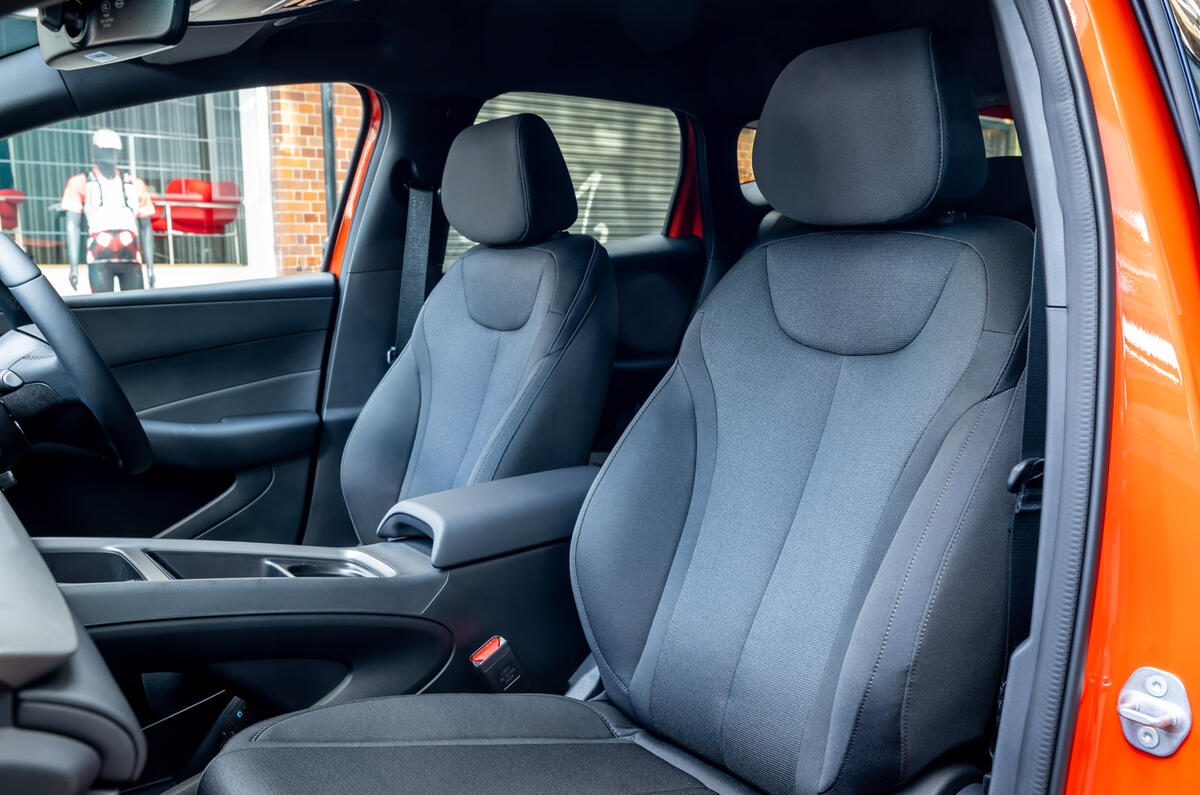
Inside, the Dolphin G is a touch anodyne and makes use of plenty of cheap-feeling materials. 

The Boost model looks and feels quite low-rent, so we would find the extra £1500 for the Comfort, which benefits from nicer, white upholstery and a panoramic sunroof.

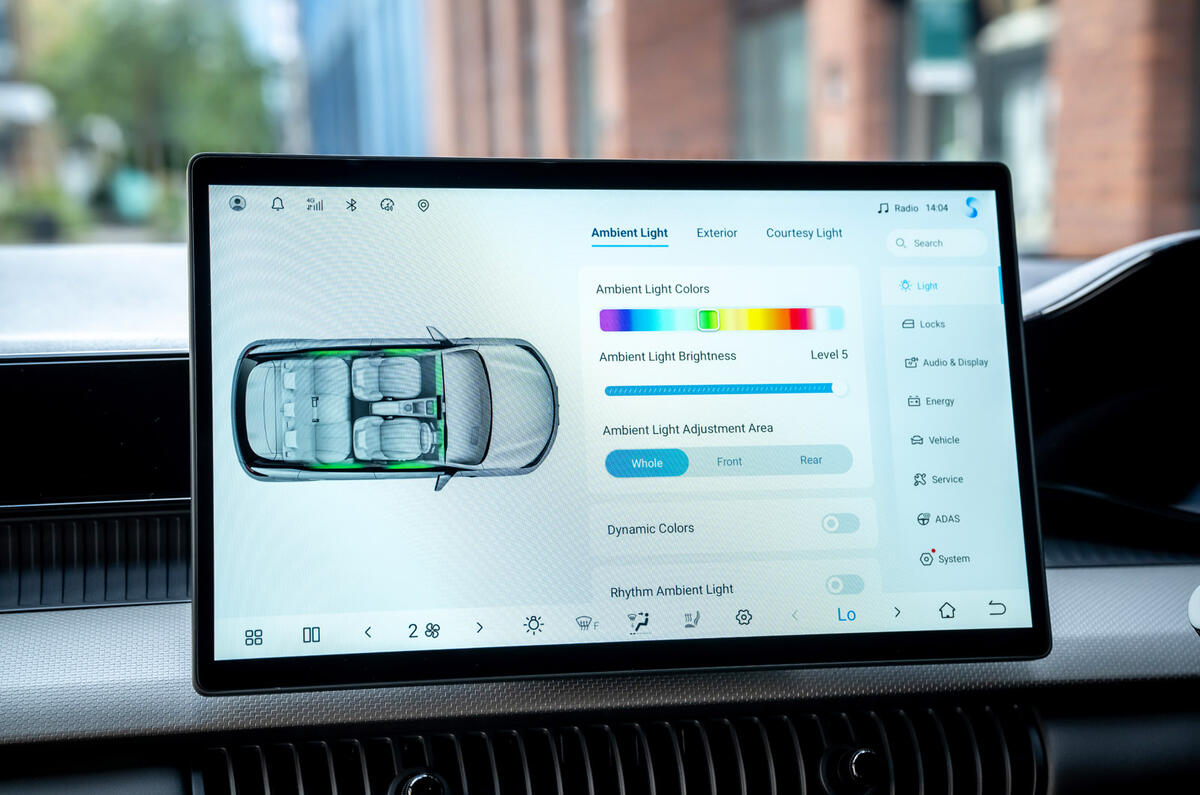
BYD has fitted an ‘All Off’ icon to the G’s infotainment screen, which deactivates all of the Dolphin G’s ADAS. This saves time, but it's a shame it's buried in a sub-menu.

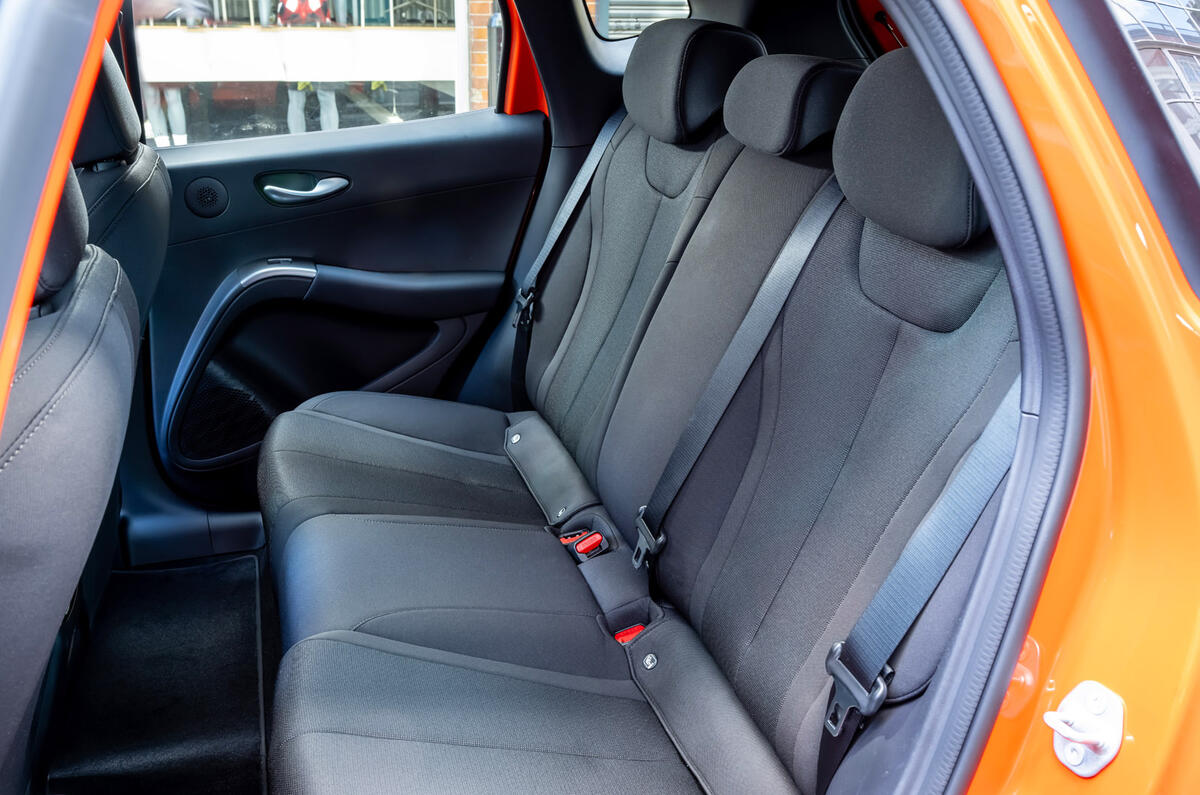
The glass roof also adds a modicum of additional head room in the back; in the Boost our heads brushed the headlining. 

Leg room is more generous, but three adults across the rear seats would be a squeeze.

You do feel quite perched in the driver’s seat, which is likely a consequence of the PHEV battery which sits in the Dolphin G’s floor. 

Luggage capacity is impressive, thanks to a class-leading 425-litre boot, which outshines that of the bigger Volkswagen Golf (381 litres). 

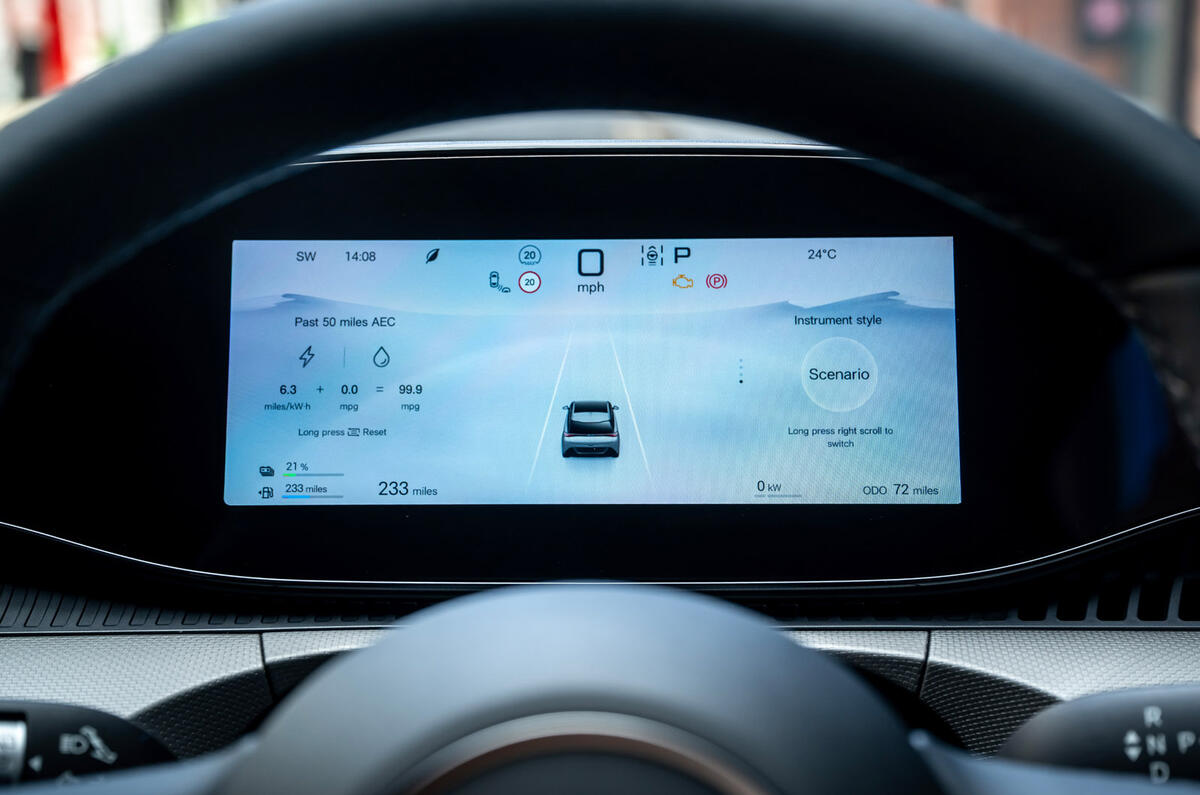
The 12.8in central touchscreen features BYD’s latest software, which includes Google Maps, and overall it's well-organised and responsive. Some of the icons are a little small, though, requiring a longer look away from the road for an accurate prod. 

BYD has clearly put some thought into interior usability, however, as there are some proper physical controls for drive-mode selectors and mirror adjustment.

While most functions are controlled via the touchscreen, it can be customised to better suit your needs, and the shortcuts that appear when you swipe down on the home screen are a handy addition. 

The Dolphin G has 16 different ADAS, but core functions like the lane keeping assistance and speed limit warning are easy to disable via the shortcuts.

You will want to turn the driver monitoring off, because it can be quite distracting when it bings and bings at you for looking away from the road. 

ENGINES & PERFORMANCE

6
BYD Dolphin G review 2026 50

While the Dolphin G isn’t slow, it doesn't feel as brisk as the claimed 0-62mph time of 8.3sec suggests. 

The engine can get pretty vocal under hard acceleration and delayed in its response when you ask for more power. It can feel slightly strained, albeit less so than a CVT-equipped Toyota hybrid.

The friction brakes are a bit sharp in their application; the pedal is quite firm at the very top, which can make them feel overly grabby. 

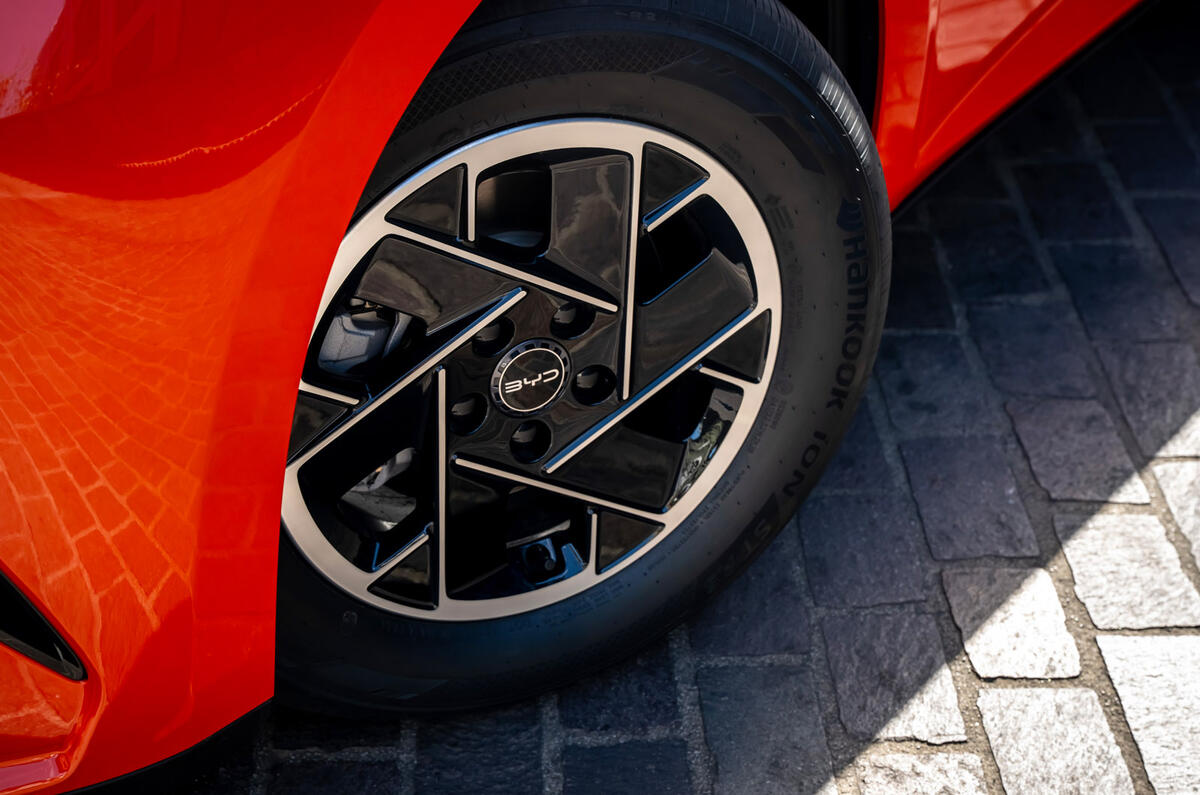
You can detect a bit of wind noise at a cruise, but road noise is generally well isolated. The 16in wheels fitted to the Boost are quieter, but not by much compared to the 18in items fitted to the Comfort.

RIDE & HANDLING

6
BYD Dolphin G review 2026 015

The Dolphin G follows the established supermini suspension formula, with MacPherson struts up front and a torsion beam at the rear.

The low-speed ride is a touch unsettled, and it can sometimes struggle to iron out sharp edges. It’s a bit more composed at higher-speeds, save for a lack of vertical body control on undulating rural roads. 

Despite its high roofline and 1555kg kerb weight, body control remains composed through sweeping bends.

It’s through quick direction changes and tiger corners where you feel its mass; ultimately it lacks the alacrity and agility of rivals like the Clio. 

This isn’t helped by the steering, which is uncharacteristically heavy. There’s too much resistance off centre and a lot of artificial weight that makes it feel quite vague. 

Grip and traction are both solid, although the inner front wheel will chirrup away if you exit a roundabout eagerly.

​Like many BYDs, this is a car for rational rather than emotional appeal: it’s not really sporty but it’s versatile and relaxed to drive.

MPG & RUNNING COSTS

8
BYD Dolphin G review 2026 001

On our 60-mile test route, the Dolphin G predominantly used electric power for the journey.

Make use of its strong EV range and charge regularly and your everyday running costs will be extremely low.

You can achieve similar MPG from the Yaris, but the Toyota doesn’t offer the Dolphin G’s party trick of being able to pretend it’s an EV.

With a depleted battery, it returned 45mpg.  

Prices start from £23,990 for the Active, rising to £29,490 for the Sport. That puts it on par with the Yaris, which is only available as a 'self-charging' hybrid.

VERDICT

7
BYD Dolphin G review 2026 018

Overall, the Dolphin G is a fresh, albeit niche alternative to traditional superminis.

Its hefty kerb weight and vague steering dent its dynamic appeal – and it's not the most upmarket or interesting inside.  

However, its electric range is exceptional at this price point, its boot is class-leading and it has enough everyday versatility to make a strong case for itself in the crowded B-segment market.

Sam Phillips

Sam Phillips
Title: Senior Staff Writer

Sam joined the Autocar team in summer 2024 and has been a contributor since 2021. He is tasked with writing used reviews and first drives as well as updating top 10s and evergreen content on the Autocar website. 

He previously led sister-title Move Electric, which covers the entire spectrum of electric vehicles, from cars to boats – and even trucks. He is an expert in new car news, used cars, electric cars, microbility, classic cars and motorsport. 

Sam graduated from Nottingham Trent University in 2021 with a BA in Journalism. In his final year he produced an in-depth feature on the automotive industry’s transition to electric cars and interviewed a number of leading experts to assess our readiness for the impending ban on the sale of petrol and diesel cars.

James Attwood

James Attwood, digital editor
Title: Associate editor

James is Autocar’s associate editor, and has more than 20 years of experience of working in automotive and motorsport journalism. He has been in his current role since September 2024, and helps lead Autocar's features and new sections, while regularly interviewing some of the biggest names in the industry. Oh, and he once helped make Volkswagen currywurst. Really.

Before first joining Autocar in 2017, James spent more than a decade in motorsport journalist, working on Autosport, autosport.com, F1 Racing and Motorsport News, covering everything from club rallying to top-level international events. He also spent 18 months running Move Electric, Haymarket's e-mobility title, where he developed knowledge of the e-bike and e-scooter markets.