5

Chery bids to make up on lost time against other Chinese budget brands with a particularly low-budget hybrid SUV

Find Chery Tiggo 4: is this the most car you can get for £20,000? deals
New car deals
Nearly-new car deals
From £19,995
Other Services
Sell your car
84% get more money with

You may have read a great deal, over the last year or so, about the rising fortunes of Chinese budget brands within the UK market. They are certainly enjoying a period of rapid expansion. But some are growing faster than others, and some have yet to really hit what you might call ‘the big time’ as far as car sales on our shores are concerned. 

That’s why cars with the potential to fuel rapid transformation suddenly appearing. Right now, the race is on to grab as big a slice of the UK pie as possible before somebody else beats you to it – and the Chery Tiggo 4 has the look of a car with some serious buffet-blocking elbows.

As figures recently released for car registrations for the first half of 2026 confirm, the only Chinese brand with a place among the UK’s top 10 best-selling car makers remains MG. BYD and Chery’s own Jaecoo brand both have berths within the top 20, however, and both currently have much faster rates of growth than MG’s. Blink, then, and all this could be different.

The interesting quirk about Chery’s particular case is that both of its offshoot brands - Jaecoo and Omoda - were introduced to the UK earlier than the Chery brand itself so are slightly both better-established in terms of UK volume and market share. That situation is what the Tiggo 4 might be out to justify, because it’s quite a lot of pretty conventional car for really not a lot of money - a recipe that has proven popular time and again, and not only in the UK.

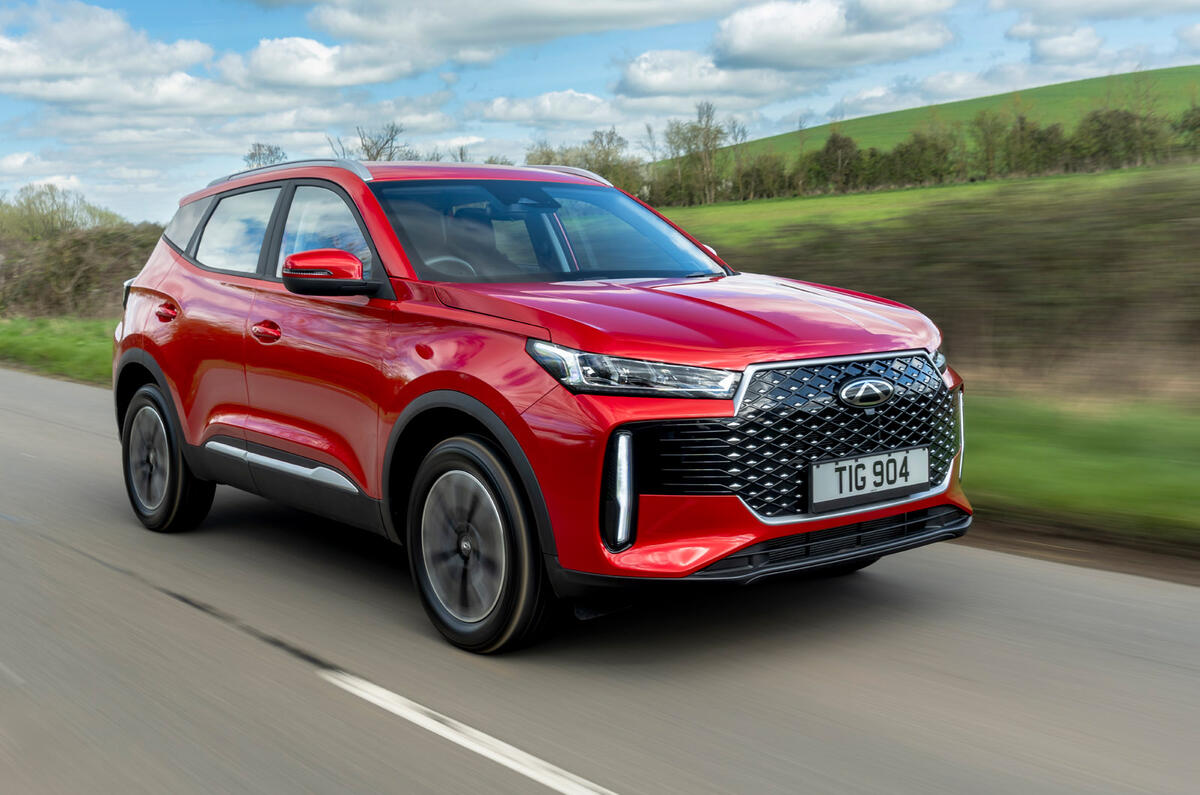
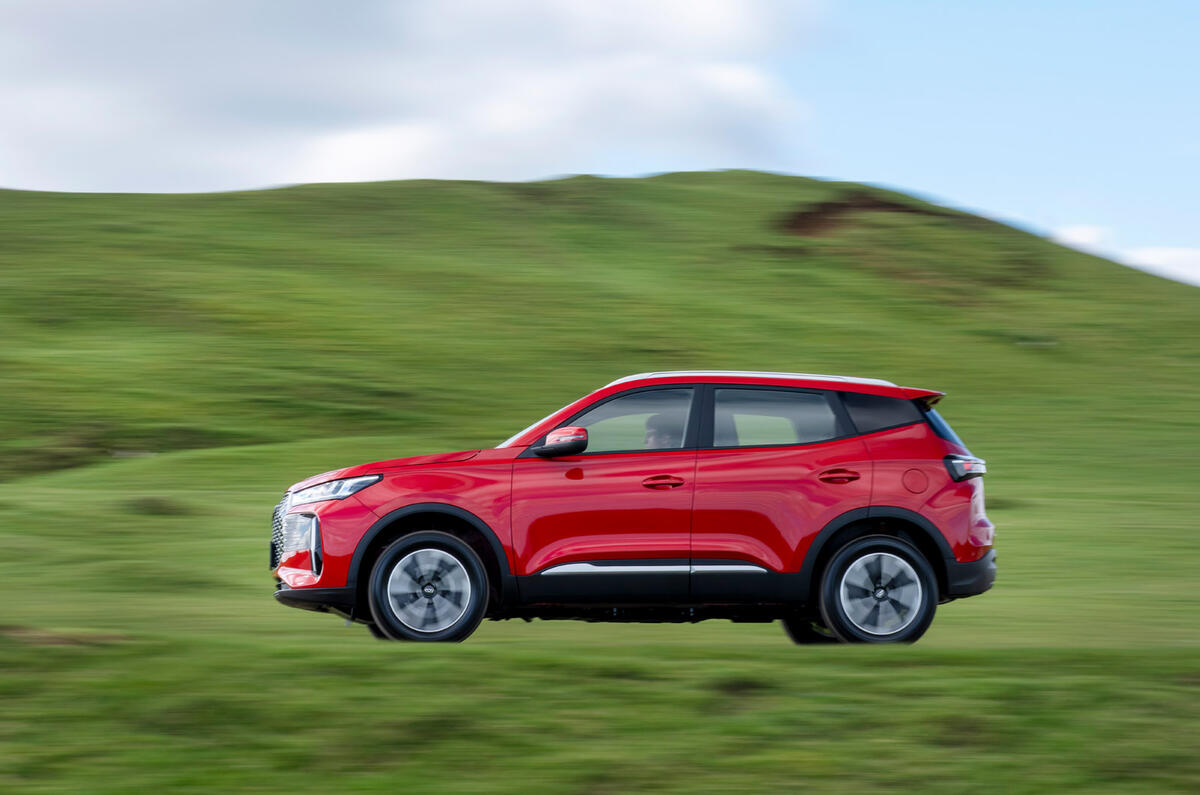
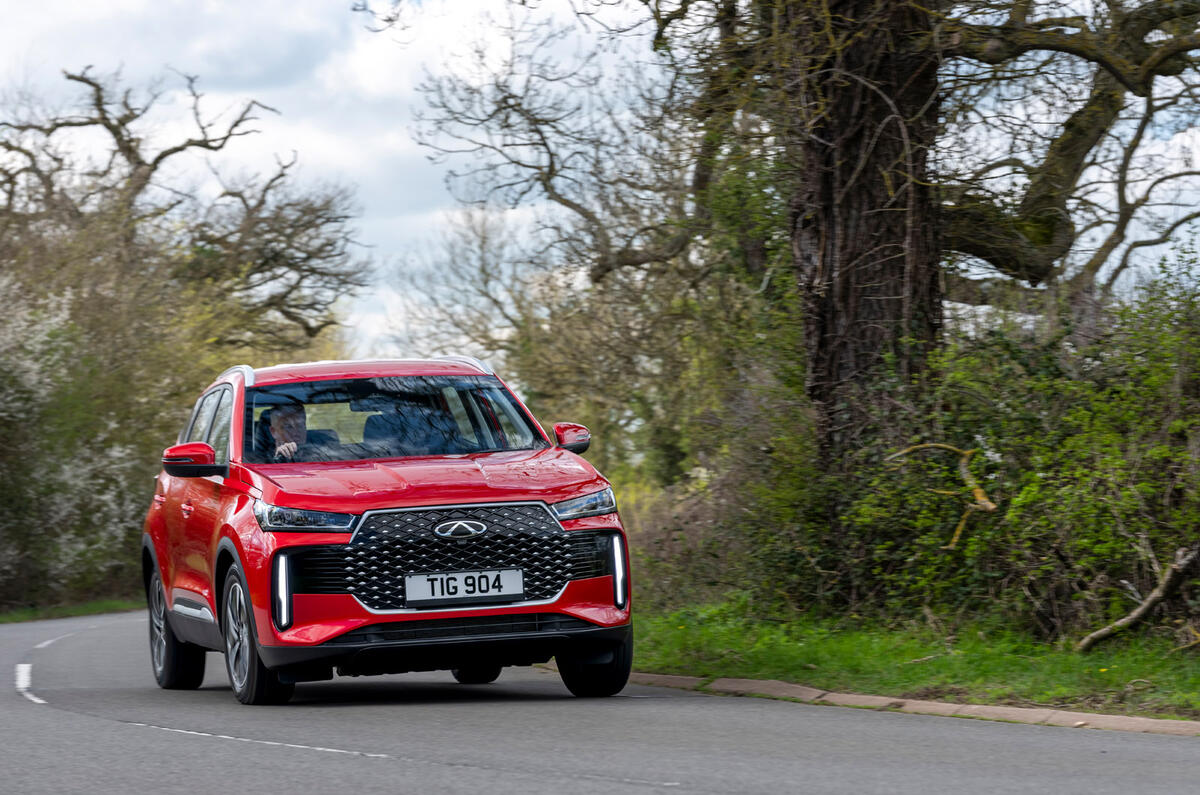
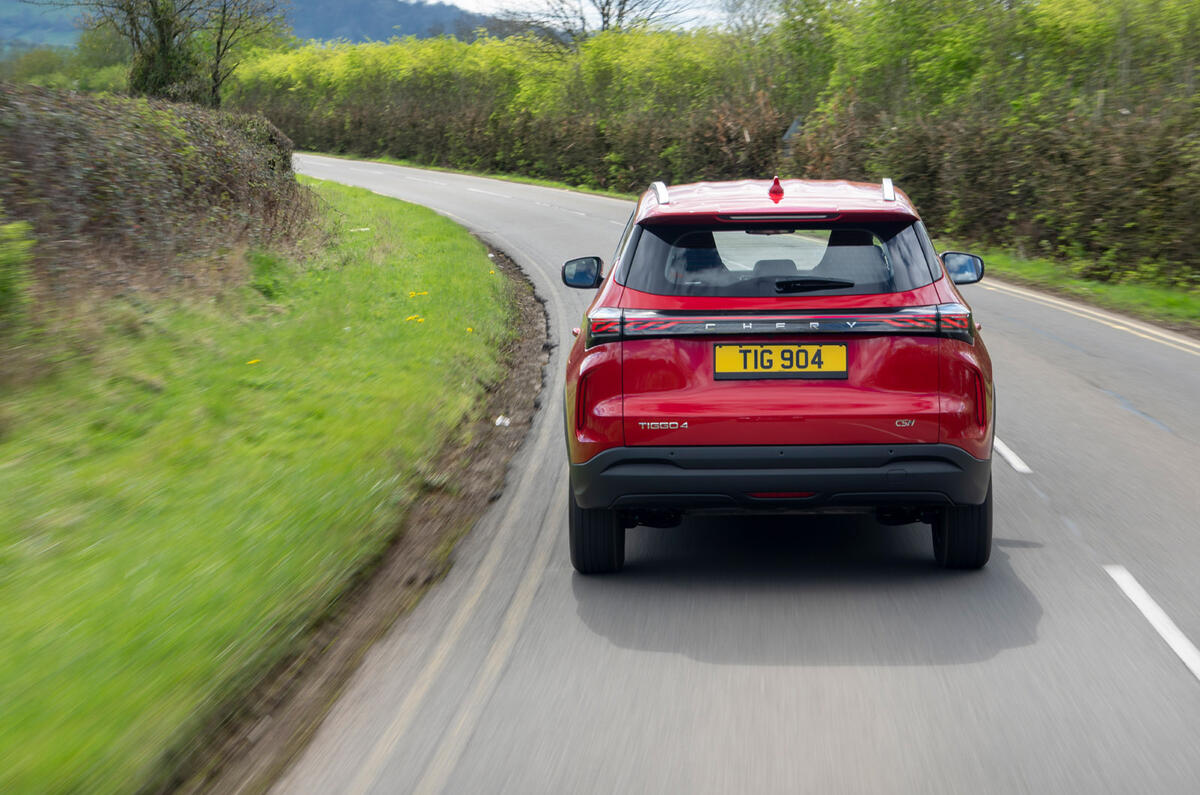
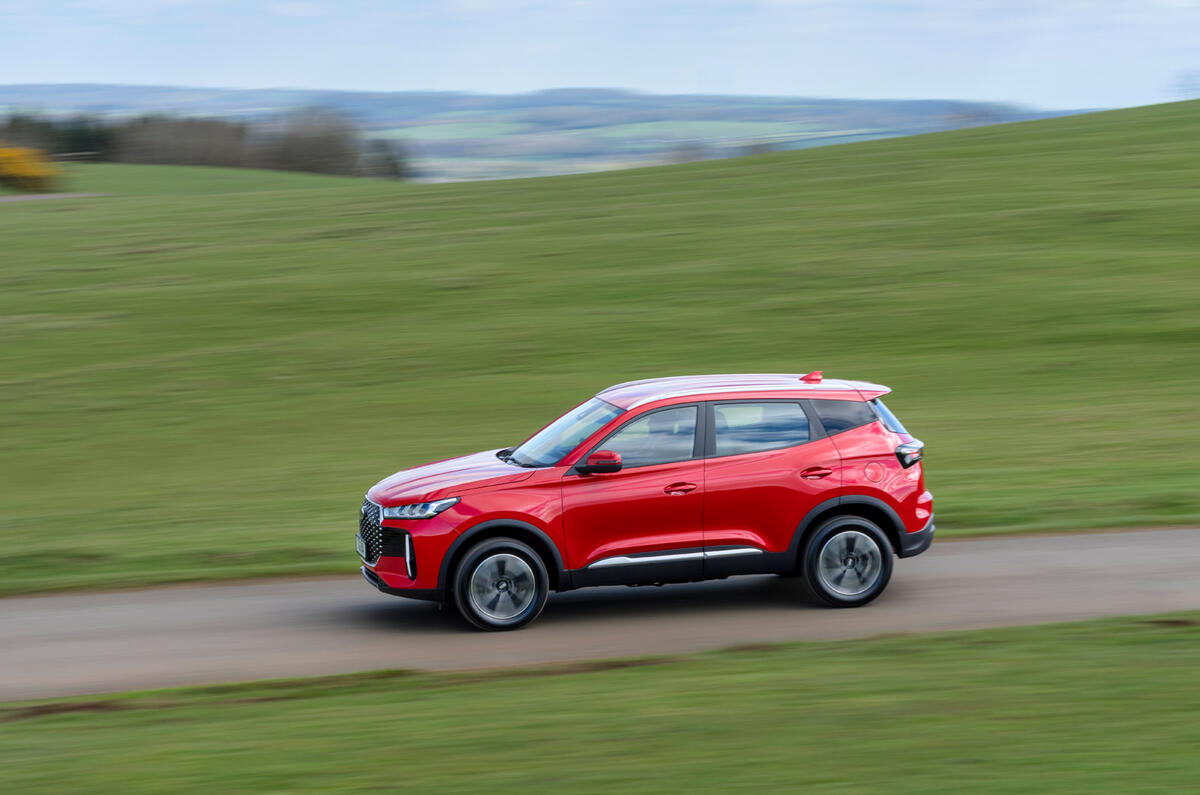
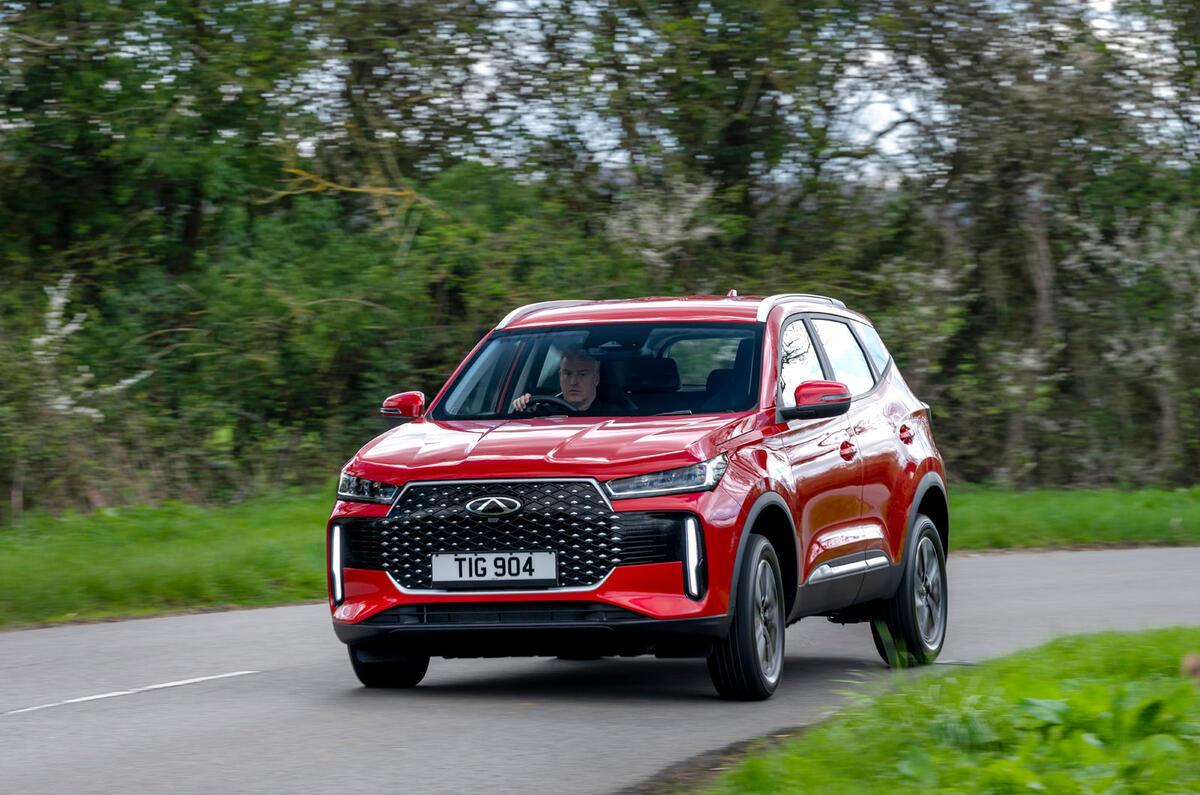
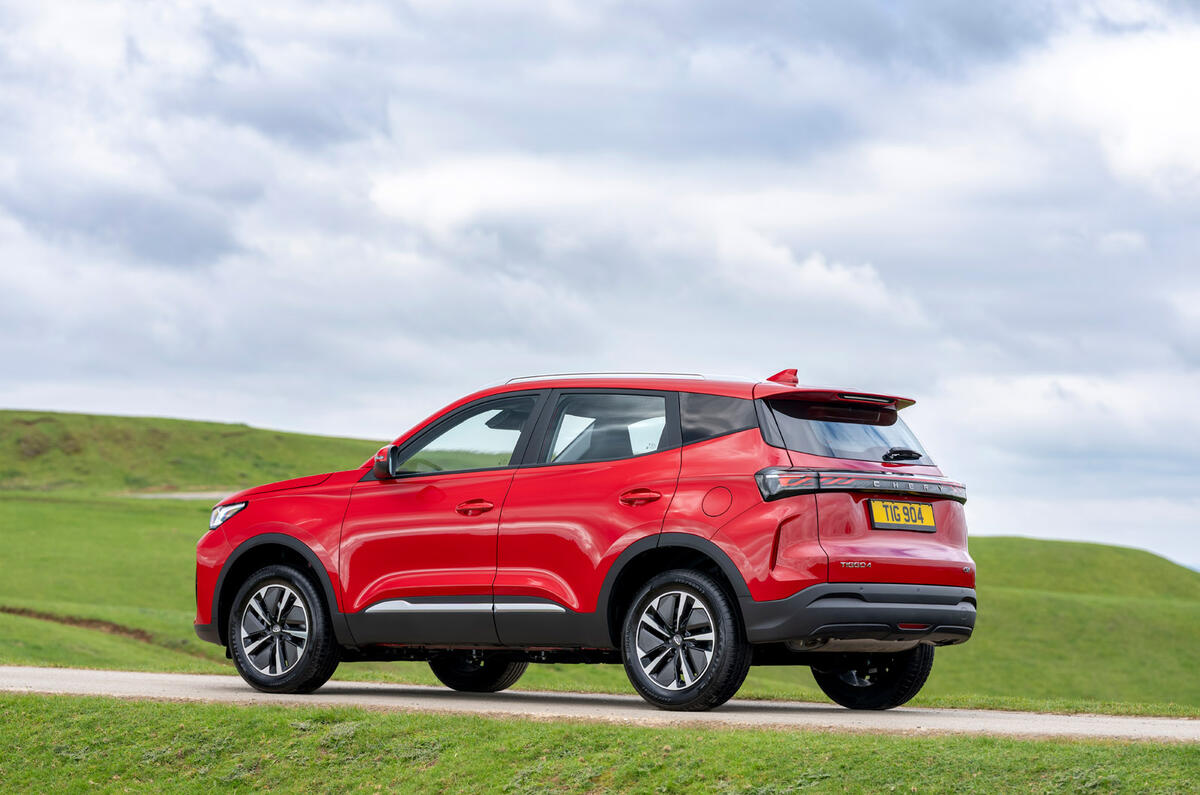
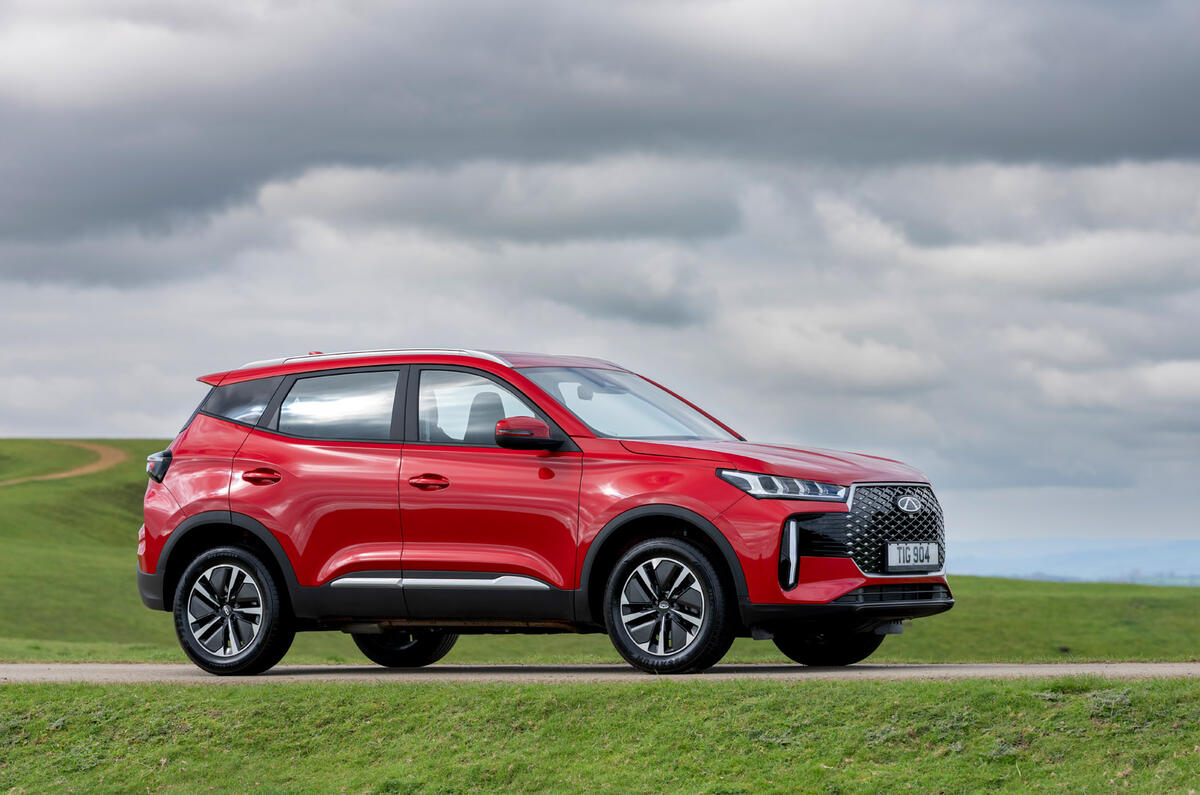
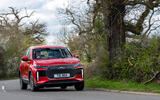
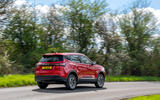
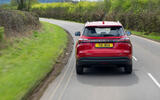
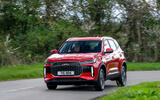
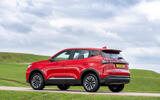
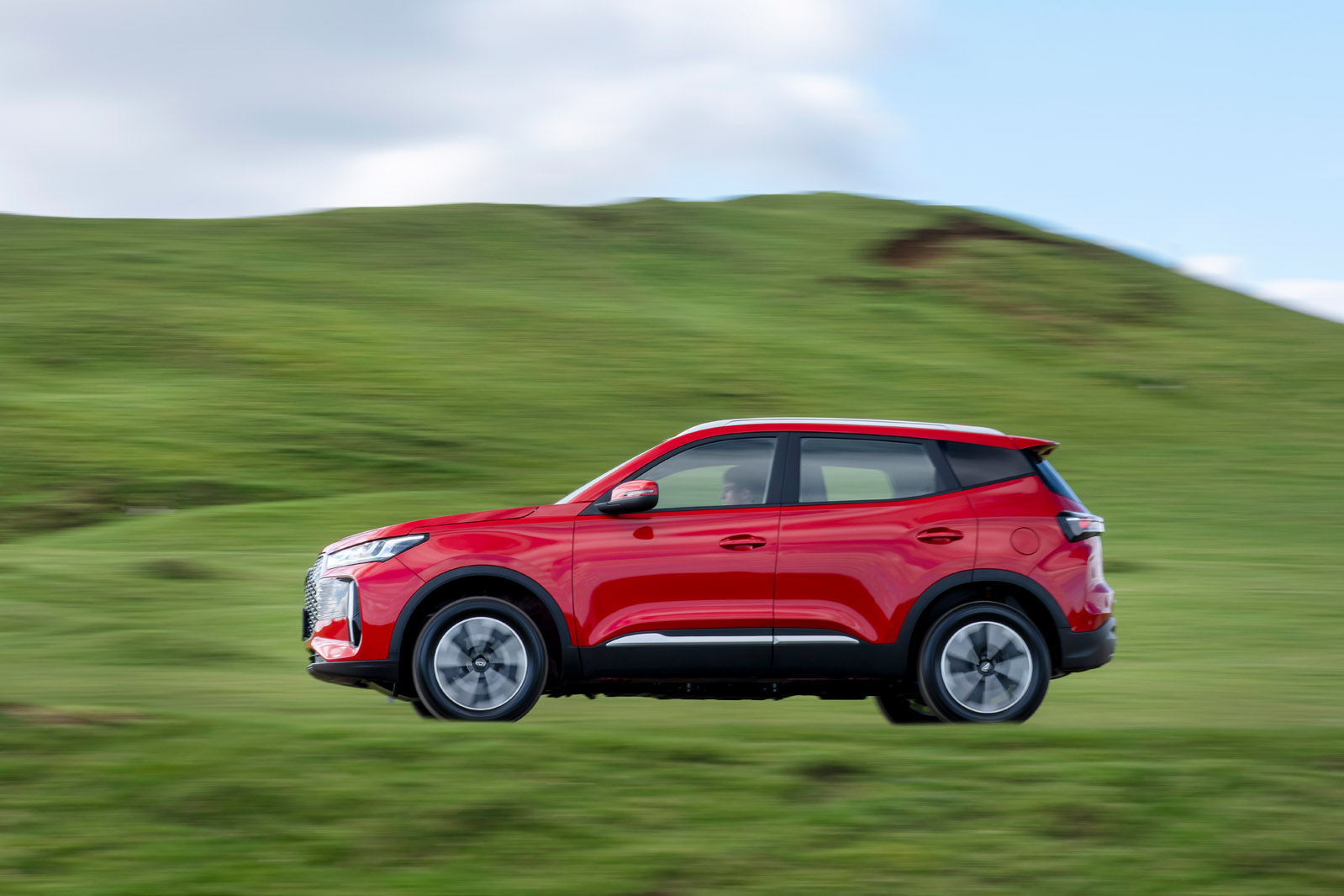
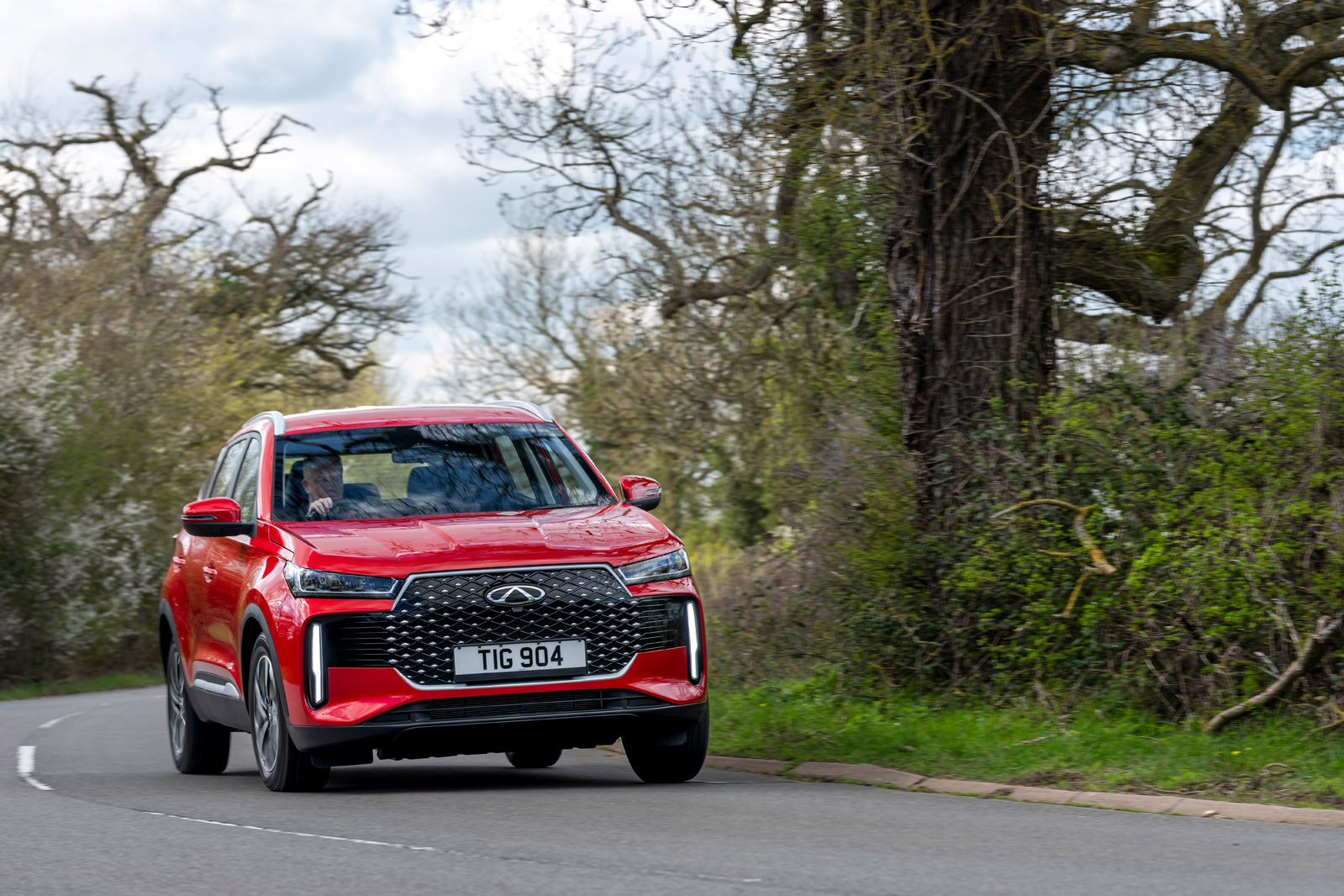
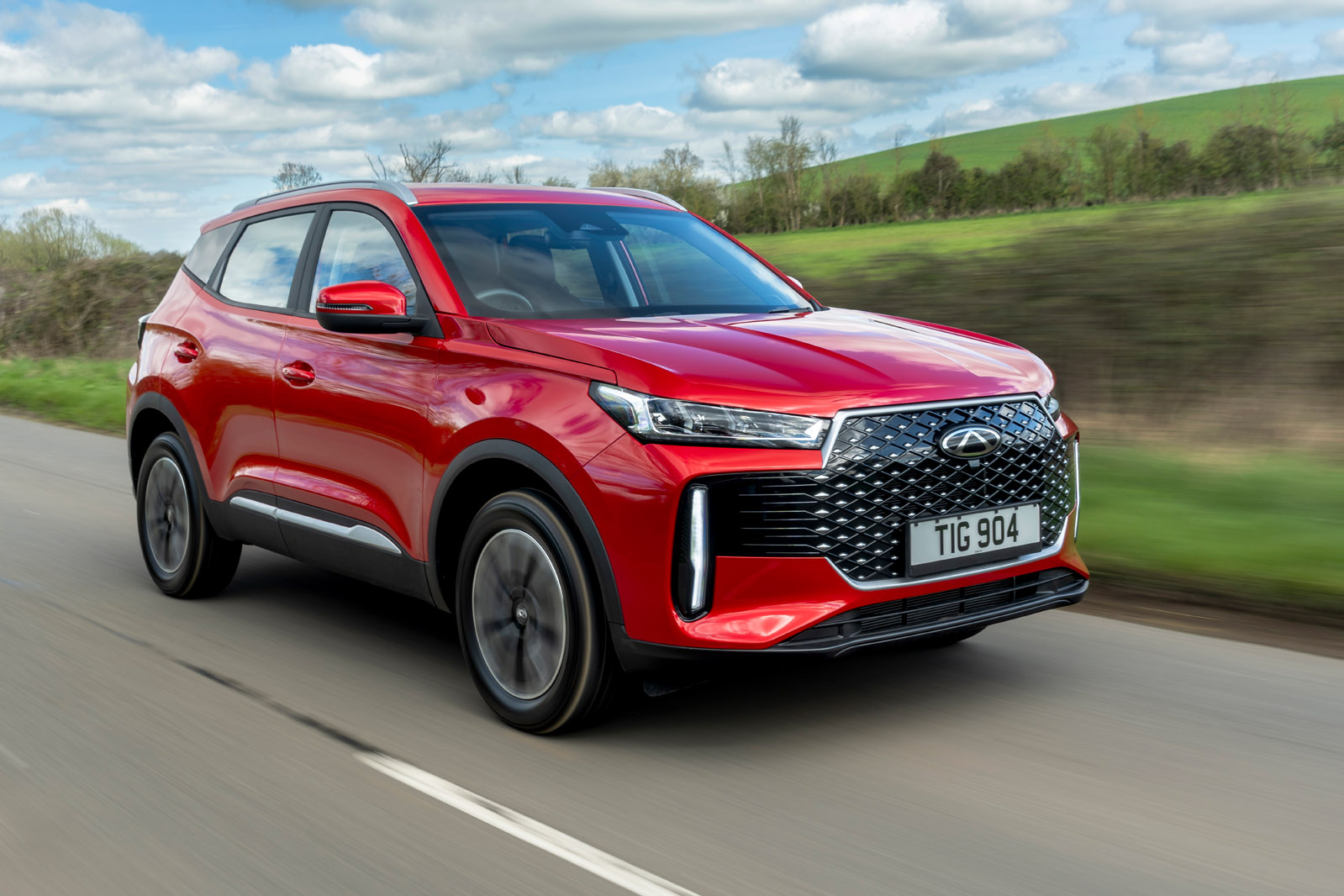
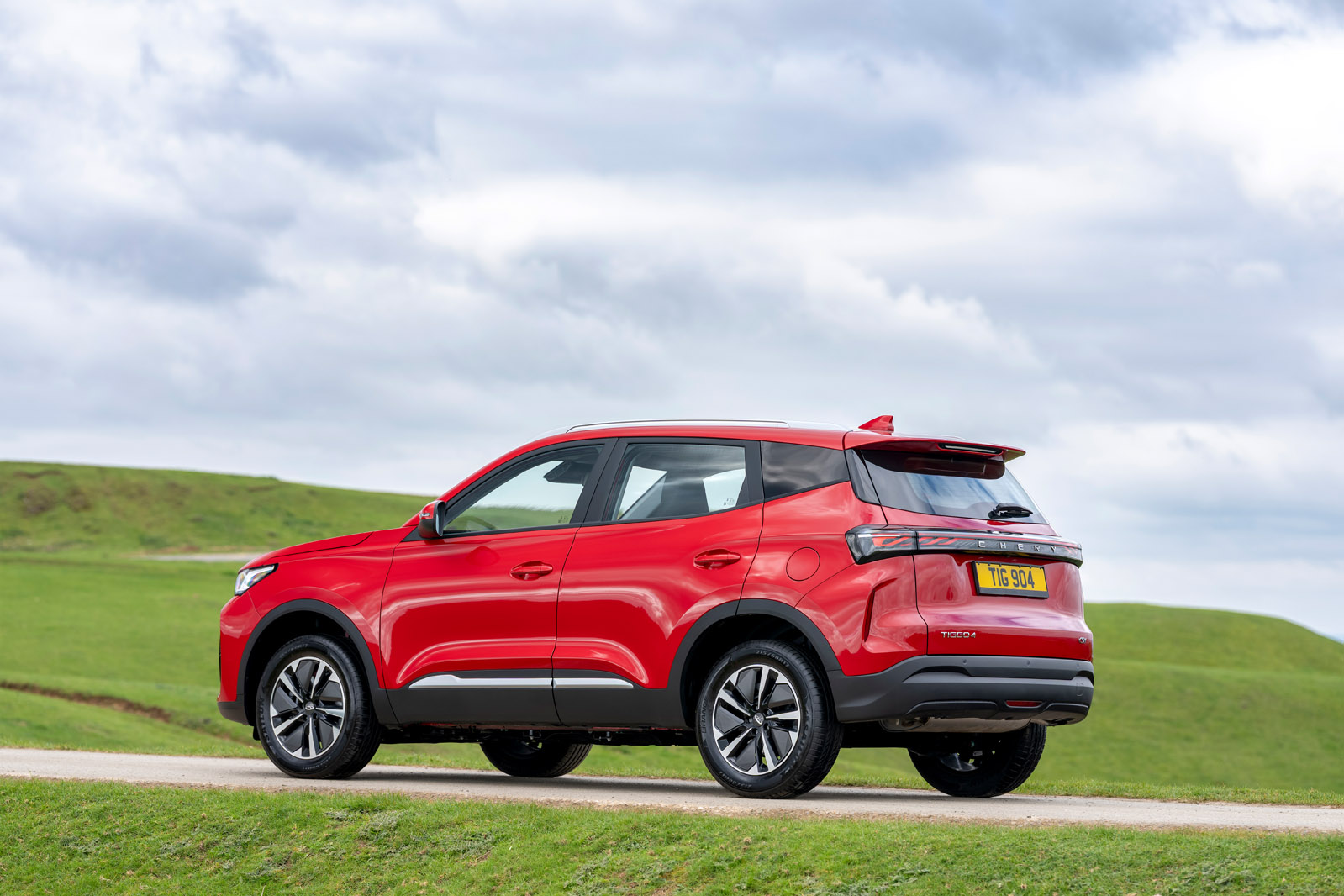
The Tiggo 4 is a hybrid-powered compact SUV. It has an upright and chunky look. It’s a useful-looking size, straddling the SUV-B (Dacia Duster, Kia Stonic) and SUV-C (Nissan Qashqai, Citroën C5 Aircross) segments. It’s got good, appealing on-paper performance and economy statistics. Yet it’s conspicuously cheap, starting from just £19,995, when even the average Ford Puma rival is typically several thousand pounds more.

Advertisement
Back to top

So is there a catch? And will owners really care even if there are a few of them, given how much car they’re getting and how little they’re paying here?

DESIGN & STYLING

7
Chery Tiggo 4 review 2026 002

The Tiggo 4 is available one powertrain only: a 'gearboxless' range-extender-style hybrid system dubbed CSH, which is primarily driven by a 201bhp, 221lb ft electric motor with direct drive to the front wheels.

The difference between this car and those that use Chery's SHS plug-in hybrid system is that this one can't be plugged in and can therefore draw only on a 353V, 1.83kWh battery to power that main drive motor; which means the 95bhp 1.5-litre petrol engine runs fairly regularly. 

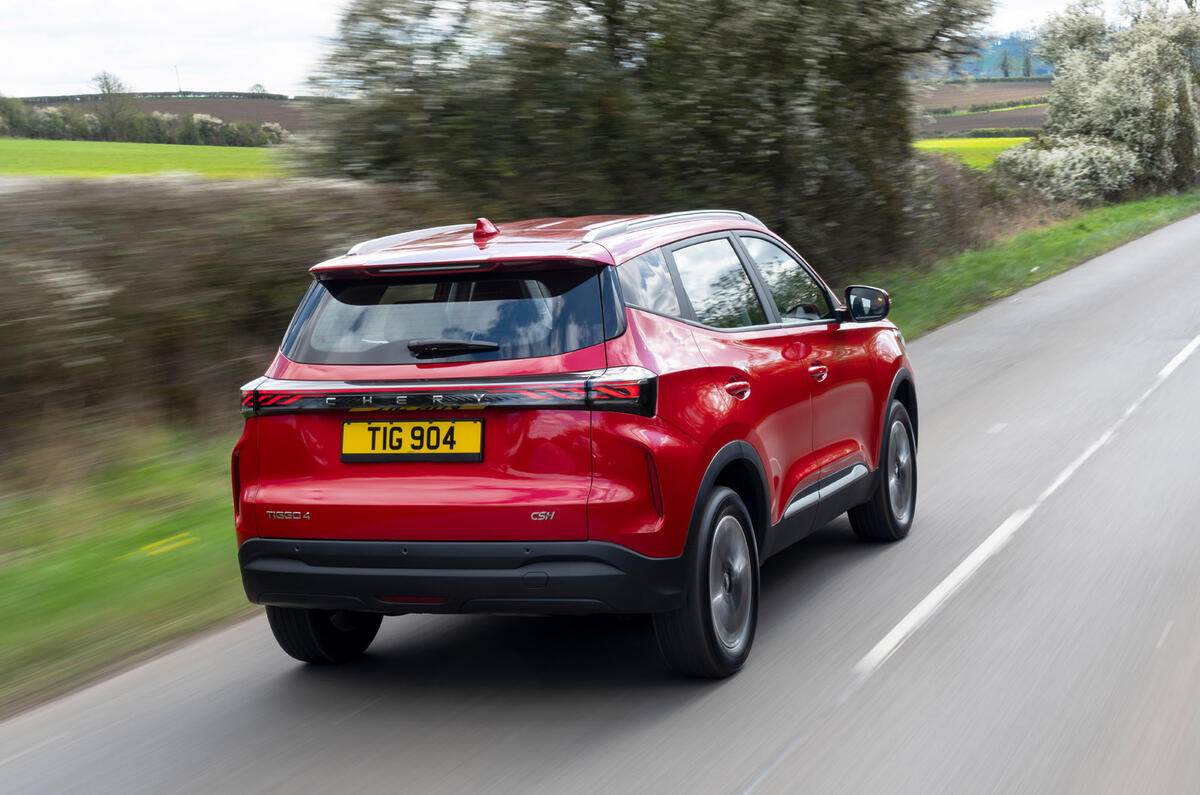
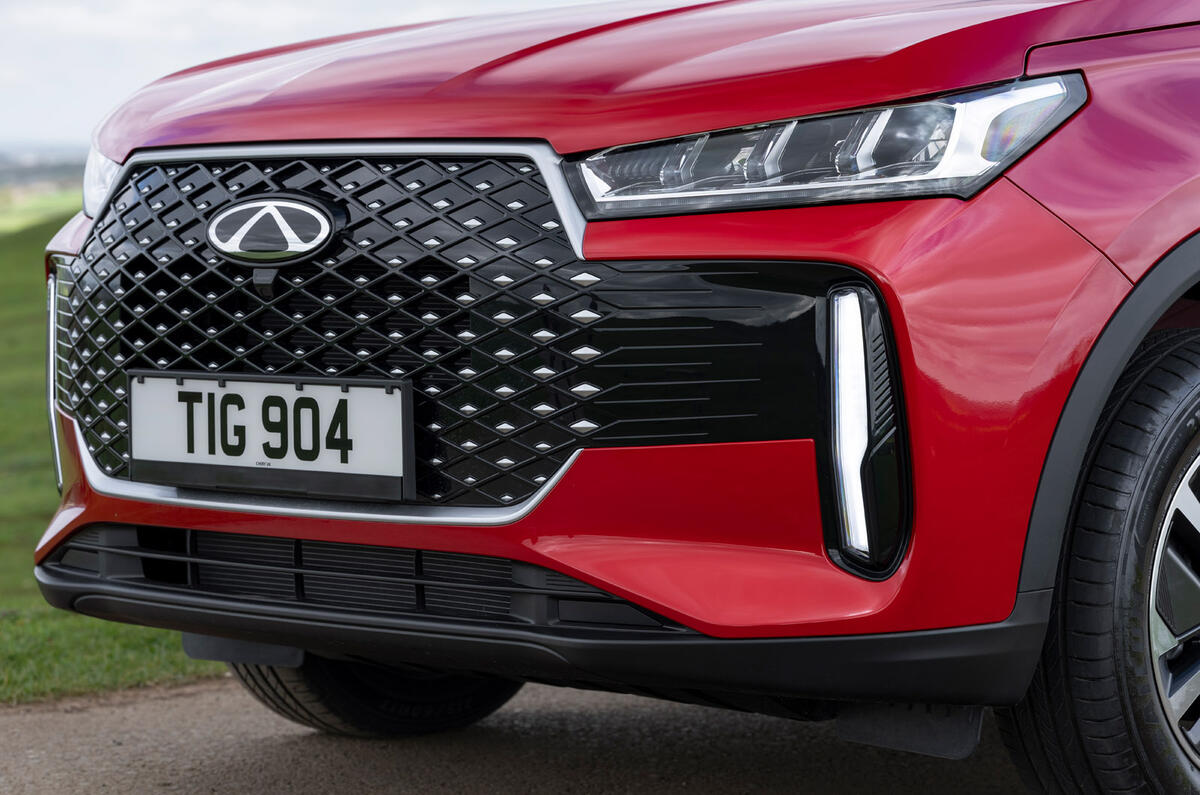
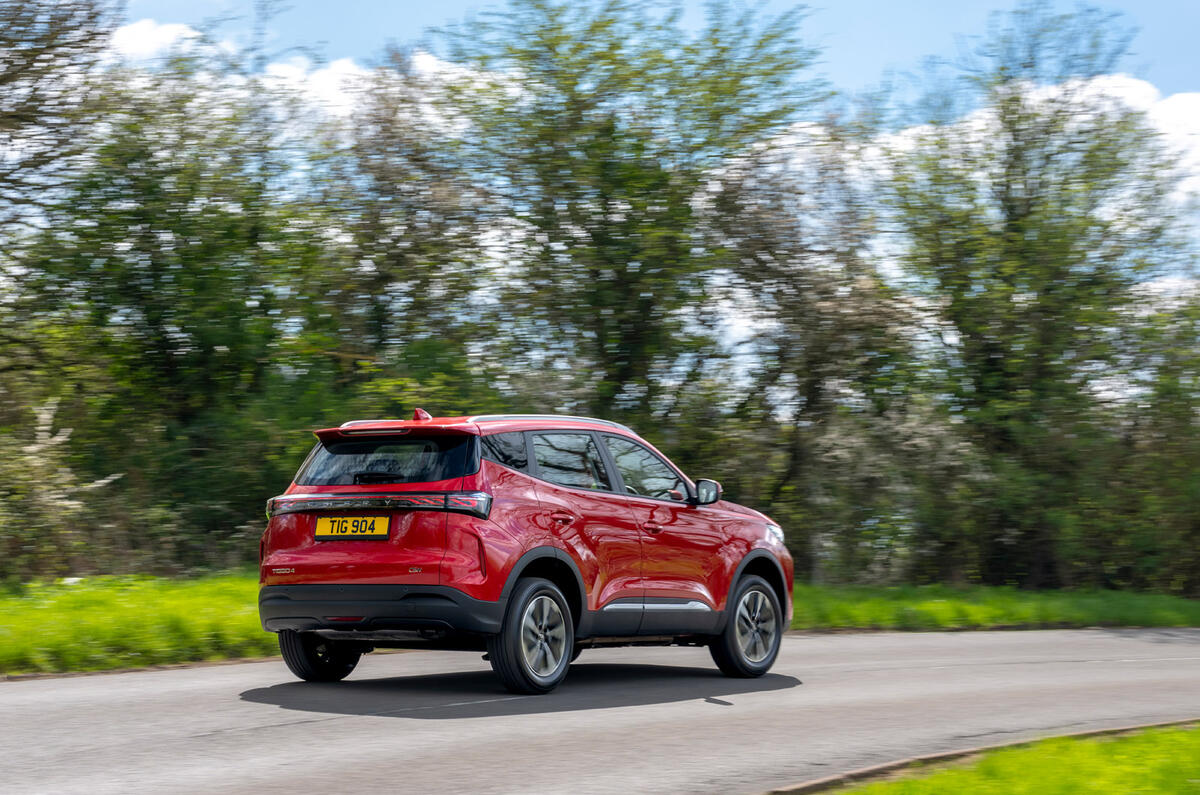
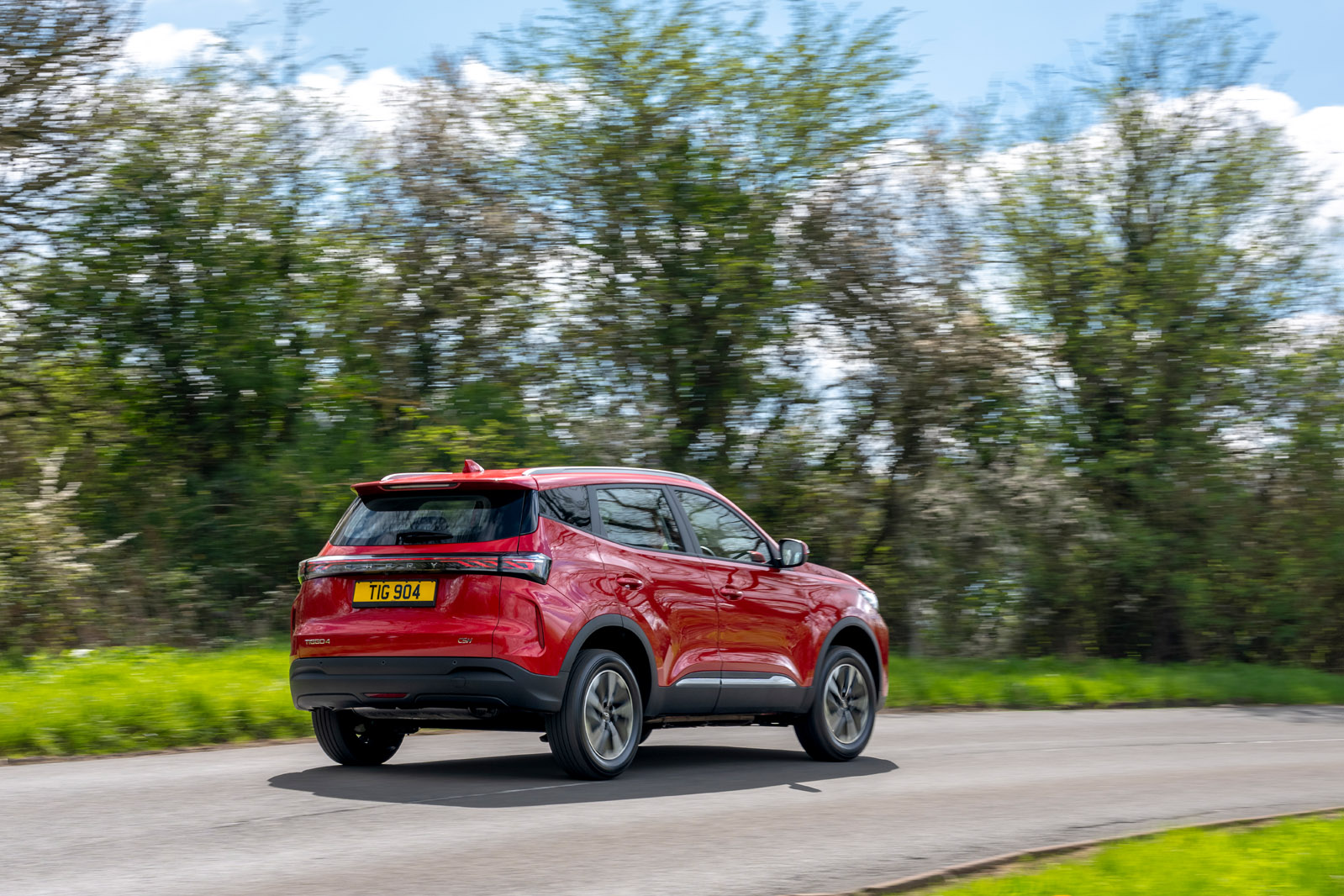
It's a shame that the Tiggo 4's exterior doesn't show the same kind of quality as its cabin. It has a particularly plasticky look, some slightly wobbly fittings and that telltale 'tinny' feel about its doors and boot as they ping closed.

Mostly it runs simply as a generator for the hybrid system, without connecting to the wheels. At higher cruising speeds and when meeting more intensive, full-power demands, it can clutch onto the driven front axle via a seperate CVT-style override to help to directly propel the car. This is when its peak system outputs (which are greater than you would expect in a £20k compact SUV) of 201bhp and 229lb ft are available.

That amounts to a pretty simple hybrid drive system, and it fits into a fairly compact SUV without presenting too many packaging problems or weighing it down too much.

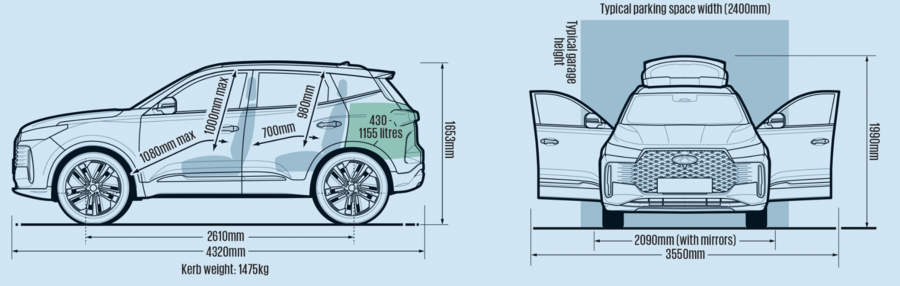
The Tiggo 4 weighed 1480kg on the proving ground scales, which is about averagely heavy for a 4.3m-long car (Dacia Duster Hybrid 140, 2024: 1413kg, Volkswagen T-Roc 1.5 e-TSI, 2026: 1425kg).

The car has a class-typical steel unitary chassis and suspension by struts at the front and a torsion beam at the rear, with passive shock absorbers. So although there are drive modes (which we will come to in a moment), they don’t change the suspension settings.

It rides on 215/60 R17 tyres branded Sailun E-Range Performance on our test car.

INTERIOR

8
Chery Tiggo 4 review 2026 006

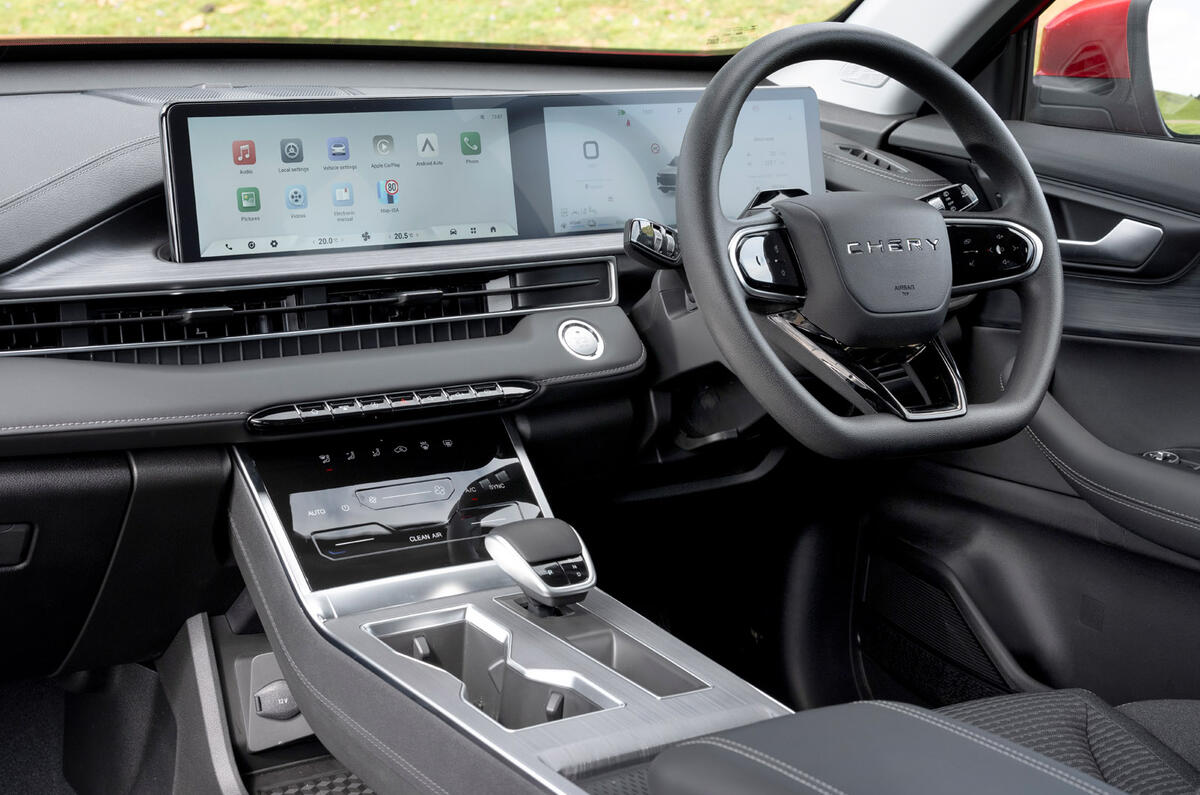
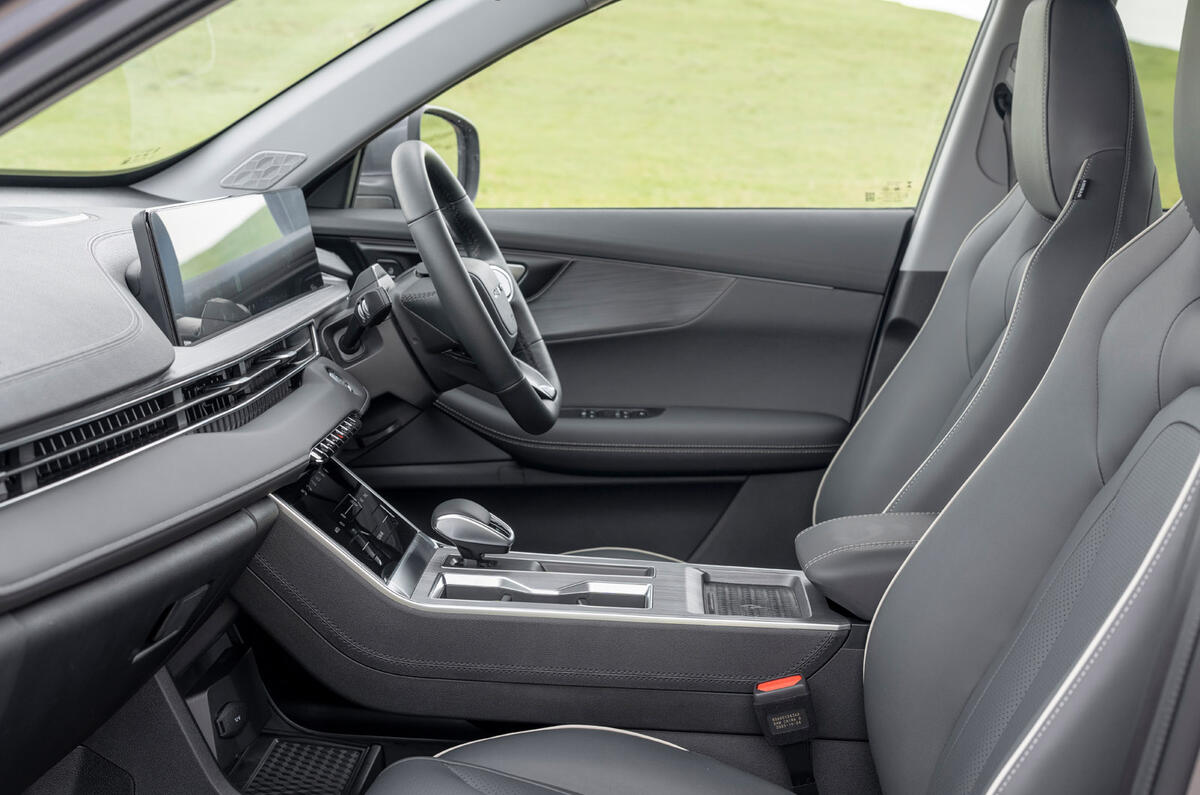
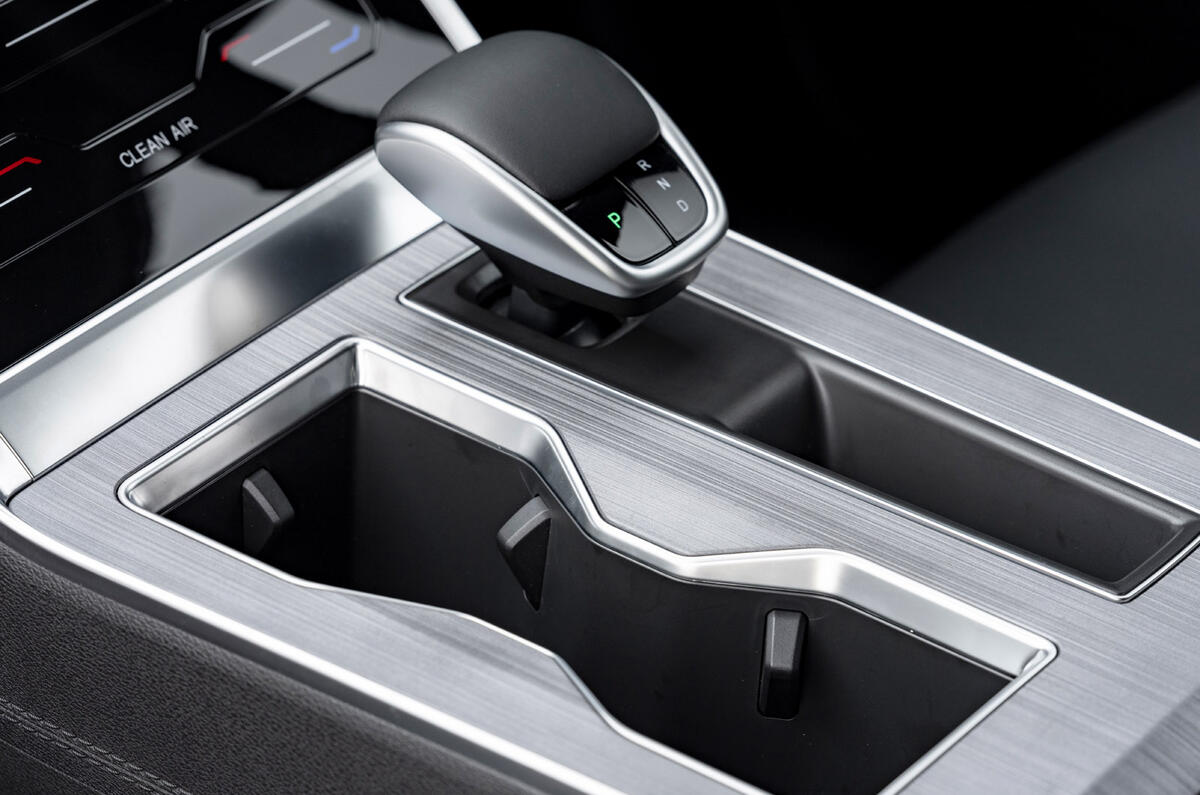
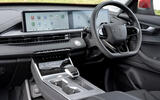
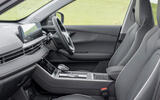
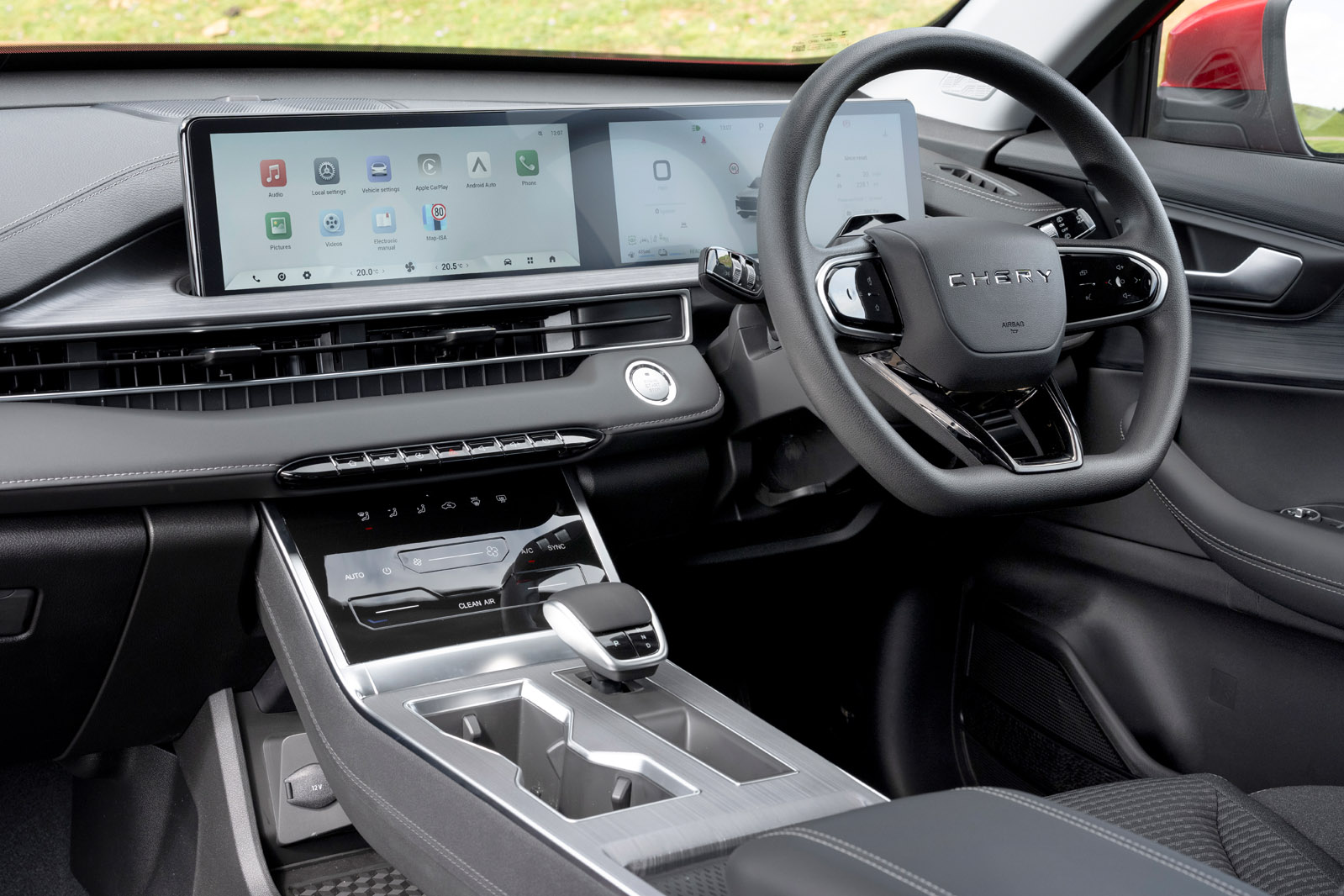
This, you can tell, is one area in which Chery hopes to score significantly against the European establishment. The Tiggo 4 has perceived interior quality that is surprisingly high, with plenty of soft-feel plastics and fairly high-grade decorative trims in our upper-tier Summit-grade test car; plenty of space and equipment for the money; and good ergonomics too.

Although this is a conspicuously cheap car, it really isn't kitted out like one. And for people who don't much care about the driving experience, that will probably carry quite a lot of weight.

The Summit-grade car is priced at £21,995. There are no options other than paint, with all but white costing £500, so everything you see in the photos is what you get.

On the lower-tier Aspire (£19,995), meanwhile, you miss out on the rear-window privacy glass, electric adjustment for the driver's seat, the wireless phone charging pad and the synthetic 'eco leather' trim on the seats and steering wheel. You get the same 12.3in multimedia and instrument displays, however.

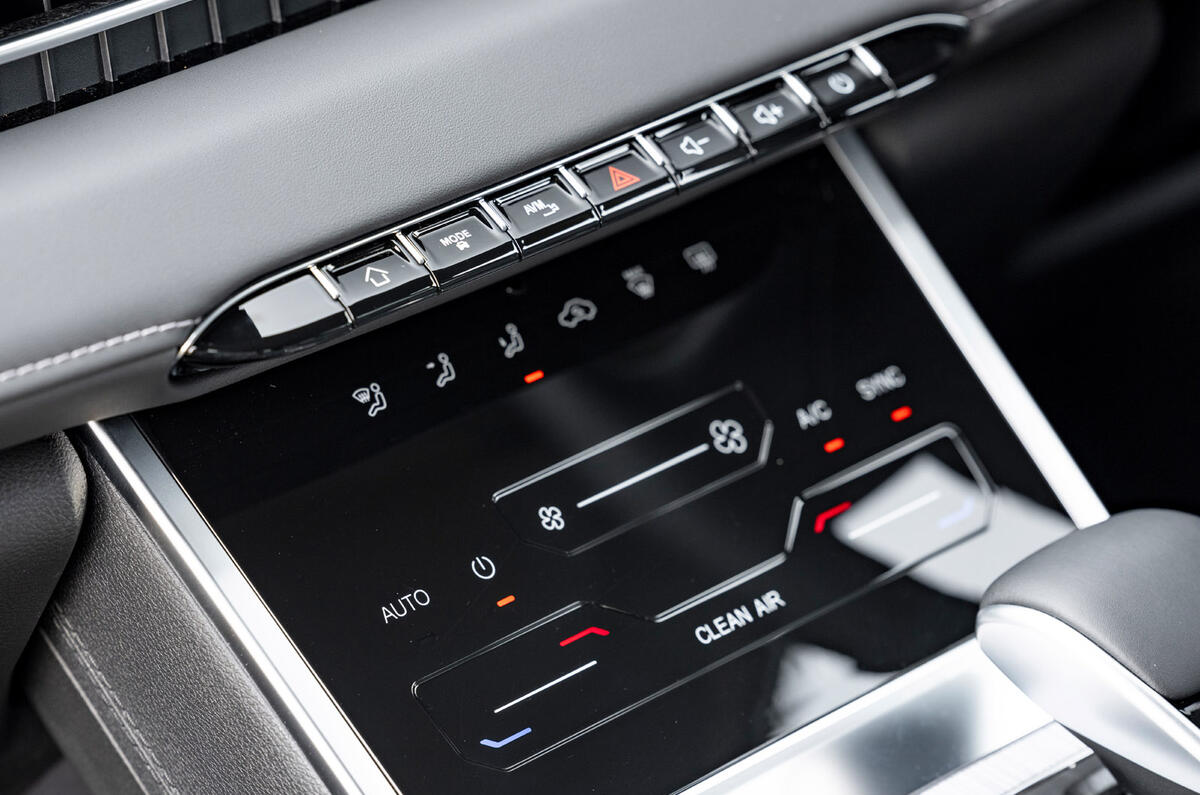
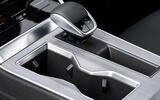
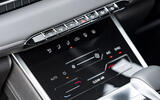
The cabin layout includes proper buttons for windows and mirrors, plus a seperate climate control console on the centre stack, with capacitive 'not-quite-buttons' for heating and ventilation. So it's not too dependent on that central touchscreen.

The electrically adjustable, heated seats are tall and the steering wheel is almost round.

In the back, meanwhile, there's enough room for adults to travel comfortably, even if Chery isn't trying quite so hard here with the perceived quality of the car's materials - and there's only one USB-A port to power devices with.

The rear seats don't slide or do anything else clever, but head room is particularly generous, and we measured 700mm of typical leg room, which is enough to beat most SUV-B competitors, the Duster included. 

There's a reasonably sized boot at the rear, with 430-1155 litres of space; although when you fold the rear seats, you don’t get a perfectly flat floor. Chery also elected to package the car's 12V battery under the boot floor but evidently couldn't quite squeeze it in without some intrusion into the loadbay floor, which makes for a lump that you have to lift bigger loads over.

Multimedia - 2.5 stars

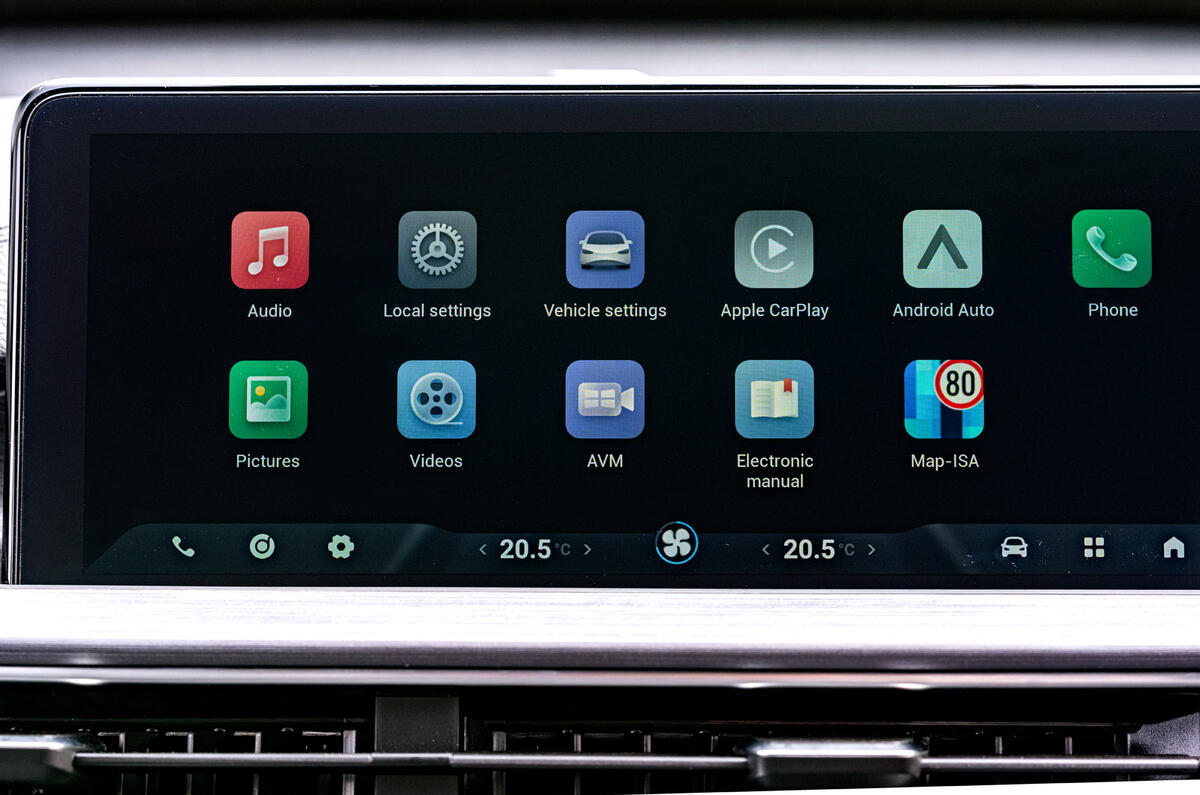
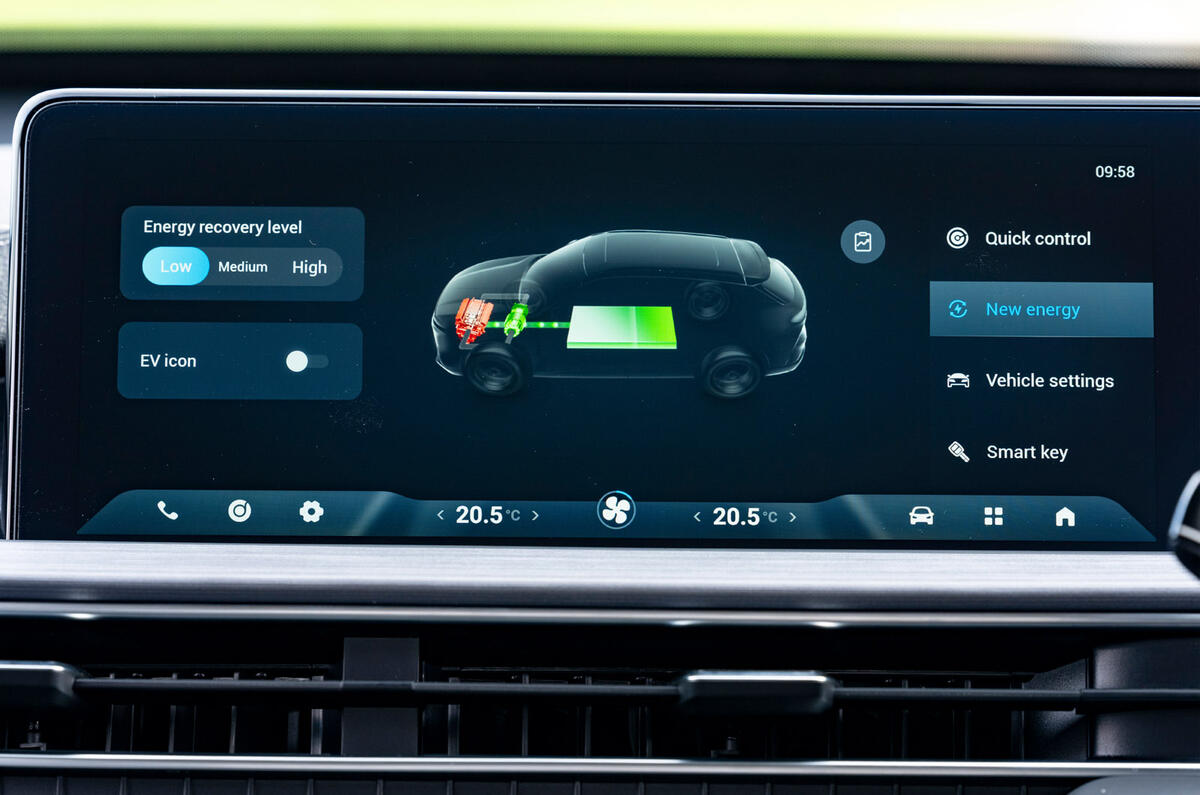
The Tiggo 4 delivers a lot of digital tech for the money, and it does feel mean to criticise the system's usability when, on rival compact SUVs, you would be likely to only get the most basic system with smartphone mirroring. There are some criticisms to record here, however.

Chery gives you a simplified home page and a lower navigation bar with which to find the functions you need, but there's little configurability in either of them.

The route to hop between the system's native software and your smartphone's mirrored system is also a little convoluted, there being no permanently displayed Apple CarPlay icon at the margin of the screen to make life easy if you tend to default to your phone's software. Instead, it's the three-stage process involving going back to the home screen via the phyical key on the fascia, then to a second apps menu and finally into CarPlay.

Nor is there a shortcut on the touchscreen itself, on the steering wheel or immediately nearby to help you take the rigmarole out of setting up the car's ADAS as you prefer (and, as we will come to covering shortly, you really will want to). Instead you have to find the relevant 'Driver Assistance' part of the settings menu, then do an awful lot of scrolling and prodding, prior to every departure.

As with other Chery-group cars we've tested, there are some quirks about the Tiggo 4's trip computer that you will probably notice. There's no conventional way of measuring fuel efficiency over a particular journey; instead the car gives you a rolling indication of its fuel efficiency over the past 31 miles, which can't be reset.

If you go diving deep enough into the multimedia system, you will find a resettable 'overall fuel consumed' function - which, as long as you reset it at the same time as the car's trip distance meter, you can use to work out fuel economy over a particular trip or day with a bit of your own maths.

All the information is available, clearly. Quite why Chery doesn't put it all together in the way you might expect is likely to do with the conventions it's used to in other parts of the world.

ENGINES & PERFORMANCE

5
Chery Tiggo 4 review 2026 014

Driving the Tiggo 4 is rather less convincing than looking at it. There are several reasons for this, which we will deal with in turn.

The first of them is a hybrid powertrain that works quite well in low-intensity scenarios but doesn't cope so well when bigger demands are made of it.

The instrument screen will urge you to 'drive gently' once the battery is depleted – a point easily reached. Not that it really needs to: the deterioration in the car's performance and refinement tells you all you need to know.

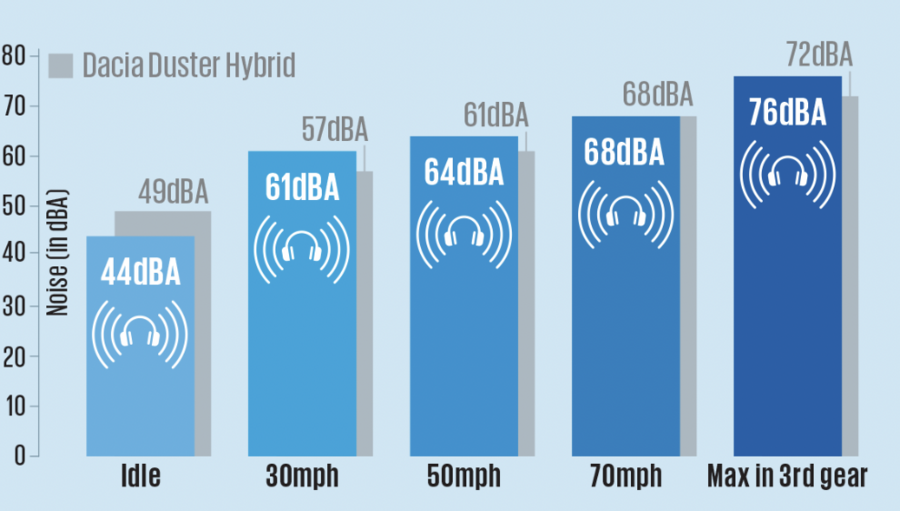
In the lesser of two drive modes, Eco, it doesn't have too many 'rubber-band effect' engine-droning moments, especially around town. The inline four is typically muted when running, starting and stopping; the system keeps revs low, to generate power for the battery only; and the electric motor does almost all of the driving, for which it feels amply powerful and accessibly torquey and responsive, whisking the car along as breezily as you will want.

In order to make the car capable of the 0-60mph performance we recorded for it (a very respectable 7.7sec), however, you need to use Sport driving mode, in which the engine runs more often than not, keeps the drive battery at a higher state of charge than Eco mode does (circa 70% rather than 40%) and tends to connect to the wheels more readily.

The car's power delivery feels perkier and less treacly, but that releases the engine to rev - and under harder acceleration, it does make some wild and quite noisy (if reasonably smooth) revvy noises. You might imagine that it's simply getting a little overexcited when what it's actually doing is juggling driving the wheels and keeping the battery topped up.

But you will notice it, too, in milder moments: when the car's cruise control is set, for example, but it's climbing a long gradient and the drive battery is drained so can no longer supply the voltage the motor needs. Suddenly the engine will rev to 6000rpm when nothing else has changed, without the merest request for extra speed, which can be disconcerting.

The long and short of it is that this car could probably do with a bigger drive battery, so that it can bank more electric assistance. It tends to deplete the one it has quite quickly when you ask for plenty of power.

On our fourth standing-start acceleration run over a standing kilometre at the proving ground, the car's 7.7sec 0-60mph performance had dropped to 10.6sec, simply because there was little to no electric power left to deploy. The 0-80mph sprint took twice as long (24.8sec) on that run than the two-way average of the first two (12.5sec).

So the Tiggo 4 has strong-ish sprinting potential for a car of its kind but starkly limited stamina. This could easily affect on-road performance, when climbing long inclines on motorways or A-roads. And although the car won't grind to a hault, it doesn't feel particularly assured when it's struggling. 

This isn't a problem that other kinds of hybrid systems, be they plug-in, full or mild, tend to suffer.

It should also be pointed out that the factory-fitted Sailun tyres delivered a respectably dry-surface stopping distance from 70mph (49.7m) but a surprisingly poor wet-surface one (71.3m) for what is a fairly compact, only averagely heavy car.

RIDE & HANDLING

4
Chery Tiggo 4 review 2026 015

Tiggo 4 customers won't expect the last word in ride and handling sophistication from a £20,000 compact SUV, nor much driver appeal to speak of. A car that gets them from A to B, goes where it's pointed, can be easily managed in tighter confines and doesn't constantly remind them that it's a bargain-bucket, rudimentary option would probably suffice.

Their car is capable of some of that, they will find, but not quite all. It's manoeuvrable enough, easy to park, easy to see out of and fairly predictable and stable in its handling manners. There are some undesirable habits and charactistics in its ride, body control and steering that you might just stop short of calling crudity, but you will certainly notice them.

The steering, although medium-paced, has a woolly, sticky, imprecise feel to it and is devoid of any helpful buildup of tactile weight as you add lock and the front tyre contact patches are loaded. It has little on-centre stability, either, so the car can be testing to keep to a smooth, precise line out of town, requiring fairly constant correction.

Exascerbating this is the Tiggo 4's excitable, slightly wooden-feeling ride, which is a factor both in town and out of it and comes along with lump-and-bump absorption that's often quite thumpy and coarse.

Although you might imagine that it could afford slightly longer-travel suspension springs and more progressive damper control than some of its low-rise competitors, it doesn't feel like it has anything of the sort. Instead, the struts have a habit of apparently running short of travel and 'freezing' over fairly average-sized ride inputs – making the body pitch and rebound a fair bit and failing to provide much in the way of dependable settled ride comfort on anything other than very smooth roads.

Well-surfaced town roads and matching motorways suit the Tiggo 4 better, and here it doesn't feel like it's lacking much dynamic refinement. But it doesn't take much of a testing surface to cut right through the suppleness that this car's suspension does afford and to expose it as a rather poorly tuned proposition.

Assisted Driving - 1 star

As we've mentioned already, not only do the Tiggo 4's ADAS default to 'on' in the vast majority of cases (as EU law mandates they should), but also the process of disabling them is also quite involved and convoluted. This can make for a regrettable situation when you're driving, with lots of jabbing and scrolling of the car's multimedia screen, plenty of distraction and much-compromised real-world safety resulting.

The lane keeping assistance and adaptive cruise control systems are some of the worst that Autocar has ever come across in a road test.

There are three of the former type (more to turn off, needless to say), and leaving them switched on can lead to lots of unnecessary alerting, intrusive steering and braking inputs and a general refusal to cede full control of the car to its driver particularly out of town. It's hard to imagine that anyone would want to drive the car in its 'default' ADAS setting.

The adaptive cruise control has both piloted (automatically lane-centred) and more conventional, distance-governing active modes, but no traditional 'just pick a speed and stick to it' setting.

Even if you only want it to maintain speed and distance to the car in front, however, the system will unexpectedly brake the car on the apex of perfectly innocuous corners for no apparent reason and when there is no car to follow. Try to use the piloted (ICA) mode instead and it fights you for fine control of the car's course, then oscillates down the margins of the lane that it has detected, a little like a novice's bowling ball hitting the bumpers of its alley – only to drop out entirely without warning.

MPG & RUNNING COSTS

9
Chery Tiggo 4 review 2026 001

Reliability remains an uknown at this point in the Tiggo 4’s life cycle and depreciation mostly likewise.

Even so, the car's low sticker price has delivered it PCP finance deals starting from little more than £200 per month after a typical trade-in or deposit (circa £4000).

For a car this size, even if only on the face of things and knowing little about the product itself, it's very hard to quibble with value like that; and you can imagine that it will fuel plenty of take-up.

Chery provides a seven-year/100,000-mile warranty, plus seven years of UK roadside assistance. By the time those expire, your car will be long paid for - and quite likely with its second owner anyway.

The official fuel consumption figure is 53.2mpg, but that doesn't adequately describe the car's true potential for economy – which is quite impressive.

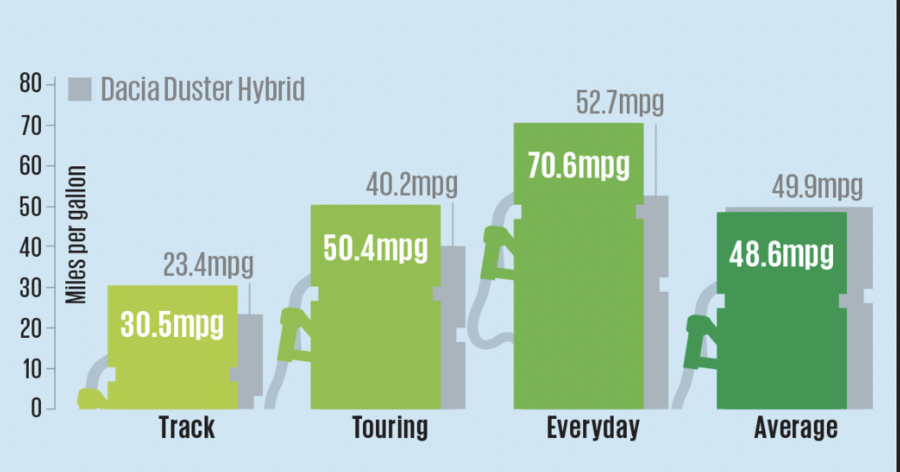
At the proving ground, we recorded motorway touring efficiency of 50.4mpg, which isn't particularly remarkable for a car of this size and type. But on our 'everyday' urban commuting test schedule, it returned 70.6mpg, which is very creditable indeed.

VERDICT

5
Chery Tiggo 4 review 2026 021

Some people will need only look as far as the exceptional value, spacious and solid-feeling cabin, generous equipment level and impressive urban efficiency of the Tiggo 4 to be convinced of its case. This is quite clearly just more car – with more versatility and performance, better economy and a more grown-up, family-suitable interior - than £20,000 will buy you absolutely anywhere else.

A four-star Euro NCAP rating means it doesn't fall into the same safety pitfalls as some other budget-brand offerings have in recent years, while strong warranty cover means it should be simple and trouble-free to own.

If you simply don't much care how the car you own actually drives and are willing to tolerate a few other shortcomings along the way, you could put a bow on all that and imagine you would be perfectly happy with the end result.

But, once familiar with the reality of driving and using the Tiggo 4, would you regret your imaginative leap? We would. There's simply too much to take issue with about the way this car drives to really forgive: the inconsistency of its performance level, the coarseness and incriminating lack of polish of its steering and ride, the distracting lack of usability of its multimedia system and the slapdash tuning and downright unhelpful functionality of some of its ADAS.
The idea of a £20,000 compact SUV might be appealing in 2026, but the reality of it here is a little way from worth the saving. 

In time, Chery might cure many of these shortcomings with updated software, as is the way of so many modern car brands, and Chinese ones especially. But there would be much to do in order to turn this car into something we would choose over any number of admittedly more expensive rivals.

Matt Saunders

Matt Saunders Autocar
Title: Road test editor

As Autocar’s chief car tester and reviewer, it’s Matt’s job to ensure the quality, objectivity, relevance and rigour of the entirety of Autocar’s reviews output, as well contributing a great many detailed road tests, group tests and drive reviews himself.

Matt has been an Autocar staffer since the autumn of 2003, and has been lucky enough to work alongside some of the magazine’s best-known writers and contributors over that time. He served as staff writer, features editor, assistant editor and digital editor, before joining the road test desk in 2011.

Since then he’s driven, measured, lap-timed, figured, and reported on cars as varied as the Bugatti Veyron, Rolls-Royce PhantomTesla RoadsterAriel Hipercar, Tata Nano, McLaren SennaRenault Twizy and Toyota Mirai. Among his wider personal highlights of the job have been covering Sebastien Loeb’s record-breaking run at Pikes Peak in 2013; doing 190mph on derestricted German autobahn in a Brabus Rocket; and driving McLaren’s legendary ‘XP5’ F1 prototype. His own car is a trusty Mazda CX-5.

Matt Prior

Matt Prior
Title: Editor-at-large

Matt is Autocar’s lead features writer and presenter, is the main face of Autocar’s YouTube channel, presents the My Week In Cars podcast and has written his weekly column, Tester’s Notes, since 2013.

Matt is an automotive engineer who has been writing and talking about cars since 1997. He joined Autocar in 2005 as deputy road test editor, prior to which he was road test editor and world rally editor for Channel 4’s automotive website, 4Car. 

Into all things engineering and automotive from any era, Matt is as comfortable regularly contributing to sibling titles Move Electric and Classic & Sports Car as he is writing for Autocar. He has a racing licence, and some malfunctioning classic cars and motorbikes.