From £50,7907

French brand's segment-bending flagship goes after Audi and BMW with plush cabin, strong refinement and 466-mile EV range

If you believe the grande fromages at DS, then we are now entering the third act of the luxury French brand’s near twenty year existence. From its rebirth as an upmarket Citroen supermini in 2009 through to its launch as a standalone brand five years later, this is the moment everything has been leading to: the point at which it’s finally ready to go toe-to-toe with the luxury elite.

There’s certainly a sense of ‘now or never’ about the firm, which has struggled to capture the imagination of well-heeled punters who, attracted to Audis, besotted with BMWs and mad about Mercs, are proving hard to win over. As a result, it's launching a raft of new models at once, including a compact hatch tested elsewhere in these pages. But it’s perhaps this, the No8, that is its most ambitious addition.

On first encounter with this genre-bending saloon-fastback-crossover – with its lofty ride height, fastback roofline and limo-like rear doors – rivals don’t immediately spring to mind, but the Polestar 4, Mercedes GLC and Audi Q6 E-tron are cited as key benchmarks.

However, while the Q6 E-tron is named as compeition in terms of size, price and capability, DS No8 more in line with the smaller Q4 E-tron to give it a significant advantage when it comes to value-for-money. 

Yet it is a truth universal that the premium segment is a notoriously tough part of the market, and that's before you consider the EV angle. For DS this is compounded by the fact it's still a new-ish brand that’s still yet to demonstrably crack the UK in the same way that, say, Polestar and Cupra have despite being around for longer and having a the benefit of a long history (the original DS of 1955) to leverage in its quest for credibility. 

Advertisement
Back to top

So, what have we got? well, the No8 indirectly replaces the plug-in hybrid 9 saloon as DS’s flagship exec, and if that car’s UK performance is anything to go by – nine sales last year, and just 139 in the four years it was available – it’s going to have a tough time luring fleet buyers down the road to the diamond-clad DS dealer on design and equipment alone.

It’s got more than a fighting chance on paper, though, courtesy of its more crowd-pleasing crossover-ish styling, plus some properly compelling performance and equipment attributes. But can it prove itself more than a recommendable left-fielder?

DESIGN & STYLING

8
DS No8 review 2026 002

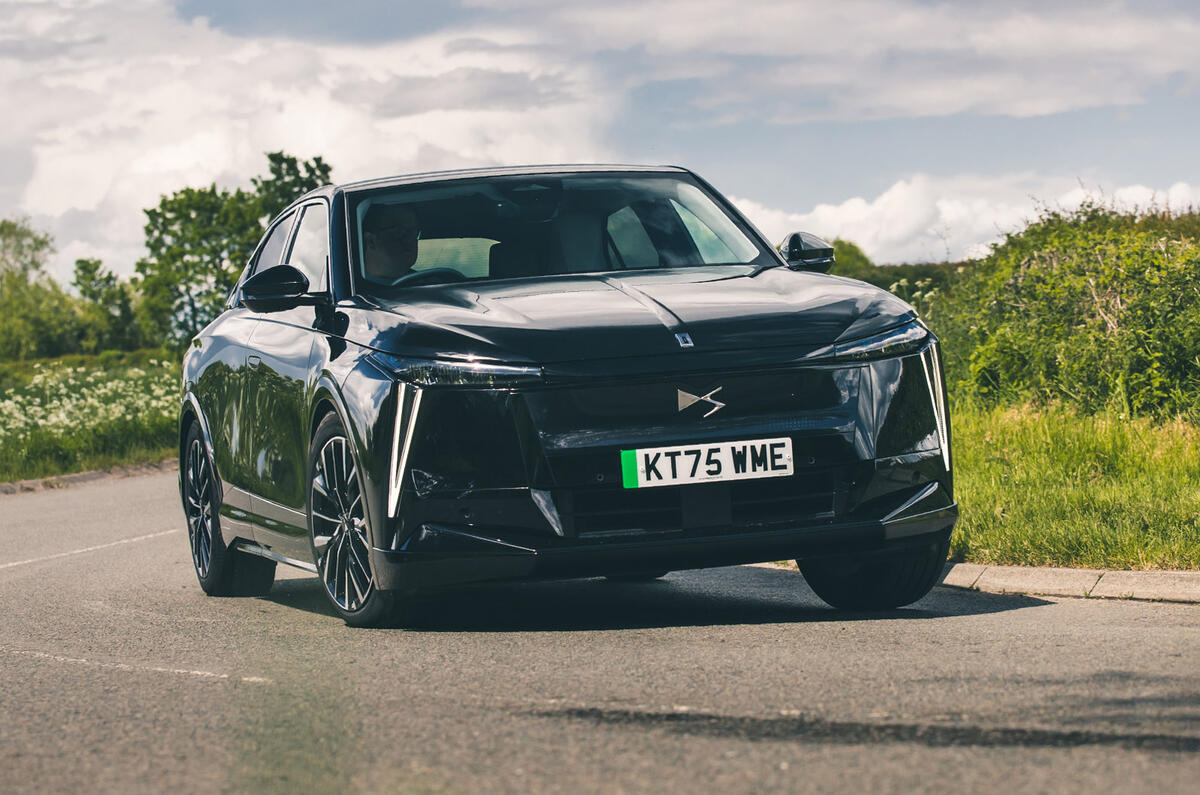
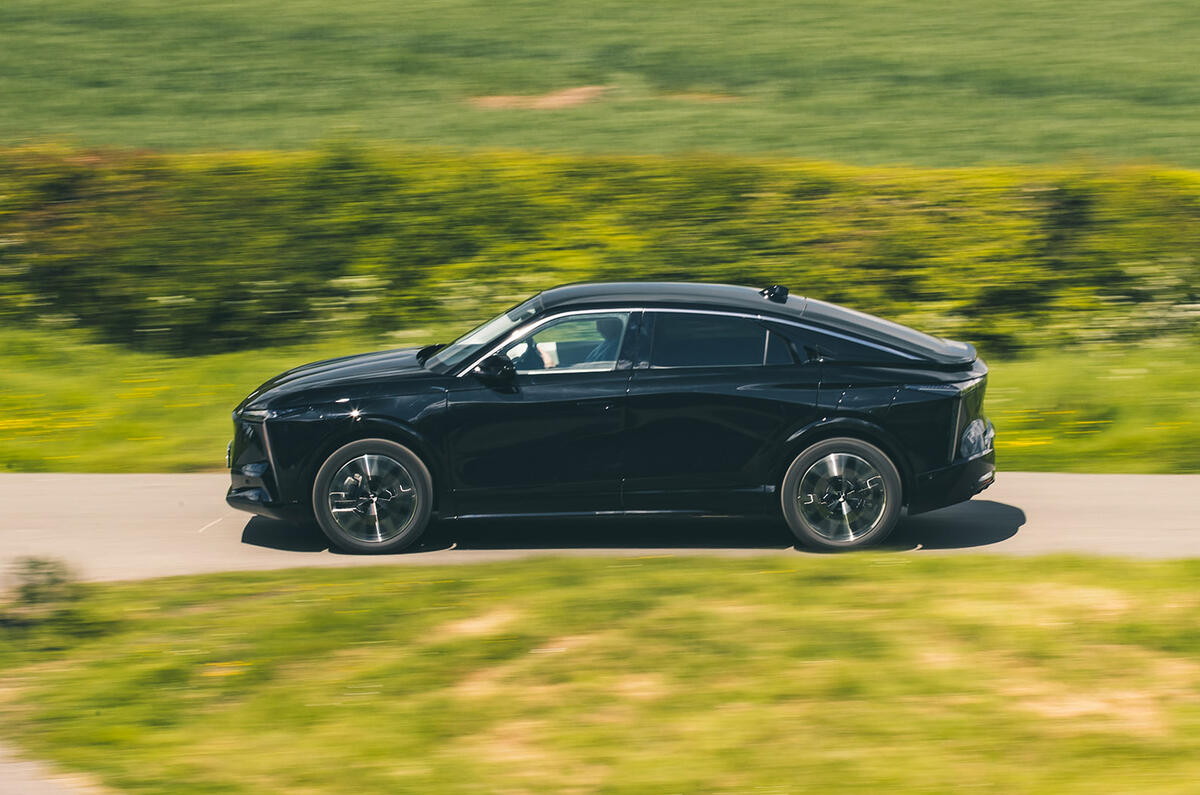
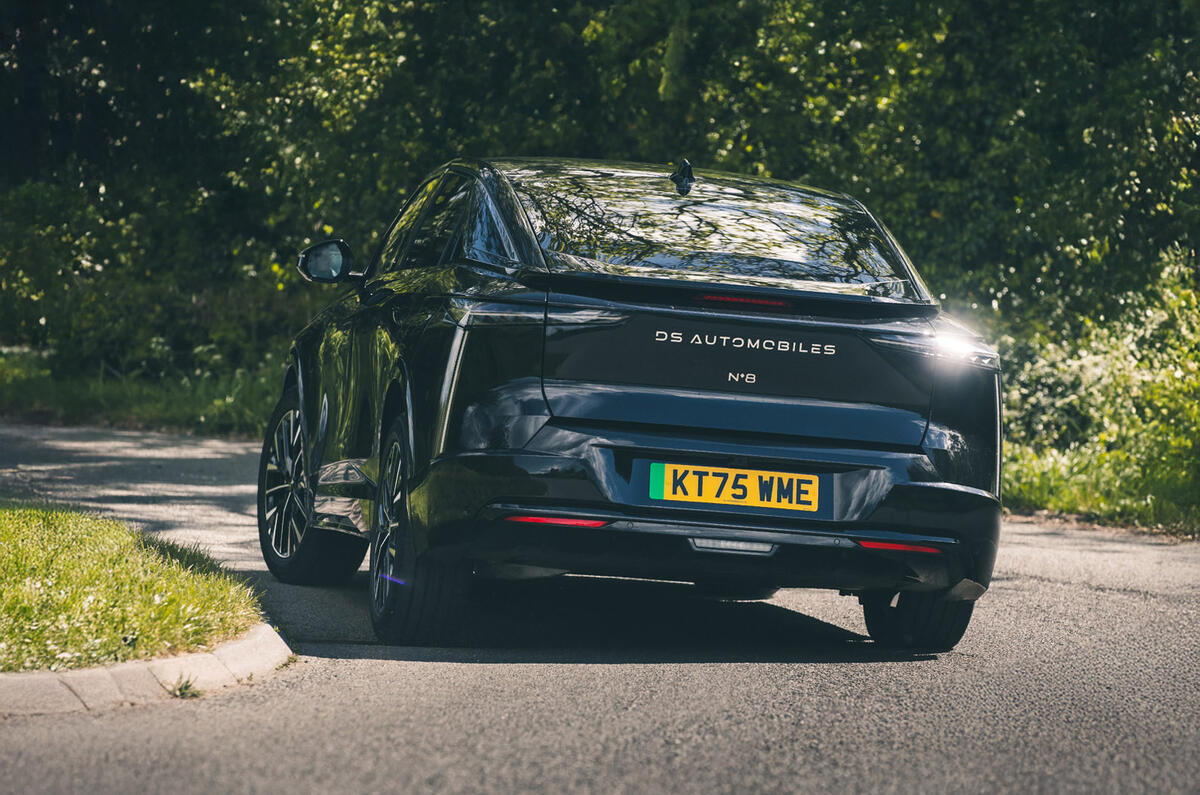
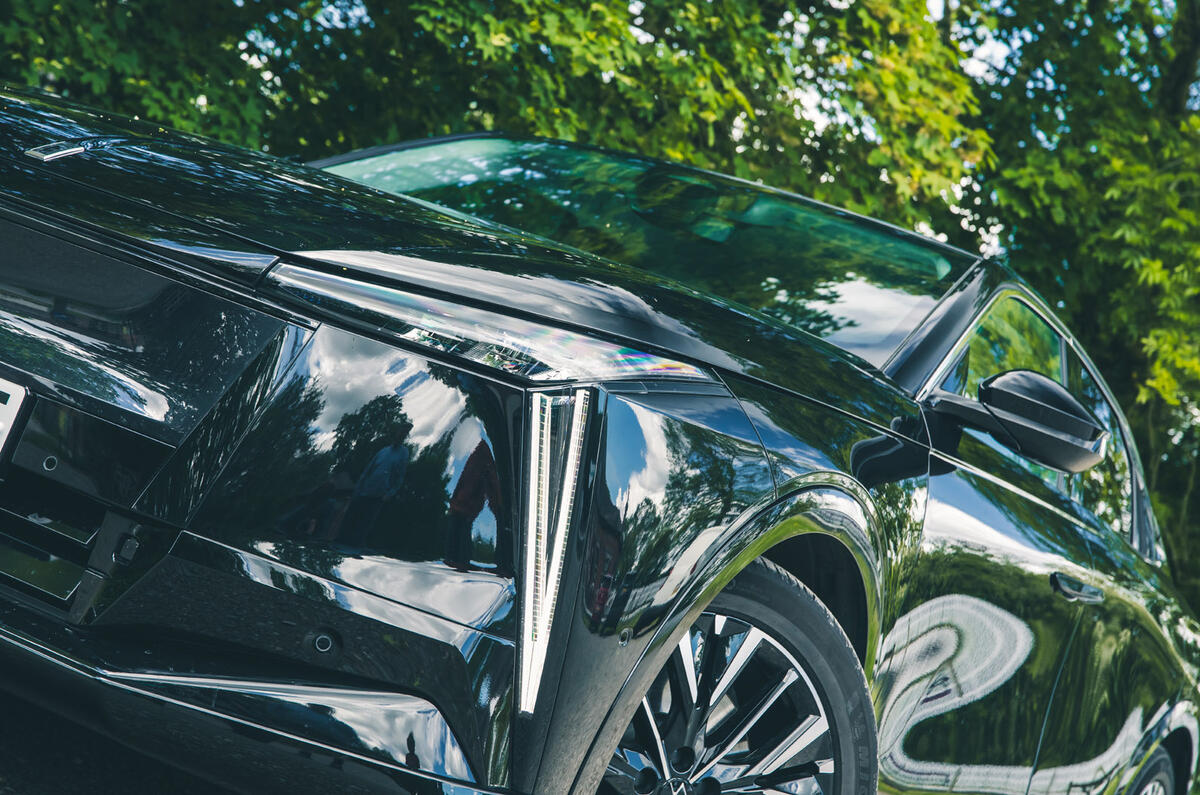
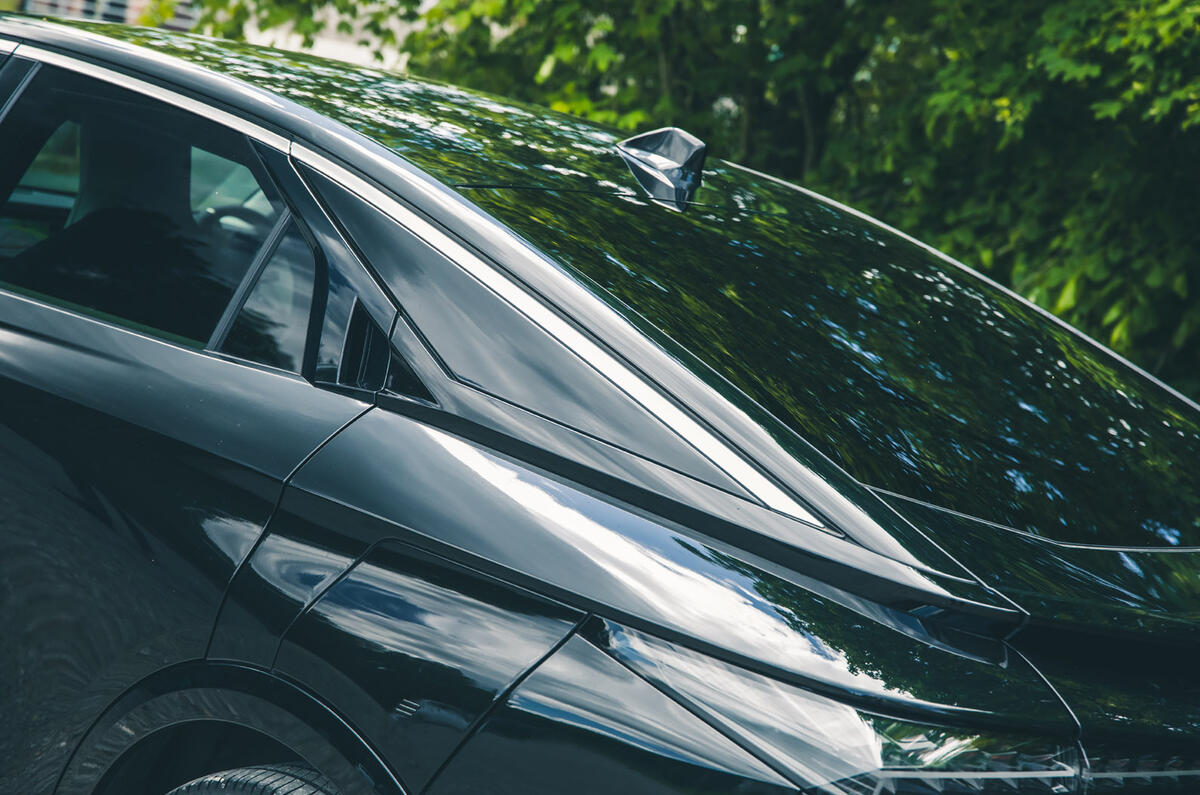
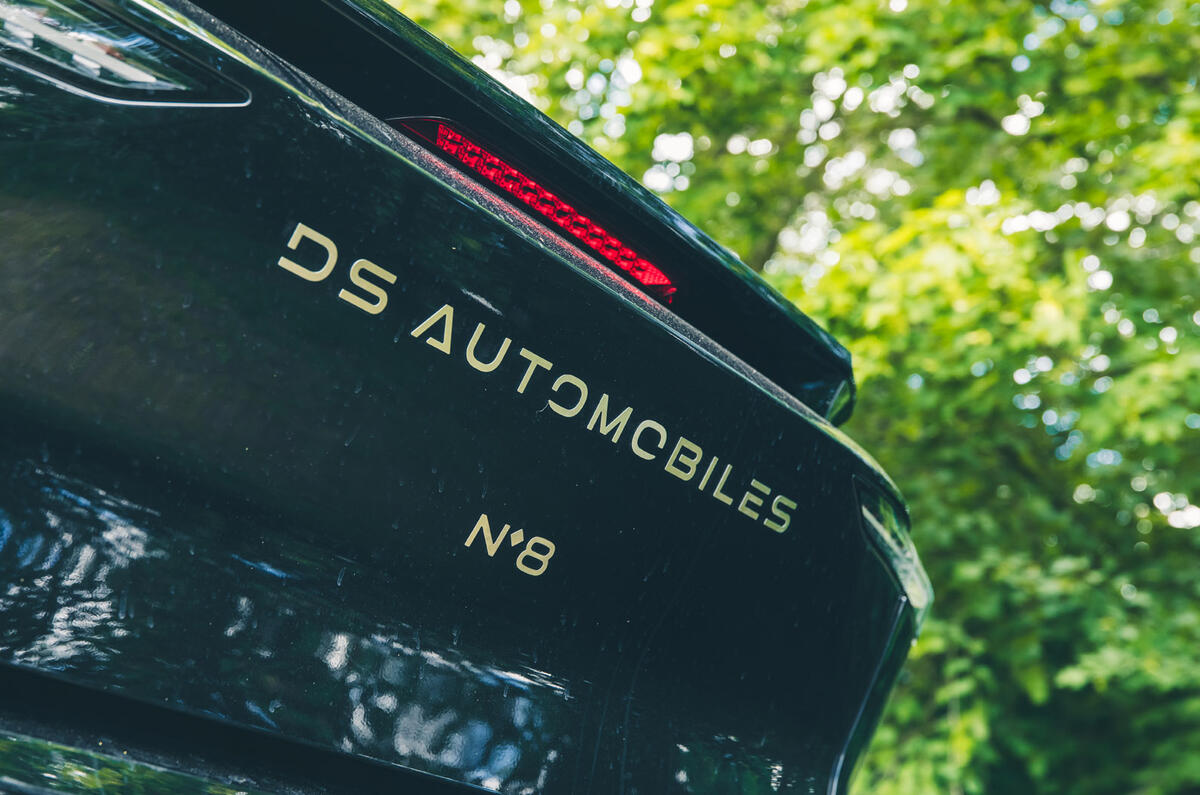
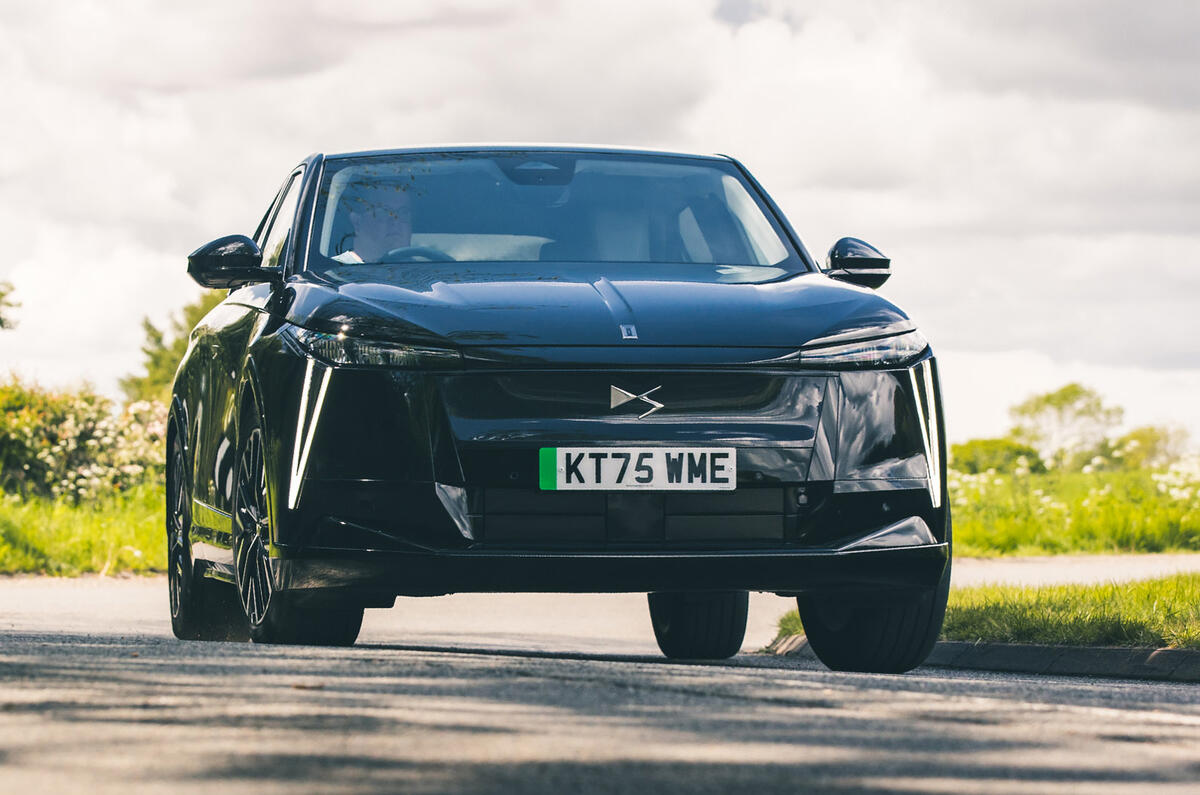
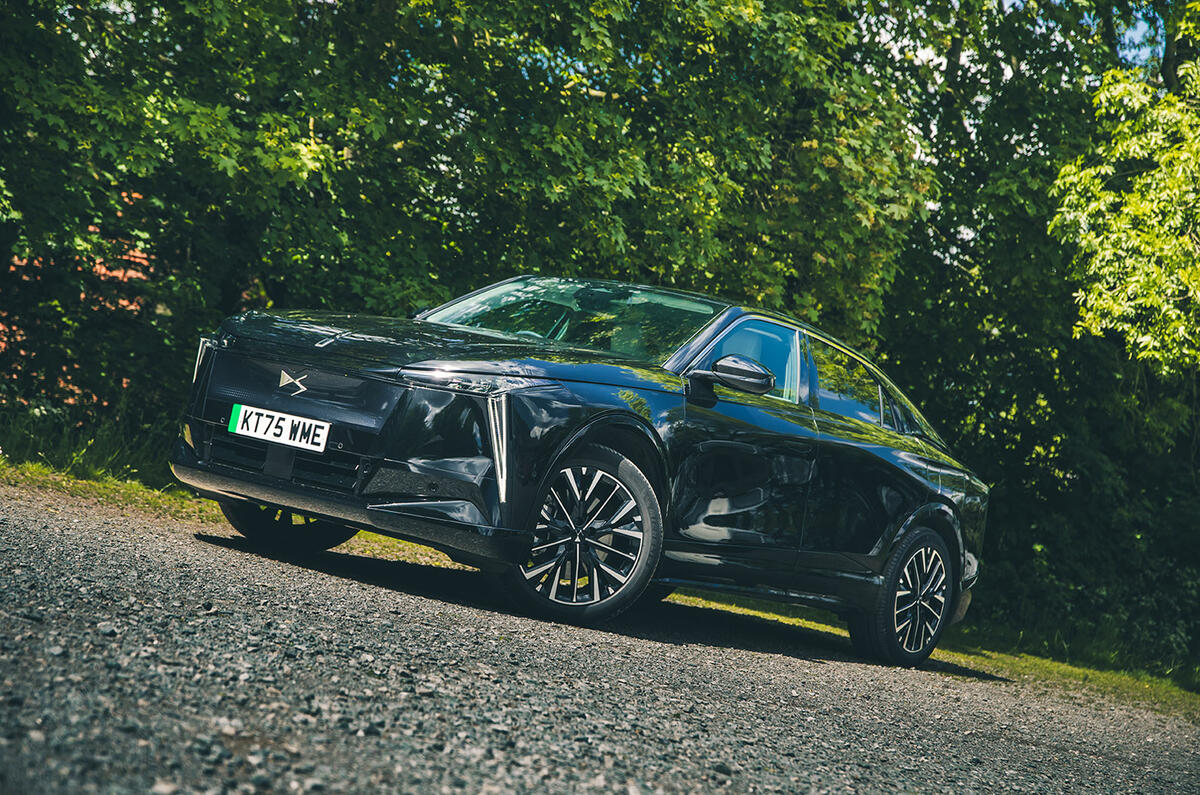
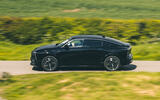
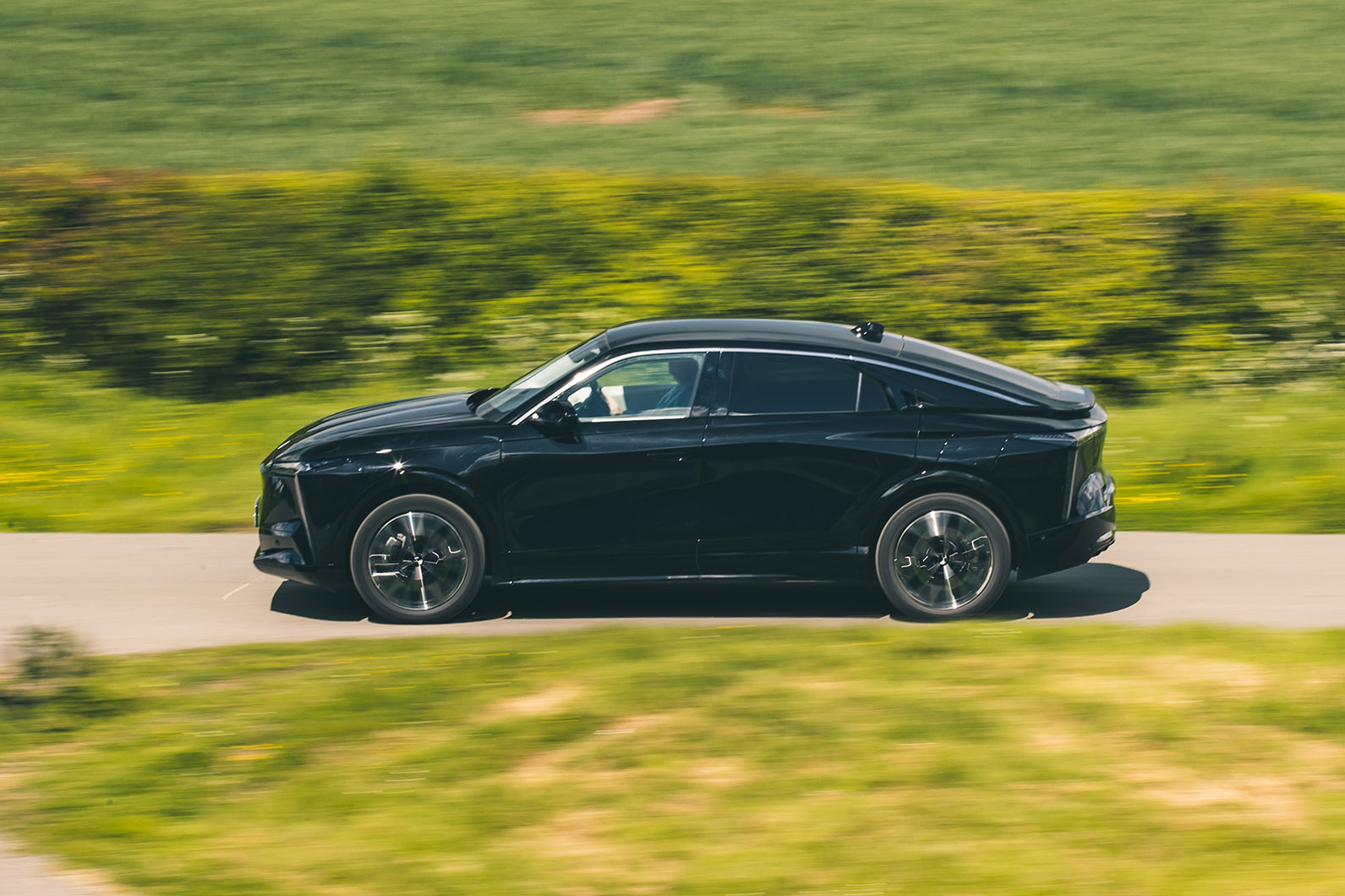
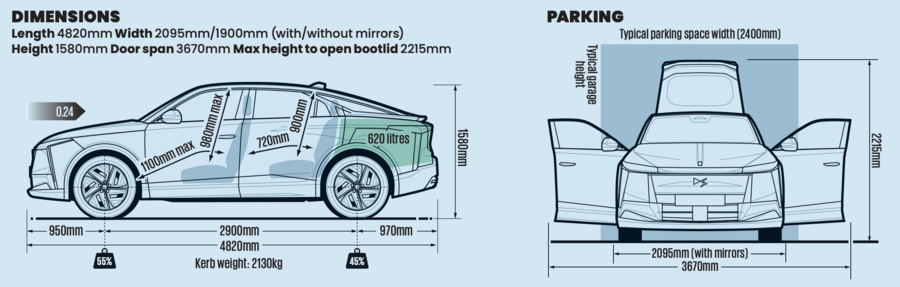
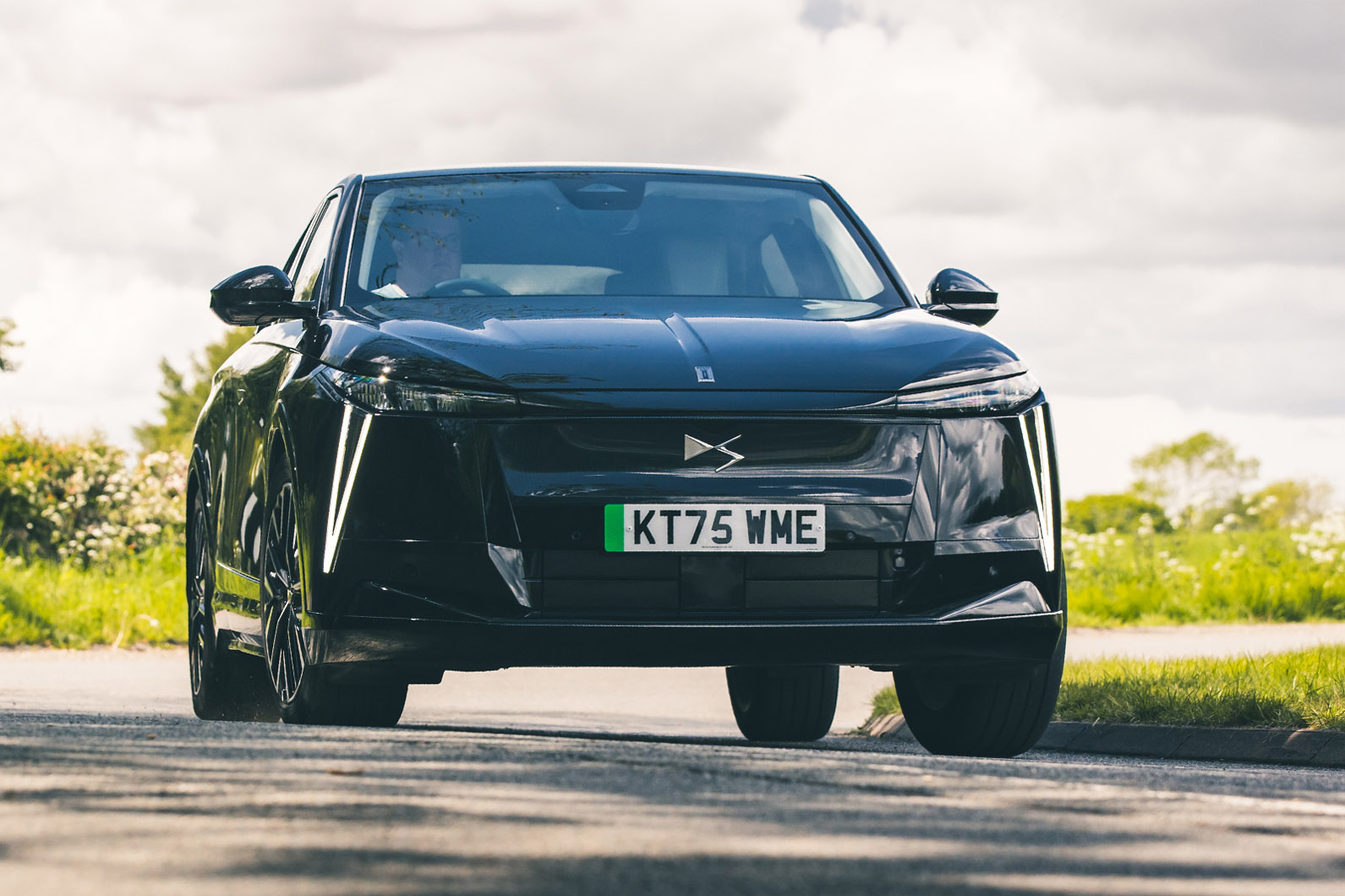
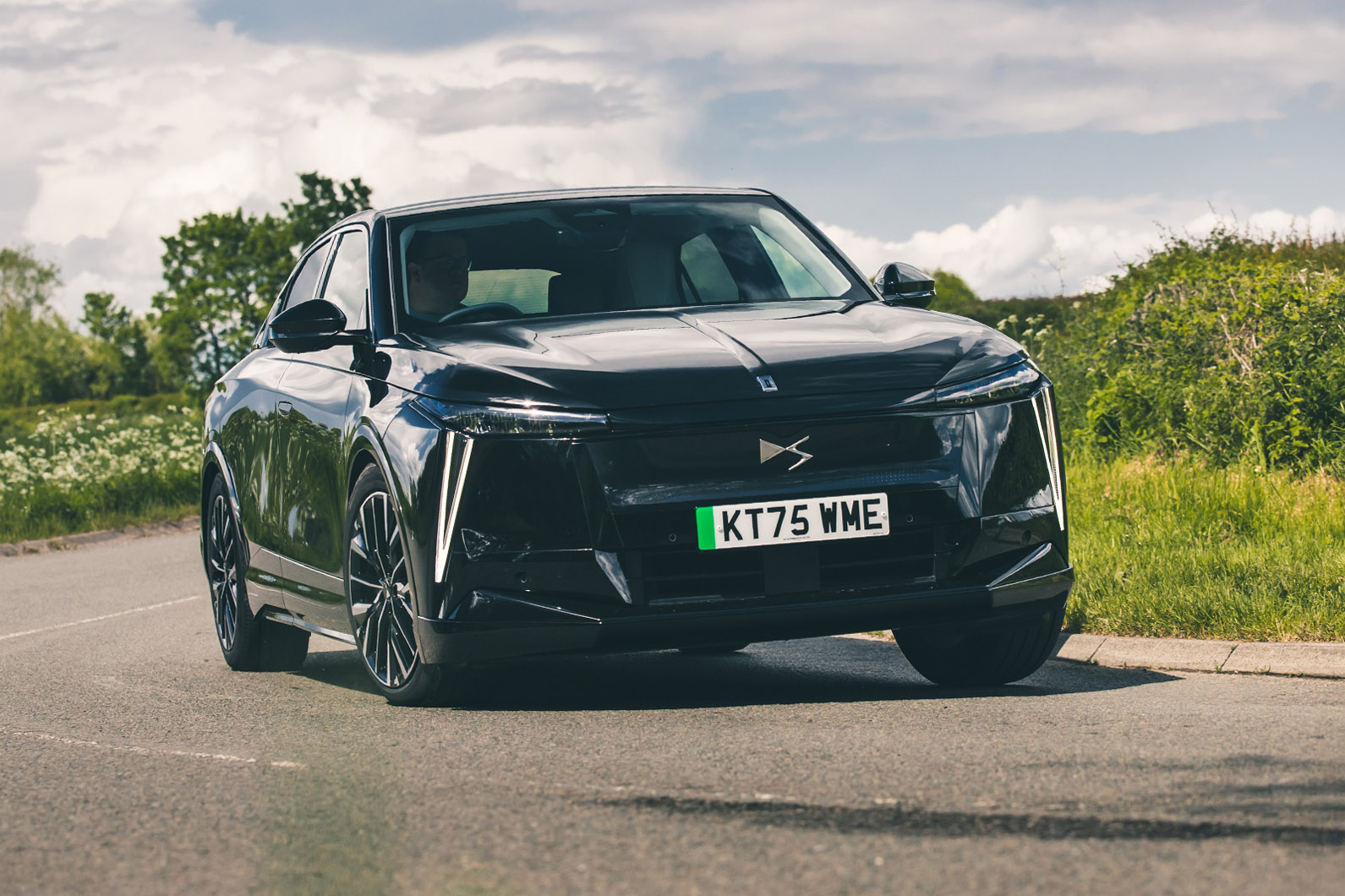
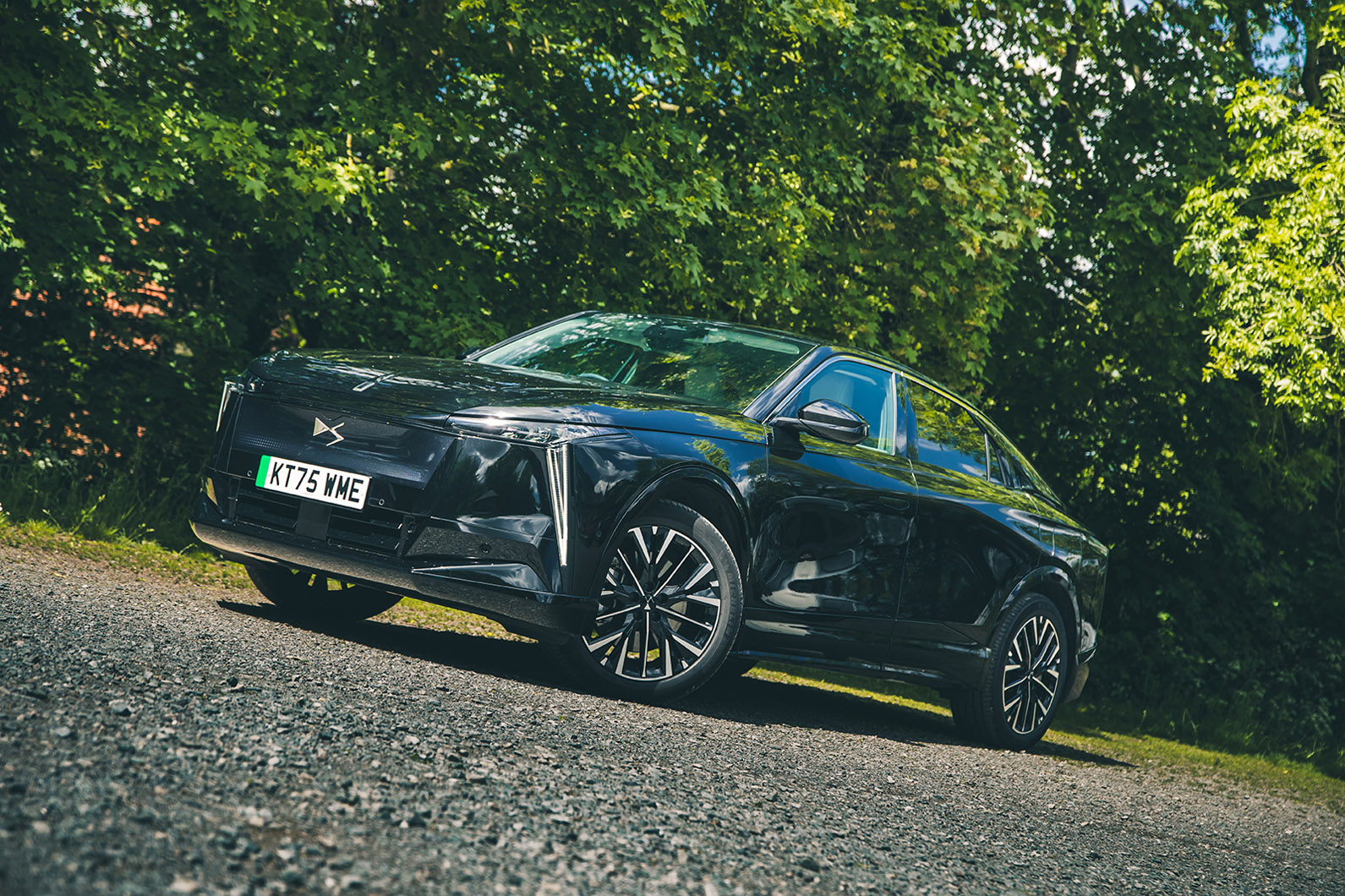
The No8 shares its STLA Medium architecture with the Peugeot 3008, Vauxhall Grandland and new Citroën C5 Aircross, but is differentiated from those quite traditional mid-sized SUVs by a more rakish and lower-slung silhouette that lends a dash of luxo-saloon appeal. It’s a similar length to its cousins, at 4.8m bumper to bumper, but stands shorter at just under 1.6m tall - similar to the Kia EV6 and Genesis GV60, for reference. 

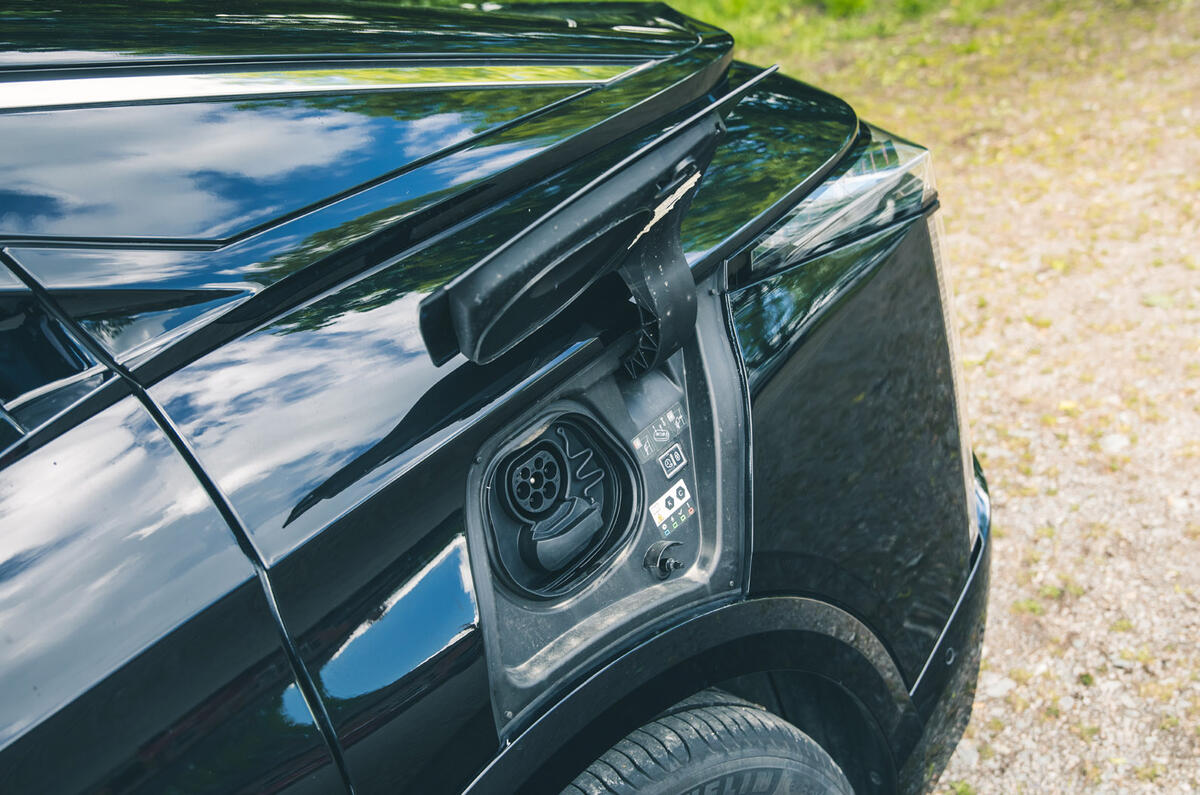
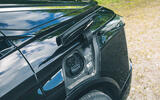
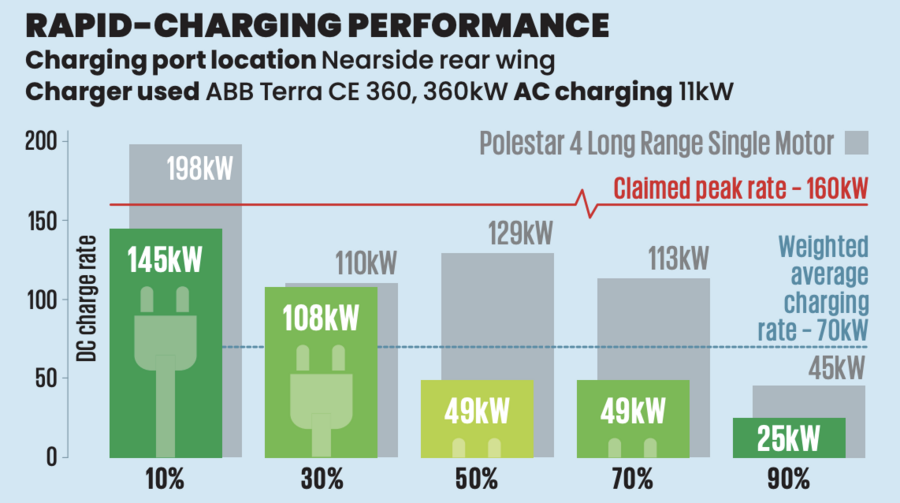
There’s a choice of two batteries and three powertrains: a 73.7kWh pack gives the base front-driven car – with 256bhp – an official range of 355 miles, while the more potent 276bhp front-wheeler upgrades to a huge 97.2kWh unit for that headline 466-mile range figure. Crowning the line-up is a twin-motor option with a heady 345bhp and the bigger battery for a range of 407 miles. All cars can charge at a fairly competitive 160kW for a theoretical 20-80% top-up in 27 minutes. In fact, DS is rather proud of the stability of the car's charging prowess, claiming it can maintain this peak for longer and so charge faster than rivals with higher on paper peaks.

INTERIOR

8
DS No8 review 2026 002

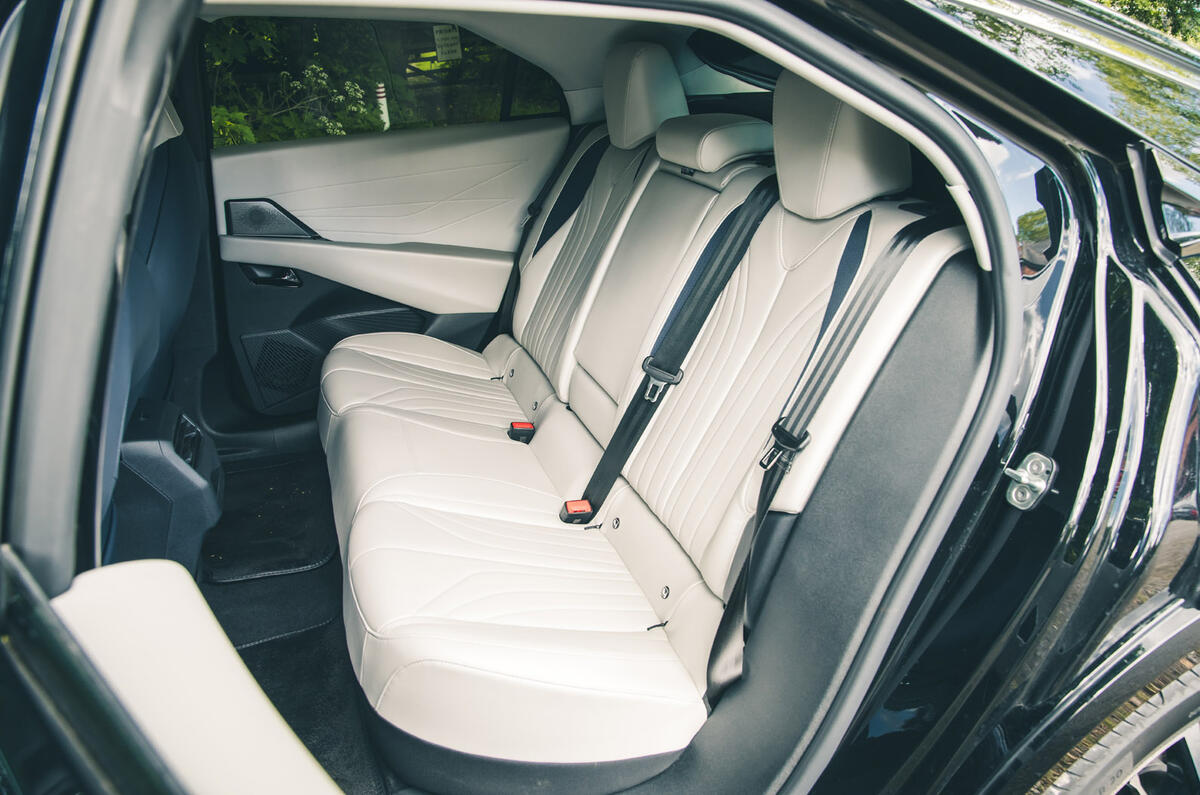
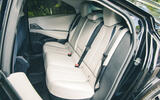
But for all its long-distance limo pretences, the No8 looks unlikely to become the chauffeur's default EV de choix. Legroom isn't especially impressive in the rear, especially as the mounting of the battery under the floor means no space for your feet under the front seats. And while the panoramic roof helps to mitigate the loss of headroom that comes with a sloping roofline, even average height occupants will have just a few centimetres their hairstyle and the glass.

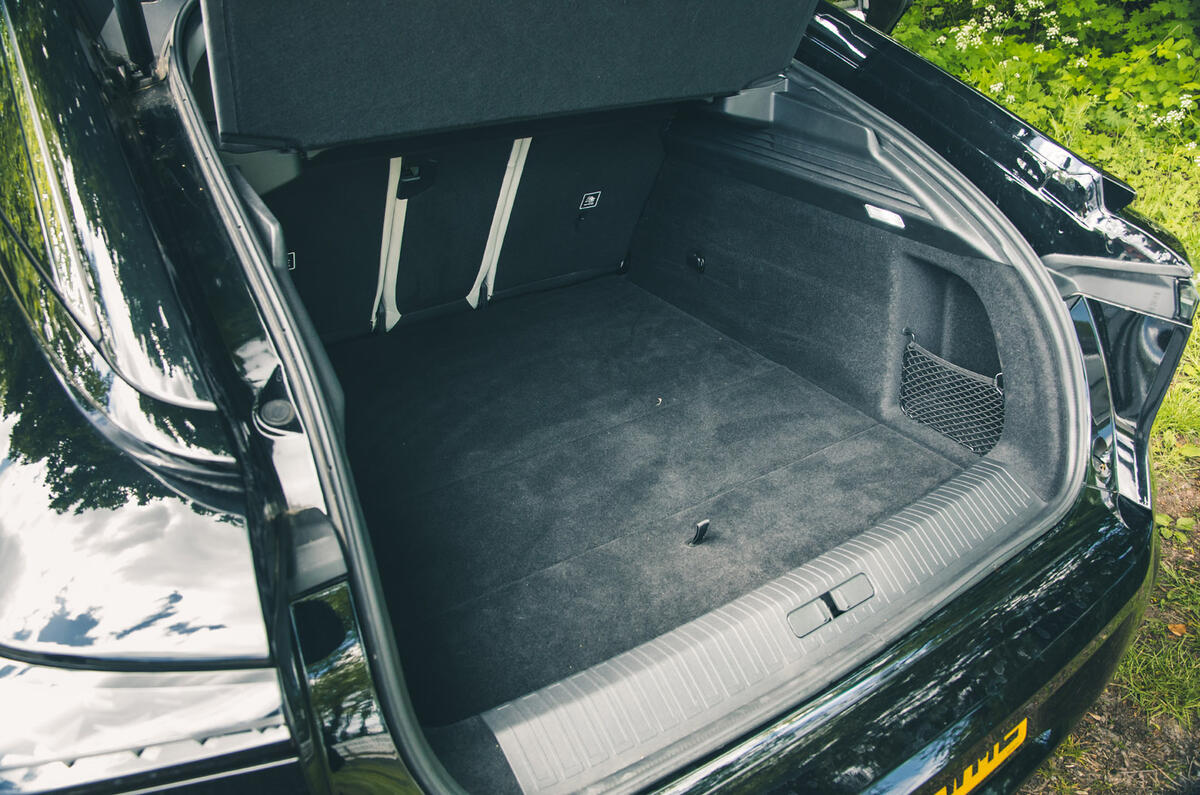
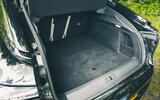
Meanwhile, although the official boot capacity of 560 litres is roughly on a par with the Skoda Enyaq's and Volkswagen ID 4's, the No8's fastback rear means there's almost no space above the shoulder line, so it isn't as practical as those straighter-backed SUVs for lugging bulky loads. And the underfloor storage is quite shallow, making it tricky to neatly store charging cables.

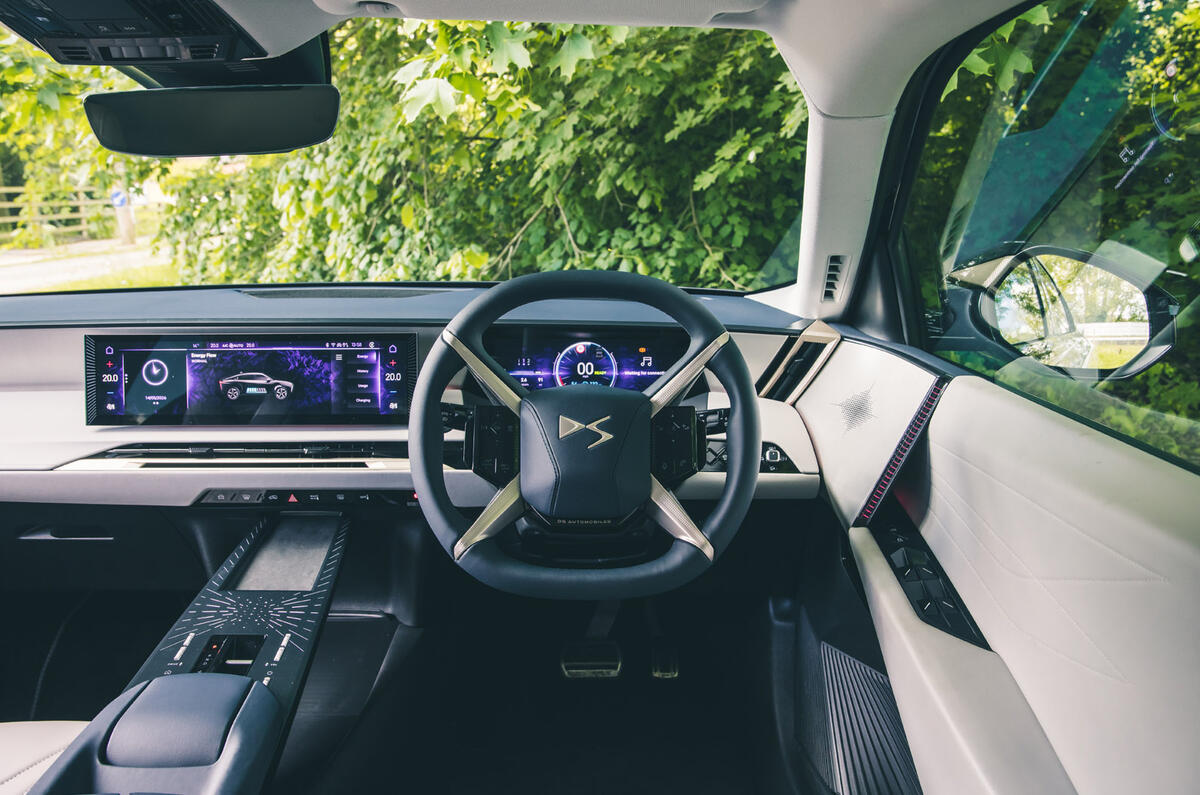
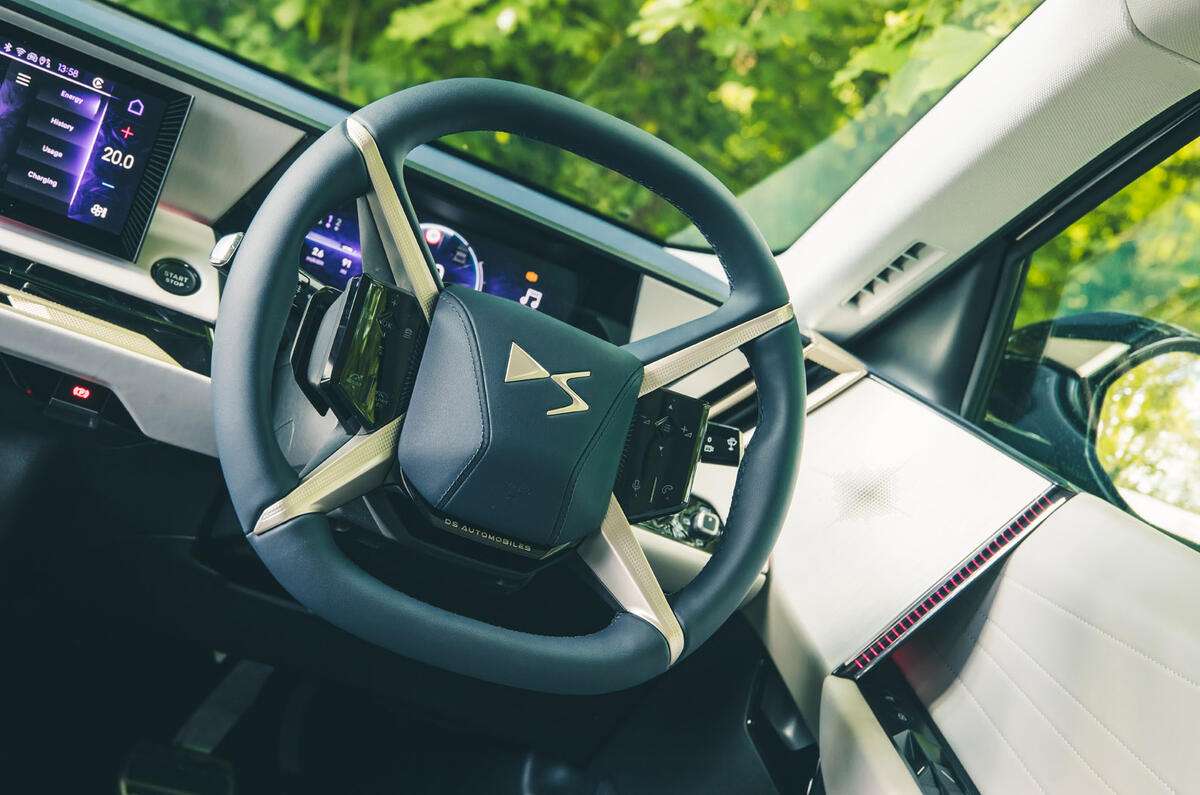
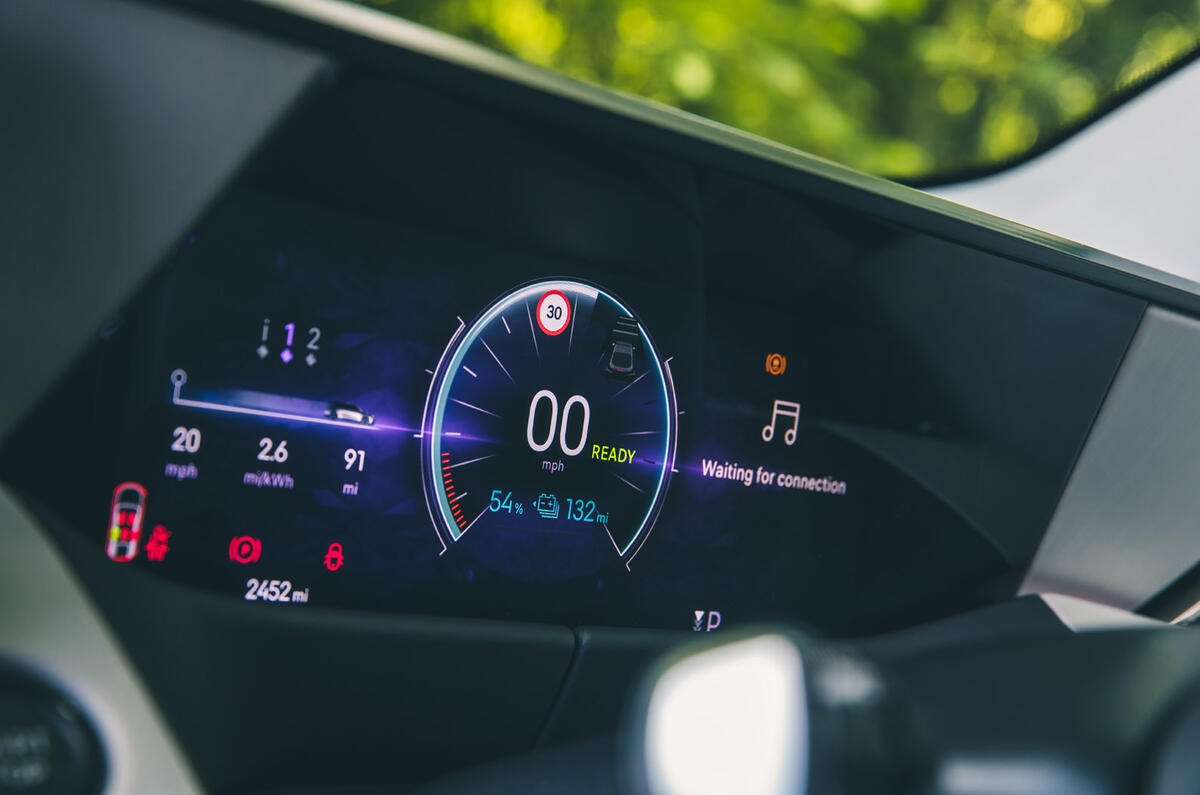
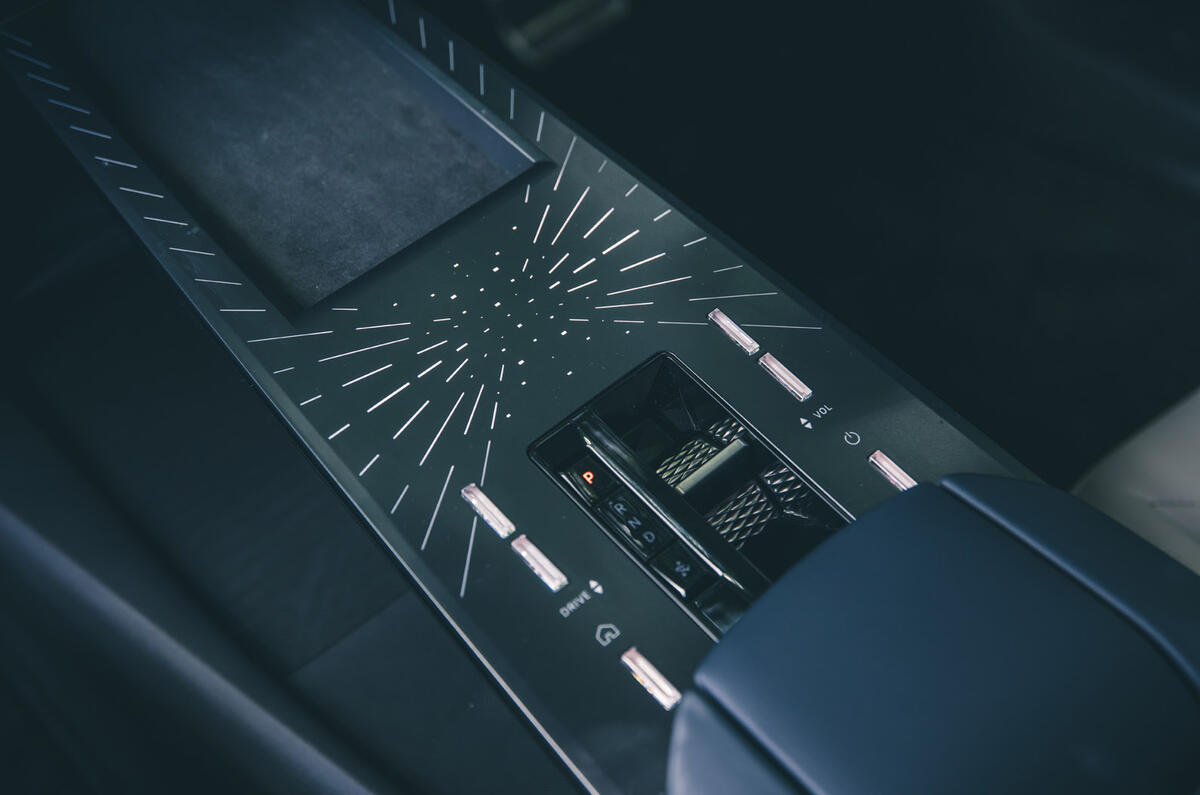
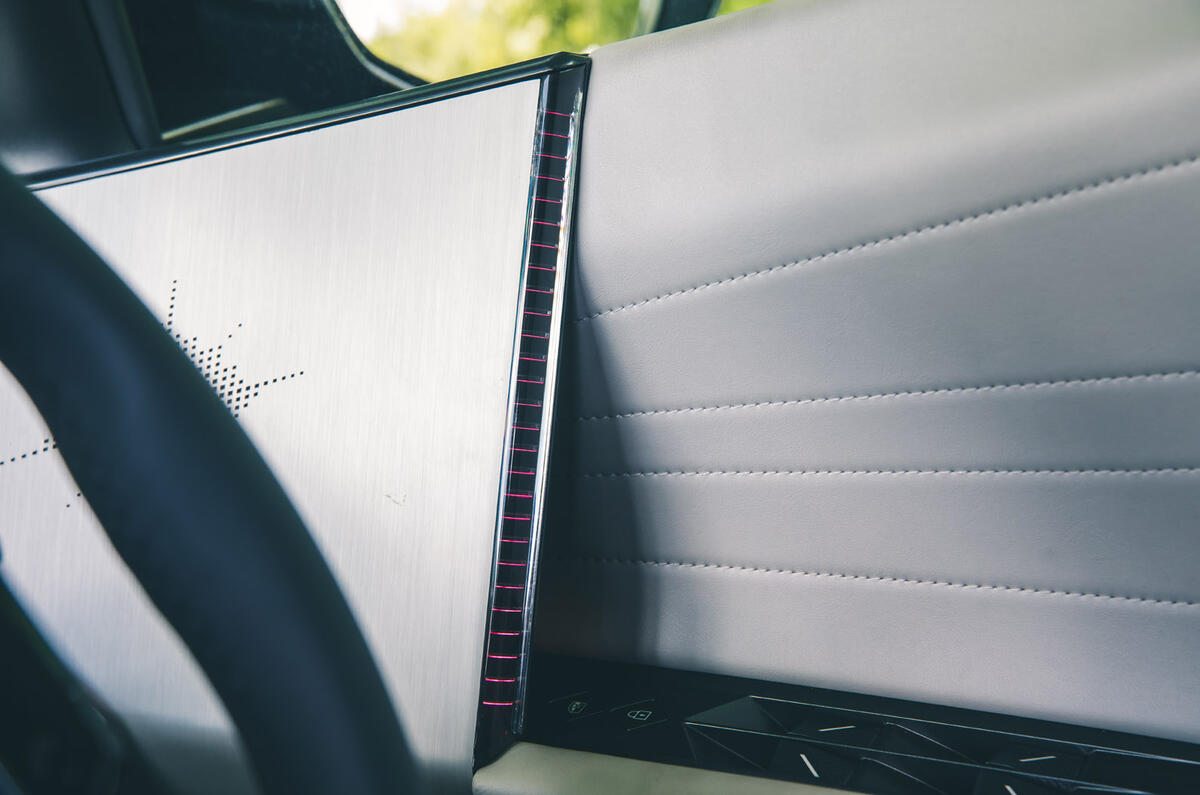
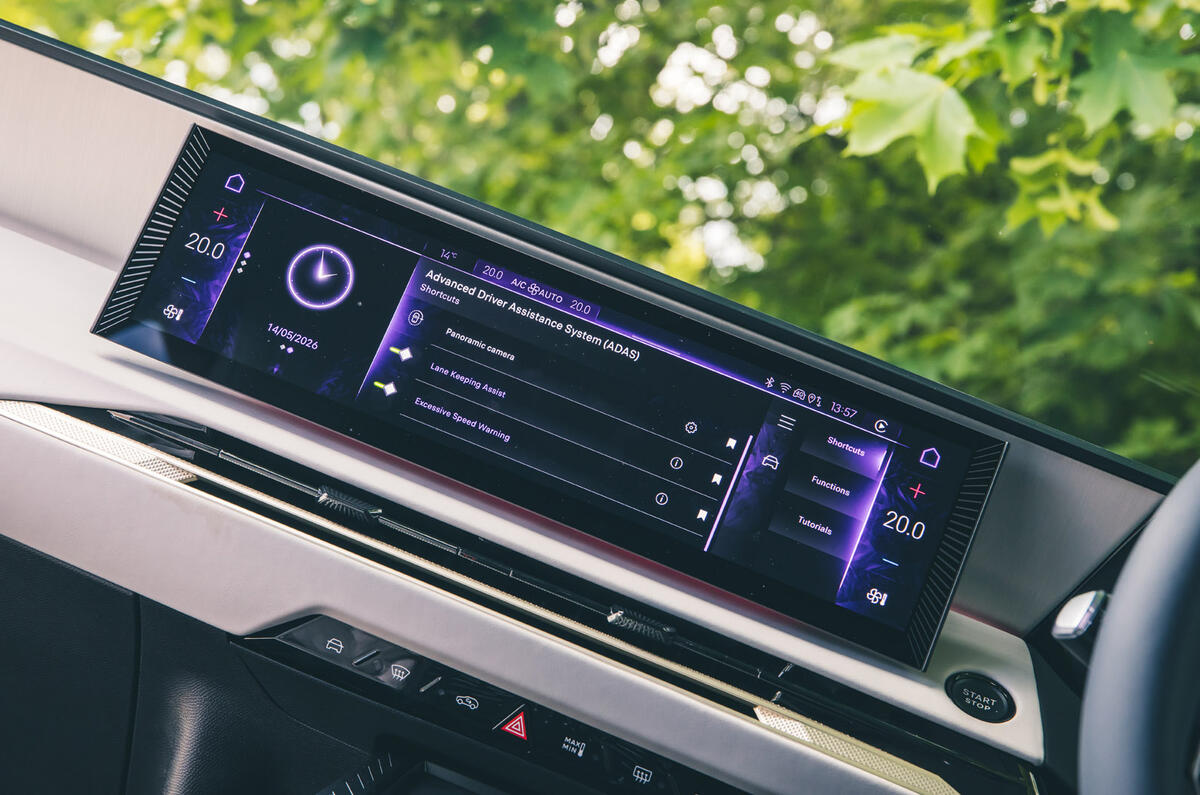
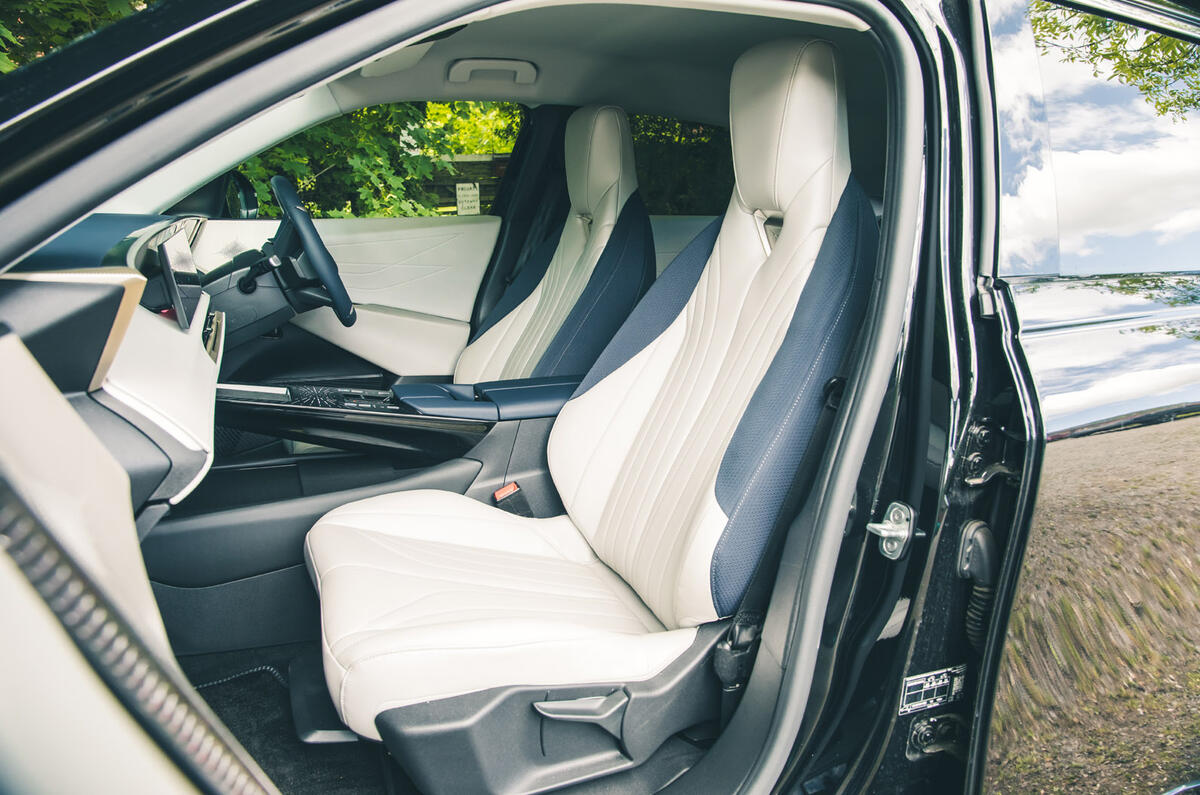
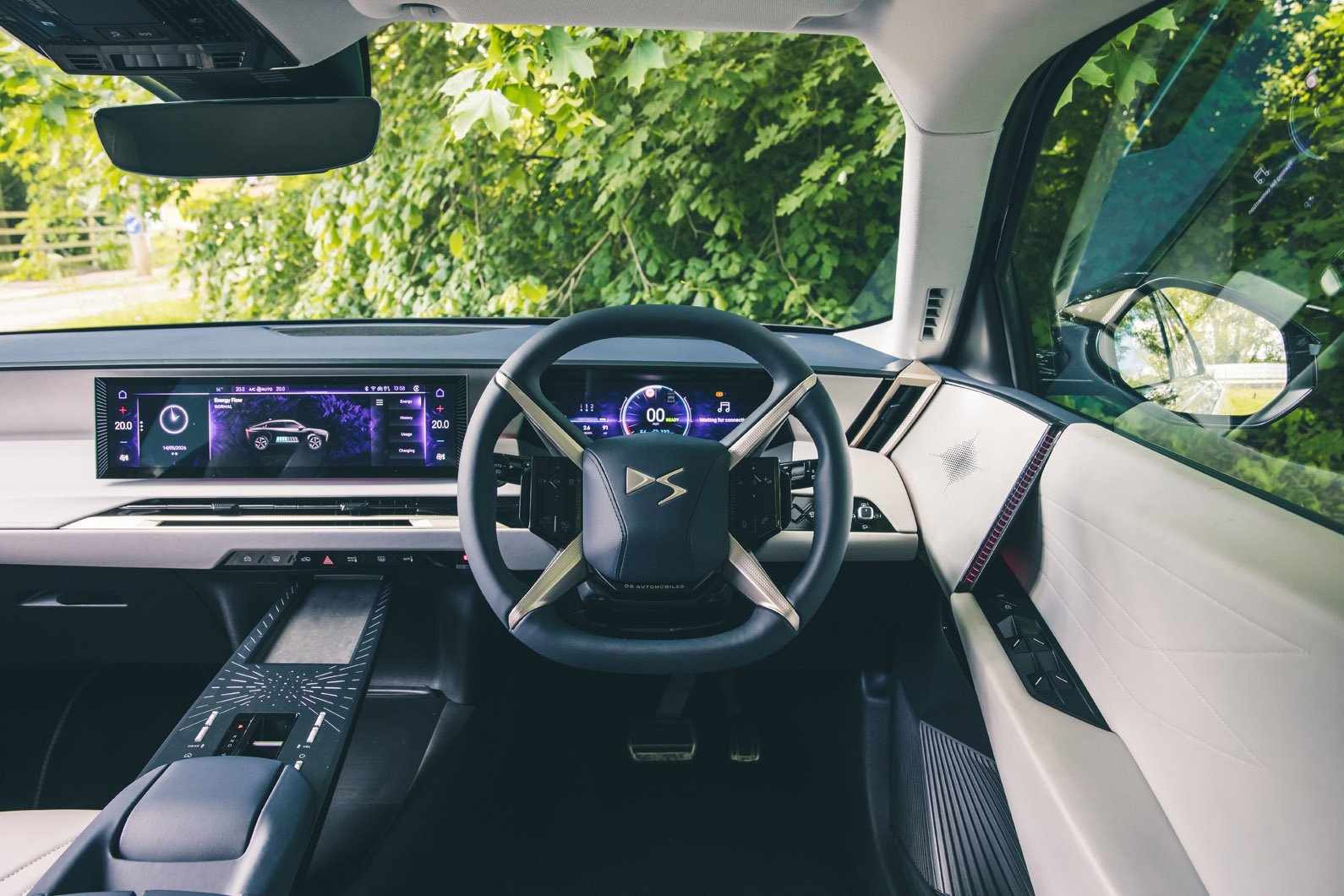
Materially and visually, though, the No8's cockpit feels almost every inch the credible premium contender, with plush, tactile trimmings used throughout and plenty of clever, intricate design elements to occupy the eye. Of particular note is the wraparound aluminium dash panel, which flows into a striking endplate that triples up as an ambient lighting panel, grab handle for the door and speaker bezel. Then there's the bold-looking four-spoke steering wheel, which has the appearance of something pioneering aviator Louis Bleriot might have grappled with when taking to the skies

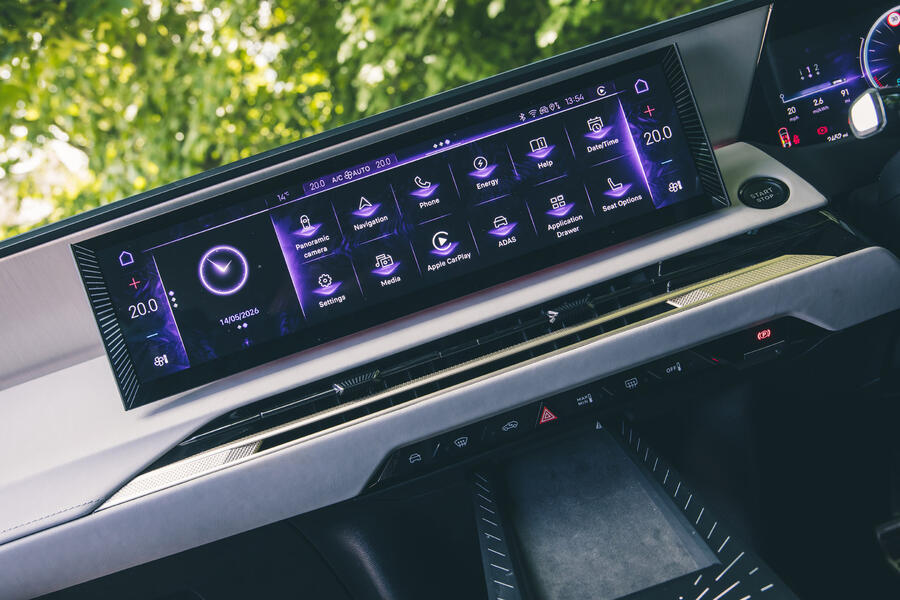
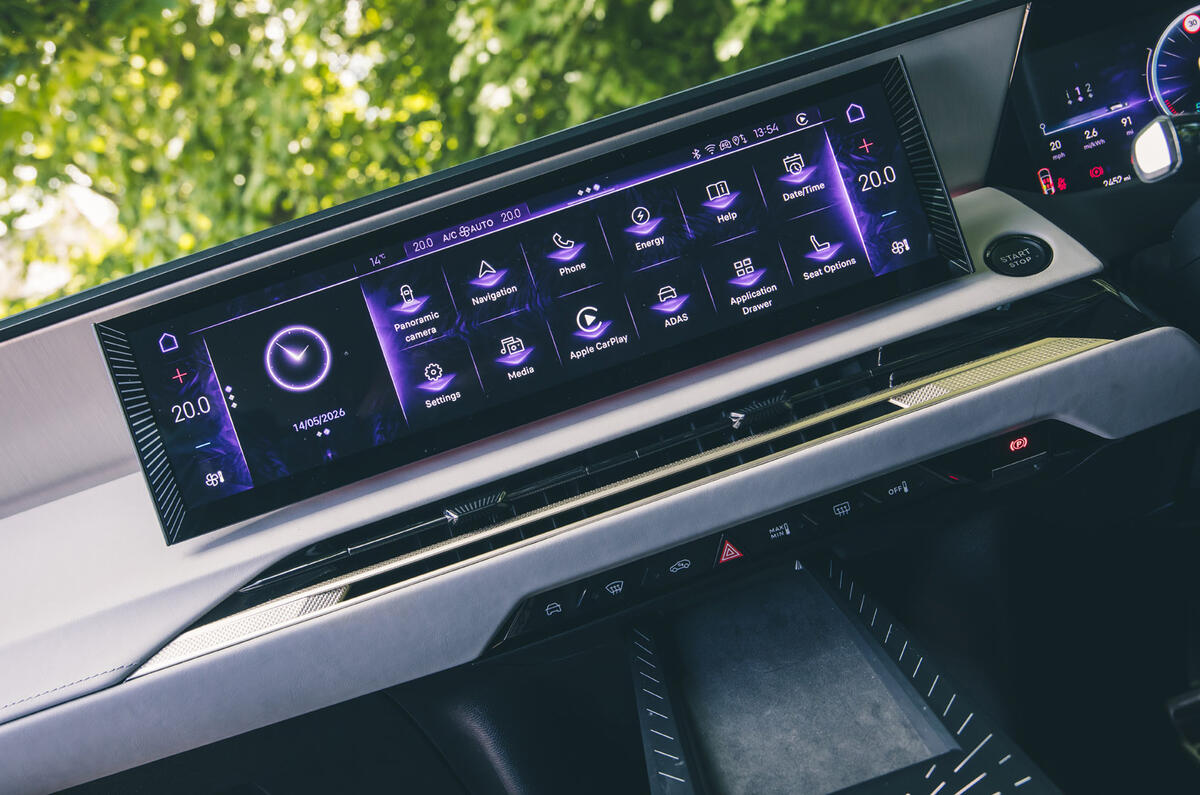
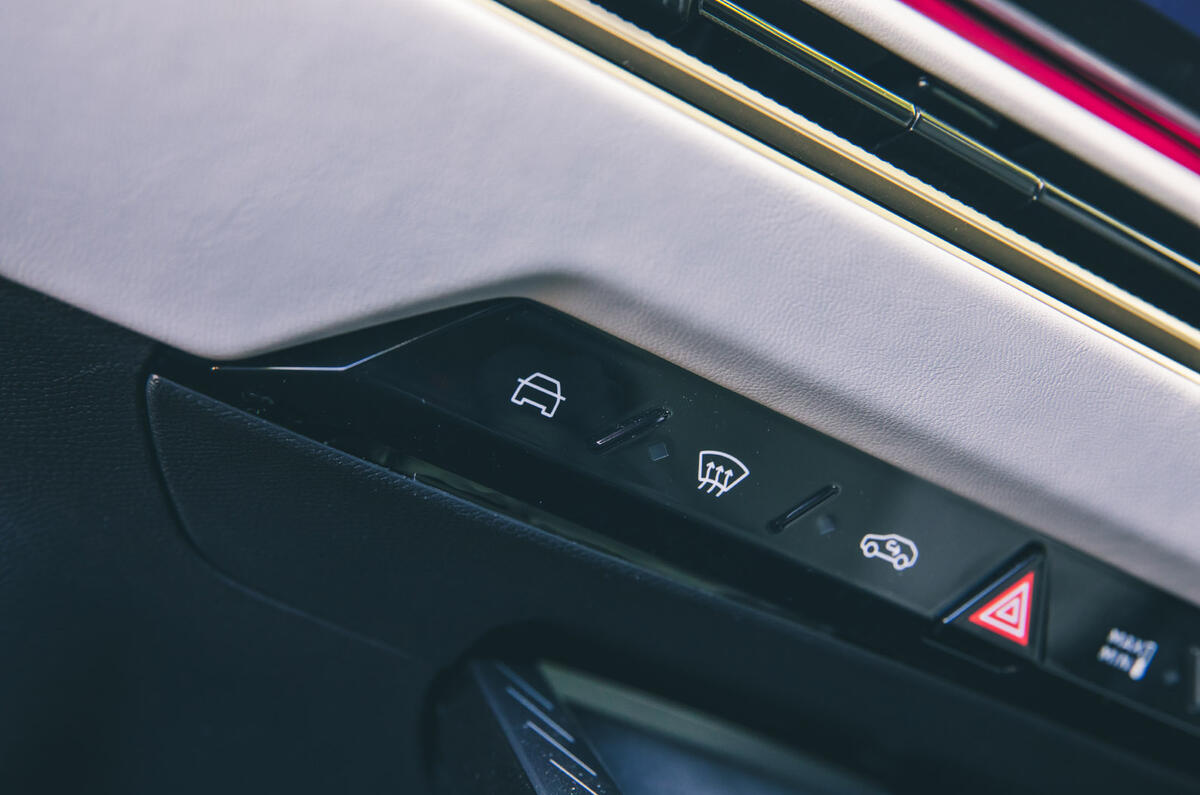
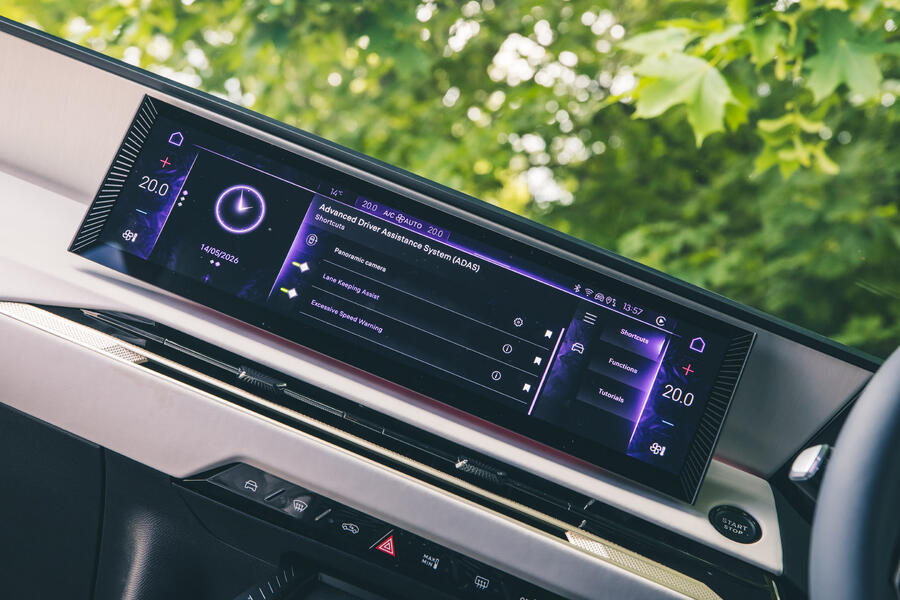
There's a decent balance between physical and digital controls, too, and although the 16in touchscreen is among the outright largest on the market, it's wide rather than tall, so doesn't tower distractingly above the dashboard and is easy to ignore when you don't need it - plus both driver and passenger can access everything just as easily. It's decently responsive, too, and easy to navigate after a bit of familiarisation. The No8 scores further brownie points for keeping the climate controls permanently on display, so no fumbling through sub menus to change the temperature. There’s even a single shortcut key to disable the ADAS. Huzzah!

So far, so plush - so long as you can forgive DS's deployment of some lower-calibre switchgear from its Stellantis sibling brands. Most of the buttons, stalks and switches are shared with Peugeot, Citroën and Vauxhall models, and their plasticky cheapness feels at odds with what is broadly a pleasingly opulent ambience.

ENGINES & PERFORMANCE

7

We've driven both the long-range FWD car and the range-topping AWD variants in UK, and while both have their merits it’s the former that feels the better-rounded and more practical proposition for daily use - not least for its massive range. 

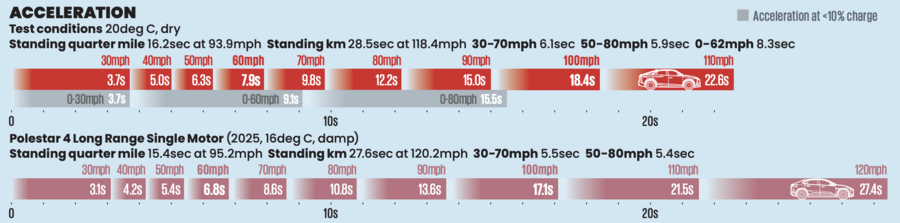
Still, even with the 241bhp single motor it’s quick enough, with a nicely judged power delivery that allows for swift and smooth progress. And unlike many other EVs, the urge doesn't tail off noticeably above the national speed limit, the No8 benefitting from reassuringly snappy overtaking-lane pick-up courtesy of a brief power uplift to 256bhp when you need to get a wriggle on. The three-stage adjustable (using the wheel-mounted paddles) regen braking also feels natural and progressive, plus you can even have true one-pedal driving with a quick push of a button the centre console.

There's a heightened sense of urgency to the most powerful car, which is capable of rapid acceleration that's welcome in some rare instances but feels out of step with the No8's laid-back cushiness. Unless you must have ultimate bragging rights and insist your two-plus ton luxury crossover can dust an Porsche Cayman in a traffic light show of potency, then the case for the duel motor car is hard to make.

RIDE & HANDLING

DS No8 review 2026 001

From the outset, DS has claimed to plough a different dynamic furrow, placing cosseting comfort and hushed refinement at the very top of its engineers’ to-do list. Trouble is, previous models have struggled to impress in this regard, especially when let loose on Britain’s broken bitumen.

Try the all-singing and all-dancing AWD Long Range version and you’ll quickly come to the conclusion that it could all be a bit ‘plus ça change’ for DS. Acoustic glass and careful noise insulation means progress is library quiet, while the 345bhp twin motor set-up delivers more real world urge than you’ll ever need. Yet dynamically it feels a little undercooked.

Even with the firm’s Active Scan set-up that uses cameras to read the road surface and prime the adaptive dampers for any upcoming imperfections, the DS jostles occupants with a thudding, disjointed ride that’s at odds with the car’s claimed remit as long haul express in the traditional French grand routier style. Non bon.

However, like so many machines from La Republic, less tends more. You see, to find the true DS spirit you’ll have to sample the less pricy and pacy front-wheel drive models. Slide behind the wheel of the FWD Long Range for instance (like the AWD you sit higher than you expect, SUV-style) and you’ll find it rolls along with a languid French gait that instantly transports your mind’s eye to deserted tree-lined Route Nationales.

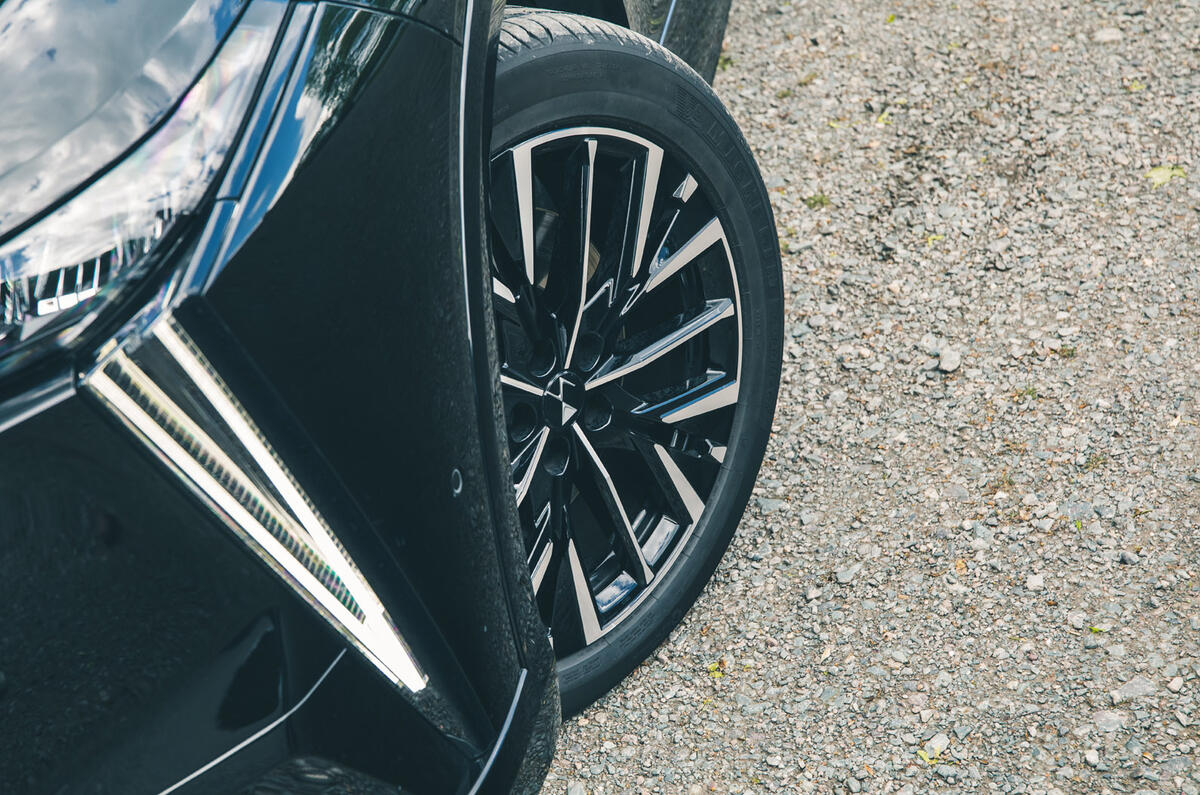
It still struggles a little with sharp transverse ridges and deeper potholes, but the car’s smaller wheels (20 rather than 21-inches) and 100kg weight reduction seem to do wonders for its waftability. Factor in the impressive refinement and the FWD Long Range model’s claimed 466 mile range from its 97.2kWh battery (there’s also a 74kWh option) and there aren’t many saloons this side of a Rolls that make such a relaxing cruiser.

Of course the trade-off for this plushness is handling that’s less than scalpel sharp. There is a Sport mode that tautens the dampers and adds heft to the lifeless steering, but the No8 isn’t a car that likes to be hustled. It’s an accurate and faithful companion, but drivers looking for a little joie de vivre will be better served by a BMW i4 (smaller than the DS but similar in price). 

MPG & RUNNING COSTS

8
DS No8 review 2026 025

Starting at £50,790 and topping out at £63,290 for the most potent version, the No8 is cheaper across the board than its closest Swedish and German contemporaries, and with a massive maximum range of 466 miles from the longest-legged variant, it’s got them (and nearly all other mainstream EVs) licked for endurance, too. Even versions with the smaller 77kWh battery will comfortably exceed 350 miles. 

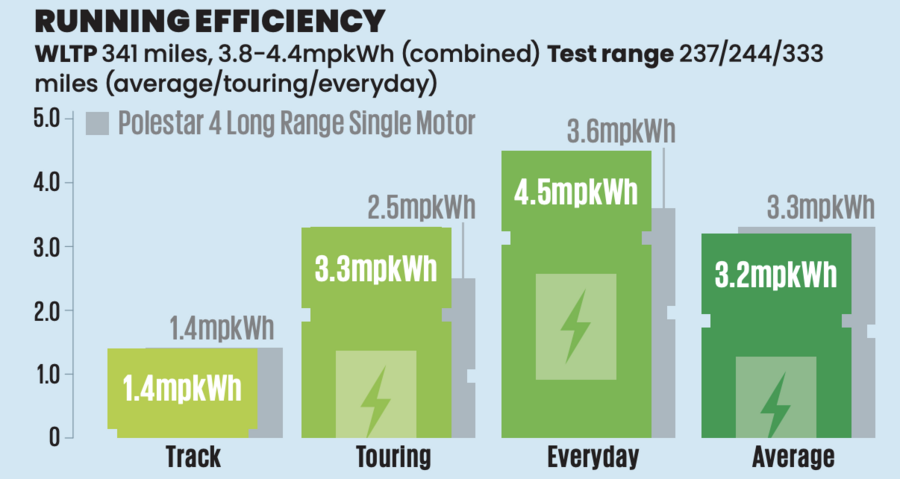
DS claim that the No8's ability to stretch a charge as far as possible is down to efficient motor design and a slippery drag coefficient of 0.24. That said, on our mixed driving route in the UK, the trip computer of our FWD Long Range car struggled to register much beyond 3.8 mpkWh, which is distinctly average. However, there's a sense that it'll give it's best on long, steady state runs - a feeling backed by the brand's claim that this version will easily register a range of 350 miles even at high motorway speeds, which are normally bete noire of big EVs.

That value for money pricing isn't to be sniffed at, especially when you consider the amount of kit you get as standard. Entry-level Pallas (exclusive to the front-driven cars) comes with live mapping, wireless smartphone mirroring, a charging pad, keyless entry, reversing camera, paddle-adjustable brake regen, heated seats all around, dual-zone air con and an electronic bootlid. Higher-spec Étoile adds an illuminated grille, extra driver assist functions, a digital rear-view mirror and a 360deg parking camera. 

VERDICT

7
DS No8 review 2026 028

None of the No8's minor quirks or shortcomings do much to dent its appeal as a comfortable and lavishly appointed everyday cruiser. This is a car that will slip easily into your life and whose focus on sybaritic comfort and refinement comes as a refreshing tonic in class that over the years has slowly forgotten to prioritise those qualities.

Yet it's got a tough battle ahead in winning the hearts and minds of the traditionally brand-loyal premium buyer, but more than merits consideration on the basis of what it offers for the price, and perhaps more so because its distinct quirkiness sets it apart from a sea of generally homogenous alternatives. 

If there's a disappointment, it's that it lacks the genuine technical innovation that marked out the car that gave the brand its name. Of course, that's easy said than done in today's fiercely competitive marketplace were being genuinely different can be a direct route to disaster. Yet it has enough of a distinct character that you're willing to overlook some of its flaws and foibles in return for a machine that genuinely does stand out from the crowd in both looks and philosophy.

In two-wheel drive guise in particular, the No8 is a stylish and charming addition to the increasingly crowded upper class executive sector. It lacks the ultimate all-round ability for true class honours, but for those drivers that understand that on most journeys you just want to get to your destination as effortlessly as possible, the DS deserves consideration, especially when you consider the eye-catching £50,790 starting price.

James Disdale

James Disdale
Title: Special correspondent

James is a special correspondent for Autocar, which means he turns his hand to pretty much anything, including delivering first drive verdicts, gathering together group tests, formulating features and keeping Autocar.co.uk topped-up with the latest news and reviews. He also co-hosts the odd podcast and occasional video with Autocar’s esteemed Editor-at-large, Matt Prior.

For more than a decade and a half James has been writing about cars, in which time he has driven pretty much everything from humble hatchbacks to the highest of high performance machines. Having started his automotive career on, ahem, another weekly automotive magazine, he rose through the ranks and spent many years running that title’s road test desk. This was followed by a stint doing the same job for monthly title, evo, before starting a freelance career in 2019. The less said about his wilderness, post-university years selling mobile phones and insurance, the better.

Felix Page

Felix Page
Title: Deputy editor

Felix is Autocar's deputy editor, responsible for leading the brand's agenda-shaping coverage across all facets of the global automotive industry - both in print and online.

He has interviewed the most powerful and widely respected people in motoring, covered the reveals and launches of today's most important cars, and broken some of the biggest automotive stories of the last few years.