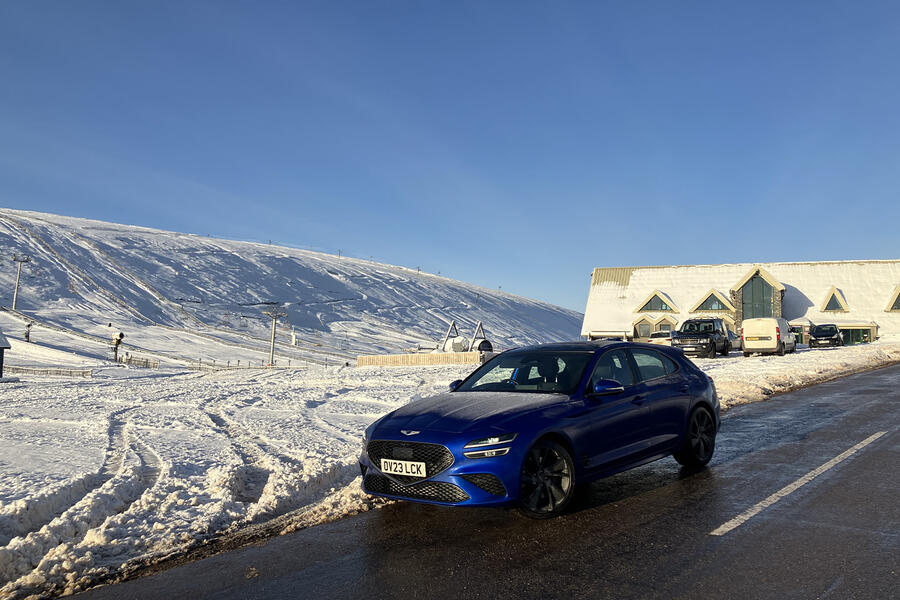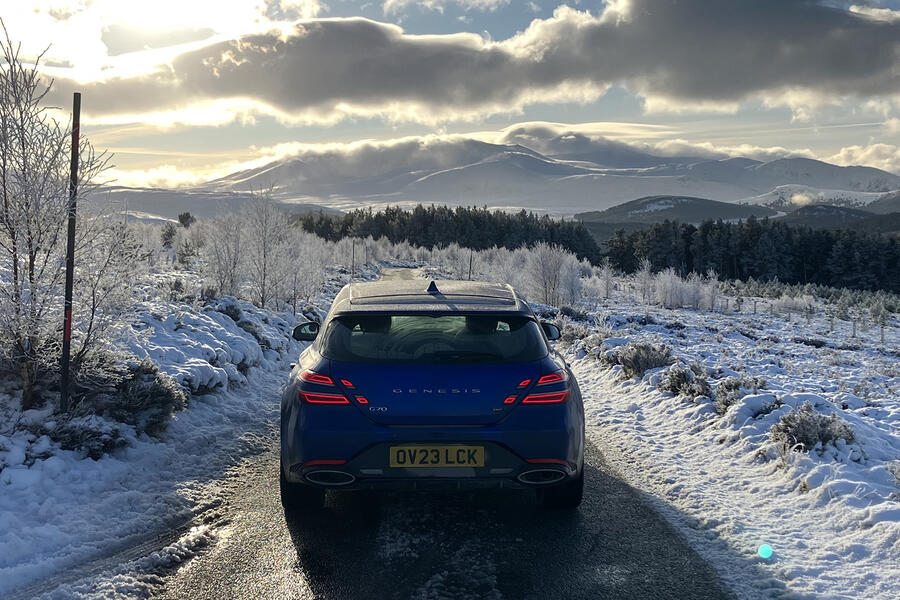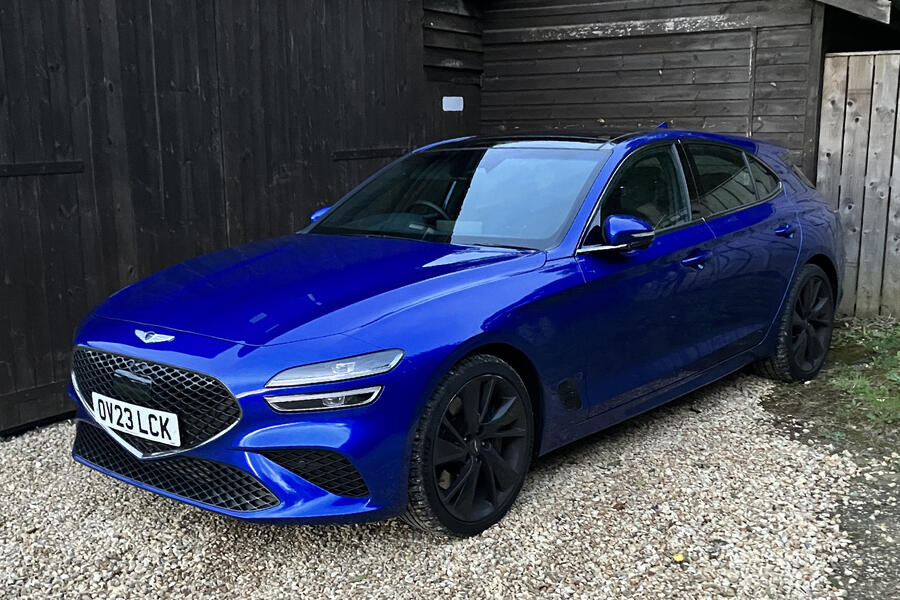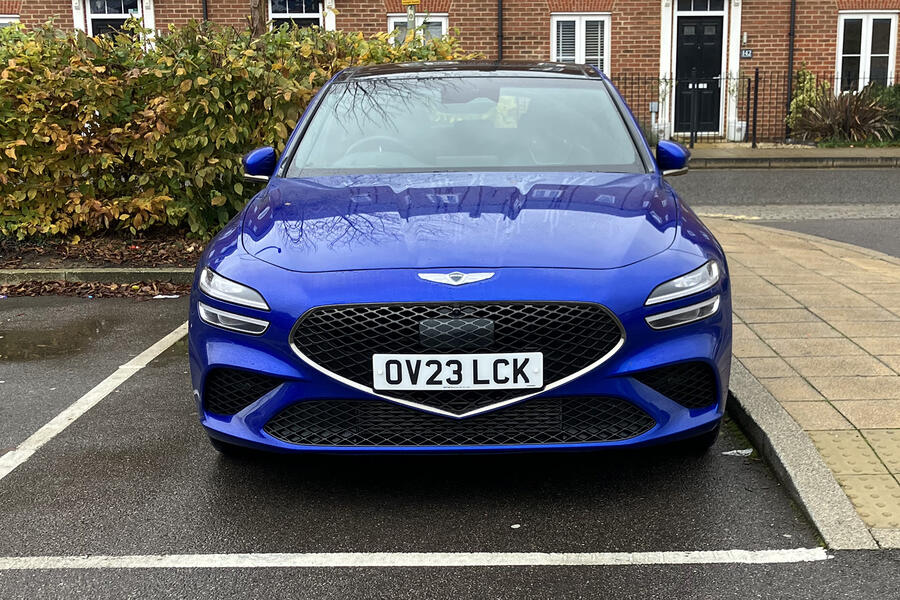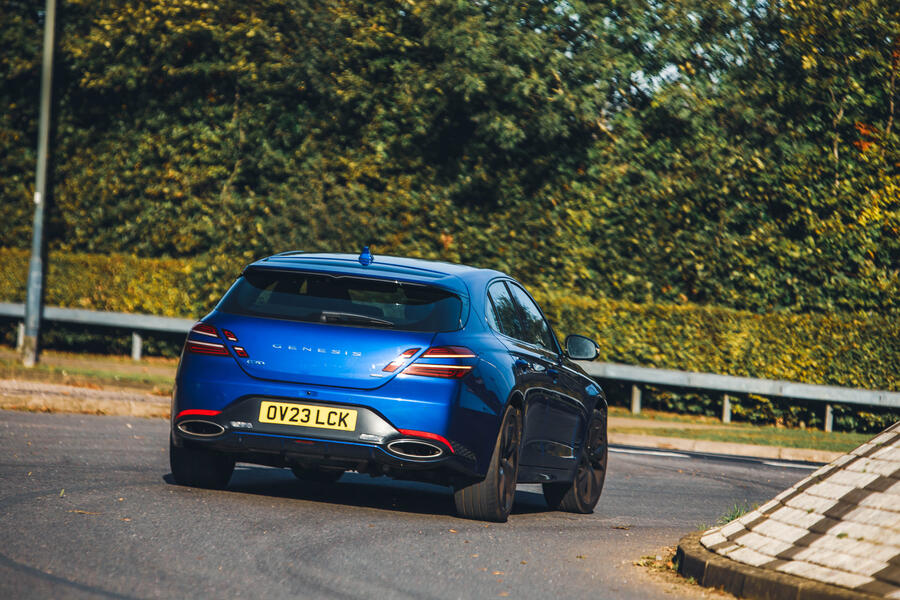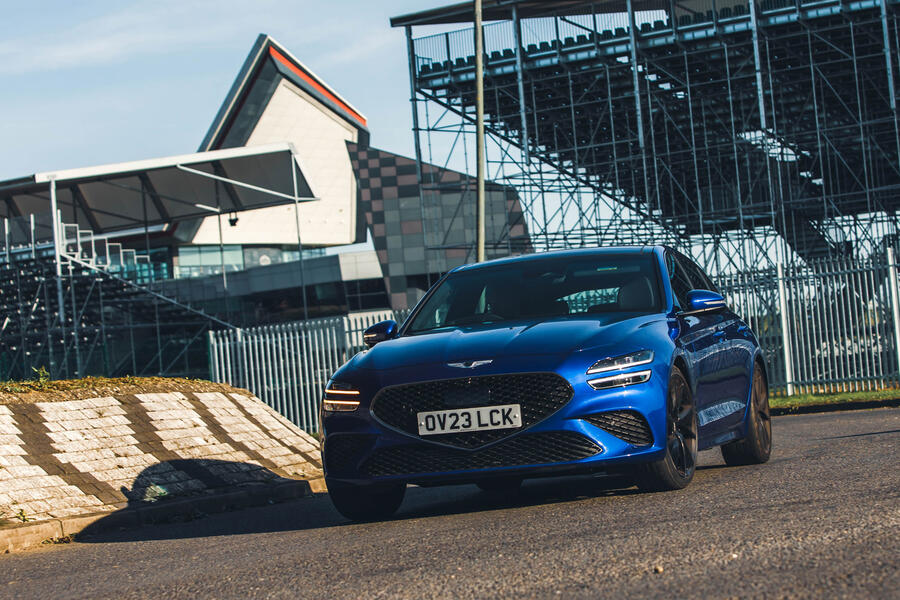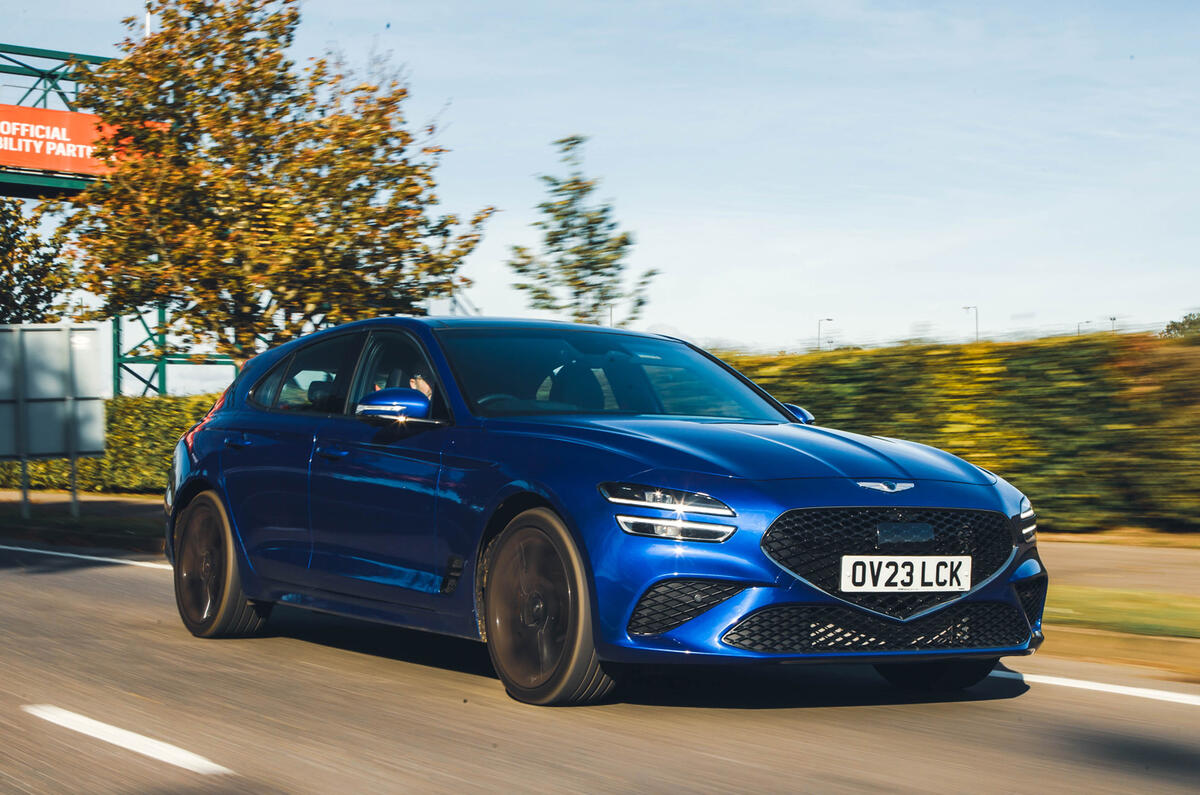
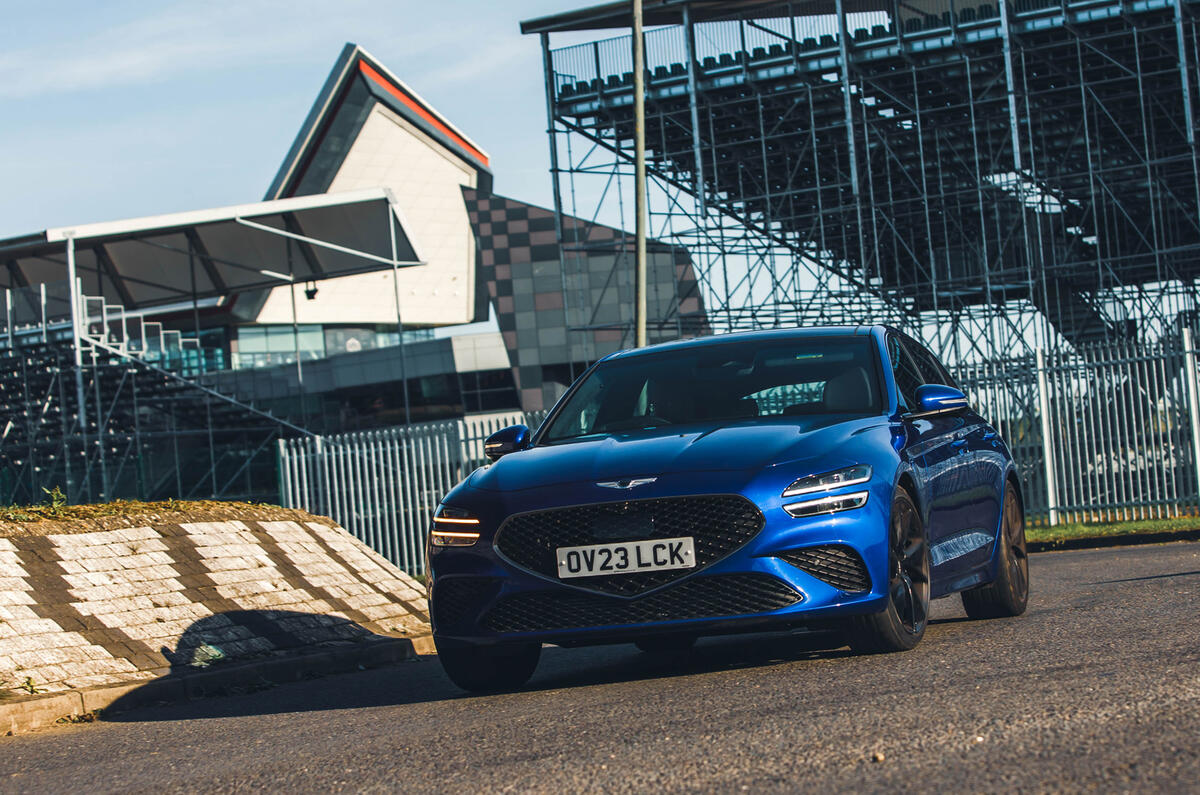
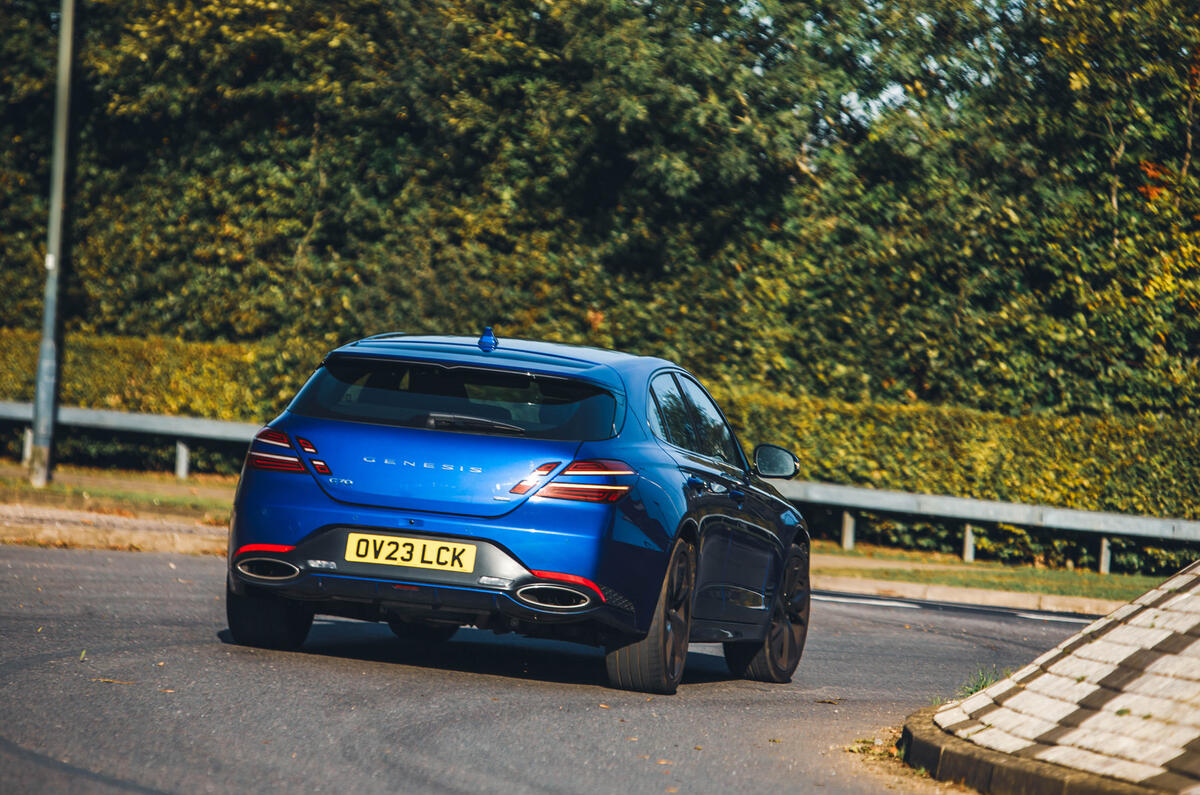
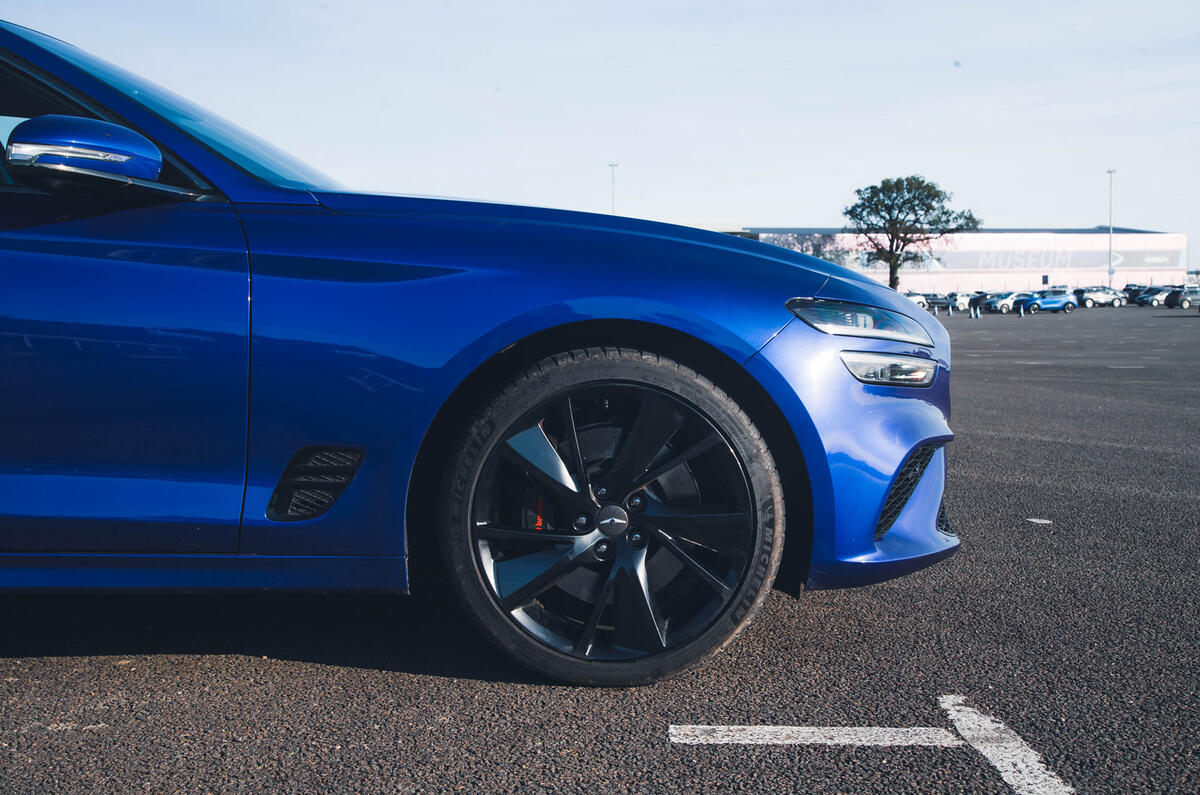
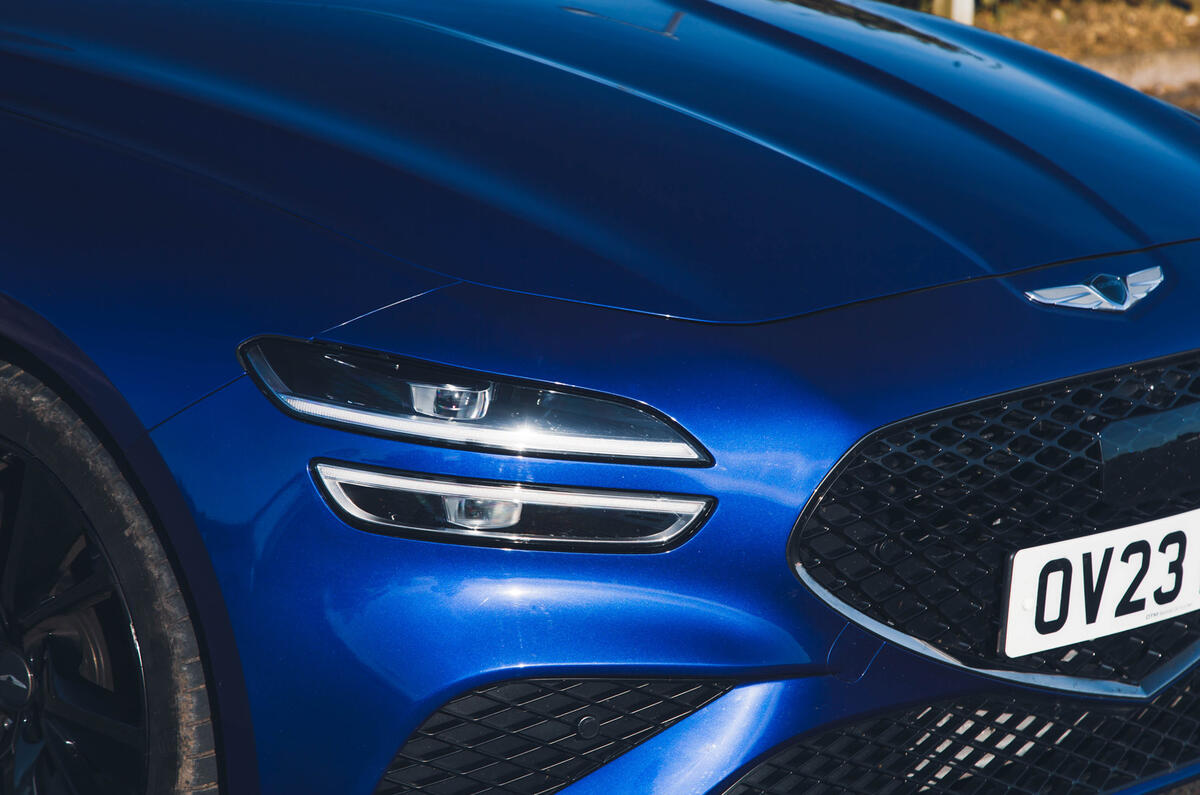

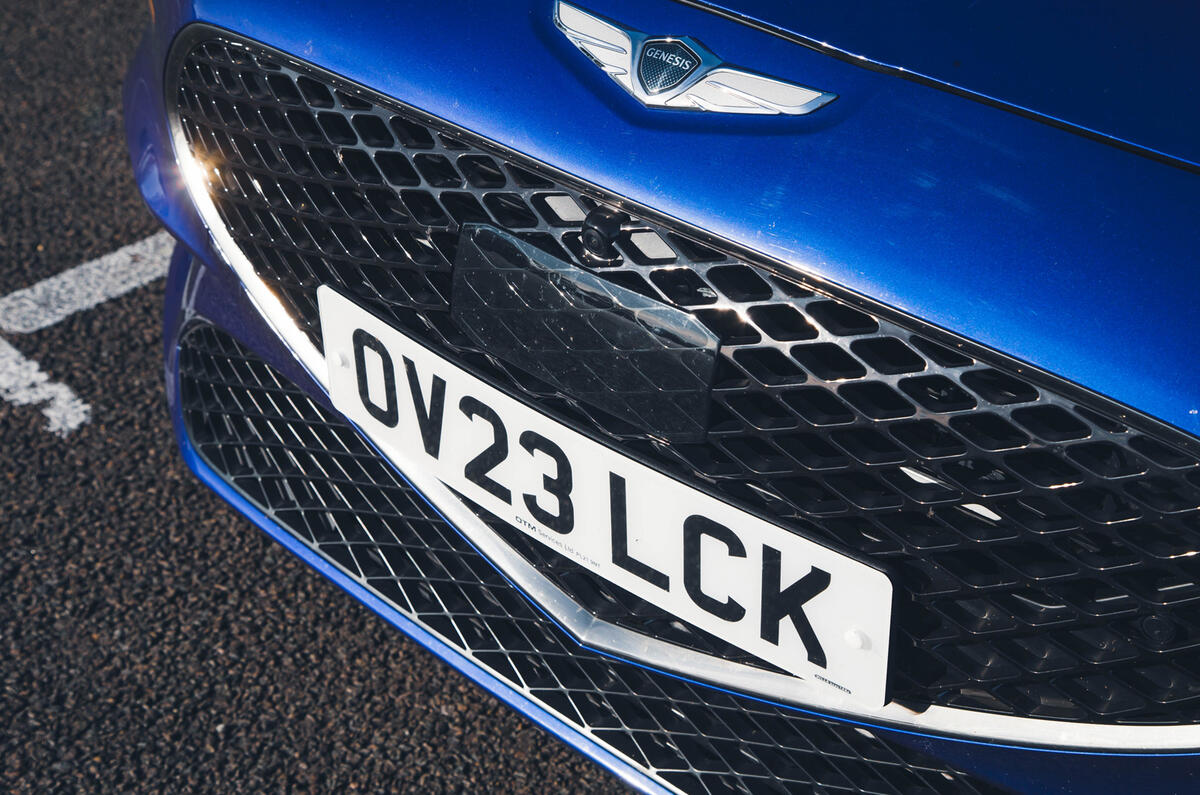
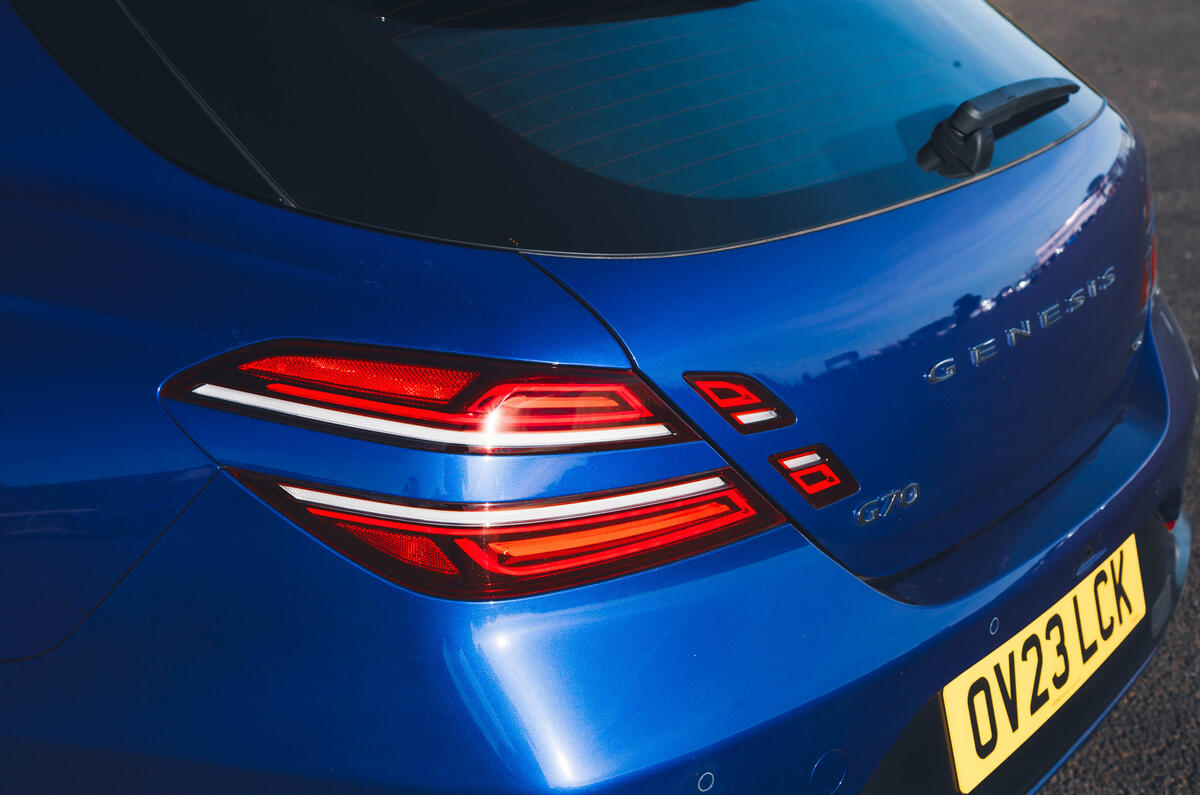
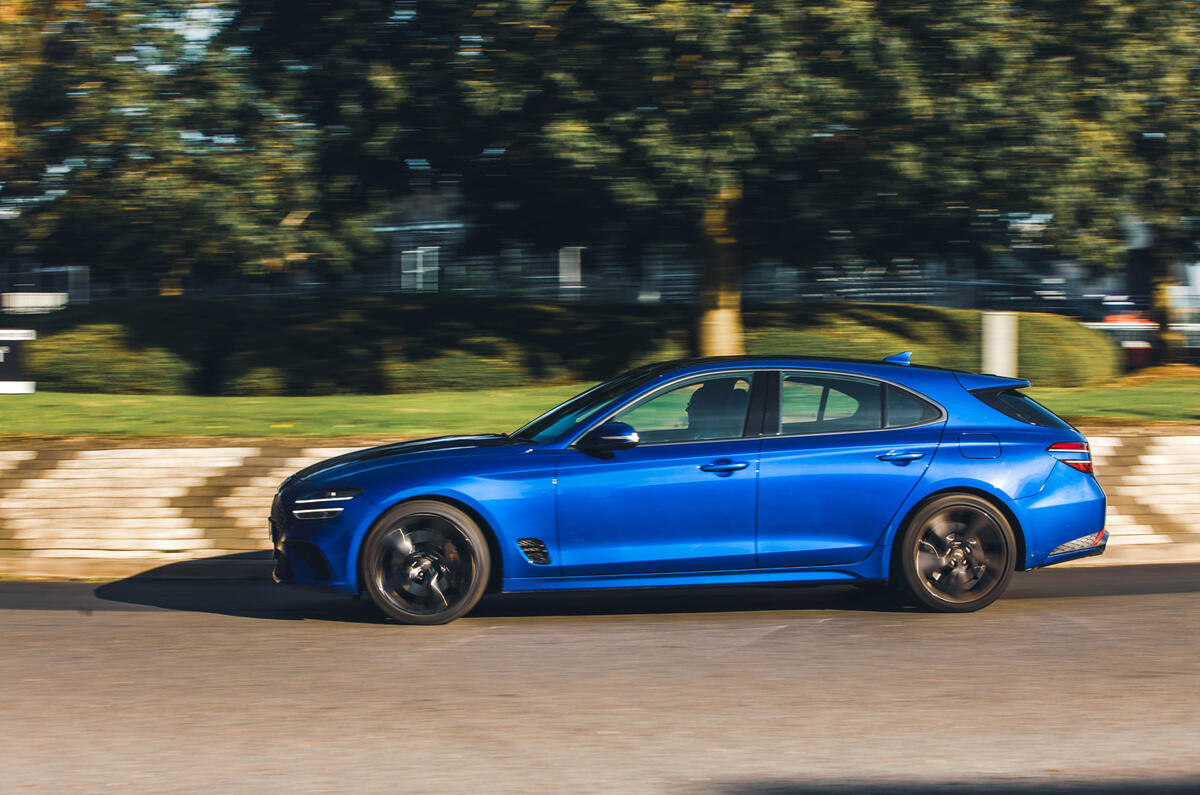
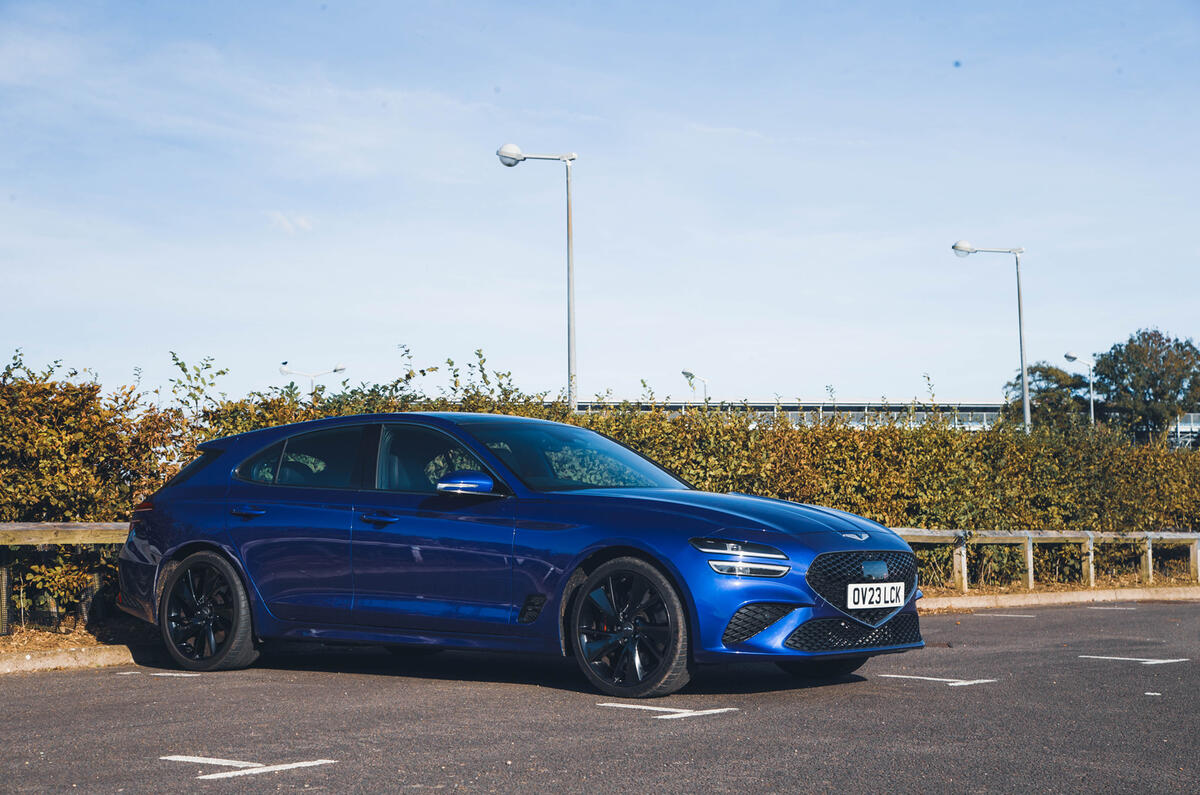











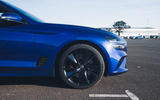



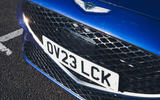
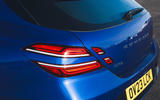
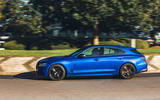


Why we ran it: To see if this old-school compact executive estate had new-world charms
Month 1 - Month 2 - Month 3 - Specs
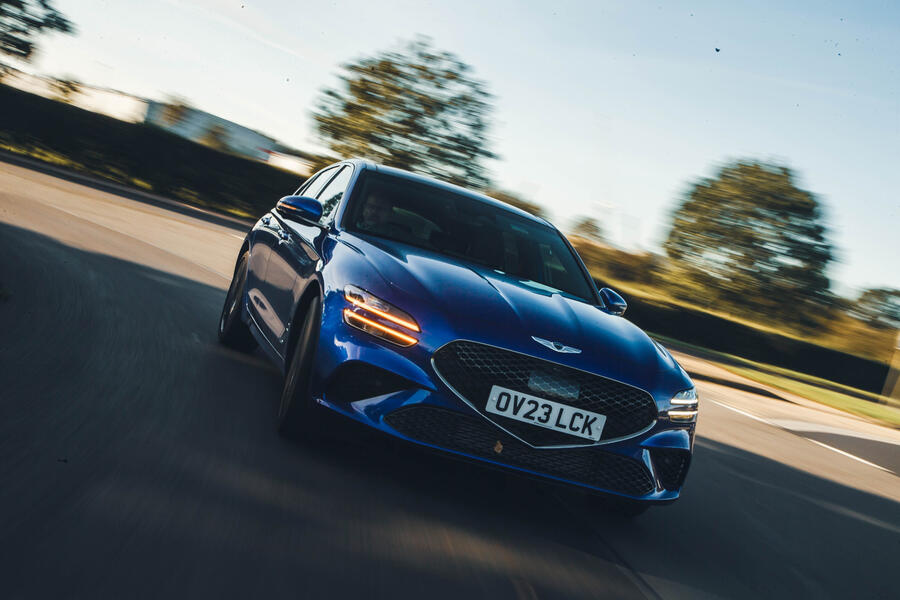
Final report: This car doesn’t make much sense on the face of it. But did we love it anyway?
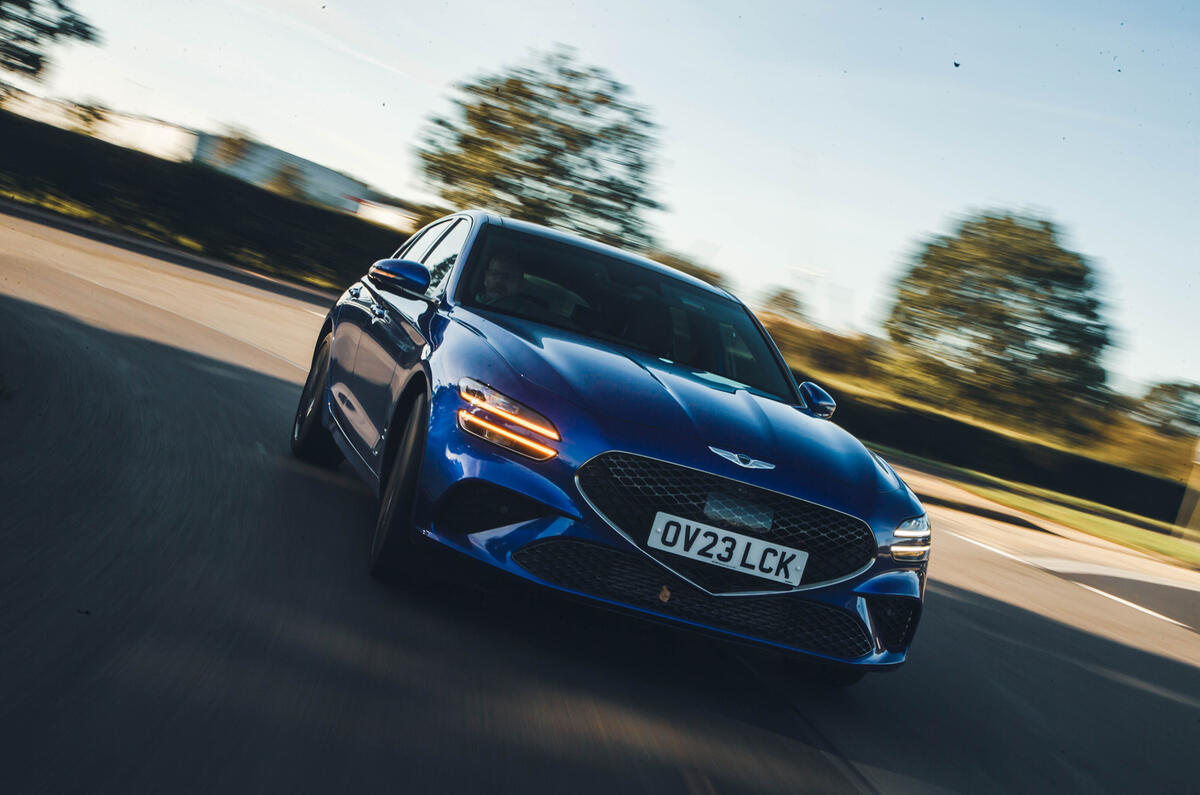
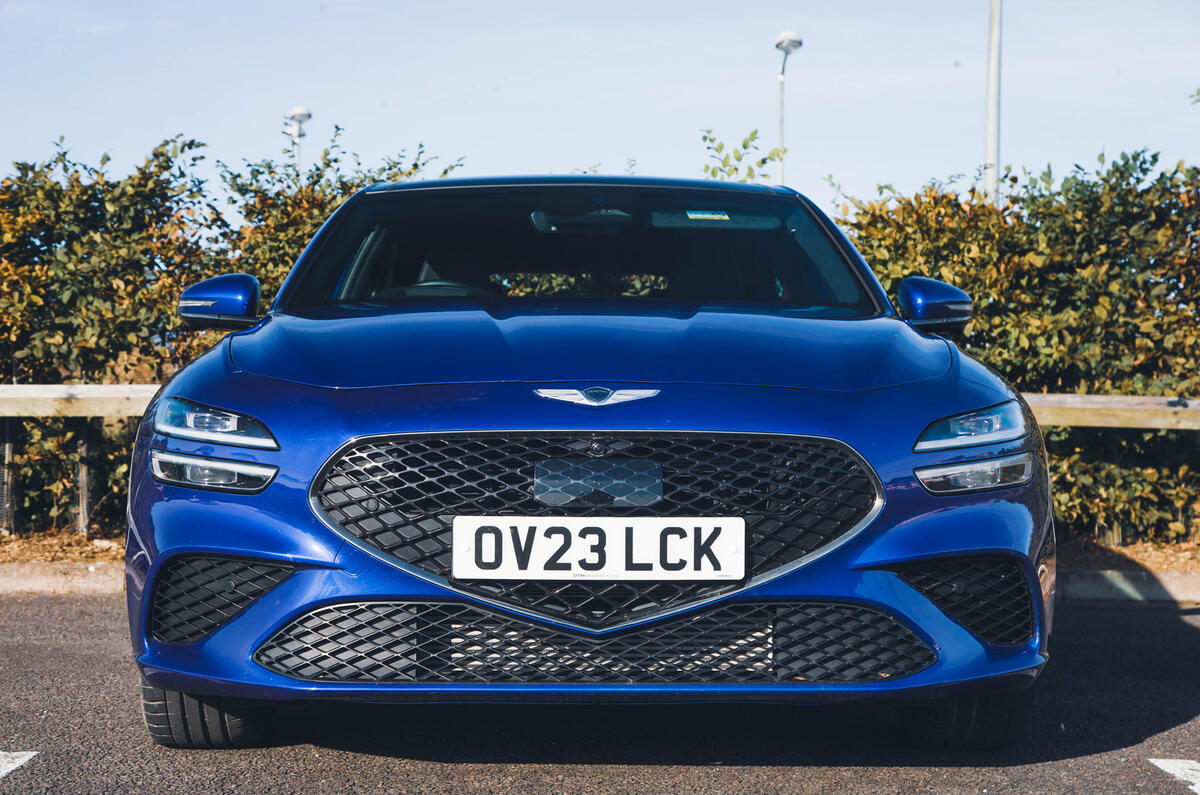
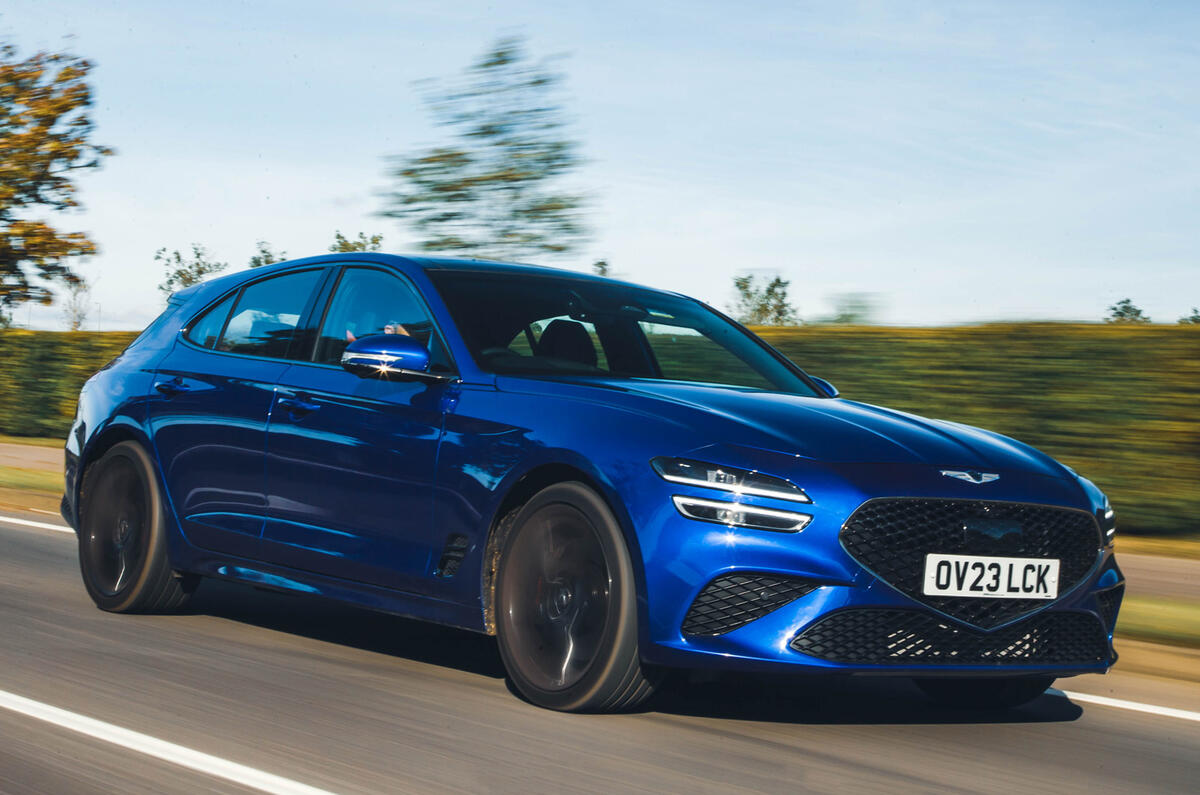
I don't know how easy it is to recommend the Genesis G70 Shooting Brake, a car that's sufficiently old-fashioned in ethos that it would be an expensive choice to own yet so rewarding in its execution that it's tempting to guide people towards it anyway.
To recap: Genesis is the posh arm of Hyundai like Lexus is to Toyota or Infiniti is to Nissan - the latter no longer in Europe after discovering how hard it is to convince people to buy into a new prestige brand.
That's Genesis's first challenge, then. Add in launching during a pandemic with a 2.0-litre petrol estate that returns 31mpg when everybody is buying SUVs and when EVs are hugely incentivised as company cars and you get an idea of why it isn't common to stumble across a G70 Shooting Brake today.
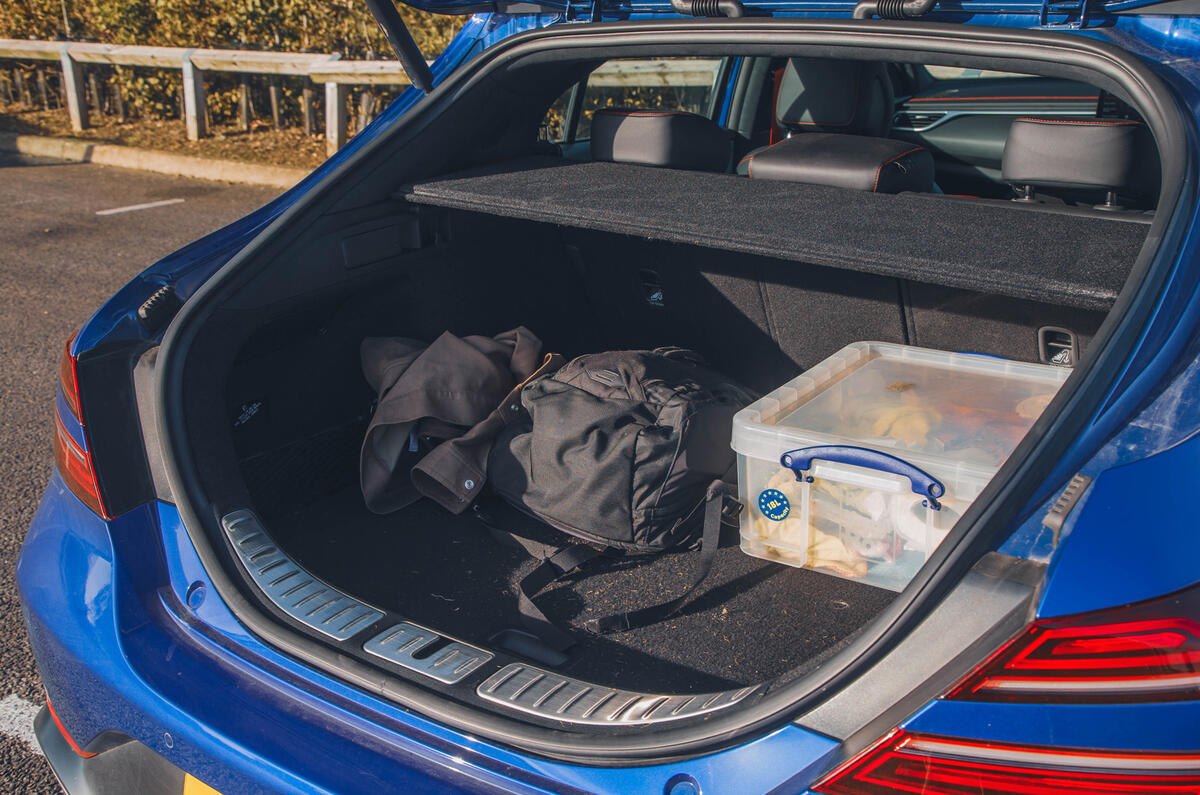
It's a shame because I've enjoyed the time I've spent with this car. It's easy and practical to rub along with, sensibly and logically laid out inside and rewardingly characterful to drive in a way that taller cars generally aren't.
It came in 2.0-litre Sport form, then costing £41,995 before options (of which there were many fitted) - although back then you could have it with a 2.2-litre diesel instead.
As with the BMW 3 Series which is the G70's most obvious rival, this once would have been unmistakable company car territory for executives whose car list would have included compact saloons and wagons.
The G70 petrol's corresponding 217g/km of COz emissions, which puts it into the 37% benefit-in-kind tax bracket, is why it's a much harder sell than it once would have been.
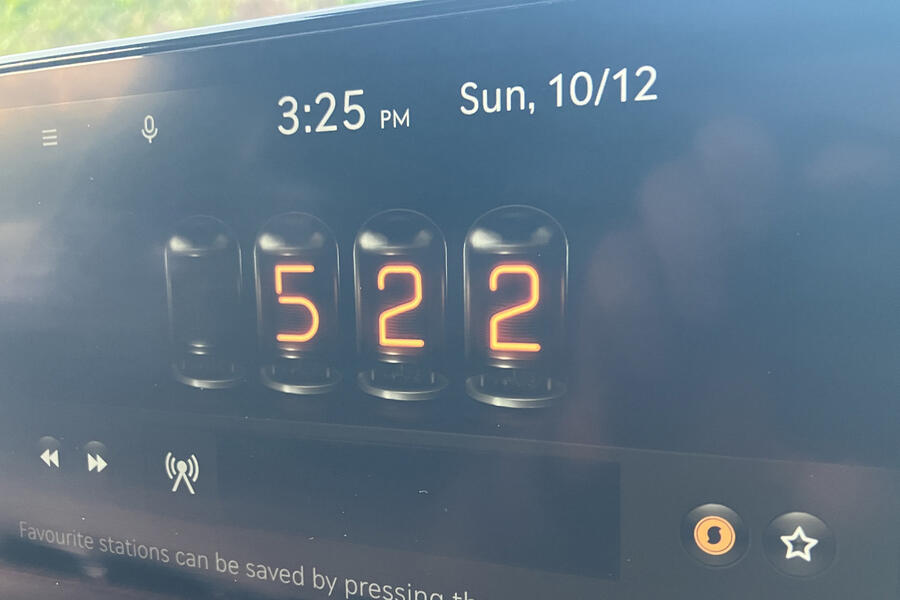
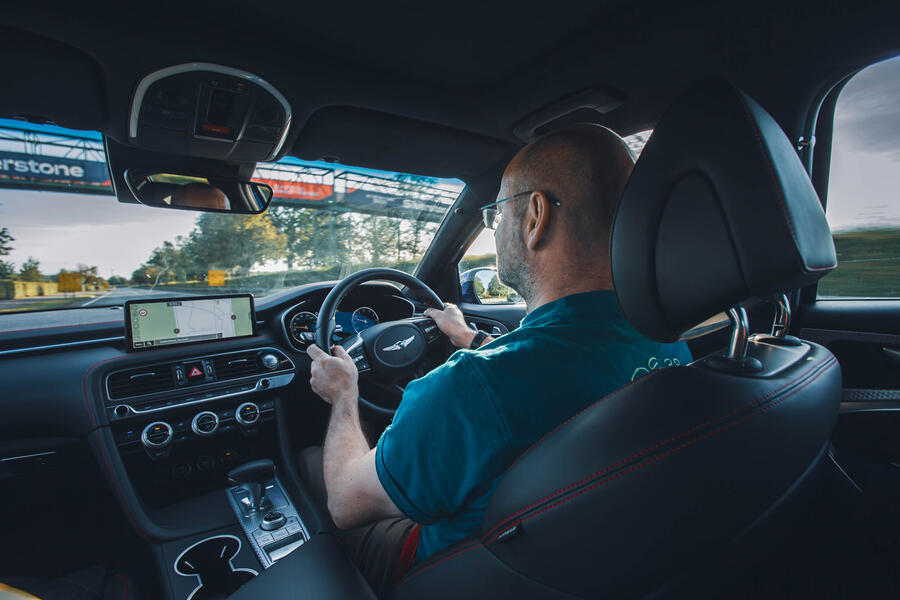
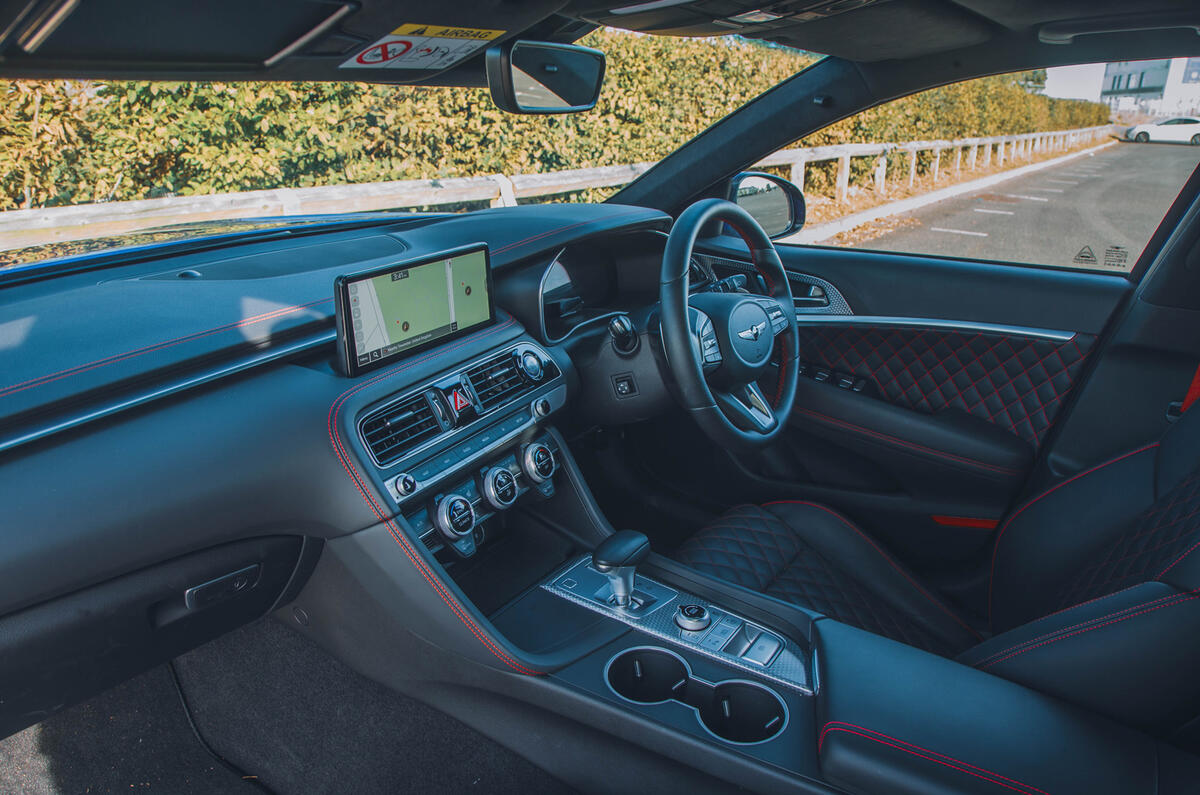
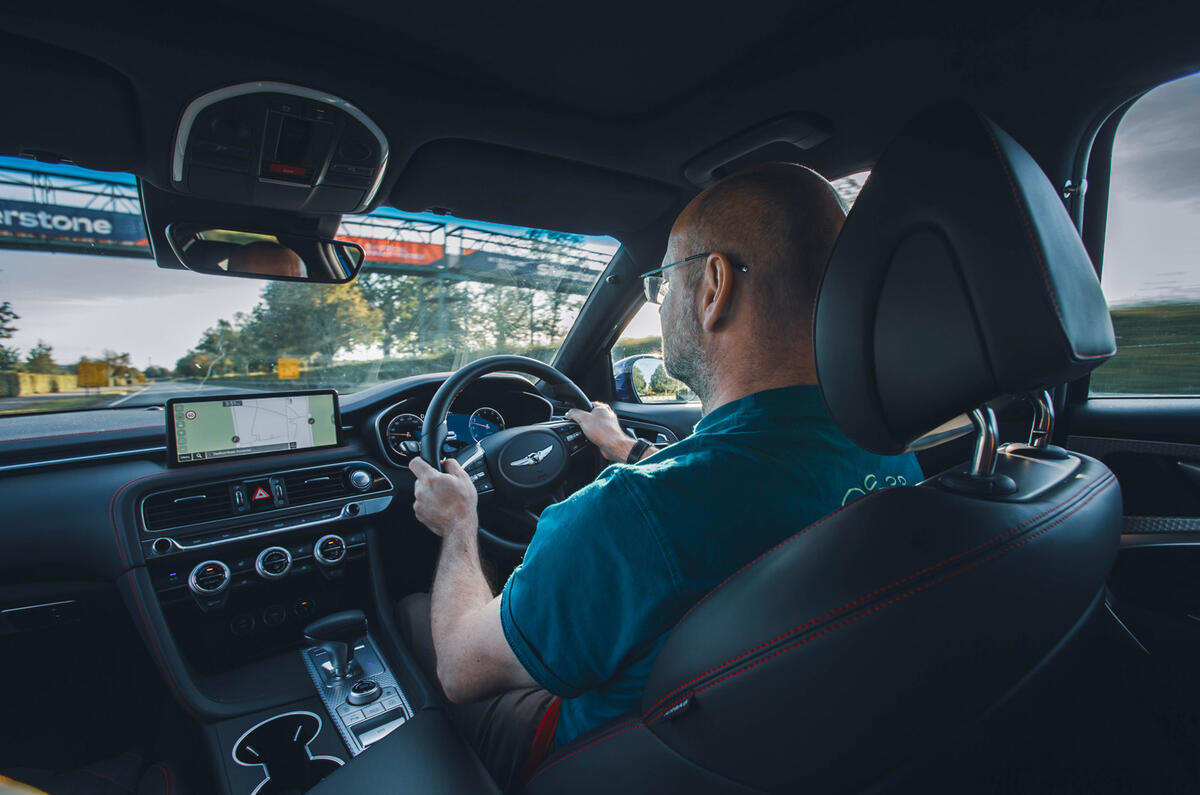
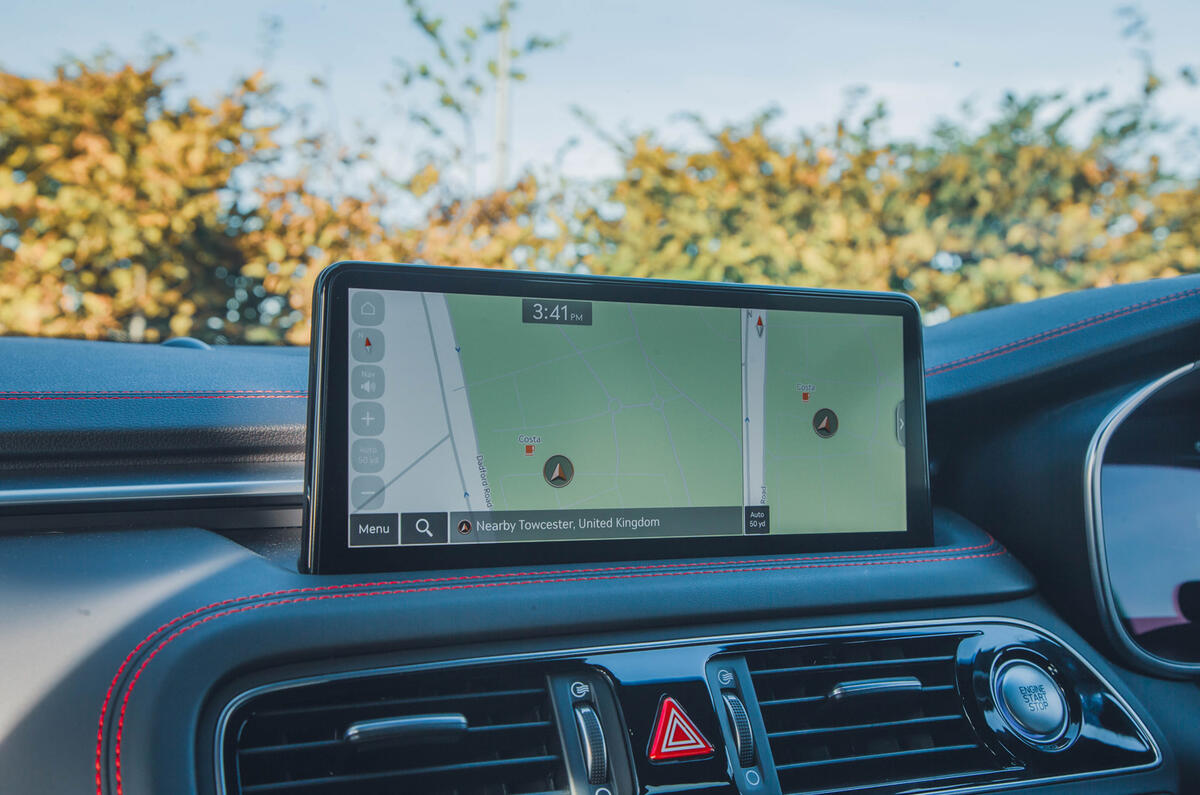
Still, this is a pleasant engine, driving through an eight-speed automatic gearbox and a limited-slip differential to the rear wheels. You can decide how brappily augmented its sound is by the car's speakers through a comprehensive and attractively designed infotainment system that happily isn't lumbered with operating too many driving functions.
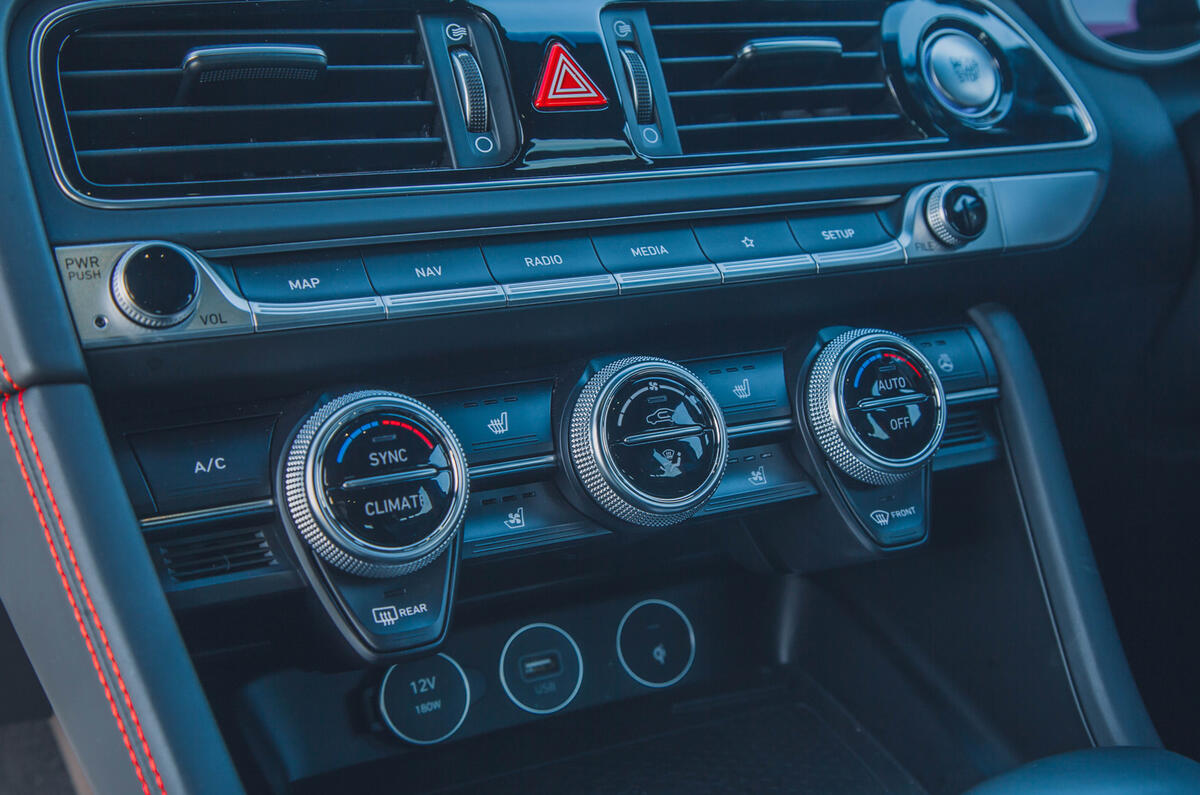
Such is the array of physical switchgear that it's possible to go through a journey without using the touchscreen at all - once, that is, you have spent a minute or two the first time you drive it setting the driver assistance settings to the levels you want. Otherwise, the number of bings and bongs can drive you to distraction.