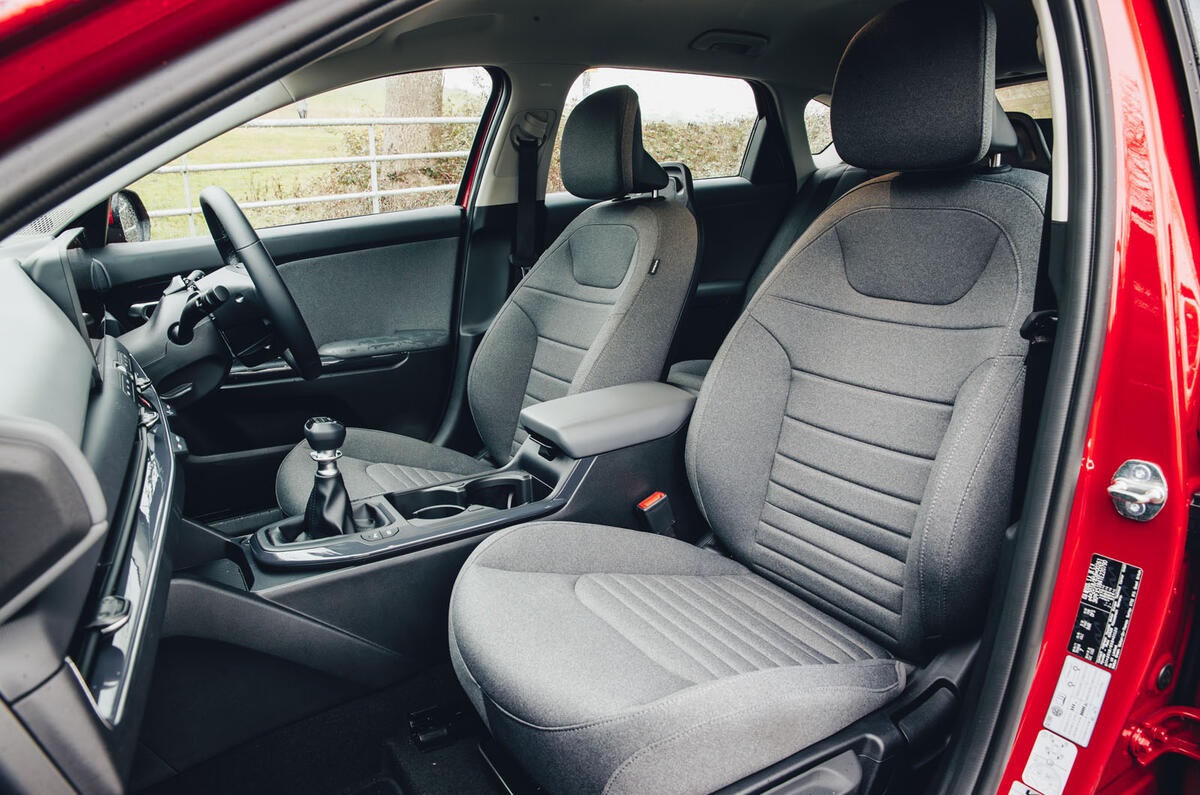
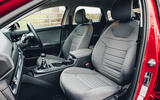
After testing a series of EVs and SUVs, it is comforting to open the door and sink down into a low-set driver’s seat, particularly one trimmed in an invitingly soft fabric.
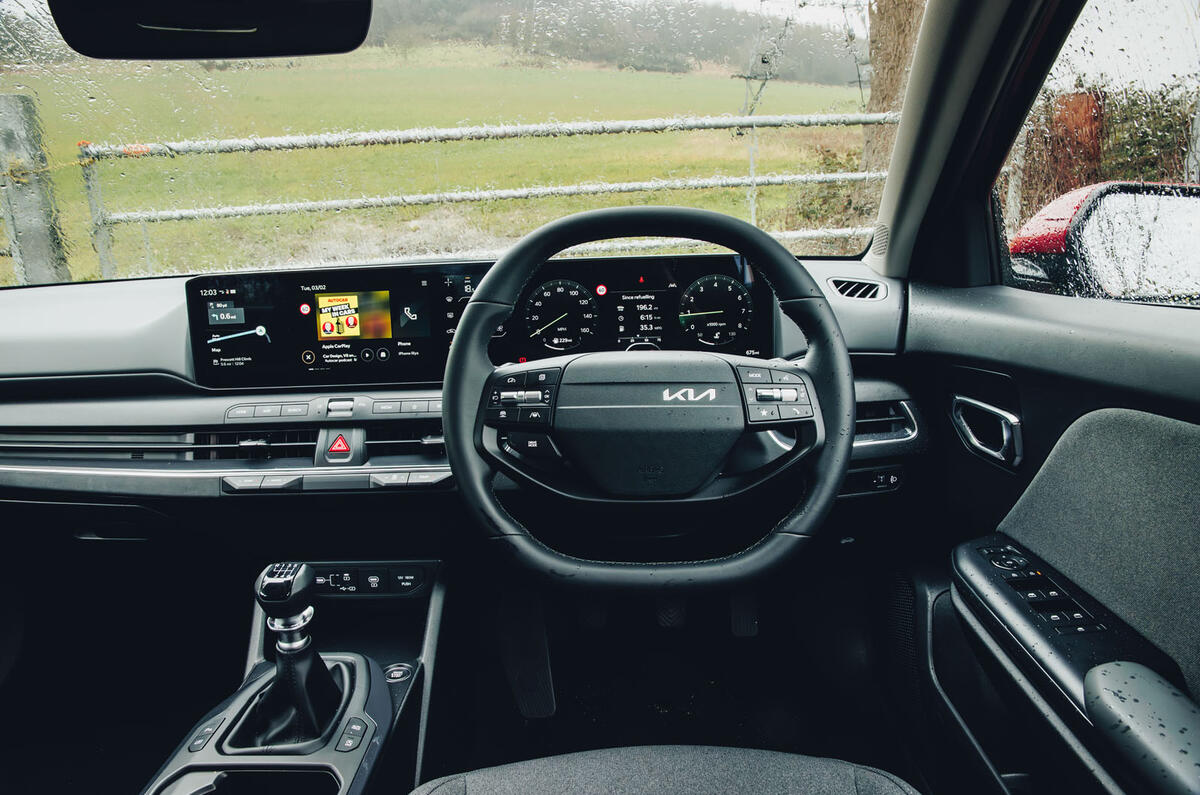
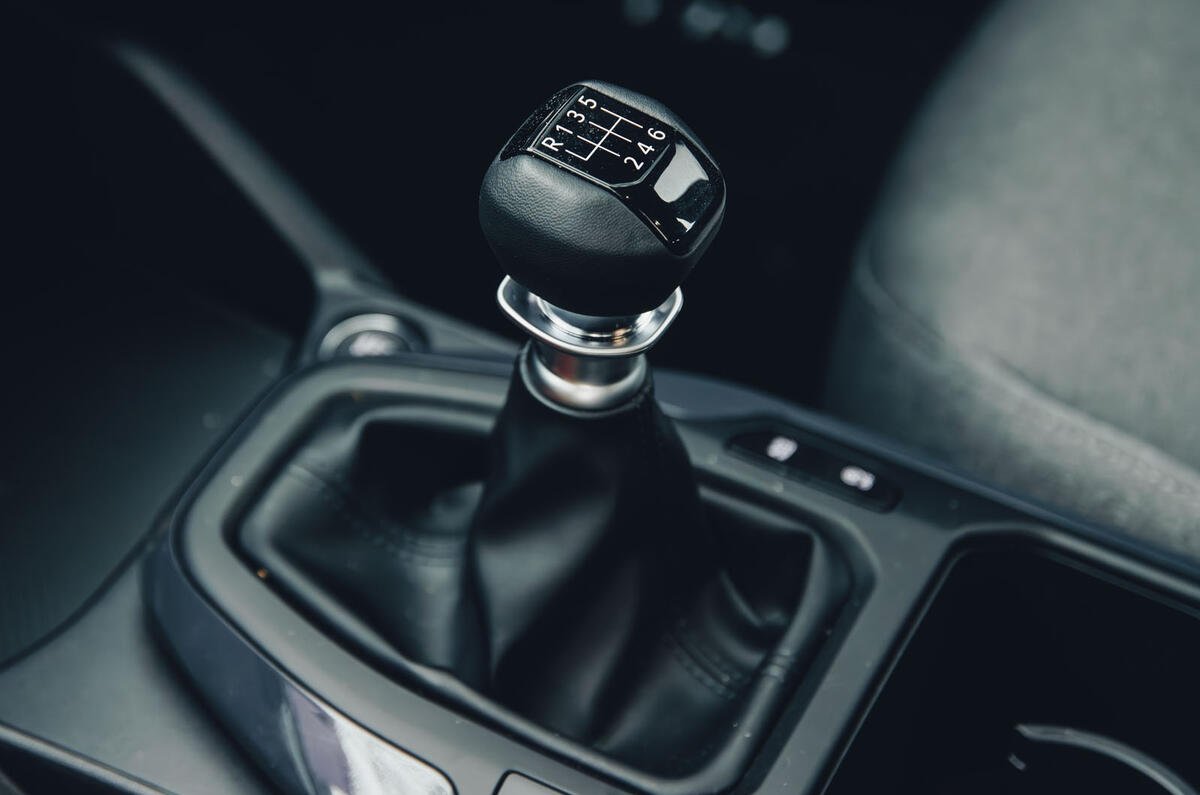
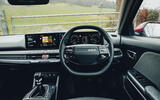
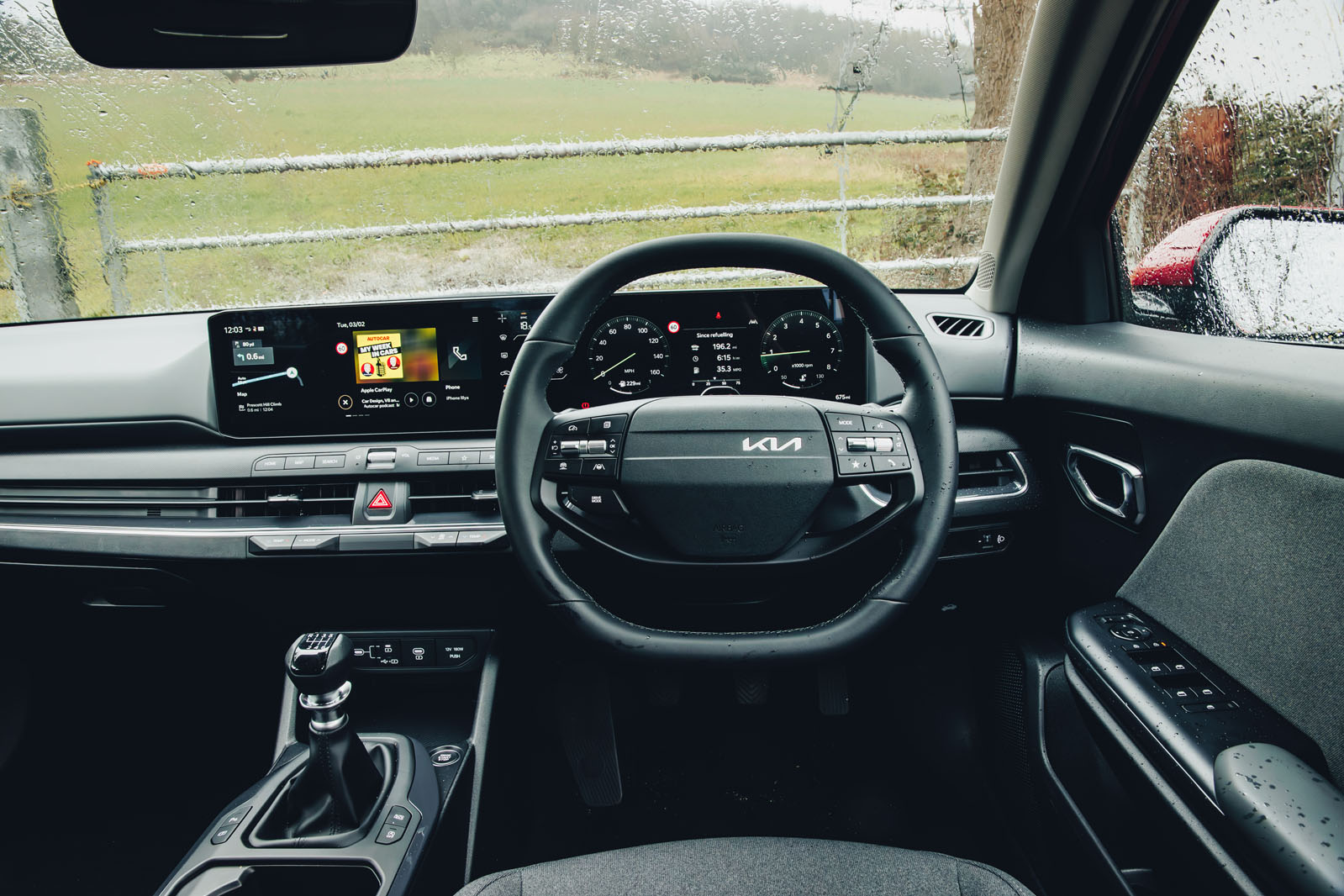
The K4 benefits from a very sound driving position, with three well-spaced pedals and ample (manual) adjustment in the seat and steering column. At least that is the case in the entry-level Pure model. We also spent some time in a middle-rung GT-Line car with the 1.6-litre engine, which gets electric seats as standard. The latter gain lumbar and tilt adjustment but sit you very slightly higher up, perched over the steering wheel a little.
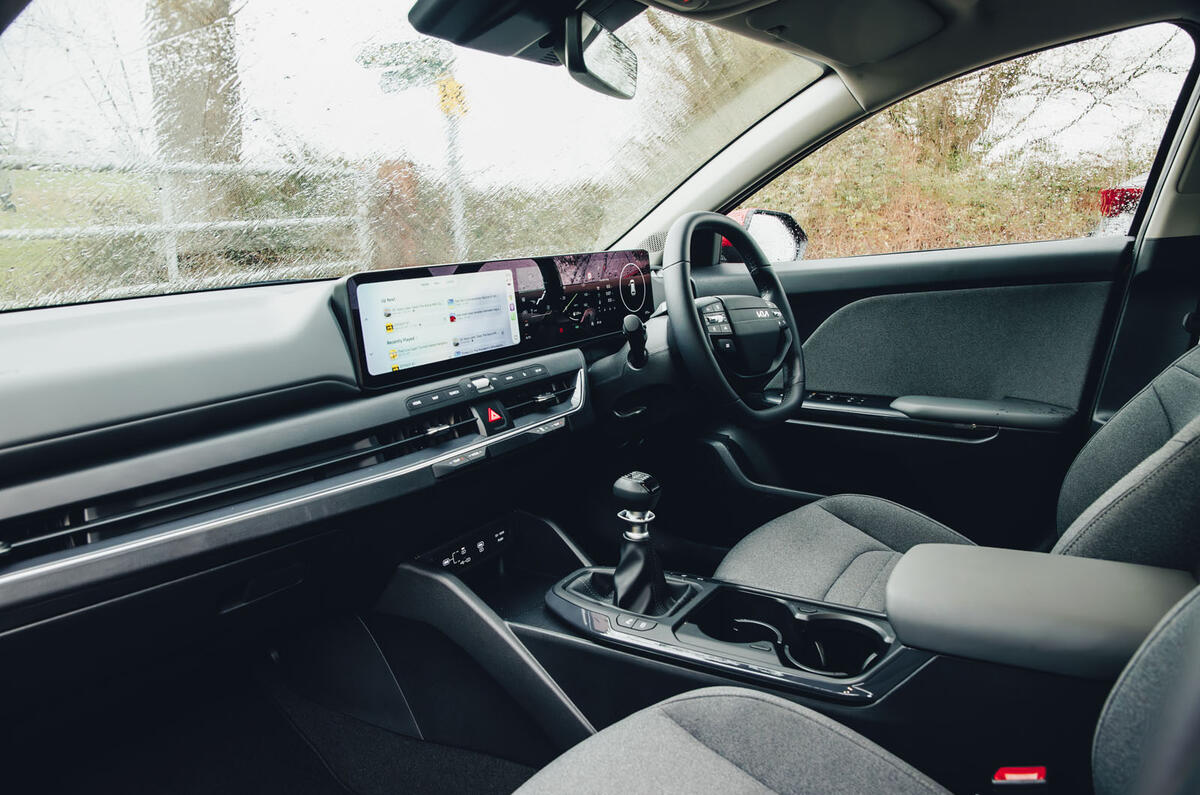
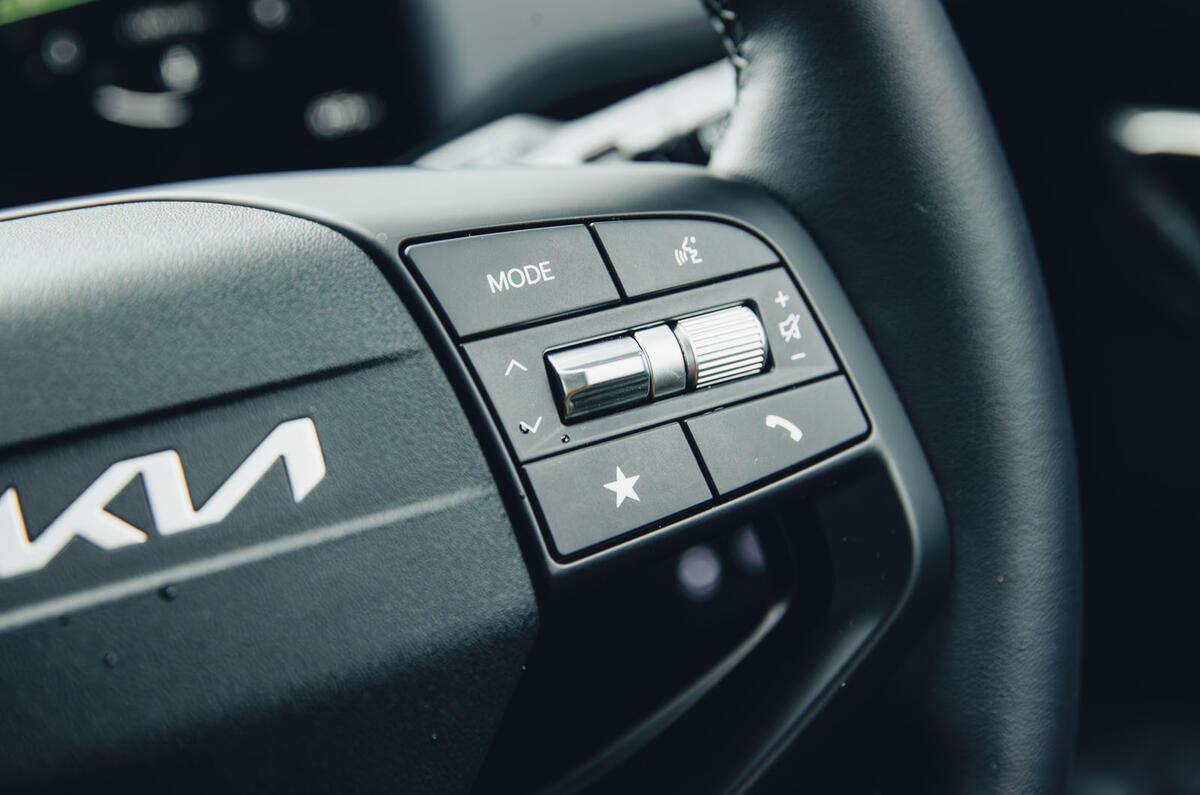
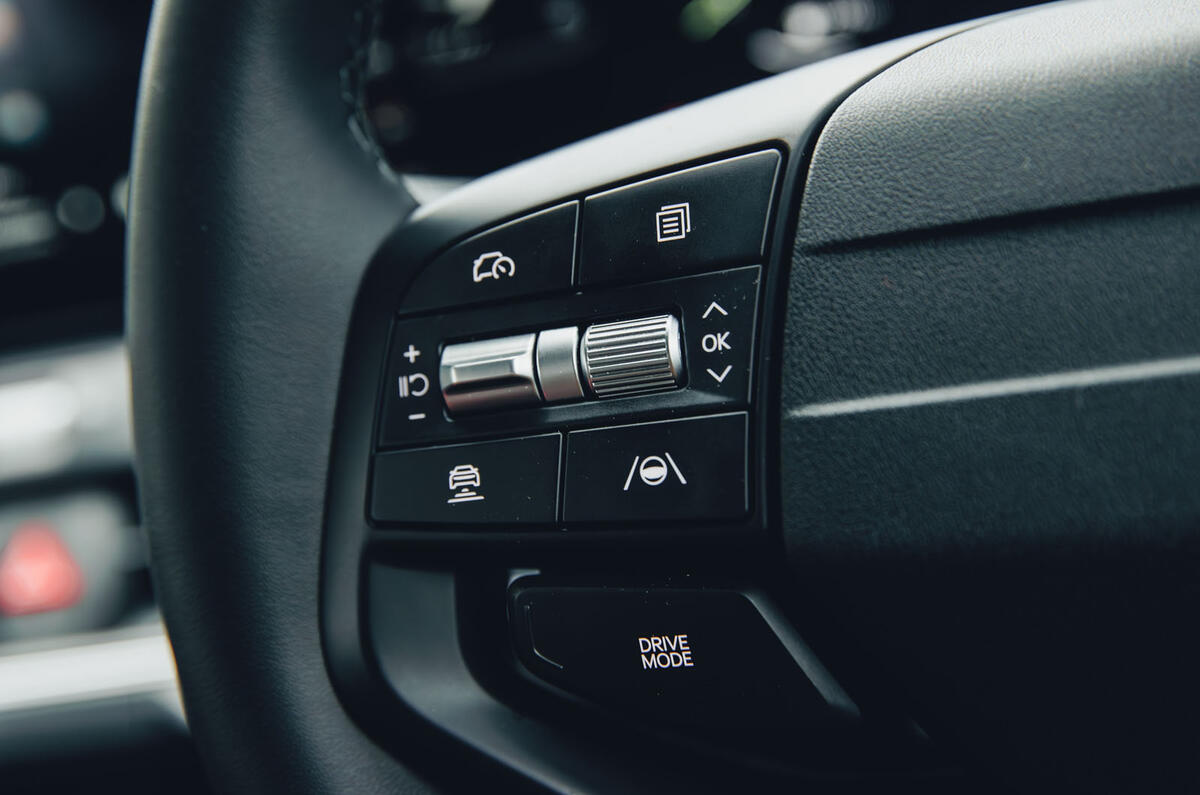
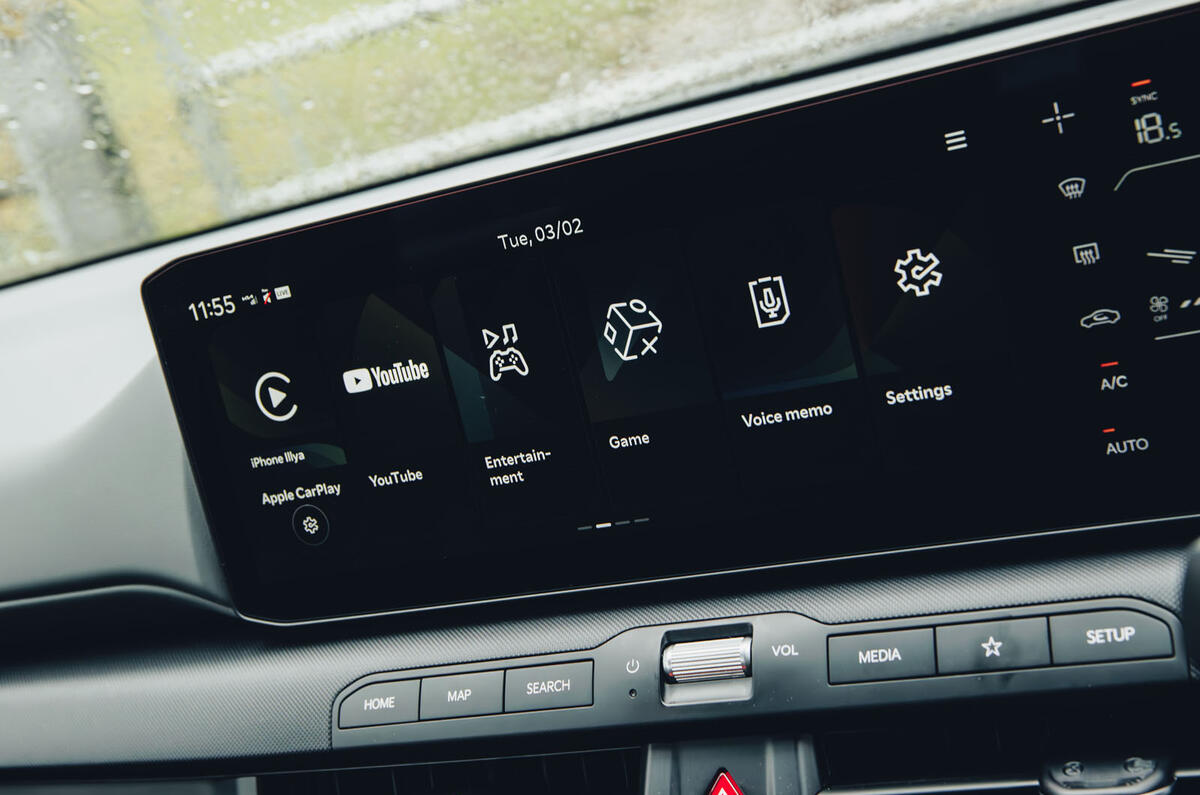
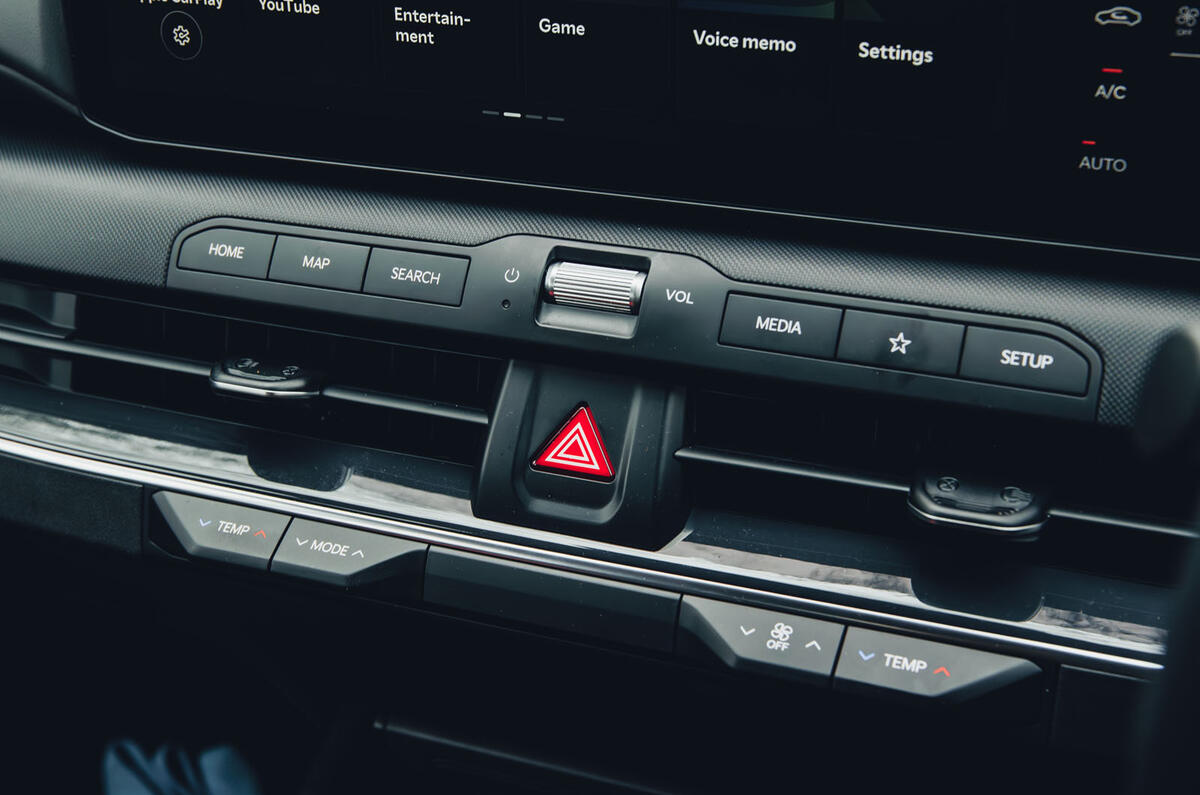
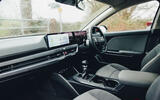
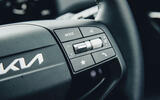
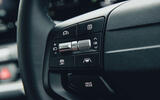
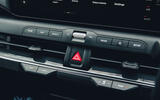
What all K4s share, though, is sensibly laid-out controls. Kia is well versed in this art by now, and if you have been in another modern-era Kia, everything will feel very familiar. Although the dashboard is hardly festooned with buttons, there is a higher-than-average number of them. Significantly, they all serve a clear and useful purpose. Switching to the navigation or phone mirroring, turning the heat up or temporarily silencing the parking sensors – all require just one button press. The car in these pictures didn’t have heated seats, but cars that do gain an extra button panel by the door handle.
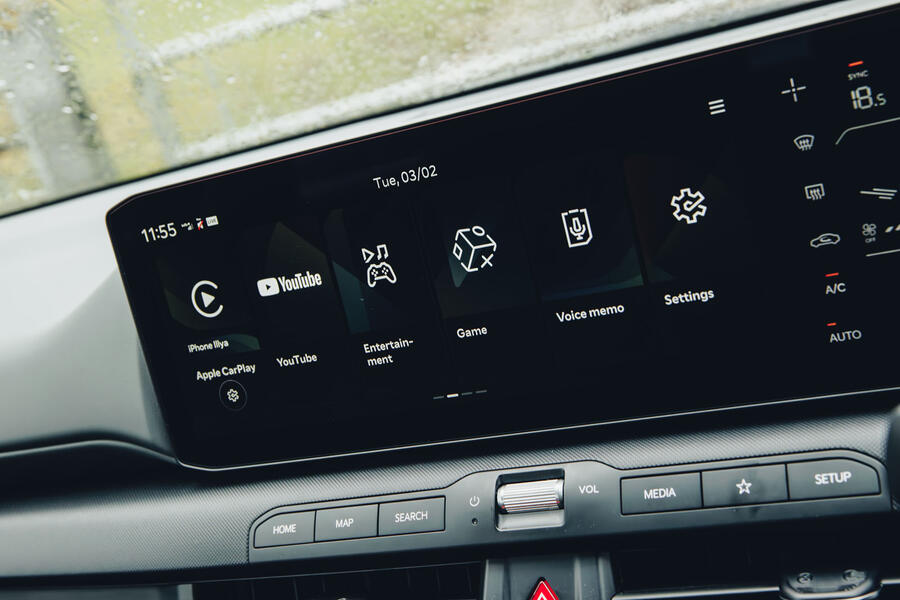
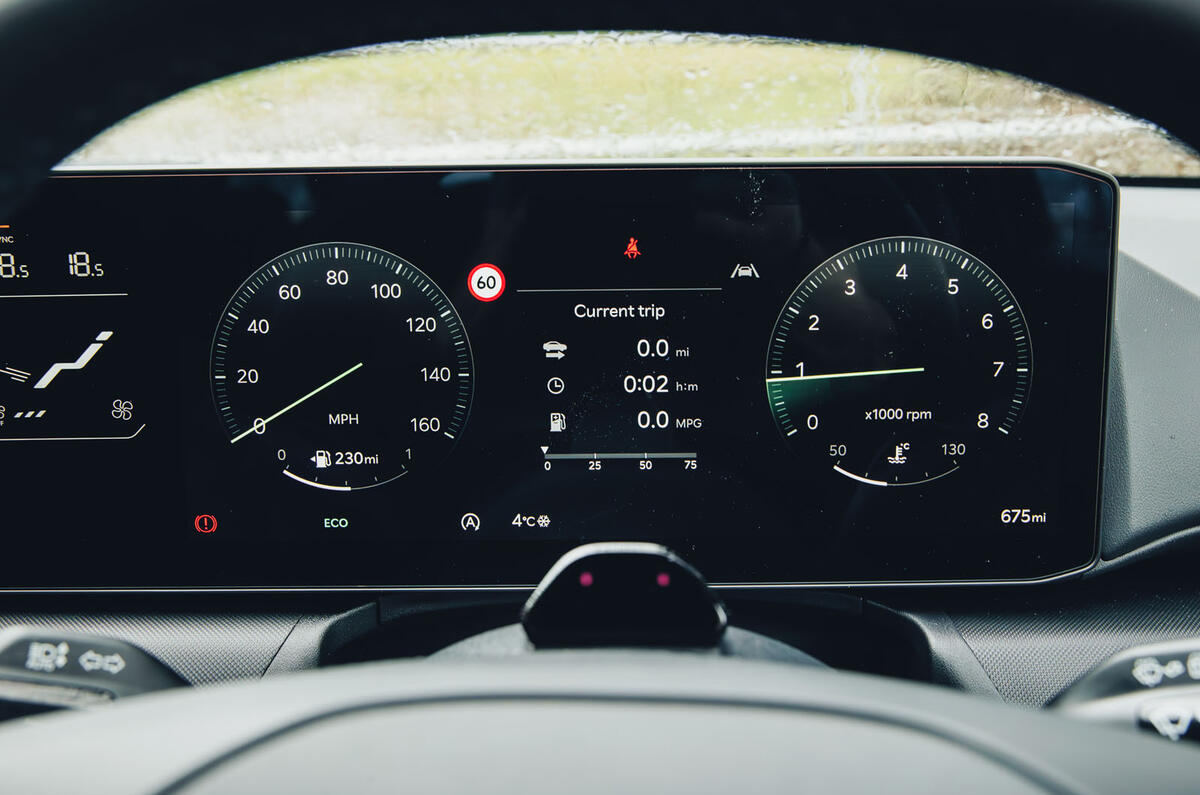
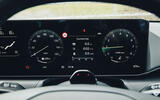
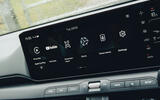
Kia’s typical screen triptych, with a 12.3in driver display, a 12.3in main touchscreen and a 5.3in touchscreen for miscellaneous climate control functions sandwiched between them, is clear, easy to navigate and features a useful amount of customisation. The built-in navigation is well worth using, and new Kias come with seven years of connected services for free.
Perceived quality is hard to fault too. On some Kias the bottom trim level is brought down with cheaper materials, but that is not the case on the K4. The dash and door cards are all trimmed in soft materials and all the switchgear feels solid. We actually found that the fabric trim in the Pure felt cosier than the faux leather in the GT-Line. What they both share is a rather drab and unimaginative grey colour scheme.
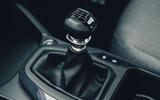
We have no complaints about the practicality either. The tray in front of the gear selector becomes a wireless charging pad on higher trims, and we like the centre console arrangement: it’s a large box that can hold all sorts of stuff, with two pop-out cupholders that can be deployed when needed.
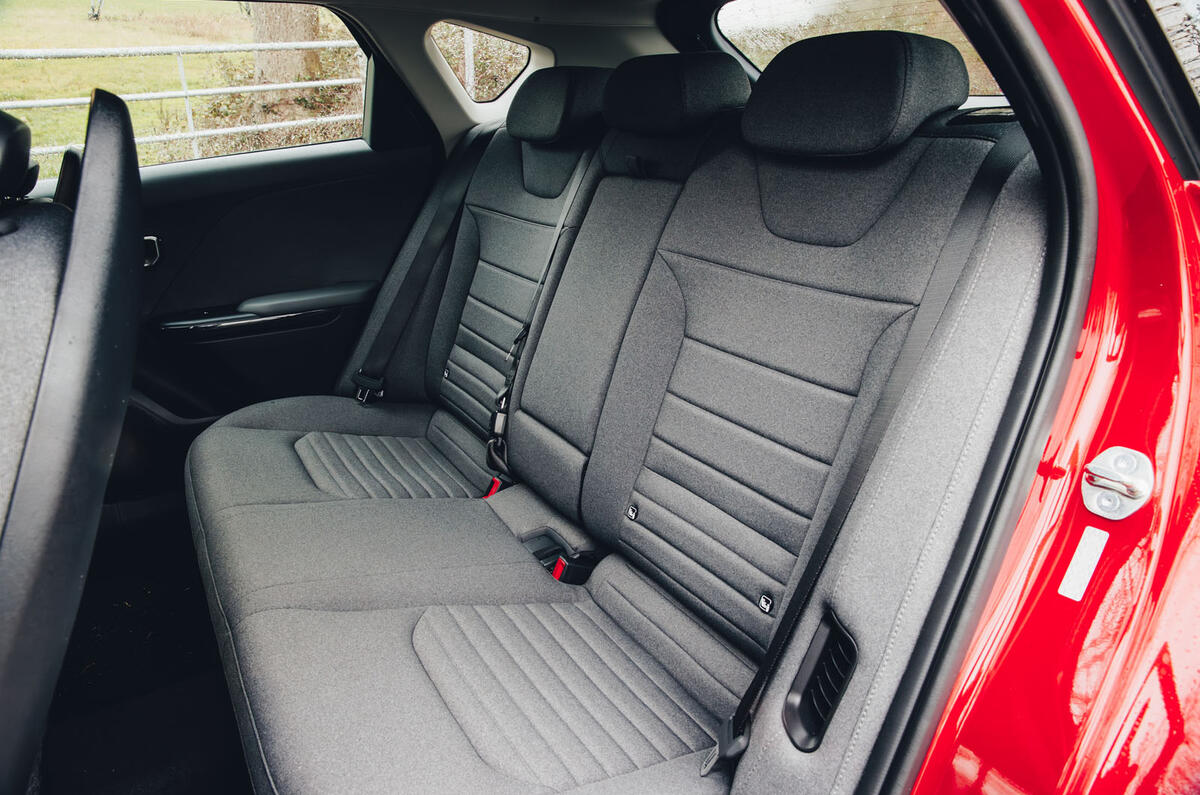
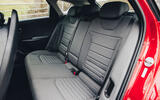
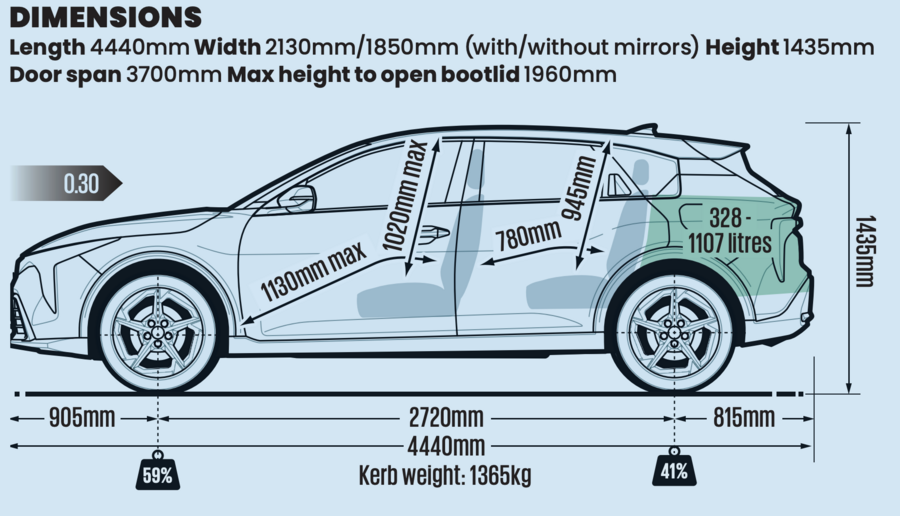
The K4’s generous exterior dimensions translate to class-leading interior space, with more rear leg room than any C-segment rival we have measured. Head room is a little tight but should be sufficient for most adults.
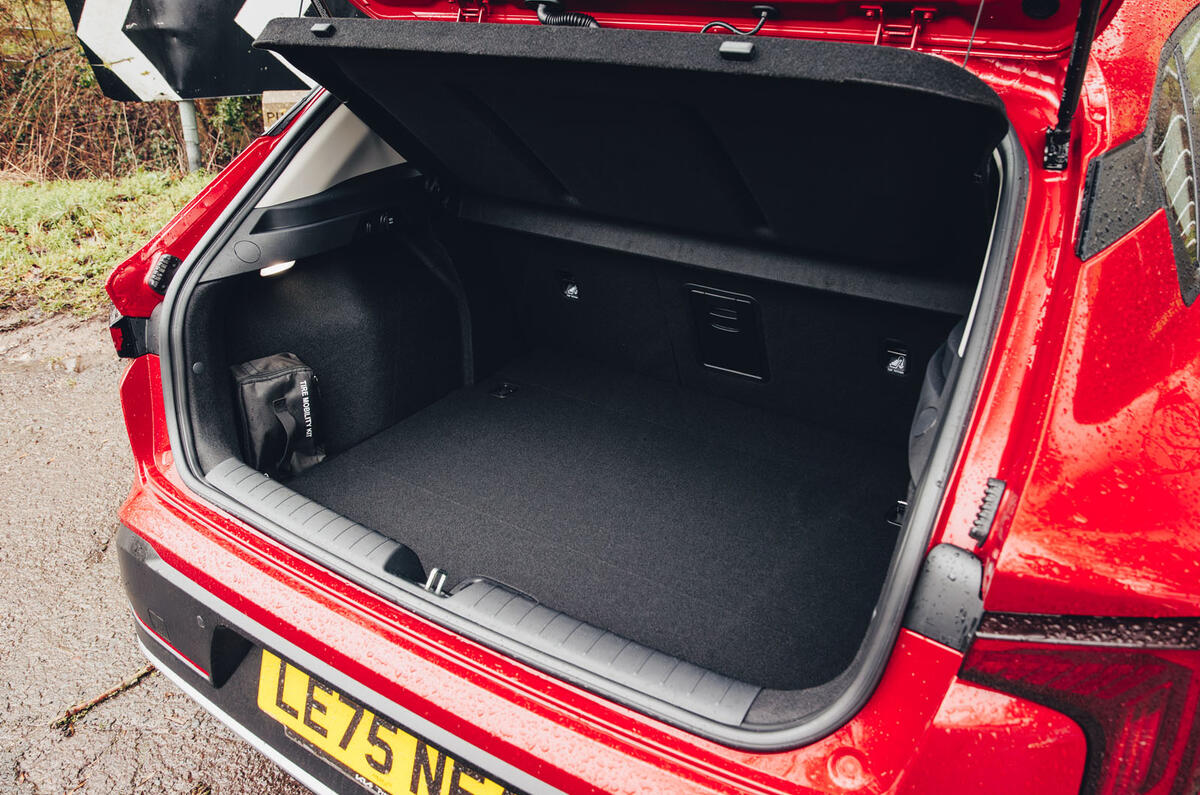
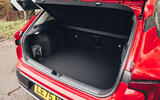
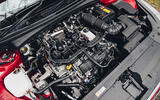
Luggage space is a more mixed story, because the battery for the mild-hybrid system hides in the spare-wheel well. As a result, while the 1.6 has a very class-competitive 438 litres of space and room for a spacesaver wheel, the 1.0 makes do with just 328 litres, which is less than in a Volkswagen Golf. There is more space under the floor, but it’s rather uneven. On the other hand, the 1.0’s higher floor does create a flat load space when the rear seats are folded down, whereas there is a step in the 1.6.