From £32,9858

Bullish Korean brand bursts onto the van market with futuristic-looking electric MPV to rival Volkswagen ID Buzz

Even by the standards of a car firm that has radically transformed its line-up in recent years, the new Kia PV5 is a hugely significant machine. Which is saying something for what is essentially a van.

Actually, Kia would rather you call it a Platform Beyond Vehicle (PBV), a descriptor that will be applied to the Korean firm’s new line of electric light commercial vehicles (e-LCVs).

A couple of years ago, Kia design boss Karim Habib told us that the “post-SUV” era is coming, and the new PV5 feels like the most obvious manifestation of that intent.

The PV5 is the first, and it will be joined by the larger PV7 and PV9 in 2027 and 2029 respectively – and there are more to come. 
Kia is plotting what it terms a “brazen journey” to become a leader in the e-LCV segment: it’s targeting 250,000 PBV sales globally by 2030. Given Kia’s growth in recent years, don’t bet against that happening.

There are two variants of the PV5 at launch: a Cargo van and a Passenger MPV. A Chassis version, on which different types of rear compartment can be fixed, will follow, along with further options for each of the variants. There will eventually be a High Roof version and variants of differing lengths too.

We've had the chance to sample both the Cargo and Passenger variants, but this review will focus primarily on the latter.

Advertisement

DESIGN & STYLING

Kia PV5 design 9

The PV5 sits on the new E-GMP.S (Electric Global Modular Platform for Service) platform, a commercial-vehicle-focused variant of the bespoke electric car architecture that underpins Kia’s EV and Hyundai’s Ioniq model ranges.

Because the PV5 is designed to be flexibile, using what Kia calls an Integrated Modular Architecture, each of the three planned versions can be easily adapted for various purposes, either on the main production line in Hwaseong, South Korea, or by third-party firms. Kia says it has done extensive research with both business and private CV buyers to help develop the customisation offerings.

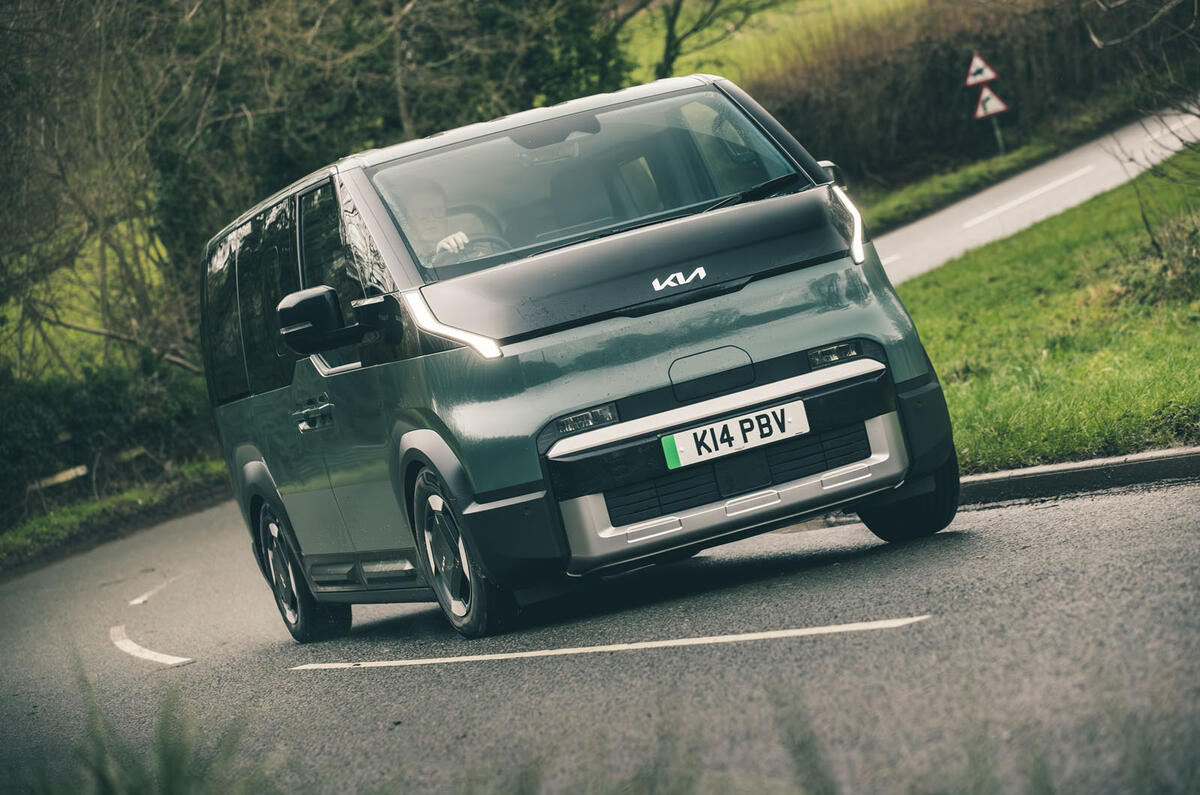
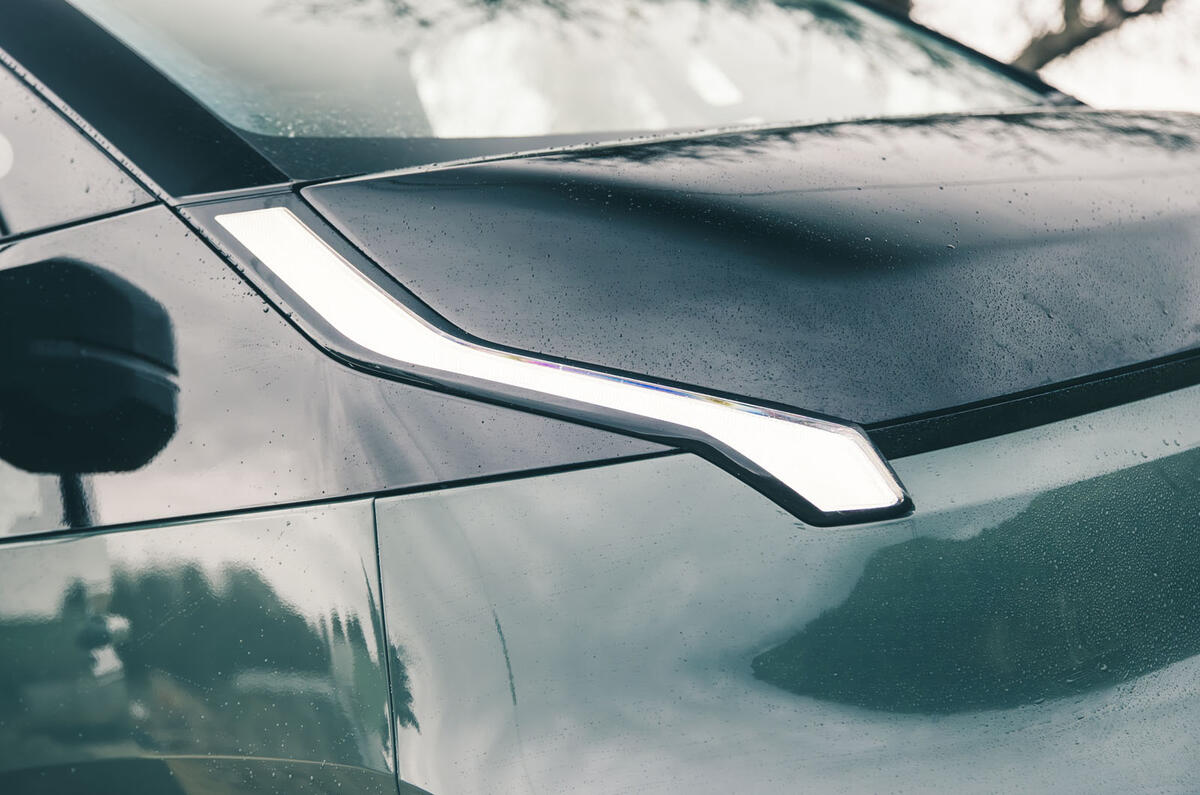
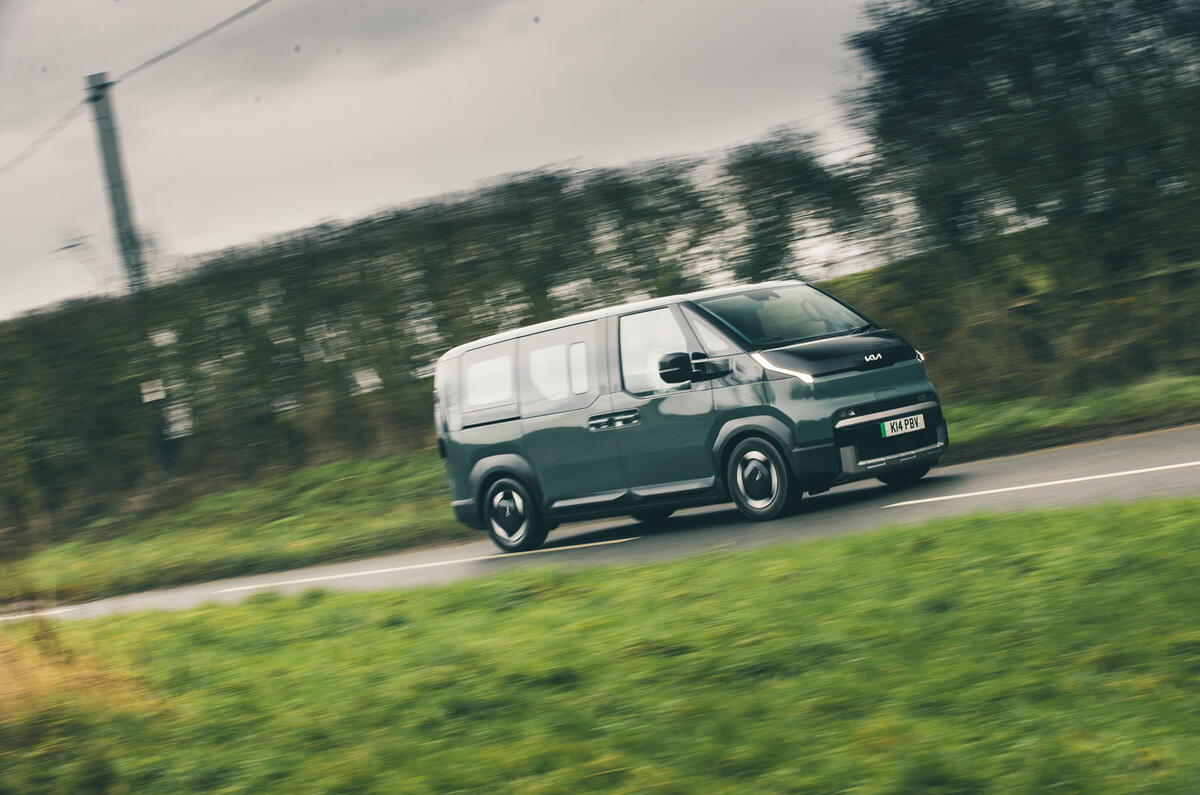
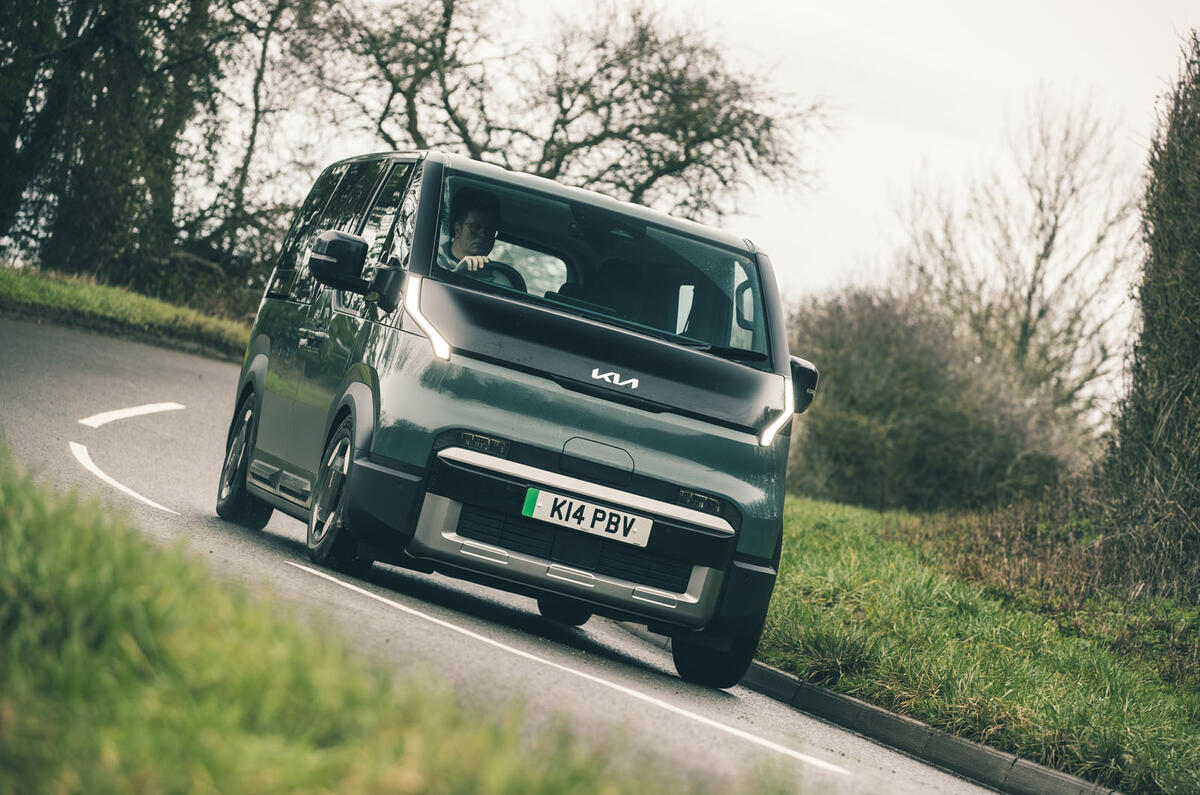
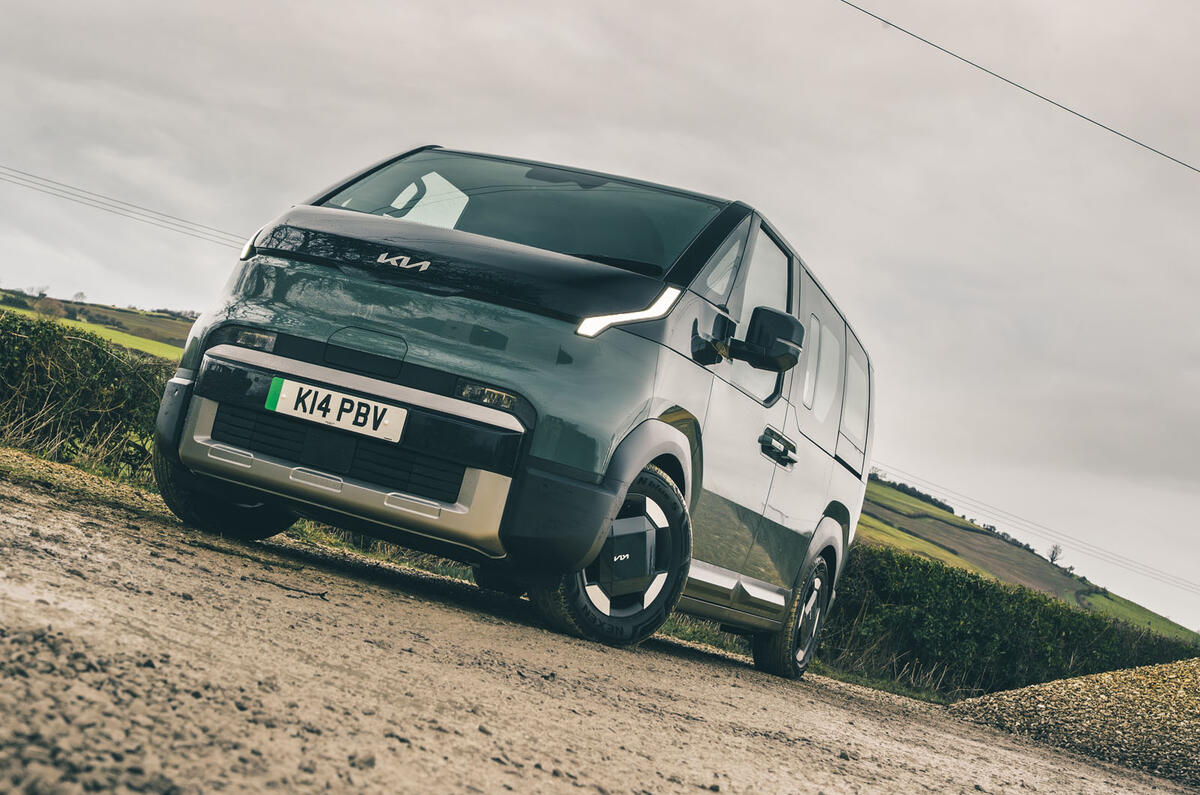
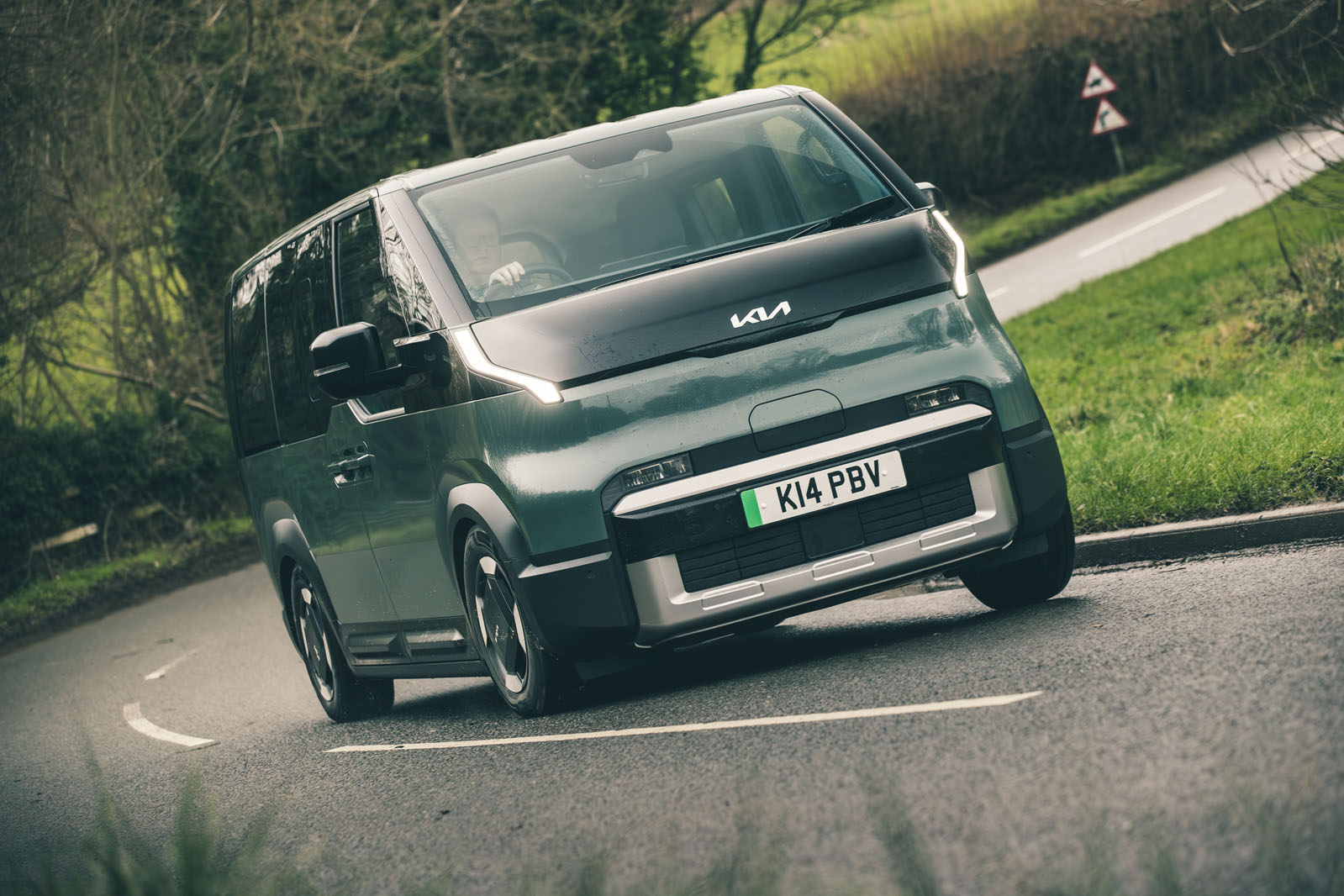
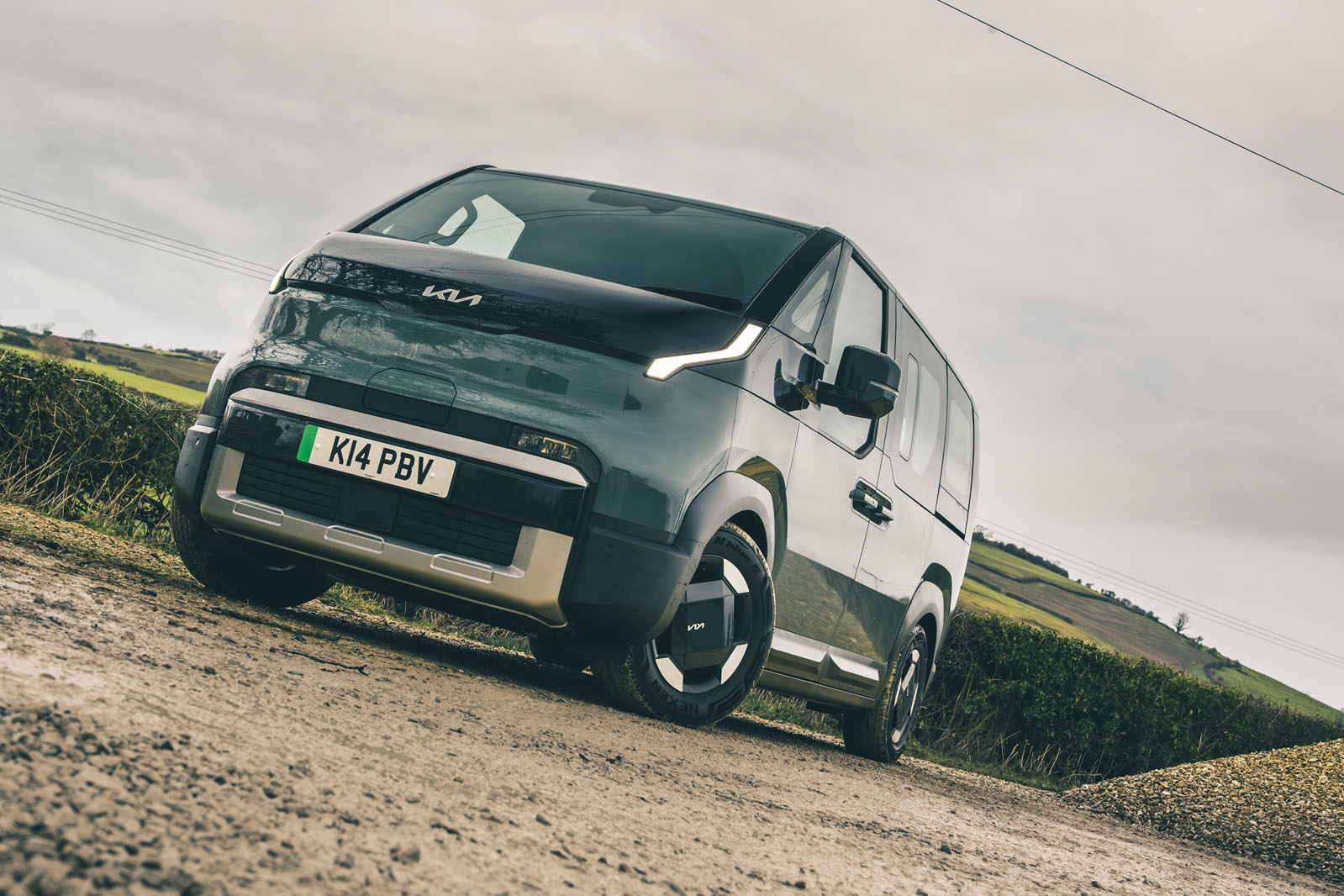
Low-set headlights are nothing new, but the PV5’s front end looks like it has eaten a Hyundai Ioniq 5. I can’t unsee it.

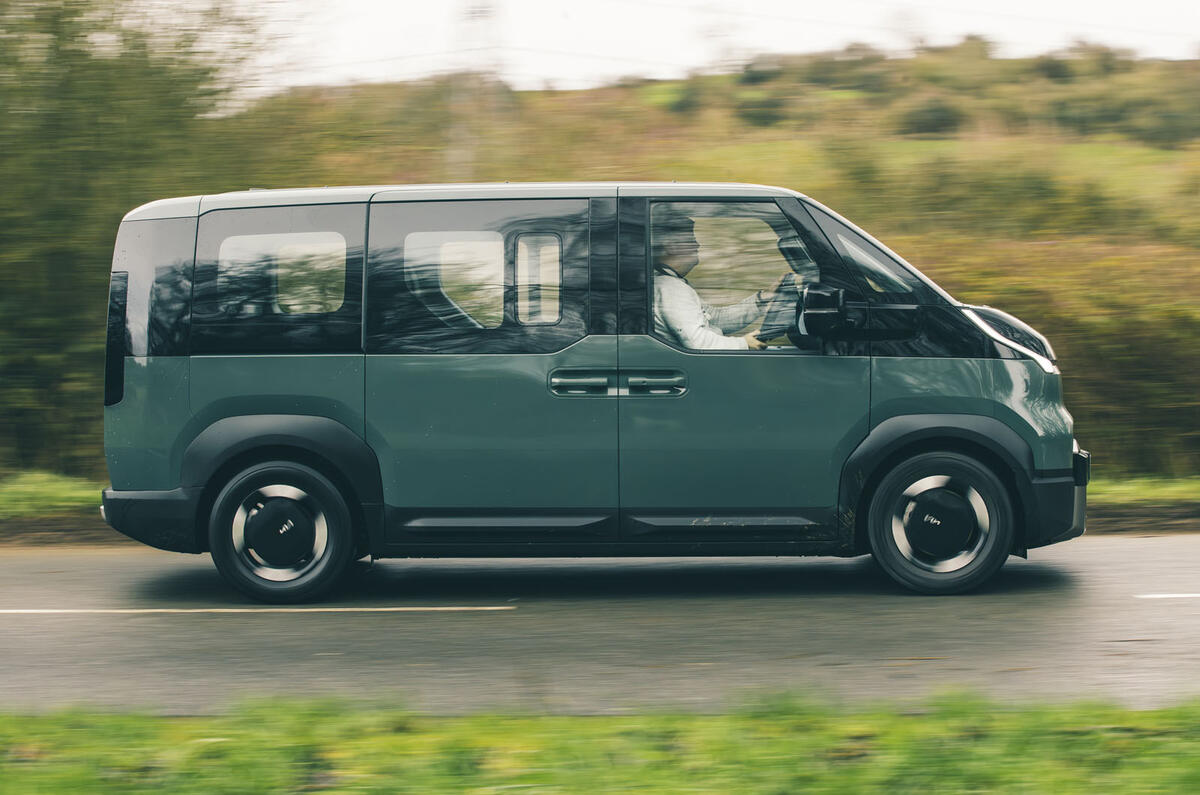
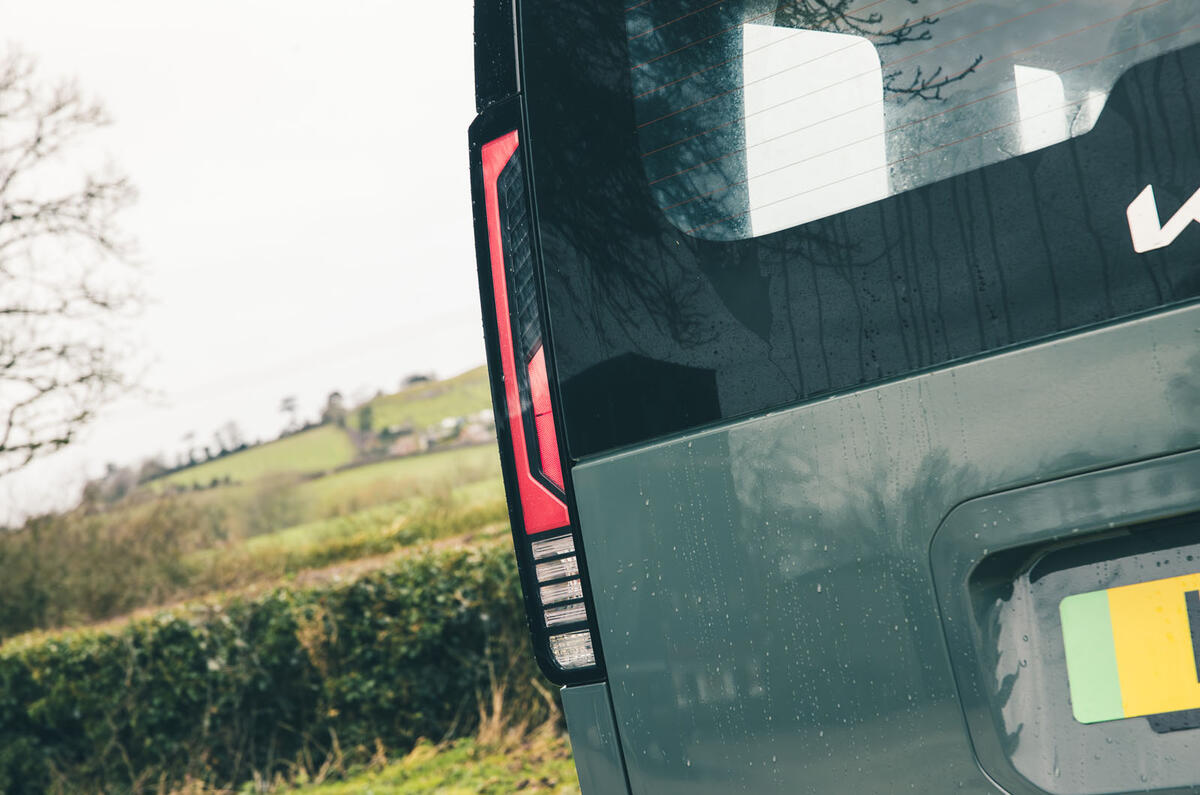
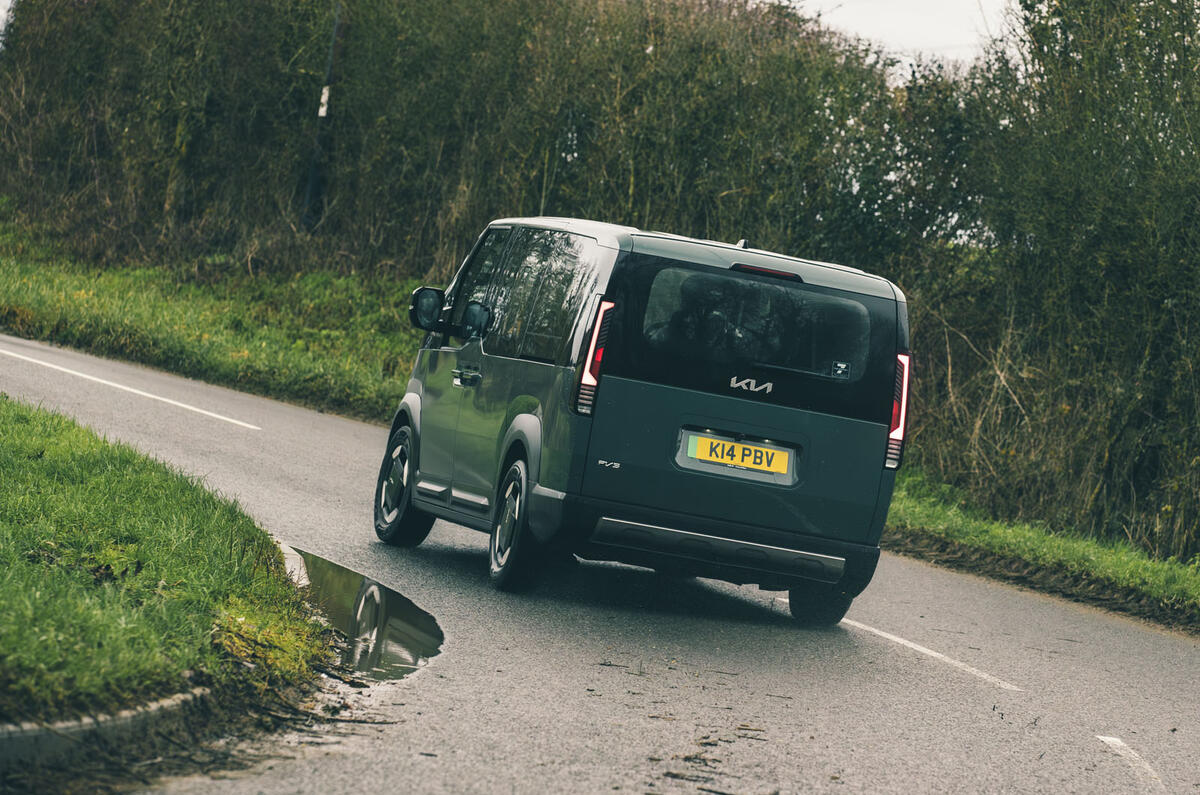
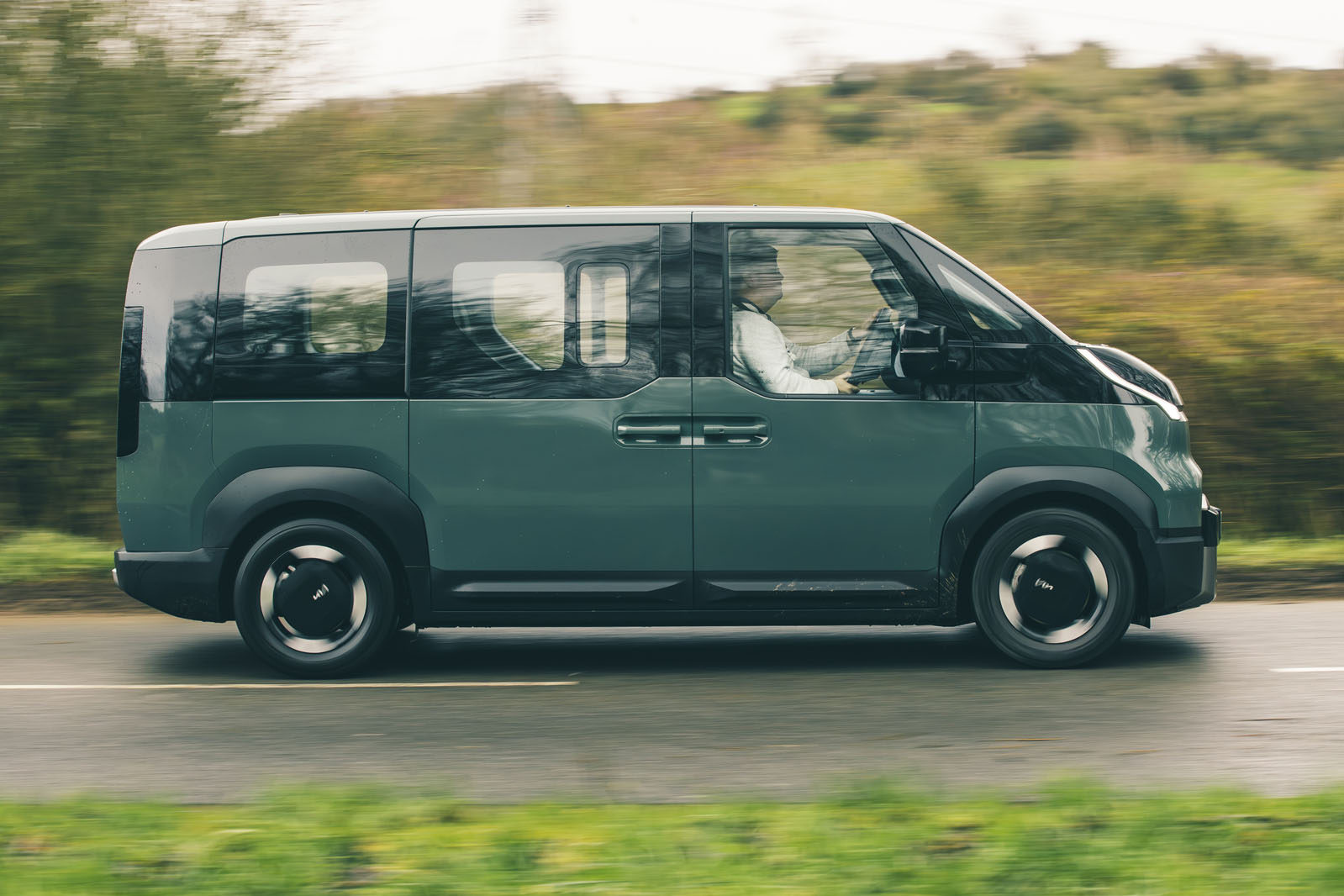
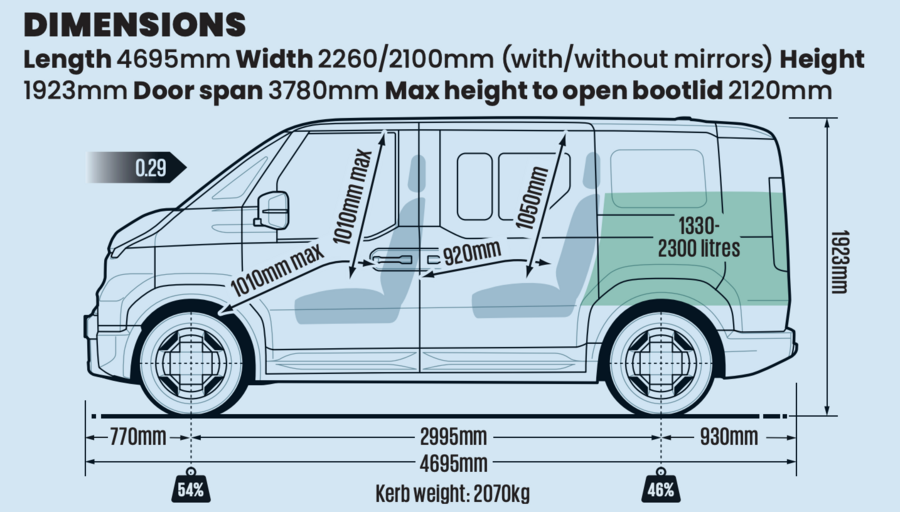
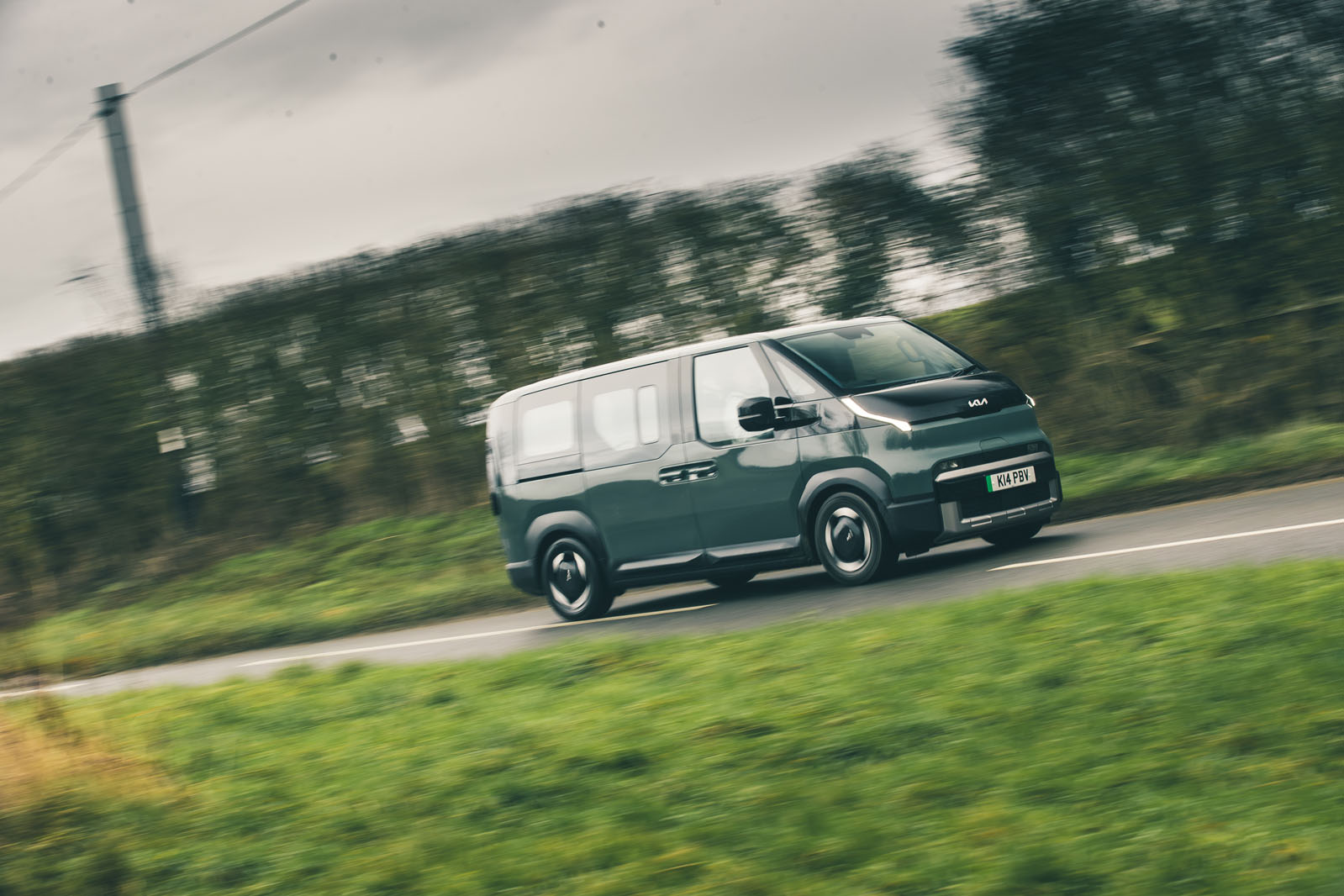
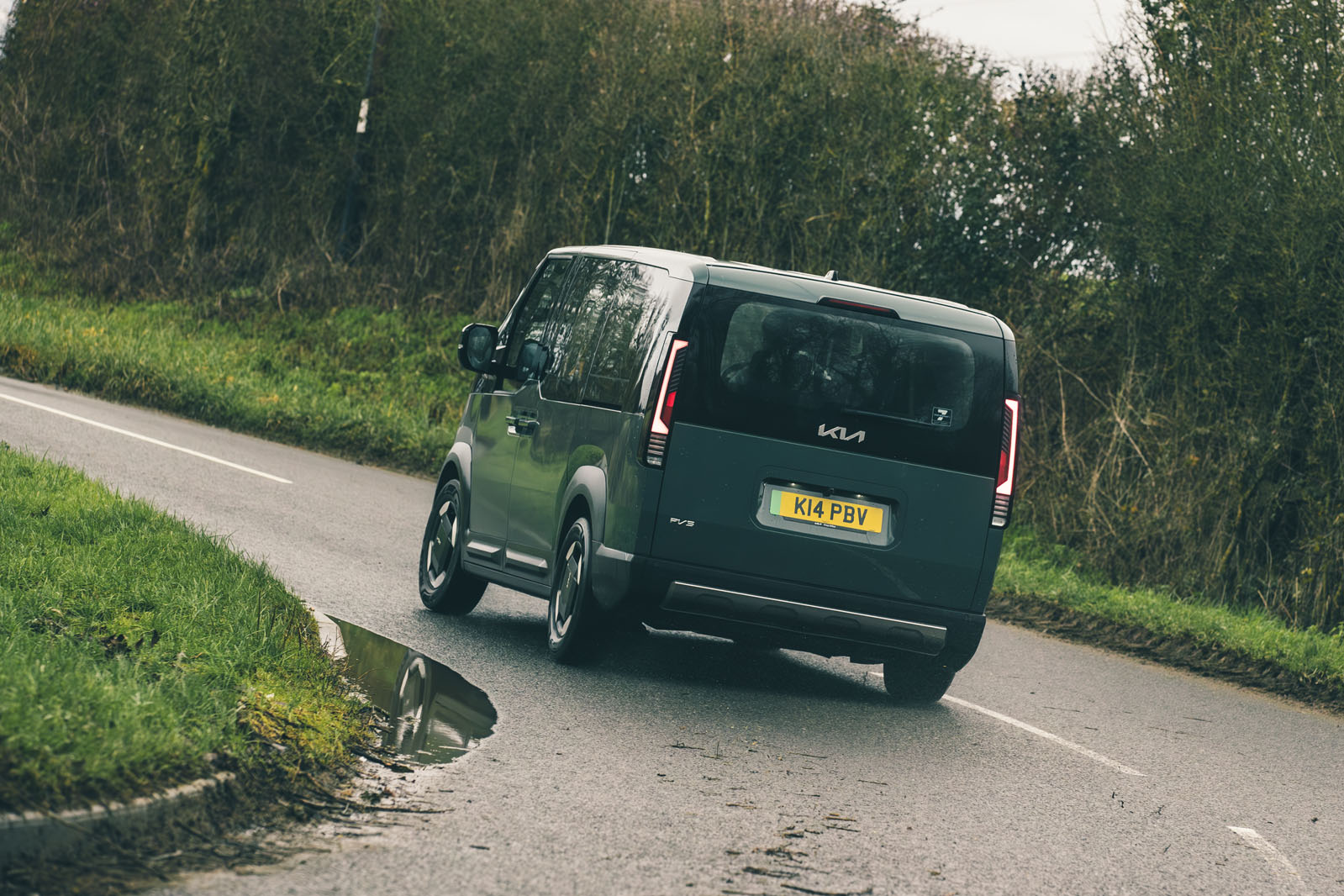
At 4695mm long, the PV5 Passenger is slightly shorter than the Volkswagen ID Buzz or the Citroën ë-Spacetourer and its various siblings. As the only other bespoke electric van-based MPV on the market, the ID Buzz is the obvious rival, but while that trades on retro design charm, the PV5 opts for cutting-edge futurism. Its cyberpunk-ish styling doesn’t much resemble anything else in Kia’s current line-up.

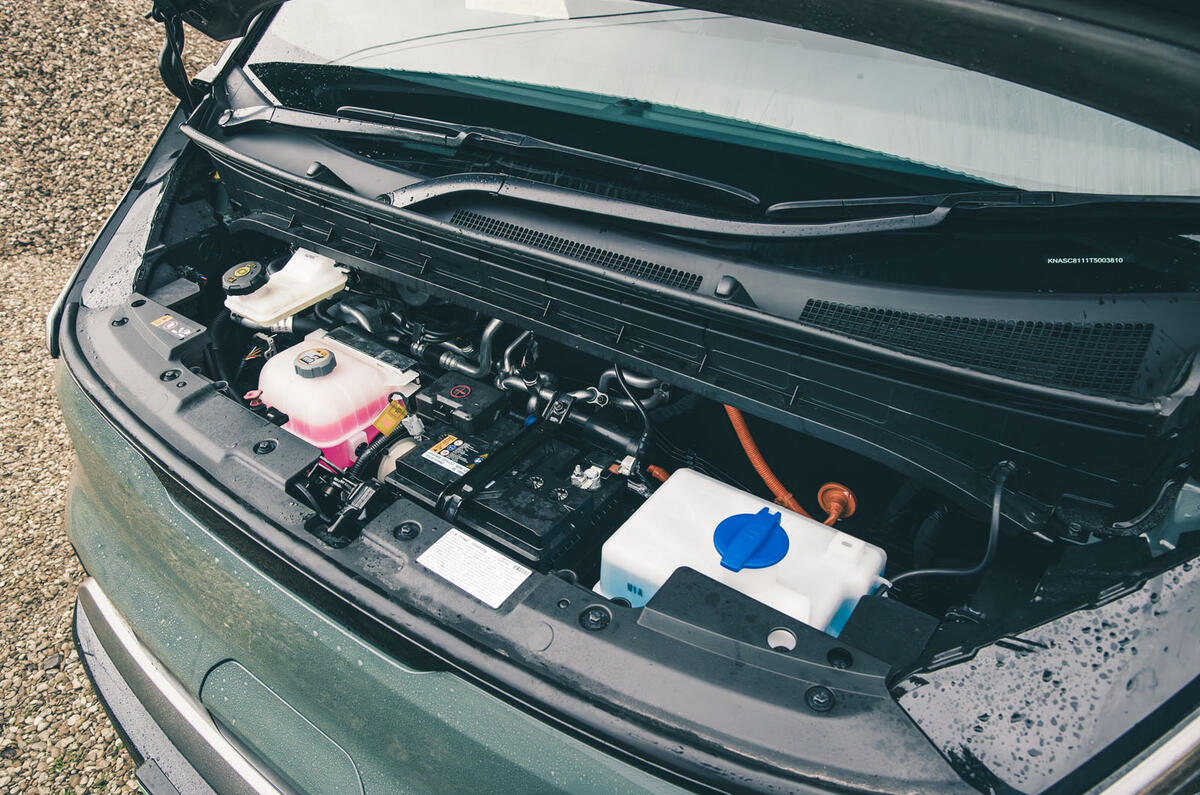
Both the Cargo and Passenger versions will be launched with two nickel-manganese-cobalt (NMC) batteries and power outputs, both utilising a single front-mounted electric motor.

Standard Range models offer 120bhp and 184lb ft of torque and use a 51.5kWh battery for a range of 183 miles. Long Range versions can travel 256 miles using a 71.2kWh battery, with power boosted to 160bhp (although torque is unchanged).  That range is competitive for an e-LCV, but private buyers might expect more.

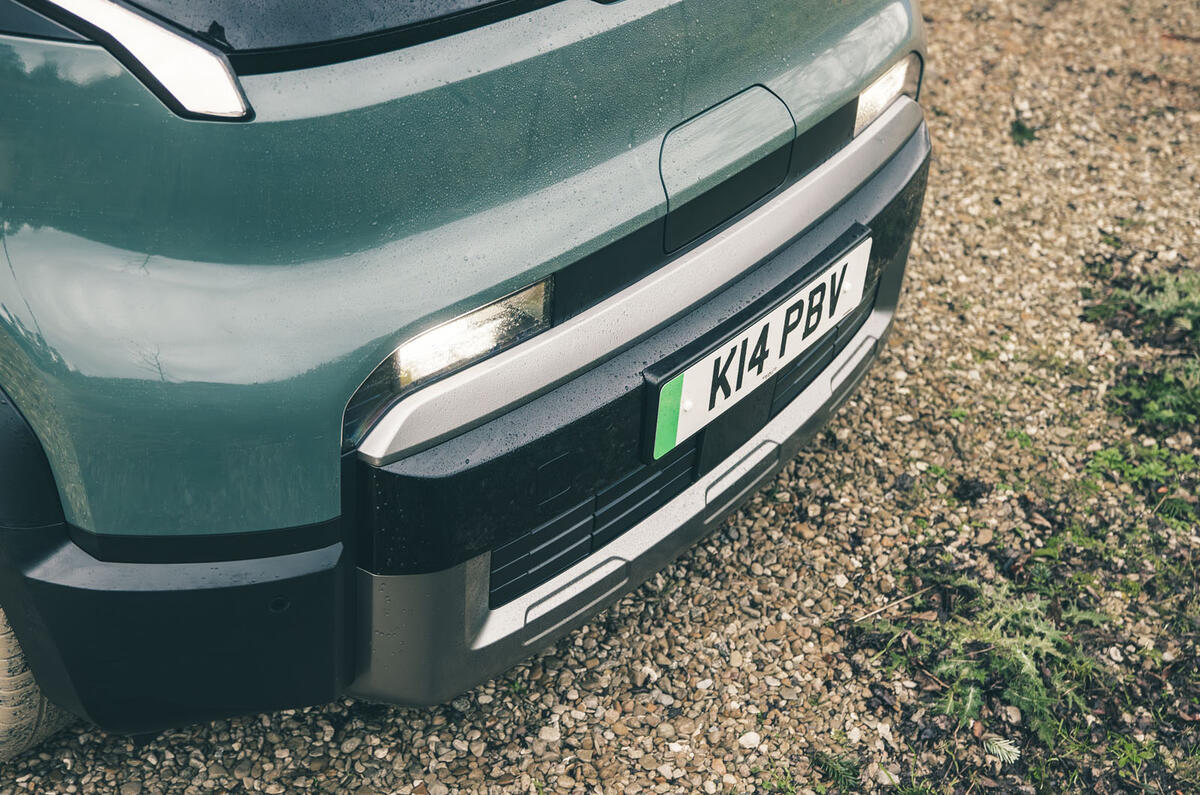
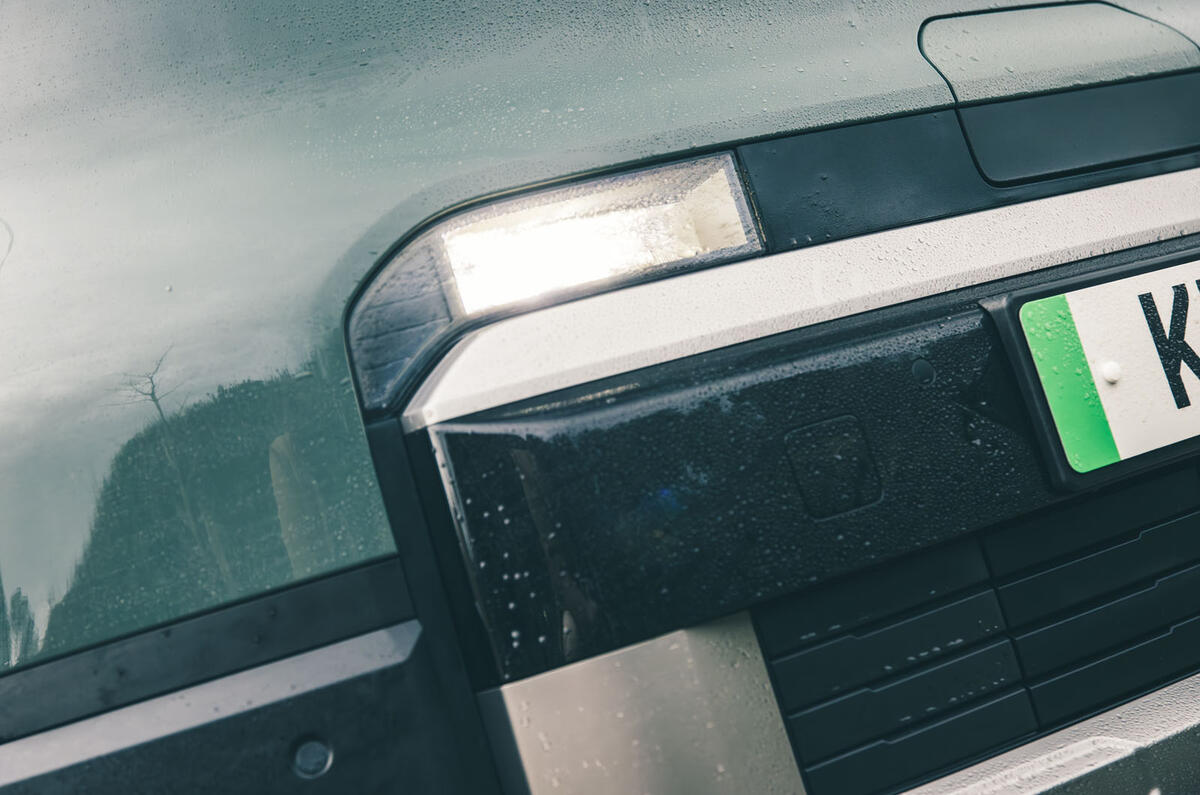
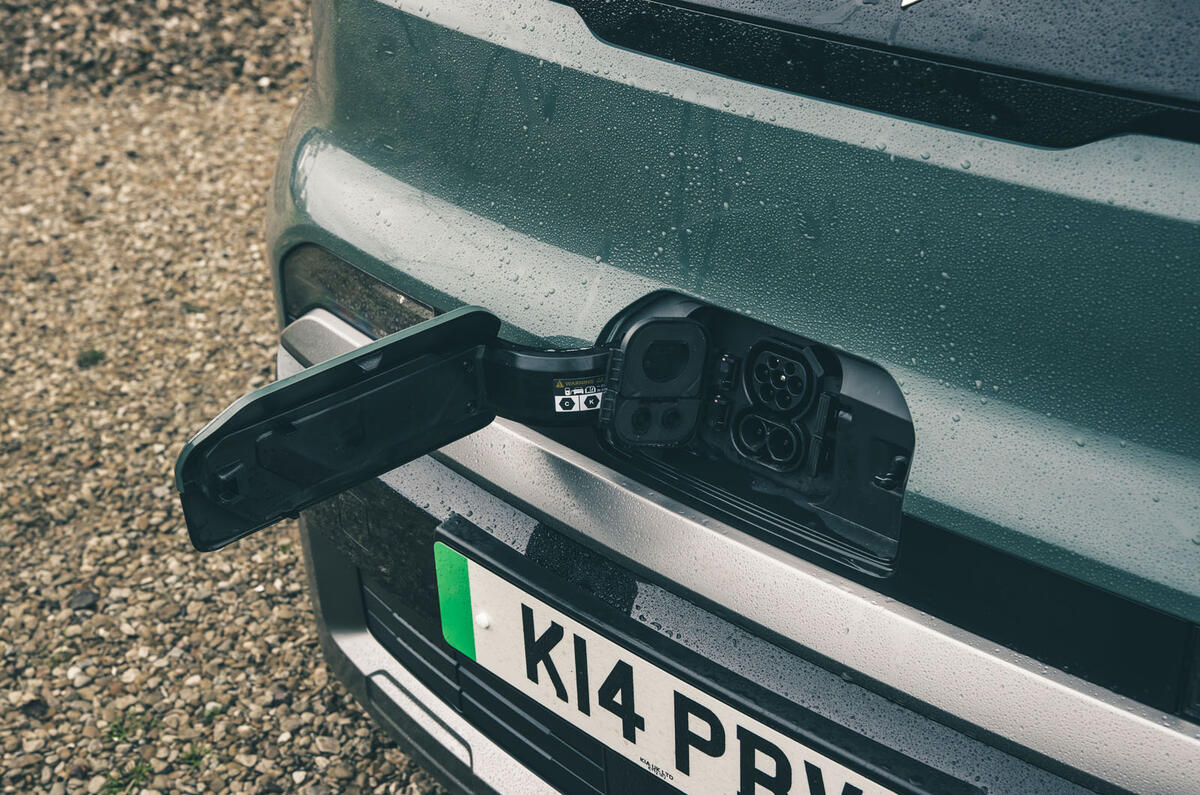
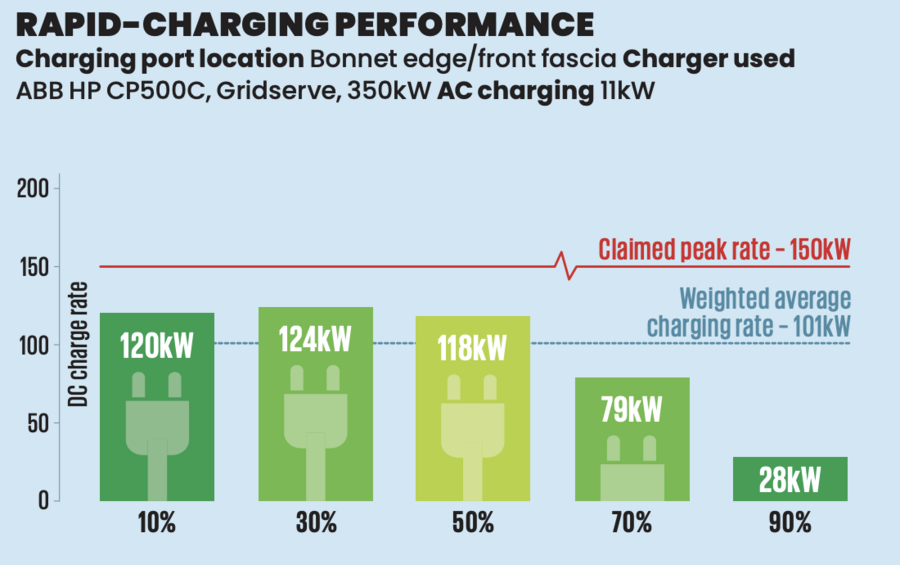
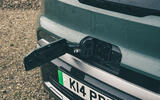
Both batteries can be charged at speeds of up to 150kW. The charging port is located in the middle of the bonnet, a placement designed to ensure unimpeded access to all the doors when plugged in but which you might curse when reversing out of tight charging bays.
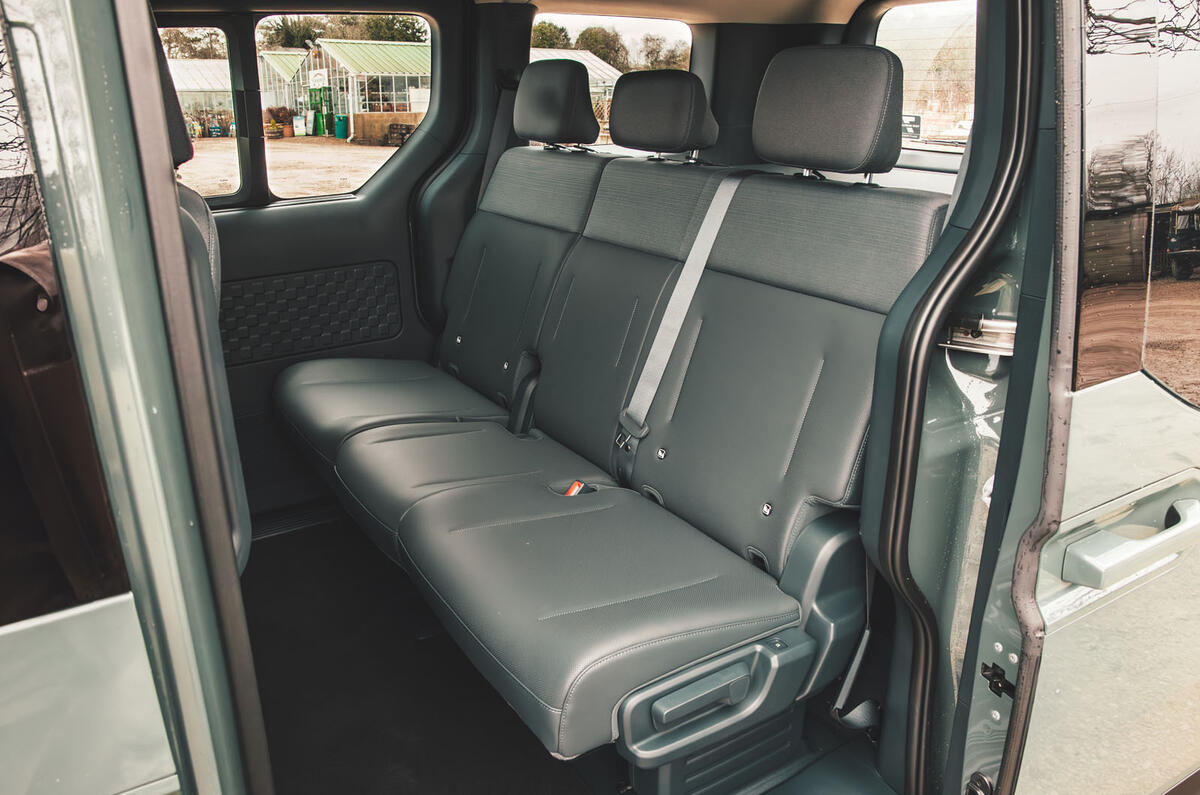
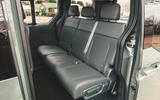
The Passenger will initially be offered with five seats; six- and seven-seaters and a wheelchair-accessible variant will follow in 2026. Access to the rear is via sliding doors, and Kia makes much of the low 399mm step-in height.

The Cargo is offered with three doors as standard, featuring a sliding side door on the vehicle’s nearside and a 'barn door' boot. An extra sliding door on the other side can be added as an option.

In some markets, the Cargo will be offered with a smaller 43.3kWh lithium-iron-phosphate (LFP) battery, but this isn't available in the UK.

INTERIOR

Kia PV5 interior 14

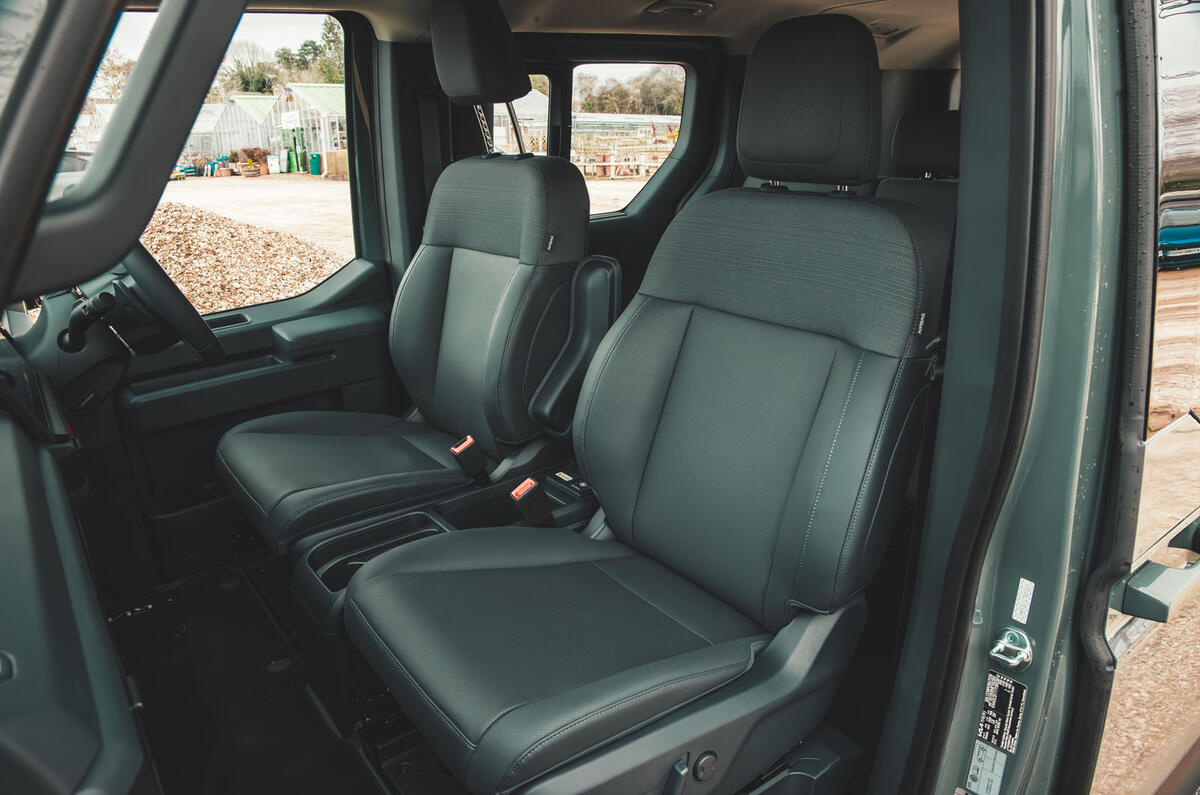
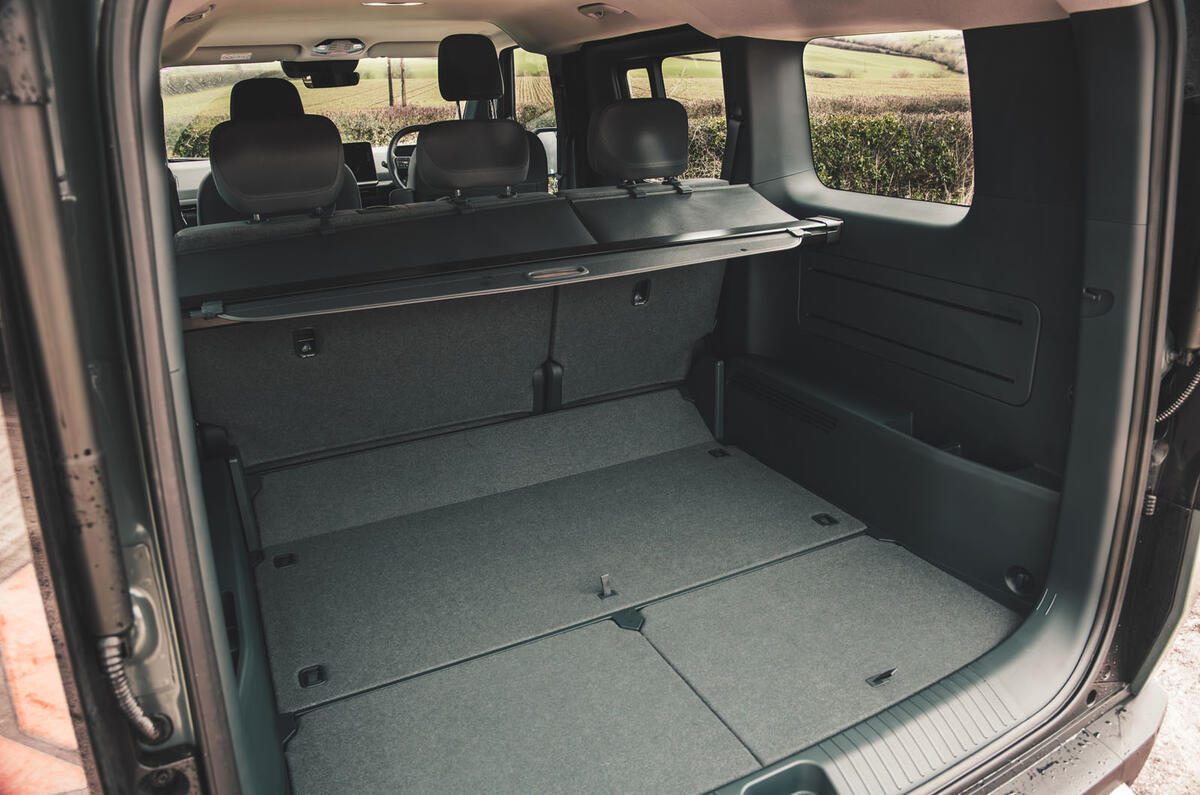
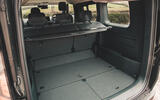
Given it’s shorter than the EV9, the PV5 Passenger is Tardis-like: there's a ridiculous amount of leg room in both rows and, even with all the seats up, the boot is 1311mm long and has a capacity of 1330 litres.

Fold down the rear seats and the capacity is 3615 litres, and there's a good amoung of storage under the boot floor for smaller bits and bobs, too.

In the UK, PV5 Cargo buyers will be able to buy pre-selected racking options developed by assembly and fastenings specialist Würth.

That said, we will have to reserve final judgement on practicality for when the six- and seven-seat interiors are offered in the UK. For now, the lack thereof should be considered a negative.

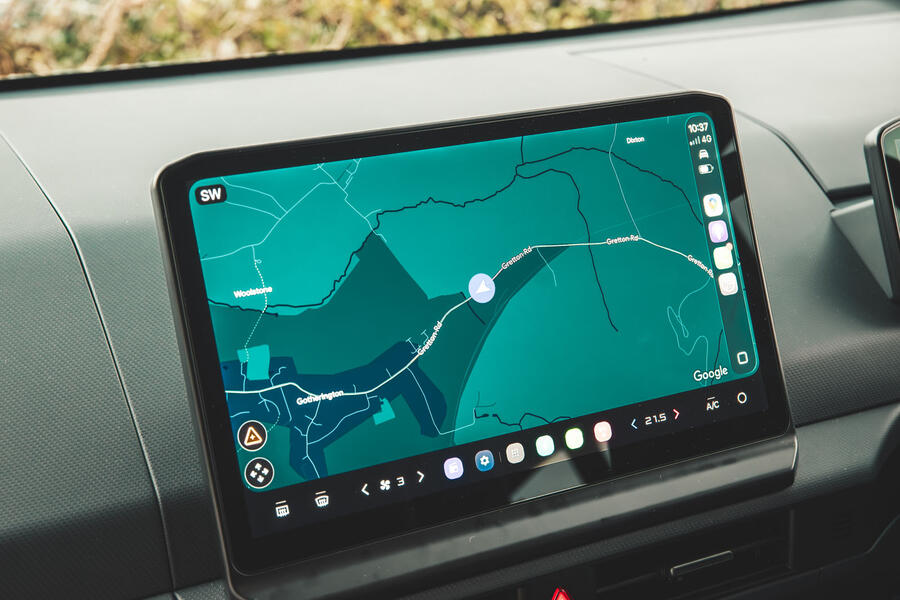
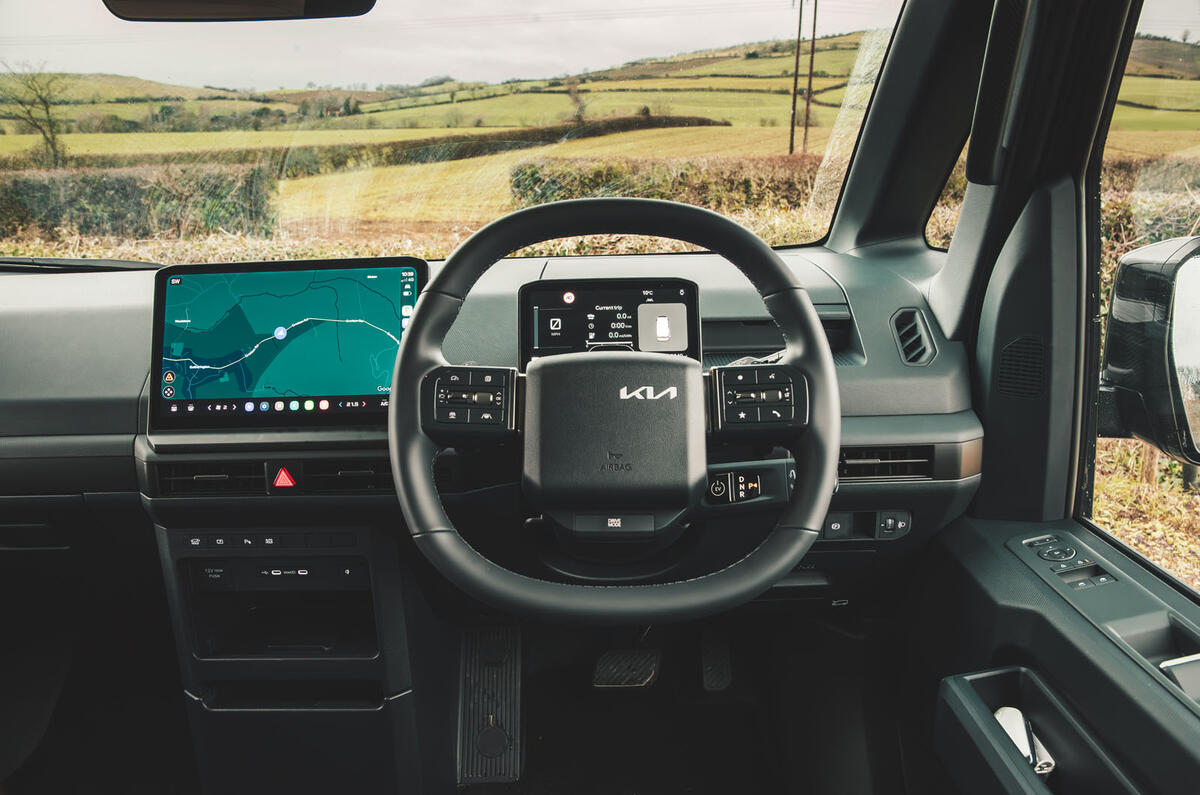
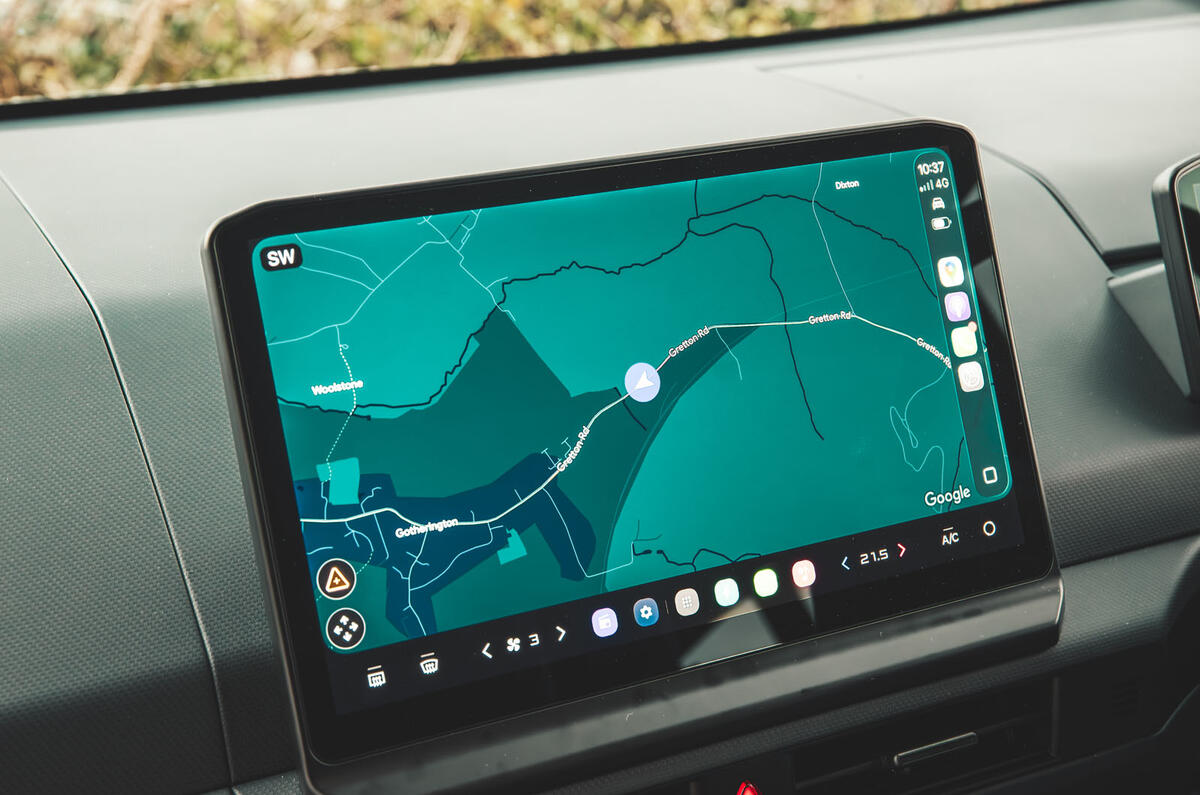
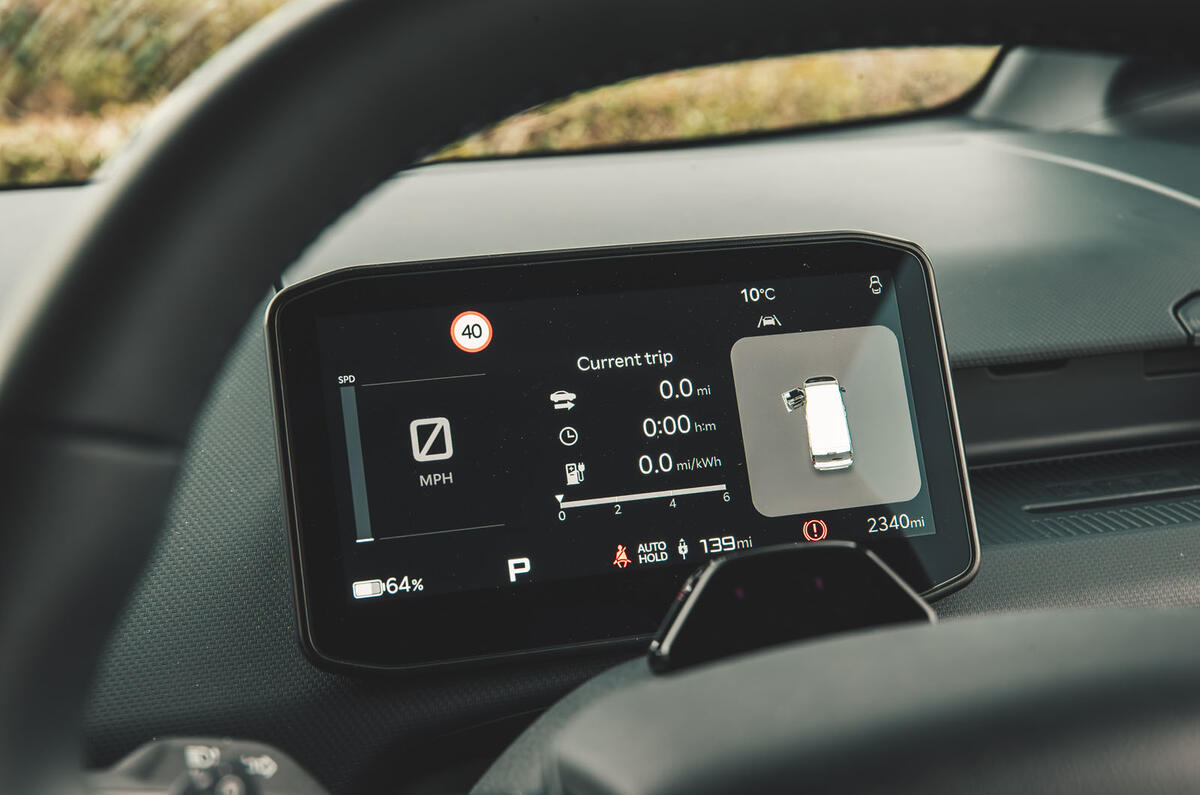
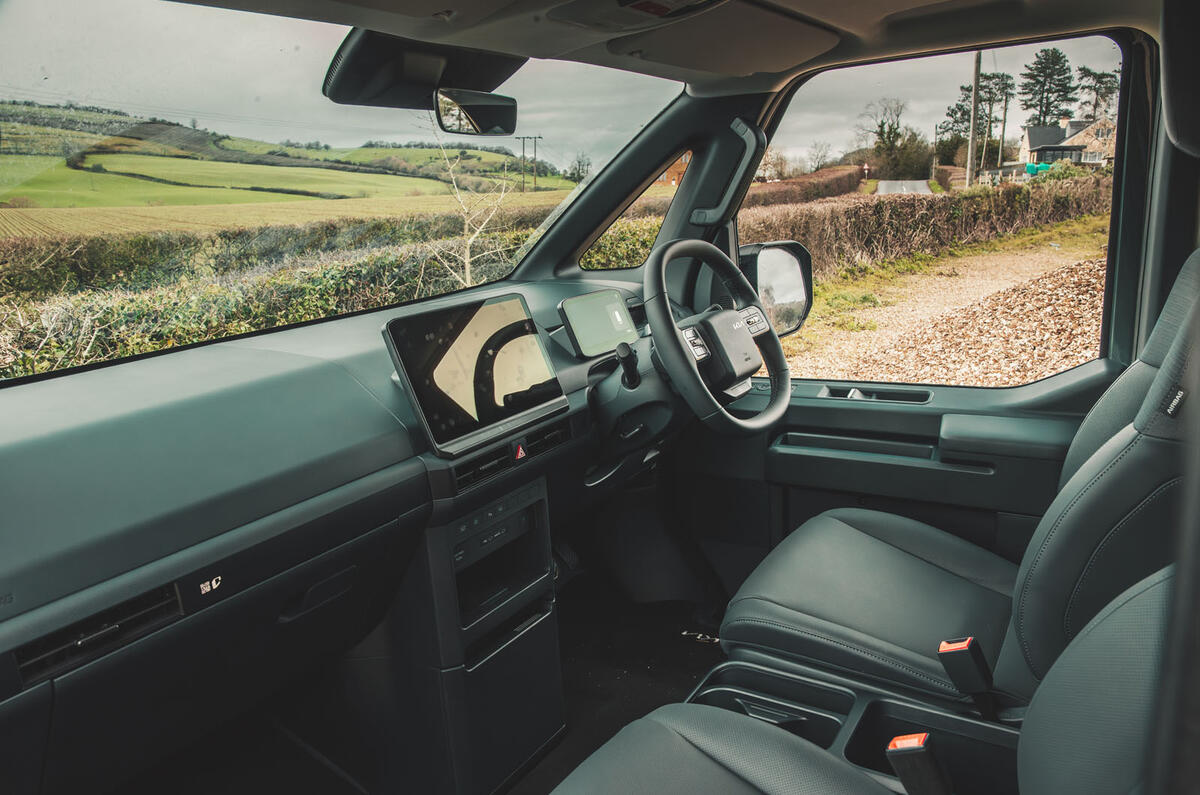
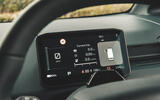
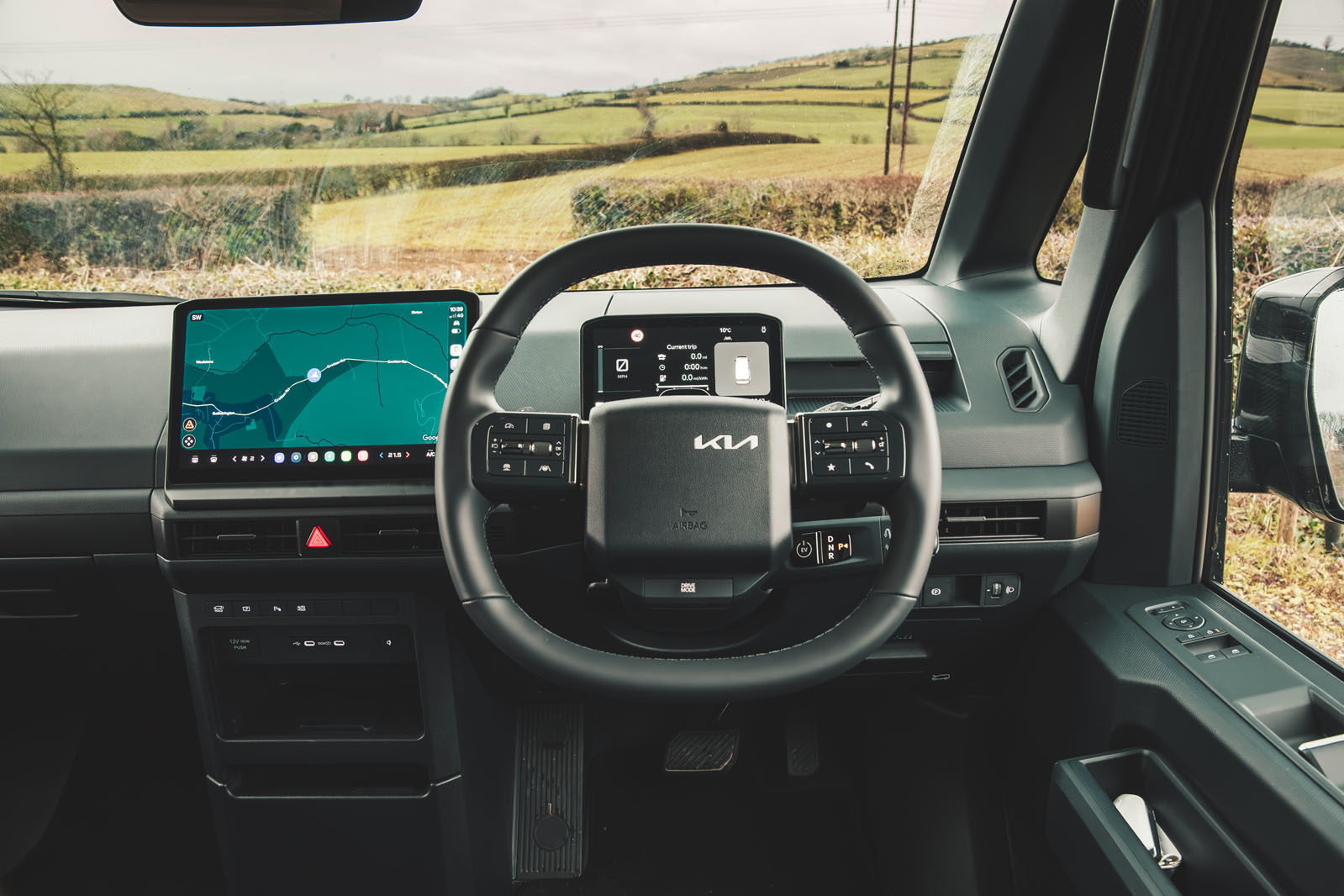
Up front, the dashboard is reminiscent of Kia’s cars, with a 7.0in digital instrument display and a 12.9in infotainment touchscreen. The latter uses bespoke Android Automotive-based software that's simple to use and responsive to inputs.

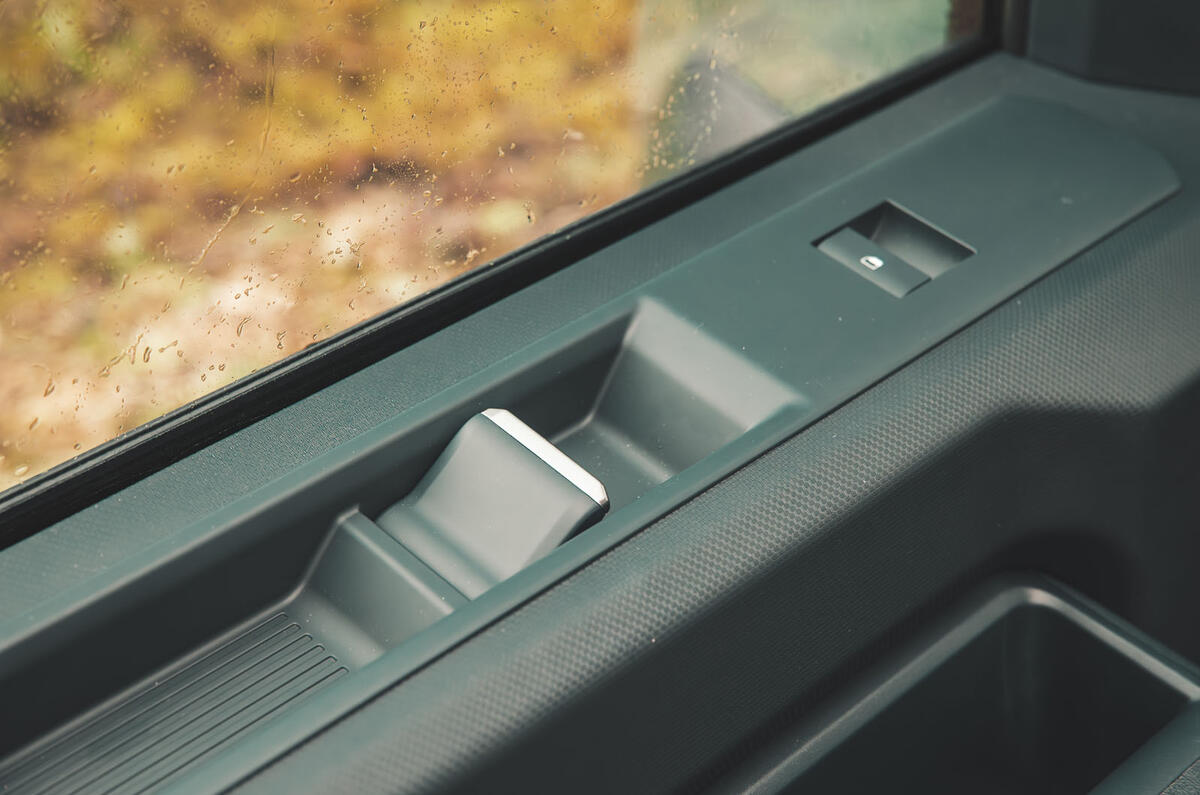
There are fewer physical controls than we would like: the heating controls are on the touchscreen and the row of hard buttons are largely for opening the various doors.

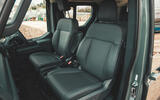
Don’t expect lashings of premium splendour: the PV5’s working roots show in the hard-wearing but practical materials. It's all very well designed, though, and it feels a fair compromise for a vehicle that will inevitably live a hard life crammed with children or rowdy adults on their way back from a big night out.

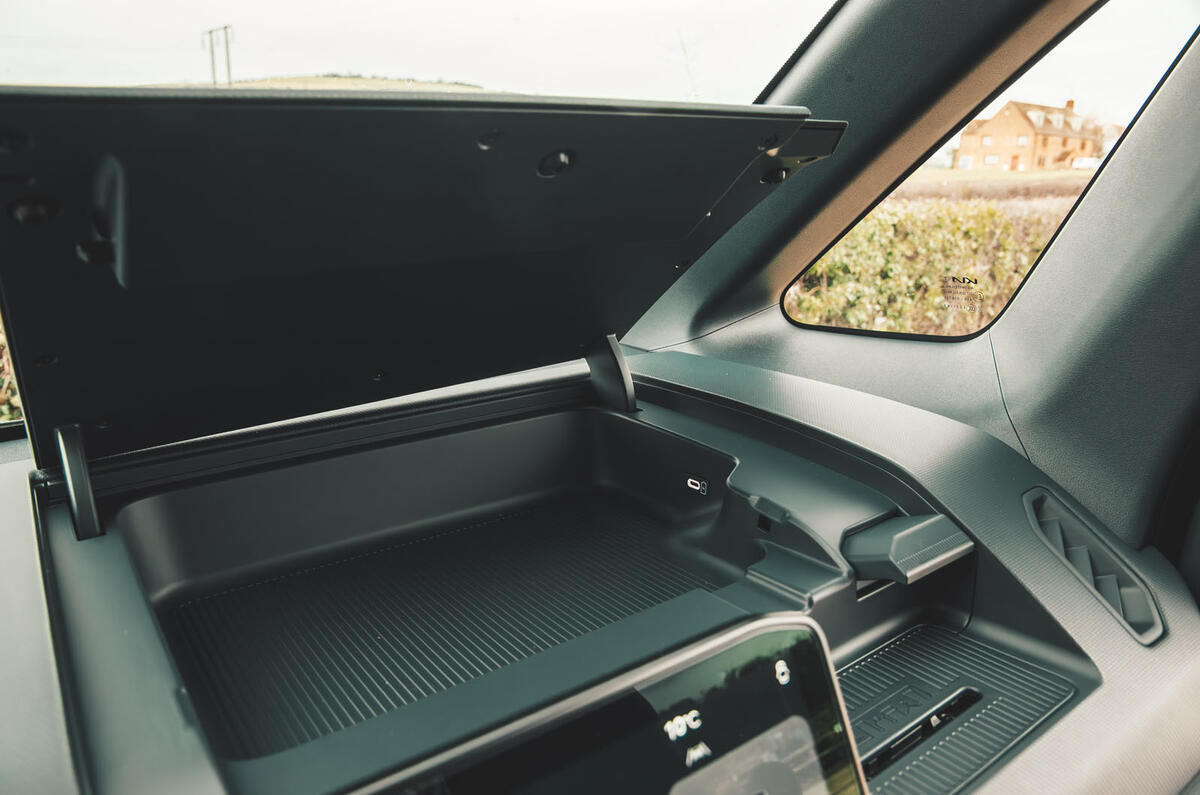
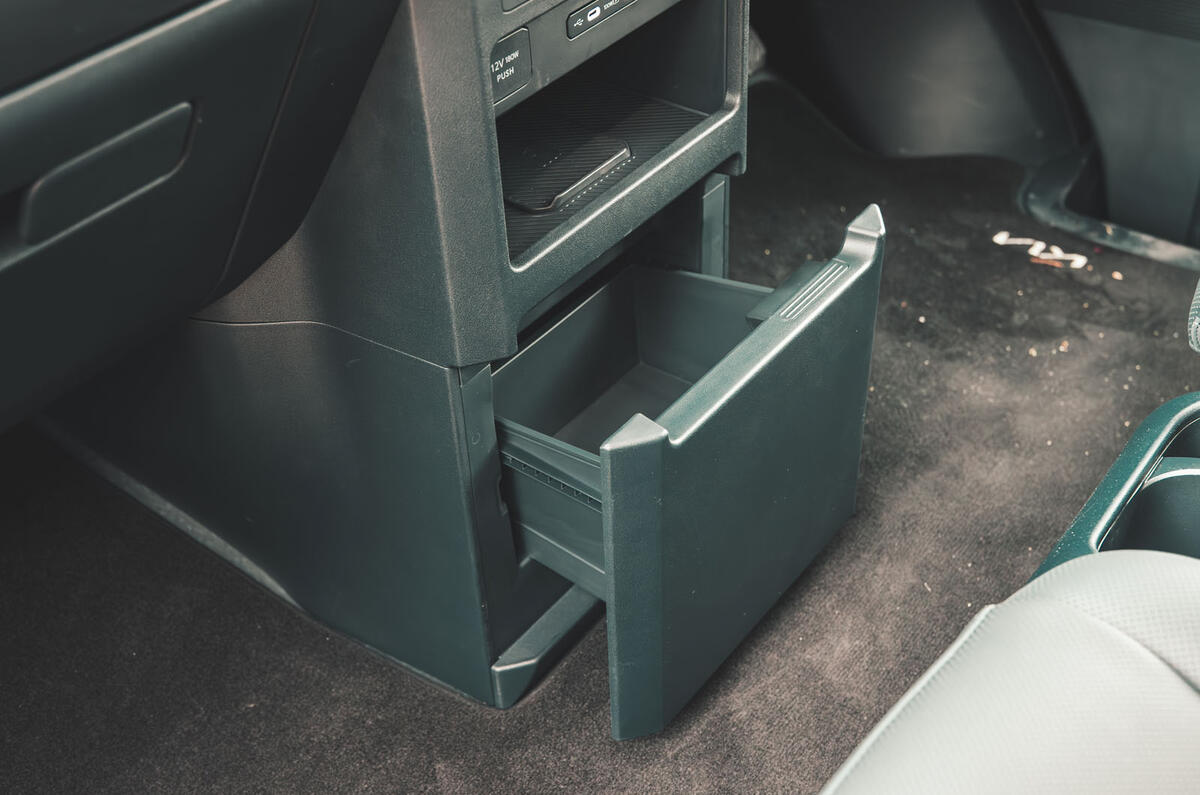
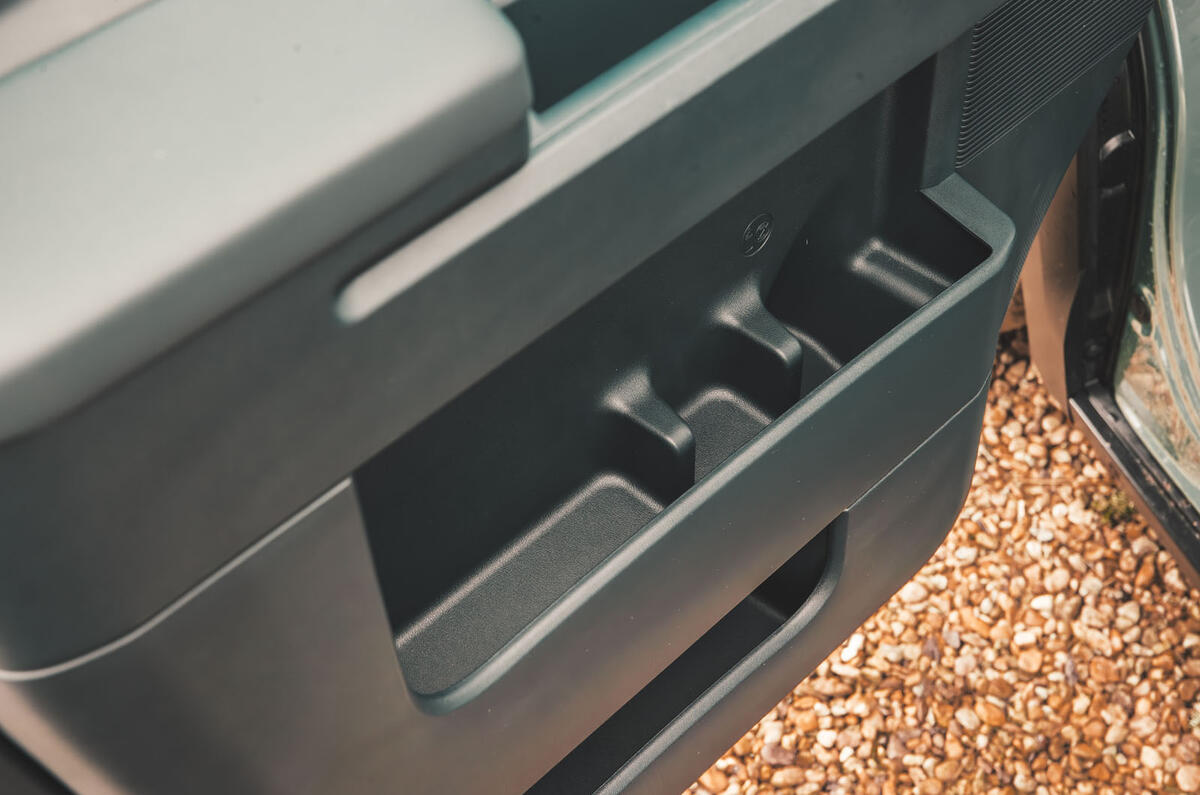
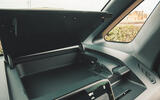
You get more neat storage solutions than you would find in an Ikea showroom, such as storage areas underneath the cabin floor and a neat, filing-cabinet-style drawer below the dashboard.

The slight disappointment is that Kia UK will take only a single, relatively plain interior design. We previously tested a Korean-spec model with a distinctly stylish dark brown interior finish and imagine it could have been a bit of a cult hit. A more vibrant colourway would lift the ambience.

Although the PV5's bulk might seem intimidating to those used to more conventional hatchbacks and SUVs, the driving position makes it easy to drive. You sit high and upright, which, combined with the huge front window and downward-sloped dashboard, means you get an imperious view over the road ahead. It's easy to place the PV5 in a lane, even on tight B-roads.

The big side mirrors provide a great view of your flanks – perfect for when that bloke on a scooter decides it’s safer to ride your hind quarter rather than overtake.

You also get one of the best rear-view cameras in the business. Its display is incredibly clear, even in low-light conditions, making three-point turns a cinch. 

The only glitch for visibility is the big chunk of plastic where the A-pillar meets the door. Although there's a small glass quarter-light, your view is obscured as you approach roundabouts and junctions.

The cabin of the Cargo is very similar, although many of the materials such as the TPO flooring are harder-wearing to reflect the harder life these vehicles will encounter as business tools. 

The passenger seat can be removed to increase storage capacity, while there's some useful storage space between the seats and the tinny bulkhead that separates the cabin from the cargo bay.

Kia notes that with up to 5.1m3 cargo capacity in L2 H2 form, the PV5 Cargo offers 1.5m3 more capacity than the longer ID Buzz Cargo. It also benefits from a low 419mm loading lip and a side-loading height of 399mm.

ENGINES & PERFORMANCE

Kia PV5 0

Given the PV5 has been developed as a commercial vehicle, the focus is very much on productivity rather than performance – yet it's very agreeable to drive, in both Cargo and Passenger forms.

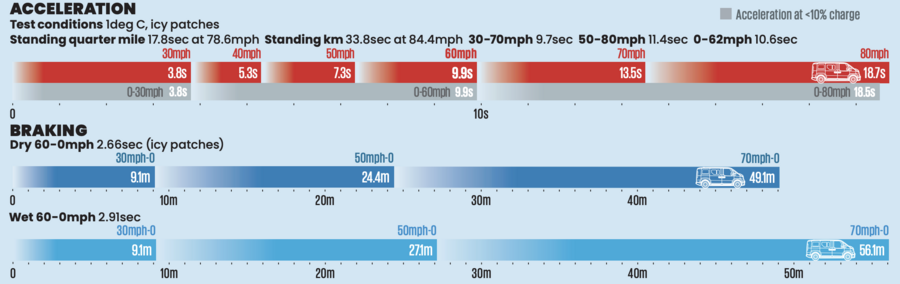
Thus far, we've been able to test only the Long Range variant with the higher 160bhp output. The electric motor's delivery is smooth, and while it's not flush with power, it copes well with the PV5 Passenger's two-tonne kerb weight. There’s plenty of zip up to about 50mph, so it’s easy to keep pace with fast-moving traffic.

Driving the PV5 Cargo feels a bit like being inside a washing machine. You're nestled behind a huge window while the metal bulkhead creaks into your ear and there's an industrial whining from the motor when you put your foot down.

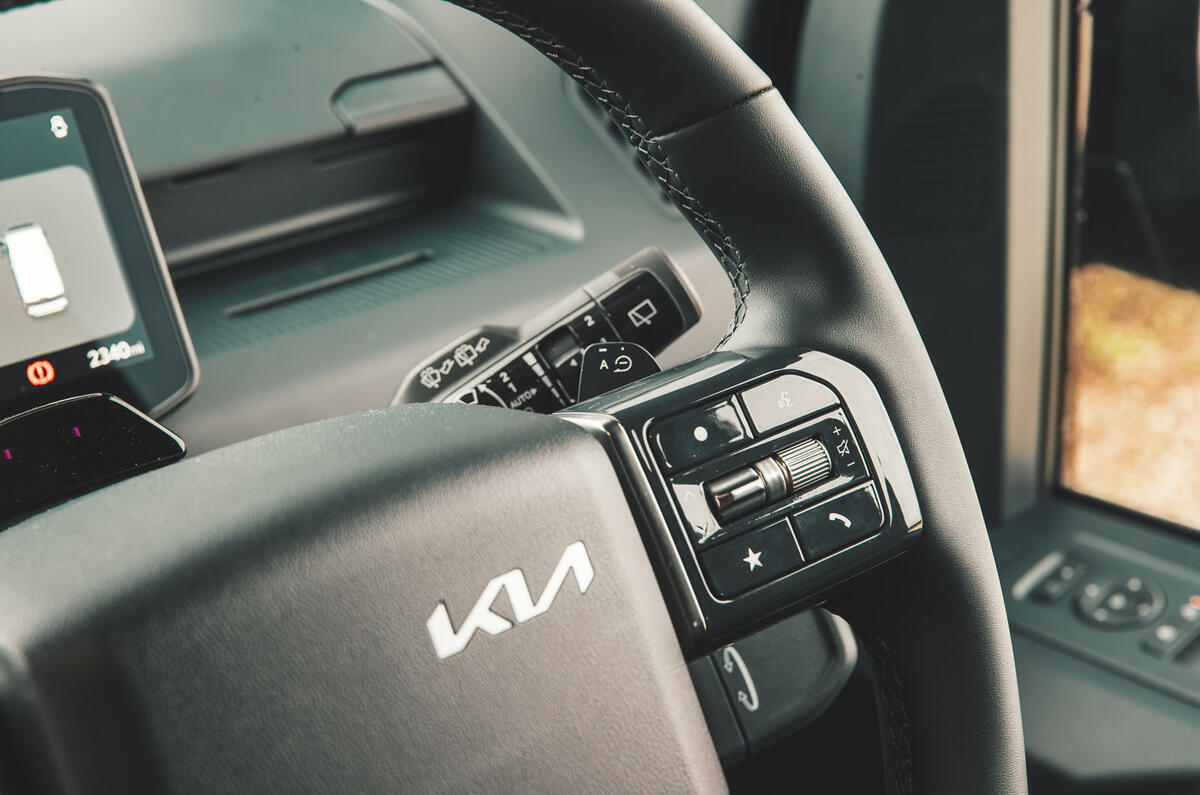
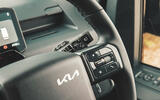
The PV5 features the latest version of the brake regeneration system seen on Kia’s EV cars, with four levels of regen selectable via paddles behind the steering wheel. 

Holding the right paddle turns on a new Smart Regenerative Braking system, which monitors navigation data and the distance of vehicles ahead to automatically regulate speed. It feels quite intuitive in operation, especially when driving in congestion.

The Cargo we tested carried a 350kg payload, which didn't noticeably restrict performance. 

RIDE & HANDLING

Kia PV5 1

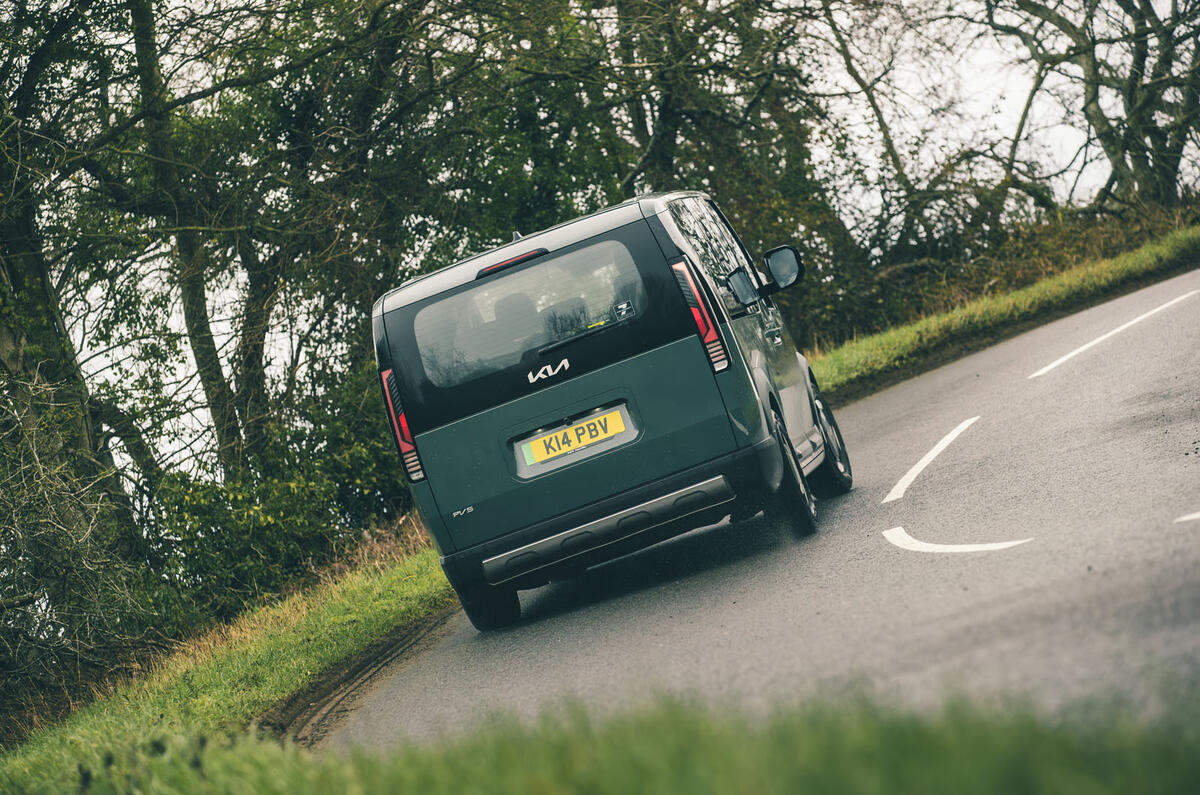
You can tell the PV5's platform is derived from a car platform rather than one made for commercial vehicles, because there’s a maturity and poise to its handling that’s missing from many vans.

The minimal overhangs makes it easy to place and the steering is light if unengaging. If you really try and hustle it through bends, though, the PV5’s bulk does reveal itself, feeling a tad floppy as its body flexes against cornering forces.

it's impressive just how normal the PV5 feels on the road, considering it is anything but

It rides better than many van-based MPVs, but it's constantly busied by craggy road surfaces and jostles a tad over bumps. The PV5 Cargo rides virtually identically to the PV5 Passenger, which should make it a comfortable tool for drivers using it for extended periods every day. 

While the electric motor is quiet and the interior is generally calm, the PV5 isn’t quite as refined as you would expect from a pure passenger car. Tyre roar bounces around its walls like the cheers of football fans at Wembley, while potholes send a boom up through the suspension like a shot of sonar against the bow of a warship. It could prove tiresome for those used to more conventional cars, even if it falls well within what is acceptable for a van.

MPG & RUNNING COSTS

Kia PV5 2

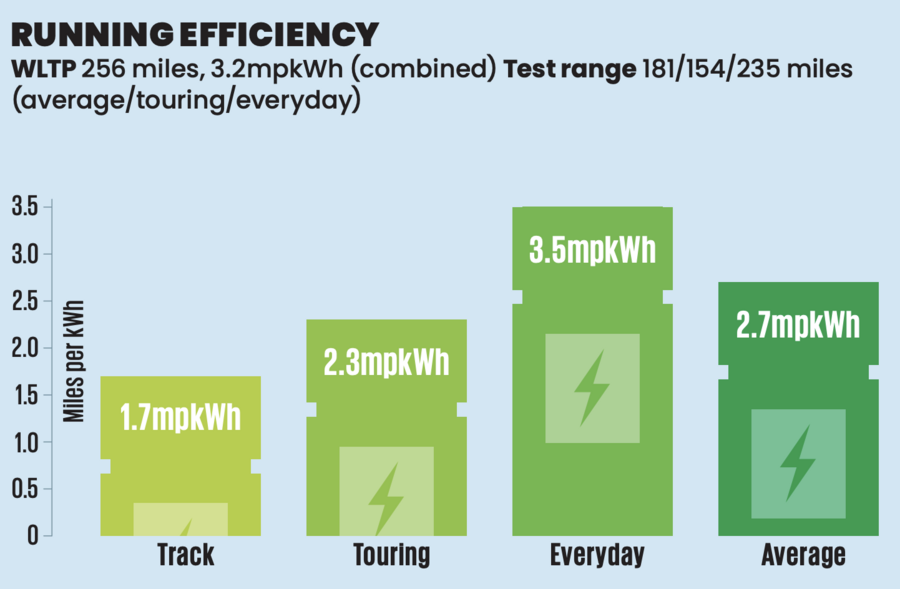
The PV5 Passenger proved impressively efficient: on our mixed test route on an 8deg C morning, it averaged around 3.2mpkWh, which would be a decent figure for an electric SUV, let alone a slab-sided, boxy MPV. That should correspond with a real-world range of around 200 miles for the big-battery model.

But the head-turner is the price: Standard Range models start from £32,995, while the Long Range versions are £3000 more. That’s almost thirty (thirty!) grand cheaper than the similar ID Buzz – and makes this colossal load-lugger cheaper than many far smaller EVs, or indeed alternatives powered by diesel. Pound for pound, you will struggle to find more car for your money.

Given the PV5’s potential for popularity with taxi drivers, the front and rear bumpers are each divided into three segments so they can be replaced more cheaply.

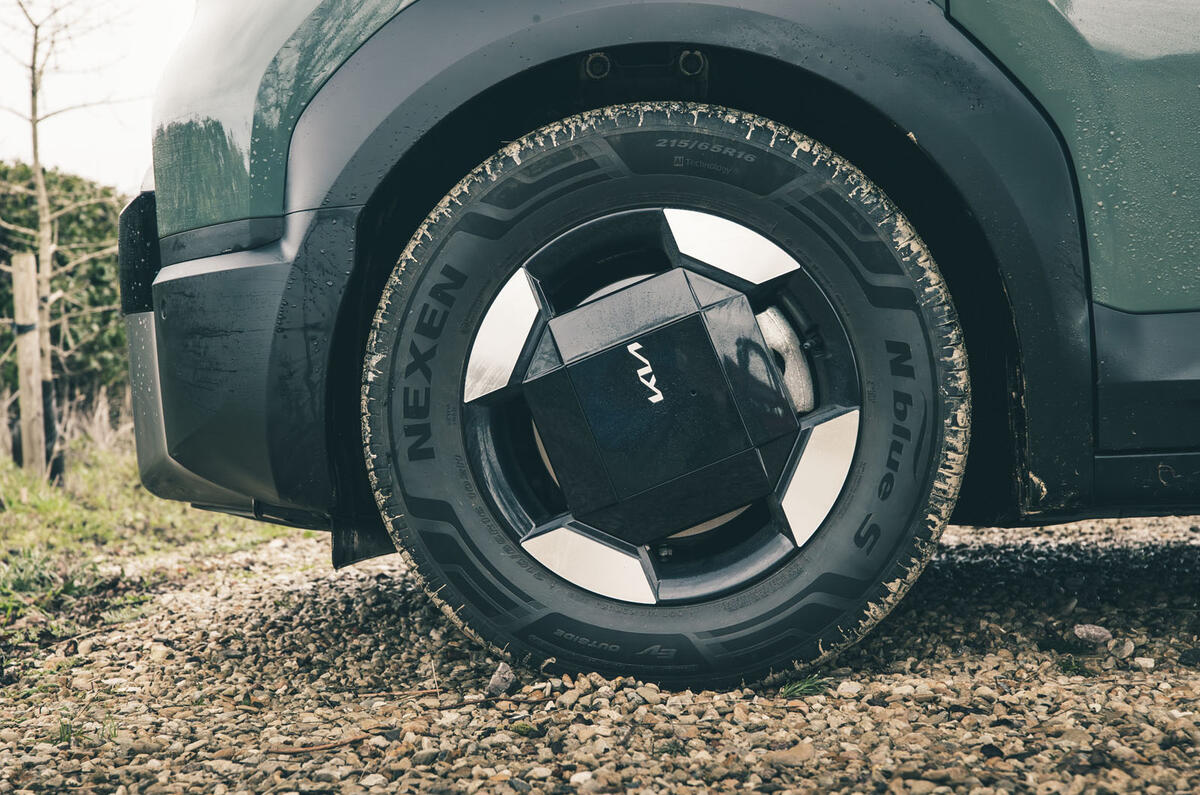
Two trim levels are be offered: Essential and Plus. Entry-level models are decently specced, with manual seat adjustments up front and 16in steel wheels. Plus models add 16in alloy wheels, flush windows, electrically folding door mirrors, heated and electrically controlled front seats, a powered boot opener, a wireless phone charger and vehicle-to-load (V2L) outlet. Plus models also gain extra driver assistance functions, such as a blindspot warning.

There are very few options to consider, at least before you get into the world of extensive customisation. White is the only no-cost paint, with the seven other colours all an extra £750. Meanwhile, an efficiency-boosting heat pump is a £780 option that's offered only on Long Range cars.

The PV5 Cargo is also offered with Essential and Plus trims, which broadly match the Passenger equivalents in terms of kit. Unlike with the Passenger model, both the Standard and Long Range powertrains are offered on both trim levels of the van.

PV5 Cargo pricing starts from £27,465 (including VAT) for the Standard Range Essential three-door; adding the extra rear door brings that total to £28,000. The top-spec Plus Long Range four-door costs £31,410.

Notably, those prices for the Cargo model don't include the UK government's £5000 Plug-in Van Grant, for which every variant is eligible. Factor that in and the effective starting price dips to £23,465, undercutting a great many ICE vans.

VERDICT

Kia PV5 4

Ultimately, commercial vehicles such as the PV5 are essentially developed as utiliatarian tools to do a job, and the compromises that entails can sometimes be felt in MPV variants. 

Yet despite it thoroughly meeting that utility brief through some smart design features and a focus on simplicity, there’s something inherently likeable about the PV5 Passenger.

The PV5 is great but a higher rating must be withheld until we've tested the forthcoming seven-seater, given that configuration is the most fit-for-purpose.

Its charm is similar to that of its nearest rival, the ID Buzz. But while the Volkswagen generates emotion through its neat throwback styling, the Kia succeeds simply because it feels honest, simple and nice.

It’s also astonishing value for money, with a keen price that makes some of the compromises in the ride and overall refinement forgiveable.

Its charm might grate if you had to drive an extended journey on flowing, bumpy roads, but for relaxed cruising and school runs the PV5 Passenger should be fine.

The compromise that some might find less forgiveable is the range: a maximum of 256 miles would be fine for most people for day-to-day use but would make longer journeys more challenging. Kia’s argument is that adding a bigger battery to add range would compromise the performance and range while also adding cost. 

Still, if you can live with that range and you’re looking for a massive, practical EV, the PV5 Passenger is a compelling proposition – and an immensely likeable one. 

Charlie Martin

Charlie Martin Autocar
Title: Staff Writer

As part of Autocar’s news desk, Charlie plays a key role in the title’s coverage of new car launches and industry events. He’s also a regular contributor to its social media channels, creating content for Instagram, Tiktok, Facebook and Twitter.

Charlie joined Autocar in July 2022 after a nine-month stint as an apprentice with sister publication What Car?, during which he acquired his gold-standard NCTJ diploma with the Press Association.

He is the proud owner of a Mk4 Mazda MX-5 but still feels pangs of guilt over selling his first car, a Fiat Panda 100HP.

James Attwood

James Attwood, digital editor
Title: Associate editor

James is Autocar’s associate editor, and has more than 20 years of experience of working in automotive and motorsport journalism. He has been in his current role since September 2024, and helps lead Autocar's features and new sections, while regularly interviewing some of the biggest names in the industry. Oh, and he once helped make Volkswagen currywurst. Really.

Before first joining Autocar in 2017, James spent more than a decade in motorsport journalist, working on Autosport, autosport.com, F1 Racing and Motorsport News, covering everything from club rallying to top-level international events. He also spent 18 months running Move Electric, Haymarket's e-mobility title, where he developed knowledge of the e-bike and e-scooter markets.