From £29,4557

Can the EV trailblazer once more lead by example in its third generation?

Find Nissan Leaf road test: better than ever, yet too little too late? deals
New car deals
From £29,455
Nearly-new car deals
Other Services
Sell your car
84% get more money with

Remember the Nissan Leaf? Nissan’s original pioneer beat the rest of the industry to a somewhat credible electric car in 2010, but then slowly faded away as more advanced alternatives came along. The vastly more state-of-the-art third generation was unveiled in June 2025, we drove a prototype at the same time and it was due to hit UK roads in early 2026.

Since then, Japanese-made Leafs have gone on sale in the rest of the world – including the EV-sceptic US – but things have been awfully quiet around European-market cars built in Sunderland. There has reportedly been trouble getting the new local battery factory set up, and local drivetrain production was scrapped and moved to Japan, but now it’s finally here.

The new Leaf is an important car for Nissan, because it really needs a compact EV to boost its European sales, and it’s an important car for Sunderland to retain its relevance.

On paper at least the Leaf looks competitive. It’s attractively priced, and with the large battery option offering up to 387 miles of range it’s up there at the sharp end of the class with the Volkswagen Group MEB triplets (the VW ID3, Cupra Born and Skoda Elroq), the Kia EV4, the Toyota C-HR+ and others. Now for the full road test.

Advertisement

DESIGN & STYLING

8
Nissan Leaf review 2026 002

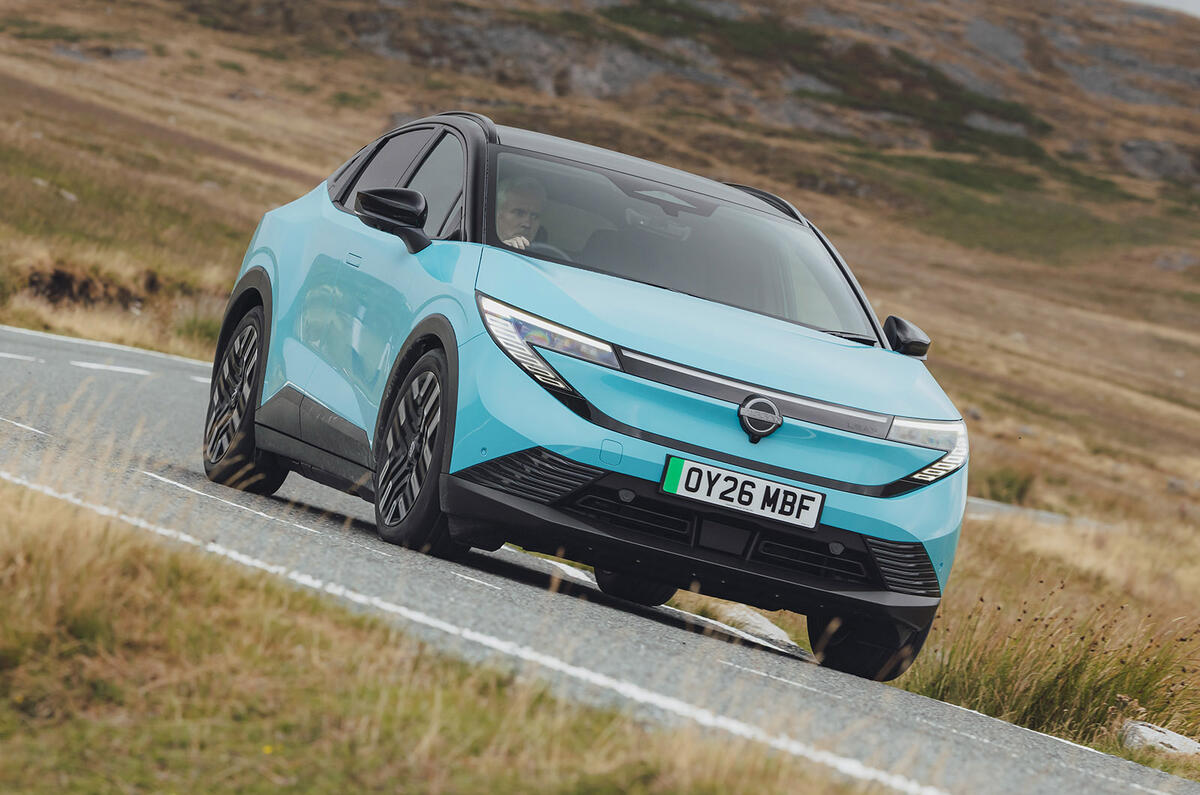
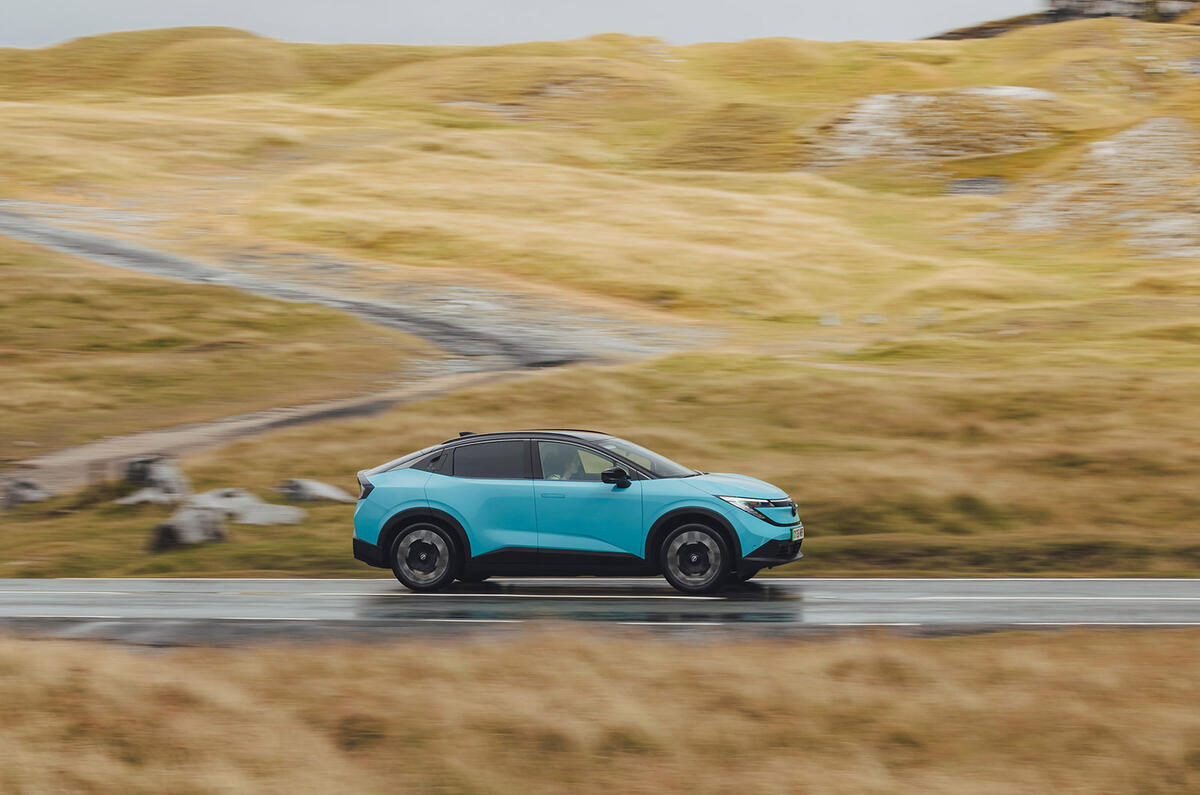
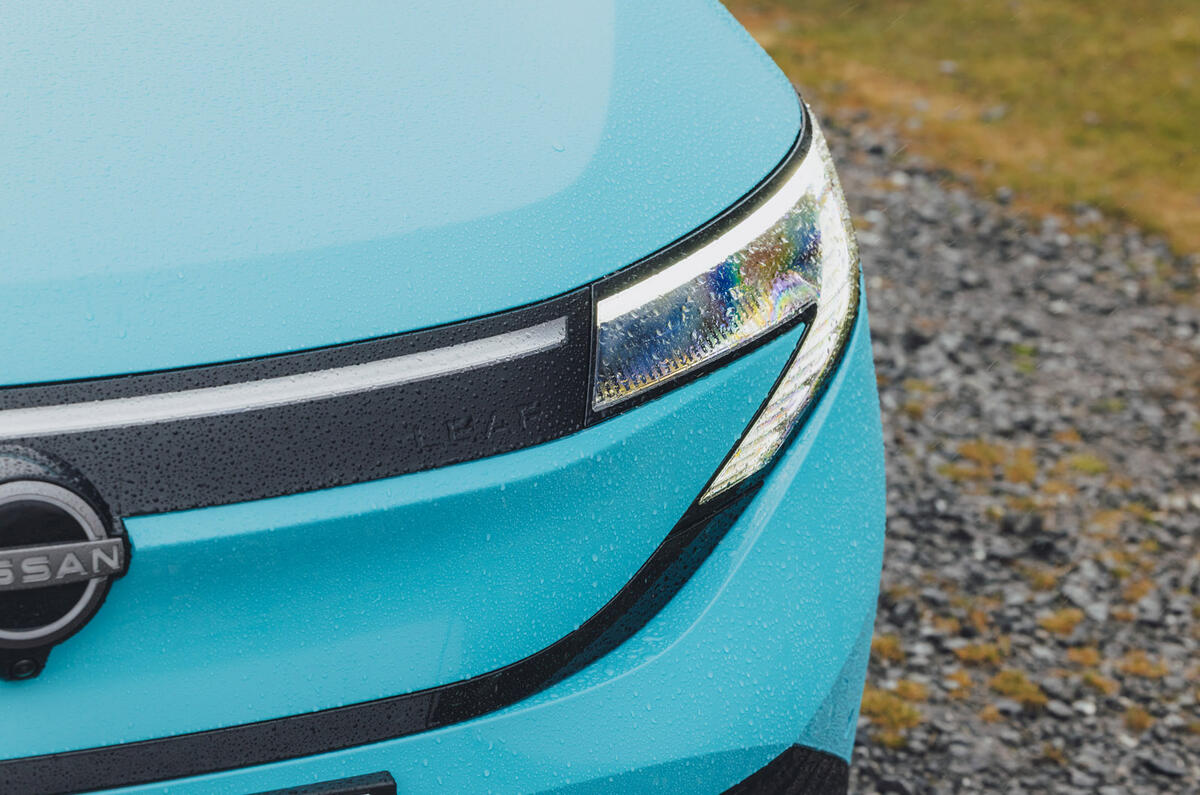
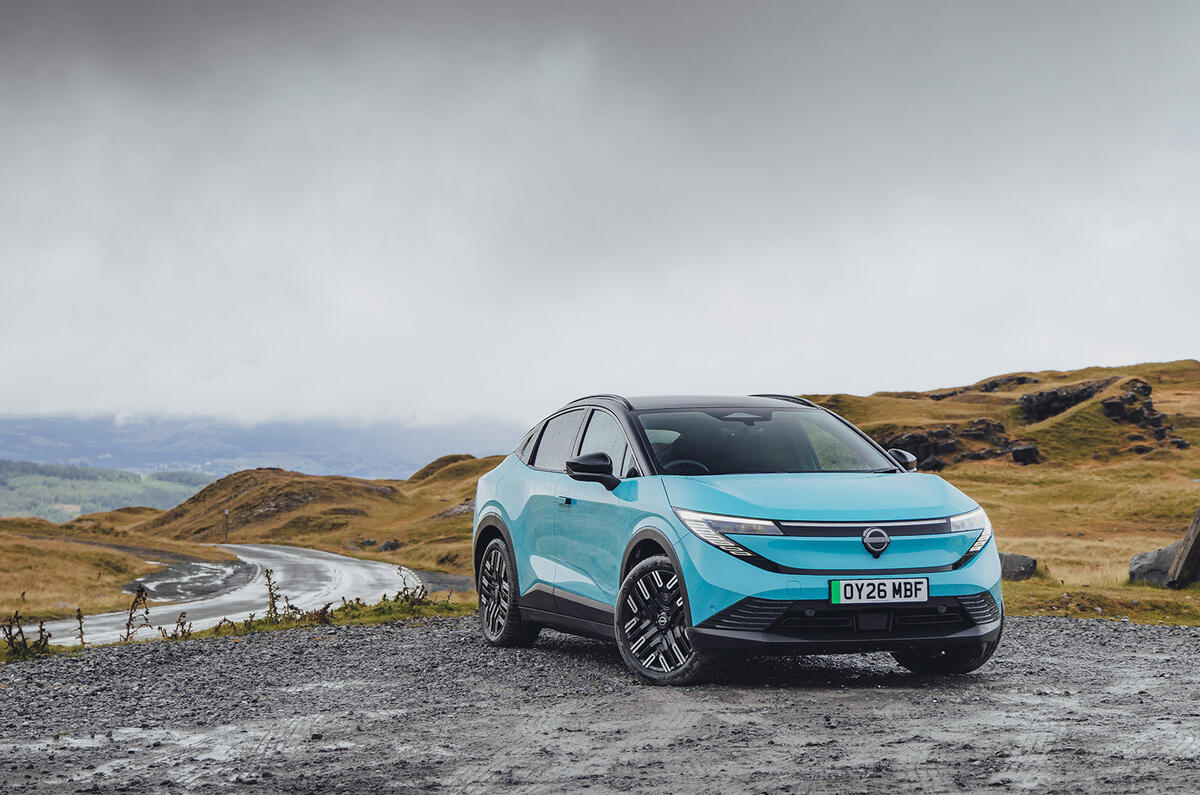
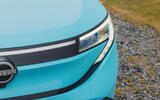
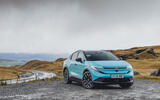
Styling is subjective, but it’s plain to see that the transformation from Mk2 to Mk3 Leaf is one of the most dramatic inter-generational design glow-ups of recent years. While the Mk2 Leaf was still fundamentally a development of the original, effectively a first-generation EV that was somewhat cobbled together with the knowledge of nearly 20 years ago, this new one is completely new and every bit a modern electric car.

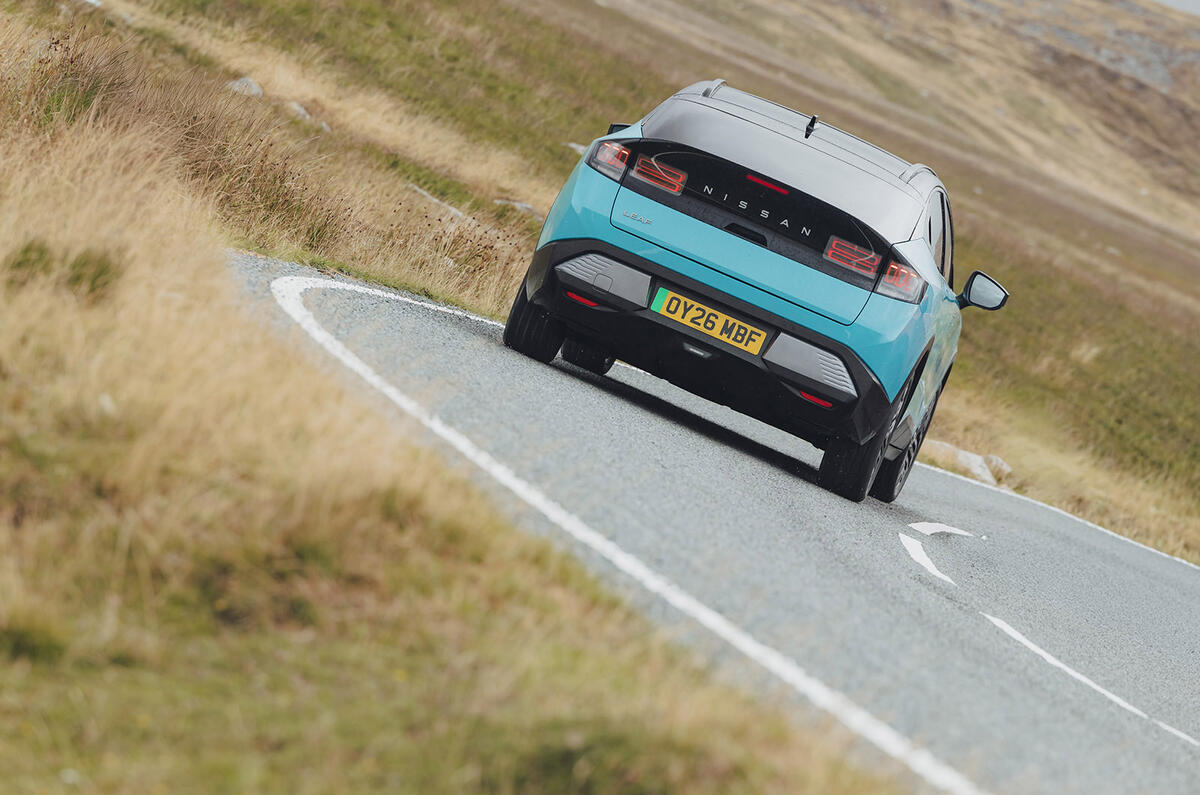
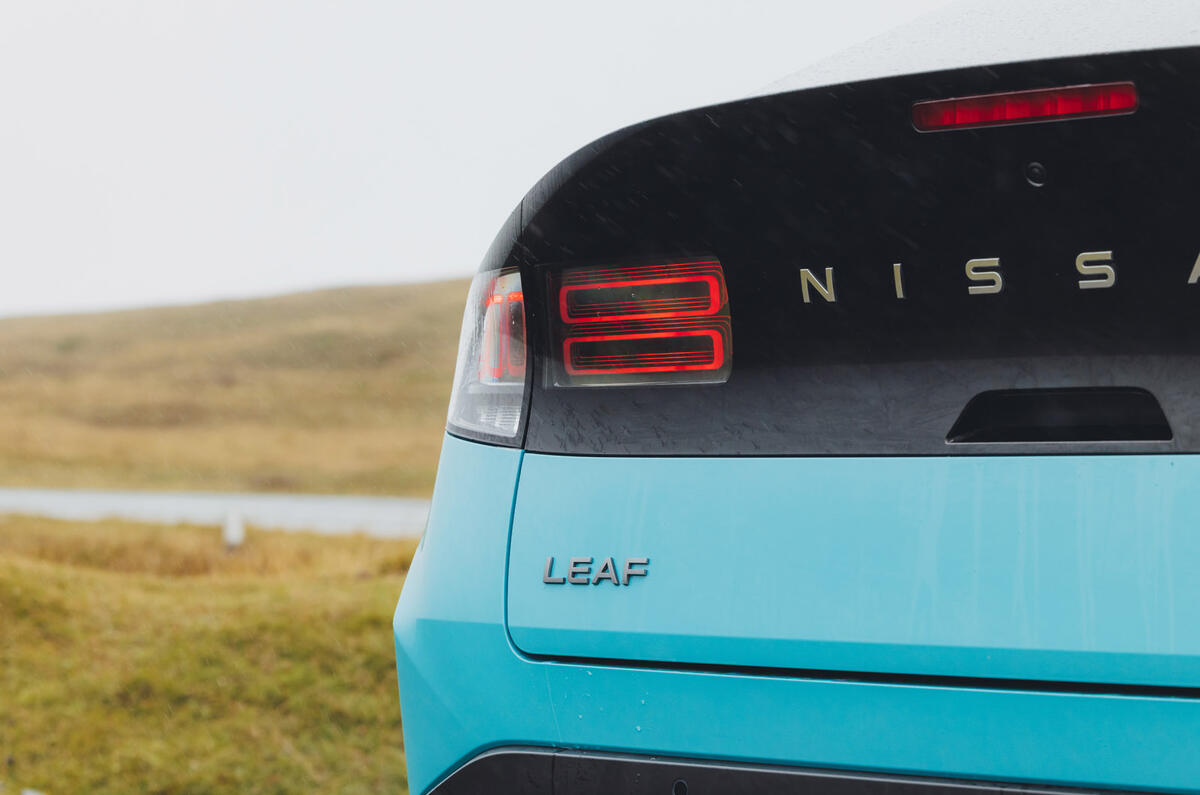
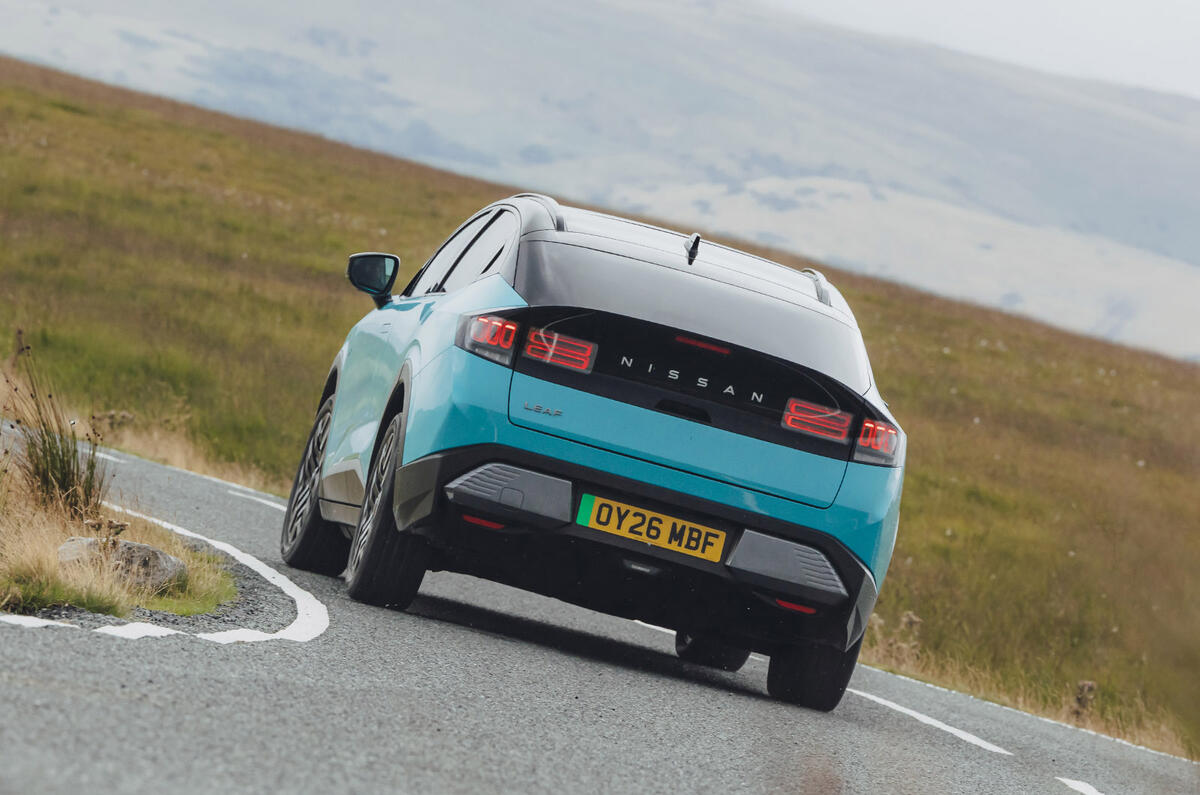
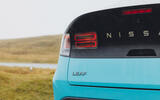
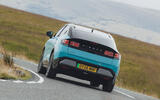
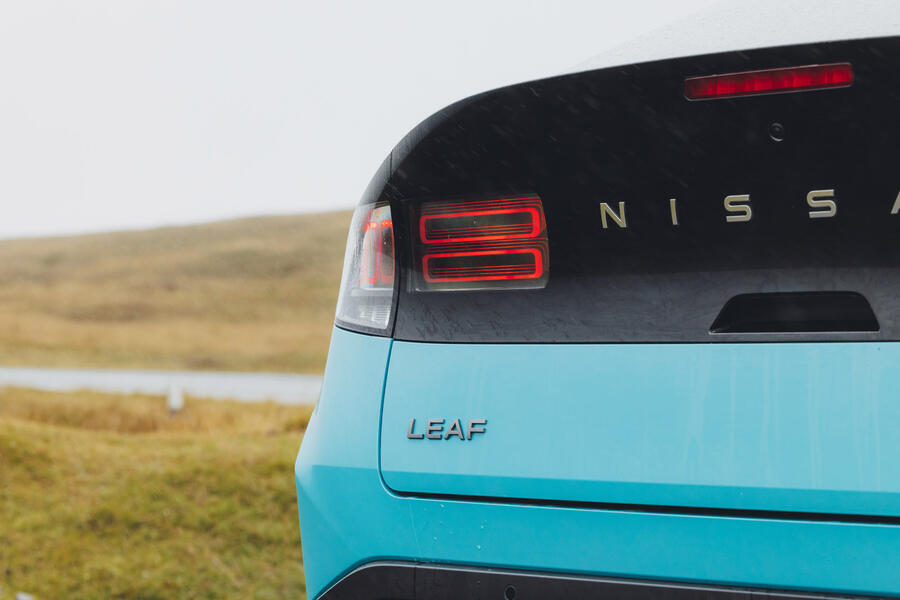
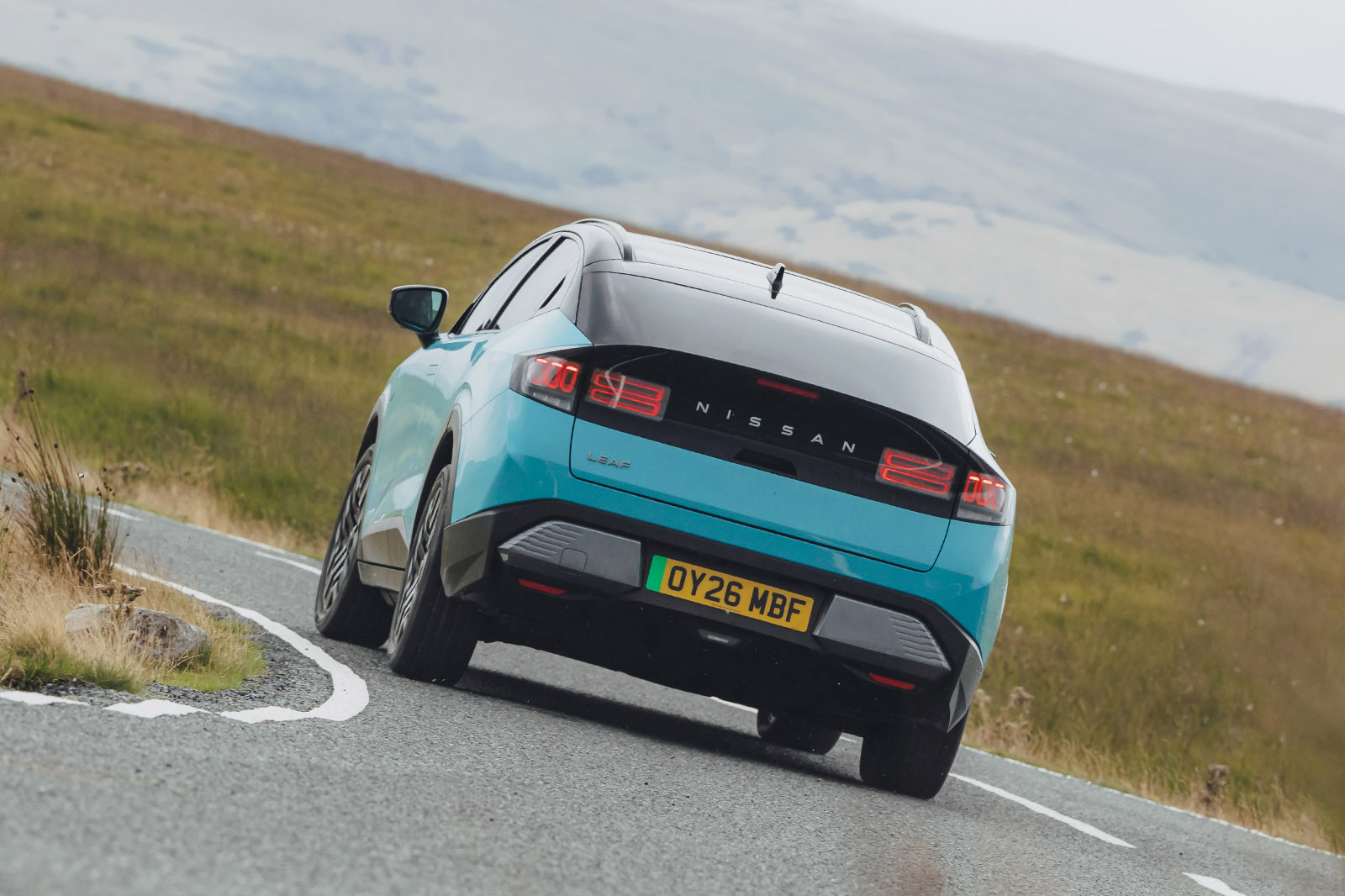
The rear lights are a nice throwback to the 300ZX sports car. You’ll see the combination of three and two lines return throughout the car (also on the charging flap and sill trims), because the words for two and three in Japanese are ‘ni’ and ‘san’. Neat.

It uses the same CMF-EV platform as the bigger Nissan Ariya and the Renault Megane and Scenic, but the Renault-Nissan-Mitsubishi Alliance’s cooperation is generally a lot looser than that within the VW Group. While there is some shared structure under the skin, the motors, batteries, bodies-in-white and most other things are unique.

That may not be the most economical approach, but it does keep things more interesting. Unlike the Micra, which is in effect just a Renault 5, this new Leaf is an entirely different car from the Megane.

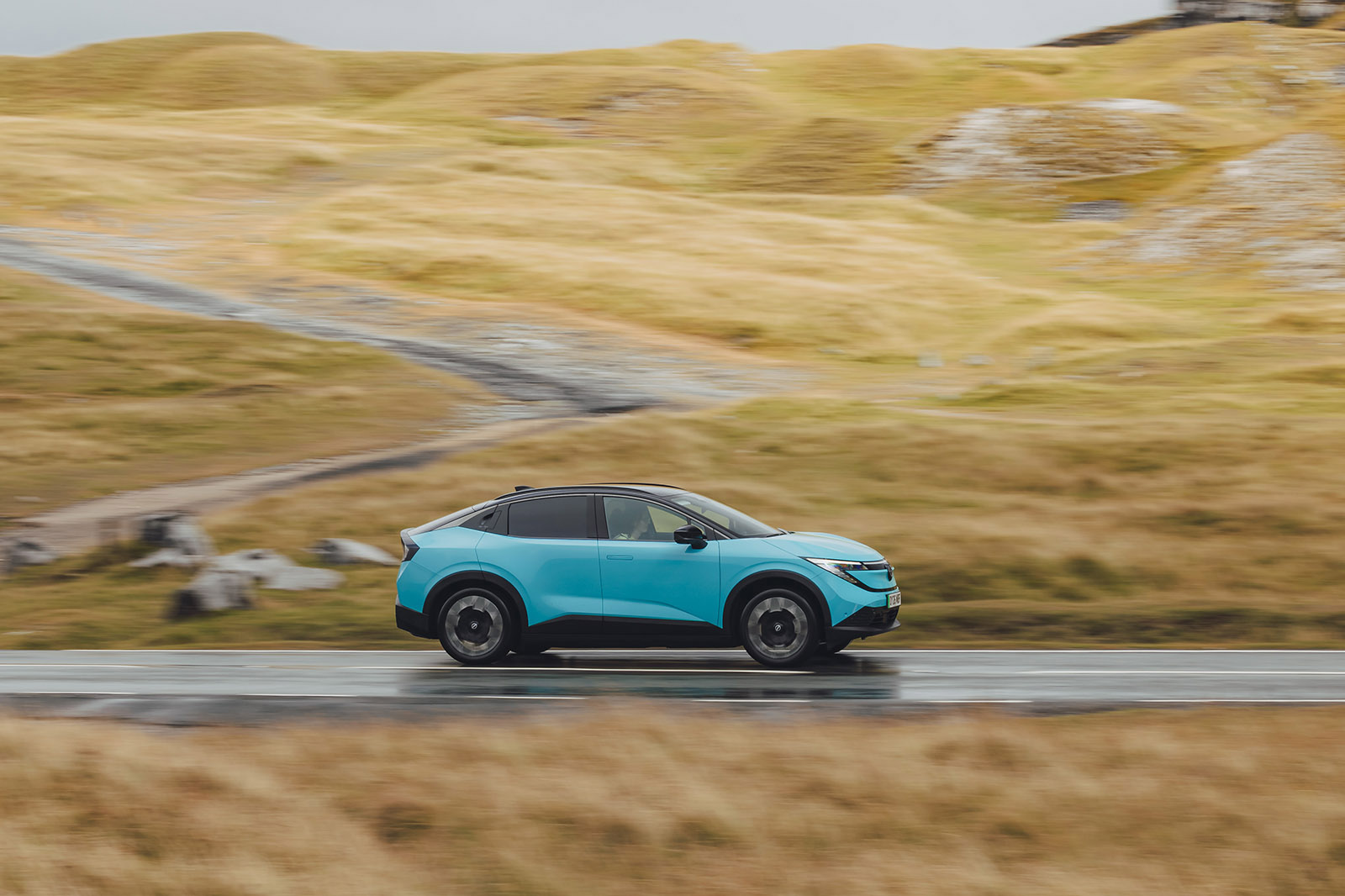
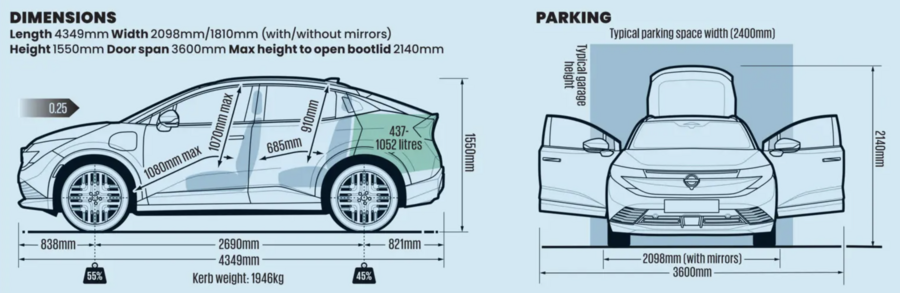
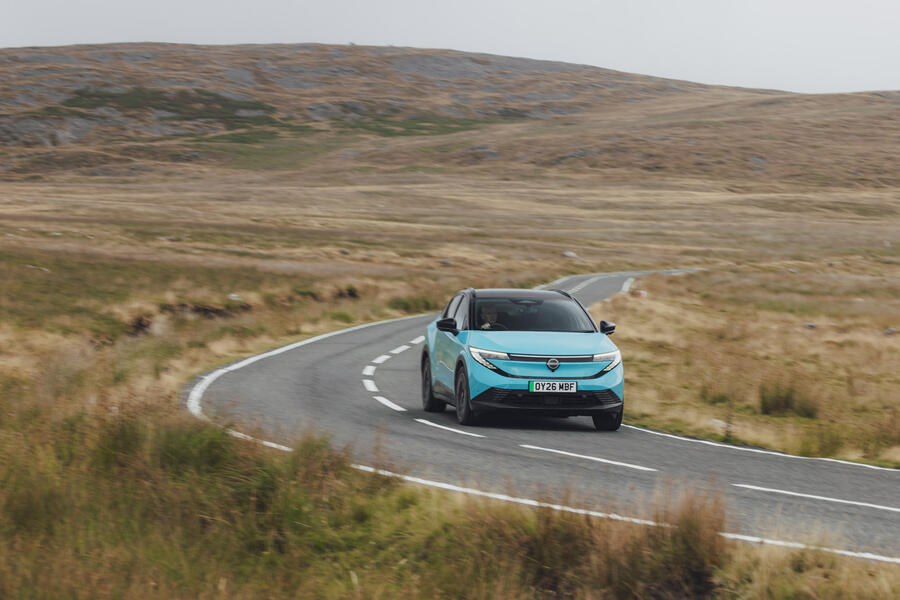
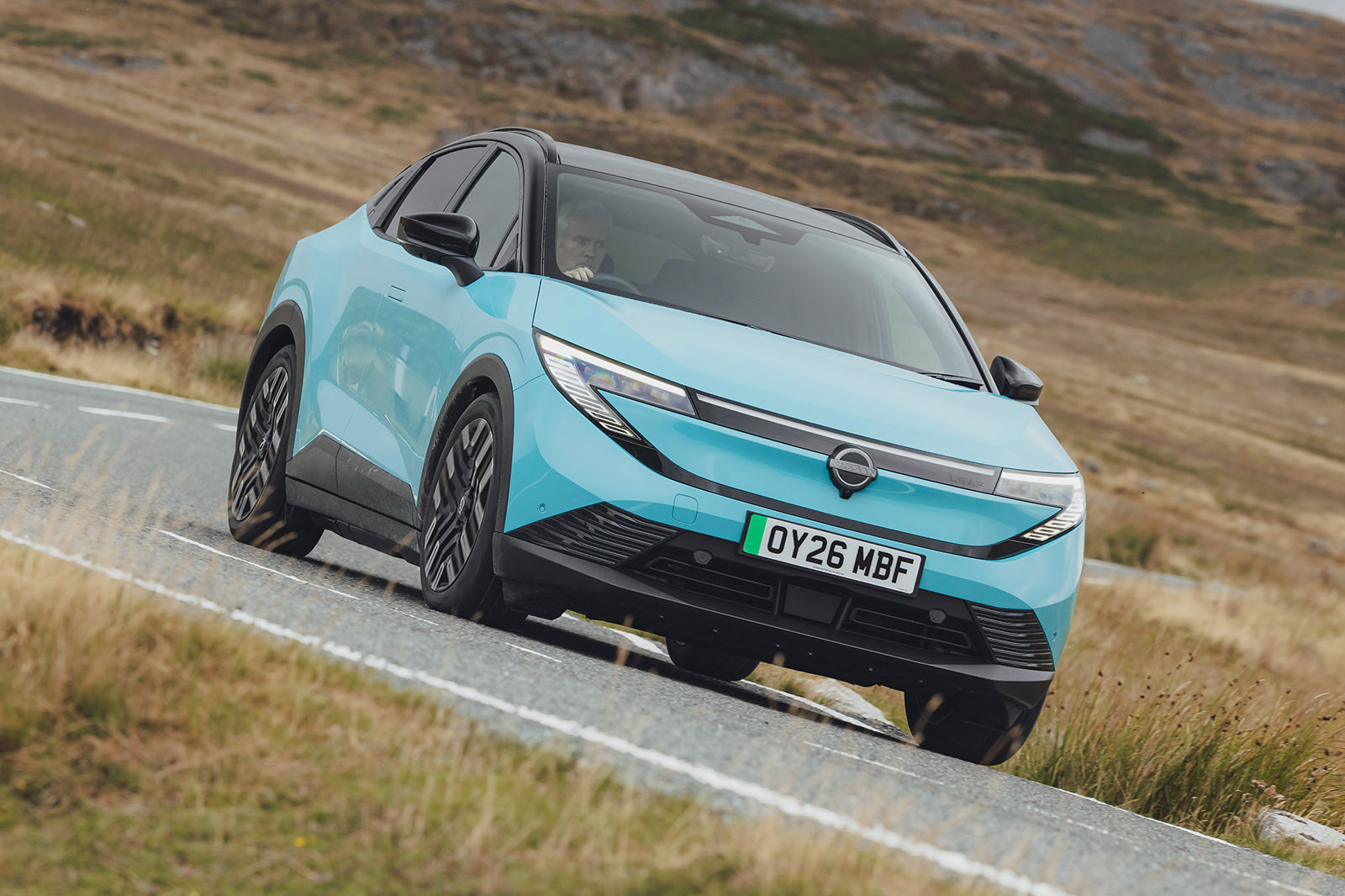
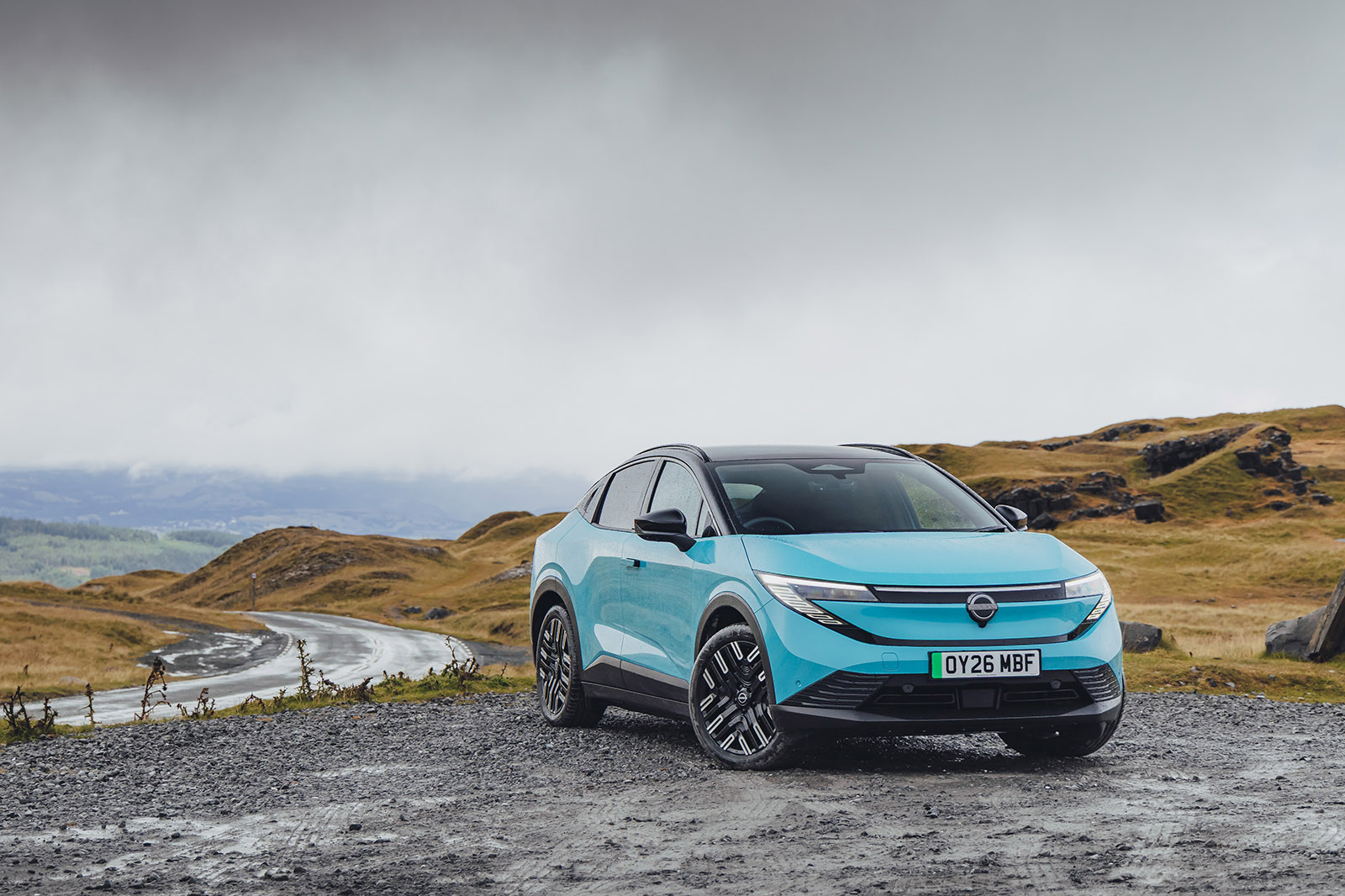
The brief for the new Leaf was one of efficiency, so it moves away from the old car’s hatchback shape to one with a smooth front and a sloping rear end that’s cut off in something of a Kamm tail, with a small ducktail spoiler. The result is a drag coefficient of 0.25. In typical modern style the Leaf has become a bit more of a crossover, being taller than a Kia EV4, but still lower than most other rivals. While the rear lights are clearly a nod to the 300ZX sports car of the 1990s, it’s all very clean and modern but more dynamic than the MPV-ish VW Group cars.

There is a choice of two battery packs. Entry-level cars have 52.9kWh of usable capacity (55.1kWh total), but most Leafs will have 75.0kWh (78.3kWh total), like our test car. Both are nickel-manganese-cobalt units, produced by AESC Envision next door in Sunderland. This plant makes the anodes and cathodes from raw materials, and assembles them into cells and packs. That’s a rarity in Europe, as most battery plants just assemble bought-in cells into packs.

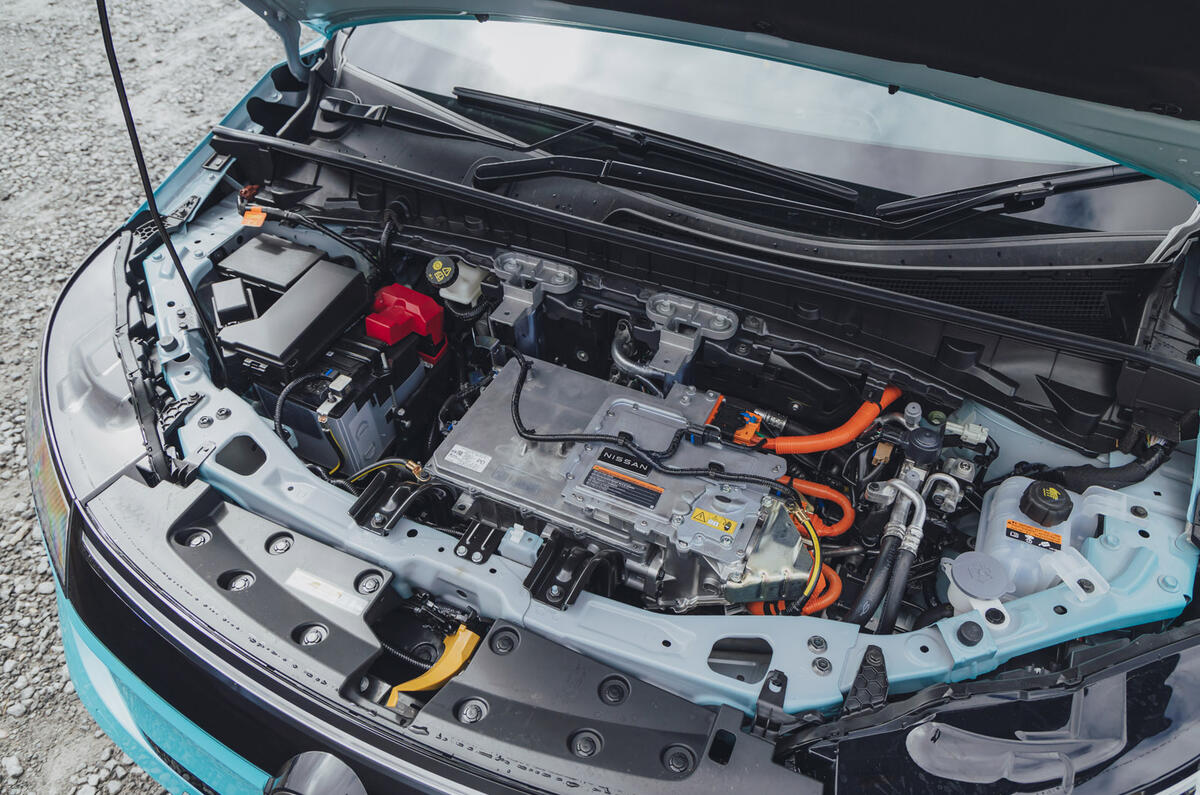
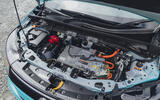
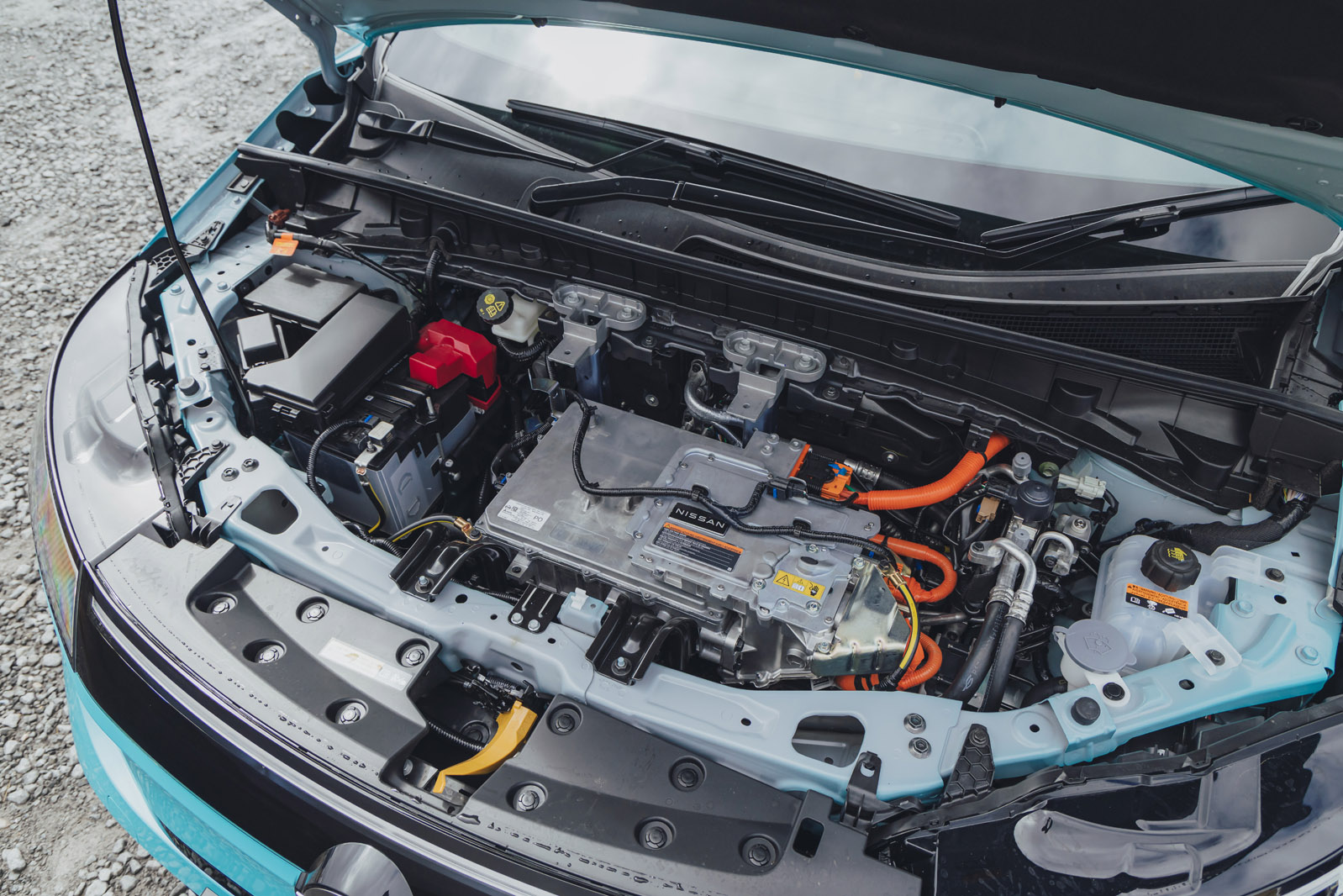
This level of ambition is admirable but can’t have helped to get Leaf production up and running. The battery powers a new three-in-one unit that incorporates the motor, inverter and reduction gear.

This was originally also supposed to be made locally, by Nissan in-house supplier Jatco, but that plan was scrapped as part of Nissan’s turnaround plan and the drivetrains now originate from Japan. The small battery comes with a 174bhp, 255lb ft motor, the big one with 214bhp and 262lb ft.

Structurally, the Leaf is quite conventional for a mainstream EV in 2026. Like its platform-mates, it’s front-wheel drive, with all the power electronics stuffed under the bonnet to make for a deeper boot. The battery is under the floor and the suspension is by MacPherson struts up front and a multi-link in the rear.

INTERIOR

8
Nissan Leaf review 2026 009

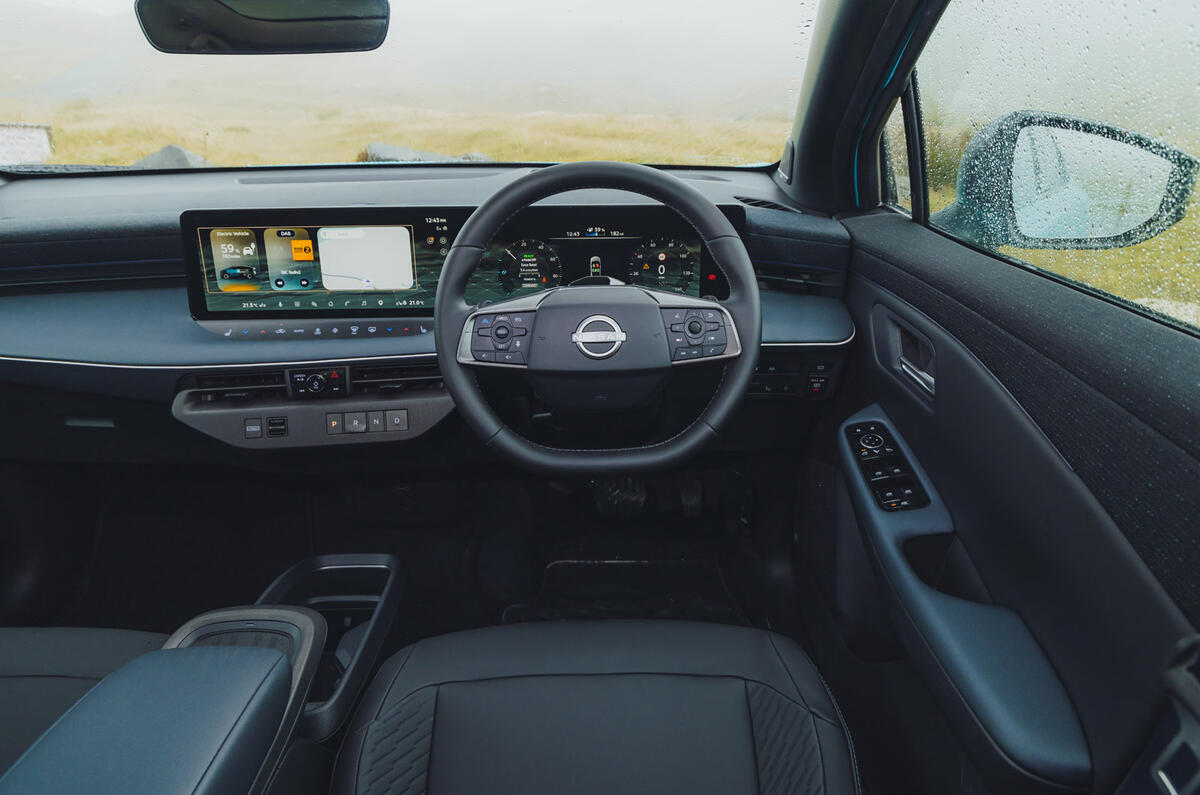
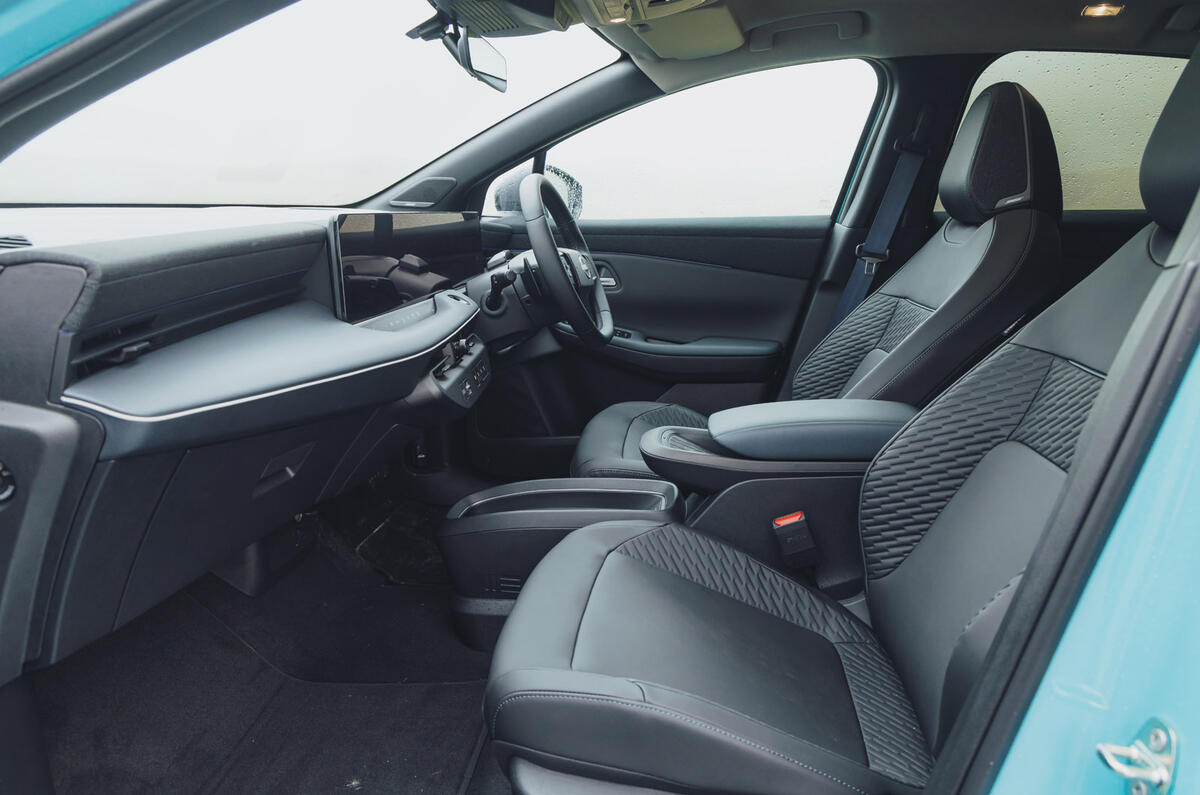
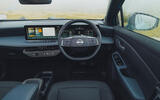
Recent Nissans such as the Qashqai and X-Trail have struck a very successful balance between offering modern technology and maintaining good ergonomics, and the Leaf tries to do much the same, though it has succumbed to one or two tech gimmicks.

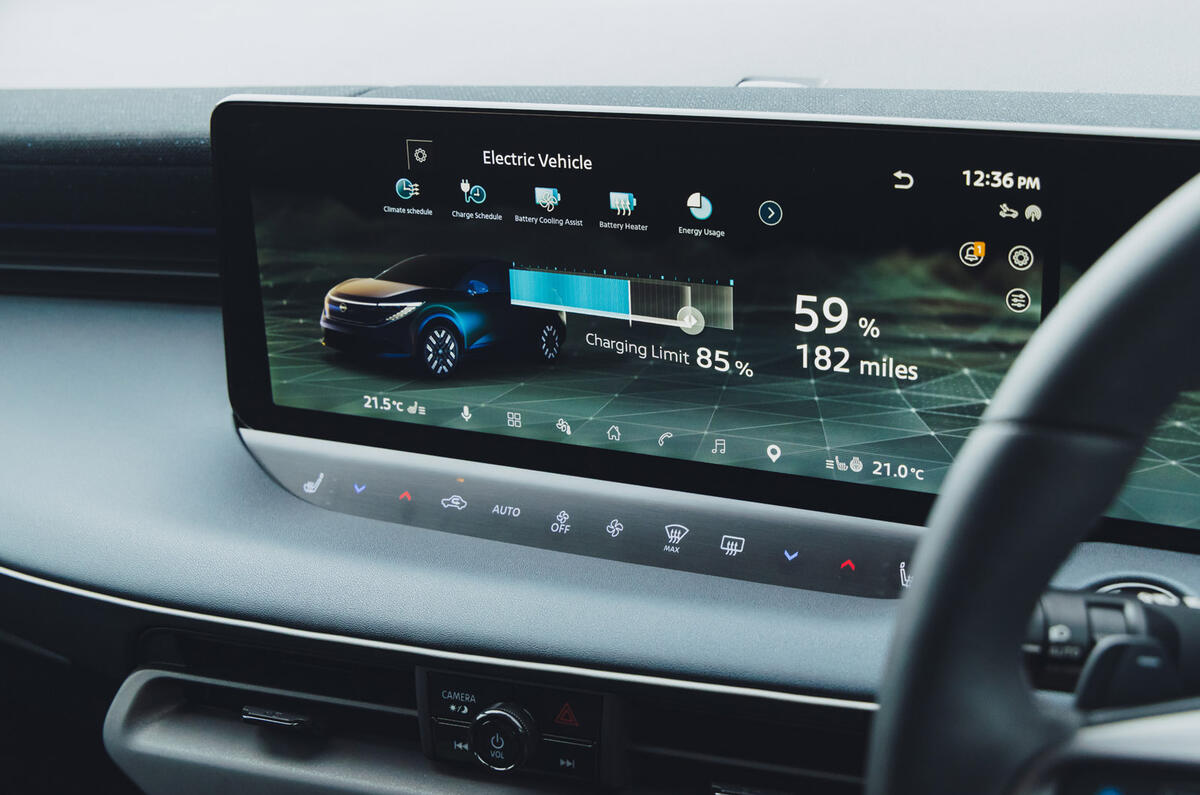
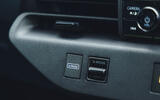
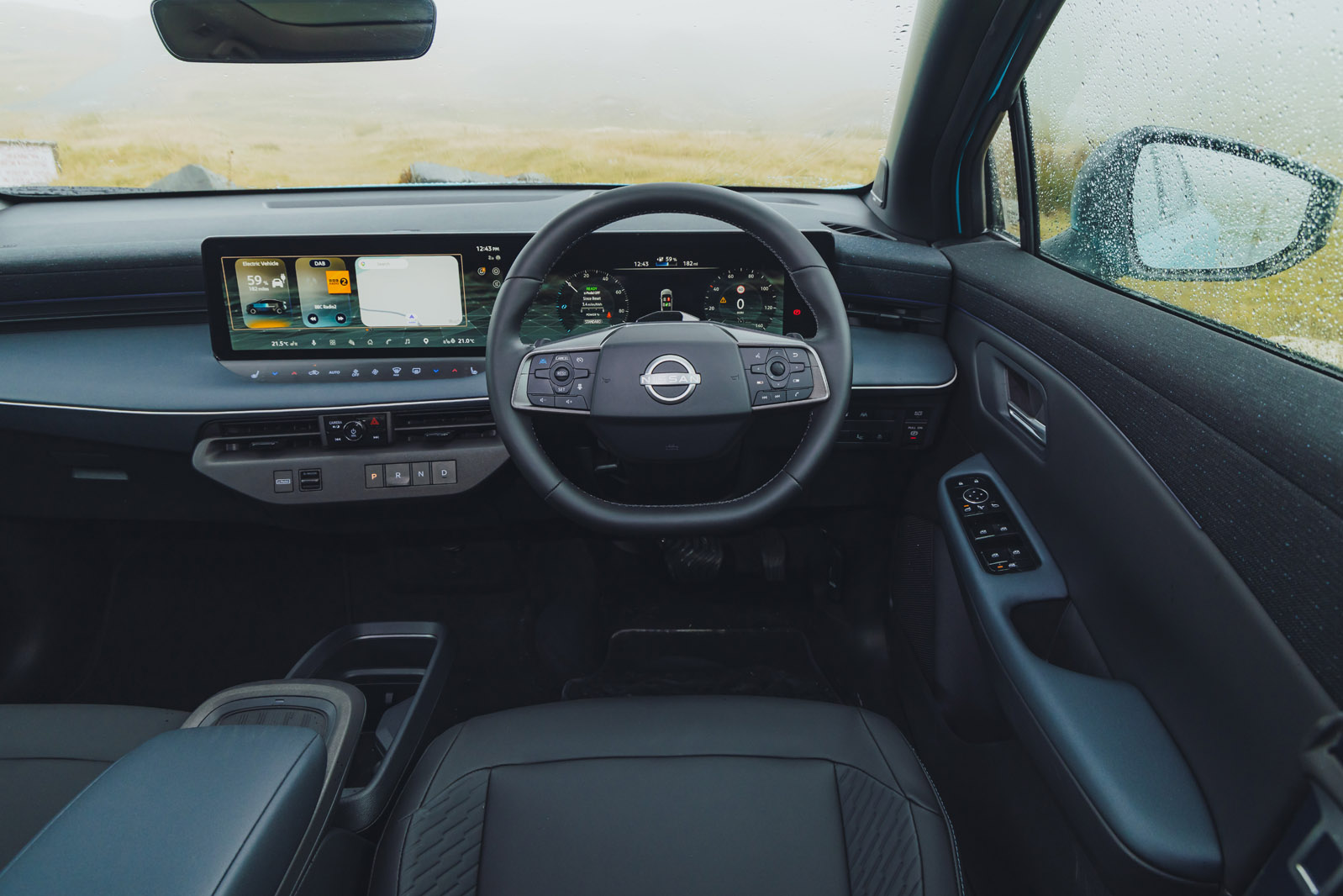
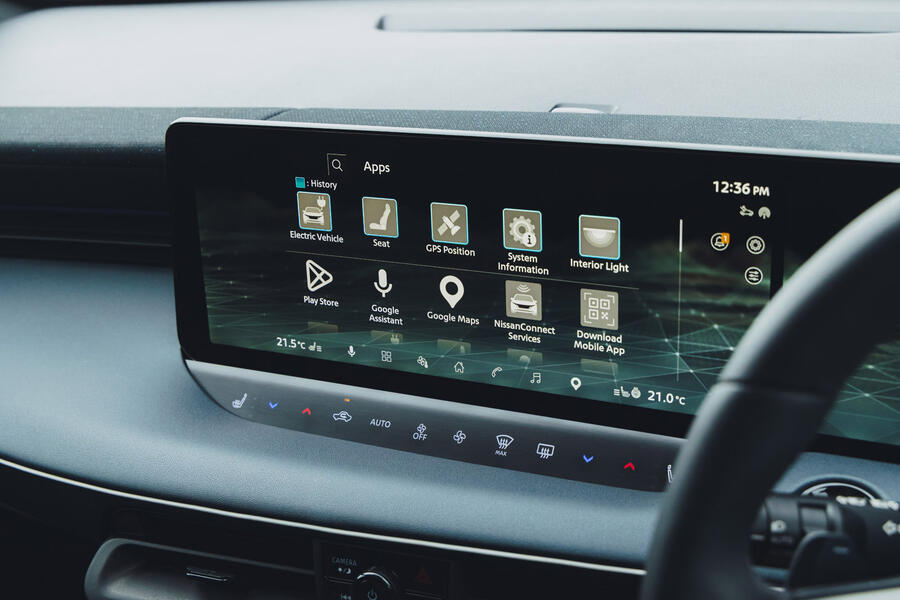
There’s a wide screen panel for the main infotainment and the driver display, as is the modern norm, and it looks sharp and visually up to date, without being particularly flashy. It is joined by plenty of physical buttons for things like the media volume, mirrors and even toggling the head-up display.

Aerodynamics have been prioritised over visibility, so your view out to the back is through a small letterbox of a rear window.

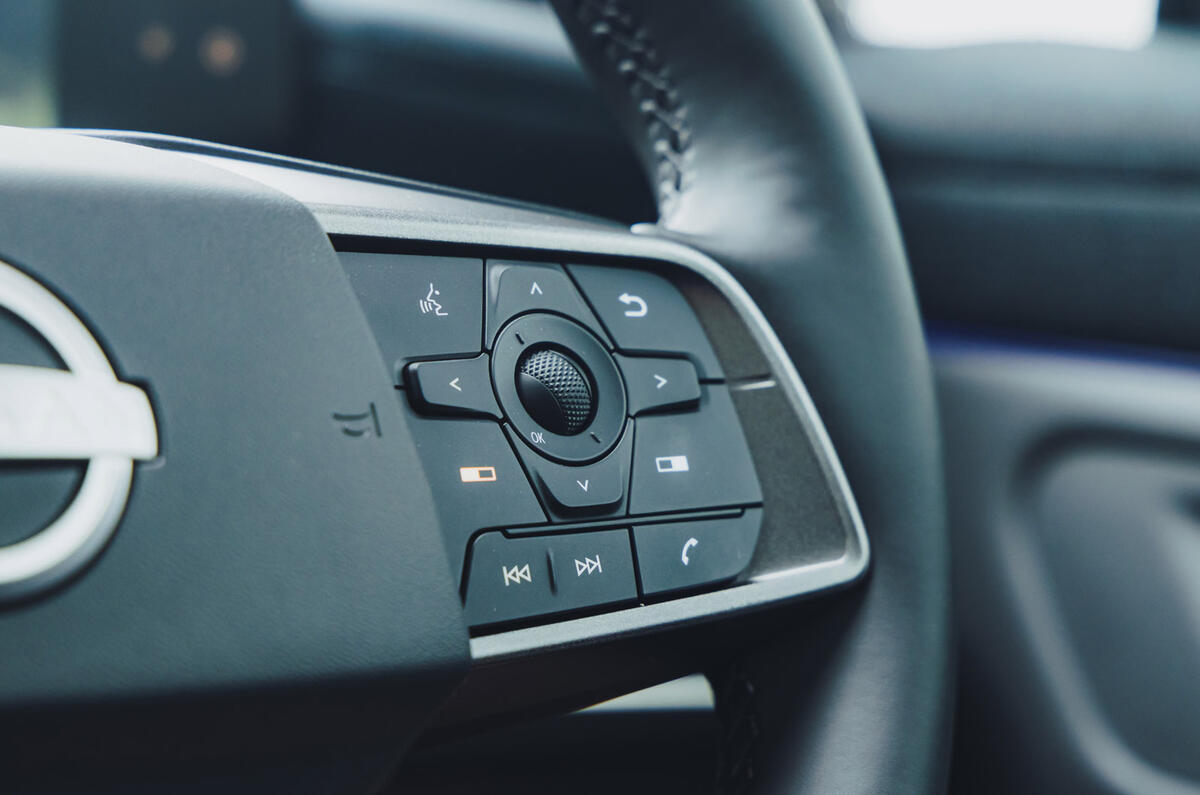
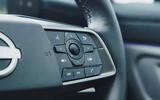
Special mention goes to the buttons and scroll wheels on the steering wheel, which have the satisfying heft you might expect in an early-2000s VW. Sadly less successful are the climate controls, which are touch-sensitive and hidden in a kind of gutter below the main screen, making them awkward and inconsistent to operate.

One other user-interface quirk is that a lot of the vehicle settings are adjusted in the driver display using the steering wheel buttons, rather than on the main screen, which involves lots of scrolling menus. Thankfully, it’s mostly stuff you set once and then leave, such as whether you want the electric seat to slide out of the way when you open the door, or whether you want the adaptive cruise control to slow down for corners.
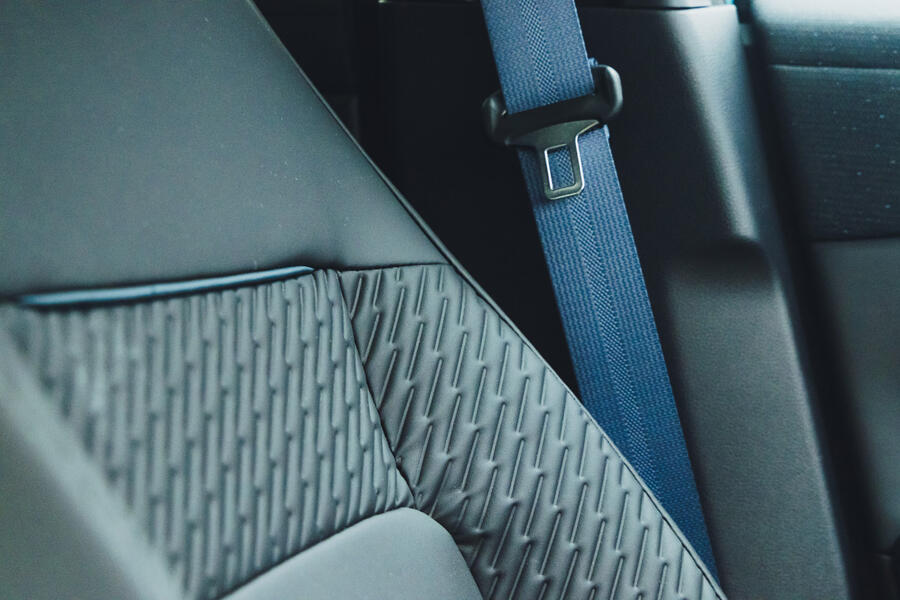
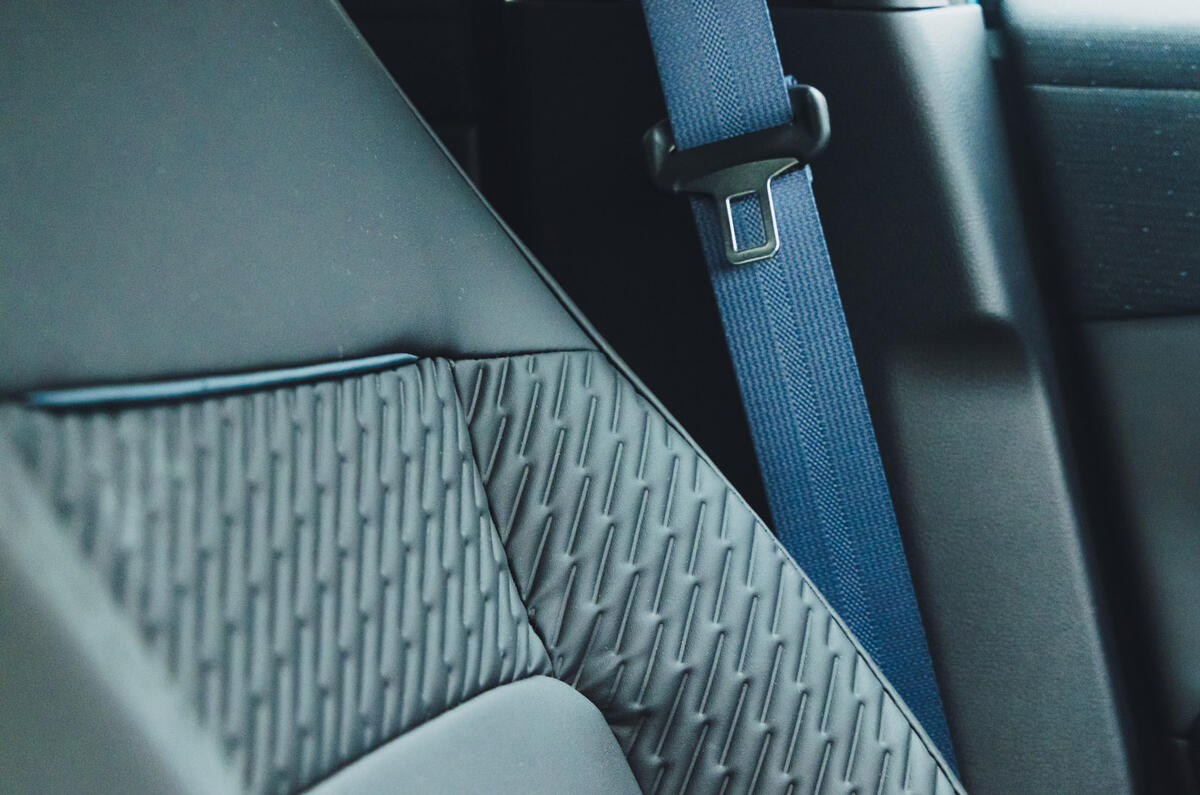
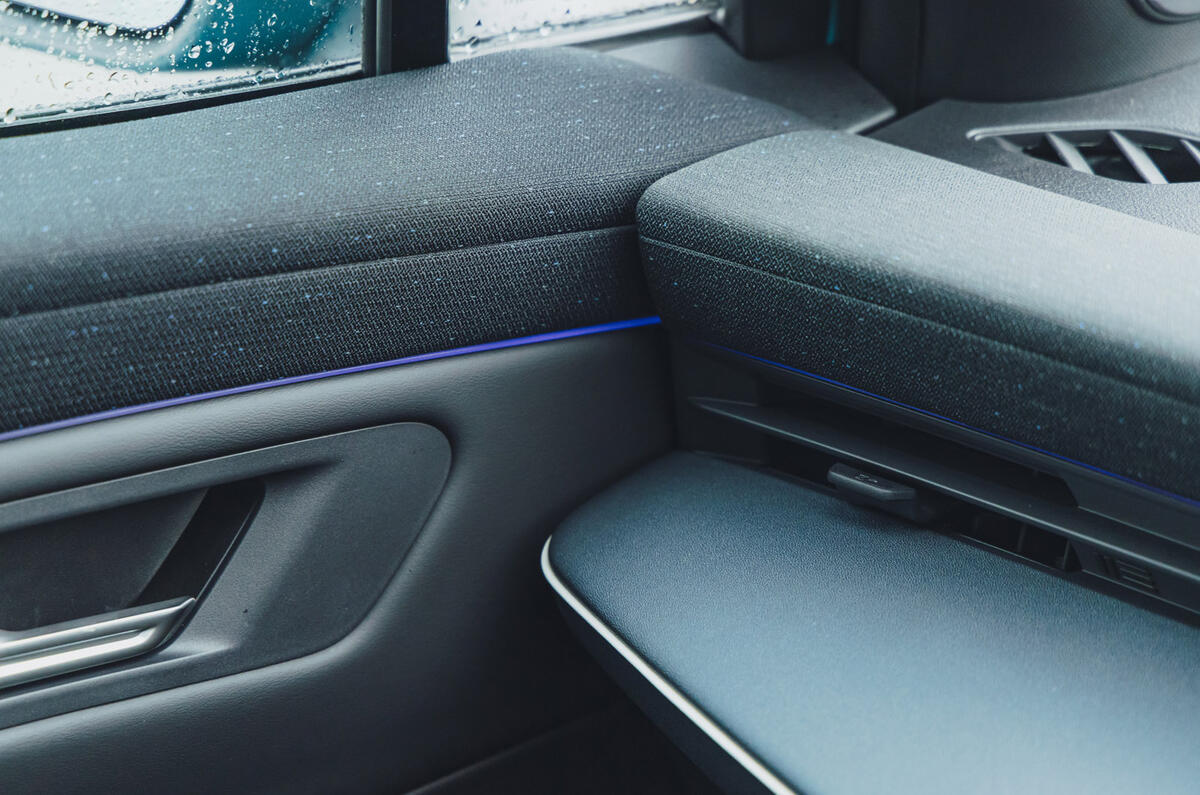
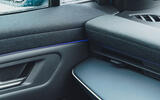
There’s a general feeling of quality in the materials and fittings, with substantial mouldings and door handles, and a mix of soft-touch synthetic leather and fabric covering most of the important touchpoints. Having said that, our car did have a rattle from the rooflining, and a loose piece of trim on the D-pillar.

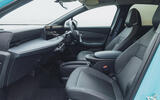
Style-wise, high-spec trims offer a choice between a dark interior with black synthetic leather, or a light one with cream and purple, while lower-end trims have dark cloth or synthetic leather. The light interior is a little funkier and more interesting than what’s on offer in the European rivals, though a Skoda Elroq in the right spec will feel homelier.

When it was delivered with just over 100 miles on the clock, our test car had a bit of the unpleasant vinyl smell you often get in Chinese cars, but this wore off over the next 700 miles. Still, we wish Nissan would offer an alternative to fake leather on the higher trims.

Being lower than most rivals might do wonders for the Mk3 Leaf’s new-found style but clearly gave the engineers some packaging headaches. As a result, the interior space is somewhat squeezed in between the battery pack and the roofline.

The driver’s seat feels high in relation to the rest of the car, so rather than enjoy an SUV-style commanding driving position, you just look down on the dashboard, and while there’s no shortage of head room, tall drivers will still be tempted to hunch to look under the rear-view mirror. The seats don’t help either: while the electric seats have lumbar and tilt adjustment, they don’t offer quite enough lower back support.

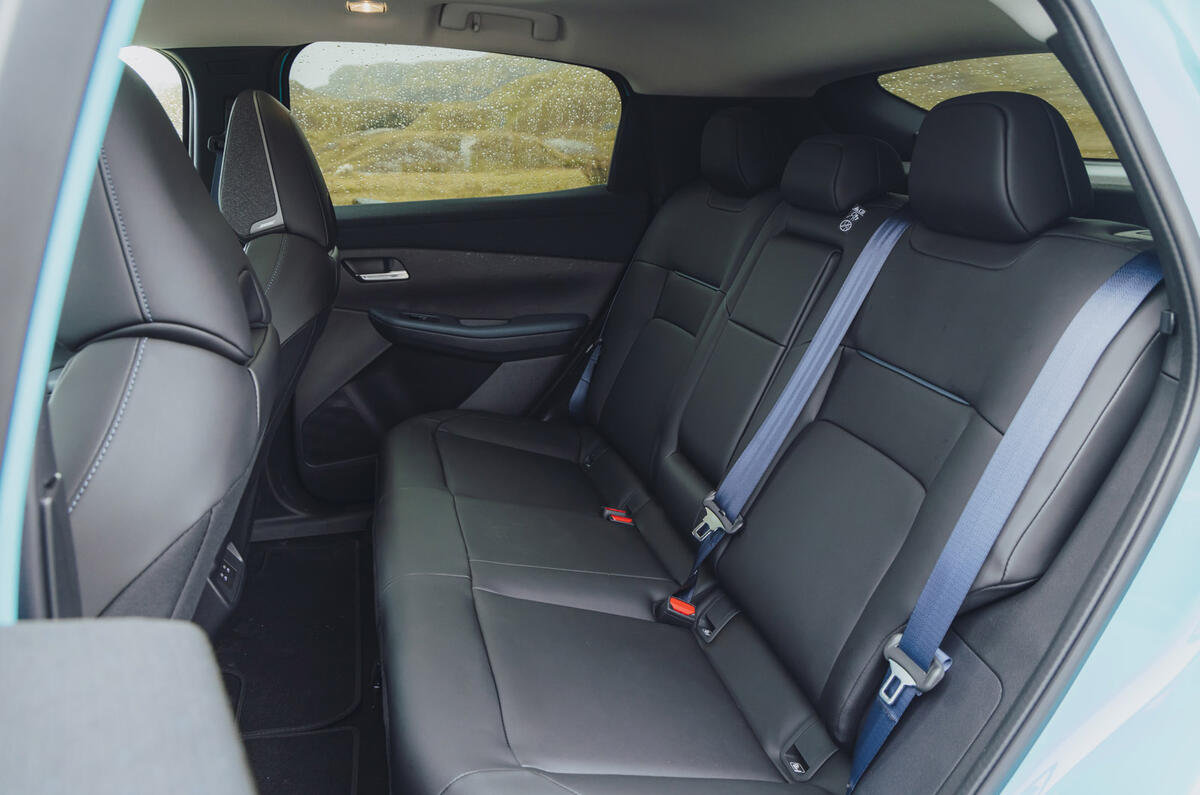
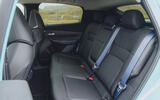
Rear-seat passengers suffer from a similar problem. The high floor forces a knees-up seating position, and head room is impacted by that sloping roofline – it’s better than in the Toyota C-HR+, but the squarer Kia EV4 and more SUV-ish Skoda Elroq are substantially more accommodating, and have a lot more knee room as well. In short, adults can sit in the back of the Leaf but wouldn’t want to do so for too long.

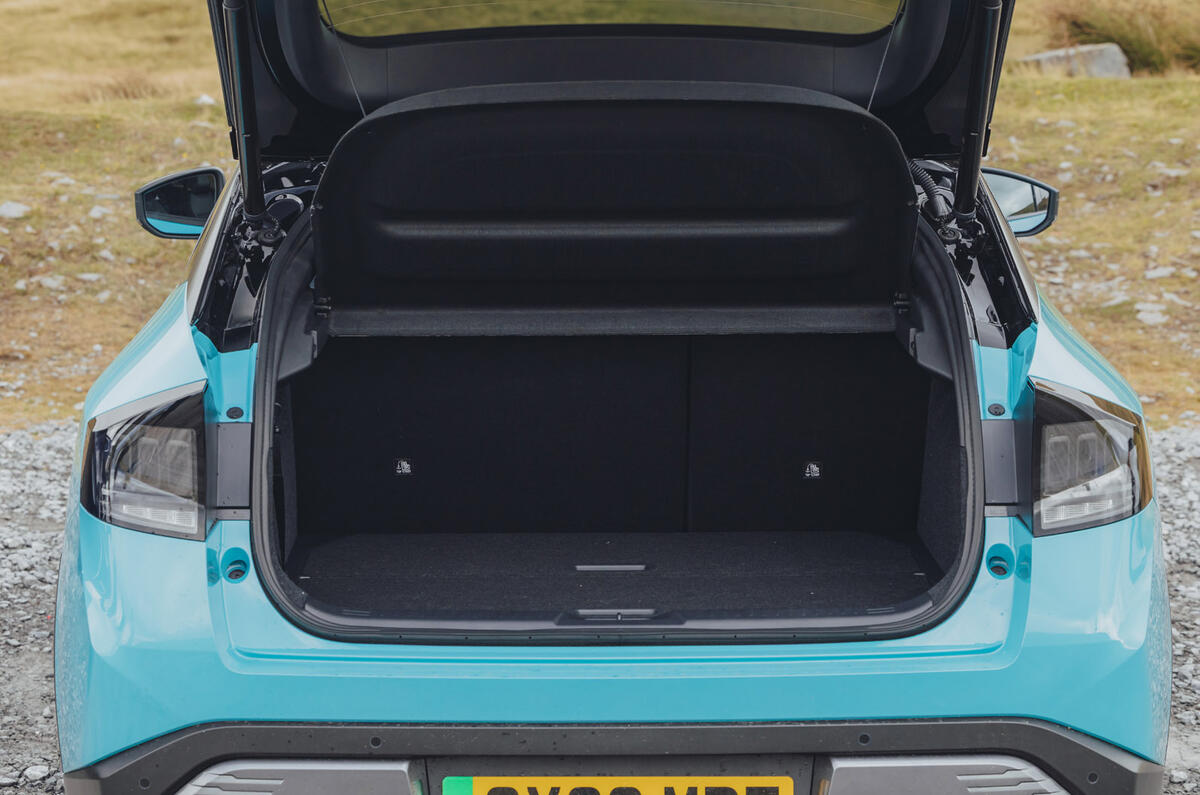
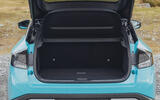
At 437 litres, the boot is down on volume compared with rivals, but by our measurements it’s about the same as the EV4’s, and it comes as standard with a movable floor that can be turned into a divider, which is very handy.
Multimedia

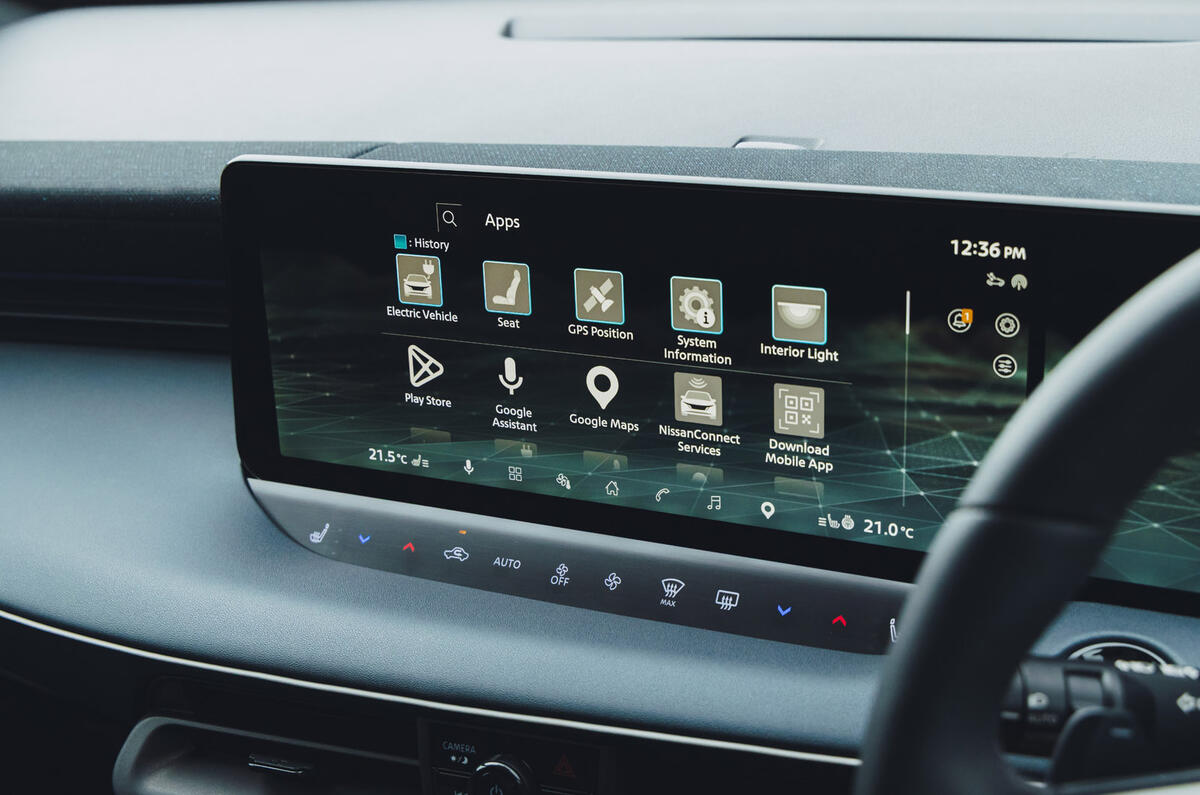
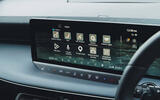
Nissan’s Google-based infotainment system is a model of how a touchscreen interface can be designed. It isn’t the most visually dazzling, but it’s clear, quick to respond and very logical, and offers wireless phone mirroring. It is also possible to navigate the screen using the steering wheel controls if you are truly touchscreen-averse, but this isn’t very intuitive.

The home screen has three customisable tiles – we preferred to set them to the navigation, media and EV settings – and there’s a sidebar with shortcuts to the most important functions. The built-in navigation system is Google Maps, which is clear and well informed about traffic conditions.

It’s also well suited to EV route planning. It always shows you how much battery percentage you will have left at your destination (even if it is usually slightly optimistic) and is very good at finding rapid chargers en route.
Our only substantial gripe is that the wireless Apple CarPlay didn’t always connect automatically.

ENGINES & PERFORMANCE

6
Nissan Leaf review 2026 024

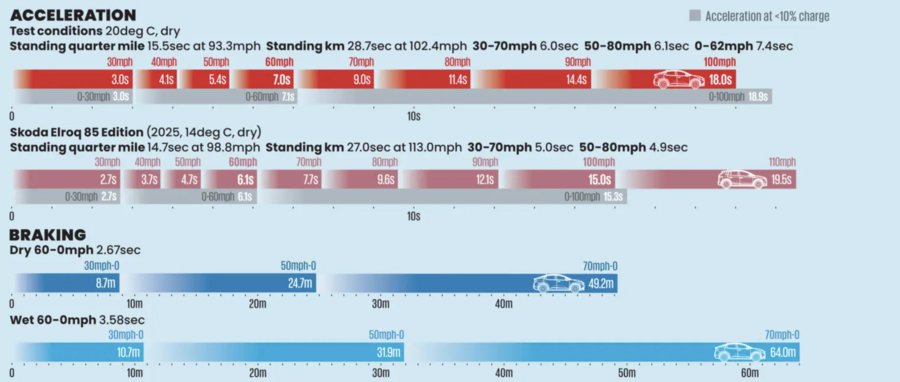
The Leaf is not meant as a performance car, but like most modern EVs it just happens to have a reasonably powerful motor. In our testing it beat its quoted 7.6sec 0-62mph time by 0.2sec with a nearly full battery and still managed to beat it by 0.1sec with less than 10% charge remaining. Although some rivals are a bit quicker, it’s hard to imagine anyone being disappointed by the Leaf’s straight-line performance.

The power delivery is nicely progressive as well. When you floor the accelerator from a dead stop the power ramps up to avoid overloading the front tyres, but you’re never short of grunt.

There’s MacPherson-strut suspension up front and a multi-link arrangement at the rear, while wheel sizes range from 18in to 19in.

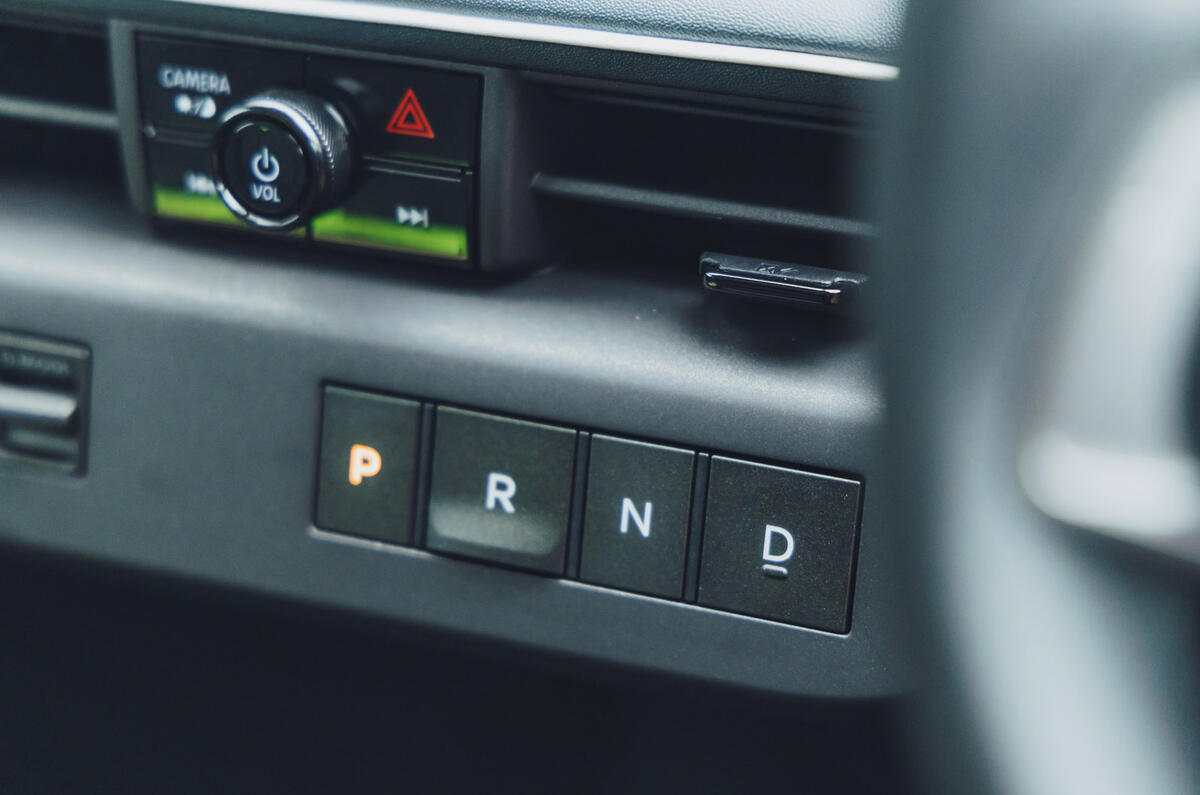
You get a good amount of control over the regenerative braking too. Unless you configure it otherwise in the Personal drive mode, it defaults to a low level, but you can adjust it between full freewheeling to quite strong off-throttle deceleration using the steering wheel paddles.

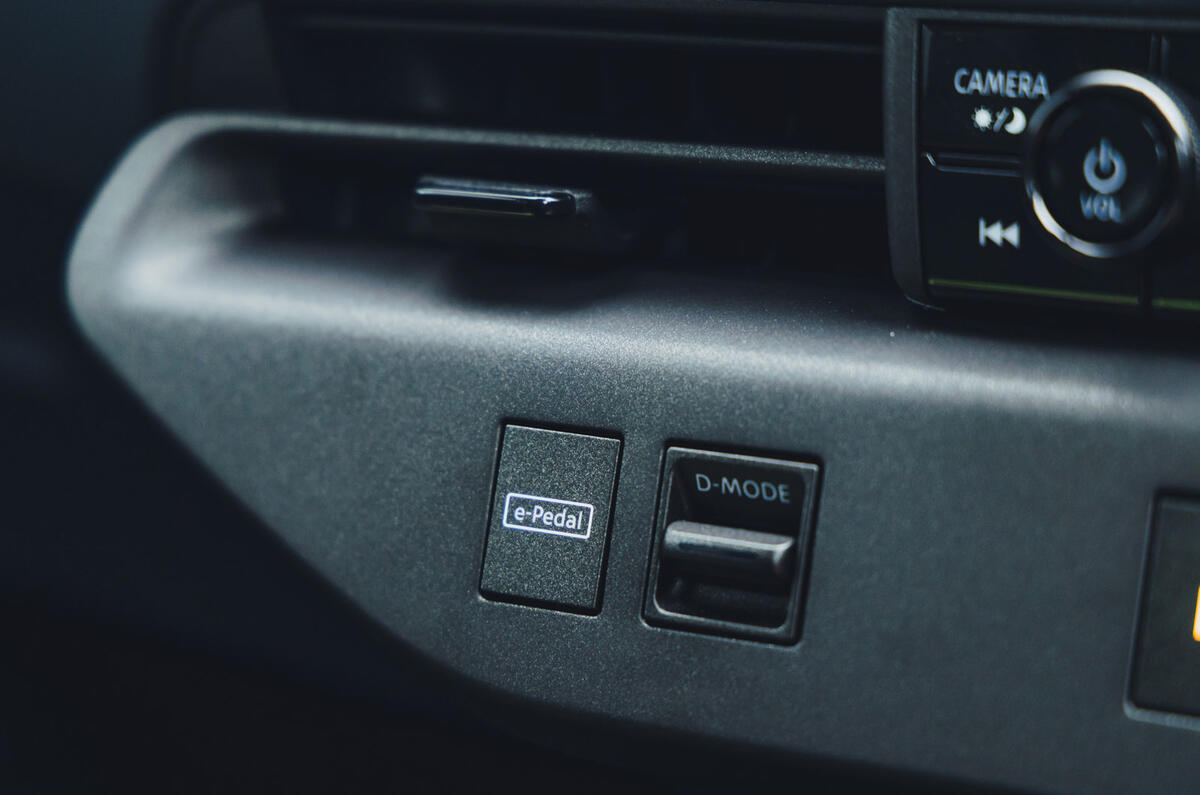
However, this is where the disappointments begin. Contrary to what you would expect, the prominent e-Pedal button on the fascia just engages a very strong regen mode. You still have to press the brake pedal to come to a full stop, rendering the e-Pedal rather pointless.

The brake pedal itself is soft and has a very long travel, with a slightly inconsistent handover between regen and friction brakes. It’s perfectly possible to come to a smooth stop, but the feel is just not particularly reassuring.

And nor is the outright braking performance, which proved very long on both dry and wet surfaces. It took the Leaf 49.2m to stop from 70mph in the dry, which is longer than it took the Skoda Elroq to stop from the same speed in the wet.

The 64.0m that the Leaf required in the wet is just not acceptable from a mainstream hatchback in 2026. We can’t blame the tyres here, because the Kia EV3 managed 45.2m in the dry and 50.5m in the wet on the same Hankook iOn Evo rubber (albeit in a different size).

RIDE & HANDLING

8
Nissan Leaf review 2026 026

Away from emergency stops, the Leaf is much more pleasant in everyday conditions. There might be a slight shortage of traction on wet roads, but the very smooth traction control will mete out power in a way that many drivers might never notice.

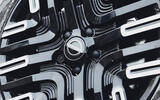
In general, the suspension is quite soft as the engineers prioritised comfort. The 19in wheels of our test car can thump a bit over ridges and the like, but that’s not unusual in this class. Overall, it smooths out most bumps – big and small – pretty well, and the Leaf proved fairly quiet at a motorway cruise too.

The spec sweet spot looks to be the Engage+ because it gets you the heated seats and steering wheel, and the built-in Google navigation, but without the pleather seats or big wheels.

It also proves that ride and handling needn’t be a compromise. Sure, over truly challenging road surfaces at speed it can lose composure and there’s copious body roll if you really push it, but it builds in a predictable way and the car clings on well enough.

While the steering is a touch light in the standard mode, it weights up nicely in Sport mode and even feeds back some information about grip levels, giving you confidence to chuck the Leaf into a corner. The front end has plenty of bite, and the Leaf even proved quite entertaining on the test track with an ESC system that can be disabled, allowing hot hatch levels of lift-off oversteer.

The ADAS is fairly well managed. The unholy trifecta of lane keeping assistance, overspeed warning and driver monitoring is typically irritating if left on, but like other Nissans the Leaf gives you an easily accessible custom mode that turns them all off. The adaptive cruise control’s behaviour can be customised in the settings menu and generally works smoothly.

It is possible to switch to standard cruise control, but this requires a dive into the settings menu, so is not something to do on the fly. The parking cameras are a mixed bag: the reversing camera is positioned weirdly high up, but there are also cameras that are aimed at the front wheels, which is very useful for parallel parking.

MPG & RUNNING COSTS

7
Nissan Leaf review 2026 001

Prices for the Leaf start at £28,849 for the 52.9kWh version with 280 miles of WLTP range, rising to £32,249 for the 75kWh version with 387 miles of WLTP range. Upgrading to at least Engage+ trim seems like a no-brainer because only £900 extra gets you heating for the steering wheel and seats, as well as the bigger screen with Google software. The most expensive Leaf, an Evolve trim with the light-colour interior option, tops out at £36,649. In any case, the Leaf significantly undercuts its rivals from Kia, Skoda and Toyota spec for spec. It’s undoubtedly helped here by getting the full, £3750 government EV grant.

The competitive cash price is reflected in the monthly leasing costs, but on a PCP finance deal the Leaf actually comes out more expensive than its rivals. Part of the cause is surely that Nissan is only offering a negligible £275 deposit contribution, compared with closer to £2000 from other manufacturers. Monthly deals are as changeable as the wind, but we would have expected Nissan to have a stronger introductory offer.

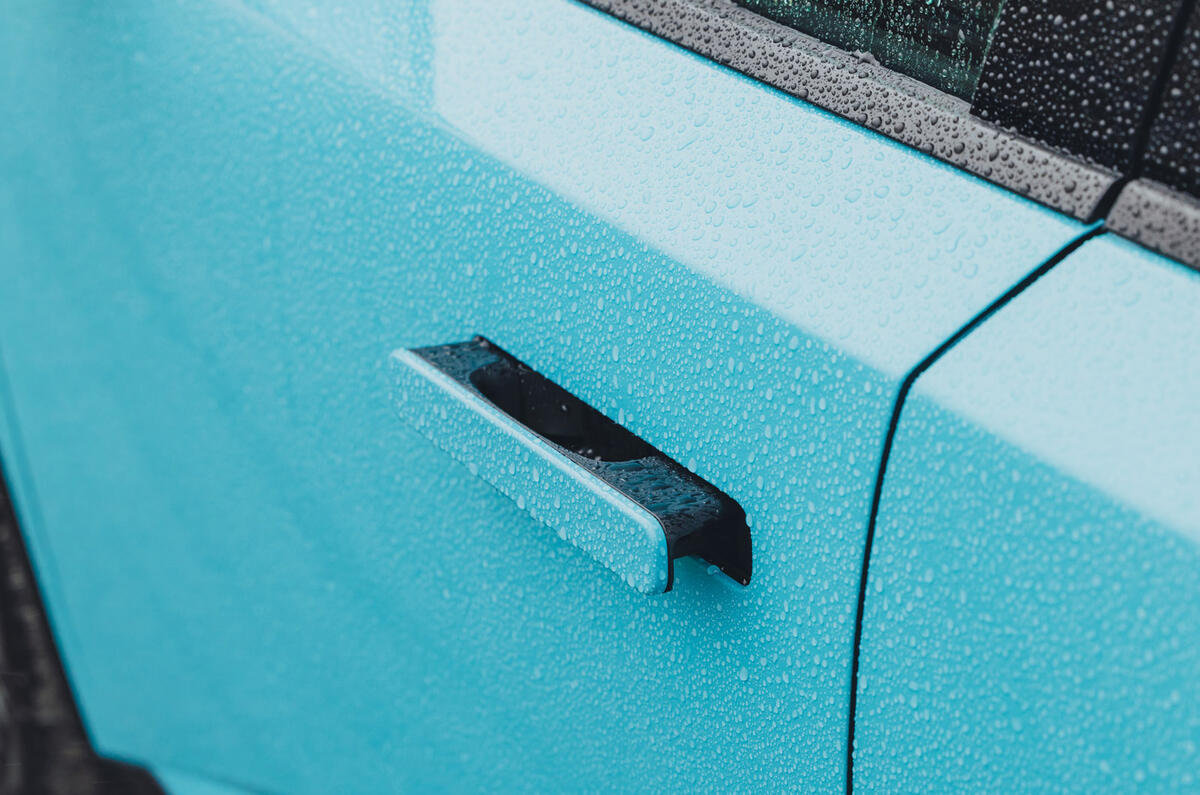
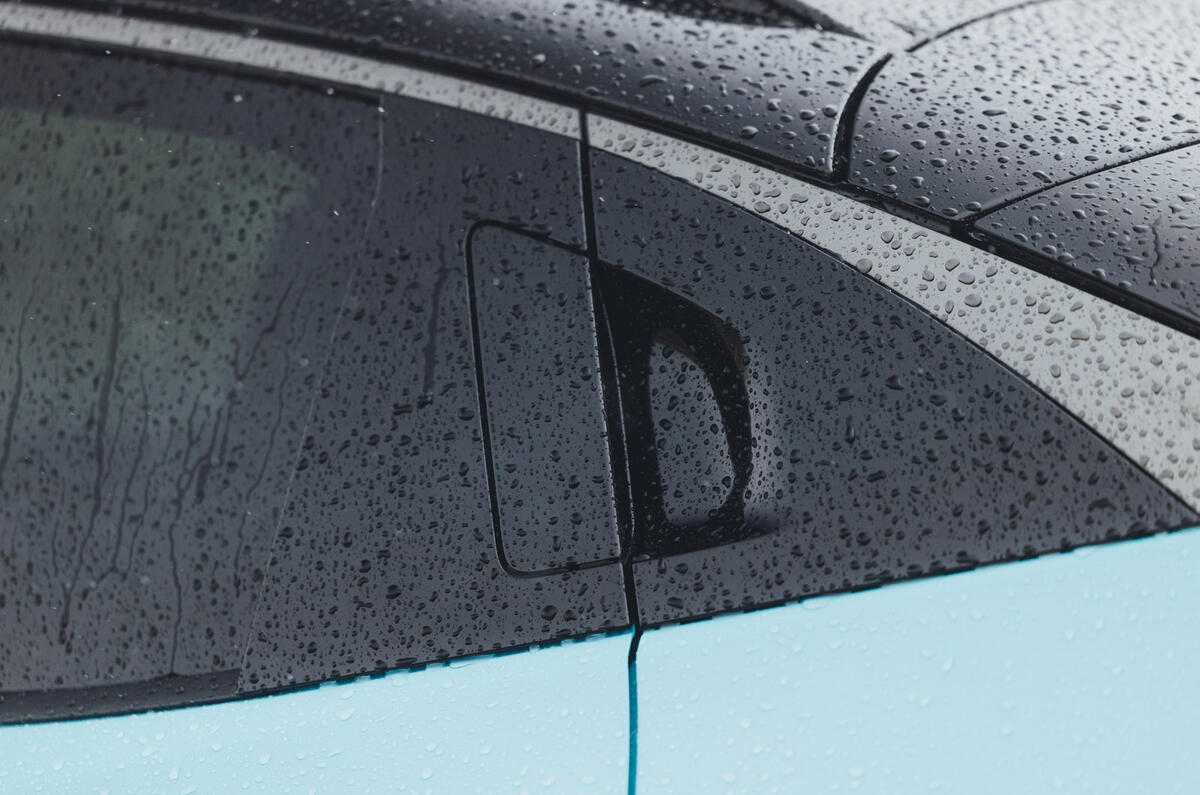
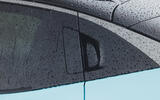
We’re not normally fans of pop-out door handles, but the Leaf’s never failed to present at the right moment and they felt substantial. The rear ones are conventional but hidden in the C-pillar for a pseudo-coupé look. The conventional key always worked as expected.

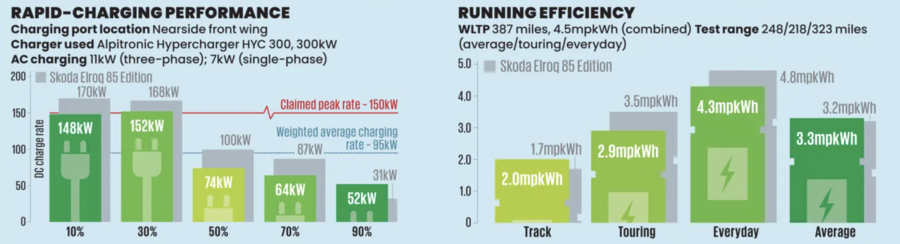
Given Nissan touted the Leaf’s energy efficiency in early communications, we also expected a much better performance in this area. Both its touring and ‘everyday’ efficiency results are noticeably inferior to those posted by the Skoda Elroq and Toyota C-HR+, and we tested the Leaf in perfect summer weather. Its real-world range of around 250 miles is perfectly decent, but not a particular selling point. A heat pump is standard, so hopefully it can retain most of that in winter.

DC rapid-charging performance, too, was nothing to shout about. The Leaf’s 150kW peak speed is typical for the class, but rivals managed to maintain a high speed for longer in our testing.

VERDICT

Nissan Leaf review 2026 027

New Nissans don’t come along with the same frequency as, say, new Kias, so the new Leaf feels like an important car for the beleaguered manufacturer, and this would have been a good moment to release a class-leading car.

As it stands, the Leaf is modern, pleasant and mostly competitive in key areas, but no world-beater. It drives well, with progressive controls and a nicely easy-going blend of ride and handling, while the tech is up to date, easy to use and mostly doesn’t frustrate. However, the efficiency, range and charging are only average, the interior packaging ought to be better and the braking performance is poor.

Ultimately, the Leaf feels like a worthy, likeable and very fit-for-purpose family EV.

The Nissan Leaf is a perfectly creditable, British-built option in the ranks of C-segment electric hatchbacks, but some rivals are more rounded.

Illya Verpraet

Illya Verpraet Road Tester Autocar
Title: Road Tester

As a road tester, Illya drives everything from superminis to supercars, and writes reviews and comparison tests, while also managing the magazine’s Drives section. Much of his time is spent wrangling the data logger and wielding the tape measure to gather the data for Autocar’s in-depth instrumented road tests.

He loves cars that are fun and usable on the road – whether piston-powered or electric – or just cars that are very fit for purpose. When not in test cars, he drives an R53-generation Mini Cooper S or a 1990 BMW 325i Touring.