6

Chinese budget brand addresses criticisms of its Nissan Qashqai rival just a year after launch

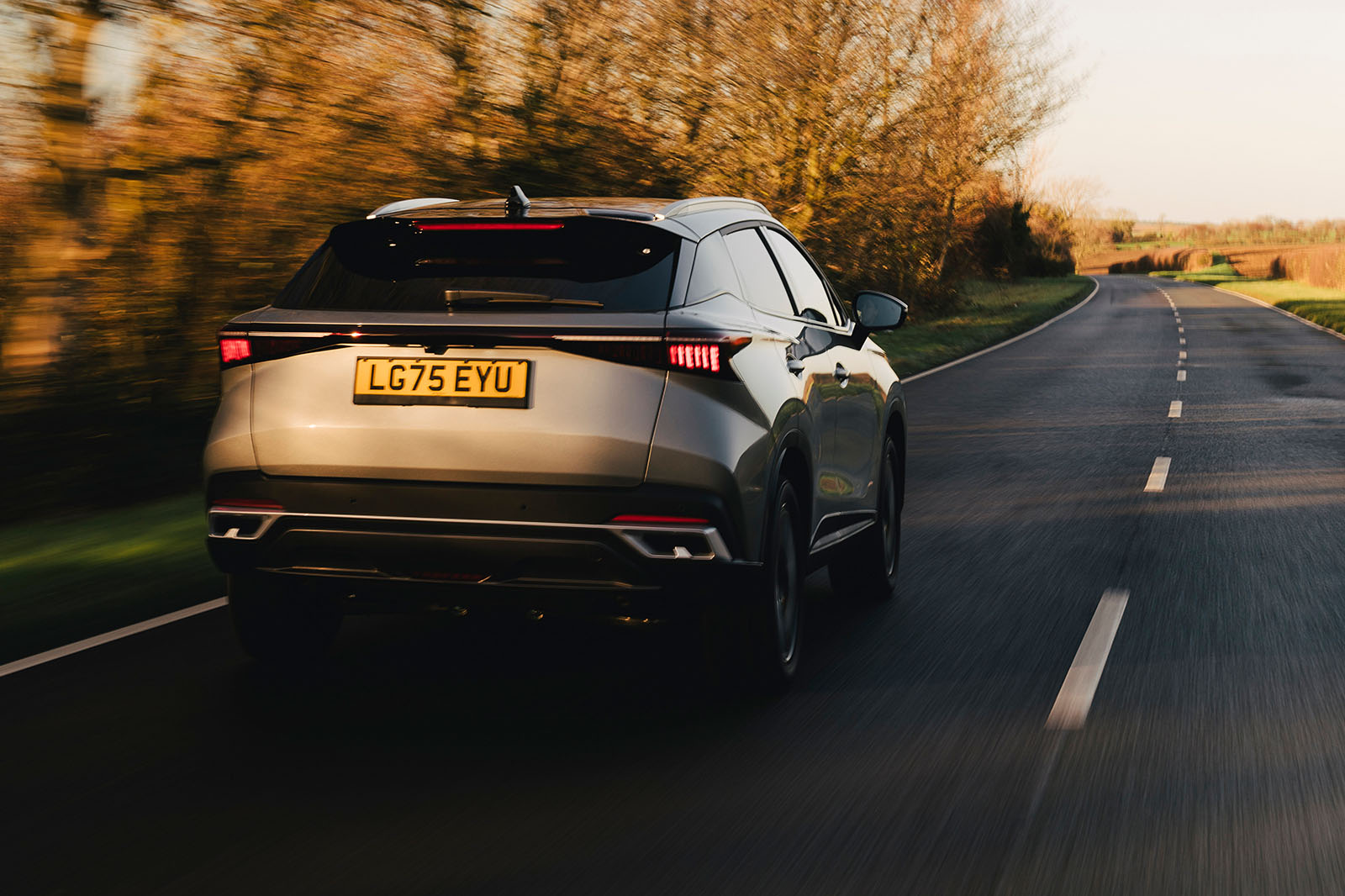
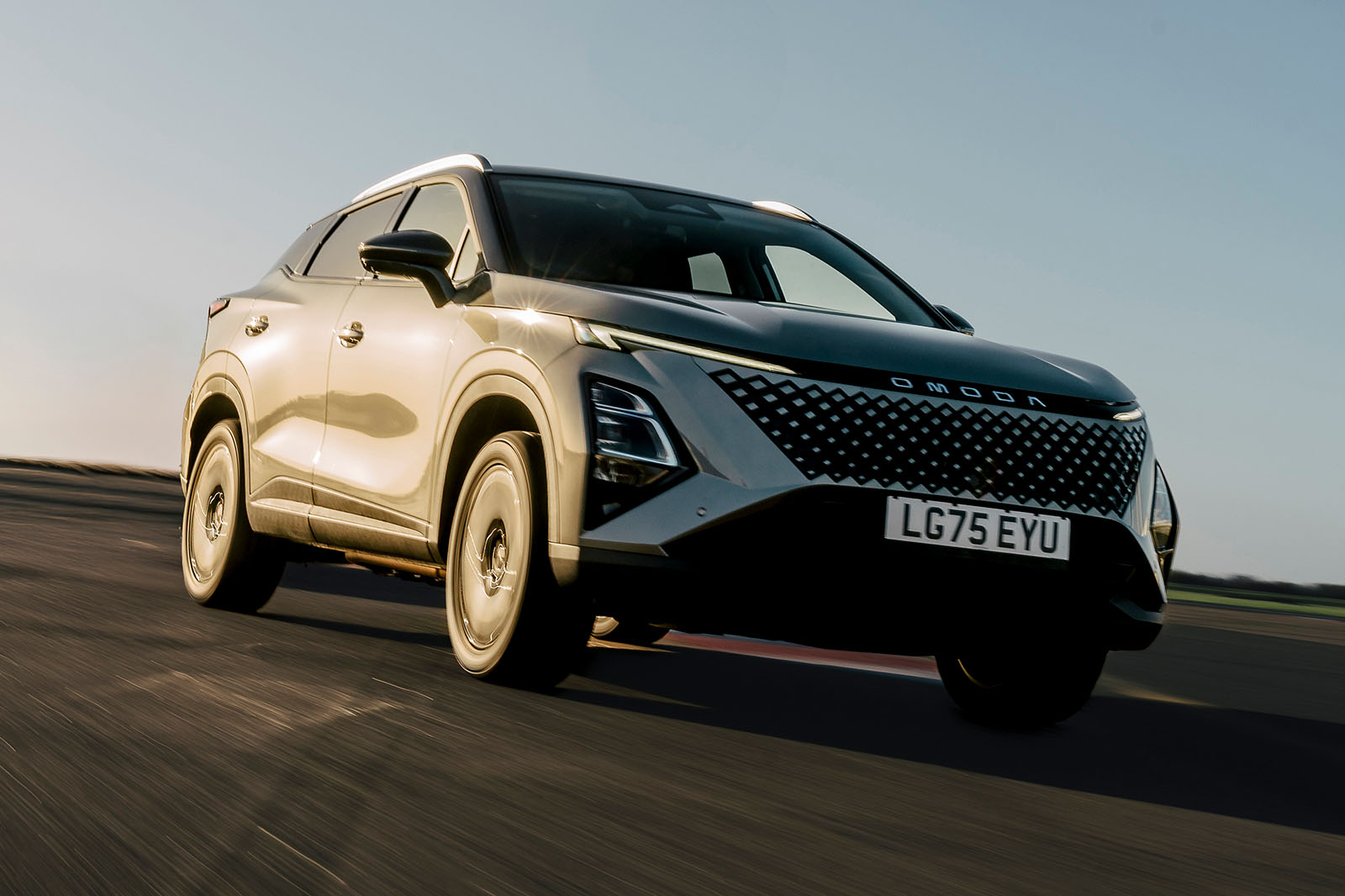
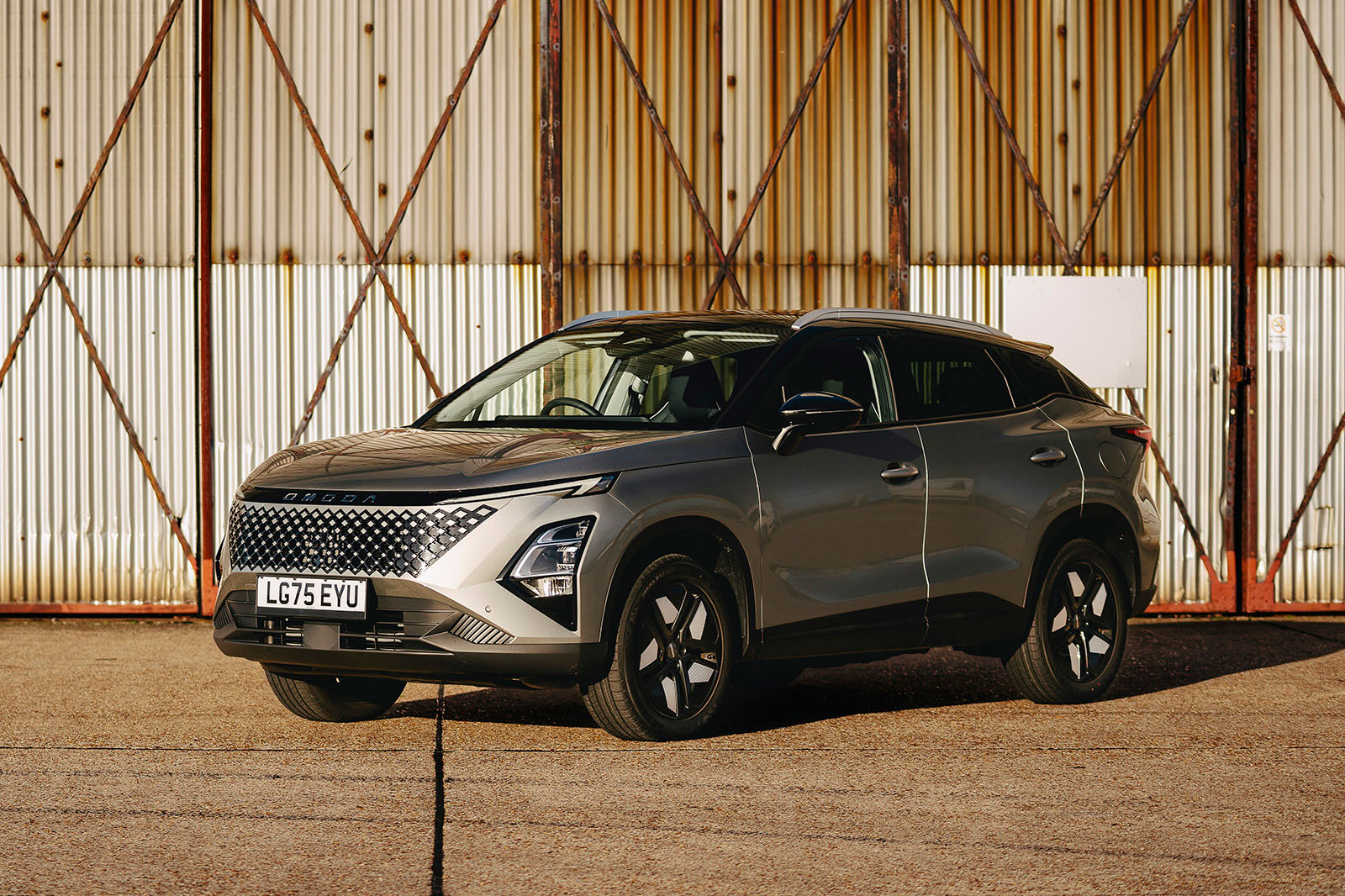
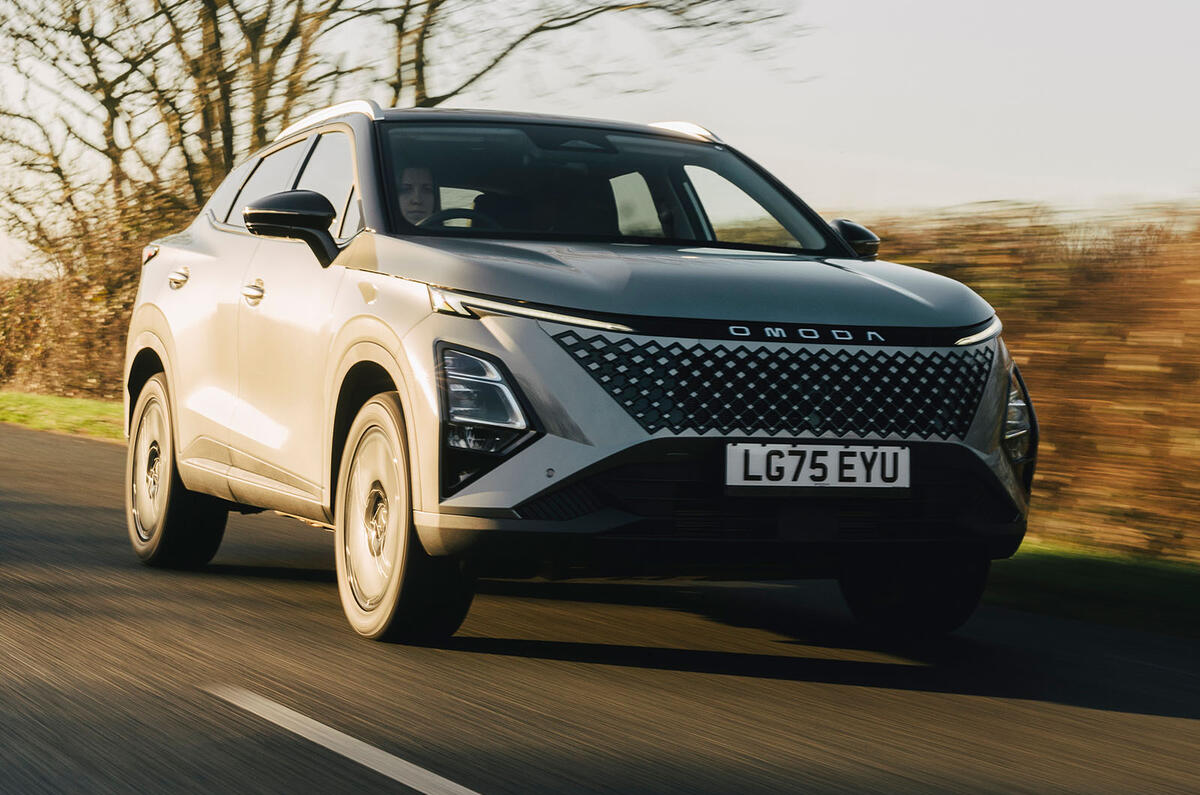
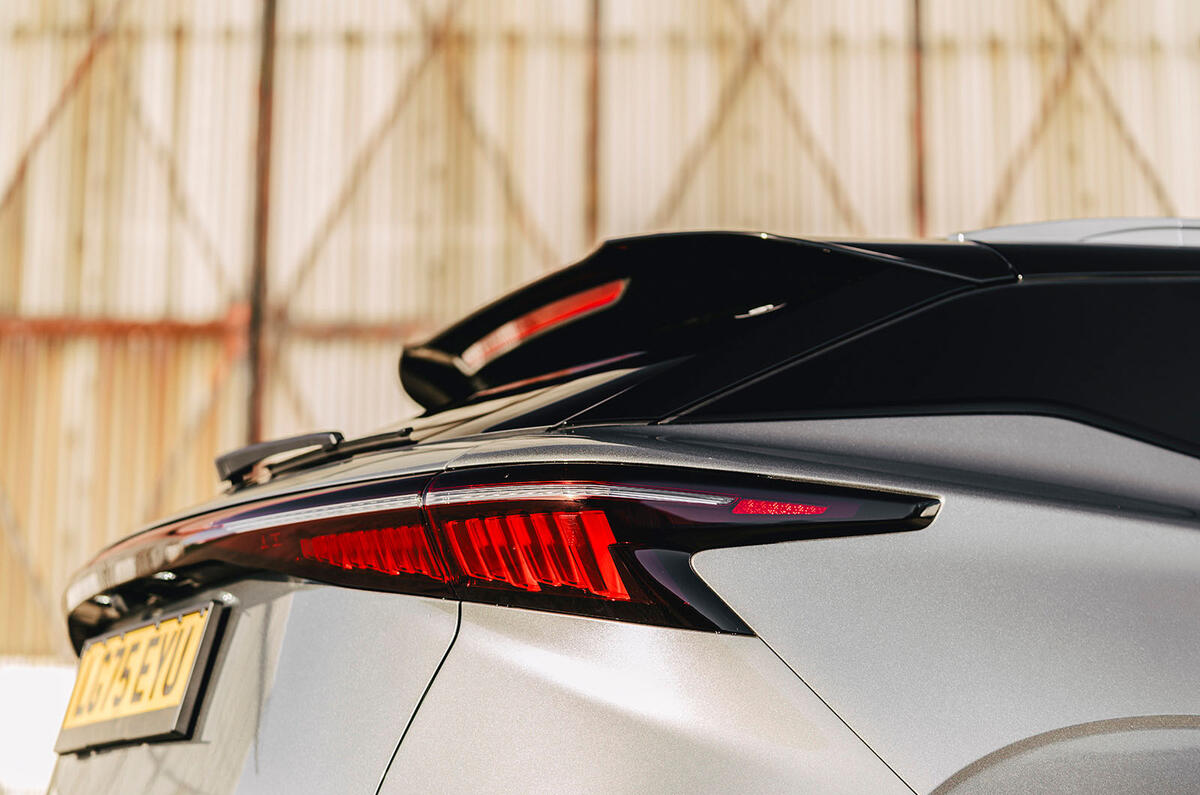
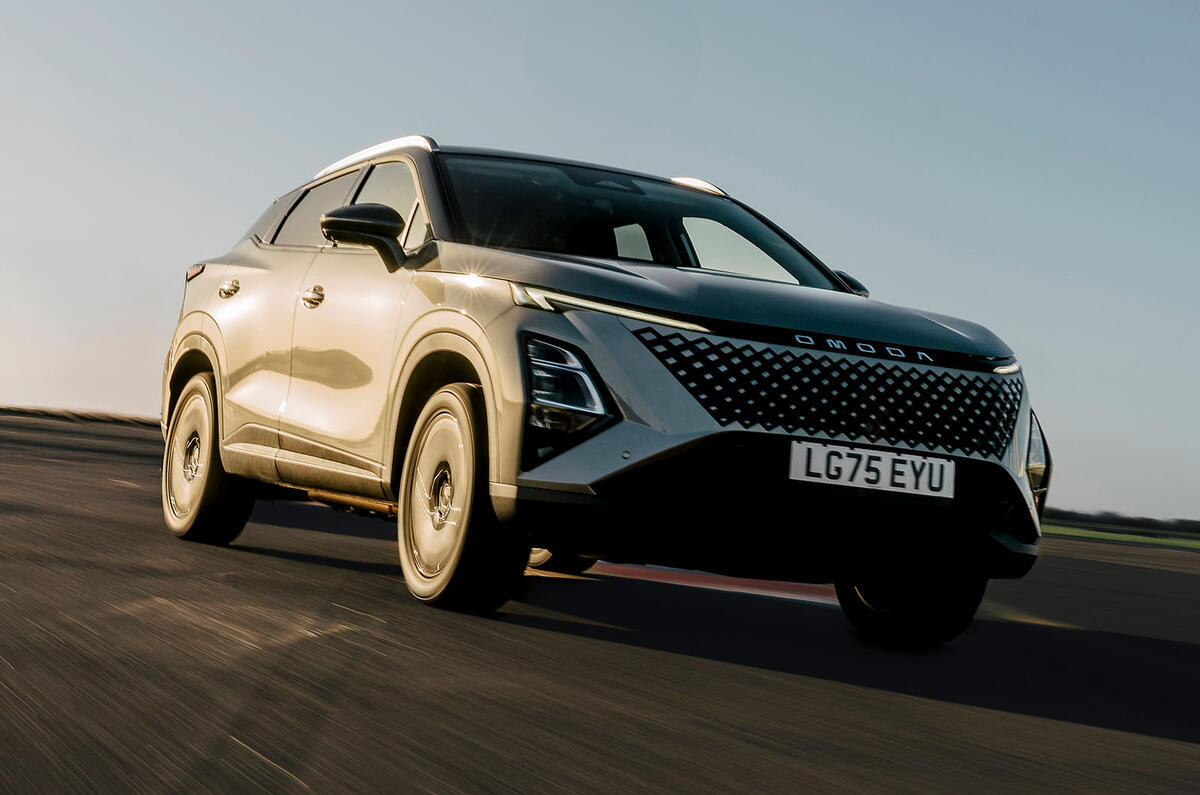
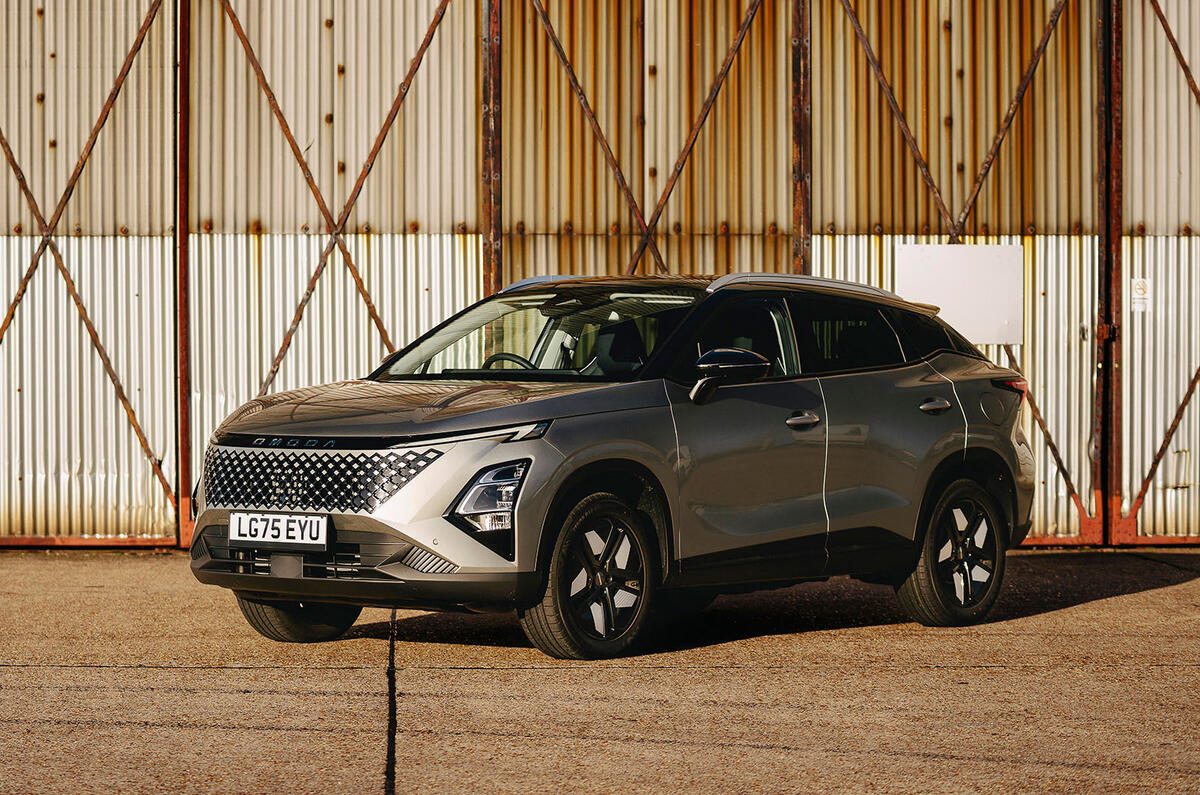
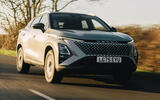
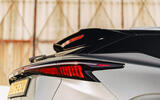
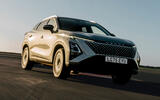
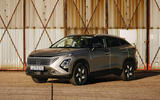
The dearth of low-priced petrol cars on sale today can’t have escaped many of us, so it's no wonder that after just a year on sale, the Omoda 5 is already a common sight on UK roads, being a decently powerful Chinese answer to the Volkswagen T-Roc and Nissan Qashqai that costs from just £24k.

If you’ve not yet heard of Omoda, there’s a chance you will know of its parent company. State-owned Chery was founded in 1997 and is China’s most prolific exporter of cars, even if BYD has now overtaken it domestically.

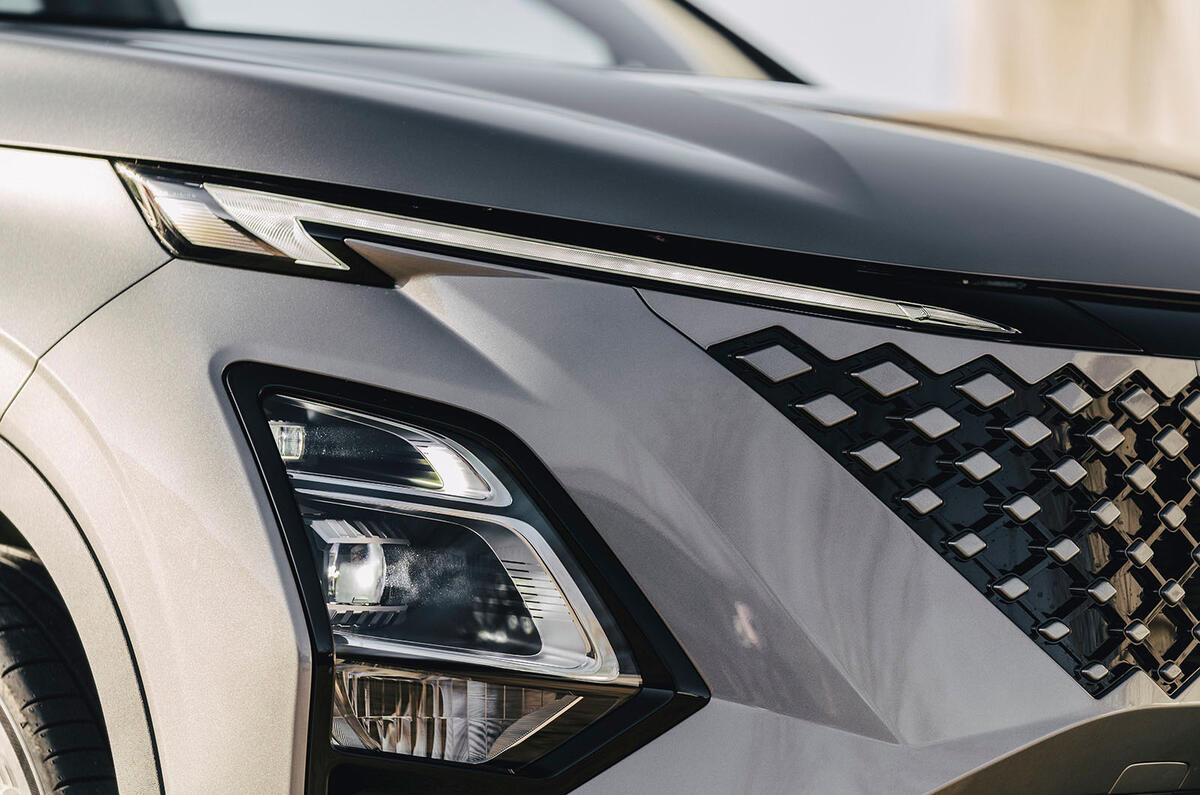
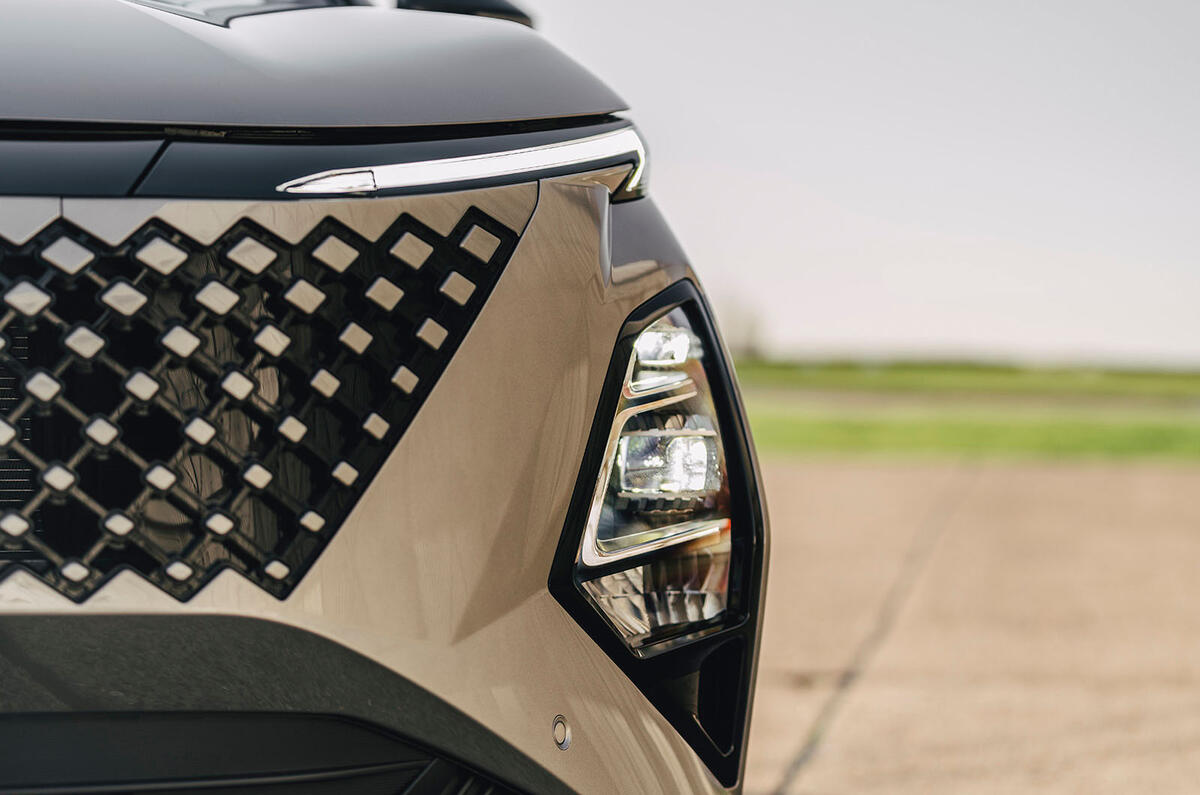
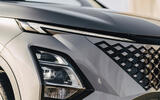
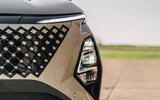
Chery now has a whole four brands in the UK: Chery, Omoda, Jaecoo and Lepas. It's hard to keep track, but Omoda is supposed to offer crossovers with “statement” designs. Make of that what you will.

They're sold entirely conventionally through a growing network of dealerships. More than that, while Omoda’s cars are currently made in Wuhu, eastern China, discussions are taking place as to whether a UK plant would be advantageous. The company has already committed to taking over an old Nissan plant in Barcelona, and the 5 itself has been tuned by a team based in Frankfurt – one led by a former JLR engineer.

Advertisement

DESIGN & STYLING

6
Omoda 5 review 2026 002

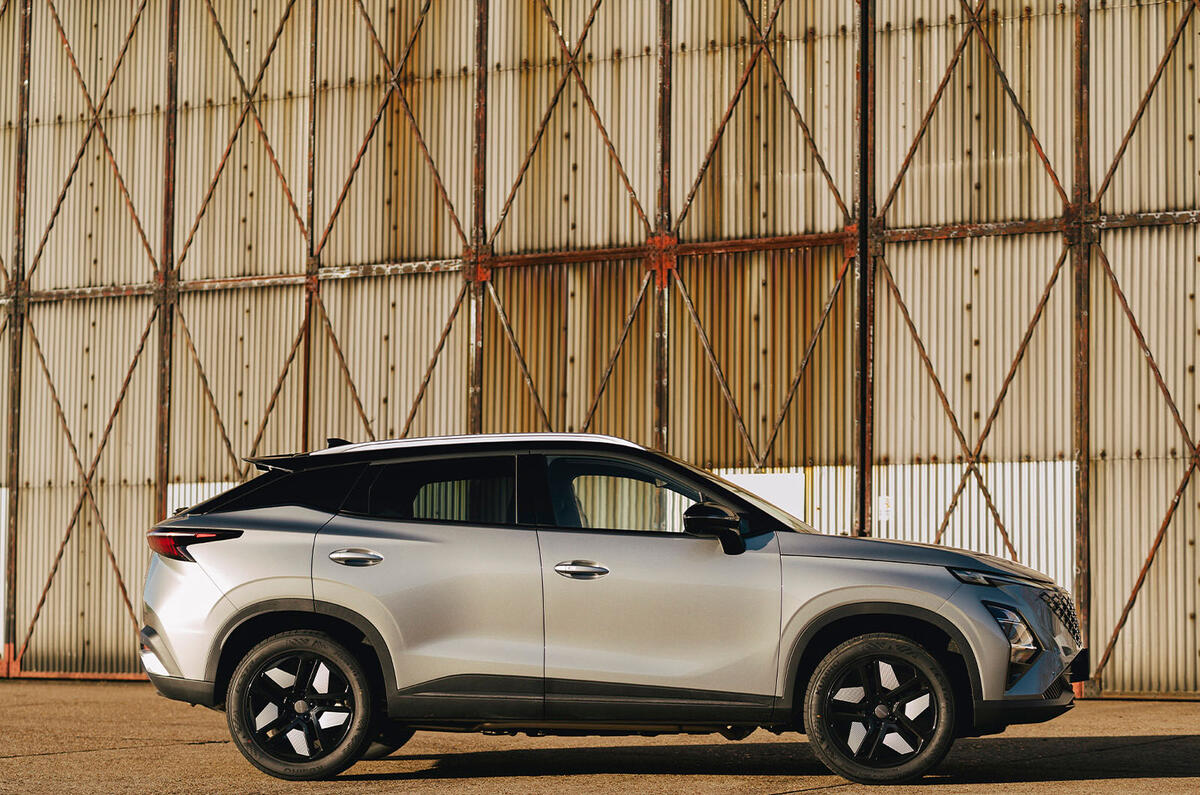
The 5 comes in three flavours: the electric Omoda E5, a pure-petrol version and a full hybrid. All use the same steel monocoque and suspension layout (in some markets the rear axle has a torsion beam, but not in the UK) and have a similar level of performance. The platform is Chery’s modular T1X, introduced in 2017 and for which the wheelbase can range from 2560-2800mm.

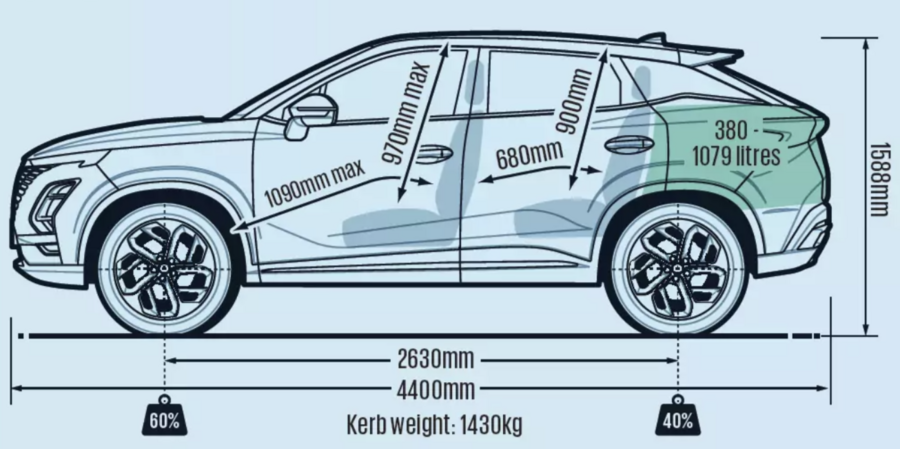
In the case of the 5, that distance is 2630mm. In its dimensions, the car is very closely matched to the Nissan Qashqai and Volkswagen T-Roc.

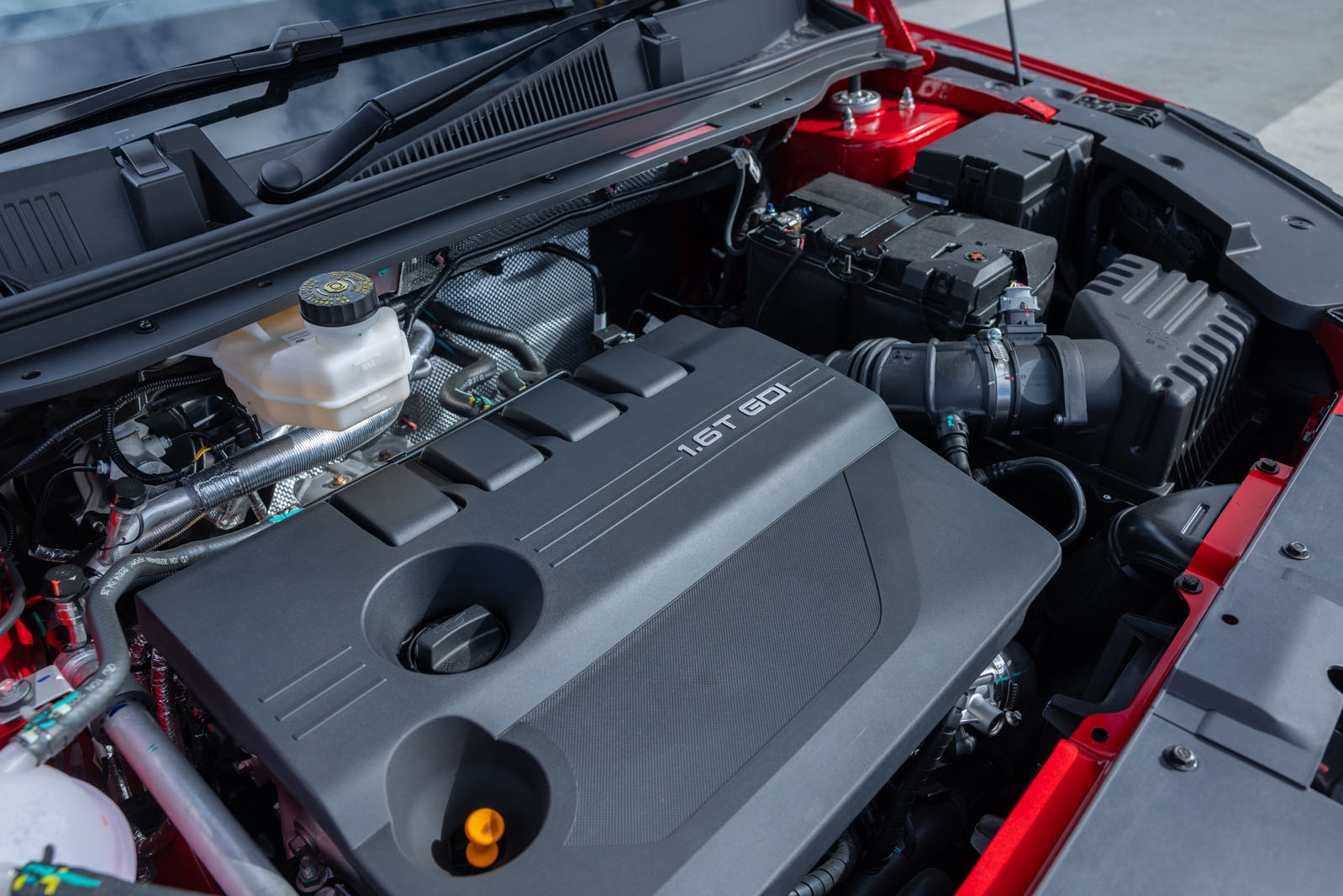
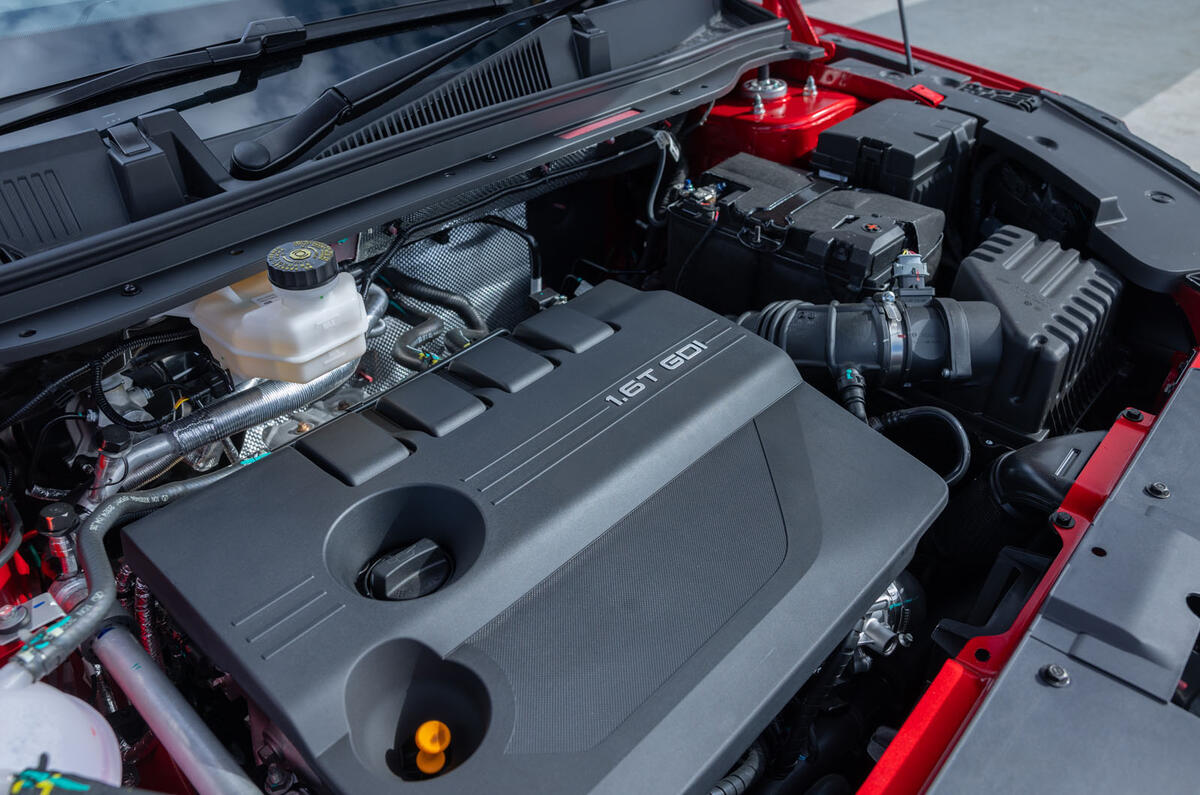
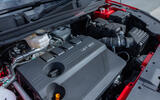
In the petrol version, power comes from a 1598cc turbo engine made by AVL, based in Graz, Austria. At launch, it developed a decent-bang-for-buck 183bhp, but for 2026 it has been pegged back to 145bhp, which is still plenty. It drives through a seven-speed dual-clutch gearbox built by Getrag, and that’s similar to what you will find in a Mercedes GLA. Cars destined for the UK are front-wheel drive for now, although Omoda does pair this motor with four-wheel drive elsewhere.

For the car's 2026 update, Omoda introduced a full hybrid version. It comprises a 1.5-litre four-cylinder and a Honda e:HEV-style automatic transmission (where the engine usually drives a generator but can drive the wheels through a single-speed overdrive gear) and a 1.8kWh battery.

Kerb weight for a base-spec Comfort model is claimed at 1430kg and we weighted one at 1474kg with the 51-litre fuel tank full. This makes it around 5% heavier than the mechanically similar Qashqai we tested in 2021, with an almost identical weight distribution, at 60:40 front to rear. The hybrid is about 100kg heavier.

Meanwhile, the 5 has a very competitive turning circle at 10.2m (versus 11.1m for the Qashqai). It also achieved a five-star safety rating from Euro NCAP.

INTERIOR

6
Omoda 5 review 2026 006

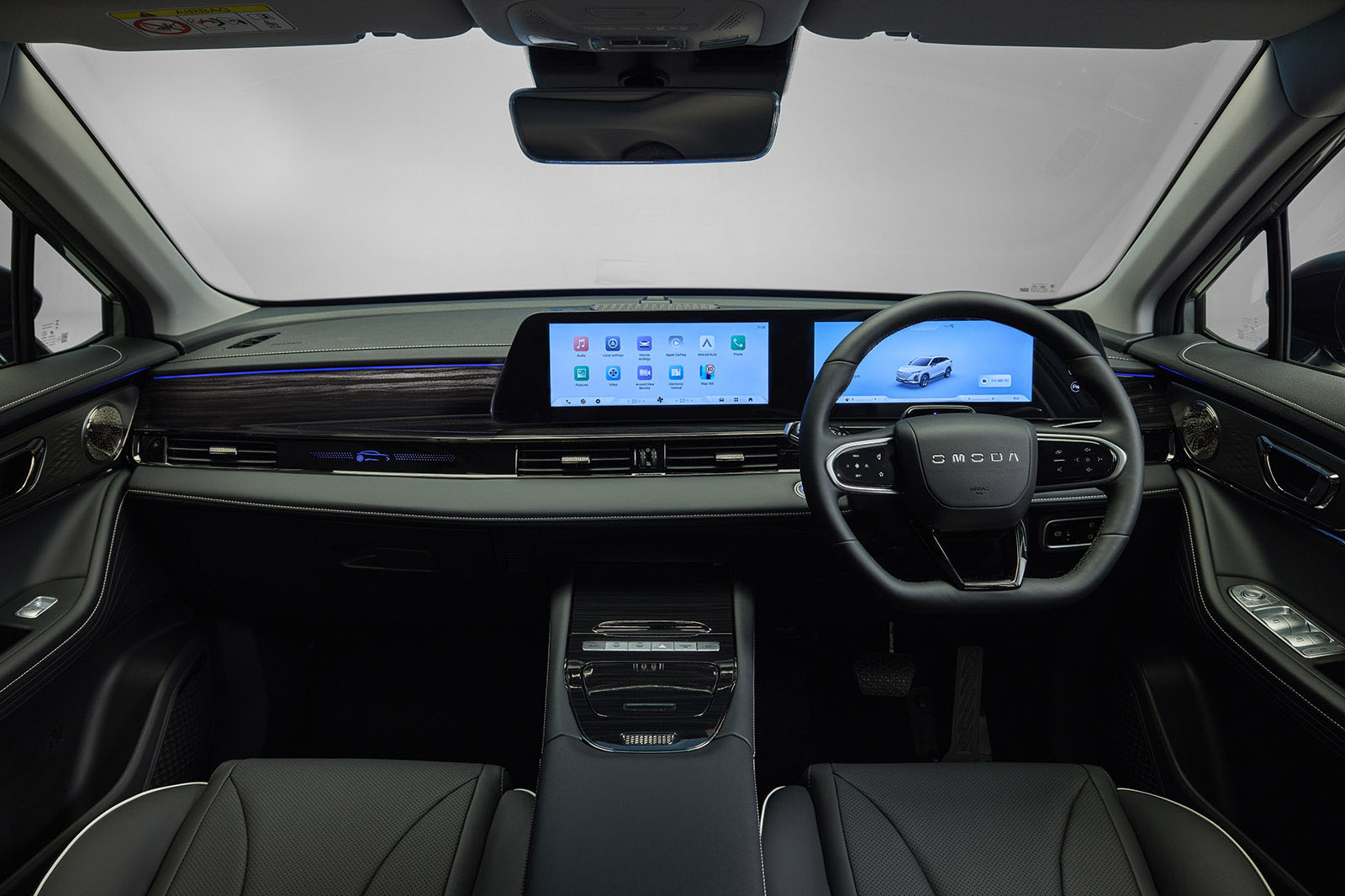
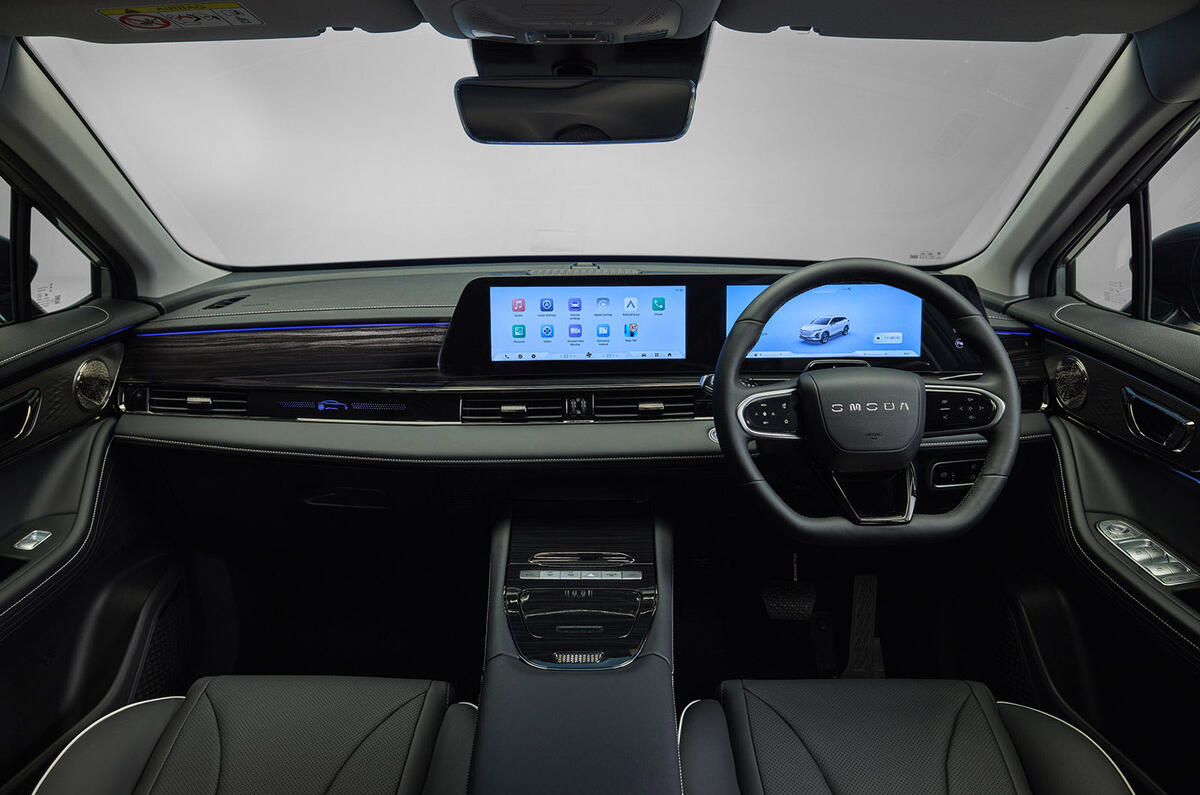
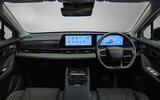
There used to be a difference inside between the petrol 5, which got more buttons and a smaller screen, and the electric E5, which got the opposite. Now all 5s are like the E5, because customers found it looked more modern. Presumably they never actually tried to use any of it.

Anyhow, the design is contemporary, the build quality is solid and there are plenty of soft-touch surfaces, but it's all very rather generic, with next to no physical controls. The materials also give off quite an unpleasant plastic smell.

Early cars had quite a convoluted infotainment system, but the updated version is much better, with a decent selection of customisable shortcuts, and climate controls that remain on screen permanently. Both Apple CarPlay and Android Auto are wireless. 

Oddment storage is fine, and the central cubby is deep and can be fed by the air-conditioning system, should you want to keep, for example, a sandwich in there. The sloped section of the centre console also cradles phones, and that’s useful if, for whatever reason, you don’t want to link up and use Apple CarPlay or Android Auto via the central display. 

The 5's packaging is rather compromised. The seat is set high, to the point where very tall drivers might struggle with head room. The steering column has plenty of adjustment, but the seat cushion is very flat, so it's not particularly comfortable if you have longer legs. 

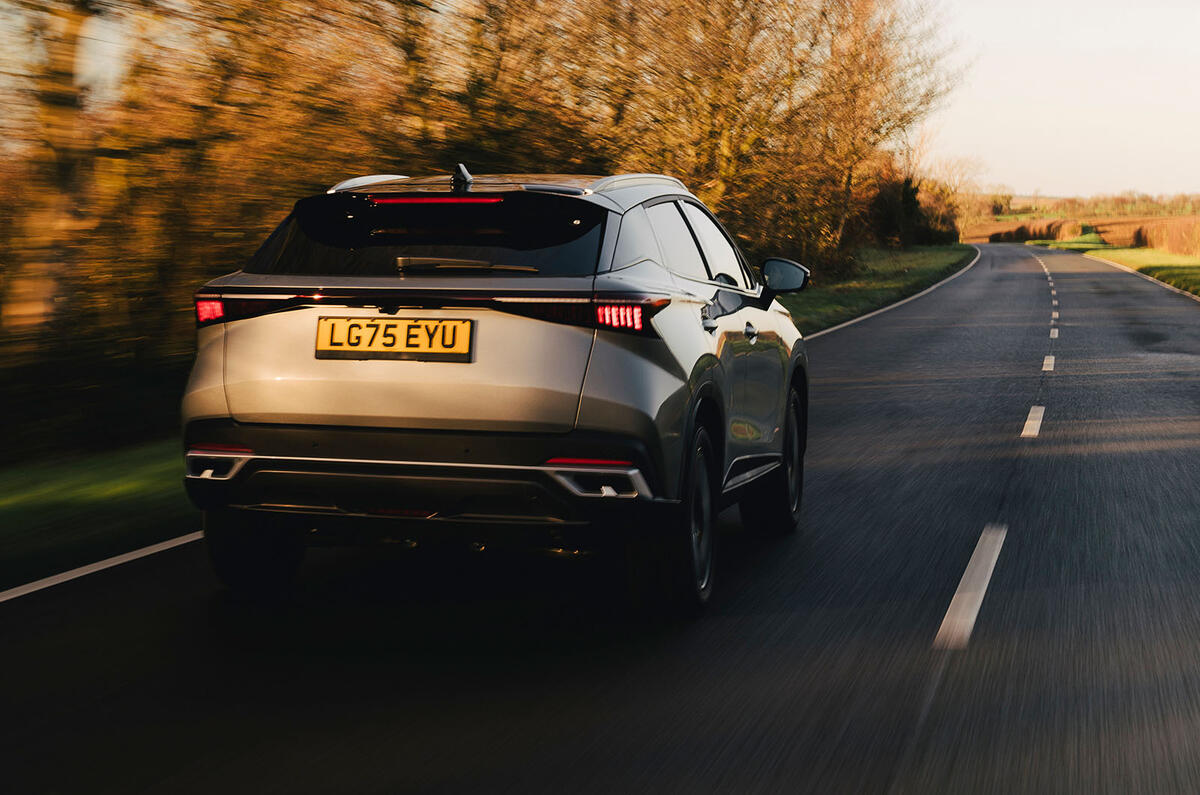
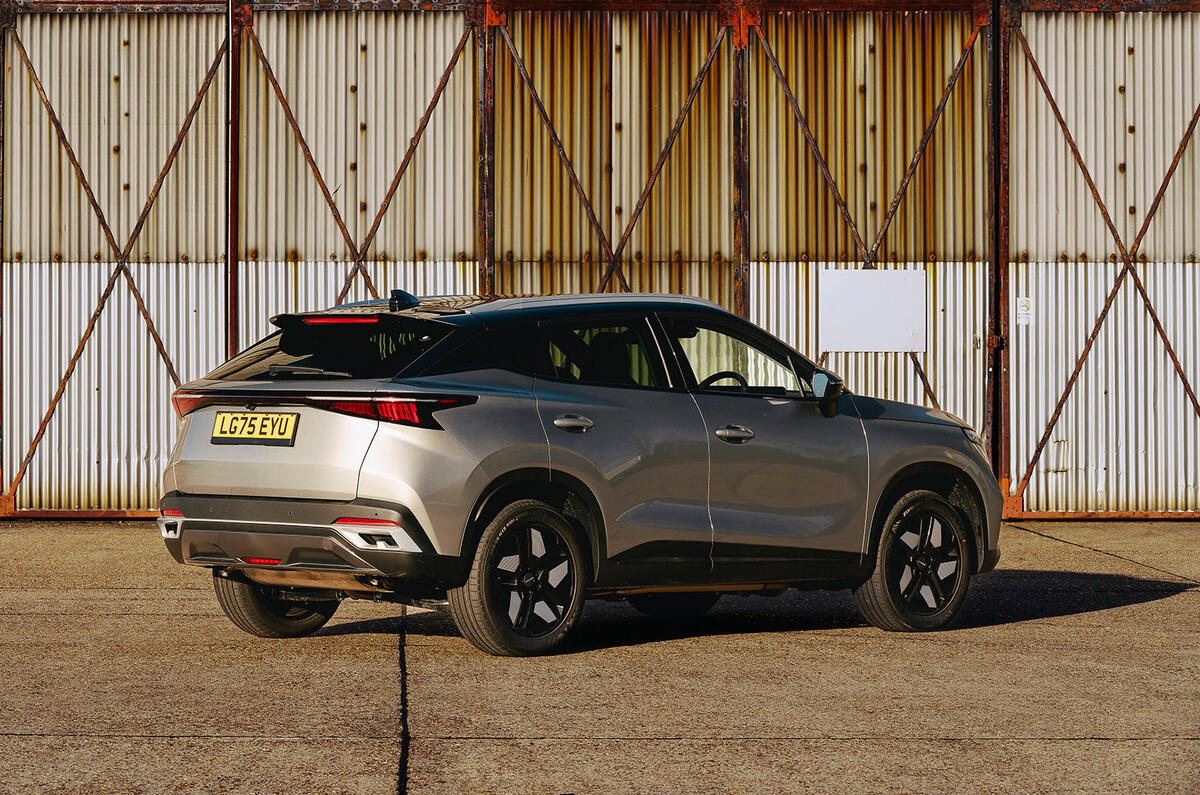
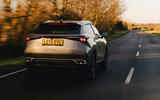
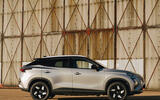
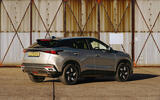
That rakish, sloping roofline comes at the expense of head room in the back (not to mention a very small rear window, inhibiting visibility). At 680mm, rear leg room is also short of what you would find in a Nissan Qashqai and even some smaller cars such as the Hyundai Kona. The shortfall isn’t too marked, but along with the way the side rails sit low, it creates a sense of tightness.

Boot space is also poor, at an official 380 litres (370 litres in the Hybrid) – or 76 litres less than in the considerably smaller Ford Puma. The Qashqai offers 504 litres and the MG HS 463 litres. We suspect that Omoda’s figure doesn’t factor in the shallow cavity beneath the boot floor, but this is still a small space.

When taken with the constraints of the second row, it’s clear that the 5 isn’t particularly clever in packaging terms, given that Omoda had nearly 4.5m of length to work with.

ENGINES & PERFORMANCE

8
Omodo 5 review 2024 22 engine

We tested the petrol version of the 5 when it launched in 2024 and weren't impressed. It was fast in a straight line (7.3sec to 60mph) but the engine had a heavy-set, blaring manner when we asked anything of it and the gearbox was slow to respond and clunky.

Just a year later, Omoda has revamped the line-up. The petrol version has less power (145bhp) and has been joined by a full hybrid. We've yet to try the updated petrol, but the hybrid (badged SHS-H) is likely the pick of the range, given it's only £1750 more expensive.

With no gears and clearly a tonne of sound deadening, it's smooth, quiet and responsive. The Qashqai e-Power is still a cut above, but the 5 SHS-H is miles more refined than the screaming Honda HR-V and clunky Kona Hybrid. It brakes smoothly and intuitively, with regen blended in imperceptibly.

RIDE & HANDLING

5
Omoda 5 review 2026 008

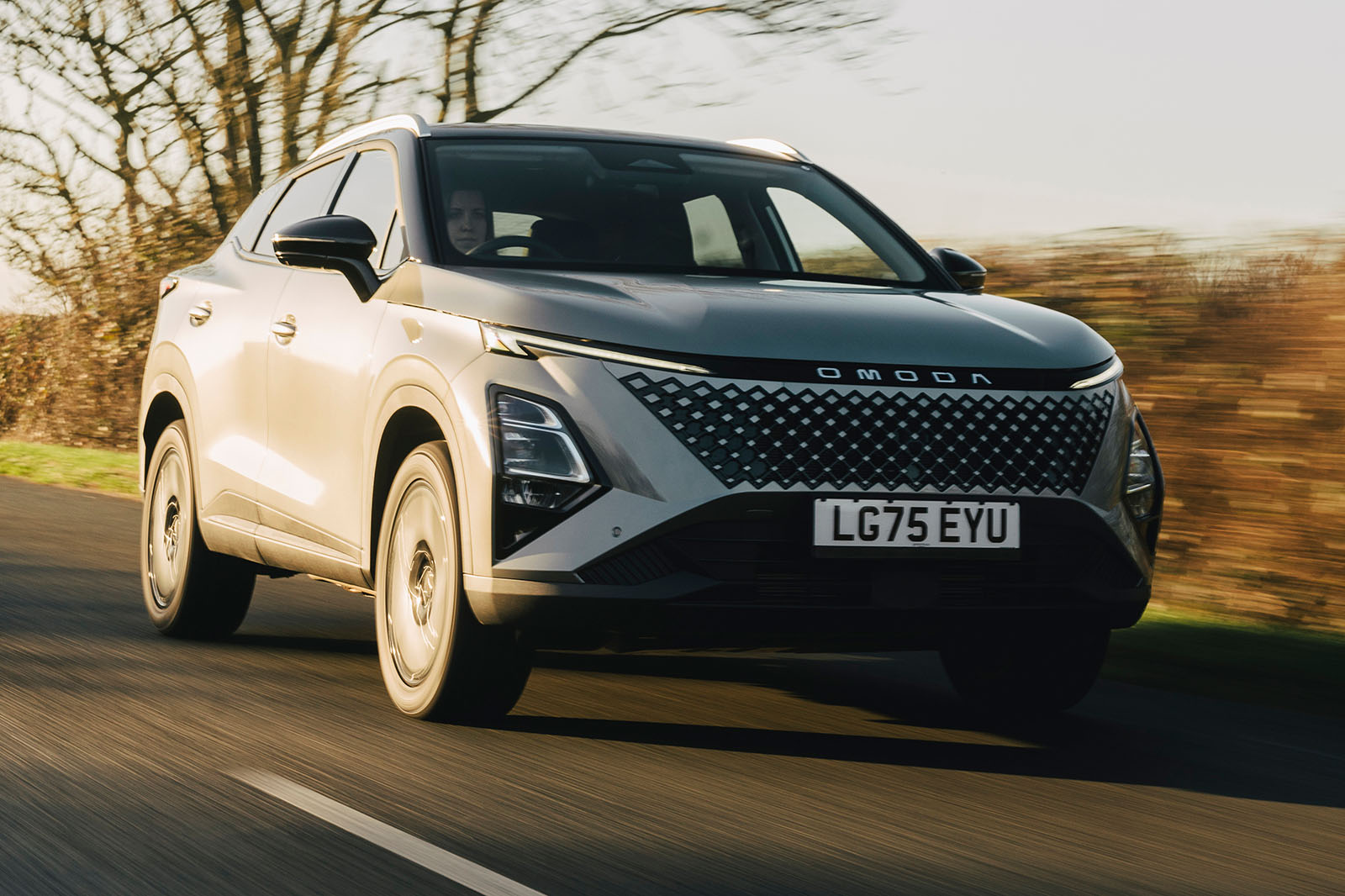
As with the performance, there are significant differences between the launch version of the 5 and the updated one. 

The original version lacked cohesiveness, with overly quick steering yet lots of unchecked body roll and pitch that turned into brittleness over potholes – a weird and off-putting mix.

The updated version feels less wayward but has overcompensated in the opposite direction. The suspension is quite firm, which gives it quite a wooden ride and means that it doesn't seem to roll. Combined witth the over-eager elasticated steering and perched seating position, it results in a slight teetering feeling that also afflicts ST-Line versions of the Ford Kuga.

In addition, the chassis is quite keen to rotate into a corner, which is great in a hot hatch but somewhat disconcerting in a crossover with no steering feel. As long as you don't ask too much of it, it's inoffensive enough, but the Dacia Duster is more sophisticated, never mind the T-Roc.

We have no complaints about the ADAS, which are mostly unintrusive and easy to disable using a pull-down menu on the touchscreen.

MPG & RUNNING COSTS

6
Omoda 5 review 2026 001

The 5 is cheap to buy, undercutting even the Duster, and should be straightforward to own and service with the rapidly expanding Omoda/Jaecoo dealer network.

It's well equipped as standard too: the base Comfort model gets plenty of ADAS, a Sony sound system and heated seats, to which Noble trim adds a 360deg camera, dual-zone air conditioning and a powered sunroof.

It's not the most fuel efficient, though. The petrol version struggles to get more than 40mpg; the hybrid is a bit better, with 45mpg a realistic prospect, but you would see well over 50mpg from a hybrid Duster. 


VERDICT

Omoda 5 review 2026 009

The Omoda 5 is a good example of how quickly the new brands are learning. When it arrived in the UK in 2024, it was cheap but sub-par in every other respect. The new hybrid version in 2026 is still cheap but much improved. 

The hybrid system is smooth and gives easy driveability, the user interface has been cleaned up to make is passably logical and responsive and the ADAS are largely unintrusive. It's still quite mediocre in its ride, handling, efficiency and interior ambiance, but its flaws aren't inexcusable when you consider the price.

The hybrid costs £25,740 in generously specced base trim. That’s posh supermini money these days and undercuts even the Duster Hybrid, never mind any of the Japanese rivals. The Duster is a better car and less of a soulless conveyance, but when we’re talking budget family cars, a soulless conveyance will suit an awful lot of people.

Illya Verpraet

Illya Verpraet Road Tester Autocar
Title: Road Tester

As a road tester, Illya drives everything from superminis to supercars, and writes reviews and comparison tests, while also managing the magazine’s Drives section. Much of his time is spent wrangling the data logger and wielding the tape measure to gather the data for Autocar’s in-depth instrumented road tests.

He loves cars that are fun and usable on the road – whether piston-powered or electric – or just cars that are very fit for purpose. When not in test cars, he drives an R53-generation Mini Cooper S or a 1990 BMW 325i Touring.

Richard Lane

Richard Lane
Title: Deputy road test editor

Richard is Autocar's deputy road test editor. He previously worked at Evo magazine. His role involves travelling far and wide to be among the first to drive new cars. That or heading up to Nuneaton, to fix telemetry gear to test cars at MIRA proving ground and see how faithfully they meet their makers' claims. 

He's also a feature-writer for the magazine, a columnist, and can be often found on Autocar's YouTube channel. 

Highlights at Autocar include a class win while driving a Bowler Defender in the British Cross Country Championship, riding shotgun with a flat-out Walter Röhrl, and setting the magazine's fastest road-test lap-time to date at the wheel of a Ferrari 296 GTB. Nursing a stricken Jeep up 2950ft to the top of a deserted Grossglockner Pass is also in the mix.