8

Important new SUV introduces Brits to Swedish brand’s latest EV technology

Find Volvo EX60 deals
Other Services
Sell your car
84% get more money with

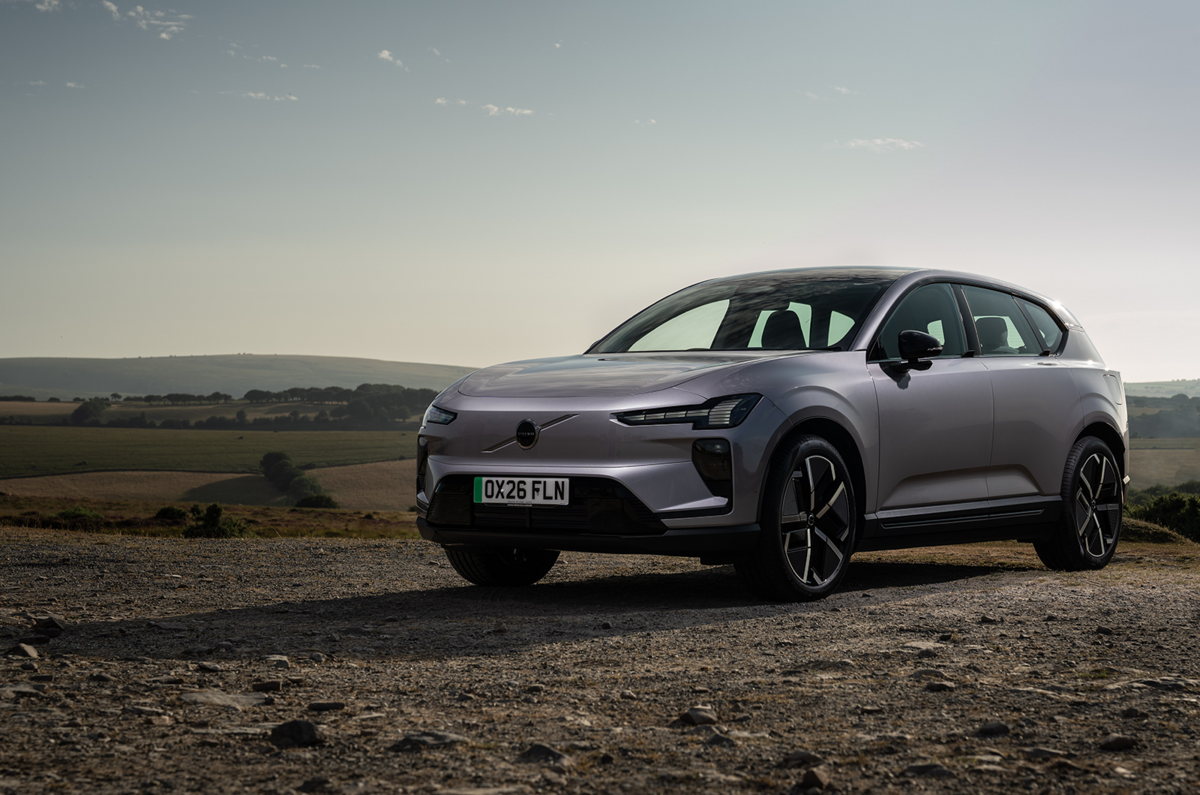
Volvo’s EX60 has arrived in the UK, bringing a new electric platform, ultra-rapid charging and an enormous range of up to 503 miles. Headline-grabbing stuff, but this new electric SUV will also need to show considerable polish if it is to worry about the game-changing rivals from Germany. 

At the beginning of the year, the BMW iX3 made its main foes look like amateurs, but instead of having the premium medium-sized corner of the electric SUV market to itself for the foreseeable future, it’s now facing two fierce opponents. First there came the Mercedes-Benz GLC Electric with very competitive specs, and now Volvo is entering the ring with the EX60. 

In brief, it’s a 4.8m-long electric SUV that sits between the Volvo EX40 and Volvo EX90, and brings a raft of new technology, most notably a new electric SPA3 platform, new batteries and a clever, cell-to-pack construction.  

The outgoing SPA2 platform that underpins the EX90 and Polestar 3 had a tough launch, with software gremlins and reliability issues making it feel unfinished. Volvo has sought to mitigate these challenges with the EX60, which is basically all new. 

But does this long-range, rapid-charging new Volvo have the credentials to challenge its main challengers from BMW and Mercedes-Benz? Let’s find out. 

Advertisement

DESIGN & STYLING

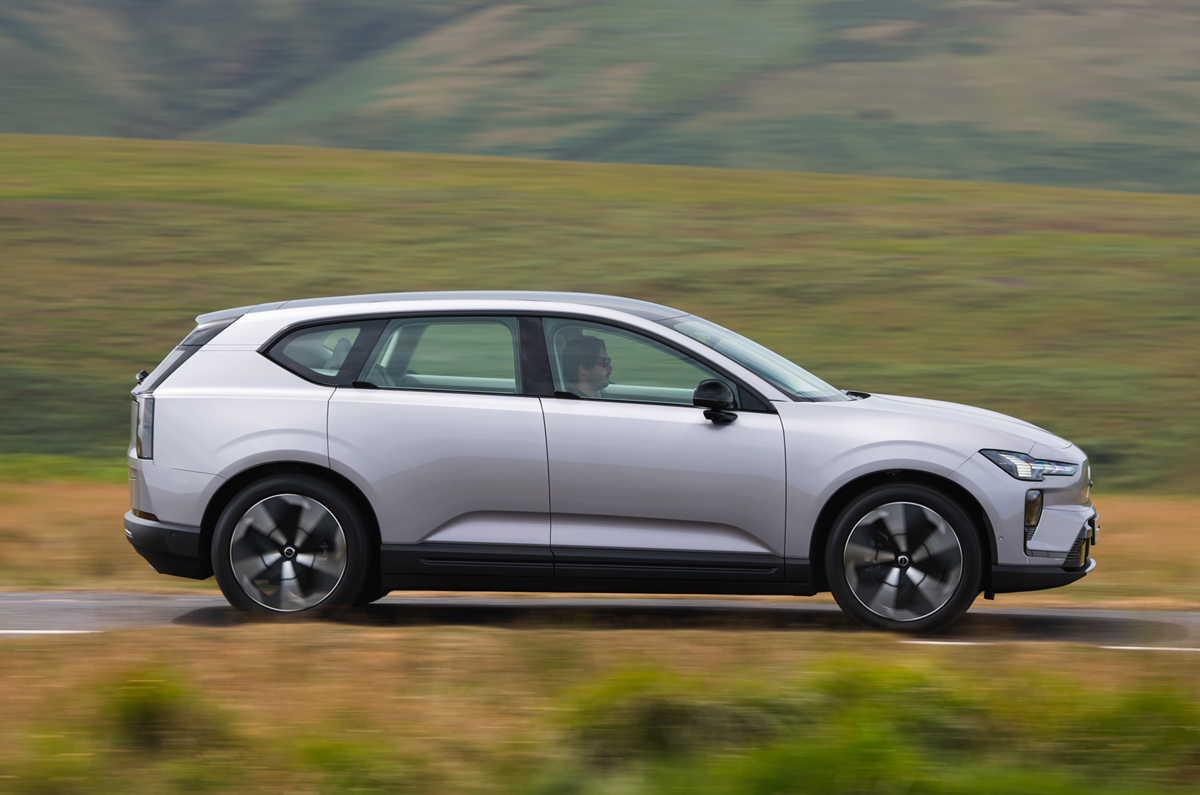
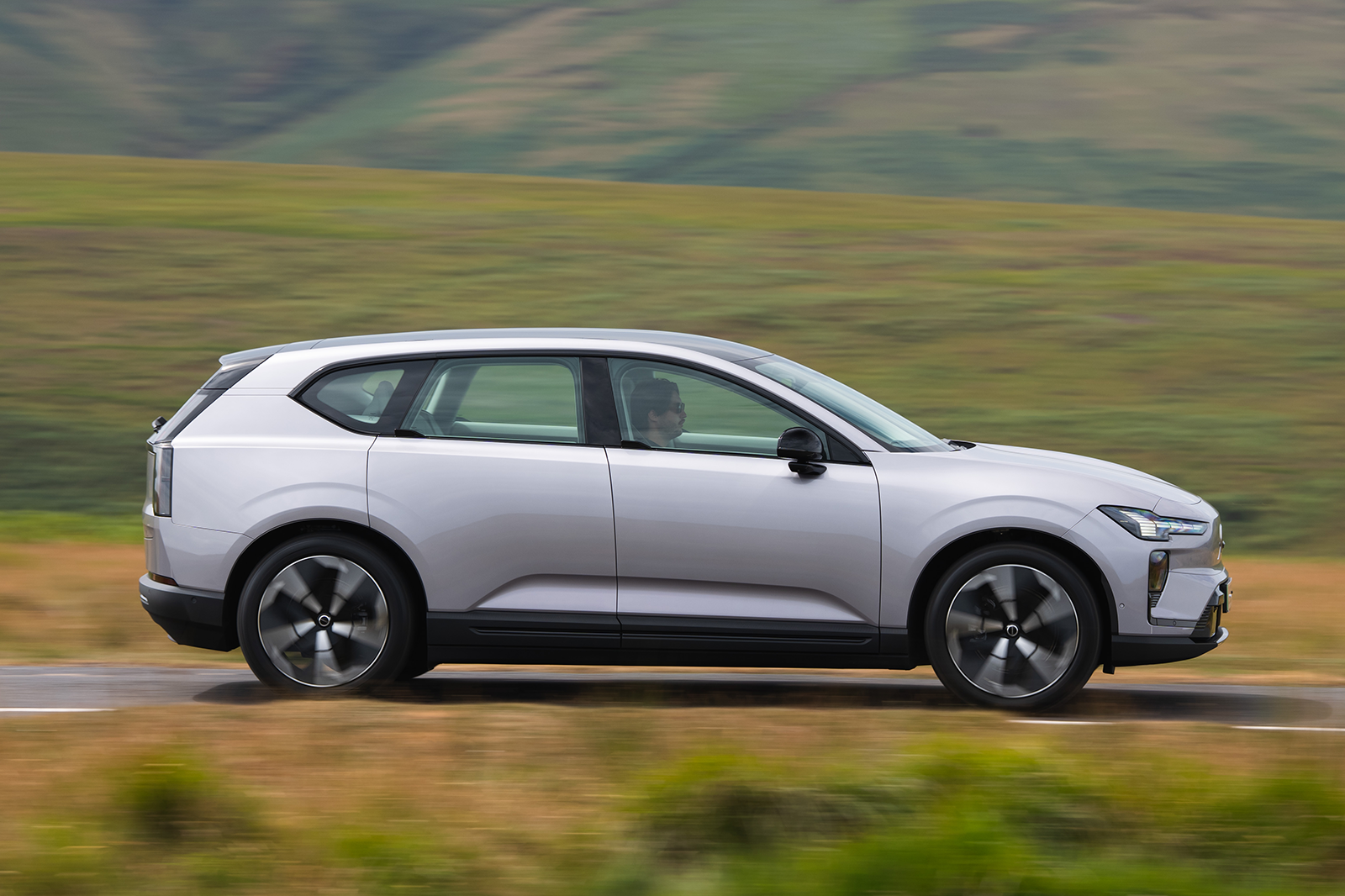
Volvo EX60 review side pan

As the electric equivalent of the brand’s best-selling model to date, the XC60, there’s a lot riding on the new EX60’s shoulders. 

Of course, it is technically unrelated to the combustion-powered XC60, and provides a debut for Volvo’s new SPA3 platform and cell-to-body battery construction. The cells (prismatic and nickel-manganese-cobalt) are no longer grouped into modules, and are instead integrated into the car's floor. They’re still contained in a big metal box, which provides greater structural rigidity and stiffness. It also means Volvo can fit different battery sizes across the EX60 model range. 

Volvo has a thing for seatbelts and keeps developing them. The EX60 uses interior cameras and radars to estimate your height and weight, so that it can determine how much pressure the pre-tensioners need to exert in the event of an accident.

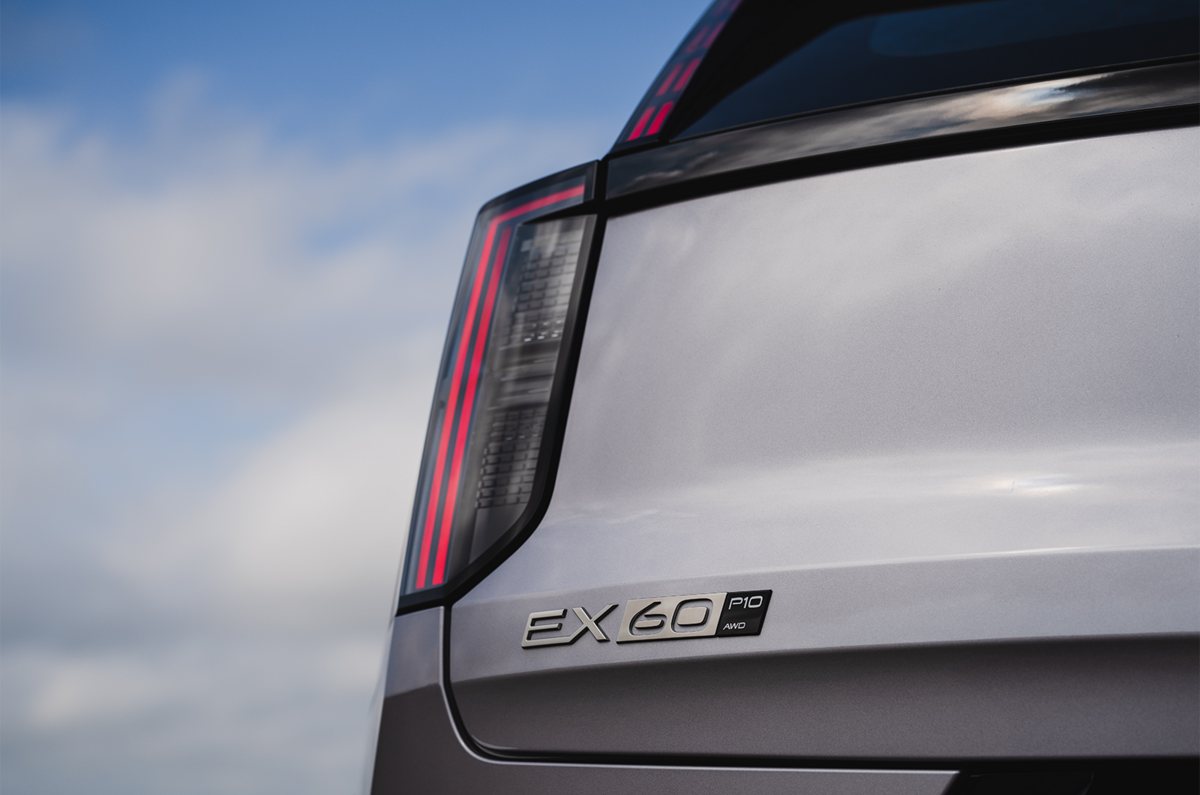
The smallest battery (83/80kWh) always comes with a single, 369bhp rear motor in the P6 for up to 380 miles of range. Then comes the P10, with a 95/91kWh battery and dual motors (268bhp asynchronous at the front, 402bhp permanent magnet synchronous at the back) for 503bhp and up to 410 miles. 

At the top of the line-up, the P12 uses the same dual motors but, thanks to higher-grade cells, the battery has more capacity and can provide more power to the motors. As a result, the combined output increases to 671bhp, with up to 503 miles from the 117/112kWh battery. Annoyingly, you'll have a little longer to wait for a 500-mile P12, which doesn’t arrive until January next year. 

The motors are a new in-house development with better efficiency, which the engineers say they were able to achieve without using Mercedes-style clutch packs or gearboxes.

Suspension-wise, it has the grade of hardware we expect in this class: the basic P6 has steel coil springs with passive frequency-selective dampers, and the P10 and P12 get adaptive dampers. The EX60 Cross Country (due in early 2027) will be available with air suspension to give it that bit of off-road ability its exterior styling cues promise.

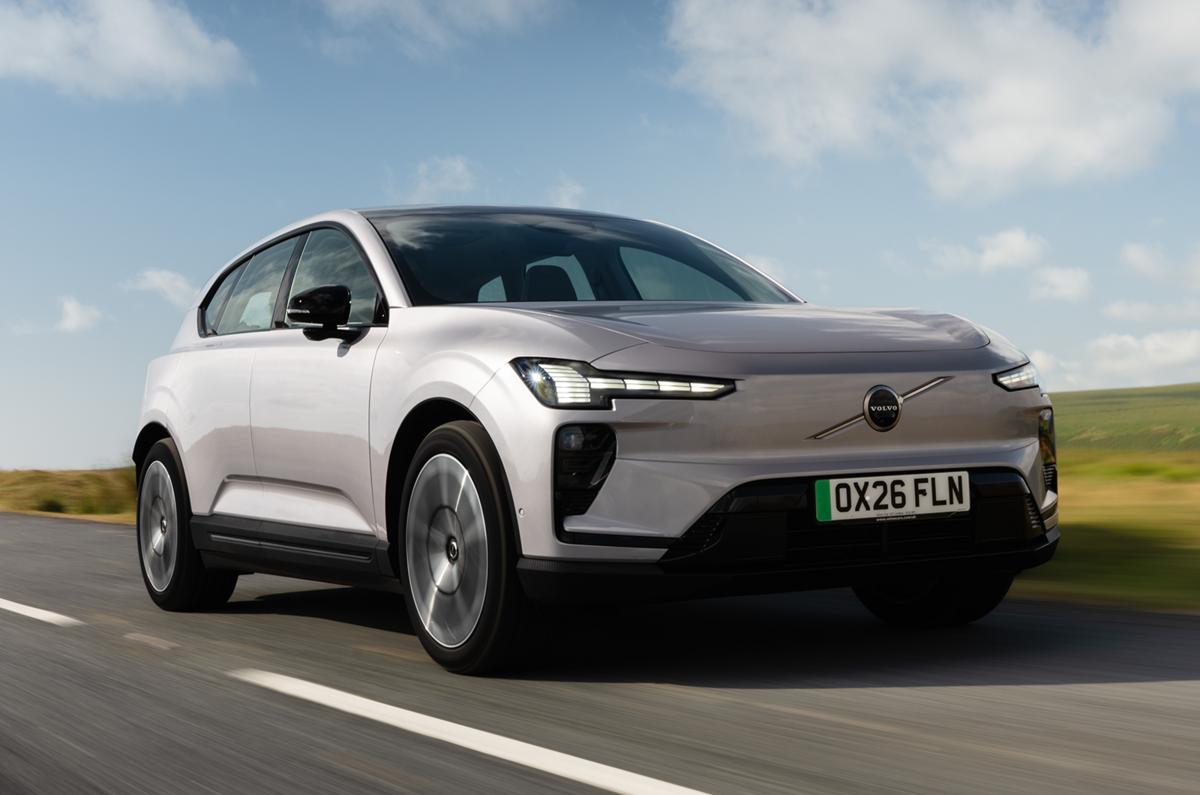
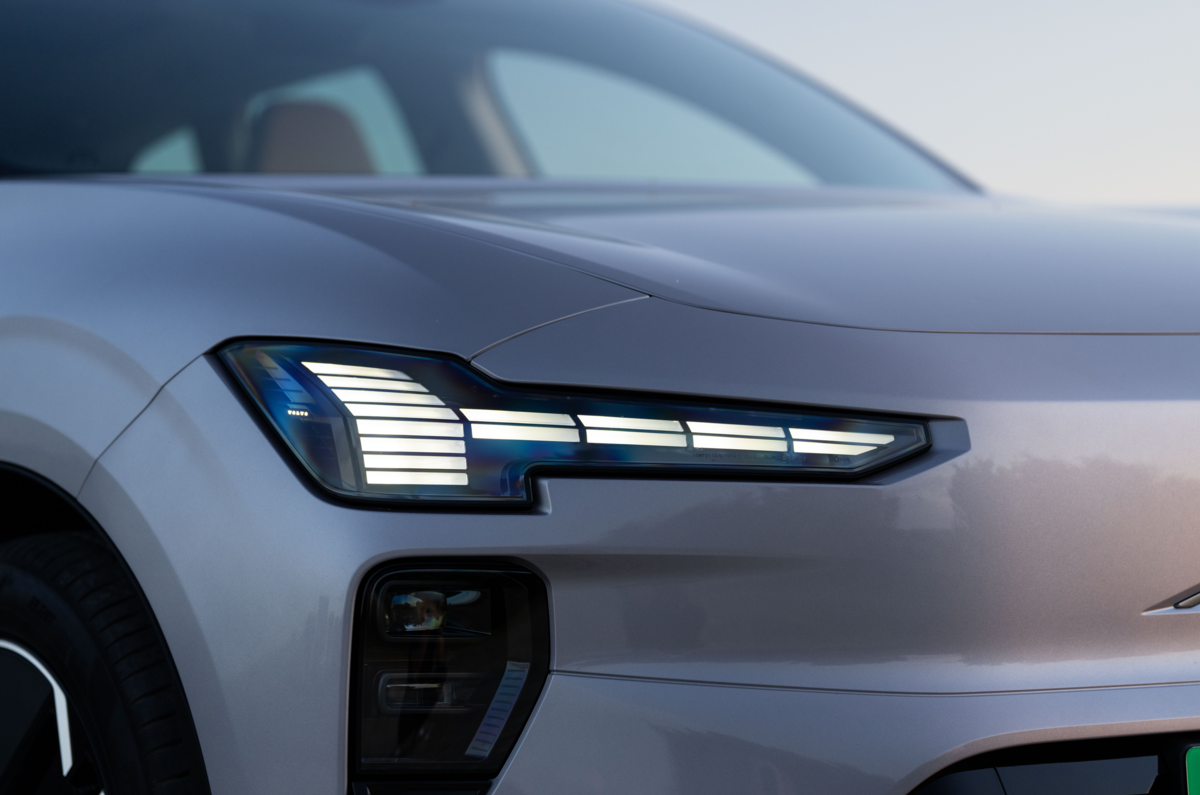
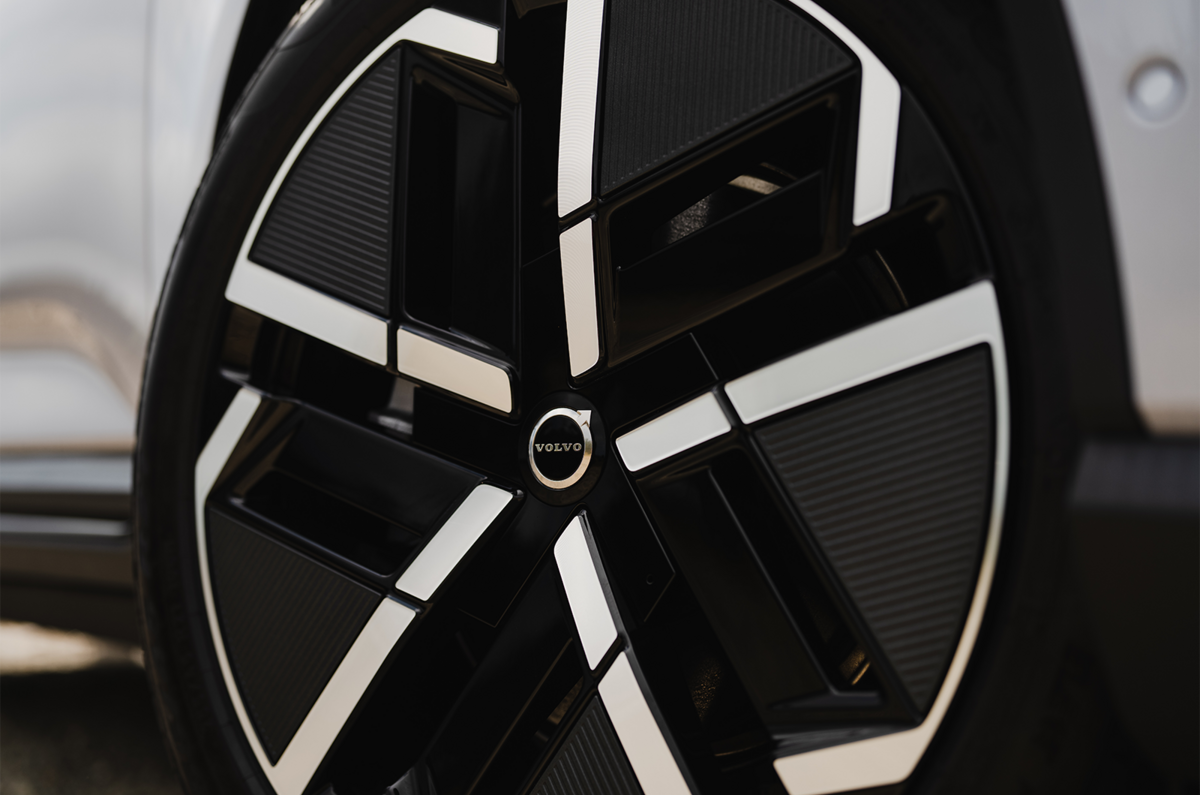
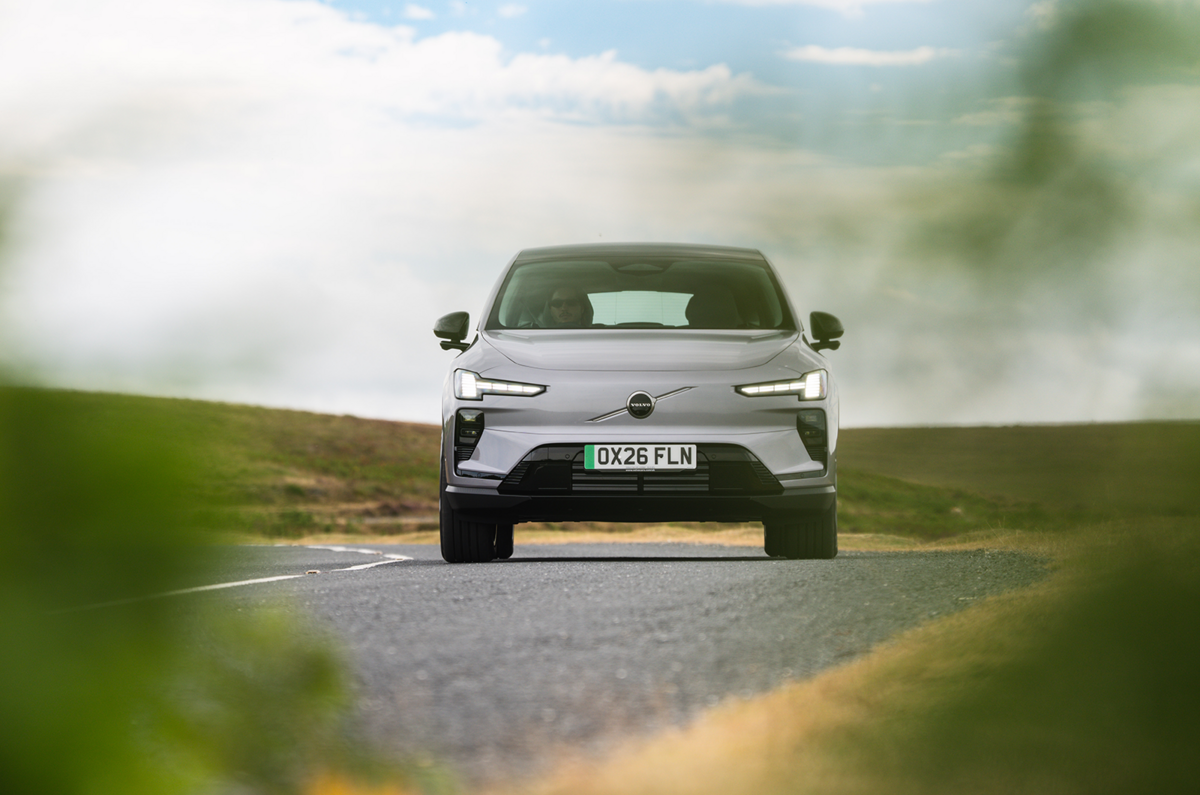
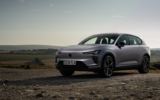
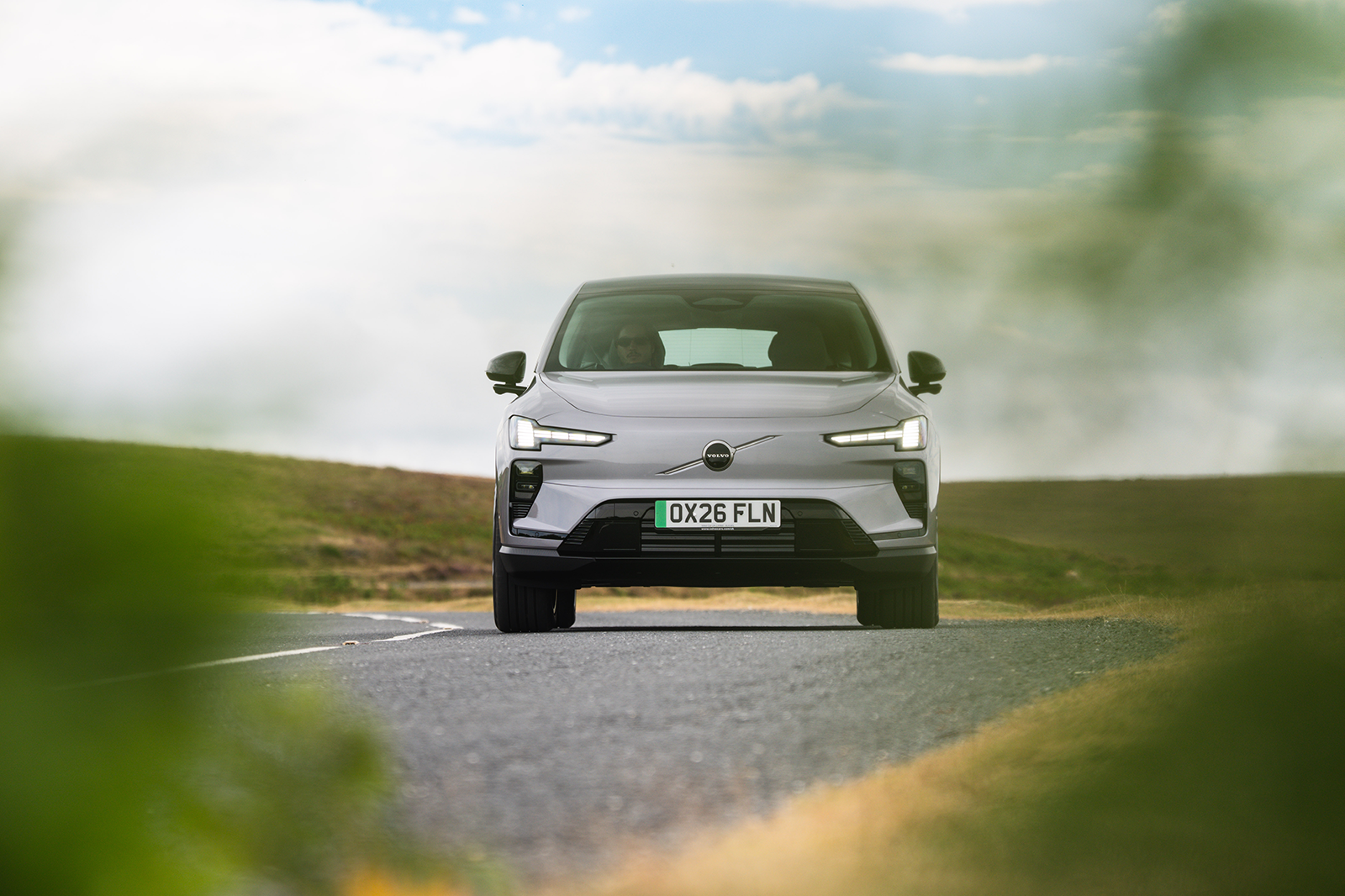
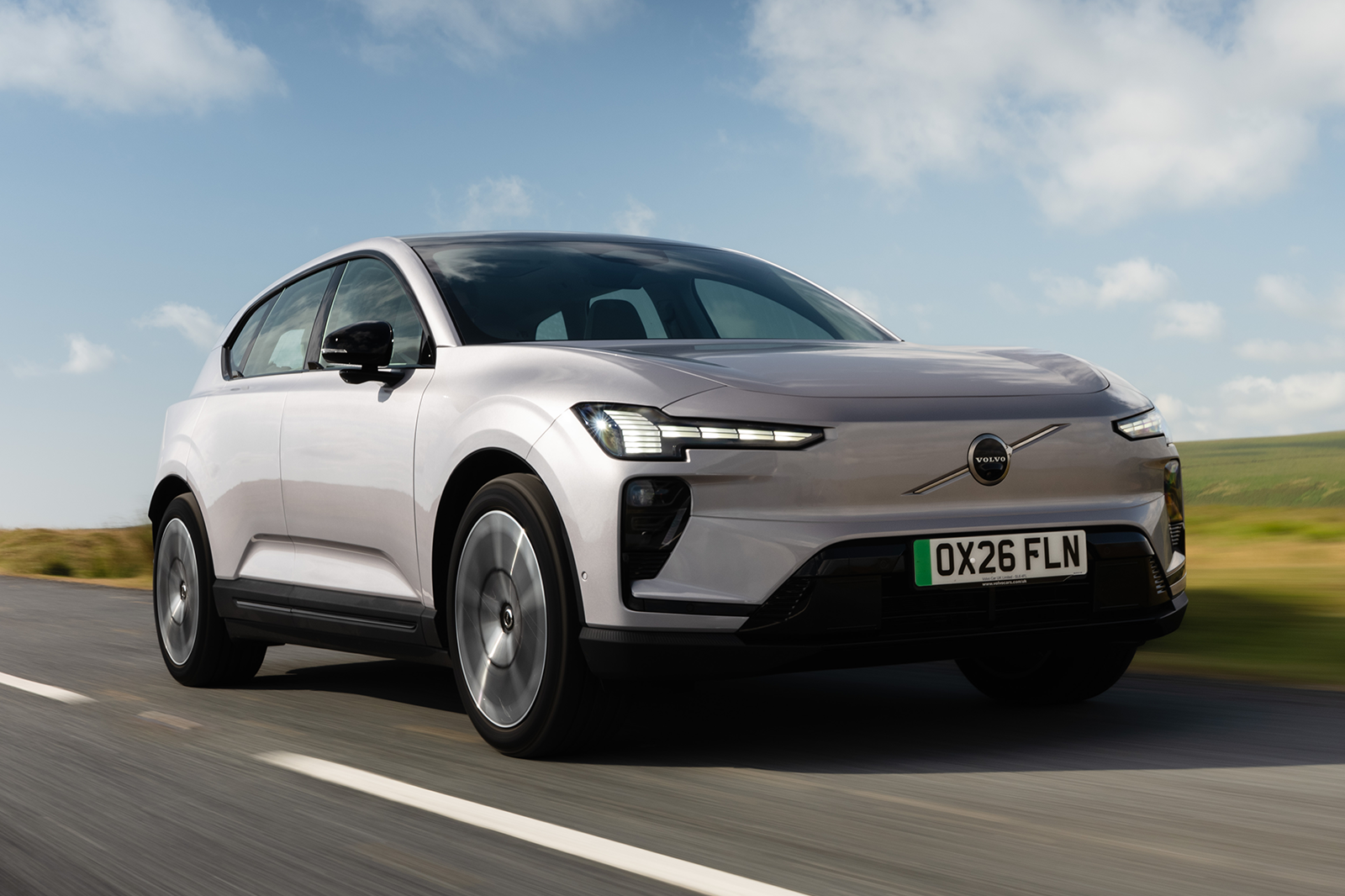
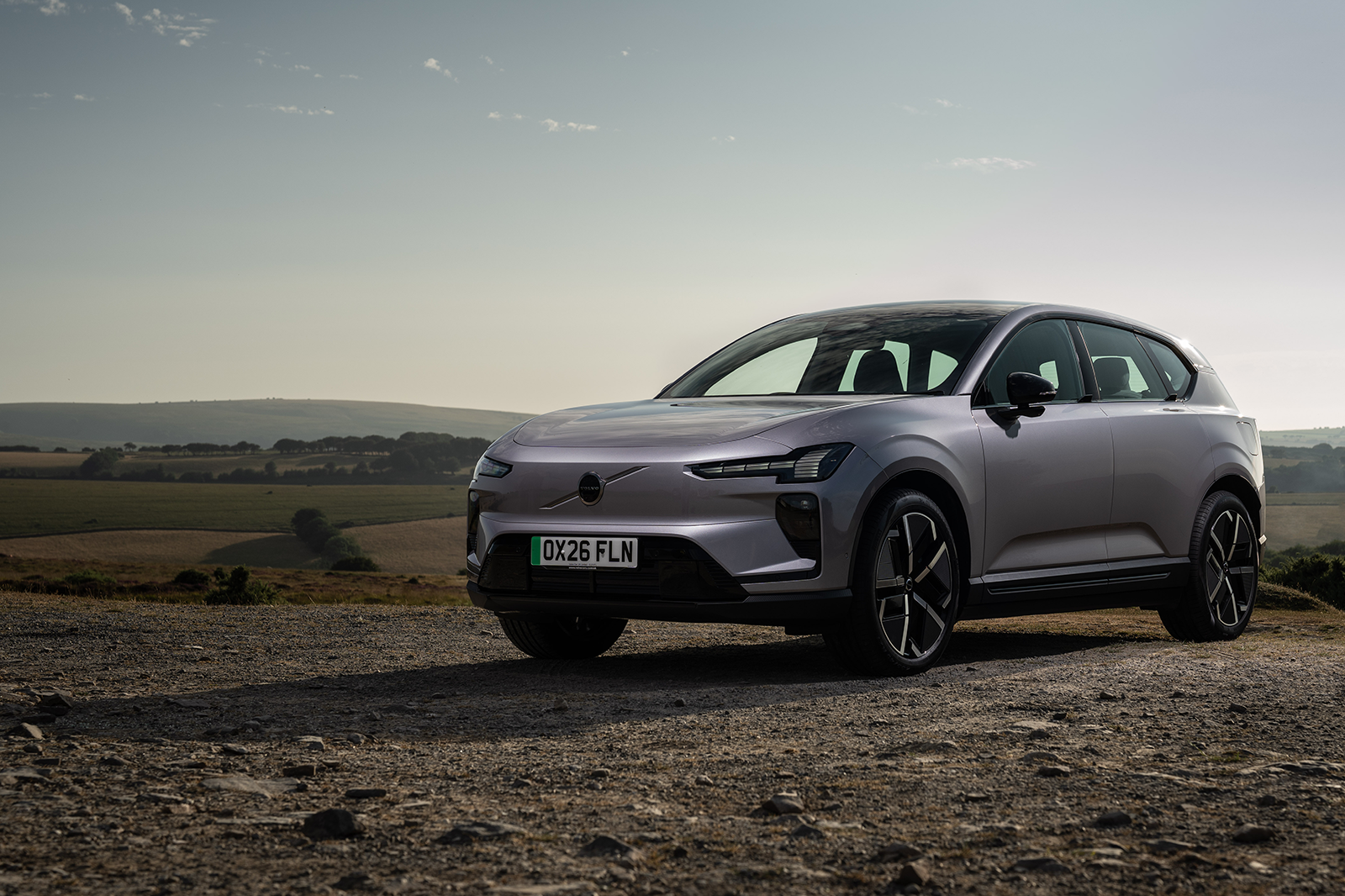
It’s all wrapped up in a package that builds on the design language we have already seen on the EX30 and EX90, with big ‘Thor’s hammer’ daytime-running lights (the main beams are hidden underneath), big wheels and clean lines. However, compared with the EX30 and EX90, the lines are sharper; particularly obvious is the angular shoulder line.

Pleasingly, it’s a traditional SUV shape, rather than pretending to be a coupé. It doesn’t try to be weird or edgy just because it’s an EV. The EV-ness does come through in how tall the body is relative to the glasshouse (they had to hide the battery pack somewhere), but thankfully this isn’t as obvious in the metal as it is in pictures.

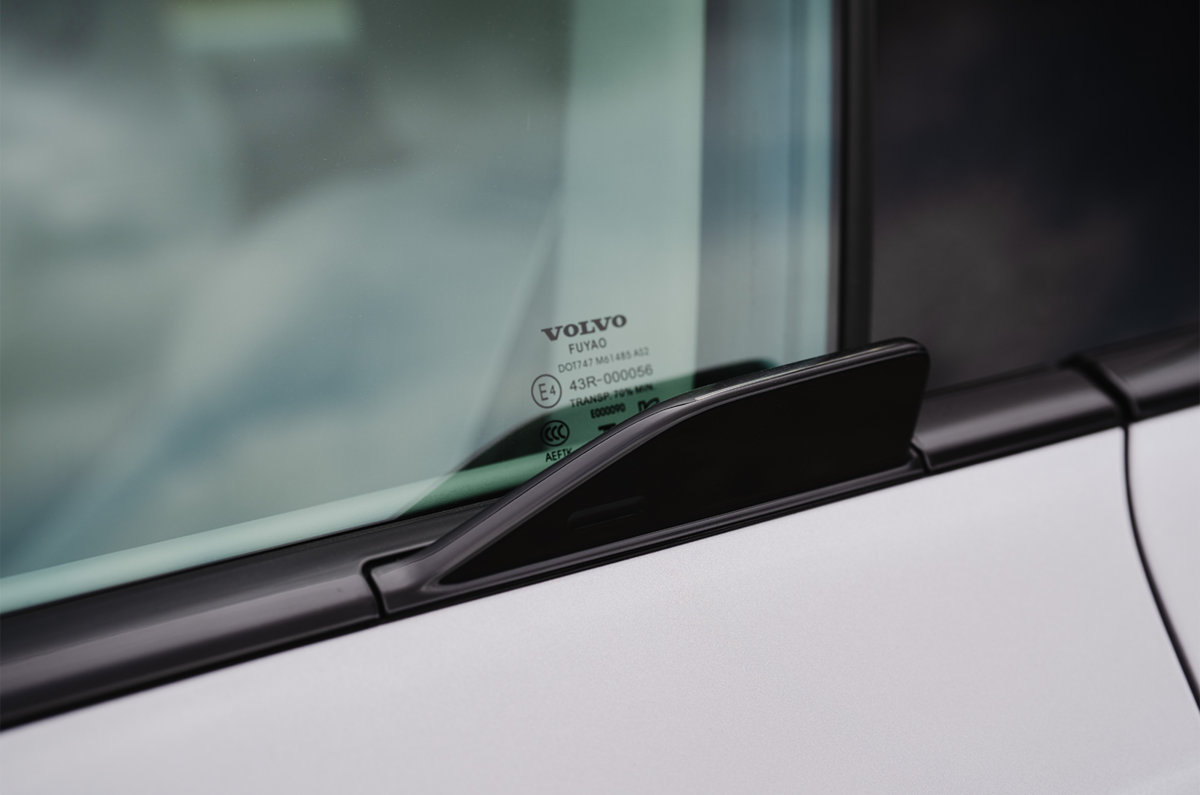
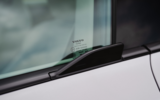
One area where the designers couldn’t resist some fripperies are the door handles. They’re little fins with rubber buttons sticking out from the window frames. They work okay, and there’s a redundant electrical system in case the power fails, but that still seems like a lot of complication when a normal door handle would work better and break up the door surface a bit.

INTERIOR

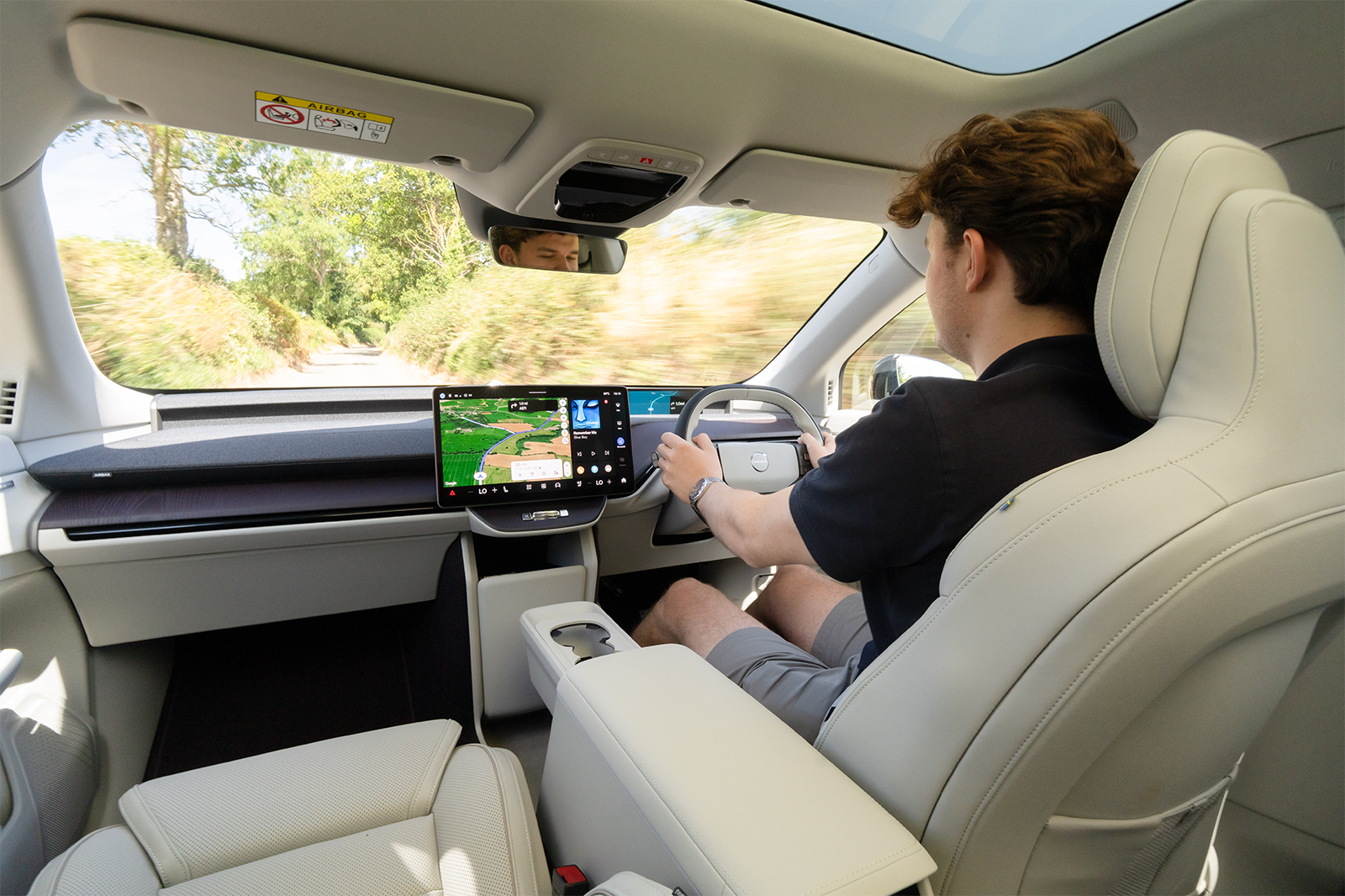
Volvo EX60 review OTS

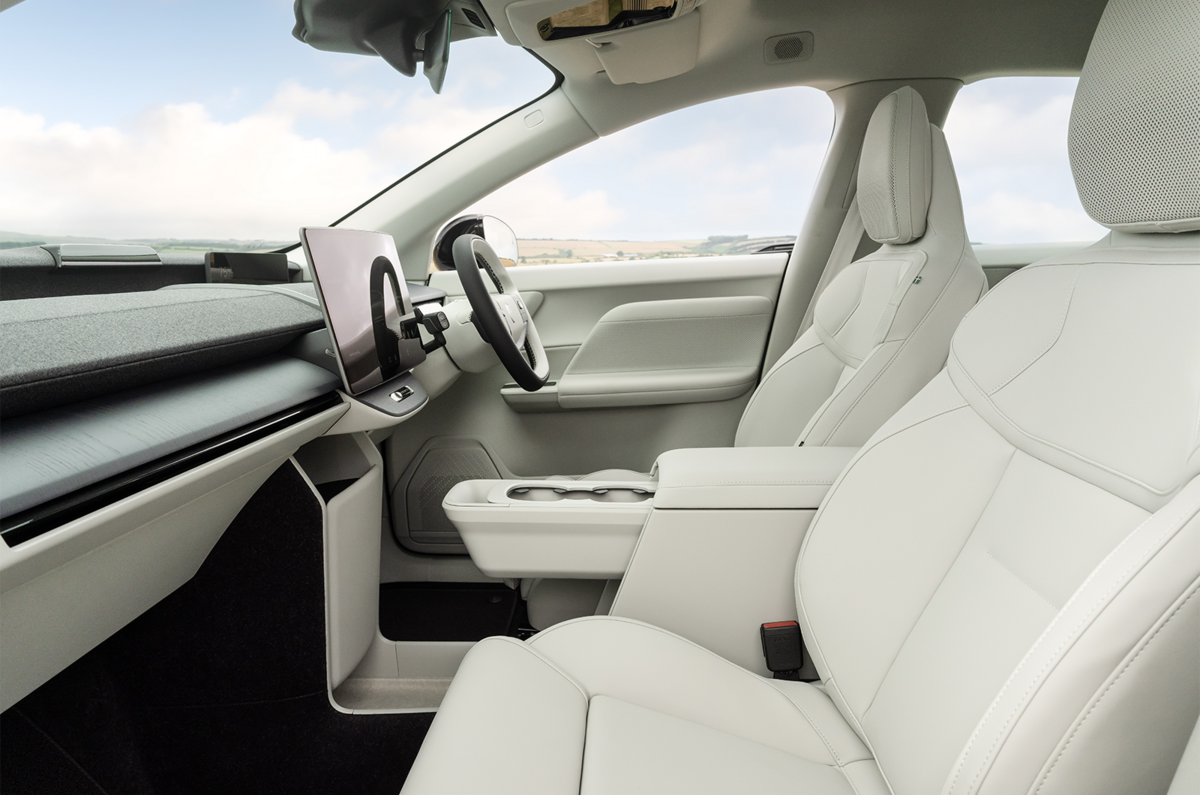
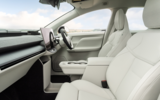
Climb aboard the EX60 and you’re greeted by a now familiar design philosophy that we’ve seen in the EX90 and EX30. That said, Volvo has clearly made changes to improve usability and general feel of the interior. 

In keeping with the Volvo way, it’s reductive and minimalist, and upon first glance it isn’t the most interesting cabin. Dig a little deeper, though, and you will notice that Volvo has put a lot of attention to detail in the interior design. 

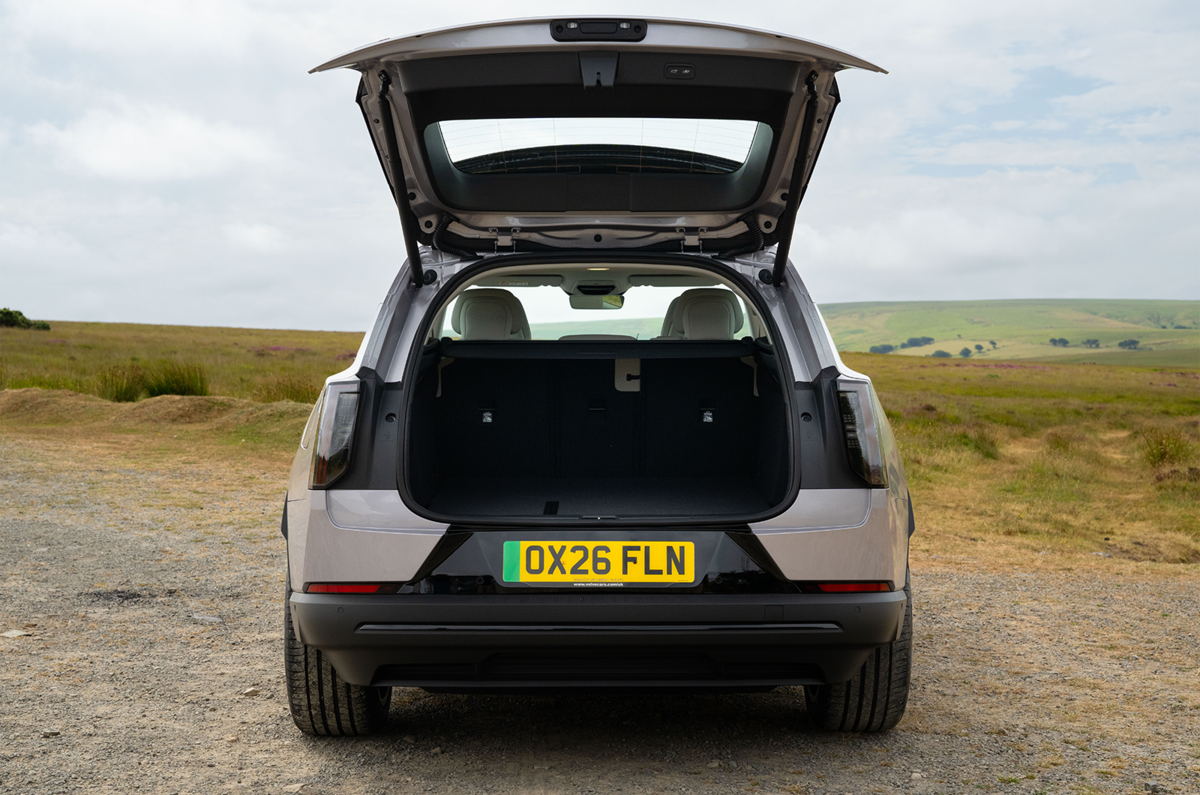
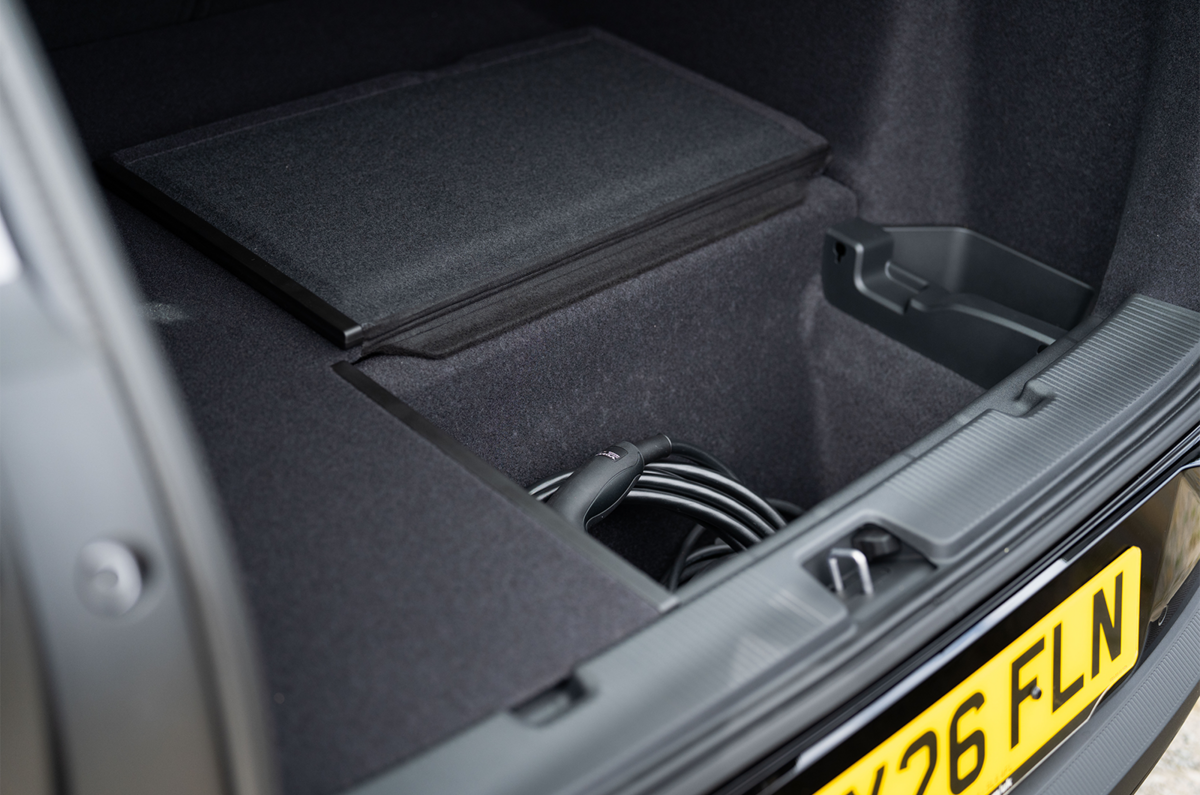
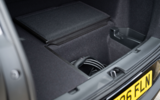
The boot floor lifts up in two parts, so you needn’t empty the whole boot to get at the deep underfloor well. Volvo will sell you a plastic bucket that fits in there to store mucky things like crabs. Yes, really: it has images of crabs moulded onto it, because apparently Sweden loves crab fishing.

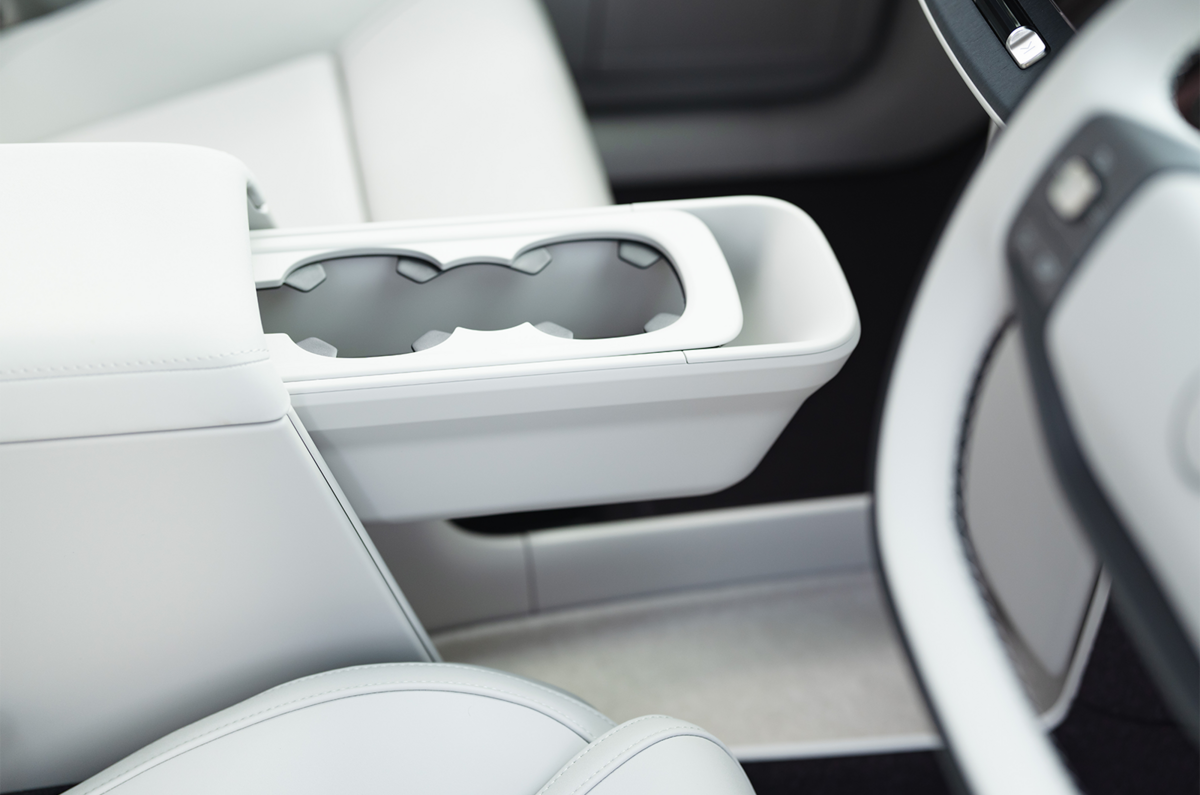
That is immediately clear by the clever storage solutions and endless cubbyholes dotted around the cabin – and the brace of cupholders that pop out of the centre console are a neat addition. 

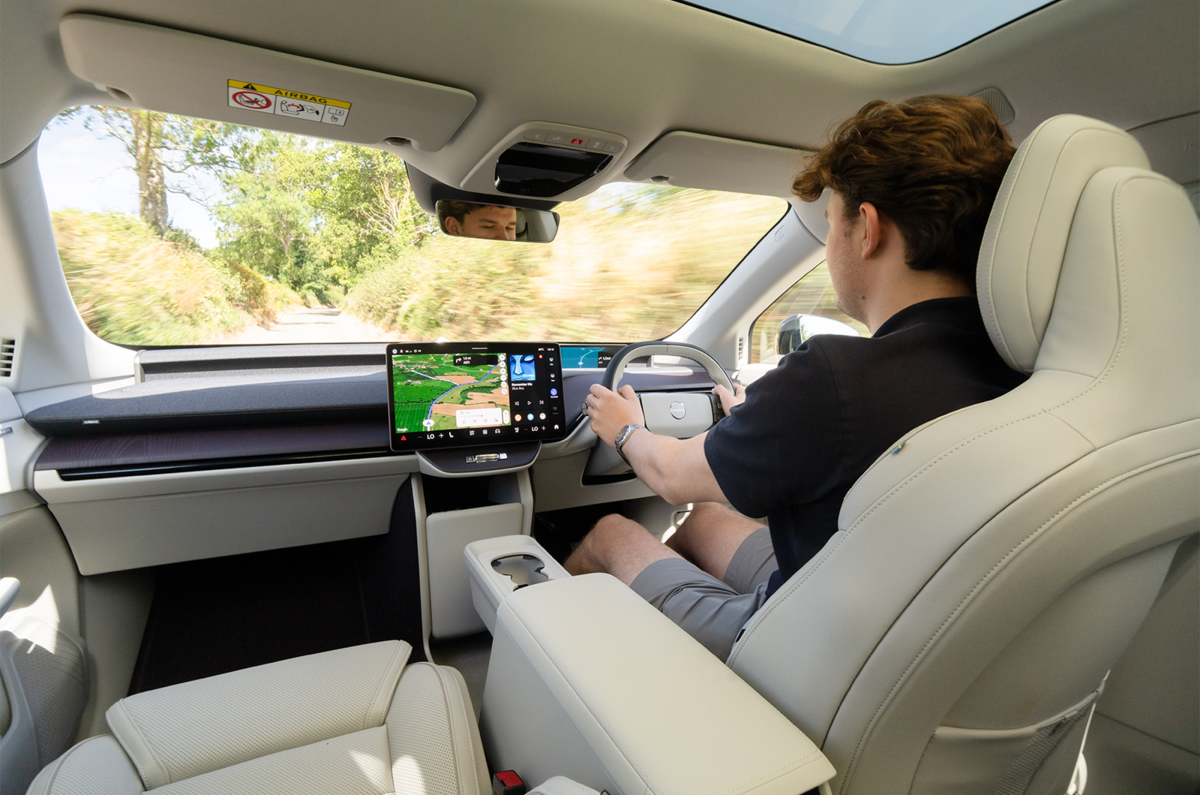
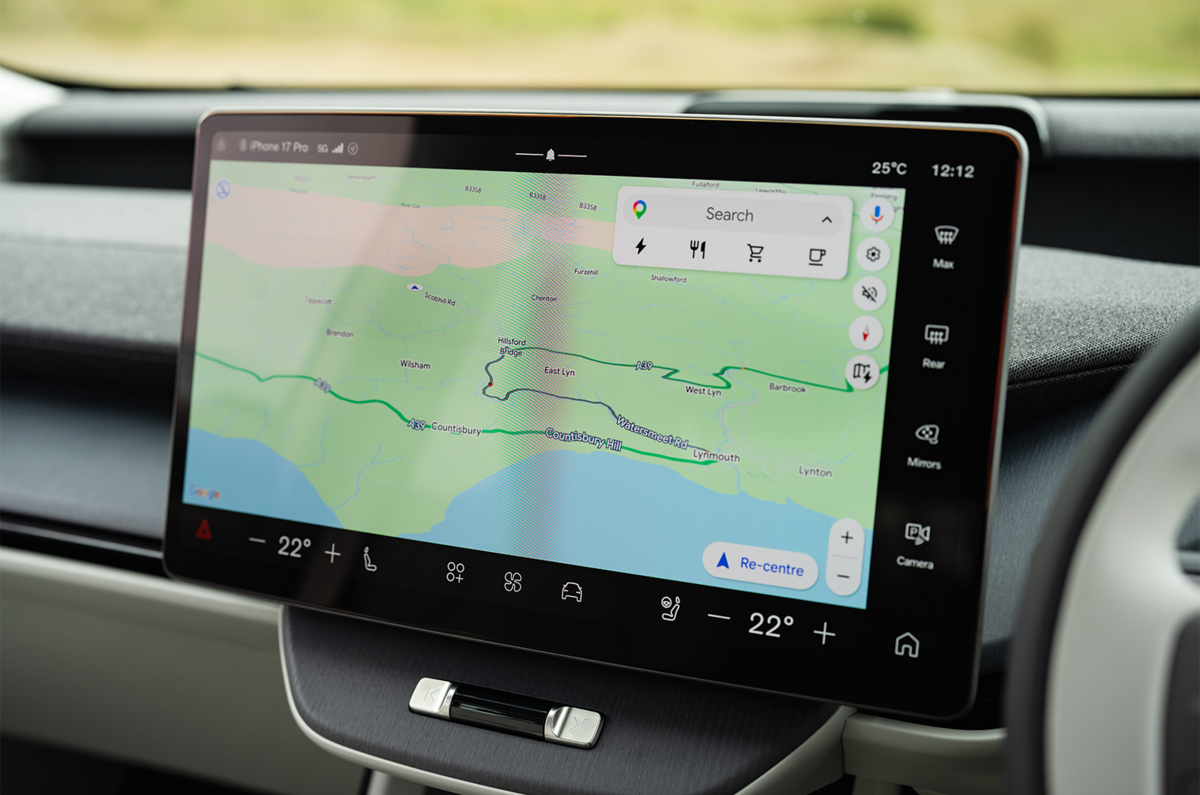
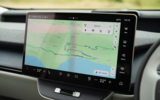
Perceived quality inside is high, with the flowing layers of wood, fabric and leather-like materials giving the EX60 a bright, airy atmosphere, especially if you opt for the lighter interior trim. It feels plusher and of better build quality than the iX3. It isn’t dominated by a myriad of touchscreens either. A 15in central display, which is now landscape oriented, houses all of the EX60’s key functions. It’s a software development of the EX90’s, and works quickly and more logically. 

I like the row of shortcut buttons that run along the bottom and right-hand side of the screen and the set-up works well enough. But the significant lack of physical buttons means that it's still a chore to use on the move. 
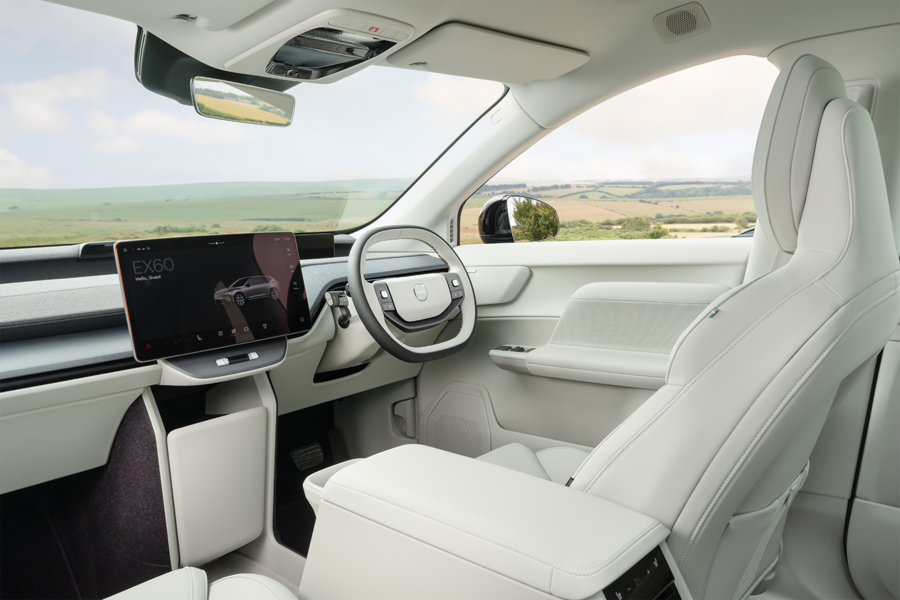
While Volvo has reintroduced some physical switchgear in the form of four window switches and proper buttons on the steering wheel, you still adjust the mirrors – and the wheel – using the touchscreen. 

The helm is closer aligned to the iX3’s in that the instrument display is set at the end of the dashboard. This means you don’t have to refocus your eyes as much from the road. That said, Volvo has fitted the EX60 with an unusually shaped and rather small steering wheel to help you look over the top of it at the driver display. It’s not unpleasant but does take a bit of getting used to. 

Volvo is quite proud of the Google Gemini AI-powered voice assistant, which works well for finding navigation destinations, chargers and the like but still has some way to go before it can help you with finding the car’s more obscure settings or more complicated queries.

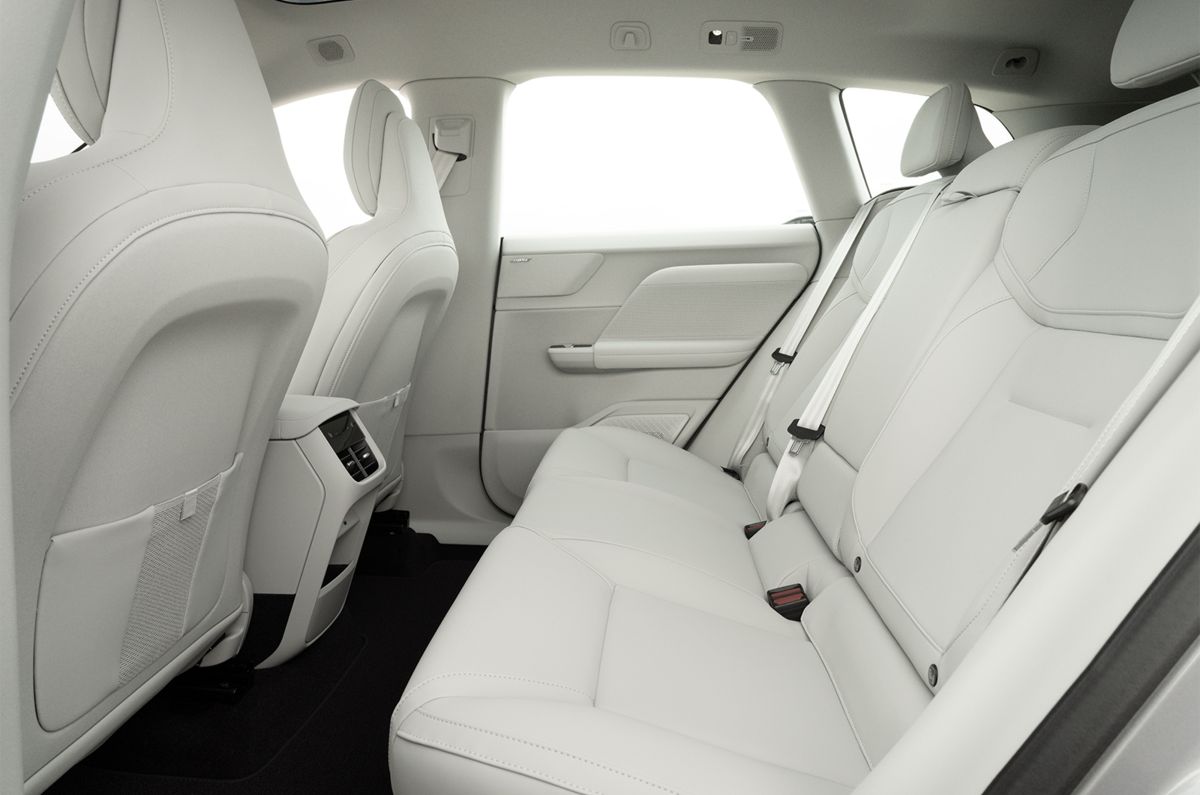
What really makes the EX60 shine is the amount of space inside. The glasshouse design gives it a roomy feel, and the abundance of head and leg room means that taller adults will have no issue with getting comfortable in the rear. The flat floor sits relatively low too, so the seating position feels nice and natural. 

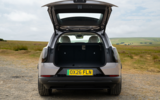
The 634-litre boot is much bigger than the BMW iX3’s (520 litres) and there’s some handy underfloor storage to hide your charging cable. You even get a modest 58-litre frunk. 

ENGINES & PERFORMANCE

Volvo EX60 review front dynamic

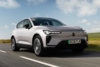
The EX60 in P10 form is responsive, has a surfeit of power and feels as sprightly as a well-sorted hot hatchback. 

With a combined output of 503bhp (268bhp front, 402bhp rear), the P10 is the sweet spot of the range. With a 4.6sec 0-62mph time, it outpaces the iX3 50 xDrive (4.9sec) while staying within touching distance of the dual-motor GLC 400 (4.3sec).

The phone-as-a-key that comes with the EX60 is a far too complex and convoluted way of unlocking the car. A proper key is coming later, but that really should have been job one – not an afterthought.

Power delivery is effortlessly brisk in Standard mode, but switch to Performance and it will launch forward with startling urgency. Pleasingly, the accelerator is well calibrated, allowing you to meter out power progressively. It’s fast, but never feels overwhelming. 

The single-motor P6 is usefully quick, too, should you find its sub-400-mile range more suited to your needs. 

The regenerative braking is well configured. You can toggle through its different strengths via a shortcut button to the right-hand side of the screen. I particularly liked the one-pedal driving mode, which slowed the car down smoothly.

Rolling refinement is good as well, except for a bit of wind whistle. Road noise is filtered out nicely, particularly on the motorway.

RIDE & HANDLING

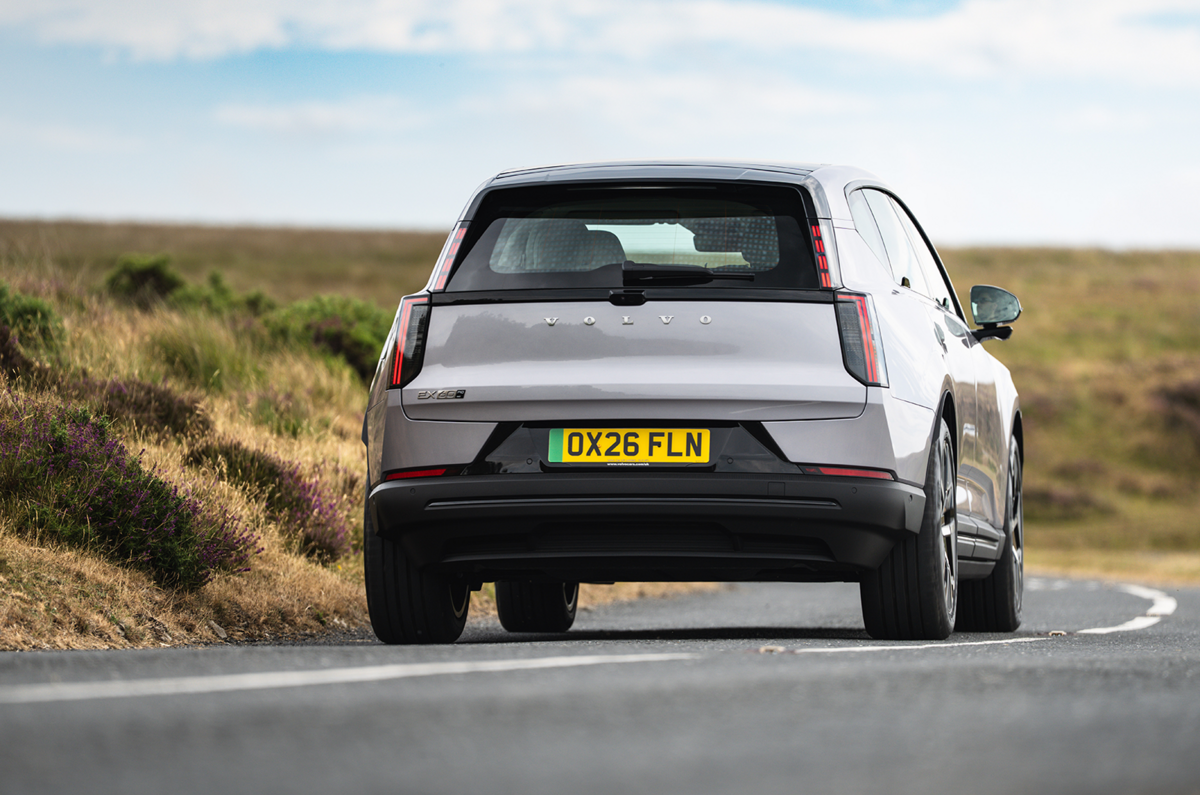
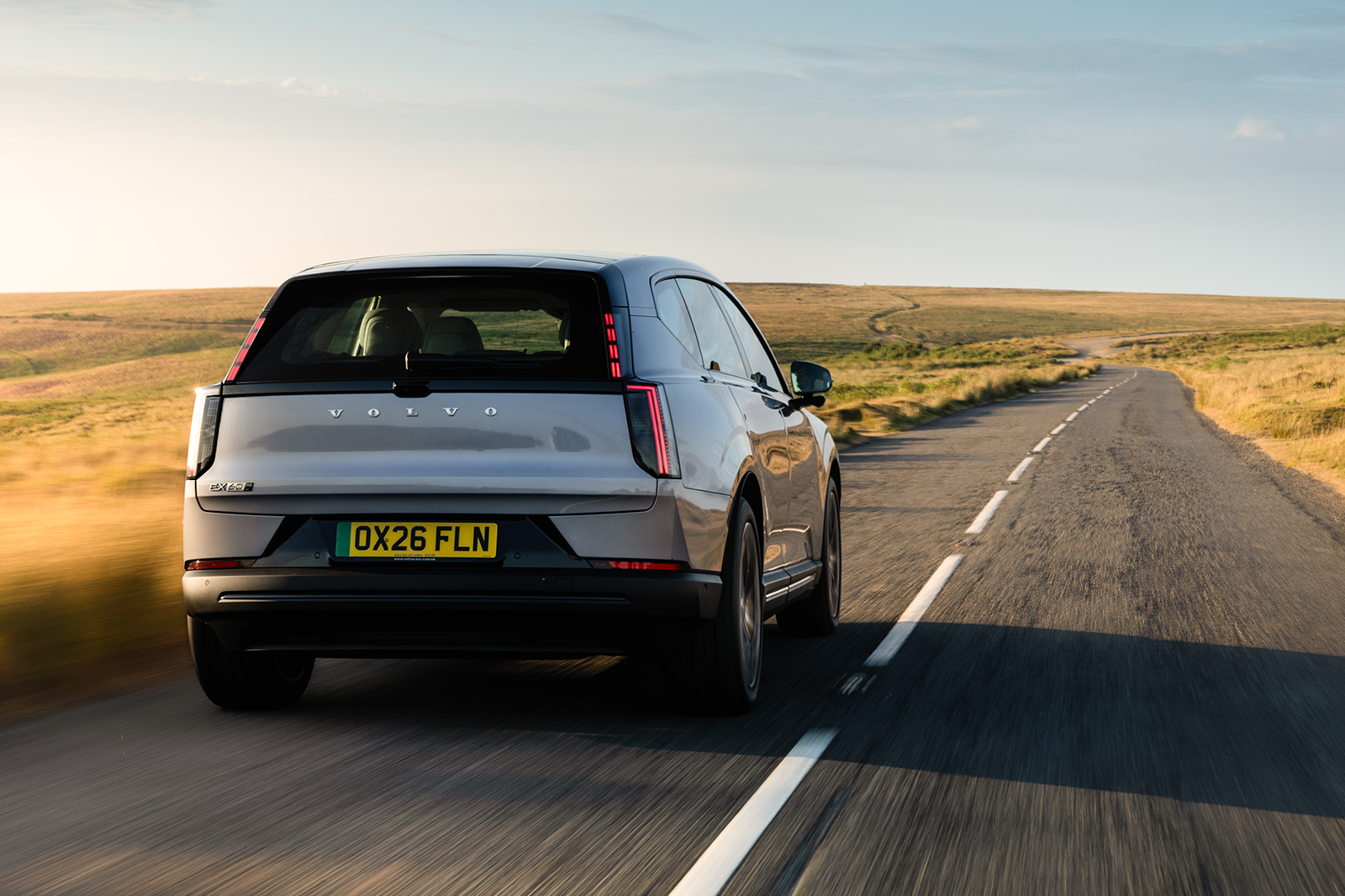
Volvo EX60 review rear tracking

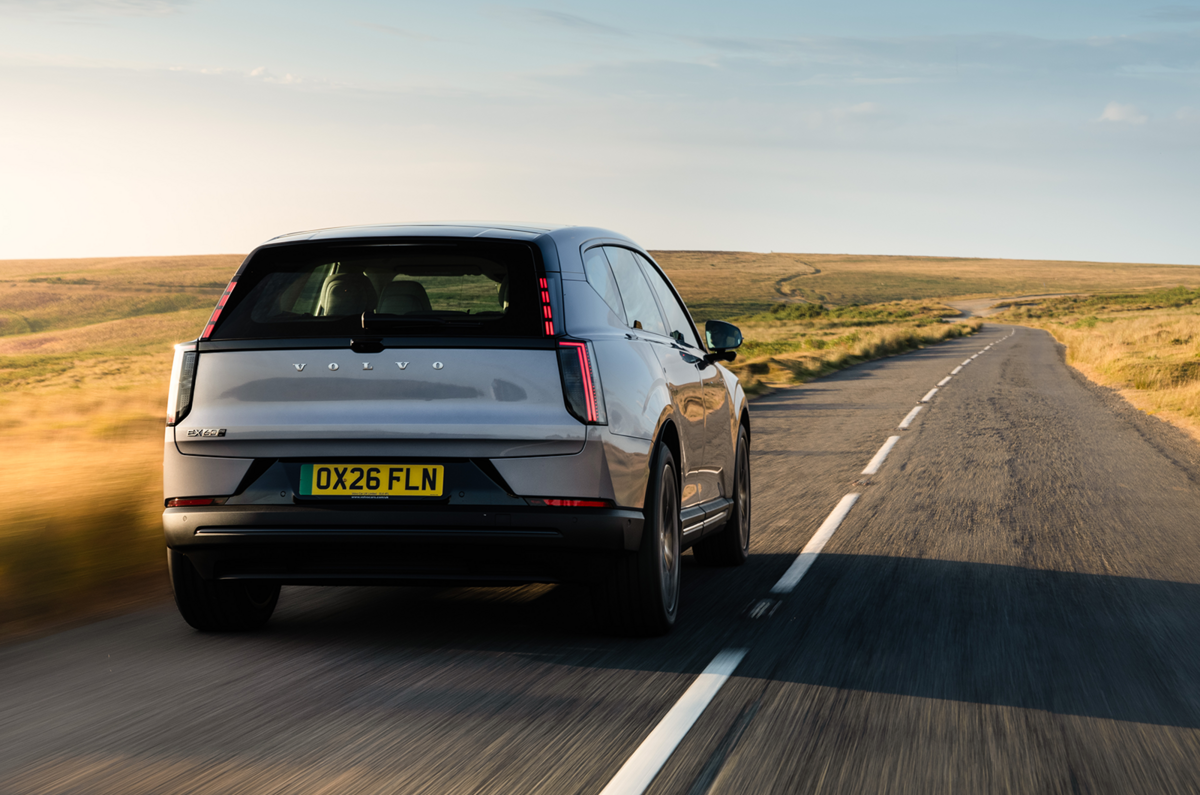
When we first drove the EX60 on the smooth roads of southern Spain, our initial impressions were that the ride was quiet, flat and very comfortable. 

Pleasingly, the same can be said of the EX60 having now driven it on the UK’s pockmarked roads, where the EX60 adopts an ethos of long-legged comfort and refinement. 

When on adaptive cruise control, the EX60 can perform automated lane changes when you use the indicators. It's not the first car to do this, but it's the first one I've experienced where it was fast and assertive enough that I didn't lose patience with it. In general, its assisted driving features are very well-resolved

The engineers involved in the EX60’s development tuned the EX60 in the UK, and you can tell this has worked in its favour. The P10 gets adaptive dampers as standard, (adjusted via the touchscreen) and with them in their softest setting it irons out potholes and sharp edges impressively well, despite some floatiness at higher speeds.

It remains pliant in Standard mode but also feels more planted and tied down. In its firmest setting, it becomes less settled, with a bit of low-speed jounce, but this does endow it with good neutral handling balance

The steering is light, quick and filtered, hence there’s not much feedback to speak of, but overall it's precise and consistently weighted. Grip levels are good and even in Standard mode it maintains good close body control. 

Predictable and comfortable is how I would describe the EX60, and while it has no trouble making swift progress on a twisty road, the BMW iX3 is perhaps the more involving of the two. 

More good news can be found in the configuration of the ADAS, which are generally unintrusive. You can turn the speed limit warning system off with a button on the steering wheel, and the lane keep assistance function only takes control if there’s cause to intervene. The driver monitoring system didn’t like that I was wearing sunglasses and would flag a warning message every time I got back into the car. 

MPG & RUNNING COSTS

Volvo EX60 review front LEAD

Prices start from £56,860 for a single-motor P6 in Plus trim, which is already very well equipped. Ultra trim, which gets you the excellent Bowers & Wilkins audio system, electrochromatic dimming for the panoramic roof and adaptive headlights, comes at a hefty premium of almost £6000.

At £3000 more, the P10, with its bigger battery and dual motors, seems like better value. Another £5000 on top of that buys you the 500-mile, 671bhp P12, which doesn’t arrive until early 2027. 

During our testing, the P10 proved to be as efficient as its single-motor P6 range-mate, achieving 4.0mpkWh on an 80-mile route around Somerset. This should give the P10 a real-world range of around 360 miles.

Volvo expects the P10 to account for the bulk of UK sales, and while its 410 miles make it less rangy than the iX3 50 despite costing only slightly less when specced similarly, the Volvo is quite a bit cheaper on finance.

The P6 has a WLTP range of 380 miles and charges at up to 320kW; the P10 does 410 miles and charges at up to 370kW; and the P12 does 503 and charges at up to 370kW. The P6 is an efficient option and managed 4.0mpkWh when we drove it in Barcelona. 

VERDICT

Volvo EX60 review verdict static

This is Volvo’s best electric car to date. For the past few years, Volvo has rolled out a number of handsome electric models that were ambitious, but ultimately they were hamstrung by software and usability flaws that limited their appeal. 

While many people will be drawn to the 503-mile P12, the mid-rung P10 variant has all the polish and completeness you'd want from a premium-badged electric SUV. And it’s more competitively priced against the dual-motor BMW iX3. 

Volvo has clearly listened to criticisms levelled at its previous electric models and produced an electric car that has the range, comfort, efficiency and space to disrupt the German hegemony.

What impressed me the most about the EX60 was how refined it felt. Be it around town, or trundling down a cross-country road, it was hushed and well-isolated. The adaptive dampers bring genuine comfort in all settings, and while it can’t match the iX3 for driver appeal, the EX60 feels inherently like a Volvo to drive, with a relaxed, long-distance gait. 

If Volvo can also get a handle on reliability, then the EX60 looks set to be a big player in the mid-size electric SUV arena. 

Sam Phillips

Sam Phillips
Title: Senior Staff Writer

Sam joined the Autocar team in summer 2024 and has been a contributor since 2021. He is tasked with writing used reviews and first drives as well as updating top 10s and evergreen content on the Autocar website. 

He previously led sister-title Move Electric, which covers the entire spectrum of electric vehicles, from cars to boats – and even trucks. He is an expert in new car news, used cars, electric cars, microbility, classic cars and motorsport. 

Sam graduated from Nottingham Trent University in 2021 with a BA in Journalism. In his final year he produced an in-depth feature on the automotive industry’s transition to electric cars and interviewed a number of leading experts to assess our readiness for the impending ban on the sale of petrol and diesel cars.

Illya Verpraet

Illya Verpraet Road Tester Autocar
Title: Road Tester

As a road tester, Illya drives everything from superminis to supercars, and writes reviews and comparison tests, while also managing the magazine’s Drives section. Much of his time is spent wrangling the data logger and wielding the tape measure to gather the data for Autocar’s in-depth instrumented road tests.

He loves cars that are fun and usable on the road – whether piston-powered or electric – or just cars that are very fit for purpose. When not in test cars, he drives an R53-generation Mini Cooper S or a 1990 BMW 325i Touring.