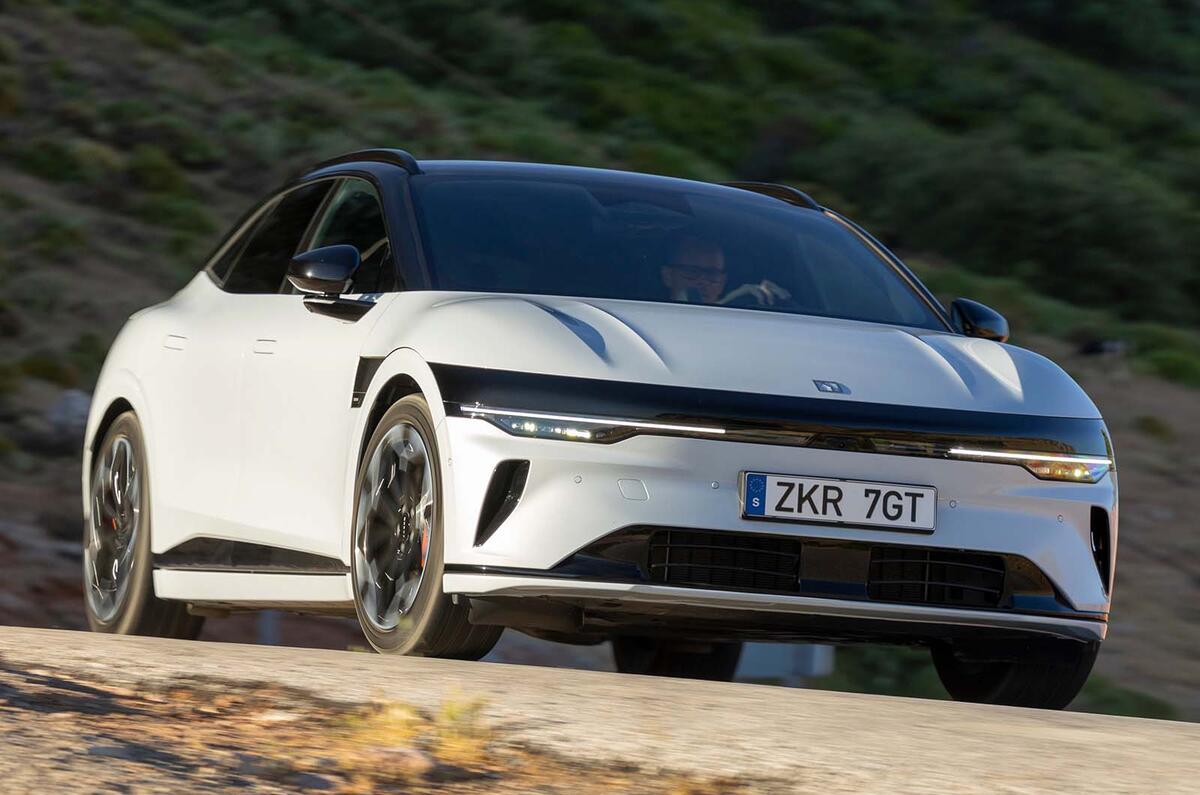



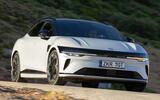
With superfast charging and a 637bhp dual-motor powertrain, can the 7GT really challenge the European elite?

Find Zeekr 7GT deals
Other Services
Sell your car
84% get more money with

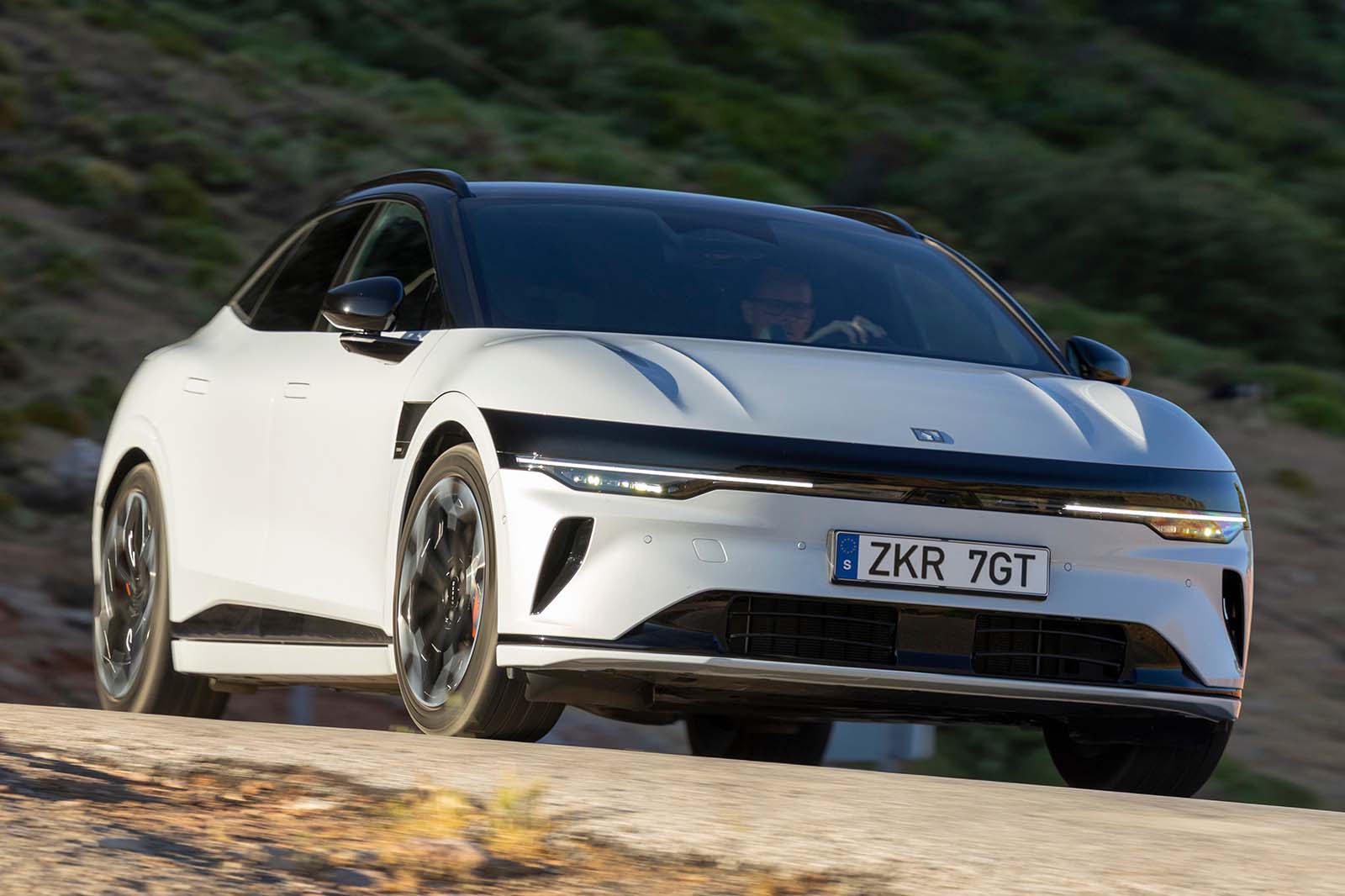
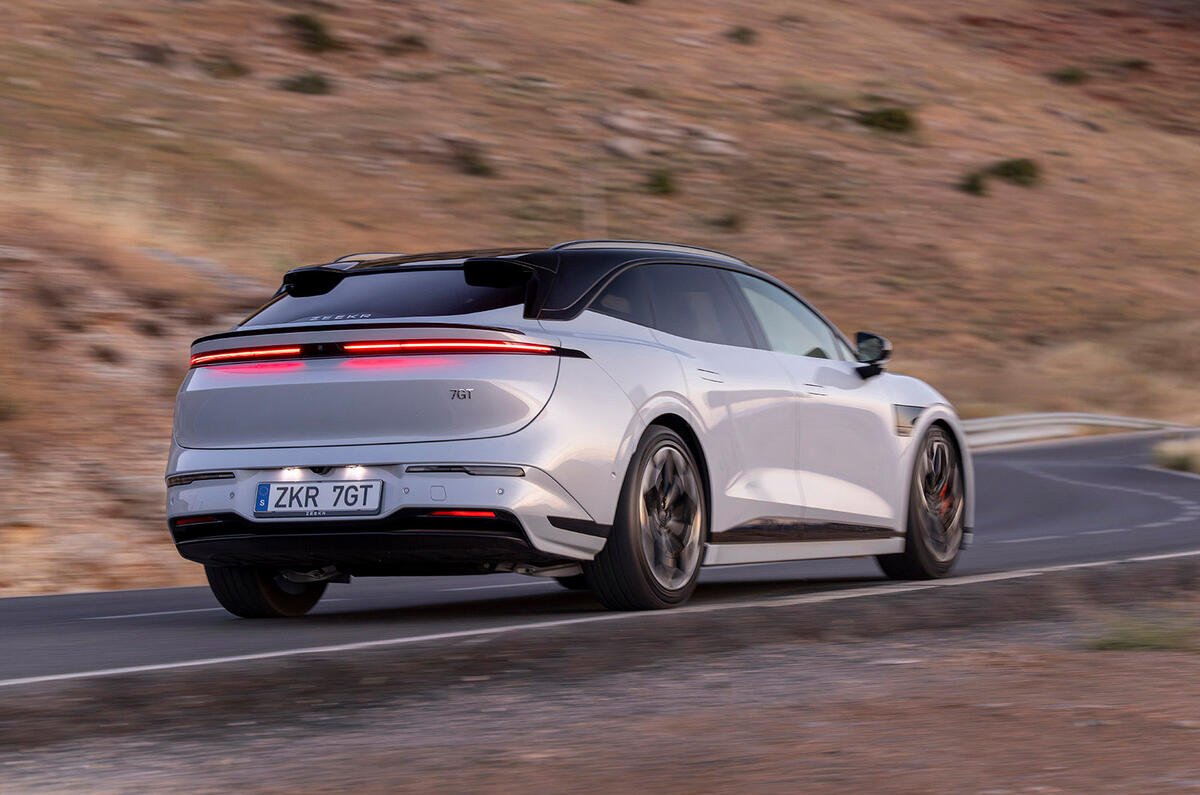
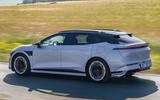
This is the Zeekr 7GT, a sleek new shooting brake-styled electric grand tourer from up-and-coming Chinese brand Zeekr.

Backed by Chinese powerhouse Geely, Zeekr has already established a foothold across mainland Europe and is set to make its UK debut at the end of 2026, with the low-slung, load-lugging 7GT tipped to be one of the first models to launch in British shores.

But unlike the current crop of Chinese newcomers, where value brands like Omoda and Jaecoo have successfully targeted the affordable end of the market with their cut-price crossovers, Zeekr is aiming higher and the 7GT is engineered to pull buyers away from the likes of Audi, BMW and Volkswagen

Advertisement

DESIGN & STYLING

Zeekr 7GT review 2026 32

We thought the estate car was a dying breed, but clearly Zeekr has other ideas. In an automotive landscape that’s dominated by crossovers and SUVs, there’s something undeniably refreshing about a brand launching a low-slung electric wagon.

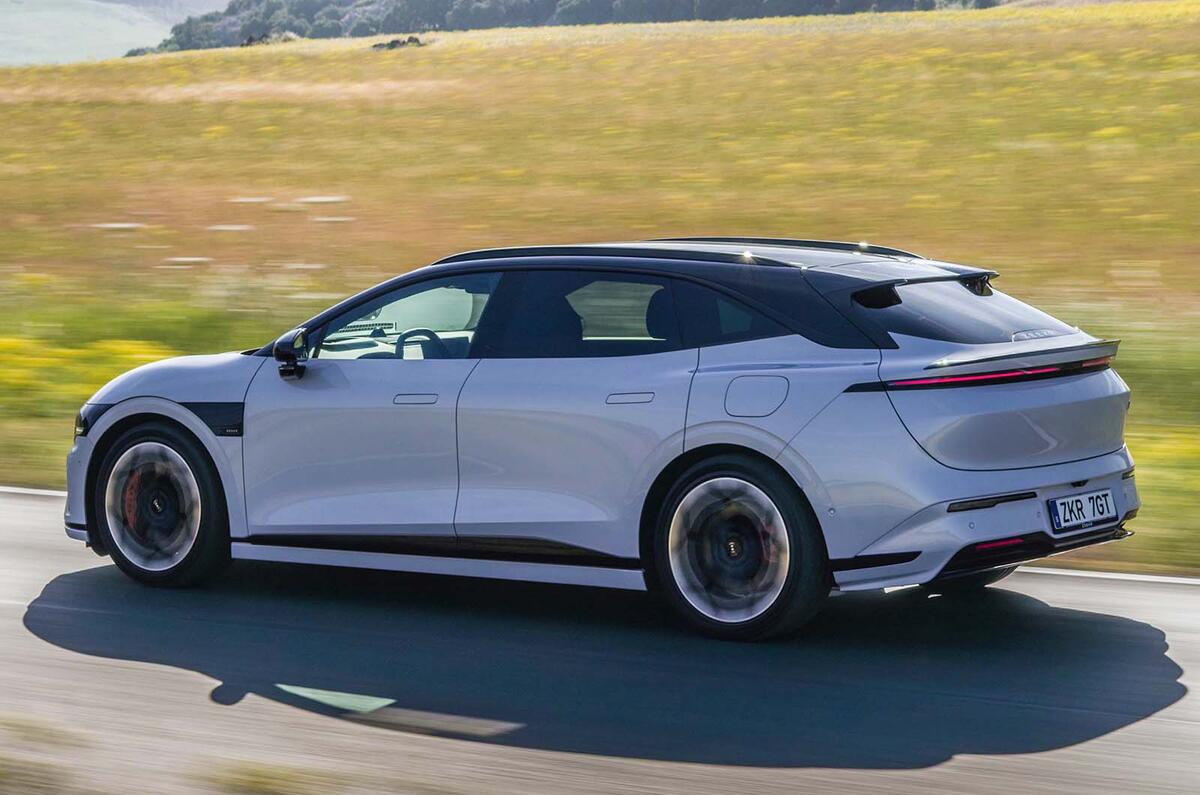
Although Zeekr builds its cars at its factory in Hangzhou, China, the brand’s design house in Gothenburg in Sweden was responsible for crafting the 7GT’s rakish silhouette. 

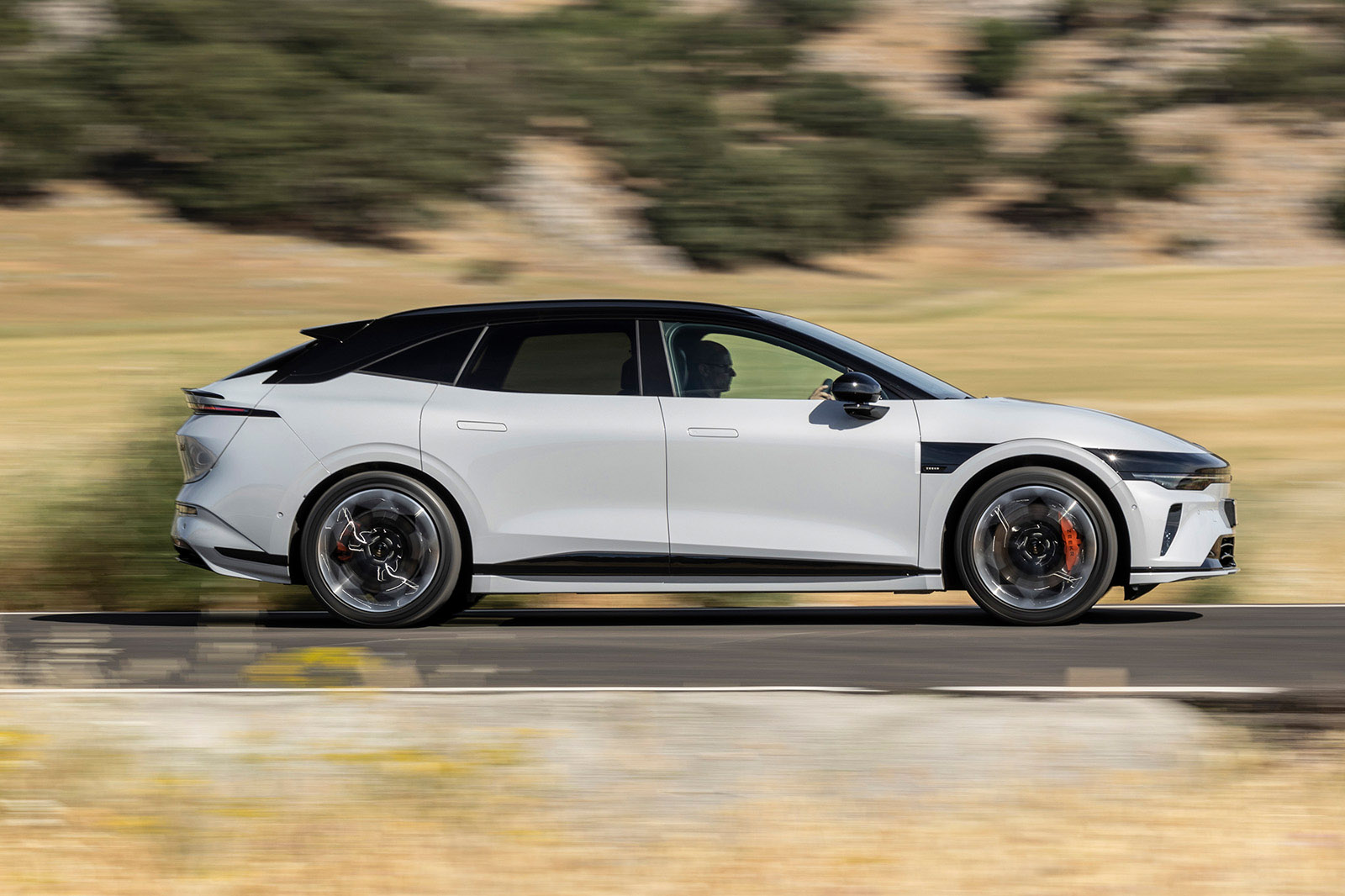
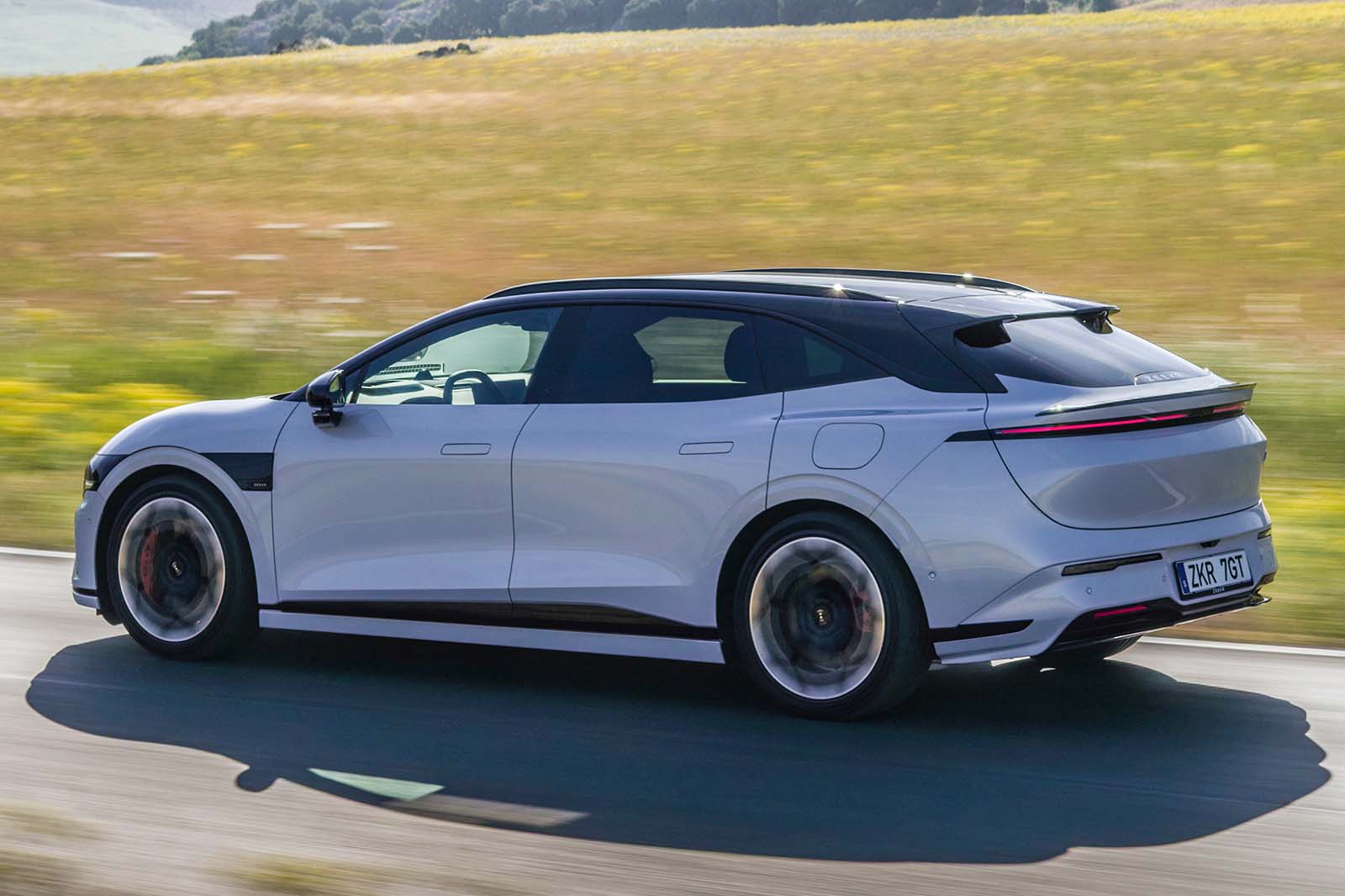
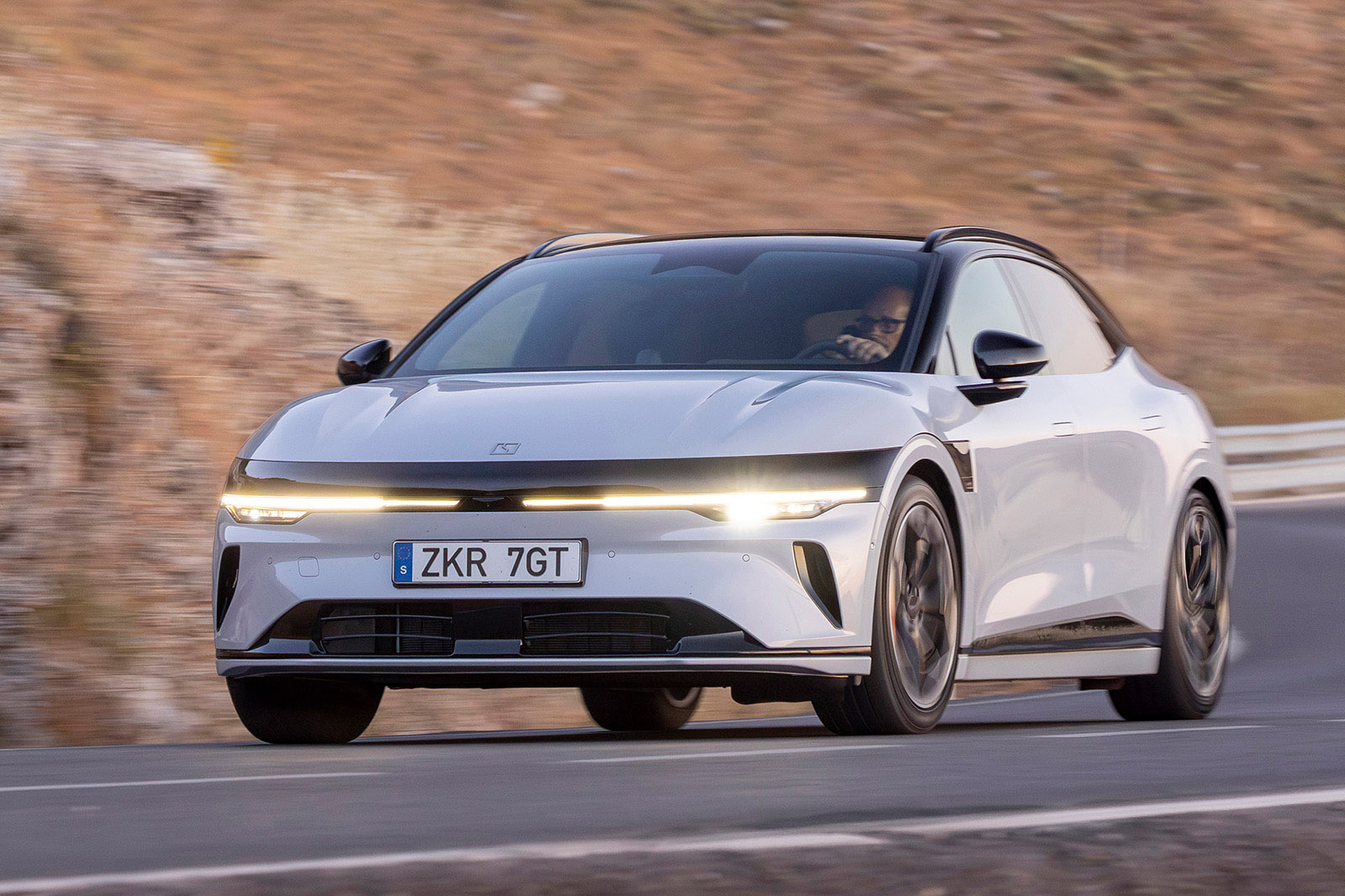
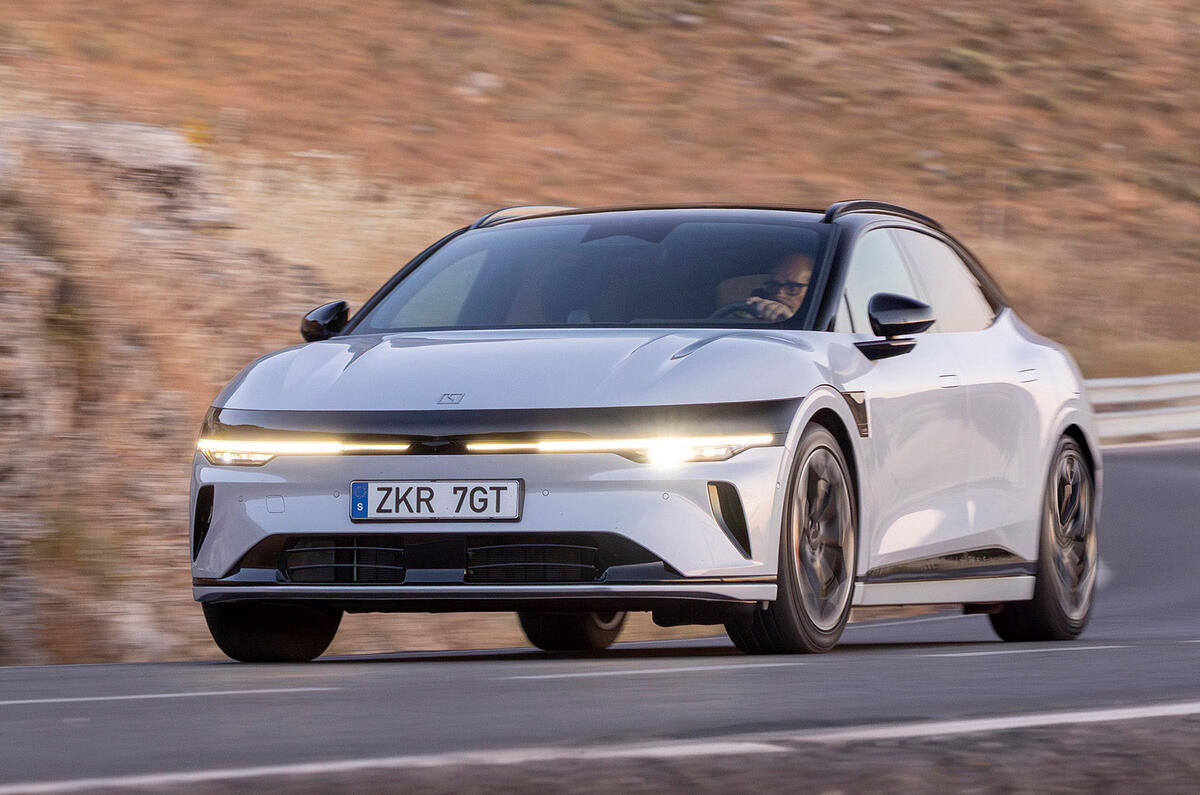
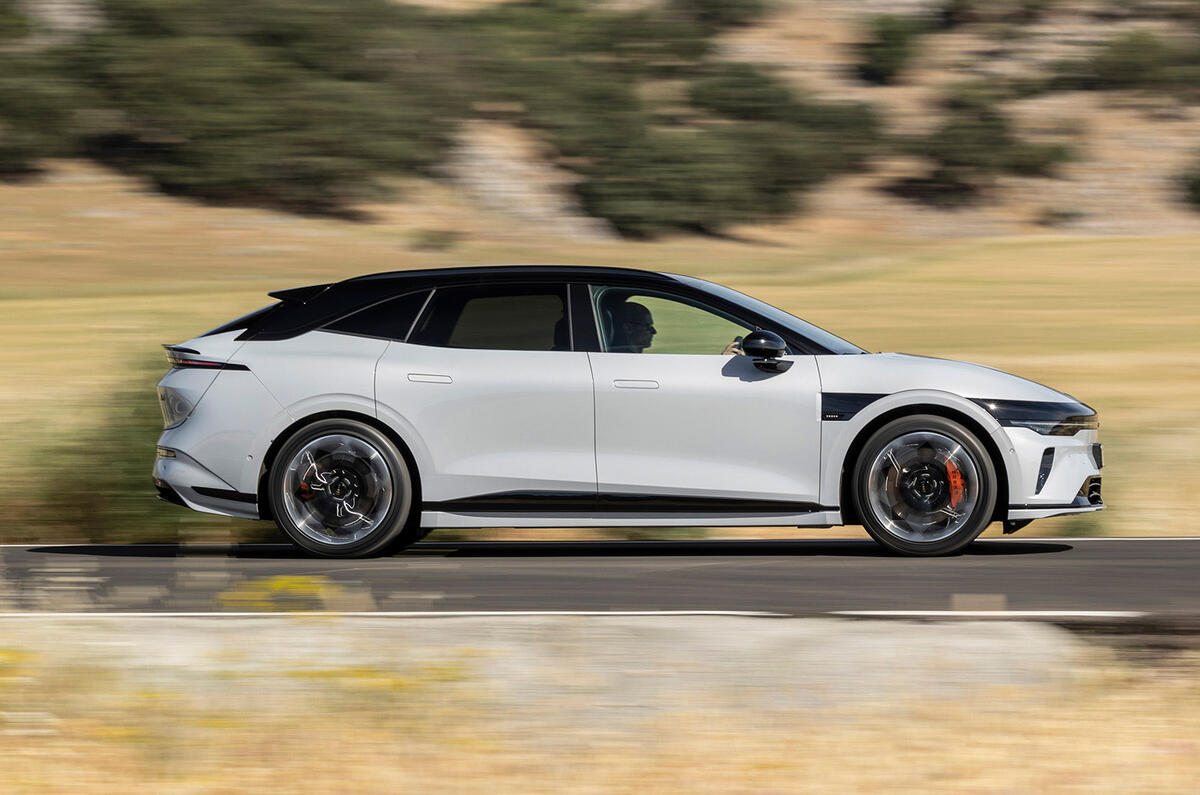
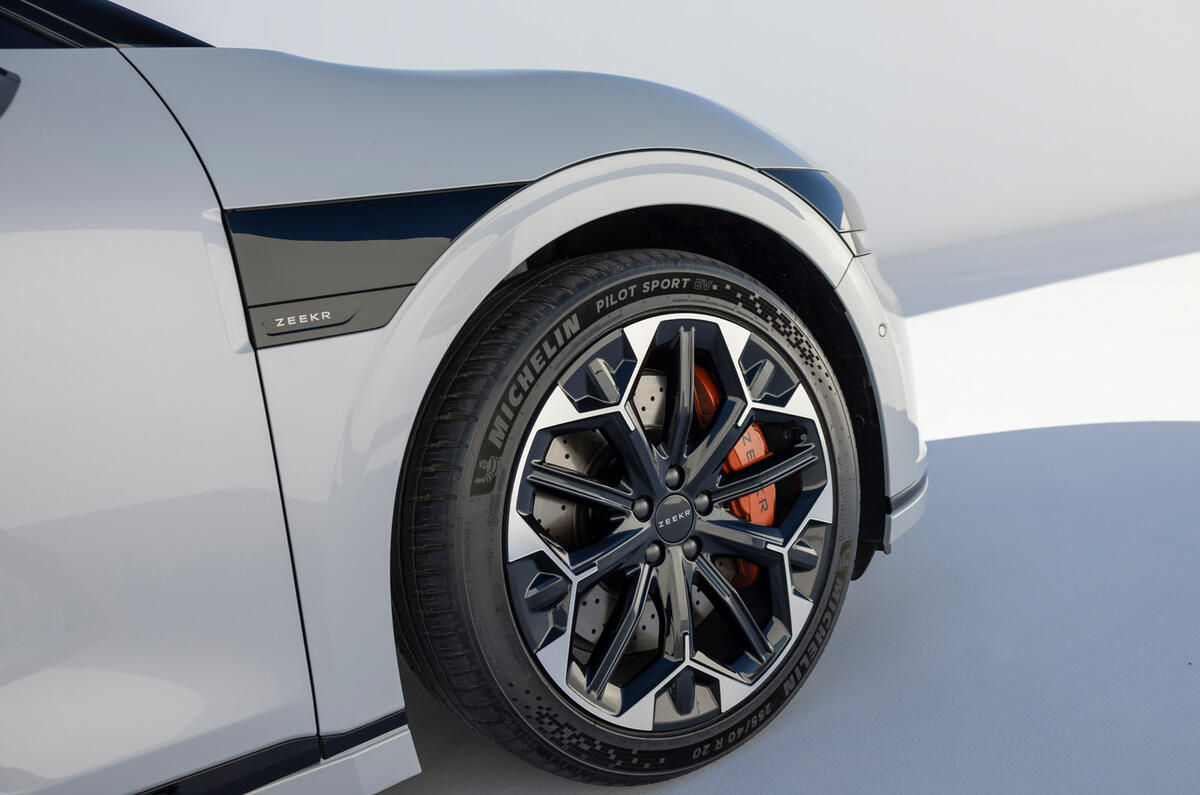
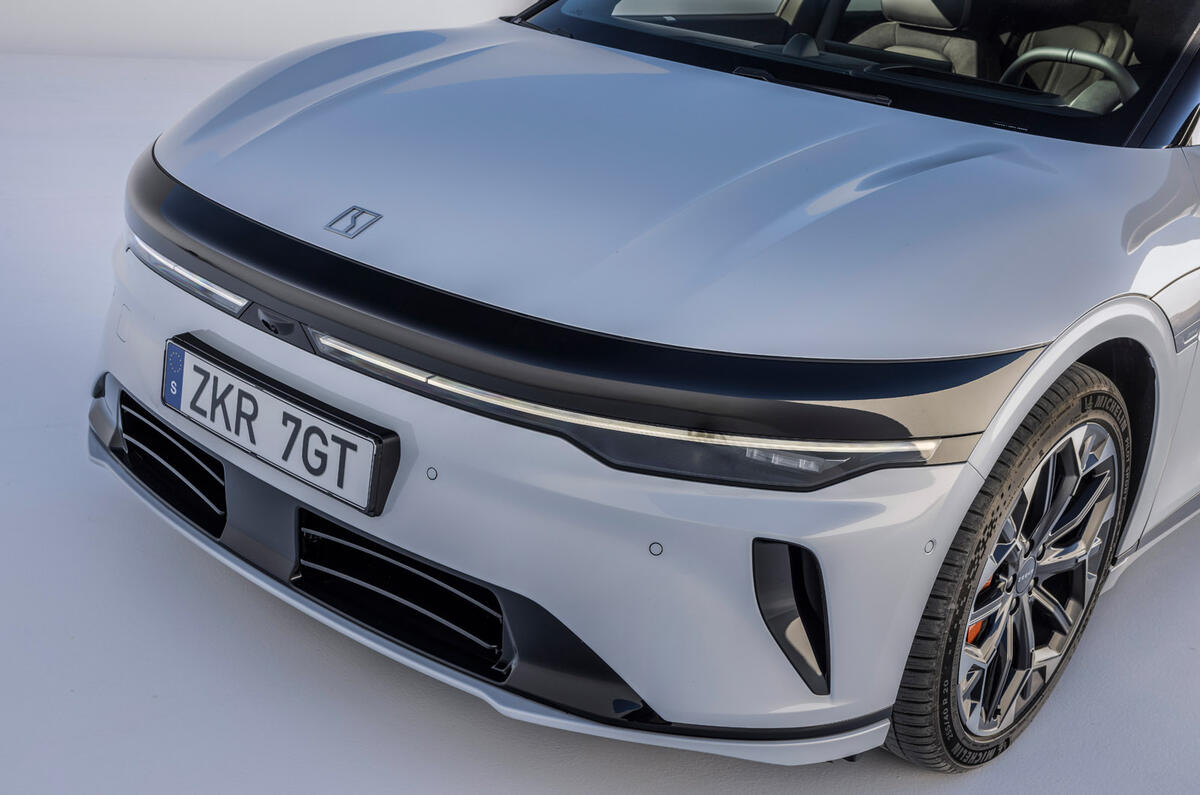
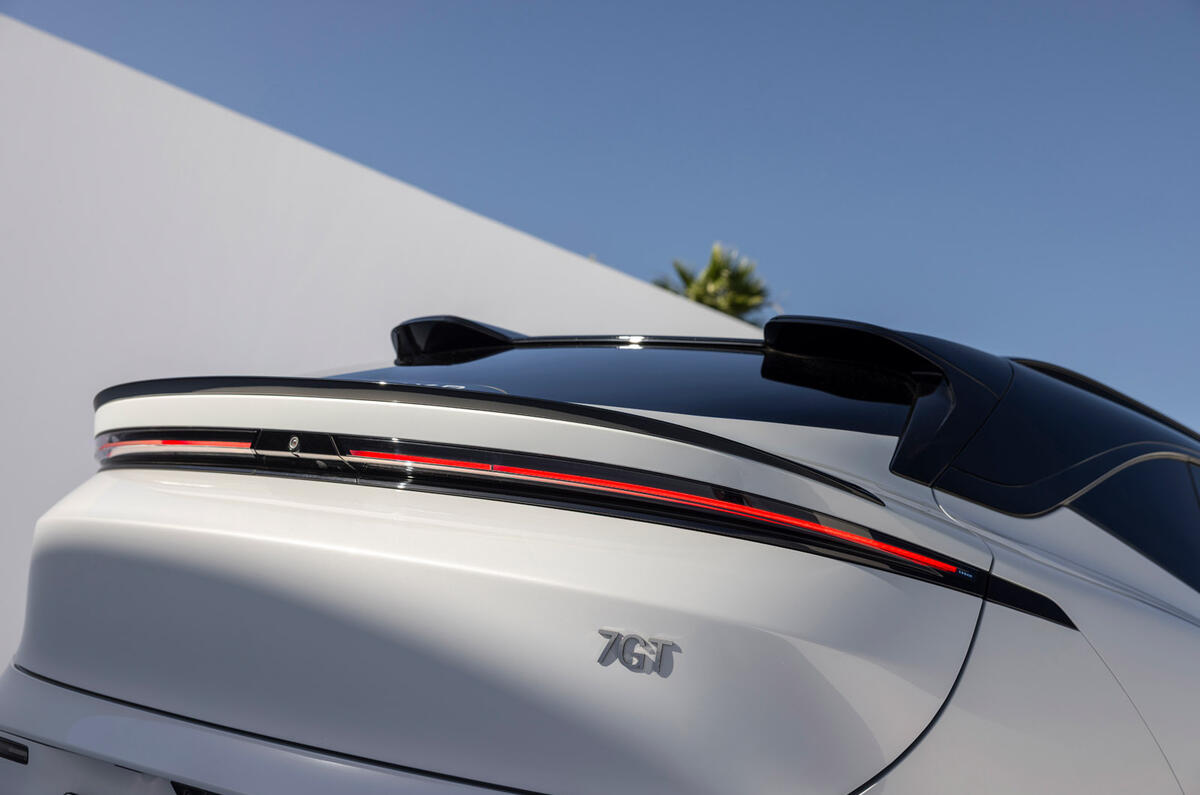
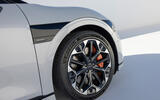
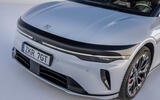
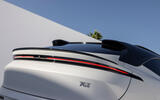
There’s a bit of a stormtrooper vibe going on the front, courtesy of the full-width visor, but the range-topping Privilege AWD Launch Edition tested here has plenty of sporting touches, such as a split rear spoiler and large, 20in wheels.

Elements of its design are a little busy, and there’s a bit of overstyling at the rear but, to my eyes at least, it has real presence on the road as a result of its wide, muscular stance. 

Measuring 4817mm long, 2070mm wide (including mirrors) and 1456mm tall, the Zeekr is shorter, wider and taller than the equally low-slung and yet much dearer Porsche Taycan Sport Turismo. It’s perhaps closer in proportions to the inbound Nio ET5 Touring and is clearly aimed at the more compact end of the estate segment. 

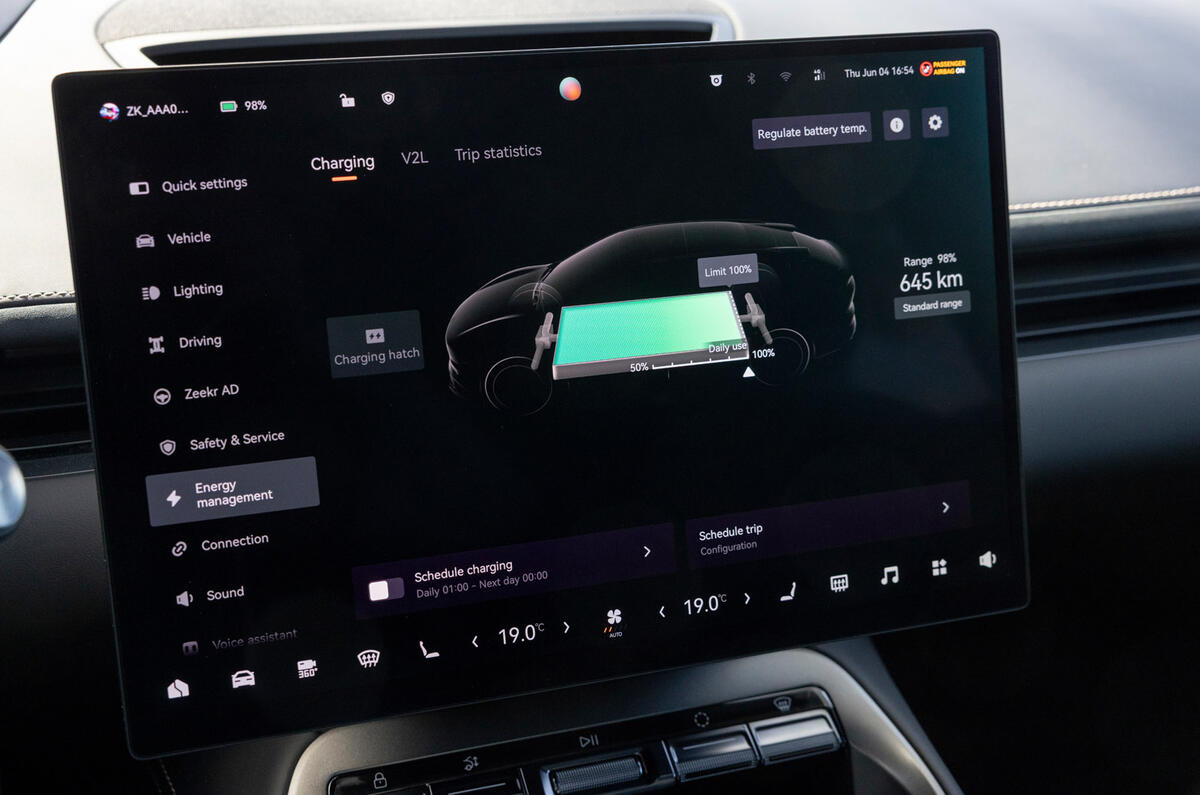
Underpinning the 7GT is Geely’s PMA2+ platform – the same 800V architecture that sits underneath the Zeekr 7X SUV – allowing for a superfast DC charging rate of up to 480kW. That’s good enough for a 10-80% charge in around 13-16 minutes. 

Three versions of the 7GT will be available: Core rear-wheel drive, which gets a 75kWh LFP (lithium-iron-phosphate) battery; and Long Range rear-wheel drive and Privilege all-wheel drive, which are both powered by a 100kWh NMC (nickel-manganese-cobalt) battery. 

INTERIOR

Zeekr 7GT review

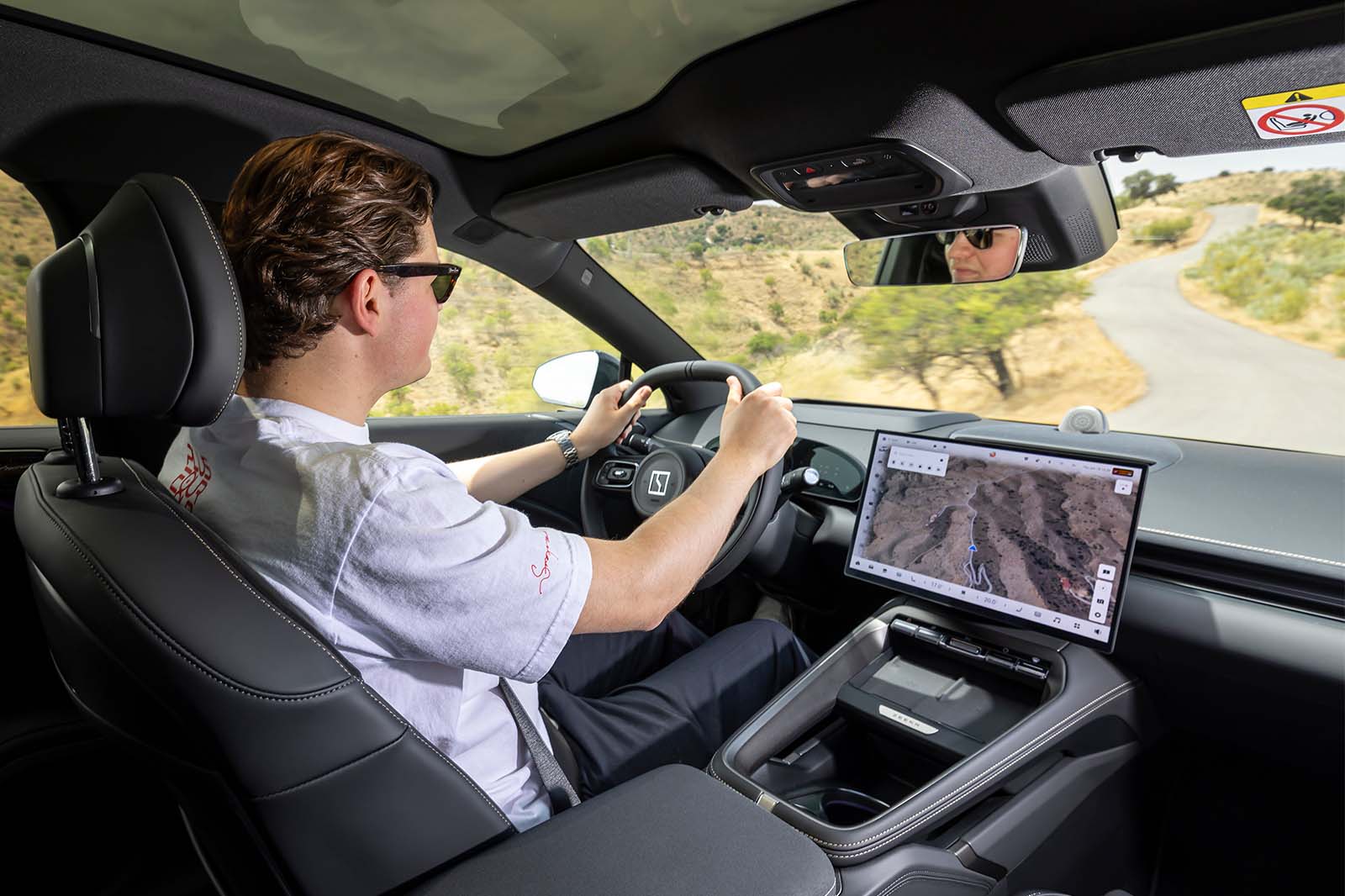
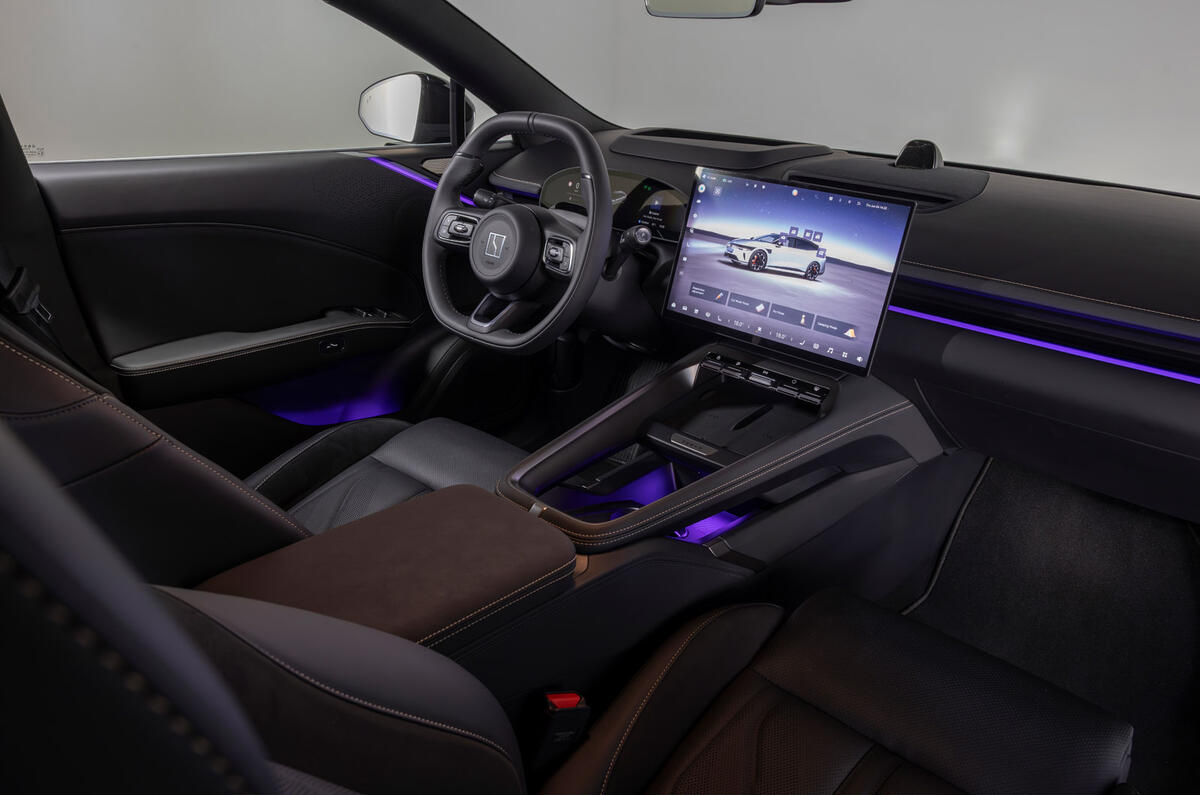
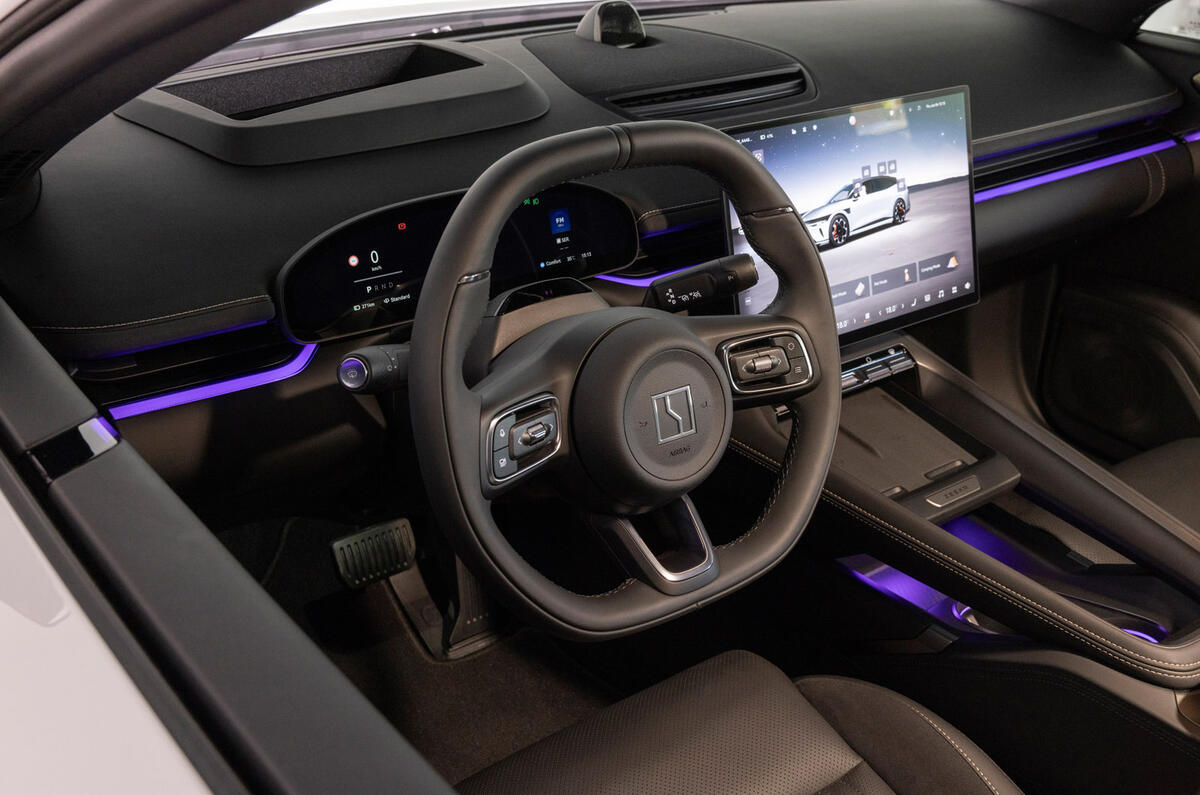
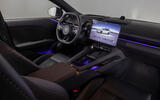
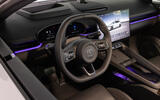
Like many other EVs from Geely's portfolio of brands, the Zeekr 7GT adopts a minimalist layout that is similar to a Tesla. 

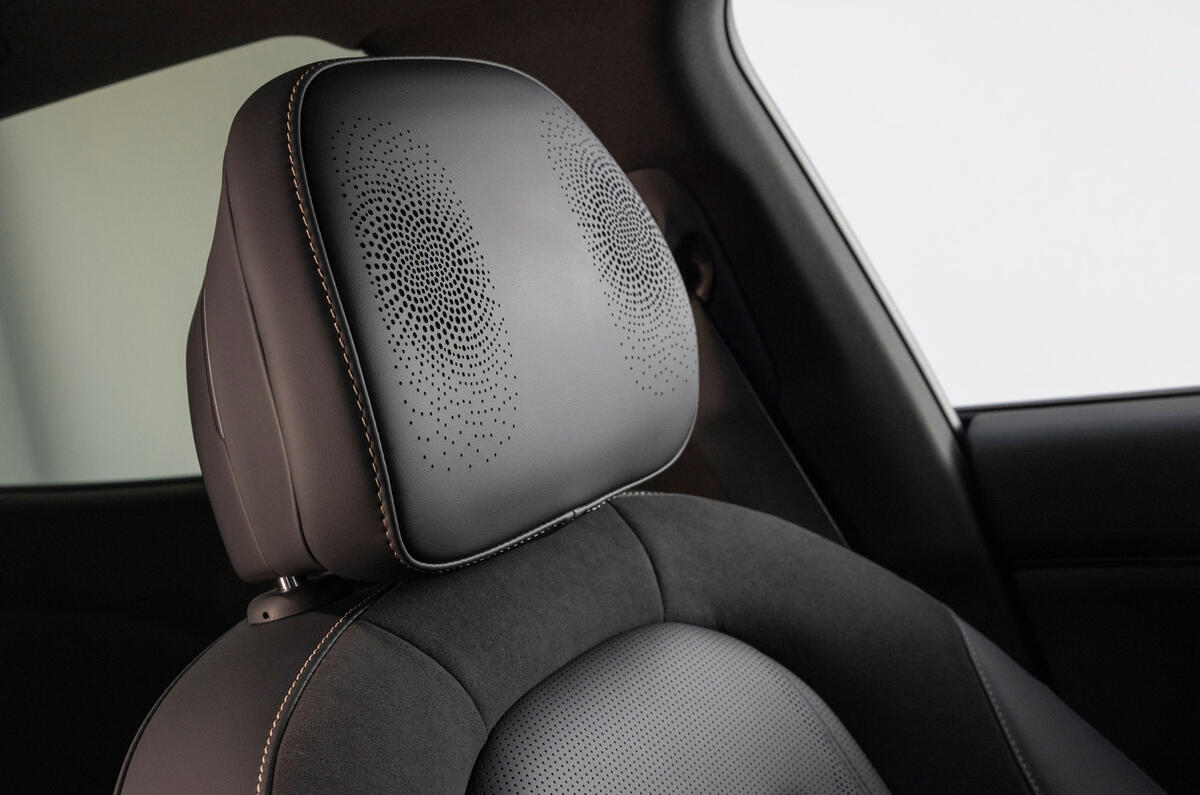
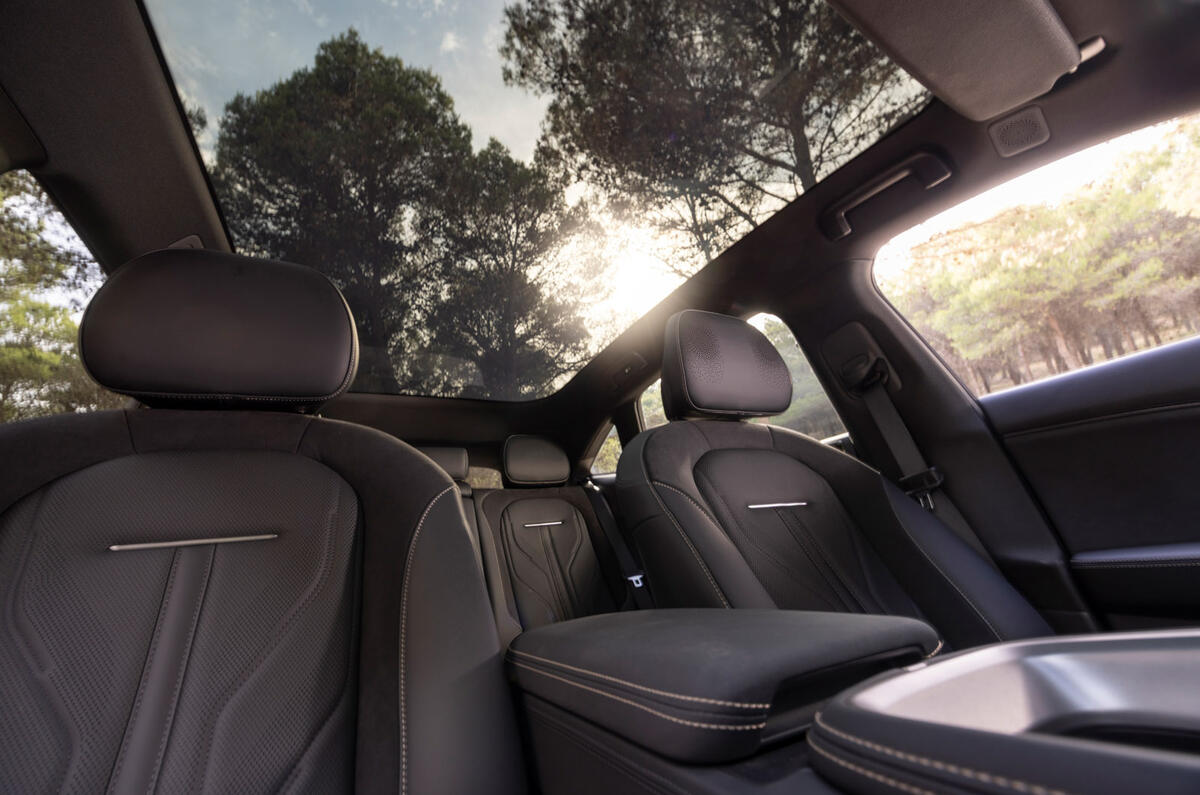
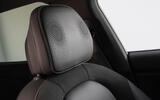
That being said, perceived quality certainly feels superior to that of a Model 3. There are soft-touch materials on the top of the doors and dashboard and I particularly liked the tactile, suede-like central armrest.

The screen has far too many sub-menus, and the number of actual functions – from Camping Mode to Pet Mode – were equally endless.

Build quality is impressive too. Even with a good poke and prod, all the key fixtures and fittings remained flex-free on our test car. 

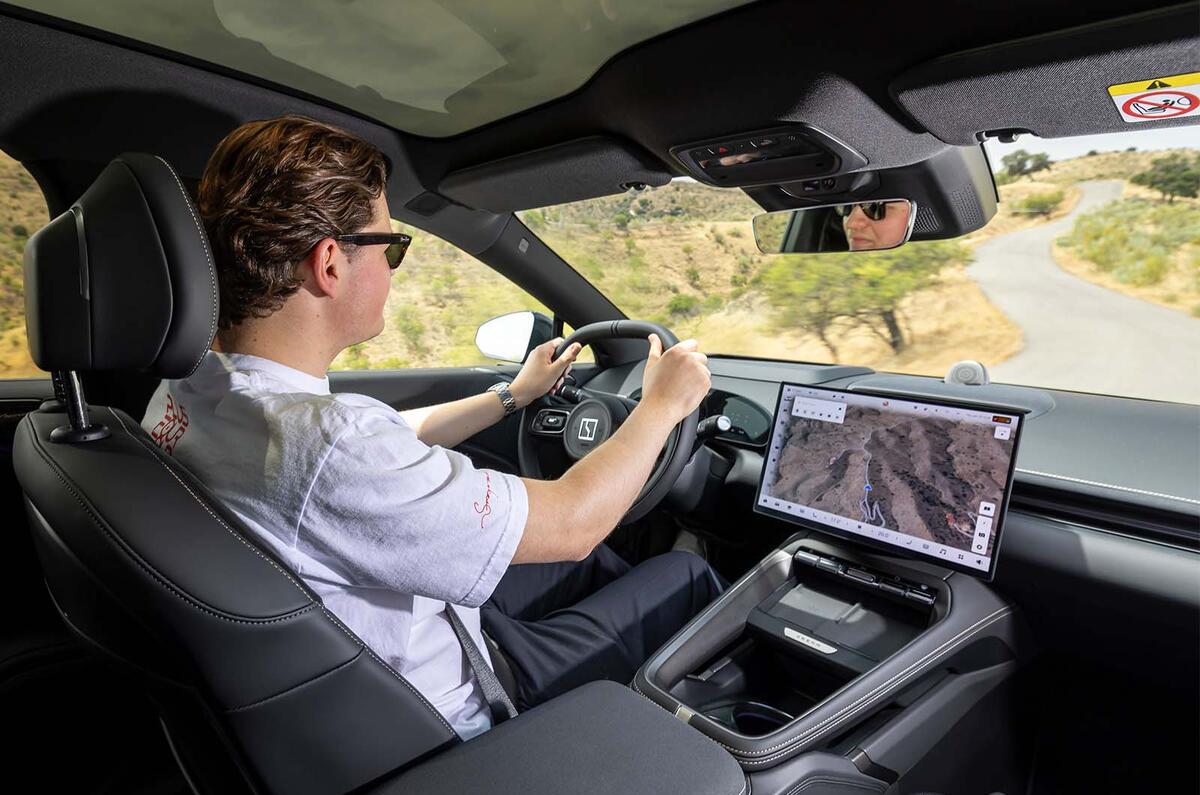
A huge 15in OLED infotainment touchscreen takes centre stage on the dashboard. There are a handful of physical buttons below it, but 99% of the car's secondary functions are controlled by this convoluted, menu-heavy touchscreen.

It takes some getting used to and having to dive into the screen to adjust the door mirrors and steering wheel is rather jarring.  

During my drive, I often needed a second look away from the road in order to press a specific button, and this wasn’t helped by the overly small icons. Pleasingly, a row of shortcut buttons along the bottom edge makes things easier, and the swipe-down menu is handy for accessing the ADAS, which you’ll likely want to turn off.

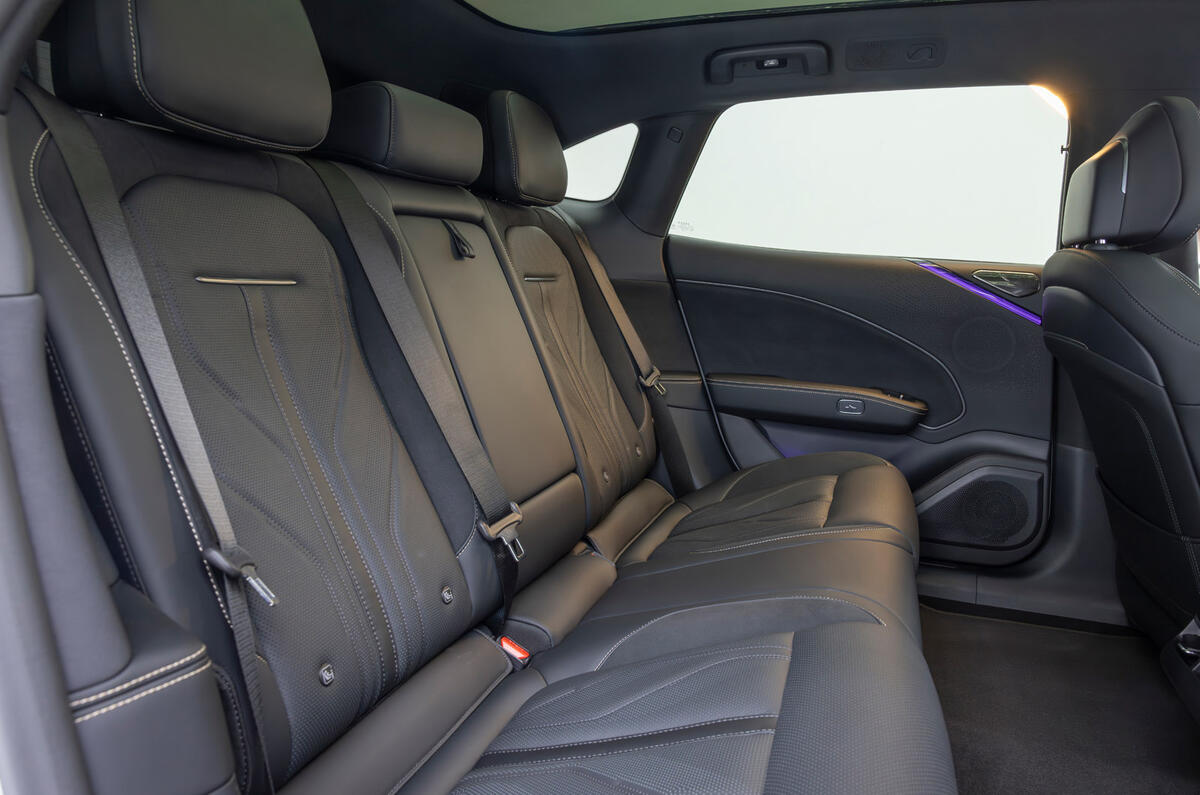
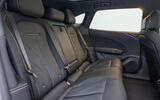
Infotainment bugbears aside, the 7GT is a comfortable and seriously capacious electric estate. Rear passenger space is right up there with the best in the class and it feels as generous as a car with a much longer wheelbase. A six-footer will have acres of leg room and, even with its fixed panoramic roof and rakish silhouette, more than enough head room. 

As for the boot, its capacity is 456 litres, which is a little small compared with a traditional ICE-powered estate like the BMW 3 Series Touring (500 litres). 

ENGINES & PERFORMANCE

Zeeker rear dynamic

Modern-day all-wheel-drive EVs are rarely short on power, and the 7GT is no exception.

Like the 7X SUV, the 7GT Privilege uses a dual-motor all-wheel-drive powertrain that makes 637bhp and 523lb ft of torque for a 0-60mph time of just 3.3sec. That’s 0.3sec quicker than a BMW M3 Touring.  

The regenerative brakes are good and help to slow the car down in a progressive manner. There's a one-pedal driving function too.

As such, the 7GT is a seriously quick car that hides its considerable, 2405kg mass well. Punch hard from standstill and the 7GT builds speed in a linear manner. It’s smooth, but not overtly exciting in character, and the throttle pedal was a little sensitive at urban speeds.

Some might find the whip-crack performance of the dual-motor 7GT incongruous, and while we have yet to try any of the single-motor, rear-wheel-drive derivatives, their promise of a longer range, a lower list price and more family estate-friendly performance suggest they might be the pick of the line-up. 

The brake pedal is something of a mixed bag. While the initial travel feels firm and responsive, the system occasionally struggles to blend cleanly with the regenerative braking system, and at times it can require you to press harder than you anticipated.

I'm not a fan of the lane keep assist either, which is at times far too overactive. Once turned off, it doesn’t cause any problems, but on my drive I didn’t like how it jerkily dragged me back into the middle of the road, even when I was some distance away from the white line. 

RIDE & HANDLING

Zeekr7GT GlacierSilver  0094

The all-wheel-drive 7GT gets active air suspension and continuous damping control as standard and, like the larger 7X SUV, it has a softer gait rather than a firmer, more sporting set-up. 

It’s good at ironing out large imperfections, with a generally comfortable ride, but you can’t escape the slight floatiness at motorway speeds. Around town it almost feels as if the active suspension is trying too hard, with a noticeable patter to the ride. 

Zeekr's Europe CEO told me the 7GT will be tuned and adapted completely for the UK market, so I’m intrigued to see how well it rides and handles on Britain's pockmarked roads.

Find a more twisting B-road and you notice that the steering doesn't give the 7GT the sporting character you might expect of a 637bhp shooting brake. In Comfort mode, it's too light and remote in feel, and while Sport mode injects more feedback, it still has a layer of elasticity, as if the additional weight has been added artificially.

The steering is still precise, but there isn’t that sharpness to really excite you on a mountain road – and for a fairly compact estate car, you certainly feel the 7GT’s width.  

Drive the 7GT at around six-tenths, though, and it flows nicely down a road. Its low centre of gravity means that body control remains tight and it corners in a neutral, flat manner.

Roadholding is good too. It never felt short of grip during our test drive, but it never felt particularly exciting or engaging to drive either.

MPG & RUNNING COSTS

Zeekr 7GT review 2026 34

Zeekr has positioned itself as a premium brand with big ambitions to challenge the European elite but, much like other Chinese brands that already operate in the UK, the 7GT looks set to significantly undercut key rivals on price. 

In Germany, the entry-level RWD model starts from €47,990 (around £41,000), rising to €59,490 (around £52,000) for the Privilege Launch Edition AWD tested here. That could make the 637bhp AWD variant around £10,000 cheaper than a Volkswagen ID 7 Tourer GTX, which has almost half the power. And considering its performance and standard equipment, it looks set to be rather good value. 

The all-wheel-drive model has an official WLTP range of up to 346 miles. We had 339 miles to play with on a very hot day during our test in Malaga, and over a 95-mile test route, the 7GT yielded 2.8-3.0mpkWh. That translates to a real-world range of around 280-300 miles. 

VERDICT

In many respects, the Zeekr 7GT has all the credentials to be successful in the UK. It's fundamentally comfortable, possesses more than enough performance to challenge most sporting EVs on sale, and offers a level of rear passenger space that few rivals can match. 

It also has a decent range, can charge very quickly and has the interior refinement and build quality to make it a pleasant long-distance companion. 

We haven't yet tried the rear-wheel-drive variants of the 7GT, but given they will cost less, go further on a charge and have the same active suspension, they might be a better buy than the 637bhp flagship.

That being said, this all-wheel-drive flagship lacks the tactile engagement and overall dynamic excitement to make it a competent sporting EV. And we can’t ignore the usability issues surrounding the central infotainment touchscreen, which feels ill-configured and far too menu-heavy. 

Sure, it’s an undeniably quick car, but I can’t see many people swapping their N-badged electric Hyundai for an all-wheel-drive 7GT. 

Sam Phillips

Sam Phillips
Title: Staff Writer

Sam joined the Autocar team in summer 2024 and has been a contributor since 2021. He is tasked with writing used reviews and first drives as well as updating top 10s and evergreen content on the Autocar website. 

He previously led sister-title Move Electric, which covers the entire spectrum of electric vehicles, from cars to boats – and even trucks. He is an expert in new car news, used cars, electric cars, microbility, classic cars and motorsport. 

Sam graduated from Nottingham Trent University in 2021 with a BA in Journalism. In his final year he produced an in-depth feature on the automotive industry’s transition to electric cars and interviewed a number of leading experts to assess our readiness for the impending ban on the sale of petrol and diesel cars.