Currently reading: The 10 worst Bombers of World War 2

The 10 worst Bombers of World War 2

The Second World War saw the deployment of some bombers that were not just flawed but terrible.

Underpowered, unstable, poorly armed, or simply obsolete, these aircraft struggled to fulfil even the simplest of missions. This list examines ten of the worst bombers of the war — machines whose design failures made them as much a danger to their crews as to the enemy:


10: Tupolev TB 3
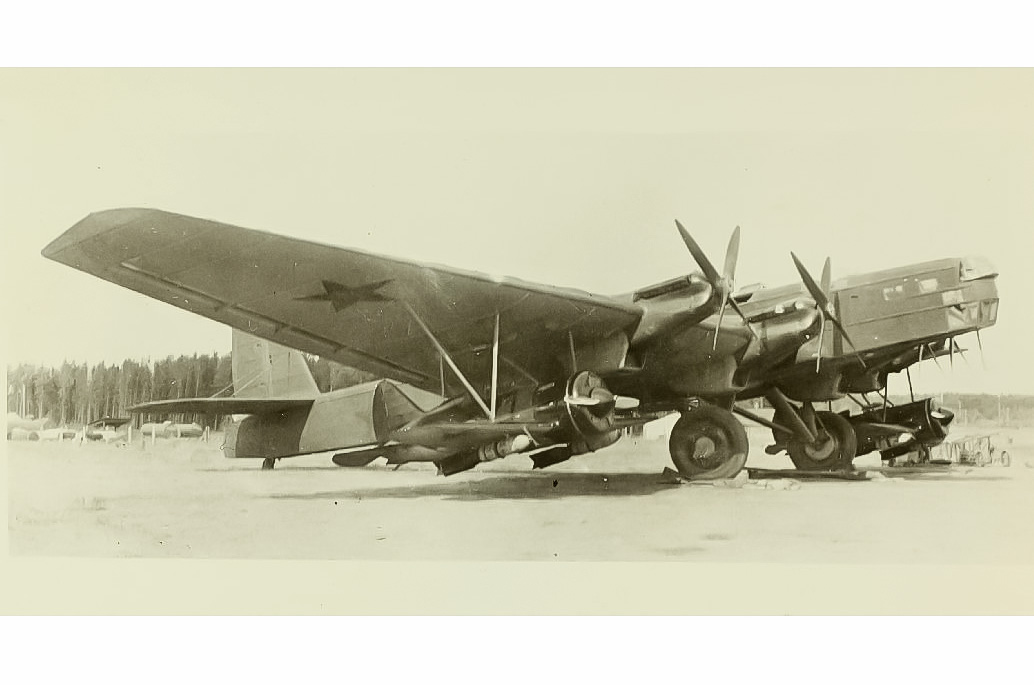
 Tupolev TB 3

When the Soviet Tupolev TB 3 first flew on 22 December 1930, it was an impressively modern design. Unlike most aircraft of the time, including all operational heavy bombers, it featured a self-supporting, or cantilever, wing. This cleaner, stronger wing reduced drag and hinted at the future of aviation design.

For a bomber first flying in 1930, the TB-3 was unusually large, modern in its cantilever monoplane configuration, and unique in being powered by four engines. Revolutionary when it first arrived, it was dangerously outdated by 1941. Vast and lumbering, with a top speed of just 132 mph (212 km/h), it was a sitting duck against German fighters.


10: Tupolev TB 3
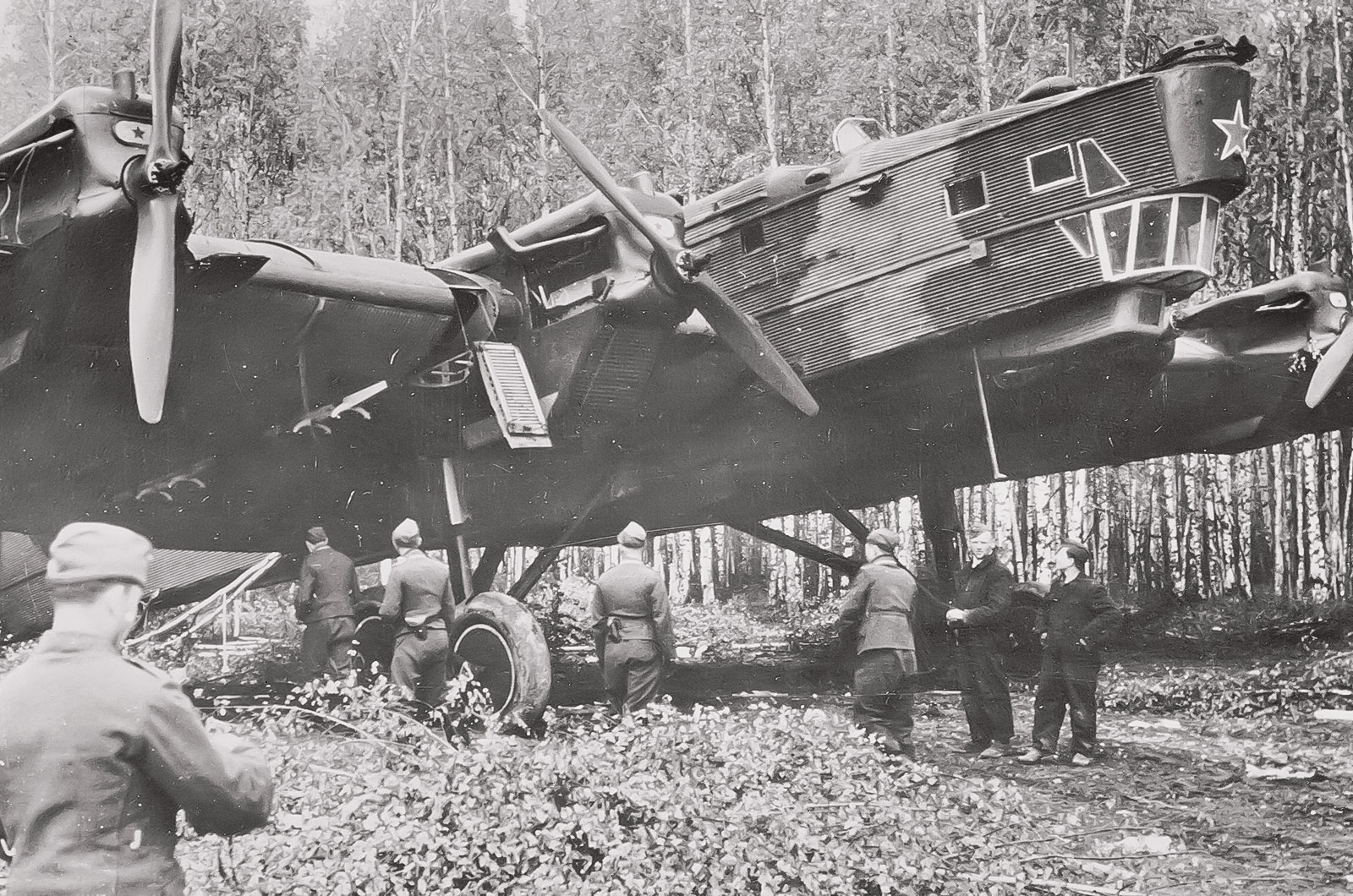
 Tupolev TB 3

Soviet sources are vague and somewhat contradictory on loss rates, but known incidents, such as a river crossing raid in June 1941 - where multiple TB-3s were lost to enemy fighters - illustrate the dangers. The shift to night missions soon after also hints at the aircraft’s vulnerability during daylight operations.

Even in creative roles—transport, paratroop carrier, or “fighter mothership”—the TB 3’s performance remained dismal. Elite crews risked life on missions it was never suited for. The aircraft had no real place in a 1940s war and was finally retired in 1945, long after first being officially withdrawn from frontline service in 1939. Around 820 TB-3s were produced.


9: Blackburn Botha
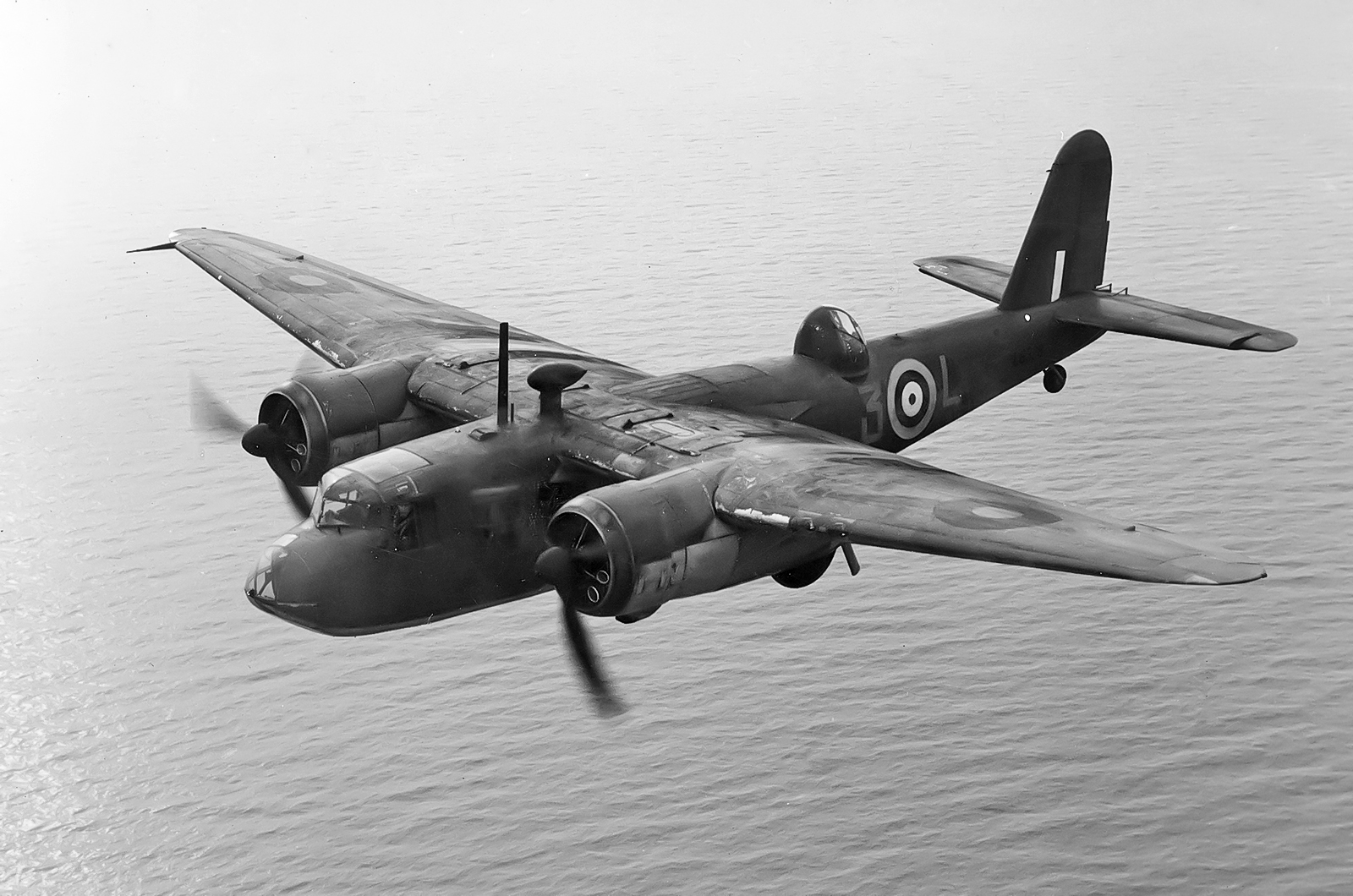
 Blackburn Botha

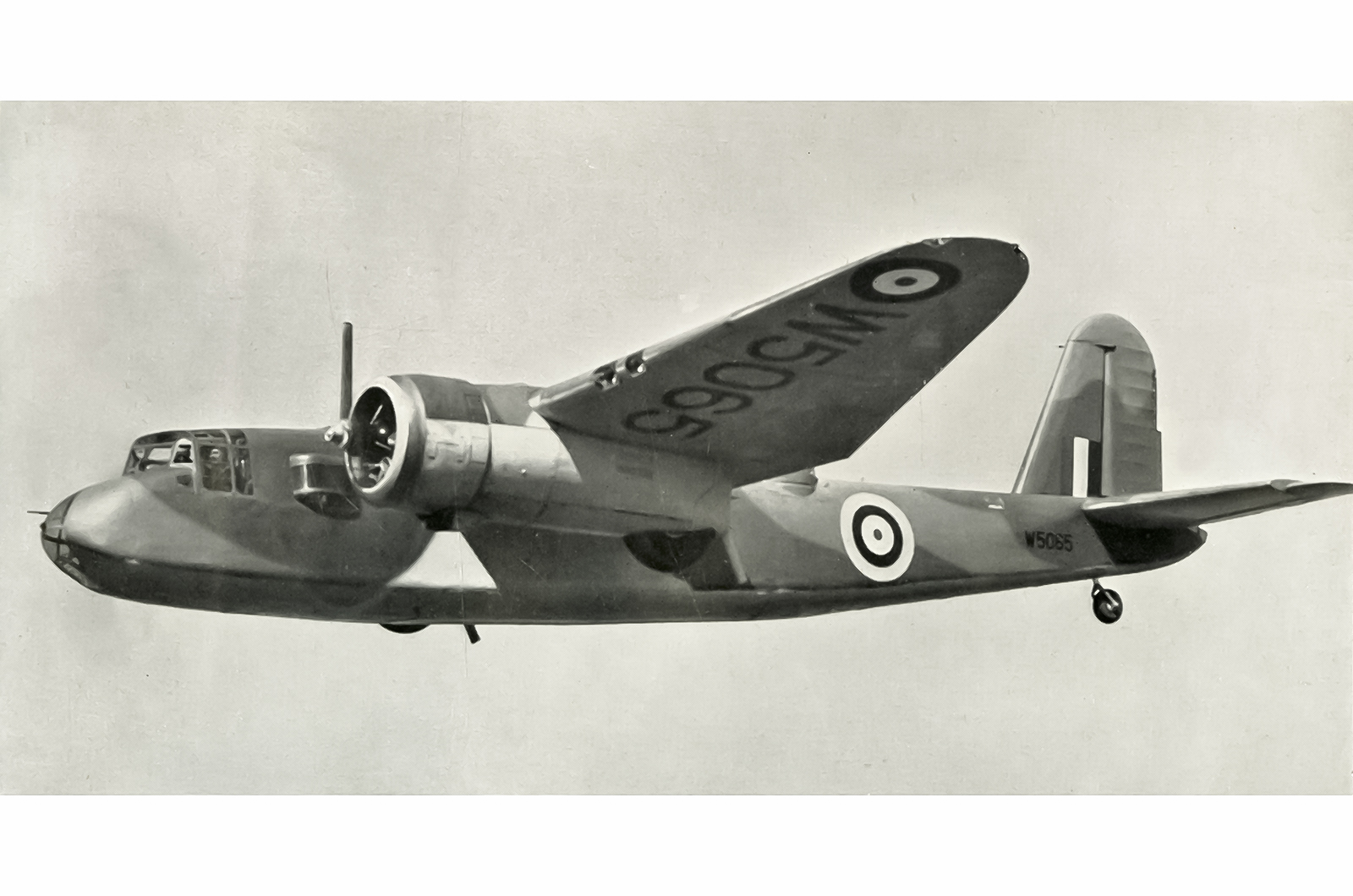
The Blackburn company is always represented in any list of terrible aircraft, and so for the dignity of Blackburn fans, let’s get this out of the way first. The Botha first flew in 1938, entering service after the war had started, two weeks before Christmas in 1939.

Though the Botha is often described as underpowered, it is interesting to compare it to the Beaufort, which is not condemned in the same way. Even with a higher power-to-weight ratio on paper, the Botha’s draggy airframe and poor aerodynamics made it slower and less capable than the Beaufort. Its poor performance meant it was never to enter service in its primary role as a torpedo bomber.


9: Blackburn Botha
 Blackburn Botha

It also suffered from poor lateral stability, and though a slew of crashes followed, this was not unusual for a new type entering service in the late 1930s. Had that been all, it would have been nothing worse than an obscure mediocrity, but Blackburn had also made it extremely difficult to see out of the aircraft in any direction except dead ahead due to the position of the engines. This was an untenable failing for an aircraft now intended for reconnaissance, and the Botha was supplanted by the Avro Anson, which it had been supposed to replace.

Passed to training units, the Botha’s vicious handling traits conspired with its (effectively) underpowered nature to produce a fantastic number of accidents, yet somehow a terrifying 580 were built, and the type soldiered on until 1944. Though in its later service it was sensibly generally pushed into second line roles.

Back to top

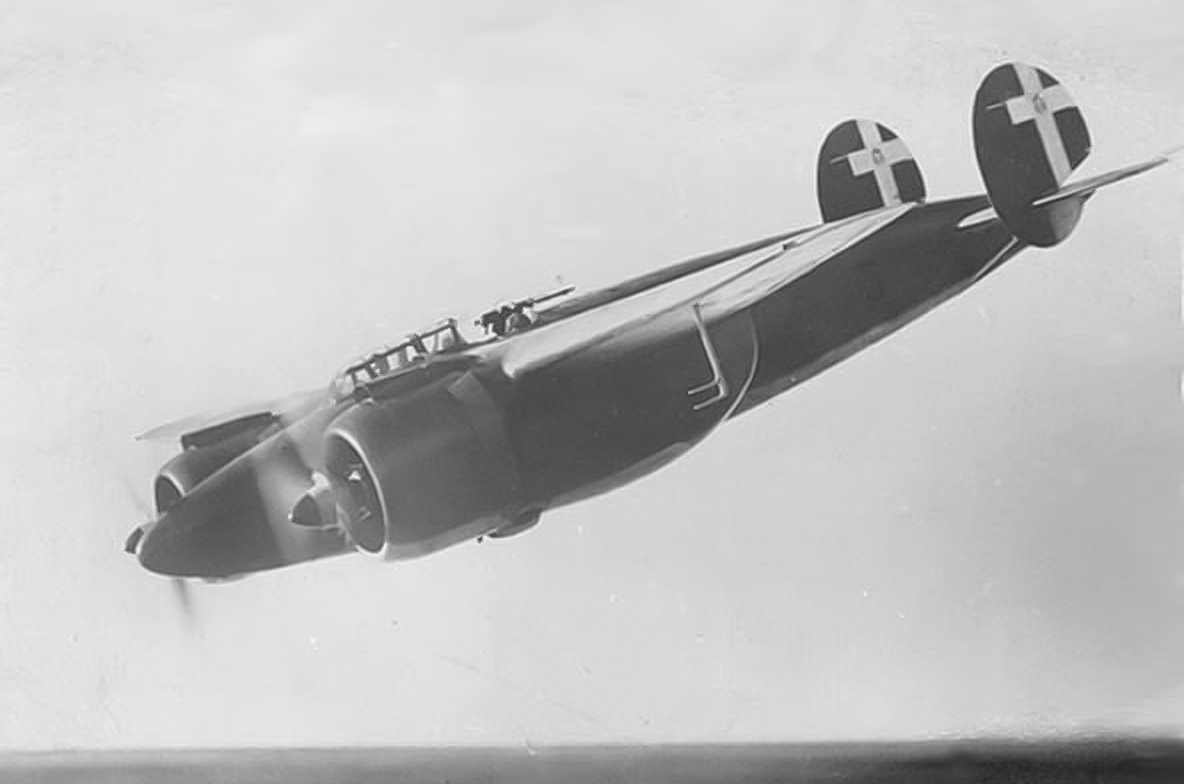
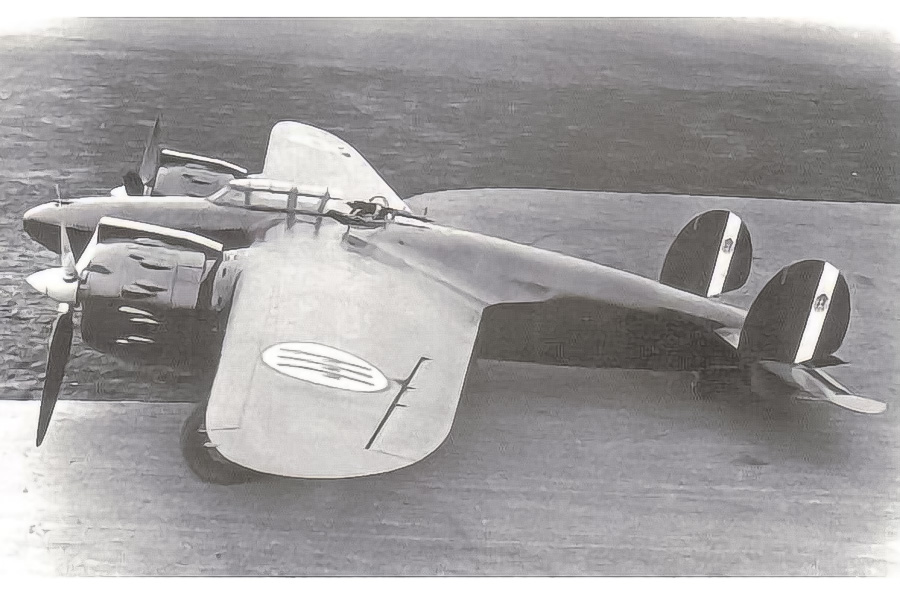
8: Breda Ba. 88 Lince

 Breda Ba. 88 Lince

The early life of the Ba.88 appeared extremely promising. Appearing in 1937, the aircraft featured many advanced features, notably a sleek low-drag design and a retractable undercarriage. It even smashed several world speed records. But once fully adapted for its ground attack role its weight grew, and flaws became apparent.

Seemingly, Italian company Breda thought Proof that the adage ‘If it looks right, it’ll fly right’ is a load of old cobblers, the Lince looked fast and purposeful, yet it was so overweight, draggy, and underpowered that it sometimes refused to fly at all.


8: Breda Ba. 88 Lince

 Breda Ba. 88 Lince

On the first day of the Italian offensive against British forces in Egypt, for example, three Bredas were deployed from Sicily: one tried unsuccessfully to take off and another was unable to turn after take-off and was therefore compelled to fly straight and level until it arrived at Sidi Rezegh airfield in Libya (which, fairly evidently, isn’t Egypt).

Later, once sand filters were fitted to the engines, the Lince could not exceed 155 mph (249 km/h) and there were occasions when entire units failed to take off. In an attempt to make the benighted craft viable, various items of equipment were left behind, including the rear machine gun, one of the crew (leaving the pilot all on his own), and half the fuel and bomb load, but this never worked and the Lince was adapted to a role it fulfilled admirably – being parked on airfields to draw enemy fire. A noble task.


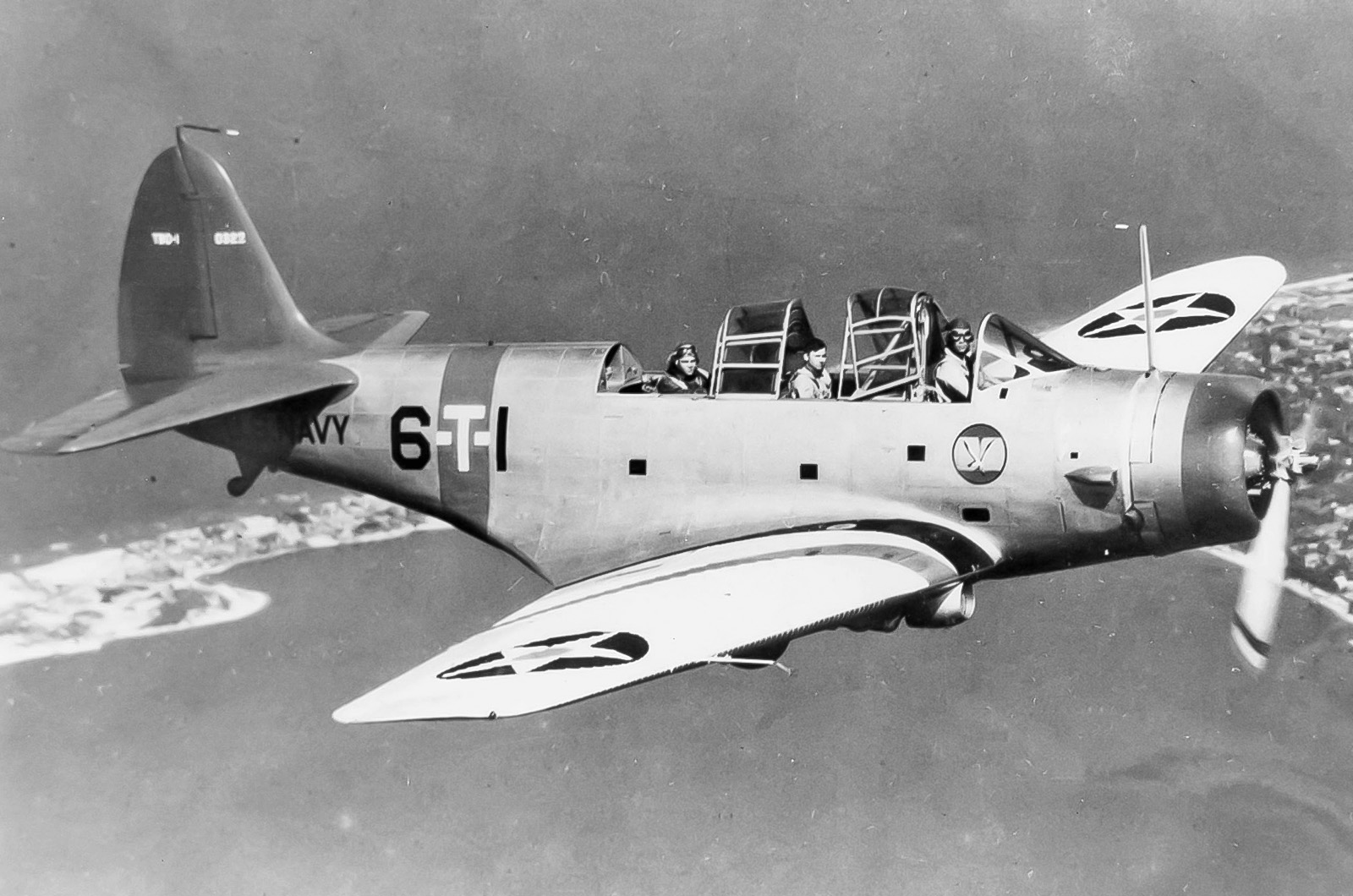
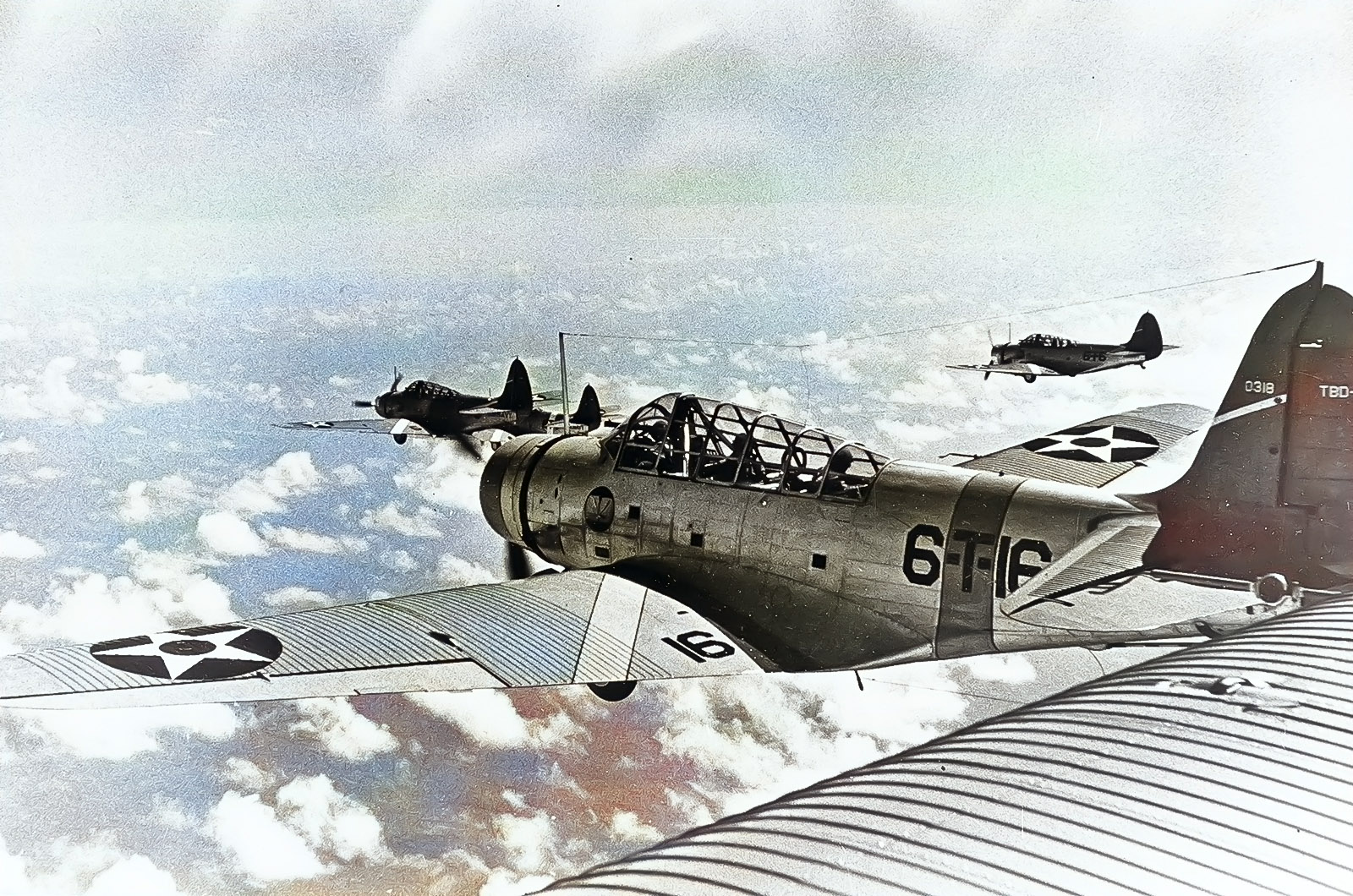
7: Douglas TBD Devastator

 Douglas TBD Devastator

Touted on its debut as the most advanced naval aircraft in the world, the Devastator was proof that manufacturer’s claims can often be taken with a Pacific-Ocean-sized grain of salt Its chronic vulnerability has become infamous. It was required to fly straight and level at a stately 115 mph (185 km/h) to deliver its torpedo, a speed that meant it could be easily intercepted by an SE5a of 1917 vintage, unfortunate for an aircraft operating 25 years later.

Furthermore, the poor old TBD had a woeful defensive armament and lacked manoeuvrability. Its problems didn’t stop there, as its main armament, the Mark 13 torpedo, was a dreadful weapon plagued with reliability issues and frequently observed to score a hit but then fail to explode.

Back to top

7: Douglas TBD Devastator

 Douglas TBD Devastator

As a weapons system, the TBD–Mk 13 torpedo combination was probably the least satisfactory of the entire air war. Instead of the torpedo, the TBD could also carry 1200 lb (540 kg) of bombs, thus extending the scope of its inadequacy into two roles.

Dick Best, who flew a Douglas SBD dive-bomber at the Battle of Midway, remembered the Devastator as a ‘nice-flying aeroplane’, but, like the Fairey Battle, it was committed to combat in a world that had overtaken it. Only 130 were ever built, a small numbers for a US aircraft of this vintage, and, coincidentally, only six fewer than the equally dismal Blackburn Roc. A match made in mediocre-naval-aviation heaven.


6: Fairey Battle

 Fairey Battle

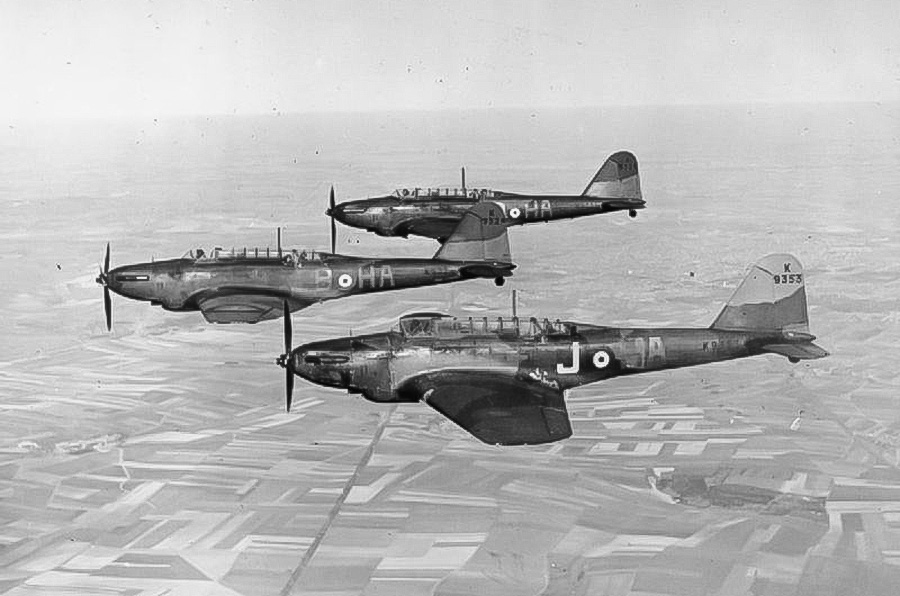
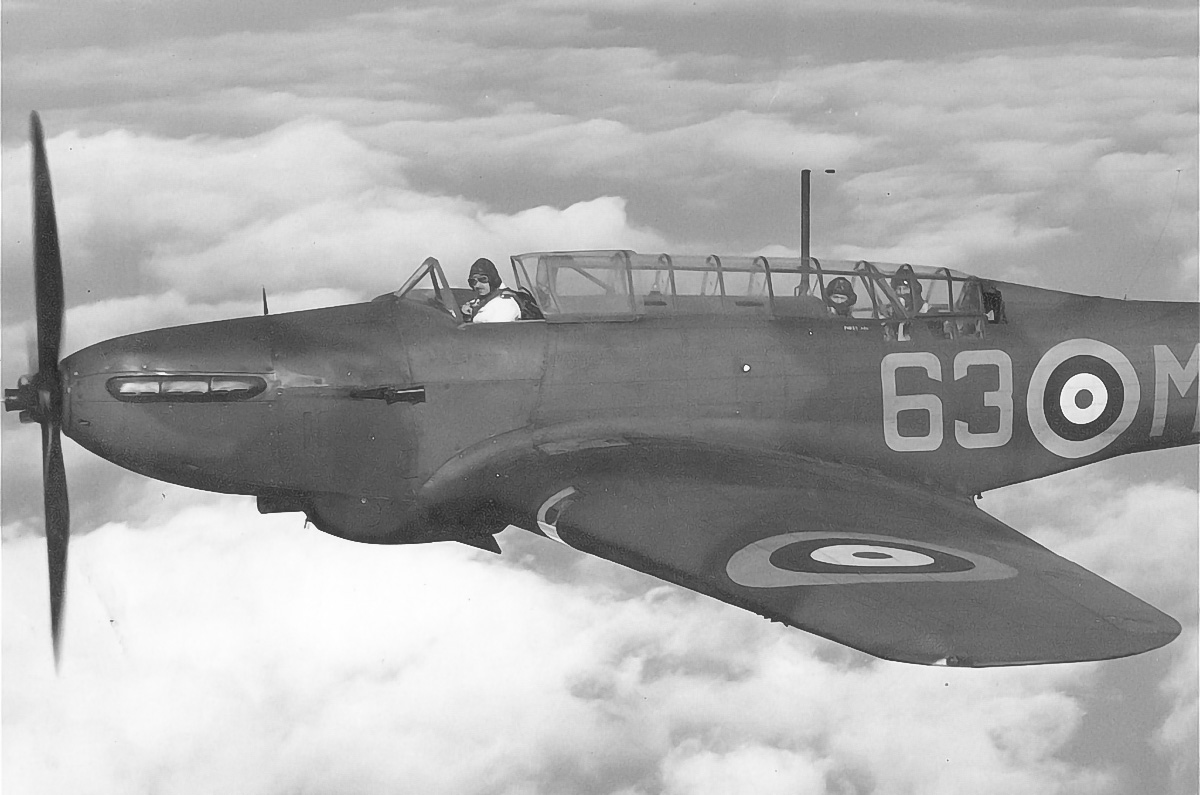
Despite being the first RAF aircraft to shoot down an enemy aircraft in the Second World War, and the first aircraft to be fitted with the superlative Merlin engine, the Battle was woeful. Every fighting power of the Second World War seemingly pulled out all the stops to produce dreadful light and medium bombers, apparently designed solely for killing aircrew, but the Battle lowered the bar of uselessness to an unassailable depth.

Its shortcomings had been recognised before the war, but the Battle had one overriding trump card: it was cheap. In late thirties Britain, it was decided that having lots of second-rate bombers was better than having none at all, especially when announcing production totals to a hostile parliament and press.


6: Fairey Battle

 Fairey Battle

The Battle was unable to survive against any modern fighter aircraft and loss rates during 1940 regularly exceeded 50% and reached 100% on at least two occasions. It does not require a degree in mathematics to realise that losses at these levels are unsustainable.

It was a kind of anti-Mosquito, being too slow to evade enemy fighters yet too poorly armed to defend itself, too small to carry a decent bomb load yet too large for a single-engined aircraft and lumbered with an extra crewman to no real purpose.

Back to top

5: Brewster SB2A Buccaneer

 Brewster SB2A Buccaneer

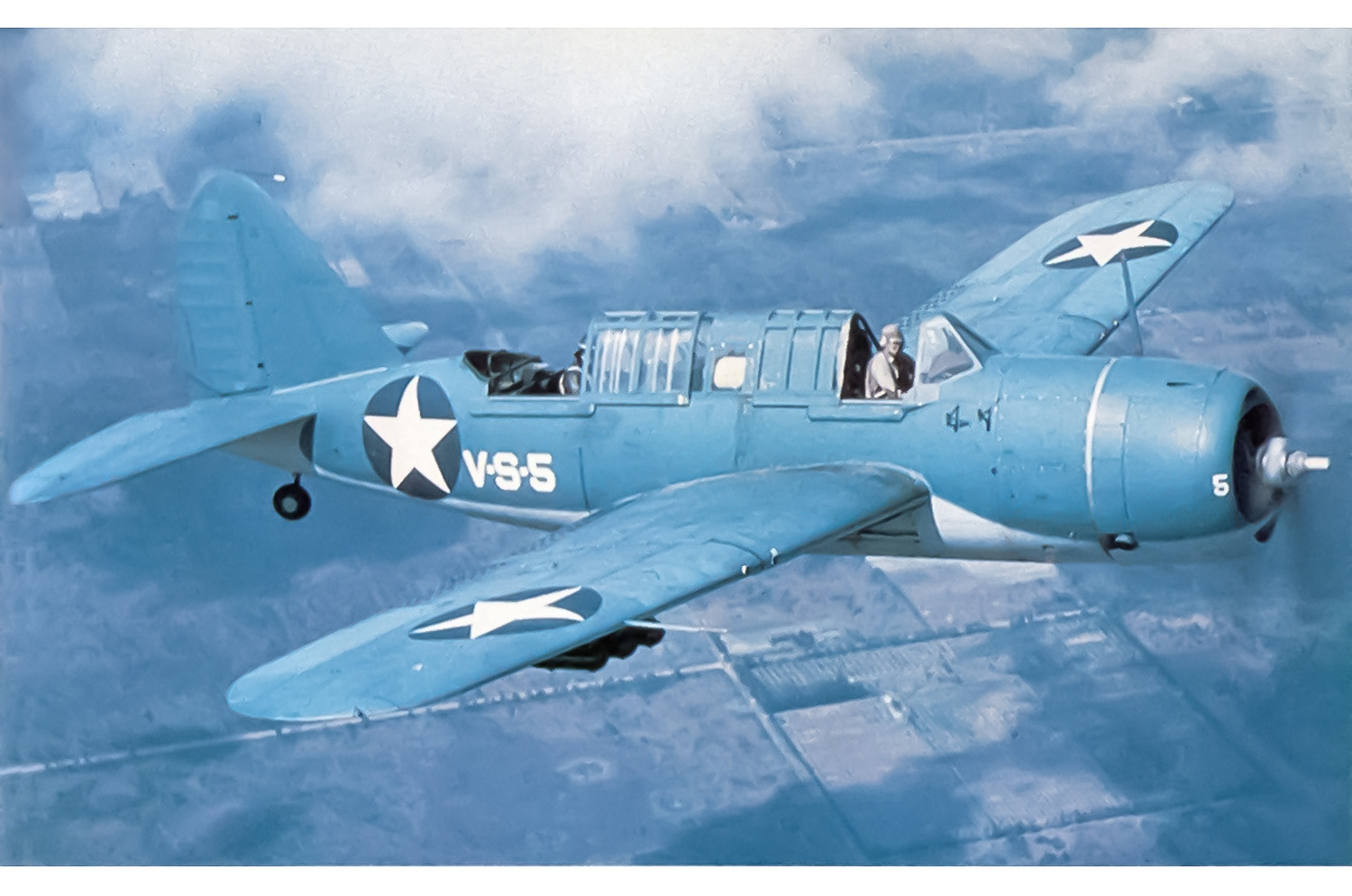
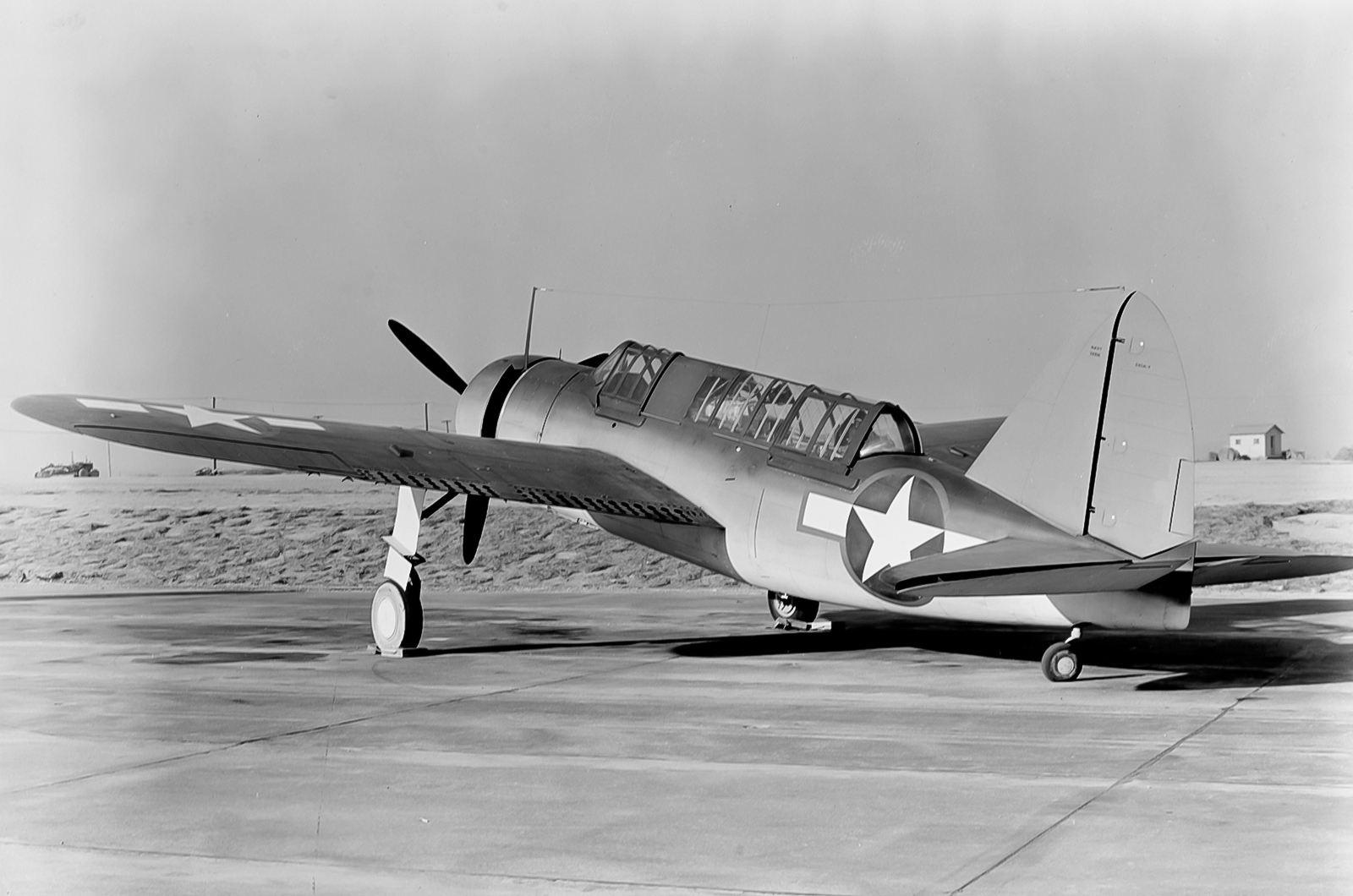
Brewster’s design promised a capable scout-bomber, but spiralled into an overweight, over-complicated liability. Every design tweak added mass without adding merit. The aircraft emerged bloated, its performance crippled before it left the drawing board. As we shall see, it achieved a rare ignoble distinction for a combat aircraft created when nations were at their hungriest for aircraft.

Pilots reported dismal handling: the Buccaneer wallowed through turns, responded sluggishly to control inputs, and struggled to maintain energy. Survival in combat often depended on agility and climb performance; pilots found aircraft felt dangerously ‘lazy’. It was a bomber that could neither escape nor effectively attack — a terrible combination.


5: Brewster SB2A Buccaneer

 Brewster SB2A Buccaneer

Brewster’s factory suffered chronic dysfunction, with poor oversight and inconsistent workmanship. Parts failed tolerances, assemblies arrived misaligned, and aircraft emerged requiring immediate rectification. Many Buccaneers were judged unfit even for basic service, an indictment not only of design but of the company’s collapsing industrial discipline.

Air forces that received the type consigned it to training, target-towing, or storage. Crews distrusted it; commanders dismissed it. By war’s end, the Buccaneer had achieved notoriety as a machine so flawed that it never reached combat — a rare and ignominious distinction.


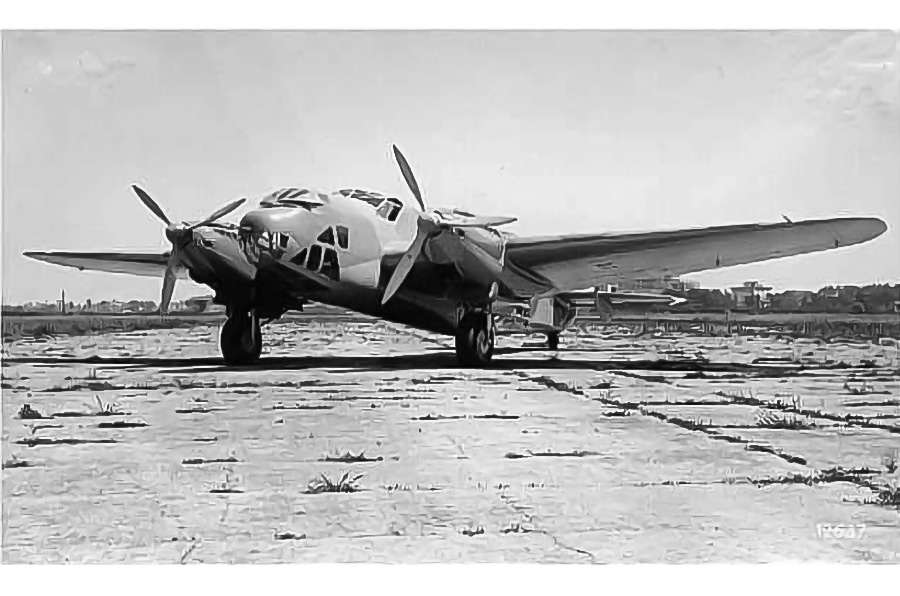
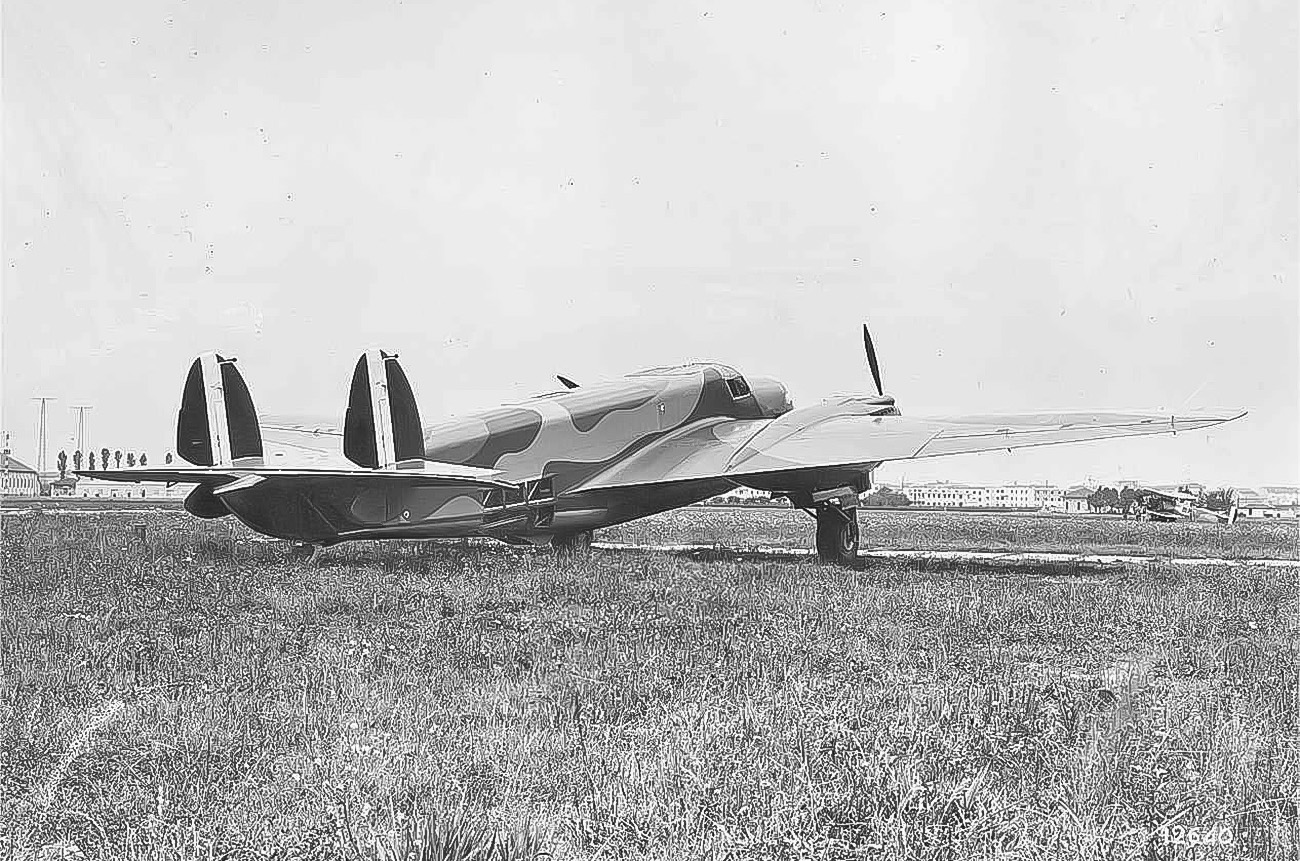
4: Caproni Ca.135

 Caproni Ca.135

The curse of Italian combat aircraft in the second world war, many of which were excellent designs, was an absence of indigenous high-power engines. But the Ca.135 was not an excellent design, and even without the engine limitations, it would have been a turkey.

On paper, it had a similar power-to-weight ratio to the successful He-111, but in reality, the Piaggio P.XI suffered from reliability issues and altitude performance drops. So “effective” power in combat could be much lower than theoretical. In practice, poor engine reliability, high wing loading, and poor aerodynamics made it feel underpowered, especially for take-off, climb, and fully loaded combat missions in hot climates.

Back to top

4: Caproni Ca.135

 Caproni Ca.135

It also had an alarming tendency to yaw to the right on take-off, poor lateral stability, and suffered an excessive number of oil and hydraulic leaks. Its combat debut in the Second Italo-Ethiopian War highlighted its difficulty taking off with a full bomb load and its poor high-altitude performance. It was later cut to pieces by British Hurricanes and Gladiators in the early part of the Second World War.

The Caproni Ca.135 proved disastrously ineffective in combat. Sluggish, underpowered, and burdened by high wing loading, it struggled with poor climb and speed, making it easy prey for enemy fighters. Fragile airframes, unreliable engines, and weak defensive armament further undermined its utility. Quickly outclassed by contemporaries, it failed wherever it went, earning a deservedly terrible reputation.


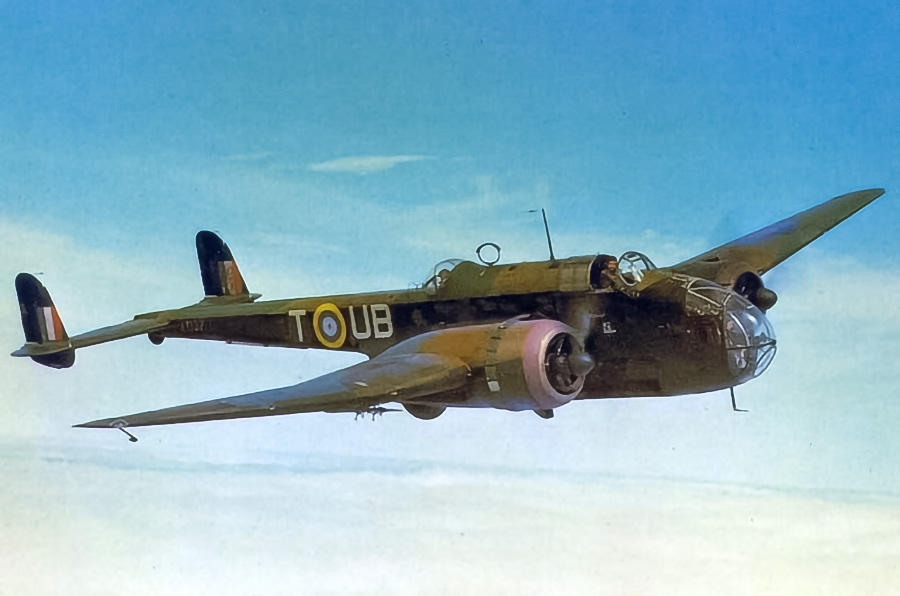
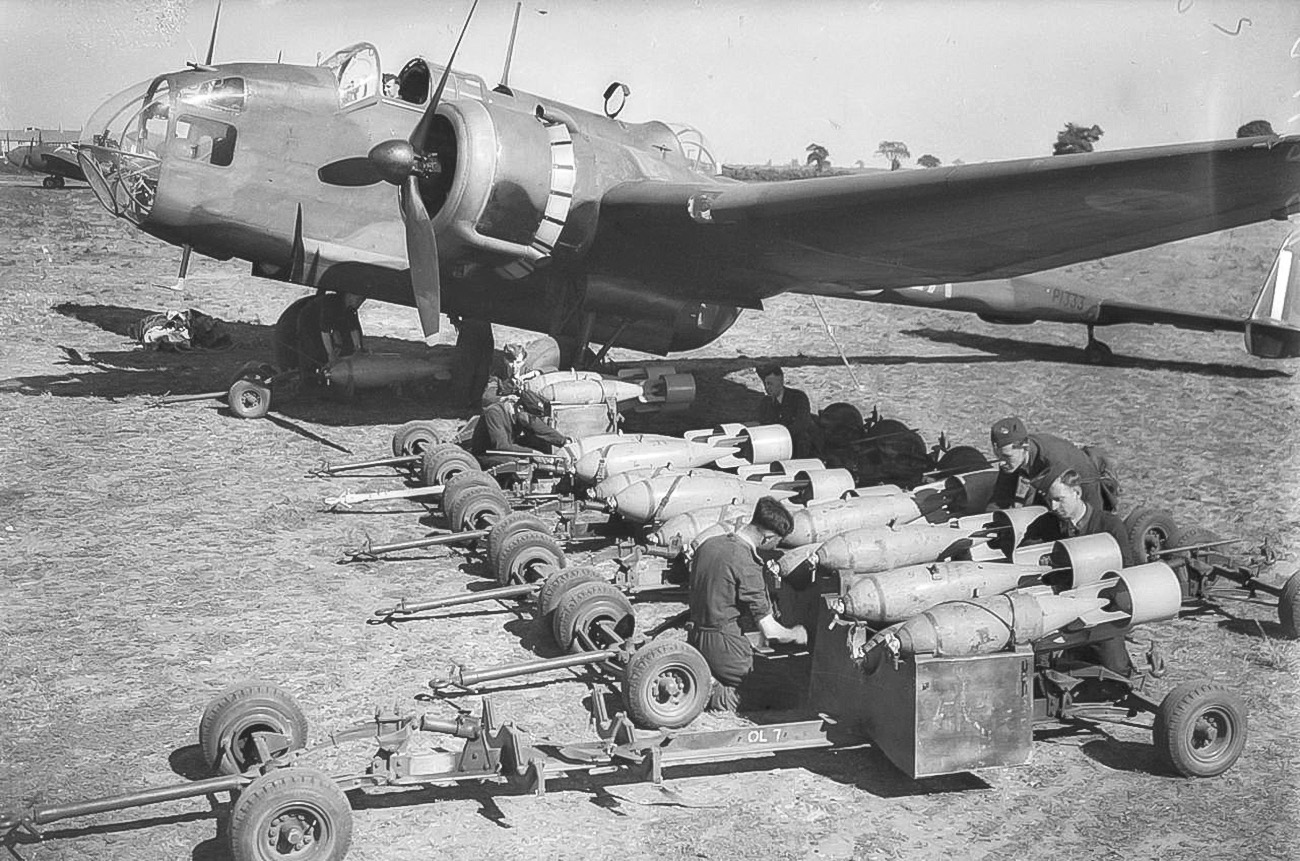
3: Handley Page Hampden

 Handley Page Hampden

Of the British twin-engine medium bombers early in the war—the Vickers Wellington, Armstrong Whitworth Whitley, and Handley Page Hampden—the latter was the fastest. At 265 mph (426 km/h), it had a clear margin over the Whitley (230 mph/370 km/h) and a moderate one over the Wellington (250 mph/402 km/h, fastest variant).

Aerodynamically, it was very advanced when it was designed, but speed was all it had going for it, and even that soon proved insufficient. It had the shortest range, smallest bomb load, and weakest defensive armament of the three. Its ability to withstand enemy fire was also the poorest—a very grave matter indeed.


3: Handley Page Hampden

 Handley Page Hampden

The Hampden proved disastrously fragile. In Norway, 8 of 12 aircraft deployed on one mission were lost; early German raids suffered 20–58% losses, and Channel Dash attacks lost around 50%. Light guns, minimal armour, cramped cockpits, hard to escape from, and vulnerability to fighters and flak made it exposed and fatally underarmed.

Its high early-war loss rates were a direct consequence of its fragile structure, poor defensive armament, and cramped crew conditions. By 1942, it had been largely relegated to maritime patrol and training roles, as heavier, more survivable bombers like the Wellington and later Lancasters took over frontline duties.

Back to top


2: Avro Manchester

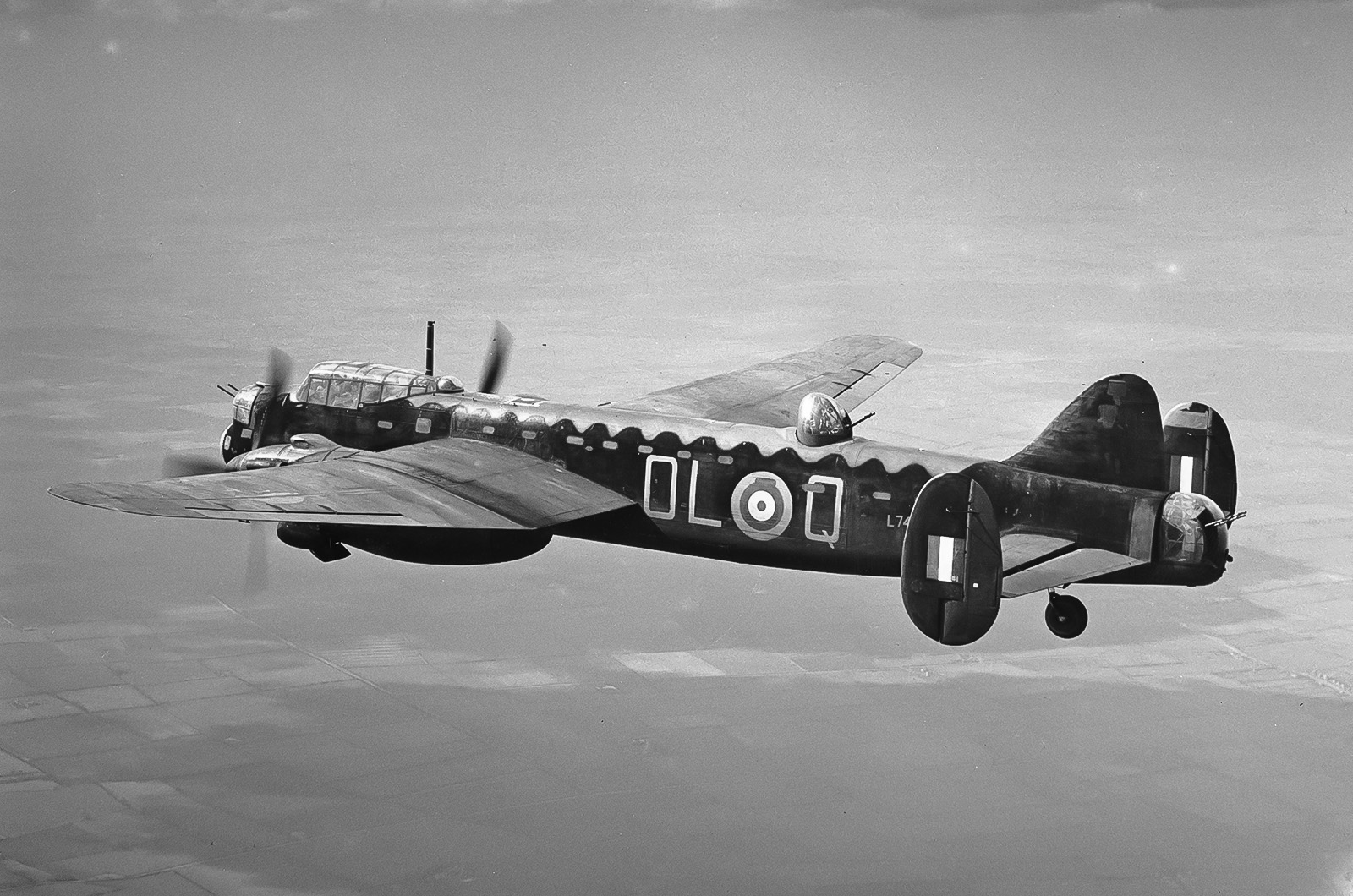
56  Avro Manchester

Of the 193 Avro Manchesters that saw service, 123 were lost. It was with good reason that assignment to the Manchester was viewed by many in Bomber Command as a death sentence; its reputation for danger was well earned.

Mournfully underpowered by two unreliable Vulture engines, loss of power in one engine — an all too common occurrence — was often disastrous. Up to February 1942, the average number of serviceable Manchesters at any one time never exceeded 31. When not grounded or catching fire in flight, hydraulic fluid occasionally sprayed into the cockpit.


2: Avro Manchester

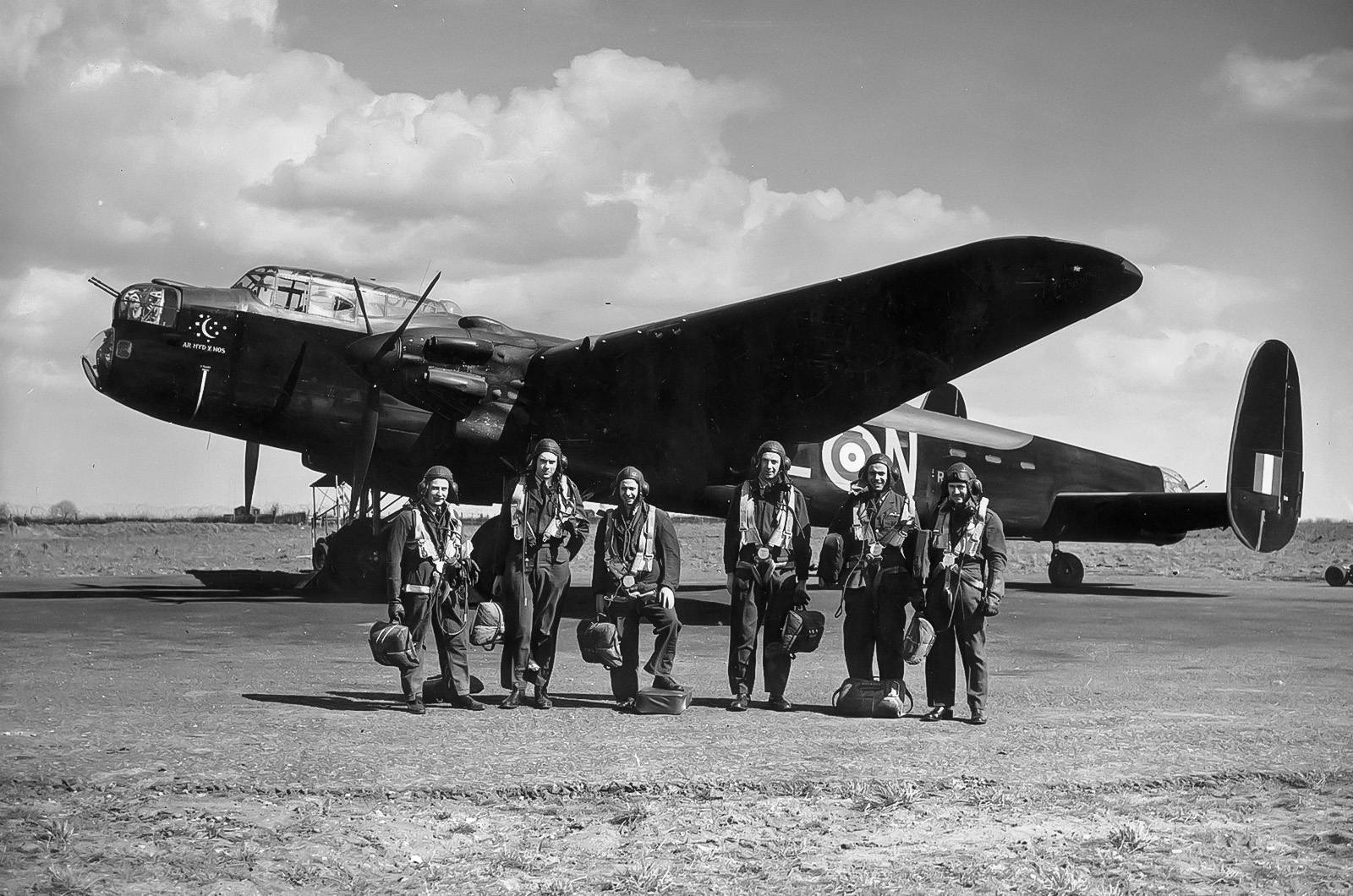
 Avro Manchester

Even without engine or other system failures, the unlucky aircrew endured extreme cold, as there were initially no heating systems. The heated clothing intended to remedy this proved hazardous. Introduced in November 1940, the Manchester was sensibly retired in 1942 after a brief and troubled service life.

Replacing the two troublesome Vultures with four Merlin engines revealed the true potential of the airframe, prompting a new designation: Lancaster. This transformation showed the design’s promise, establishing the Lancaster as one of the most effective bombers of the Second World War, a far cry from its ill-fated predecessor.


1: Heinkel He 177 Greif

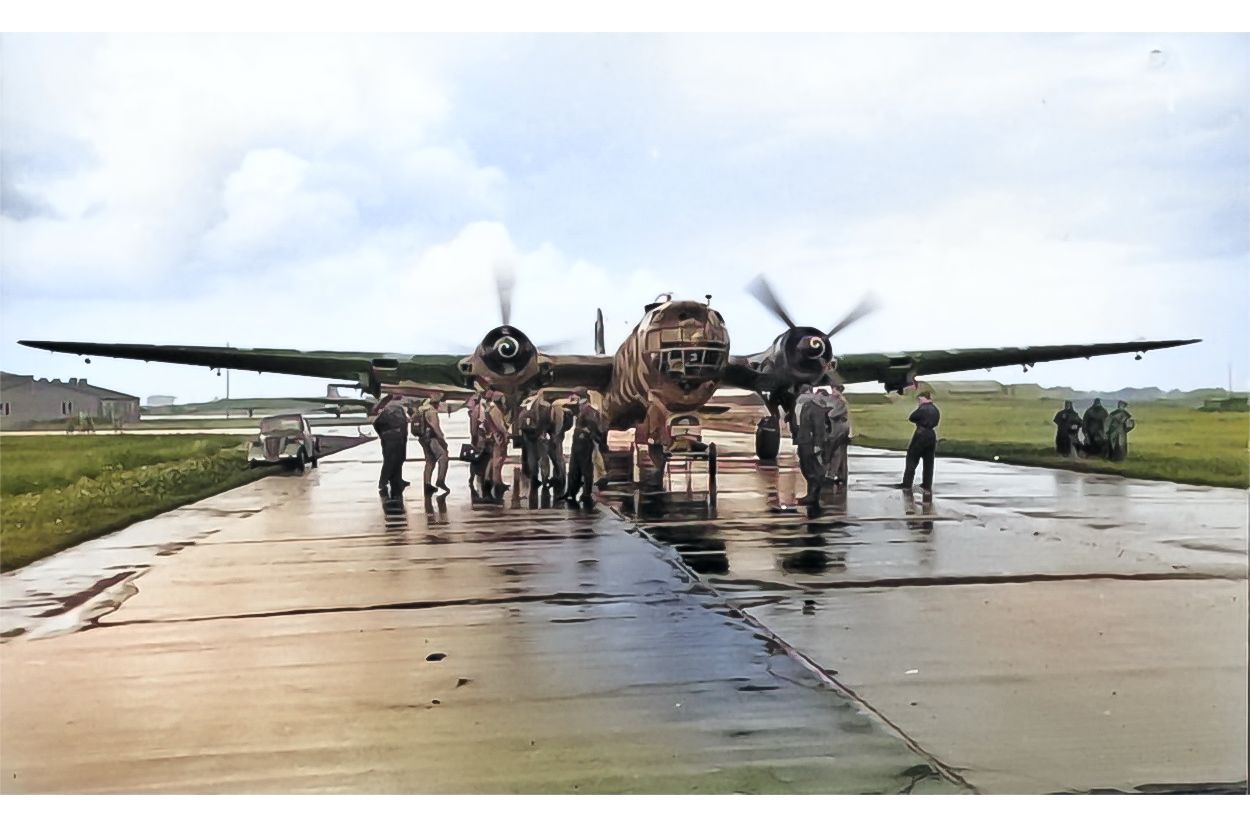
 Heinkel He 177 Greif

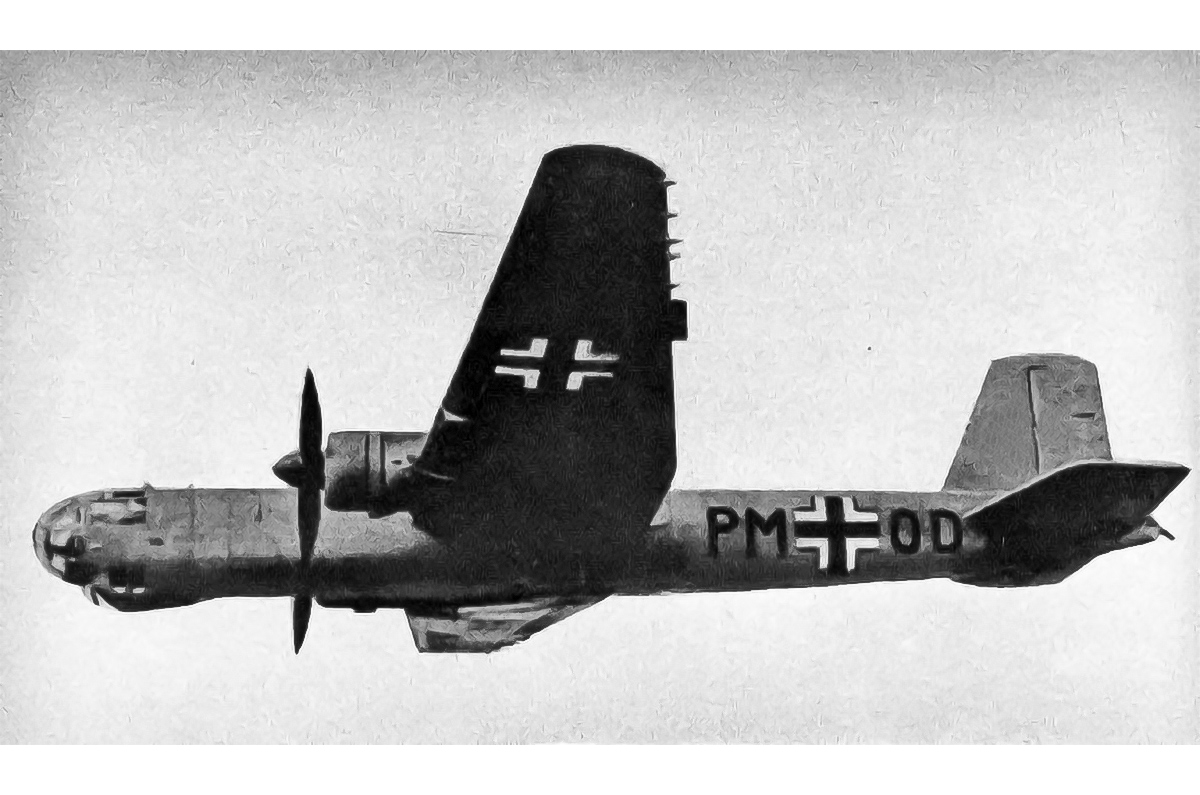
It has been (semi-factiously) suggested that the He 177 was a war winning weapon, but not for the side it was on. Thankfully for the free world, Germany never managed to get a truly effective large heavy bomber force together in the Second World War. However, they did manage to make a staggeringly huge total of 1169 of the abysmal He 177. It had many issues, but number one was the two engines coupled into a complex, cramped pod on each wing, which tended to catch fire.

In an effort to fulfil their obsessive desire to reduce drag, Heinkel decided to use cutting-edge technology to provide the aircraft’s defensive weaponry in three remotely controlled turrets. These offered other advantages such as reducing the vulnerability of the gunners and providing them with the best possible view.

Back to top

1: Heinkel He 177 Greif

 Heinkel He 177 Greif

Unfortunately for the He 177 effort, the development of the remote turrets lagged behind the airframe, and the aircraft had to be redesigned to allow the manned gun position to be fitted; this required strengthening the aircraft in the affected areas and increased weight gain.

The first production aircraft had an improperly designed wing and would begin to fail after only 20 flights (provided the engines hadn’t caught fire by then); extensive redesign and strengthening was undertaken, further increasing weight. Unreliable and prone to catastrophic fires, the infamous Heinkel He 177 also consumed massive amounts of valuable resources at a time when they were most needed for better aircraft.

Follow Joe Coles on Substack, Twitter X  or Blue Sky. His superb Hush-Kit Book of Warplanes is available here.

If you enjoyed this story, please click the Follow button above to see more like it from Autocar

Photo Licence: https://creativecommons.org/licenses/by/4.0/deed.en


Join our WhatsApp community and be the first to read about the latest news and reviews wowing the car world. Our community is the best, easiest and most direct place to tap into the minds of Autocar, and if you join you’ll also be treated to unique WhatsApp content. You can leave at any time after joining - check our full privacy policy here.

Add a comment…