


Too capable to simply fly away into the sunset, we look at the brilliant aircraft that decided that age is just a number and soldiered on far longer than anyone expected.
In the First World War, a particular aircraft model might expect an active life of a few months. An aircraft type made for the next war may have even enjoyed a life of ten years. By the 1950s, aeroplane models were making maiden flights that remain in active service today… Here are 10 aircraft that refused to quit:
10. de Havilland Mosquito (1940)
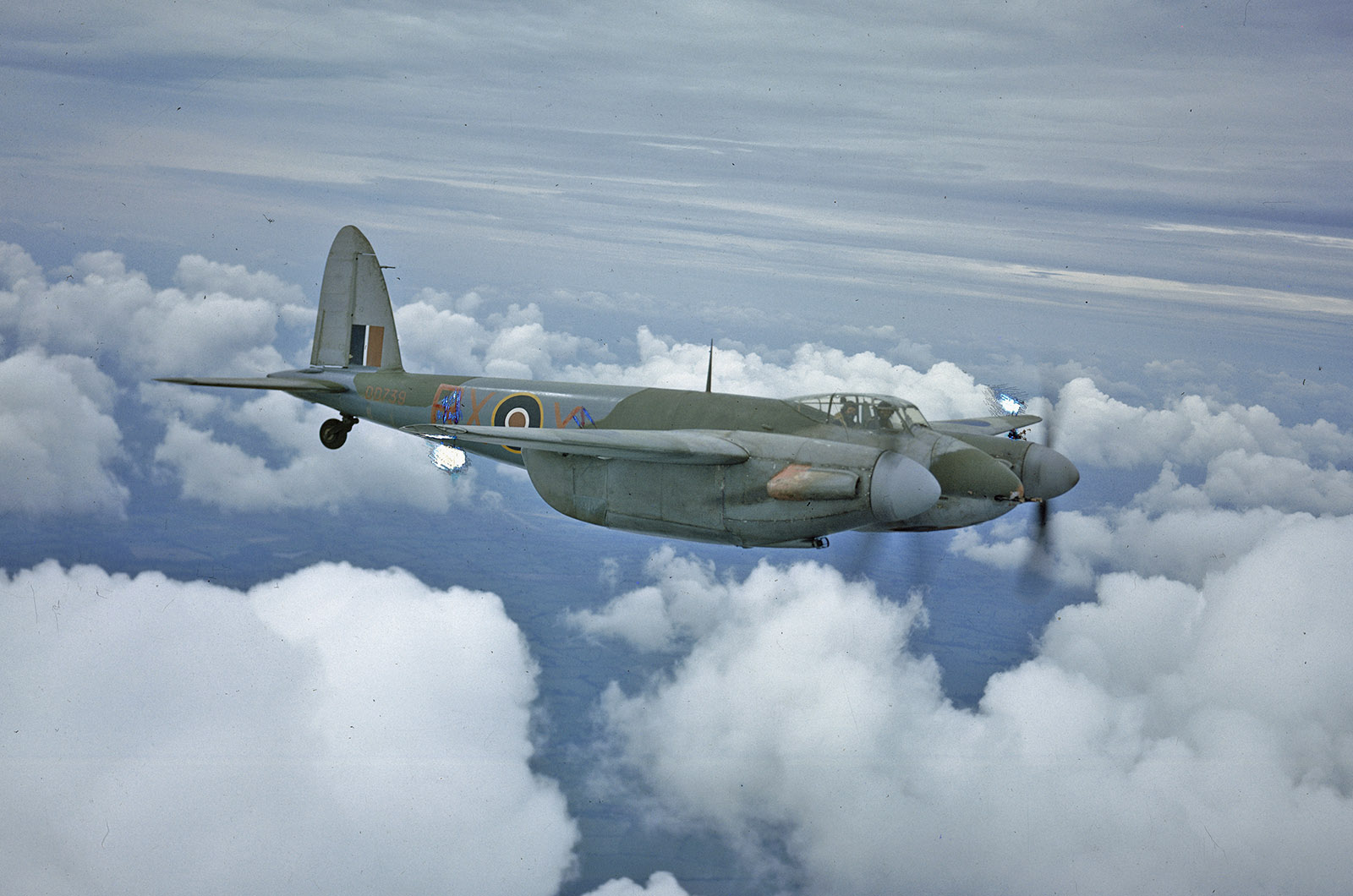
The de Havilland Mosquito was a fast British multi-role combat aircraft that flew in 1940. Powered by two Rolls-Royce Merlin engines and with a lightweight construction that made extensive use of wood, the Mosquito used its speed and ferocious firepower to significant effect.
The de Havilland Mosquito is famous for its success as a fighter bomber and reconnaissance aircraft with the RAF and the Allies in the second world war, but its story did not stop there. The 'Wooden Wonder' saw its last combat in Israeli hands. Despite the punishing effects of the Middle Eastern climate on its wooden airframe, the Israeli Air Force was an enthusiastic Mosquito operator.
10: de Havilland Mosquito
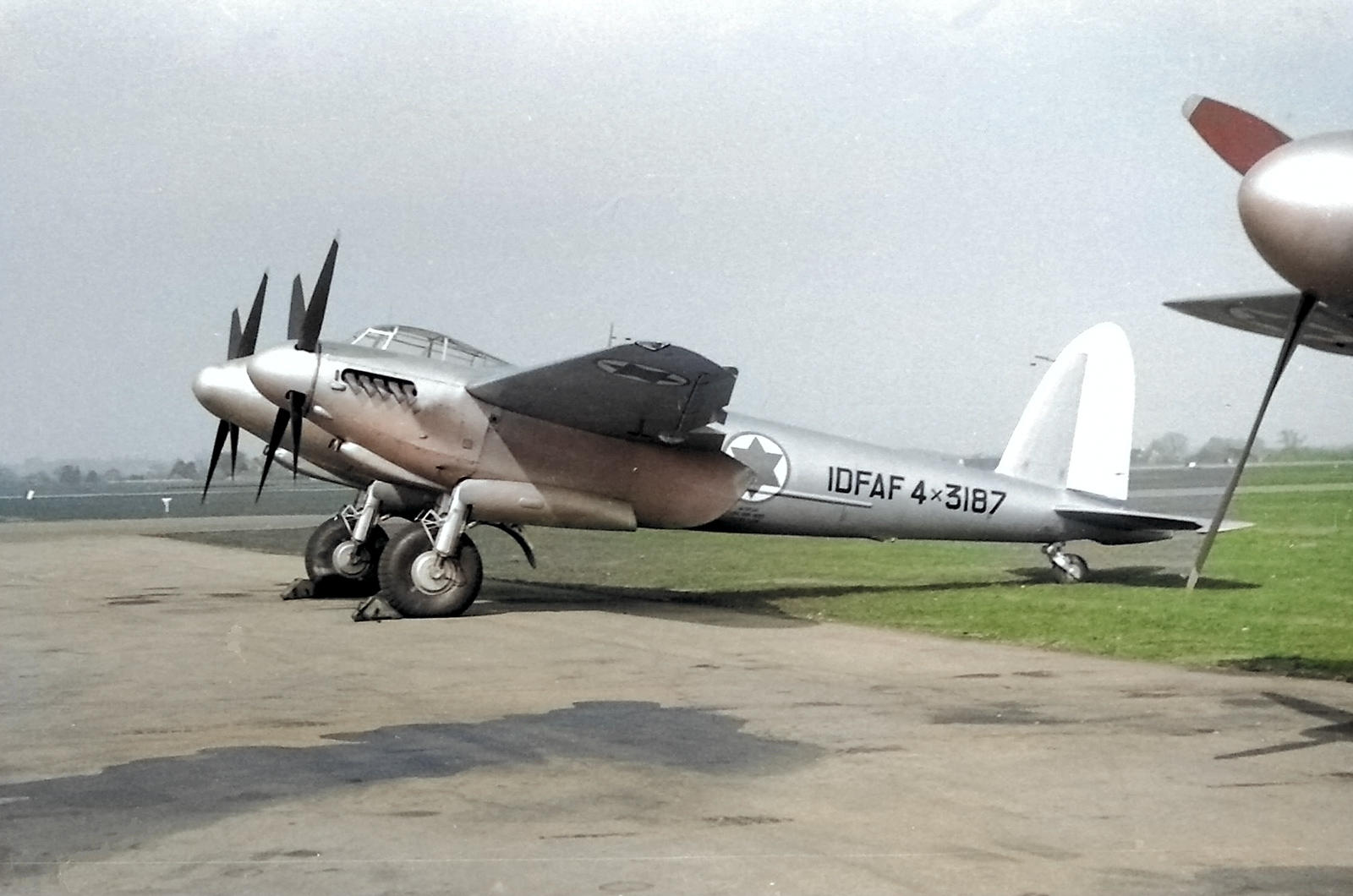
Its unrivalled performance made it virtually immune from air attack, and Mosquitoes were heavily employed in the reconnaissance role until the end of 1956. Even after Arab air forces introduced the MiG-15 jet fighter, Israeli Mosquitoes flew deep into their neighbour's territory, and not one was ever lost to enemy action during these missions.
The final combat use of the Mosquito came in November 1956 when, as part of Operation Kadesh, the Israeli contribution to the Suez action, 110 squadron Mosquito FB.VIs attacked Egyptian armour and encampments in the Sinai in force repeatedly over four days. 110 squadron was disbanded less than two months later, and the Mosquitoes were sent to storage.
9: Republic P-47 Thunderbolt (1941)
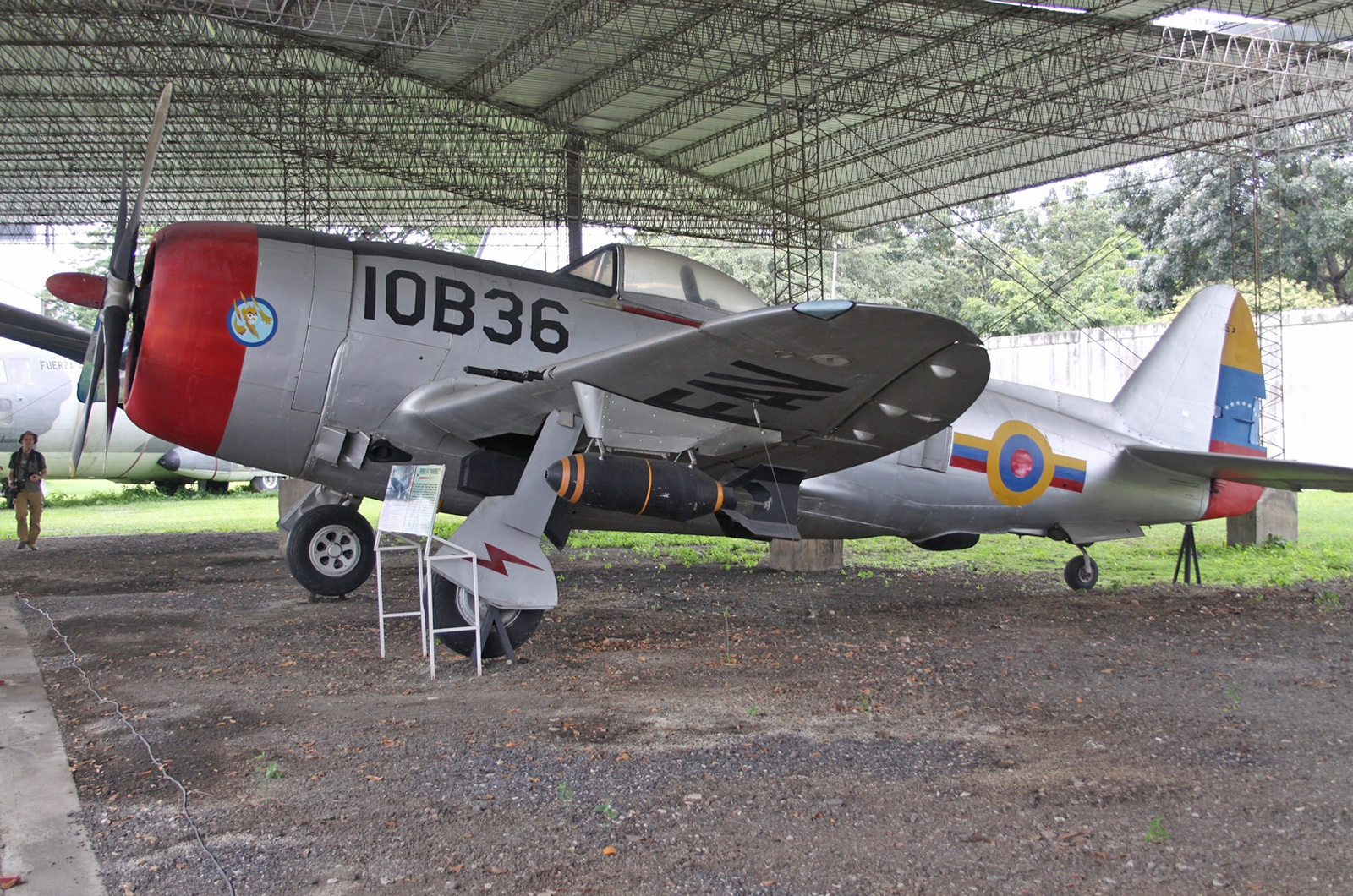
The Republic P-47 Thunderbolt was a large fighter powered by a radial engine. Fast, long-ranged and tremendously tough, it was the primary United States Army Air Force fighter bomber of the war. Despite being complex and expensive to operate, the P-47 was rugged, potent and reliable. Over 15,636 were made.
As such, ample numbers were available for both initial export and later surplus distribution. A swathe of nations, particularly in Central and South America, eagerly snapped up the Thunderbolt. P-47s served with Bolivia, Brazil, Chile, China, Colombia, Cuba, Dominican Republic, Ecuador, France, Iran, Italy, Mexico, Nicaragua, Peru, Portugal, Soviet Union, Turkey, the UK, Venezuela (pictured), and Yugoslavia.
9: Republic P-47 Thunderbolt
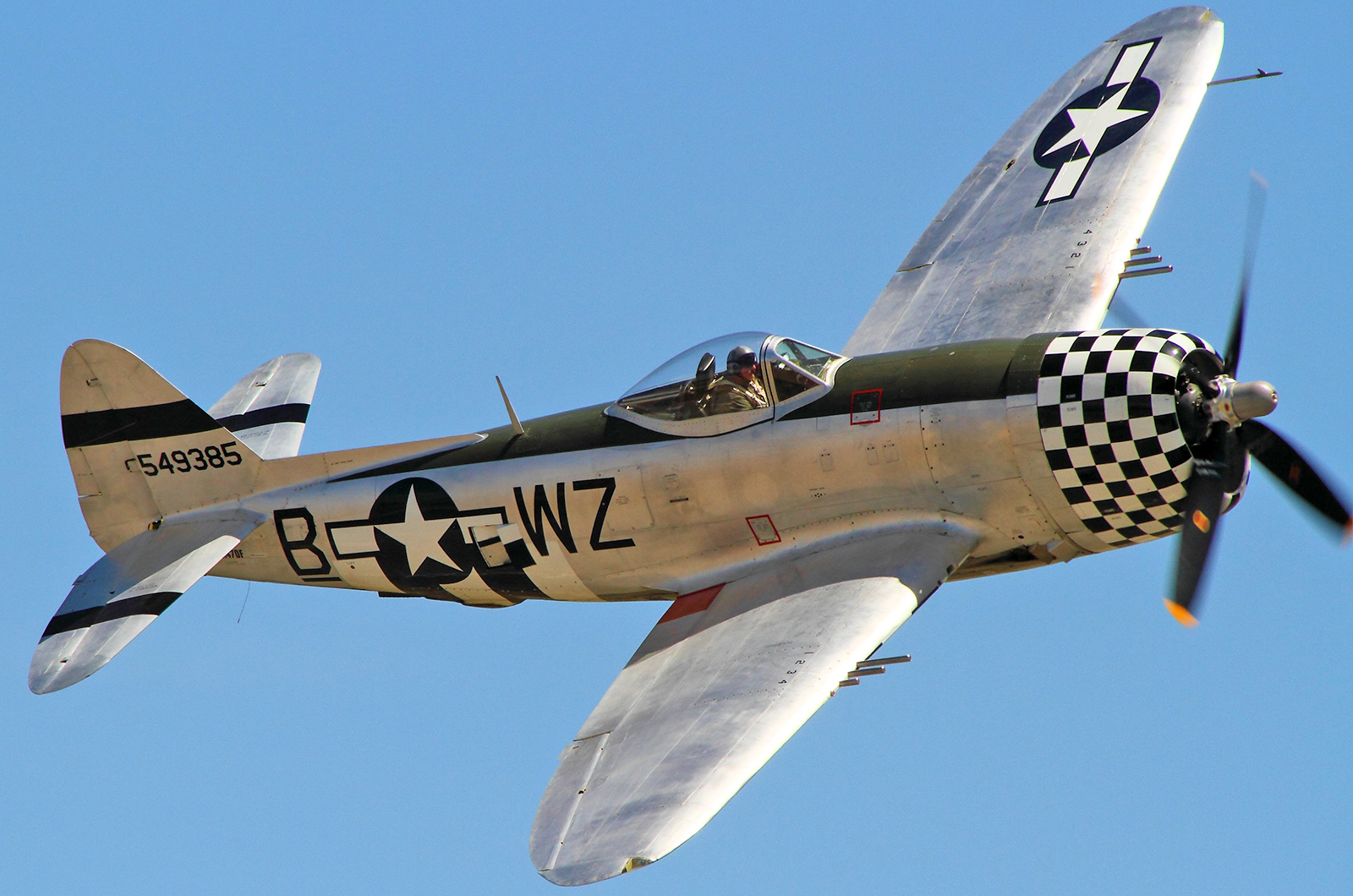
Nicaragua was a major user of the type and loaned a handful to the CIA-backed Guatemalan insurgent Air Force in 1954, who used the Thunderbolts in the early stages of a successful coup to oust the elected government and install Carlos Castillo Armas.
The final aerial combat for the mighty 'Jug' came in January 1955. During a border dispute, Gerald Delarm Amador (who had earlier flown in the same aircraft in the Guatemalan coup) shot down a Costa Rican Mustang in a Nicaraguan F-47N. This aircraft survives in the collection of the Commemorative Air Force in the US. The last user of the Thunderbolt, though, was Peru; the last operational Peruvian Thunderbolts were withdrawn in 1966.




Add your comment