
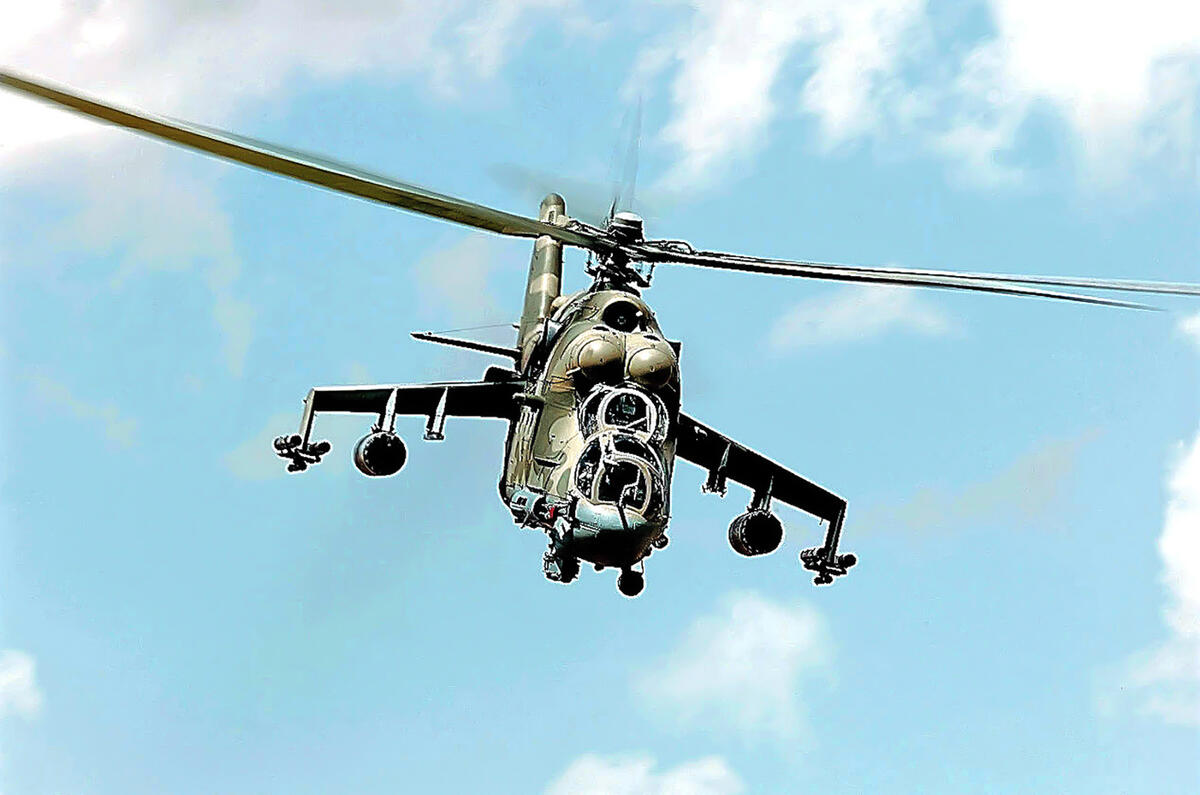

The quickest way to escape a life you’re not enjoying in a particular regime is by aeroplane.
Aerial defectors risked life and limb and gave up friends and family for a new chance. Sometimes, the defections were ideological, sometimes for safety, and some even had financial incentives.
For example, the USA offered generous cash rewards and amnesty to anyone who’d bring them an example of the much-feared MiG-15, going as far as leaflet-dropping to advertise the deal. Here are ten of the aircraft that took part in these daredevil defections.
10: Ilyushin Il-28 ‘Beagle’
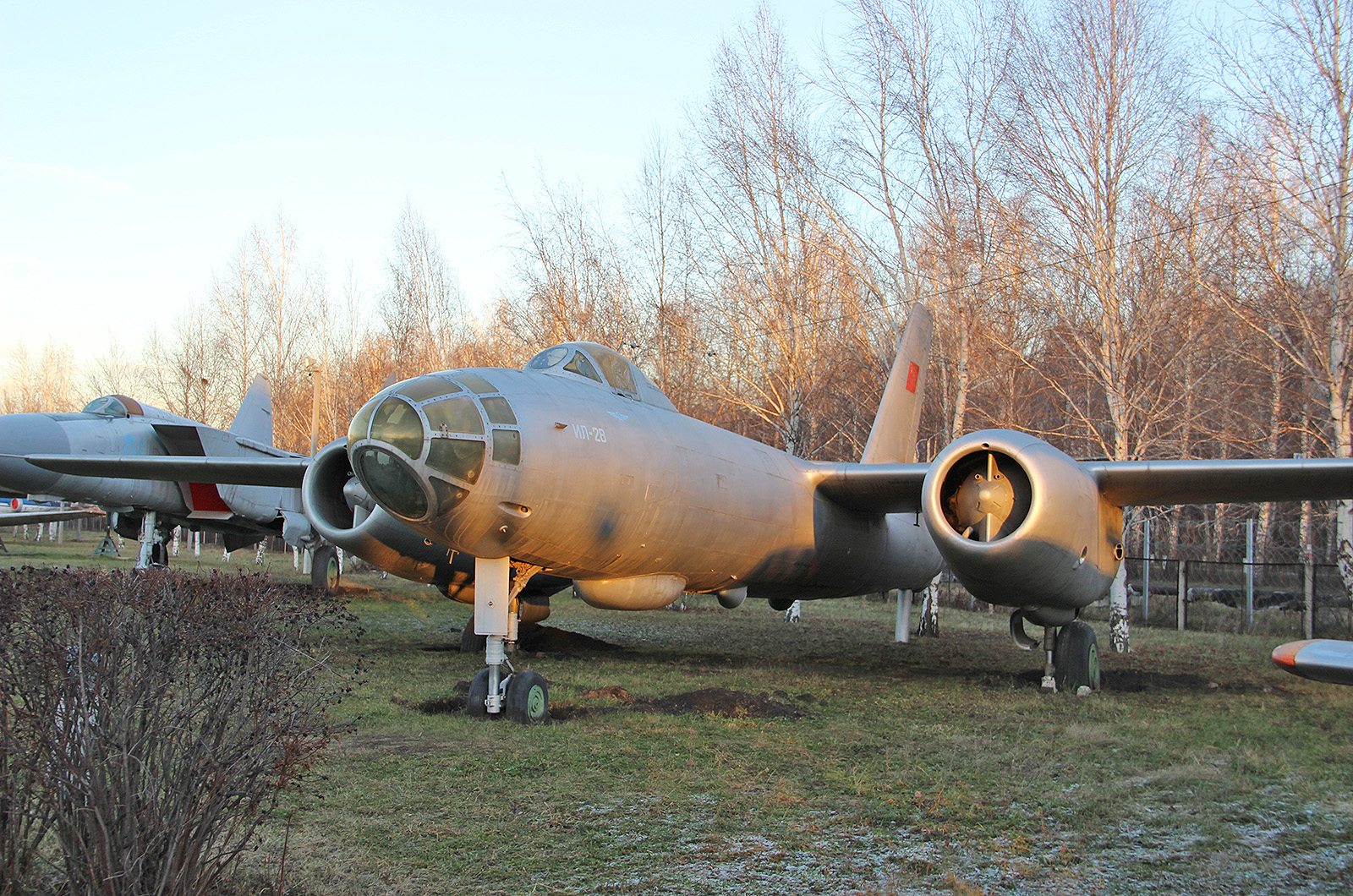
First flying in 1949 the Il-28 Beagle was a twin-engined straight-winged jet bomber powered by the Klimov VK-1 jet engine, an unlicensed Rolls-Royce Nene. Although the Beagle had a crew of three, they sat in individual cockpits, which prevented the navigator and gunner from interfering with the pilot (you’ll soon find out why this is relevant).
On 11 November 1965, a Chinese Air Force Il-28 on a routine sortie from Hangzhou turned south towards Taiwan. Flying at low level over the sea, the aircraft avoided radar detection and landed on the north of the island near the Taiwanese base at Taoyuan. Due to poor weather, the undercarriage collapsed on landing, leading to the death of one crew member.
10: Ilyushin Il-28 ‘Beagle’
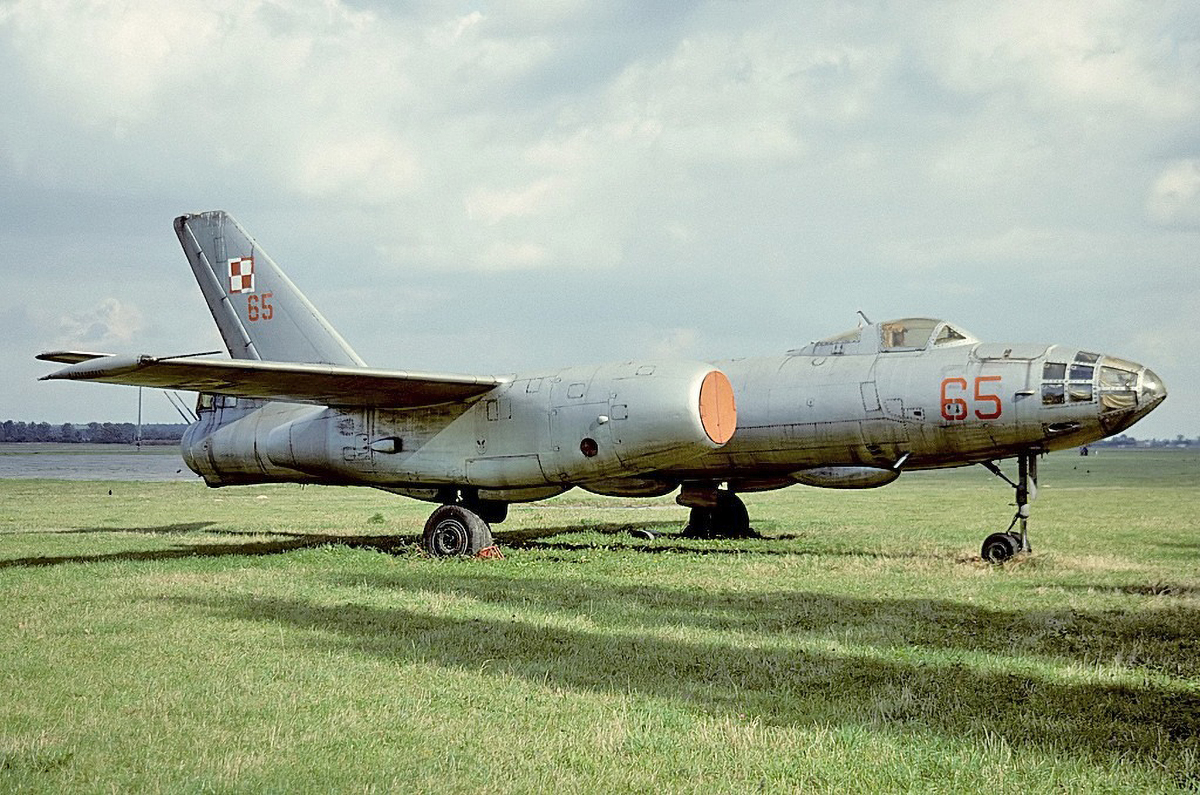
The two survivors defected to Taiwan, were given substantial cash rewards, and served in the Taiwanese Air Force for many years. Fearing that they might defect back to China with a stolen aircraft, they were given non-flying roles; this fear proved valid when one of them returned to China in 1983, though not by stealing an aircraft.
A second Il-28 defected in August 1985, flown by Xiao Tianrun. In this case, the navigator was killed in the emergency landing in South Korea, as well as a civilian on the ground. Xiao himself is reported as having suffered spinal injuries during the crash while the gunner refused to defect and was returned to China.
9: Iraqi Air Force (various types)
The 1991 Iraqi invasion of Kuwait provoked the largest concentration of military force since the Korean War. Despite warning the liberating armies to prepare for the ‘Mother of all Battles’, Saddam Hussein’s forces, facing overwhelming military power, provided relatively little opposition. This resulted in an escape, rather than defection, of many Iraqi aircraft, with unexpected consequences.
After only a week of being bombed, a large part of the Iraqi Air Force was moved out of the country. To evade Allied aircraft, rather than evacuating to Jordan, they flew east to Iran, a country Iraq had spent the last decade at war with. This route of escape was an utter surprise to coalition forces; Consequently, when the first aircraft started fleeing there on the 25th of January, coalition fighters were patrolling in the wrong place.
9: Iraqi Air Force
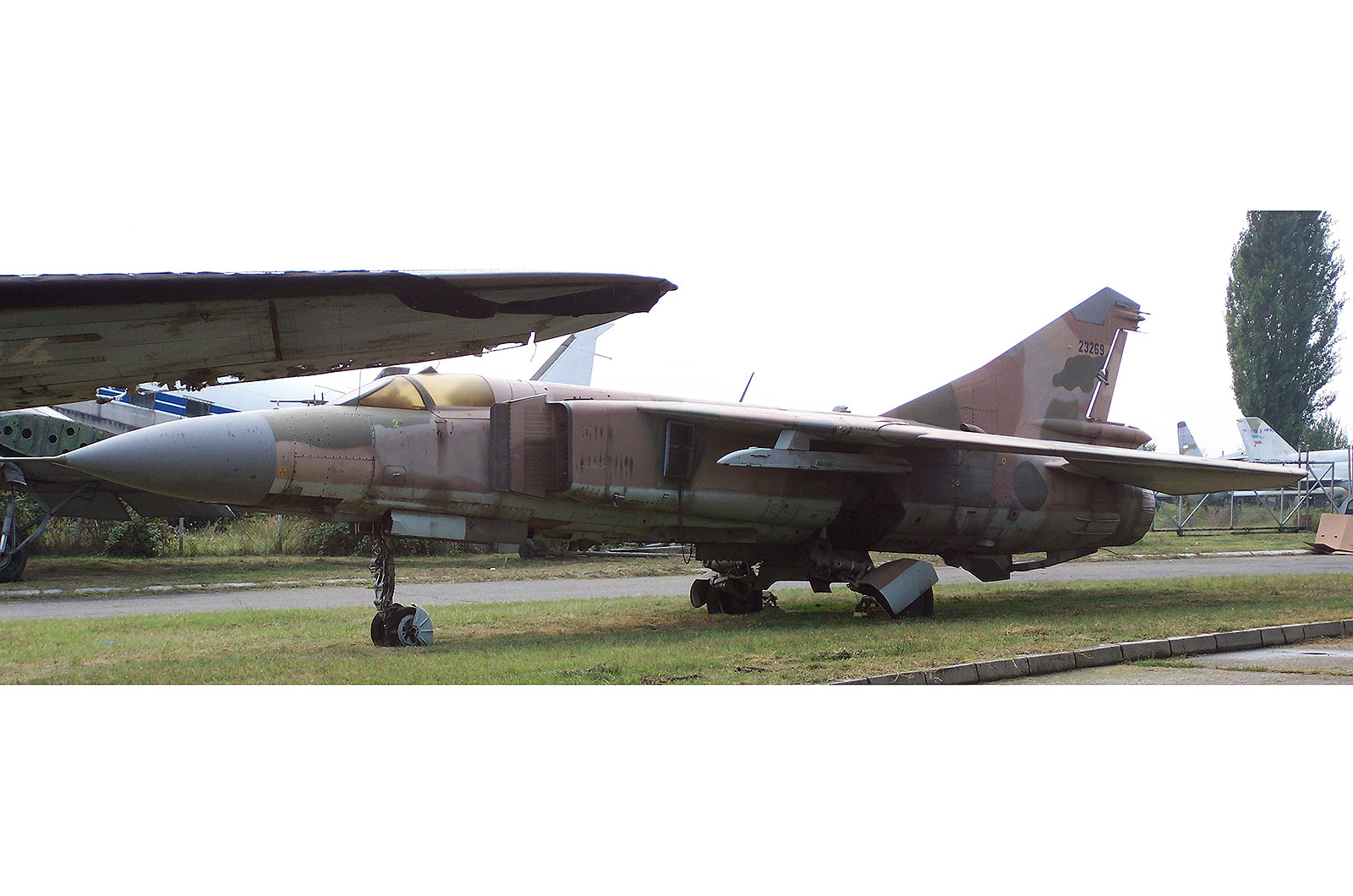
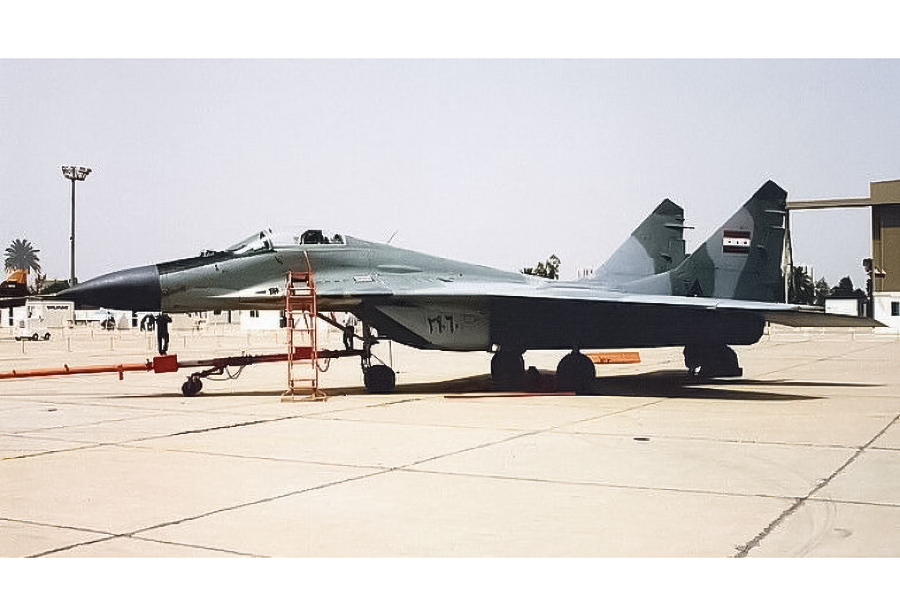
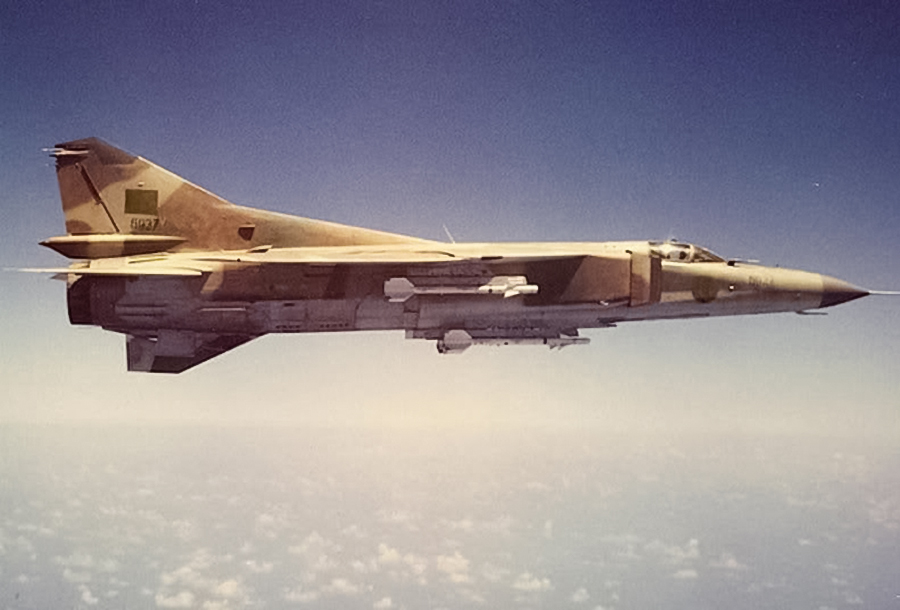
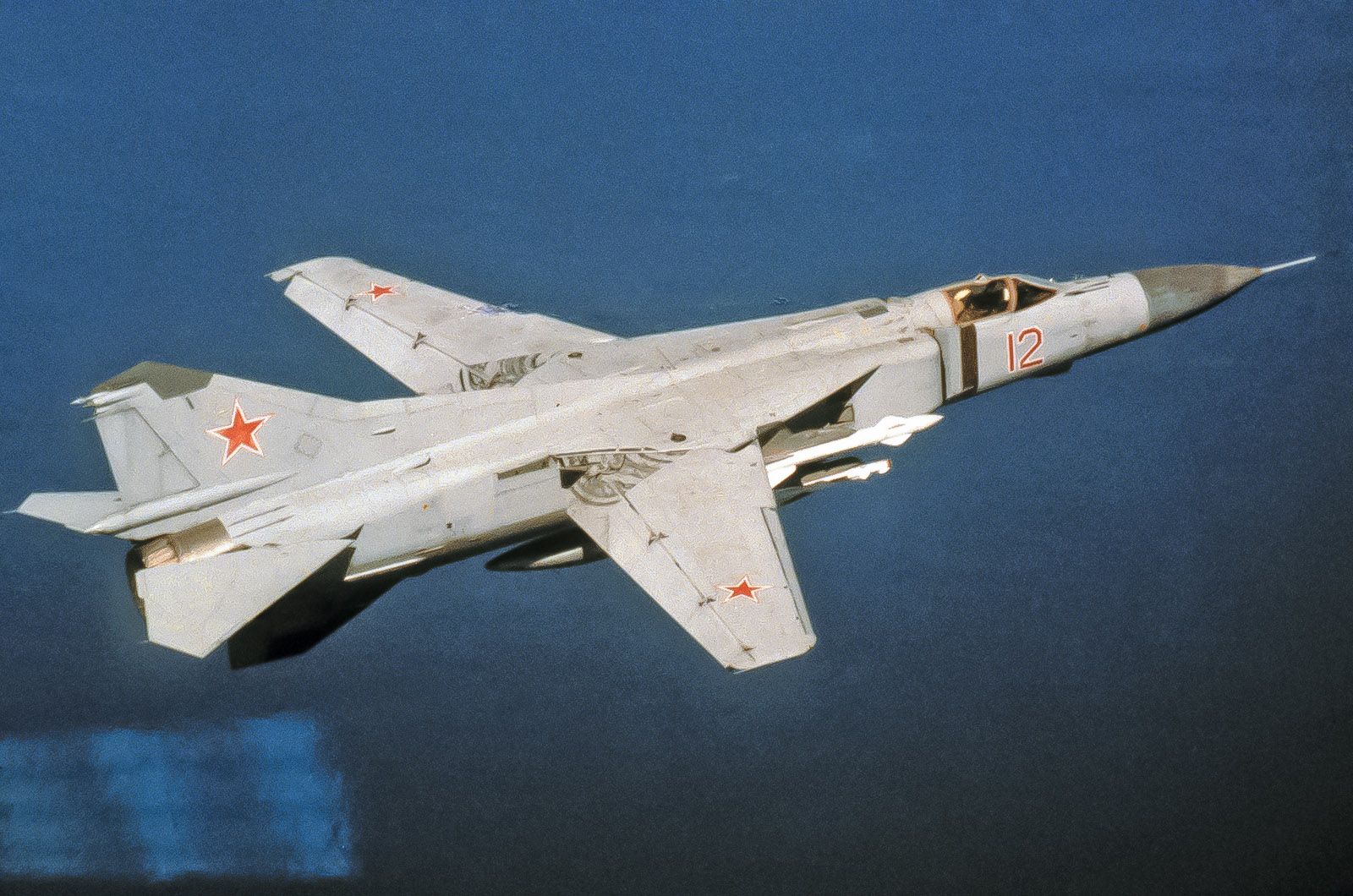
Iran declared neutrality, which required it to impound the aircraft and their crews. Over the following few weeks this led to them collecting a fleet of aircraft, including Su-20, Su-22s, Su-24s, MiG-23s (pictured), MiG-29s, and Mirage F.1s, along with some Il-76 transports, airliners, and a couple of Adnan 1 Airborne Early Warning aircraft. In all, some 115 aircraft are believed to have escaped to Iran, with the majority being kept after the war.




Add your comment