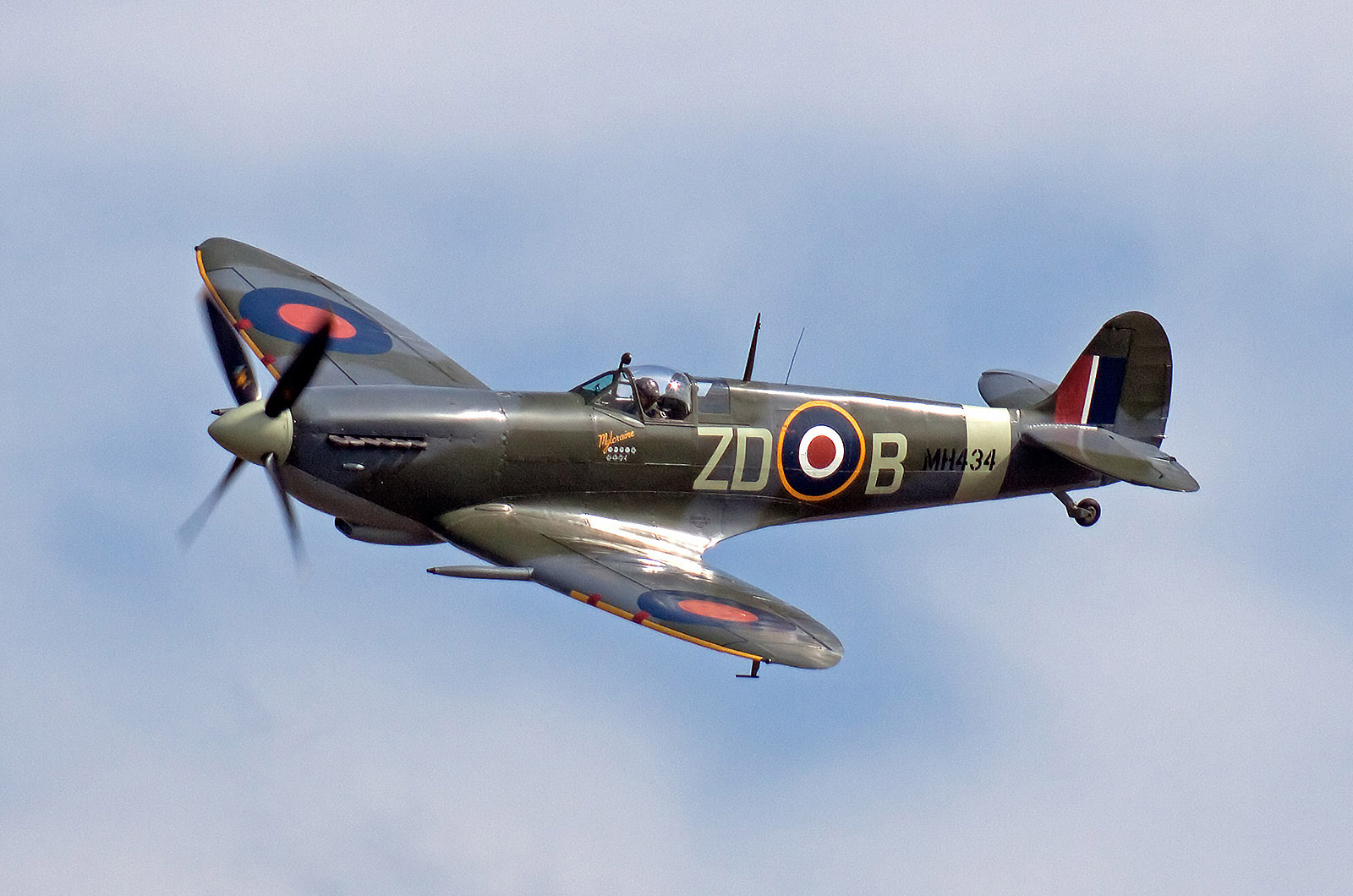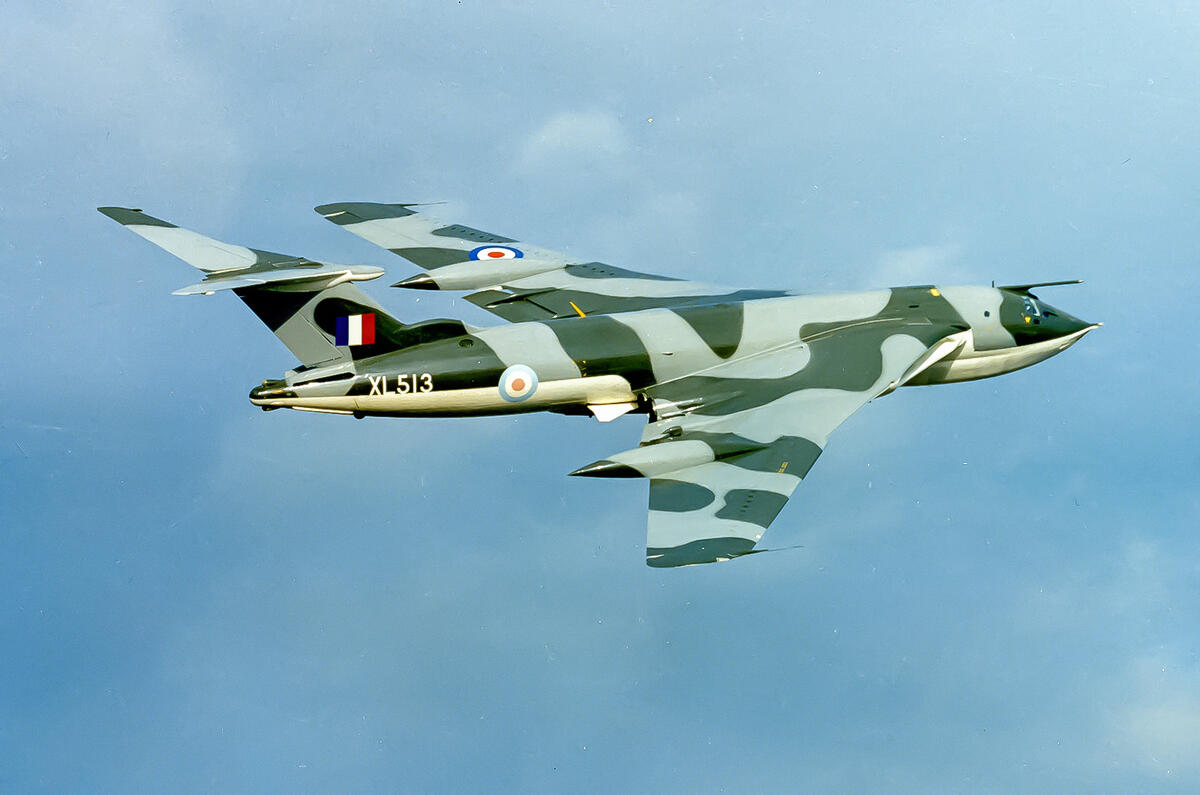
Currently reading: Top 11: Beautiful British aircraft

Top 11: Beautiful British aircraft

The readers of the Hush-Kit aviation blog (a British site) were asked to vote for the best-looking British aircraft.

With such a mouthwatering bevvy of sublime flying machines, selection was a tough task for the many people who participated. Such is democracy that, sadly, your favourite aircraft may not have made the list, so apologies in advance (and please note that international designs like Concorde and the Eurofighter Typhoon are not included). The good news is that the following 11 are all absolute stunners.


11: de Havilland DH.106 Comet
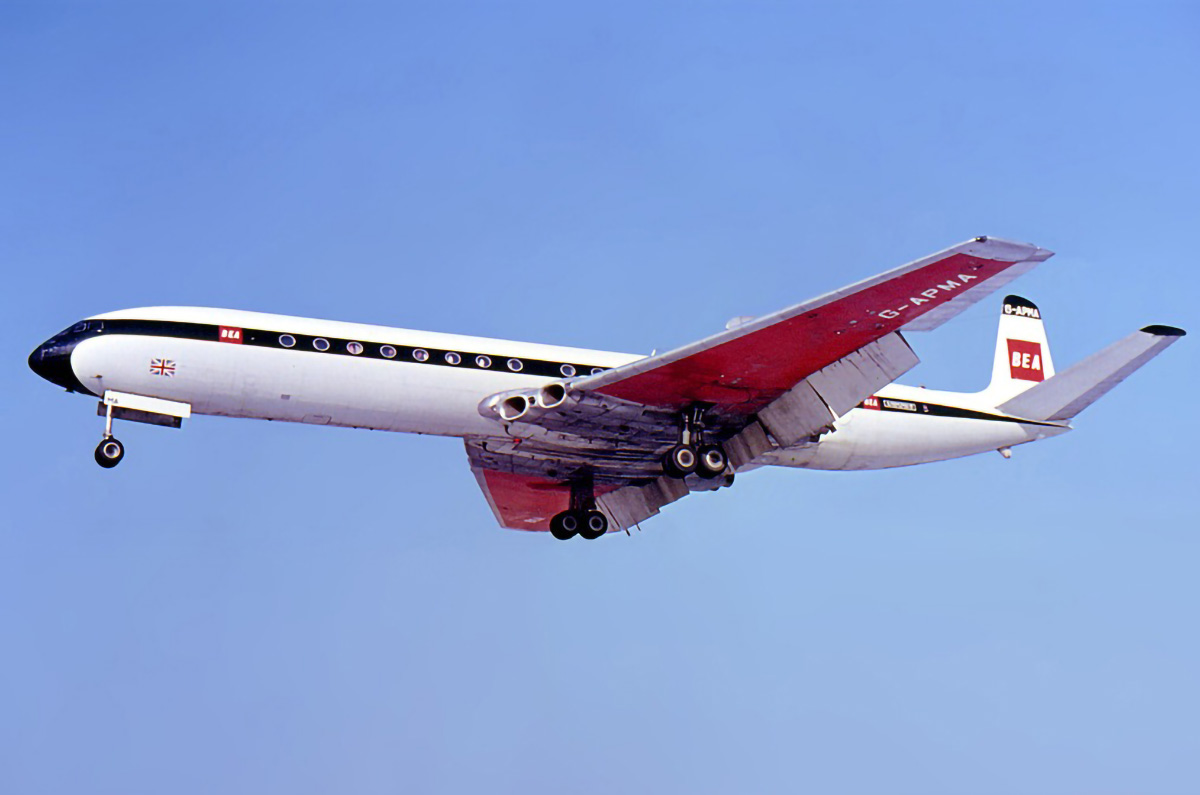
 de Havilland DH.106 Comet

The de Havilland company had produced a slew of beautiful aeroplanes throughout the 1920s and 1930s, among them a series of elegant biplanes and the streamlined four-engined DH.91 Albatross airliner (incidentally, voted joint number 11 with the Hawker Typhoon/Tempest). Drawing on their interwar know-how of the highly advanced DH. 88 Comet and Albatross, de Havilland created the phenomenal Mosquito combat aircraft.

Also, de Havilland flew the Vampire jet-powered fighter in the Second World War. When the war ended, with the experience of high-speed aircraft, airliners and jet propulsion, de Havilland was in a strong position to build the world’s first jet airliner. This they did, and the resultant machine, with its sleekly buried engines, streamlined form and bare aluminium, was a revelation when it entered the world.


11: de Havilland DH.106 Comet
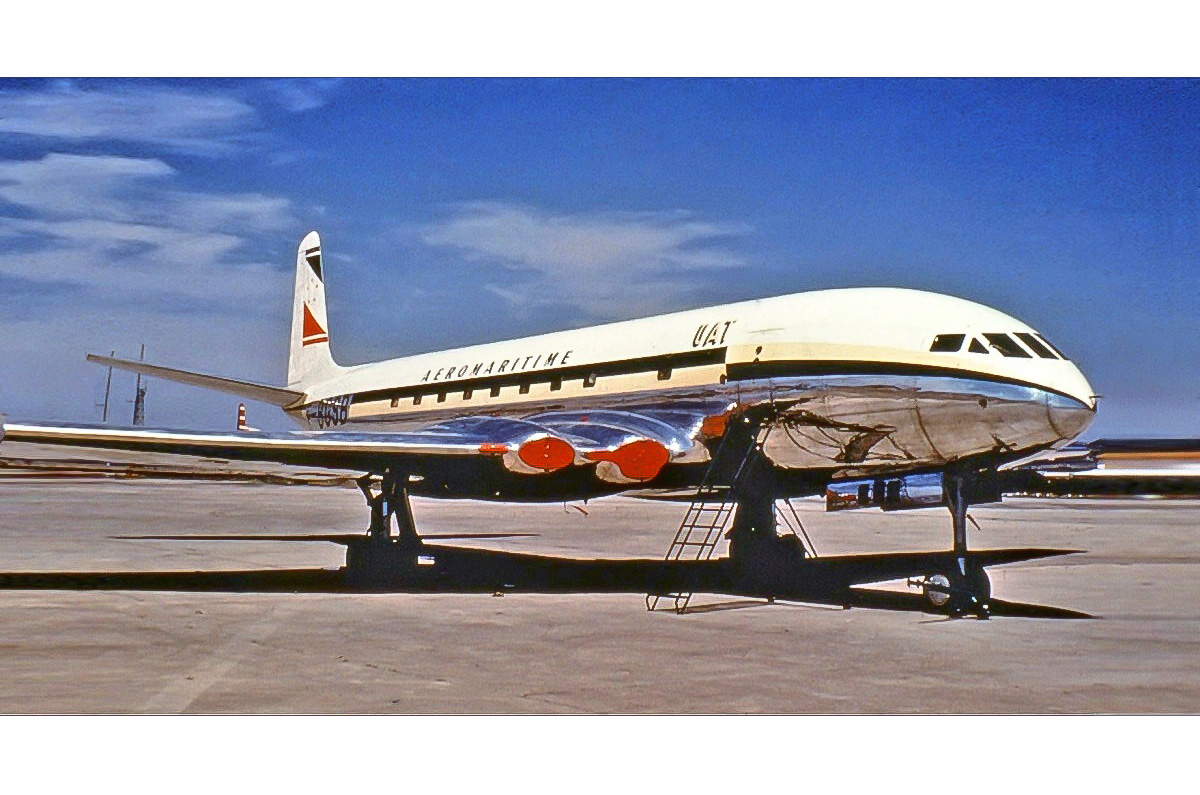
 de Havilland DH.106 Comet

The de Havilland DH.106 Comet was a silver dream of the future when it was unveiled in 1949. In a world of spluttering piston-engined DC-3 airliners, the Comet looked like it had arrived from another planet. It was the world’s first jet airliner and promised unprecedented travel speeds and altitudes. Sadly, the beautiful Comet would have a tragic early life with several crashes due to metal fatigue.

Later, podded engines would totally dominate airliner design, but the Comet’s four jet engines neatly contained in the inner section of the wing was the far more aesthetic solution. The Comet lived on as the military Nimrod maritime patrol aircraft until 2011, but it was as an airliner that it was purest in form.


10: Blackburn Buccaneer
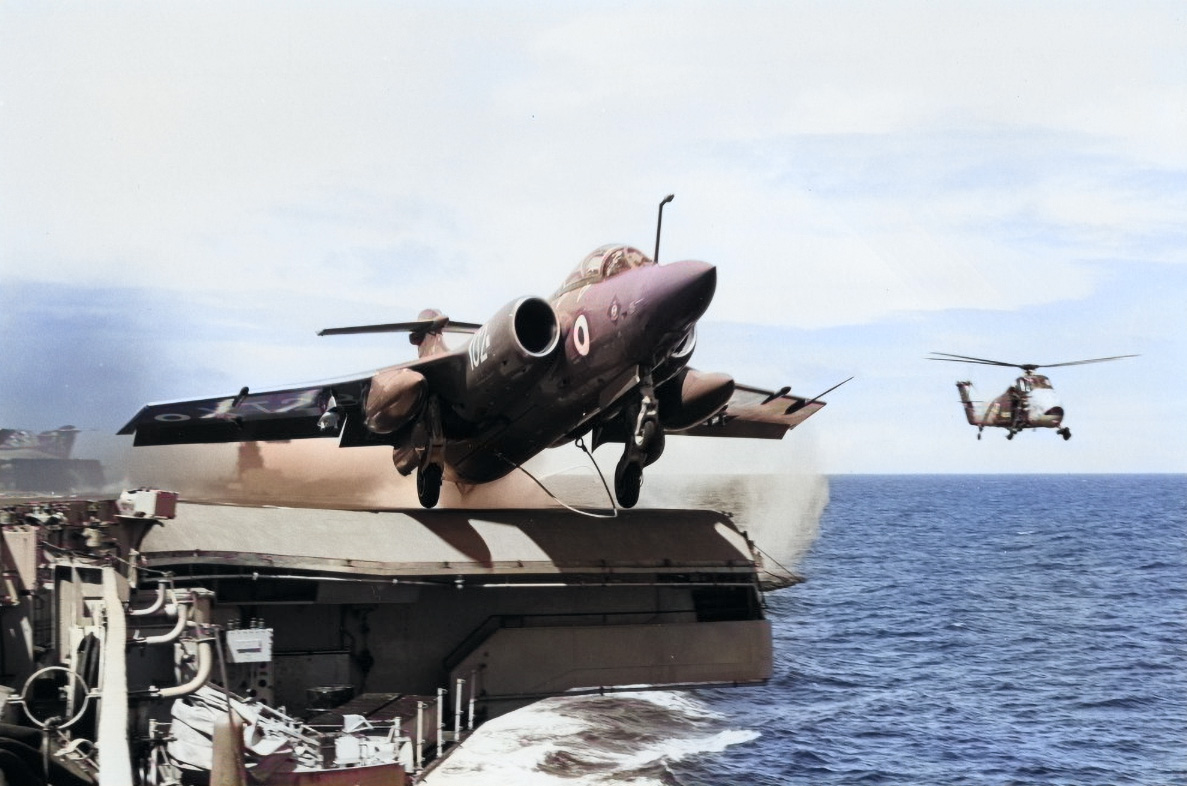
 Blackburn Buccaneer

A pleasingly left-field choice, the Blackburn Buccaneer was a naval attack aircraft that first flew in 1958. It is not beautiful but imposing, rugged, and rather eccentric in appearance. The Buccaneer was built to operate from Royal Navy aircraft carriers and perform low-level anti-shipping missions. To see a Buccaneer, the observer is impressed by its heavy industrial look, which reeks of physical strength.

To create space on the crowded carrier deck, the ‘Bucc’ has folding wings; the ‘Bucc’ is a particularly imposing sight when its wings are folded up. Scale, as with the English Electric Lightning, is where some of the Buccaneer’s visual impact comes from; the massive Buccaneer certainly knows how to dominate a hangar.


10: Blackburn Buccaneer
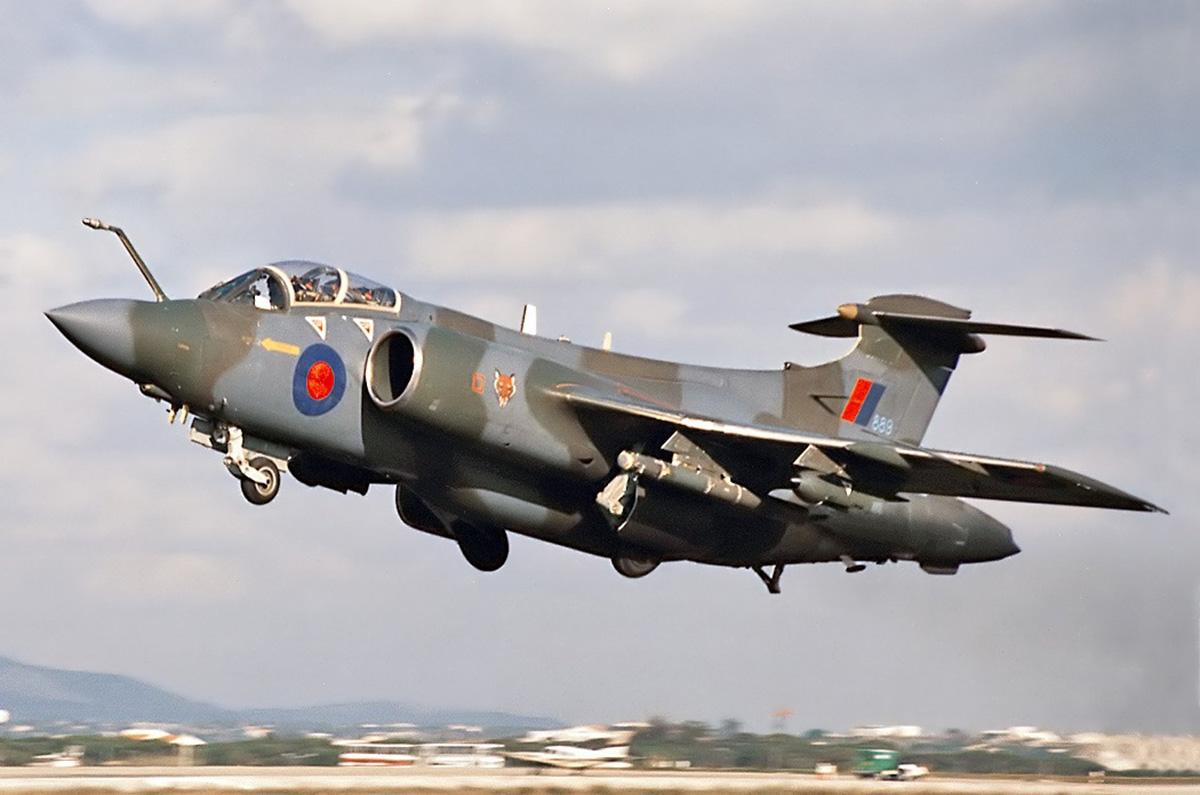
 Blackburn Buccaneer

The tail section is particularly wonderful; many British jet have a seductively curved leading-edge (front) to their tailfin, but the Buccaneer takes this to extremes, with a long curve that starts halfway down its back. Then we have a T-tail (a design featuring we’ll meet a few times).

Back to top

To this already characterful tail, add a banana-shaped (perhaps yam is more appropriate) airbrake protruding from the back, and we get one of the coolest rear-ends in aviation. Incidentally, the Buccaneer’s nickname is not from the airbrake design but because the aircraft was initially known as the BNA (Blackburn Naval Aircraft) or BANA (Blackburn Advanced Naval Aircraft).


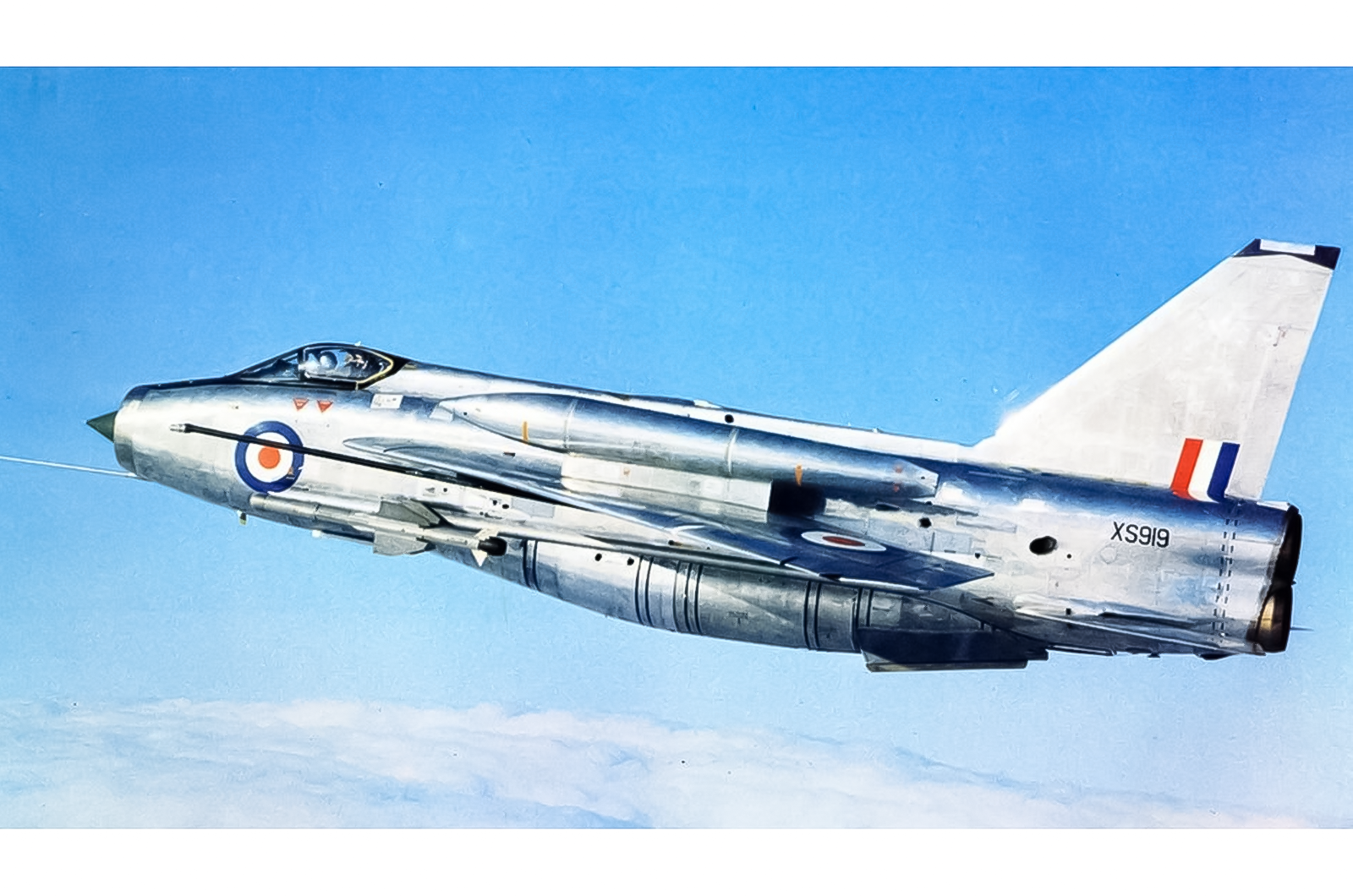
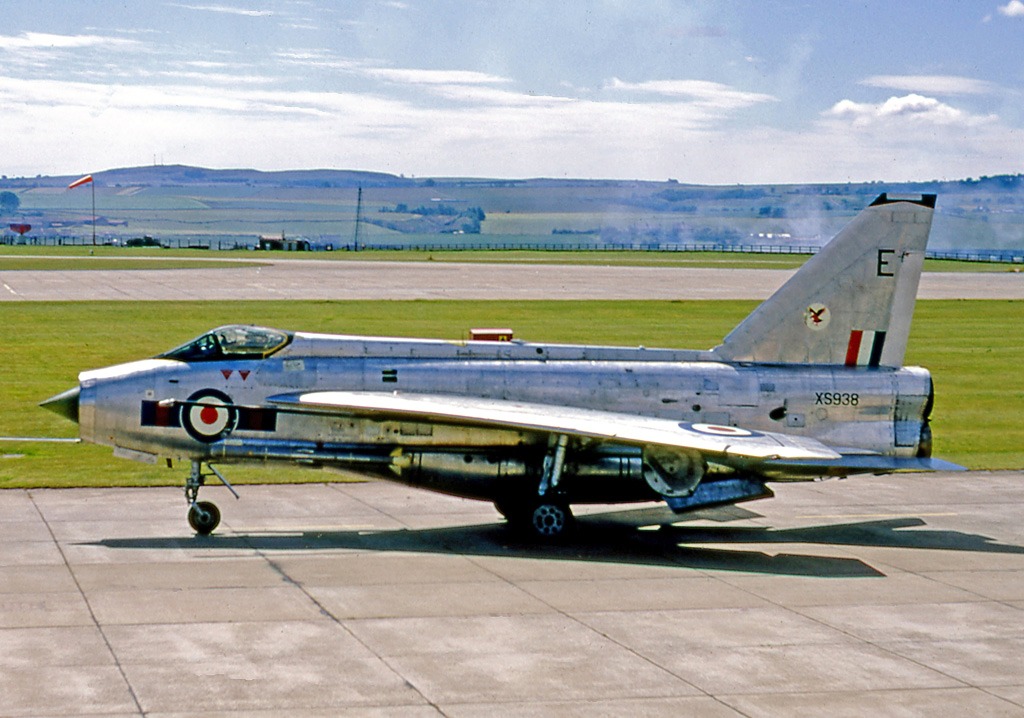
9: English Electric Lightning

 English Electric Lightning

The Lightning, with an aggressive spiked cone protruding from its gaping ‘mouth’ is not pretty. It is also probably not conventionally beautiful (though some may disagree): but it is impressive and slightly terrifying in appearance. It looks fast with its unusual wing swept back at an alarming sixty degrees.

The novel feature of overwing stores (ferry fuel tanks and even weapons on export aircraft) also won the Lightning many votes. This unusual feature results from the undercarriage taking up much of the underwing area normally associated with stores carriage. The position of standard two air-to-air missiles (Red Top and Firestreak) is also rather unusual, being carried beneath the forward fuselage.


9: English Electric Lightning

 English Electric Lightning

The Lightning looked aggressively futuristic, especially in the shiny bare aluminium skin it wore for much of its life. The tail was somewhat brutal, and the aircraft’s proportions imposing. The height of the Lightning is quite remarkable; almost unbelievably, the fighter stands higher than an adult male giraffe.

The most idiosyncratic feature, other than the wing shape, was the double-stacked engines, the twin vertically stacked nozzles at the rear are quite unlike any operational aircraft (though there were a few cancelled aircraft, notably the French SNCASE Grognard which adopted this approach). The Lightning was a beast like no other.


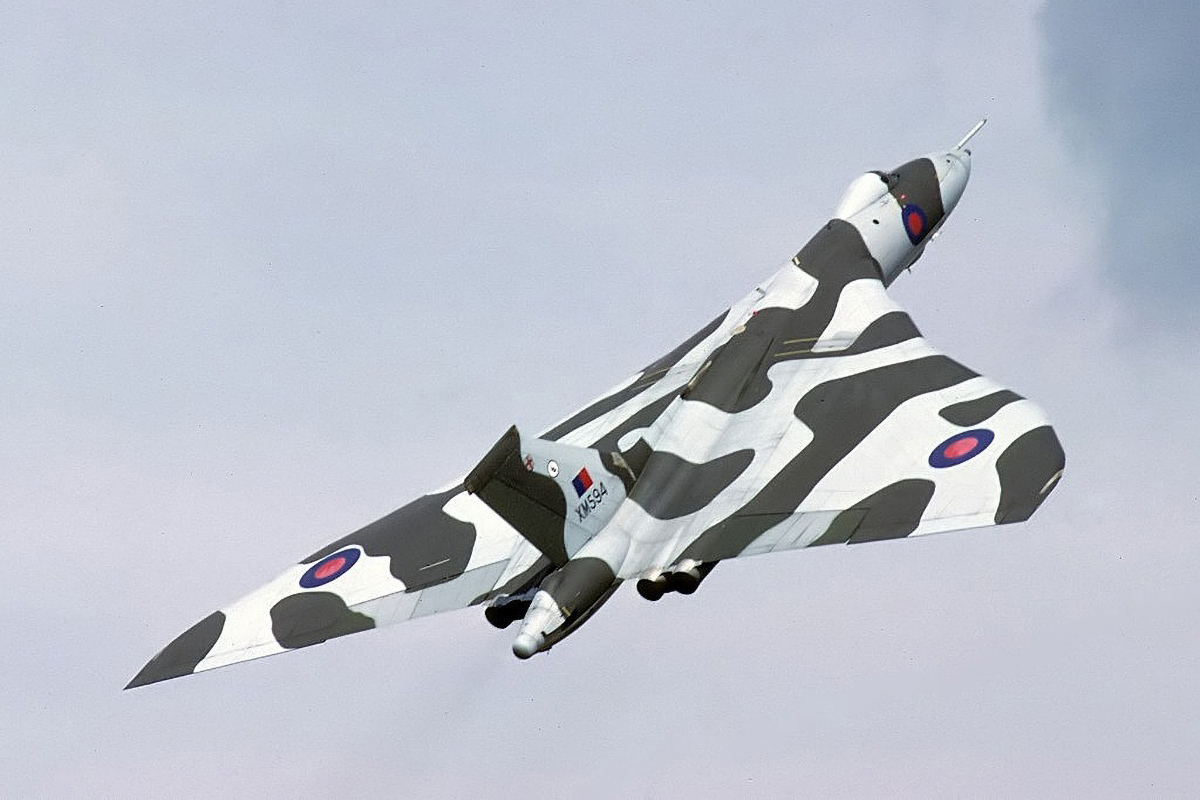
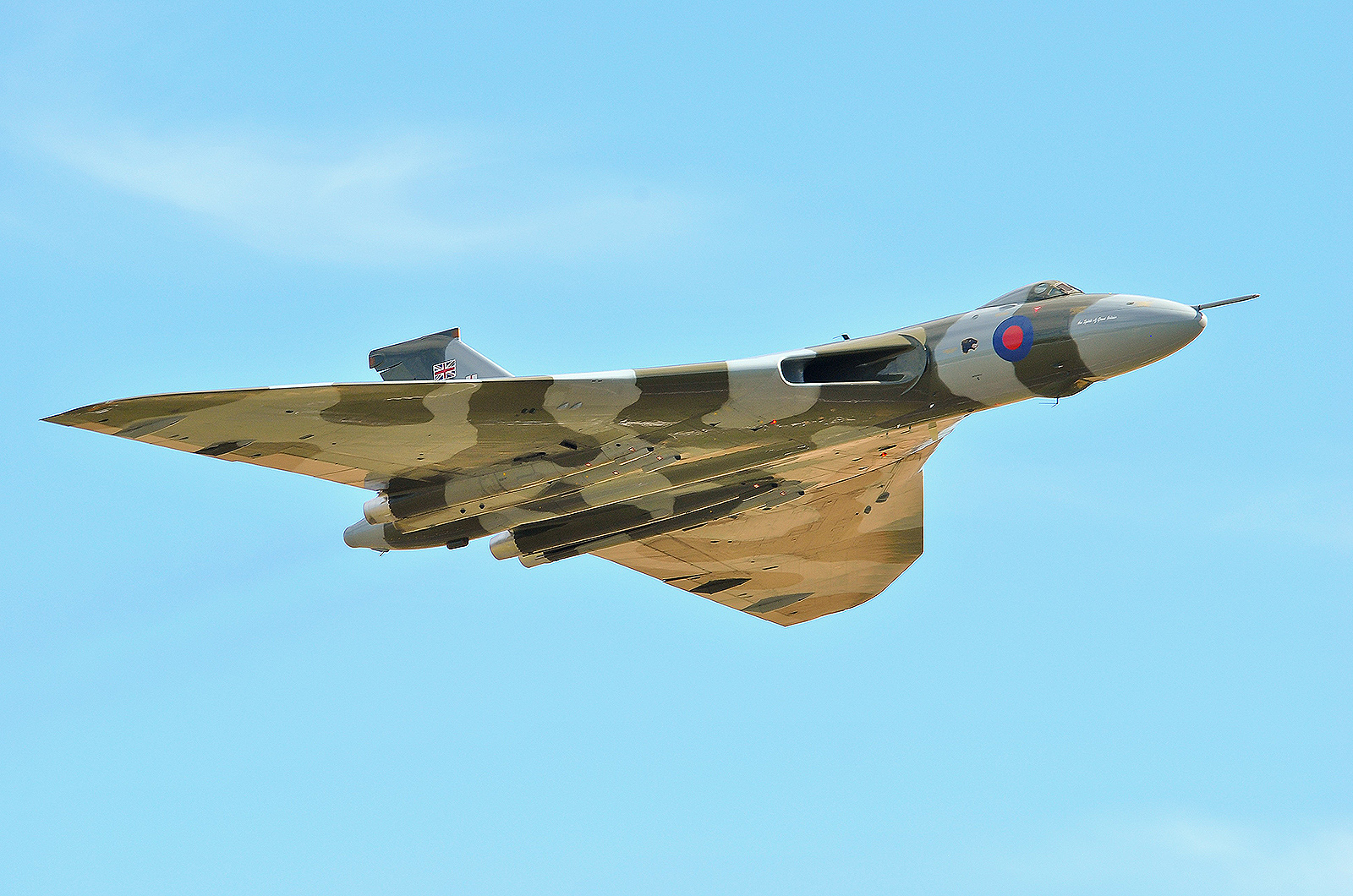
8: Avro Vulcan

 Avro Vulcan

The people lucky enough to have seen an Avro Vulcan take-off will not forget it. The combination of ear-splitting noise and the vast shadowy mass of the delta (triangular) wing is as dramatic as any opera, and far louder! The Avro Vulcan was a bomber used by the Royal Air Force, first flown in 1952.

Back to top

Initial Vulcans had a straight leading-edge, giving the aircraft a sleek futuristic look, the later kinked-leading edge gave it a more sinister, perhaps even gothic appearance. The very thick wing gave the Vulcan a satisfying look of solidity. The Vulcan was unusual in being a subsonic delta.


8: Avro Vulcan

 Avro Vulcan

The Vulcan’s beauty was despite its grim intended role, as a nuclear bomber. The Vulcan enjoyed some wonderful paint schemes, notably the white ‘anti-flash’ for the nuclear role. The 1960s scheme for low-level bombing combined dark green and dark sea grey on top surfaces with Light Aircraft Grey on the underside.

No other aircraft looked like the Vulcan, which oozed charisma and even today, enjoys a larger ‘fan’ following than the other V-bombers, the rather conventional Vickers Valiant and radical Handley Page Victor. Fortunately, the Vulcan never carried out its nuclear attack role but did carry out conventional attacks in the Falklands War of 1982.


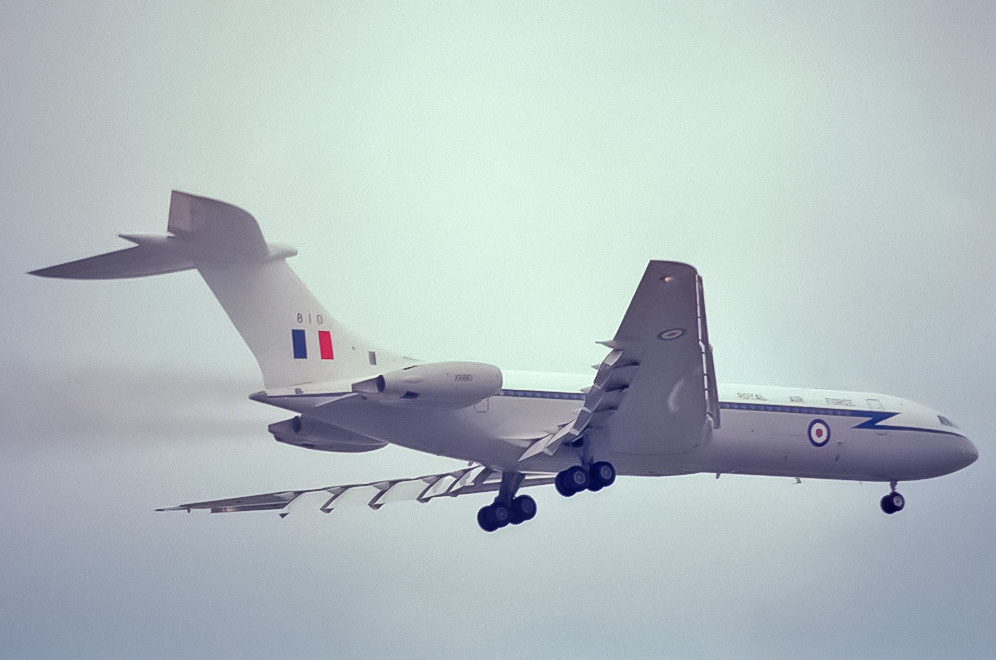
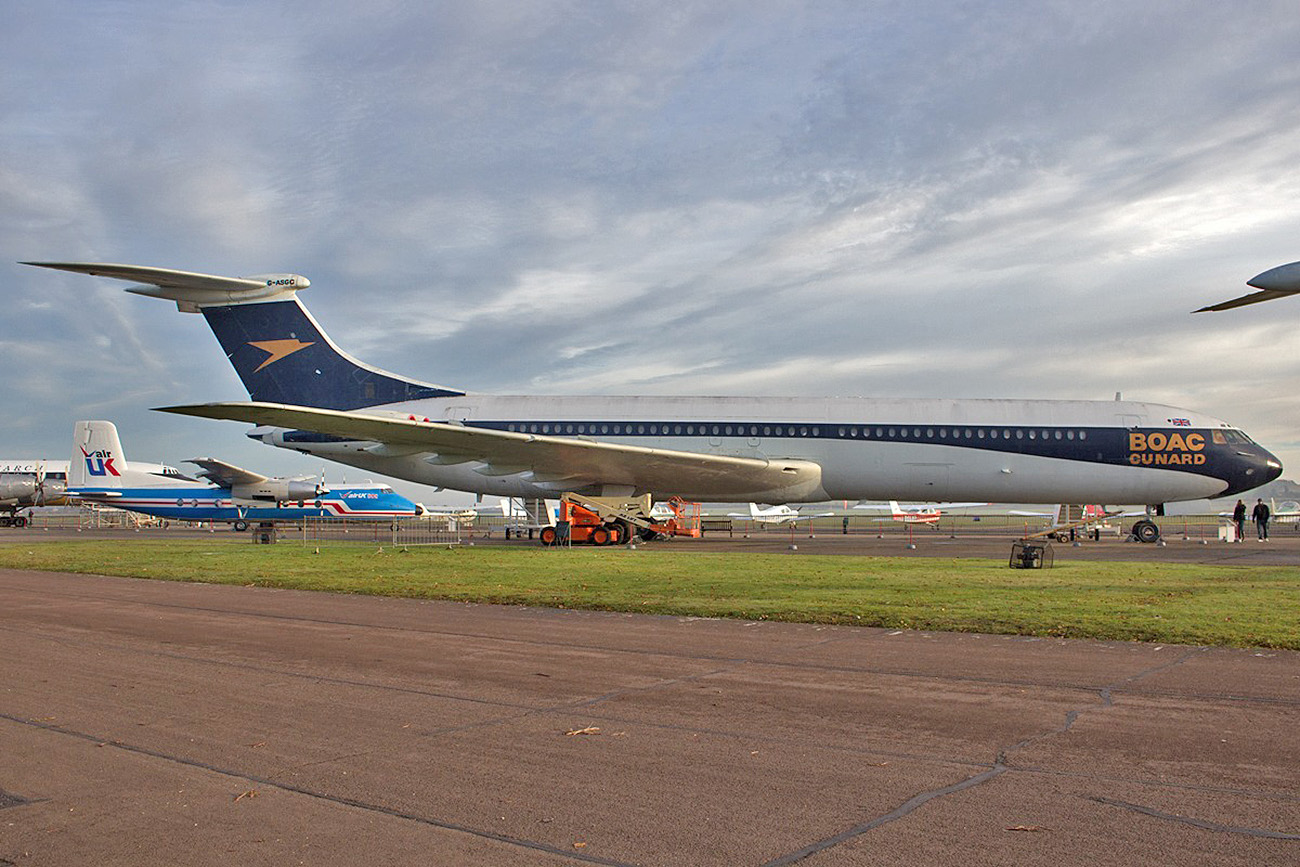
7: Vickers VC10

 Vickers VC10

The VC10 was born close to Weybridge in Surrey, England at Brooklands. This was the centre of British speed, both motor racing and aircraft production. Brooklands was where the Hurricane took its first flight, and was instrumental in creating that poster-boy of post-war British aviation decline, the cancelled TSR-2 bomber (which was number 15 in terms of votes).

The VC10 was one of the fastest airliners this side of Concorde and the Soviet Tu-144. Its ‘never exceed speed’ was a spritely Mach 0.94. There is a story of a medical emergency onboard a VC10 en route from South Africa being addressed with a FL430 flight at a hair-singeing Mach 0.95. This would have even given Elvis' speedy Convair a run for its money.


7: Vickers VC10

 Vickers VC10

Sublimely uncluttered aerodynamic cleanliness defines the appearance of the airliner.  Modern airline engines are too big to be put at the back, but this wasn't the case in the VC10's time (to be fair, there are other issues with having the engines on the back) and the VC10 had a neat quartet of jets tucked beneath the tail.

Back to top

The T-tail was a popular feature in British jet aircraft designs of the 1950s and the VC10 featured one of the most impressive examples. The brilliantly engineered VC10, with its sharply swept wings and T-tail, had a probing dynamic shape, screaming speed and optimism.


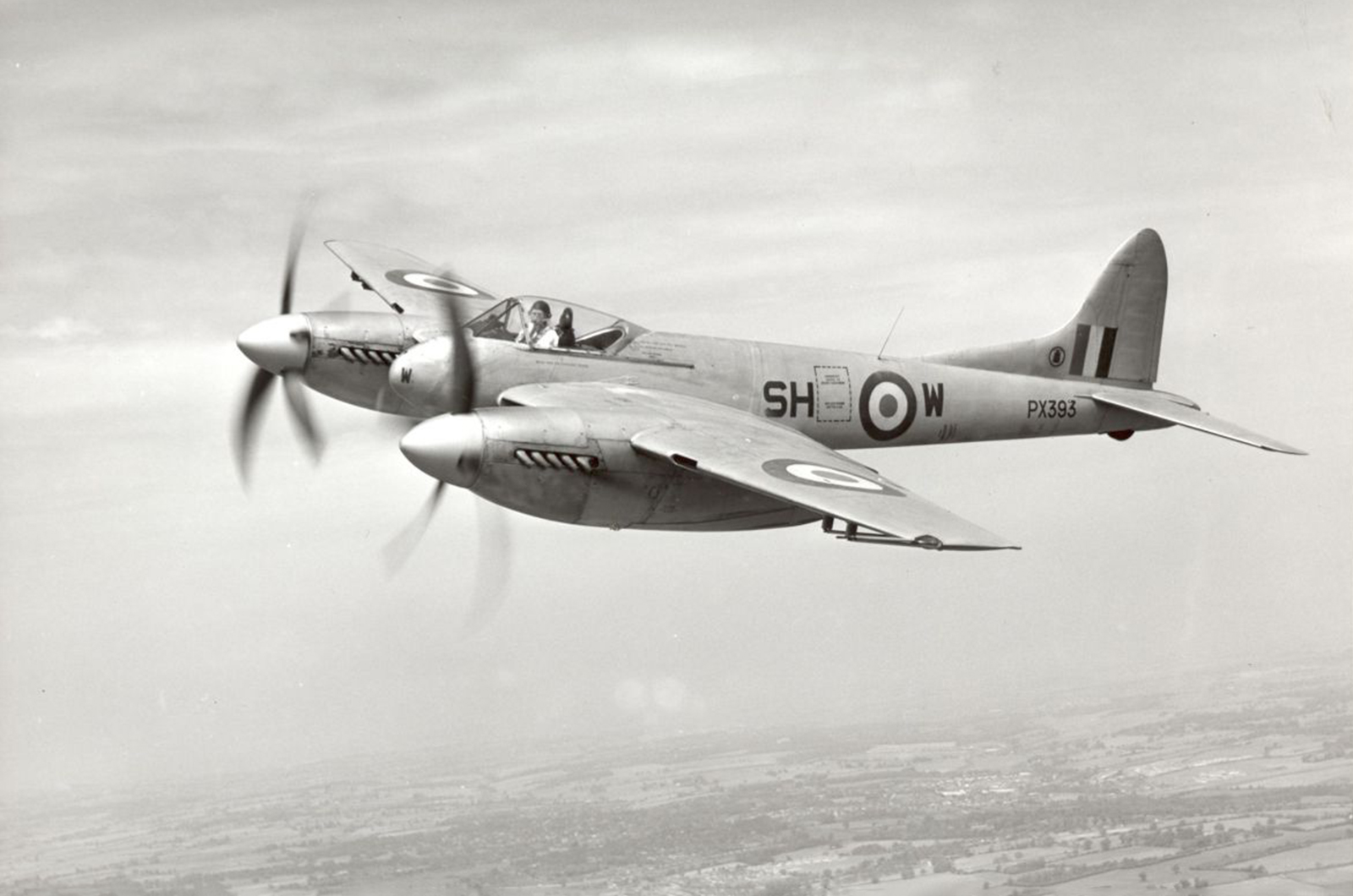
6: de Havilland DH.103 Hornet

 de Havilland DH.103 Hornet

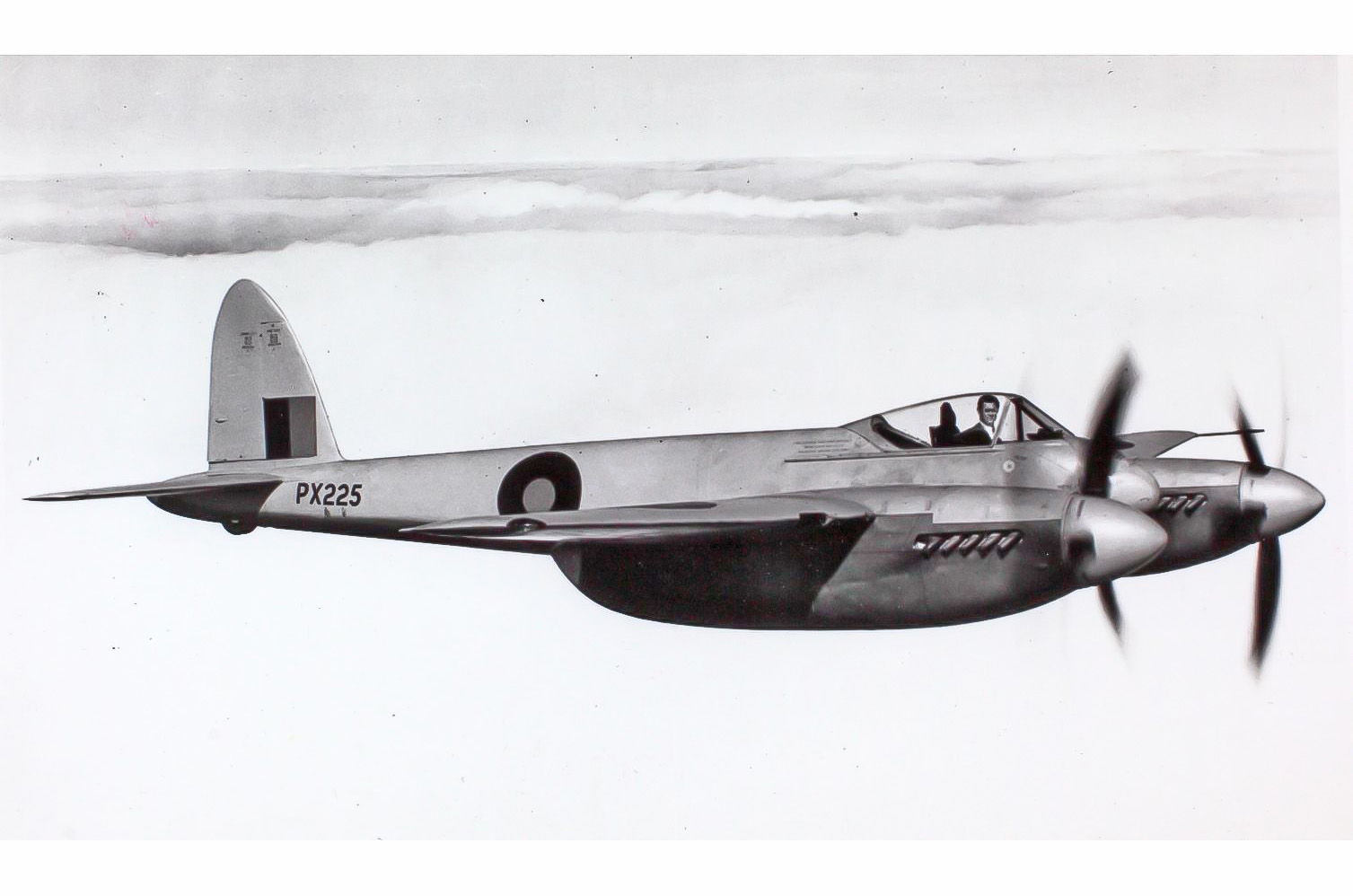
The most qualified pilot to judge a piston-engined fighter was the test pilot Eric ‘Winkle’ Brown, who deemed the single-seat Sea Hornet to be the finest aircraft he ever flew. Thanks to structural techniques developed from the Mosquito, a tiny frontal cross-section and fuselage, and buckets of power, it was joyfully overpowered.

Combat experience was limited to Malaya (now Malaysia), where it replaced the Spitfire and the Beaufighter in the ground attack role, flying over 4500 reconnaissance and close support sorties. Hornets also played a part in the dramatic rescue of survivors, including a six-year-old girl, of the shot-down Cathay Pacific DC-4 near Hainan Island in November 1954.


6: de Havilland DH.103 Hornet

 de Havilland DH.103 Hornet

The Hornets were the first to arrive on the scene to search for survivors, followed by a Valetta, Sunderland, York and Privateer. The DC-4 was shot down by Chinese Air Force La-11s for reasons unclear, either mistakenly for a Taiwanese military aircraft, to kill a Chinese Nationalist ambassador onboard or in a failed attempt to kill former OSS Head ‘Wild Bill’ Donovan.

The Hornet was the zenith of the minimalist school of piston-engined fighter design, which like the earlier Westland Whirlwind (number 17 in terms of votes) mated the minimum possible ‘wetted area’ with the maximum power. The Hornet was an astonishing warplane and a quick glance over the diagrams we have included will convince of you of its excellence.


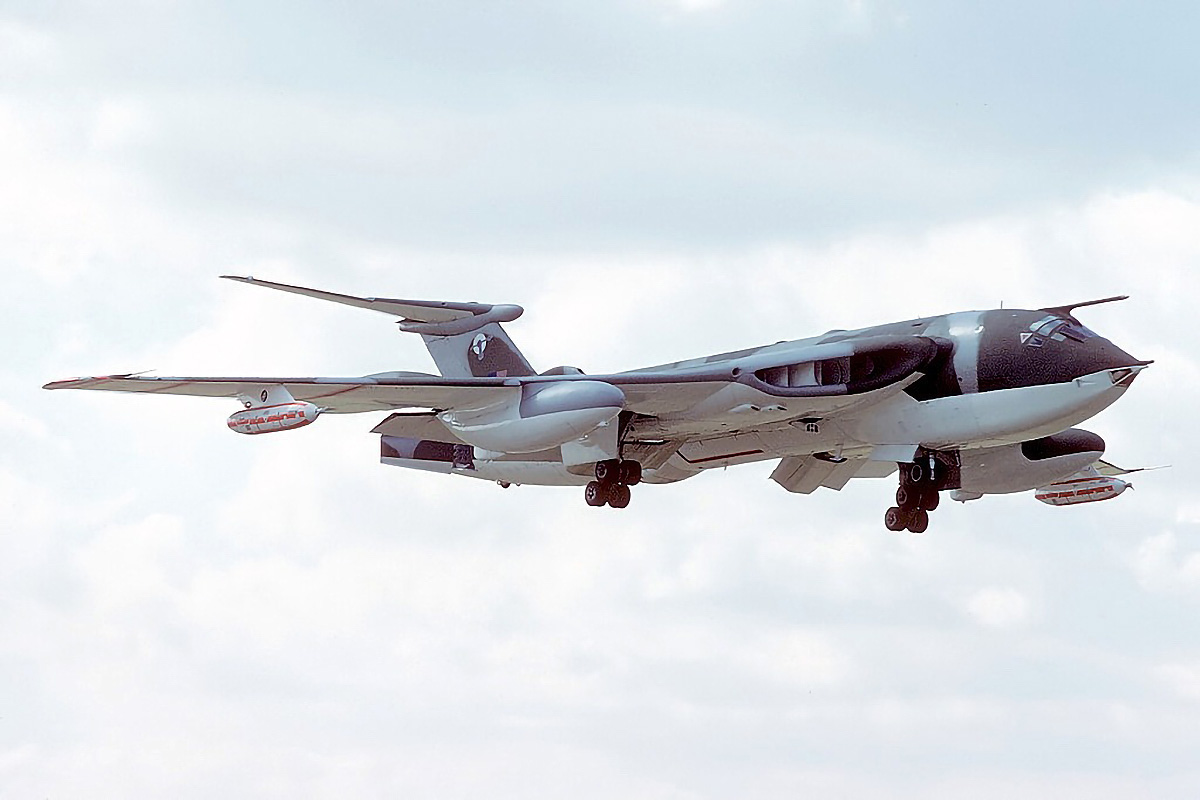
5: Handley Page Victor

 Handley Page Victor

Imagine a Bell X-1 that has been bodybuilding in the year 5000 and returned, obscenely muscular and futuristic, to terrify the 1950s: meet the Handley Page Victor bomber. Fast as a fighter, the Victor brought style to the insane poker game of nuclear brinksmanship.  The pinnacle of British aero-engineering, the Victor was a madly impressive machine.

Back to top

Of the V-bombers, it could be said that the Valiant was lukewarm in performance; the Vulcan a suboptimal approach (something the engineers of Handley Page strongly believed), but the Victor was a horrifically capable courier of the apocalypse, harnessing the white heat of technology to deliver the white heat of atomic holocaust.


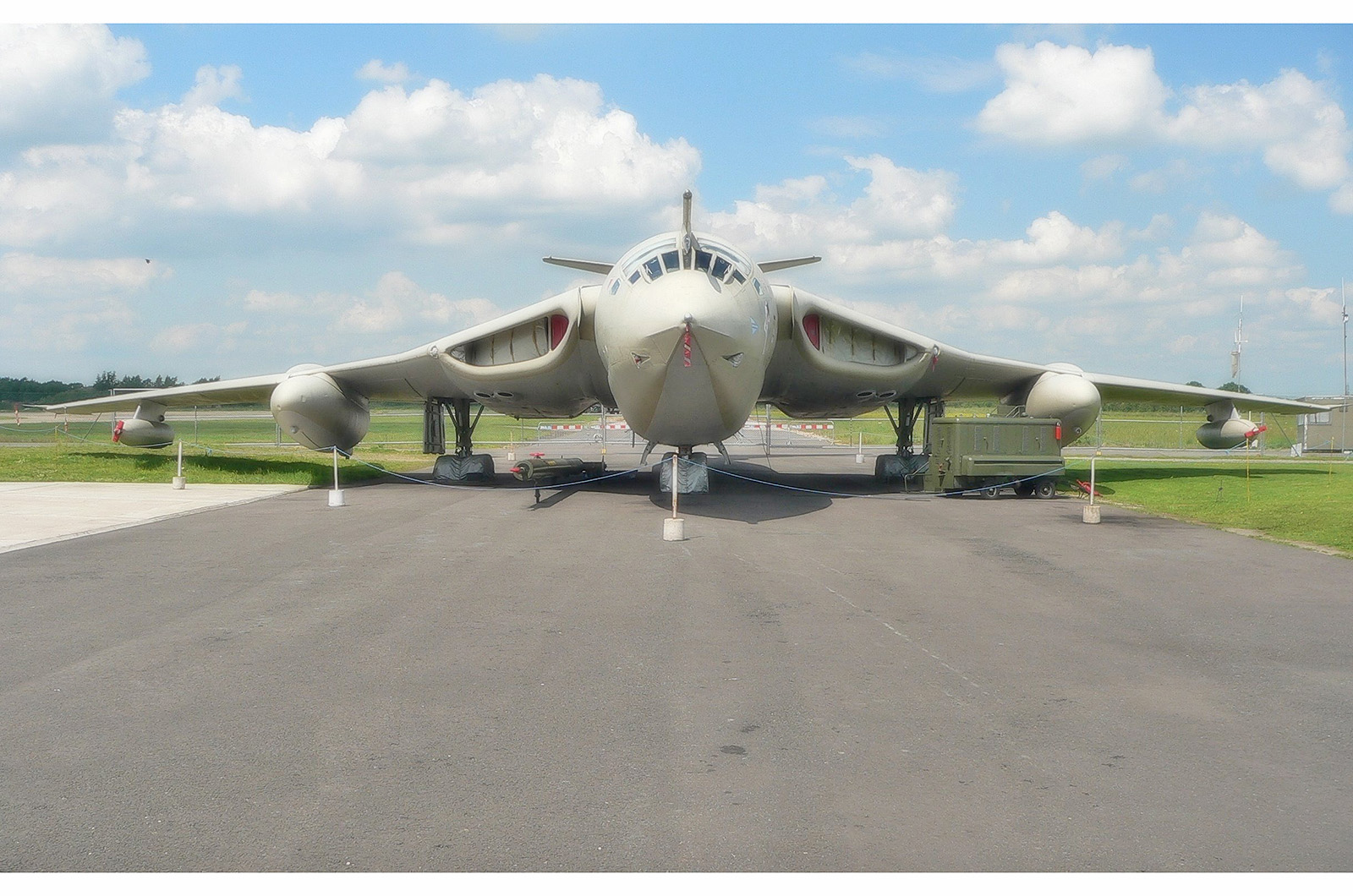
5: Handley Page Victor

 Handley Page Victor

The Victor viewed from the front is an astonishing sight, a Dan Dare or Thunderbird’s-esque vision of a very British kind of futurism. Its faceted cockpit section, aggressive intake and towering T-tail combine to form an utterly unique ‘cathedral of speed’.

Although one of its most defining characteristics is the huge, dihedral tailplane, the Victor was the only production aircraft to emerge from HP’s extensive studies of tailless aircraft, beginning in the 1930s. It directly descends from the studies of Lachmann’s advanced project department and the HP.75 Manx.


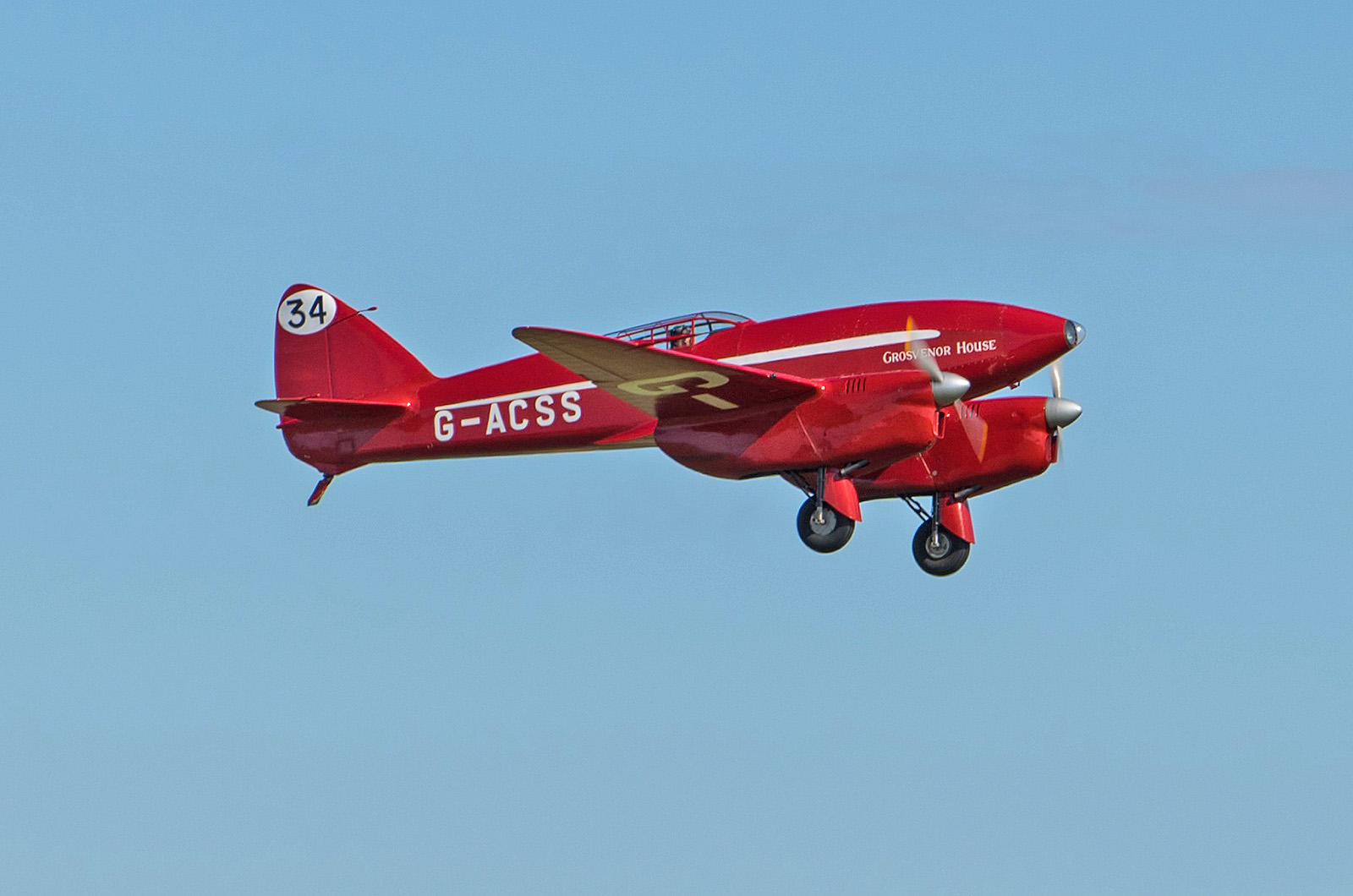
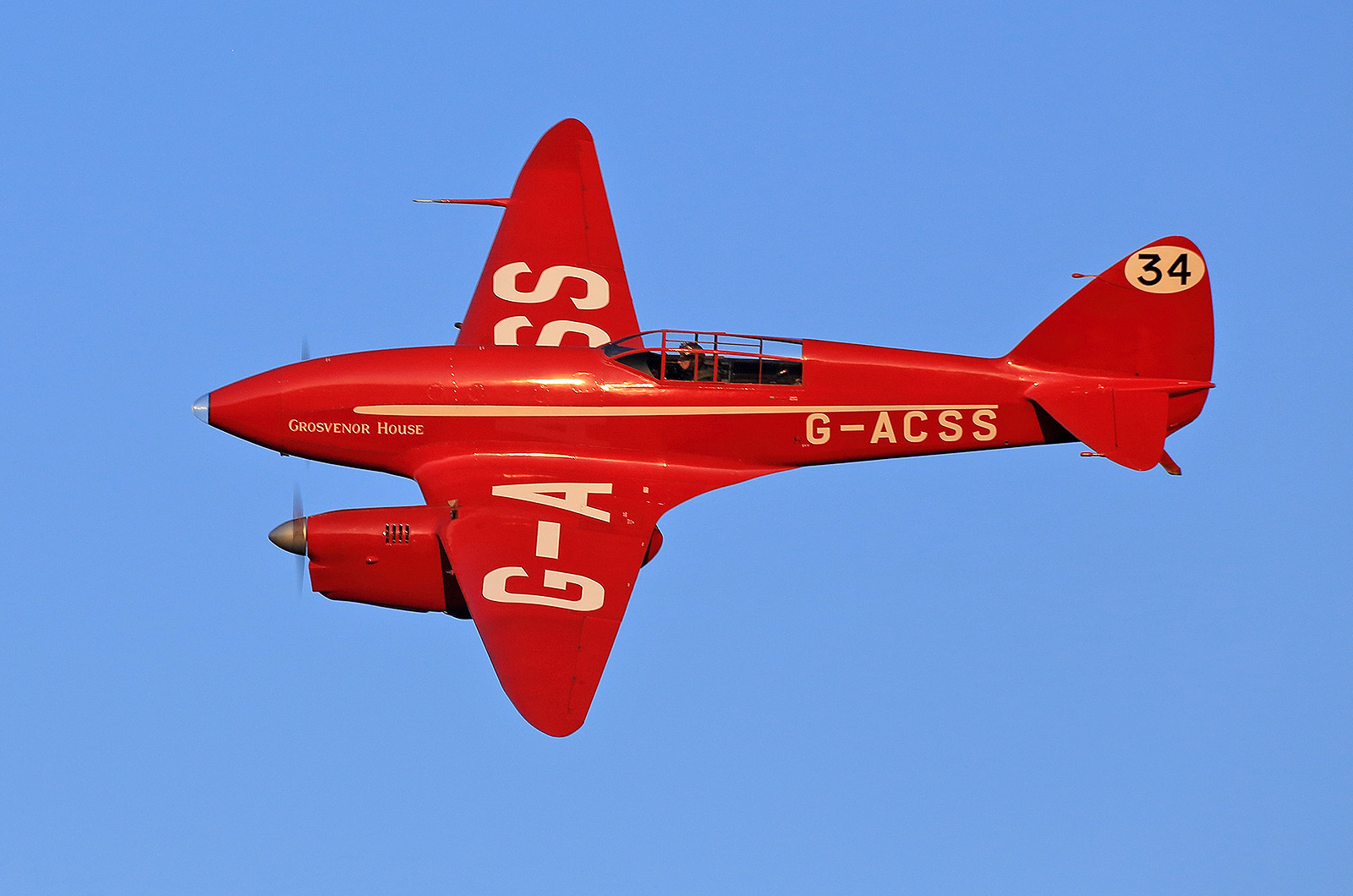
4: de Havilland DH.88 Comet

 de Havilland DH.88 Comet

The de Havilland Comet Racer of 1934 is a ravishingly beautiful machine with an incredible, perhaps miraculous, backstory. Sir MacPherson Robertson put up a £10,000 prize (equivalent to £ 607,000 today) for the winner of an air race from England to Australia, to celebrate the centenary of the Australian state of Victoria.

Whereas most entrants (rather reasonably) chose an existing aircraft, the de Havilland aircraft company proposed a brand-new aeroplane. The new machine, an utterly modern machine embracing all the latest ideas in aeronautical design, went from conception to winning the contest, in only nine months!


4: de Havilland DH.88 Comet

 de Havilland DH.88 Comet

Innovations included a retractable undercarriage (rare in 1934), a new kind of wooden stressed skin, and two-pitch propellers. Despite its slender fuselage it contained enough fuel to travel 2900 miles (4667 kilometres) on internal fuel! The DH.88 would lead to the Mosquito, one of the best aircraft of the Second World War.

Today, Comet G-ACSS (pictured) is part of the Shuttleworth Collection at Old Warden in England. Undoubtedly, this collection contains some of the most gorgeous aircraft in history, most of which sadly failed to make the cut in our poll (due to a paucity of votes), among them the gorgeous Mew Gull and Miles Hawk Speed Six.

Back to top

3: de Havilland DH.98 Mosquito

 de Havilland DH.98 Mosquito

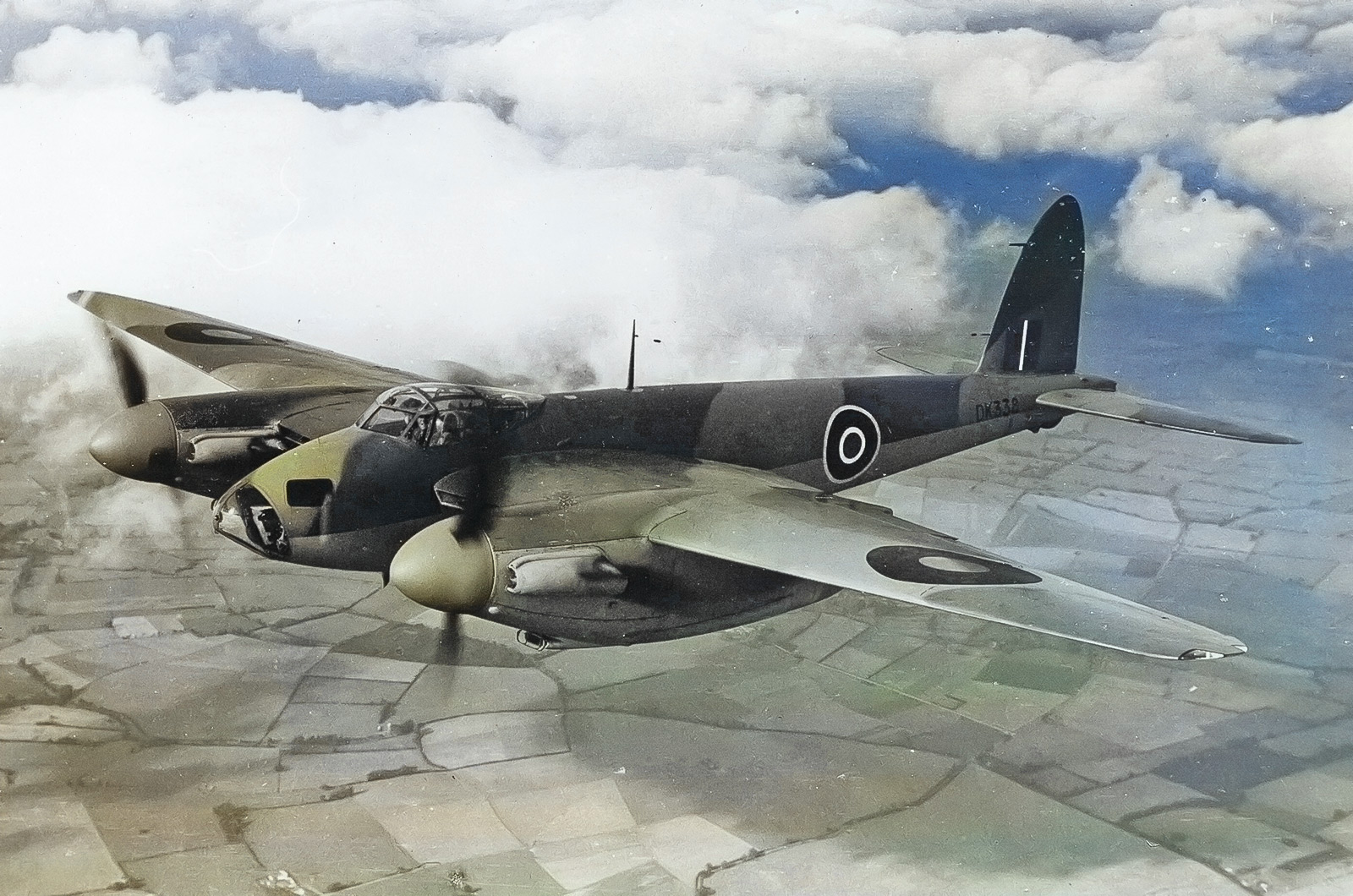
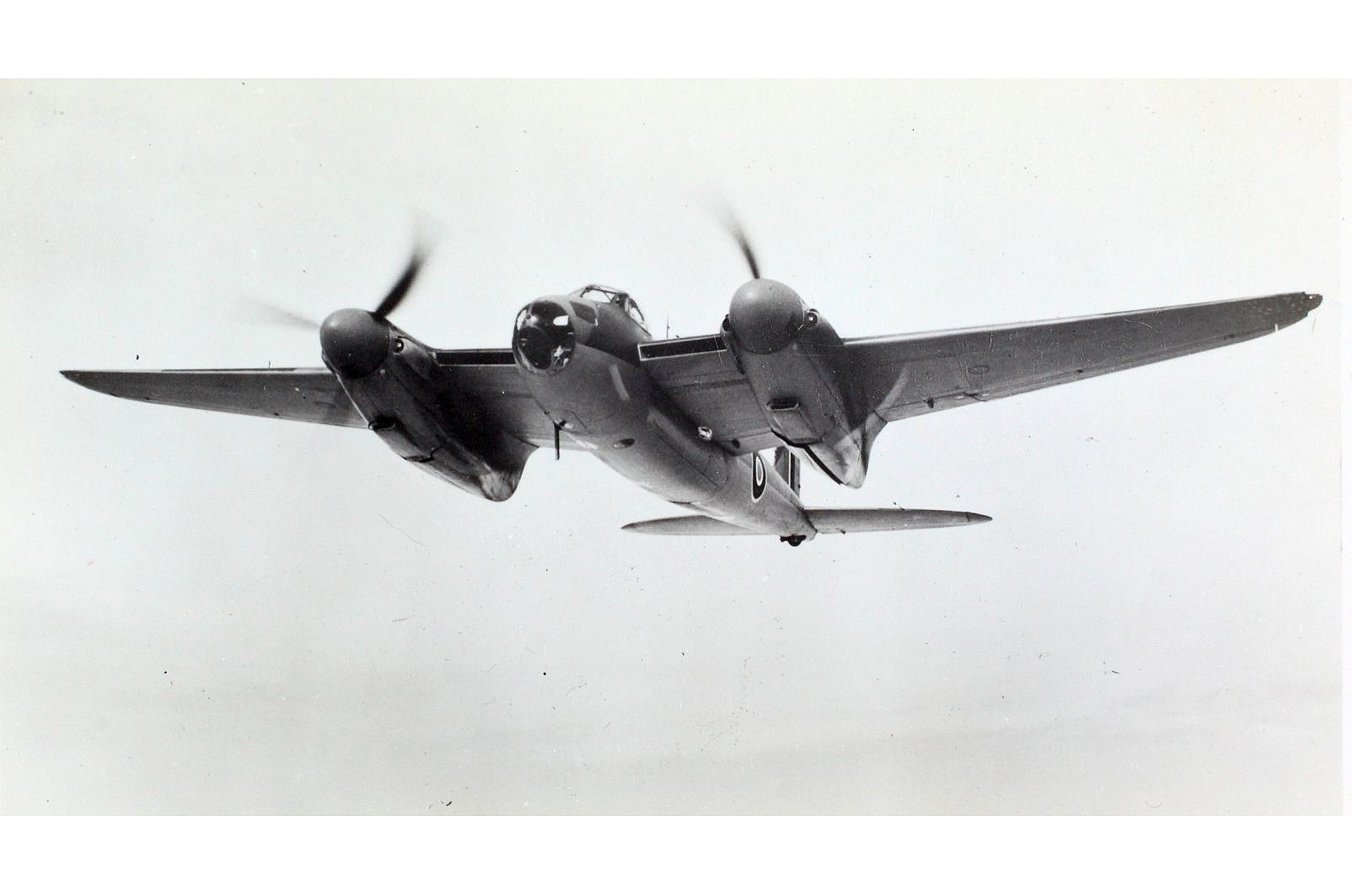
The de Havilland company did well on this vote, and unsurprisingly, the ‘Wooden Wonder’ Mosquito was a popular choice.  Some note that the Mosquito’s beauty, unlike that of the DH.88, cannot be adequately captured in a photo and that you need to see and hear one in flight to fully appreciate it.

The Mosquito was one of the most versatile, effective and survivable warplanes of the Second World War. Key to its excellence was its impressive turn of speed, the result of a clean light airframe of wooden sandwich construction, and two of the excellent Rolls-Royce Merlin V12 engines.


3: de Havilland DH.98 Mosquito

 de Havilland DH.98 Mosquito

Although some Mosquito variants could be accused of having a stubby nose, which sits somewhat obscured by the engines in profile, and not the most attractive canopy, it does boast a beautiful wing, engine nacelles and a rather cheeky tail fin with the tailplane protruding further aft in a somewhat eccentric, and quite appealing way.

The inner section of the wing has a far broader chord than the outer, giving the aircraft a look of structural strength. The ratio of propeller disc to overall size accurately gives the impression that is a very powerful machine capable of great speeds. The Mosquito ‘hangs’ together perfectly, as beautiful as it was brilliant.


2: Hawker Hunter

 Hawker Hunter

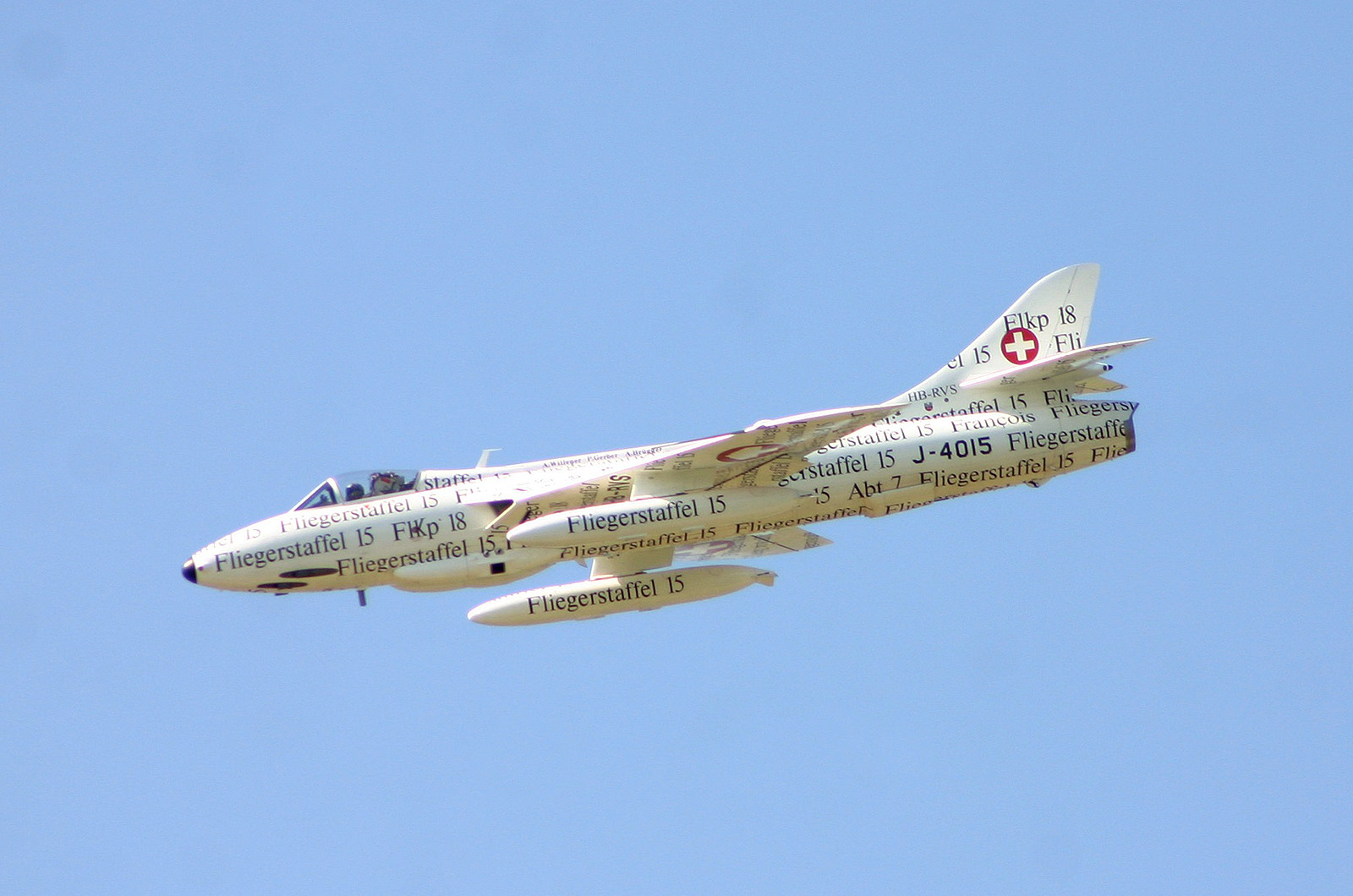
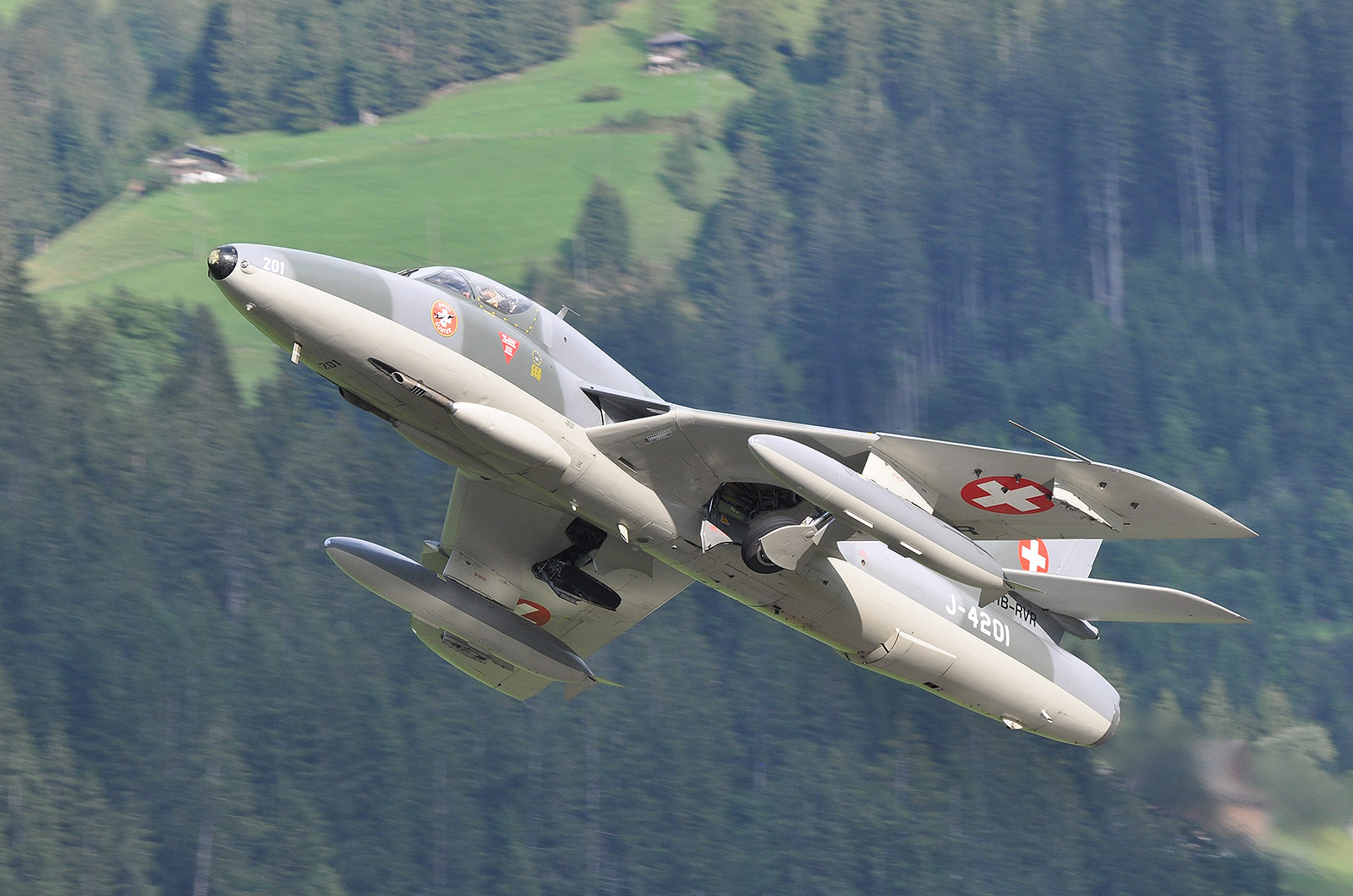
The Hawker Hunter was a very popular choice with our readers, and indeed, it is with most aviation enthusiasts.  The Hunter is made of exquisite curves, without overly aggressive protruding shapes, and looks as if you run your hand across the whole aircraft without hurting your hand (a key determinate of vehicle beauty, according to car designer Peter Stevens).

Designed by the brilliant Sydney Camm, creator of the Hawker Hurricane, the Hunter inherited another of his designs, the straight-winged (and very pretty) Sea Hawk. The neat wing root jet inlets of both aircraft are absolutely elegant, and both have a nose of handsome curve, and the cockpit canopy of a friendly yet formidable shape.

Back to top

2: Hawker Hunter

 Hawker Hunter

The distinctive curved tail is characteristic of many British designs including the later Hawk T1. This offers aerodynamic advantages but is harder to manufacture, indeed a historical trend in many British aircraft has been aerodynamics over ease of manufacture. This prioritising of aerodynamics often has the happy byproduct of leading to good looking aeroplanes.

It perhaps should be noted that some do not consider the Hunter to have an ‘all-aspect’ beauty, i.e., it doesn’t look perfect from every viewing angle: the wing chord is a little too deep, and the rear fuselage is a tad too elongated. But these are rather churlish criticisms of what is undoubtedly a very attractive machine.


1: Supermarine Spitfire

 Supermarine Spitfire

The Spitfire, with its mass of complex curves, was a manufacturer’s nightmare but an aesthete’s dream. Its deadly rival, the German Messerschmitt Bf 109, was the opposite, a nasty waspish block of unyielding angularity; the Spitfire, on the other hand, looked alive, a thoroughbred racer of uncluttered smoothness.

An elliptical wing is a wing shape that tapers from the root to the tip in an ellipse. The elliptical wing of many Spitfire marks is considered by many to be very beautiful (as well as being an excellent aerodynamic solution). Some Spitfires had the wingtips cropped for improved low-altitude performance, giving them a more thuggish appearance.


1: Supermarine Spitfire

 Supermarine Spitfire

The Spitfire inherited much of its good looks from its race plane heritage, and freed from floatplanes was even ‘faster’ in appearance. Intriguingly, floatplane Spitfires were tested in World War II, with one Spitfire Mk IX becoming the fastest floatplane of the war, with an impressive top speed of 377mph.

Those who prefer a spritely, almost canine, nobility of form prefer the early Merlin examples, whereas those who favour a more aggressive muscular appearance flock to the late examples powered by the Rolls-Royce Griffon. The Spitfire’s beauty is not just based on its shape; one must savour or consider its historical significance, balletic agility and melodious engine sound to appreciate it fully.

Follow Joe Coles on Substack, Twitter X  or Blue Sky. His superb Hush-Kit Book of Warplanes is available here.

If you enjoyed this story, please click the Follow button above to see more like it from Autocar

Photo Licence: https://creativecommons.org/licenses/by/4.0/deed.en


Join our WhatsApp community and be the first to read about the latest news and reviews wowing the car world. Our community is the best, easiest and most direct place to tap into the minds of Autocar, and if you join you’ll also be treated to unique WhatsApp content. You can leave at any time after joining - check our full privacy policy here.

Add a comment…