


Let’s wind back to 2012: Britain is gripped by Olympic fever as Vauxhall launches the Ampera and the UK’s first ‘plug-in’ hybrid decisively beats the Volkswagen Up to European Car of the Year glory in the process.
Within 12 months the Ampera will have a carbonfibre-cored rival in the unlikely shape of the BMW i3, another car using its petrol engine purely as a range-extender in what appears to be a movement gathering momentum.
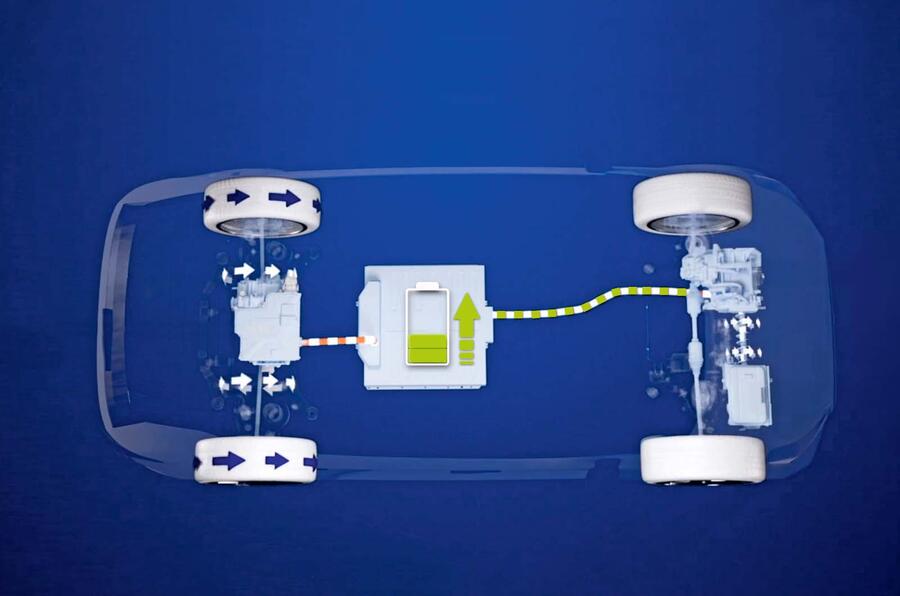
Yet more than a decade later both cars feel like distant memories and range-extender (REx) technology – essentially where an engine charges a drive battery instead of powering the car itself – remains remarkably niche.
Mazda will sell you its MX-30 crossover with a dinky rotary generator on board, while LEVC London cabs deploy REx tech on a larger scale. But most customers opt for a battery-electric vehicle (BEV) or parallel hybrid and ignore a once-pioneering stepping stone between the two camps.
ZF reckons that is about to change. The German automotive and industrial tech giant has its hand in all manner of components and its 8HP eight-speed automatic transmission is a mainstay of the industry, with dozens of applications since its late-noughties introduction.
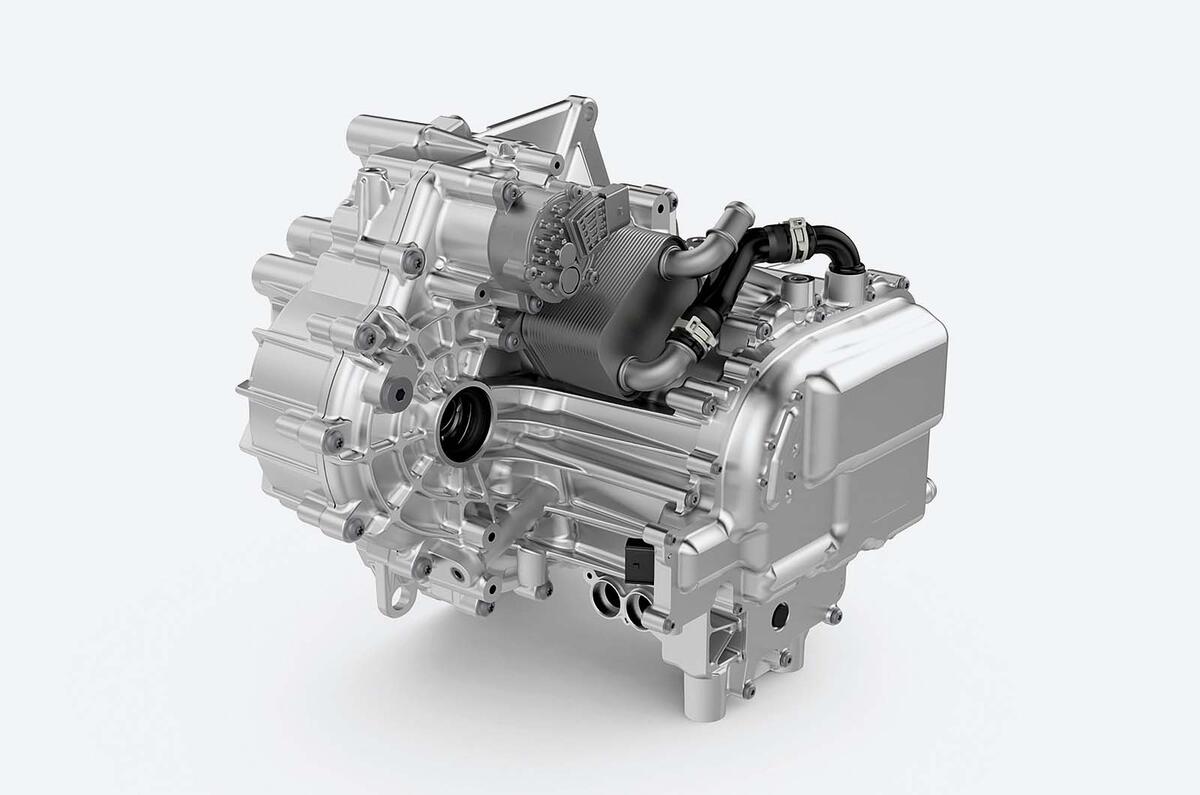
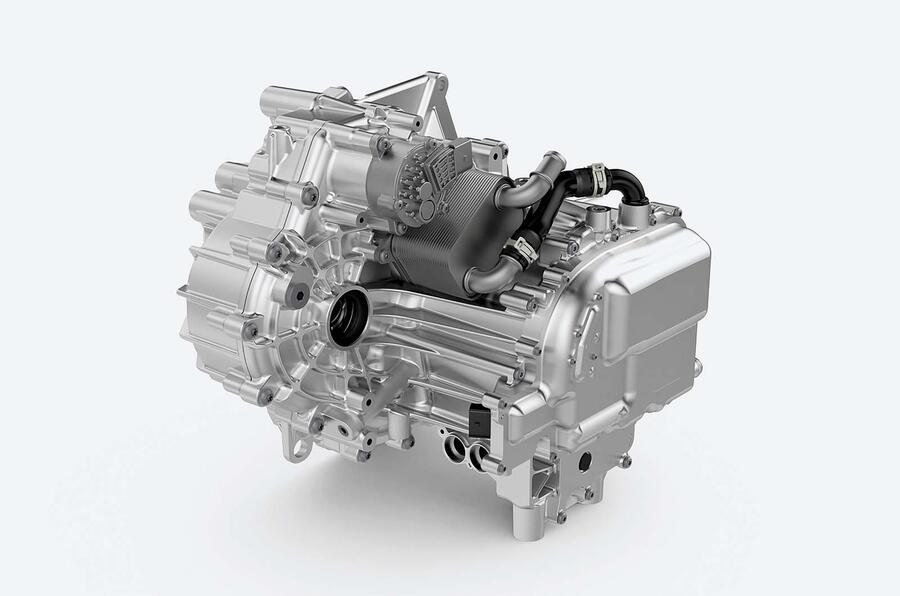
ZF’s latest range-extender systems, eRE and eRE+, are designed to speed up car makers’ evolution of hybrid and EV technology – and help them mould around increasingly tumultuous market conditions.
“It could potentially revitalise the somewhat sluggish electric vehicle market in Europe and the US,” says the company. “Major manufacturers like Hyundai, Ford and Stellantis are showing interest in range-extender technology and planning to launch vehicles equipped with it within the next two years.” Its halo gearbox certainly has a good track record of breaking down rivalries and supplying multiple, competing manufacturers all at once.
So what’s new compared with a decade ago? “When you look at the history of range-extenders, [engines] like those in the i3 were designed to help you in utmost urgency,” says ZF’s e-mobility R&D boss Otmar Scharrer. "This has changed. Range-extenders are now much stronger and more powerful.”