
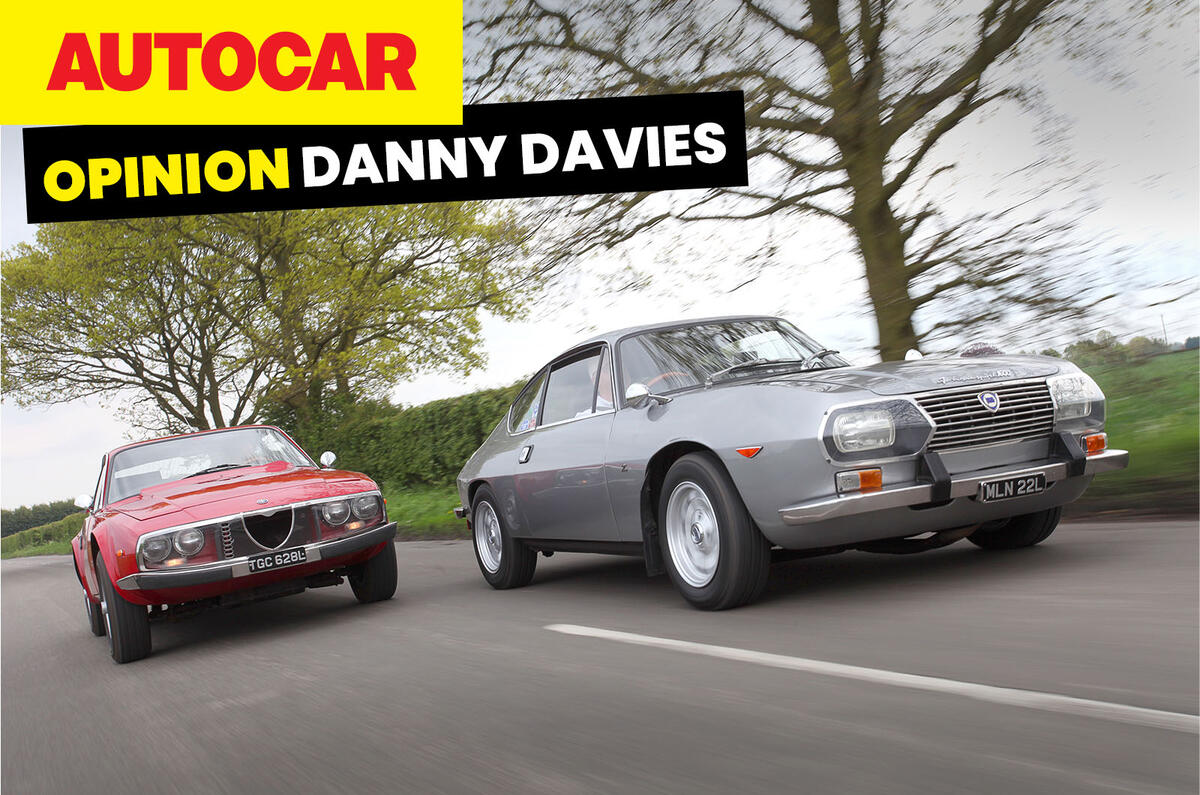
When I was 11, I was fortunate enough to see a green 1961 Aston Martin DB4 GTZ in the metal.

Ever since, I've been obsessed with the genius of Zagato. Now, I'll be the first to admit that I'm not exactly qualified to talk at length about the intricacies of car design, and I'm also aware that, as a topic, this is about as subjective (and divisive) as they come for us car nerds.

But for me Zagato is the single greatest name in automotive design, elevated above the likes of even Pininfarina, Bertone, Giugiaro and other similar greats.

Founded by aeronautical designer Ugo Zagato, the Milanese coachbuilder opened its doors in 1919, and a vision for lightweight construction underpinned its design language from the outset. Zagato evolved over the next few decades, but that core requirement for lightness never stopped informing the company's output.

As different eras came and went, some truly stunning vehicles blossomed from those hallowed sketchpads. Particularly during the golden age of the 1950s and 1960s, the cars being penned by Zagato were elegant and dainty, with rounded overhangs and curvaceous, streamlined bodies that were made of aluminium and wrapped around shortened wheelbases.

Small, lightweight cars appeal to me greatly (ironic, because at 6ft 5in I would look ridiculous in any of them), and this is one of the fundamental reasons behind my love for Zagato, and where much of my appreciation for its designs lies.

The 1954 Maserati AG6/54 Stradale GT Zagato and 1963 Alfa Romeo TZ1 are perfect examples of this. They appear to be almost compacted around their own axles yet still capable of maintaining an effortless style and proportional elegance that will make you go weak at the knees. It's a mesmerising combination.


Then there's also the fact that many of Zagato's design choices were made to be functional in motorsport. I adore the fact that the company's signature and most attributable feature, the double-bubble roof, was dreamed up in the early 1950s as a way of increasing space for racers' helmets while maintaining a low roofline. Luckily, it just so happened to also look exquisite on any car it appeared on.