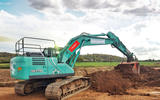

When did you first notice green flashing beacons atop construction equipment?
I thought maybe they’d started appearing about a year ago, apparently in the same way that I think Pop-Tarts are a newfangled breakfast phenomenon. But I’m wrong, because they’ve been around for years.
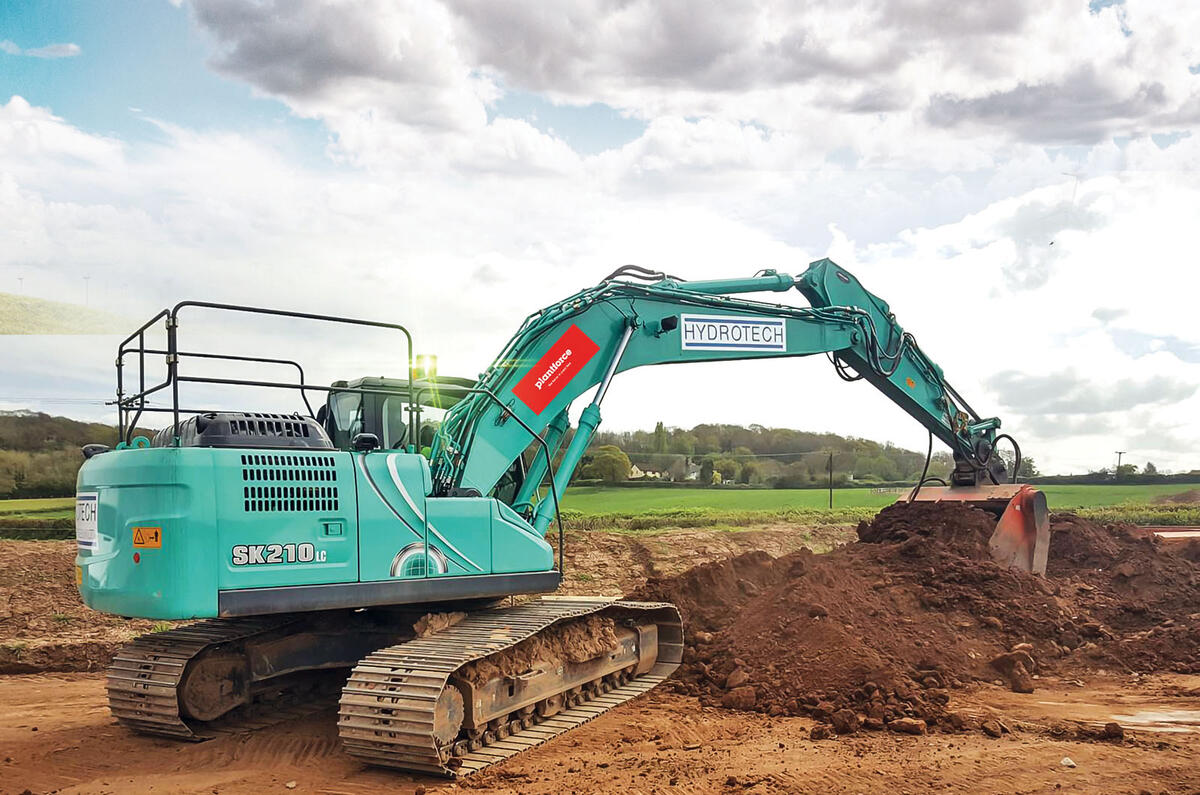
If you read Highways England’s publication ‘The Delivery Hub: health, safety and environment – raising the bar 1’ (and I have so you don’t have to), the green beacon is mentioned no fewer than 12 times as being best practice on construction vehicles. It was published in 2013. (Six years ago! Surely, this isn’t possible. If you’re a constructor, please tell me you’ve only started fitting green beacons in the past fortnight.)
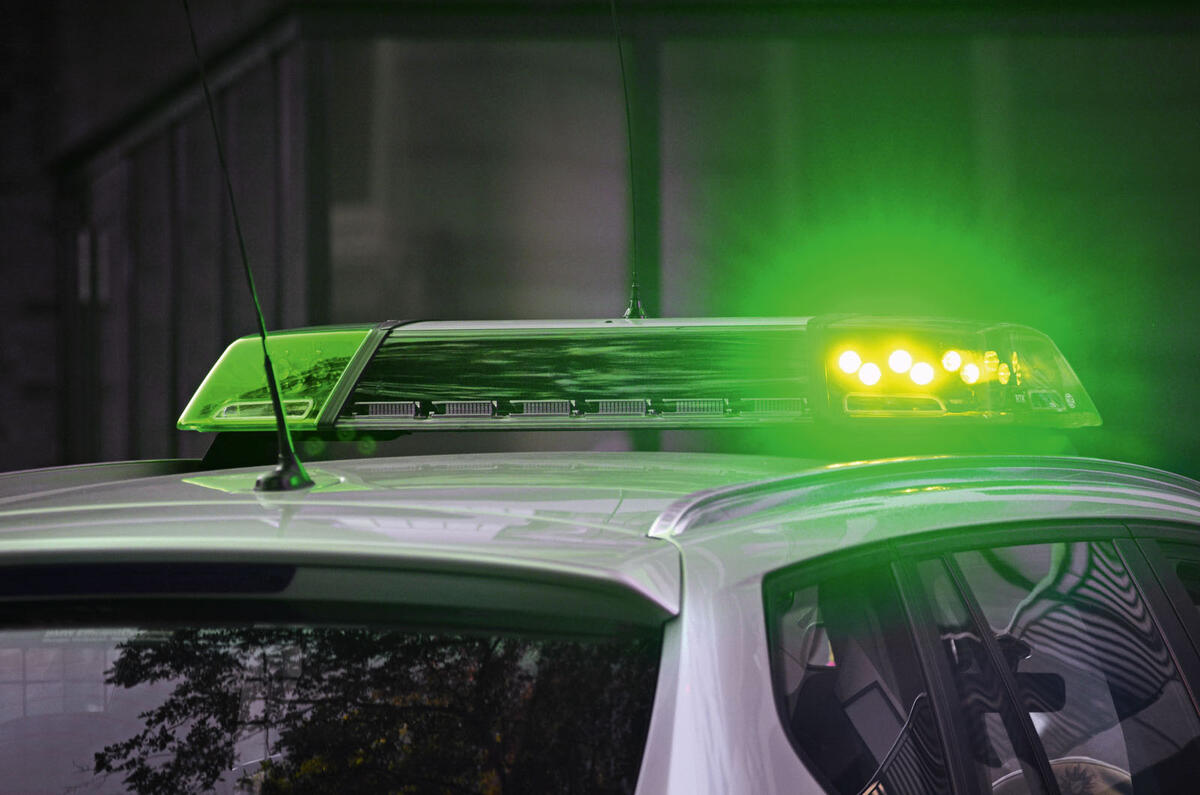
What does the light mean? That somebody on board is first aid trained, given that green lights are the preserve of doctors on highways? No, it signals that the operator is wearing their seatbelt.
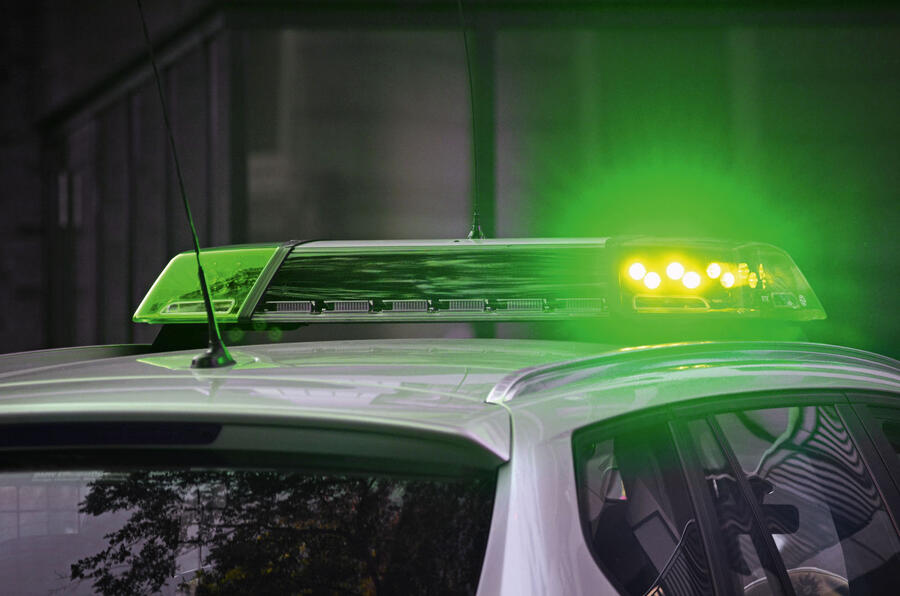
I can’t quite find whether this has reduced site accidents, and I do hope so, although a quick internet browse shows merely how it has exasperated some drivers.
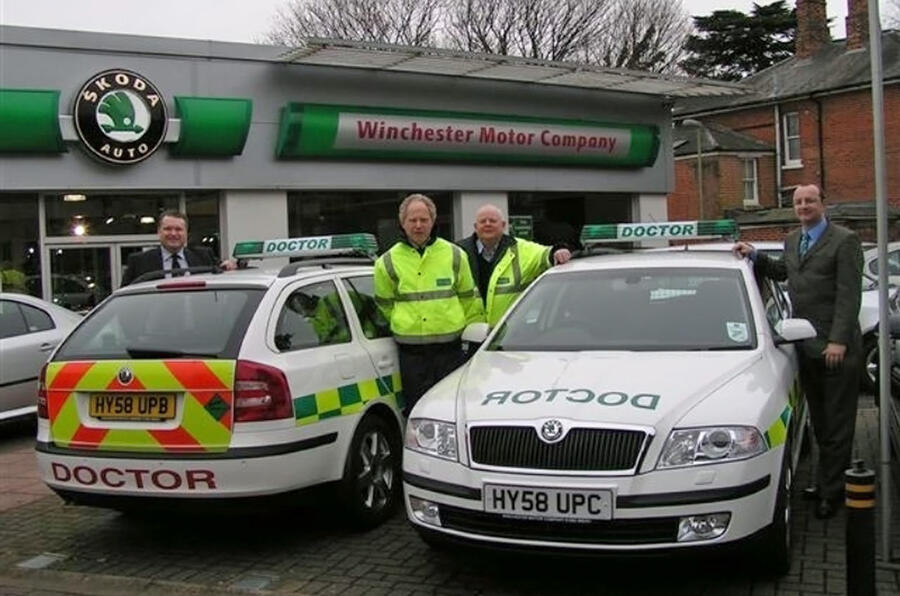
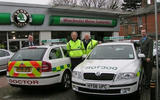
Partly that’s because of the doctor thing: on the road, a green beacon is the sign of a medical professional who needs to let you know they’re in a hurry but can’t contravene traffic regulations. So a construction/ agricultural worker has to remember to disconnect the green beacon when their vehicle takes to the highway, in case you or I confuse an approaching Caterpillar MT875E with a Skoda Octavia estate, and in case they get fined for it. I suppose in the dark, on city streets, it could be a problem.
And some drivers just don’t like it: some vehicle’s systems are apparently quite sharp at working out whether a driver has just slipped the seatbelt behind them, but others are not.
To be honest, beyond having my curiosity satisfied, I don’t know or care enough to get particularly exercised either way, save for being annoyed that I didn’t notice the lights earlier. Too late, any rate, to seize the opportunity to open an Amazon seller account specialising in green beacons.