










Currently reading: 5 ways to prepare your car for the summer holidays

With another heatwave sending temperatures soaring past 30°C, there's never been a more important time to give your car a summer once-over before you hit the road

If it feels like this summer has barely let up, you're not imagining it. The UK has now recorded temperatures of 35°C or higher in May, June and July alike – something that's never happened in the same year’s weather records before. When spells of hot, dry weather push the mercury into the thirties, your car needs to work harder than it has all year. Combine this with summer holidays where soaring temperatures are paired with days out and even longer trips away from home, and you’ll want to be reassured your car is well maintained and fit for the job.

Long motorway miles, a fully loaded boot and cabin temperatures that would make anyone wilt all add up to more stress on your car than the average commute. A few minutes of preparation now can be the difference between a smooth departure and a trip-spoiling roadside emergency.

So, from air con to abroad-driving rules, we’ve partnered with Kwik Fit to list the five things worth checking before you set off, with the biggest one – you guessed it, tyres – saved until last.

Get your free summer tyre check today

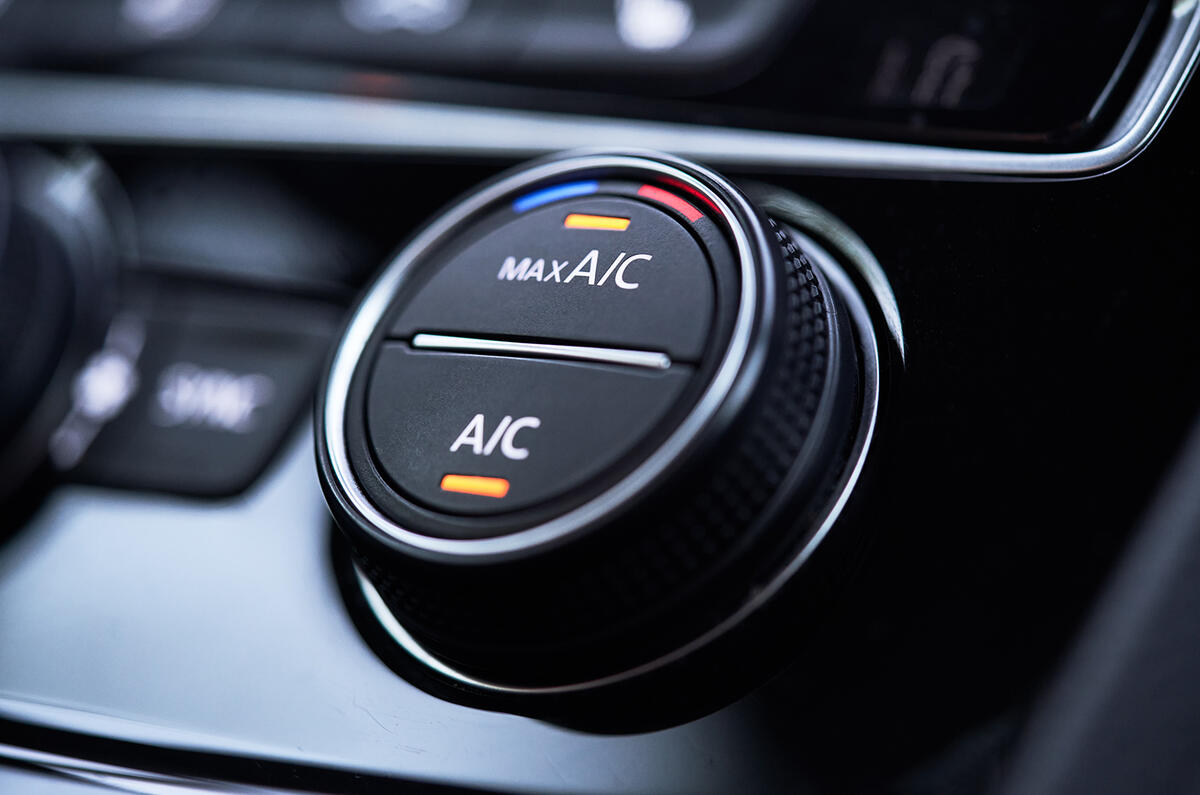
#1 Get your air con checked (and regassed if needed)
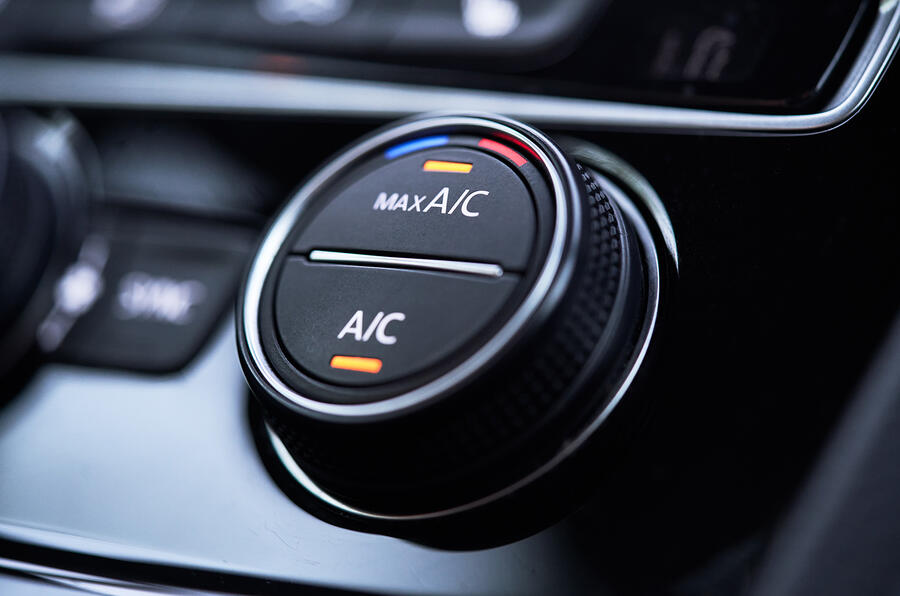
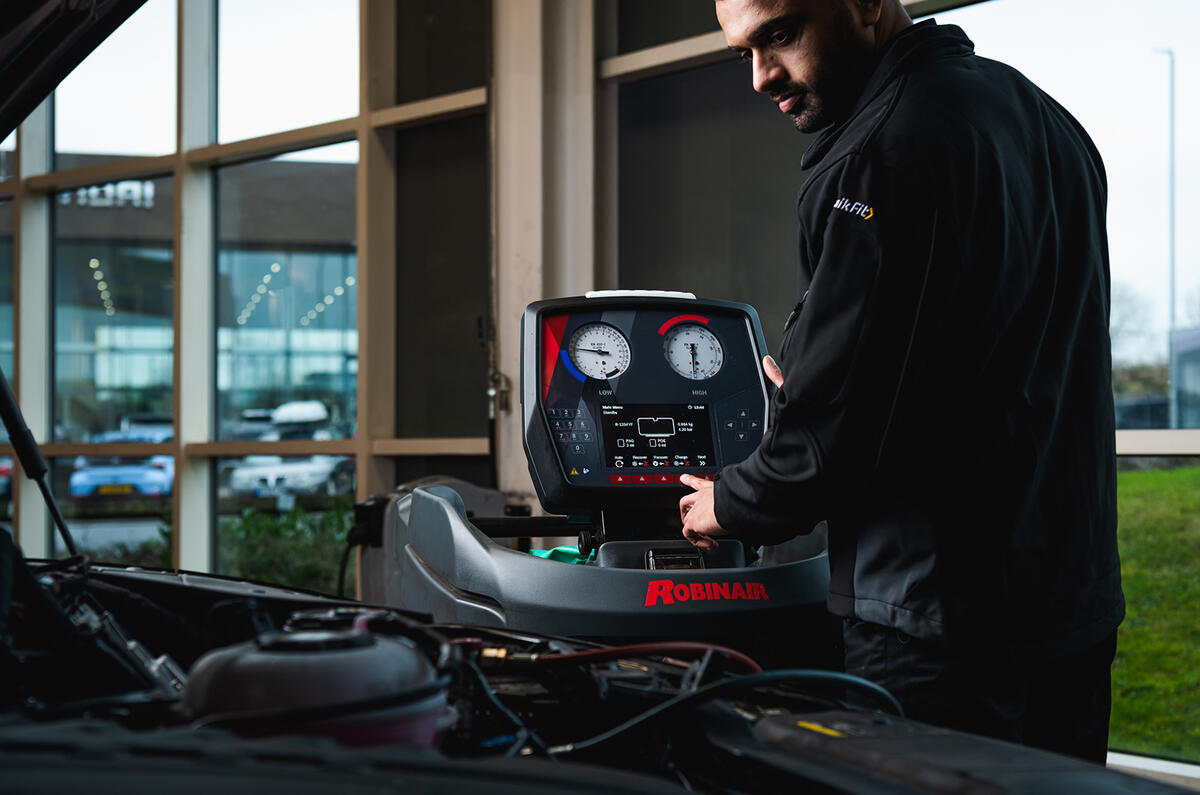
There's nothing that saps holiday enthusiasm faster than a car that can't keep its cool. Air conditioning systems naturally lose a small amount of refrigerant every year – usually around 10% – even without a fault, so a system that felt fine last summer might blow lukewarm air by the time this one arrives. If your car is taking longer to cool down, or the air coming through the vents isn't as cold as it used to be, it's worth having it looked at before you're relying on it for a five-hour drive to your favourite coastal spot.

A basic air con check is quick and inexpensive, and it can flag a slow refrigerant leak before it becomes a bigger, more expensive problem. If a regas is needed, most garages – Kwik Fit included – can do it in under an hour, and it's the sort of job that's easy to book alongside anything else you're having done, or while you enjoy an iced latte at the nearest cafe.
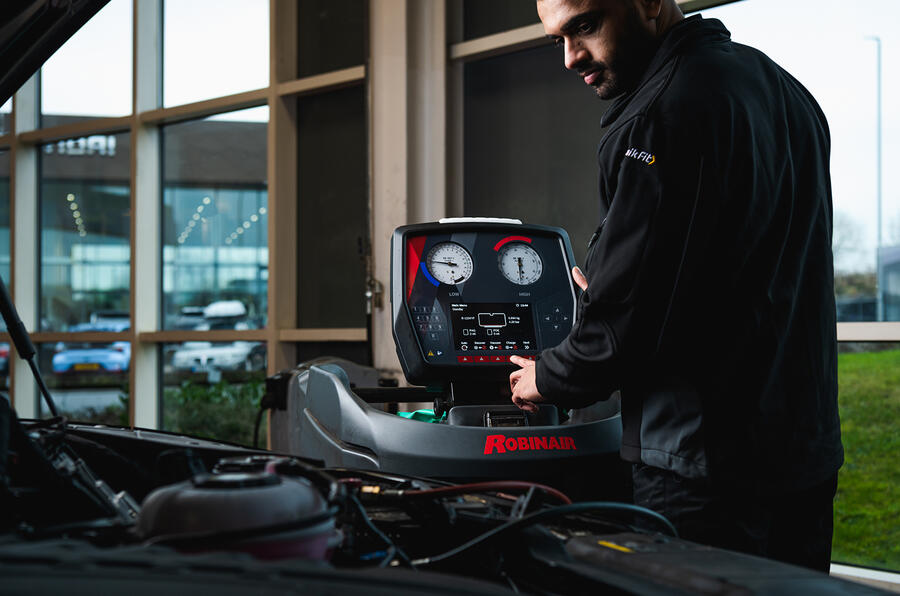
It isn't just about comfort, either. A cabin that's stiflingly hot is a genuine distraction behind the wheel, and tired, overheated drivers react more slowly and can make rash decisions. On a long journey with restless kids in the back, keeping the car cool is as much about concentration and safety as it is about anyone's temper. It's also worth checking your pollen filter at the same time – a clogged one restricts airflow and makes the whole system work harder, which is especially noticeable during a hot, dry summer when pollen and dust are everywhere. Hayfever sufferers will feel much better too, and avoid the sore eyes that are the last thing you need on a long drive. A five minute check now could save hours of serious discomfort later in summer traffic.

Back to top

Book your air-con ragas

#2 Top up and check your fluids

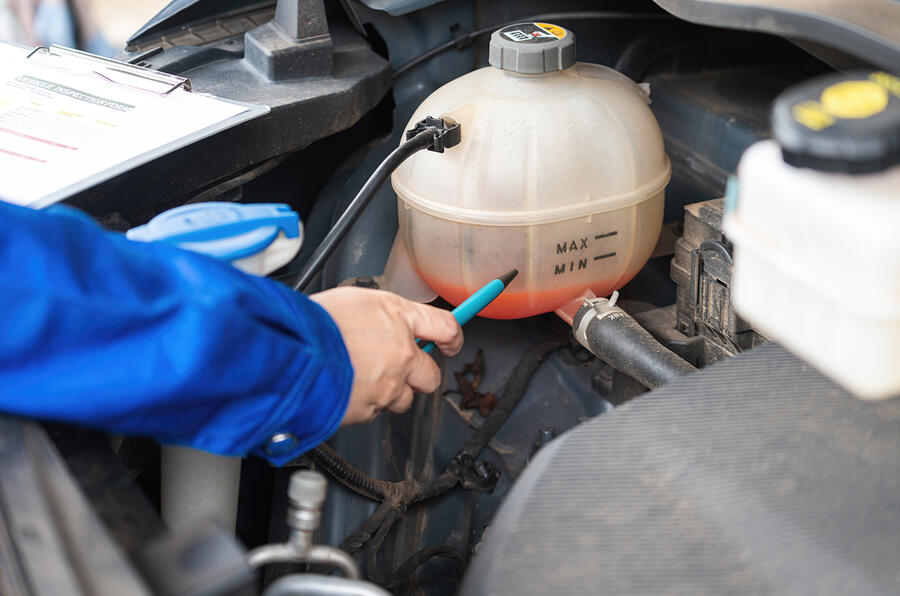
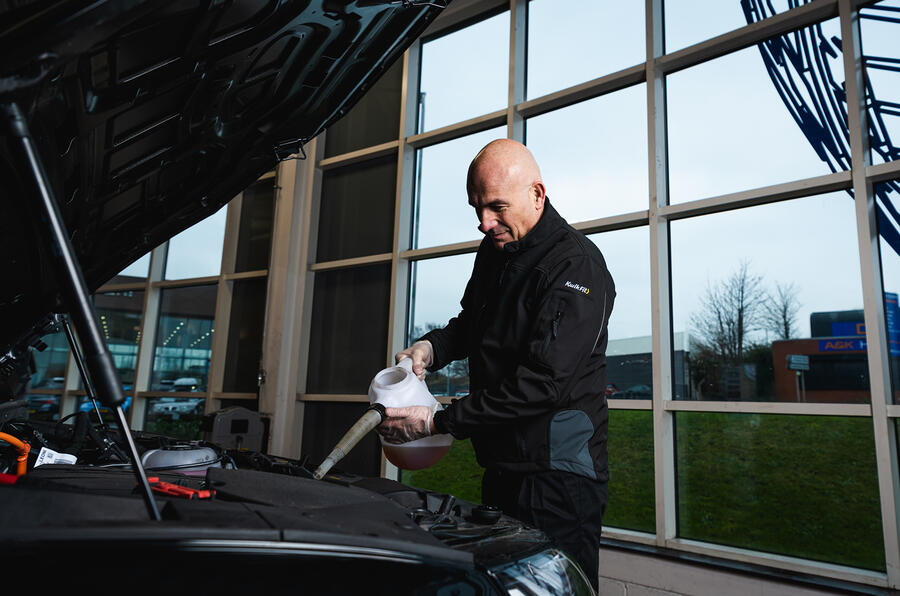
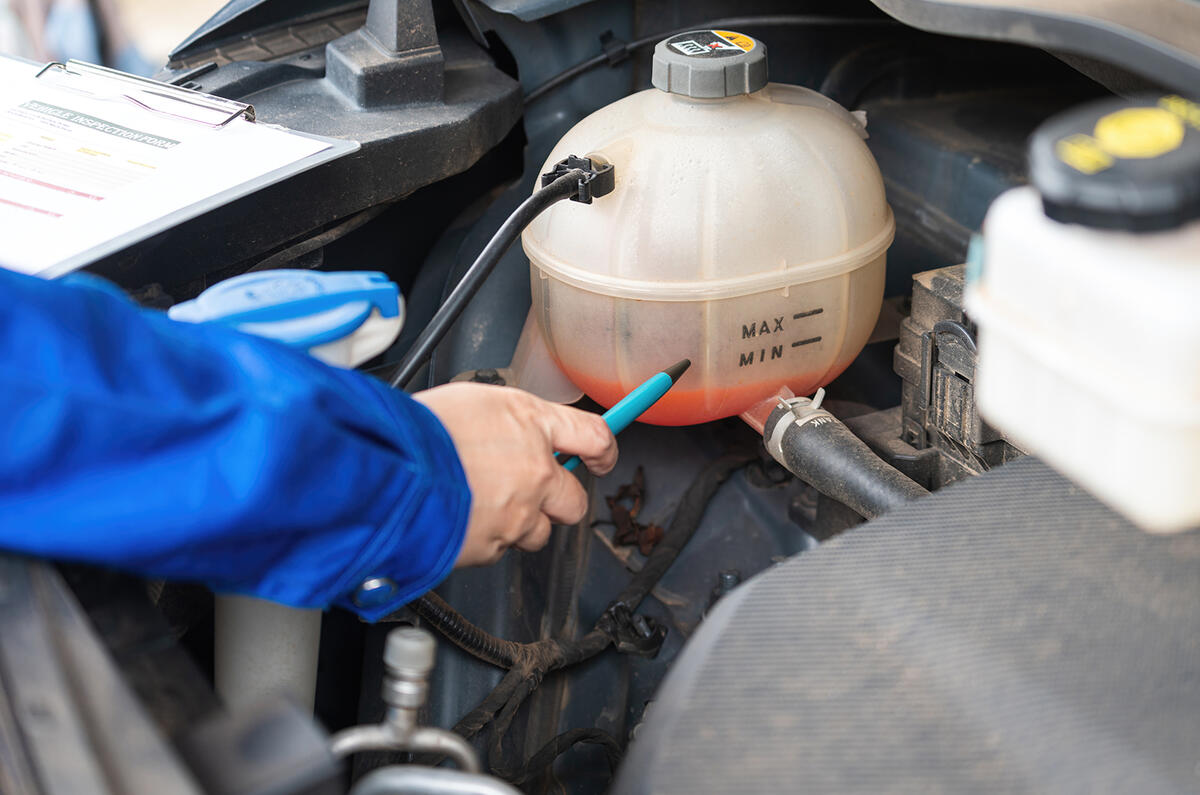
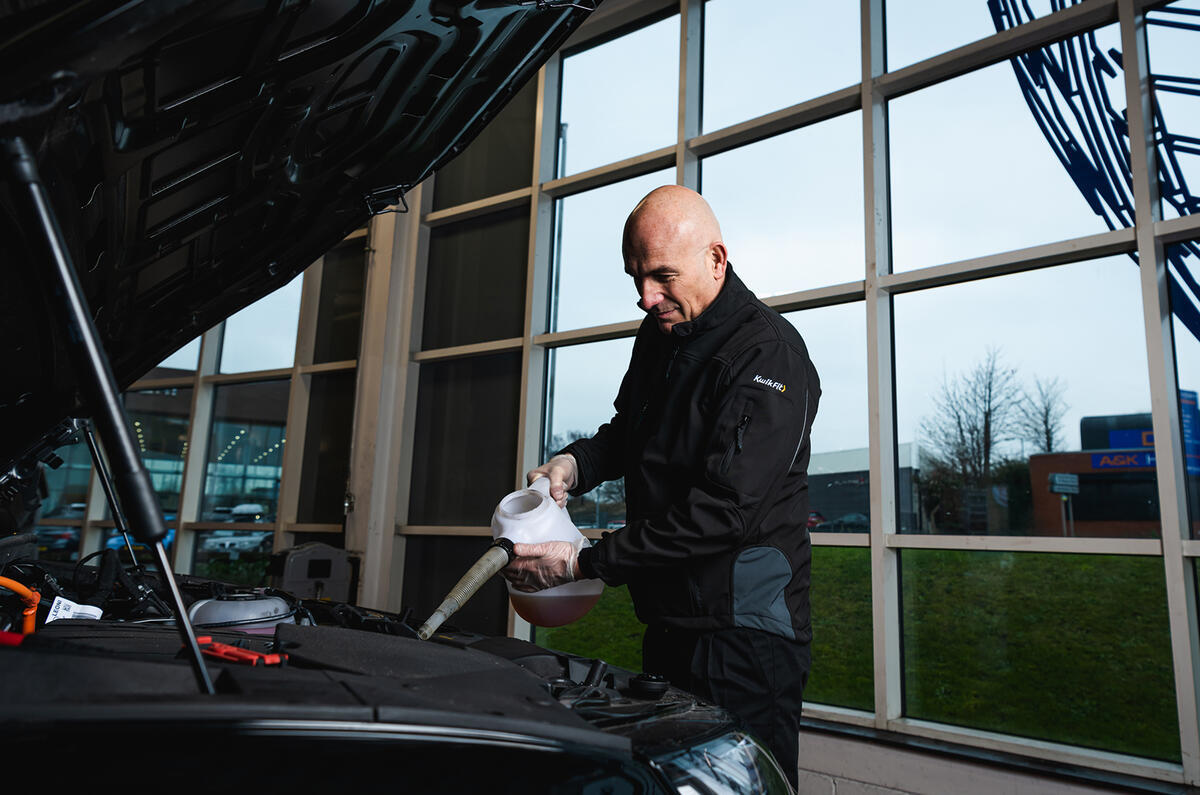
Engine oil, coolant and screenwash rarely get a second thought until something goes wrong, but hot weather and long-distance driving put more strain on all three than a typical school run ever will. Coolant is the big one: it's what stops your engine overheating, and it works considerably harder on a warm day with the air con running and a full car than it does on a cool, unladen commute. Low coolant on a busy motorway in July is a recipe for a breakdown at the worst possible moment.

Checking oil and coolant levels takes a couple of minutes with the bonnet up and costs nothing, and most garages like your local Kwik Fit will happily do it for you as part of a wider free vehicle health check. It's also a good moment to pop out the dipstick and check if the oil looks the right golden colour and thin consistency, rather than dark and sludgy, since a long, hot trip is exactly the sort of driving that shows up a car that's overdue for a service.

Screenwash is easy to overlook but just as important in summer – dust, pollen, insect smears and road grime build up fast on a hot dry road, and an empty washer bottle is a genuine hazard when you're driving into low evening sun with the visor down and glare already doing you no favours.

Back to top

It's worth giving brake fluid a mention too, particularly if you're planning on towing a caravan or driving down some unfamiliar, mountainous foreign roads – heavier loads and sustained braking both ask more of the system. None of this needs to be complicated. A free check at a Kwik Fit centre will run through oil, coolant, brake fluid and screenwash in one visit, so there's no reason to be guessing what surprises lurk under the bonnet before a long trip.

Book your free fluids check today

#3 Know the rules if you're driving abroad

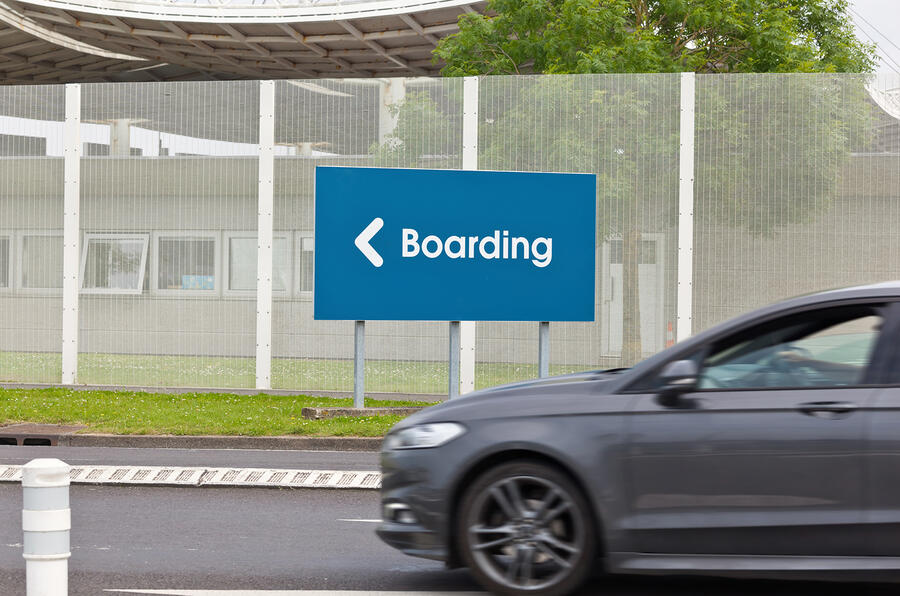
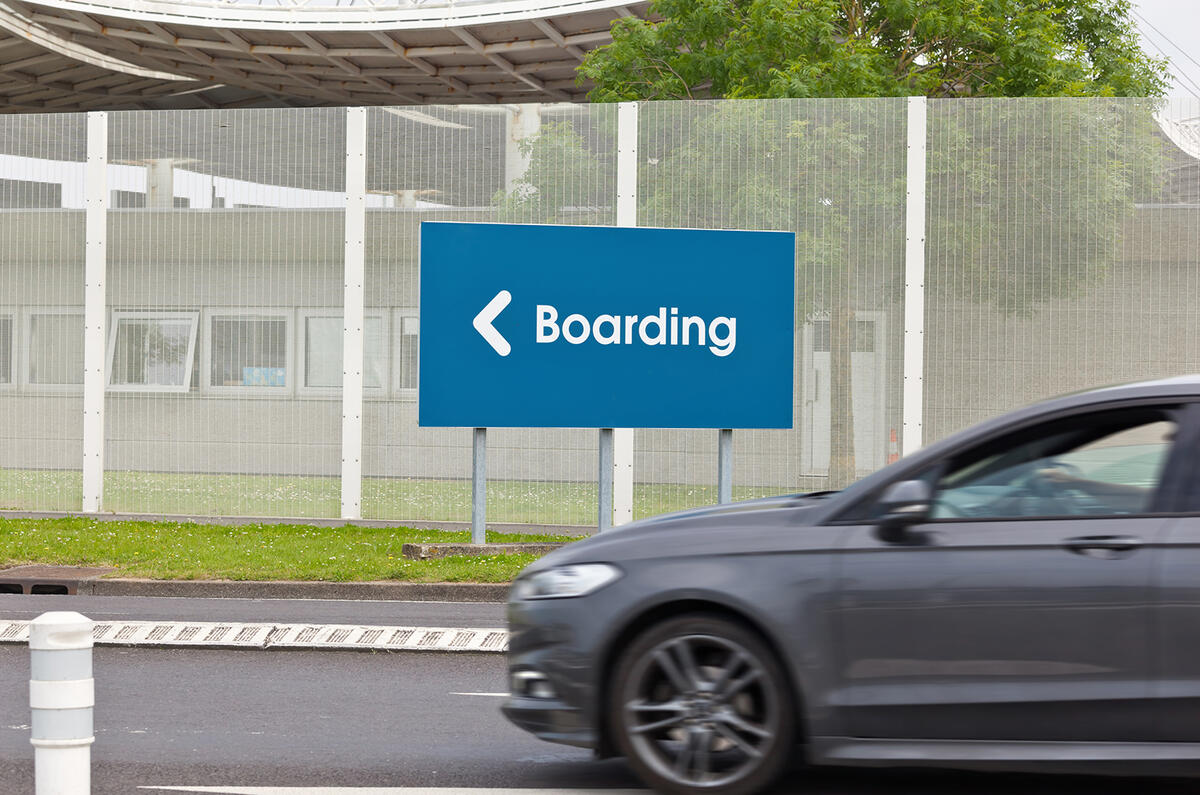
If your summer holiday involves a ferry crossing or the Channel Tunnel rather than the airport, there's a bit of homework to do before you leave, because the rules for driving in Europe have shifted since Brexit and it's easy to be caught out by outdated advice.

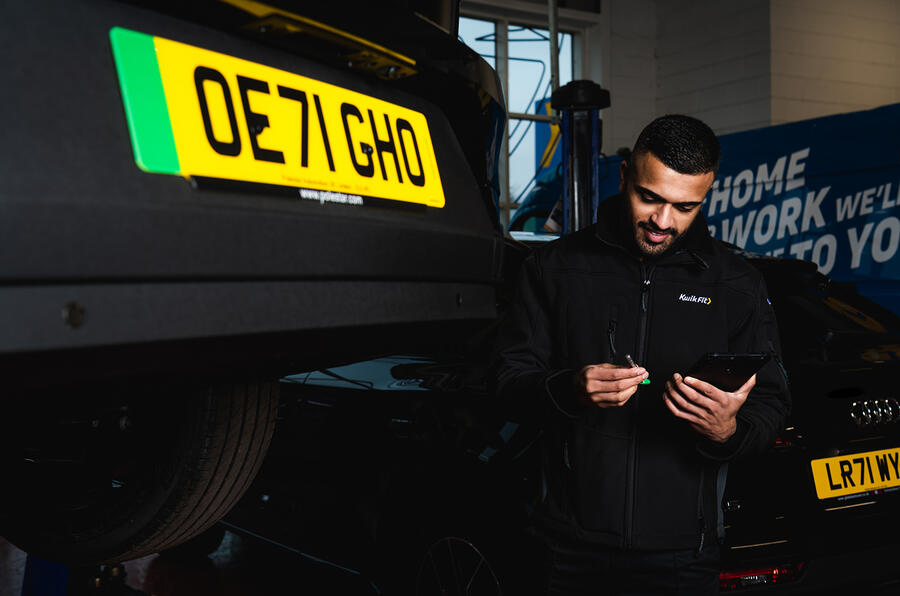
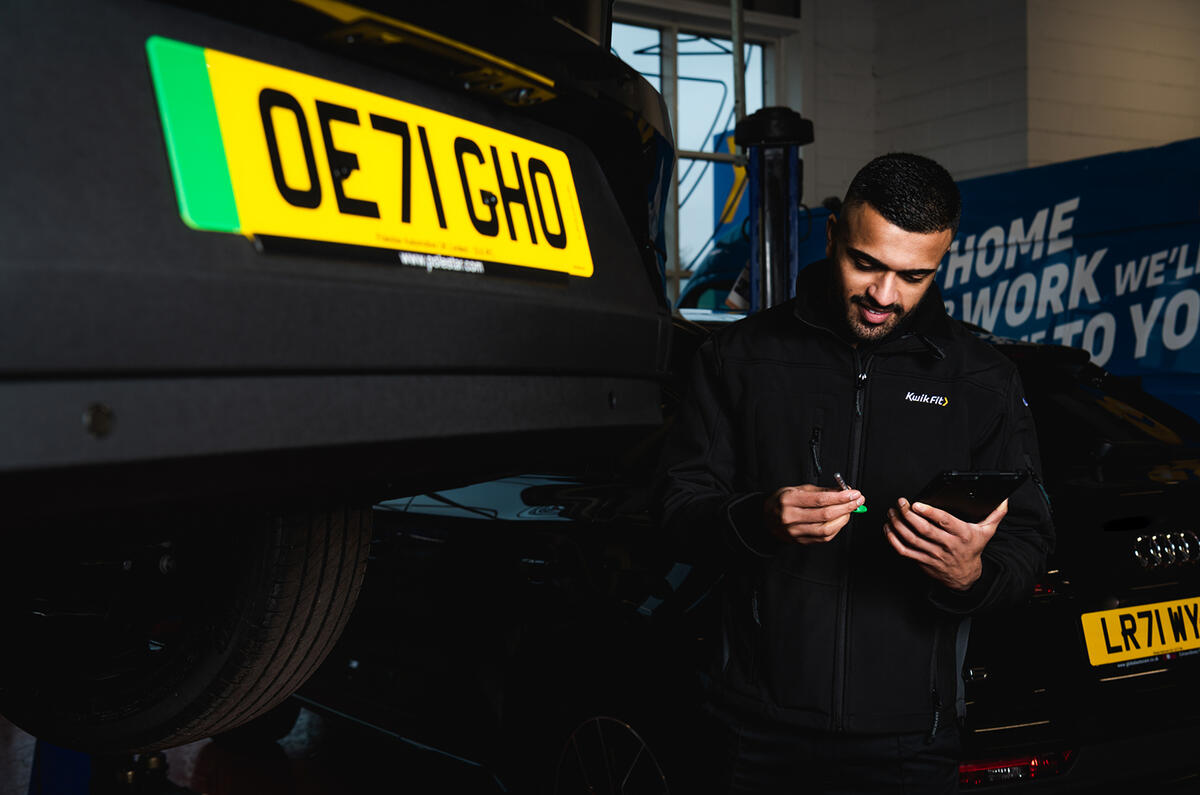
Since September 2021, GB stickers have been retired in favour of 'UK' – though if your number plate already carries the UK identifier with the Union Jack flag, you won't need a separate sticker for most countries. Spain, Cyprus and Malta are the exceptions, where a UK sticker is required regardless of what's on your plate.

You'll also want your V5C logbook and proof of insurance in the car, and it's worth checking whether your policy needs extending for time spent overseas, since many providers only offer a set number of days of European cover as standard. If you're heading further afield, it's also worth knowing that British citizens will soon need an ETIAS travel authorisation to enter many European countries – a quick online form, but one more thing to sort ahead of time rather than at the border. This was planned for introduction in late 2026, but now looks to have been delayed until 2027.  When it is introduced, it is expected to cost around £17 and last for three years.

Back to top

Beyond documents, most European countries expect you to carry a warning triangle, a high-vis vest for each occupant and a first aid kit. If you're driving a right-hand-drive on the opposite side of the road to normal, you'll need headlamp beam deflectors to stop your dipped beam dazzling oncoming traffic – some cars with advanced adaptive headlights allow you to switch this within the headlight settings. Some countries have their own quirks on top – France, for instance, has specific rules around breathalyser kits and low-emission zones in certain cities – so a quick check of the destination-specific advice is worth the ten minutes it takes. None of it is complicated, but it's far easier to sort at home than to discover a gap in your paperwork or kit at a toll booth.

#4 Pack smart and don't overload the car

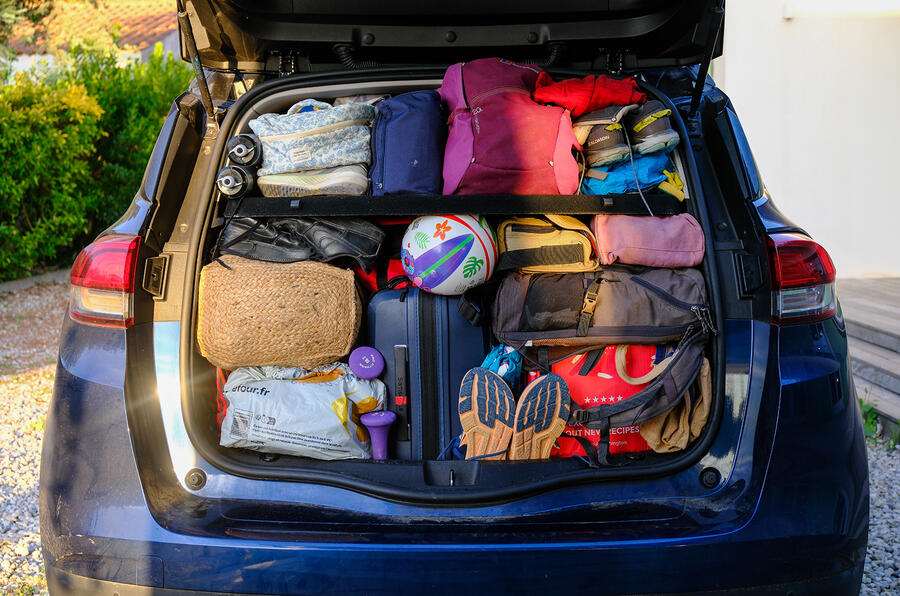
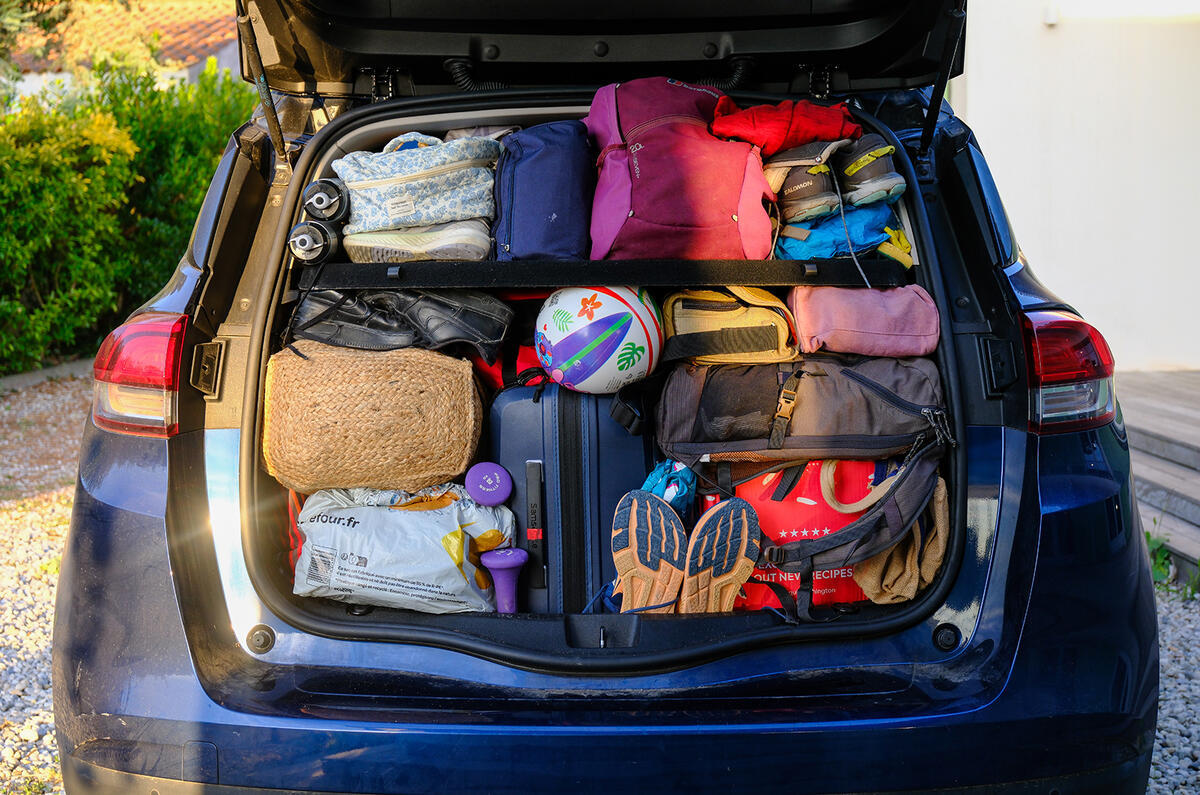
It's tempting to treat the boot as a bottomless pit once the beach bags, bikes and camping gear start piling up, but every car has a maximum load weight for good reason. An overloaded car sits differently on the road, takes longer to stop, and puts more strain on suspension, brakes and, crucially, tyres than they're designed for.

Your vehicle's handbook or the plate inside the driver's door will tell you the maximum permitted weight, and it's worth a rough mental tally before you start strapping things to the roof. You’ll also need to adjust tyre pressures to the manufacturer’s recommended settings for a fully laden vehicle. You can find this information through Kwik Fit’s handy online tool here.

Back to top

Roof boxes and bike racks are brilliant for freeing up interior space, but they also change how your car handles, particularly in crosswinds, and they increase fuel or energy consumption more than most people expect. If you're using one, distribute weight evenly and keep heavier items low and central where possible, both inside the car and up top. It's also worth having a plan for the unexpected: a charged phone, a basic breakdown kit and a note of your cover provider's number will make any hold-up far less stressful, especially with children counting down the miles to the caravan site.

A fully loaded car behaves differently to the one you're used to driving on the commute or school run, so it's worth a few minutes to think about what's going in, where, and how much it all weighs. It's a simple habit, but one that pays off the moment the road gets twisty or the weather turns – which brings us to the part of the car that has to cope with all that extra weight, in all conditions, using nothing but four small contact patches with the road.

#5 Check your tyres – the single most important job on this list

Everything else on this list matters, but nothing affects how safely your car handles a long summer drive quite like its tyres. They're the only part of the car actually touching the road, and with a fully loaded boot, higher speeds and hotter tarmac all working against them, summer is exactly when tyres are put under the most strain. In fact, Kwik Fit’s research has found that one in eight drivers have suffered tyre problems on summer holiday journeys.

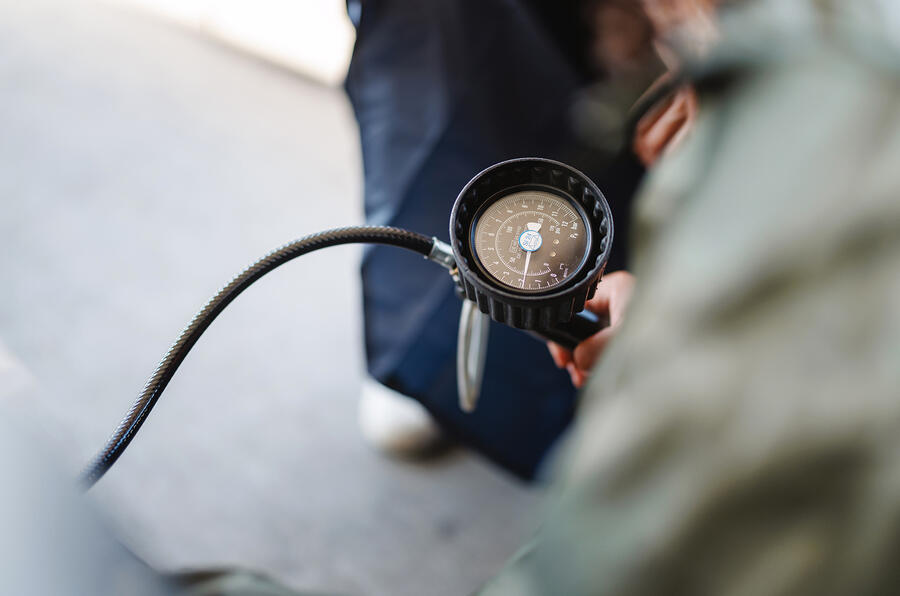
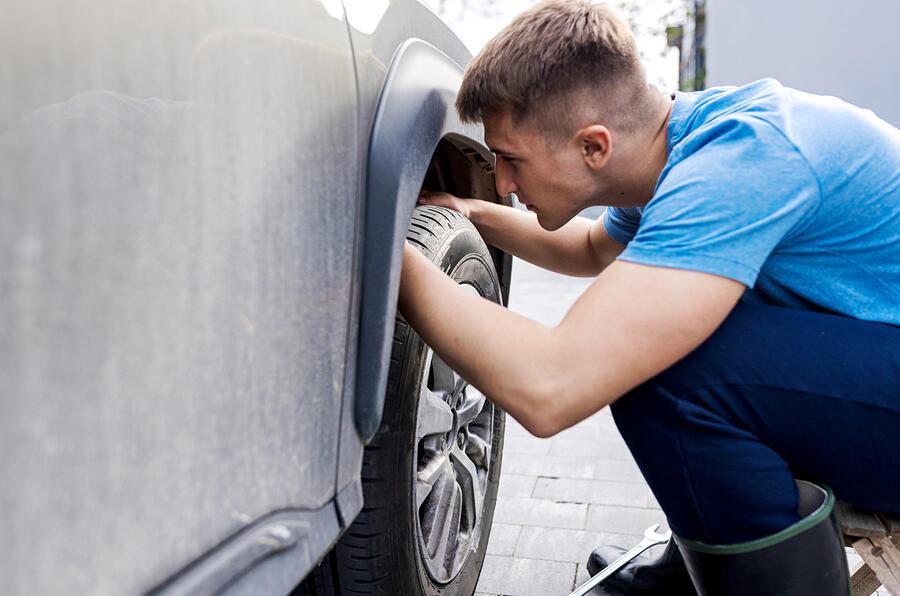
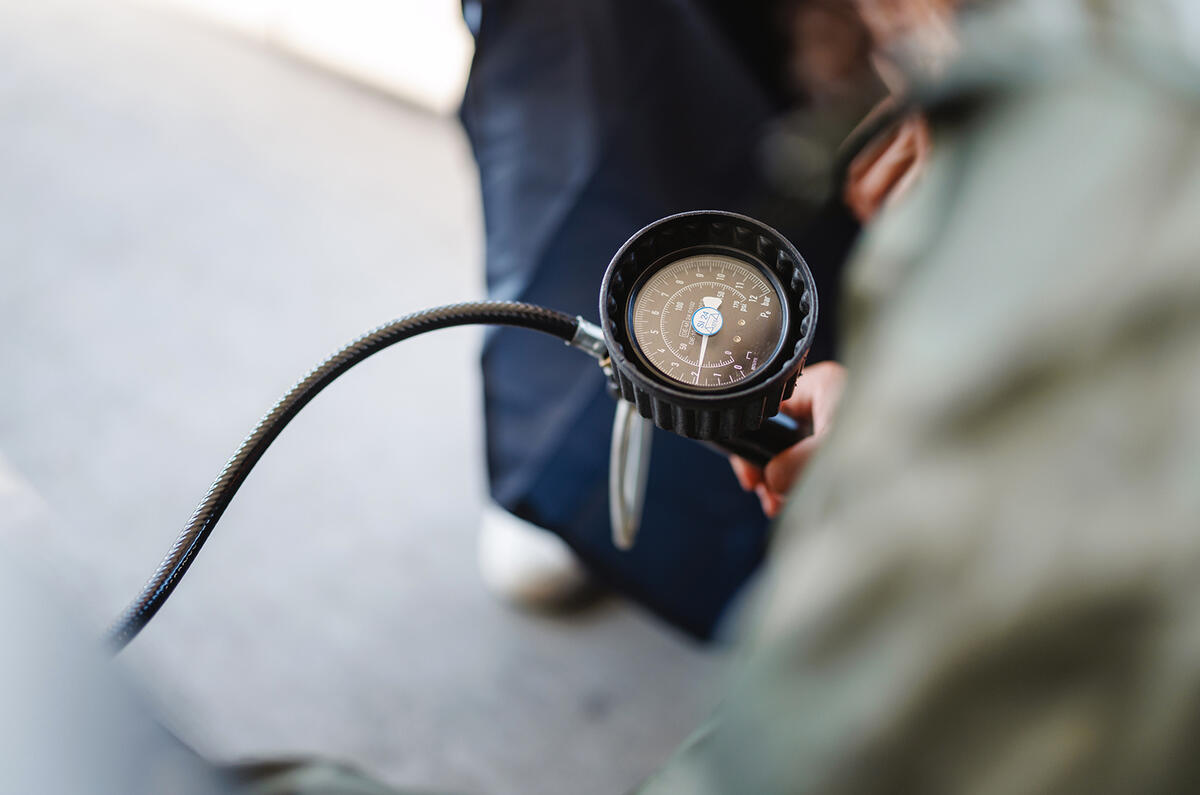
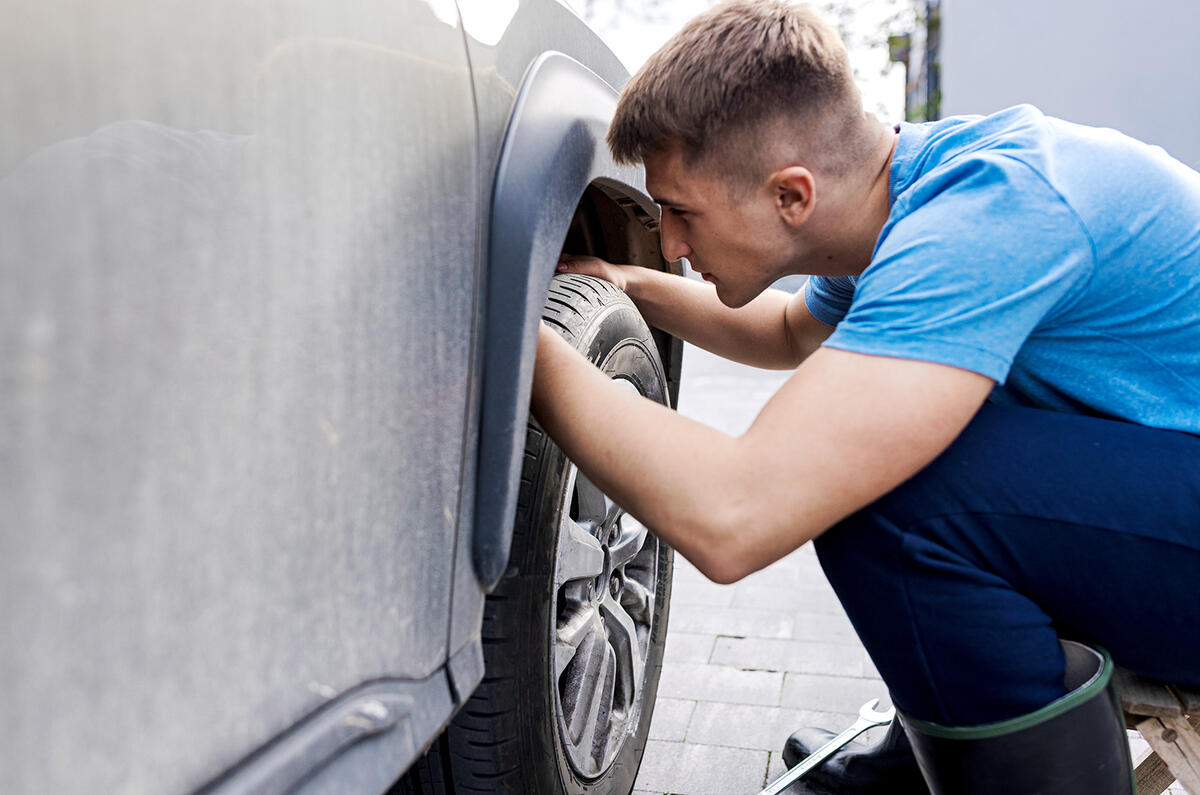
Heat is a genuine factor here, not just a talking point. Hot road surfaces increase the operating temperature of a tyre that's already working harder because of extra weight and longer journeys, and that combination accelerates wear on tyres that are already close to the legal limit. The legal minimum tread depth in the UK is 1.6mm, but braking performance – especially in the wet, which UK summers still have no shortage of – drops off noticeably well before you reach that limit. It's worth checking tread depth (a 20p coin pushed into the main grooves is the classic test: if you can see the outer band of the coin, it's time for new tyres), tyre pressures, which change with temperature and load, and the sidewalls for any cracking, bulges or damage that could turn into a blowout at motorway speed. Recent research for Kwik Fit found that almost one in ten drivers had set off on a summer holiday knowing there was a problem with their car, but they just hoped it would be OK until they got home again. If you’ve been living with a tyre with a slow puncture, never head out on a long motorway trip before having it inspected to find out what the cause is, and if it can be safely repaired or needs to be replaced.

Back to top

This is where it's worth having a professional take a proper look rather than guessing. Kwik Fit offers a free tyre check at every one of its UK centres, with no obligation to buy anything, so there's no reason not to get a second opinion before a long trip. If you do need new tyres, same-day fitting is available both in-store and via Kwik Fit's mobile fitting service, which sends a technician to your home or workplace – useful if you've left it late or a problem crops up in the days before you're due to leave. With a wide range of tyres to suit every budget, there's no need to overspend, but it is worth choosing quality: a tyre like the Continental PremiumContact 7, for example, is built around strong wet grip and braking performance, exactly what you want underneath a fully loaded car on an unfamiliar road, possibly in a rainstorm, hundreds of miles from home.

Ultimately, tyres are a safety item first and a performance one second. Fresh air con and full fluids will make the journey more comfortable, and knowing the rules abroad will save you a headache at the border, but it's four small patches of rubber that decide how well your car stops, steers and grips when it matters. Give them the once-over before you go, and the rest of the items on this list can easily fall into place around them.

Book your free tyre check today

Join our WhatsApp community and be the first to read about the latest news and reviews wowing the car world. Our community is the best, easiest and most direct place to tap into the minds of Autocar, and if you join you’ll also be treated to unique WhatsApp content. You can leave at any time after joining - check our full privacy policy here.