


Currently reading: Kia EV4 GT review: low and fast, but a genuine electric hot-hatch?

We get an early taste of the dual-motor EV4 GT to see if it can bring the classic hot hatch into the electric age

We have had small electric hot hatchbacks such as the Alpine A290 and large ones like the Hyundai Ioniq 5 N but, as yet, not a lot in the real heartland of Volkswagen Golf GTI-sized machinery. 

To be fair, the lack of traditional family-sized electric hot hatches has been due to a near total absence of donor cars. Almost all five-door, five-seat, circa 4.3m-long EVs have been homogenised crossovers, in part because of the need to accommodate the depth of a battery pack. A few years down the line, it's an excuse that is starting to wear a bit thin.

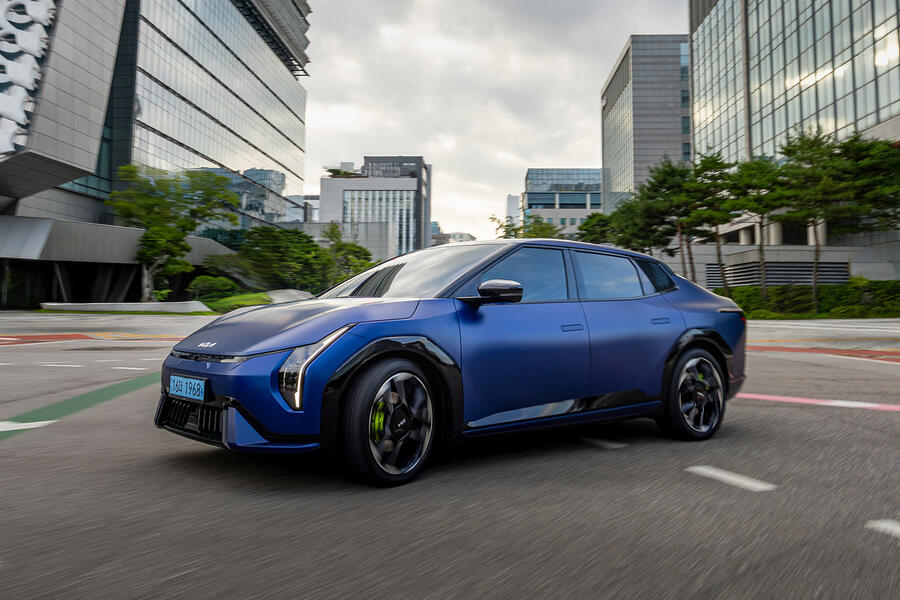
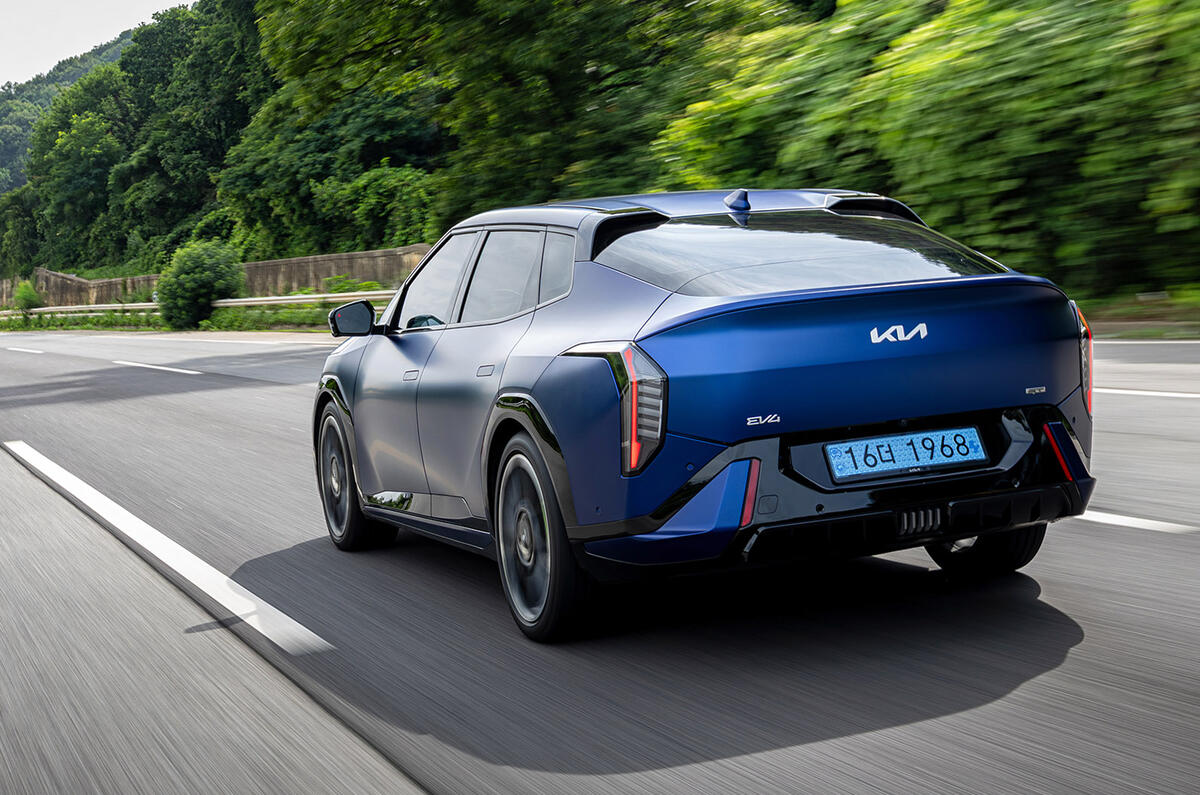
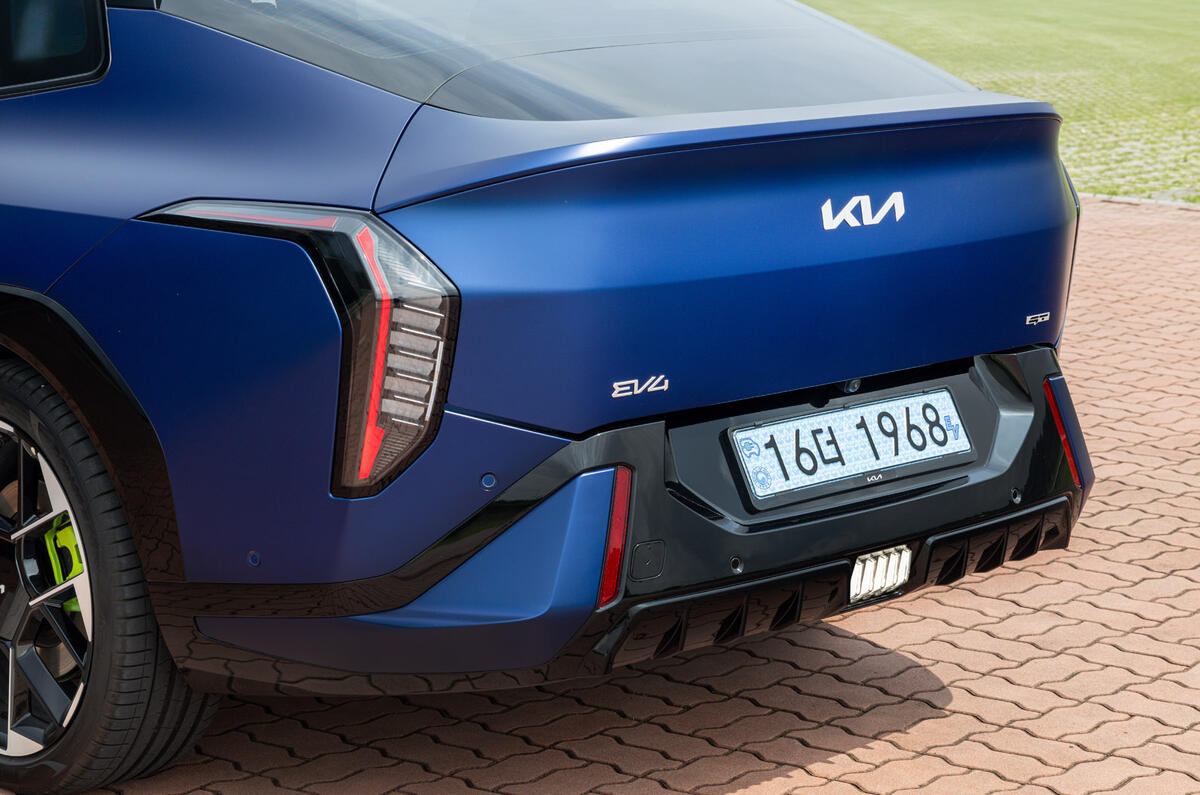
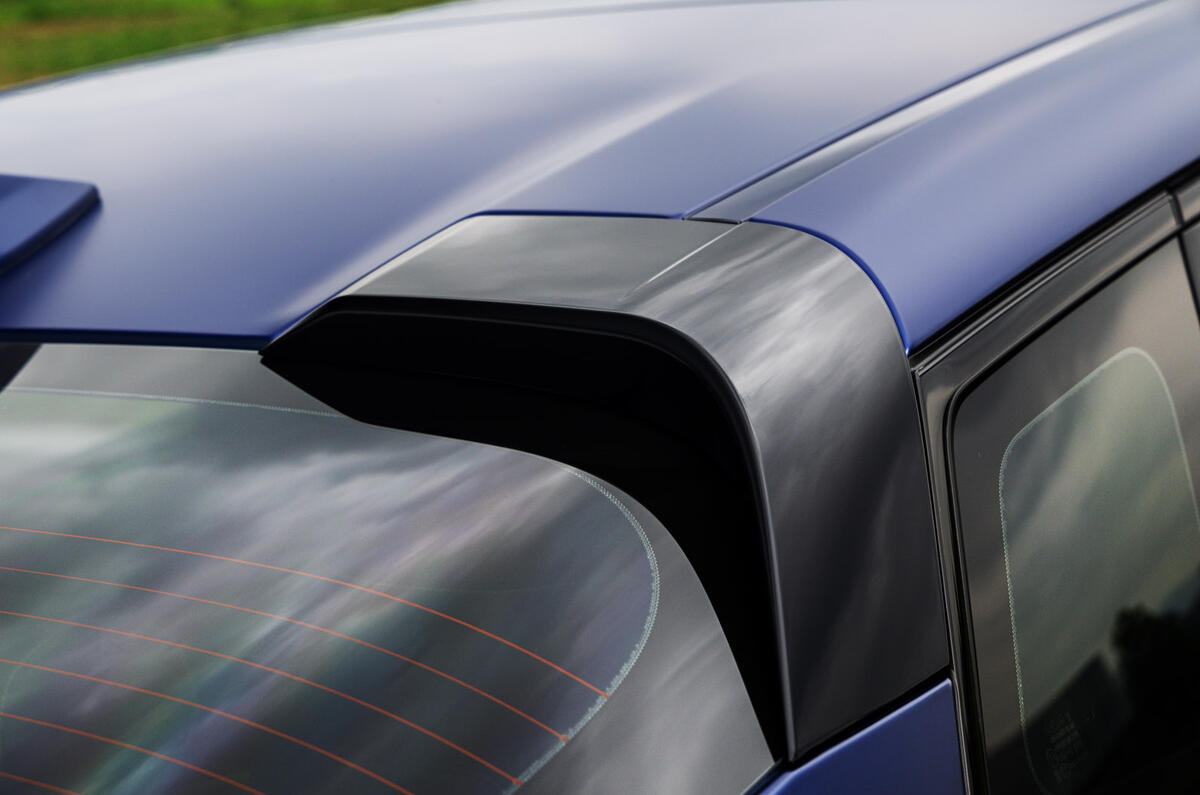
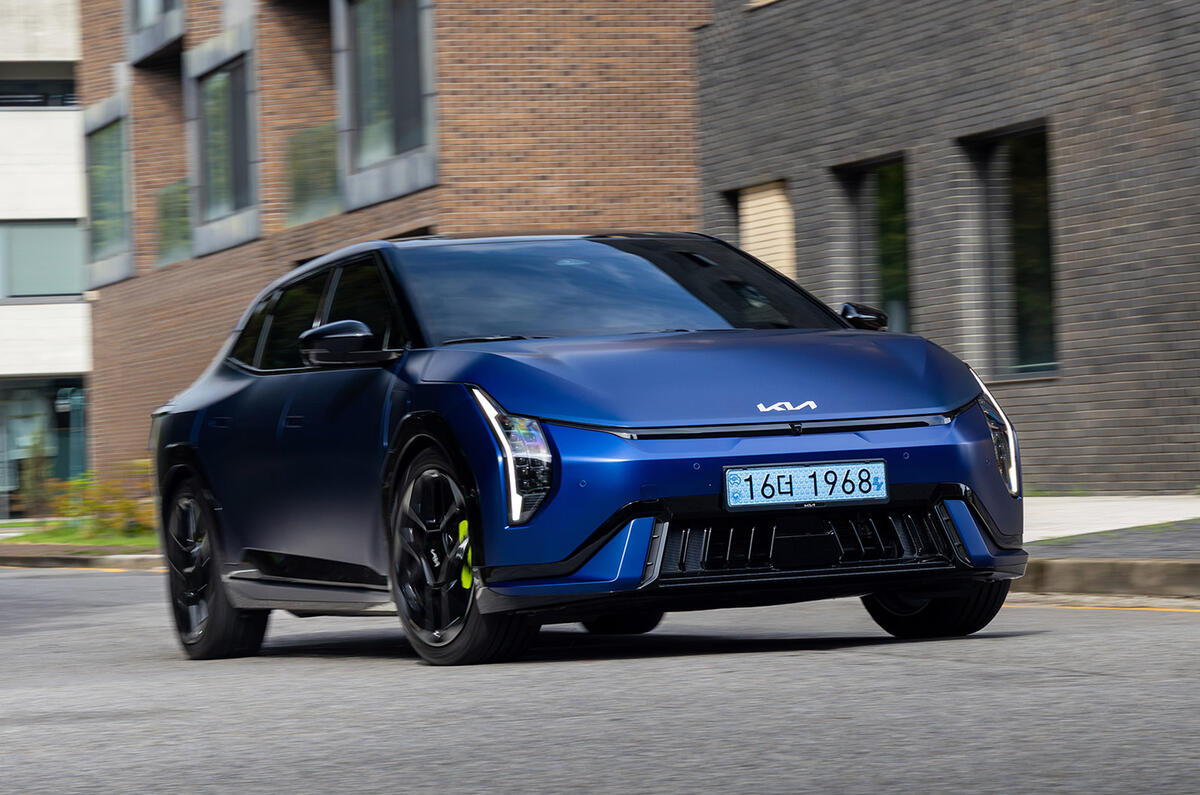
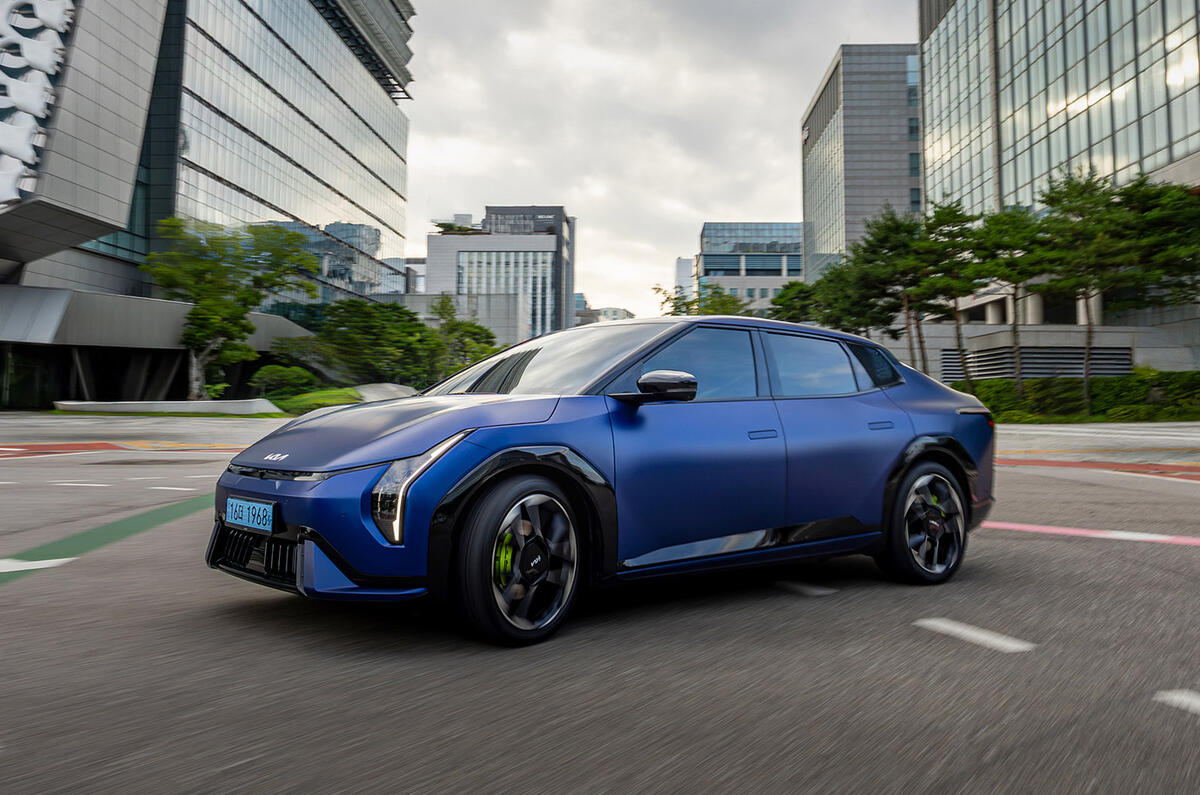
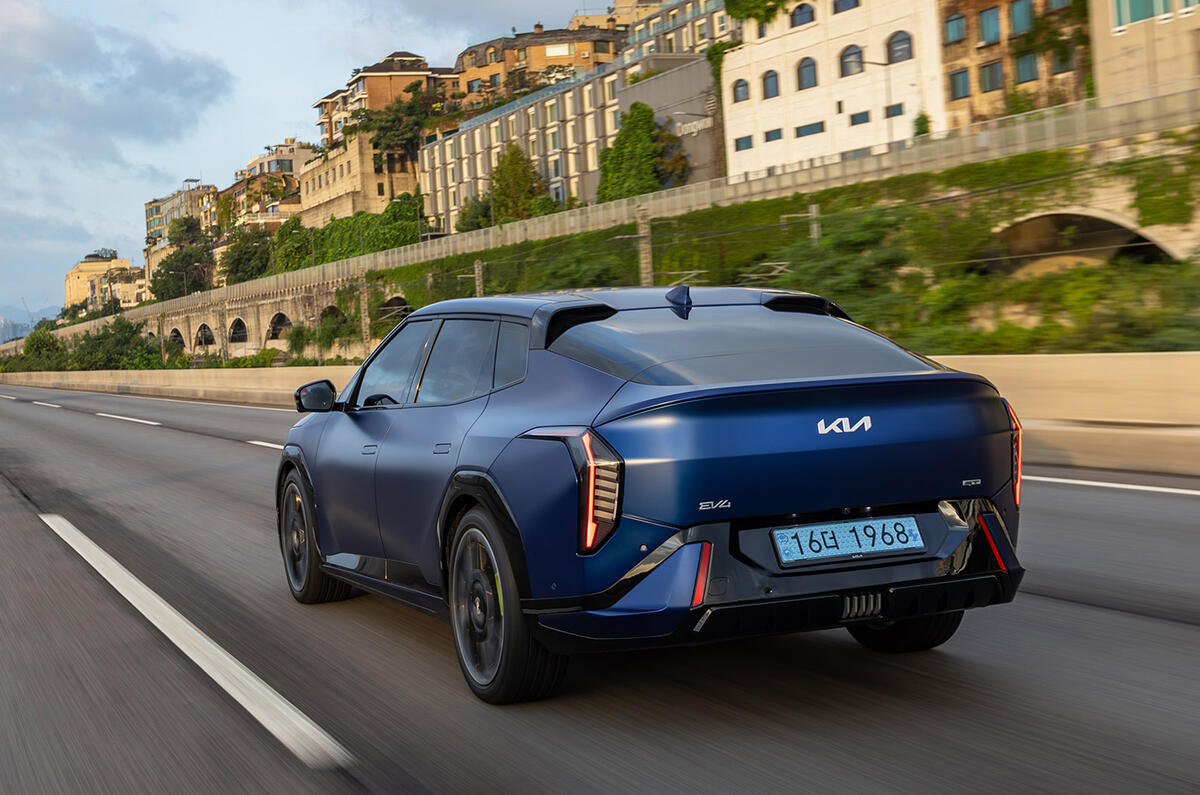
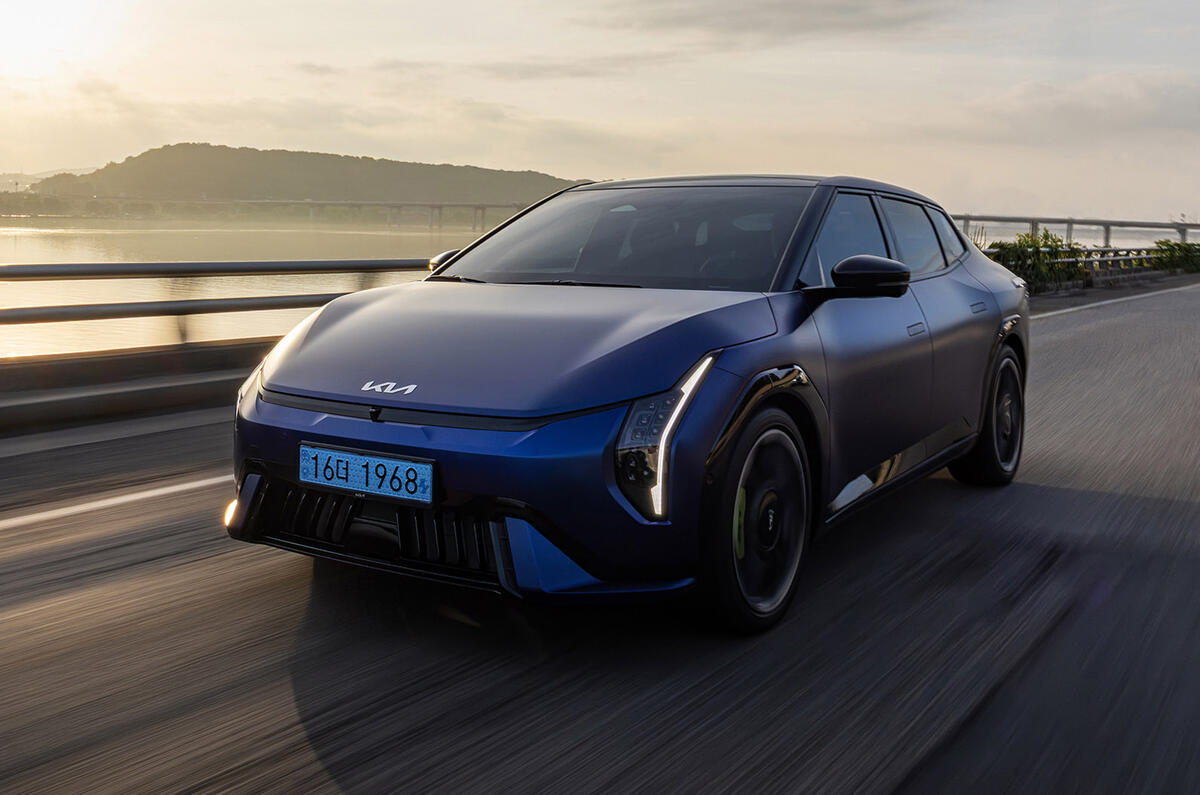
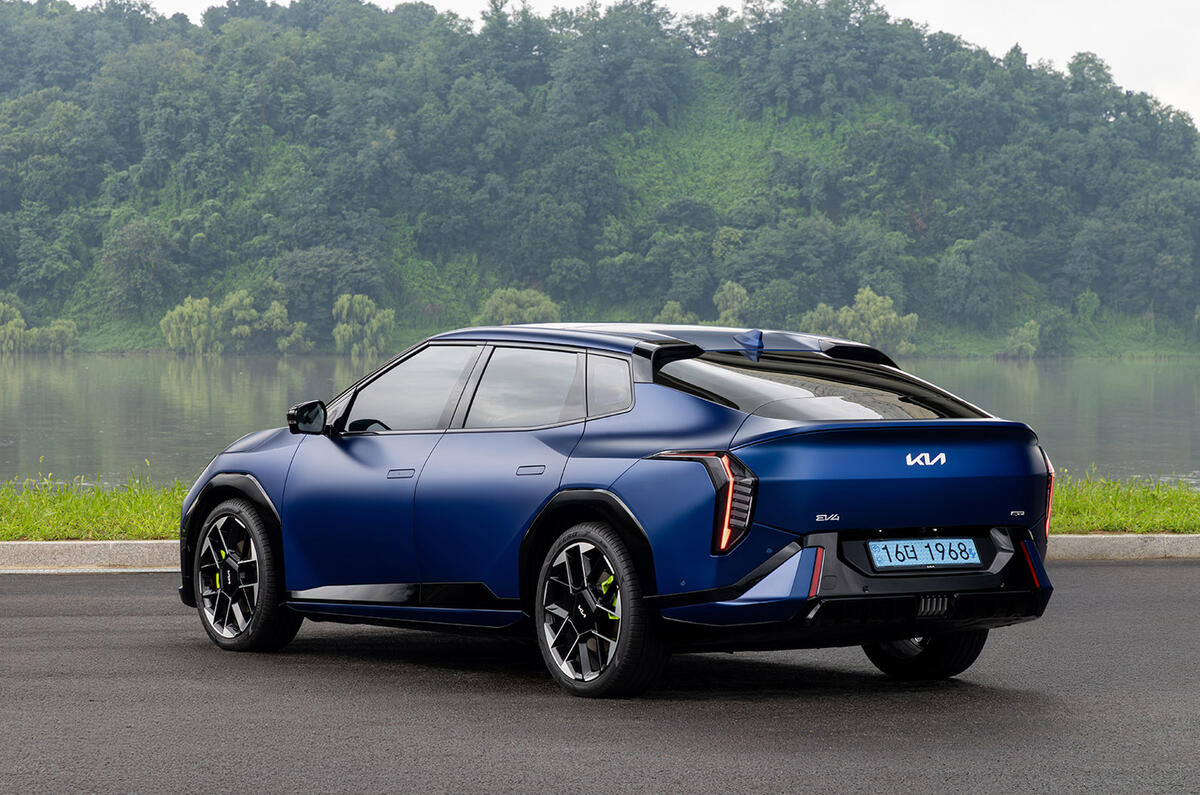
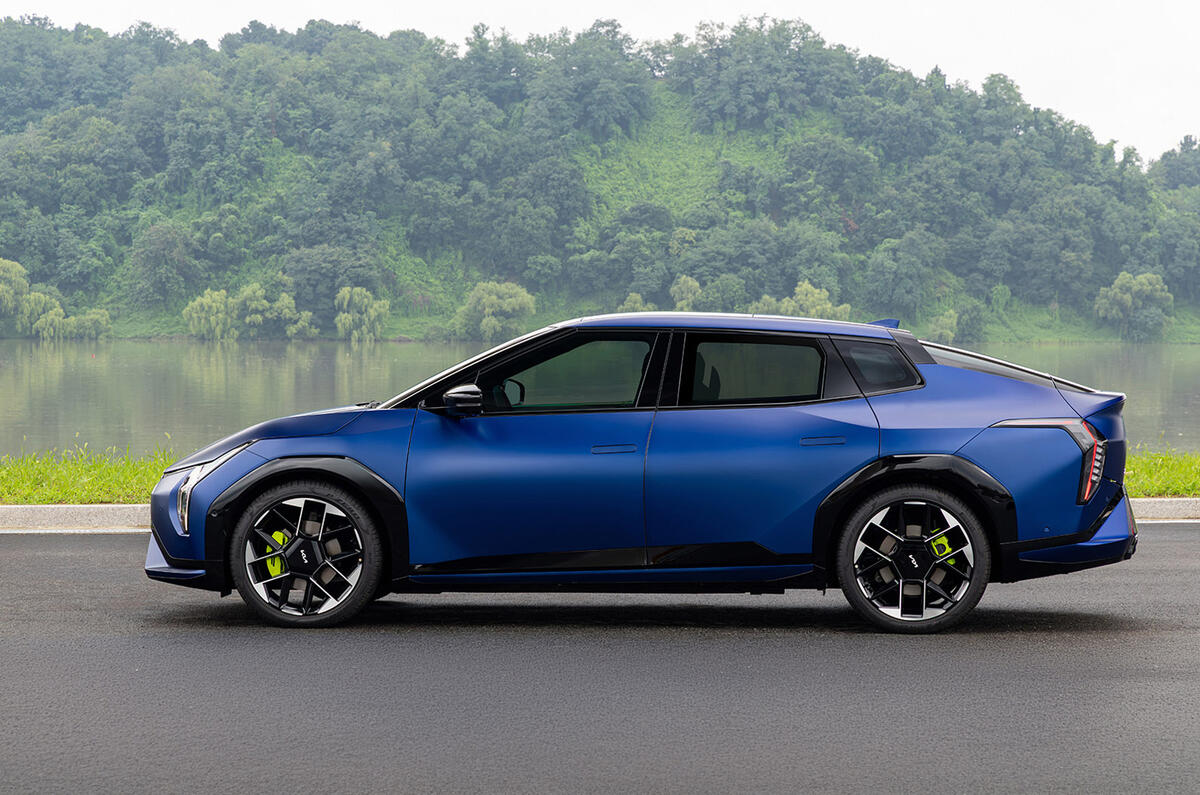
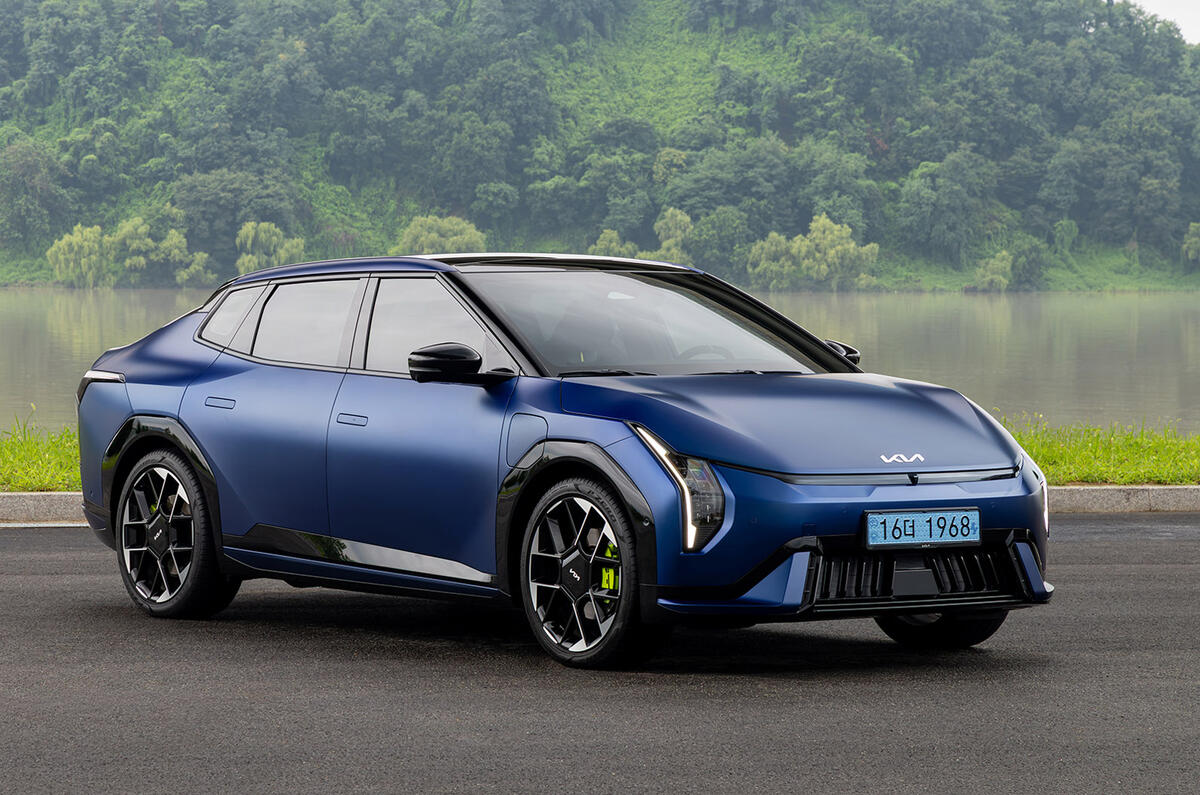
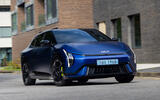
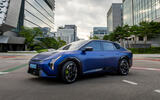
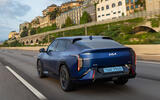
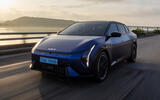
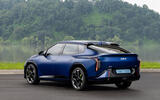
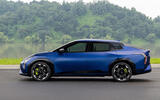
But then the Kia EV4 arrived, as arguably the first electric family hatch in the traditional mould. And now Kia has decided to turn it into the first Golf GTI-sized electric hot hatch as well. The Cupra Born, Volkswagen ID 3 and MG 4 are the closest conceptual rivals, but none dip under the 1500mm mark in terms of height (not even the 'little' Alpine), as the EV4 GT does. It feels like a bit of a watershed moment for the performance EV.
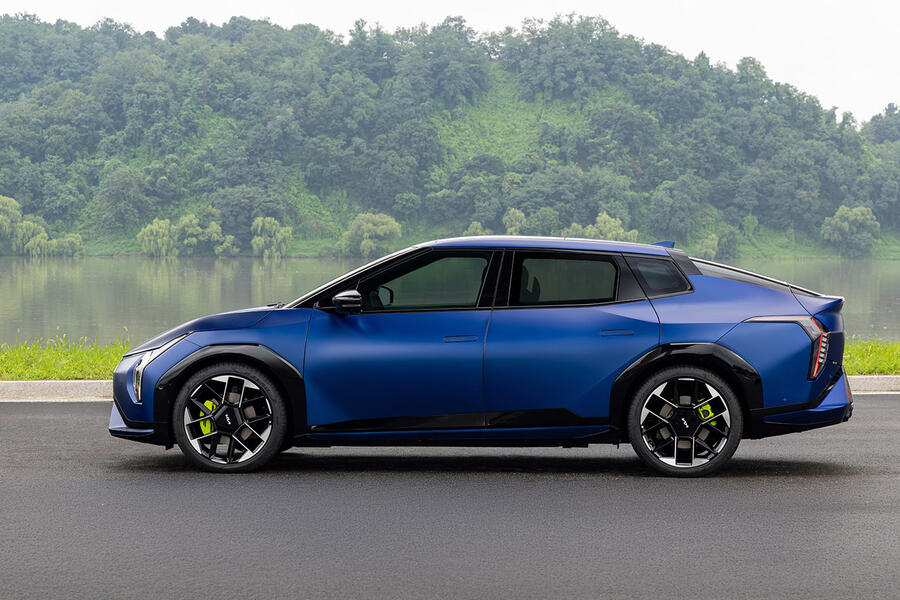
So what exactly is an EV4 GT? Mechanically it is near-identical to the new EV3 GT crossover, and is one third of a GT-badged offensive that Kia is launching in 2026 (the third car being the larger EV5 GT).

Why so many new GT models all of a sudden? Kia R&D chief Manfred Harrer some time ago accepted the notion that the dynamic enjoyment of the company's car handn’t kept pace with the recent improvements in design and desirability. He told us the GT models would be his starting point in trying to address that, and that is now happening, with the EV4 GT being perhaps the most convincing of the gaggle.

Its dynamic make-up is more Golf R than Golf GTI, not just owing to the technical fact that it has four-wheel drive (thanks to an additional 94bhp motor for the rear axle) rather than front-wheel drive (the 194bhp motor from the standard EV4 remains at the front) but also in how it goes down the road.

The suspension makeover, comprising new springs and new valving for the three-mode dampers, versus the standard EV4 feels particularly significant: the 288bhp EV4 GT does a Golf R impression in offering commendable comfort and compliance alongside plenty of grip and stability when being pushed, although its limits reserves of body control, outright grip and general poise are ultimately lower than the famous German car's.
Back to top

As with the EV3 GT, because of the arrangement of the motors, the balance gives more of a front-drive hot hatch feel than Kia’s hitherto rear-biased more senior GT creations, so the EV4 GT can’t be steered gently on the accelerator in the way that, say, a Cupra Born VZ can. The less powerful rear motor exists mainly to neutralise the cornering balance, not fundamentally alter it for tail-happy antics. Equally, the EV4 GT is perhaps a touch more willing to tighten its line with a gentle mid-corner lift that its crossover sibling.

There’s no form of diff lock at the front, either, only a torque-vectoring programme that uses both physical and regenerative braking to help the car pivot. Traction is not generally a problem, and in Korea there was no sign of axle-tramp or torque-steer, but trail the EV4 GT into a tight bend and the attempt at a swift exit can scruffily expose the limitations of the torque-vectoring system.

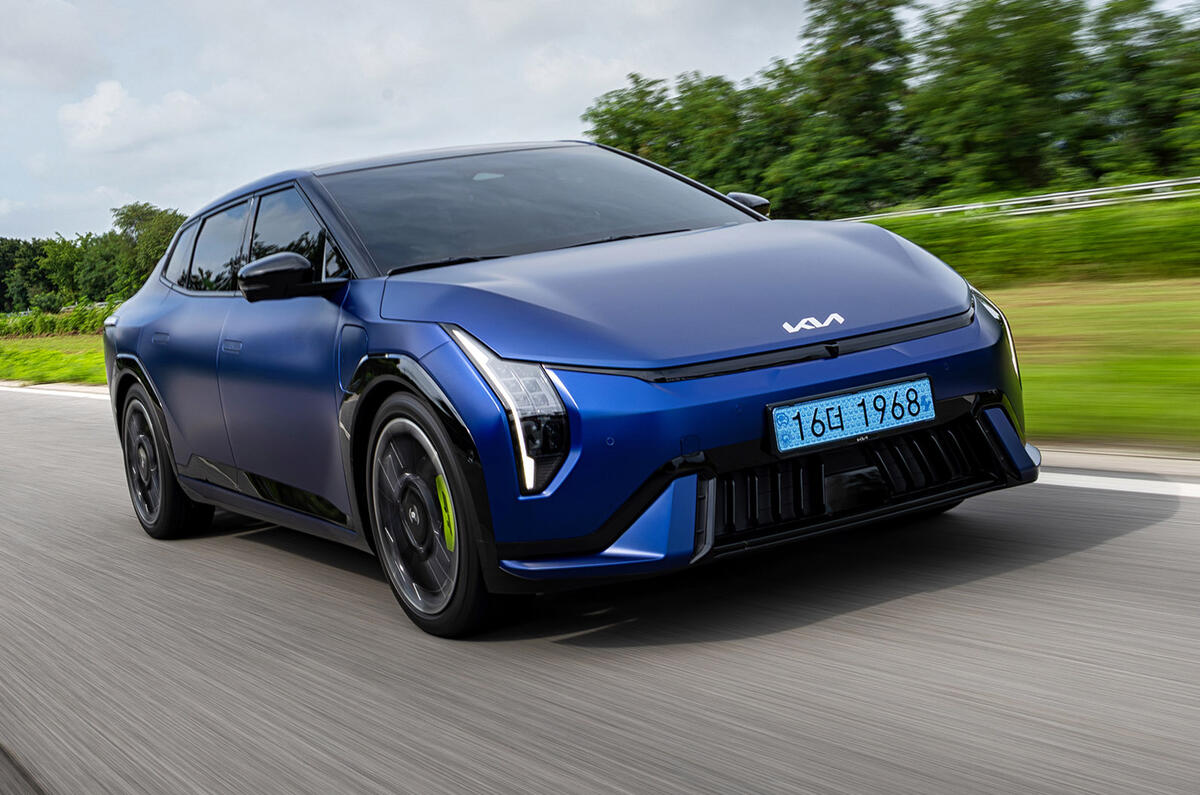
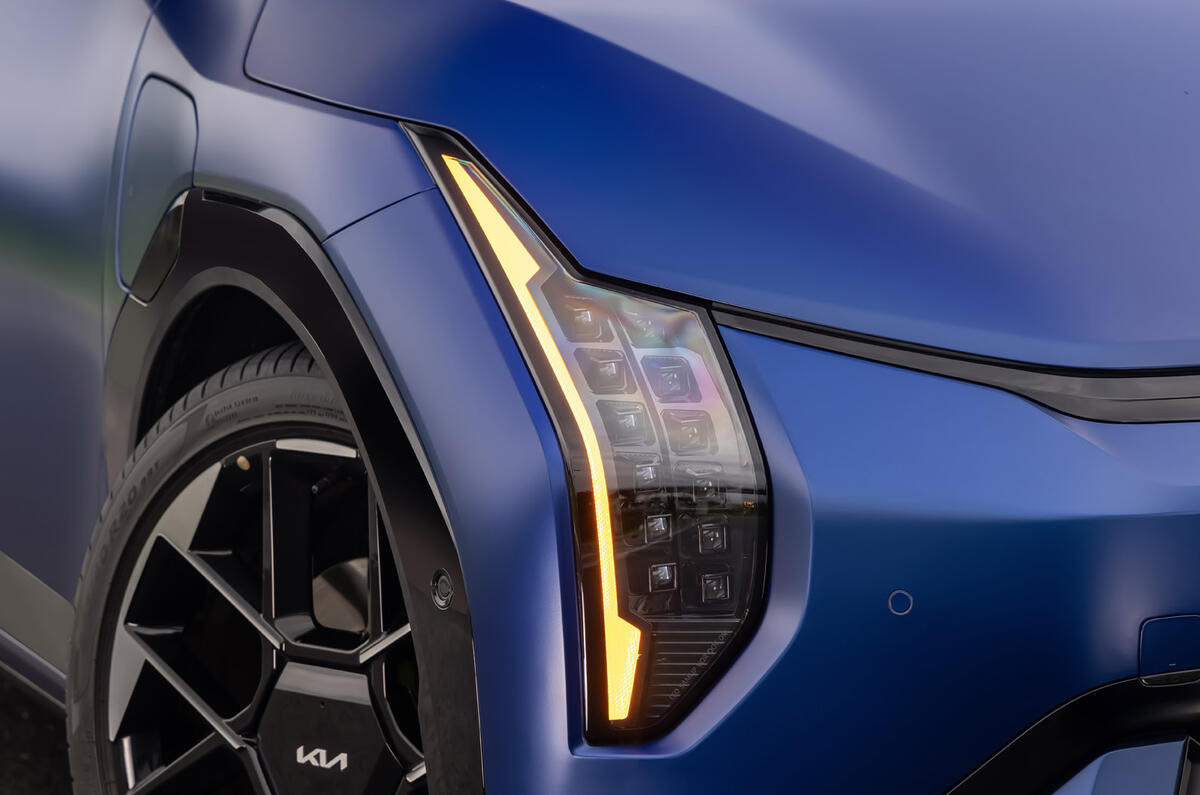
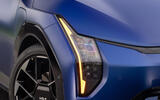
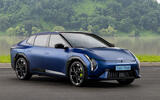
That all being said, the EV4 GT’s lower centre of gravity really tells in the way it gets that Tron-like snout into corners. It doesn’t steer with genuine alacrity, but it is appreciably crisper than the EV3 GT. The steering is also more resolute in its self-centring and has a gratifying elasticity to the pick-up and motion as you load it up into a bend. With the EV4 GT there simply seems to be more meat on the bone for people who love driving, rather than simply going fast with plenty of security underwheel.

Back to top

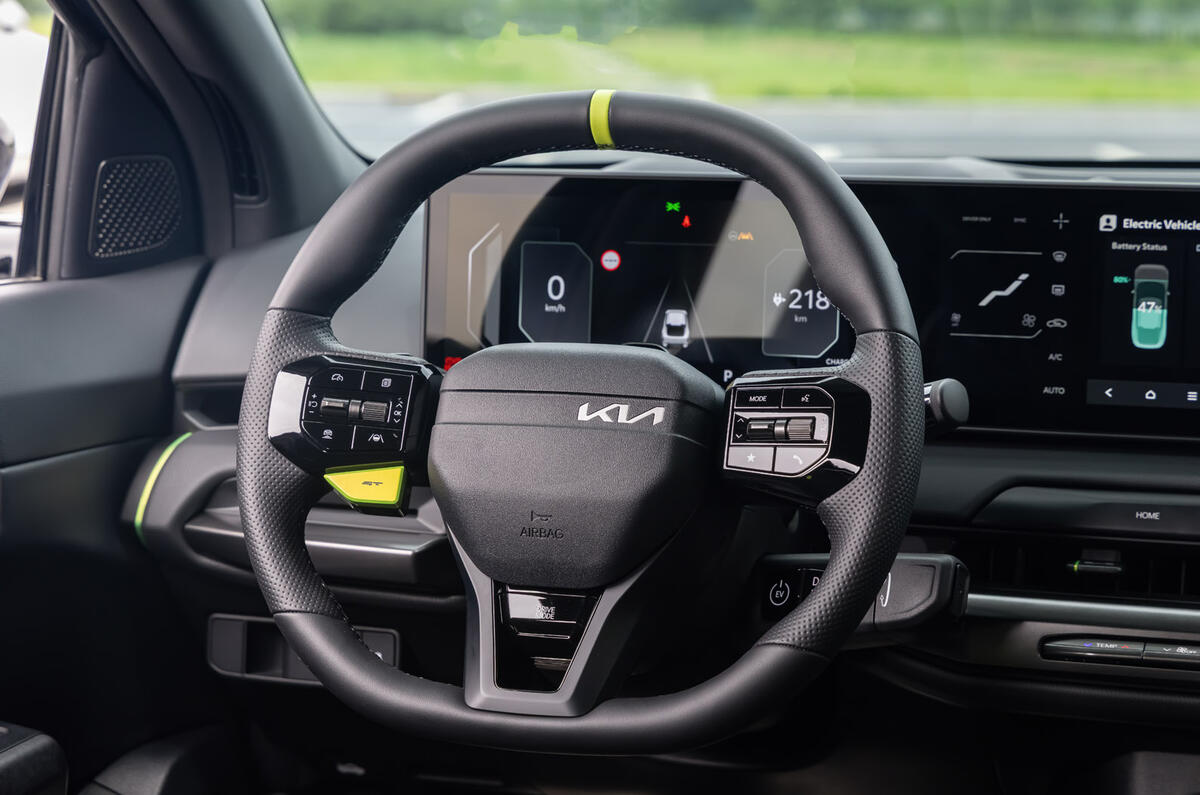
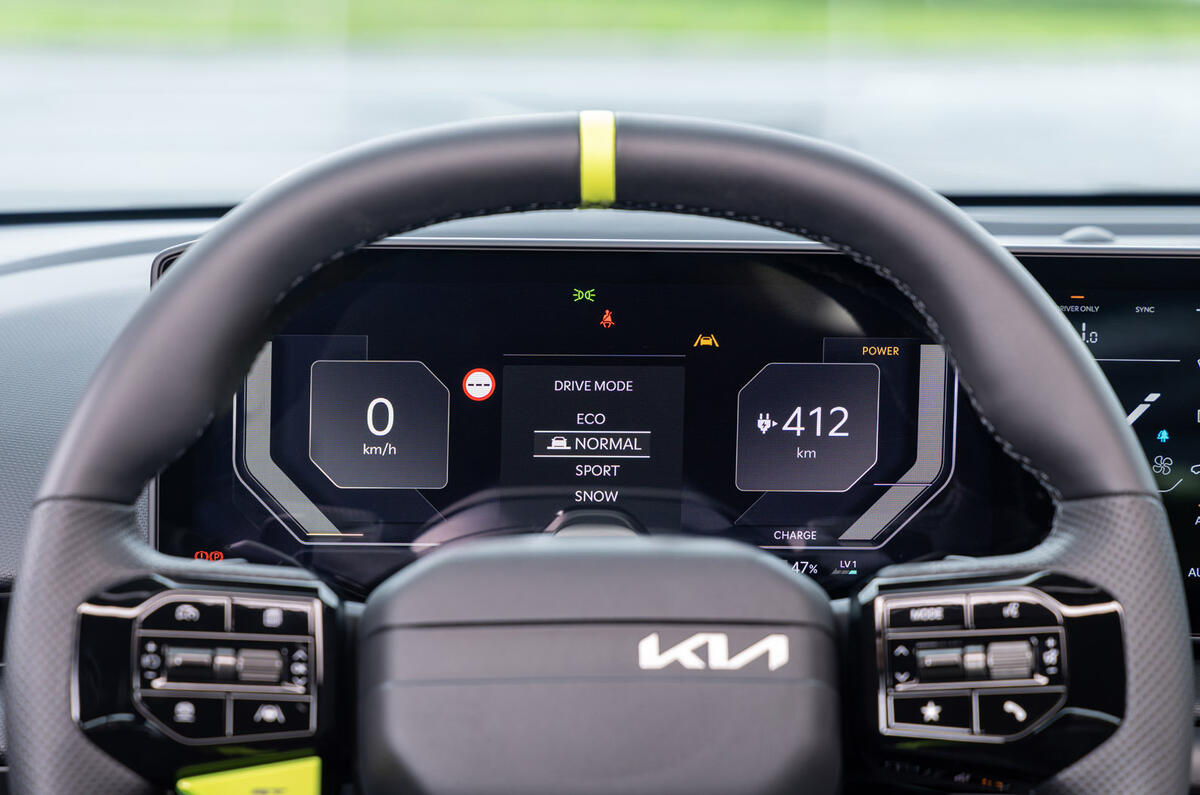
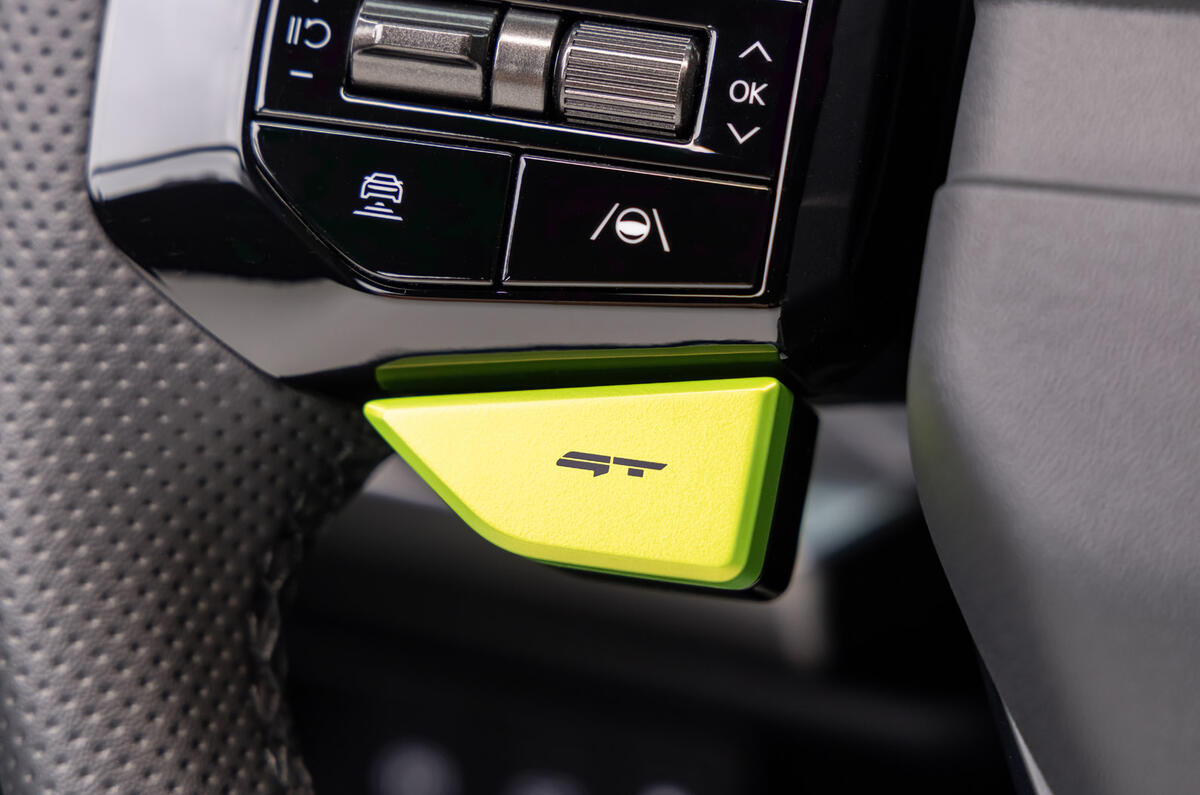
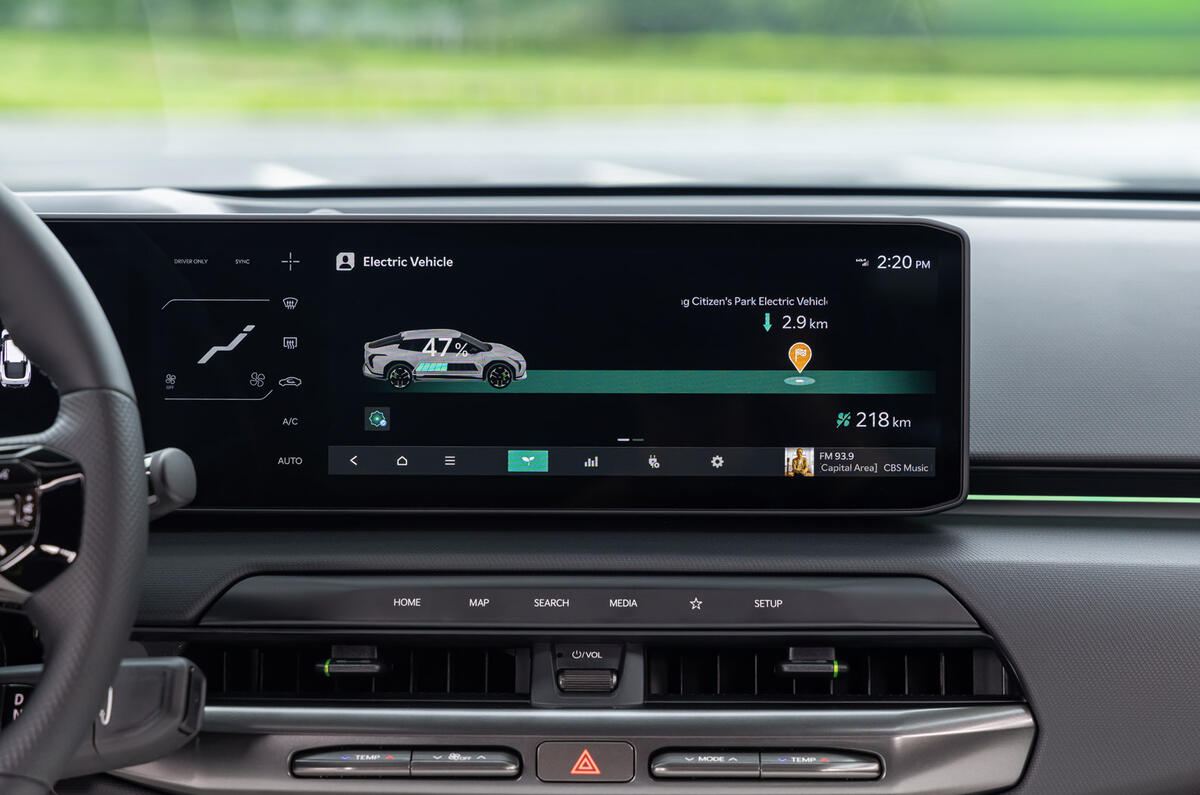
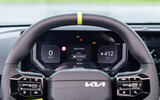
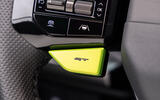
And it is quick enough, with a 5.6sec 0-62mph time, although according to the performance data-logger you can view on the central touchscreen, in reality it can manage closer to five seconds dead. The virtual gearshift function made famous by the Ioniq 5 N also features, and among the driving modes is one labelled GT (enabled by a button on the steering wheel) that makes everything as fast or as stiff as it goes.

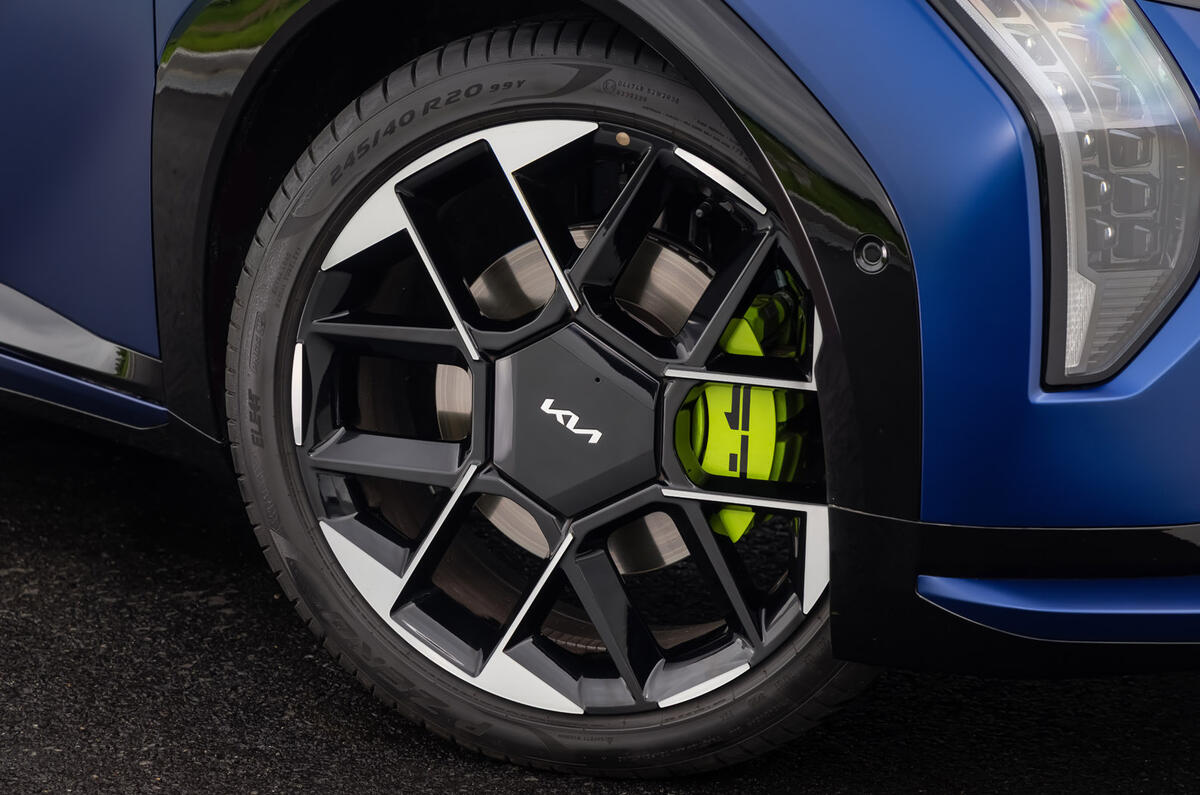
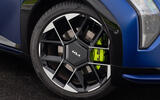
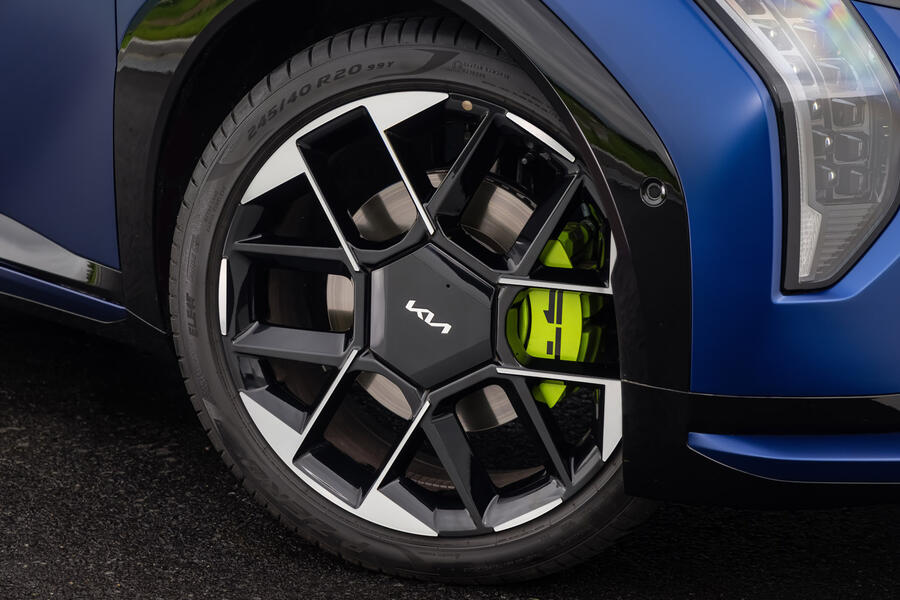
Pirelli P Zero 4S tyres (245/45 front and rear) are wrapped around 20in alloys and behind them are some beefed-up brakes with, on this liveried prototype at least, some fetching neon-coloured calipers. In truth, brake pedal-feel is the weakest point of the package, and highlights the fact that Kia's GT wares are less committed than those of sister-brand Hyundai's N models. 

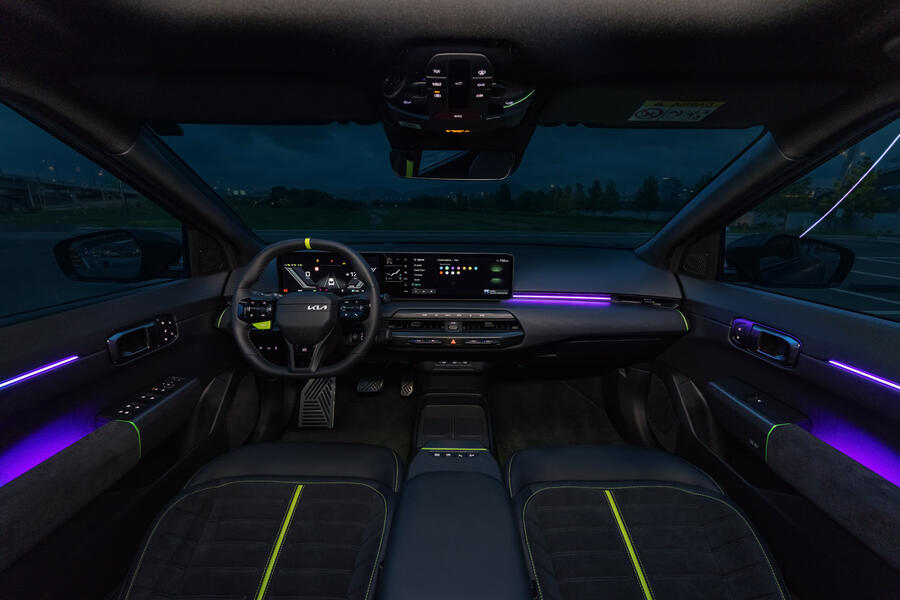
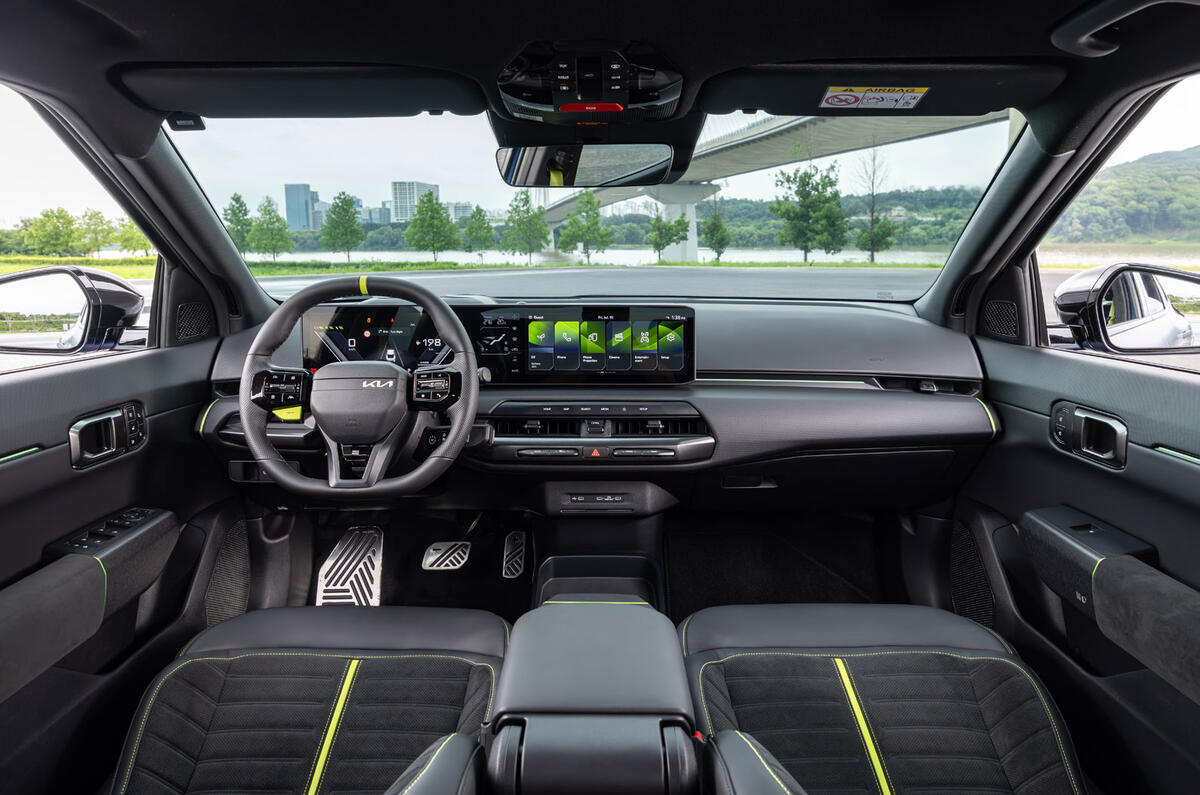
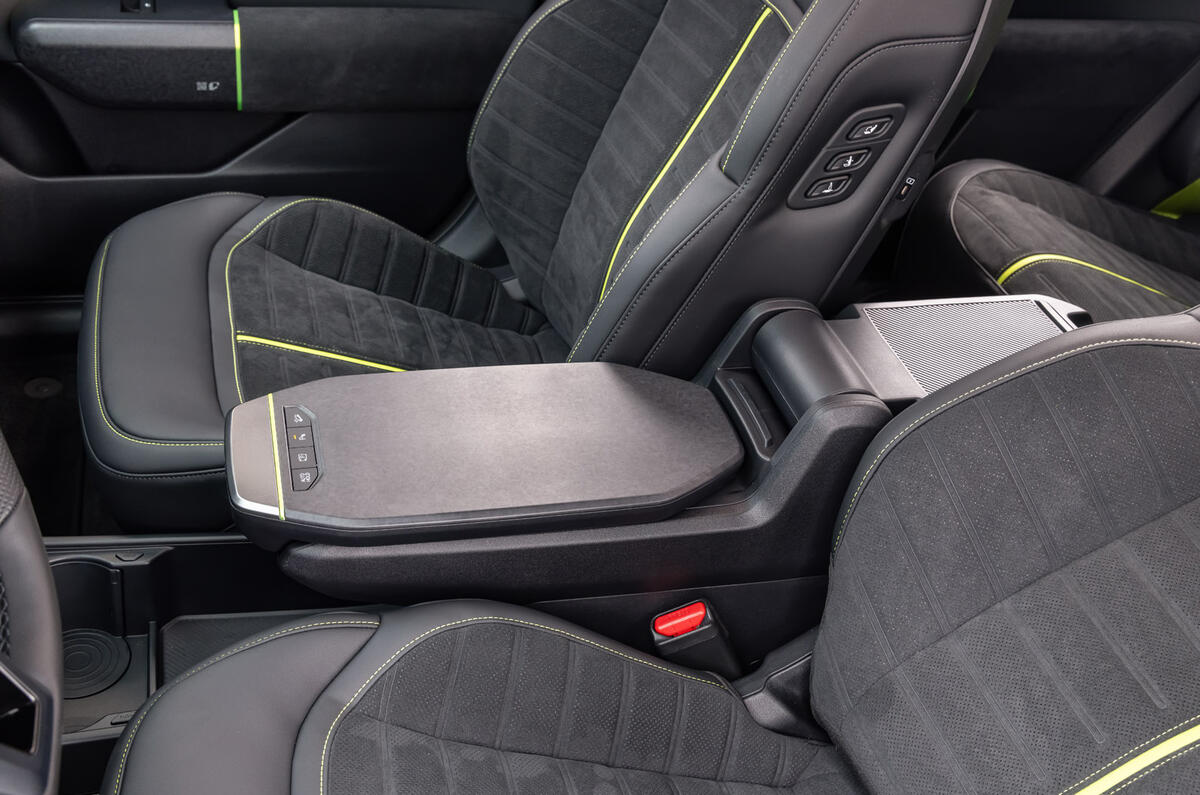
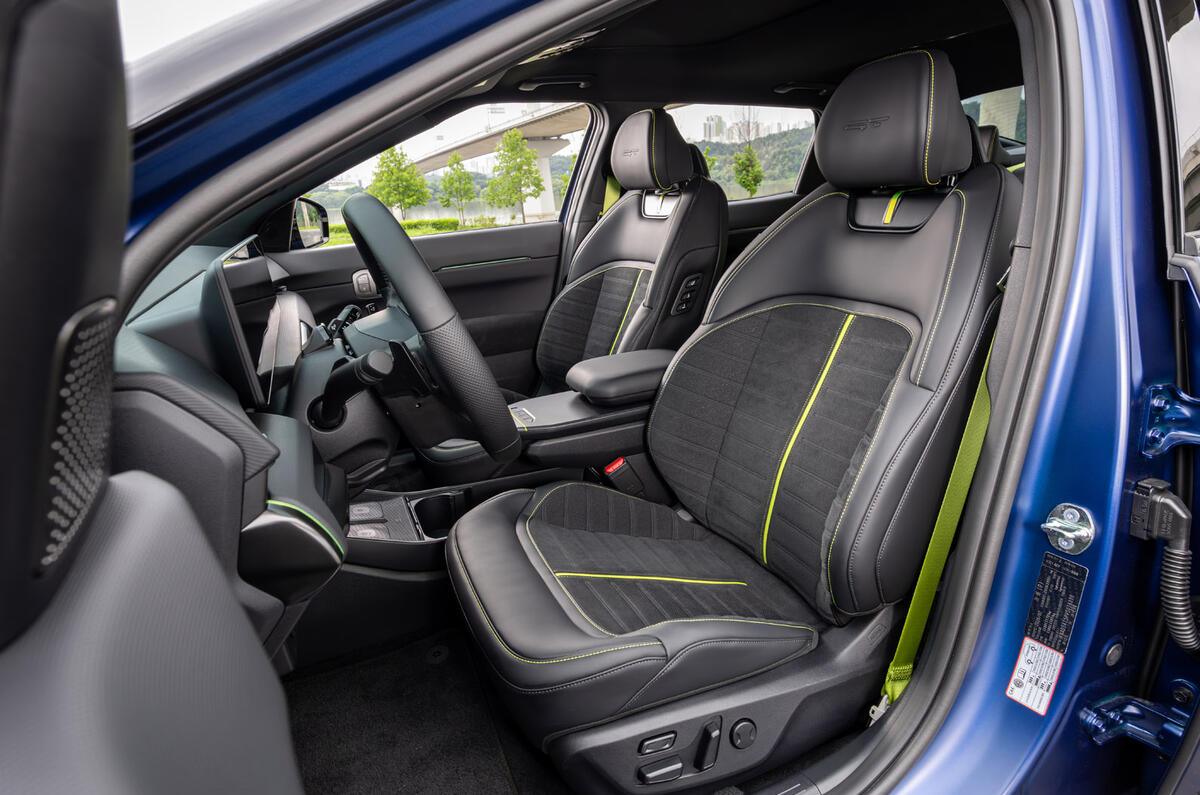
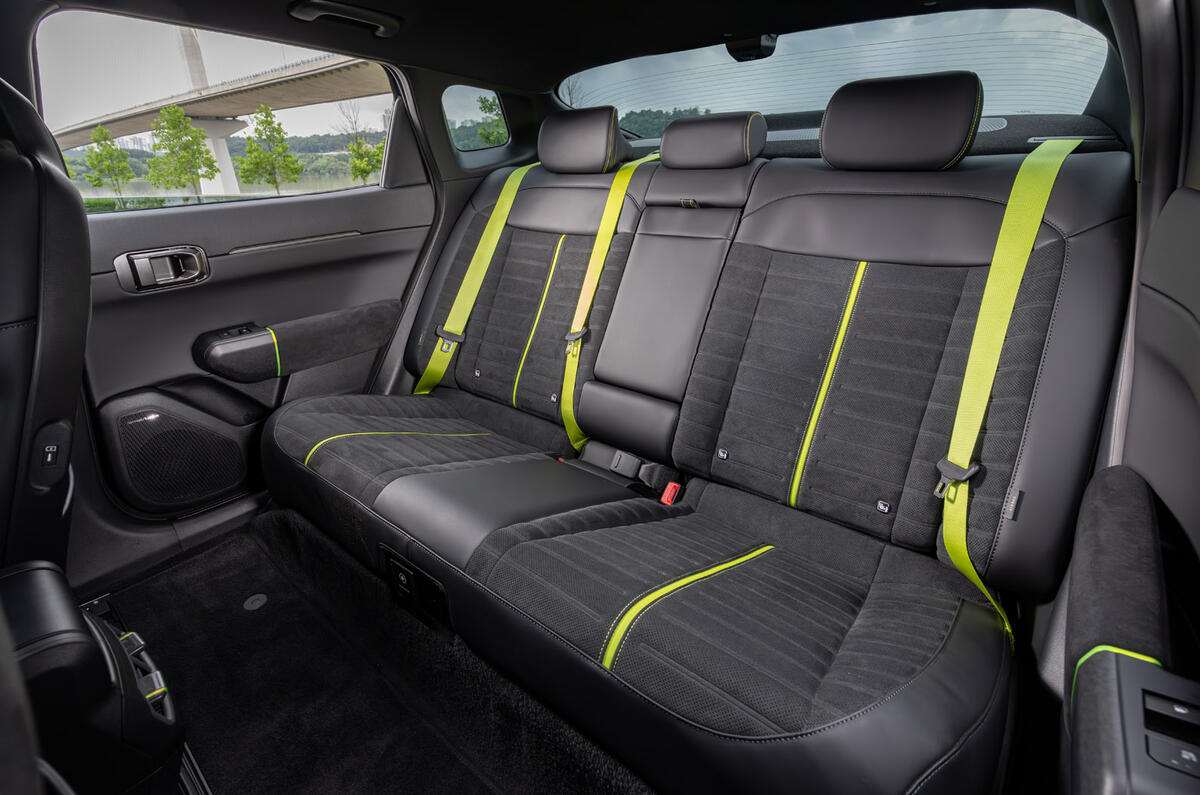
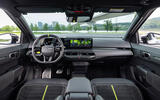
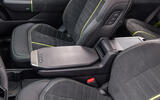
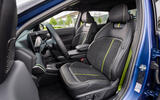
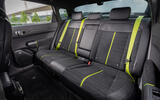
Inside, the EV4 GT receives some meaningful upgrades over the donor car in a cabin that feels classy with some sporty touches. Best among them are new sports seats that make it seem like you're sitting lower than in the standard EV4, and they feel great too, with an Alcantara-like wrapping and leather trim.

Piece it all together and you get a car that, on the basis of this early drive in Korea, shows lots of promise and in several different ways. There is headroom here and space for an even more engaging car, but the EV4 GT shows that more humble Kia hatches can be as good to drive as they look.

Back to top

Tech Spec: Kia EV4 GT

Feature Specification
Price £49,500 (est)
Engine Two permanent magnet synchronous motors
Power 194bhp (front), 94bhp (rear)
Torque 345lb ft
Gearbox 1-spd reduction gear, 4WD
Kerb weight 2220kg (est)
0-62mph 5.6sec
Top speed 105mph 
Battery 81.4/78.0kWh (total/est usable)
Range, economy 333 miles, 4.3mpkWh (est)
CO2, tax band 0g/km, 4%
Rivals Abarth 600e, Cupra Born VZ

Join our WhatsApp community and be the first to read about the latest news and reviews wowing the car world. Our community is the best, easiest and most direct place to tap into the minds of Autocar, and if you join you’ll also be treated to unique WhatsApp content. You can leave at any time after joining - check our full privacy policy here.

Richard Lane

Richard Lane
Title: Deputy road test editor

Richard is Autocar's deputy road test editor. He previously worked at Evo magazine. His role involves travelling far and wide to be among the first to drive new cars. That or heading up to Nuneaton, to fix telemetry gear to test cars at MIRA proving ground and see how faithfully they meet their makers' claims. 

He's also a feature-writer for the magazine, a columnist, and can be often found on Autocar's YouTube channel. 

Highlights at Autocar include a class win while driving a Bowler Defender in the British Cross Country Championship, riding shotgun with a flat-out Walter Röhrl, and setting the magazine's fastest road-test lap-time to date at the wheel of a Ferrari 296 GTB. Nursing a stricken Jeep up 2950ft to the top of a deserted Grossglockner Pass is also in the mix.

Mark Tisshaw

mark-tisshaw-autocar
Title: Editor

Mark is a journalist with more than a decade of top-level experience in the automotive industry. He first joined Autocar in 2009, having previously worked in local newspapers. He has held several roles at Autocar, including news editor, deputy editor, digital editor and his current position of editor, one he has held since 2017.

From this position he oversees all of Autocar’s content across the print magazine, autocar.co.uk website, social media, video, and podcast channels, as well as our recent launch, Autocar Business. Mark regularly interviews the very top global executives in the automotive industry, telling their stories and holding them to account, meeting them at shows and events around the world.

Mark is a Car of the Year juror, a prestigious annual award that Autocar is one of the main sponsors of. He has made media appearances on the likes of the BBC, and contributed to titles including What Car?Move Electric and Pistonheads, and has written a column for The Sun.