










Who doesn’t love a literally named car? Smart Fortwo, Hyundai Coupe… erm, Toyota (M)id-Engined, (R)ear-wheel-drive (2)-seater? There’s a lot to be said for a consumer product that just does what it says on the tin and doesn’t have over-blown aspirations of universal applicability, so you immediately know what it is.
Here’s another good example: the new Skoda Peaq - so called, obviously, because it’s the largest, plushest and most expensive car the Czech firm has yet made (and not, as some thought, as a contrived phonetic tribute to the late VW Group supremo Ferdinand Piech). It’s a characteristically no-nonsense approach to model designation that’s in keeping with the brand’s ‘Simply Clever’ ethos - even if, slightly confusingly, it’s launching at the same time as a much smaller crossover called the Epiq - a name with similarly superlative connotations. And where does Superb fit into that? Maybe ‘Good’, ‘Gooder’ and ‘Goodest’ would’ve been cleaner.
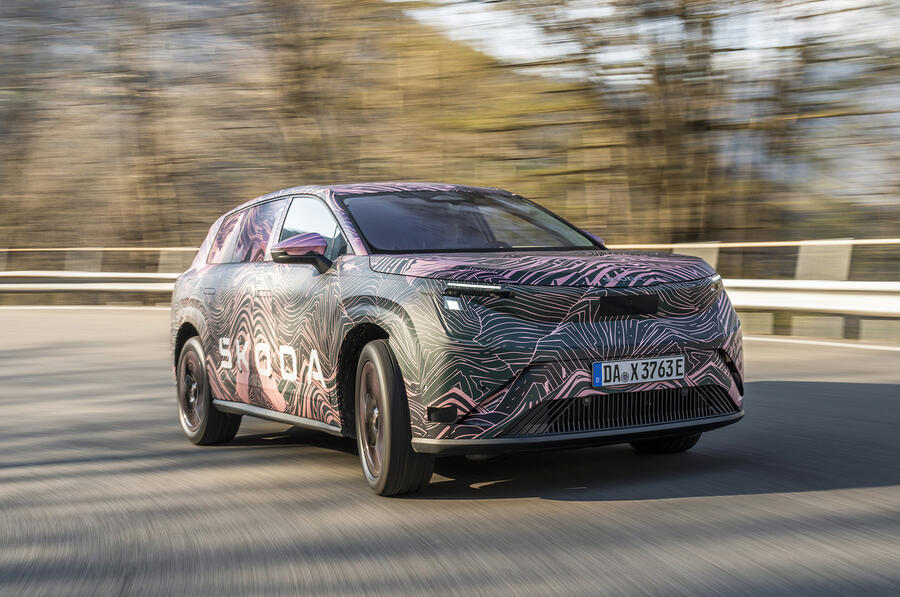
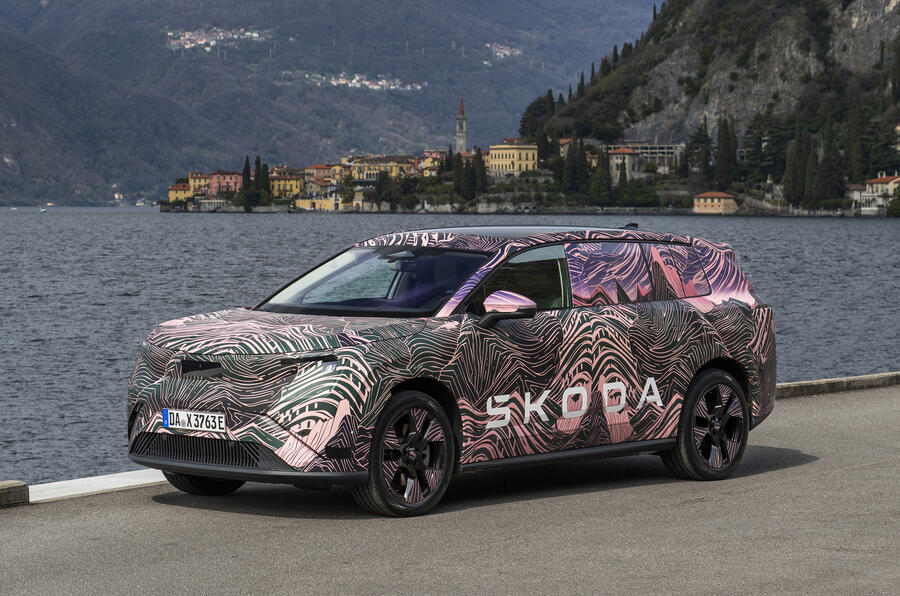
Anyway, the Peaq will be unwrapped in summer as the fourth entrant into Skoda’s swelling family of pure-electric models. At 4.9m long, it’s around 250mm longer than the Enyaq, Skoda’s current EV flagship, and 110mm longer than the combustion-engined Kodiaq, to which it will basically serve as the electric equivalent - complete with seven seats.
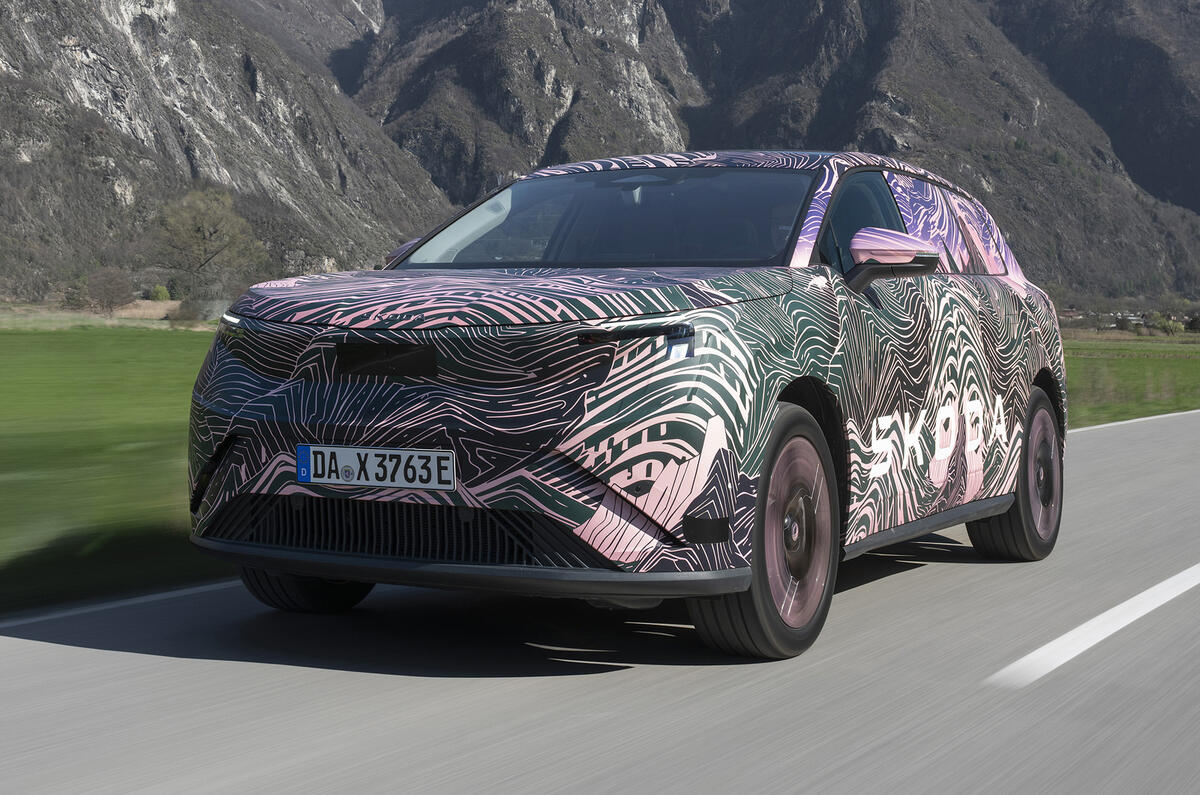
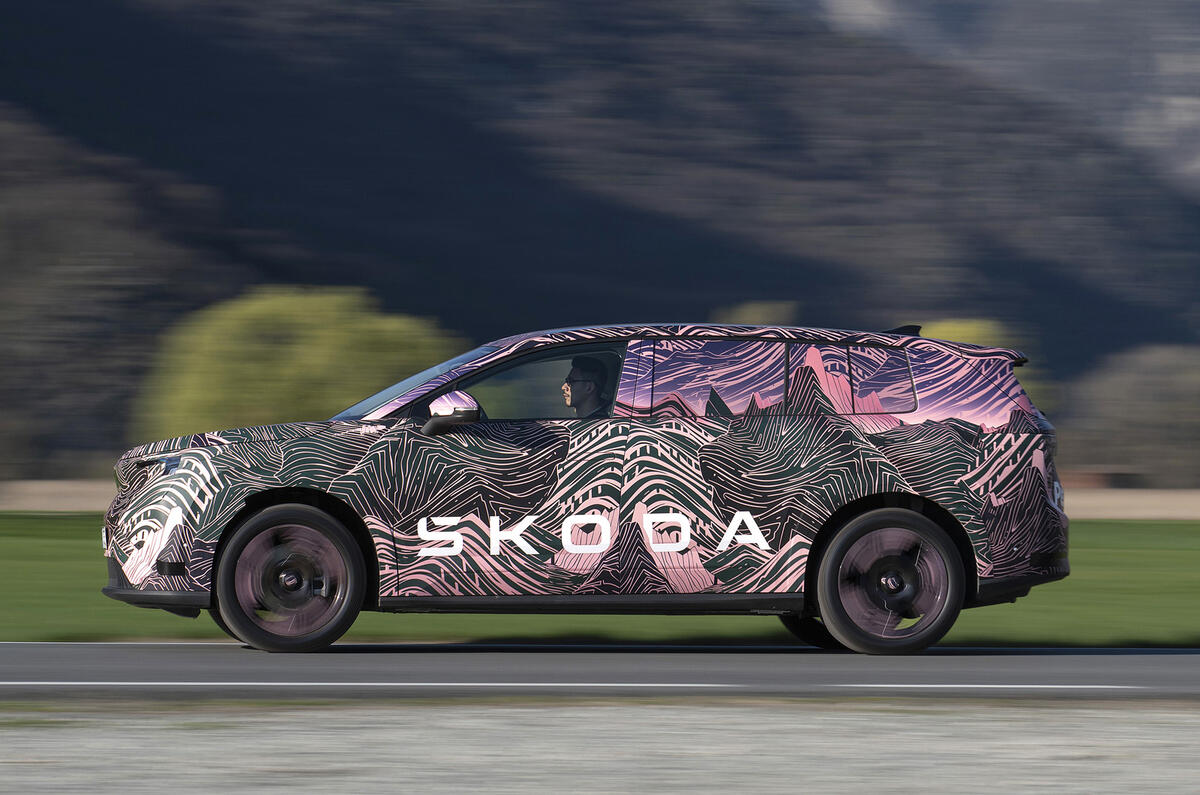
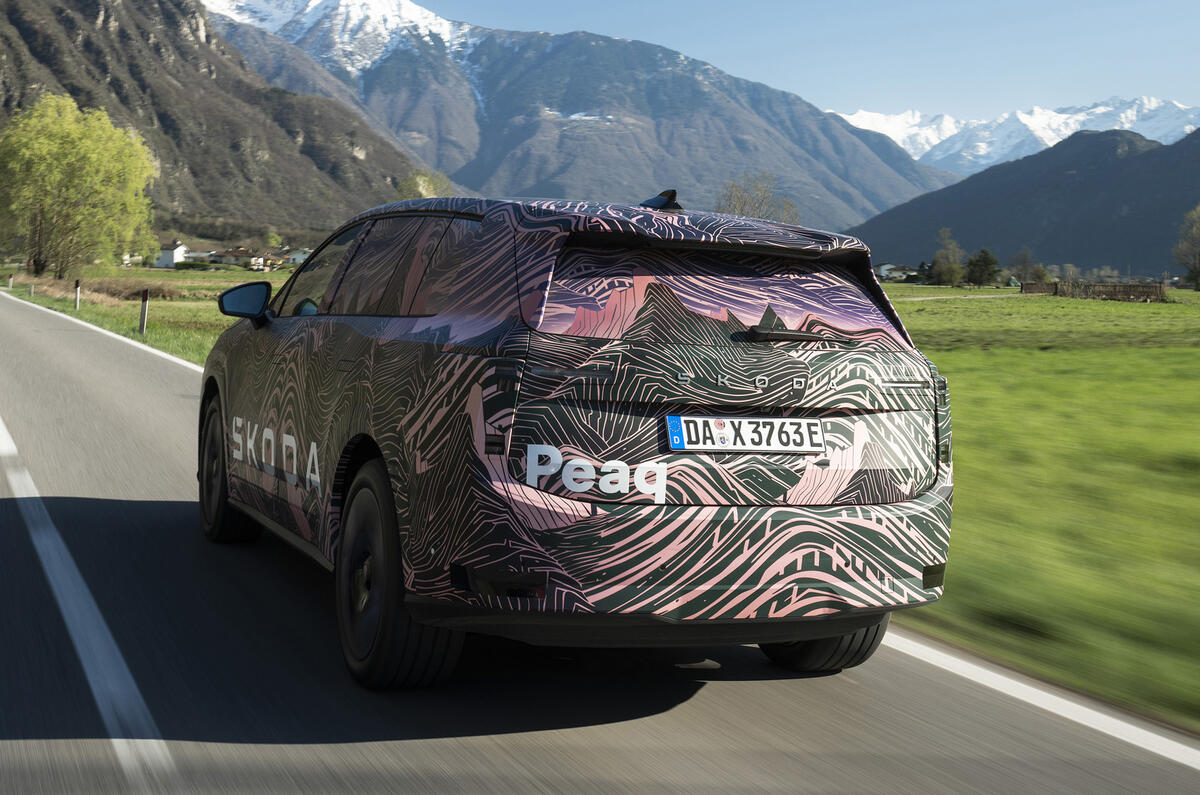
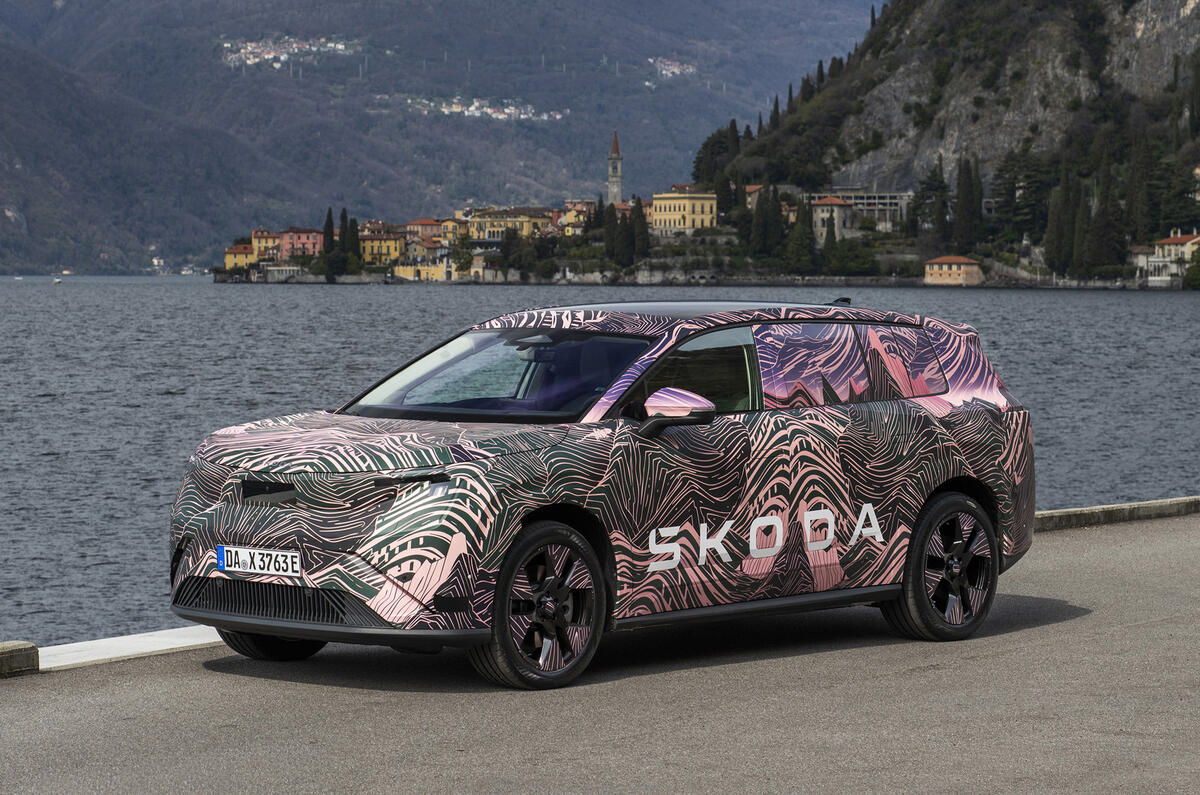
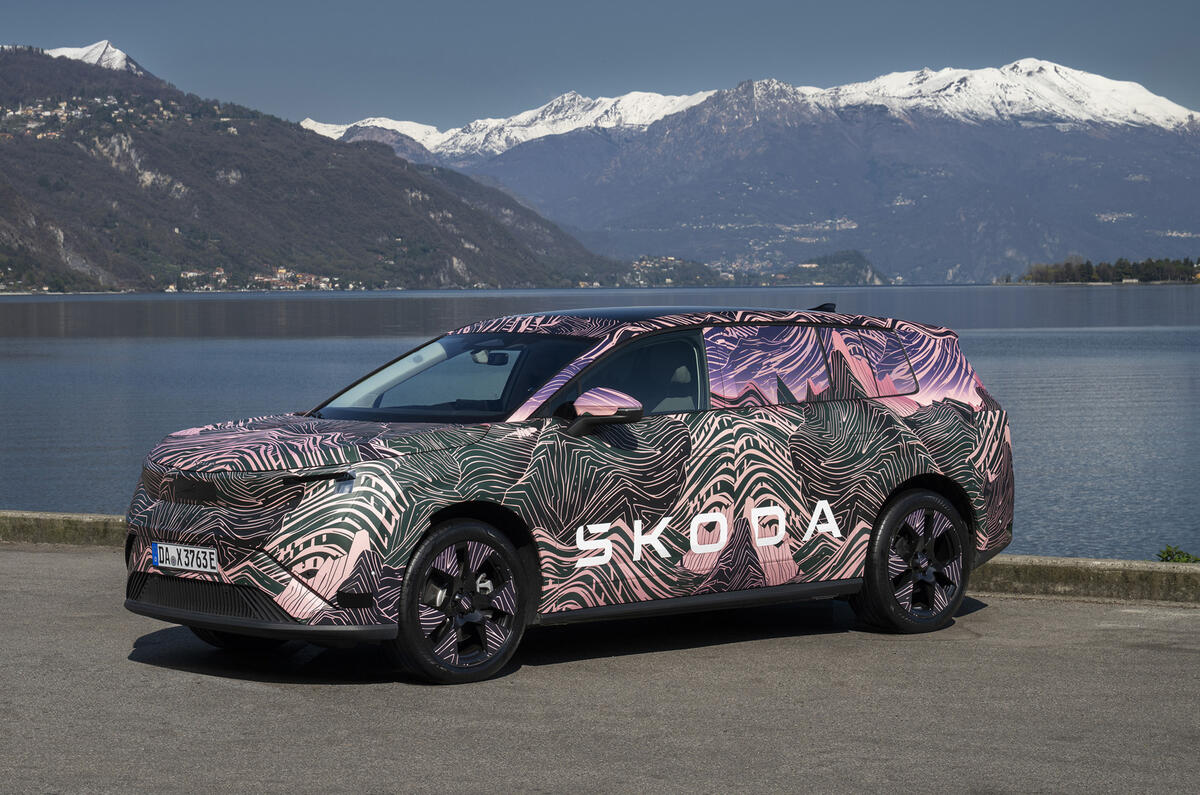
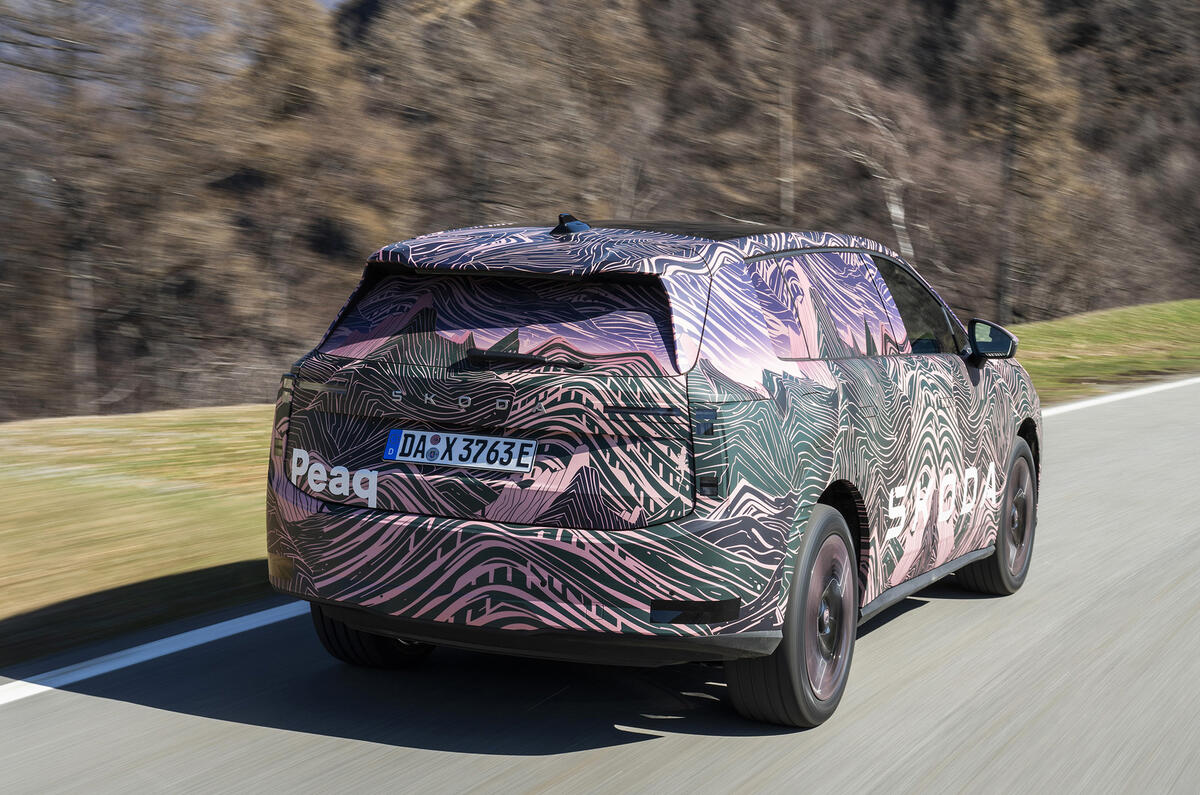
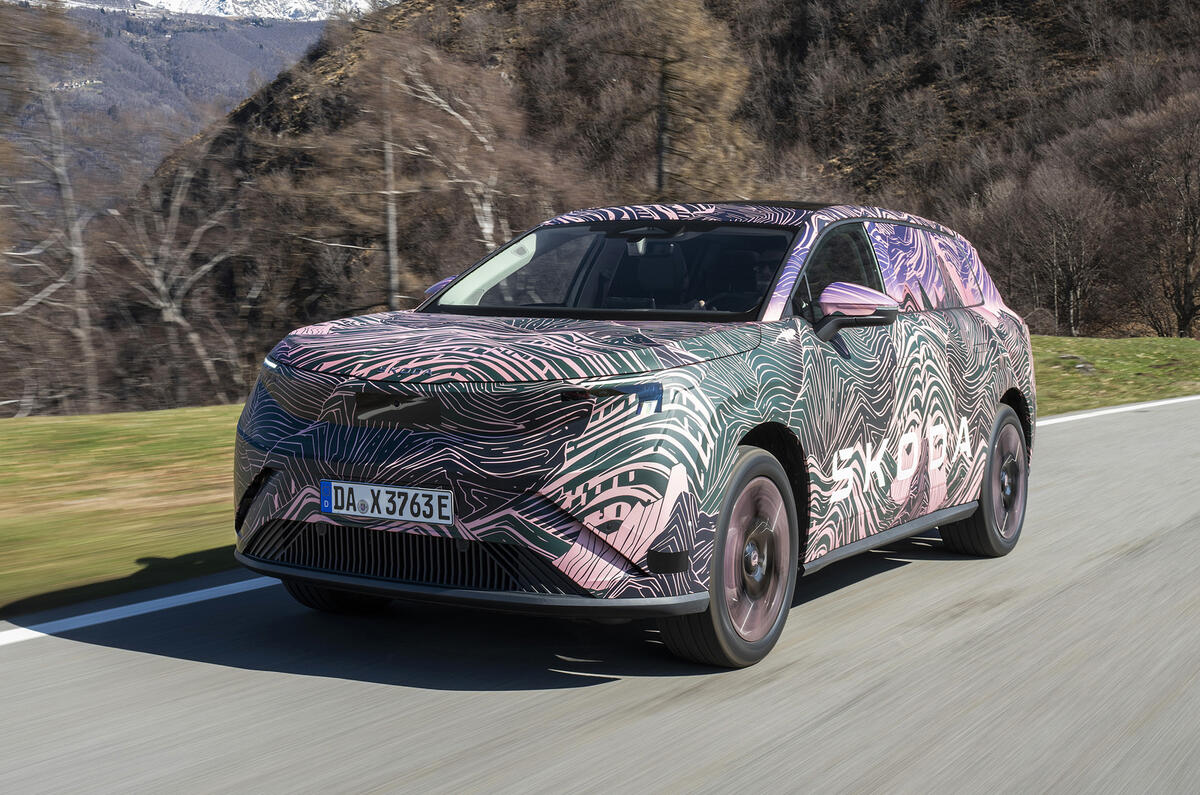
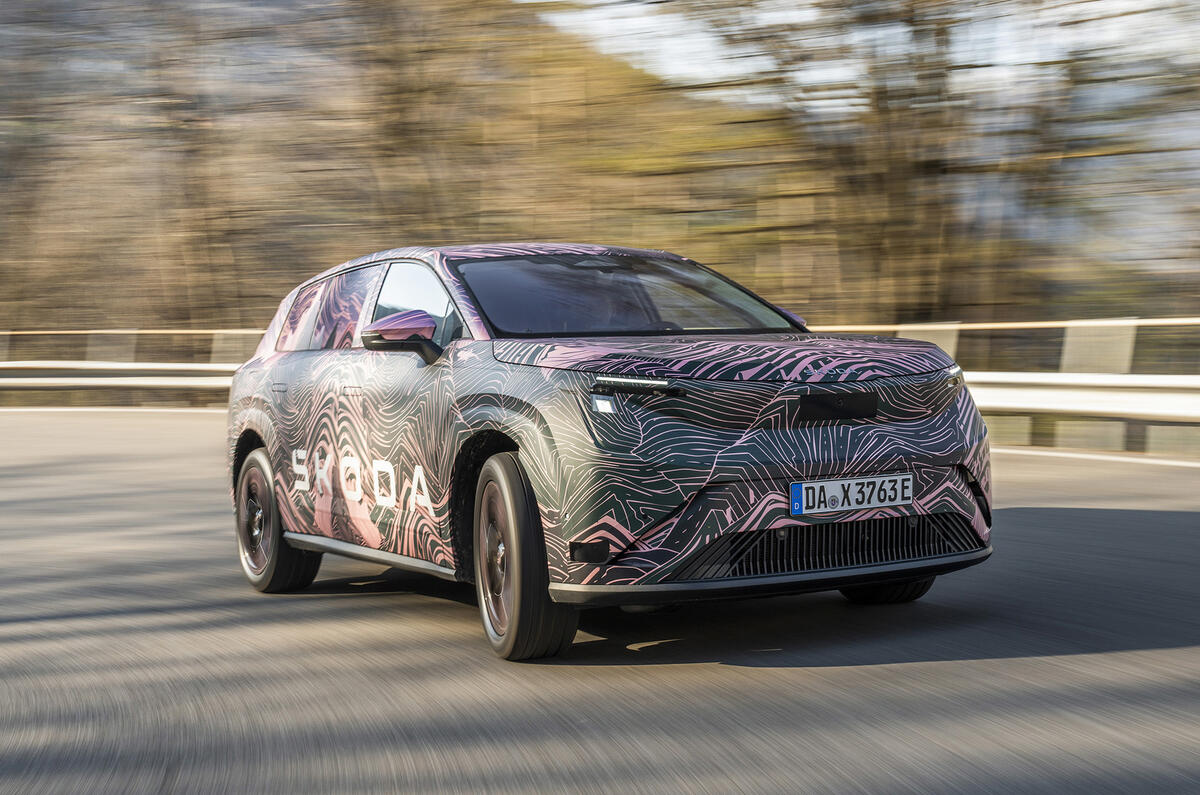
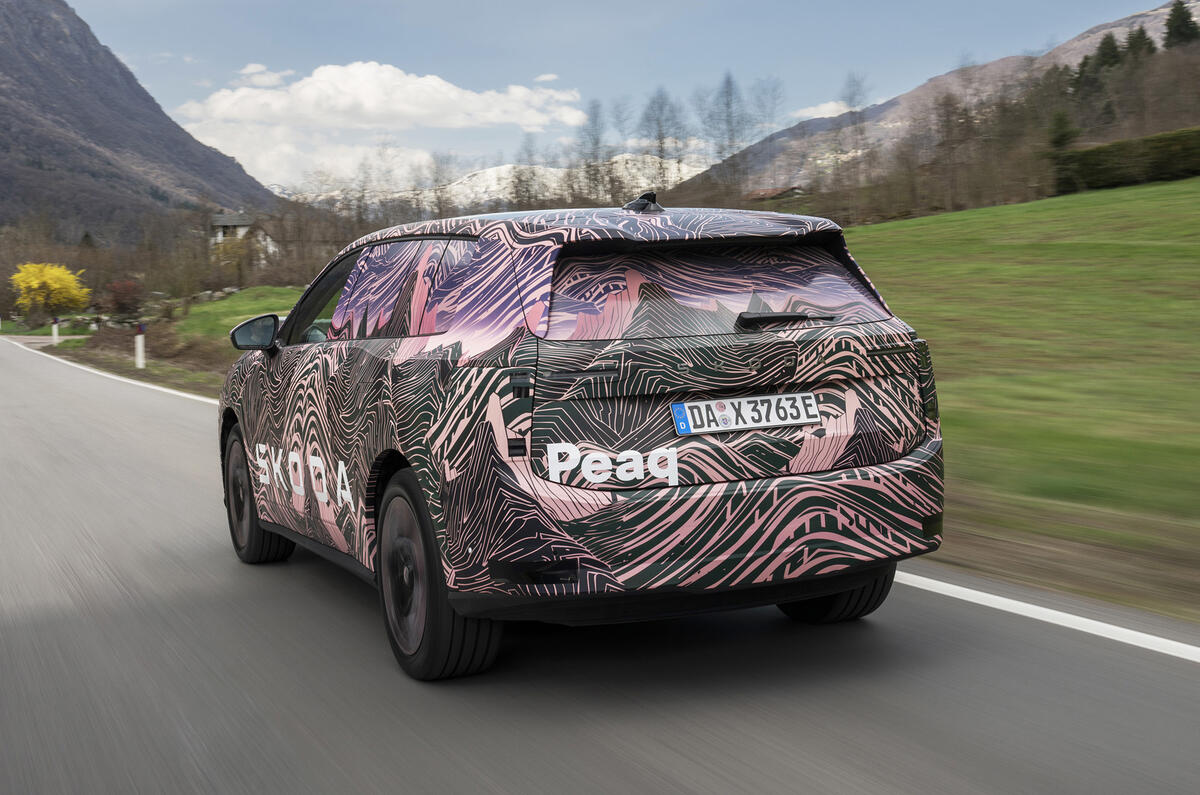
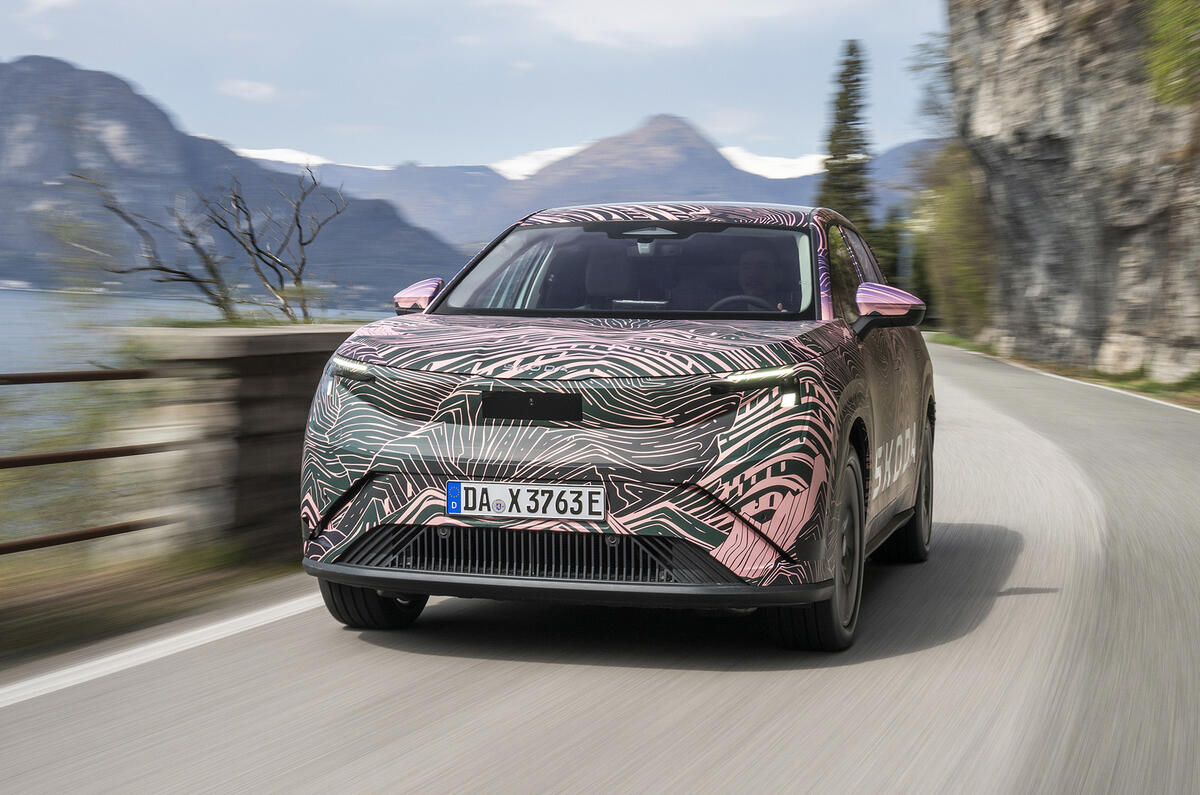
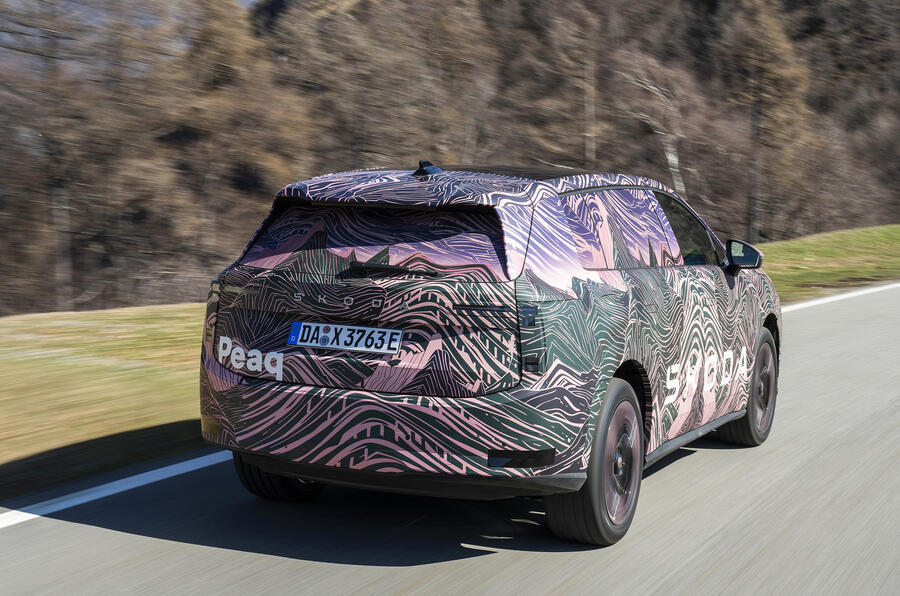
The heavy camouflage of our test car leaves a lot to the imagination, but the finished product won't be too far removed from the Vision 7S concept which previewed it – and Skoda’s new ‘Modern Solid’ design language – in 2023. You can see the bold new T-shaped light clusters, for a start, and the Peaq will follow the Epiq in wearing the striking ‘Tech Deck’ motif on its front end.
The Peaq rides on the same VW Group MEB platform that underpins Skoda’s other EVs - albeit with a bit more metal between the axles. My test car had a single 282bhp motor on the rear axle and an 86kWh battery which claims more than 380 miles of range, and can charge at up to 195kW. This battery will also power the 90X twin-motor range-topper, with 295bhp, while the lower-powered ‘60’ entry version will use a smaller, slower-charging 59kWh battery and a single 201bhp motor. Expect prices to range between £50,000 and £60,000 - in line with toppier versions of the Kodiaq, and significantly undercutting the likes of the Kia EV9, Volvo EX90 and Hyundai Ioniq 9.
Probed on the possibility of a hot vRS version, product bosses would only grin and tell us that “anything is possible” - so expect that to follow closely behind the standard car.