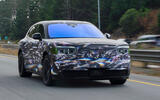
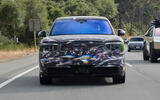
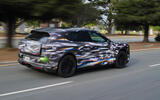
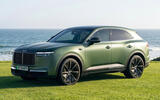
Currently reading: Feels like a Bentley: On the road in the 370-mile Torcal EV

Bentley's electric era begins next month with the debut of the 370-mile Torcal - but we've had an early ride

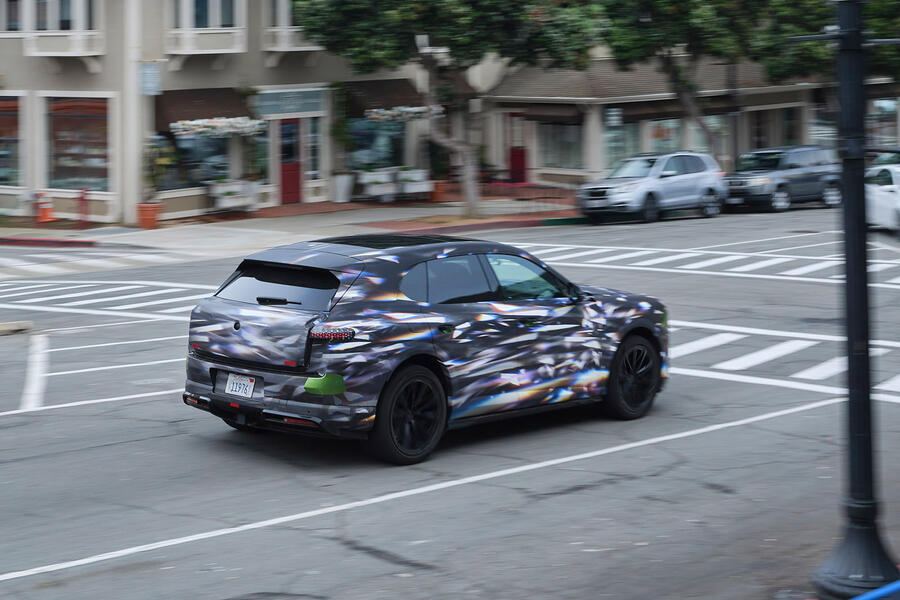
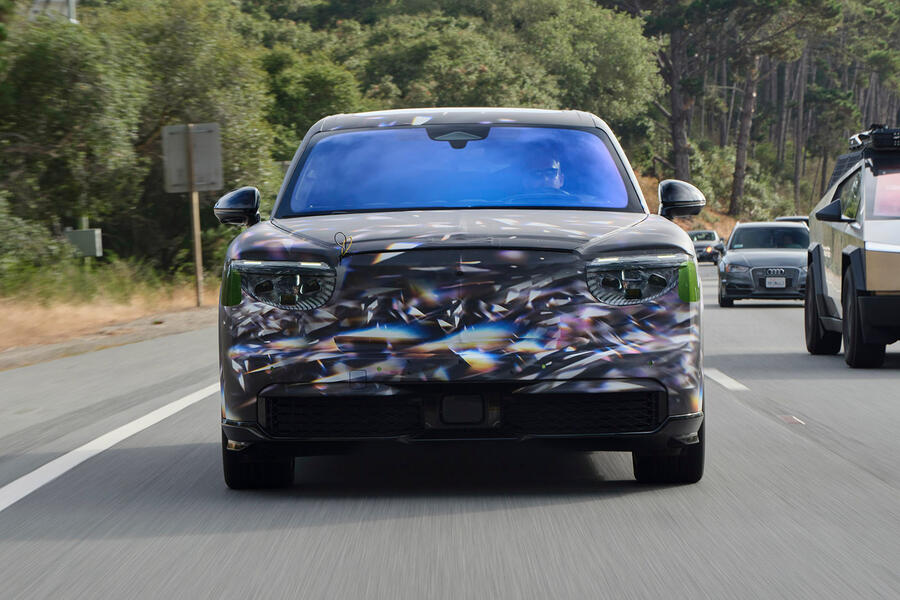
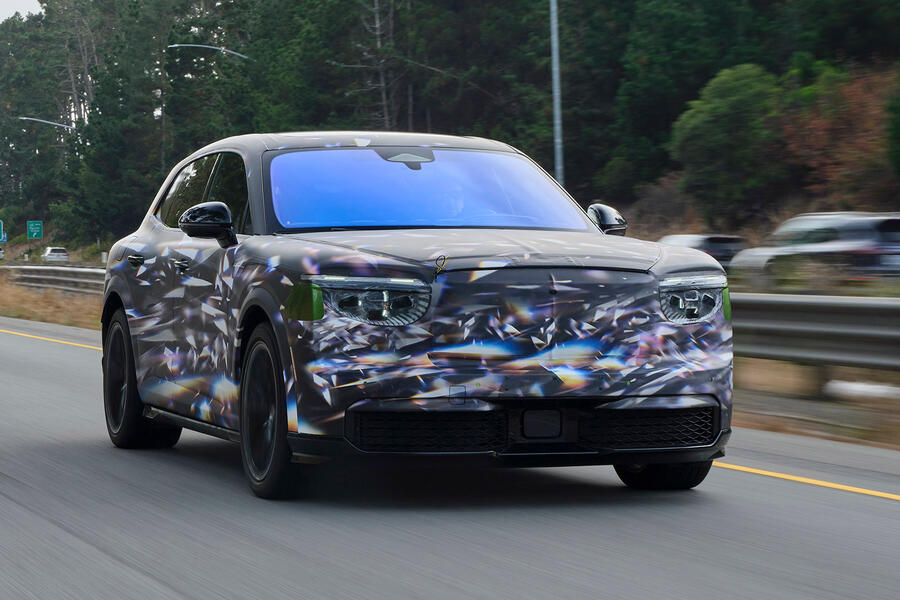
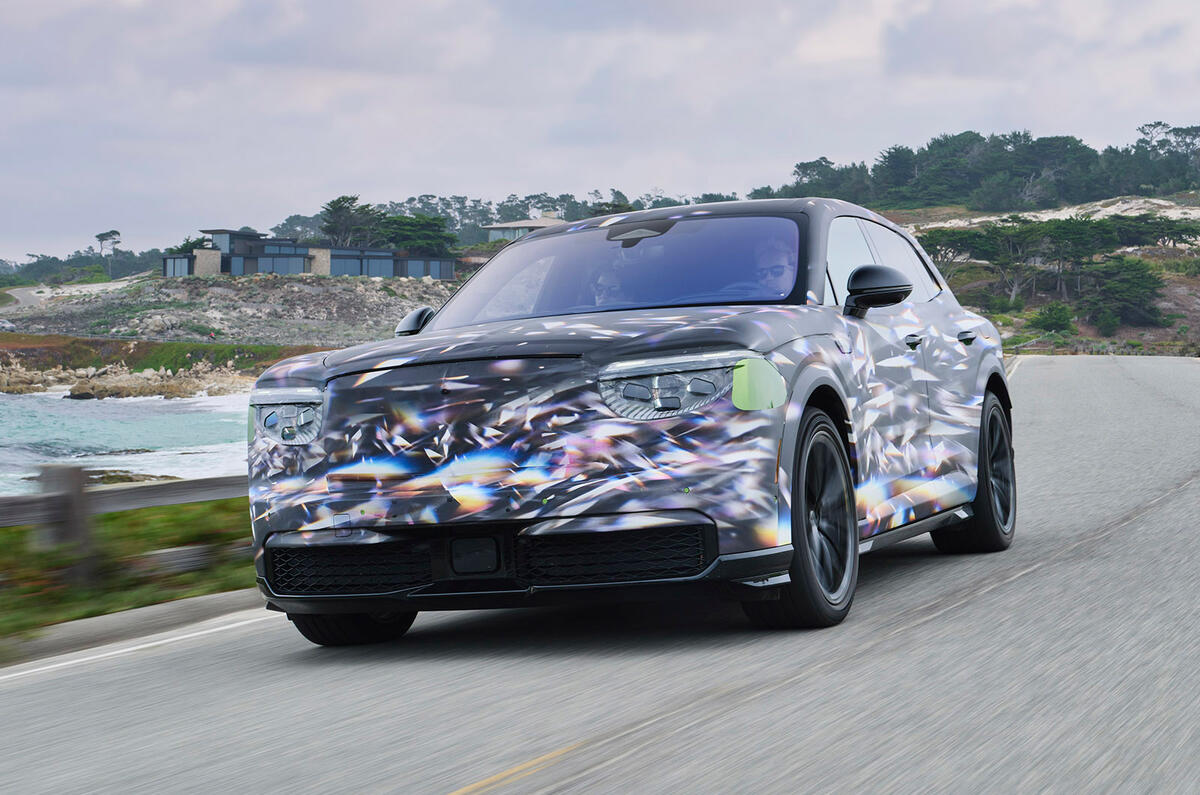
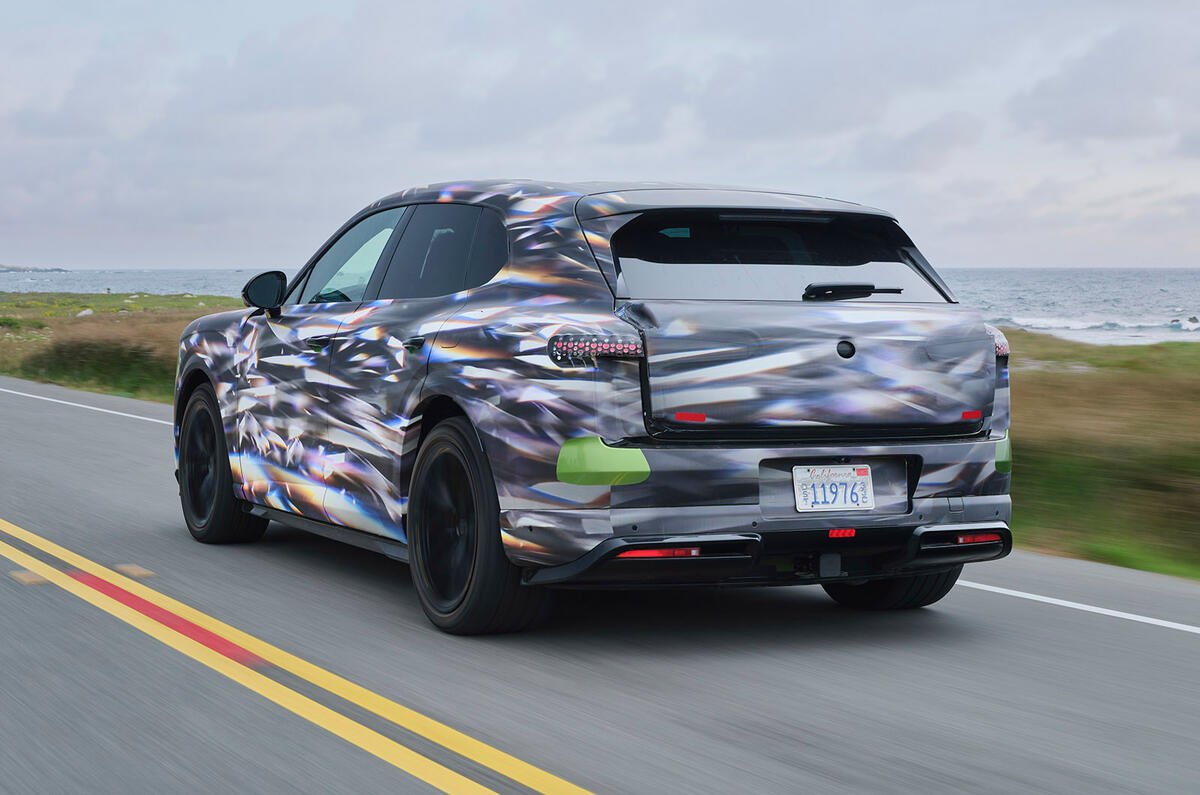
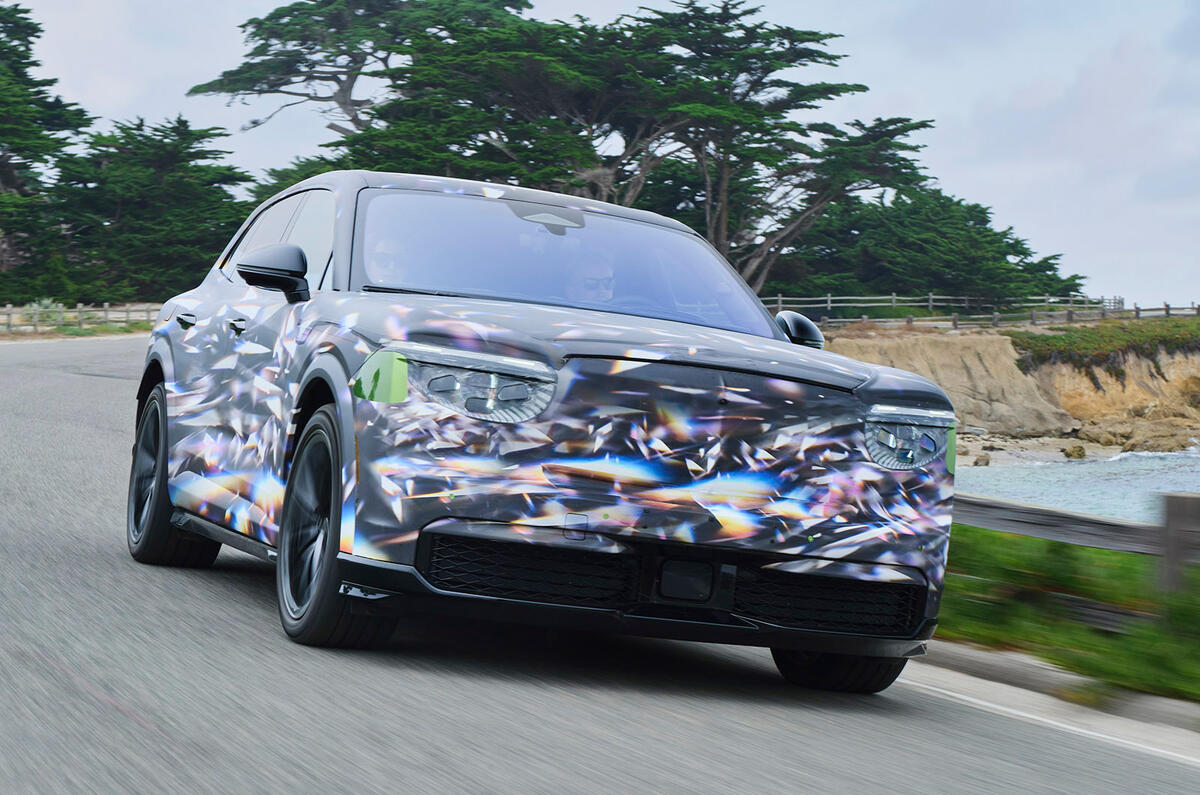
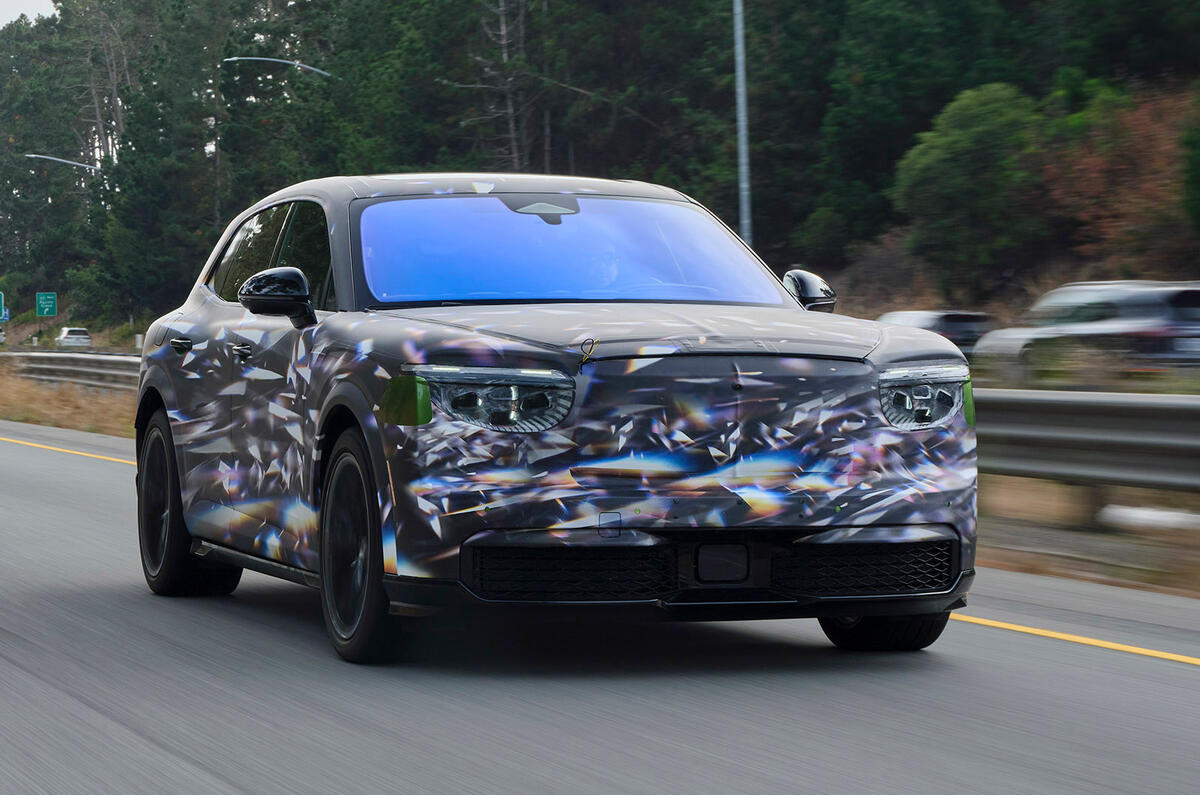
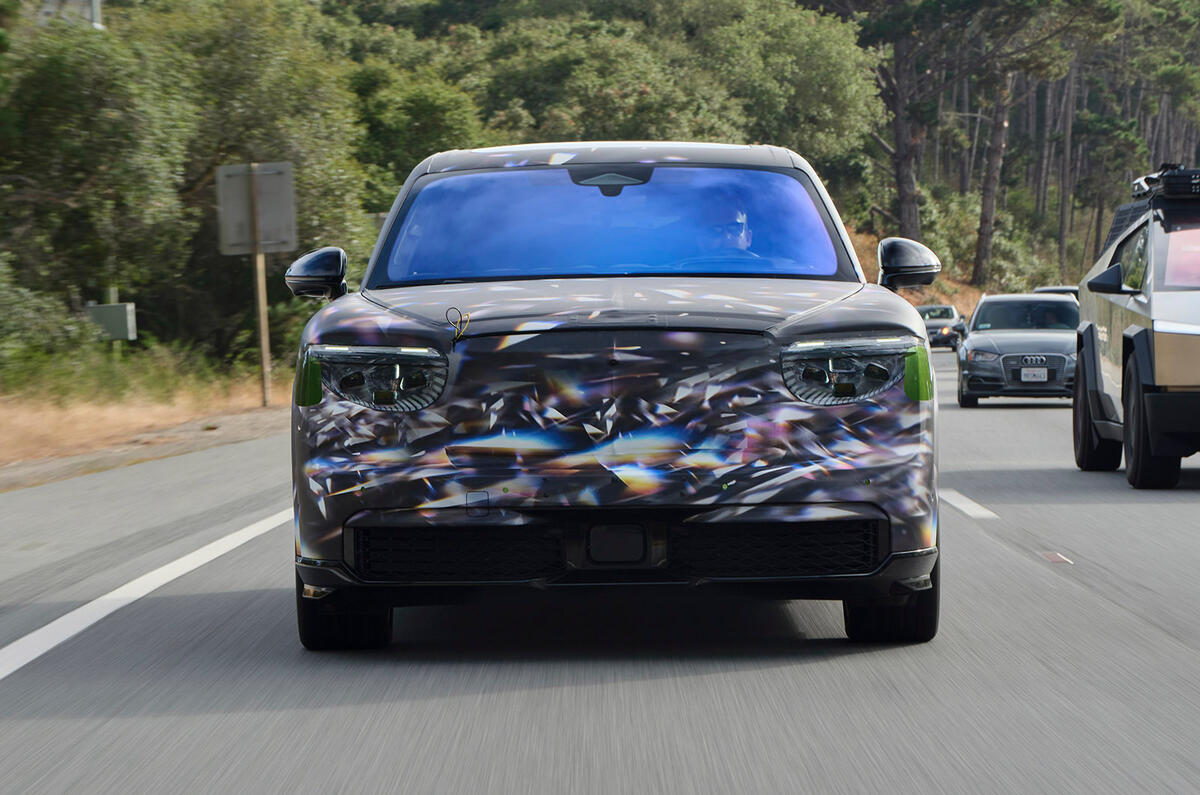
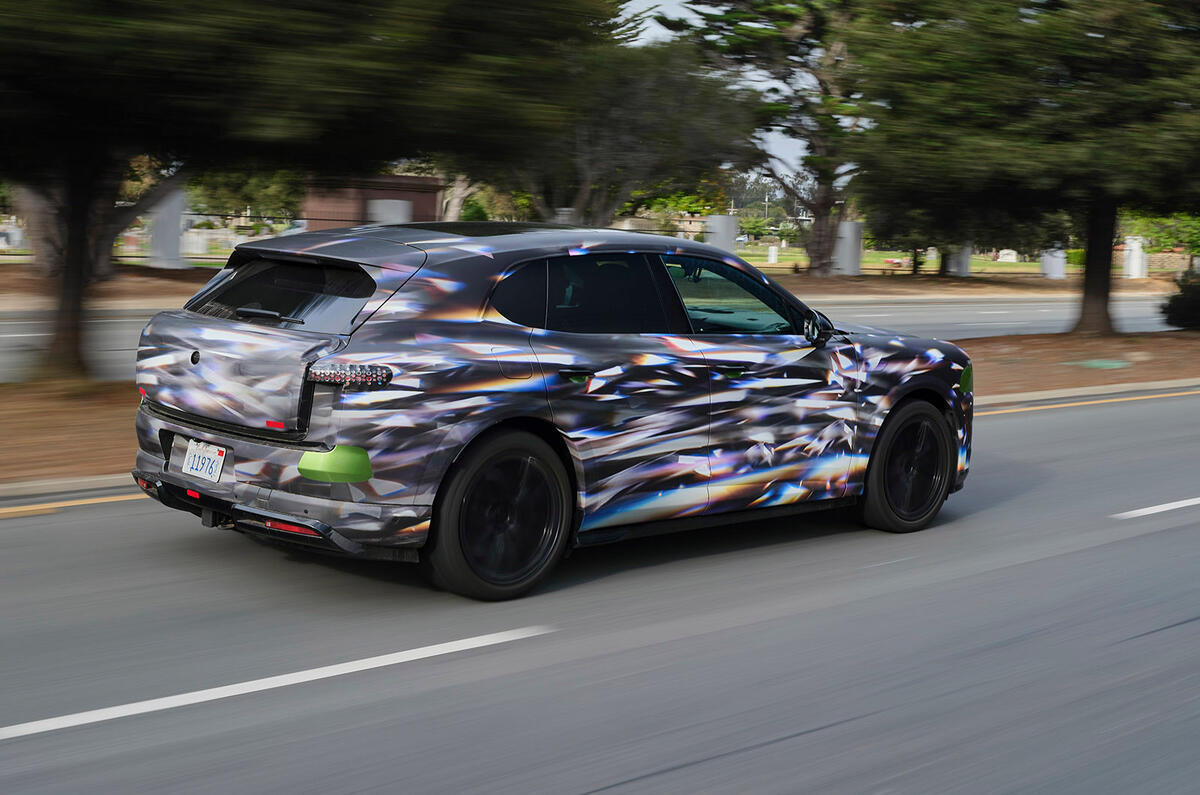
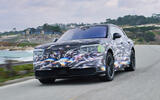
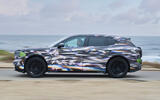
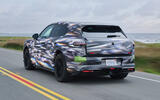
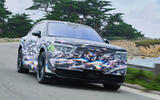
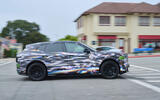
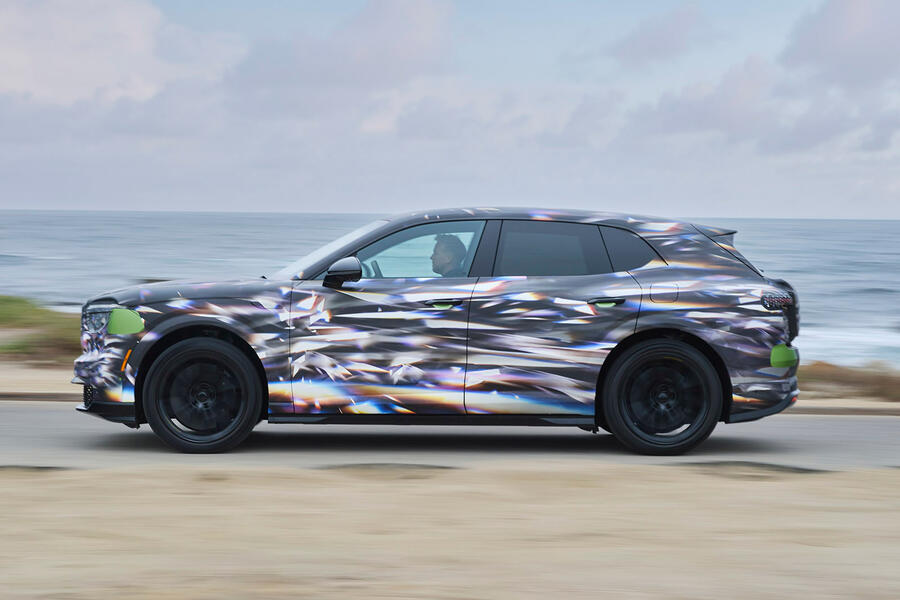
The rear passenger door motors itself noiselessly closed. Here we are, in the back seat of what company CEO Dr Frank Walliser has described as “perhaps the most considered car” in the 107-year history of his employer: the new Bentley Torcal.

The wheels beneath us begin to turn - gently, smoothly, but not without an accompanying soundtrack. And in an instant we become among the very first people in the world - aside from those who actually made it - to begin to learn what it is like to travel in an all-electric Bentley.

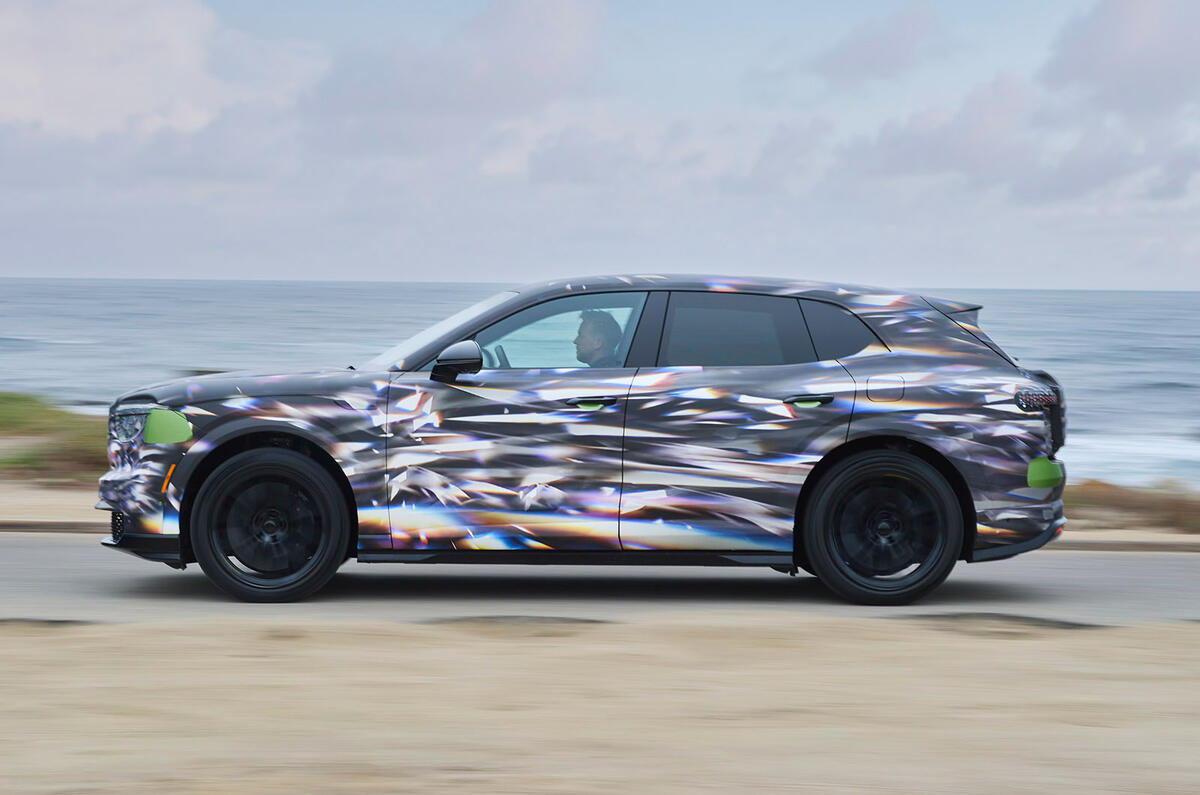
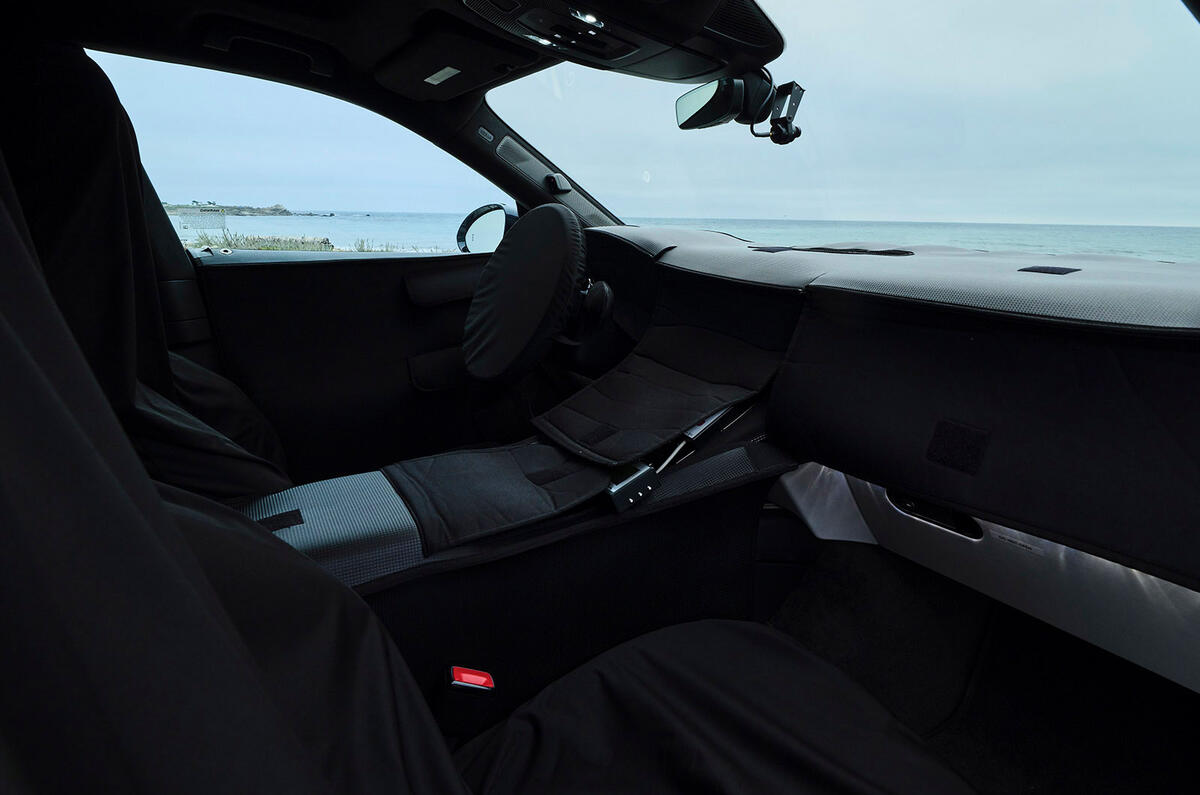
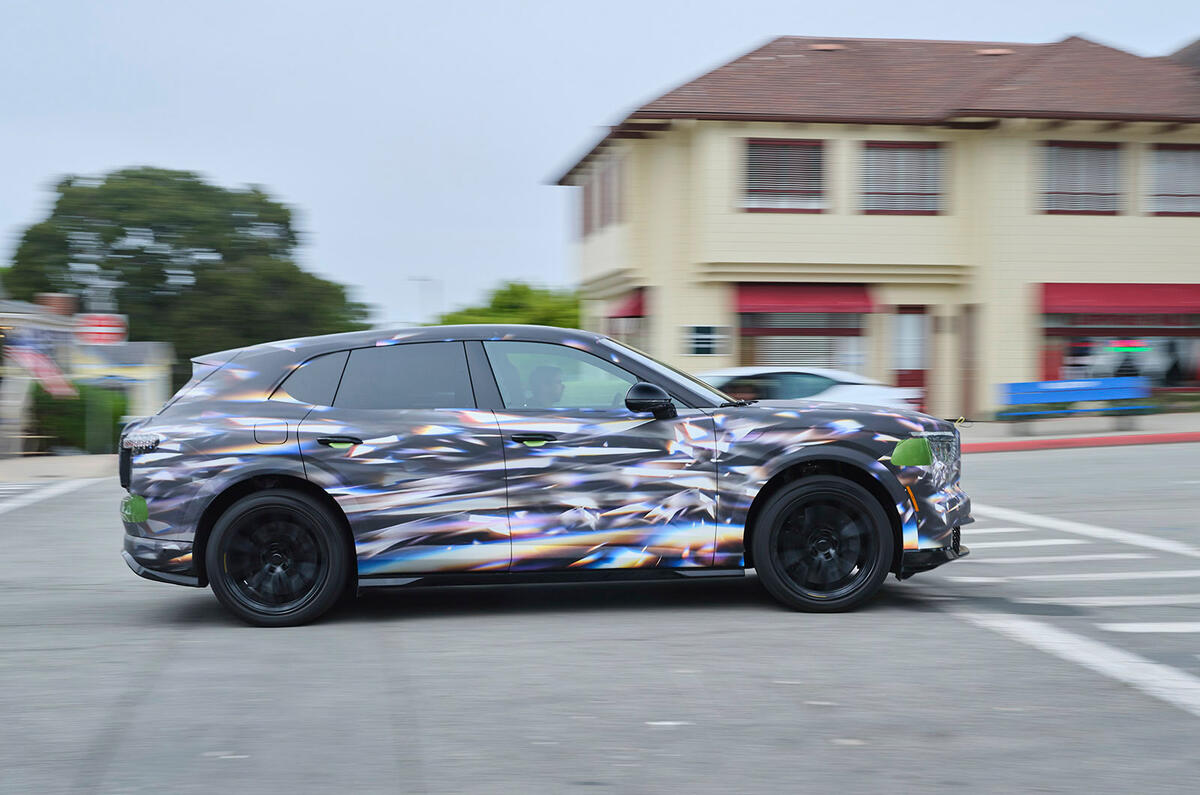
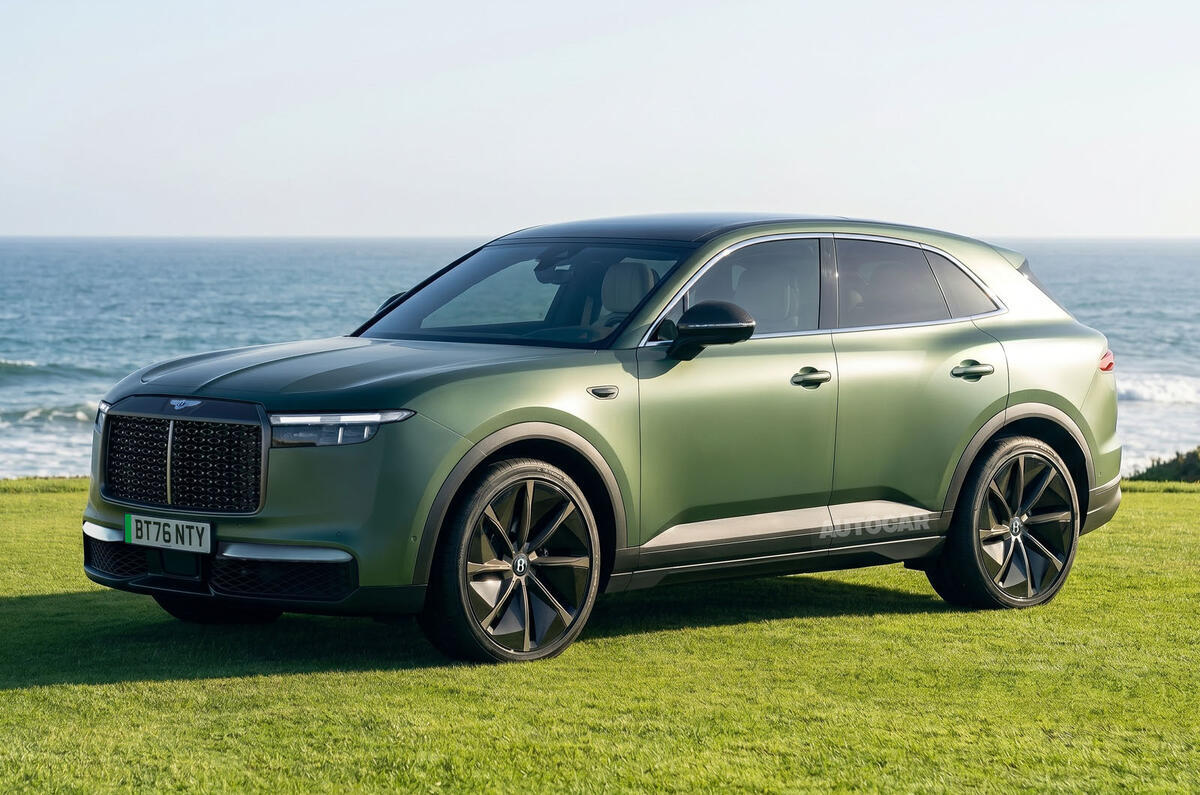
Despite this being a car both shorter and lower-roofed than the Bentayga SUV, Crewe has aimed to match the bigger car’s cabin package for things like leg room and head room; so there’s plenty of both. There’s a heavy disguise over almost all of the fittings and upholstery of our late-model prototype, but Bentley has already made it known that this car will bring plenty of developments on those fronts. Merino wool upholstery. ‘Ombre veneer’ wood trim. Plenty of other lavish materials and special effects, too, never before seen on a Bentley.
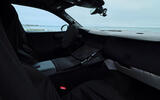
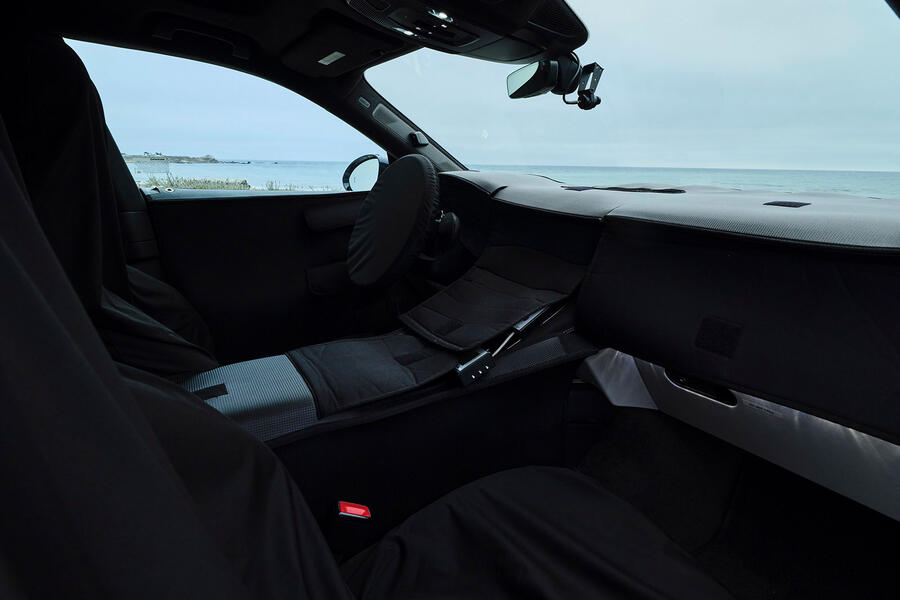
From my back row-seat I can see just enough up front to pique my interest as Torcal product line director Martin Page, who is also our chauffeur, starts peeling back the covers just enough to see instruments and access controls.

From the tone of Page’s explanation of his surroundings, I get the distinct impression that at least some of the potential customers that Bentley canvassed might have preferred a more traditional ambience and a bit less digital tech. What they are getting has loads of familiar Bentley gloss and richness, mind you. But there’s no rotating multimedia display, no ‘organ stop’ ventilation controls (these ones have vent airflow controlled via the multimedia display) and a great many twinkly, indirect ambient lighting effects running the full width of the dashboard and over the door panels.

The vivacity of the twinkling in question - together with the backlighting of the digital instruments and multimedia touchscreen - are controlled by the car’s ‘Curation Engine’. This is Crewe’s forgivably grandiloquent term for the central drive mode controller, which is large, glassy and ornate-looking. Cycling through the car’s mostly familiar settings (Bentley, Comfort and Sport, and introducing Refresh) changes not only suspension, powertrain and steering calibration but also the heating and ventilation, seat massage, lighting and display settings.
Above that sits the sizable multimedia touchscreen display. It’s trapezoidal (with slanted, rather than parallel, sides), and while it is curved, it is not actually the same screen that you’ll find in Porsche’s related Cayenne Electric; instead it is one with a less curtly radiused corner running horizontally across its middle, so it follows the arc of your wrist and fingertip more naturally as you swipe up and down. 

Back to top

It flashes up a full-screen, colourful, attention-grabbing animation every time you change the drive mode, though. I suggest to Page that might become a little distracting - annoying, even. “Don’t worry,” he replies: “if you prefer, there’s a Pure setting that keeps things simpler and lets you configure the suspension and powertrain settings without the visual song and dance.” Of course there is.

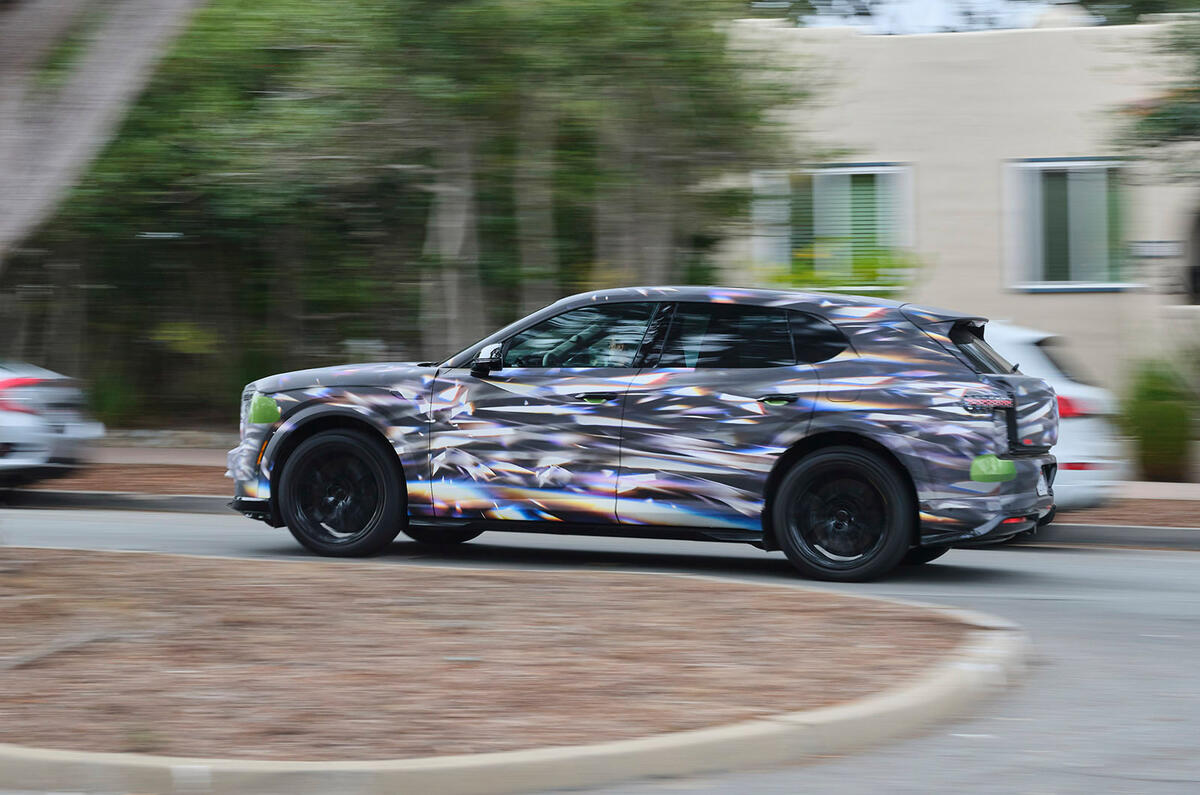
By the time I look back up through the windscreen, we’ve travelled half a mile through Pebble Beach’s residential streets. I’ve hardly noticed any commotion or disturbance at all. 

You wouldn’t call the ride pillowy-soft, because there’s more discipline and balance to it than that. There’s just a little bit of low-speed road noise from the 22in wheels to let you know you’re in motion. The merest shuffle under your backside, also, as the axles cross transverse ridges and raised bits of ironwork – but only enough to keep the wheels under control, the isolation levels consistent and the body control level and even rather than wallowy or reactive. This is ride comfort as Bentley has always done it, in modern times at least.

The Torcal uses the Volkswagen Group’s PPE platform (Porsche Cayenne Electric, Audi Q6 E-tron). There is two-chamber air suspension at both ends (using slightly modified hardware compared with the Cayenne), as well as four-wheel steering and ‘dynamic ride’ active anti-roll bars. 

Back to top

Page explains that the powertrain combines the drive motor from a Cayenne Electric at the rear with one from an Audi Q6 E-tron at the front, for on-paper peak power of “around 850 horsepower”. It uses the same 113kWh drive battery and 800V architecture as the Cayenne, for a WLTP range of about “370 miles” even on 22in rims. And it weighs “about 2.7 tonnes”. Not bad considering the new Jag EV is set to be a 2.8-tonne car and a Rolls-Royce Spectre weighs 2.9 tonnes.

The Monterey traffic is too heavy, here and now, to get any sense of this car’s performance potential. Apparently it doesn’t have ‘manual regen’ paddles. There are, instead, three modes for energy regeneration: automatic (in which the car blends it up and down by itself), 'fixed on' (a constant strength) and off (in which the car coasts on a trailing accelerator).

It sounds just right, however. There’s no ‘spaceship noise’ from this EV, inside or out. Instead, Bentley spent a lot of time and money recording and studying actual V8 engine noise - and, uniquely, getting musicians to imitate its rhythms and cadences. 

By doing so, it has created for the Torcal a ‘V8-alike’ synthesised engine noise whose tempo, pitch and volume changes with throttle load and speed. It’s understated in ‘Bentley’ mode, a little more forthright in ‘Sport’ and genuinely convincing either way (although you can turn it off, if you prefer). And there’s a speaker that broadcasts it, discreetly enough, externally as well as to passengers riding onboard.

Back to top

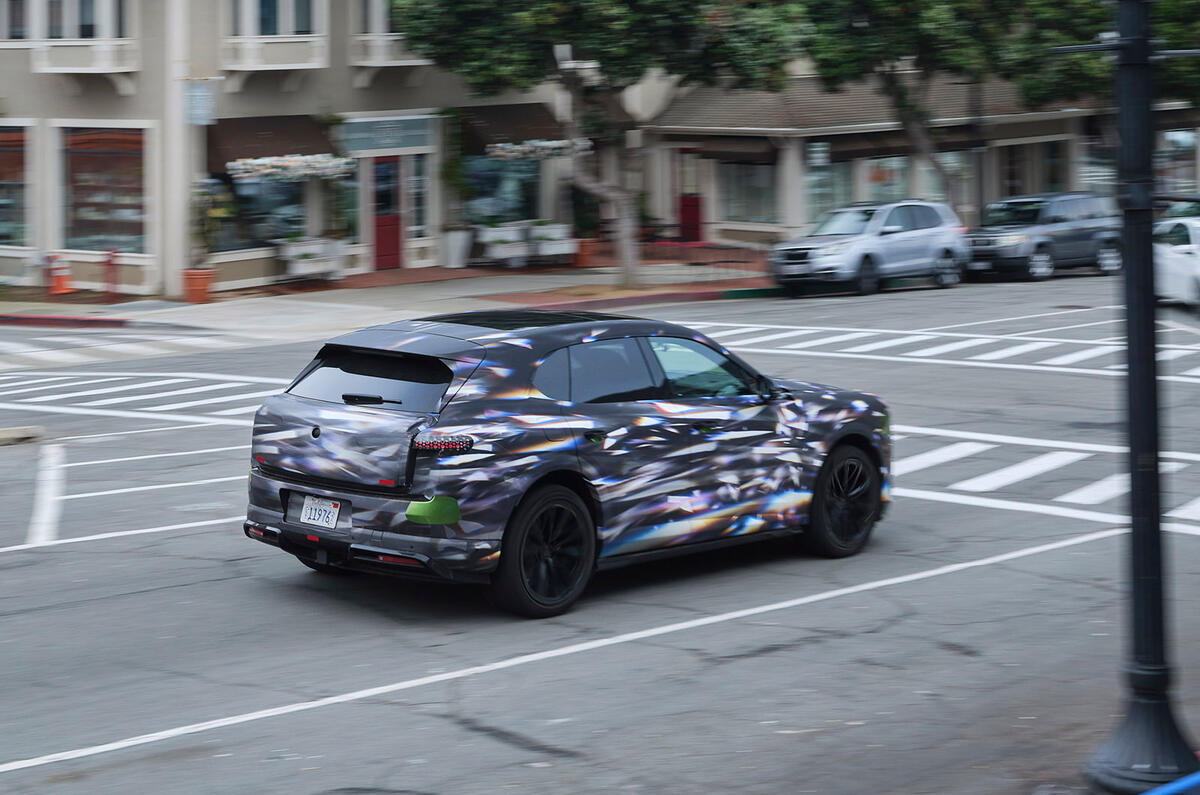
Driving this car will be another level of insight again - but I don’t imagine it’ll feel cumbersome or heavy. It doesn’t look that way. Our driver seems to be living almost as charmed a life as us as our circuitous route returns us to the hotel lobby, where the Torcal’s automated parking aid effectively brings the car to rest automatically, exactly where we started.

I’ve got a few lingering questions about some of that digital tech ahead of the driver; I'm also keen to know whether this will be a Bentley that lets you shut out all of the electronic noise and interference of modern life quite as brilliantly as, say, a Flying Spur does. 

The Torcal certainly rides - and sounds - like a Bentley should, however. And that’s a strong start. 

Bentley Torcal technical specification

Price from circa-£180,000 (tbc)
Engine Two permanent magnet synchronous motors
Power 850bhp (tbc)
Torque tbc
Gearbox 1-spd reduction gear, per axle; 4WD
Kerb weight 2700kg
0-62mph circa-4.0sec (tbc)
Top speed tbc
Battery 113-/108 kWh (total/usable)
Range, economy circa 380 miles, tbc
CO2, tax band 0 g/km, 4%
Rivals Ferrari Luce, Rolls-Royce Spectre S2

Join our WhatsApp community and be the first to read about the latest news and reviews wowing the car world. Our community is the best, easiest and most direct place to tap into the minds of Autocar, and if you join you’ll also be treated to unique WhatsApp content. You can leave at any time after joining - check our full privacy policy here.

Matt Saunders

Matt Saunders Autocar
Title: Road test editor

As Autocar’s chief car tester and reviewer, it’s Matt’s job to ensure the quality, objectivity, relevance and rigour of the entirety of Autocar’s reviews output, as well contributing a great many detailed road tests, group tests and drive reviews himself.

Matt has been an Autocar staffer since the autumn of 2003, and has been lucky enough to work alongside some of the magazine’s best-known writers and contributors over that time. He served as staff writer, features editor, assistant editor and digital editor, before joining the road test desk in 2011.

Since then he’s driven, measured, lap-timed, figured, and reported on cars as varied as the Bugatti Veyron, Rolls-Royce PhantomTesla RoadsterAriel Hipercar, Tata Nano, McLaren SennaRenault Twizy and Toyota Mirai. Among his wider personal highlights of the job have been covering Sebastien Loeb’s record-breaking run at Pikes Peak in 2013; doing 190mph on derestricted German autobahn in a Brabus Rocket; and driving McLaren’s legendary ‘XP5’ F1 prototype. His own car is a trusty Mazda CX-5.