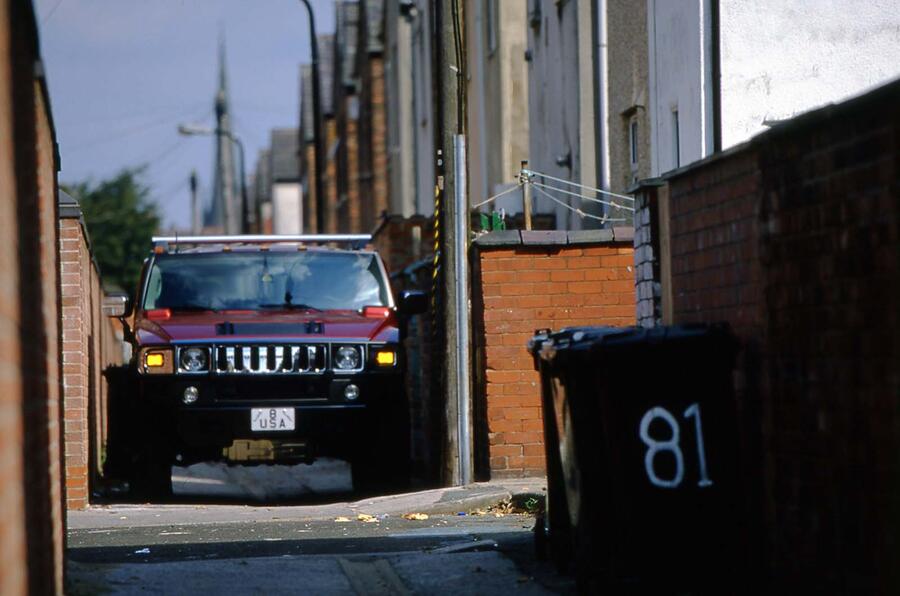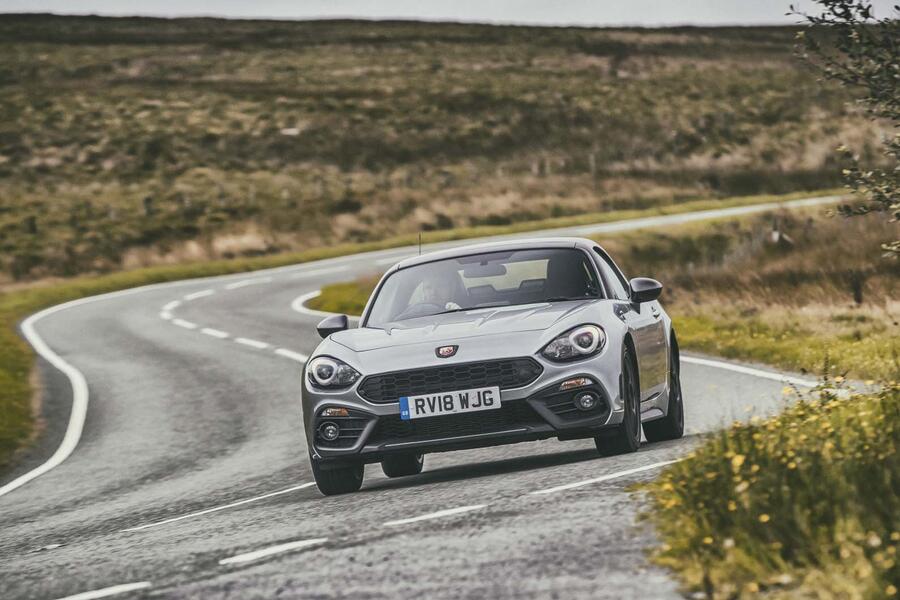





Do you struggle to squeeze your car down country lanes? Is it awkward to fit in a supermarket parking bay? Is it pointless putting it in your garage, because if you did, you wouldn’t be able to open the door to get out?
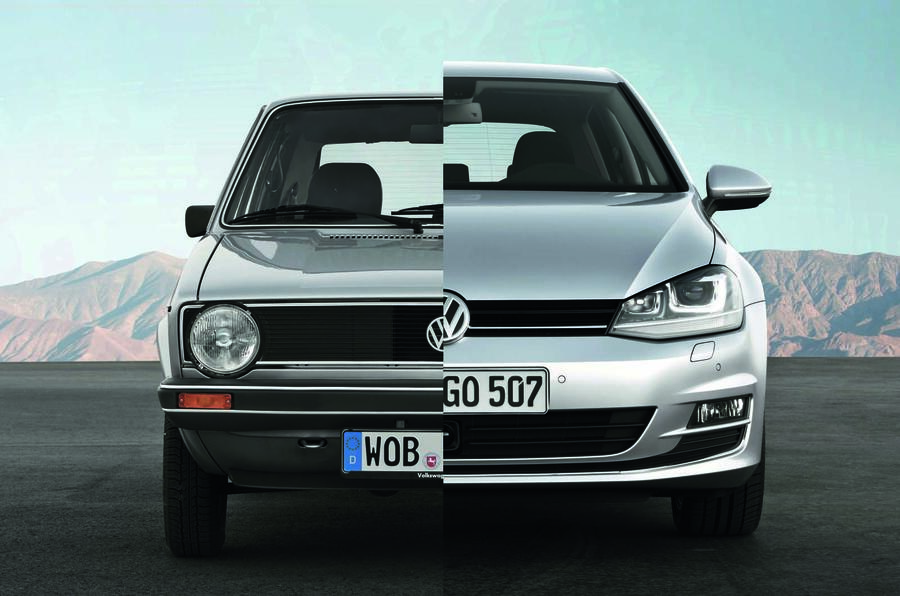
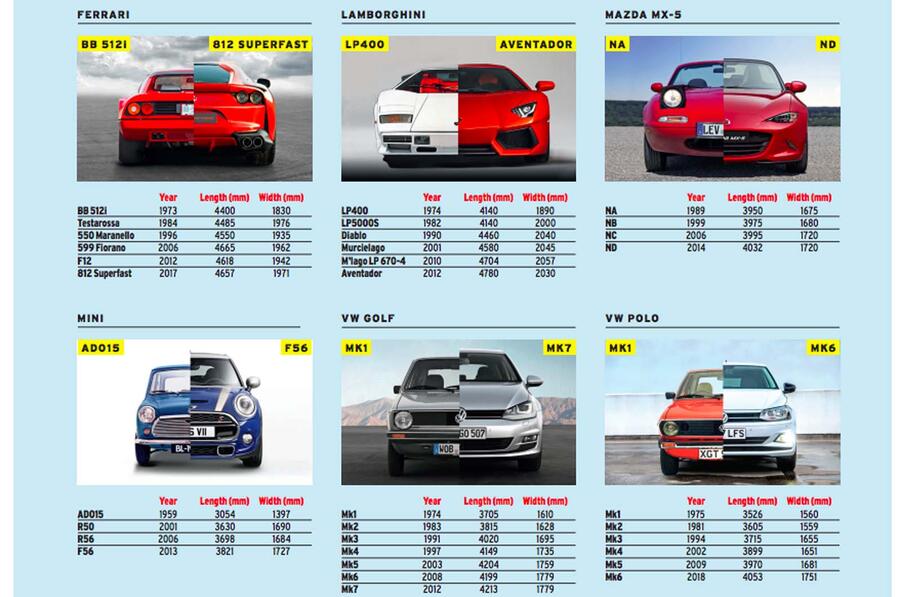
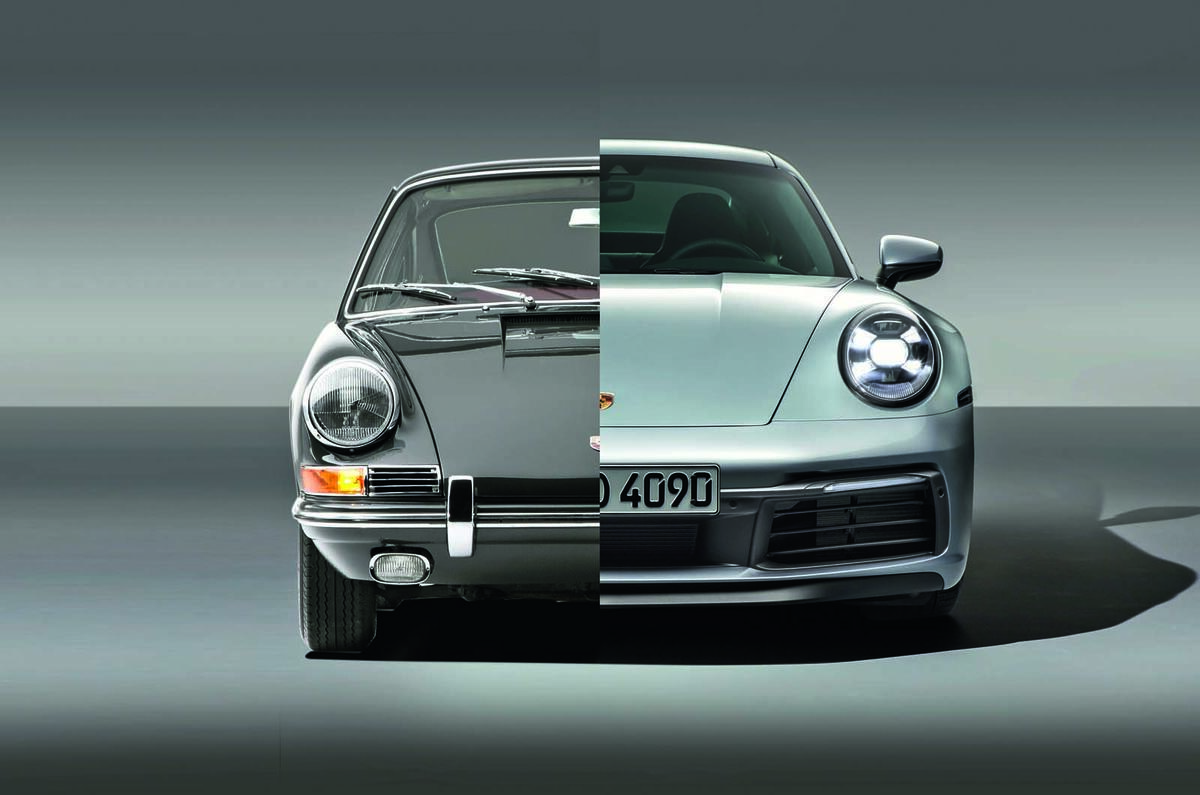
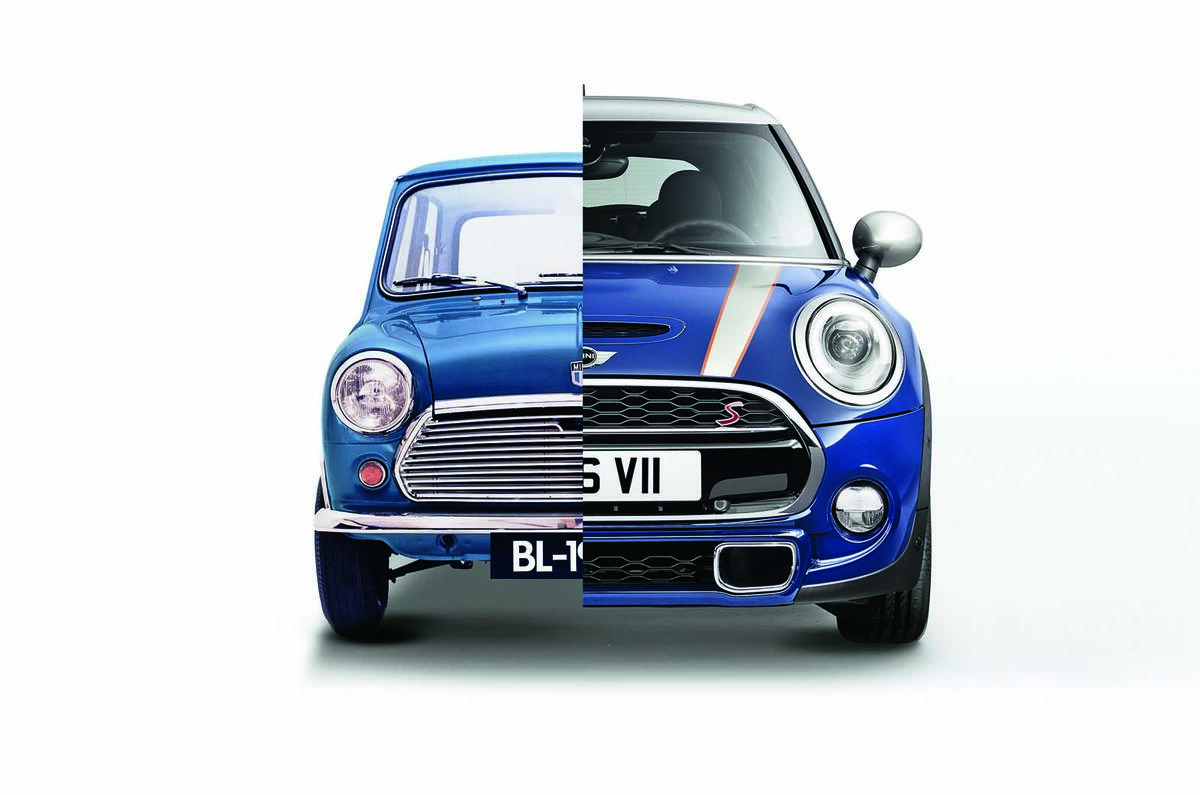
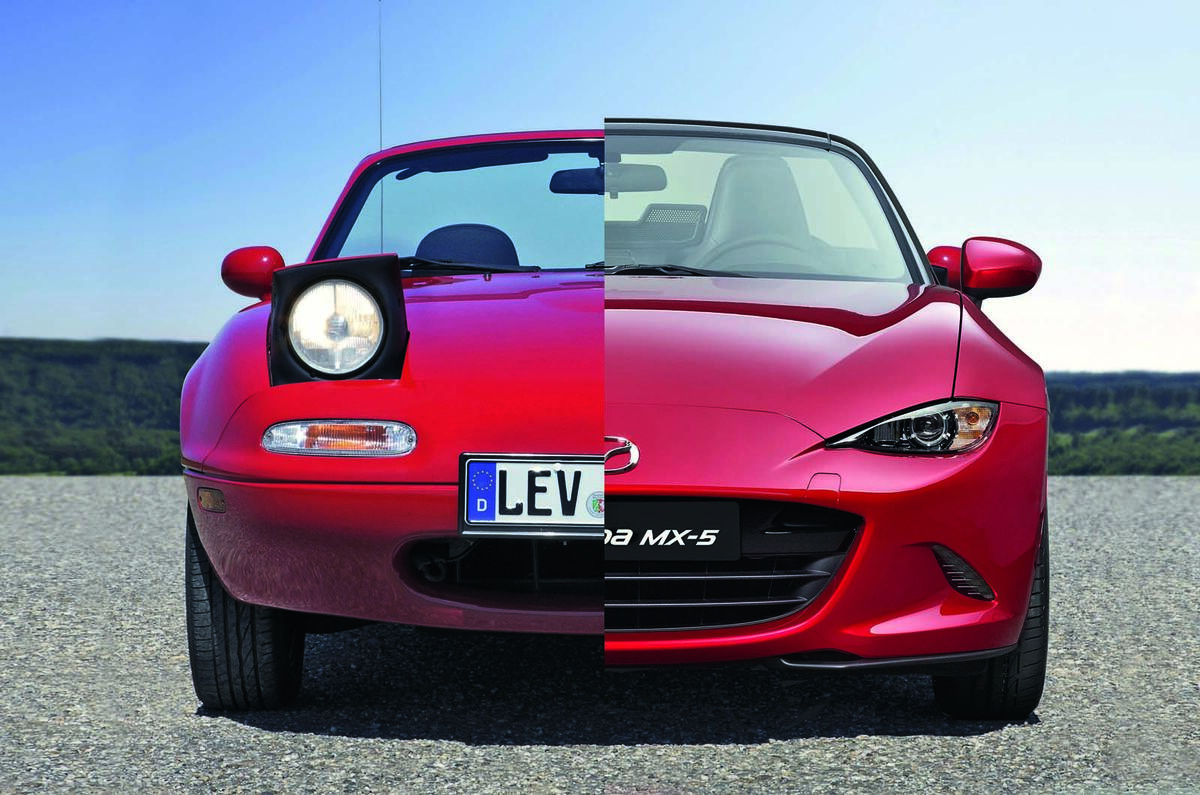
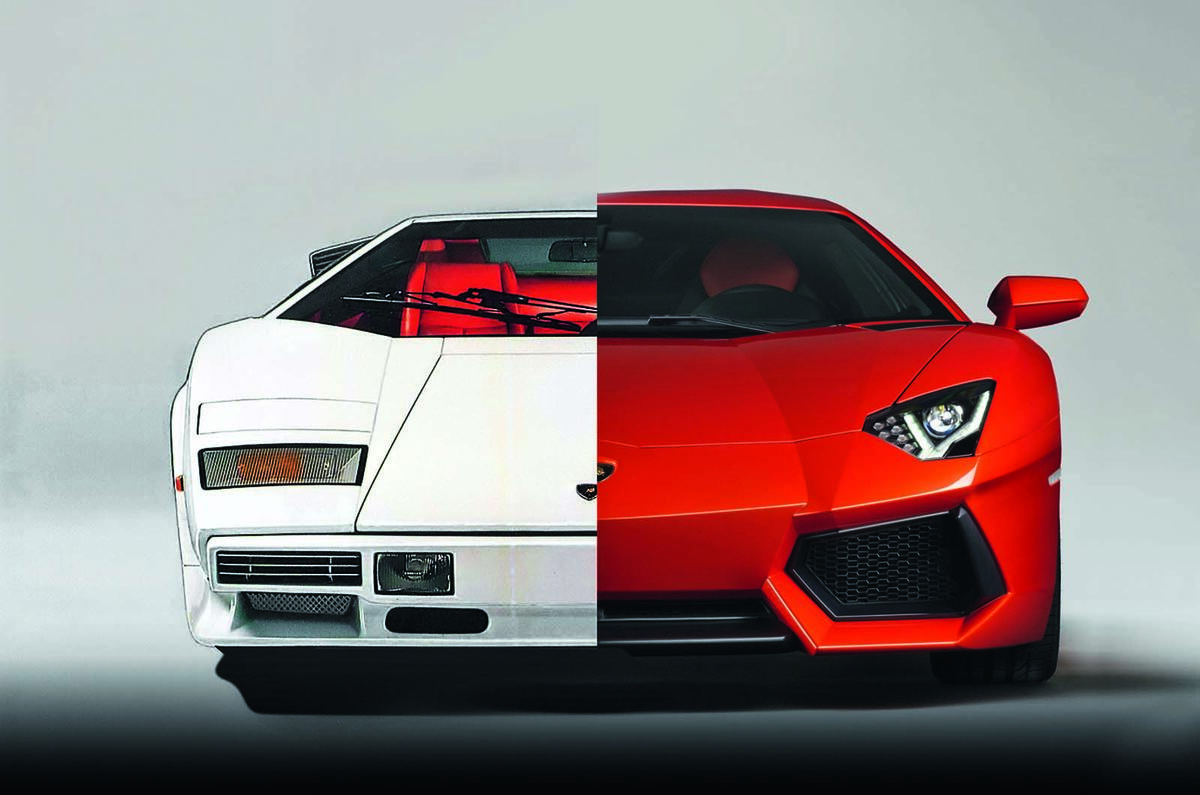
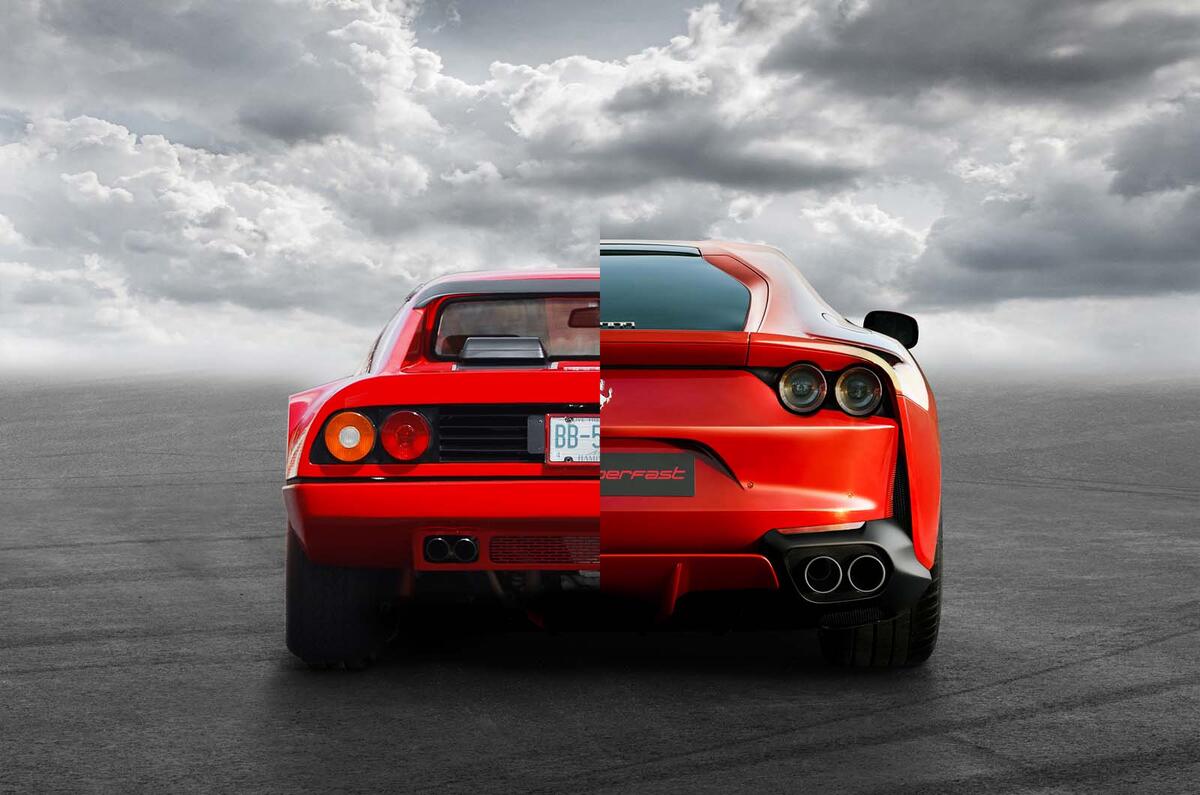
Welcome to the expanding world of 21st-century cars. We all know they’re getting bigger and heavier – the Volkswagen Polo is now a bigger car than the original 1974 VW Golf. Most of us know why they are getting bigger, too. To comply with today’s stringent crash regulations – by passing offset, side and roof impact tests, as well as those evaluating pedestrian protection performance – cars require considerable cubic metres of controllably crushable bodywork.
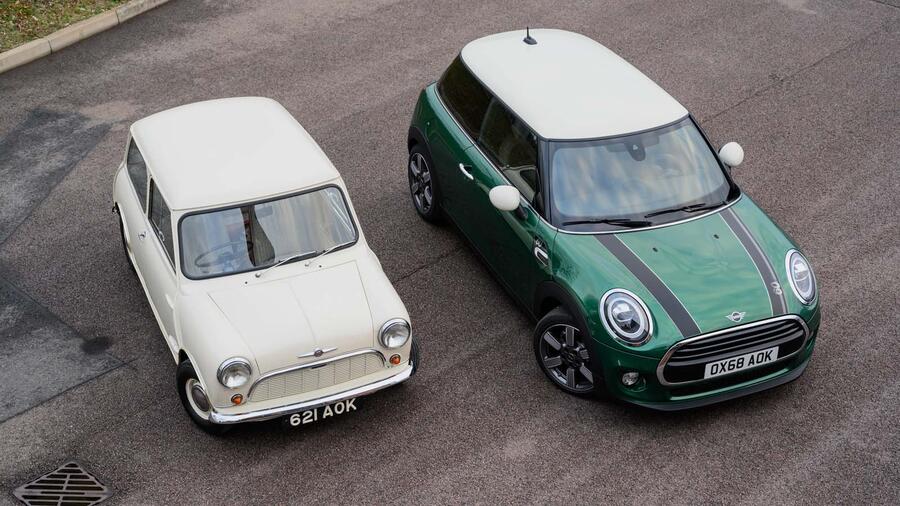
Another reason why cars have become bigger is diet, whether good or bad. People have been getting bigger post-war, both taller through healthier nutrition and sometimes wider, for which we can thank temptation and the wide availability of McDonald’s and the rest. That car makers were taking this into account your reporter learned in 1998, when Ford of Europe’s Richard Parry-Jones, then head of product development, was explaining the reasons for making the 1998 Focus significantly larger than the outgoing Escort. Enlarging humans was one of them. And, of course, if you make a car longer for crashing and taller for its occupants, it will look a little odd if it doesn’t get any wider. But there are some cars – most cars, arguably – that have become needlessly wide.
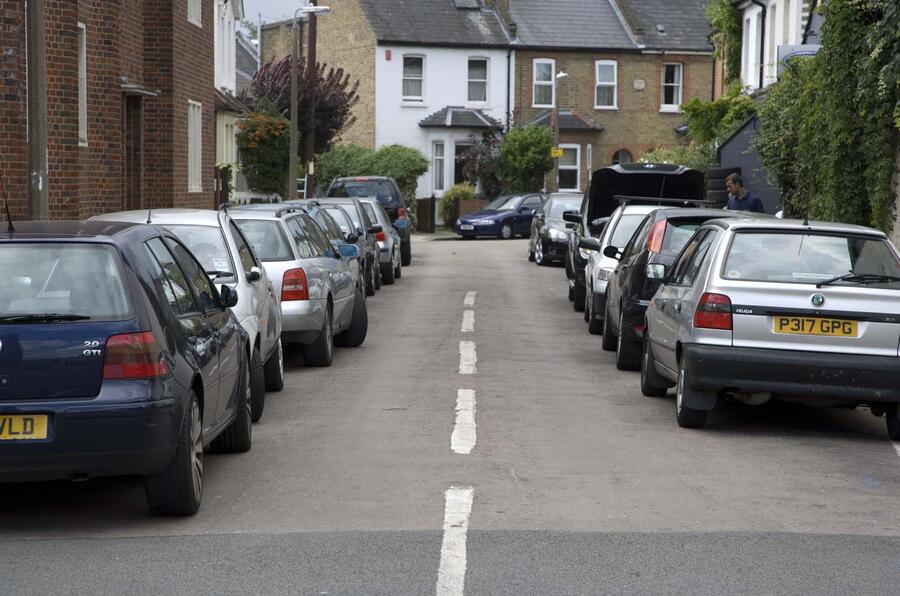
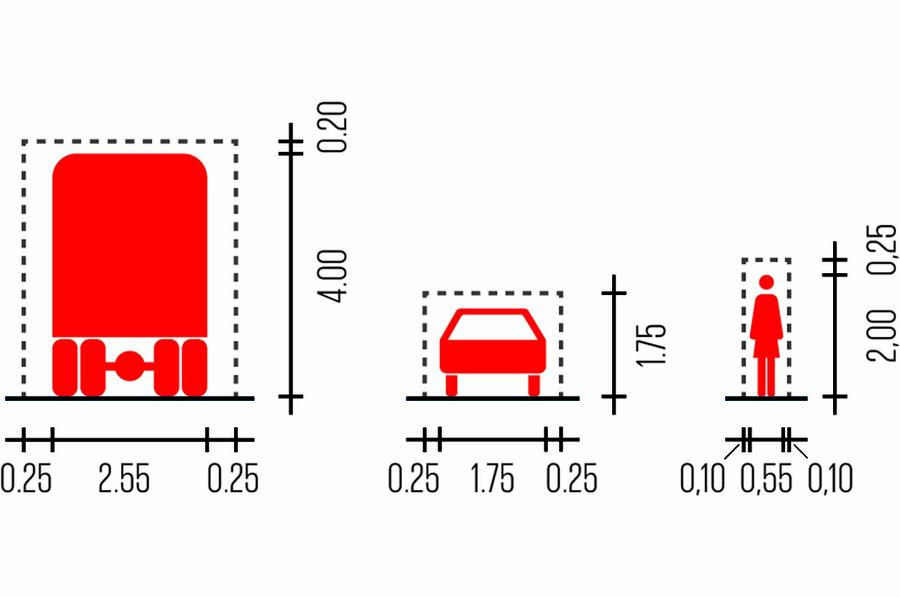
Roads, on the other hand, are not getting any wider. Recently, a friend witnessed a London traffic jam caused simply by the fact that a Bentley Continental GT and a Range Rover were unable to pass one another in an ordinary street. The resulting jam took 20 minutes to clear. Scenes like this doubtless play out several times a day in some of the capital’s tightest streets.