






In my youth, I was always running out of petrol – a combination of being too tight to brim the tank and an addiction to gauge gambling.
I’ve grown out of it now. I can’t be bothered with the hassle or the reaction from my wife when the engine starts to splutter. But there’s another reason for this more mature attitude to fuel quantity, and that’s because 16 years ago I learned to fly. Early on in my flying career, I very nearly ran out of petrol while flying over mountains in Wales. I’ve never been so frightened or so relieved to be back on the ground.
Ever since, I’ve been anal about always having plenty of reserve. My aeroplane has a fuel capacity of 160 litres, which, assuming there isn’t a headwind and I select an economical power setting, will get me from London to Cannes in one hit. If it looks like I won’t have enough fuel for another 45 minutes of flying when I arrive, I will stop to refuel. That’s my rule.
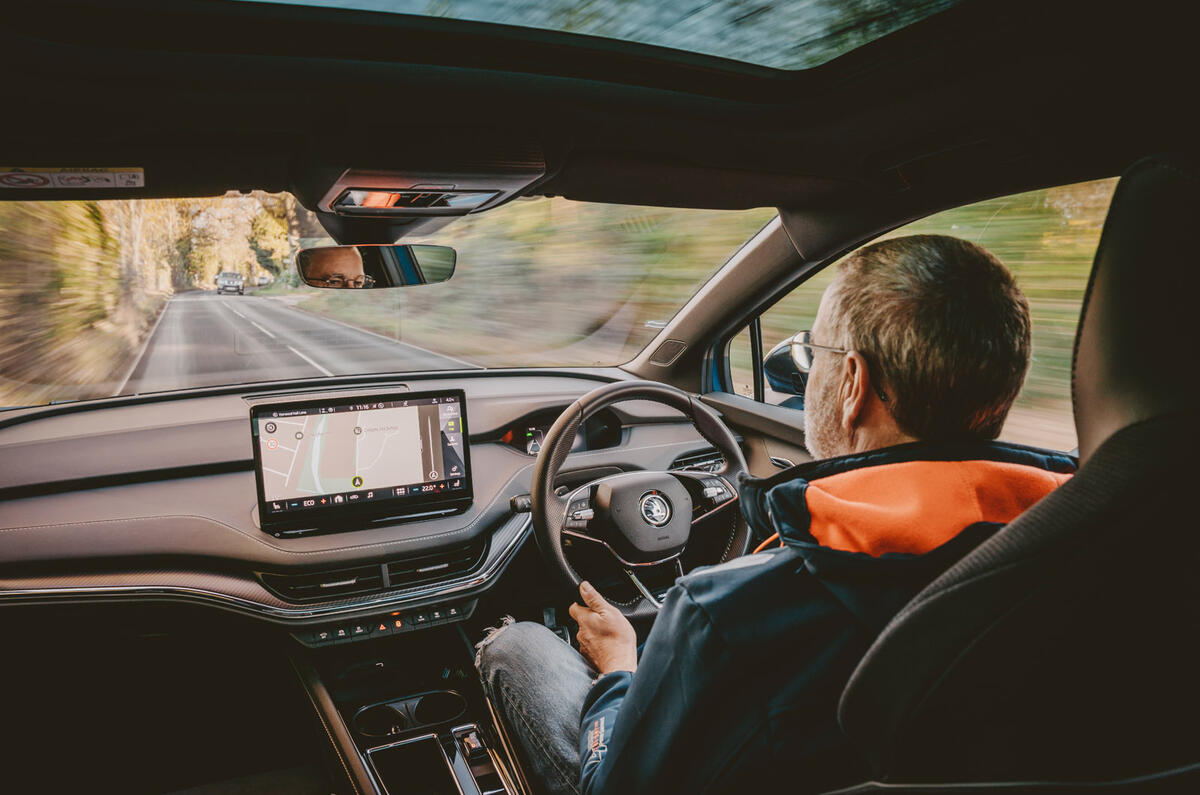
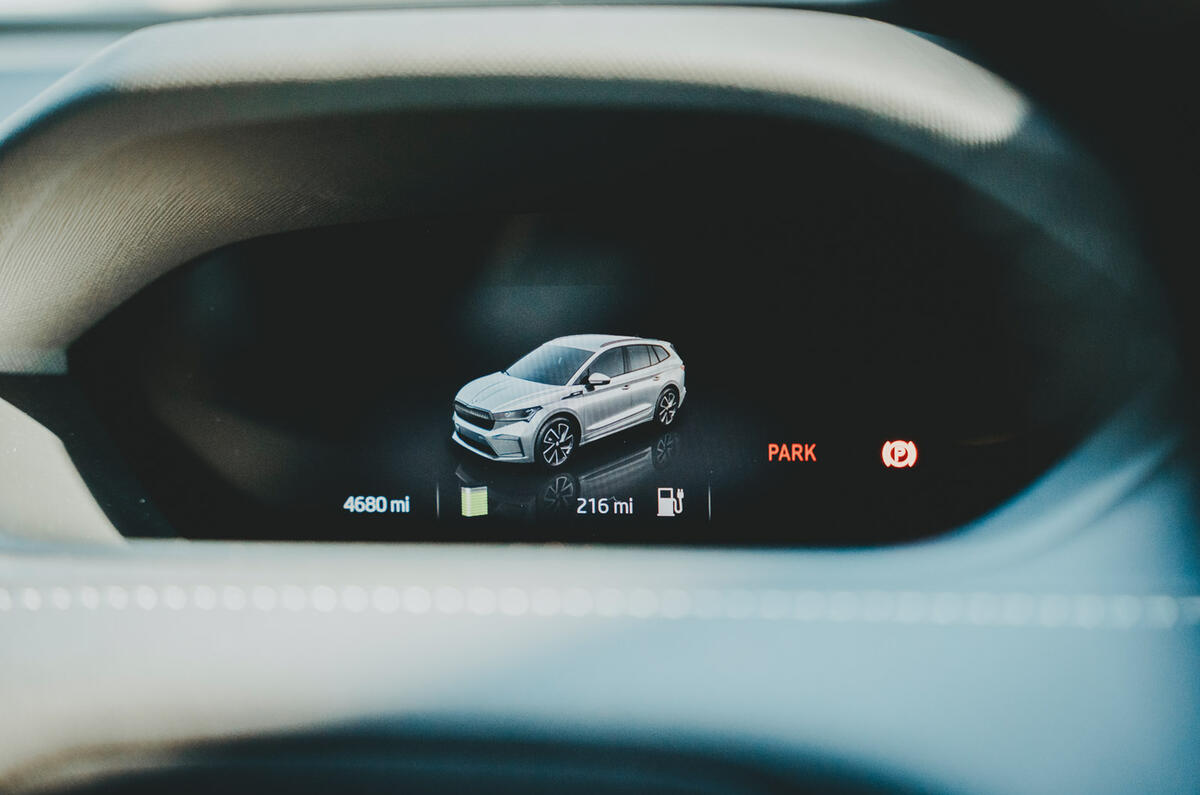
This new-found super-awareness is well timed, because my road testing life these days involves regularly driving EVs. Early on in the electric revolution, I did run out of juice – in a Mitsubishi i-MiEV that turned out to have a range of less than 25 miles on a freezing-cold day. I had to be towed home behind a Ford Transit. A lesson learned, and since that day I’ve not come close to whirring to a stop – partly due to my new maturity, partly because today’s EVs have pretty good range and, more importantly, ever more accurate range prediction.
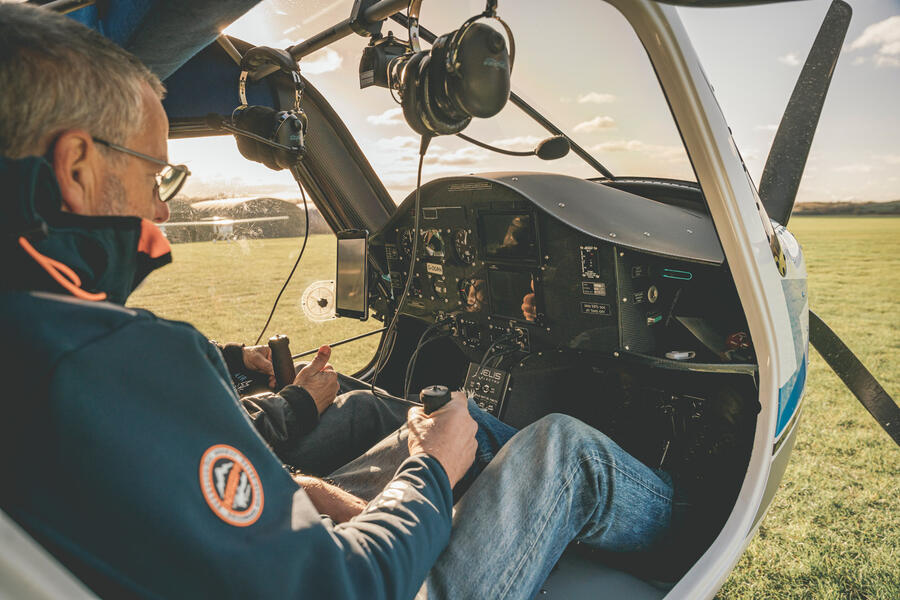
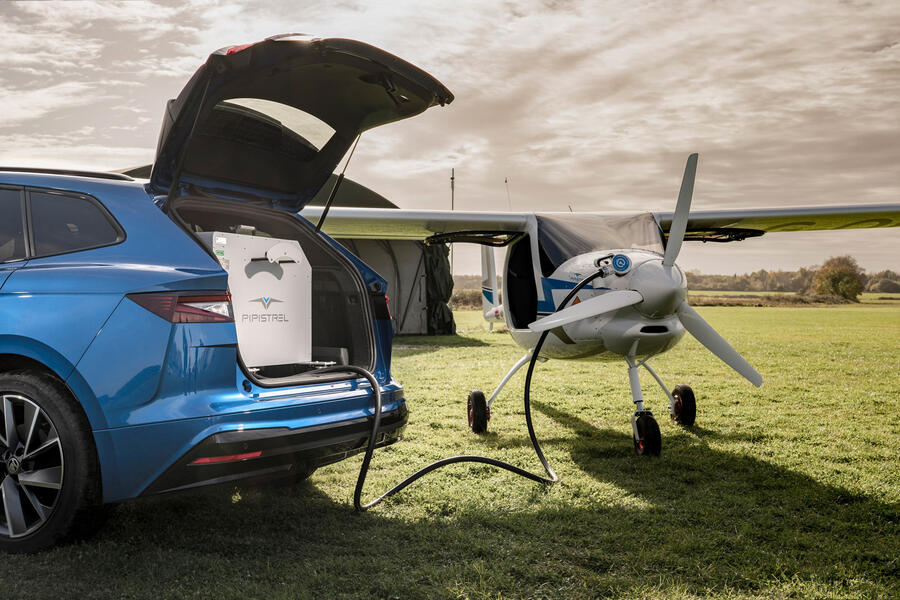
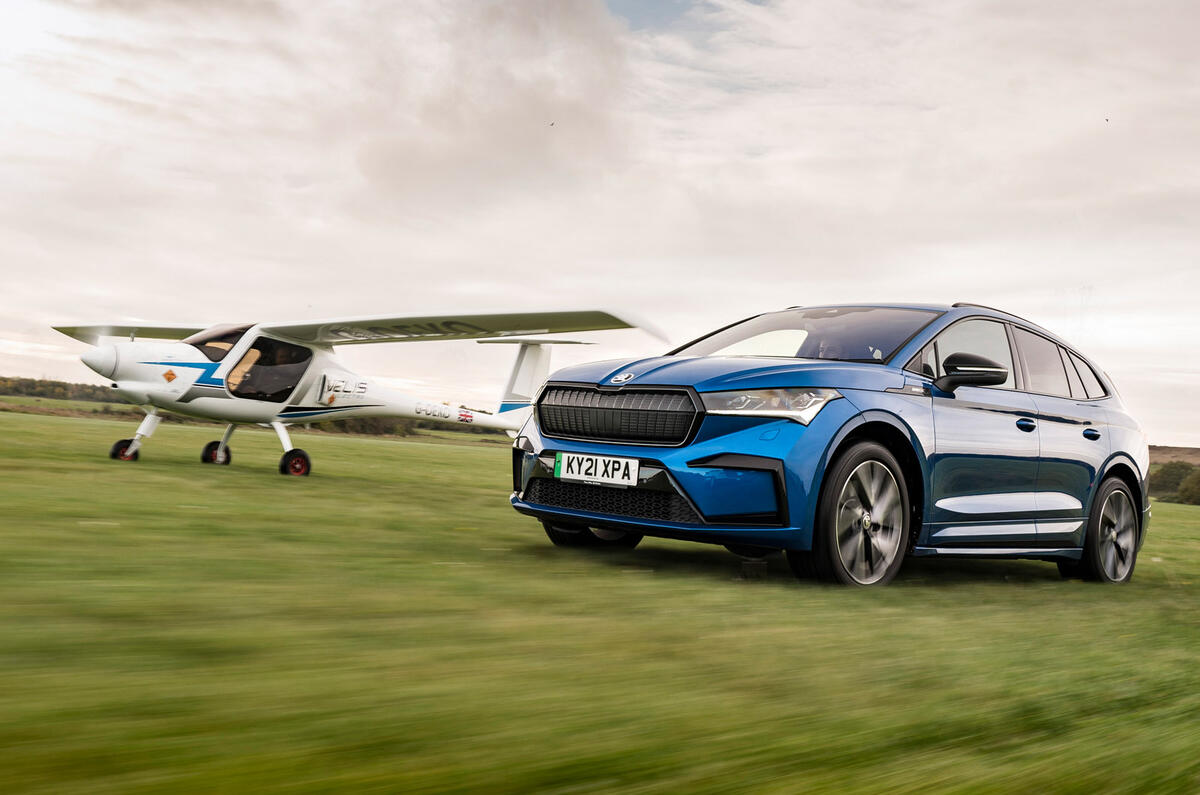
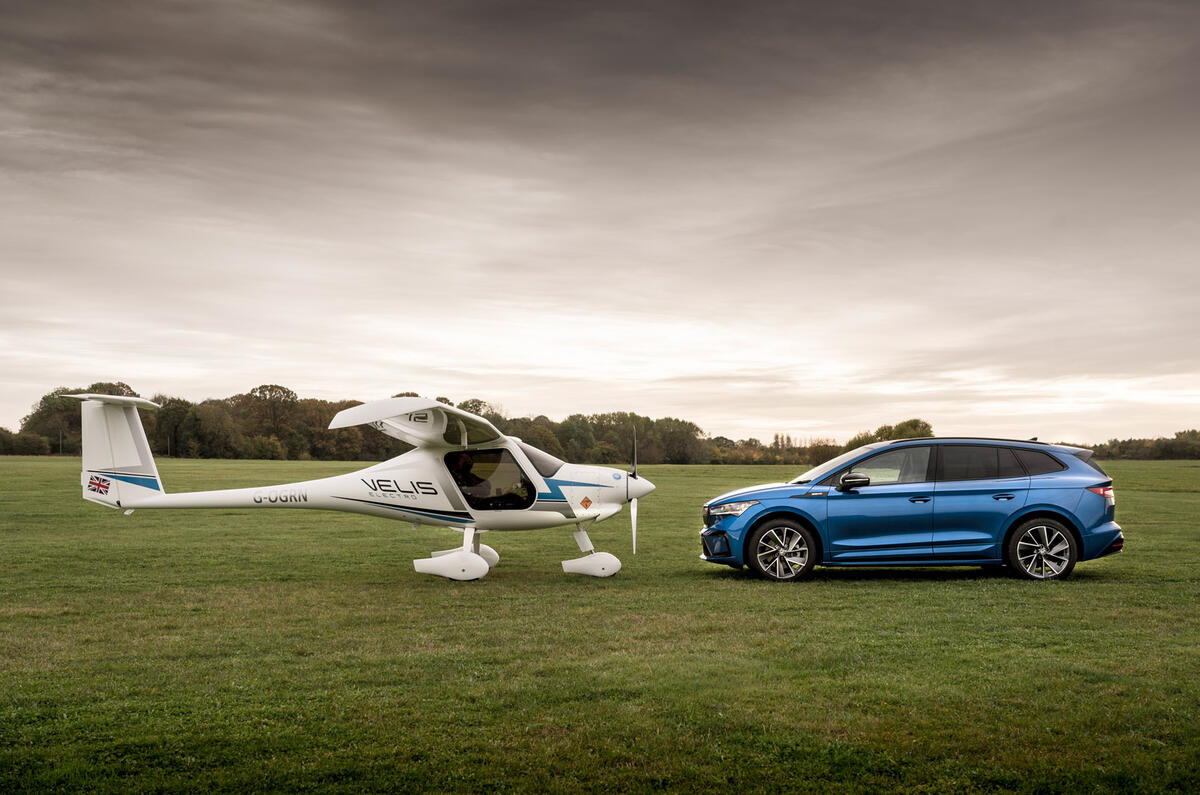
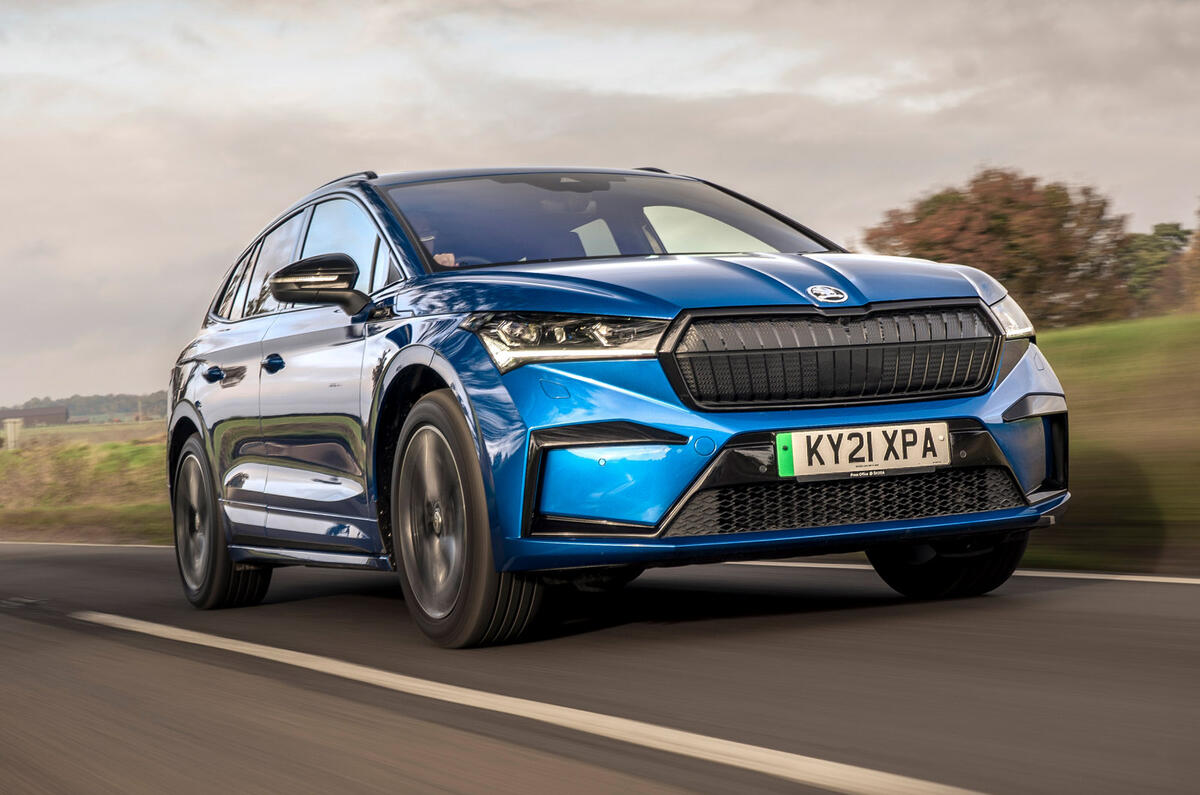
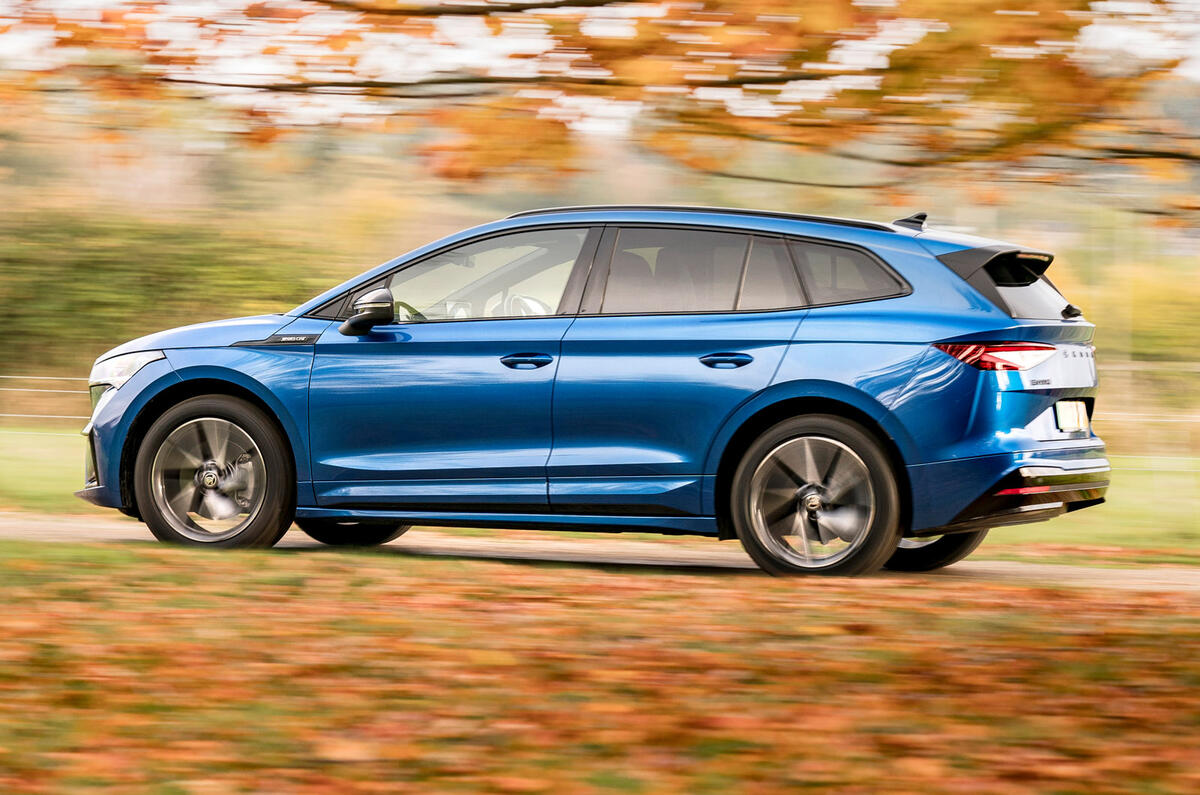
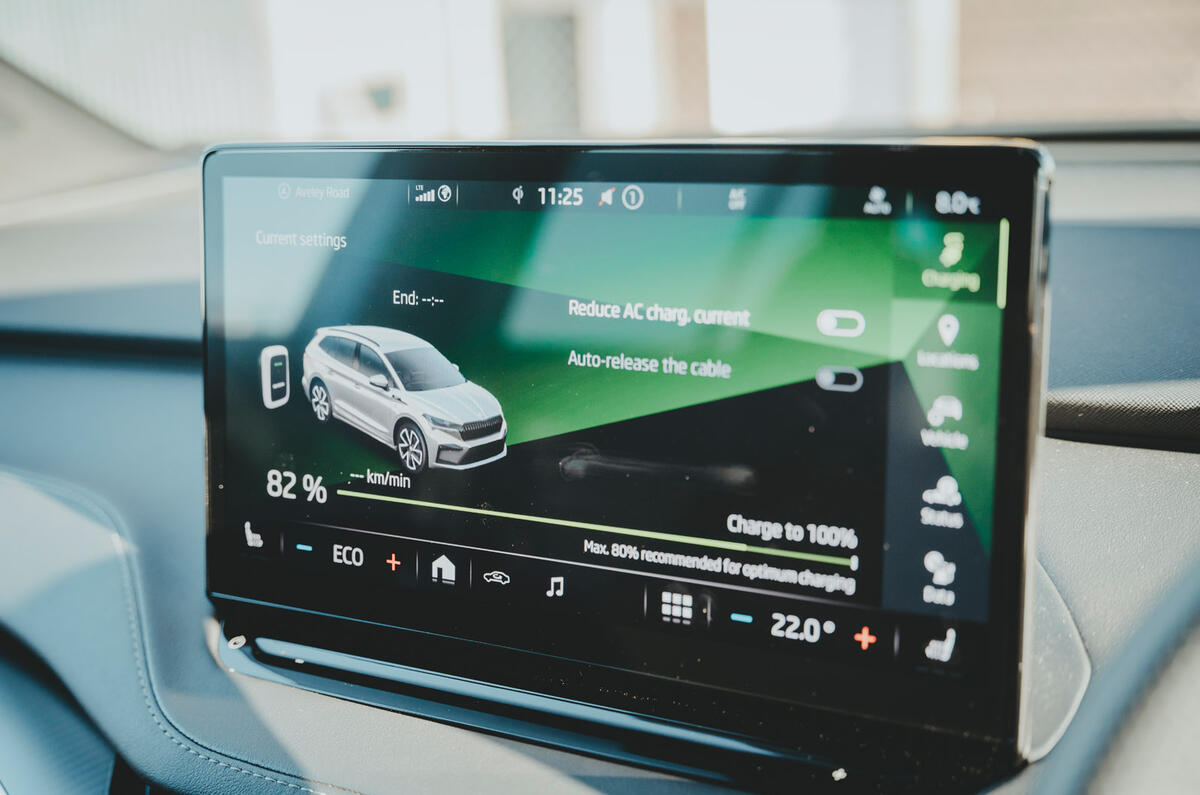
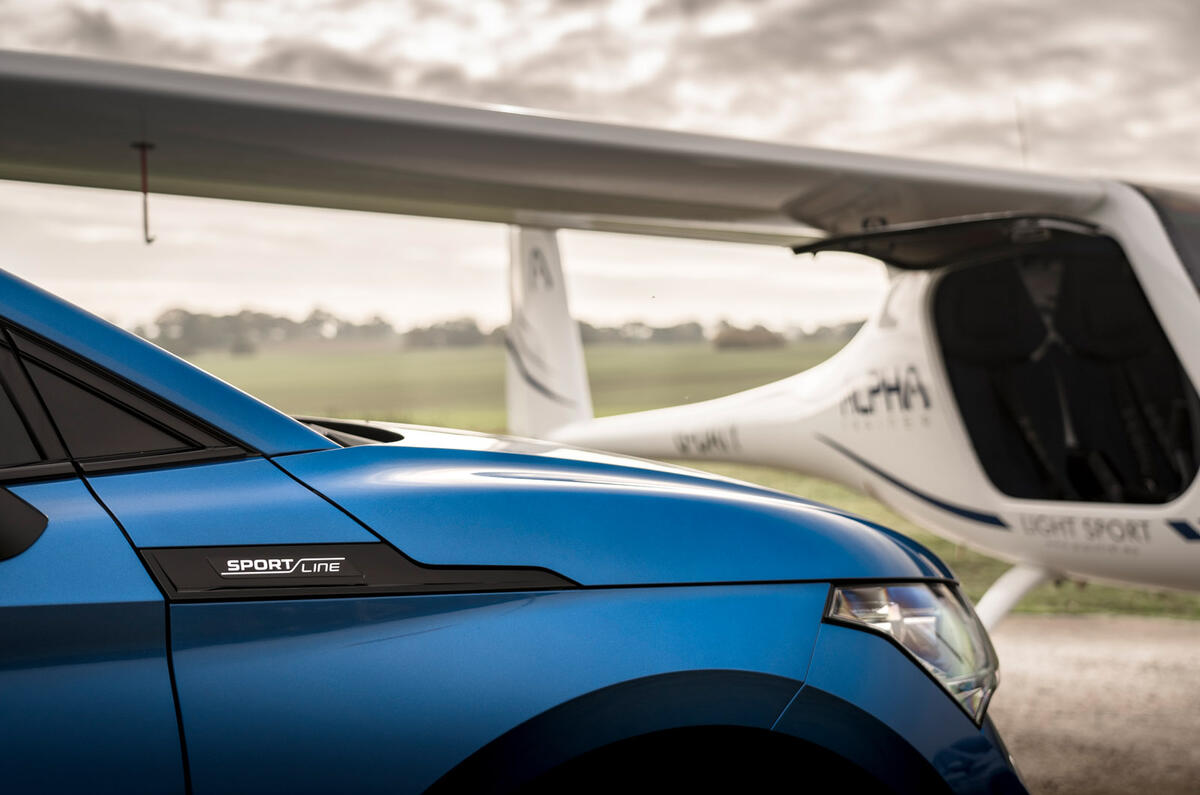
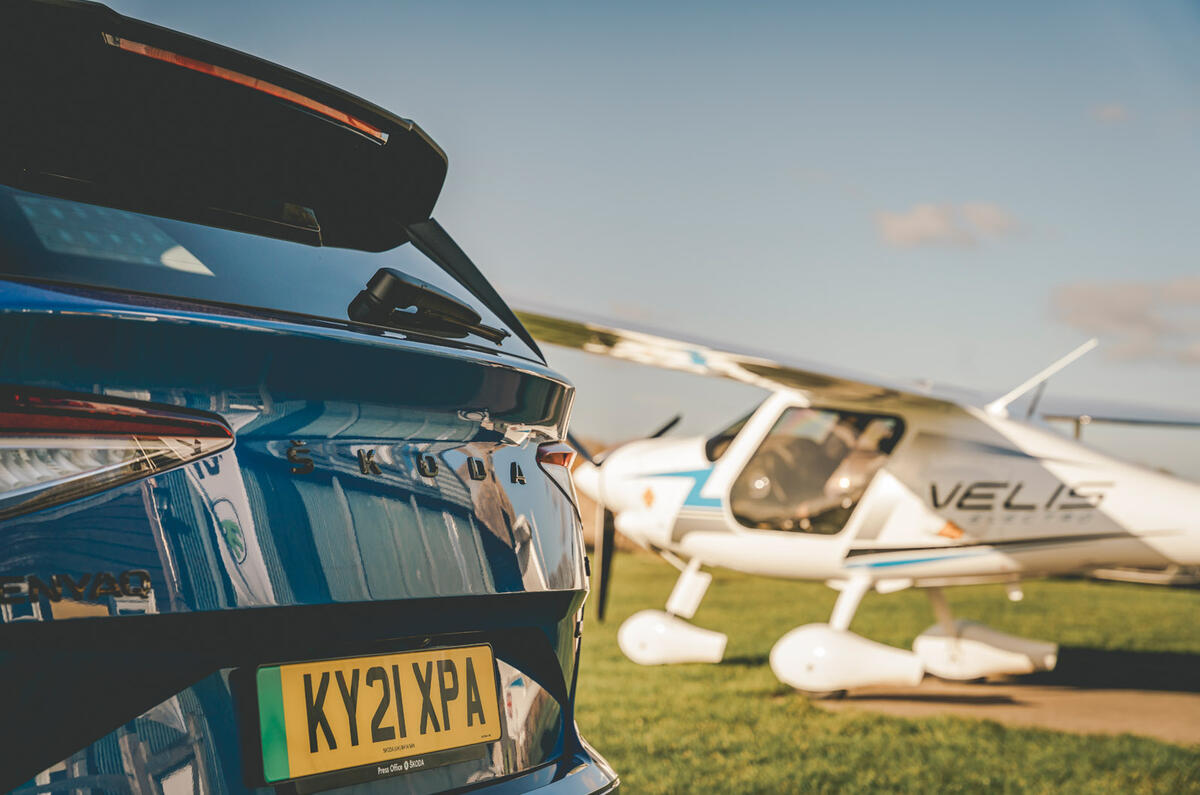
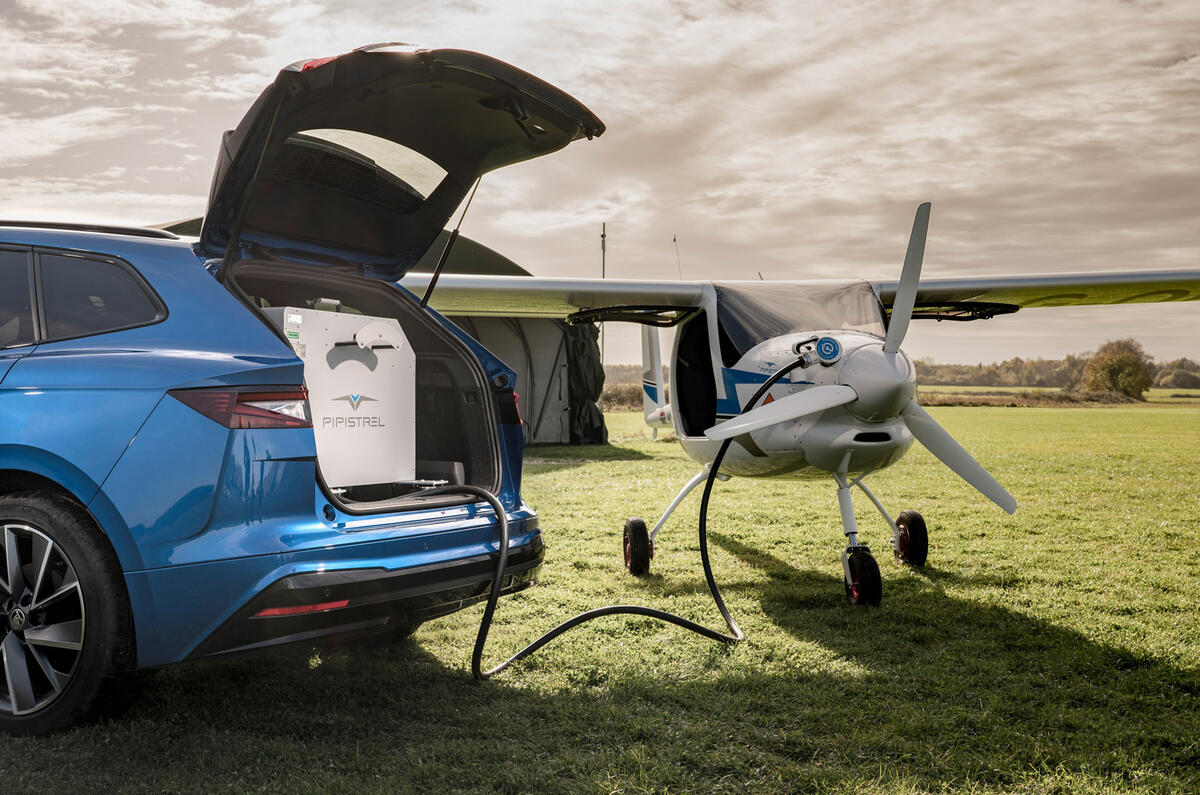
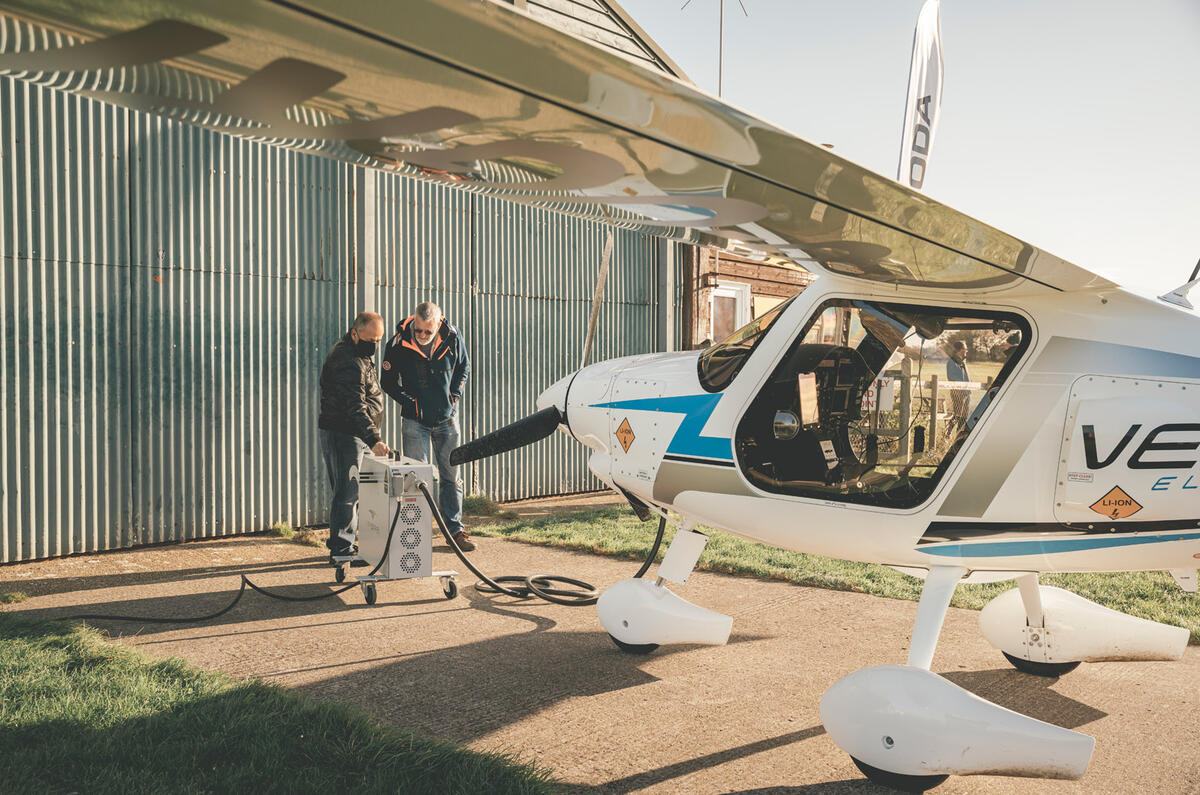
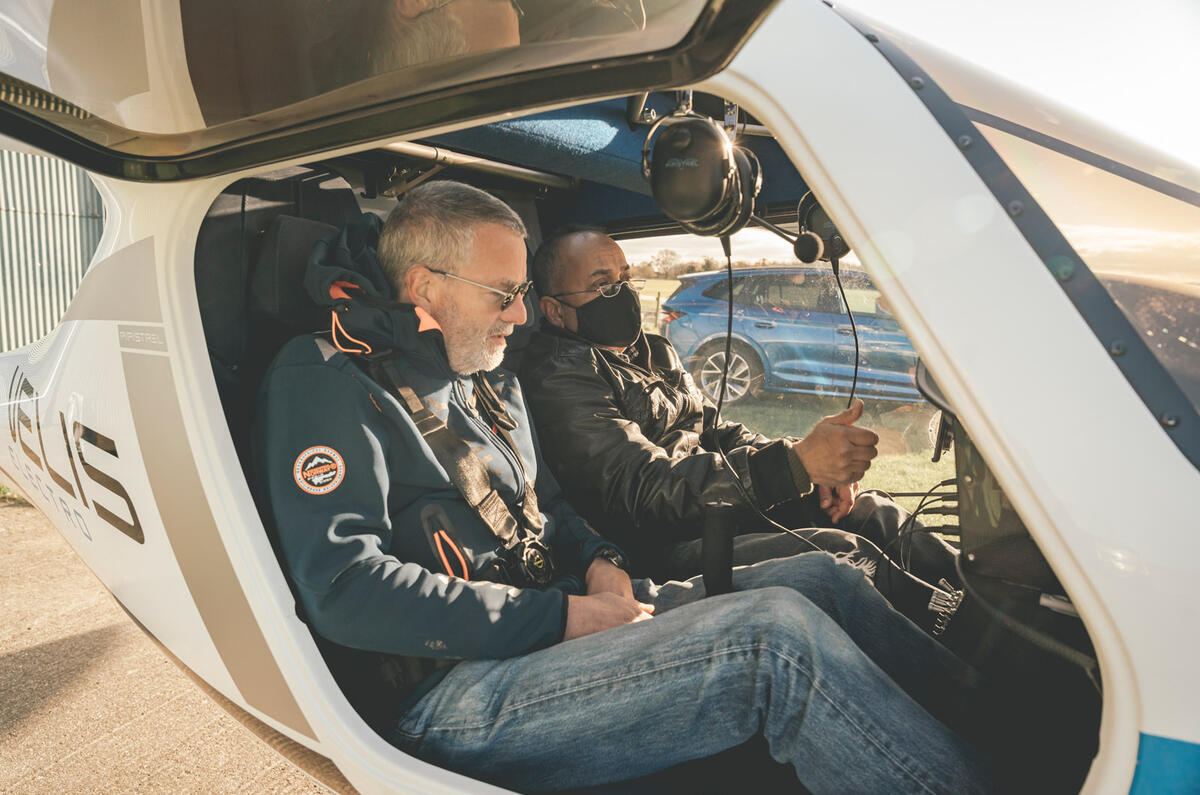
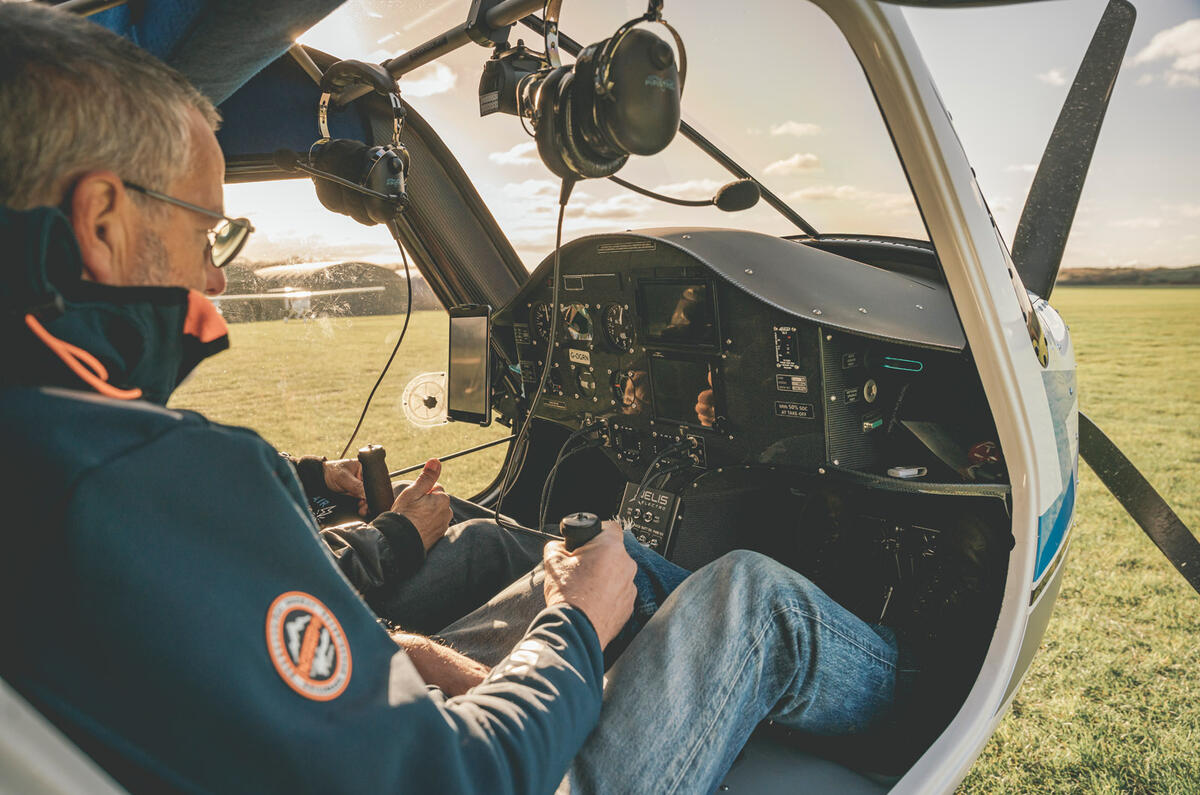
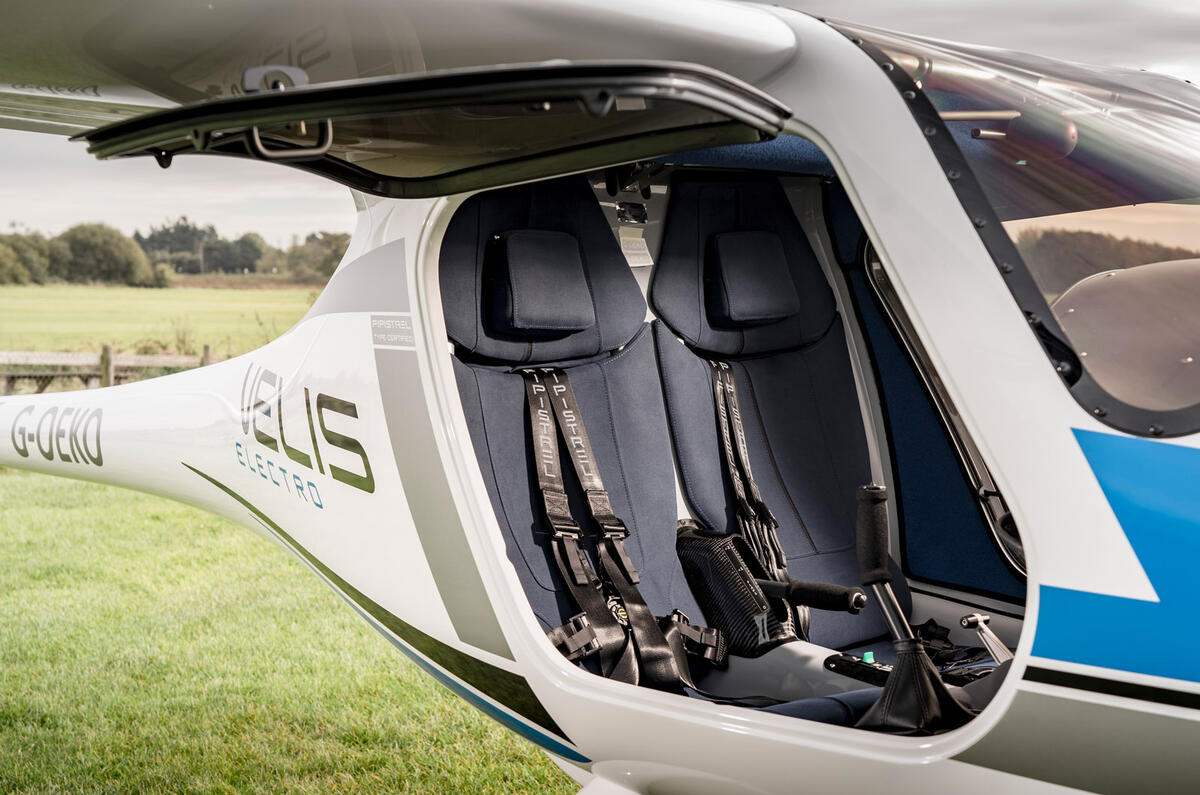
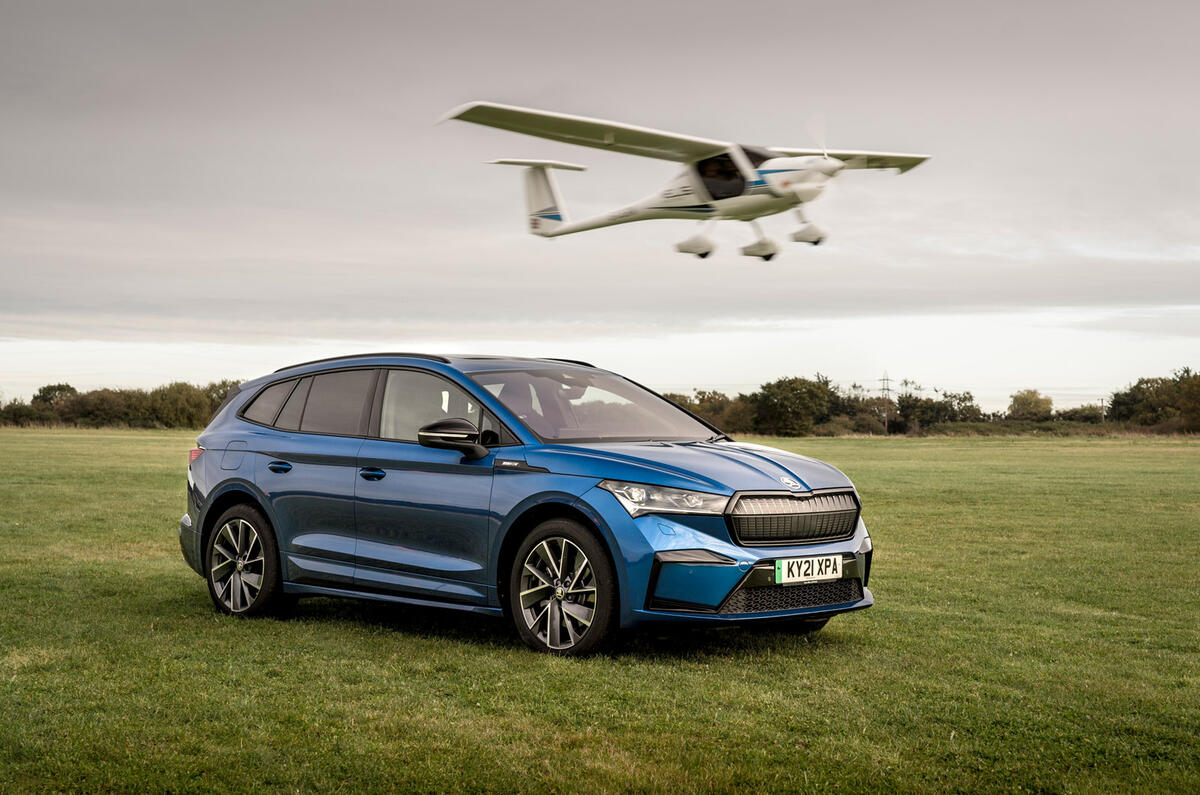
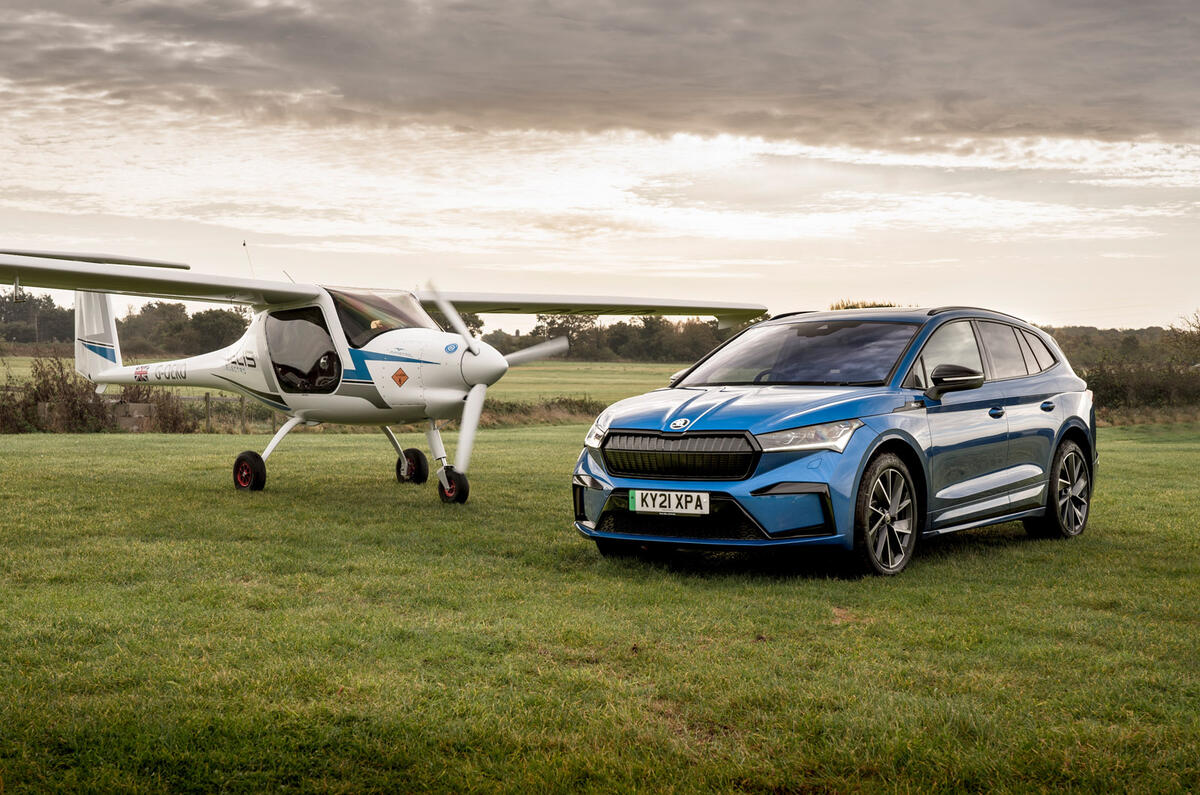
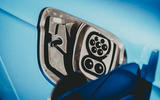
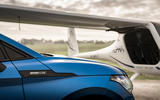
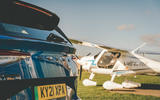
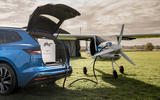
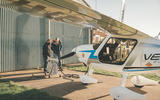
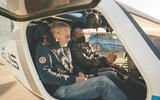
Today’s EV is a Skoda Enyaq iV. It has a 77kWh battery and an official range of 333 miles. So there’s no excuse for being stranded or, despite the UK’s poor charging network, cause for range anxiety. My task, however, has potential for terror, not just anxiety, as I’m having my first flight in an electric aeroplane. I’m not sure I understand the link between an electric family car and a similarly powered aircraft, but someone at Skoda thought it a good idea to organise an event at which journalists would drive an Enyaq and then transfer into a Pipistrel Velis Electro.
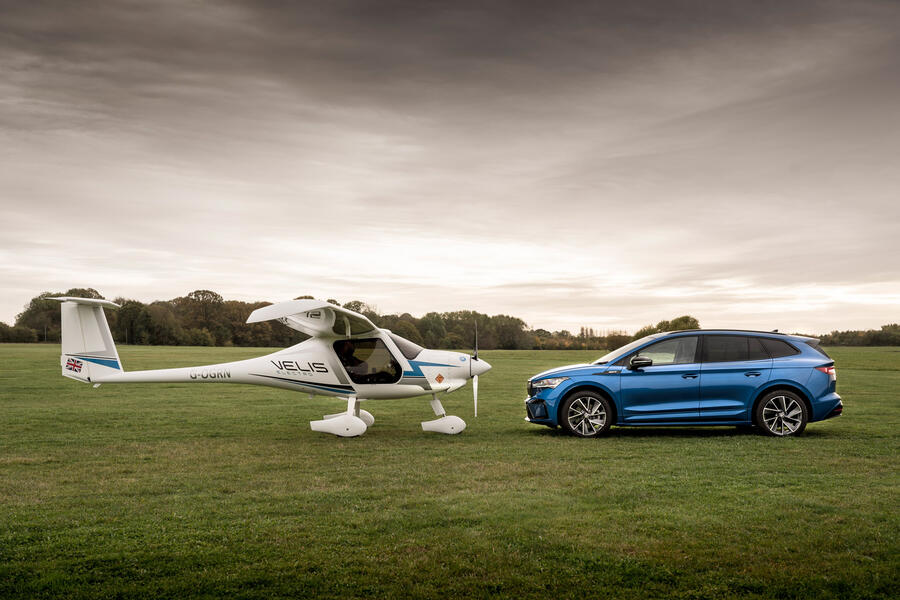
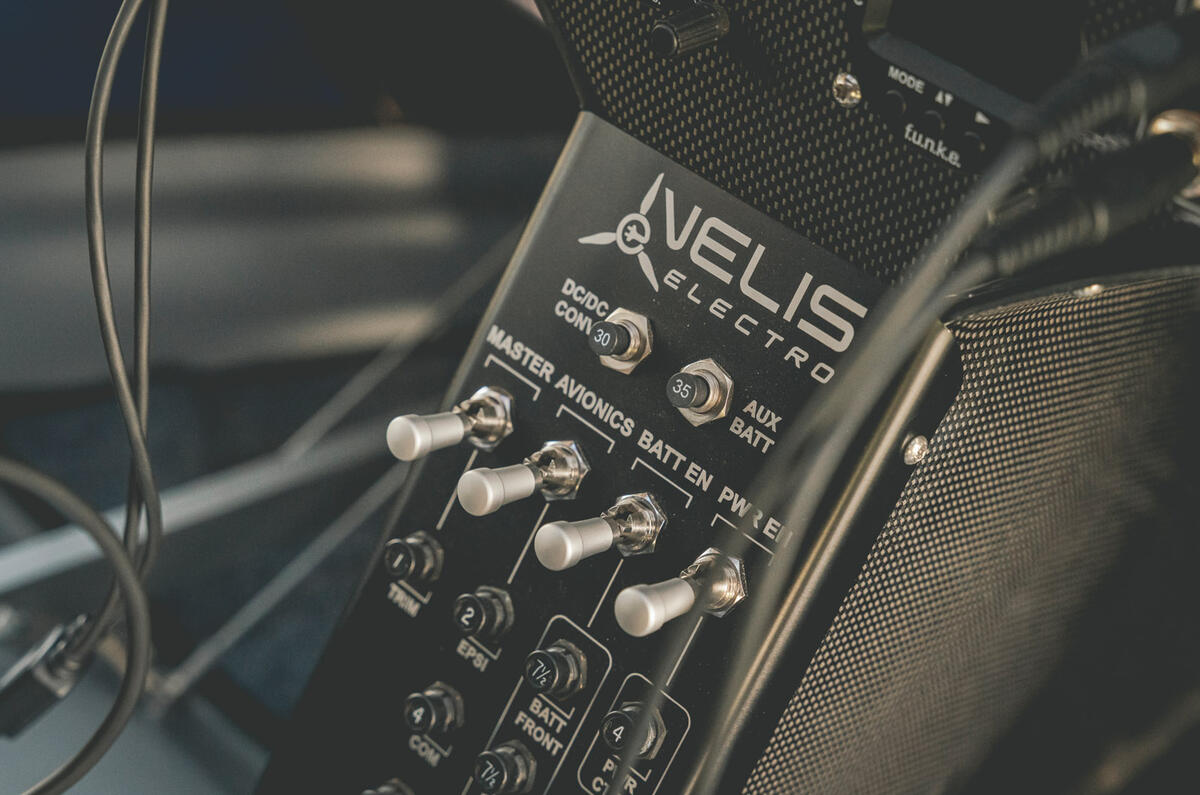
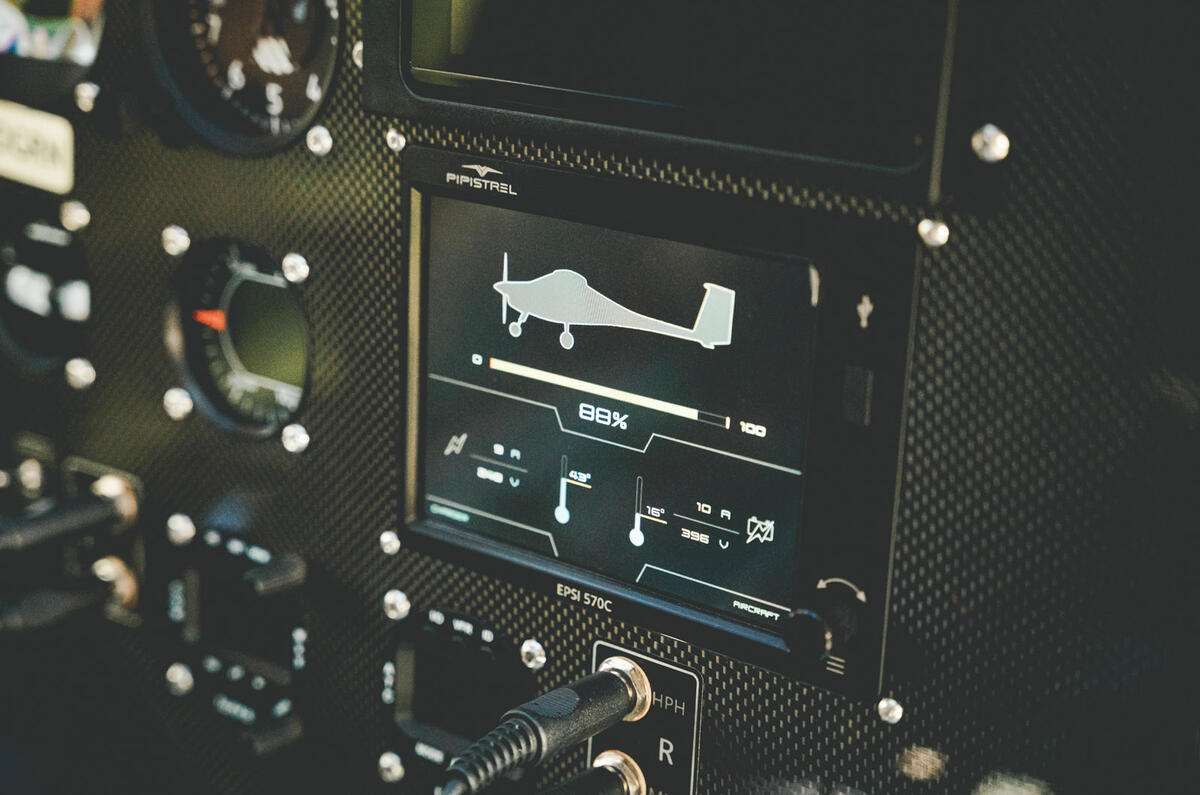
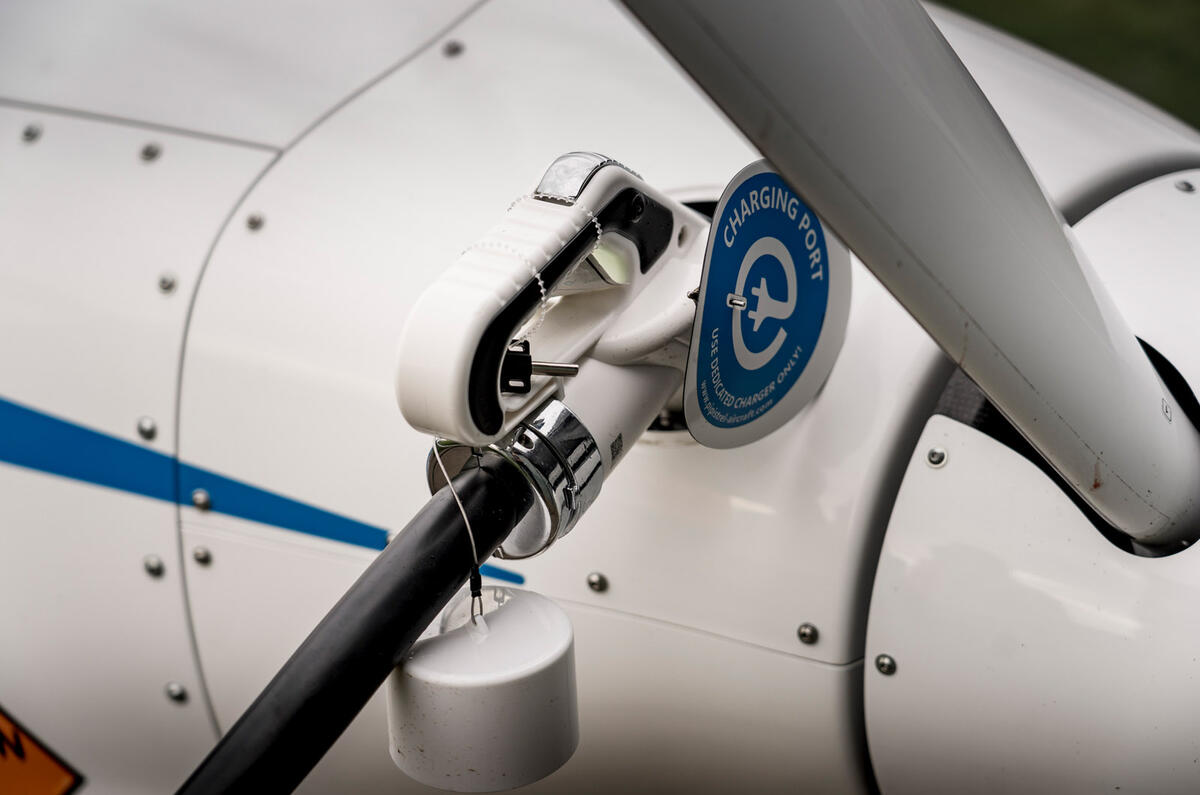
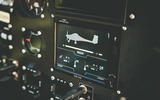
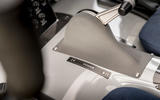
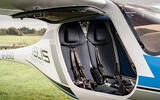
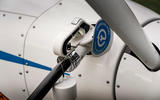
This is the first electric aircraft to receive type certification. Built in Slovenia, it is based on the Alpha, which uses a 1.5-litre flat four with air-cooled cylinders and water-cooled heads for an output of 100bhp. That engine is made by Rotax in Austria and is the powerplant of choice for most modern lightweight aircraft. In its place in the nose of the Velis Electro is an electric motor, made in-house by Pipistrel, that produces 88bhp at take-off and drives a composite three-blade propeller.
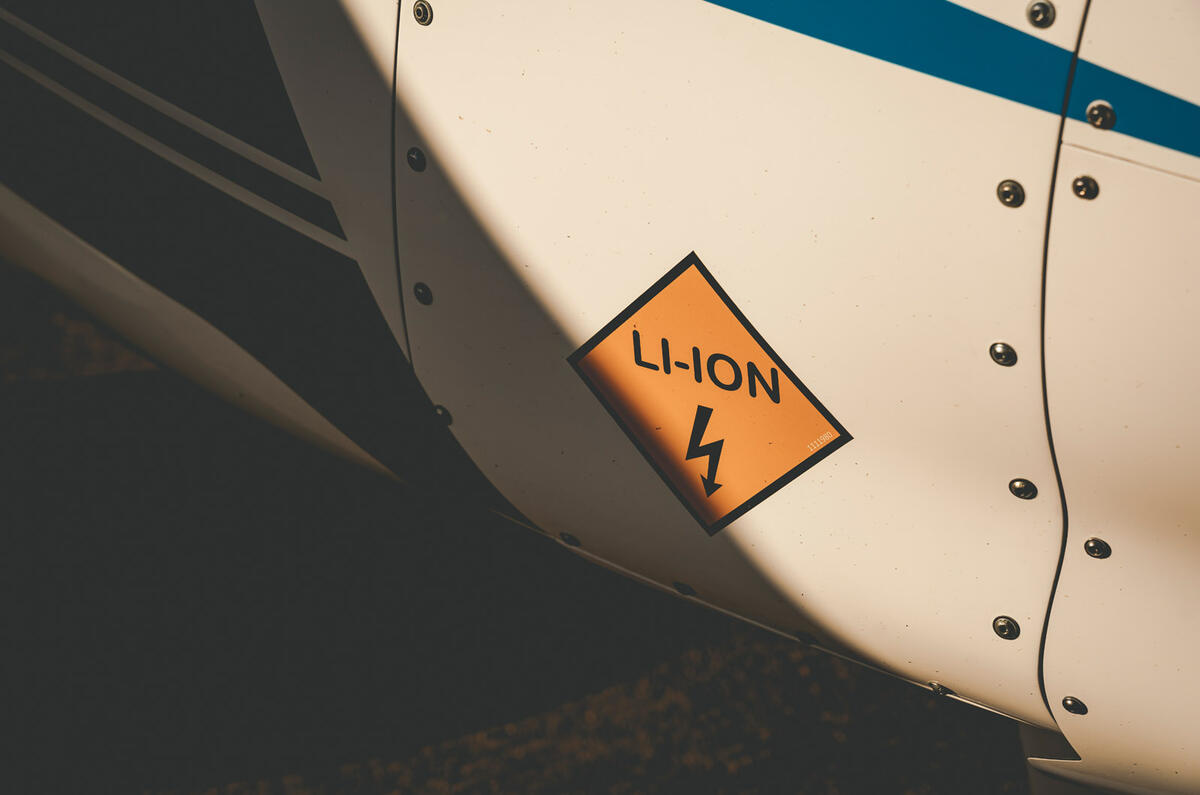
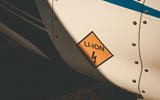
There are two batteries, first because of the need for redundancy and also for weight and balance. Keeping weight to a minimum in a light aircraft is crucial for performance, but of equal concern is where the weight is placed. If you were to put all the batteries behind the cockpit, the centre of gravity would be way too far back. If you took off, the aircraft would immediately stall and fall back to Earth on its back. Put all the batteries ahead of the cockpit and it would try to bury itself nose first into the ground. So one battery is in between the firewall and the motor and the other is behind the cockpit.