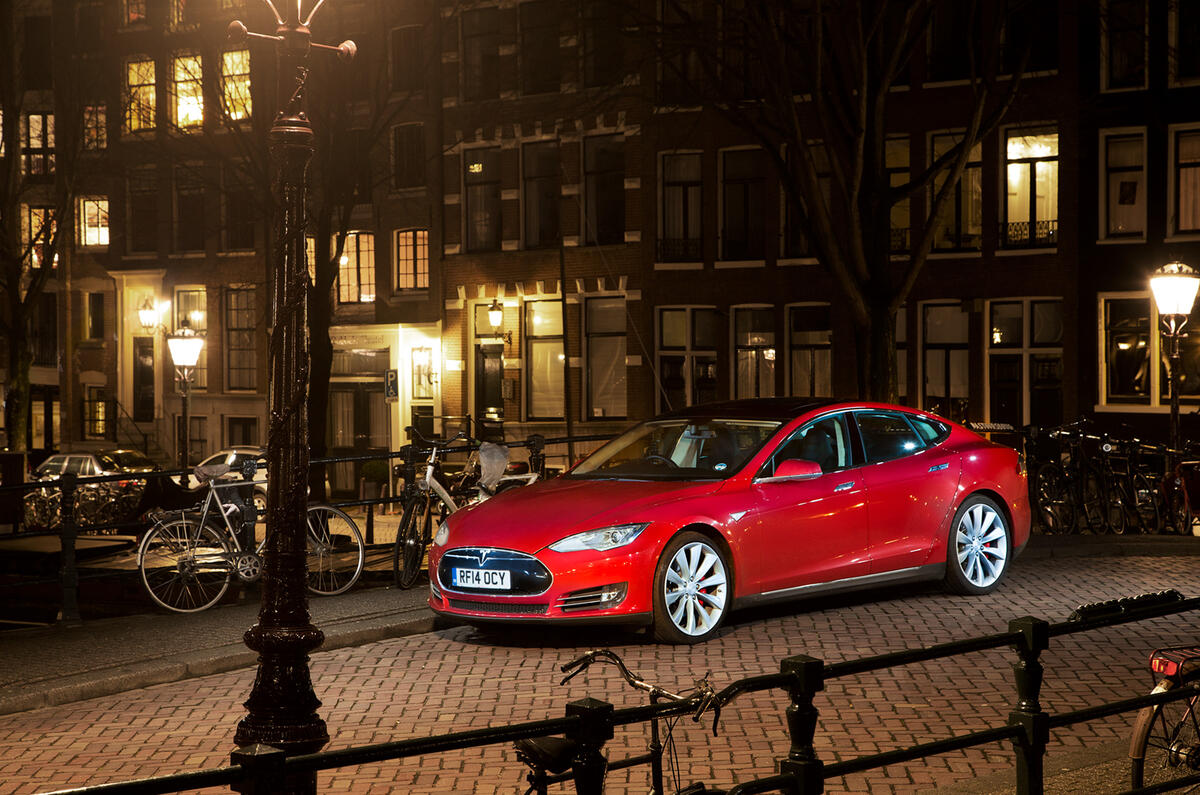
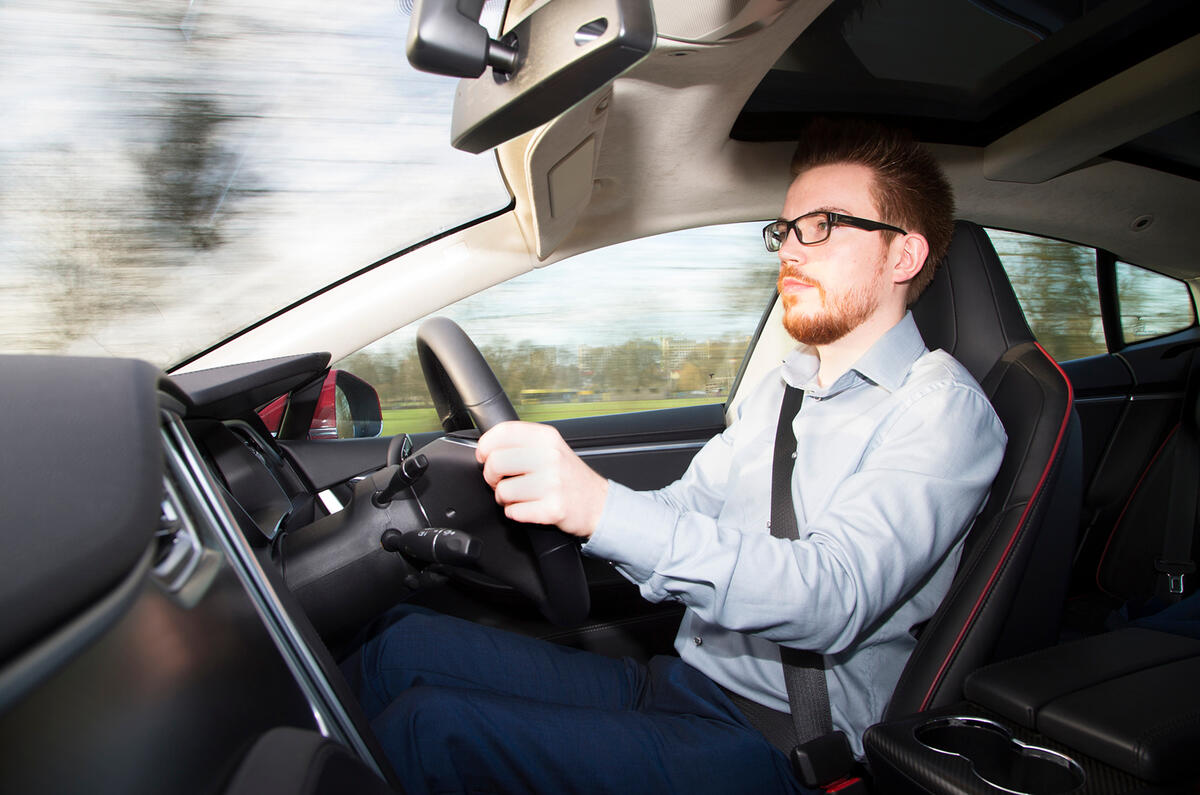
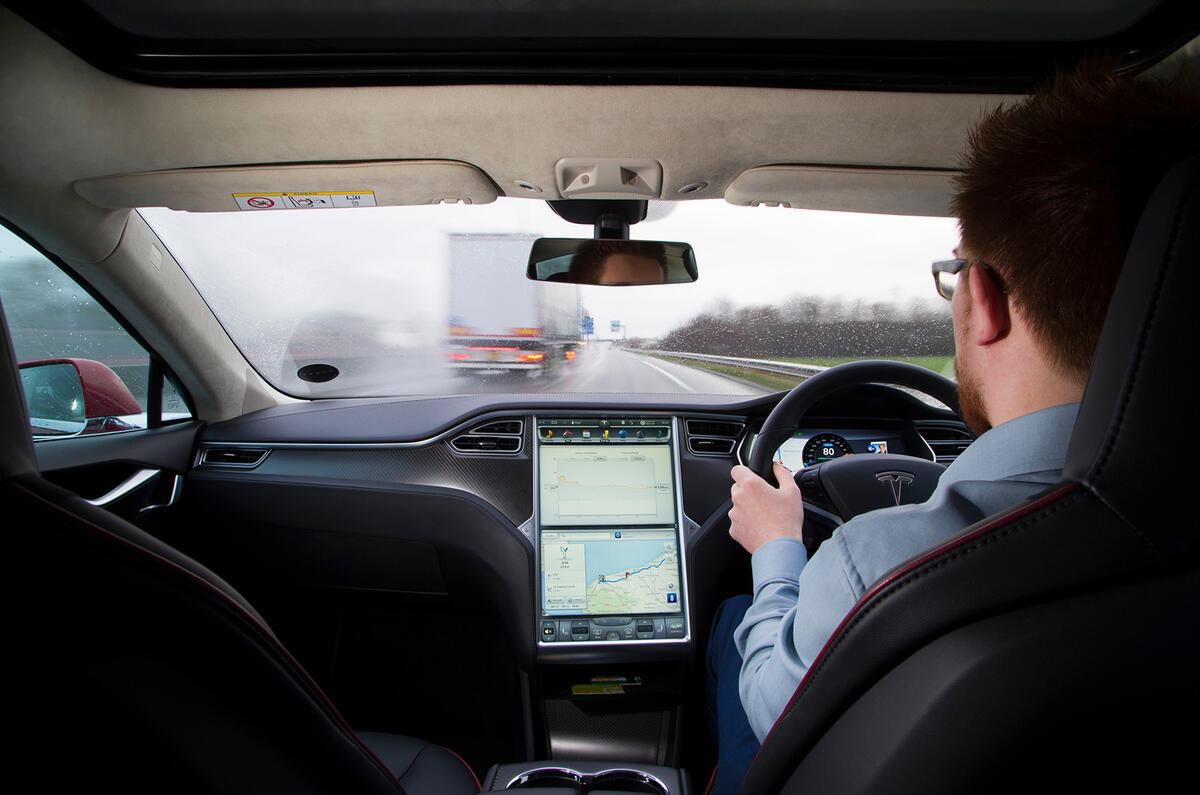
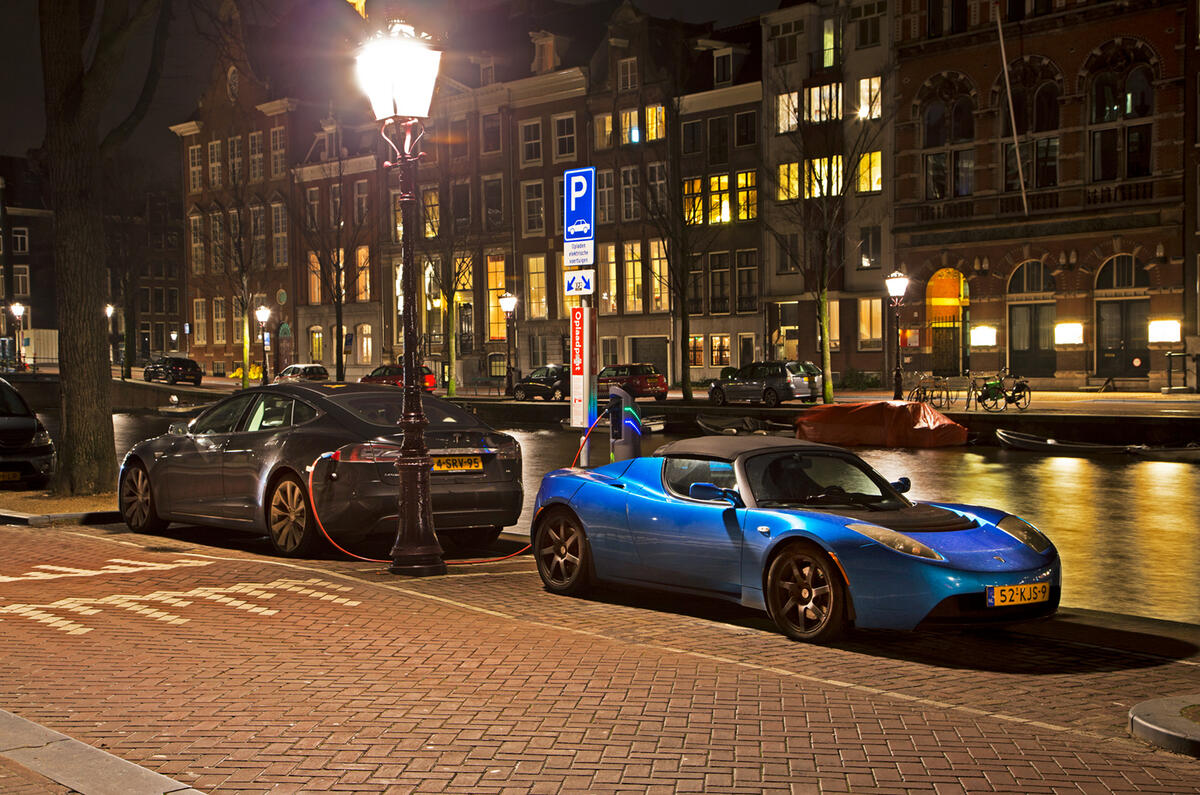
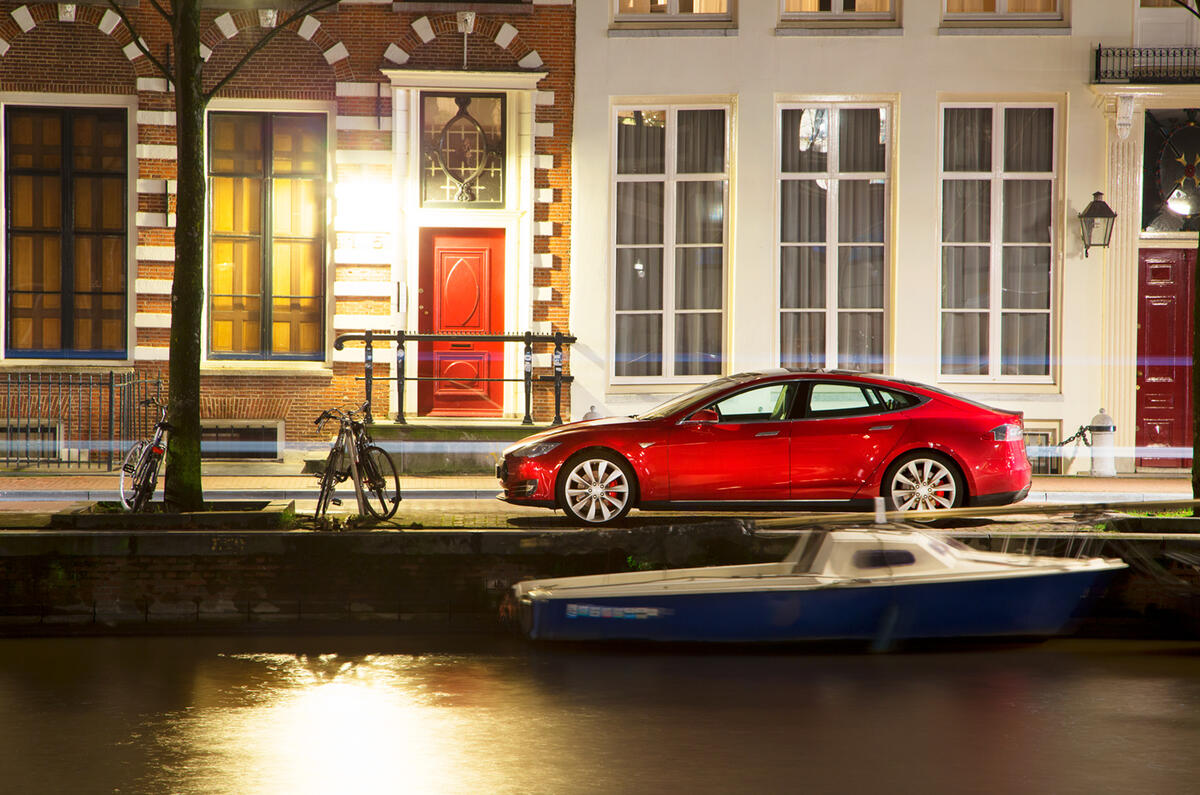
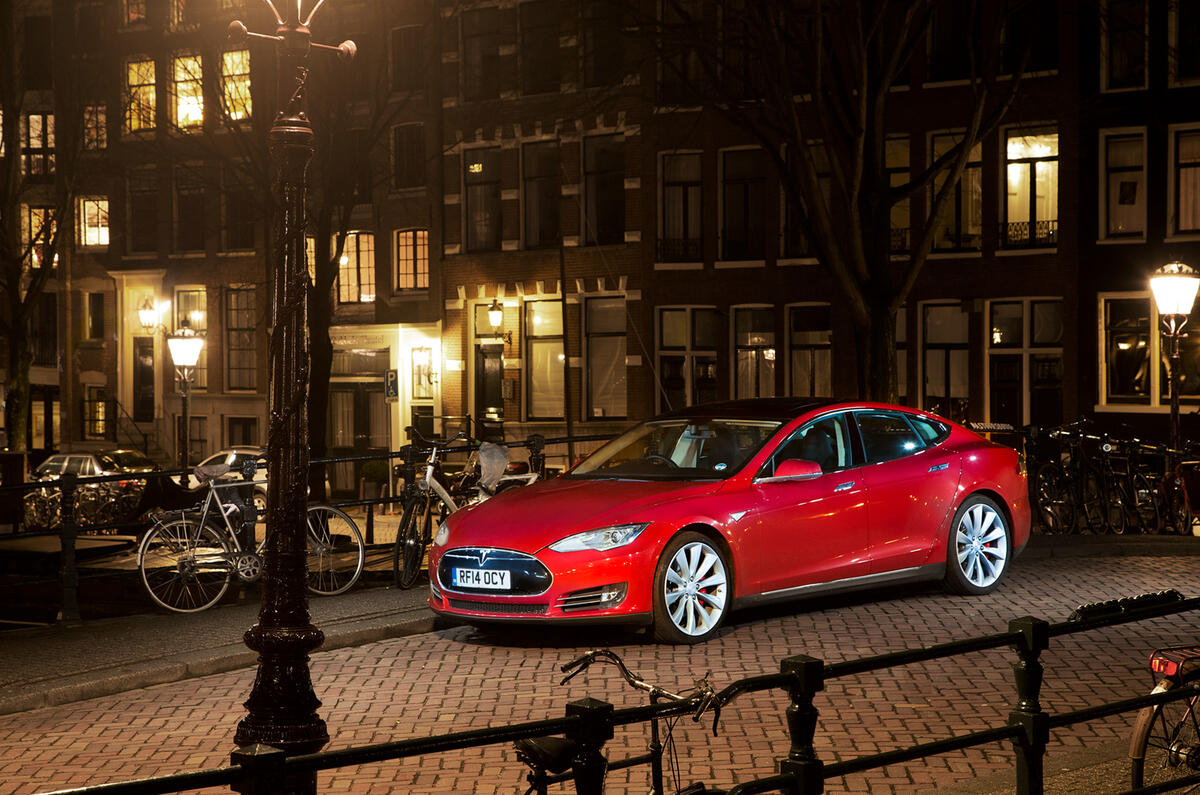
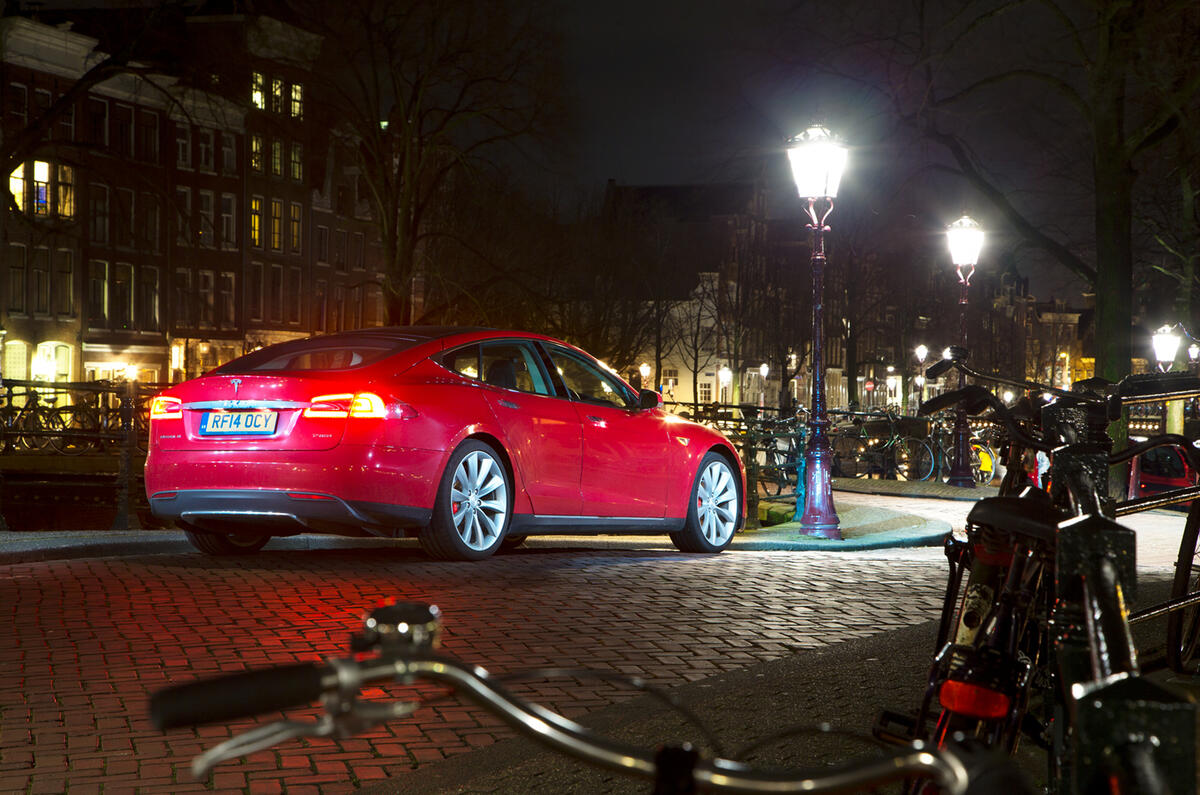


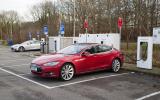

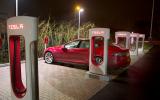

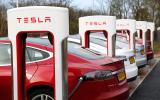
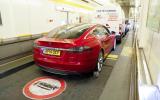
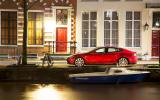
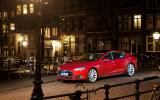
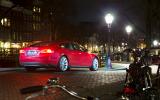
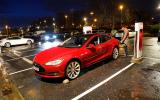

Sixty miles remaining. That’s what the Tesla Model S is telling me. It’s pouring with rain. The heater is off to preserve charge. The windows are steaming up and it’s freezing in the car.
I wouldn’t mind if we weren’t also restraining ourselves to a truck-flustering 50mph on a 75mph stretch of road. Fifty-nine miles.
Mind you, the last thing I want to do is end up at the side of the road, battery discharged and immobile. We’ve got just 15 miles to go to get to the Eurotunnel on the French side. The problem is that the next Supercharger point is 35 miles from the Folkstone exit. Either way, it’s going to be close. Fifty-eight.
A brief recollection of Apollo 13 flashes through my mind. I shut off the wipers and dipped beams – the weather is clearing a little – in an effort to save every amp. I temper my frustrations, while tearing my eyes off the now amber-lit range indicator, knowing I’ve really only got myself to blame. Fifty-seven.
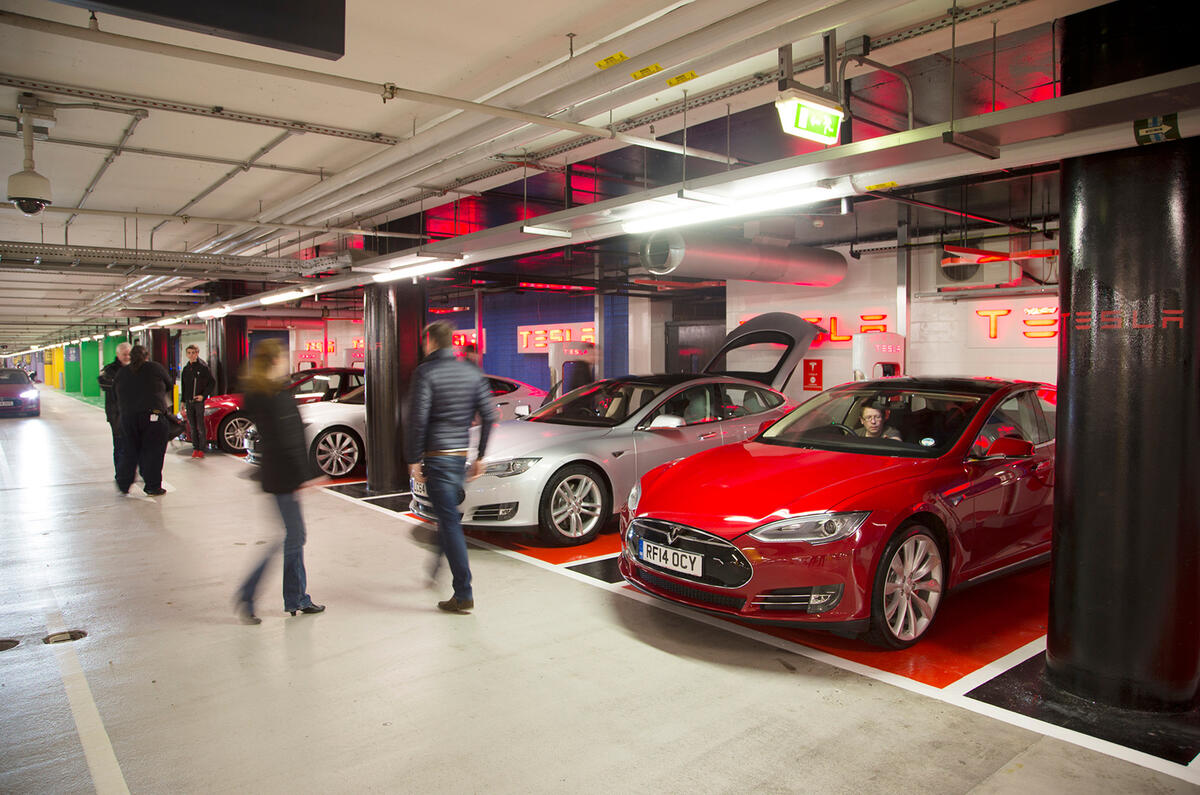
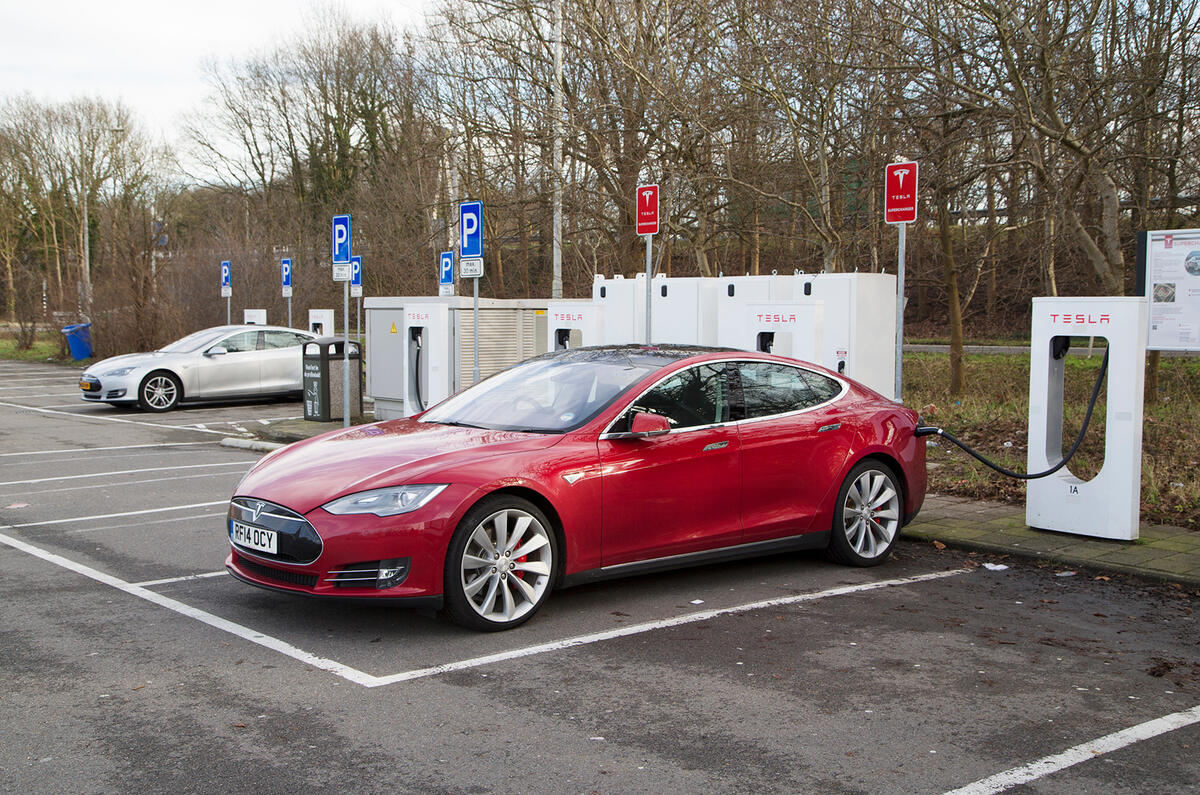
The brief for the trip was simple. Tesla’s growing network of Supercharger points (which allow you to replenish a battery pack to about 80 per cent in 40 minutes) and the introduction of a new one just off the M20 near Maidstone, Kent, suggested that driving through Europe in a Model S might now be perfectly viable; we wanted to find out if it would be.
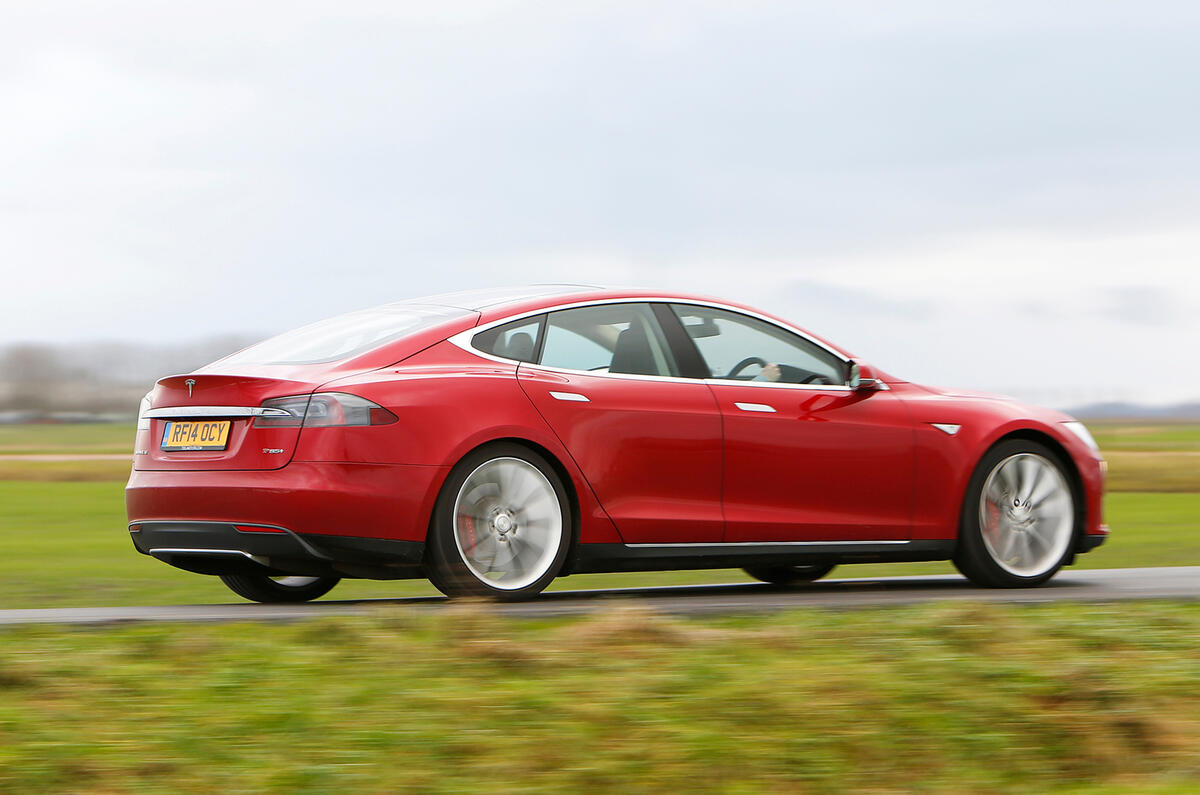
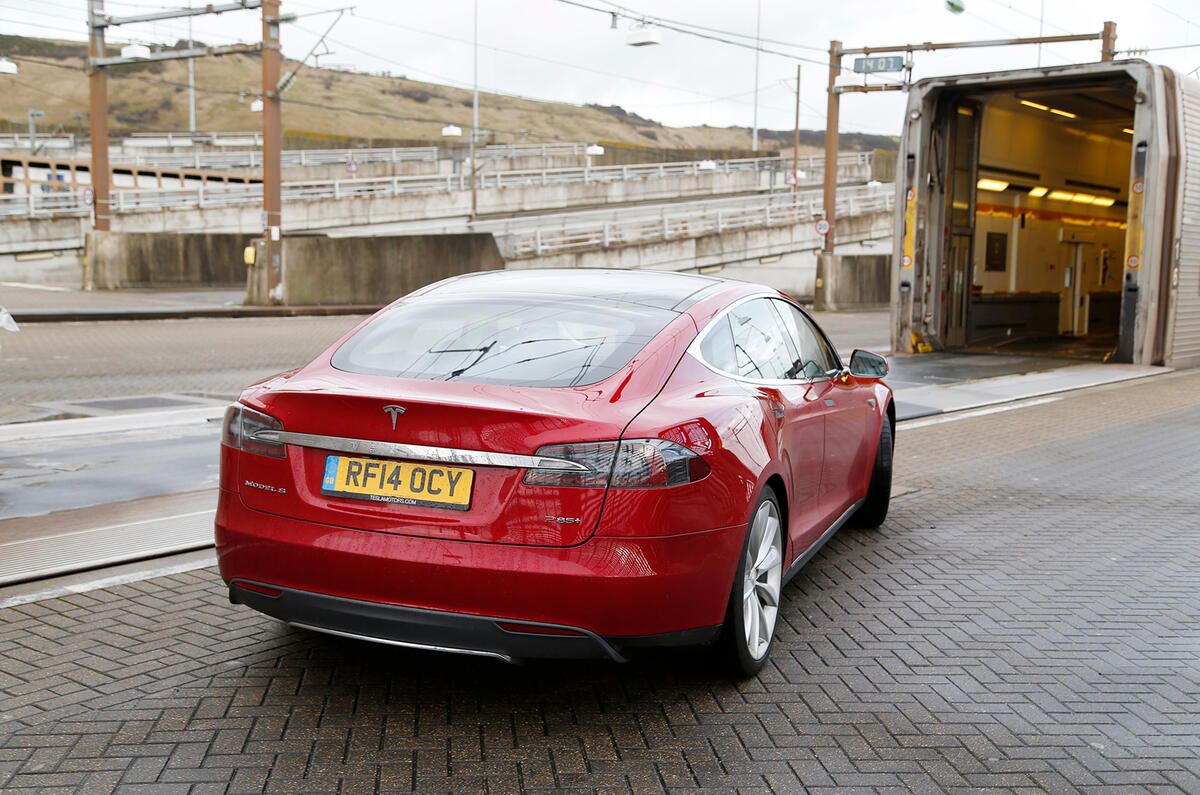
So we planned a trip from London’s Westfield Shopping Centre to Amsterdam in the Netherlands and back, the route being based on Supercharger locations. We’d be driving a P85+ variant of the Model S, with a claimed range of 265 miles.
On my arrival, I find the car fully charged, showing an indicated range – based on previous driving data – of 246 miles. Plenty, I think. After all, the round trip is just 650 miles or so.
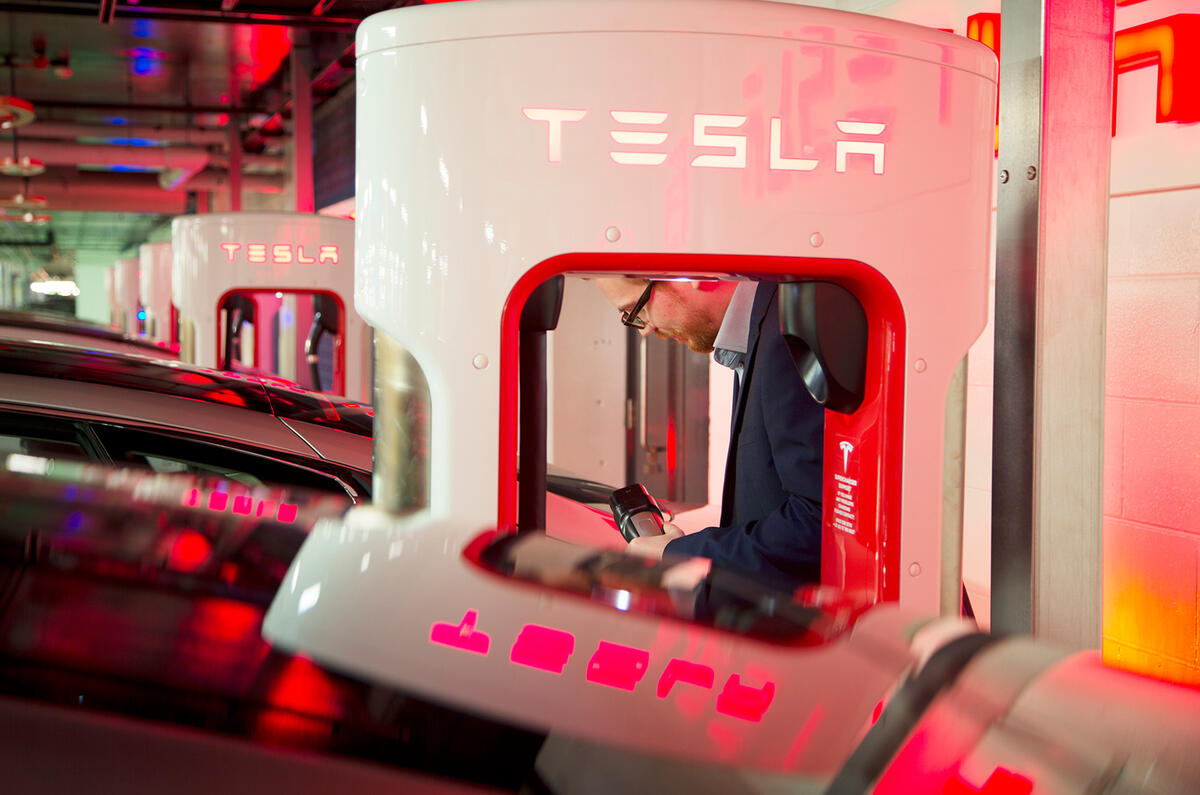
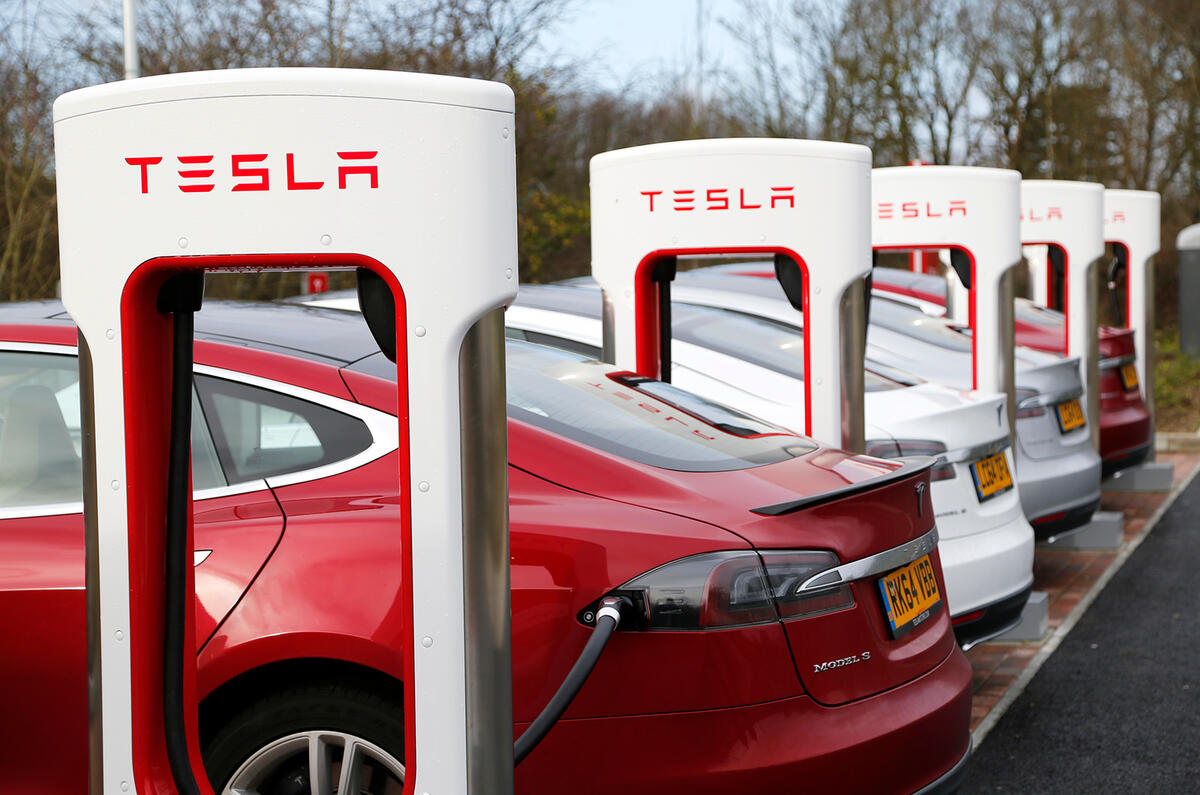
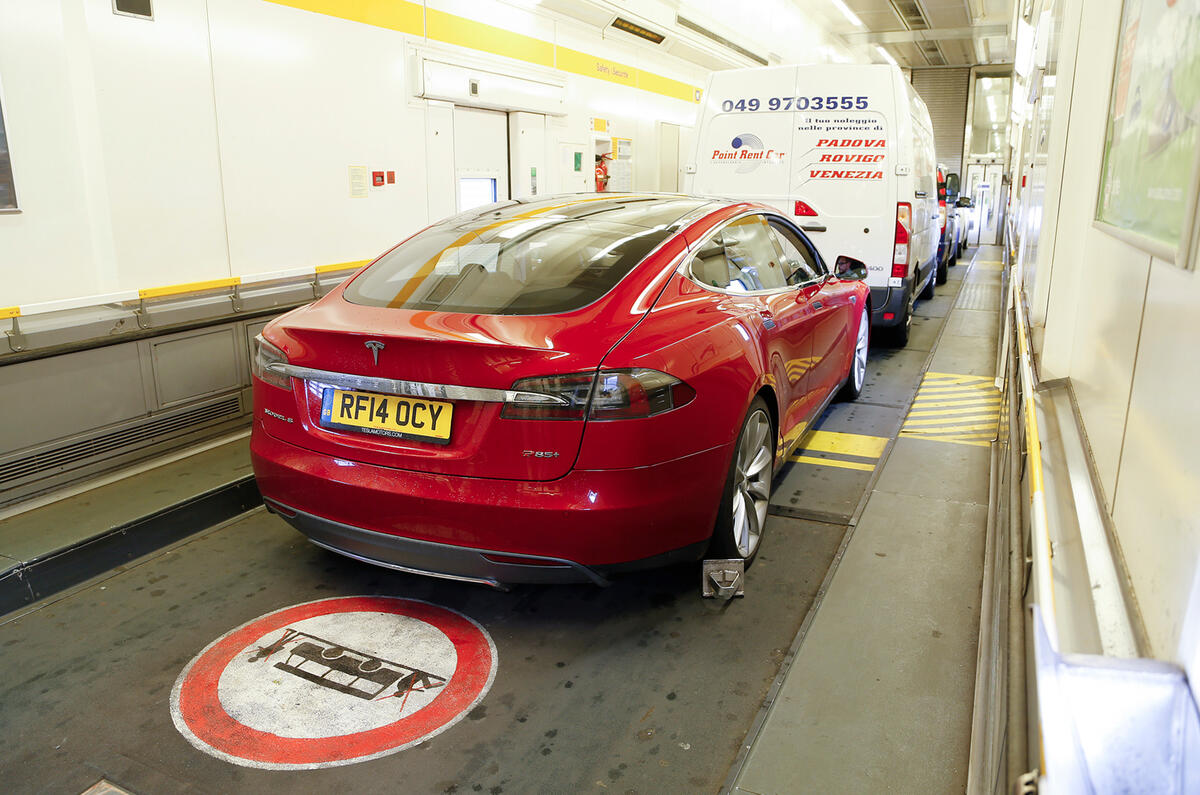
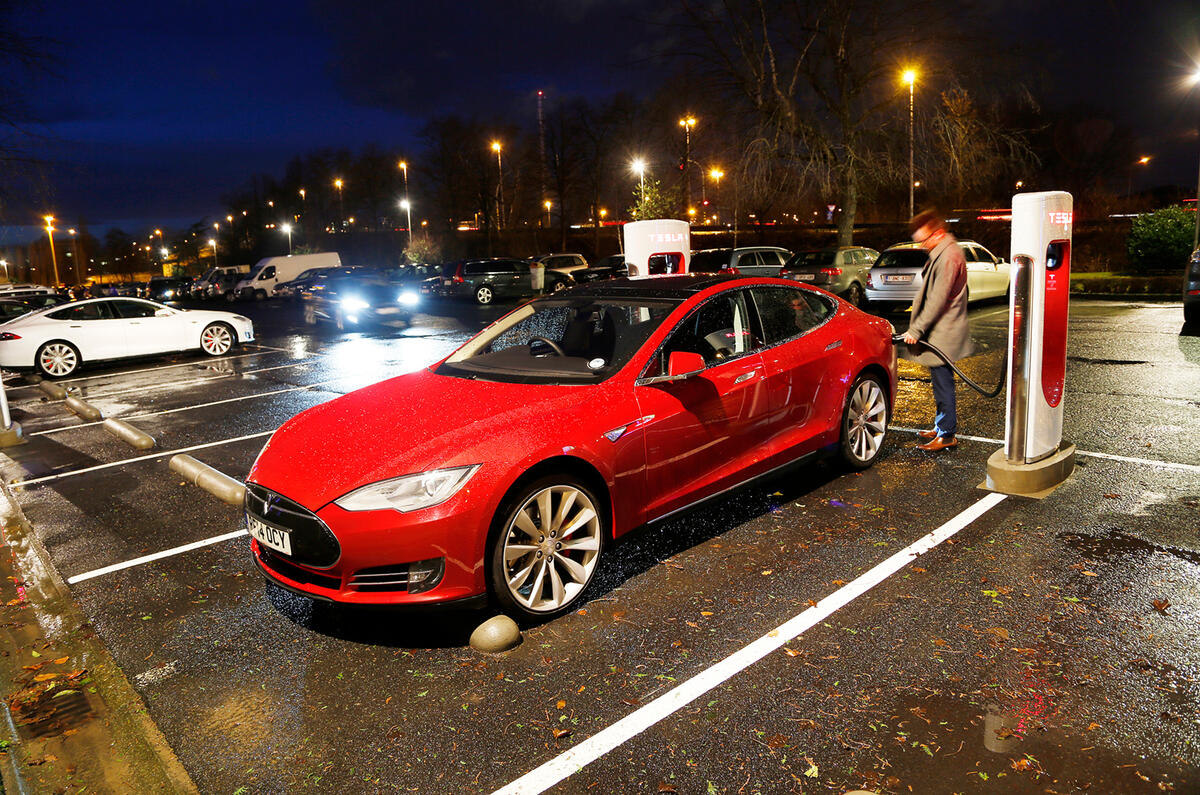
The Tesla surges out of London and we reach the Supercharger in Maidstone with ease, via a slight detour, covering 70 miles but making an 81-mile dent in the range. Using a Supercharger is pleasingly simple and cost-free; all you have to do is plug your Tesla in. We’ve got a train to catch, though, so we grab a coffee and stop for only 20 minutes, during which the battery charges by 40 per cent, granting an indicated range extension from 165 miles to 231.
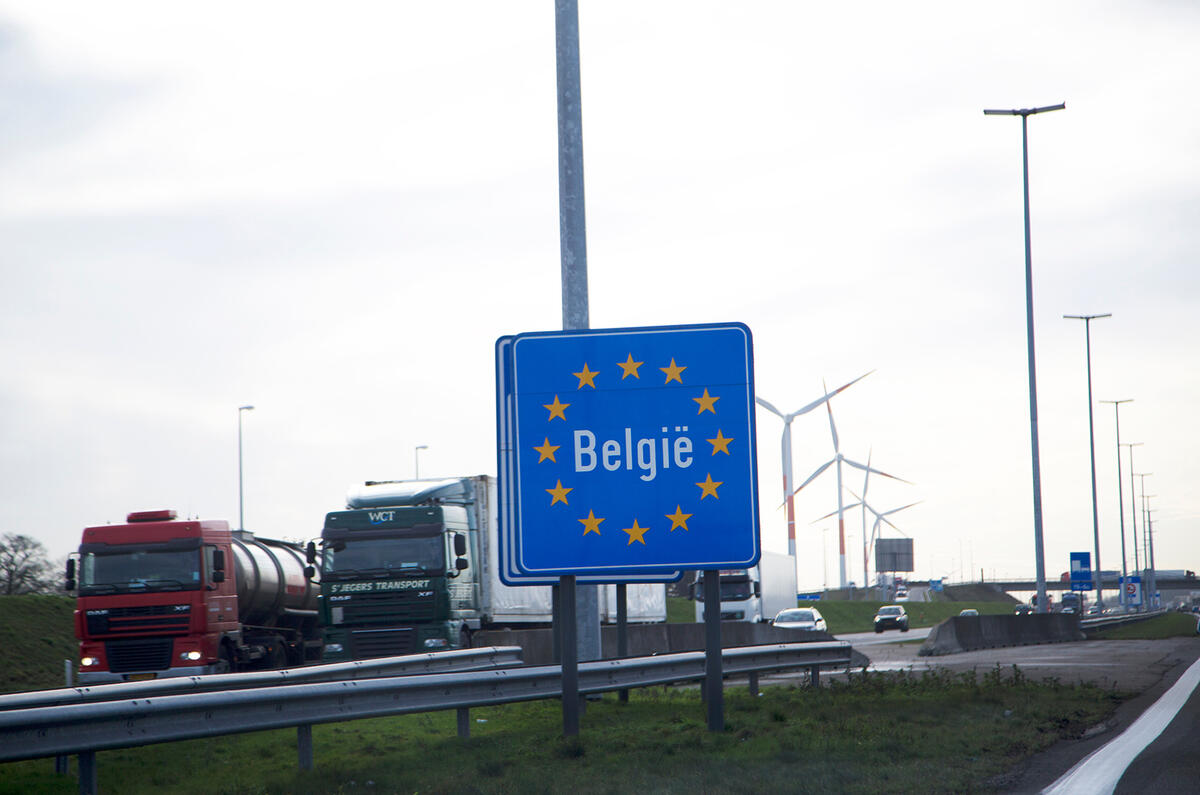
A short hop to the train ensues, followed by a 90-mile motorway stint to Ghent. The Model S performs impeccably; it’s fast, acceptably comfortable, well equipped and engaging. We cruise at motorway speeds and hit lots of traffic, however, and it’s cold. Our range takes a tumble. We’ve travelled 127 miles, which in theory should leave us with 104 remaining, but the conditions mean we have a mere 52 miles.
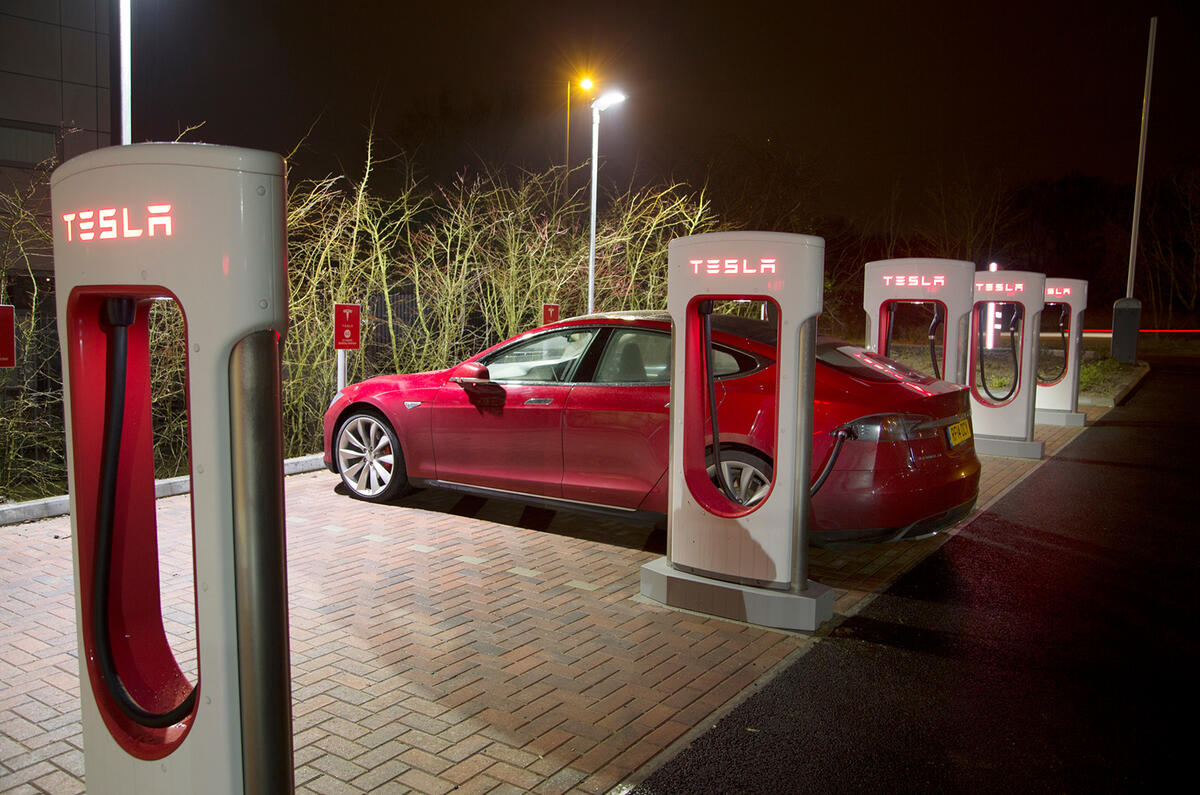
The logistics start to take their toll. There’s no Supercharger at our destination, so we’ve got to take on enough charge on the way to ensure we can get to Amsterdam and then back to a Supercharger. We spend 40 minutes fast-charging and drinking coffee, drive 80 miles to the next point in Breda and go through another charging cycle.
We buy more coffee, watching Tesla owners come and go at the charging points. They all seem happy, and you can understand why: they get to drive a car that offers supercar-like acceleration, but they don’t have to pay to keep it rolling. Presumably few of them push the range envelope on a daily basis.