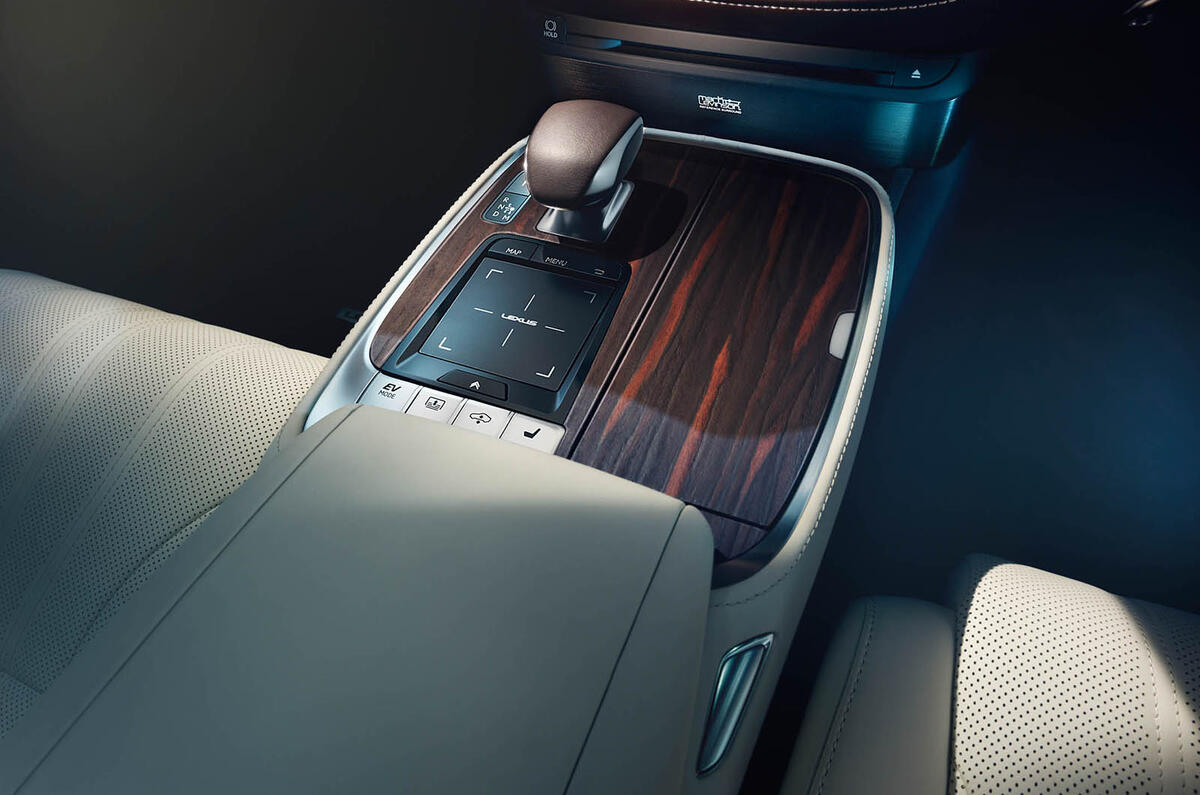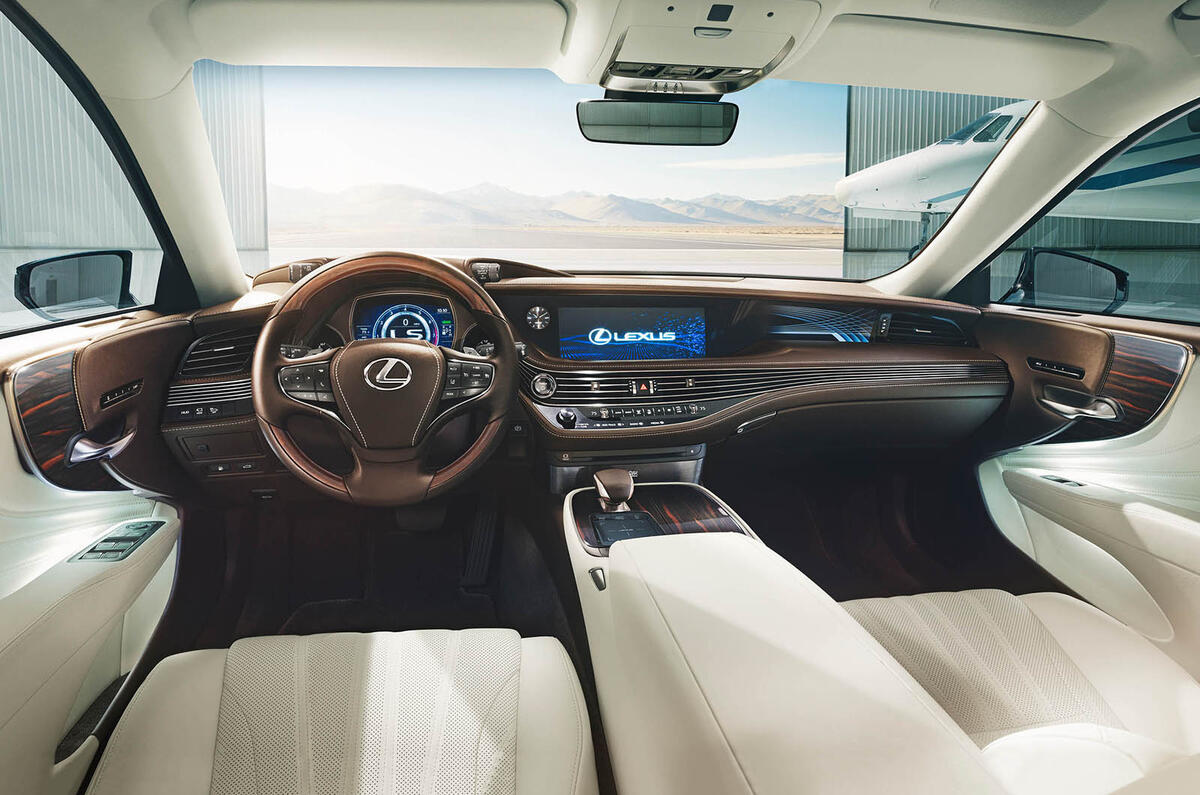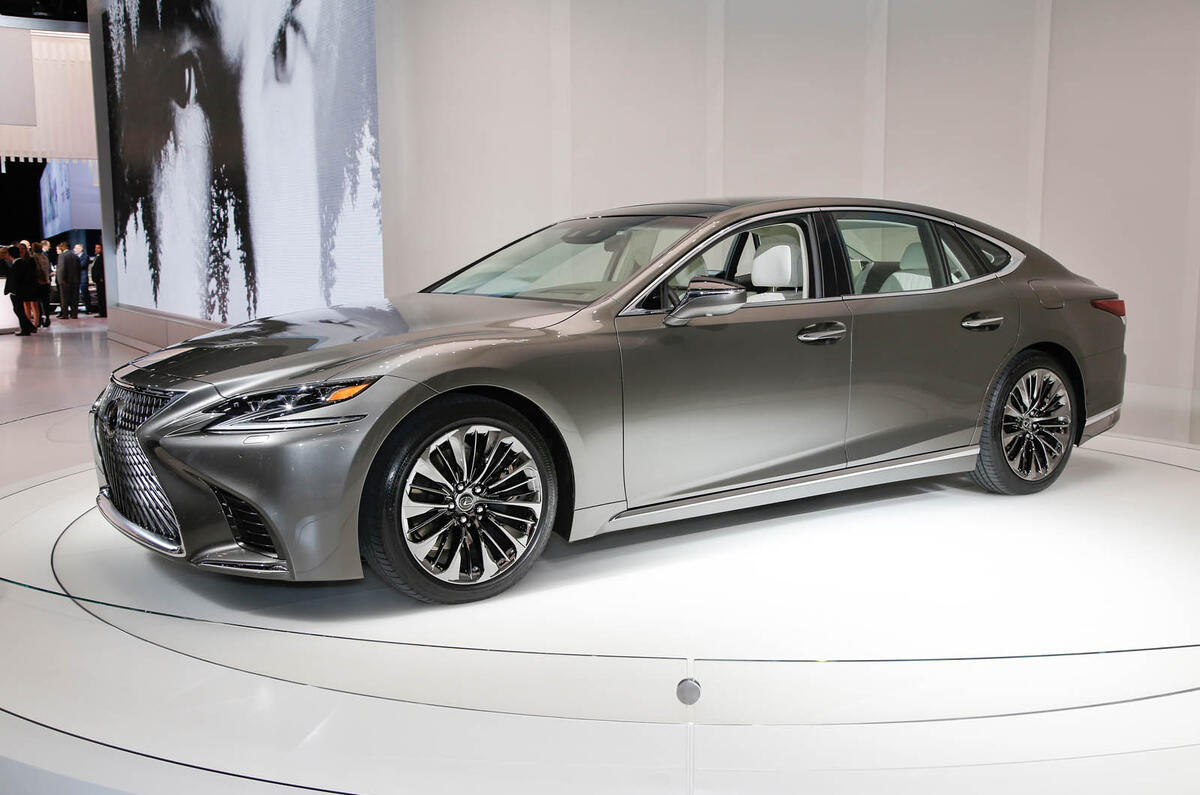
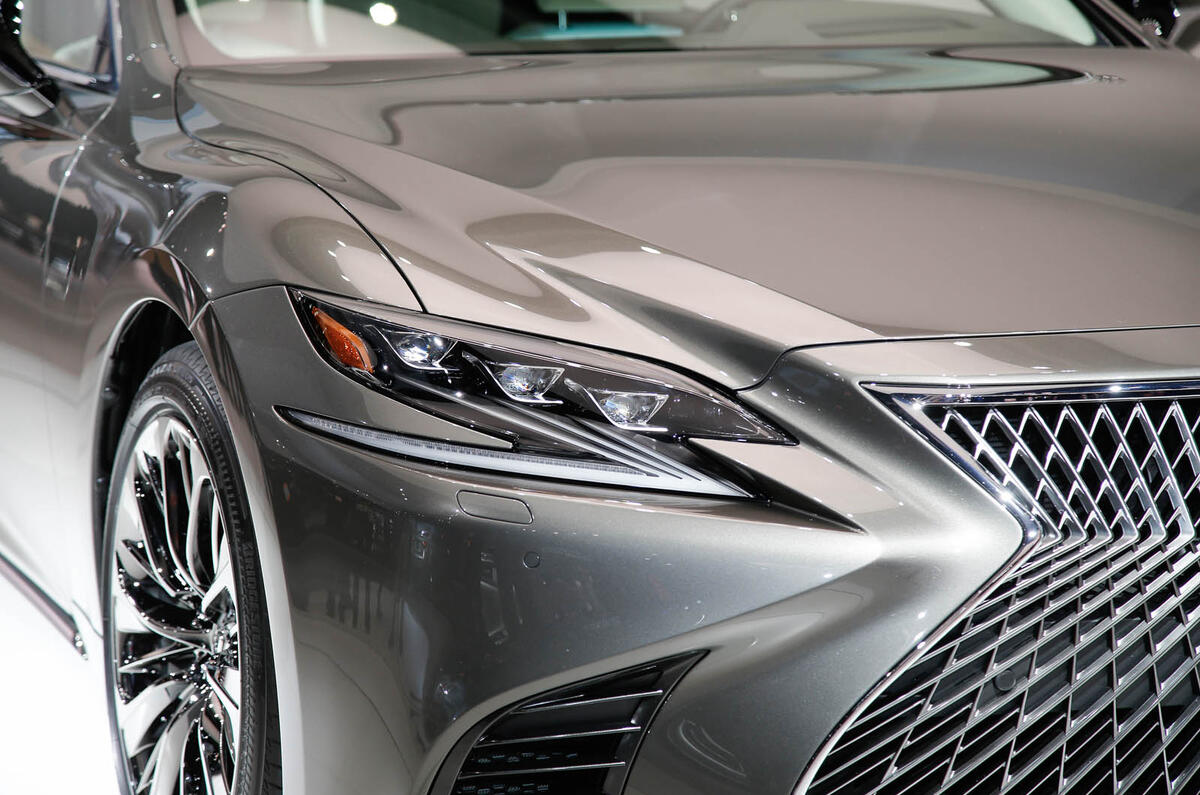
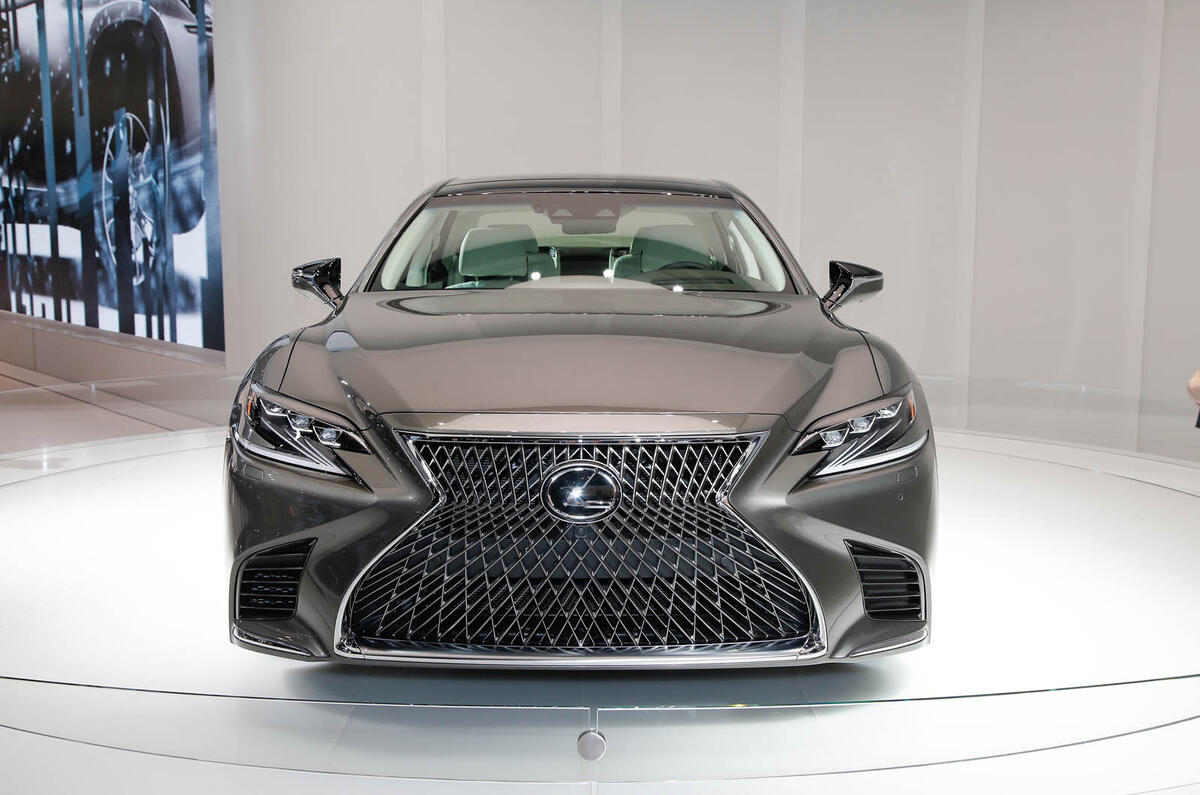
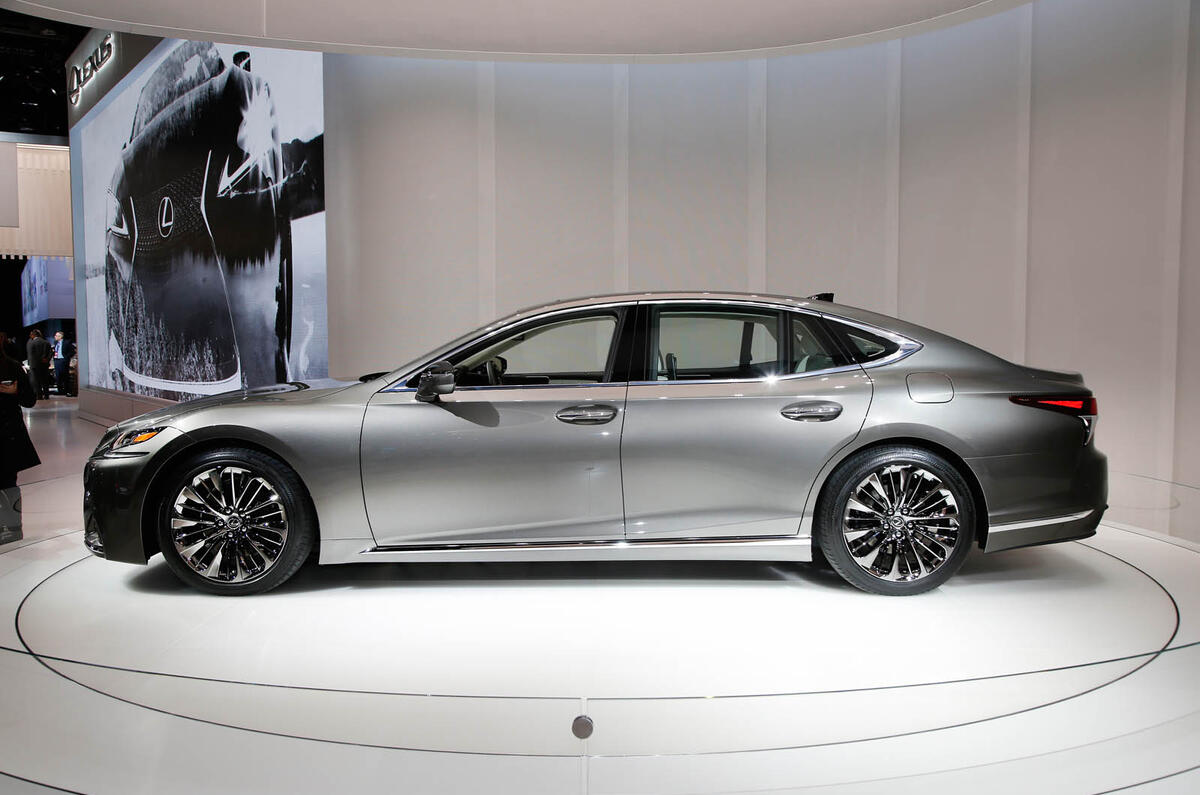
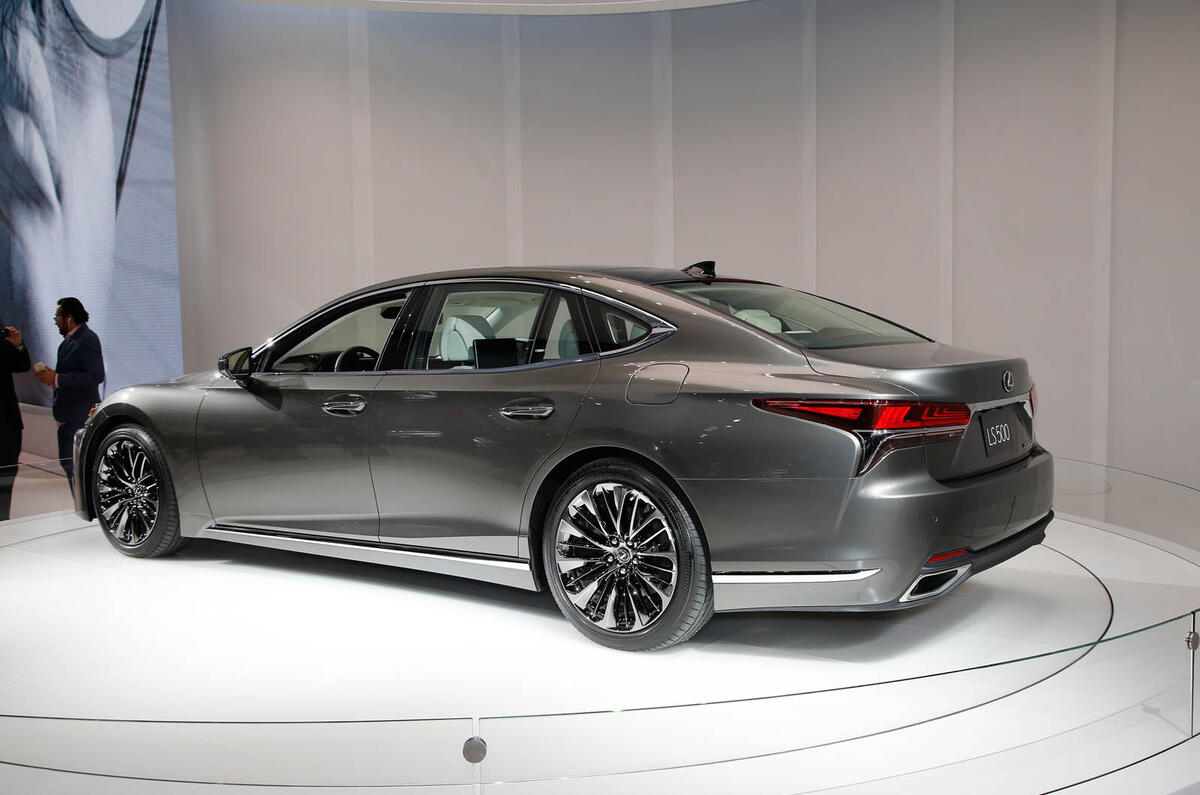
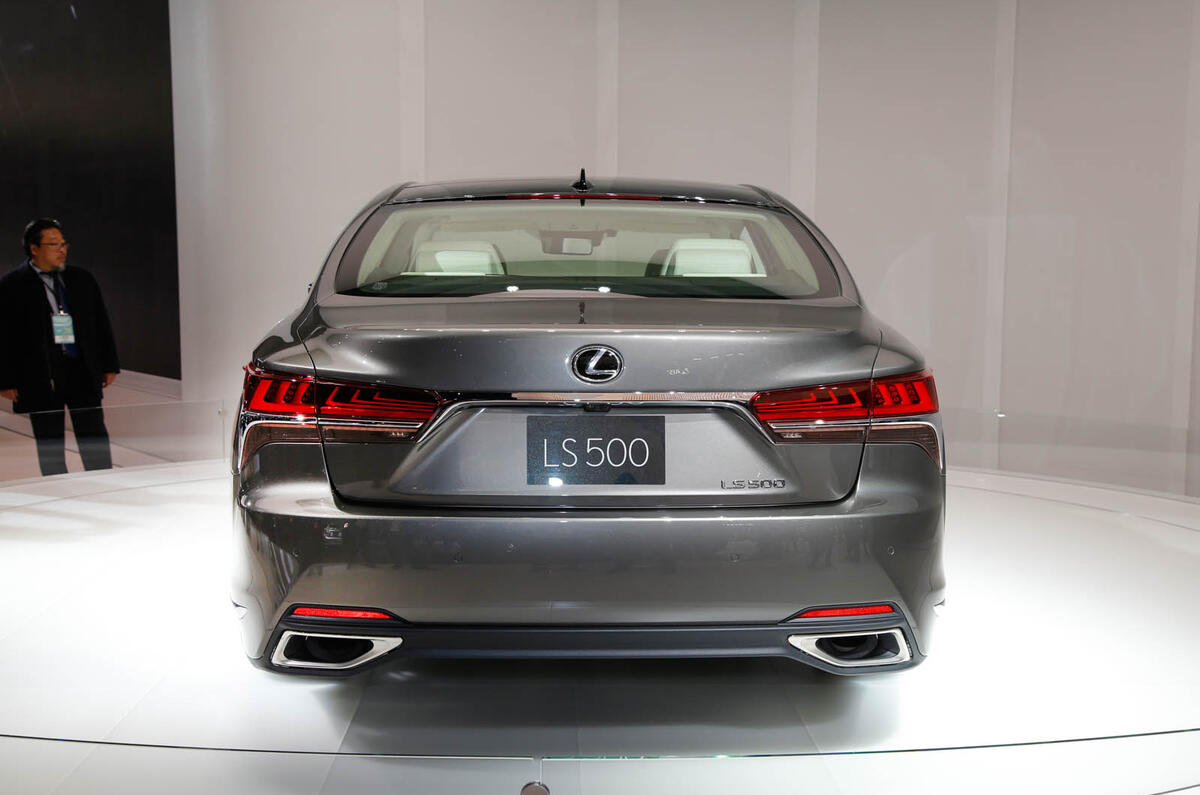
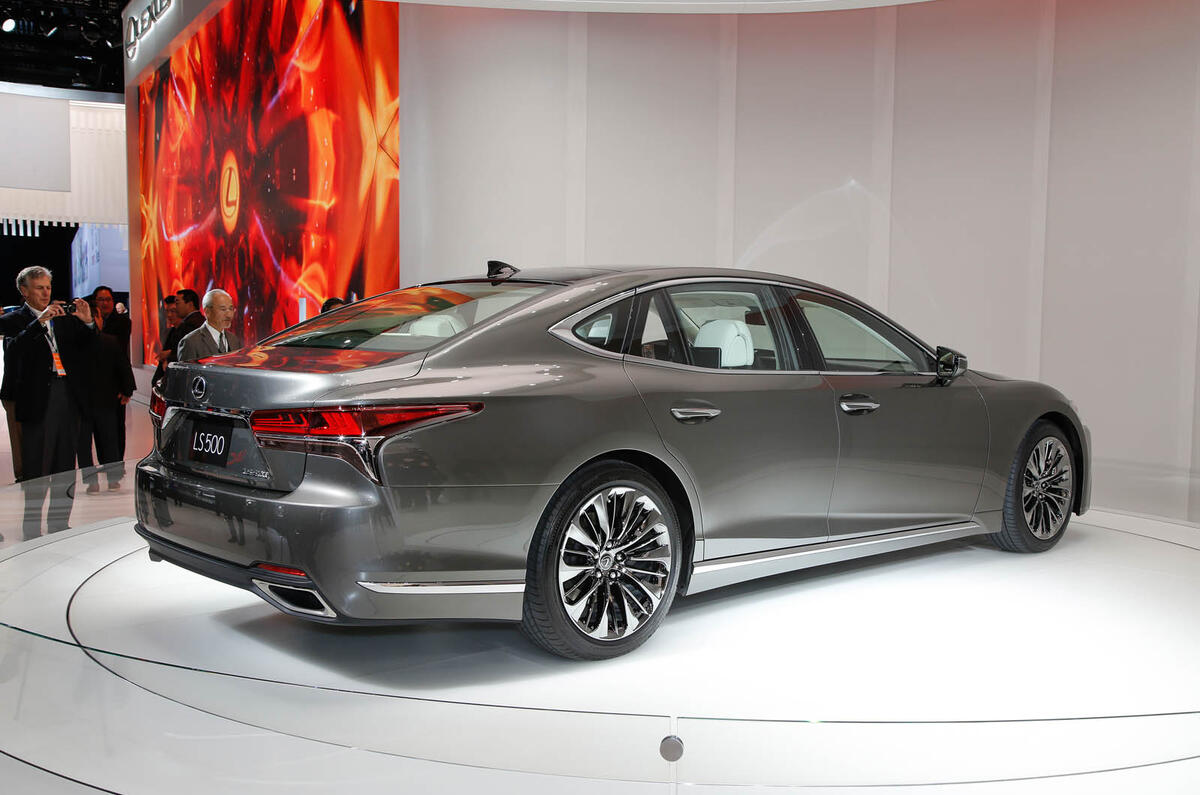
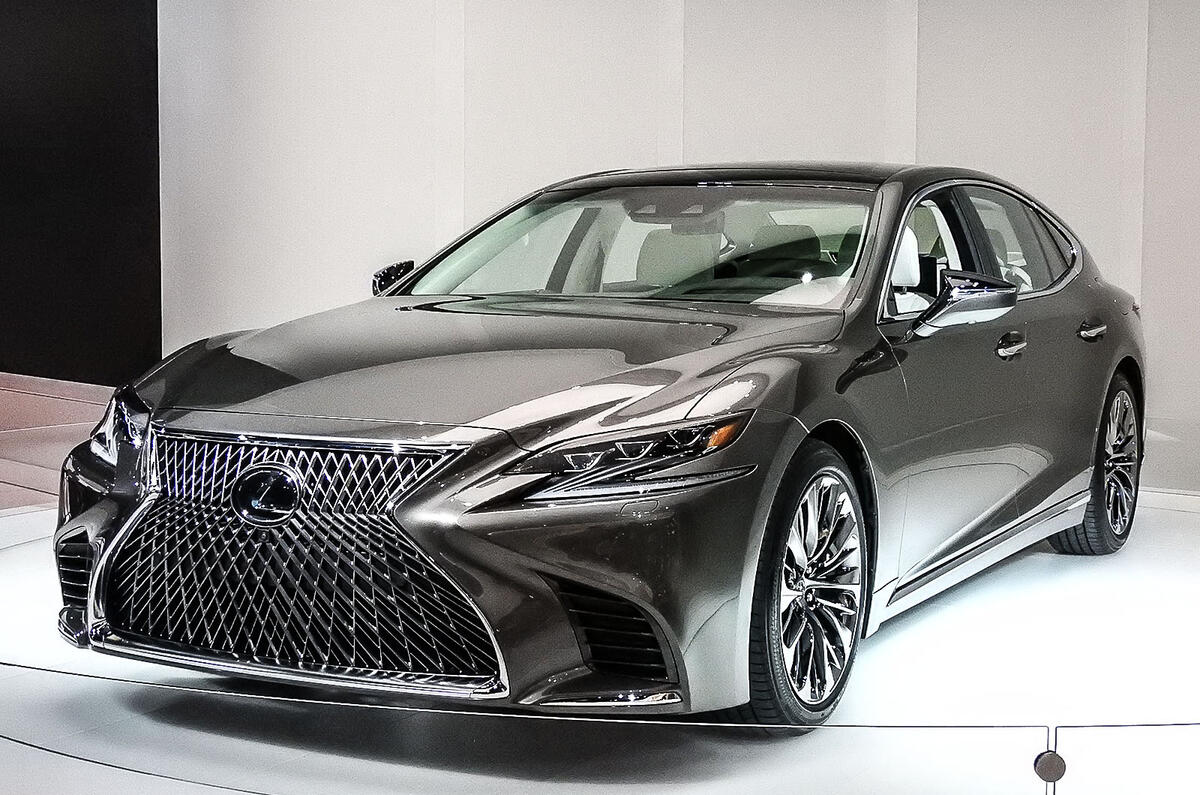
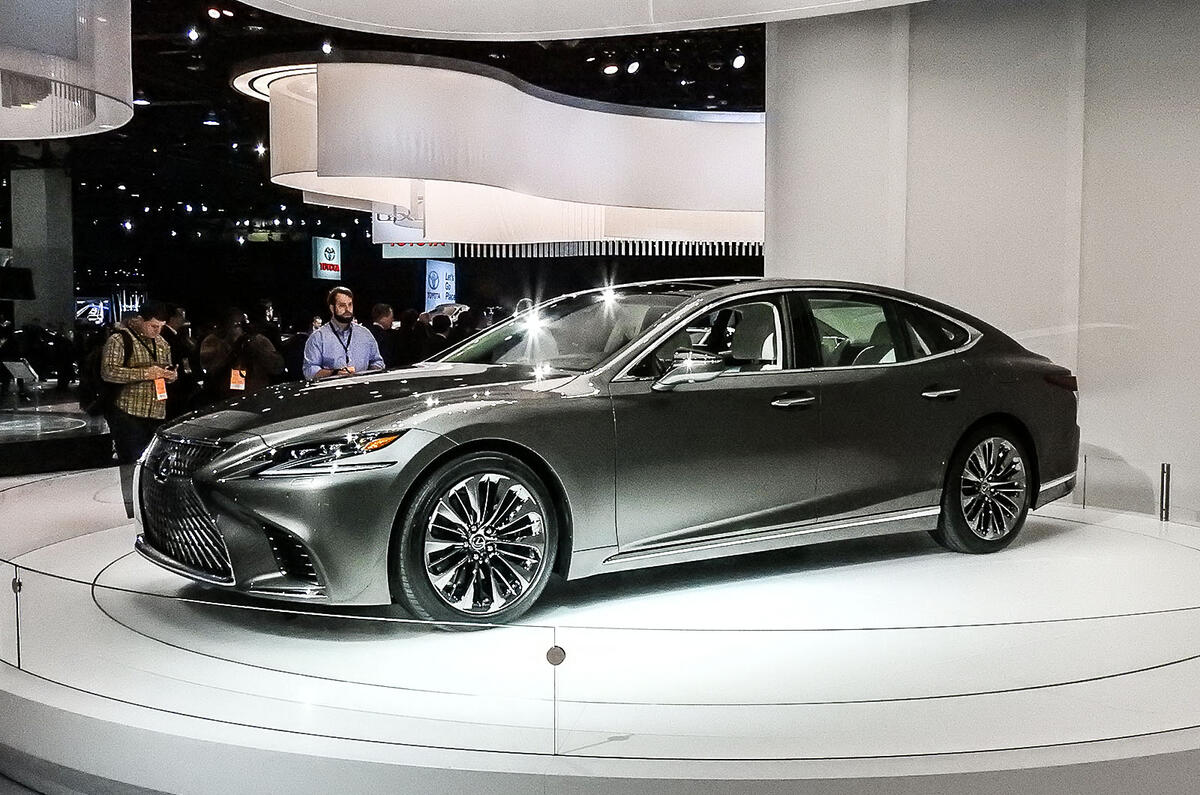
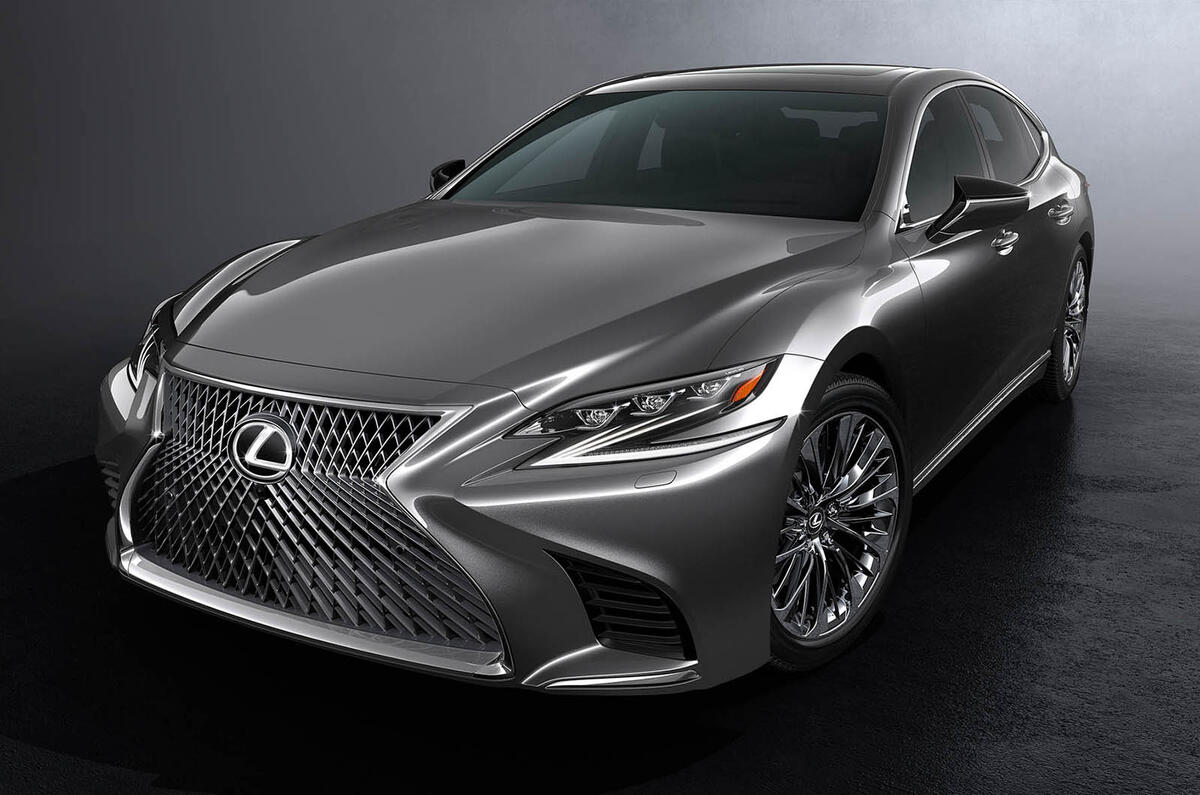
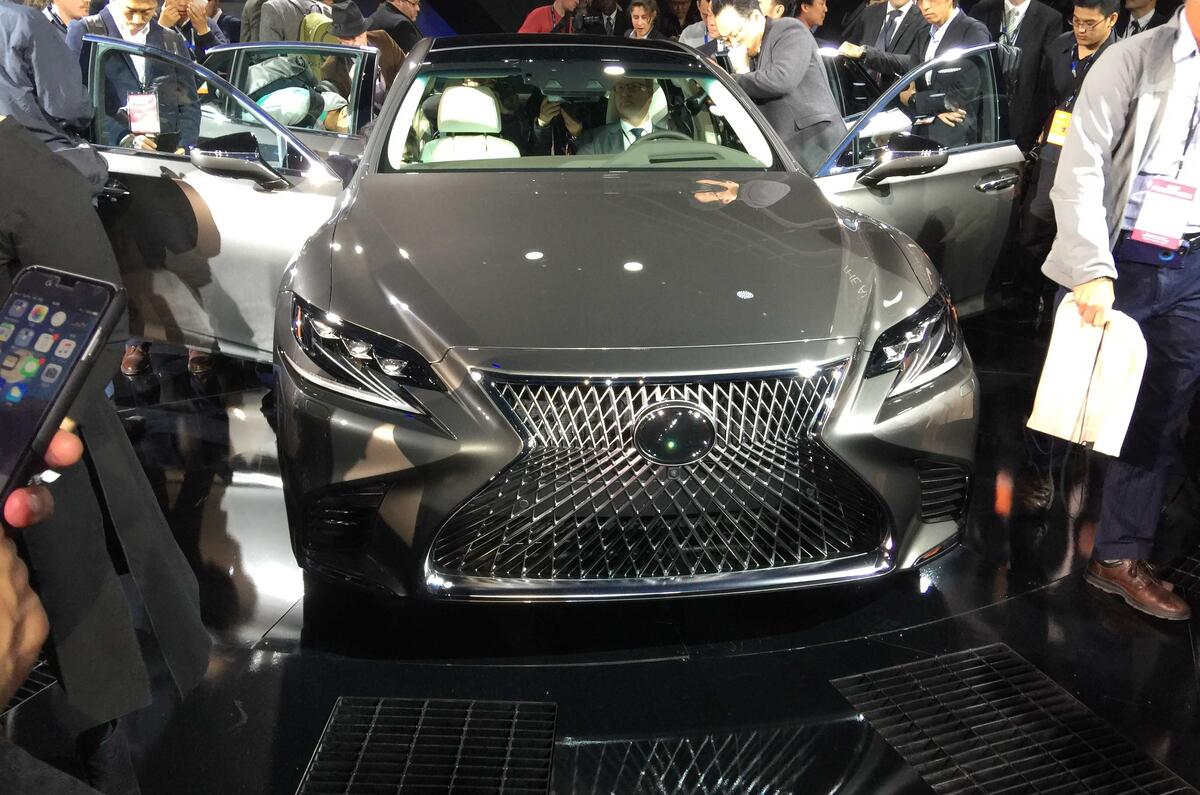
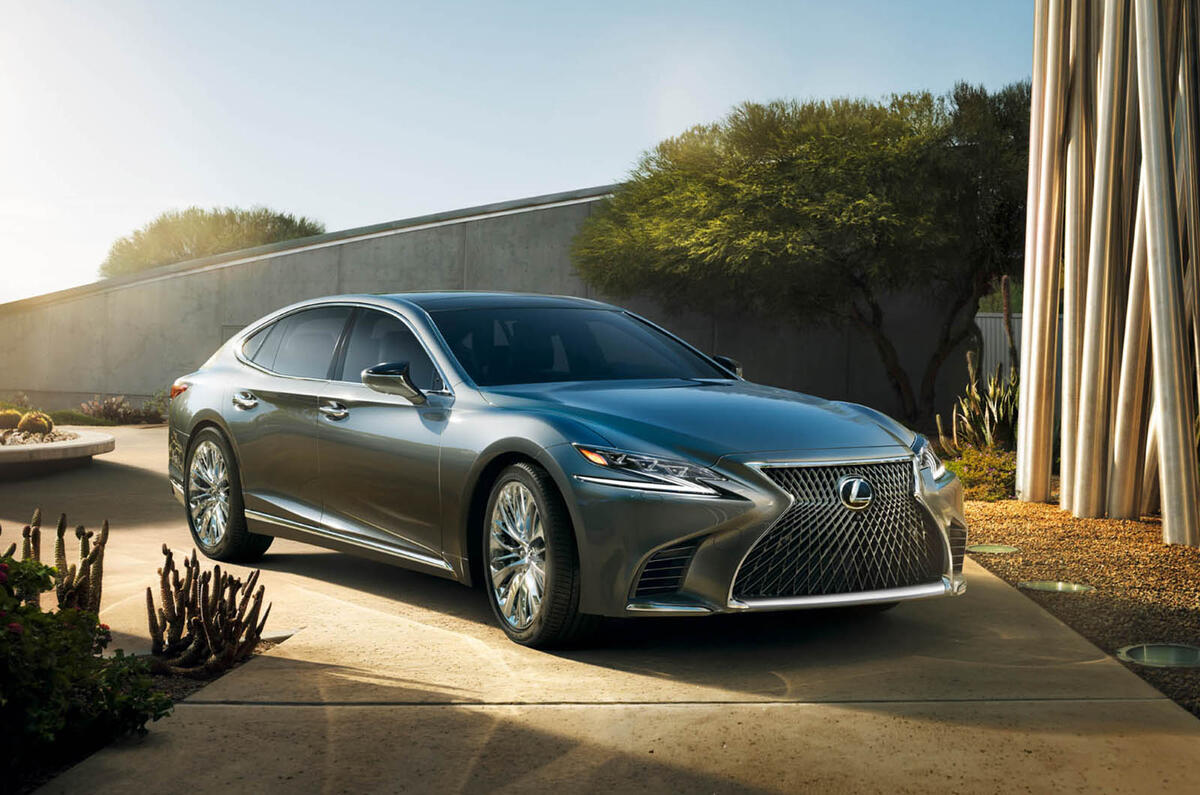
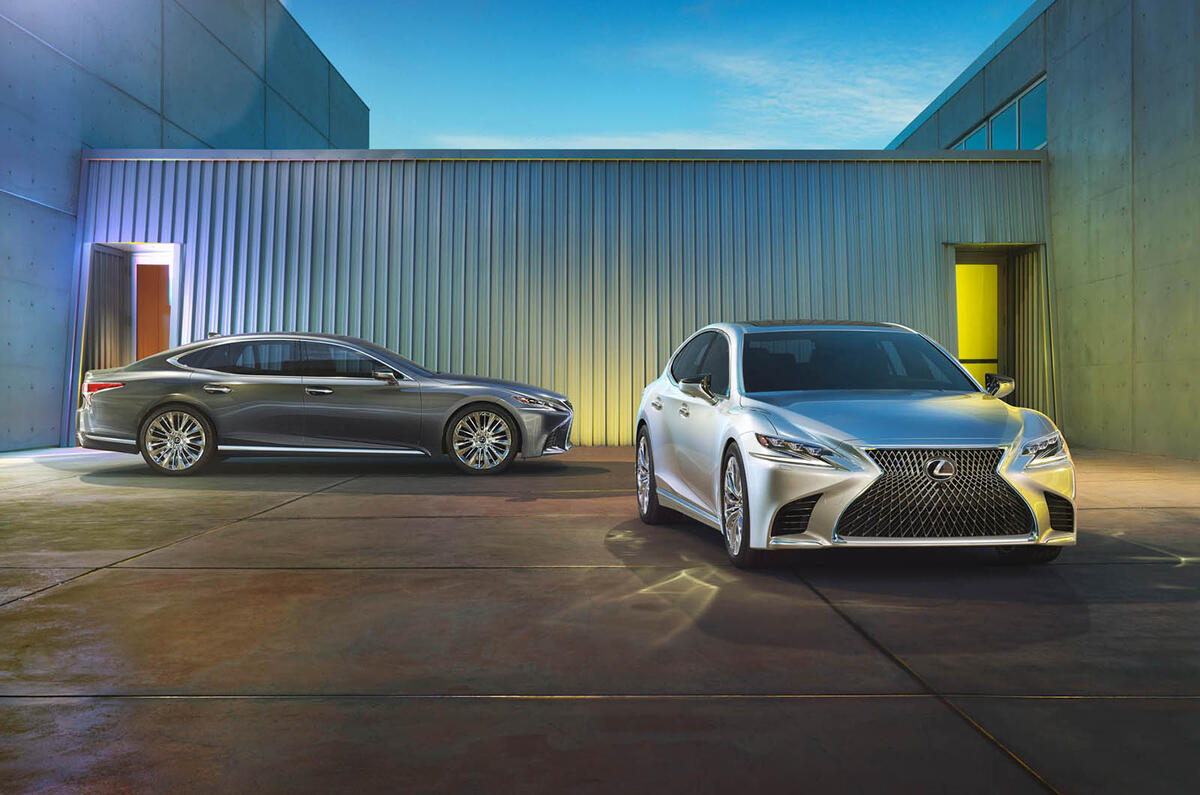
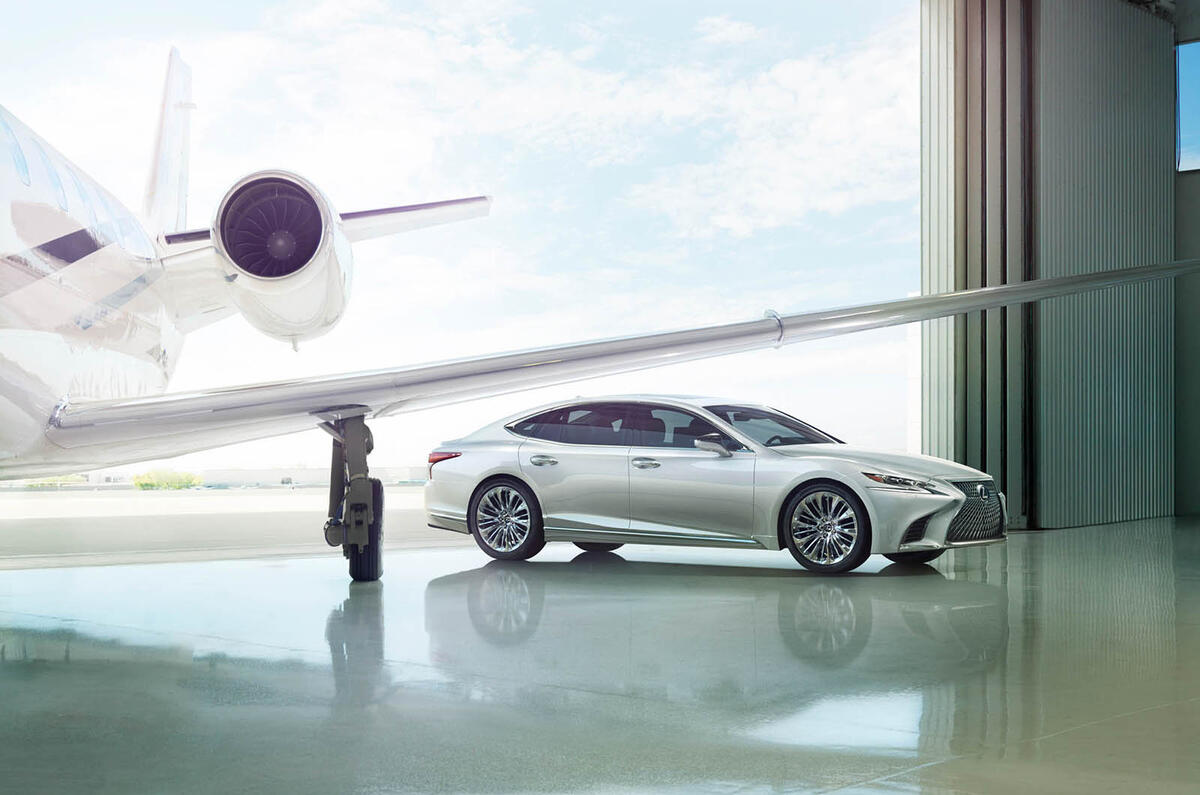
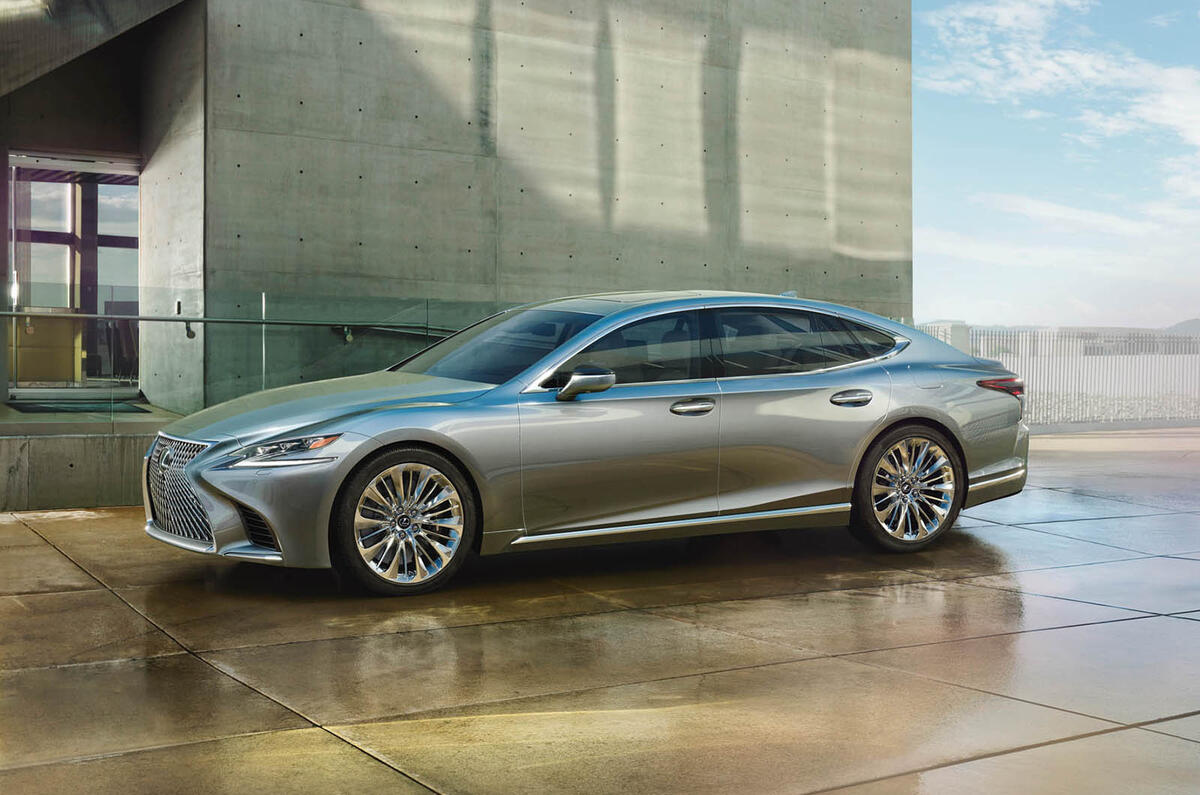
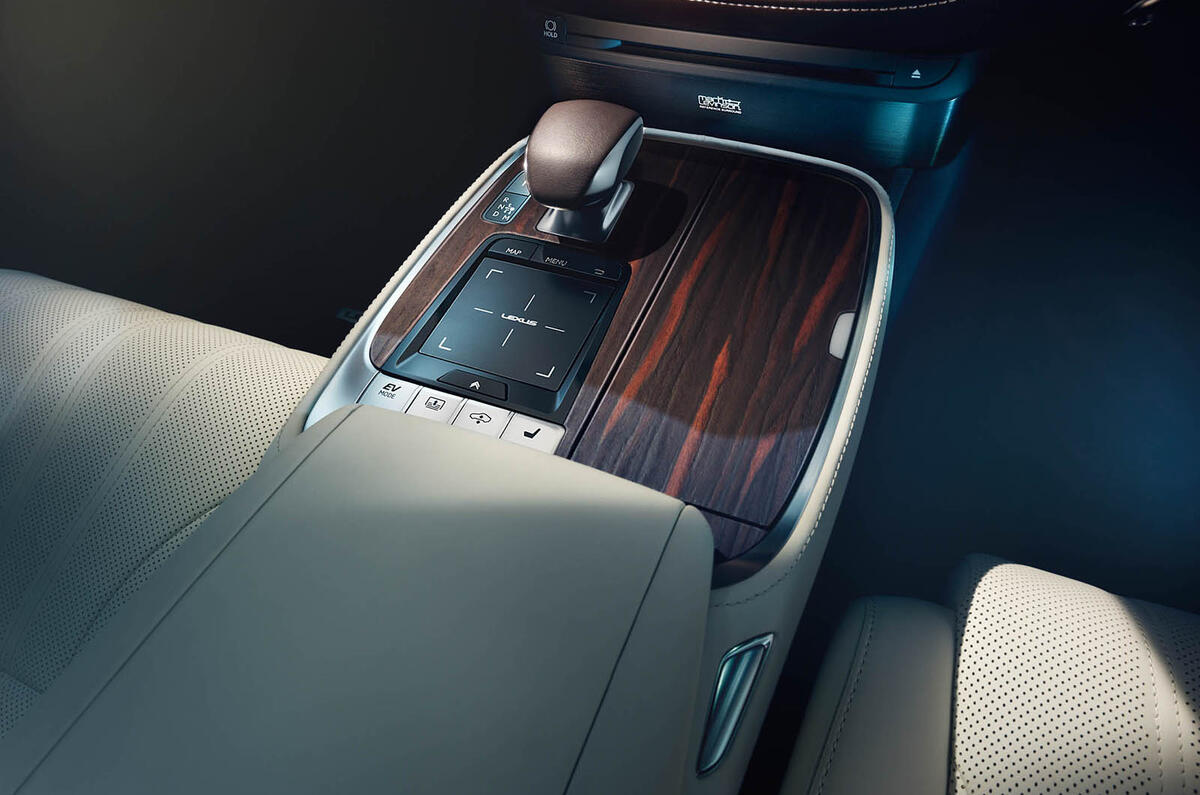
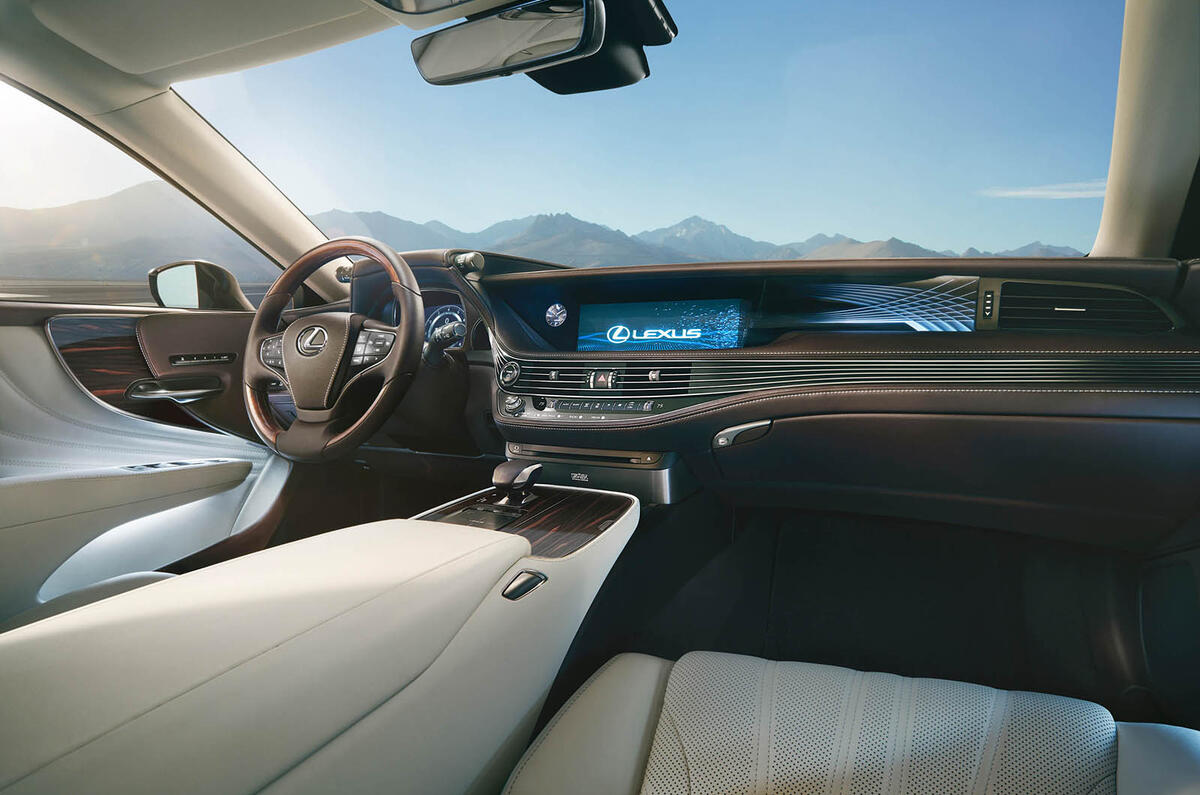
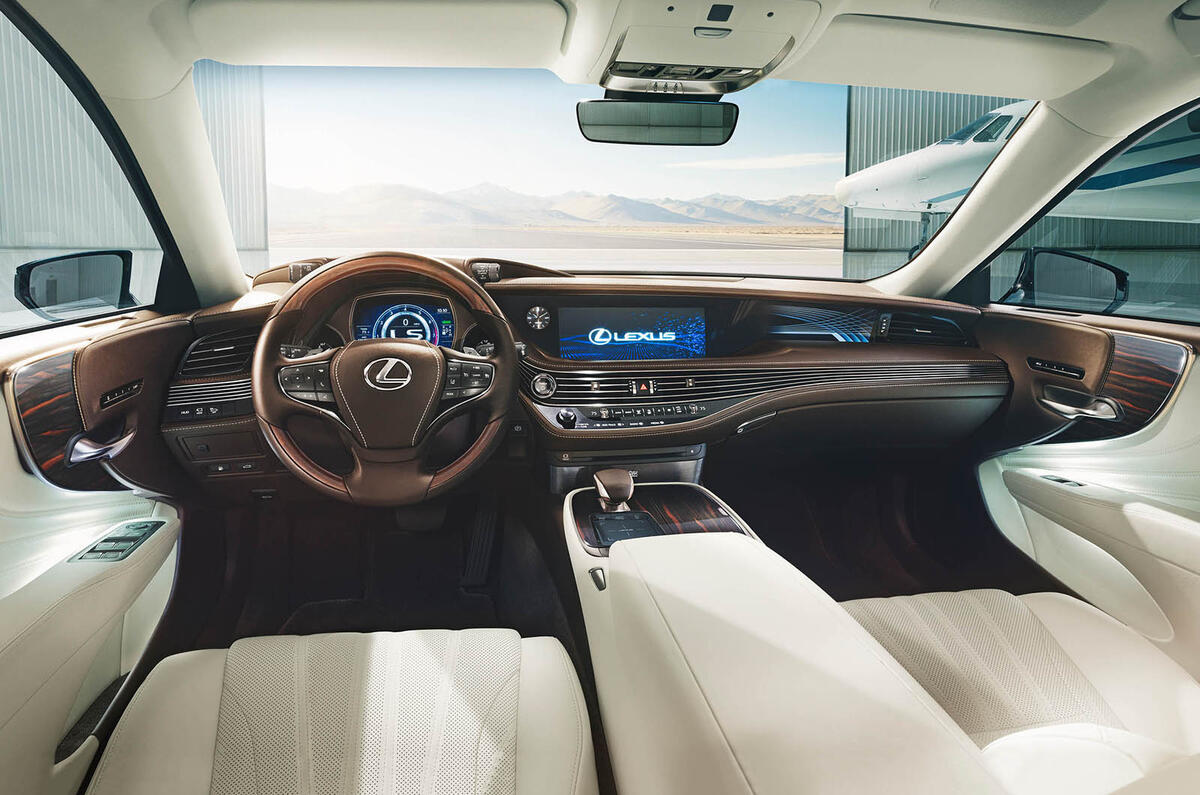
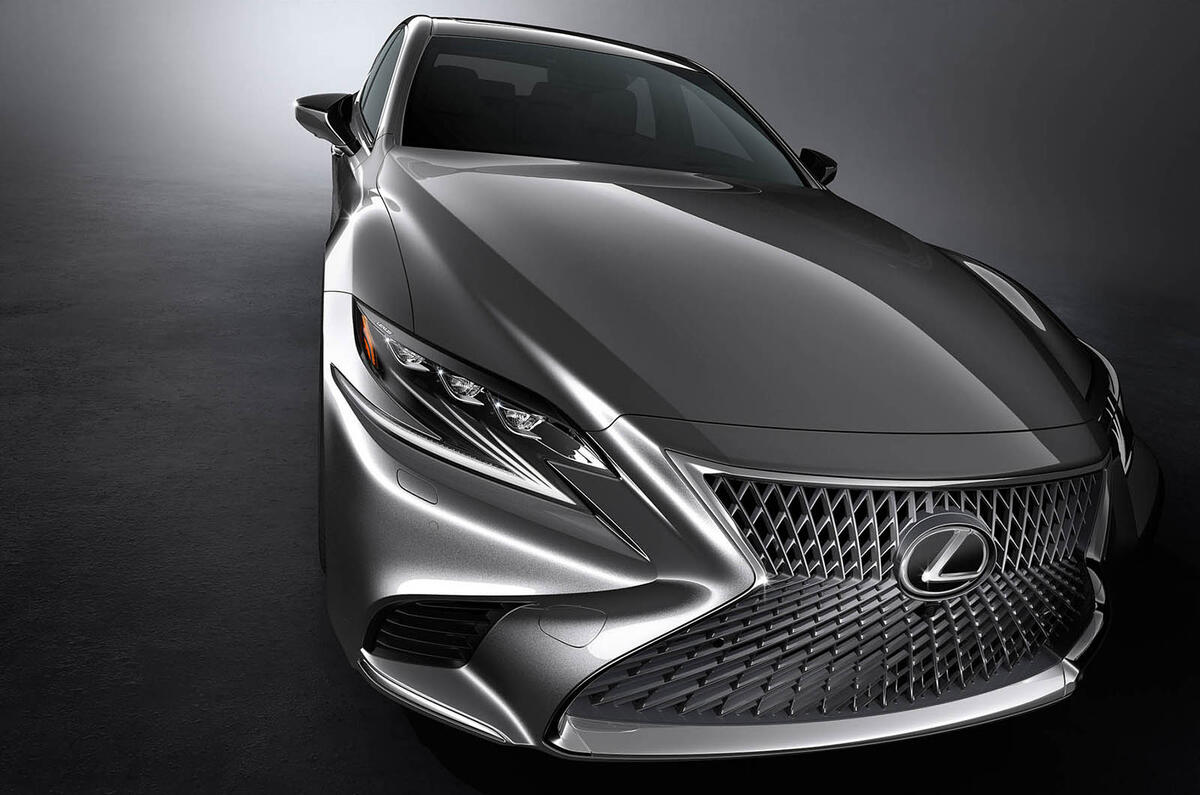
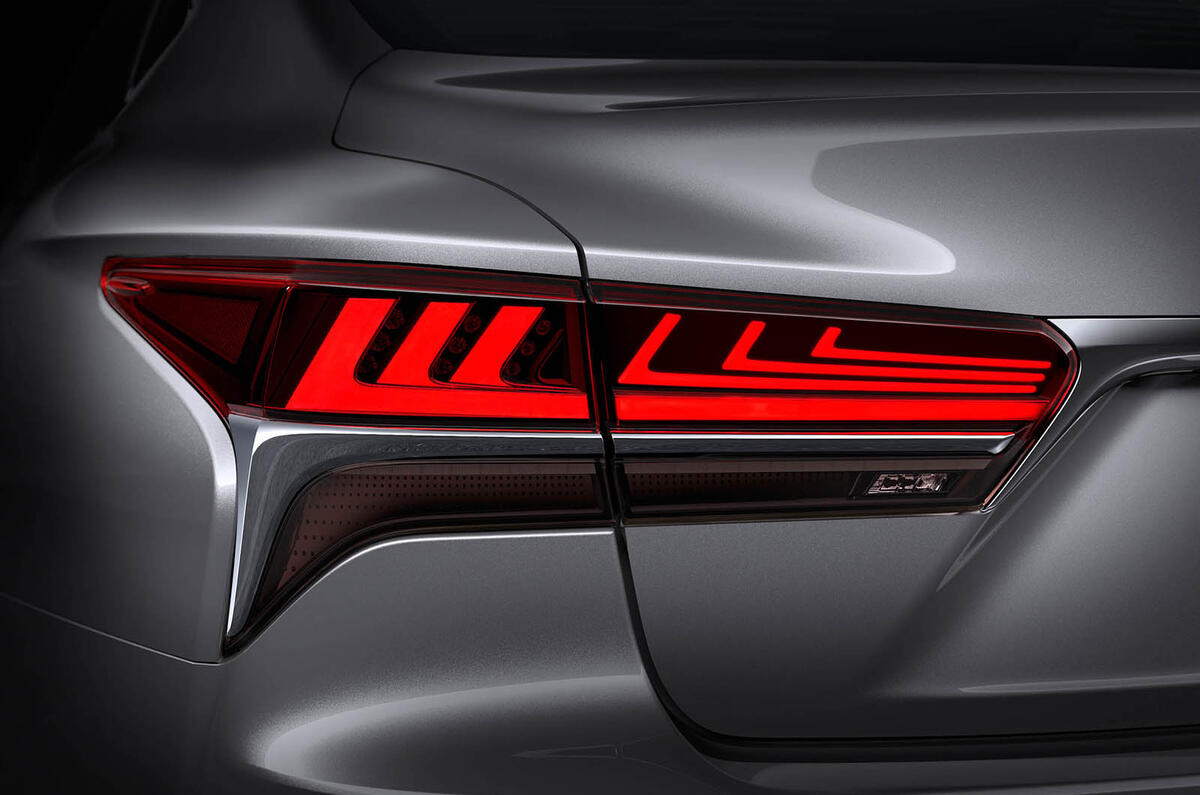
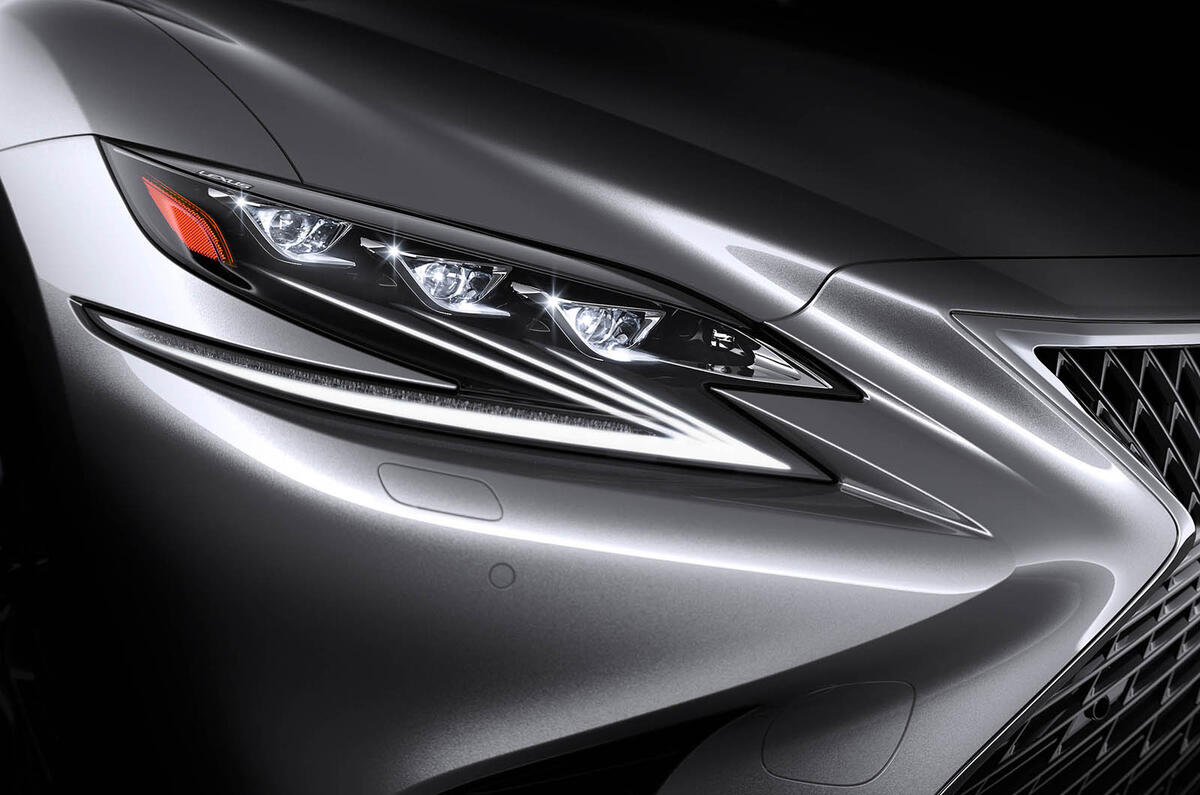
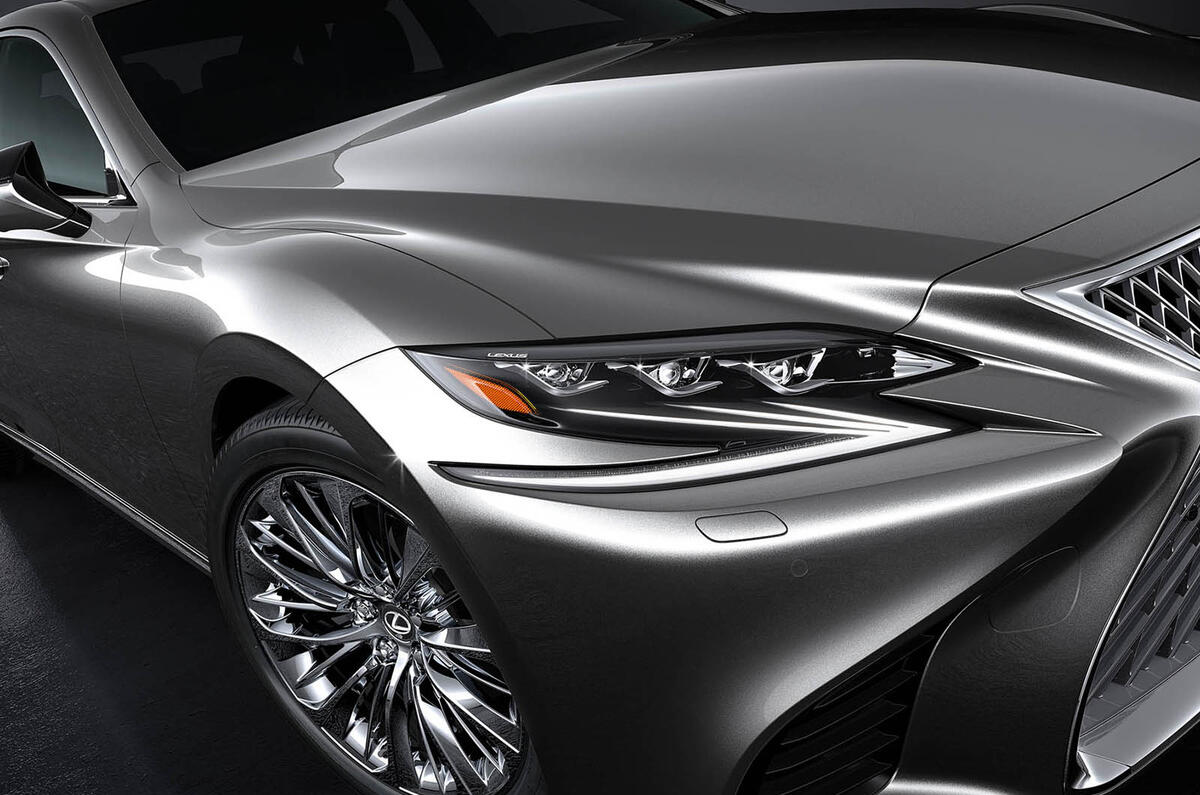
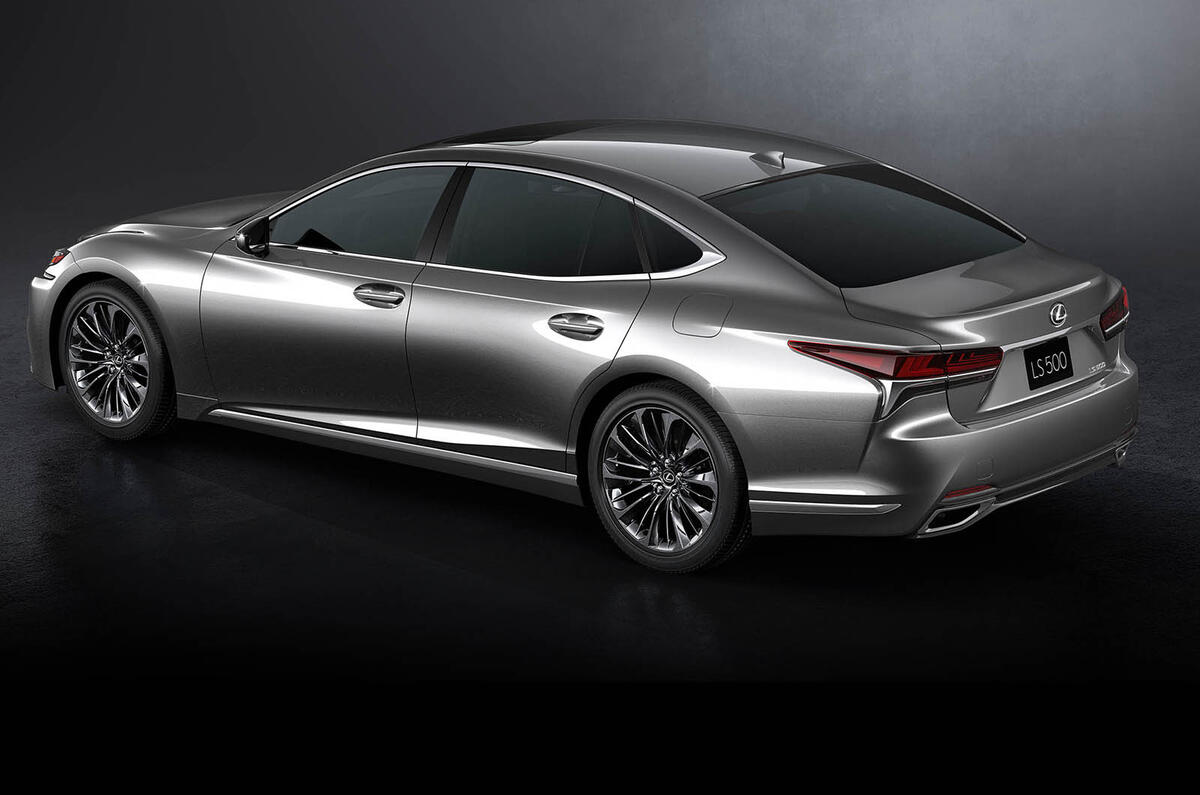
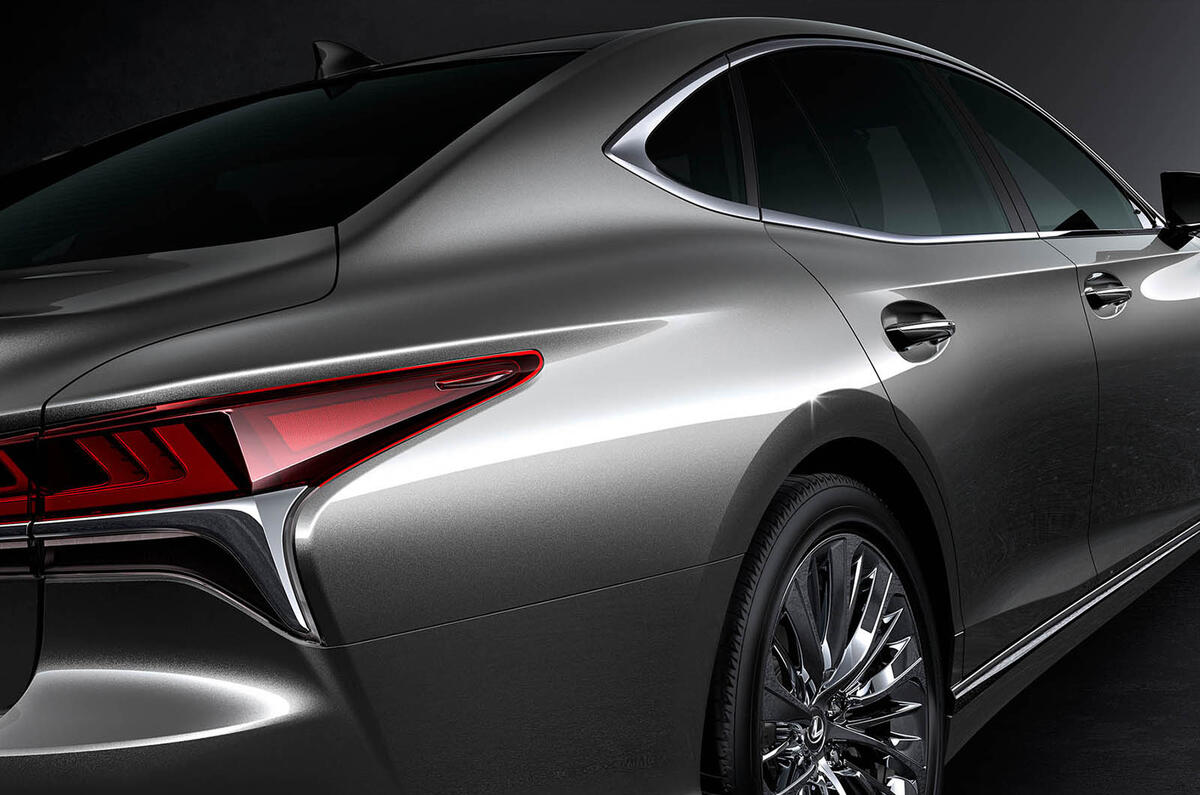
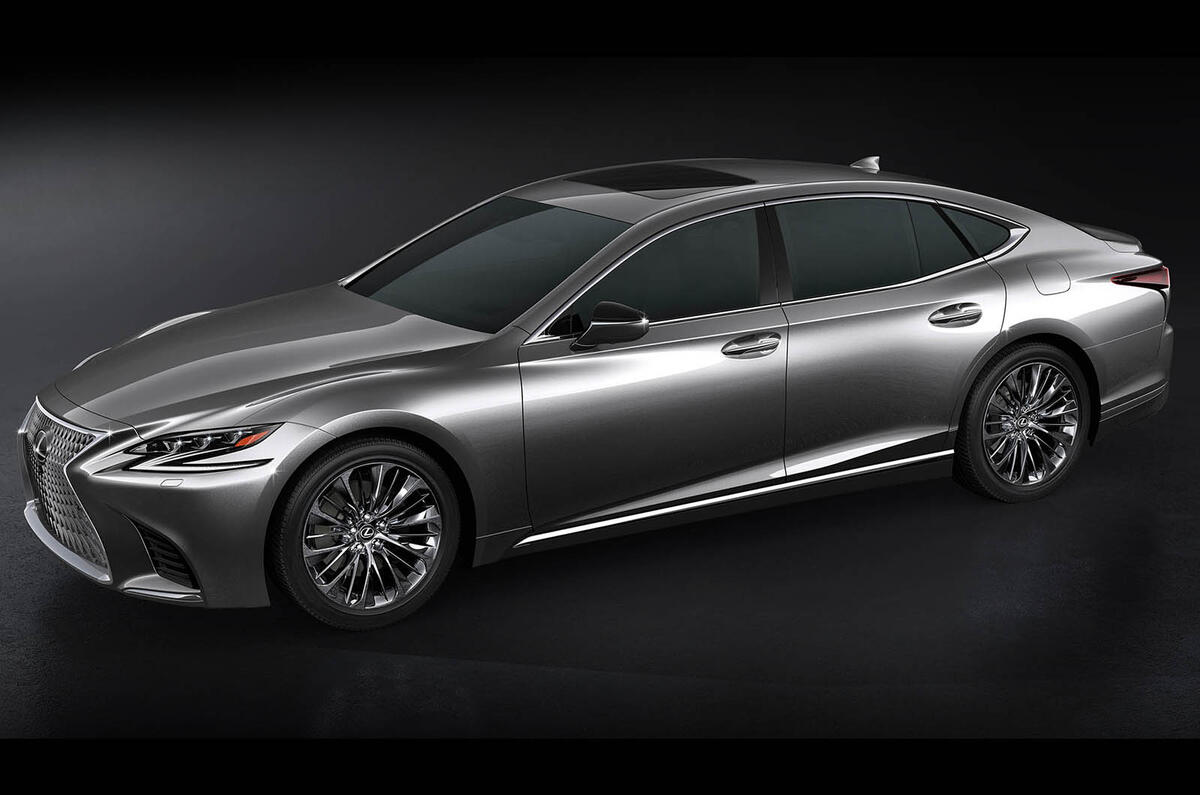
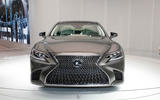
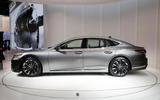
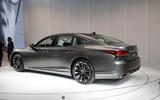
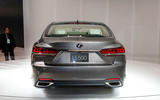
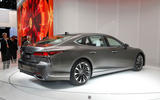
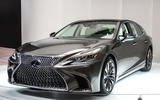
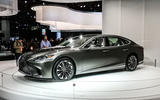
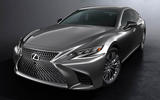


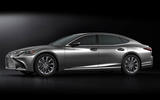
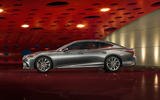
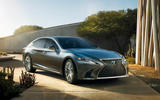
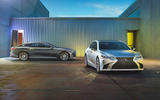

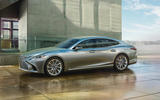



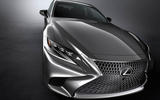
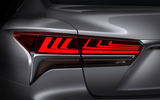


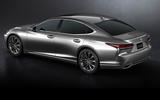


The new Lexus LS luxury saloon will cost from £72,595 when it goes on sale, with deliveries planned from the beginning of 2018.
Four specs are available from launch - LS 500h, LS 500h Luxury, LS 500h F Sport and LS 500h Premier. The all-wheel drive variant of the LS 500h Premier tops out the range, at £105,595. The car's starting price places it close to its rival, the Mercedes-Benz S-Class. The S-Class, with a starting price of £72,705, is just £110 more expensive than the Lexus. For older rivals, such as the BMW 7 Series and Jaguar XJ, prices start considerably lower, at £59,995 for the Jaguar and £61,300 for the BMW.
From base-spec LS 500h cars, the LS range gets automatic lights, a 12.3in infotainment system, 12 speaker audio system, an around view monitor and electrically adjustable seats with 20 modes of adjustment, as well as heating and ventilation as standard. Luxury-spec cars boosts the level of adjustment up to 28 different ways, and also adds a premium sound system, among other technology and comfort upgrades. A host of driver assistance and passive safety systems also come as standard across the range.
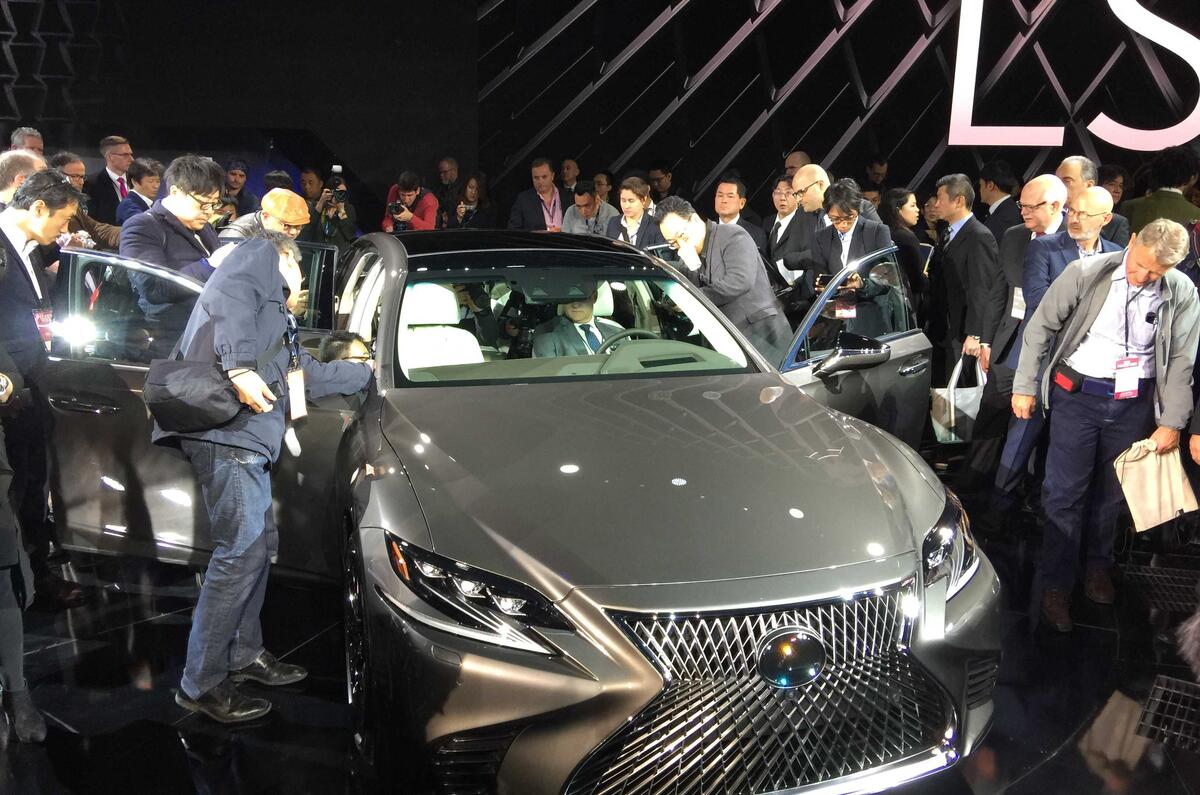
The luxury saloon was unveiled at the Detroit motor show with the Japanese manufacturer boldly stating that it expects the fifth-generation car to “reset the luxury benchmark in the same way the original LS did in 1989”.
The new LS, a rival to the Mercedes-Benz S-Class, is based upon a version of the GA-L platform which underpins the well-received LC500. In the LS, however, the wheelbase has been extended from 2870mm to 3125mm. The new saloon is front-engined and rear-wheel drive, with four-wheel drive available as an option.
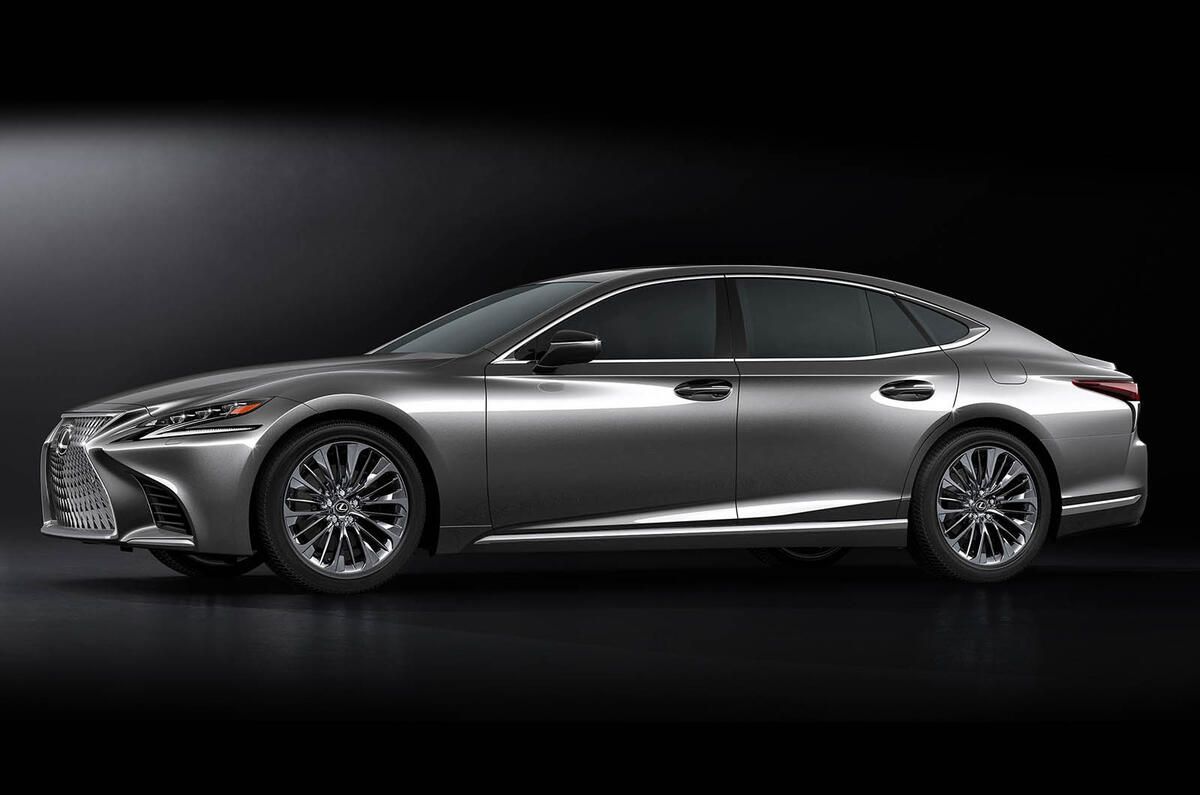
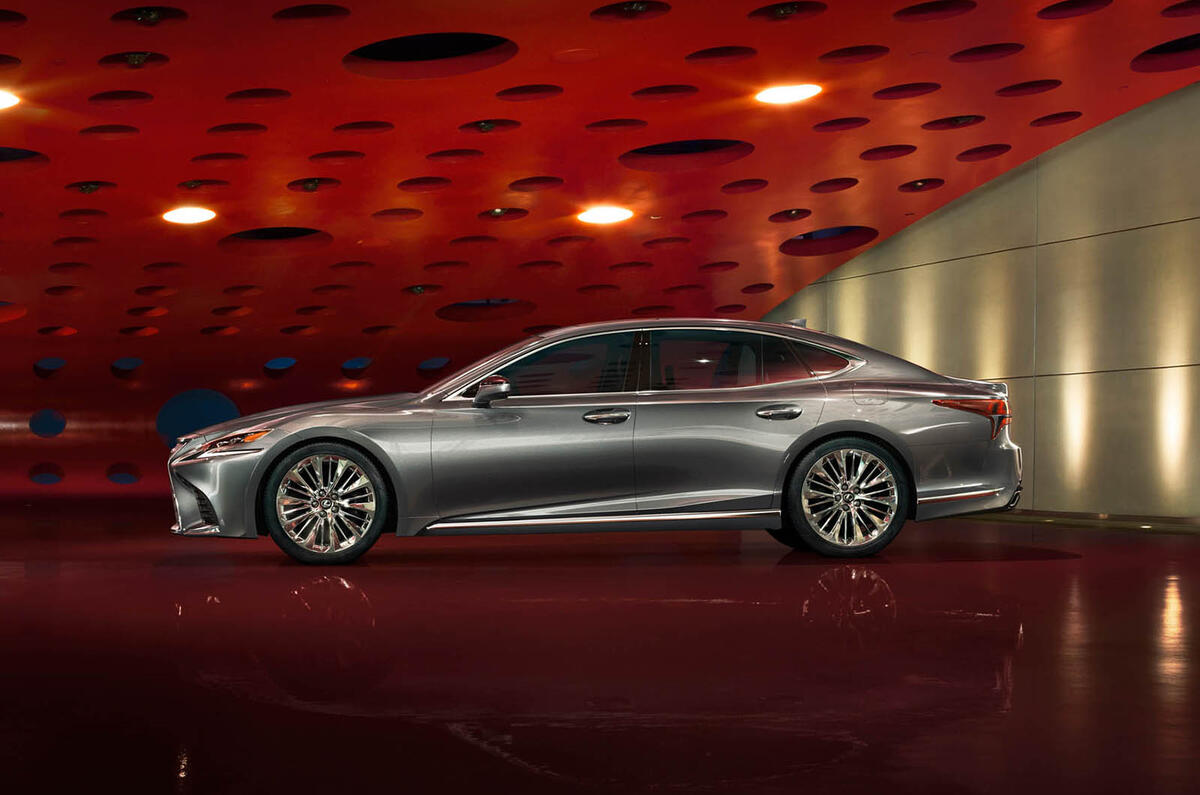
The new Lexus LS is 5235mm long, 1450mm high and 1900mm wide. Compared to the current LS, the new model sits about 15mm lower, while the bonnet and boot are 30 and 41mm lower respectively, with Lexus’s designers striving for a ‘four-door coupé’ silhouette.
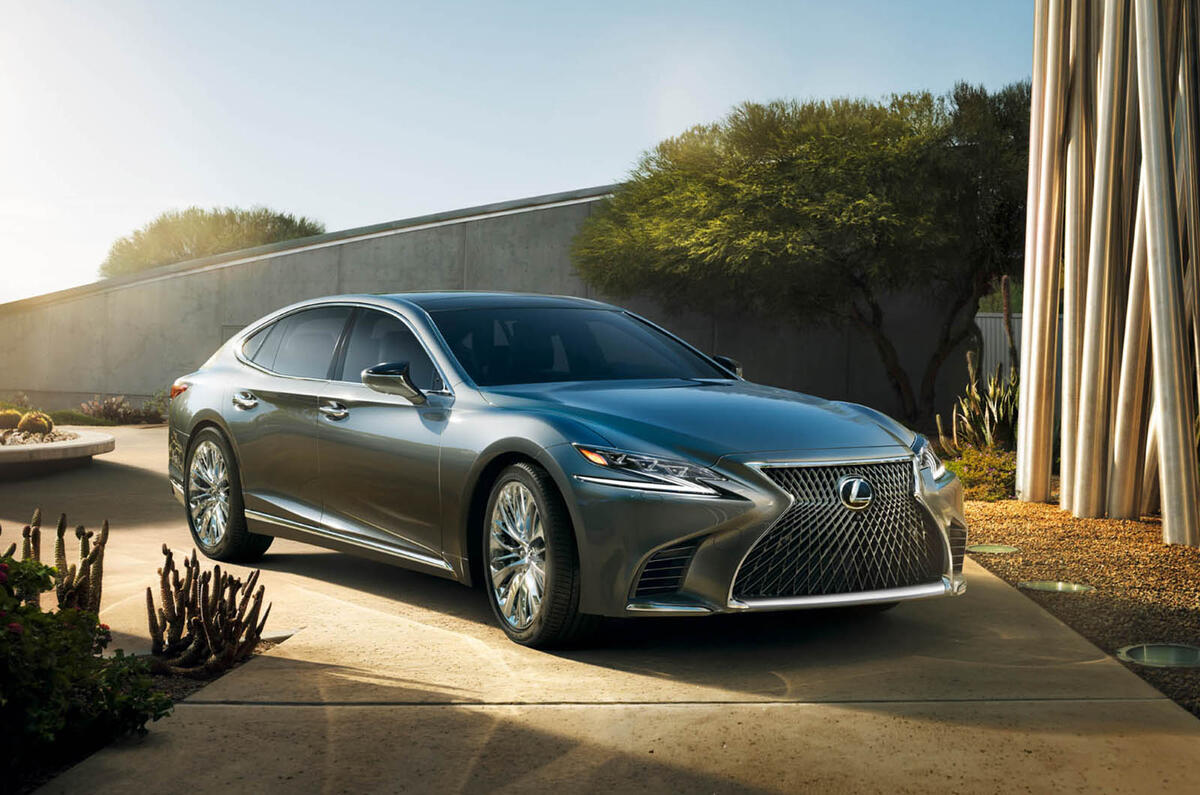
Lexus has put an emphasis on driver engagement. It claims the LS is endowed with “precise handling and direct steering” thanks to its lighter platform, a new engine mounted lower in the car’s nose and enhanced body rigidity.
A new 3.5-litre, twin-turbocharged V6 engine “with the performance of rivals’ V8 engines” has been developed for the LS. It produces maximum power of 409bhp and 442lb ft of torque, channeled through a ten-speed torque-converter automatic transmission, as also used in the LC500. The rear-wheel-drive LS is capable of accelerating from 0-60mph in 4.5sec; Lexus hasn’t revealed the performance of the four-wheel-drive variant.
The Japanese manufacturer’s engineers have made a 90kg weight saving over the outgoing LS and have developed a more rigid multi-link suspension system, with air suspension also available as an option. The air suspension system comes with an ‘access’ function that raises the vehicle and opens the seat bolsters to allow easier ingress.
The LS is equipped with what Lexus calls Vehicle Dynamics Integrated Management (VDIM), a system that oversees control of braking, steering, powertrain and suspension to control and suppress body movement. Handling can be further enhanced by active stabiliser bars and the Lexus Dynamic Handling (LDH) system with independent front and rear steering.