So, then: 2025 proved to be a year of high drama and unexpected triumphs across the world of motorsport - arguably the most exciting season in years.
In Formula 1, Lando Norris overcame fierce competition from teammate Oscar Piastri and Red Bull’s Max Verstappen to claim Britain’s 11th F1 crown, ending McLaren’s title drought since 2008. Elsewhere, Sébastien Ogier staged a remarkable rally comeback, Oliver Rowland dominated Formula E, and Álex Palou secured both the IndyCar title and the iconic Indianapolis 500.
From endurance racing victories at Le Mans to intense battles in the BTCC, the season showcased resilience, skill, and the emergence of new champions challenging established stars at every turn.
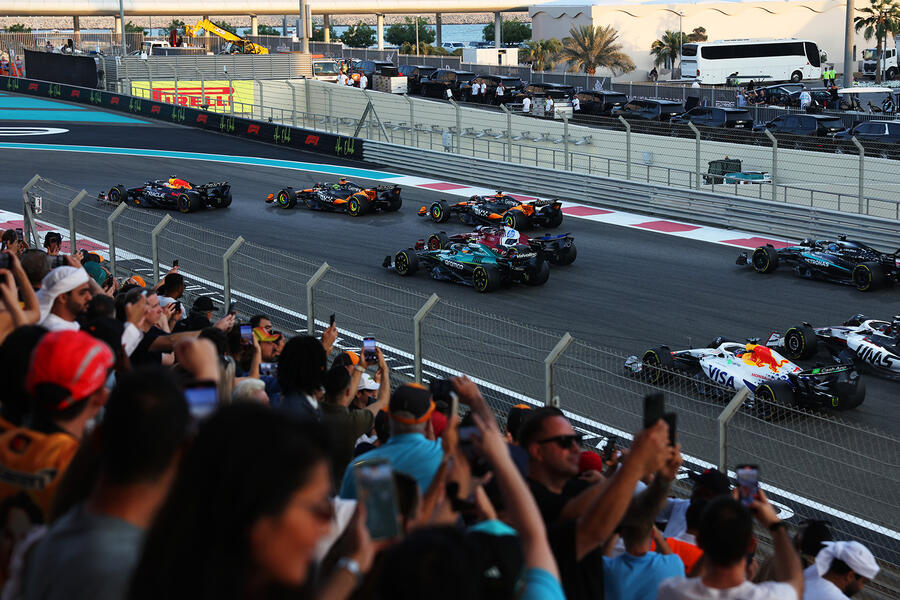
Formula 1
Two points: that’s how close Max Verstappen came to equalling Michael Schumacher’s feat of winning five consecutive Formula 1 world championships, despite having fallen more than 100 points behind in the summer.
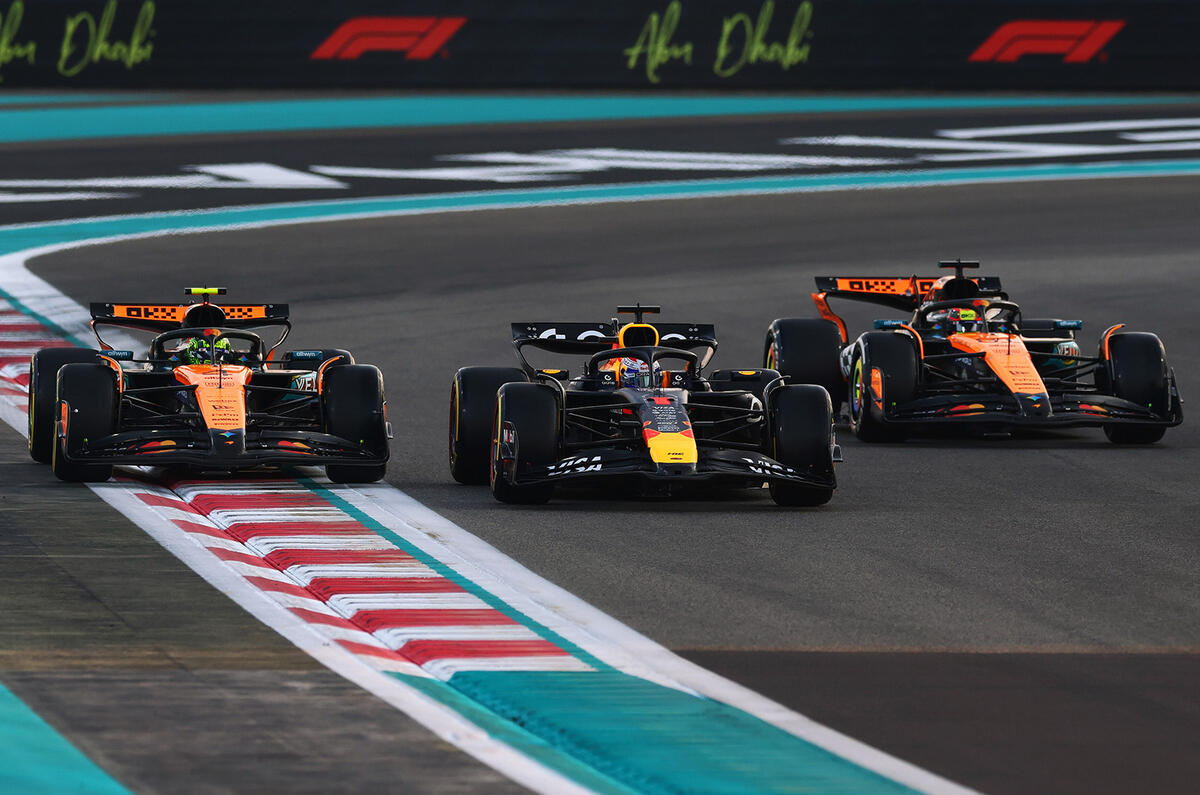
Instead, 26-year-old Lando Norris did just enough to become Britain’s 11th F1 king and McLaren’s first since Lewis Hamilton in 2008.
A tactical and cool-headed third place in the Abu Dhabi finale sealed the deal as Red Bull’s man charged to his eighth win of the season – one more than both Norris and his team-mate Oscar Piastri – and third in as many weeks.
In the MCL39, Norris had the fastest F1 car of the season, as highlighted by how comfortably McLaren cantered to a second consecutive constructors’ crown. But still there was nothing easy about this title triumph. Norris faced not only one of the greatest drivers in history in Verstappen but also a steely internal threat from Piastri, who was by far the better driver through the first half of the season.
As Norris reflected in the wake of securing his crown, he had been forced to overcome doubts in his self-belief in those opening months of the campaign. But having driven into his team-mate in Canada and then endured a devastating mechanical retirement in the Netherlands, he showed his mental resilience to work his way back into the hunt. Norris made up the 34-point deficit that had opened up to Piastri, who conversely endured a poor run of results through the autumn. Victory in Mexico edged him back ahead in the points, and from there he never looked back. Well, not at Piastri, at any rate.
Verstappen’s rallying charge in the second half of the year entirely transformed the season’s complexion. Winning titles in the best car is all very well, but we see the best from true greats in moments of adversity, and so it was in this case. Mid-season, speculation swirled that he might leave for Mercedes-AMG in 2026 amid continuing acrimony at Red Bull. The departure of team principal Christian Horner just after the British GP, with Racing Bulls’ Laurent Mekies transferring to the senior squad, settled the storm as Milton Keynes’ engineers got a handle on the Honda-powered RB21 – and Verstappen did the rest. His six wins from the last nine GPs injected fresh energy into the season’s run-in.
Behind the title battle, the biggest disappointment had to be Lewis Hamilton’s struggles at Ferrari. An early sprint race pole and win in China proved a red herring as the seven-time champion toiled in frustration. It was sad to see him reduced to an F1 also-ran.

World Rally Championship
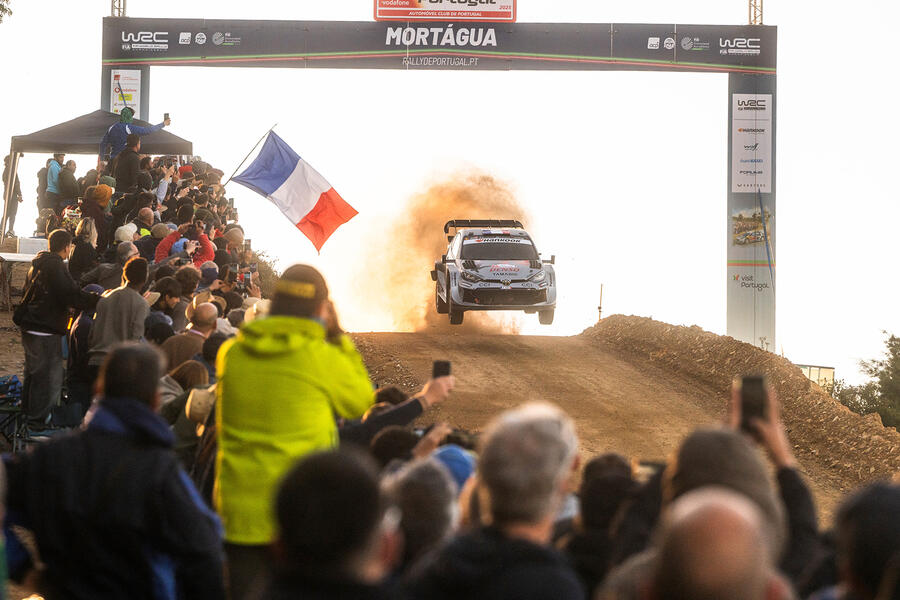
Two wins from the first three rallies of the campaign? That’s a world champion’s form. Sadly, Elfyn Evans never won again after tasting champagne in Rally Sweden in February and Kenya in March, and his once handsome points lead dwindled through the summer.
Part-time Toyota Gazoo team-mate Sébastien Ogier had won his 10th Monte Carlo Rally at the season opener but then as planned missed both Sweden and Kenya. So Evans had a buffer of 55 points over Ogier after the Safari Rally, and with the eight-time champion insistent that family time came before chasing a record-equalling ninth title, most would have pointed at Kalle Rovanperä as the Welshman’s biggest threat.
Instead, 41-year-old Ogier once again showed why he’s revered as one of the all-time greats. In total he won six times and eventually committed to chasing the crown, which he secured on the inaugural Saudi Arabian season finale with a fighting third place. Evans had still led the standings coming in but ended up four points adrift. The bridesmaid for a fifth time. Ouch.
As for Rovanperä, he won three rallies but seemed distracted. Indeed, the Finn shocked the WRC by announcing he’s quitting to take a crack at becoming a single-seater racer, starting in Japan’s Super Formula series. A huge loss.

World Endurance Championship
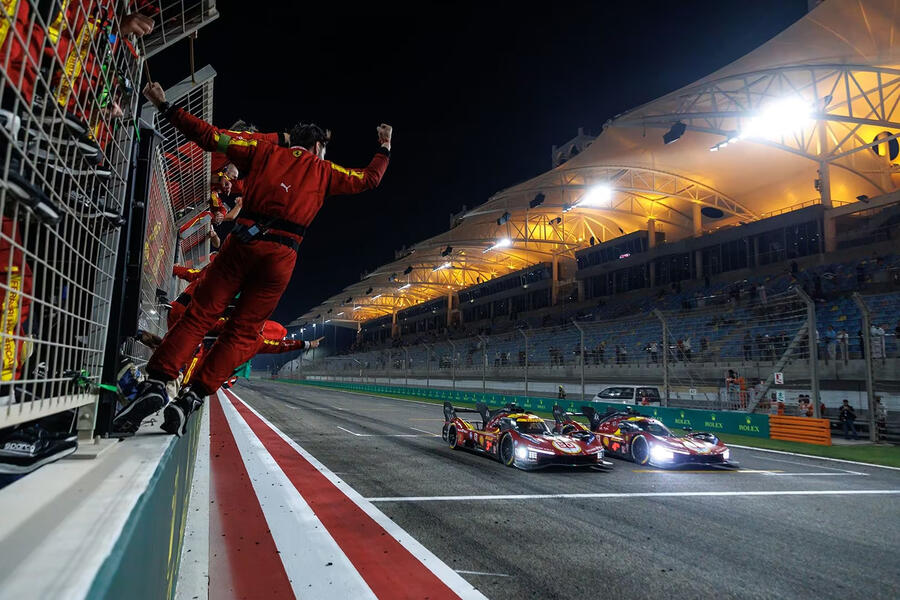
Ferrari completed a hat-trick of Le Mans 24 Hours victories and secured its first world titles at this level since 1972 – so at least in sports cars (and in stark contrast to F1), job done.
Yet after a four-race unbeaten streak, including at the biggest of the year in June, its trio of 499Ps never won again in the second half of the season. Was that down to the competitive level in the Hypercar class, which featured eight major motor manufacturers, or a consequence of tweaks in the Balance of Performance, the means by which cars of differing specification are equalised? You never quite know in the WEC.
Britain’s James Calado, driving as always with Italians Alessandro Pier Guidi and Antonio Giovinazzi, claimed a world championship to go with his 2023 Le Mans win. But at the 24 Hours, Robert Kubica stole the limelight to complete a remarkable redemption story 14 years after he nearly lost his right arm in a terrible rally accident. The Pole shared his victory with young Briton Phil Hanson and China’s first Le Mans winner, Yifei Ye, in the yellow AF Corse 499P – which is officially a customer entry, even if it’s run out of the same team that’s responsible for the factory cars.
Cadillac, Porsche, Alpine and Toyota also scored WEC race wins in 2025, while the new V12-powered Aston Martin Valkyrie was a podium threat by season’s end.

British Touring Car Championship
The two best drivers in the UK’s top motor racing series went head to head across another frenetic season of the British Touring Car Championship.
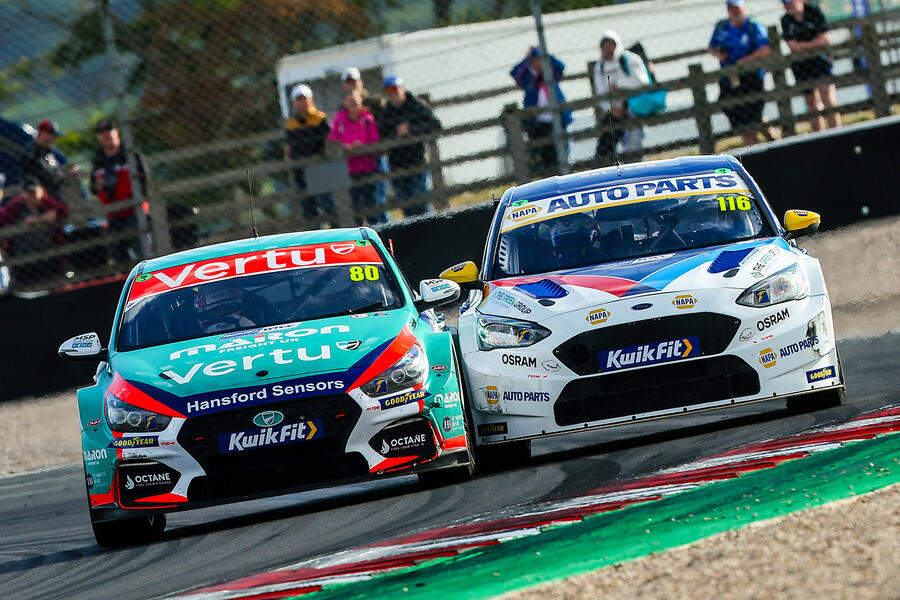
Ash Sutton in Alliance Racing’s Ford Focus ST did all he could to claim a record fifth title, but in reality he was always straining to keep Tom Ingram’s Excelr8 Hyundai i30 N Fastback within range. Ingram fully deserved a second crown to add to his first from 2022 and wrapped up the title with a round to spare via a convincing race-two victory at Brands Hatch.
Comparisons across eras are a folly in most sporting arenas, but most BTCC insiders agree that Ingram and Sutton rank alongside the country’s best tin-top aces from any decade – including the star-studded Super Touring 1990s. Yet, pleasingly, there’s also a depth of talent fighting to join them at the top, as evidenced by 11 other race winners during the 2025 season.
Sutton’s team-mate Dan Cammish edged out reigning champion Jake Hill and fellow Alliance Ford racer Dan Rowbottom for best-of-the-rest honours, the trio all winning three races each.
Going from first to fourth was tough on Hill, who suffered a largely disappointing year in WSR’s BMW 330i – and what turned out to be his last in the BTCC, as he shifts his attention to a future in GT and sports car racing.
There were heart-warming returns to form for a couple of BTCC veterans. Tom Chilton, 40, won twice as Ingram’s Excelr8 team-mate, while Gordon Shedden, 46, scored a calm-headed first BTCC win since 2022 in a wet reverse-grid race at Oulton Park as the three-time champion launched a comeback in his Toyota Corolla.
Meanwhile, a new generation of tin-toppers broke through, including Charles Rainford, Daryl DeLeon and Mikey Doble. But can any of them take the fight to Ingram and Sutton across a full season in 2026? On the evidence of the one just past, the BTCC’s star acts still appear to be head and shoulders clear of the rest.

Formula E
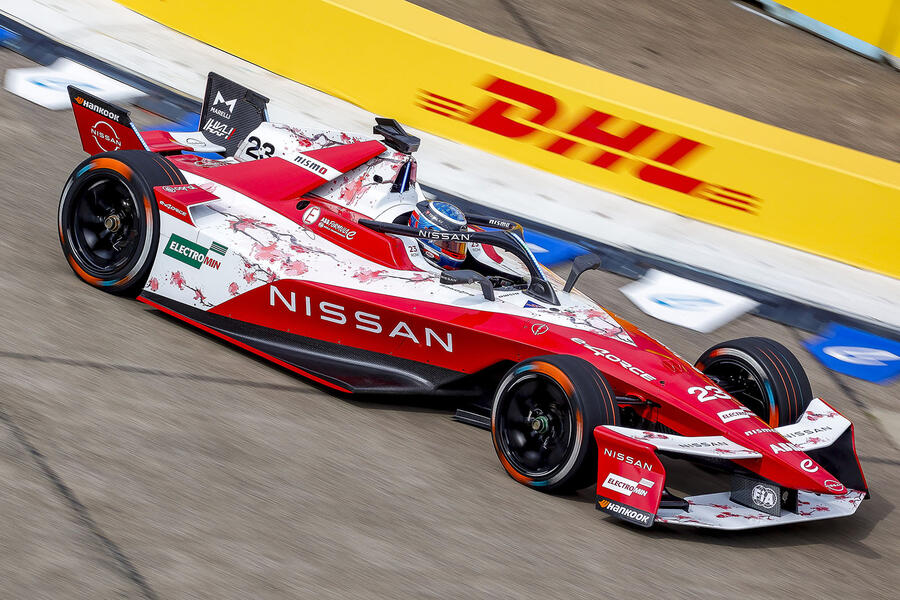
Once considered among Britain’s best Formula 1 prospects, Oliver Rowland never made it onto a grand prix grid. But his subsequent decision to focus on Formula E finally paid off in spades in 2025, as he scooped a world championship with two races to spare in his seventh full season in the electric-powered single-seater series.
The 33-year-old won four times and scored three second places in the first nine races, a run of consistent form that led to rare domination in one of the world’s most competitive racing categories. Thus Nissan’s faith was justified: it had re-signed Rowland for 2024, having run him for three seasons in its previous e.Dams guise and after his two unhappy years at Mahindra.
The title was won in typical Rowland fashion at the Berlin double-header: through a fighting fourth place in the Sunday round after he had embarrassed himself with a clumsy clash with Stoffel Vandoorne’s Maserati on Saturday.
That made the season finale in London a dead rubber in terms of the drivers’ title, although Porsche sealed both the teams’ and manufacturers’ crowns at the Excel centre.

American racing
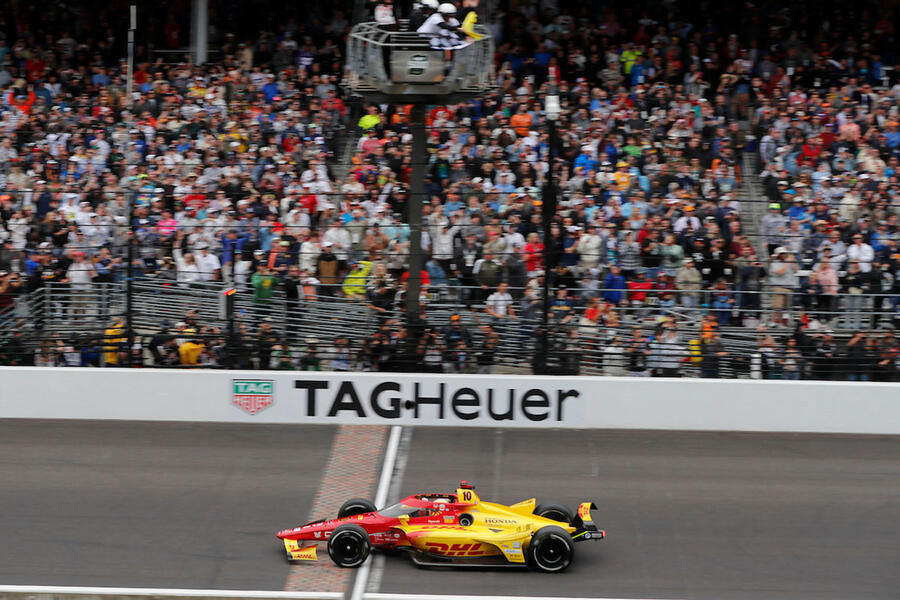
He won an incredible fourth title in just six years of Indycar racing, but what really made Álex Palou’s 2025 memorable was finally nailing the race that has always counted for so much more than US single-seater racing’s premier championship: the Indianapolis 500.
The last driver to win both Indy and the series title in the same year was Dario Franchitti, back in 2010. No Indycar career is complete without a victory at the Brickyard, and now that he has drunk the traditional quart of milk, Palou has little else to prove at this level.
The Indy win was his fifth from the first six rounds – and even then he had finished second in the one that escaped him at Long Beach. There was never any doubt that Chip Ganassi Racing’s Spanish maestro would be champion again.
Penske-run Porsche achieved far greater success in the IMSA Sportscar Championship than it managed in the WEC, and while it has pulled the plug on its world campaign, it will remain a force in the American arena next year.
Nick Tandy made history by completing a unique grand slam of the world’s most prominent 24-hours races, adding victory at Daytona to his ‘majors’ at Le Mans, Spa and the Nürburgring. But the Briton and his regular team-mate Felipe Nasr missed out on the IMSA title, which went instead to the drivers in the sister Porsche 963, Mathieu Jaminet and Matt Campbell.
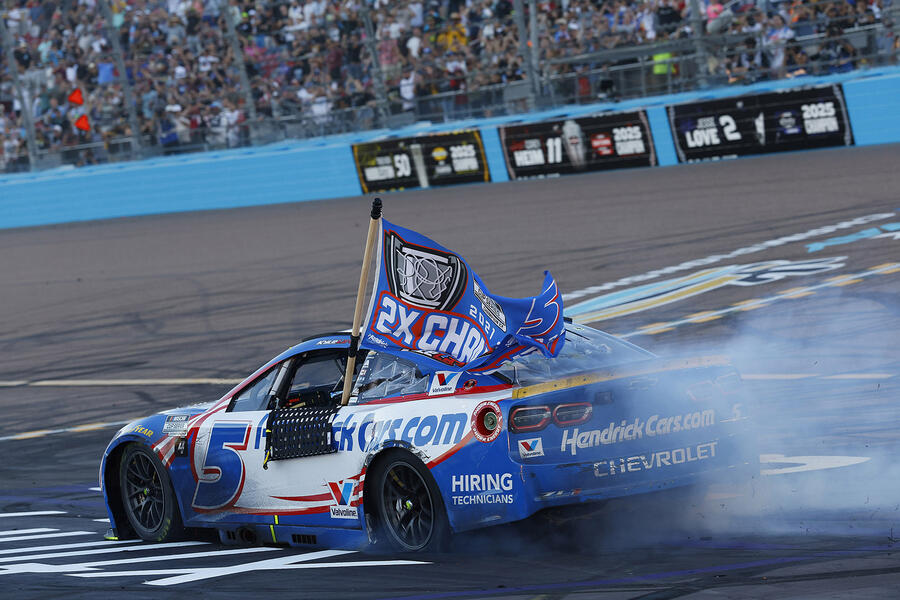
Nascar continued to tie itself in knots with its daft elimination Playoff system. A late caution triggered by William Byron hitting the wall at the Phoenix finale allowed Hendricks Chevrolet driver Kyle Larson to claim his second Cup title without leading a lap, snatching it away with a third-place finish from the deserving, plain unlucky and still Cup-less Denny Hamlin. Larson hadn’t won a round since Kansas in May.


Add your comment