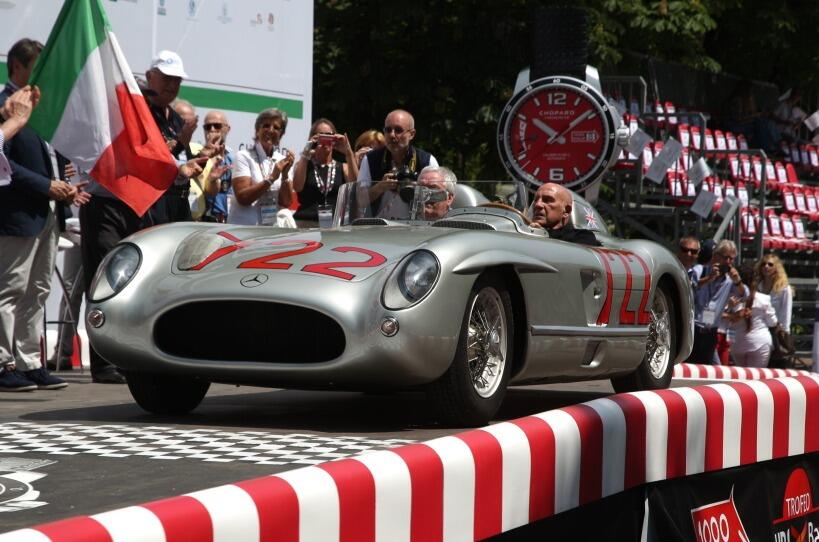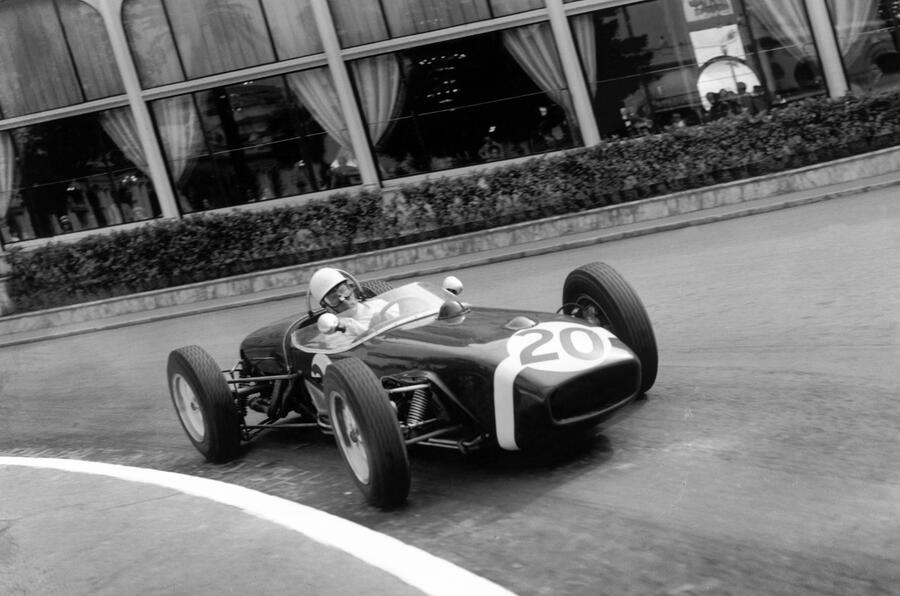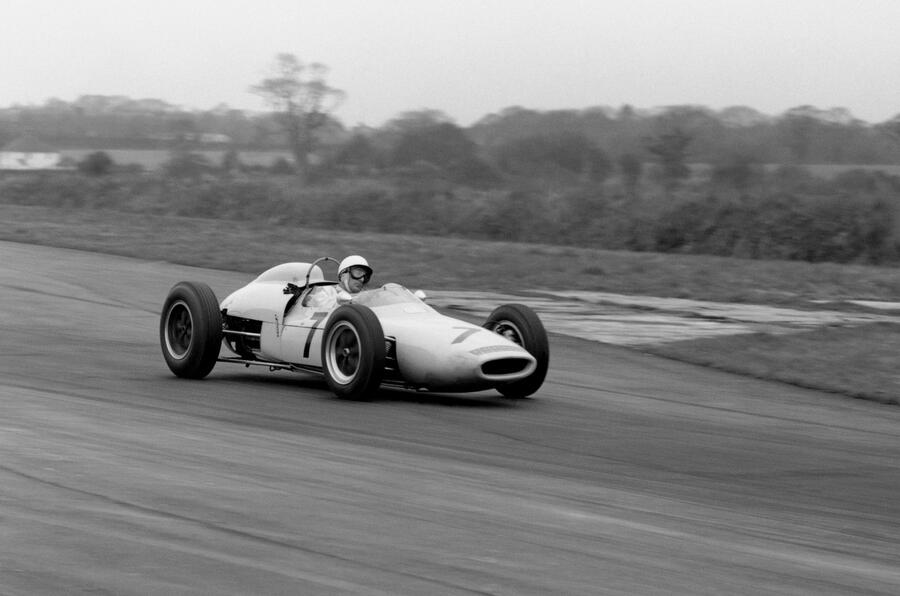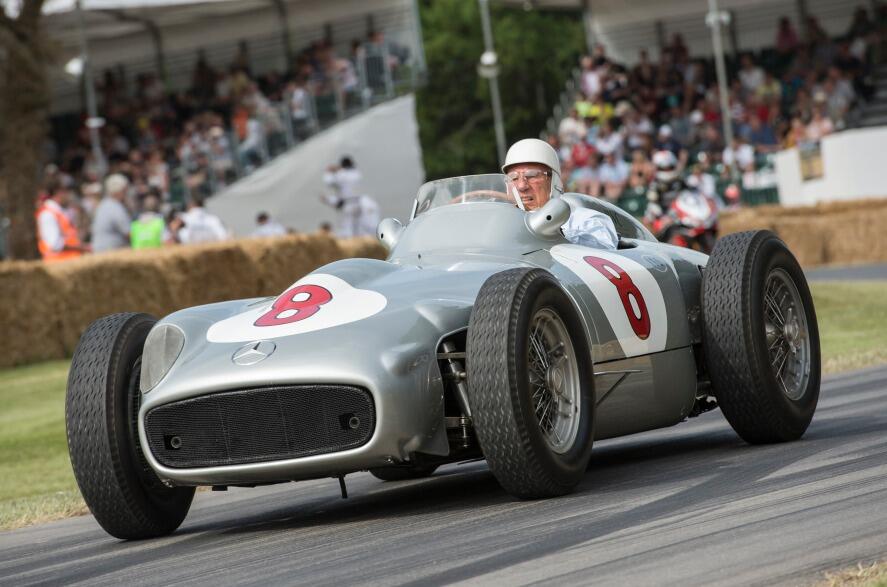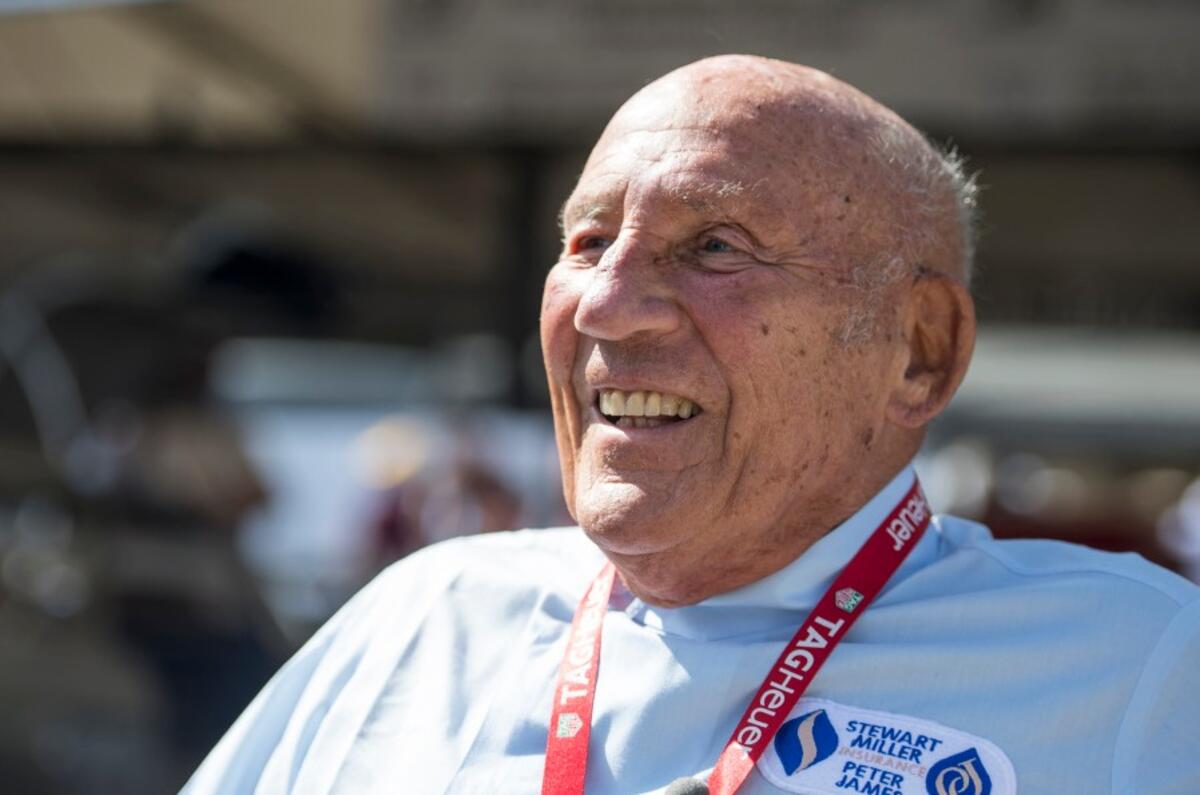
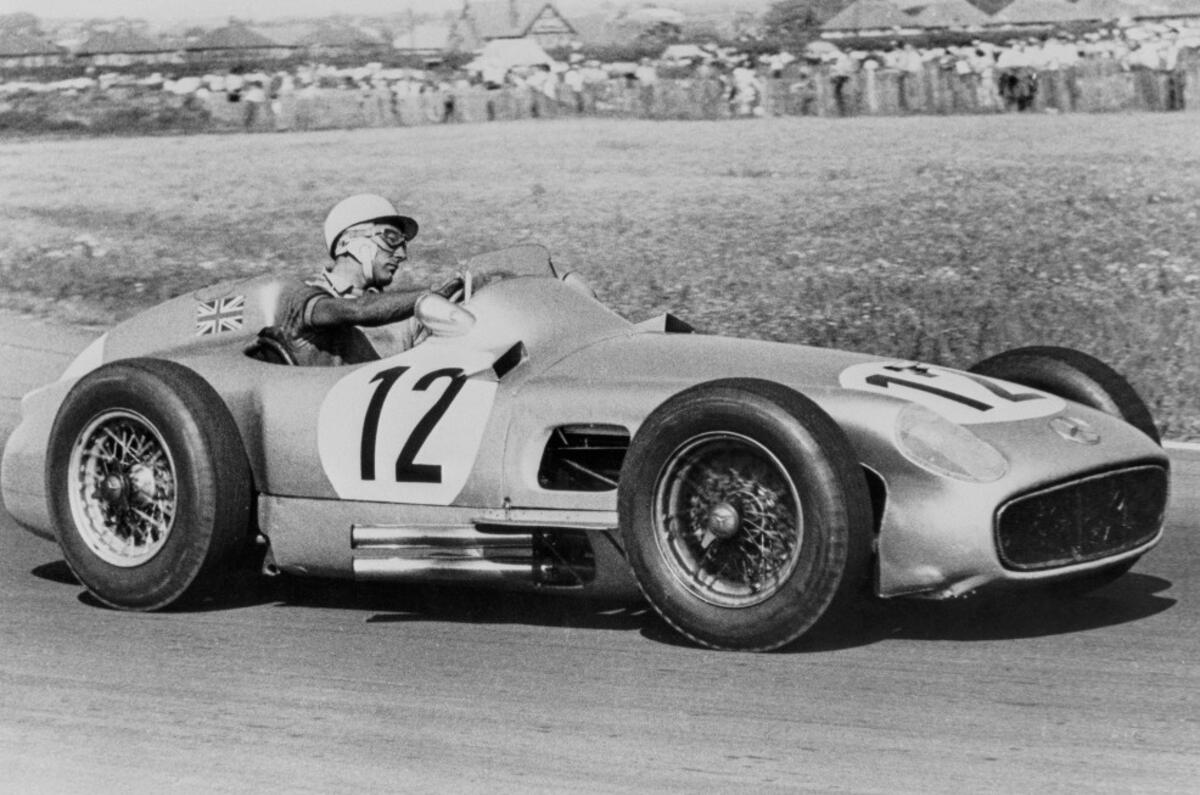
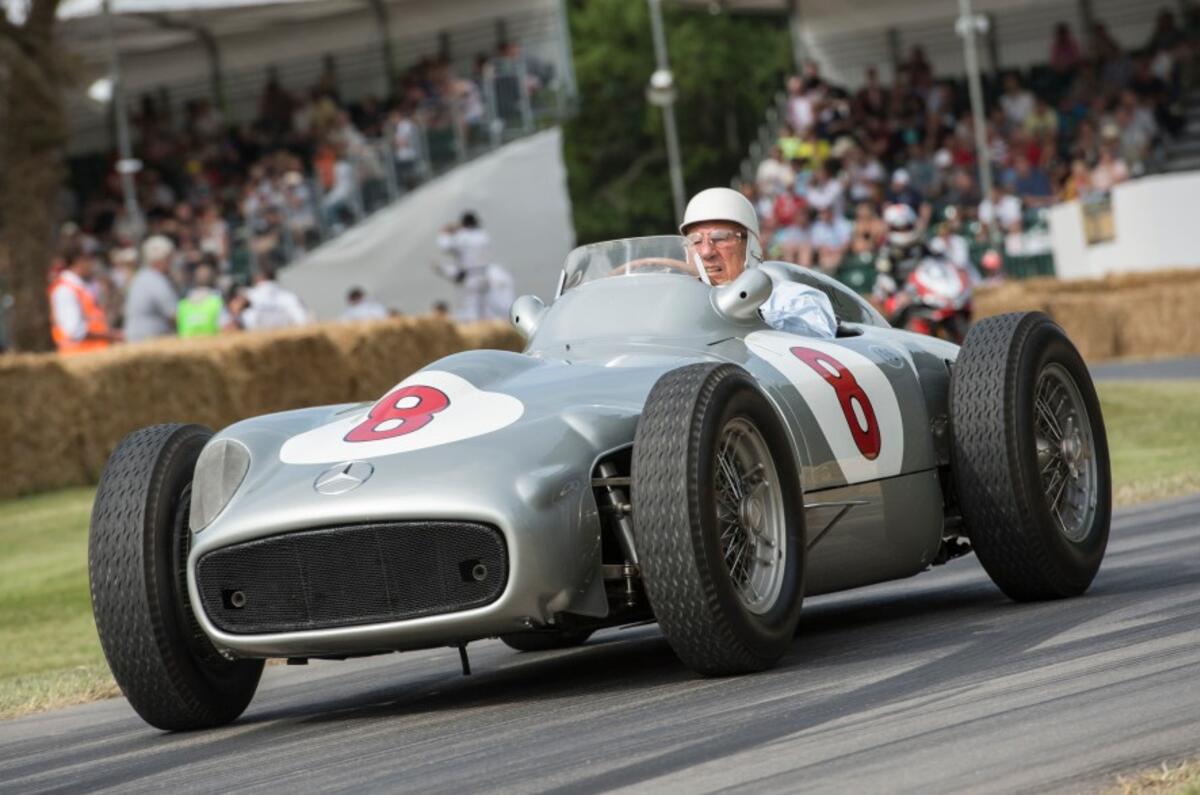





Sir Stirling Moss, who died peacefully at 90 in London on Easter Sunday after a long illness, always acknowledged the importance to his racing career of his unusual name, believing it brought him attention as a young driver, over and above the sensation created by his instant, 19-year-old brilliance behind the wheel.
To the end of his life, Moss, who beyond racing was an astute money manager and property developer, would protest that “all I’ve got’s my name, old boy”, especially if discussion ever turned to the scandalous cost of living these days, as it often did when compensation for his frequent public appearances was being discussed.
Sir Stirling Moss: tributes to a motorsport legend
He’d go on to explain how his mother (who drove a Singer Nine on hillclimbs in her youth) had wanted to call him Hamish, but his father (a Berkshire dentist and amateur racer who finished 16th in the 1924 Indy 500) had insisted on Stirling, a stroke of luck according to its owner.
Moss was always soft-spoken, patriotic and modest, but he was also aware from the first how much being in the public eye could aid a career. In that sense he was much more professional than many peers. He became enormously popular almost as soon as he started racing (first in his father’s BMW 328; soon in one of Cooper’s earliest 500cc single-seaters) and kept his public connection right to the end of his days, mainly because people knew and approved of his lifelong love of racing and because they knew perfectly well that many of his best wins were scored cars that weren’t the fastest on the grid.
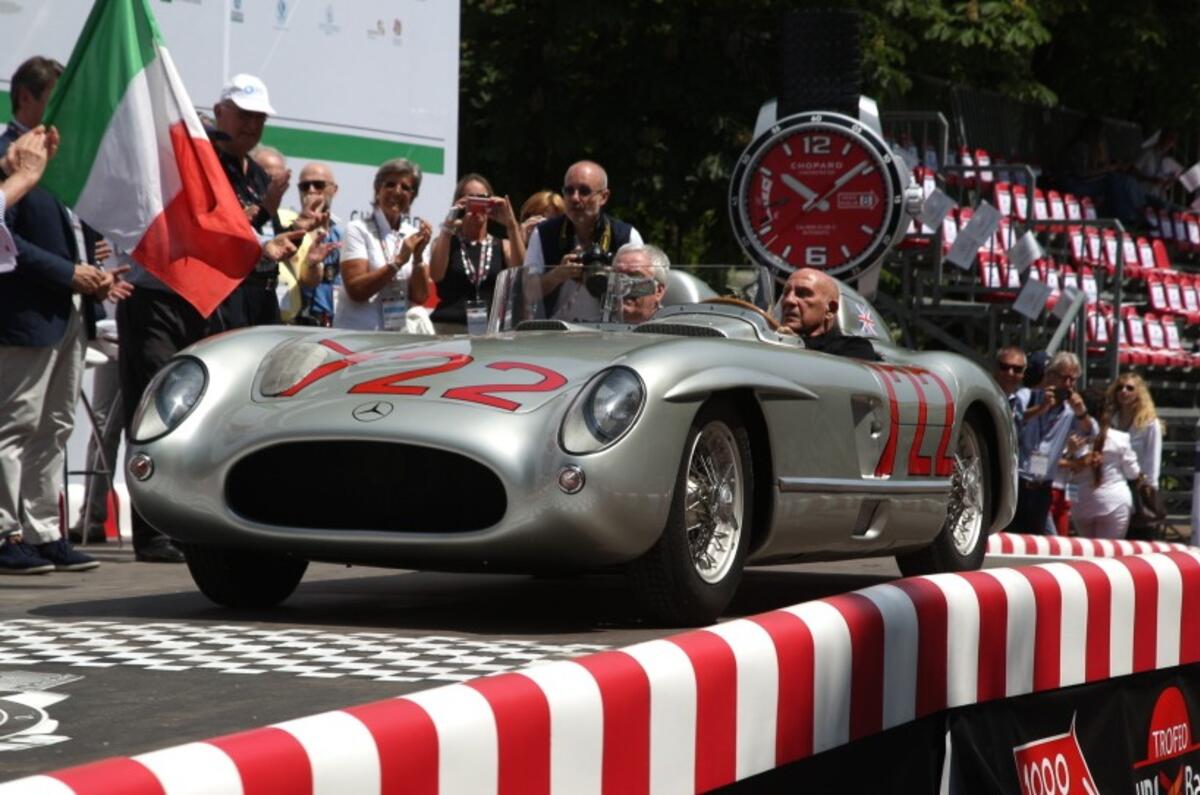
In man-in-the-street terms Moss was arguably Britain’s most famous racing driver of all time. When he had his career-ending accident at Goodwood in 1962 and was in a coma for a month, London’s Evening Standard ran bulletins on its front page to inform the anxious public of his condition. And anyone who saw him a couple of years ago at the Goodwood Festival of Speed, sitting on a shooting stick outside the Driver’s Club, mobbed by well-wishers and admirers while younger champions walked by unnoticed, would have known that the common connection was never broken.
At the same meeting, enterprising stall-holders were still doing great business selling T-shirts bearing the famous 1950s remark all traffic policemen were supposed to have used on speeding motorists: “Who do you think you are, Stirling Moss?”.
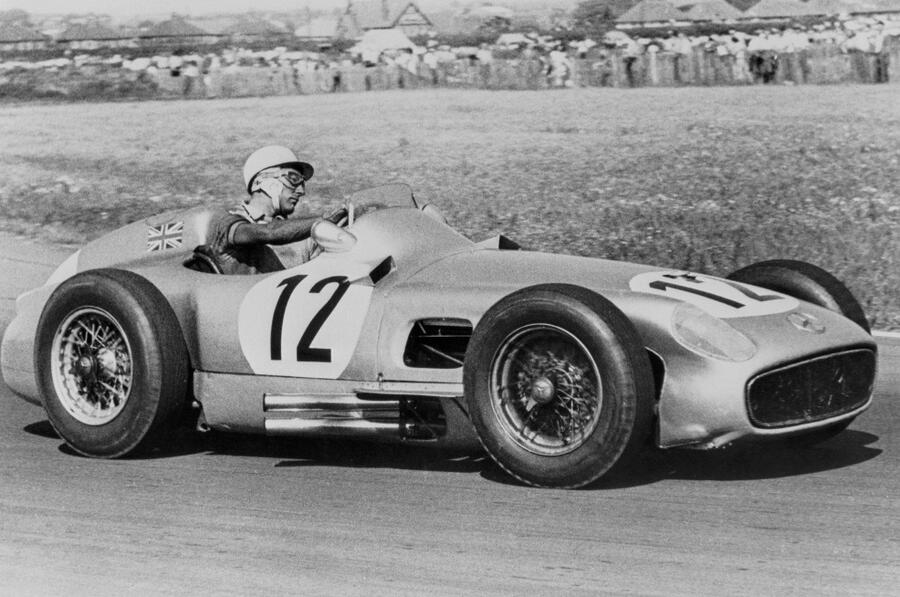
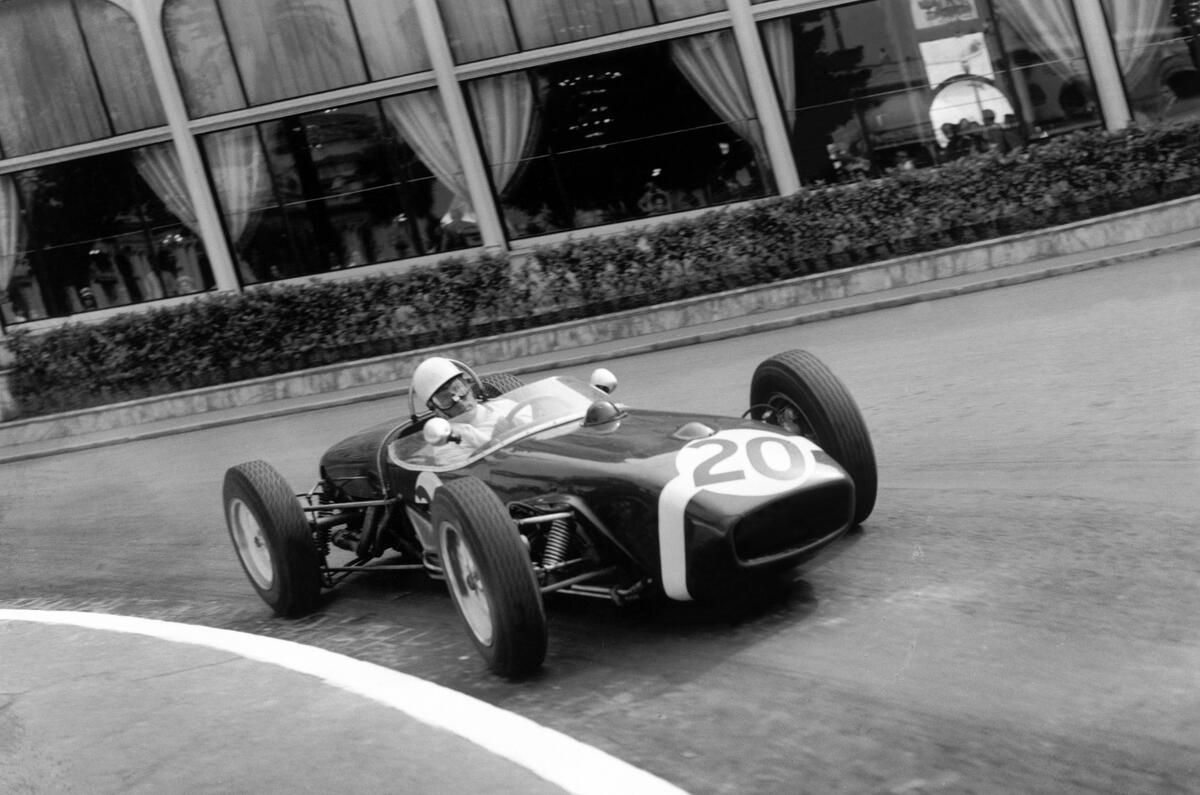
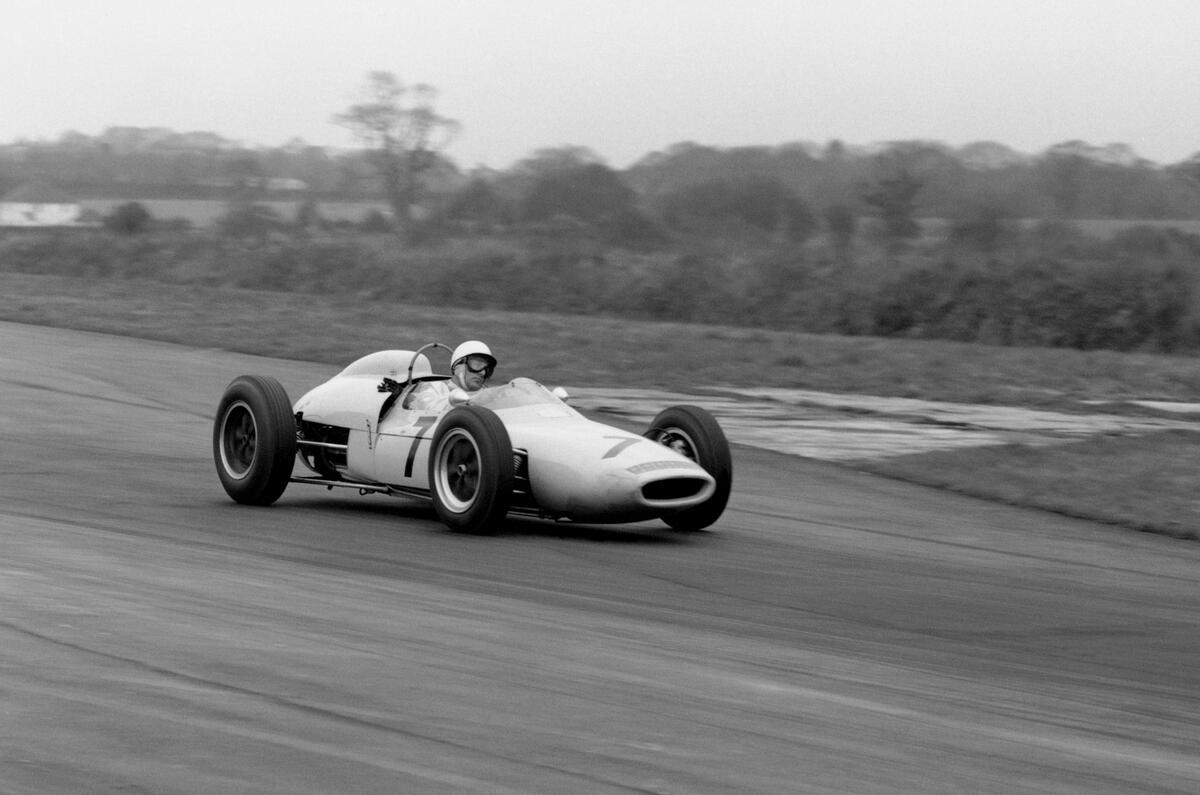
The headlines of Moss’s career have passed into legend: he was undoubtedly the greatest driver never to have won a Formula 1 world championship, losing by a point in 1958 because he sportingly argued against the disqualification of eventual world champion Mike Hawthorn from the Portuguese Grand Prix, a move that restored six points to Hawthorn’s score. It meant that Hawthorn became Britain’s first world champion. In seven years between 1955 and 1961, Moss was second in the world championship four times, and third in the rest.