





One of the tempting reasons for buying an electric vehicle is the prospect of lower running costs, because as everybody knows, EVs are efficient users of energy. But hang on a minute, who says? Are they really?
The change in terminology when comparing EVs to conventional combustion-engined cars, such as miles per kWh instead of MPG can be frankly bamboozling, so it’s no wonder the jury is still out on EVs for many drivers. And how do EVs measure up compared to other electrical appliances we use in our daily lives and what exactly is energy anyway?
What exactly is energy anyway?
Open a school textbook and it will say something like “energy is the capacity to do work.” Petrol, diesel, and electricity are all “energy carriers” because they all contain energy, which can be converted to another form of energy.

Where EVs are concerned, it’s that ability to convert as much of its electrical energy into the work that propels a car that decides how efficient it is. With petrol and diesel fuel, the same applies and it’s the same again for an electric kettle. How much of the energy a kettle consumes actually ends up in the water it boils?
Petrol vs electric
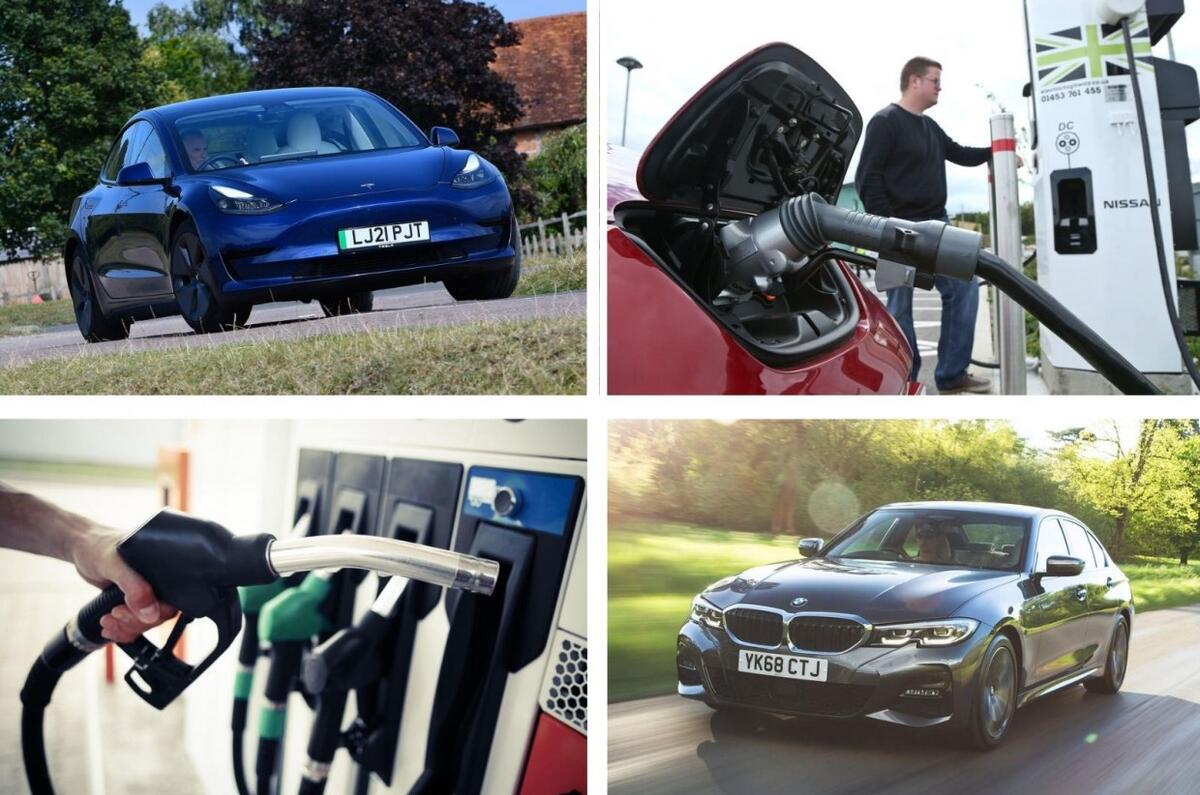
One thing that’s easy to deal with quickly is the efficiency comparison between EVs and conventional cars, because EVs in general are massively superior.
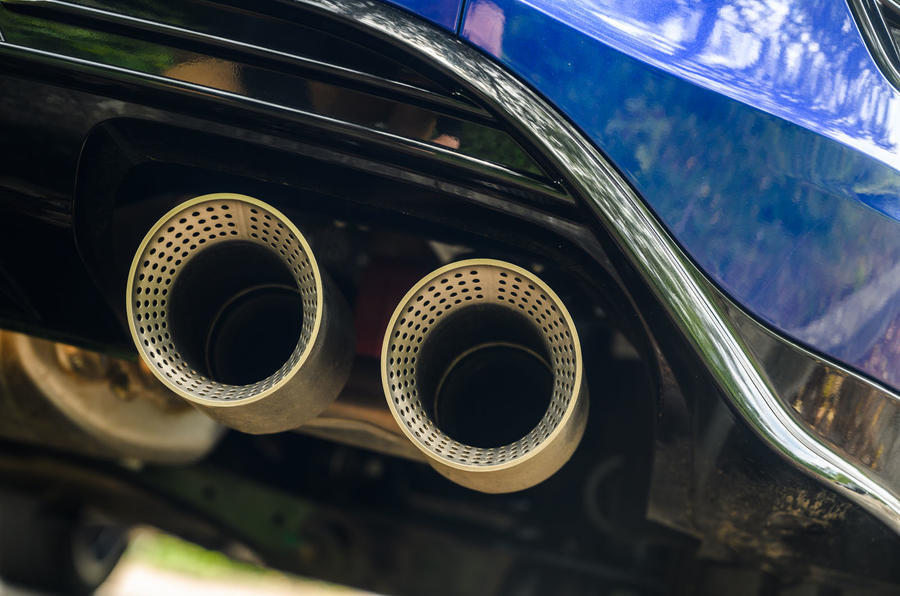
Combustion engines work by converting fuel into heat, the expanding gases powering the engine. More than half of that heat is wasted and even the very best petrol engine only converts around 40% of the energy in the fuel into work, which means 60% is destined to become waste heat. It’s a sobering thought that for every £10 spent on petrol or diesel, less than £5 is actually contributing to moving the car.
Subscribe to the Move Electric newsletter
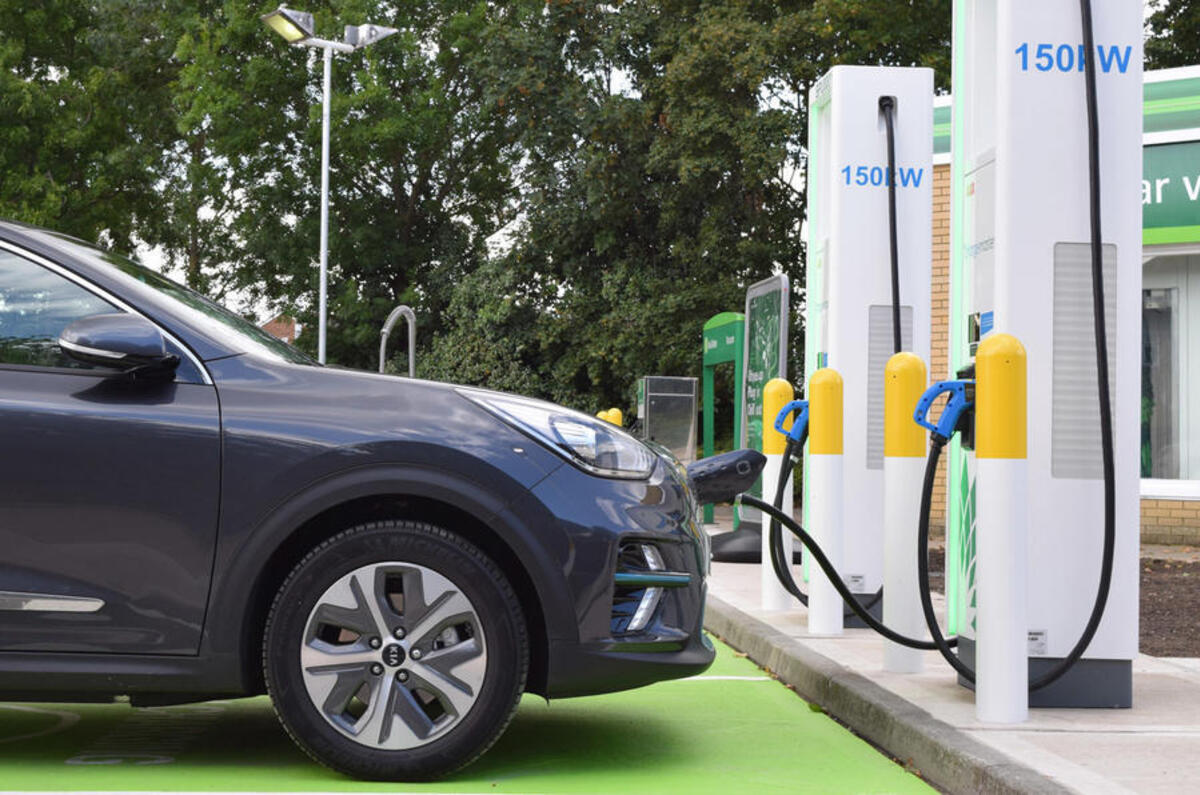
In contrast, an EV’s electric motor converts more than 90% of the electrical energy it consumes into useful work, so its efficiency is more than 90%. Add to that the fact that the electric motor can recover some of the energy it puts into moving the car by generating electricity as it slows, and the efficiency improves still further.
The “gasoline gallon equivalent” (GGE) formula devised by the US National Institute of Standards and Technology in 1994 was designed to compare the energy in petrol with alternative fuels, and it’s a useful way of illustrating the huge gap in efficiency between combustion engines and electric drives.