




















It doesn’t seem that long ago that Mercedes SUVs came in two sizes: modest, as anyone might reasonably rate three generations of the M-Class, and massive, as anyone outside of the US would call the blimpish GL.
You could have a G-Wagen, too, of course, although no one did, because it was like buying a Land Rover Defender in Wehrmacht fancy dress. Mercedes also built something called the GLK, but you couldn’t have that in the UK, because converting it to right-hand drive was apparently too much of a bother.
Consequently, despite being in the business of turning out the kind of cars people suddenly want since the late 1990s, Mercedes, in the UK at least, has not previously made the waves it might have done.
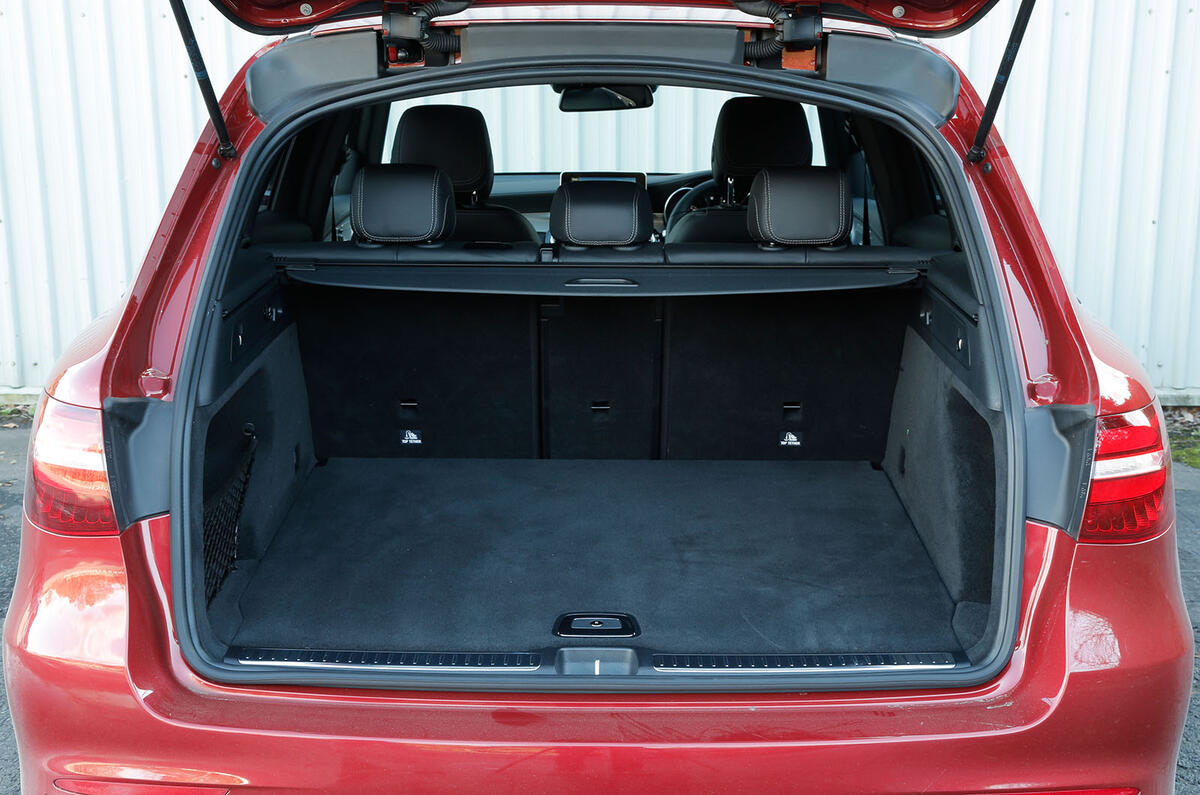
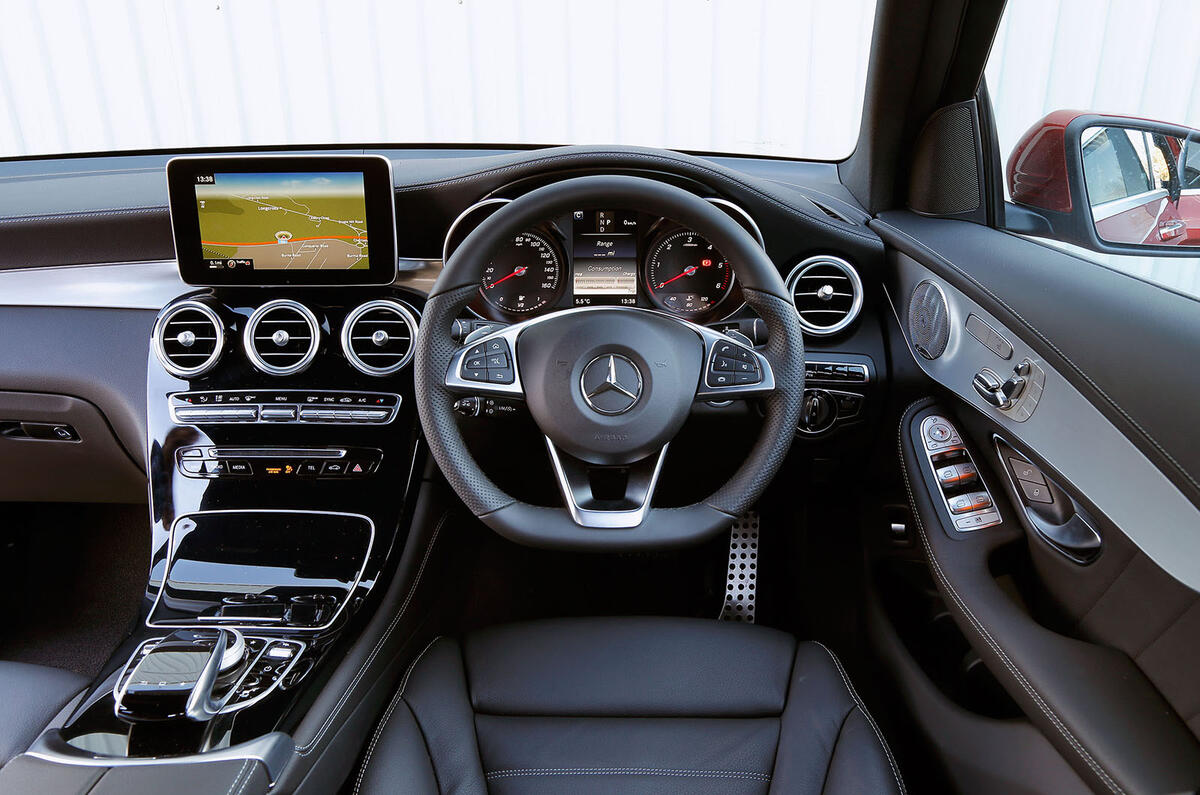
We put the Mercedes-Benz GLC crossover through its paces in our full review
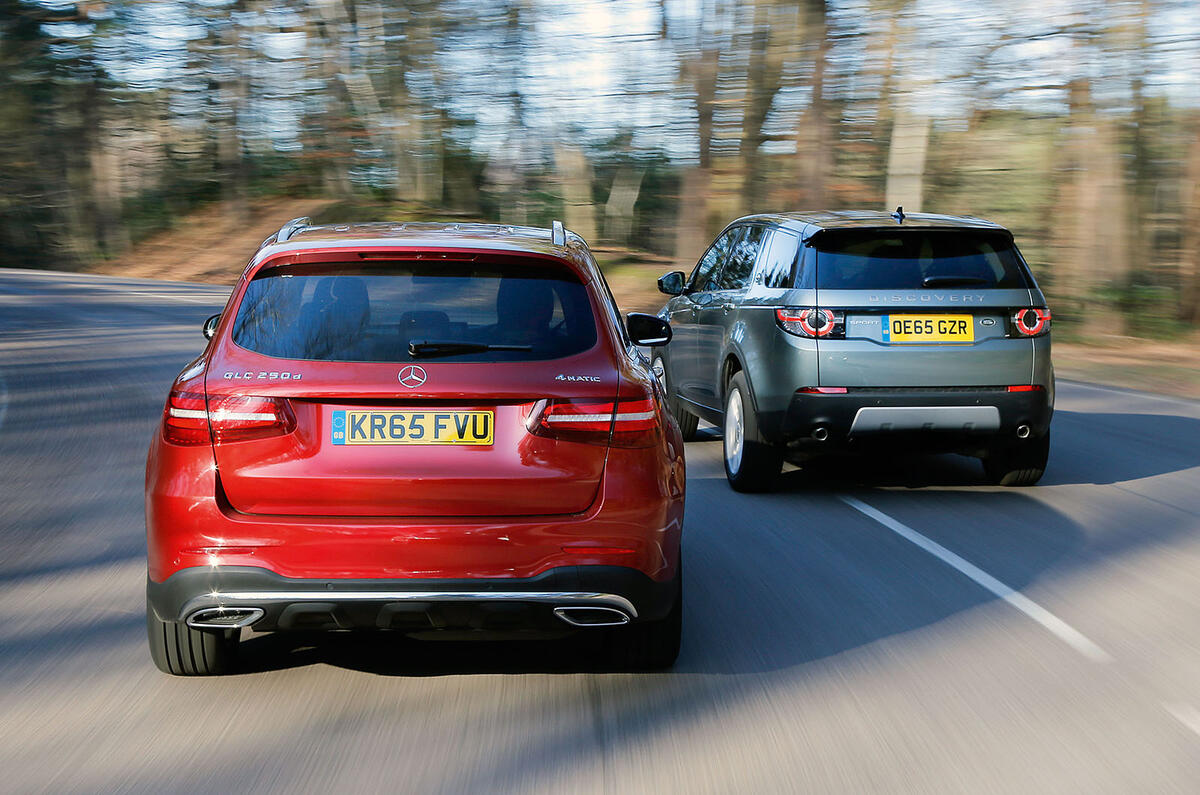
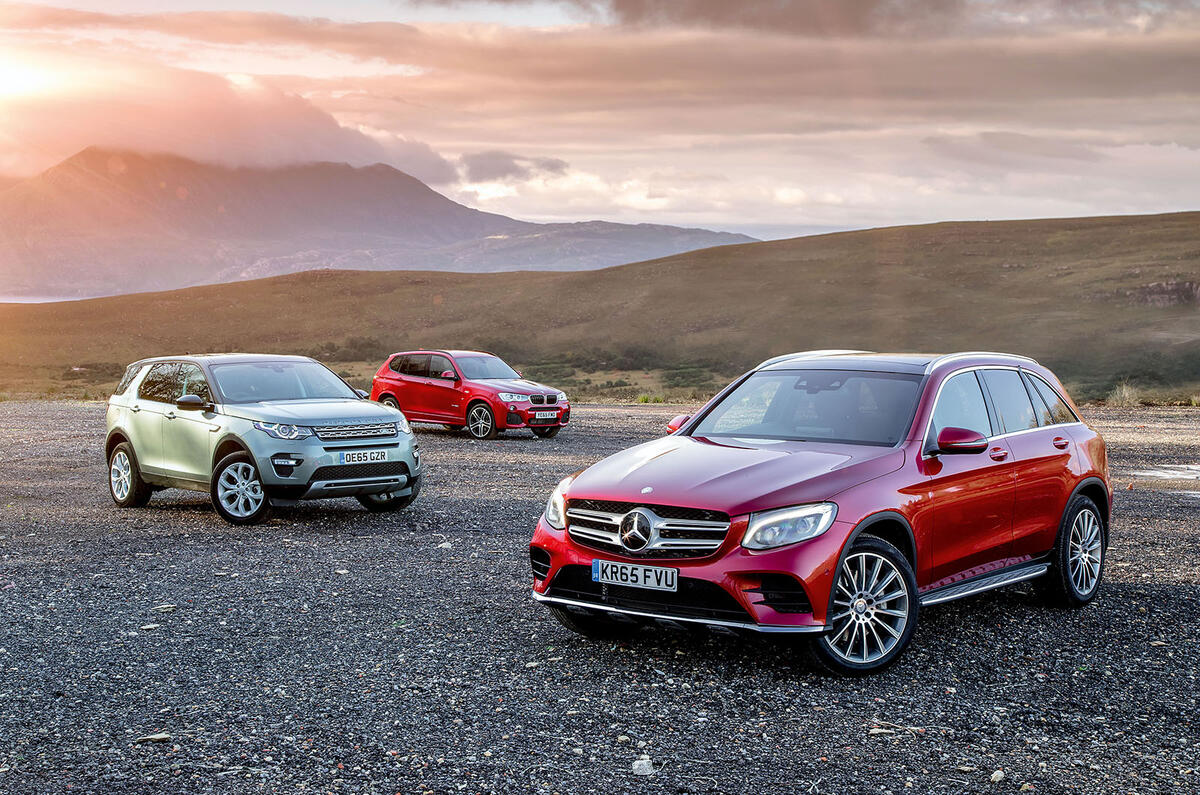
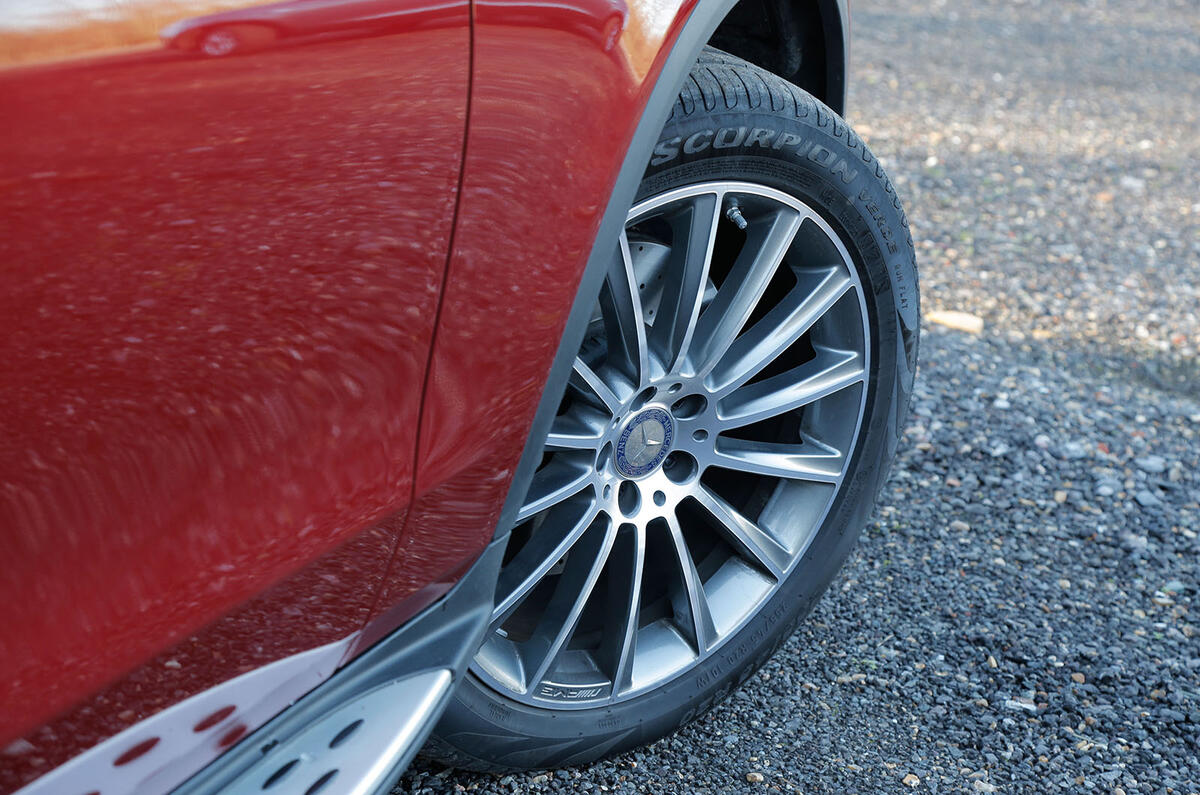
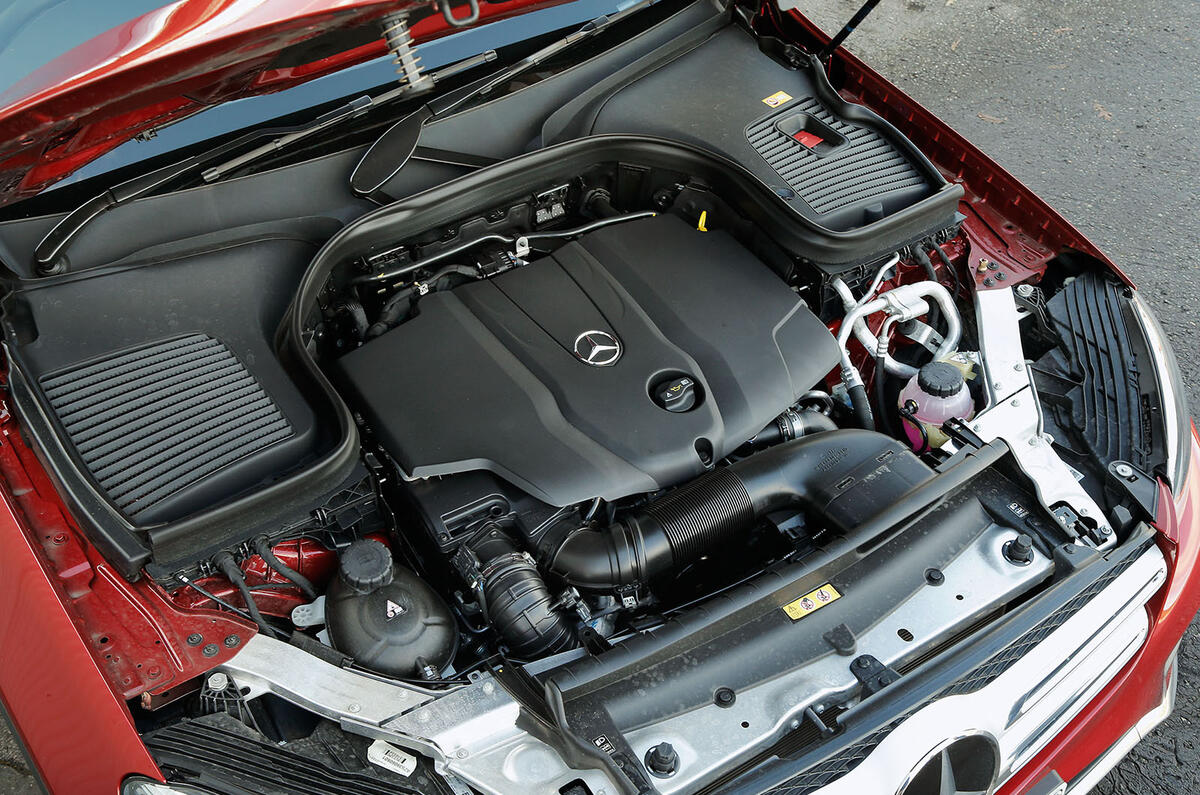
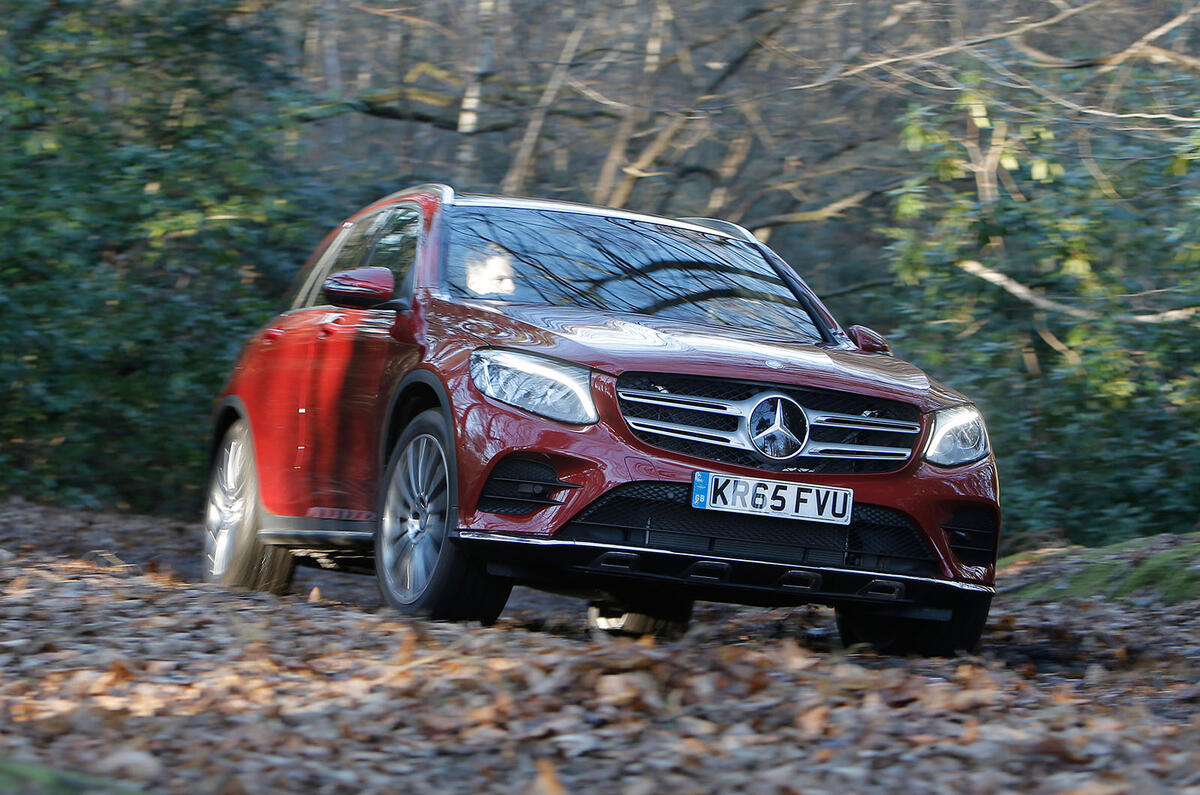
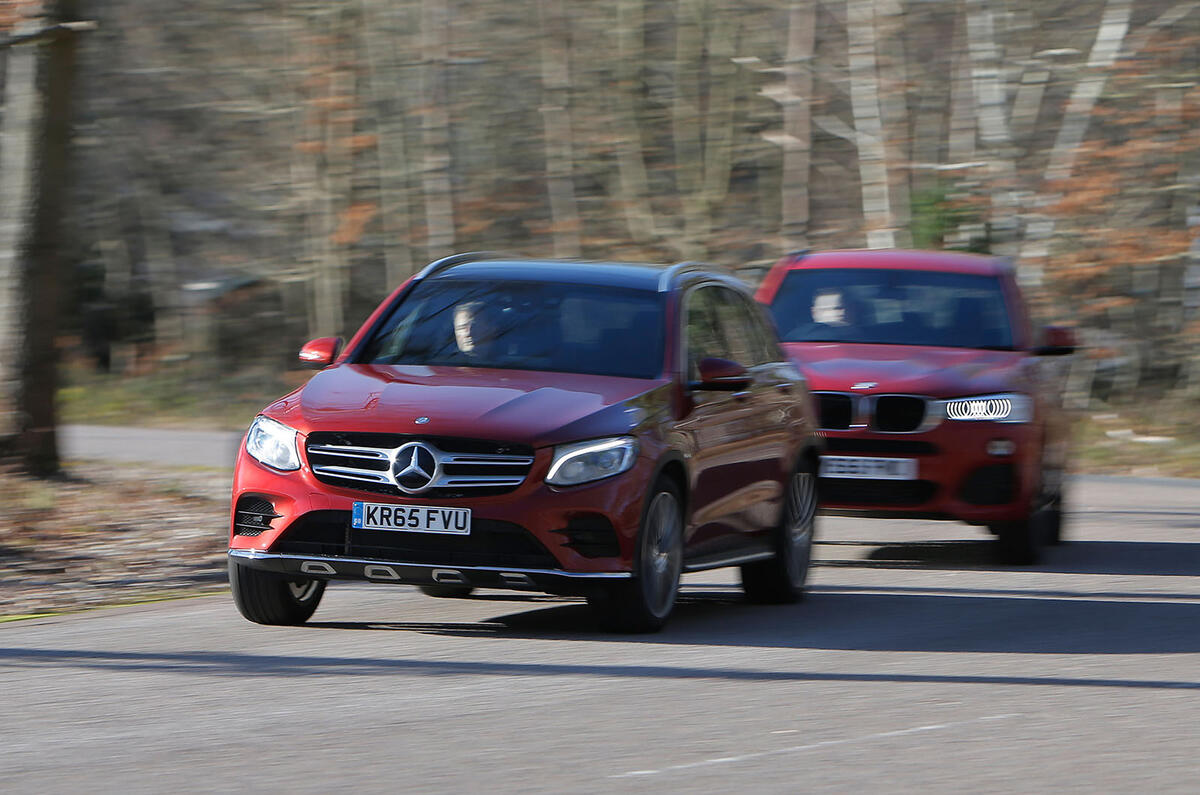
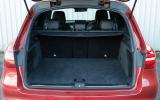
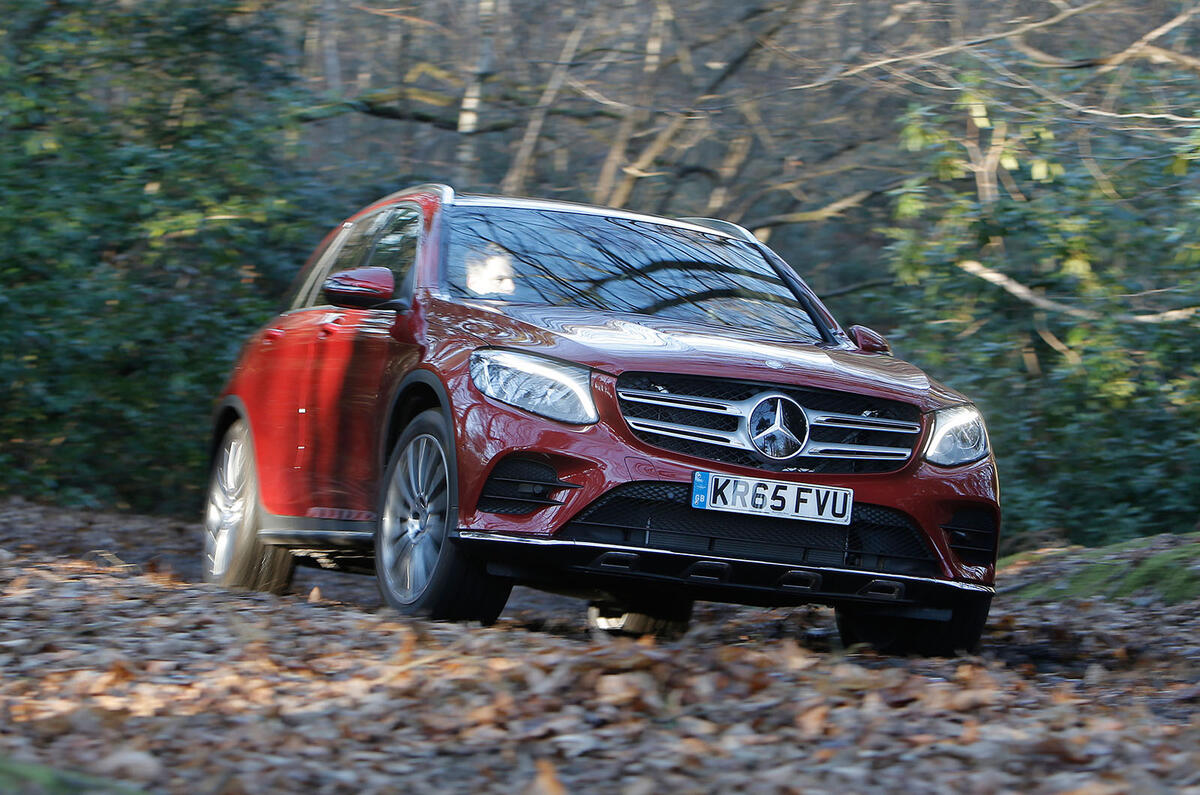
Since 2014, however, it has begun to emphatically fix that. With the launch of the compact Mercedes-Benz GLA, based on the A-Class’s architecture, the firm signalled to customers its intention to produce a crossover for every platform and attach a nameplate to suit. Thus we’ve had the Mercedes-Benz GLE (formerly the M-Class), very soon we’ll have the GLS (in place of the old GL) and between the lot, appropriately, there’s the focus of this test, the new Mercedes-Benz GLC.
This is the spiritual successor to the packaging blooper that was the GLK, so it represents something of an unknown quantity to British buyers.
Nevertheless, the underside (and therefore the general proportions) of the car ought to be well understood, because it rests on the Mercedes-Benz C-Class platform – albeit one slightly swollen in both length and width.
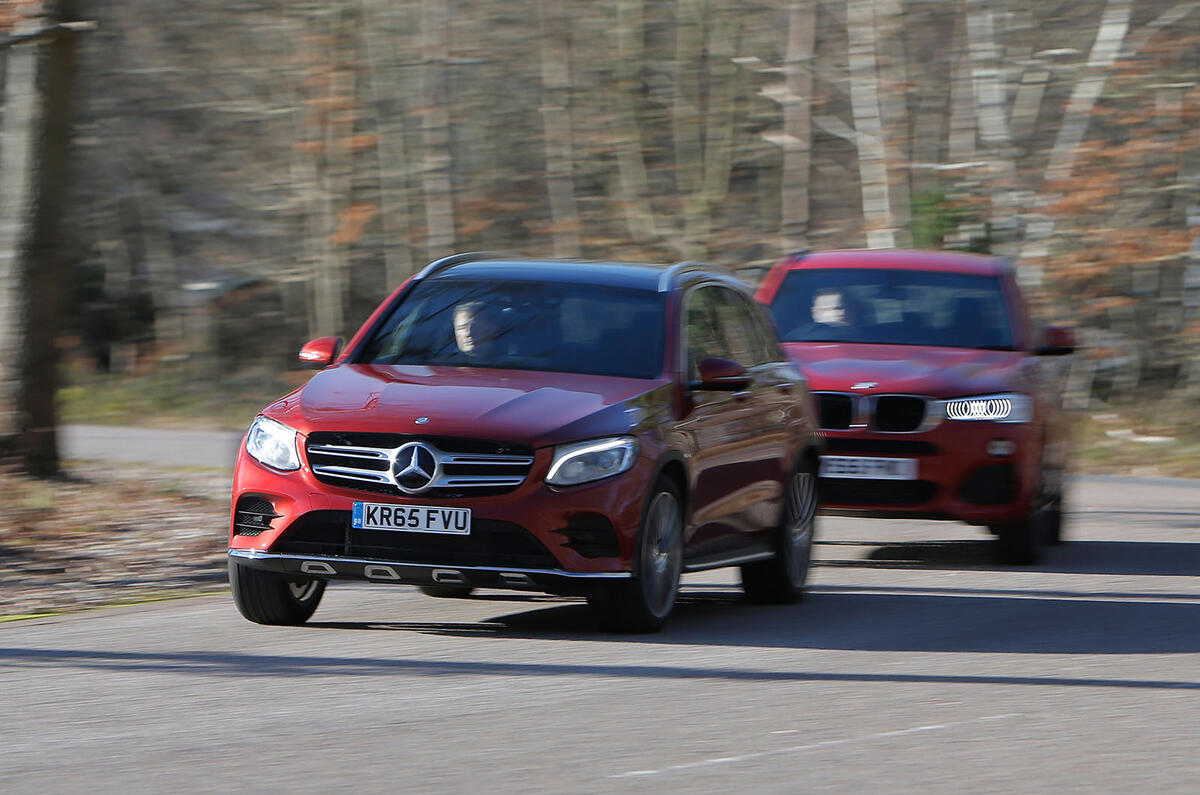
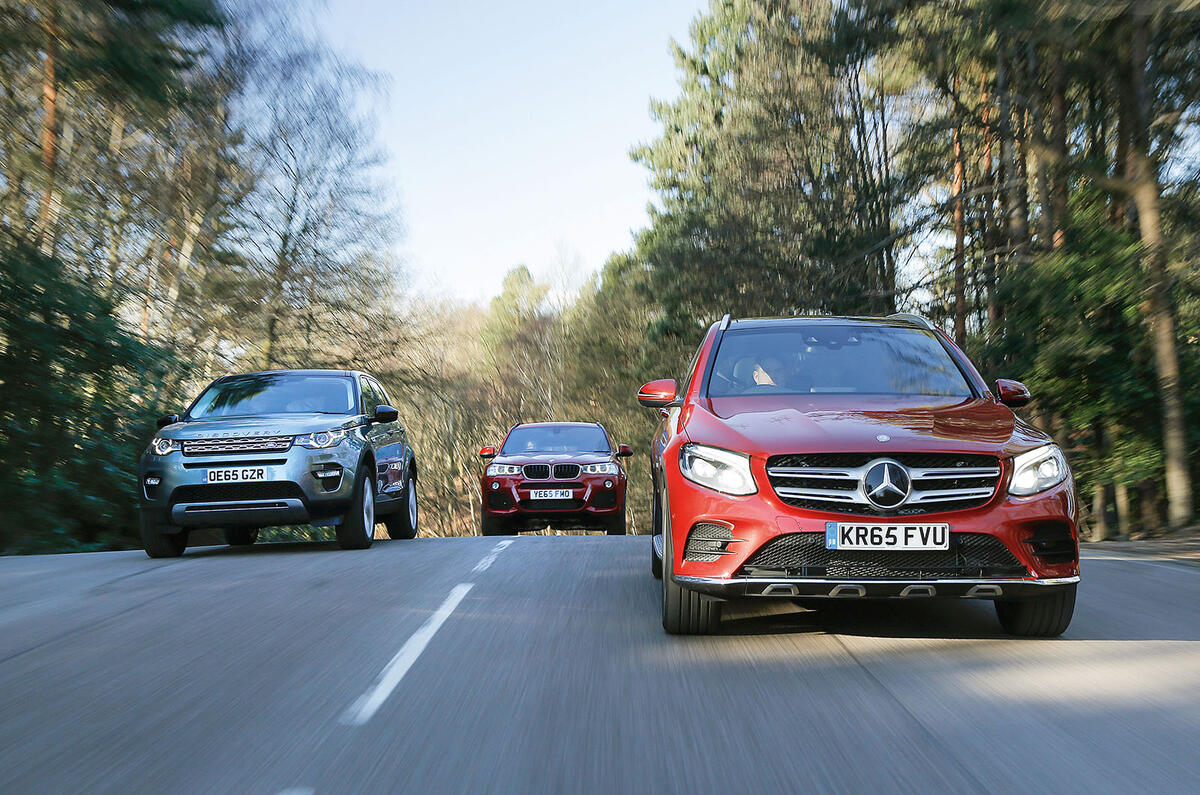
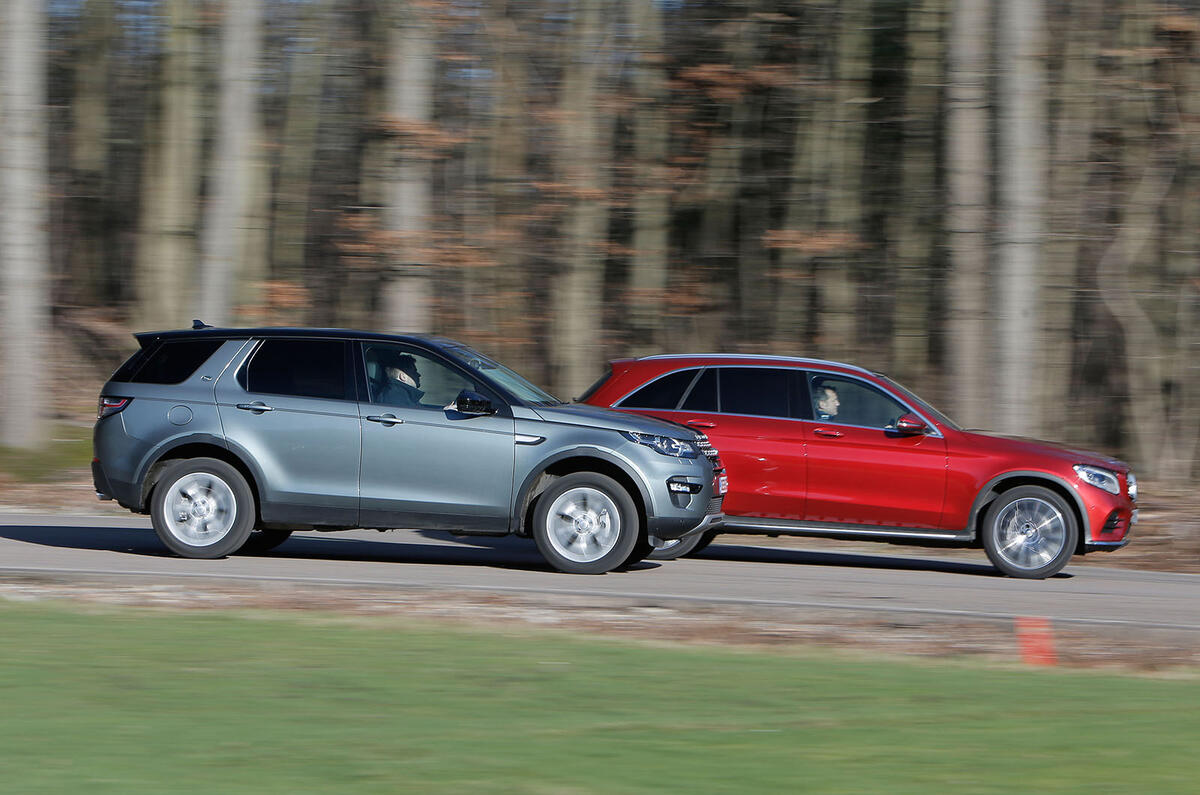
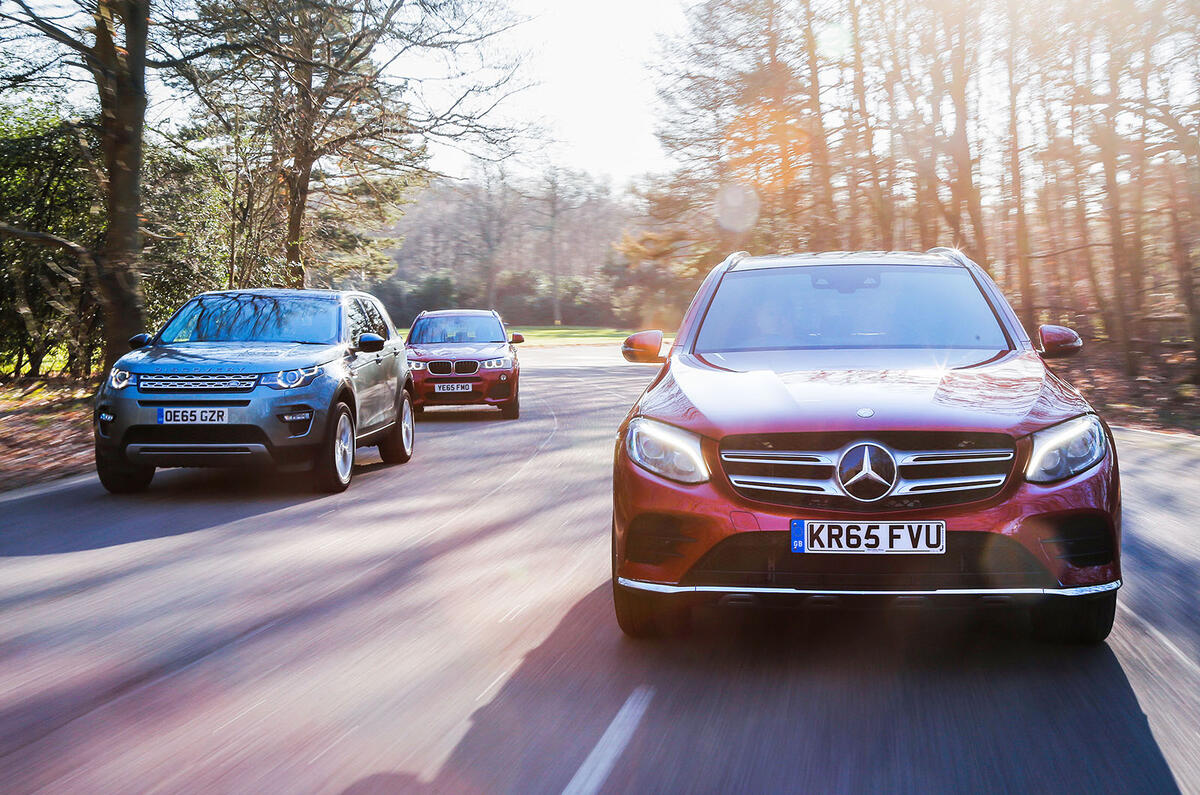
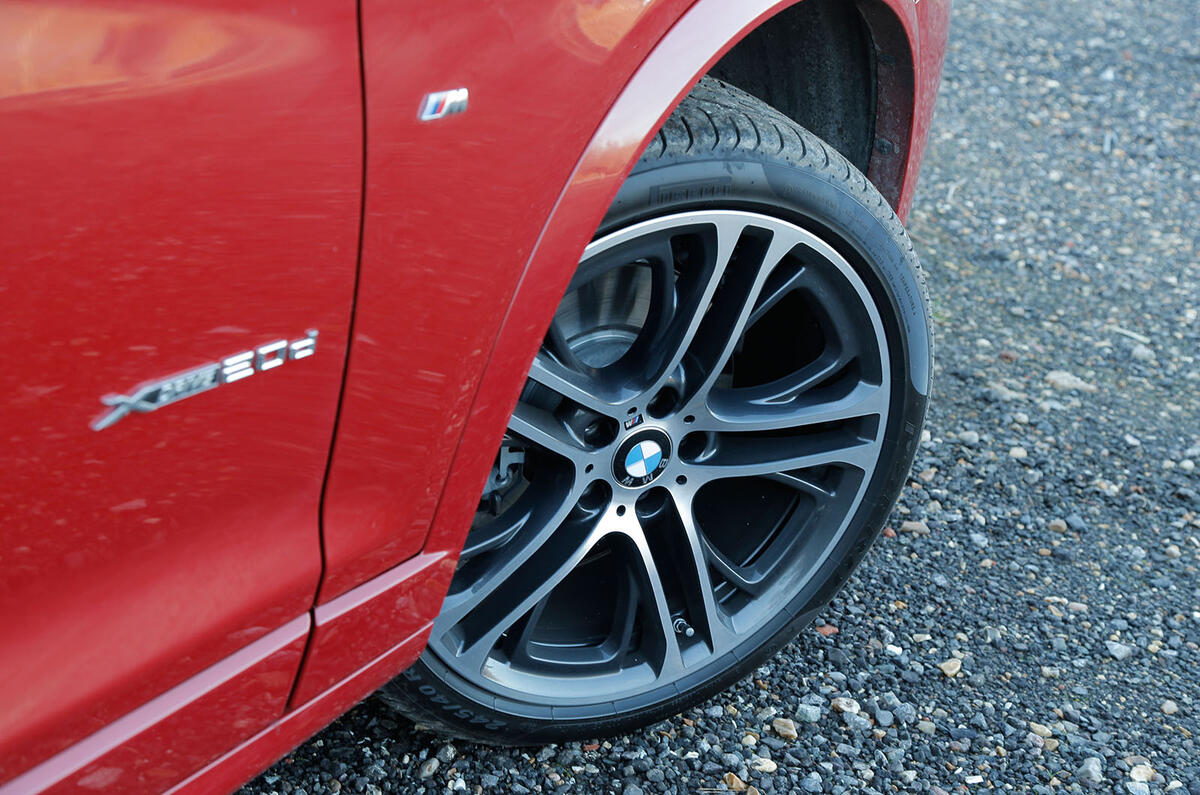
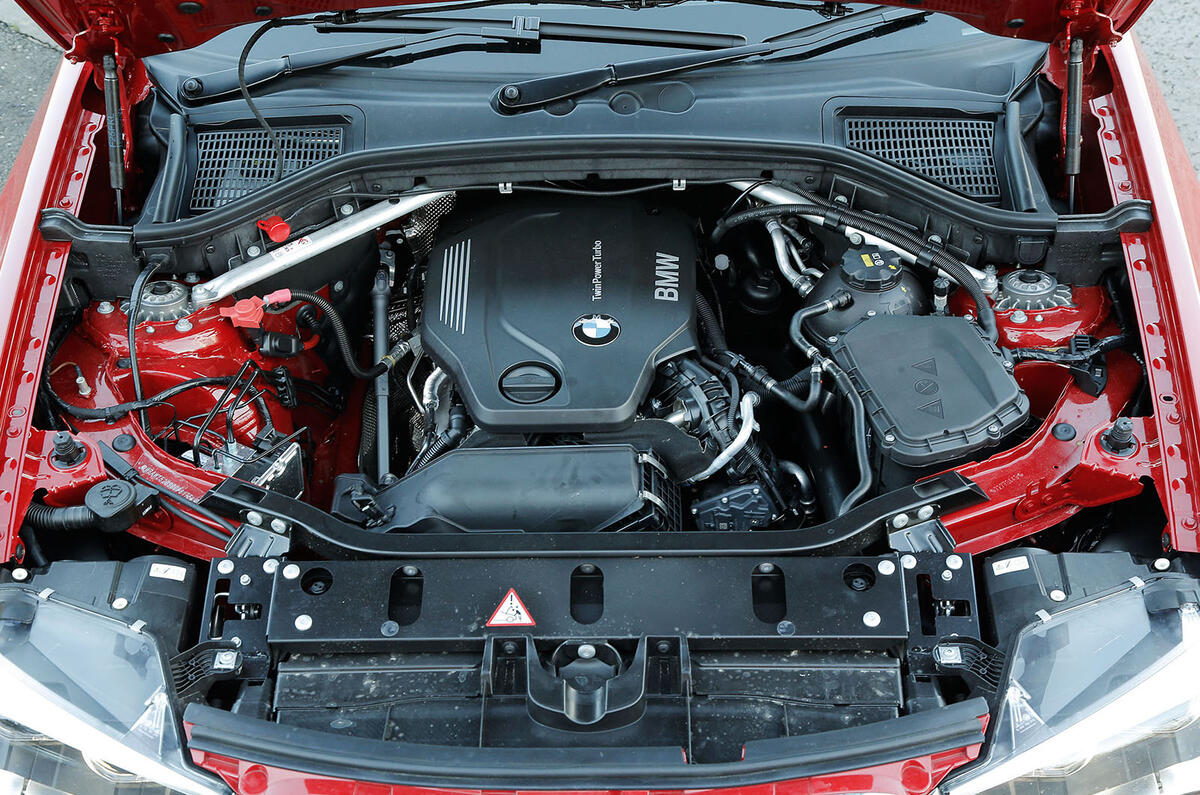
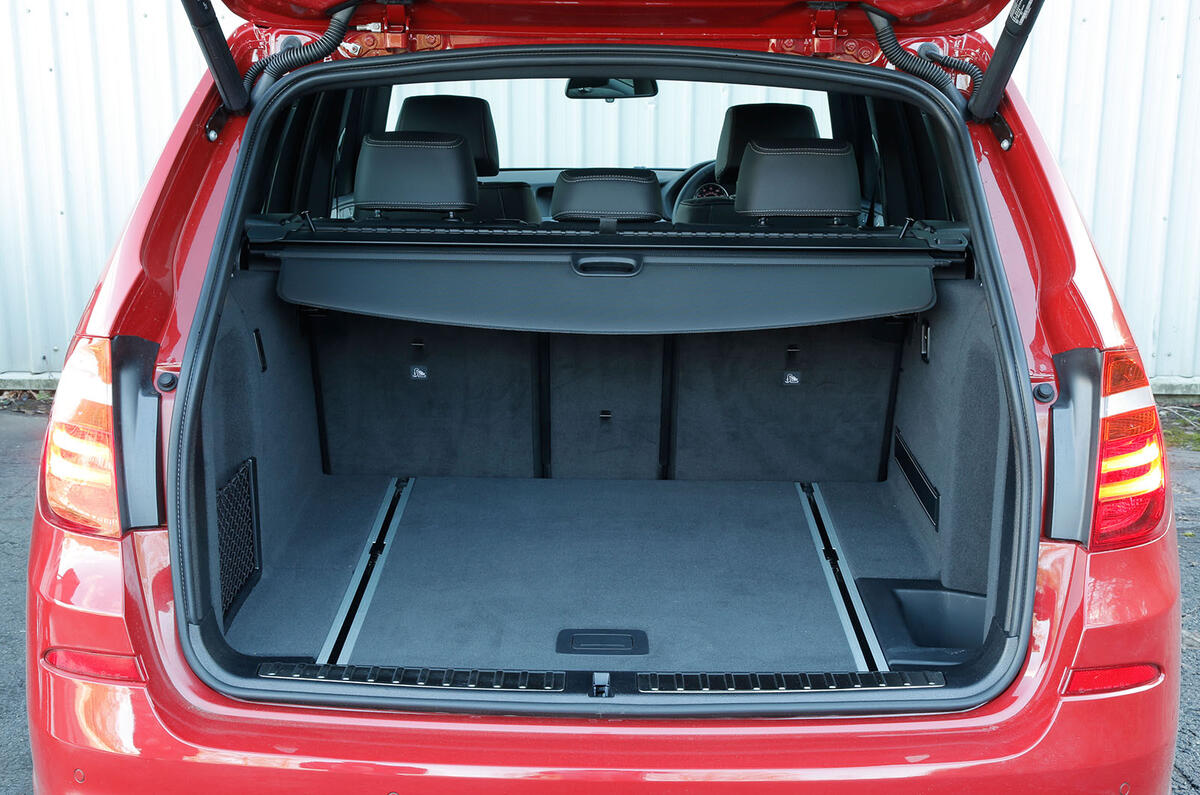
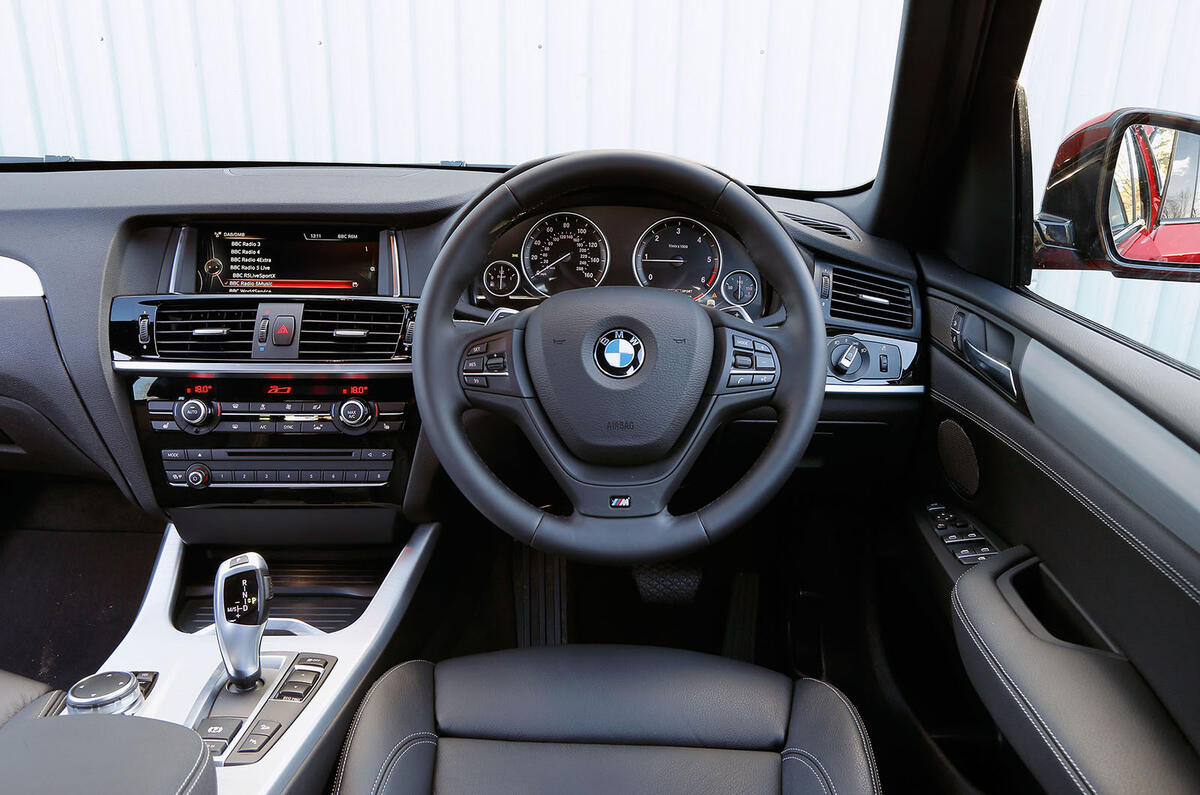
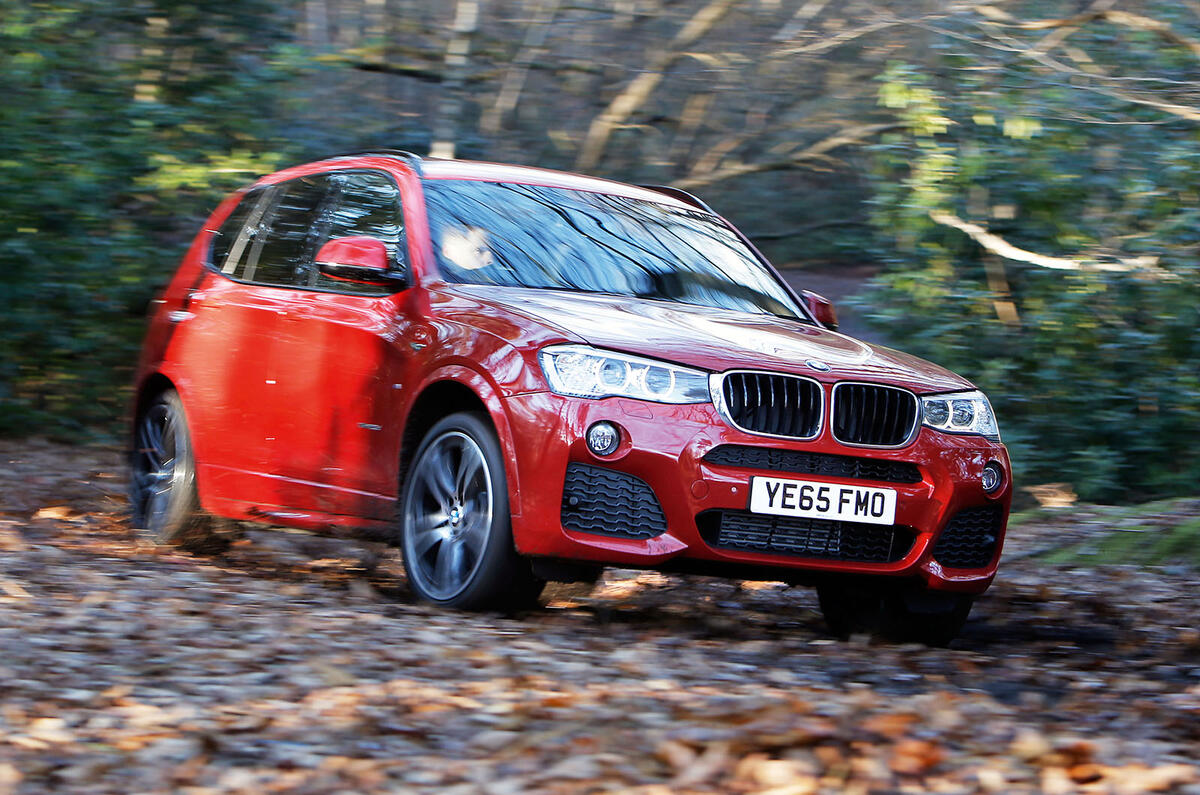
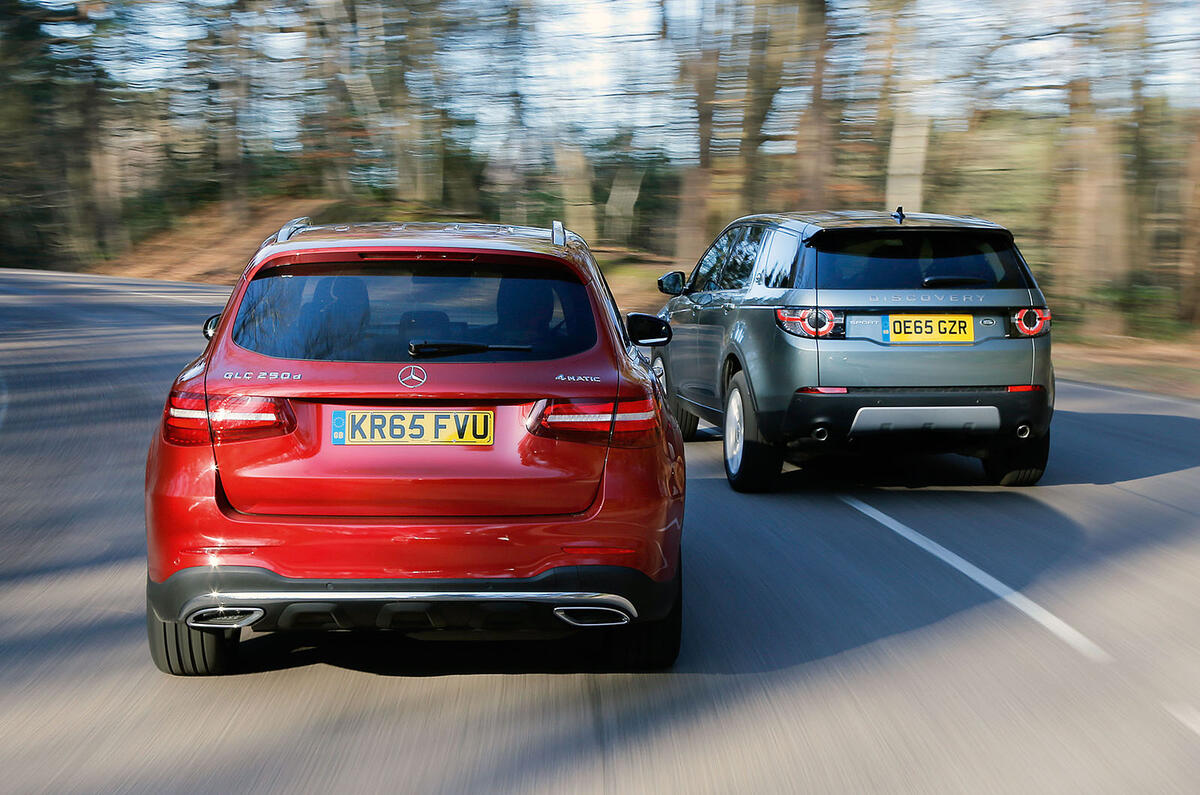
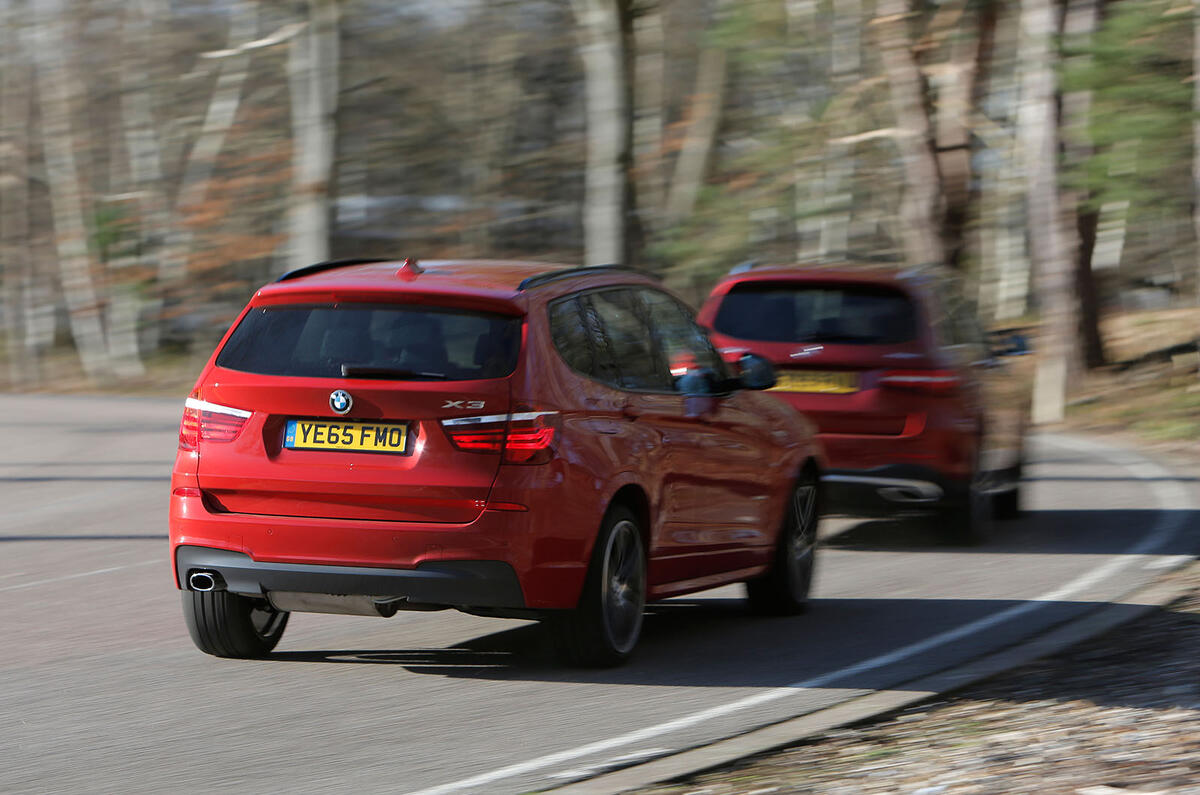
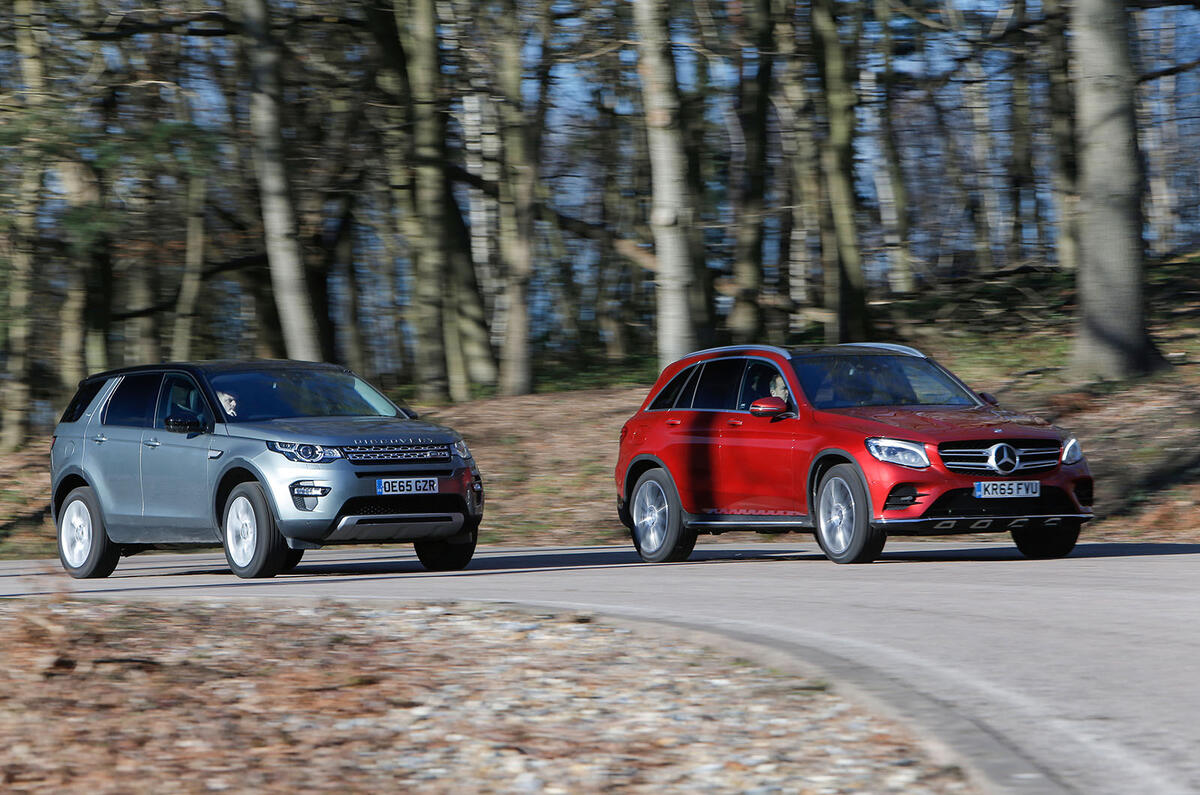
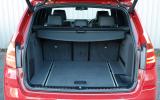
At any rate, the GLC can be concisely and immediately related to people by simply explaining that this is Mercedes’ answer to the BMW X3. Mercedes makes no bones about the identity of its direct rival, and with the highly popular BMW now middle-aged in its life cycle, this is as good a time as any to introduce a premium alternative to Munich’s fattened 3 Series.
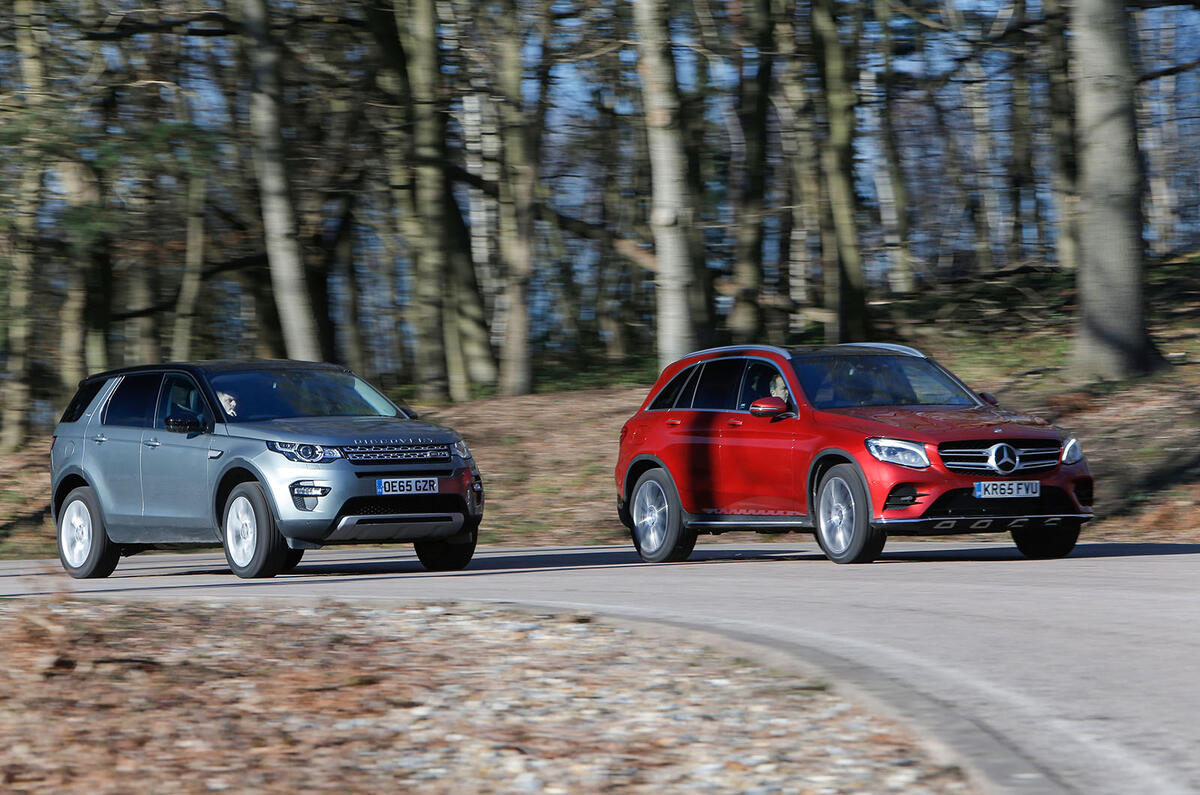
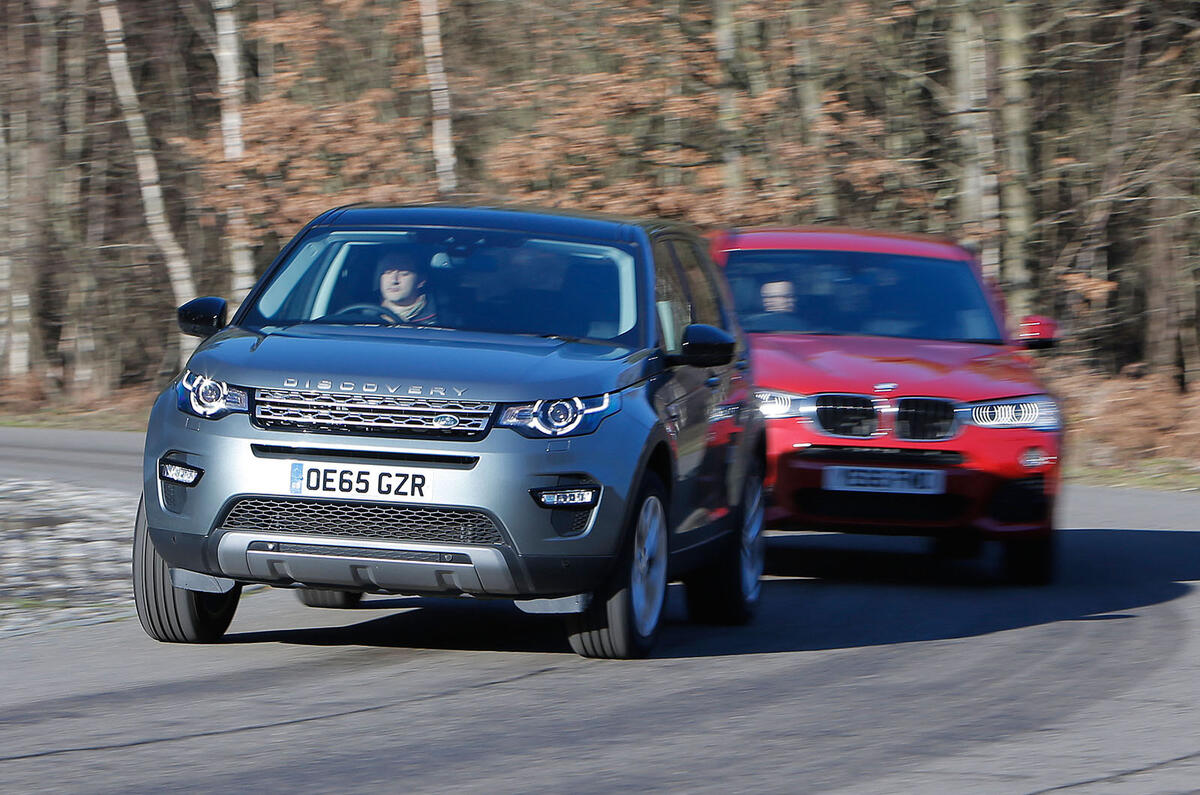
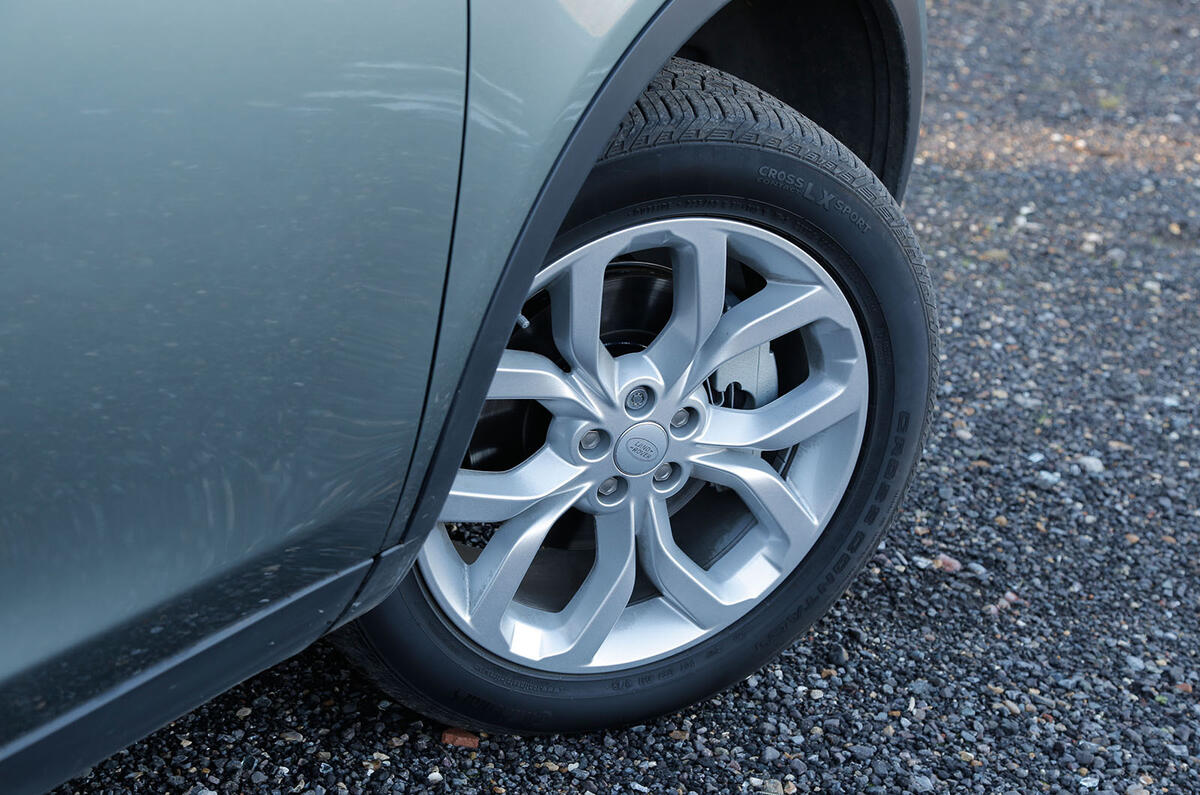
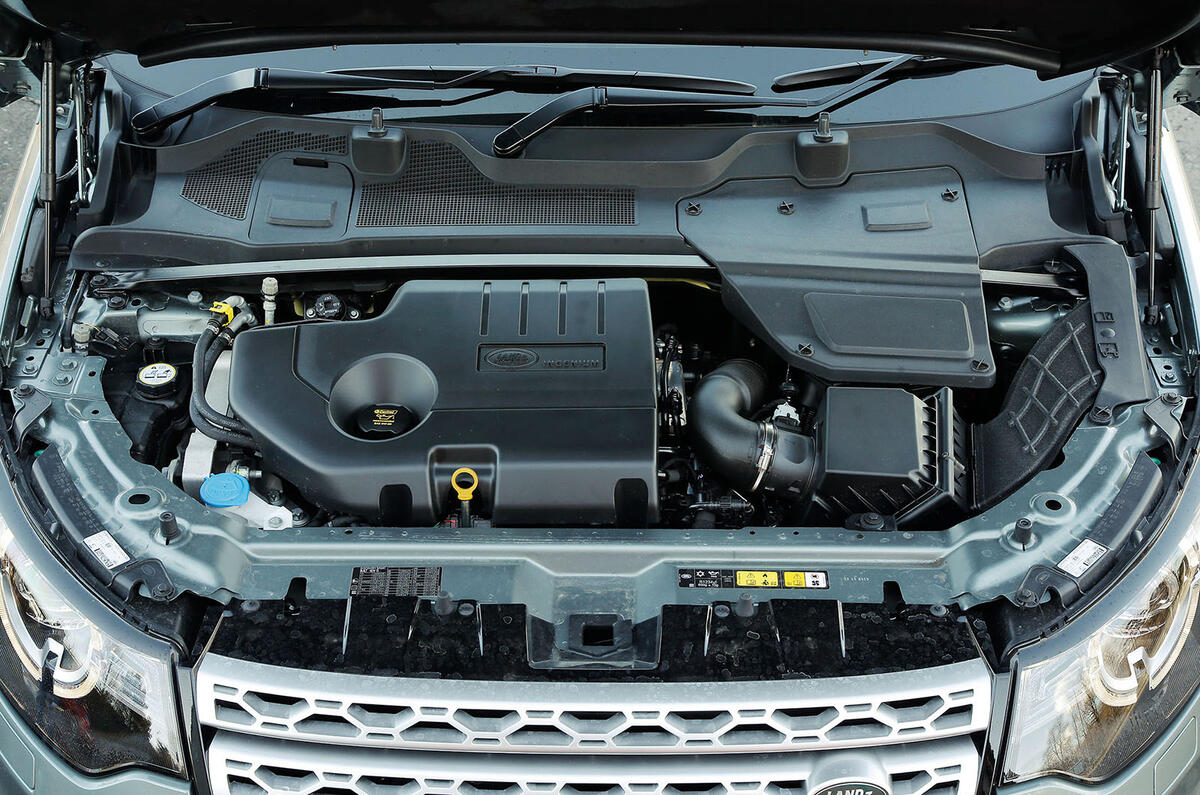
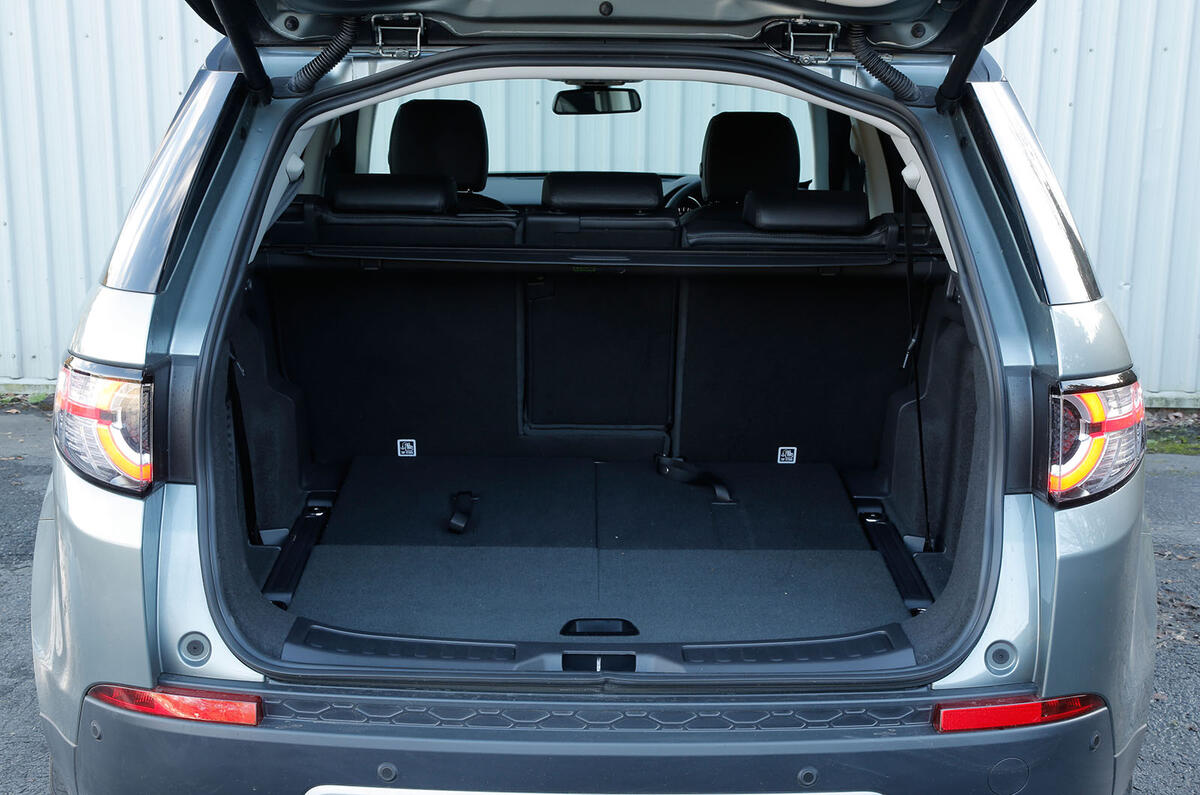
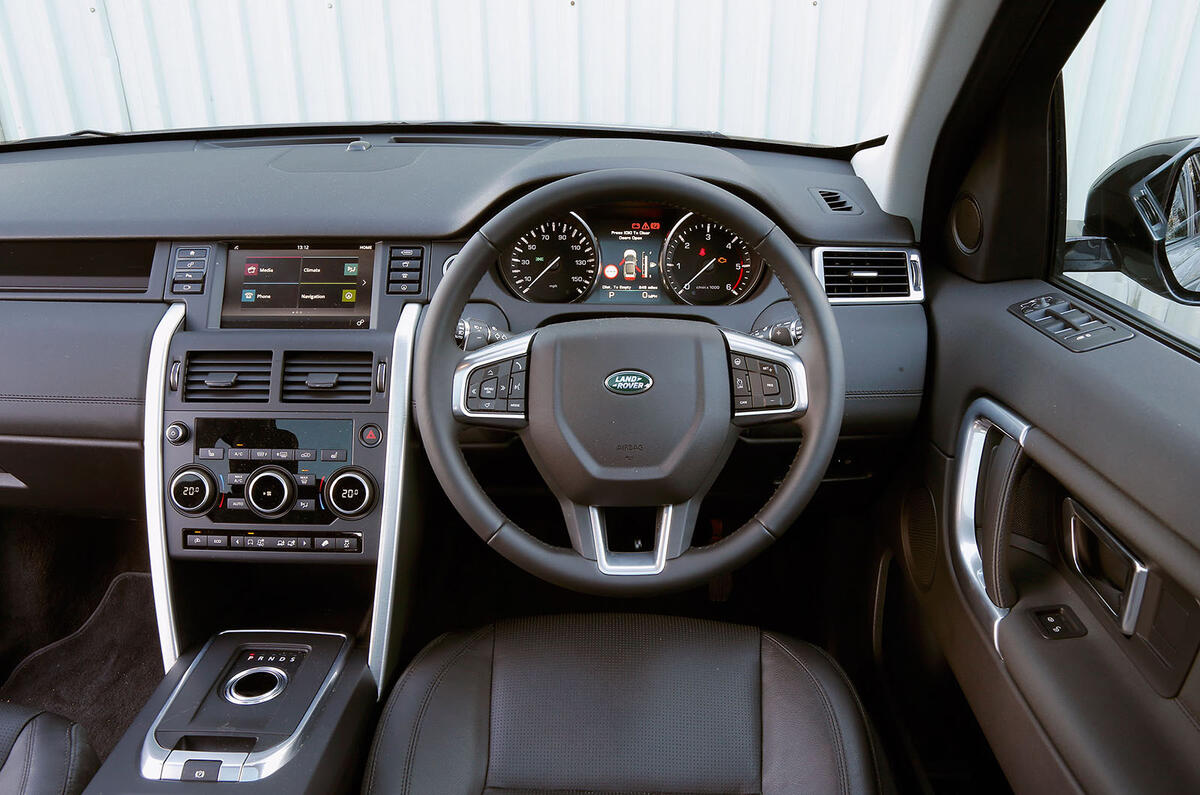
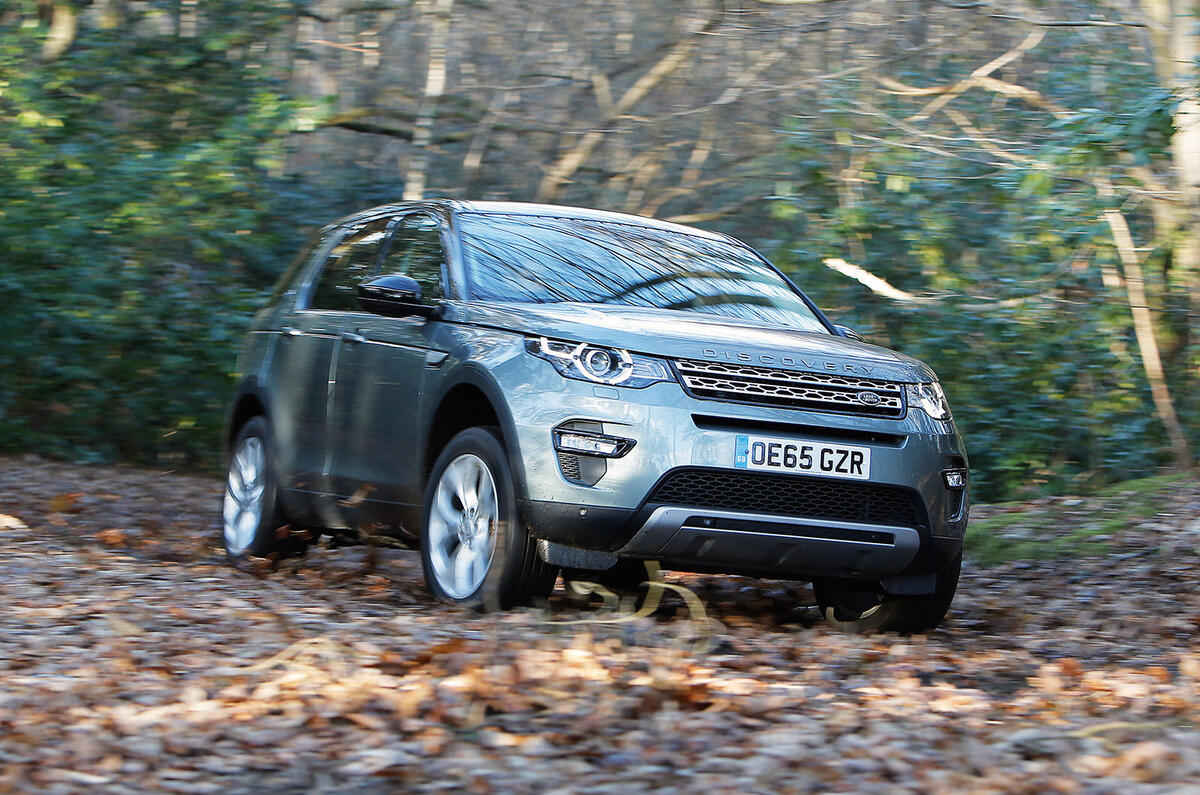
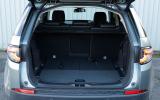
The grit in the oyster shell of Mercedes’ plan comes in the form of the Land Rover Discovery Sport. Although based on the LR-MS platform (which means there’s still some residual Ford in the heritage), the Discovery Sport isn’t beholden to a saloon car – and so it’s alone in this group in exuding the seriousness and visual heft of a ‘proper’ SUV. It is also the only one of the three to provide seating for seven, an advantage it’s possible to overstate but an attractive no-cost benefit nonetheless.