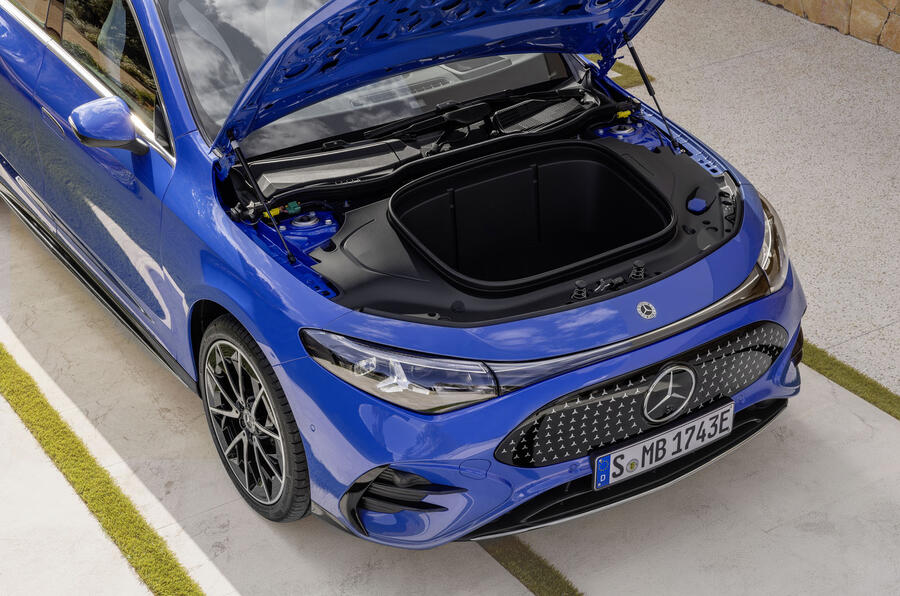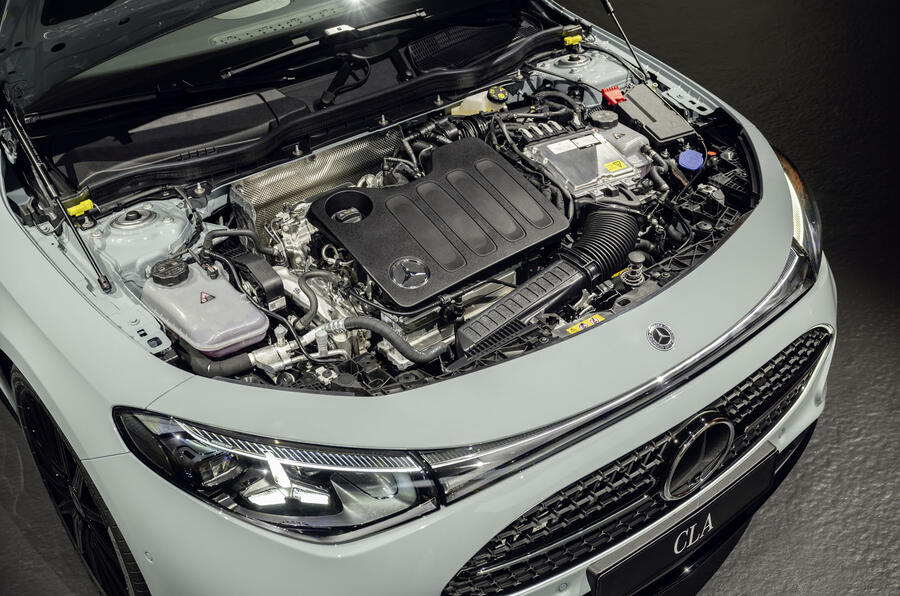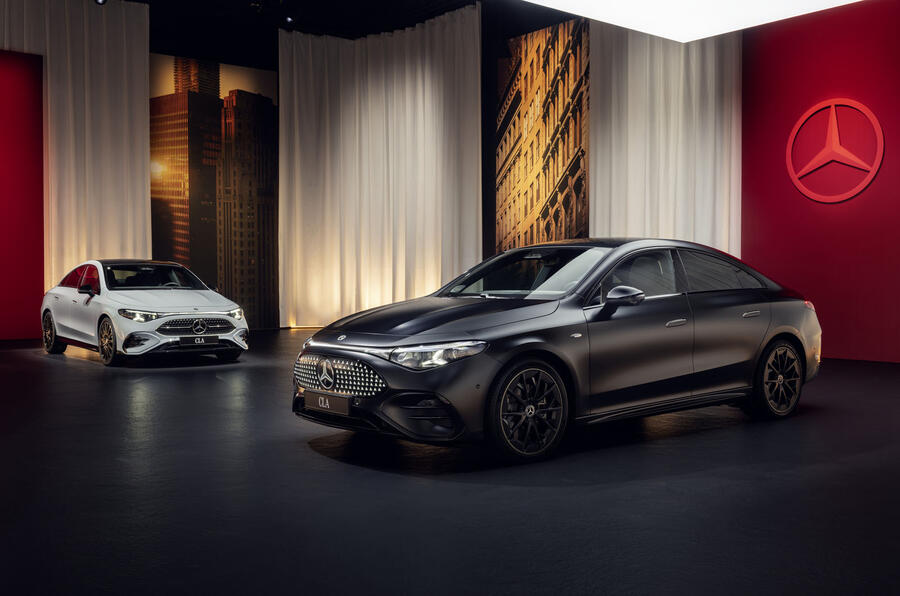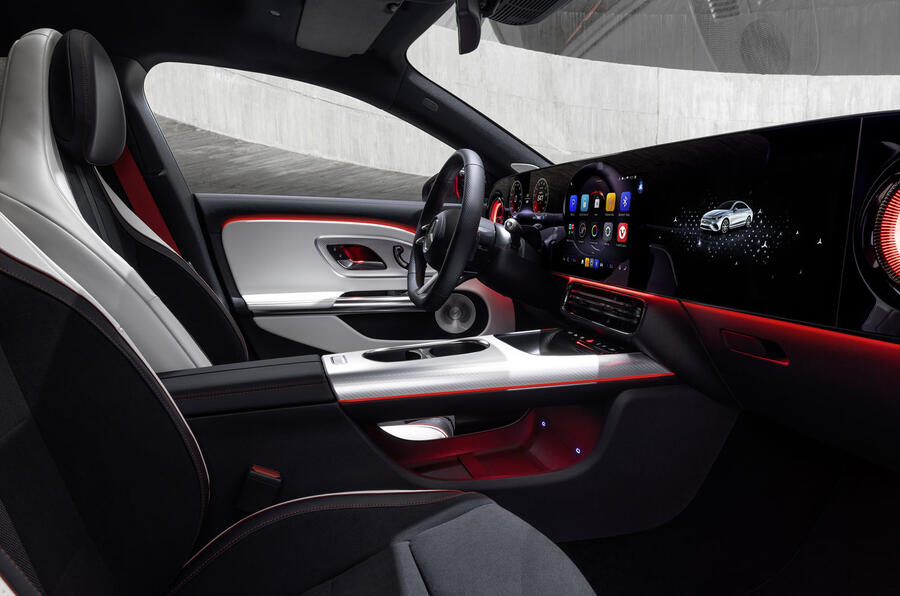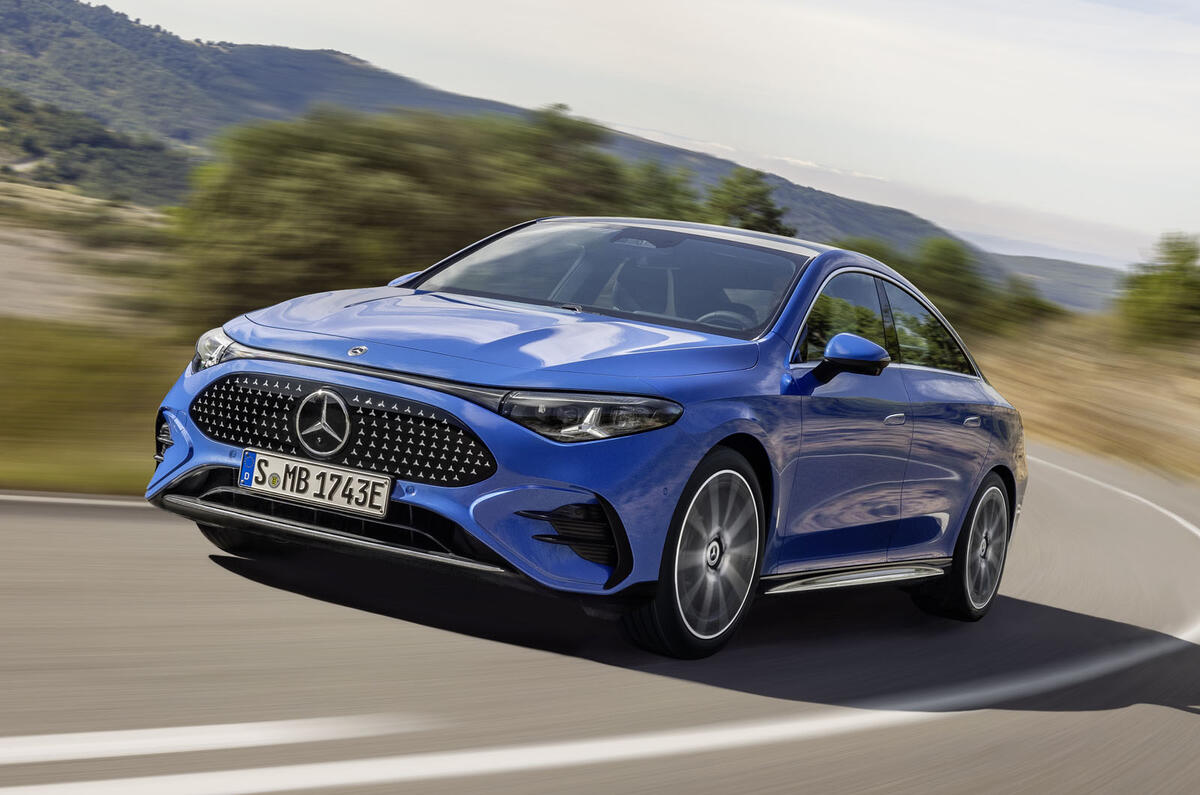
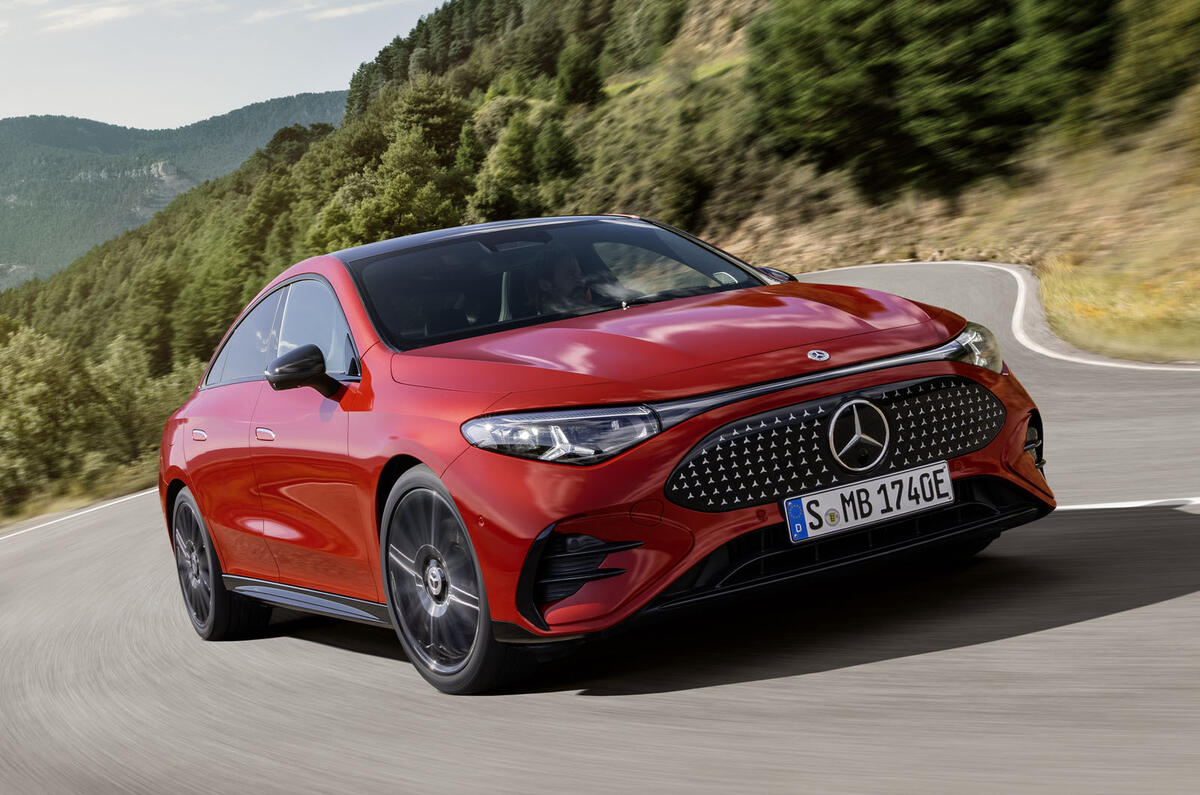
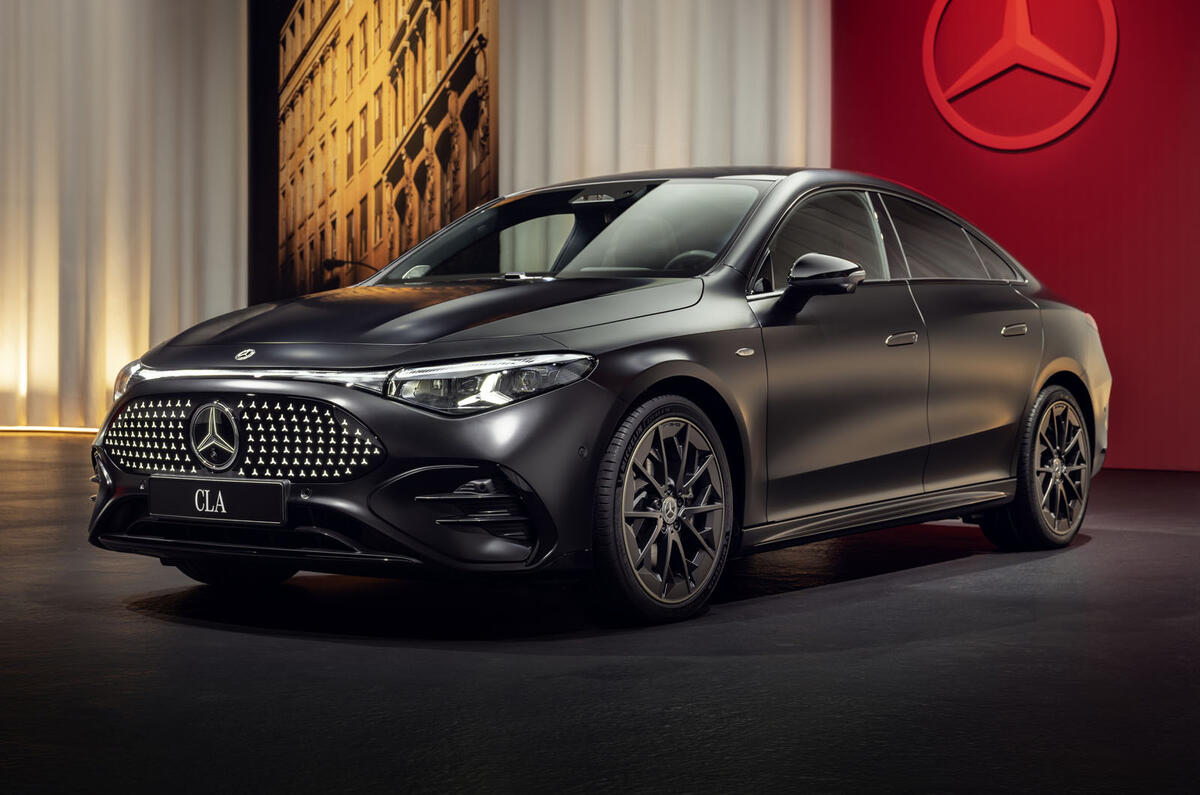
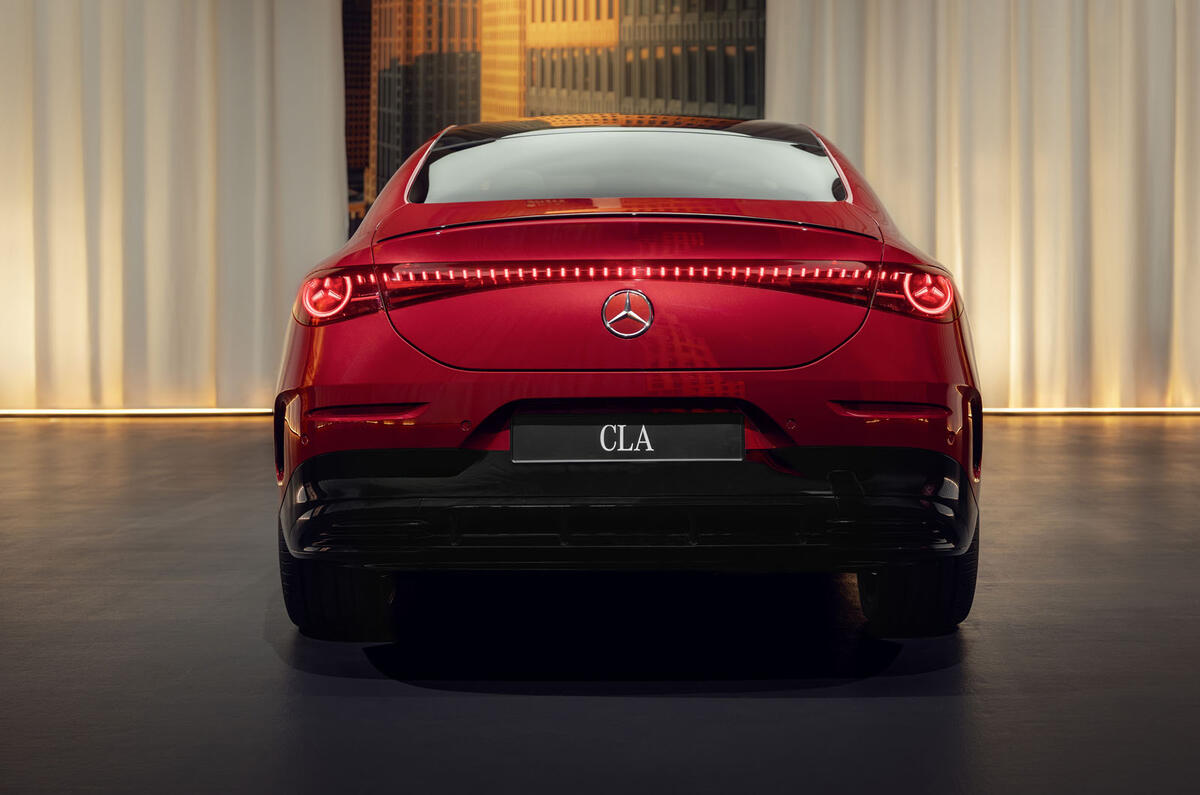
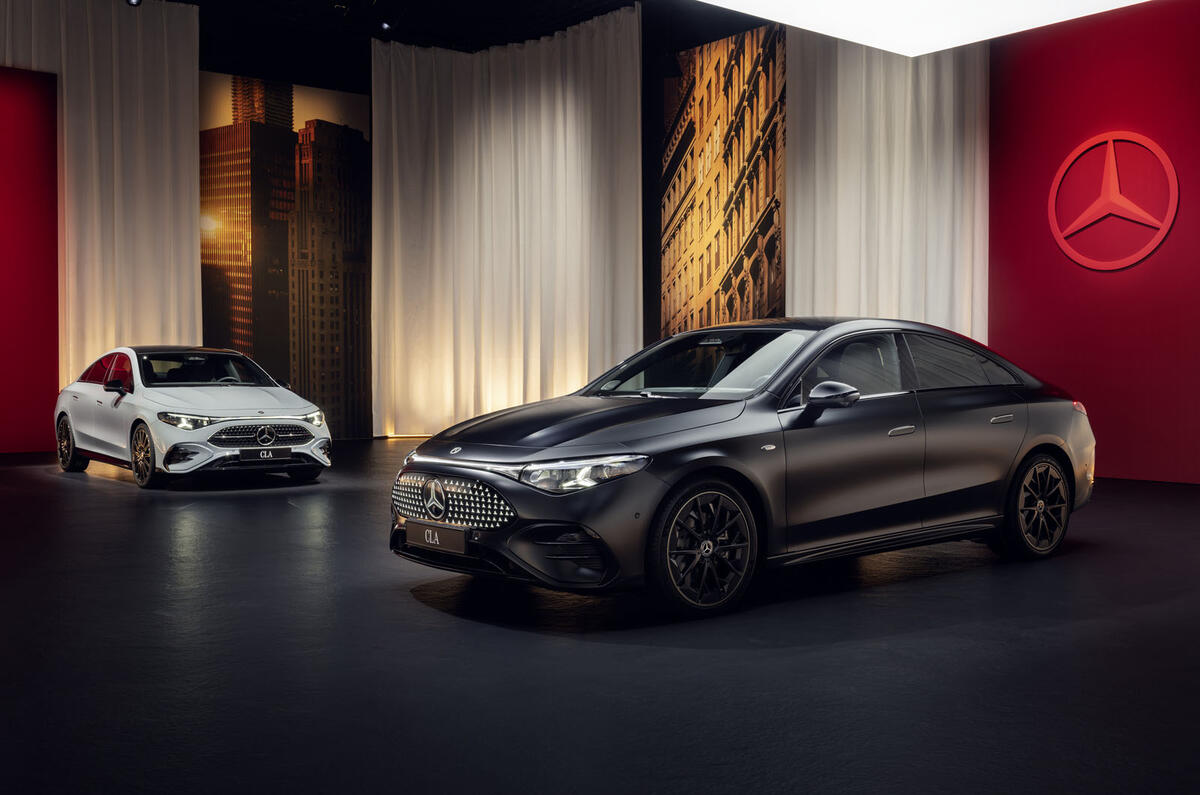






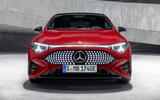
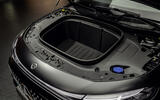
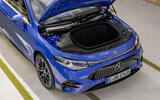



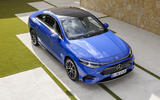


The new Mercedes-Benz CLA saloon, Europe’s longest-range and most efficient electric car, has gone on sale priced from £45,615.
With deliveries to start this summer, the entry-level CLA 250+ with EQ Technology will be capable of driving up to 484 miles between charges, Mercedes claims, and will still manage some 420 miles if driven exclusively at motorway speeds.
These figures mean the CLA EQ leapfrogs all other EVs available in the UK. That includes Mercedes’s own flagship EQS 450+ saloon, which manages 481 miles per charge from a 118kWh battery.
That car costs a whopping £112,610 – some £65,000 more than the CLA EQ’s opening price. The rest of the CLA EQ's range is priced at £49,3751 for the AMG Line Edition and £51,7701 for the top-spec AMG Line Premium Edition.
The remarkable range figure is thanks to Mercedes’ efforts to minimise the CLA EQ’s energy consumption: it has a nickel-managanese-cobalt (NMC) battery of just 85kWh in capacity.
This means the CLA EQ achieves an efficiency figure north of 5.0mpkWh – which many manufacturers consider the key to taking EVs to the next level.
However, while it promises an impressive range figure, the CLA is unable to use any 400V DC charger - a common standard across the UK and Europe, meaning owners will be limited to using newer public charging stations.
PUNCHY BUT FRUGAL
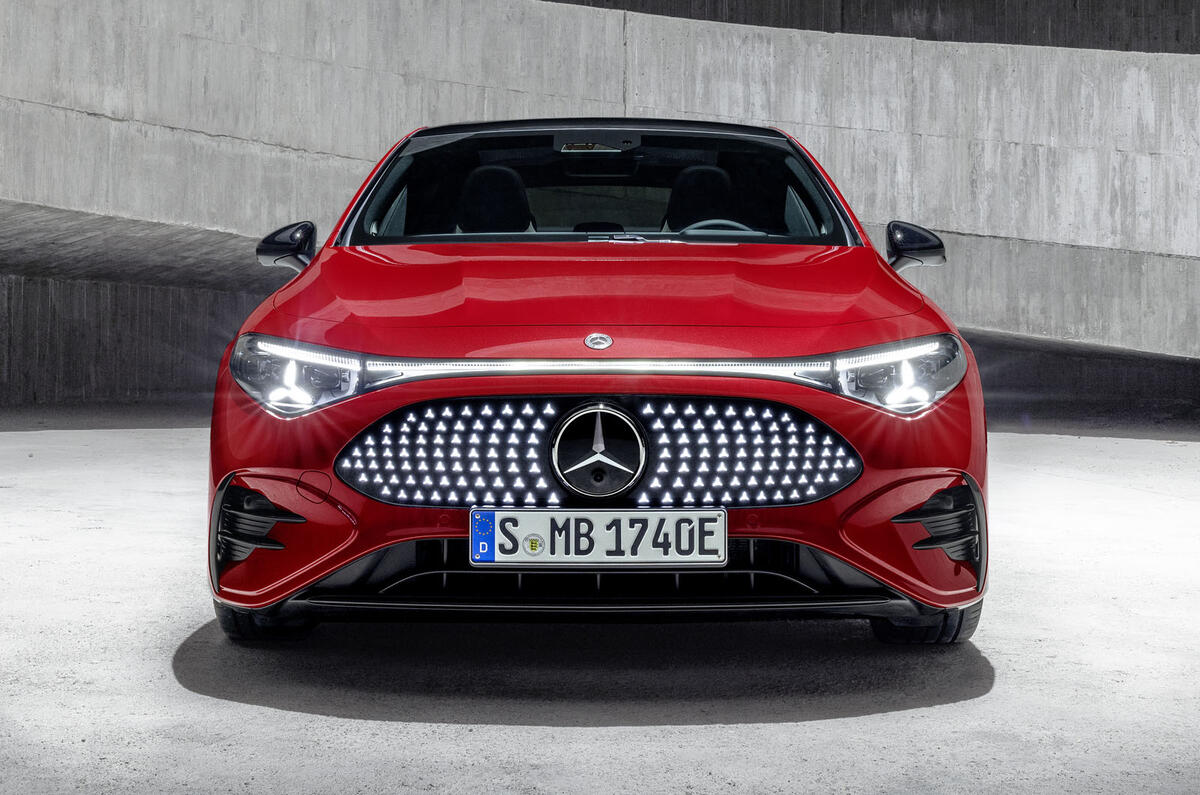
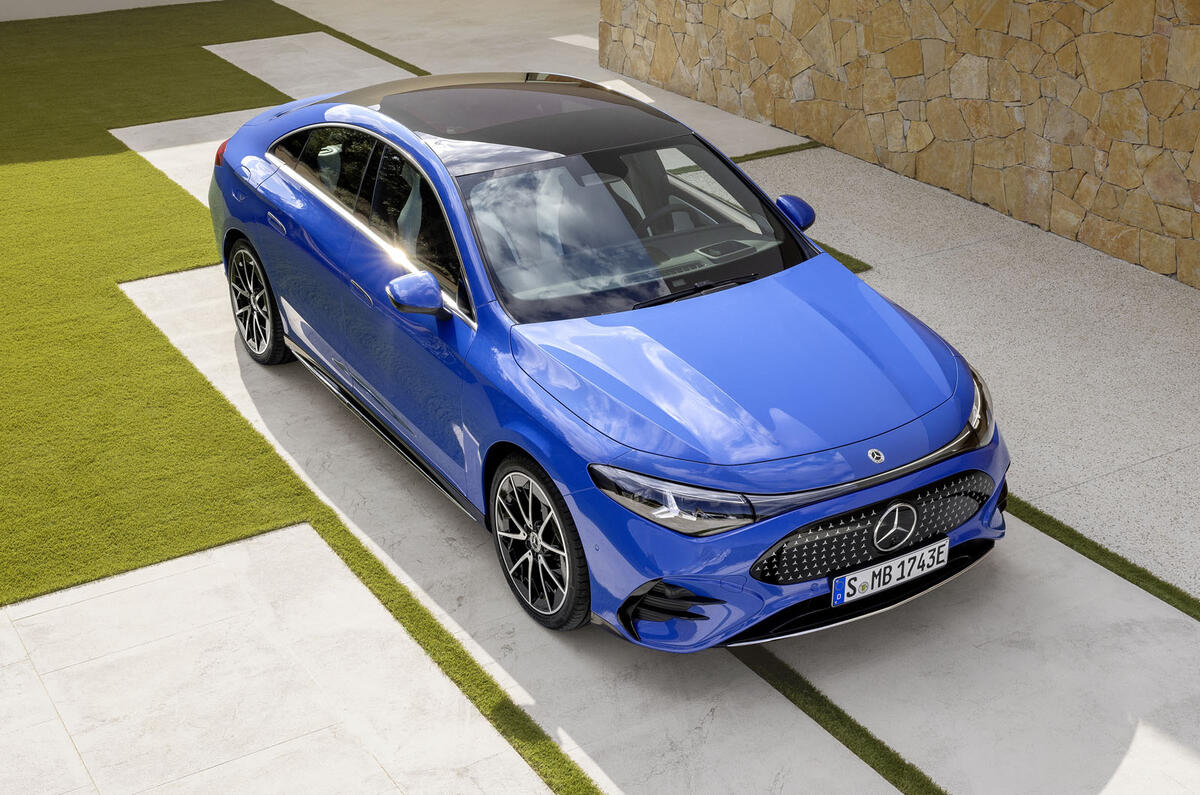
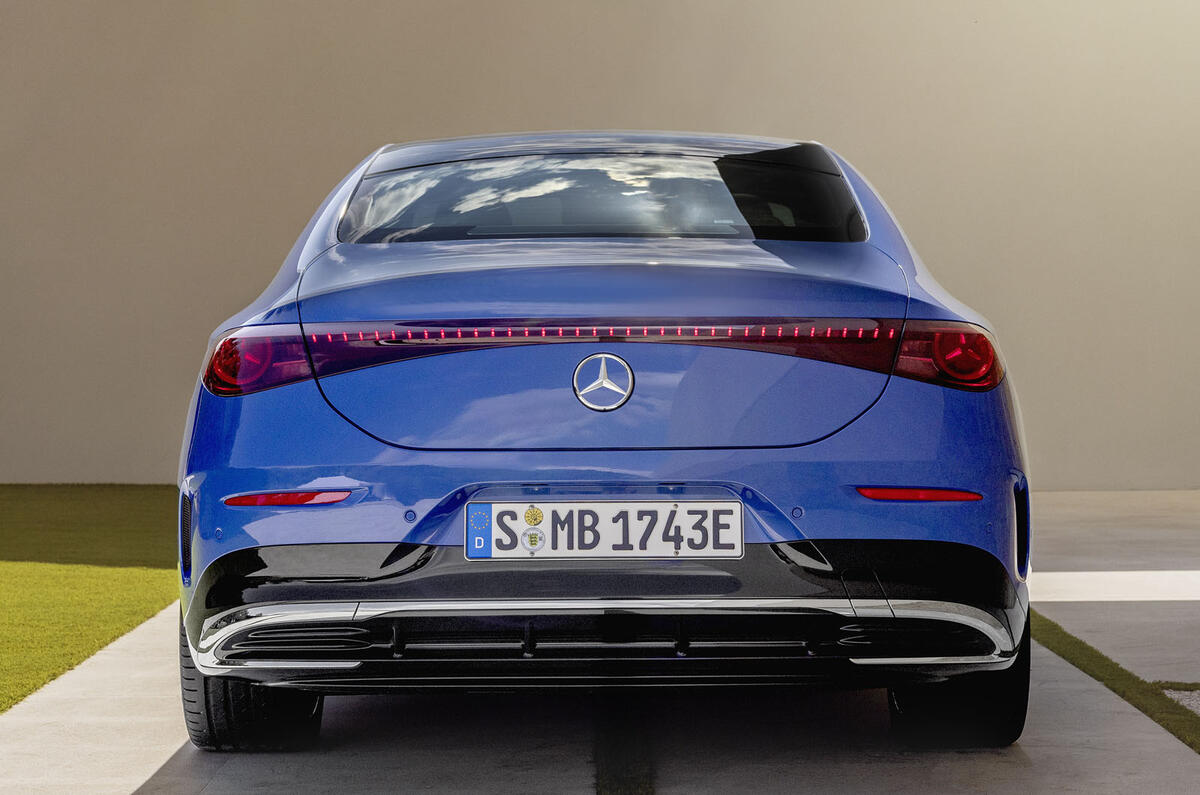
The CLA EV’s impressive range figure is in no small part thanks to its aerodynamic design. Although the car is larger than its predecessor in every dimension (25mm wider, 25mm taller and 30mm longer), much work went into minimising its frontal area, and smoothing the flow of air around it.
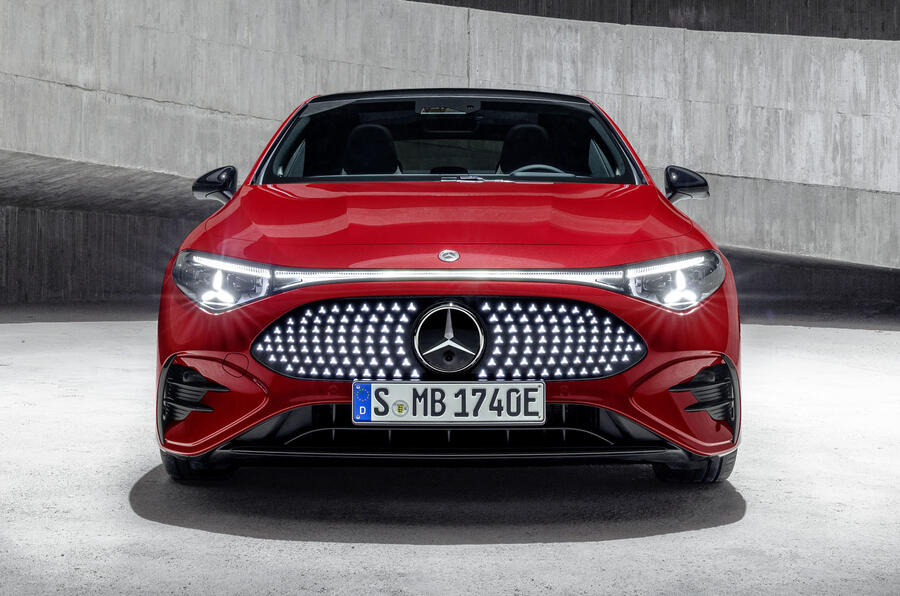
For example, the wheels are set further in-board of the arches than its predecessor. Small inlets on the front bumper (and corresponding outlets at the rear) guide the flow of air around each corner, relatively undisturbed by the alloy wheels’ flush-faced designs.
The efforts net a slippery drag coefficient (Cd) of 0.21, just behind that of the EQS (0.20) and ahead that of the Tesla Model 3 (0.22).
The CLA EV’s new rear-mounted permanent magnet motor is also significant to its efficiency. It uses a new silicon-carbide inverter that brings greater output in a smaller package, reducing weight, while the engineers claim its torque density is boosted by the magnets being inserted in a double-V formation, concentrating their field.